






Gurung's Resignation and Its Impact
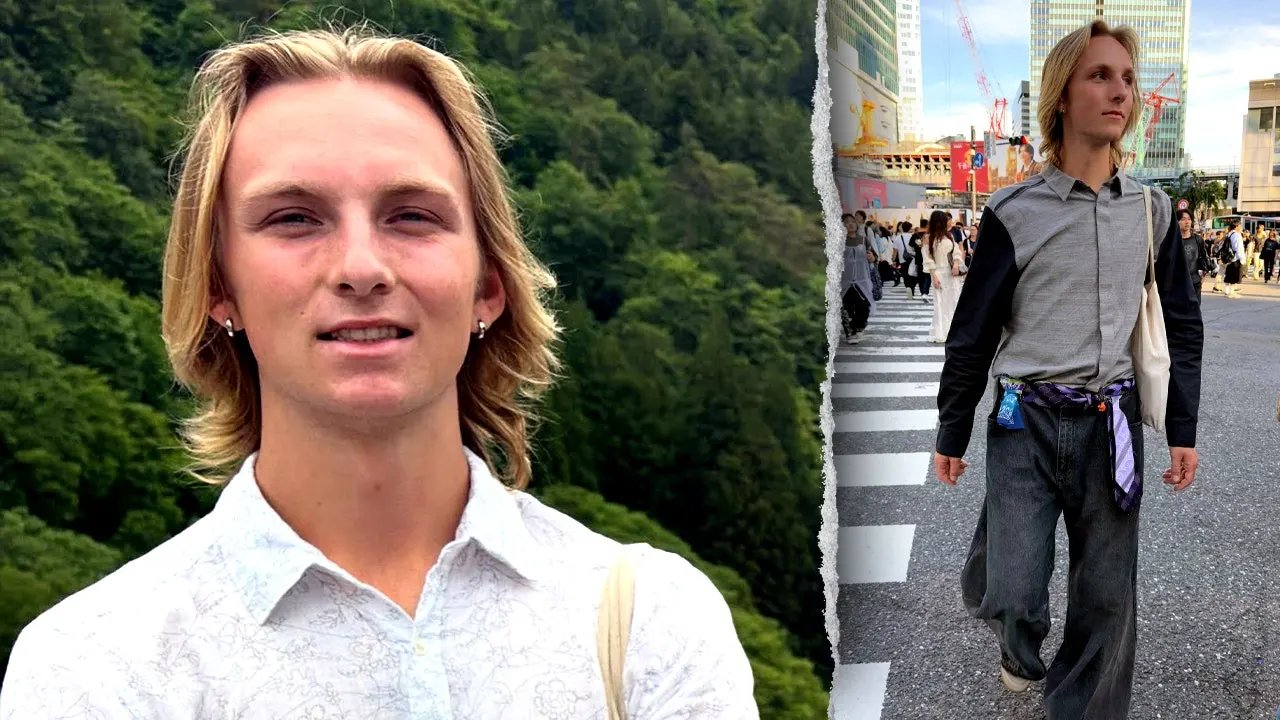
Sudan Gurung resigned as Nepal's Minister of Home Affairs on Wednesday, citing the need for a fair investigation into his financial affairs. Gurung, who played a central role in the Gen Z protests that toppled the previous government, said he was stepping down to avoid any conflict of interest related to his stock market investments and other issues. This decision affects ordinary Nepalis by potentially weakening the new government's anti-corruption promises, as public trust in leaders directly influences daily life and economic stability.
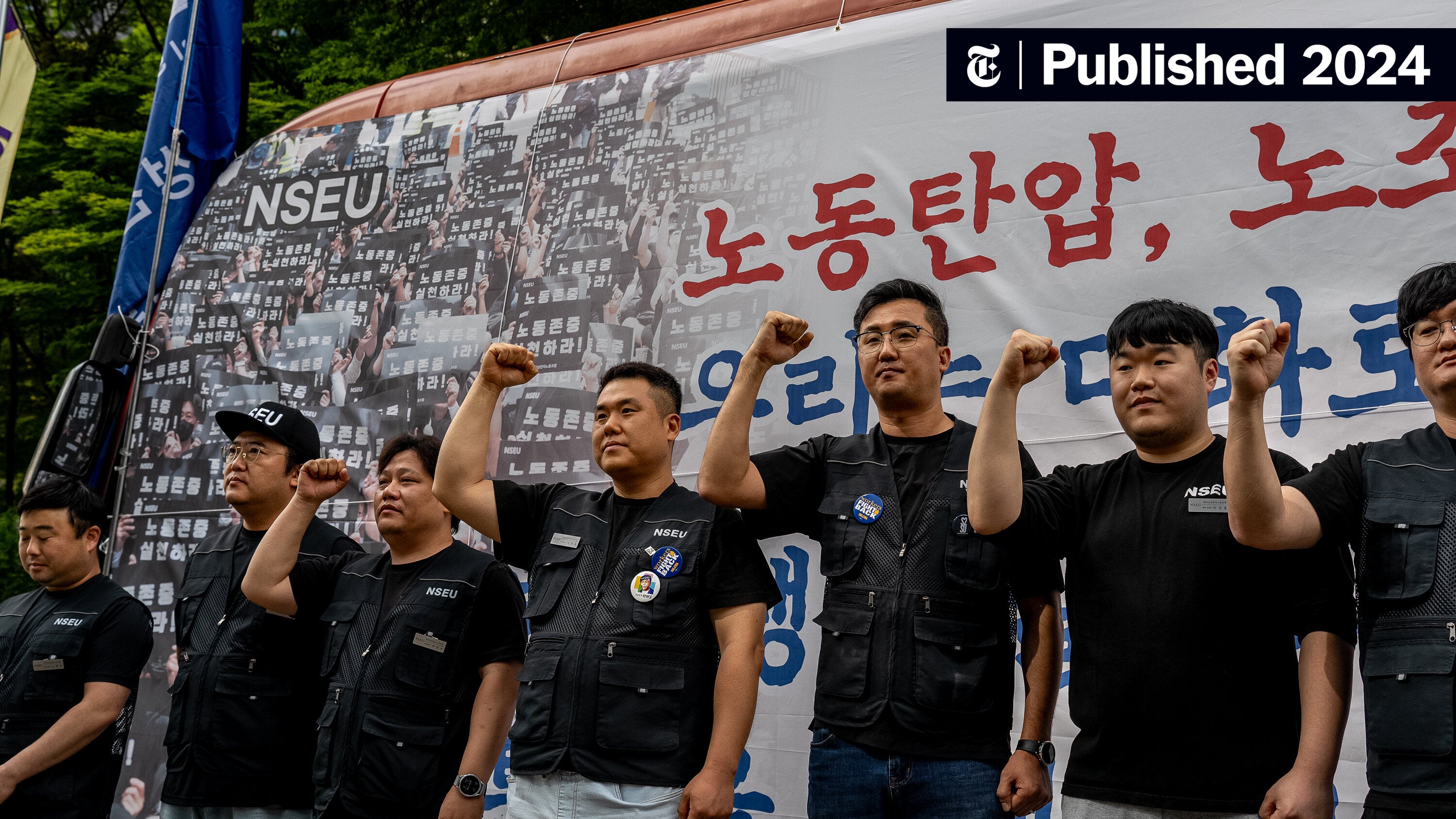
Gurung emphasized in his Facebook statement that "morality is greater than office, and there is no greater power than public trust," highlighting his role in the protests that demanded good governance. At 38 years old, Gurung had ordered the arrests of former Prime Minister KP Sharma Oli and ex-interior minister Ramesh Lehkak for their part in a security crackdown that caused 46 deaths. His exit means Prime Minister Balendra Shah must now manage the home ministry, potentially delaying reforms that could protect citizens from corruption-related abuses.
The New Government's Early Setbacks
Prime Minister Balendra Shah's administration, formed after his party won 182 of 275 seats in last month's parliamentary election, has faced its second ministerial loss in weeks. Shah, a 35-year-old former rapper and Kathmandu mayor, built his campaign on anti-corruption reforms and youth-led demands for transparency. This rapid turnover disrupts the government's agenda, as it could lead to slower implementation of policies that safeguard public funds and services.
Earlier this month, Shah dismissed labor minister Dipak Kumar Sah for misusing his position to appoint his wife to a health insurance board role. Gurung's resignation, linked to scrutiny over his wealth disclosures and alleged business ties, underscores the challenges in maintaining the clean governance platform that voters endorsed. For Nepalis, these developments mean potential delays in addressing corruption, which could affect access to jobs and fair resource distribution in the country.
Scrutiny Over Gurung's Business Links
Gurung faced questions about his connections to a businessman under a money-laundering investigation, as reported in recent disclosures. The Times of India noted that this scrutiny marked a significant early test for Shah's government, which promised to tackle such issues head-on. These revelations could influence how the public views anti-corruption efforts, as unresolved financial probes might erode confidence in officials handling law enforcement.
In his statement, Gurung referenced the Gen Z movement's emphasis on accountability, tying his decision to broader demands for ethical leadership. This situation highlights the pressure on new officials to uphold standards, potentially leading to more resignations if similar issues arise. For citizens, the outcome of investigations into figures like Gurung could determine whether anti-corruption measures truly improve safety and economic opportunities in Nepal.
Consequences for Governance and Protests
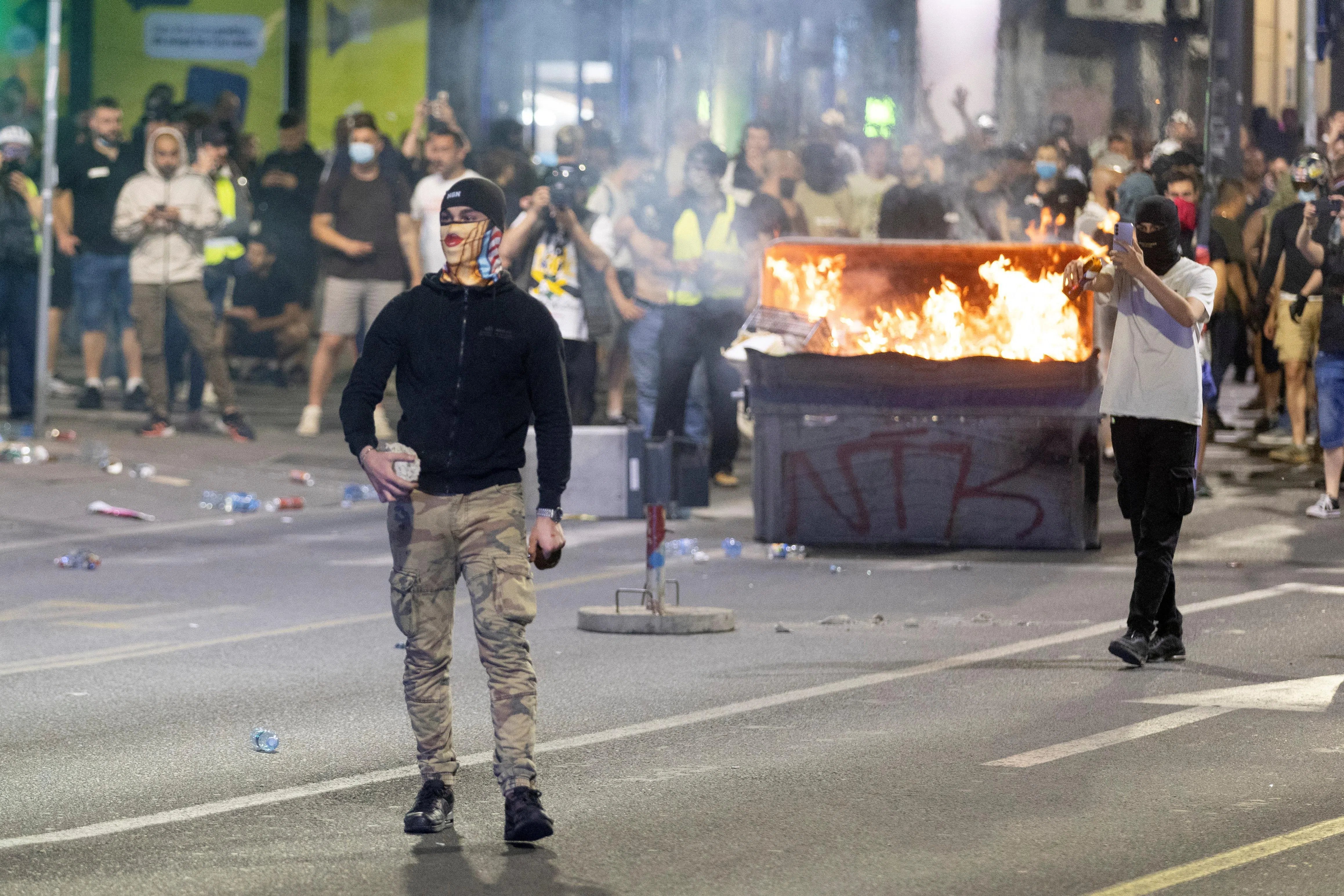
The Gen Z protests, in which Gurung was a key figure, had already resulted in 46 deaths during clashes with security forces, as detailed in official accounts. Shah's Rastriya Swatantra Party, only three years old, rode this wave to victory, focusing on controlling corruption and promoting transparency. These events signal that the government's stability is fragile, which might prompt citizens to demand faster reforms to protect their rights and livelihoods.
An aide to Shah, Dipa Dahal, confirmed that Gurung submitted his resignation directly to the prime minister, who will oversee the ministry temporarily. This change could shift focus from protest-driven reforms to internal stability, affecting how Nepal addresses ongoing governance challenges. Ultimately, the handling of these resignations may shape public participation in future movements, influencing the everyday security and trust of Nepalis in their leaders.


































































































































































































































The sources also report that Gurung stated his resignation was to ensure an impartial investigation and avoid any conflict of interest regarding his financial affairs.