




Escalating attacks disrupt Middle East stability
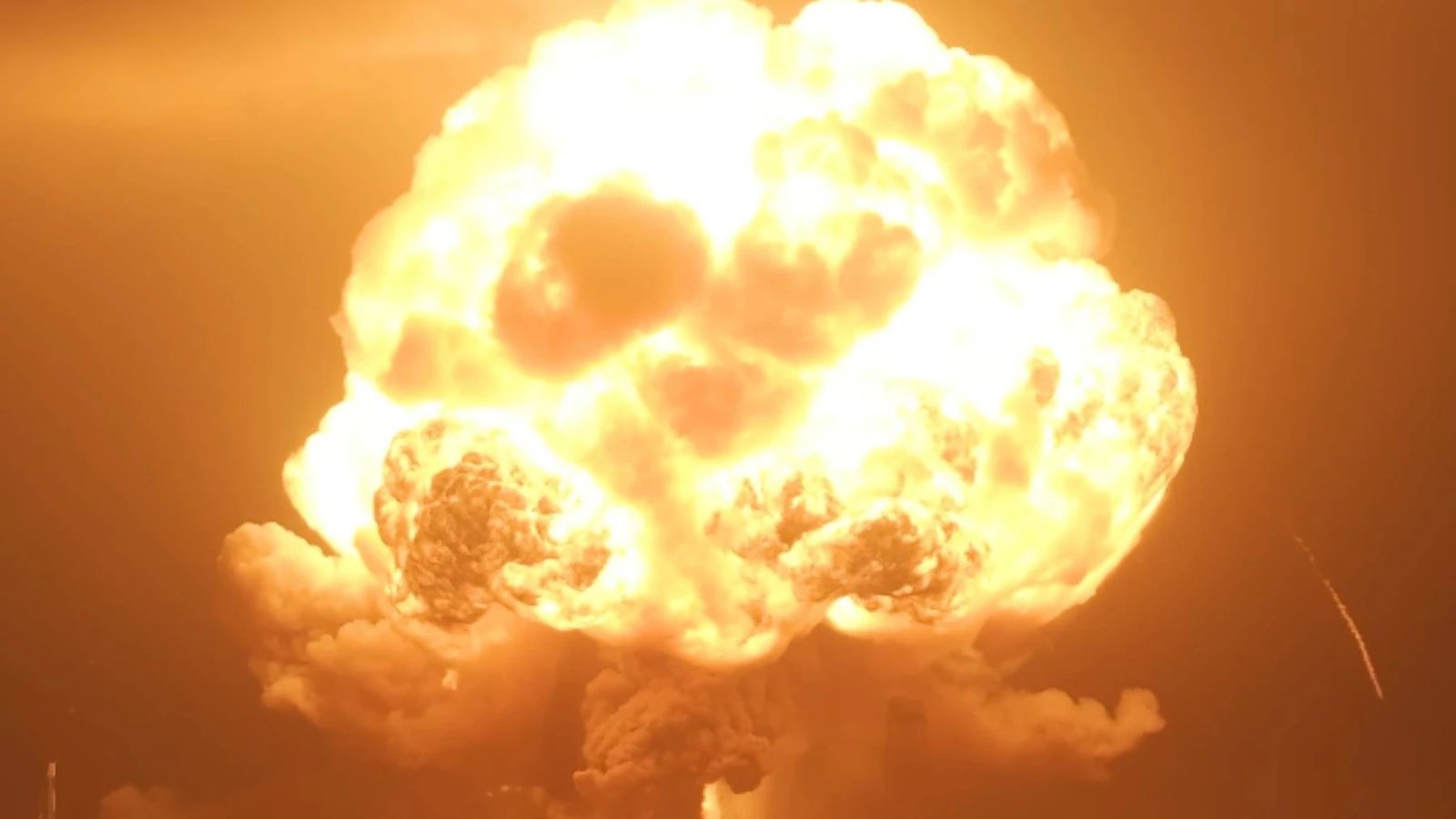
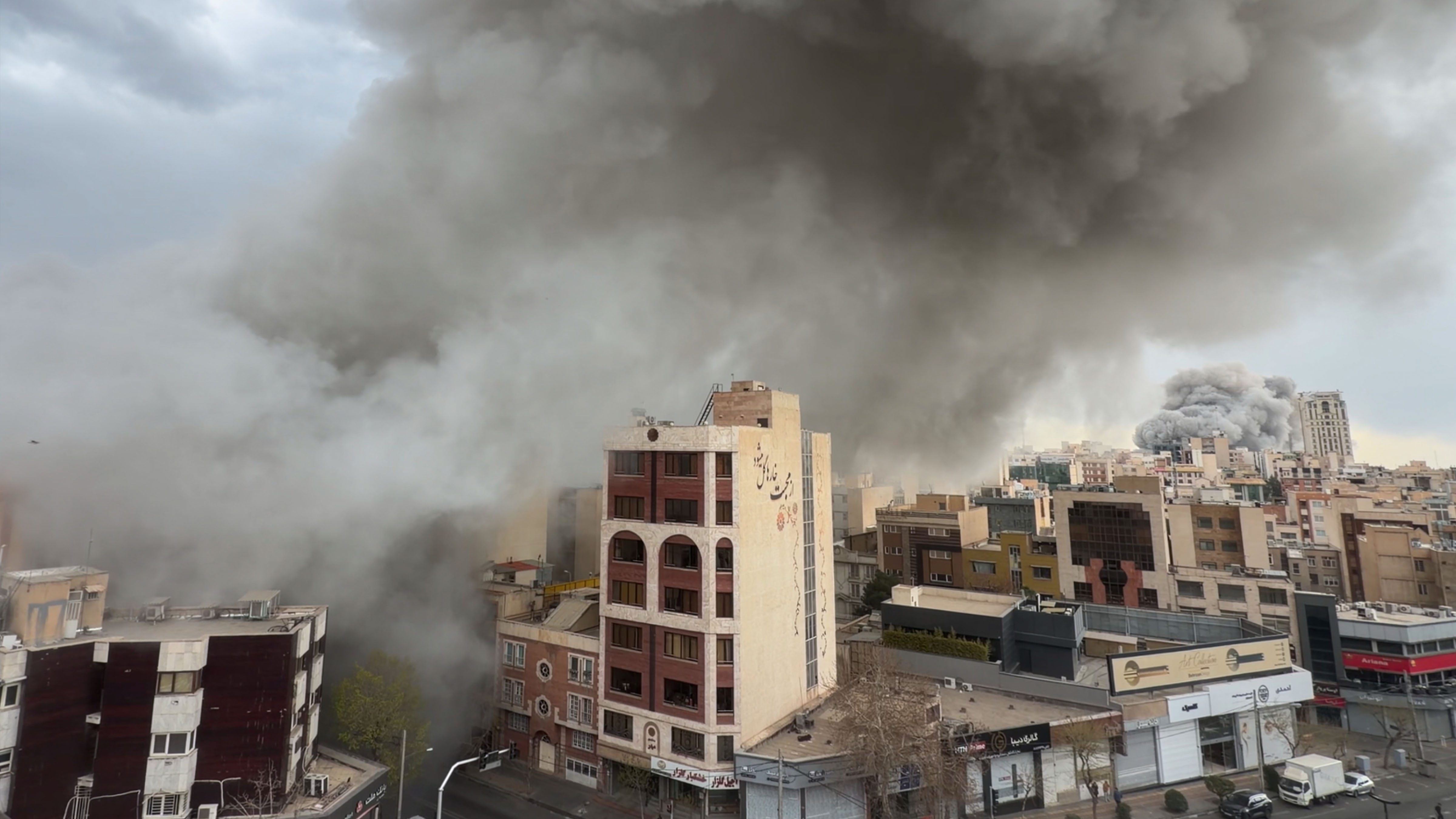
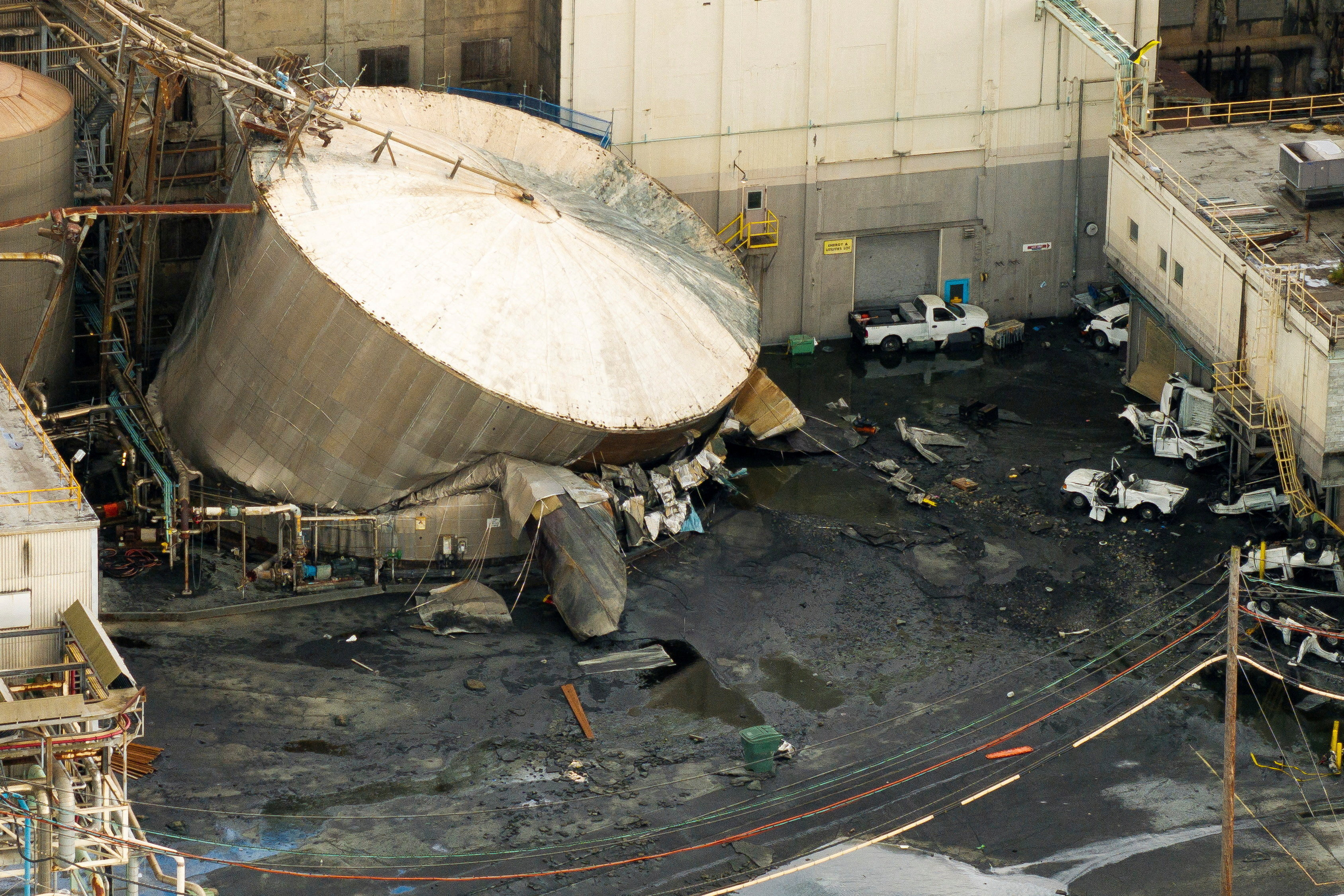
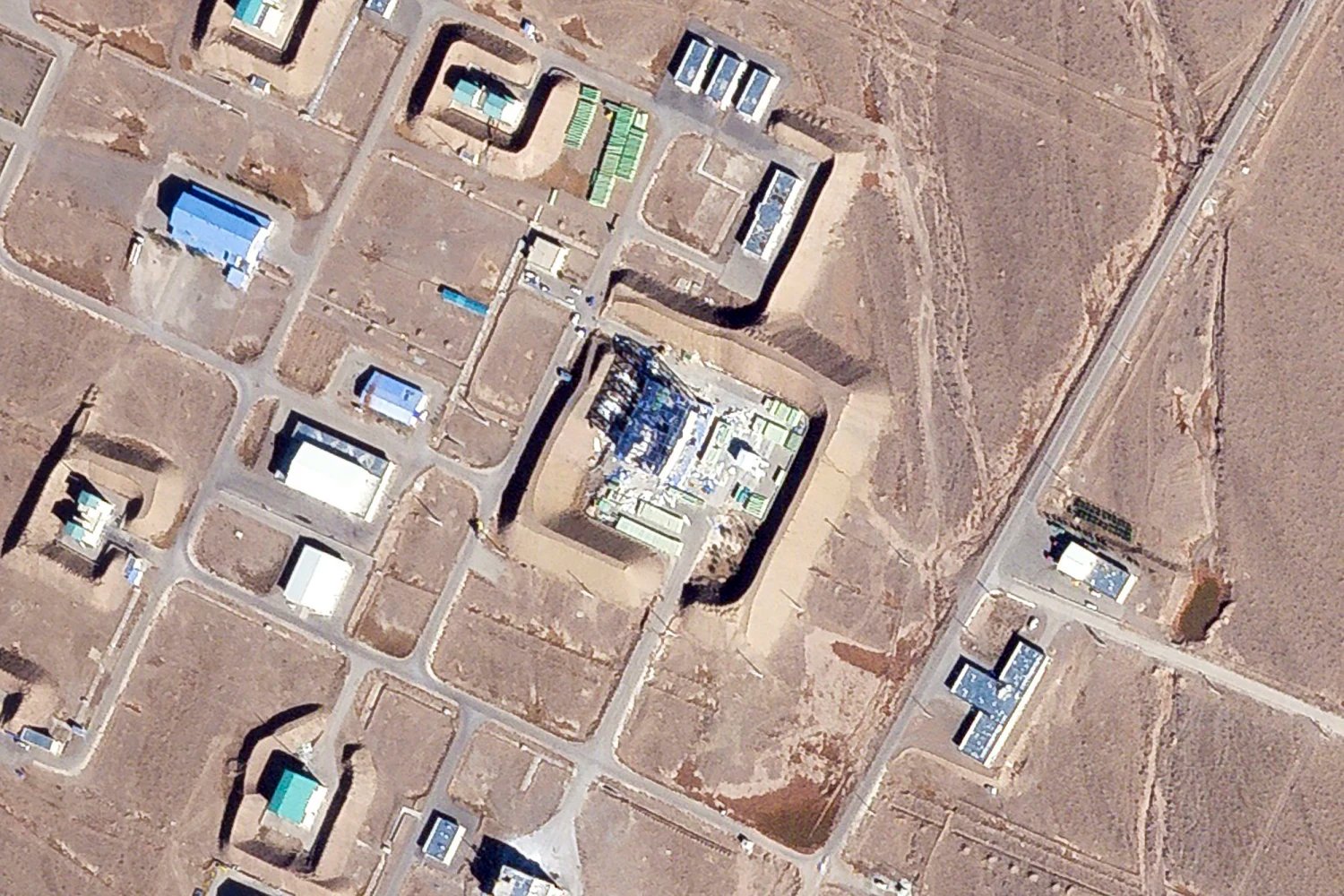
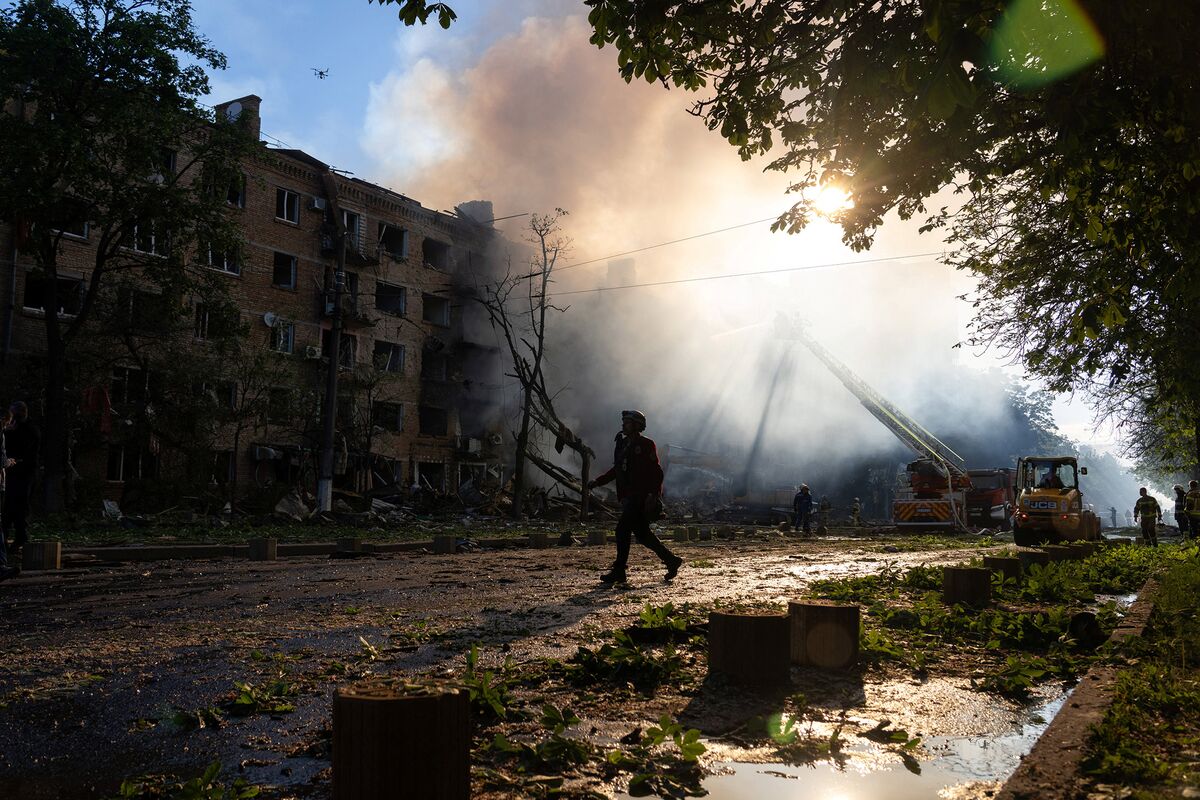
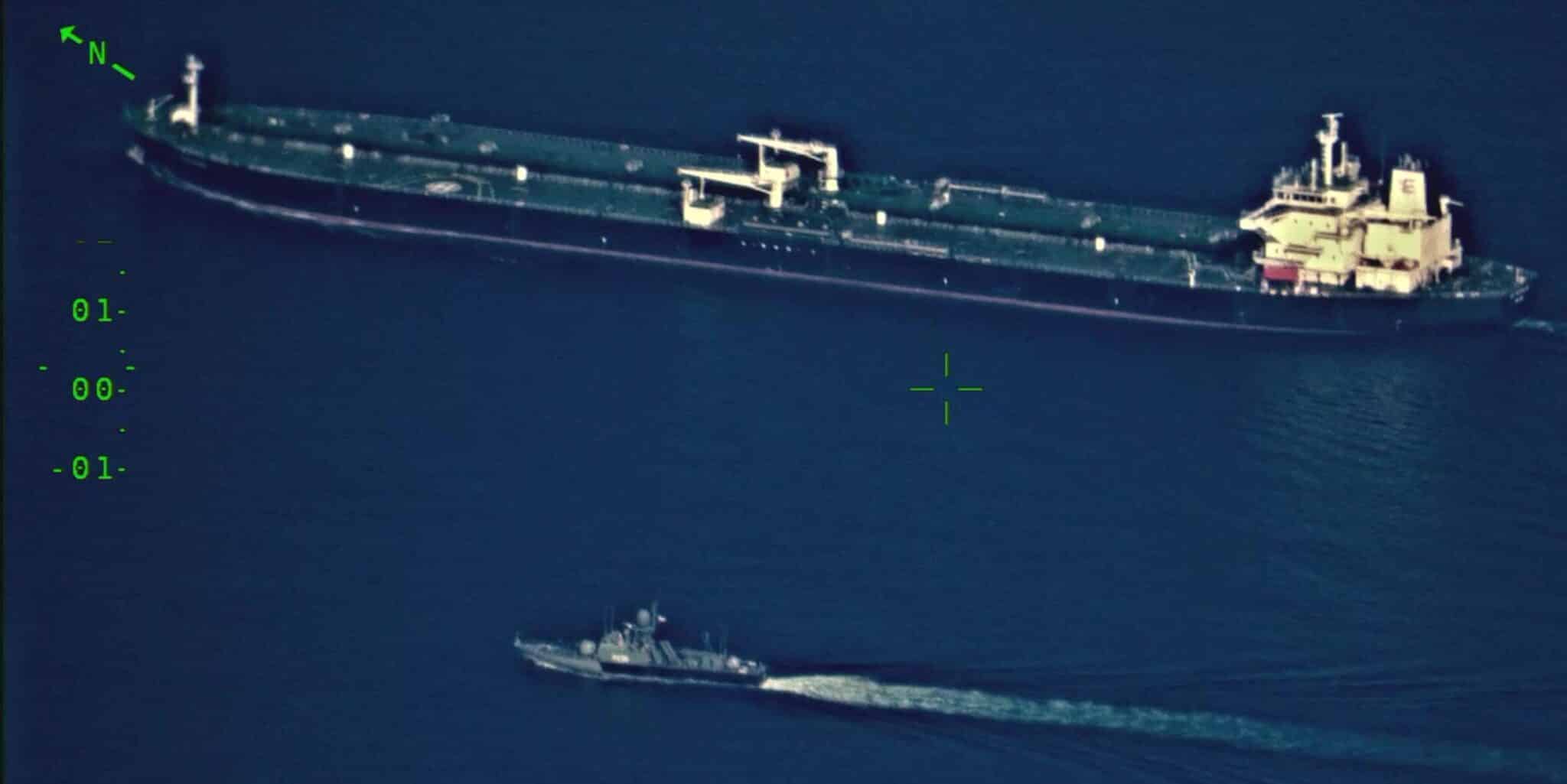
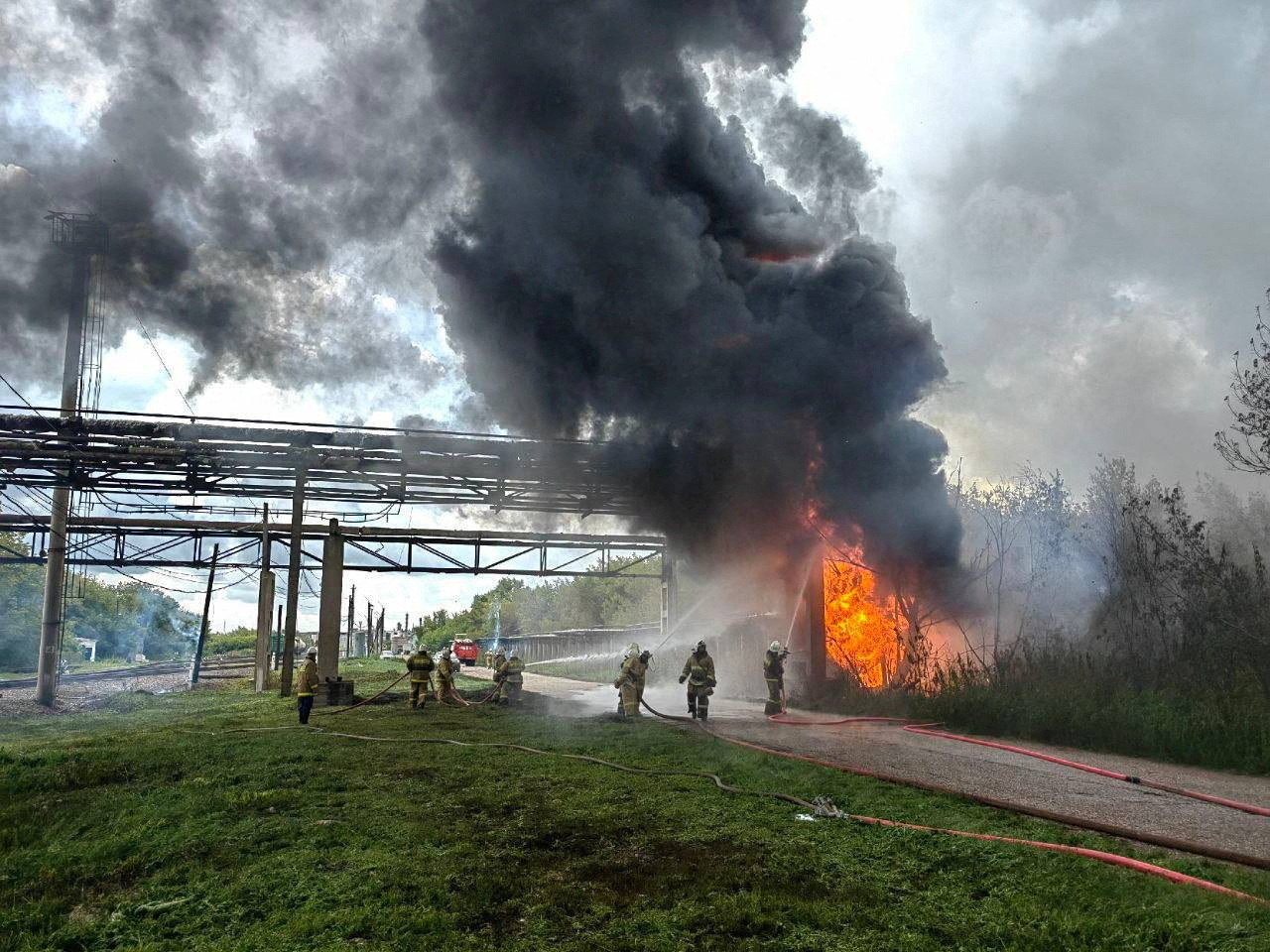
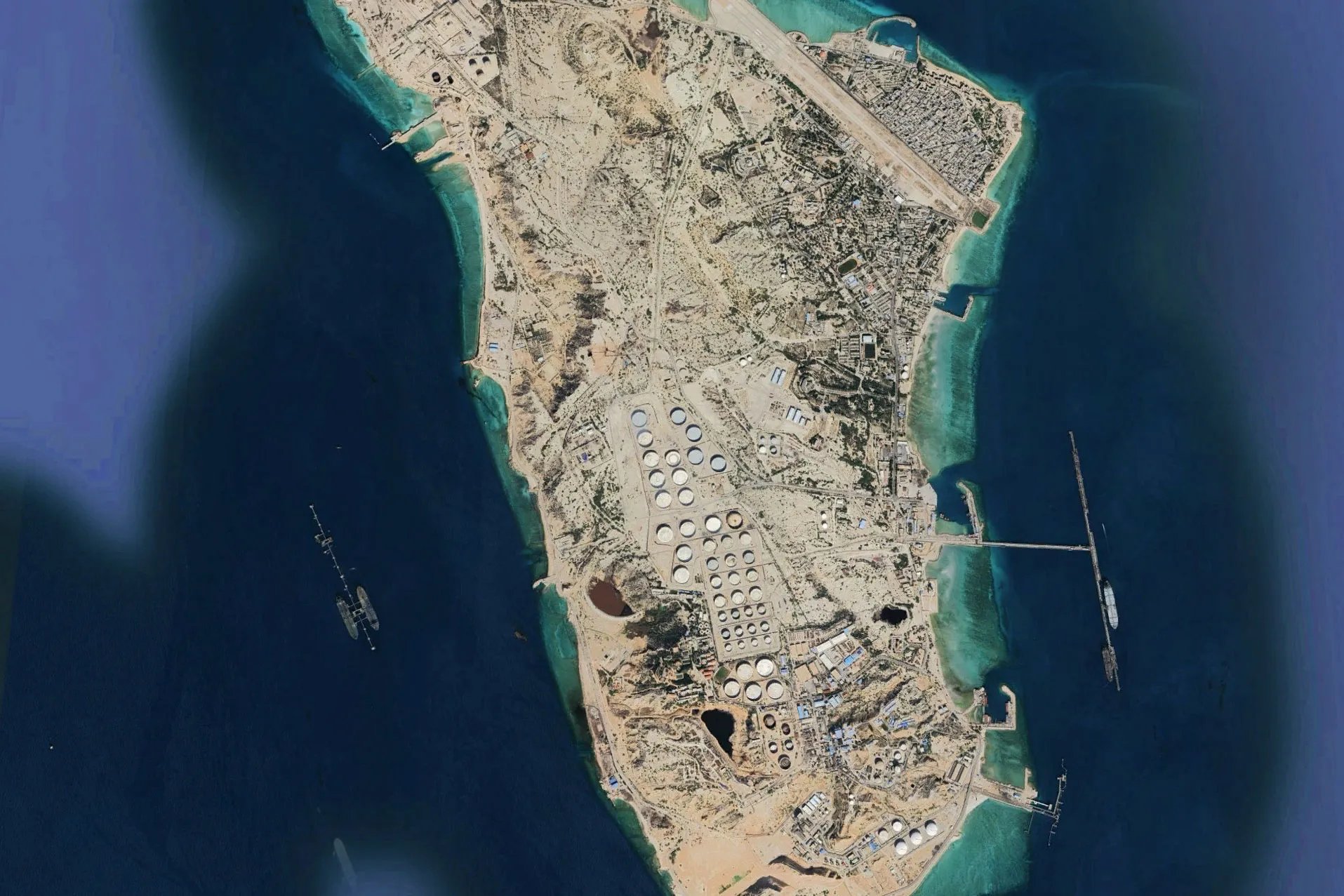
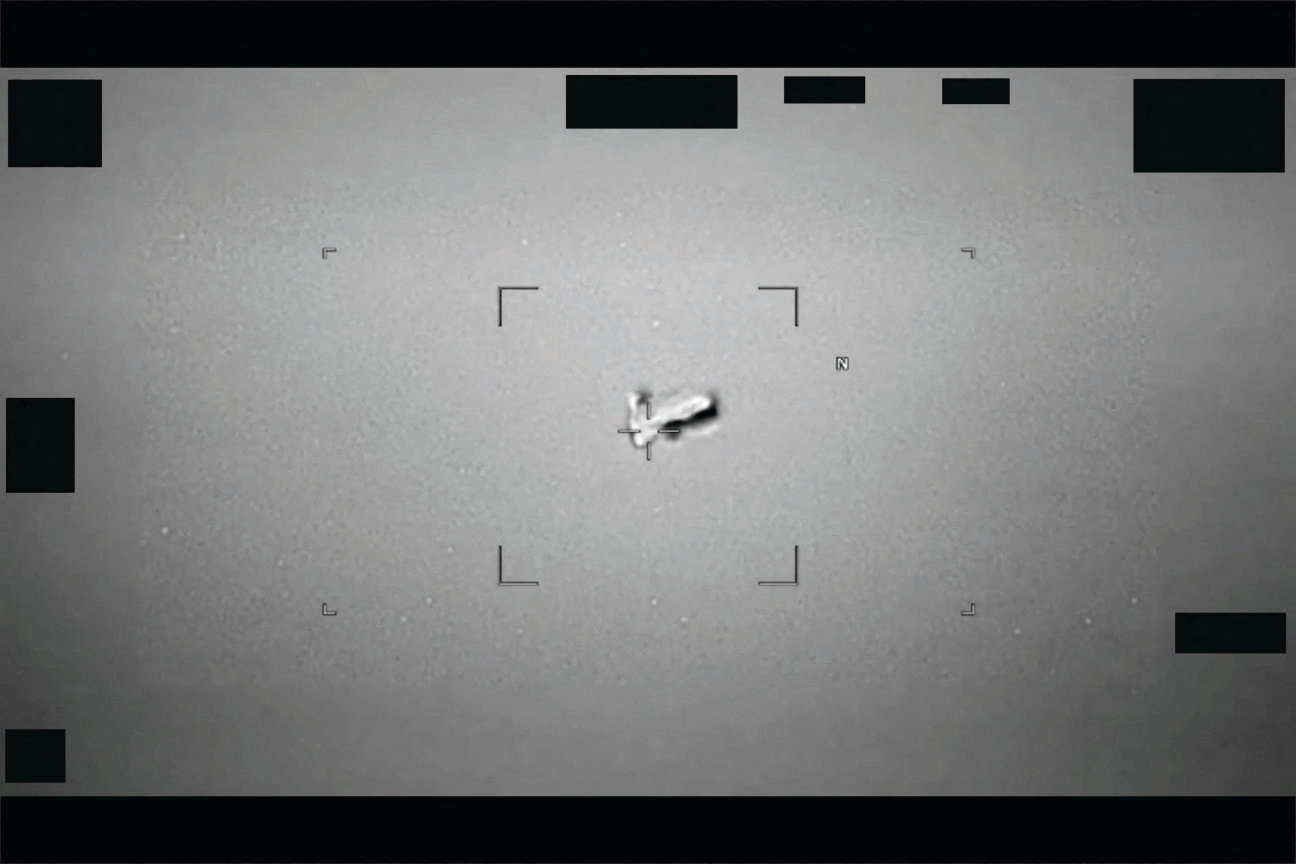
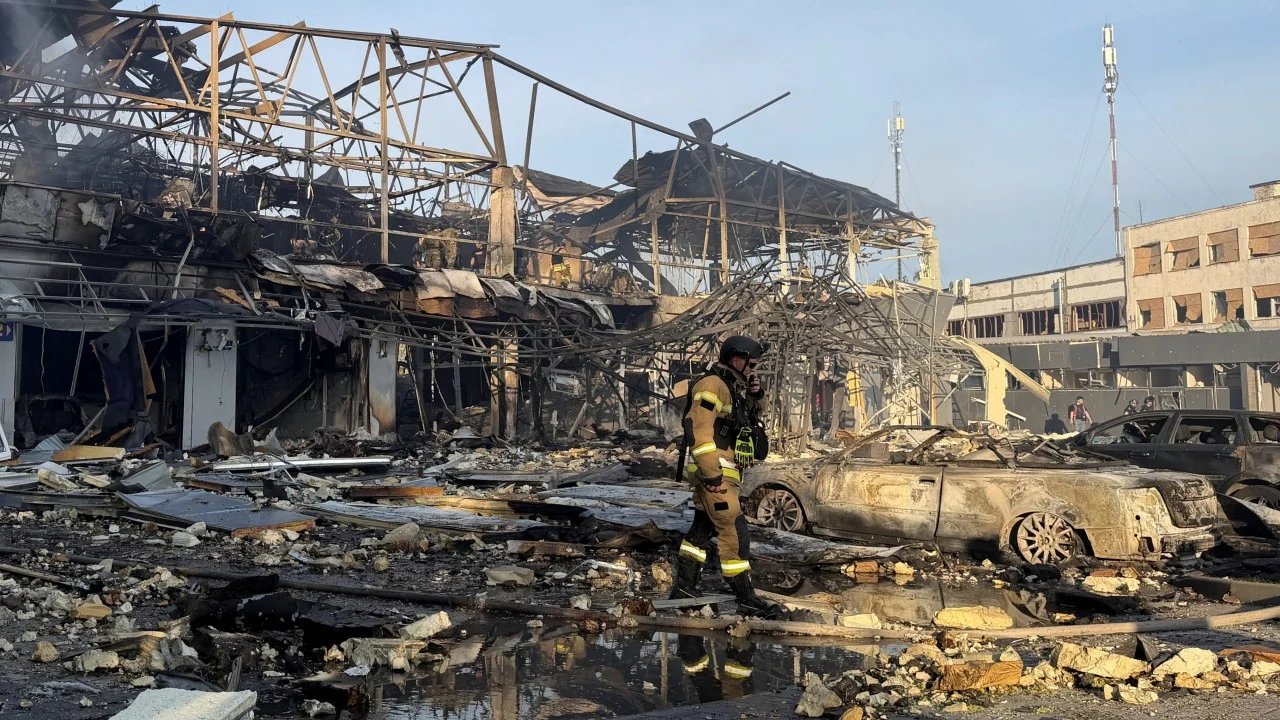
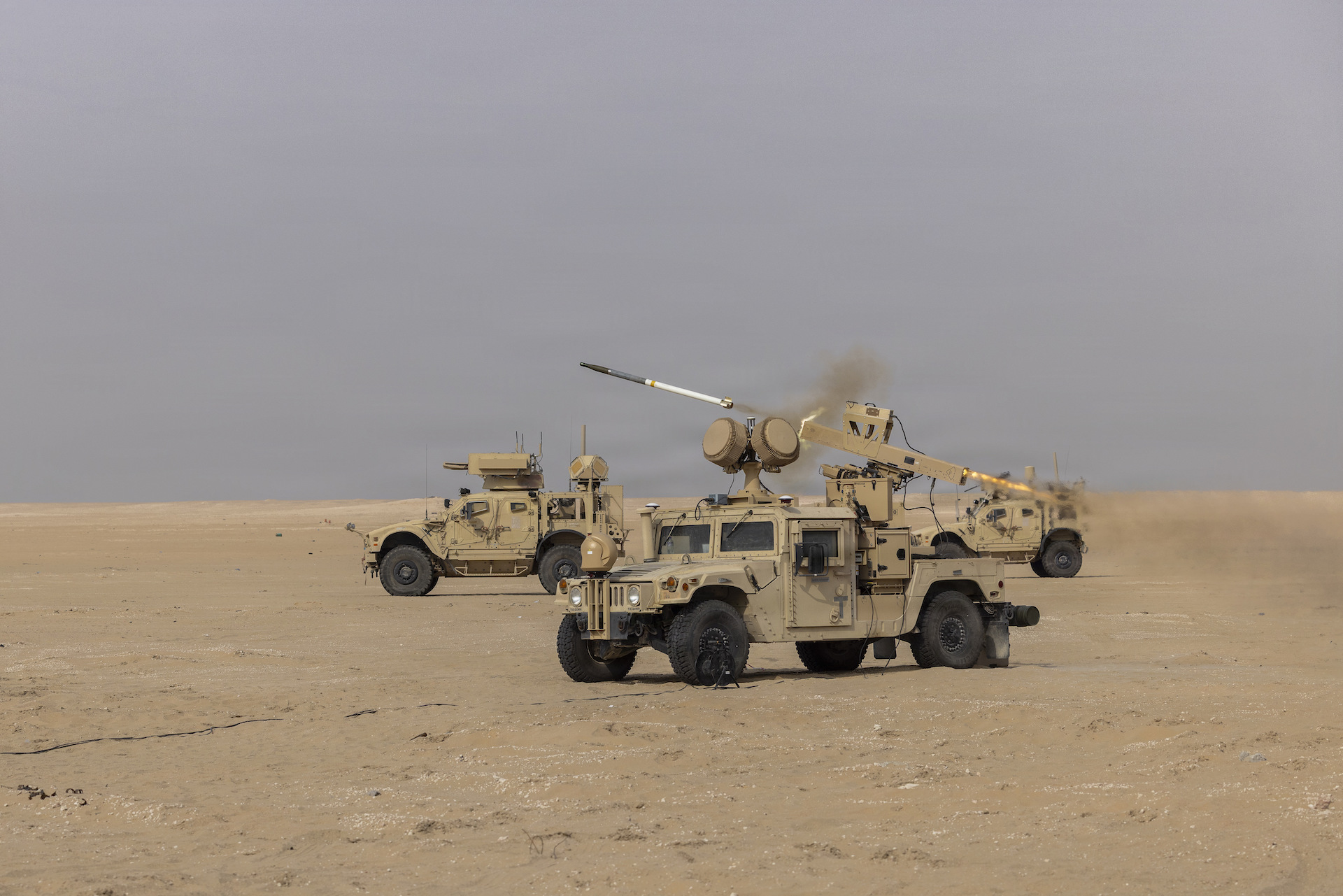
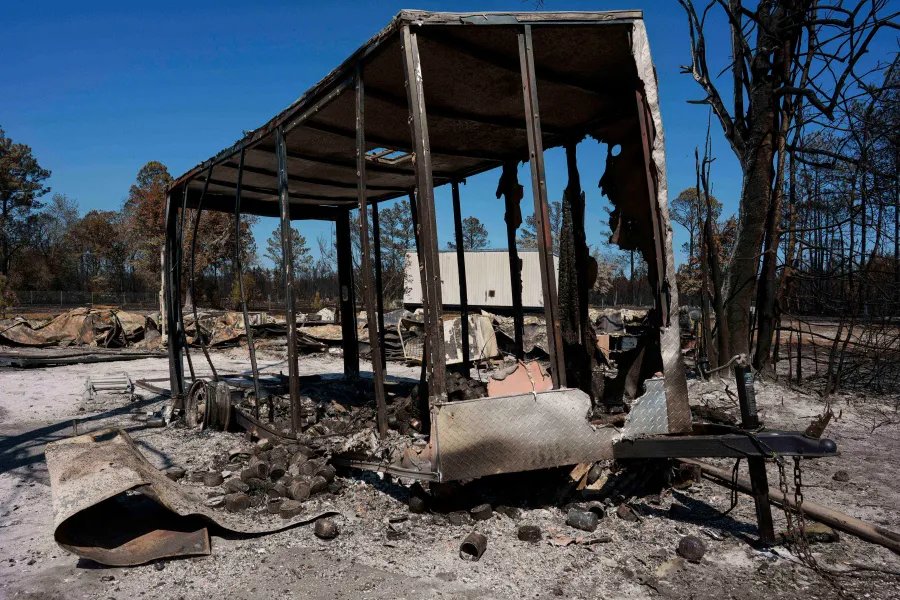
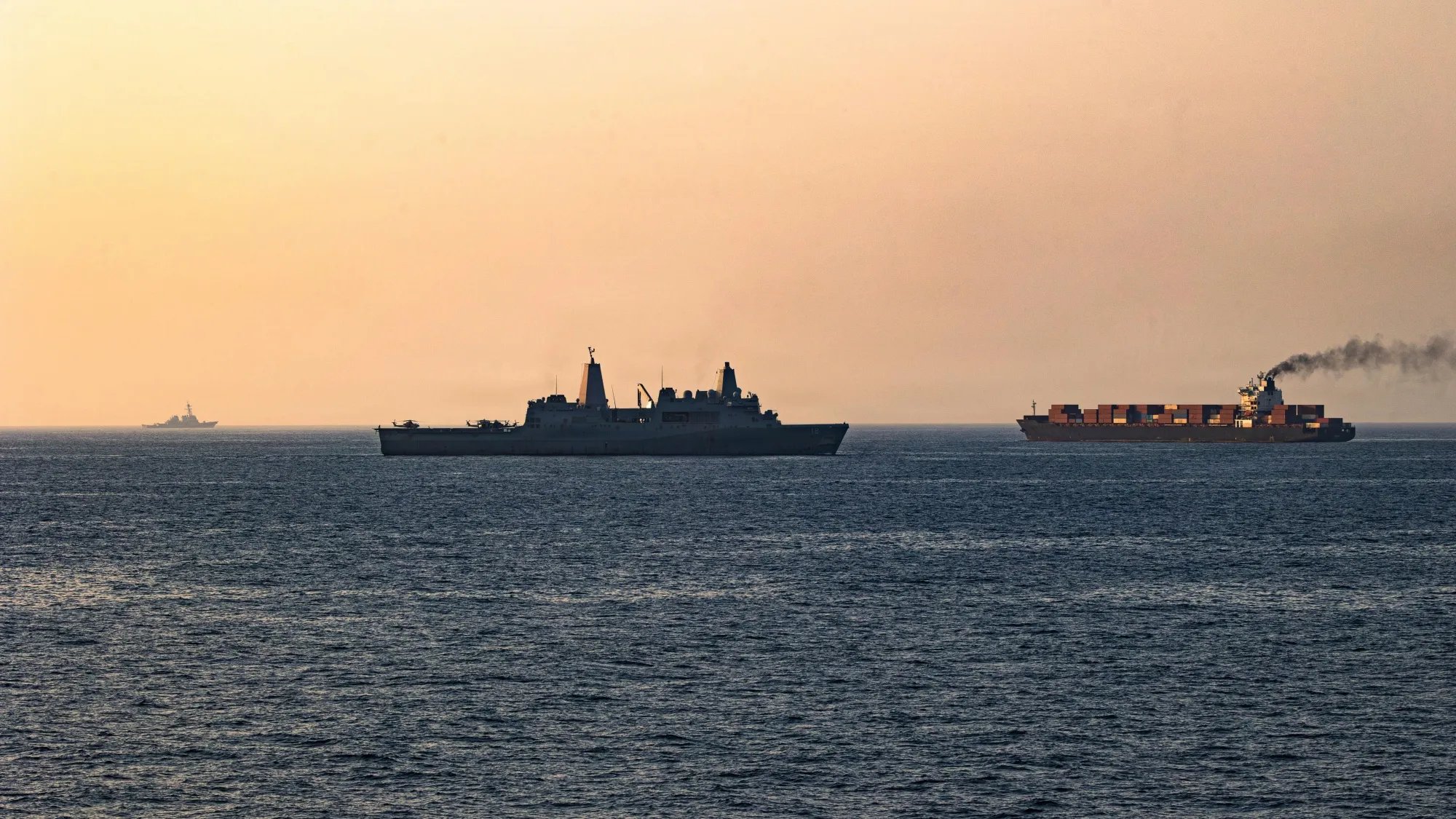
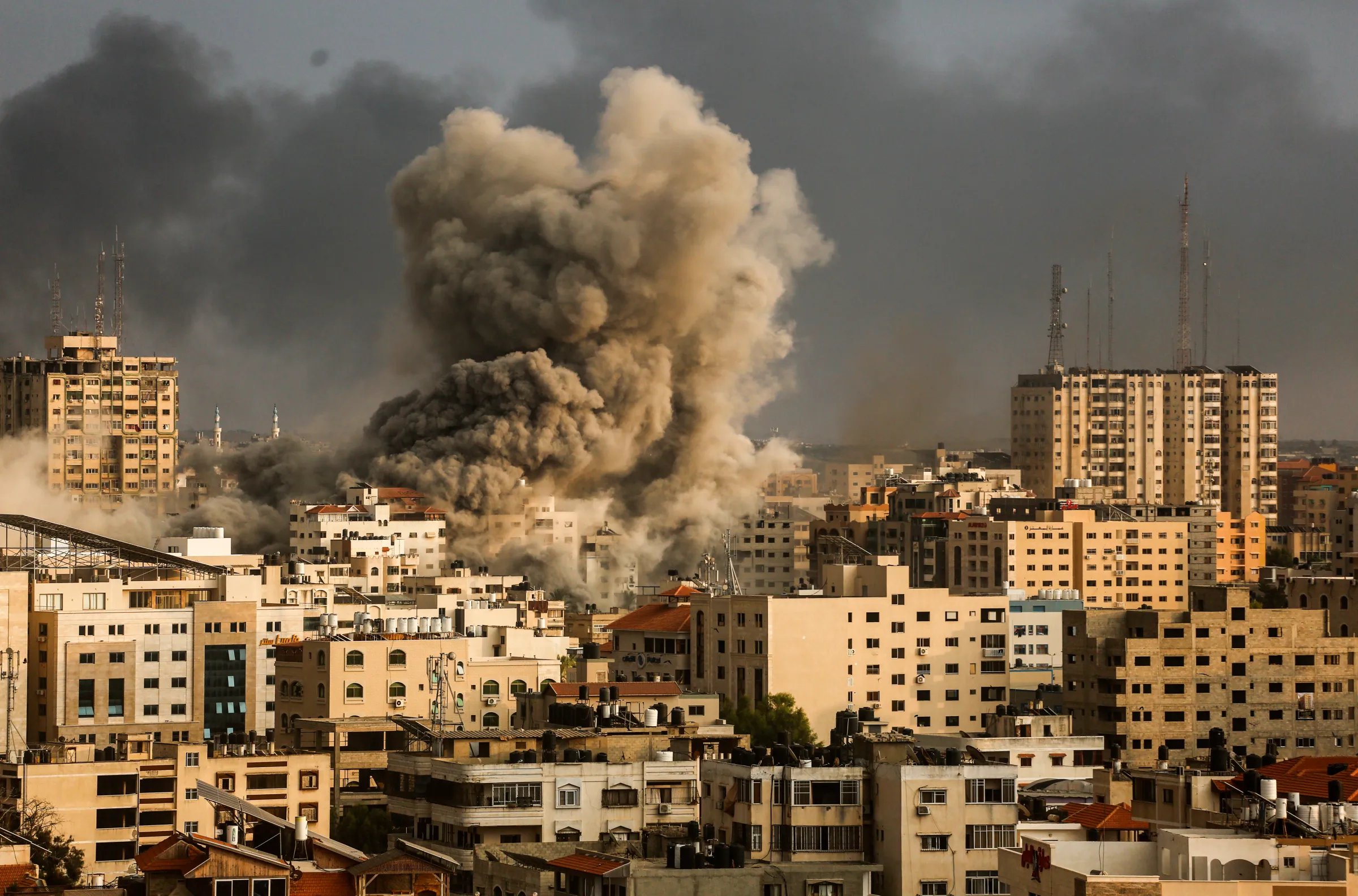
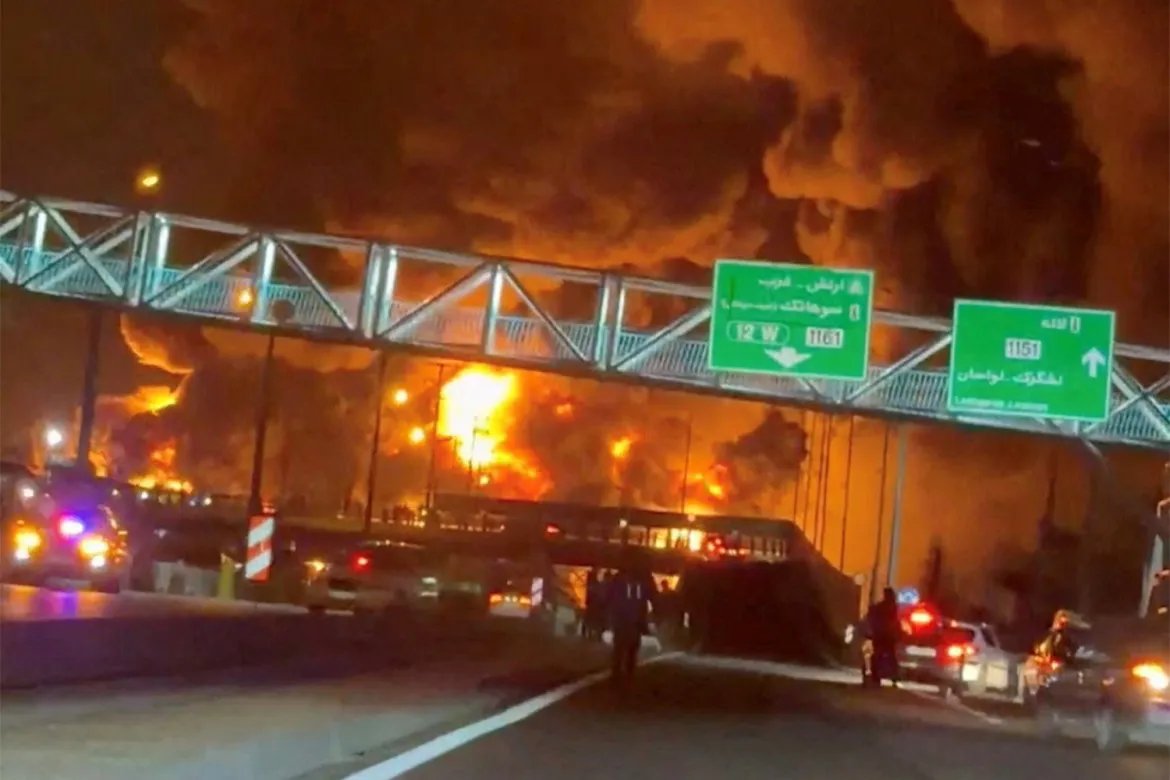
The U.S. military's Central Command said it conducted strikes on radar and drone control sites around the city of Geruk and on Qeshm Island. This was in response to Iranian forces shooting down a U.S. MQ-1 Predator drone operating over international waters. Iran's Islamic Revolutionary Guard Corps responded by targeting a U.S. air base in retaliation, according to Deutsche Welle.
The attacks occurred despite a ceasefire that went into effect on April 8 and has since been extended. Both sides have accused each other of violating the truce through continued military operations.
Kuwait comes under fire as tensions spread
Kuwait's air defenses intercepted incoming drone and missile attacks on Monday. Iran's Revolutionary Guard Corps indicated it had targeted a U.S. base in response to the weekend strikes, making it likely responsible for the Kuwait attacks. Kuwait hosts a major U.S. military base and has come under several attacks from Iran during the current conflict, with Tehran stating it is targeting the American military presence in the Gulf region.
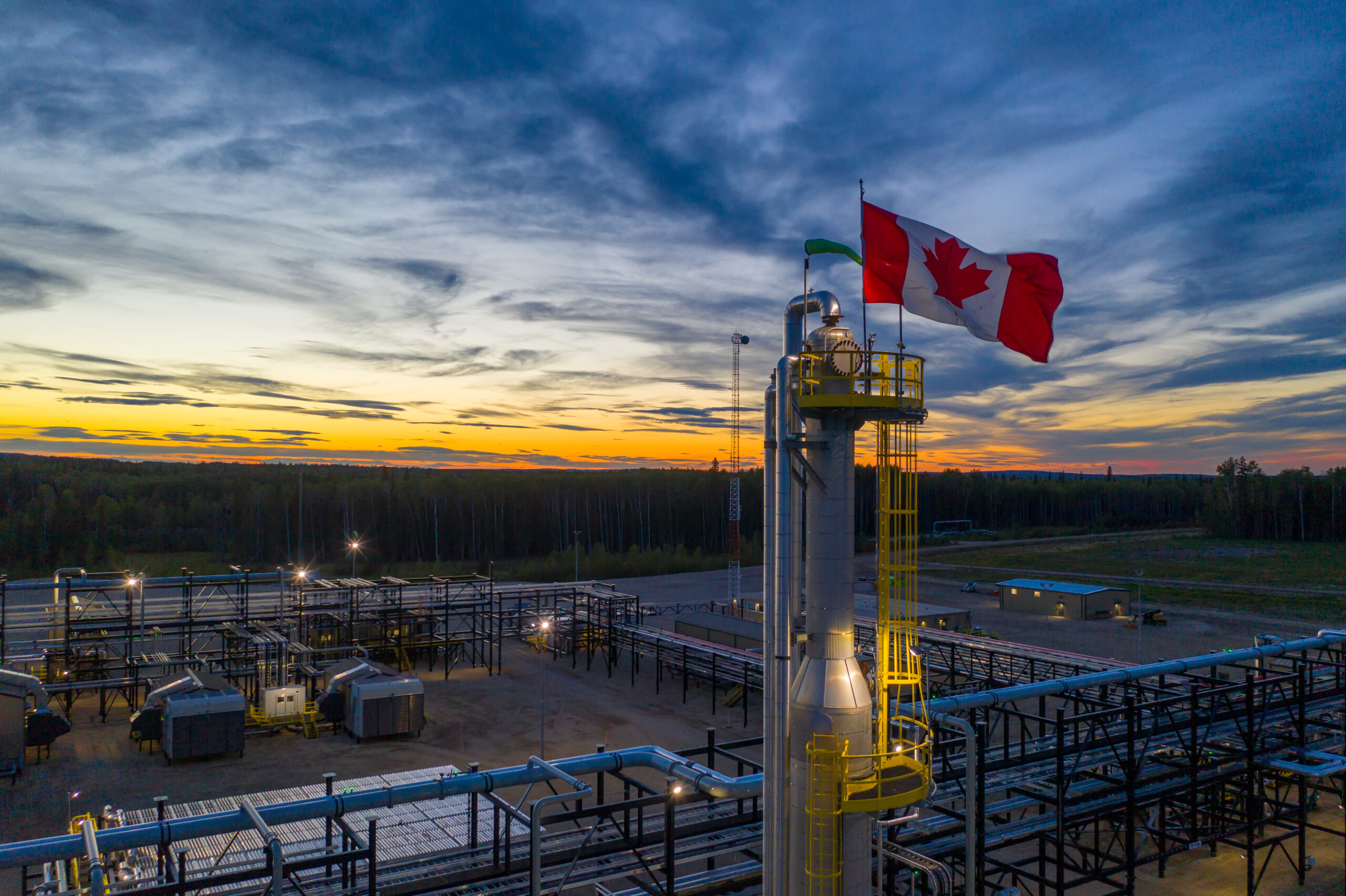
Fertilizer costs spike across farming regions
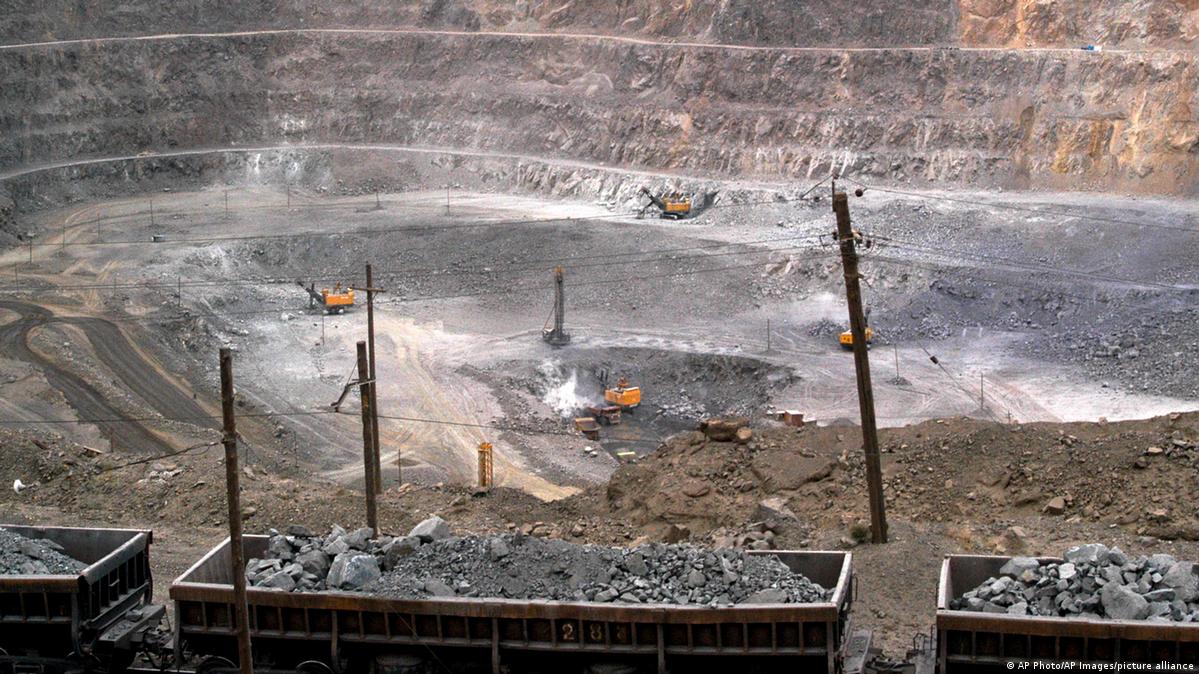
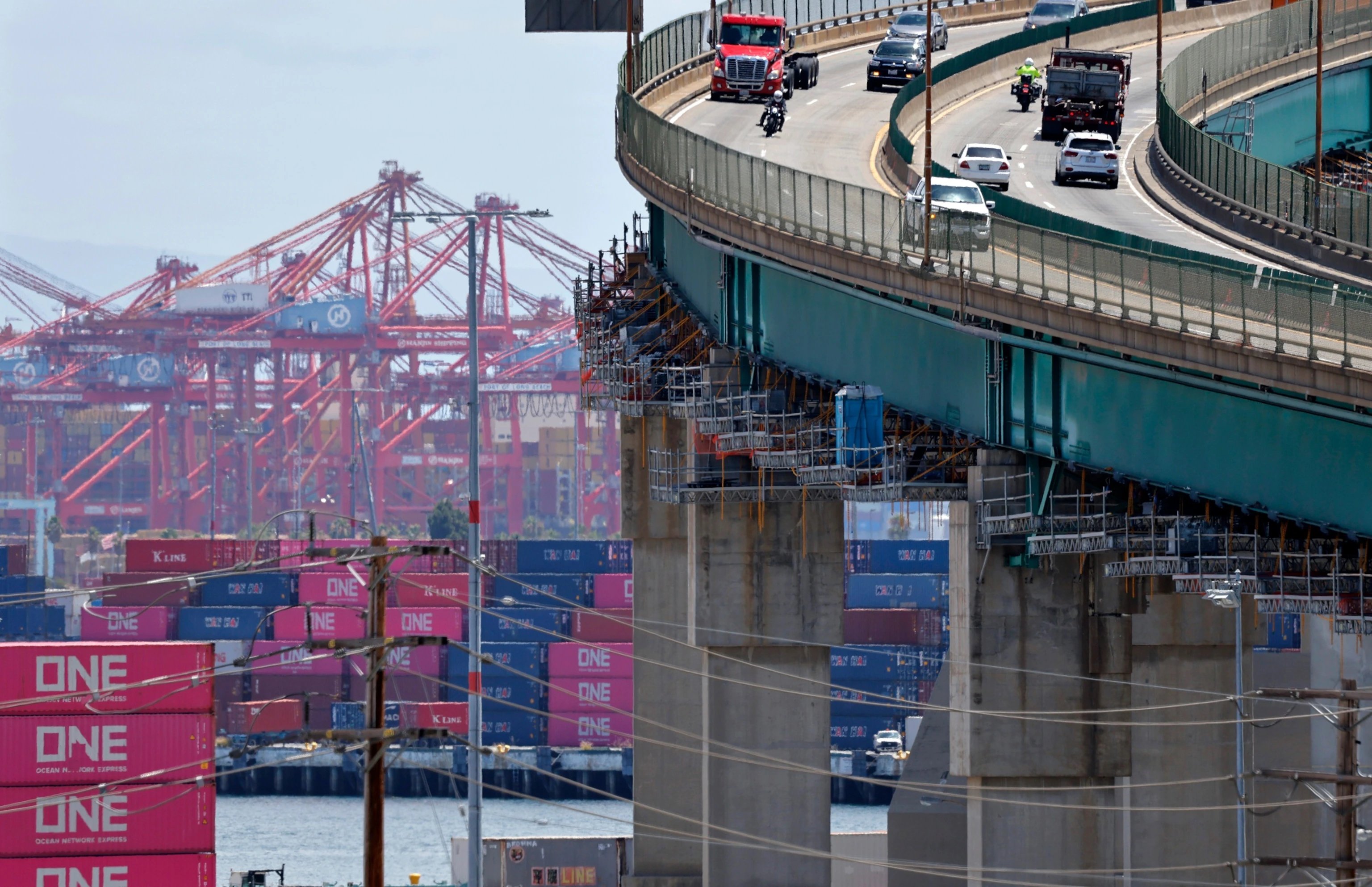
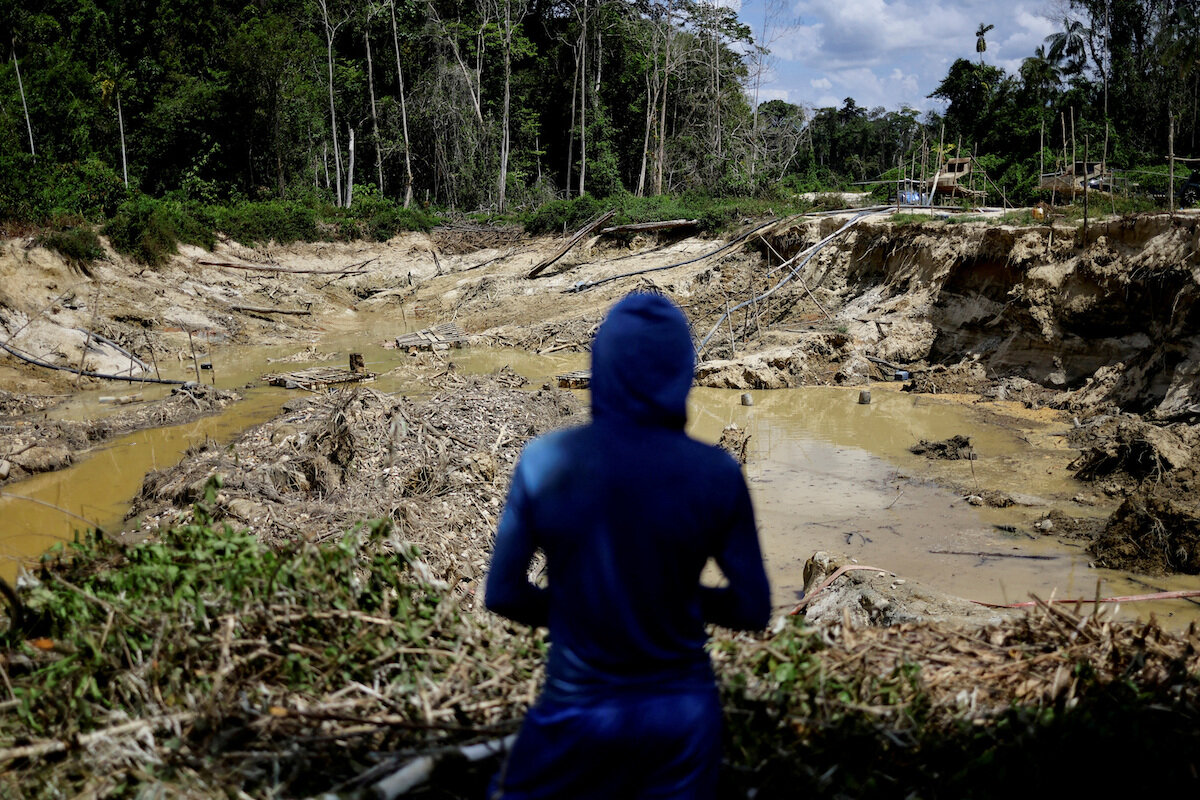
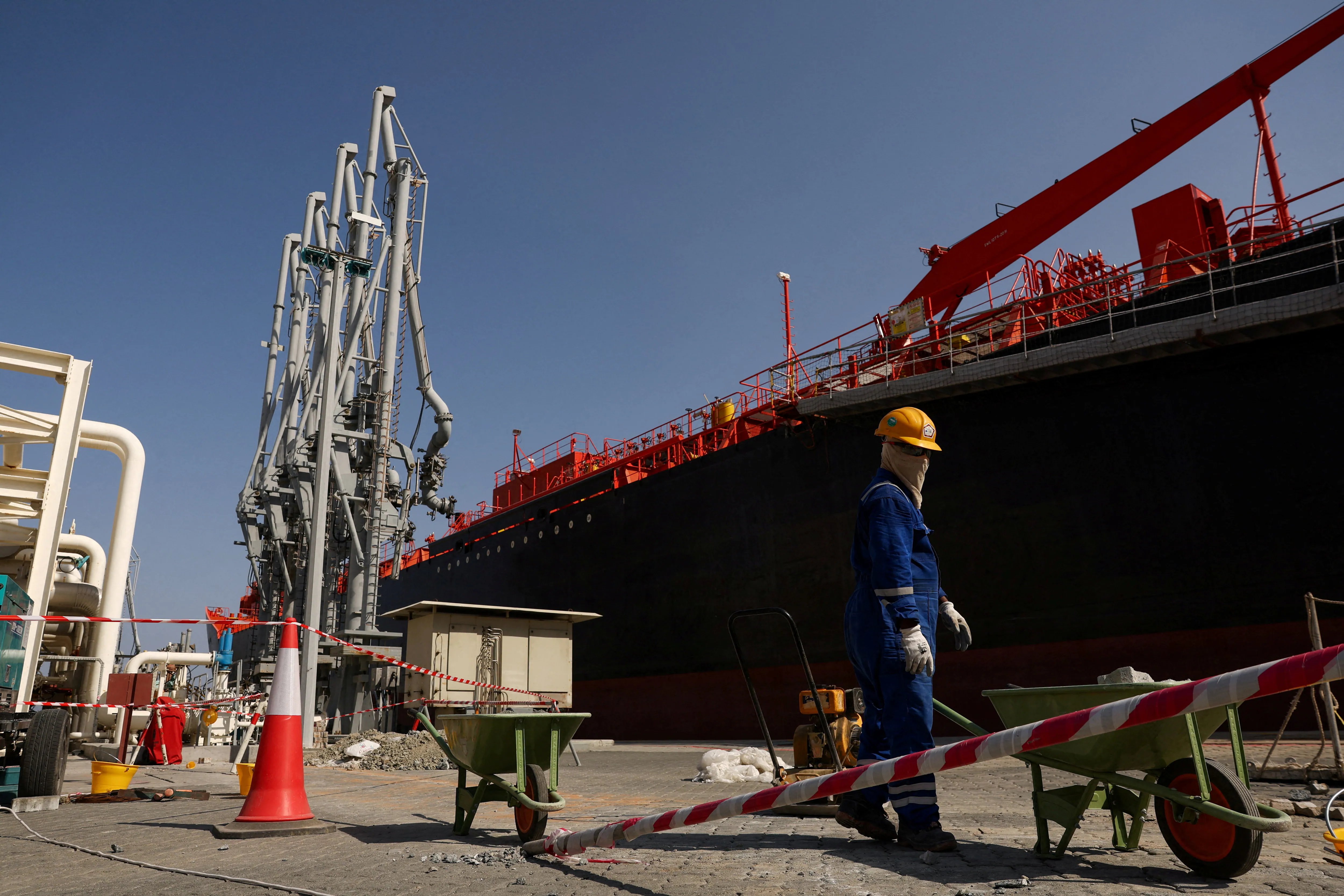
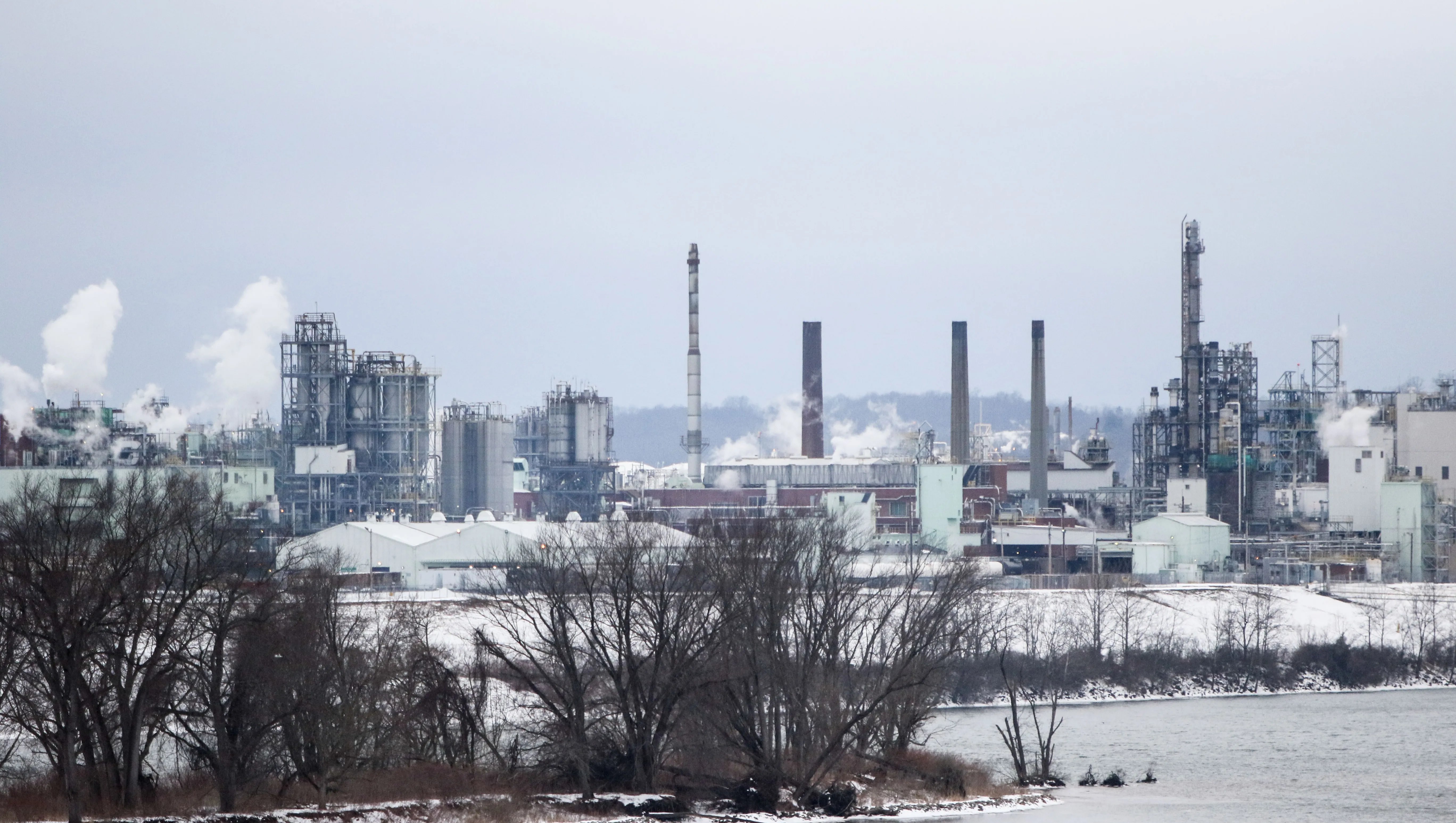
Since the war began on February 28, fertilizer prices have risen by 40% according to reporting from Senegal. The Gulf region produces 30% of globally traded chemical fertilizer, and global prices have increased by 50%, according to the World Bank's fertilizer price index.
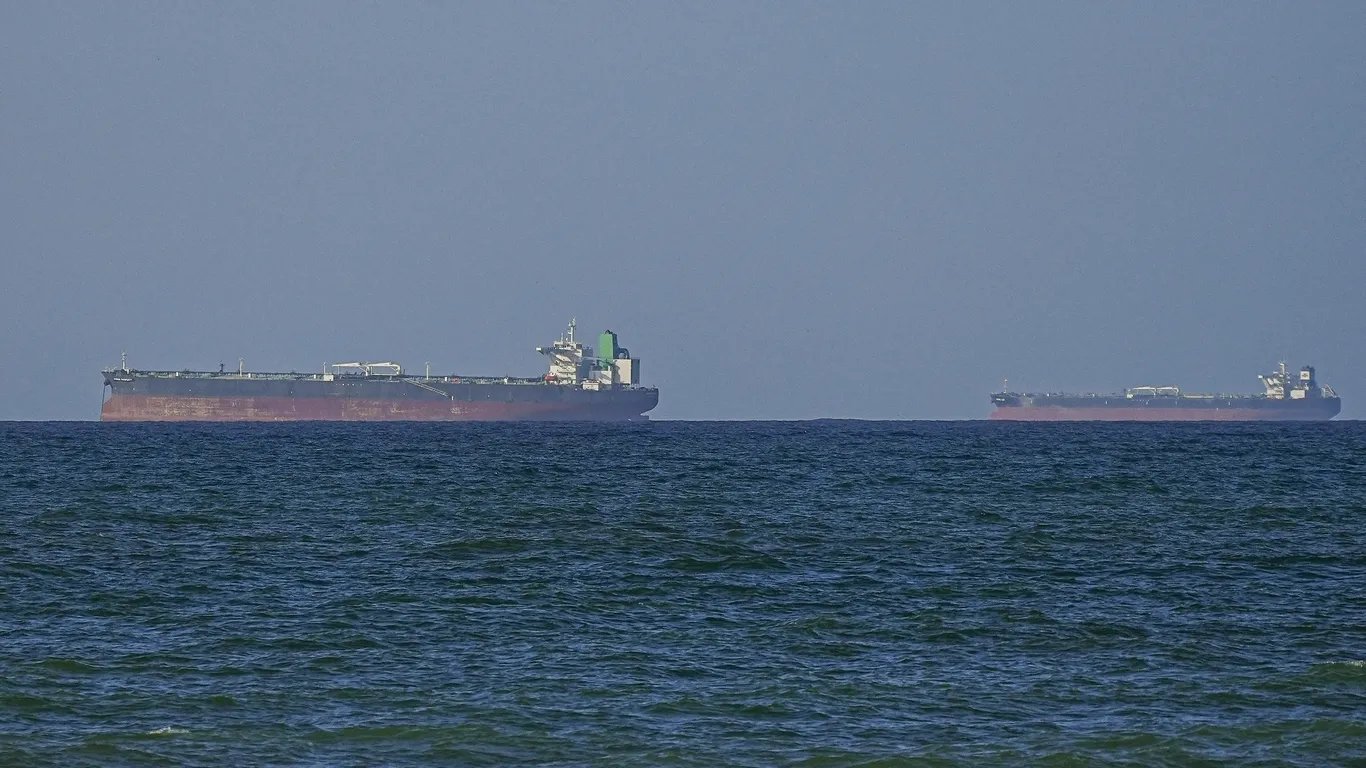
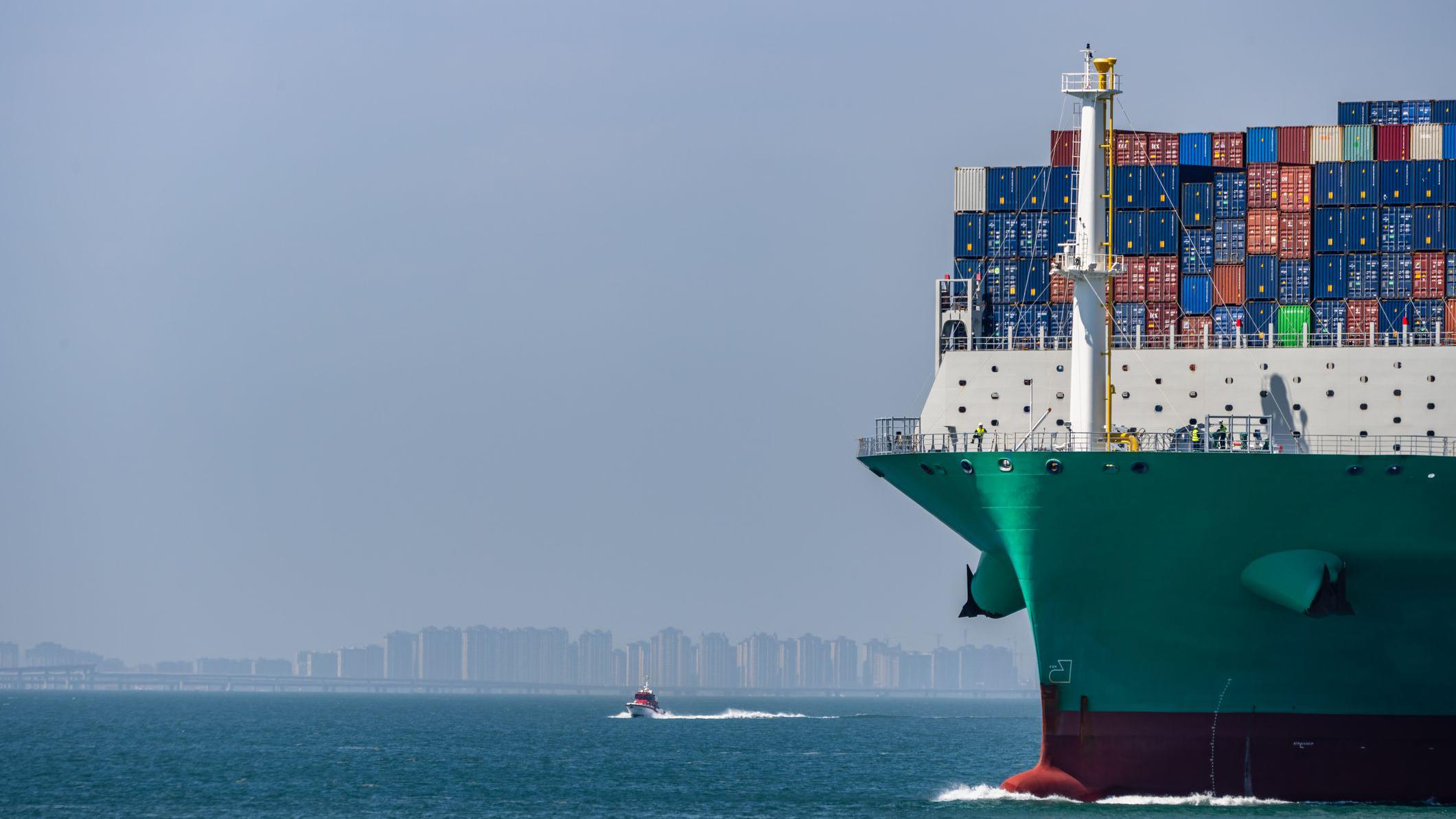
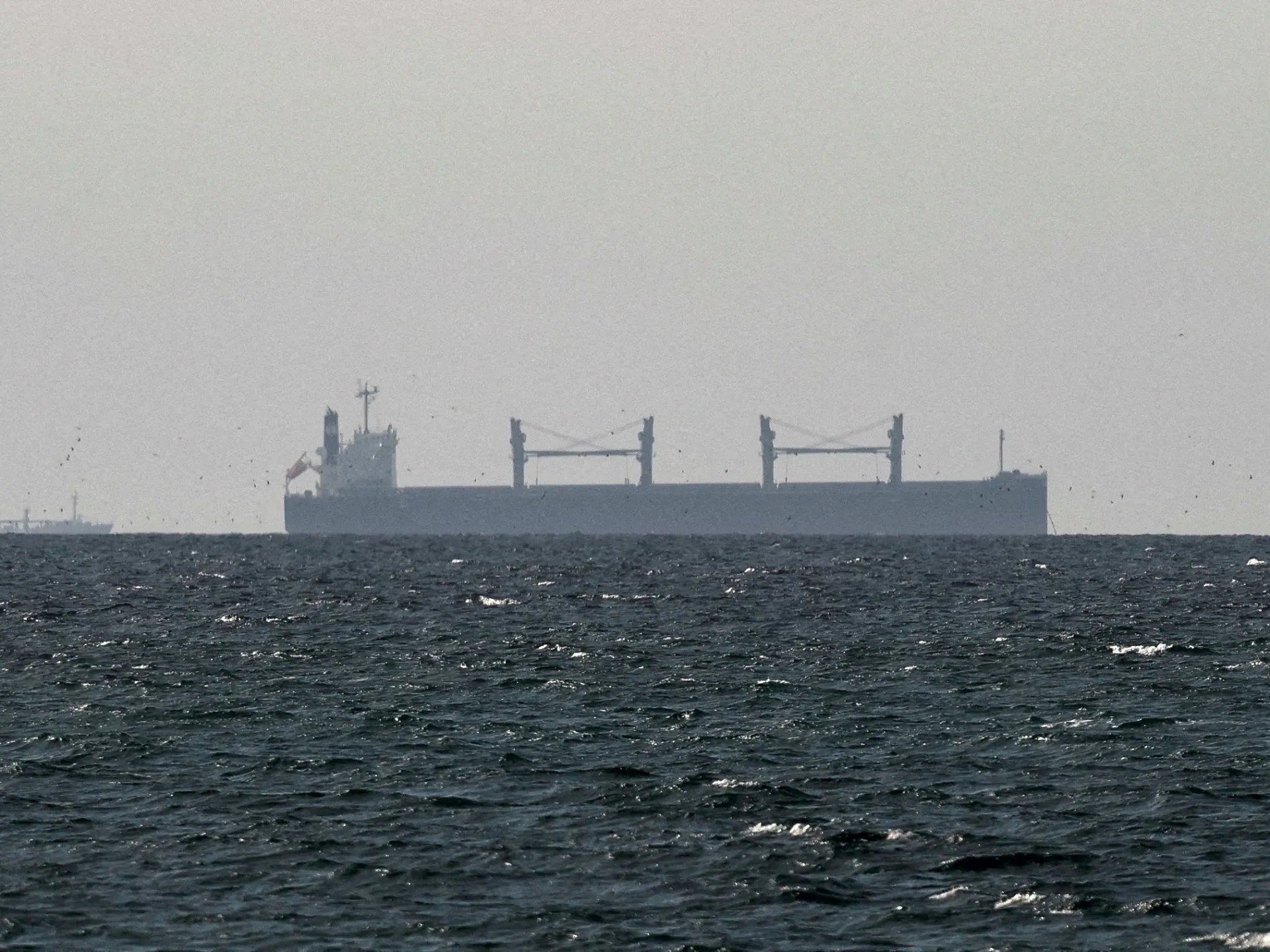
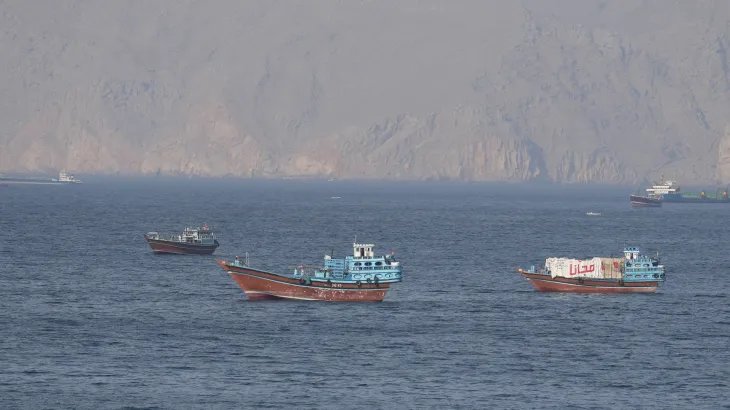
Senegalese farmer Abou Sow, who switched to organic compost eight years ago, now rallies other farmers to adopt natural fertilizers made from local manure. "We can't afford to wait for a ceasefire," Sow said. "It's risky to depend on chemical fertilizers." Iran's control of the Strait of Hormuz has disrupted the supply of natural gas, which is essential for manufacturing chemical fertilizer.
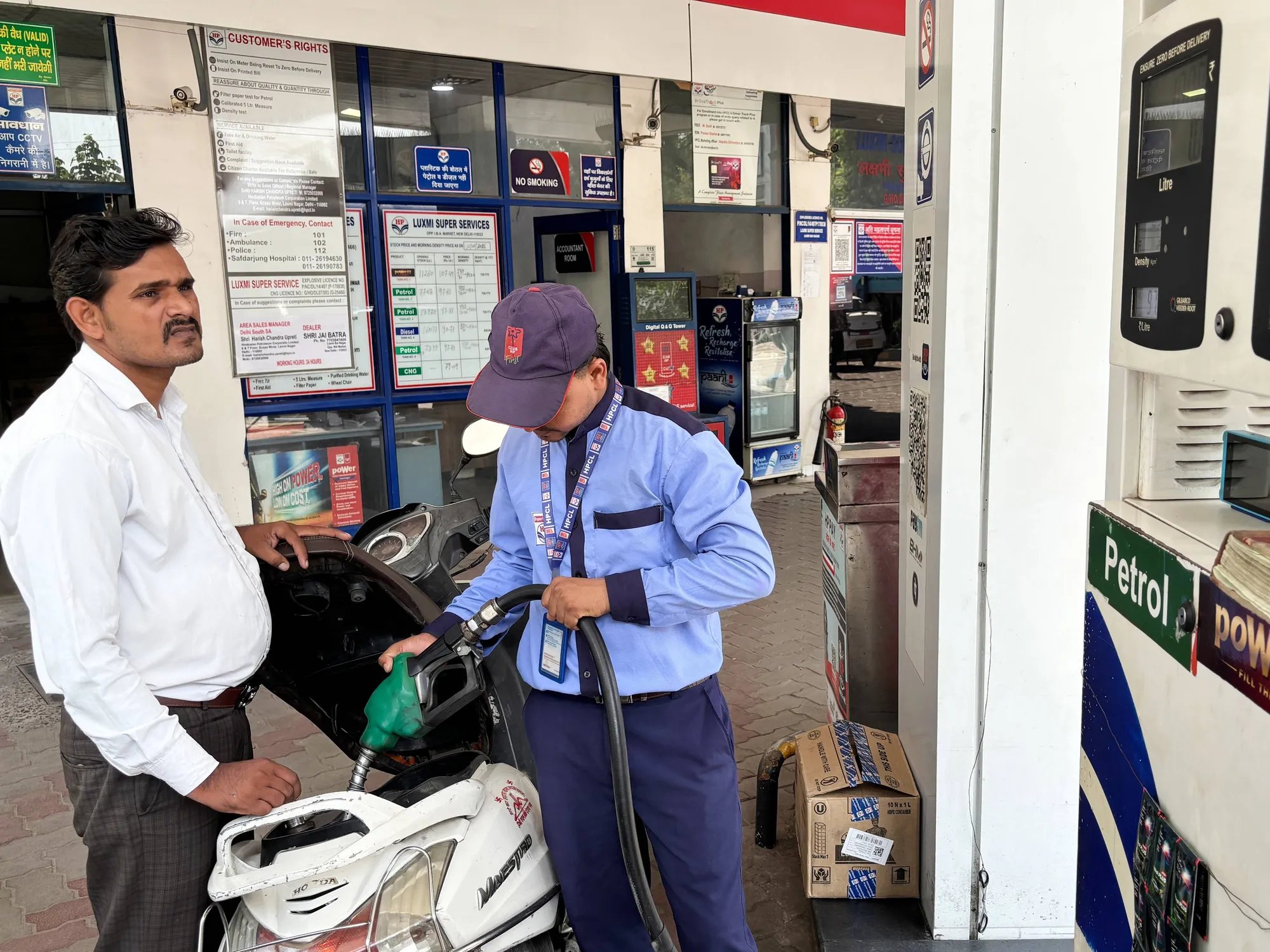
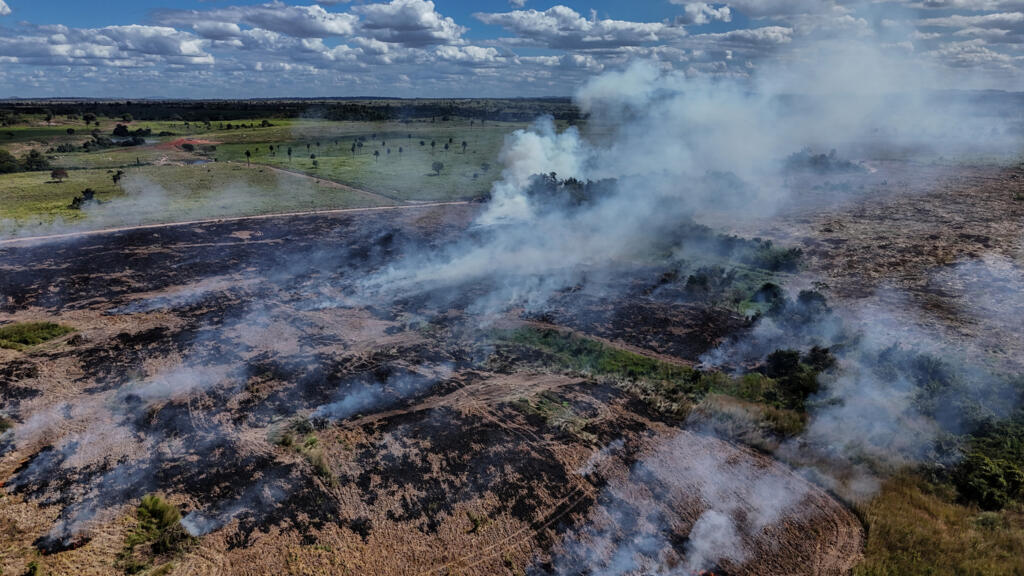
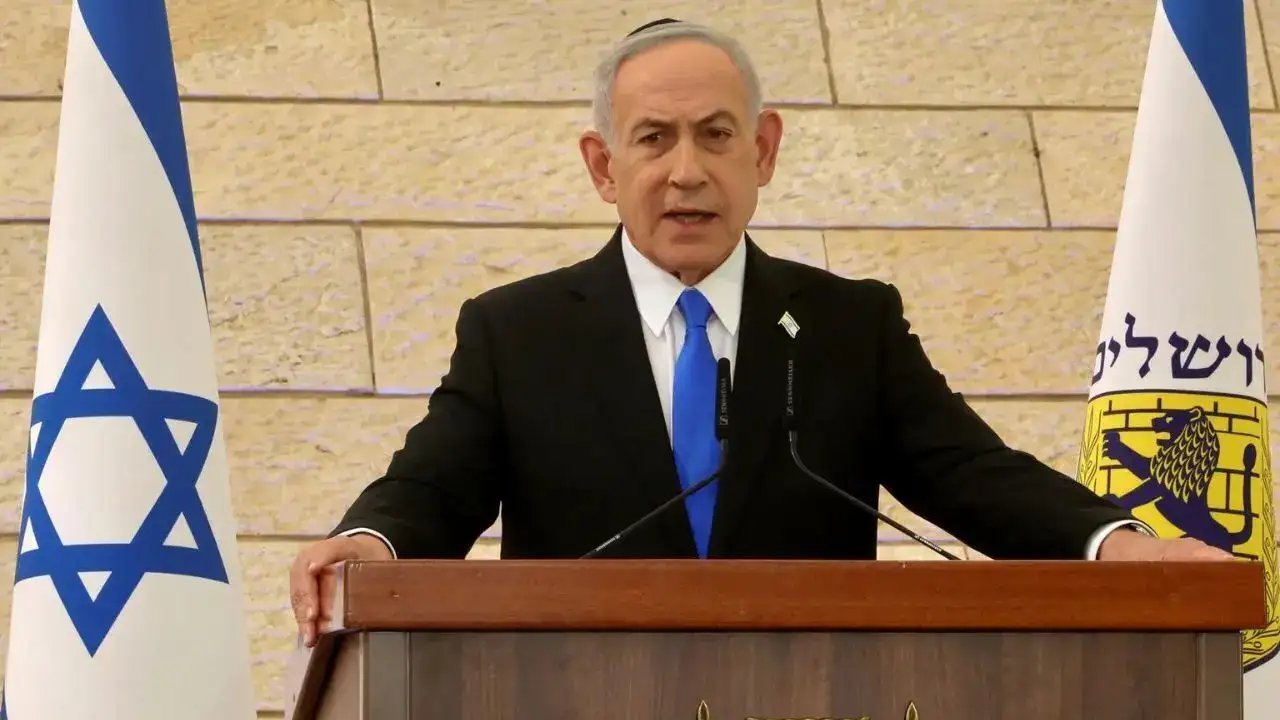
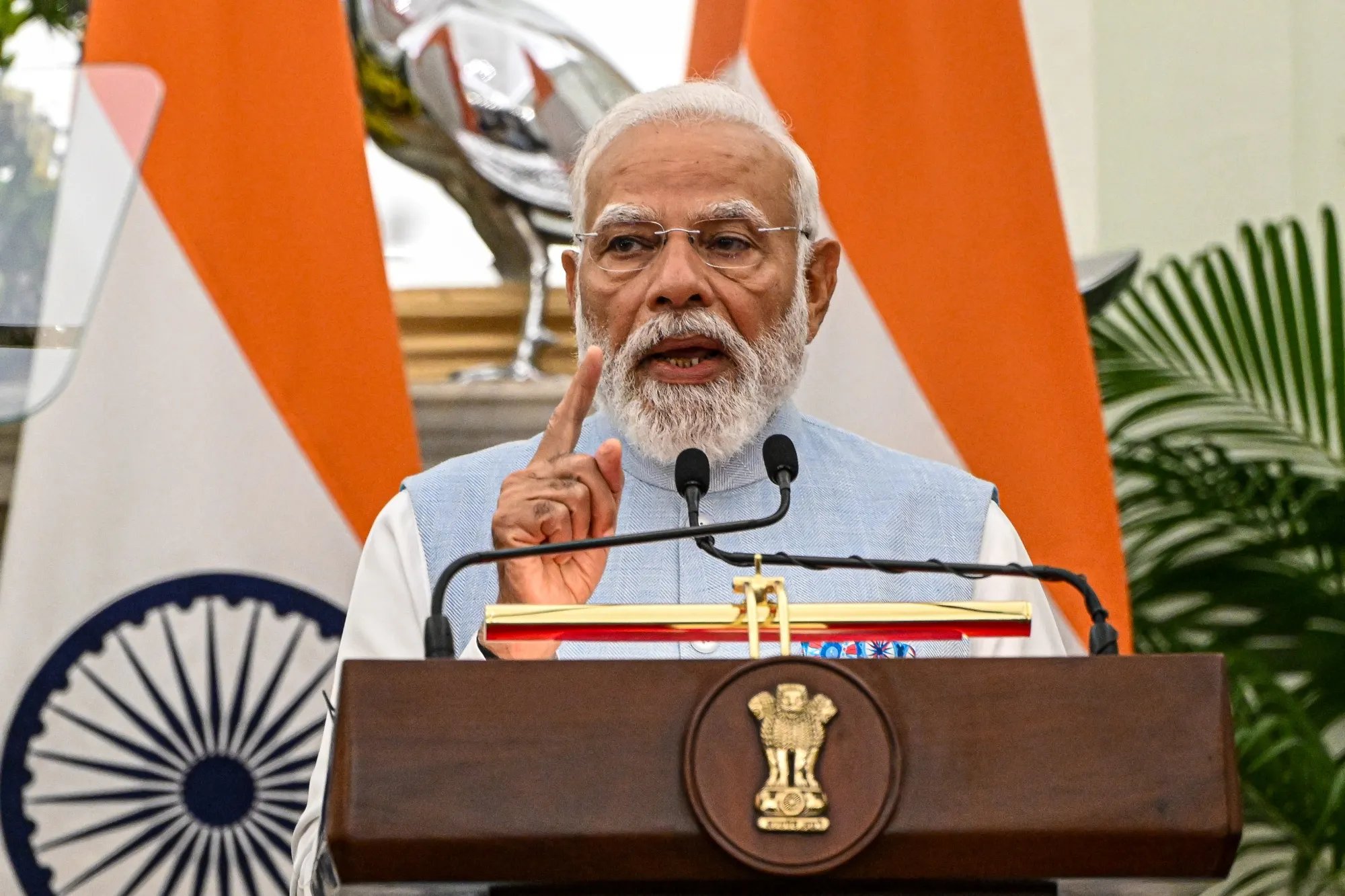
Brazil imports over 80% of its fertilizer, and the price increase has accelerated adoption of biofertilizers. The biofertilizer sector grew 15% in Brazil from 2023 to 2024, according to the state-run Brazilian Agricultural Research Corporation. In India, Prime Minister Narendra Modi announced a "national mission" to adopt natural farming and cut fertilizer use by 50%, as the nation imports 60% of its fertilizer from the Gulf.
Diplomatic disputes undermine peace talks
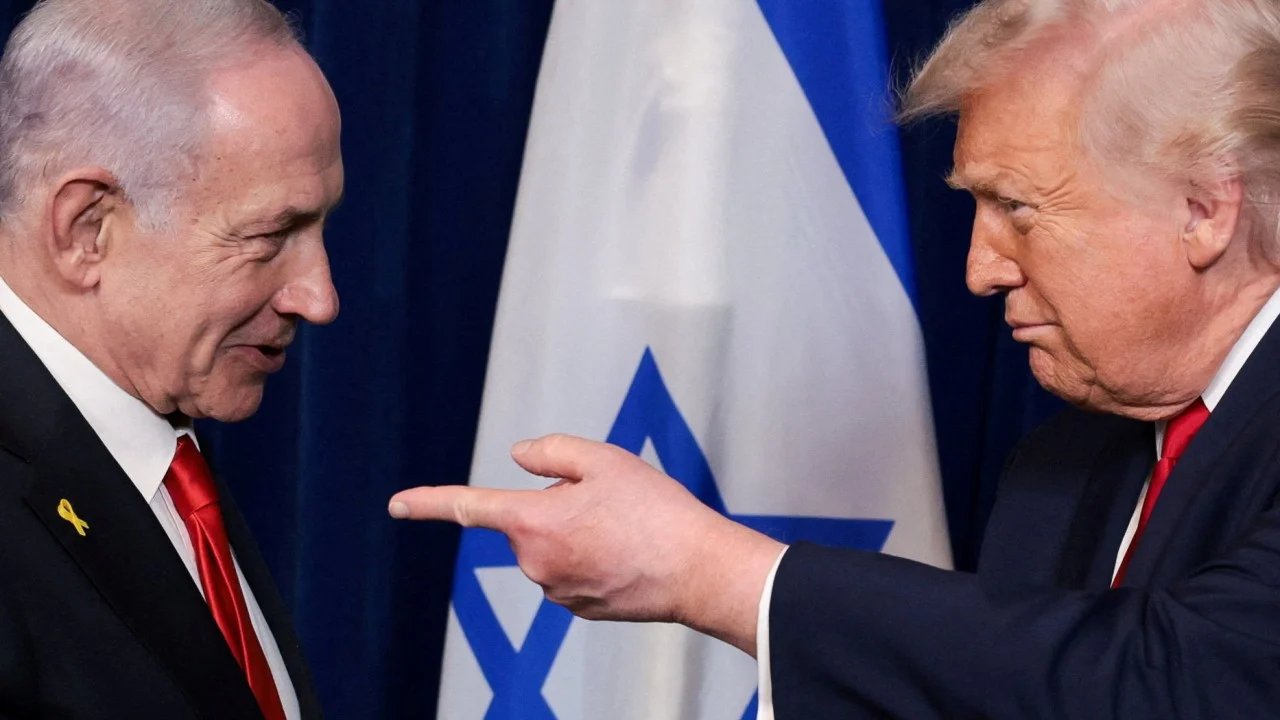
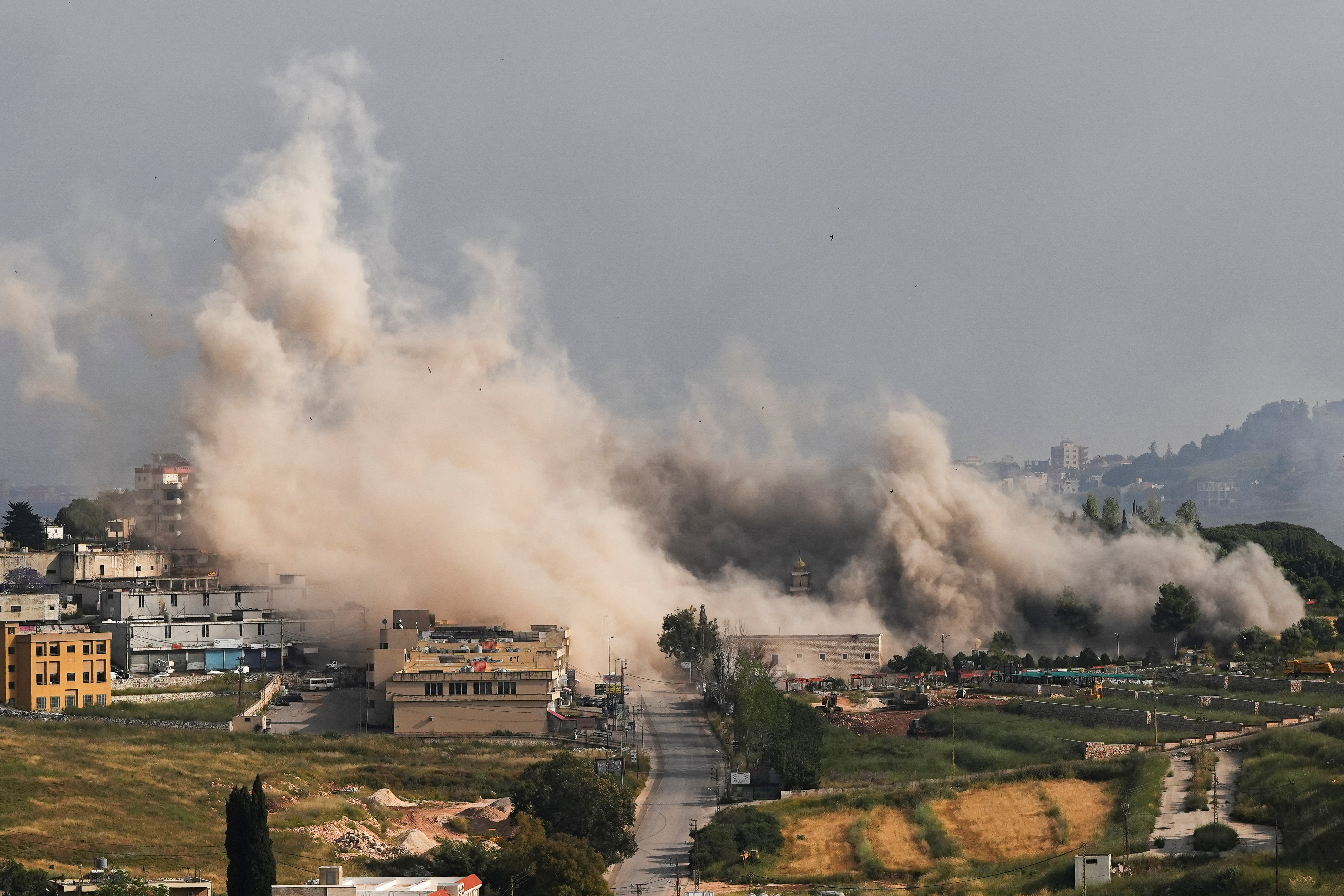
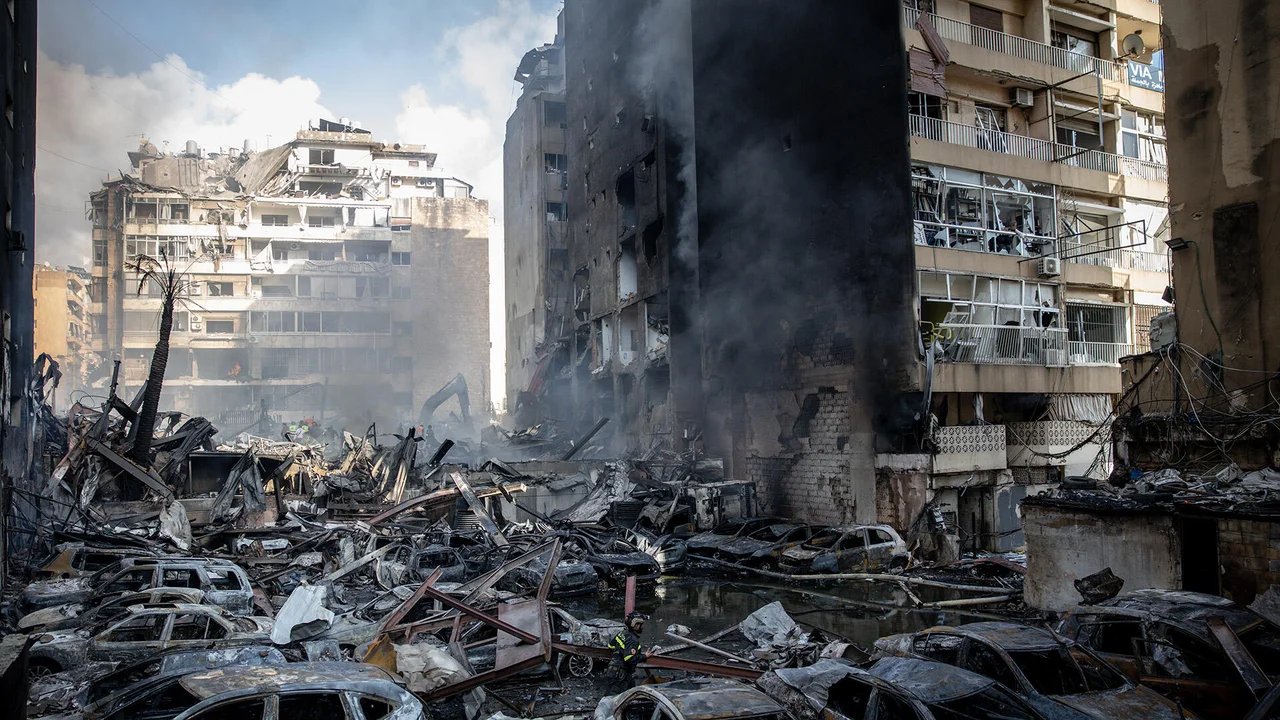
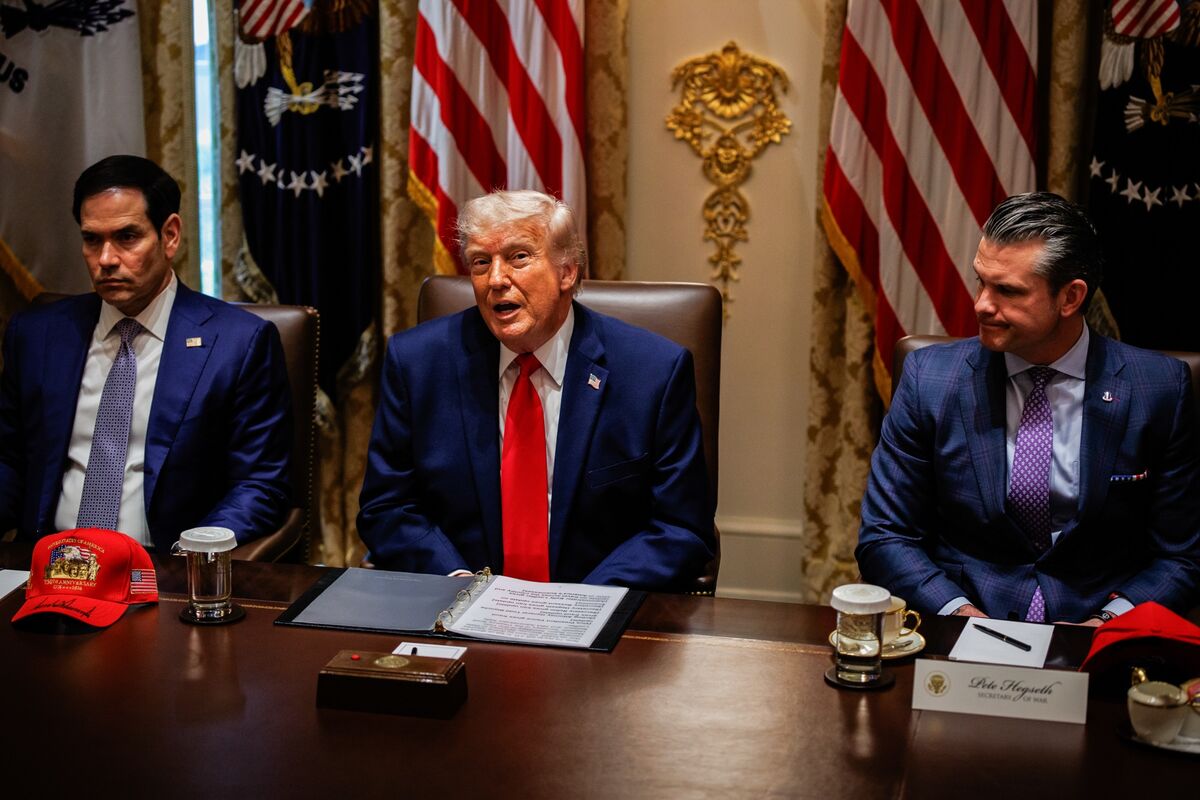
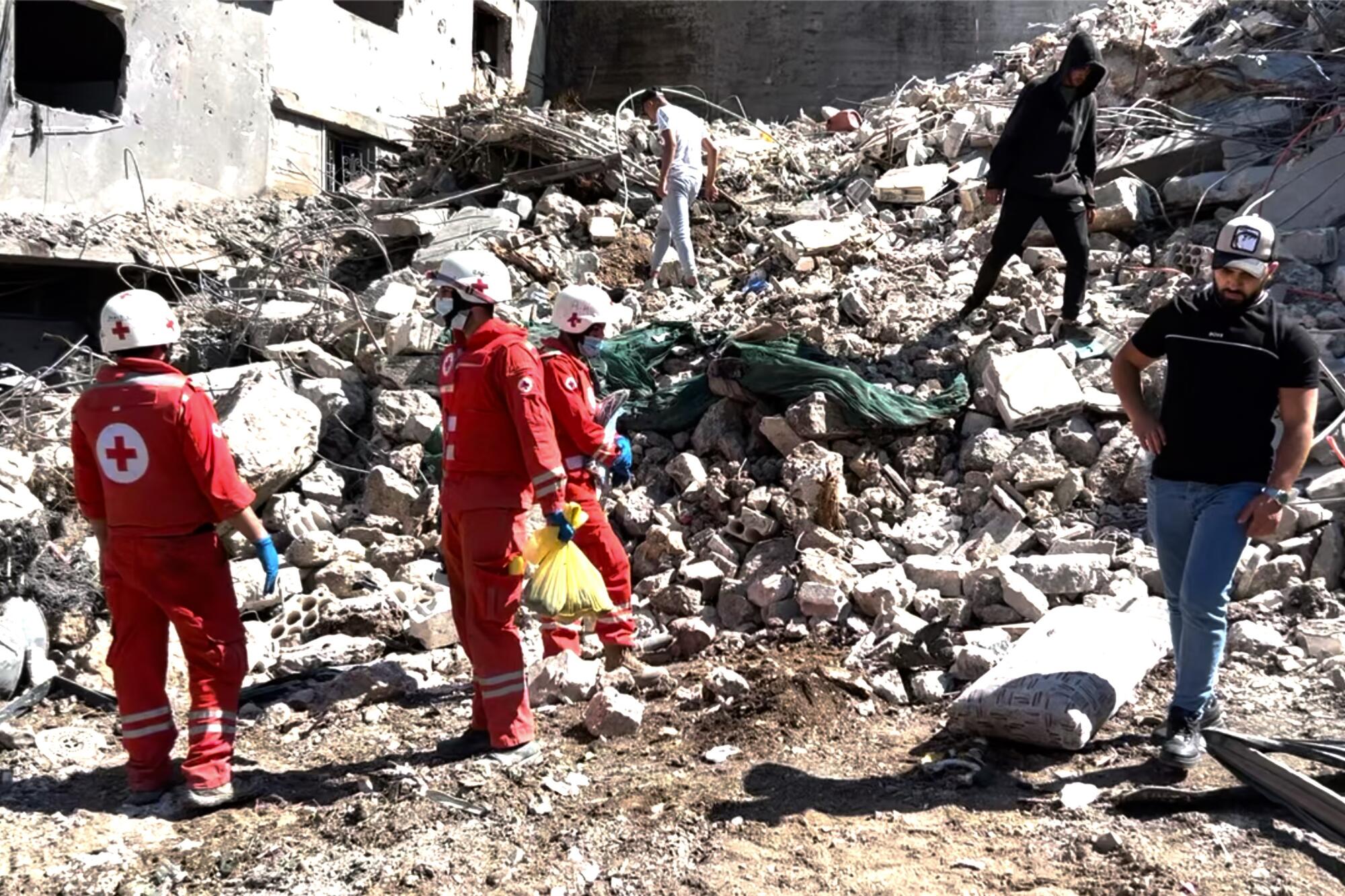
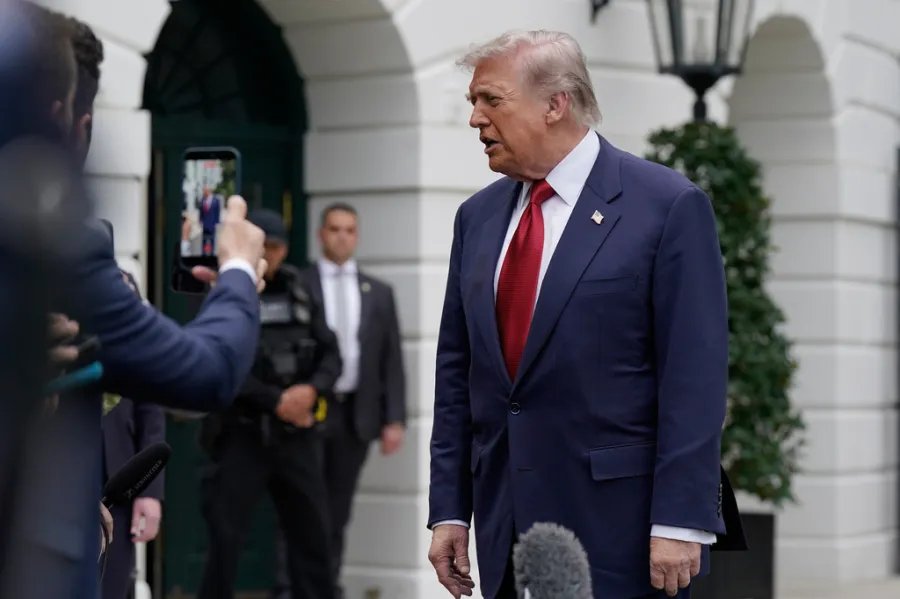
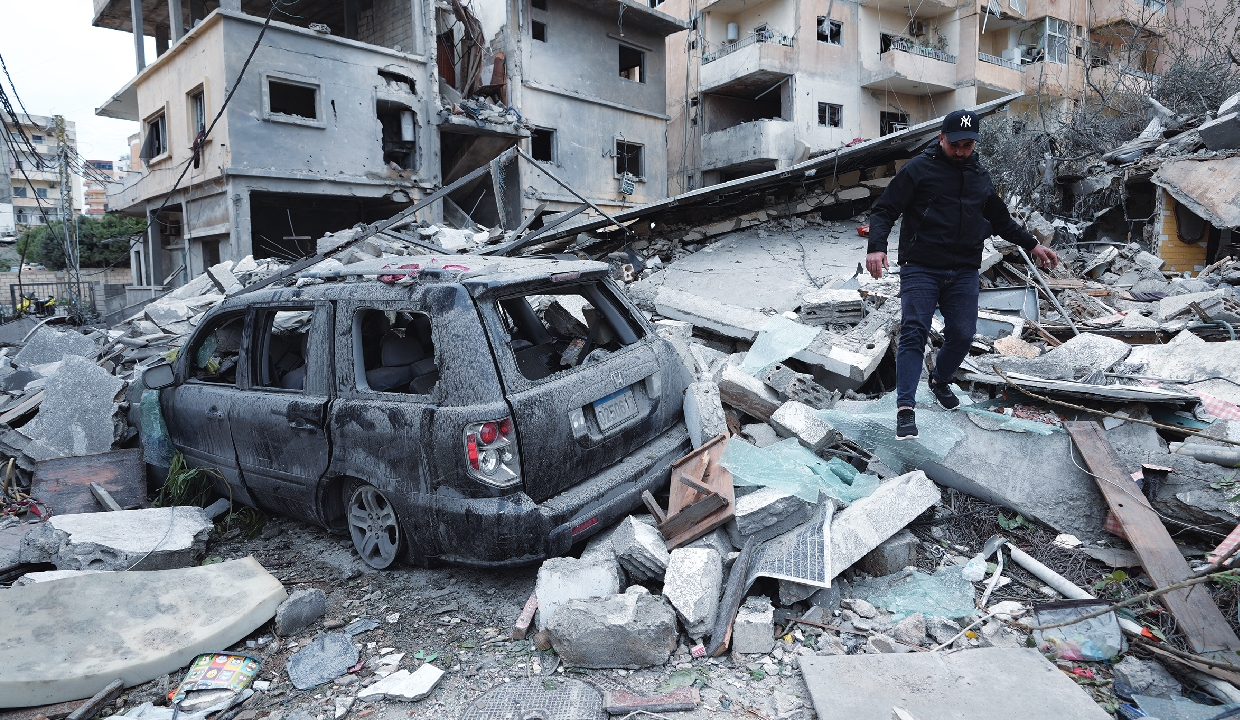
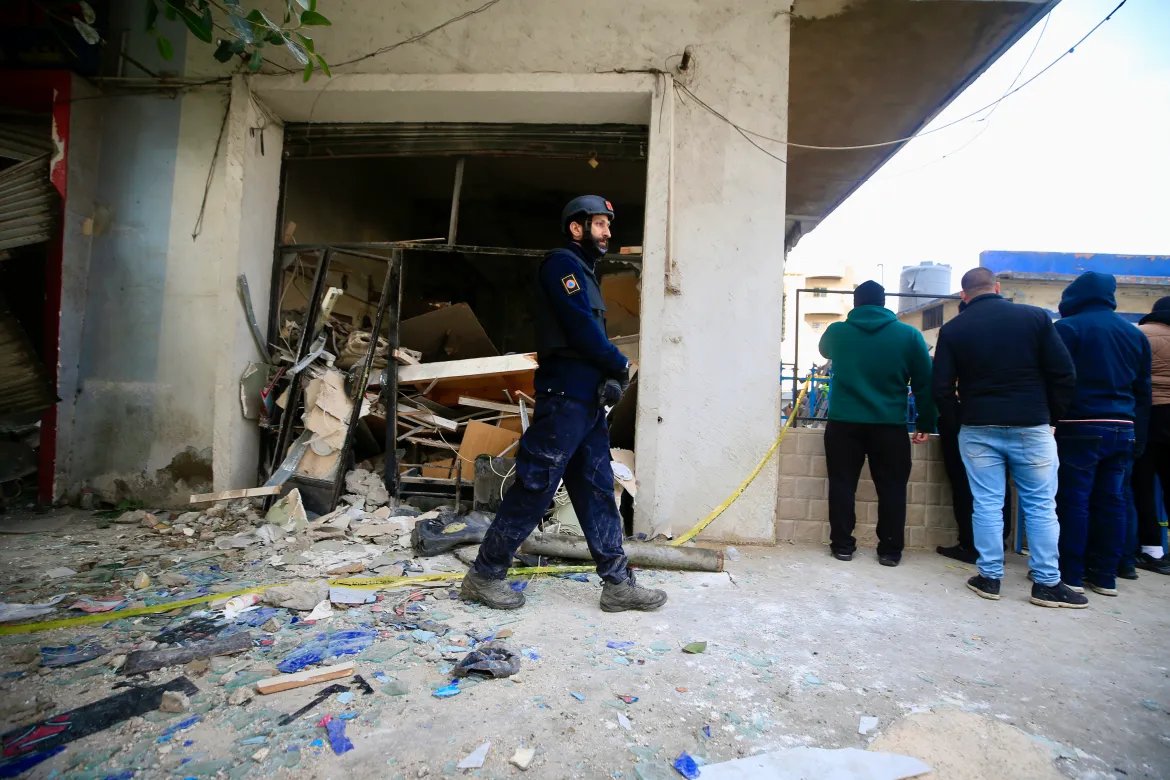
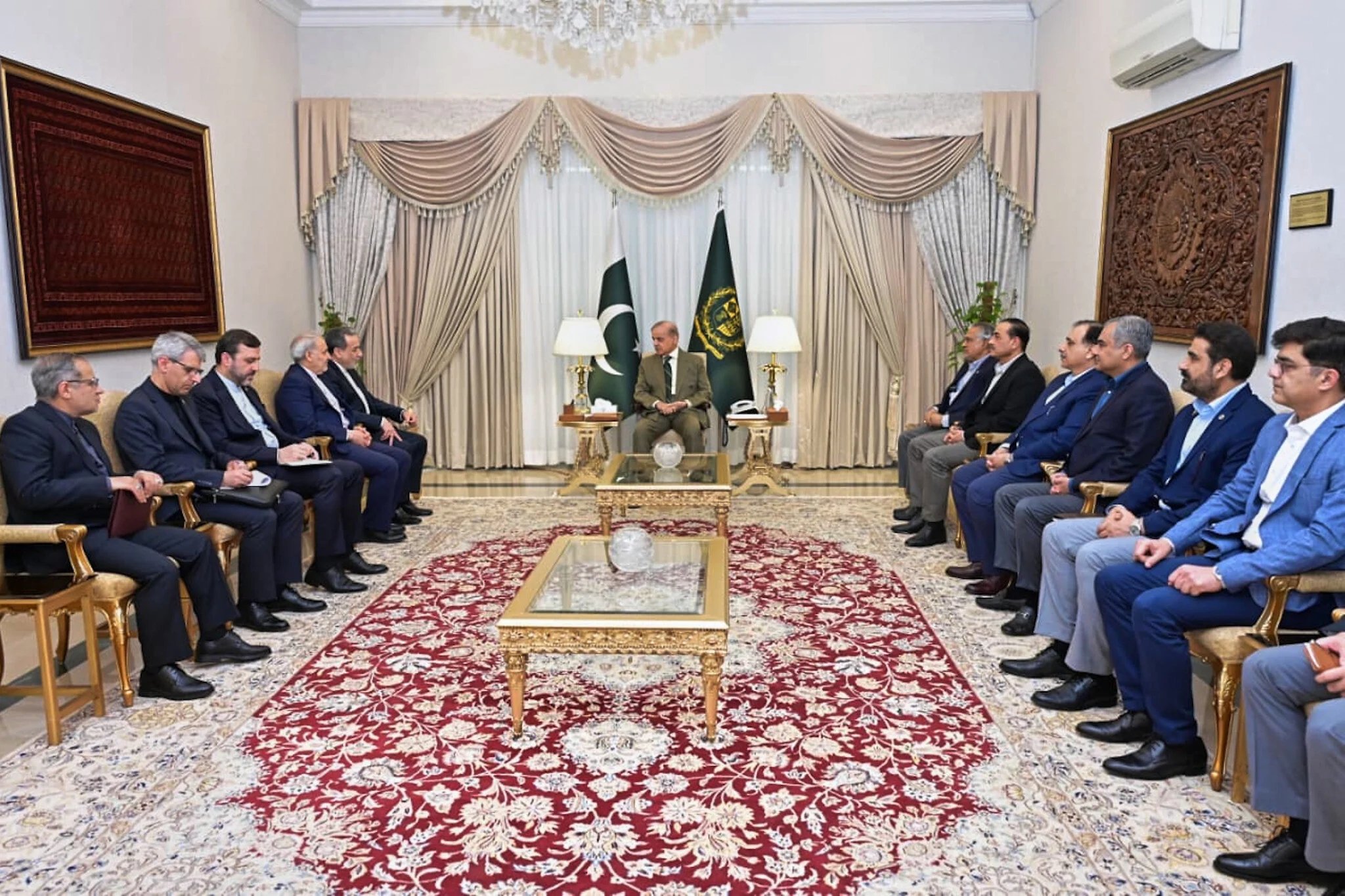
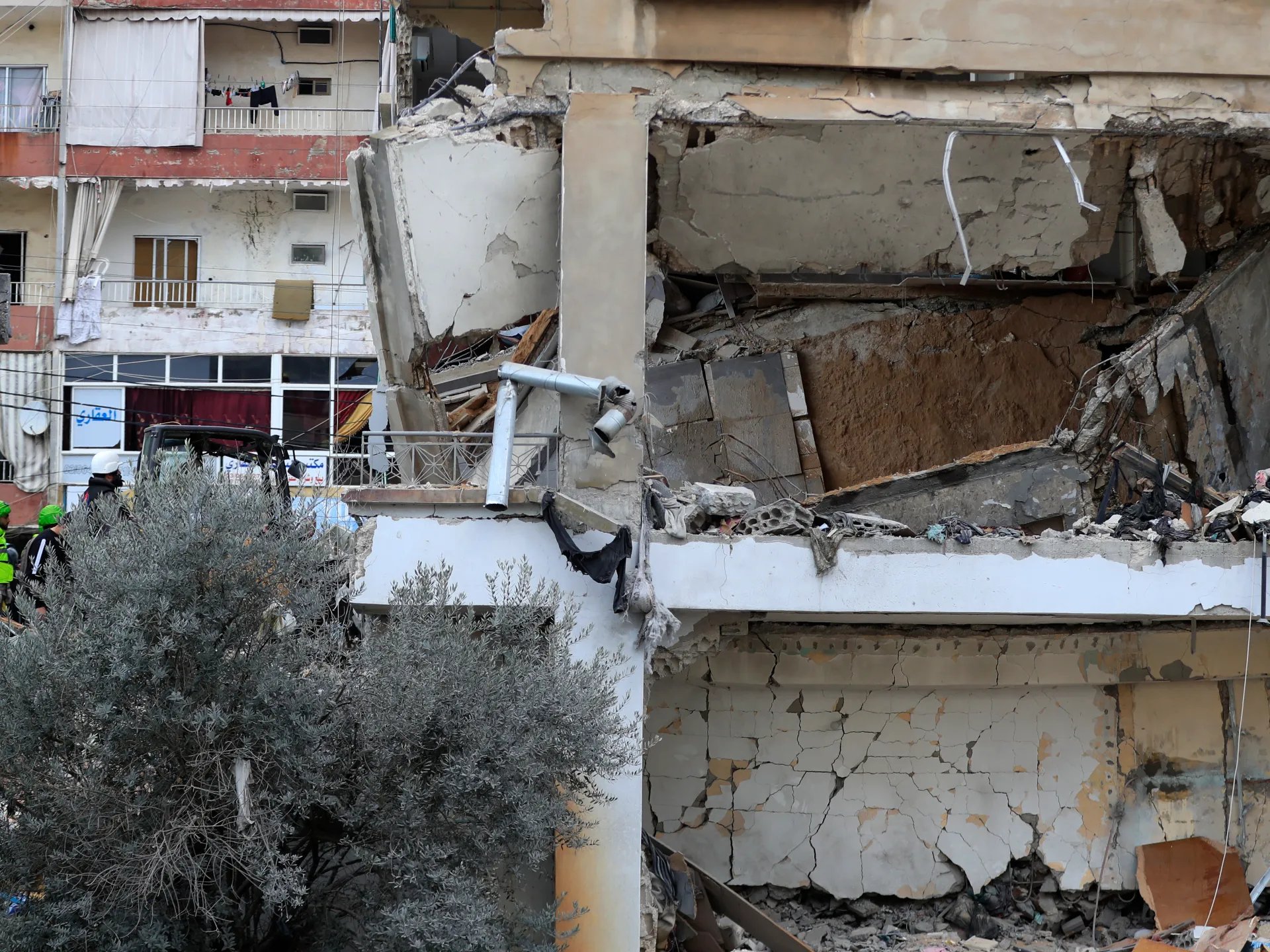
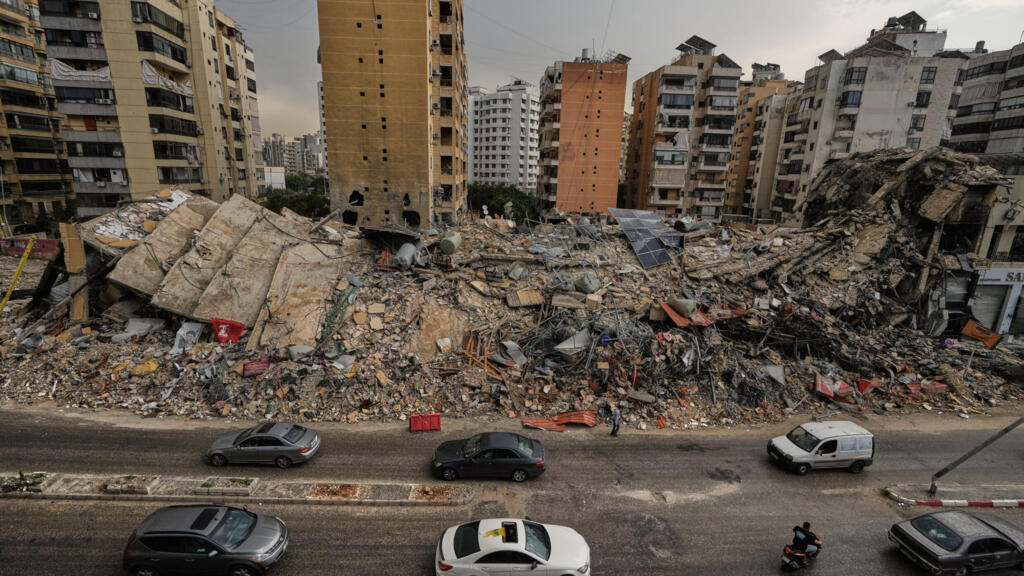
Iranian negotiators are accusing the United States of breaching the ceasefire. Mohammad Bagher Ghalibaf, Iran's main negotiator, stated that the continued U.S. naval blockade of Iranian ports and Israel's intensifying offensive against Hezbollah in Lebanon show Washington is not complying with the truce. The U.S. began its naval blockade on April 16 after talks between delegations from Washington and Tehran in Pakistan failed to produce a peace agreement.
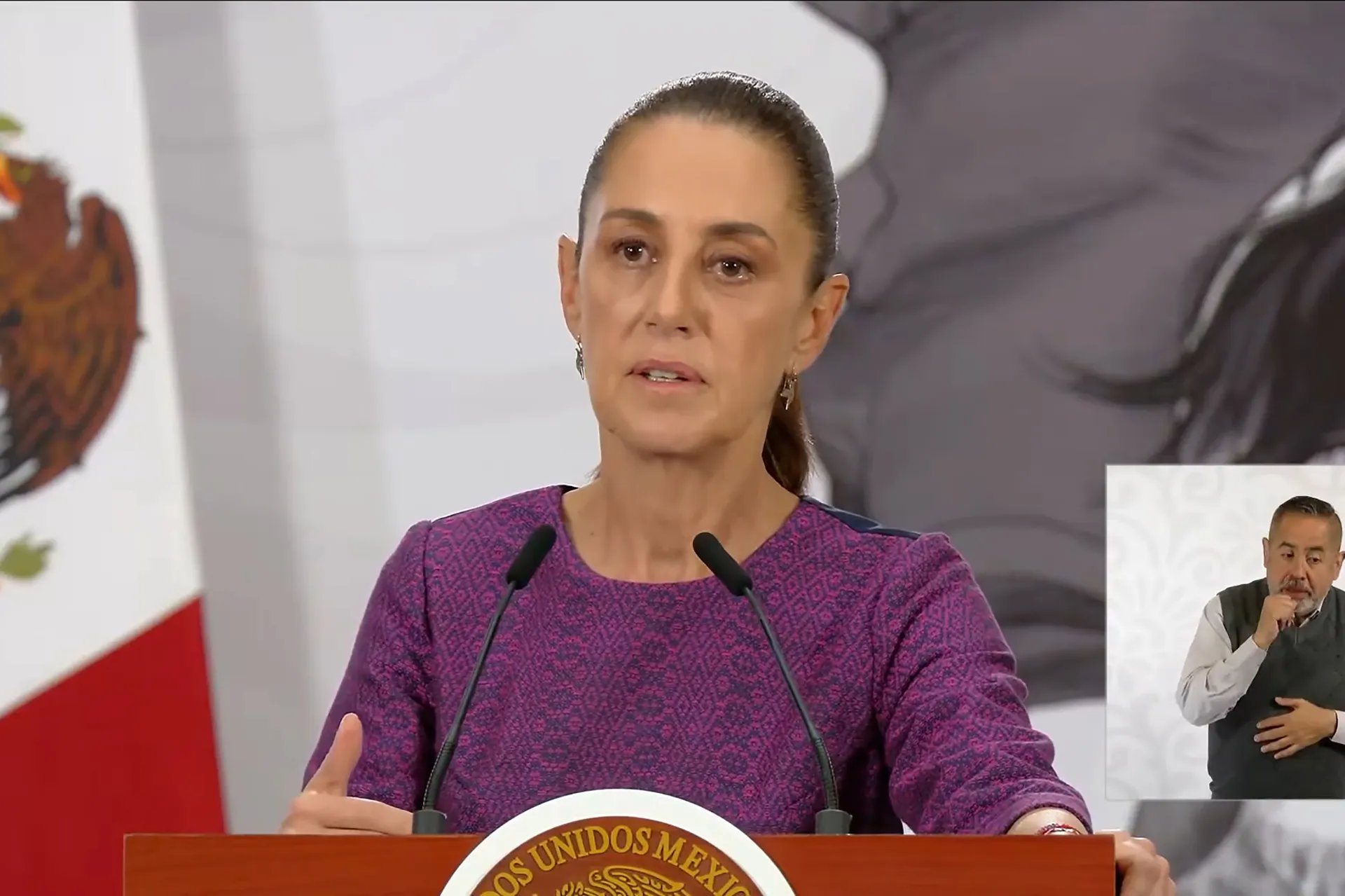
Iran's Foreign Ministry spokesman Esmaeil Baqaei said negotiations are taking place "amid severe suspicion and mistrust." He noted that the U.S. is "constantly changing its views and putting forward new or contradictory demands," which will prolong negotiations. Iran has maintained its closure of the Strait of Hormuz partly because of the blockade and has said a ceasefire in Lebanon is a prerequisite for any peace deal with the United States.