





Consumer Prices Driven by Energy Costs
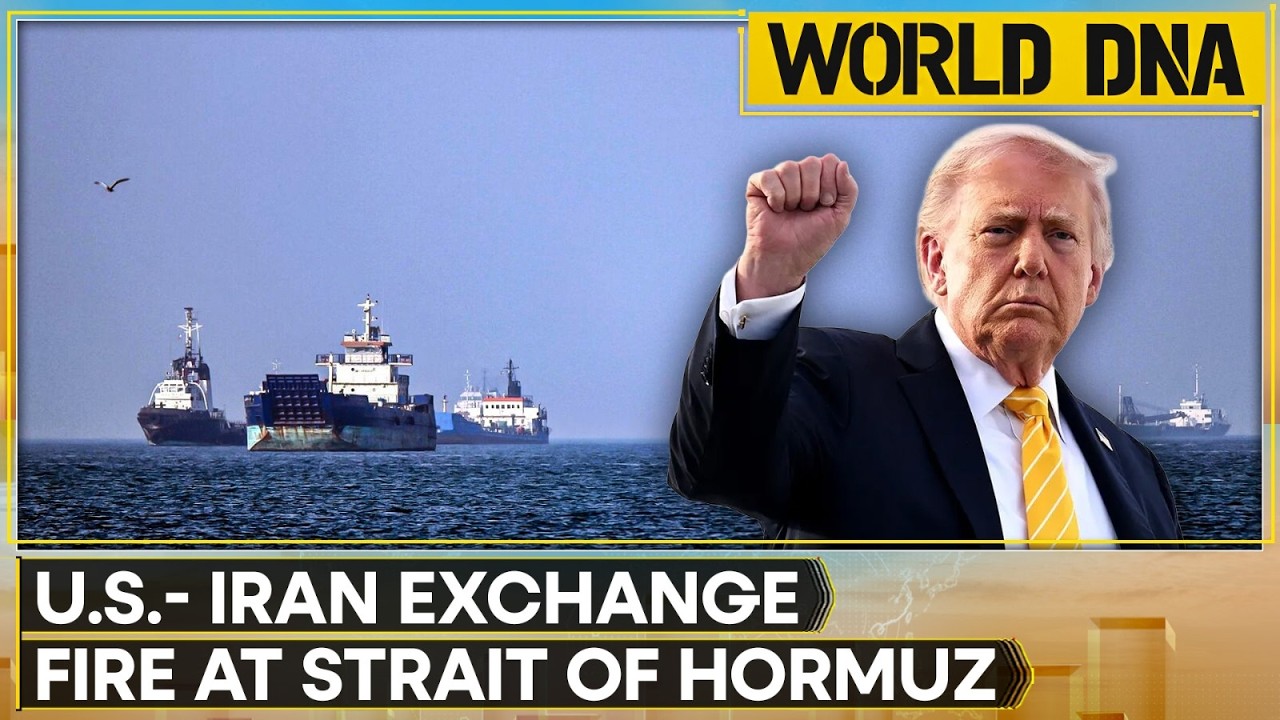
U.S. consumer prices surged in April, marking an annual inflation rate of 3.8%, the highest level since May 2023. The rise was largely fueled by escalating energy prices amid the ongoing war in Iran, which has constrained oil supplies and driven gasoline prices up 28.4% compared to a year earlier. In April alone, the Consumer Price Index (CPI) rose by 0.6%, with energy costs accounting for approximately 40% of the overall increase, as reported by the Labor Department.
Impact on Households
As energy prices climbed, the average American household faced an additional $75 in monthly expenses. Heather Long, chief economist at Navy Federal Credit Union, stated, "Inflation is the key drag on the U.S. economy now. There is a real financial squeeze underway." With inflation outpacing wage growth, which averaged 3.6% over the past year, many Americans are feeling the pinch as their purchasing power diminishes.
Broader Economic Effects
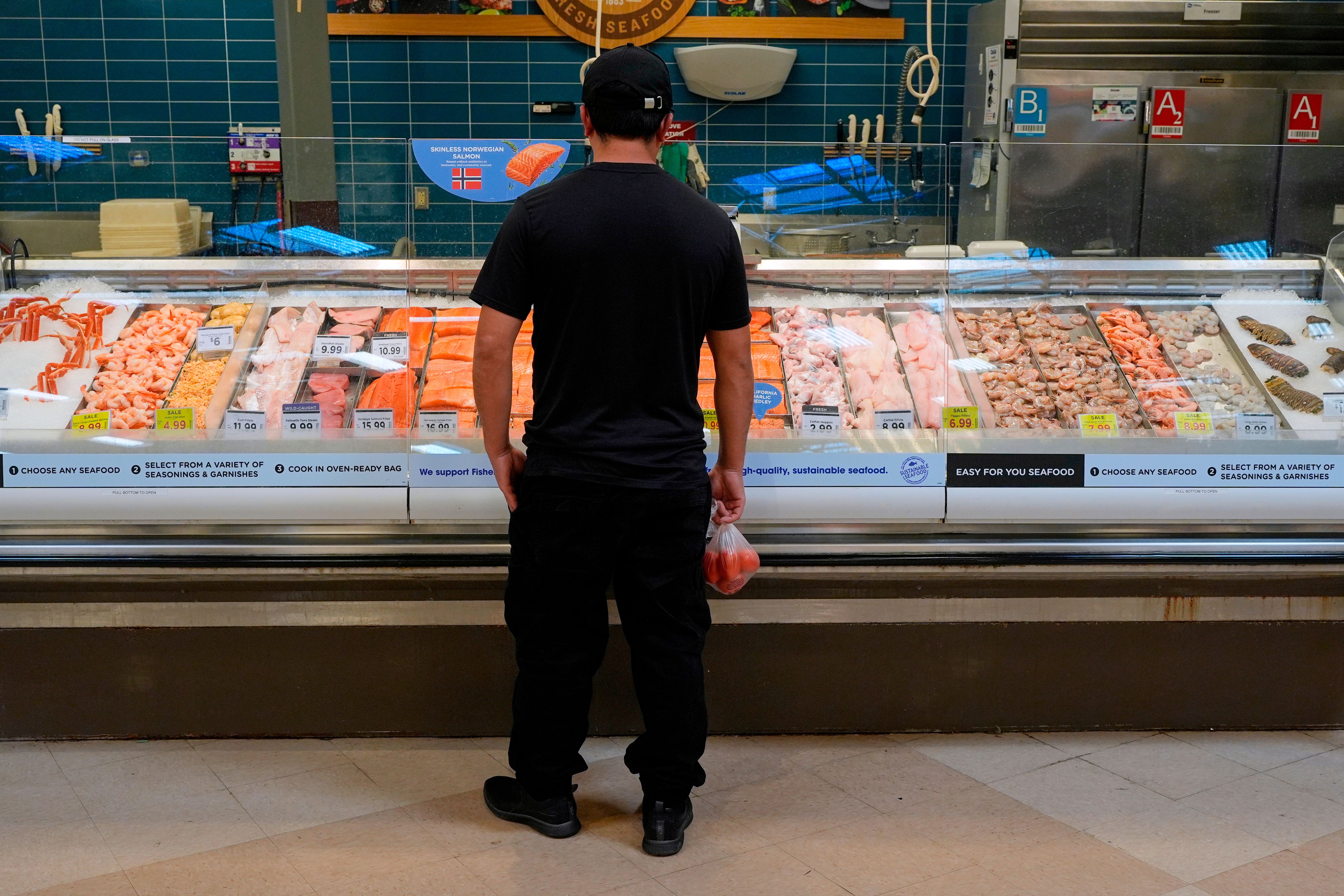
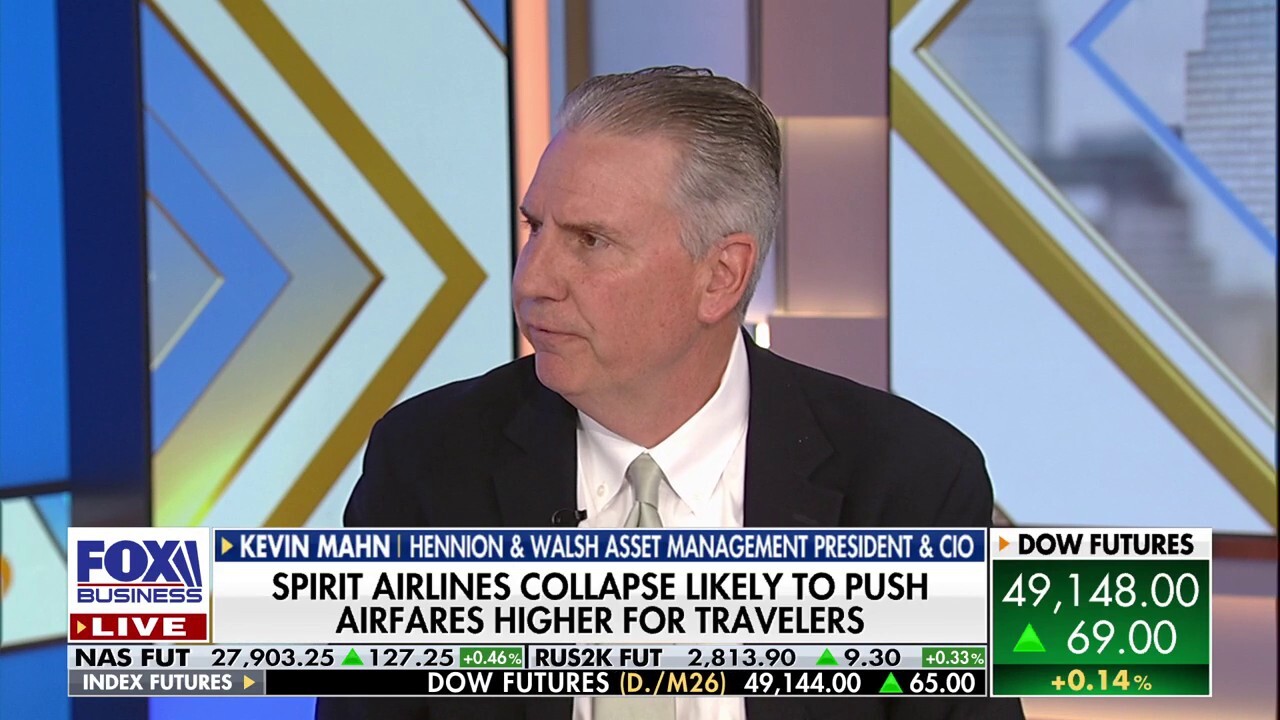
The war in Iran has not only impacted fuel prices but also other essential goods. Grocery prices rose by 0.7% in April, marking the largest one-month increase since August 2022. Additionally, airline fares surged by 20.7% year-over-year, as higher jet fuel costs prompted many carriers to increase ticket prices, affecting travel plans for families gearing up for the summer season.
Federal Reserve's Dilemma
The Federal Reserve faces challenges in addressing rising inflation, particularly with the labor market showing signs of stagnation. Chris Zaccarelli, chief investment officer for Northlight Asset Management, noted that it is "very unlikely" the Fed will cut interest rates anytime soon. Predictions from the Bank of America suggest that interest rates may not decrease until the second half of 2027, reflecting the enduring pressures on the economy.
Political Implications
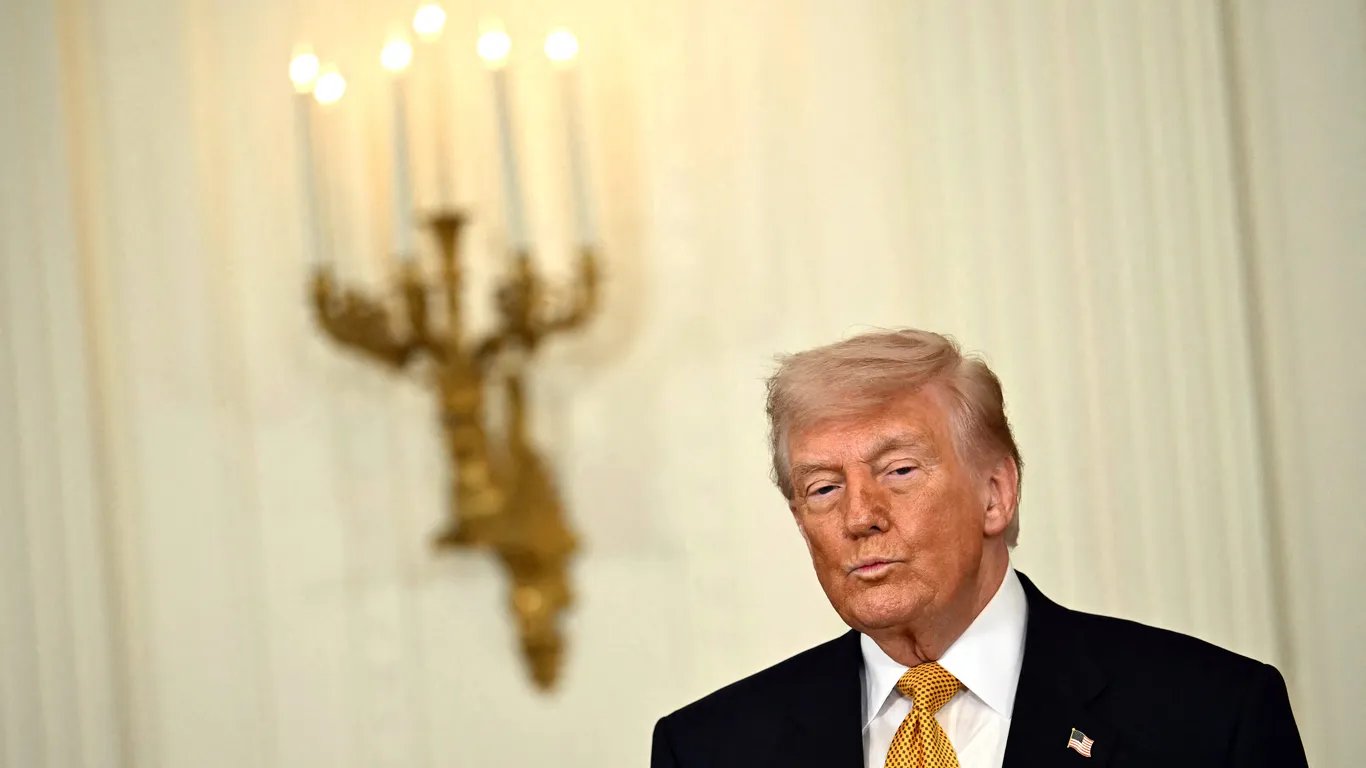
The inflation spike poses significant political challenges for the Trump administration, especially as managing economic stability was a cornerstone of the 2024 campaign. As inflation continues to rise, it mirrors the economic struggles experienced during the Biden administration, complicating Trump's narrative of economic recovery. Mark Zandi, chief economist at Moody's Analytics, anticipates that inflation will keep accelerating through the summer, further complicating the political landscape.
Future Outlook
While core inflation, which excludes volatile food and energy prices, remained at 2.8%, it still exceeds the Federal Reserve's target of 2%. Experts suggest that any potential decline in inflation relies heavily on the resolution of the conflict in Iran and the subsequent restoration of oil supplies. Until then, Americans may continue to grapple with rising costs, impacting their daily lives and financial well-being.






















For example, the sources report that grocery prices rose by 0.7% in April, which is the largest one-month increase since August 2022, highlighting the broader impact of rising fuel costs.