
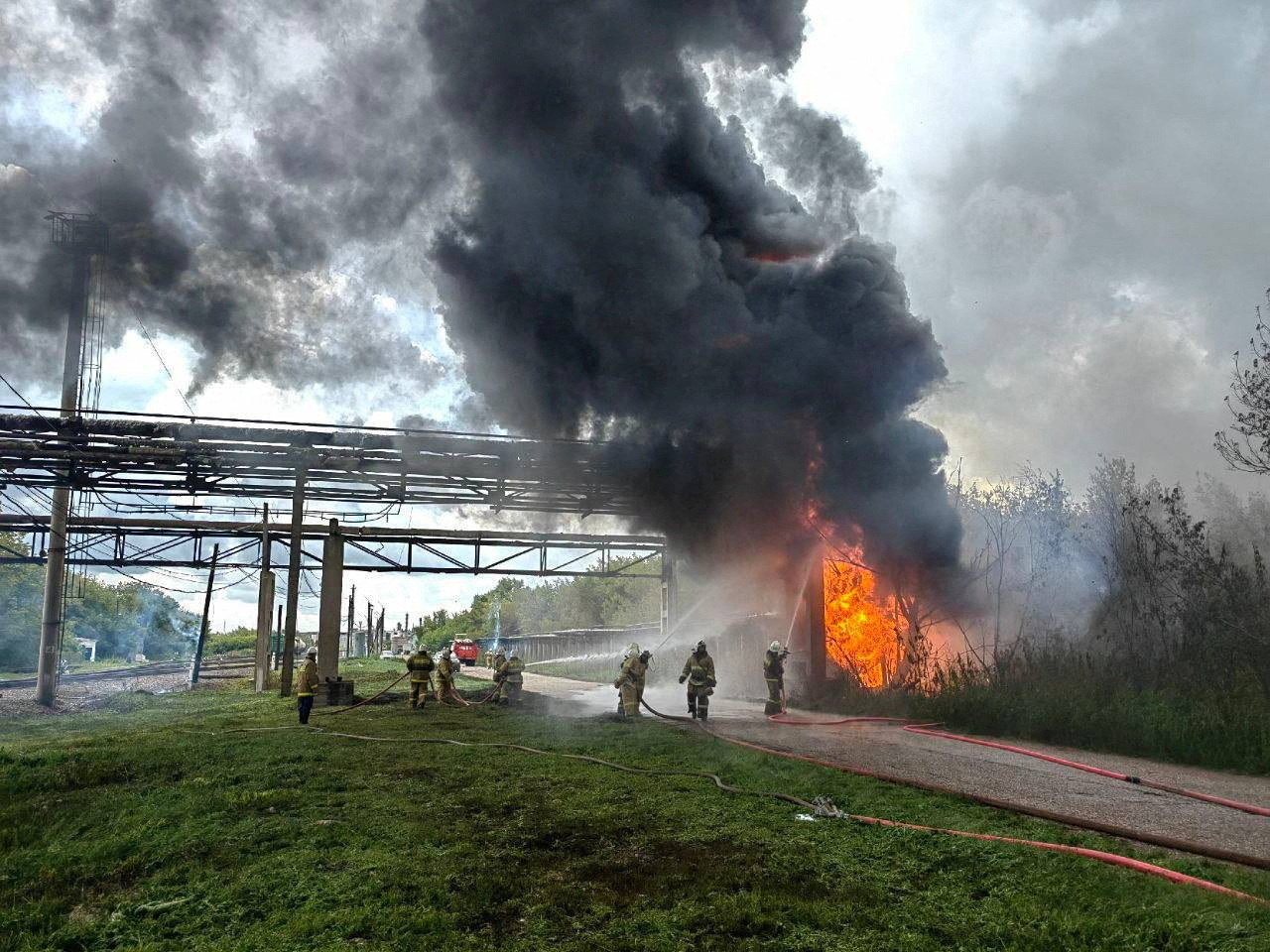





Ceasefire Broken with Overnight Attacks
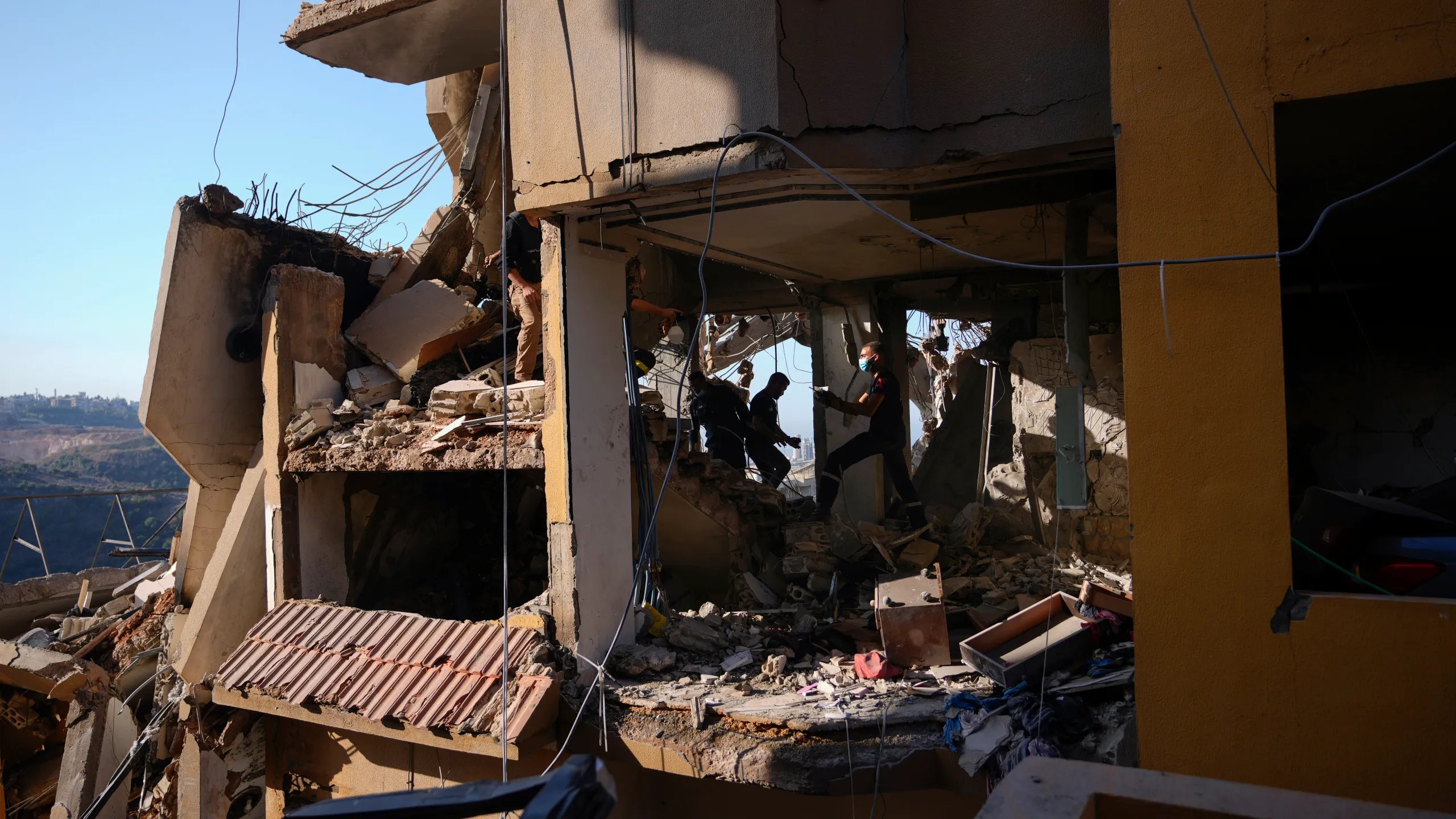
Ukrainian President Volodymyr Zelenskyy announced that Russia ended a temporary ceasefire by launching over 200 drone strikes against multiple regions in Ukraine, including Kyiv, Dnipro, and Mykolaiv. Zelenskyy confirmed that at least one civilian was killed in the attacks, which targeted energy facilities, apartment buildings, and a kindergarten. Russian military sources claimed to have intercepted 27 Ukrainian drones during the night, but did not comment on the ceasefire's abrupt end.
Ukraine Strikes Back
In retaliation for the Russian drone strikes that killed at least six people in Dnipropetrovsk, Ukraine targeted gas facilities in Russia's Orenburg region, located more than 1,500 kilometers from the Ukrainian border. Zelenskyy stated, “Ukraine has said that we will act symmetrically in response to Russia,” emphasizing the need for a measured response. Evgeny Solntsev, the governor of Orenburg, reported that nine Ukrainian drones were repelled, with debris causing damage to a residential building, a school, and a kindergarten, though no injuries were reported.
Context of the Ceasefire
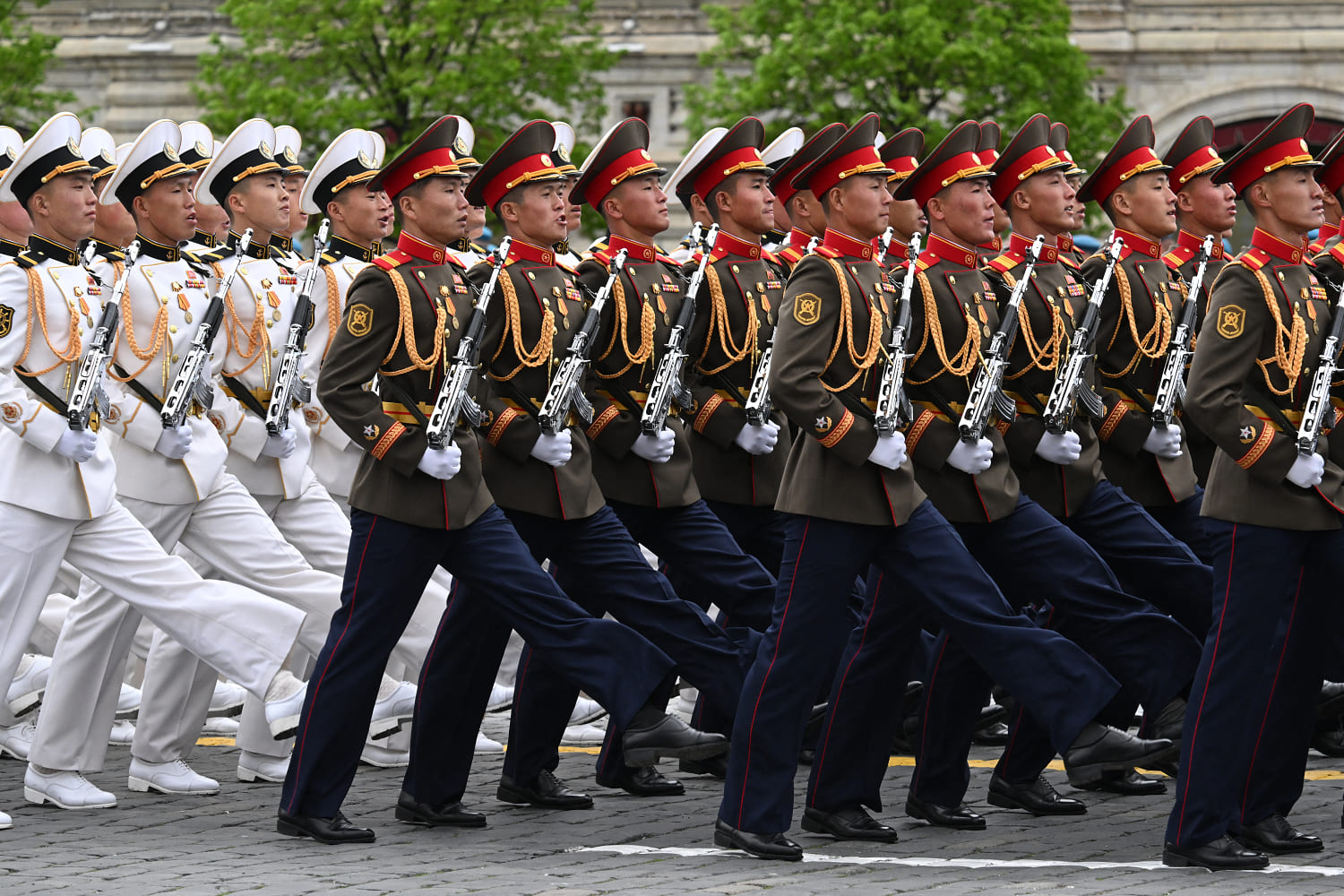
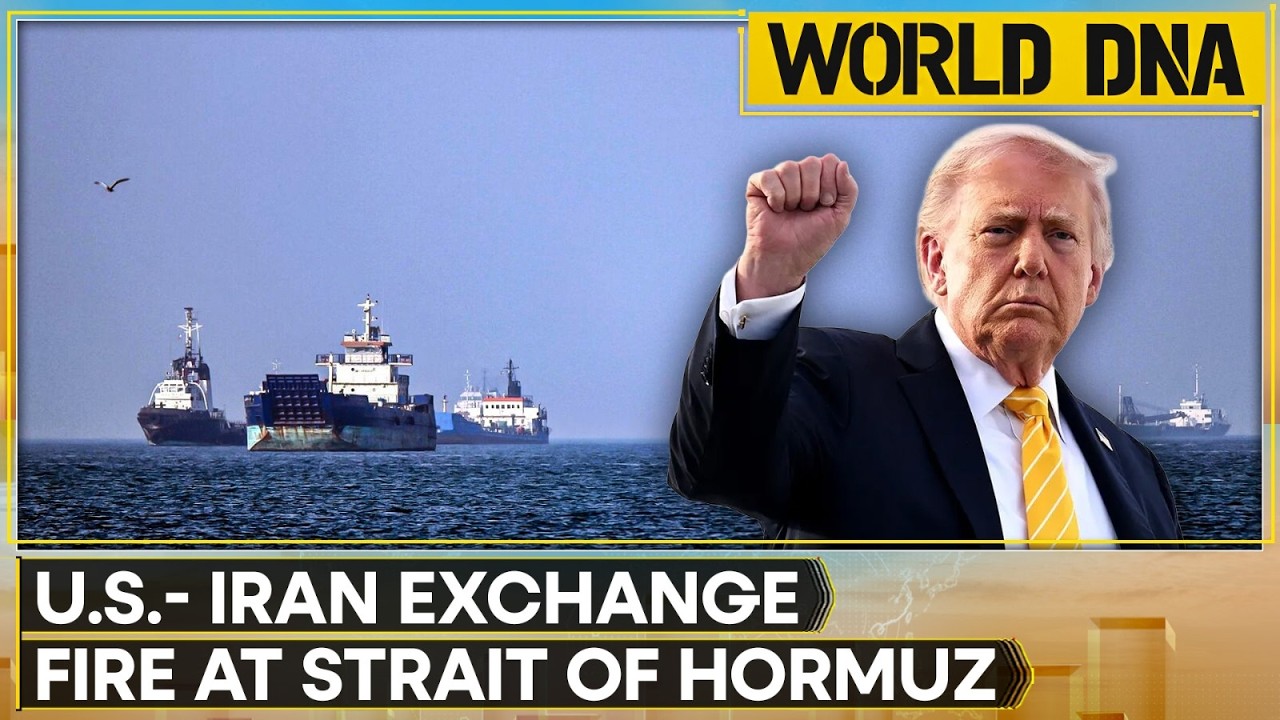
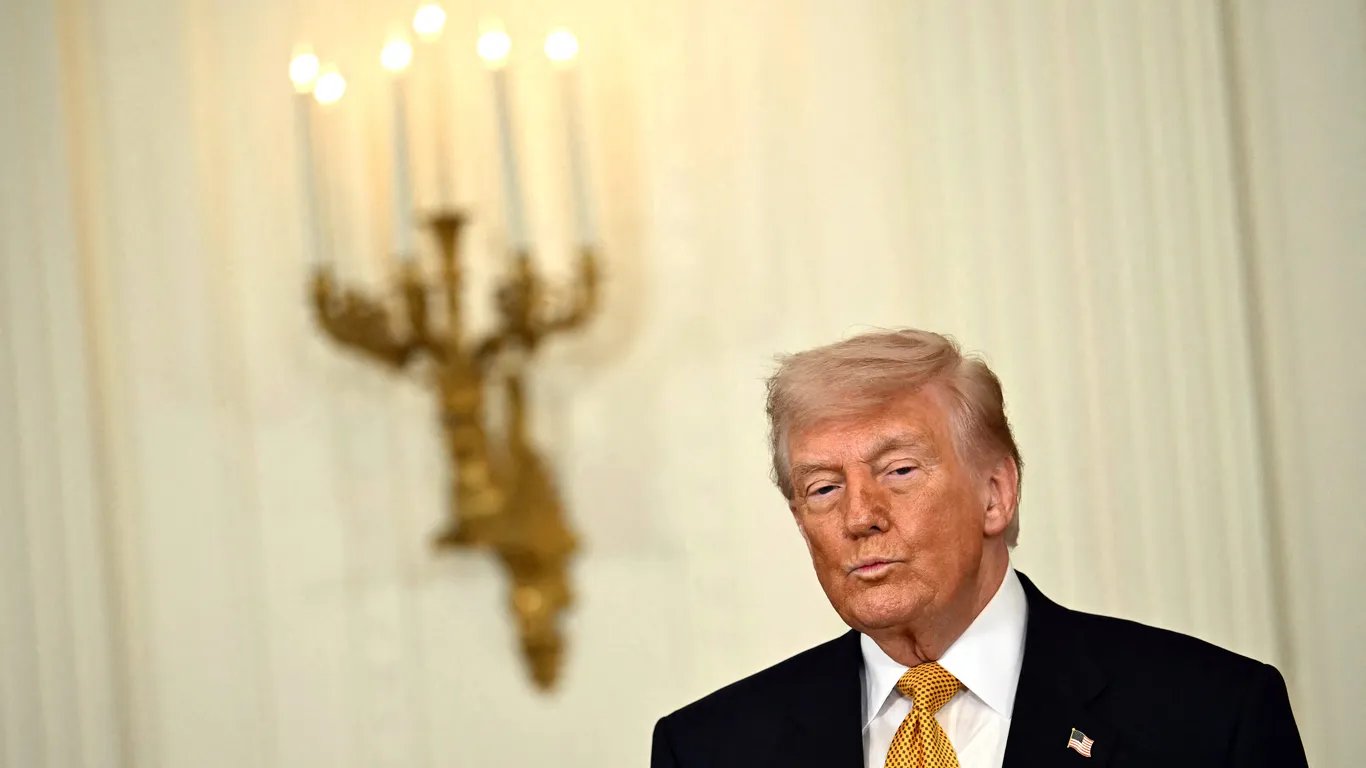
The temporary ceasefire lasted nearly three days and was brokered following discussions involving Zelenskyy, Russian President Vladimir Putin, and U.S. President Donald Trump. It coincided with Russia's Victory Day celebrations, which were notably scaled back due to economic challenges. Both sides accused each other of ceasefire violations throughout the brief truce. Despite Ukraine's offer to extend the ceasefire, Moscow declined, leading to the escalation in hostilities.
Diverging Views on Peace
Putin recently suggested that the war in Ukraine could be nearing its end, a sentiment echoed by Kremlin spokesman Dmitry Peskov, who stated that progress in peace talks might lead to a resolution soon. However, Zelenskyy countered this claim, warning that Ukraine must prepare for further attacks. European Union foreign policy chief Kaja Kallas interpreted Putin's comments as a sign of weakness, indicating that there might be an opportunity for peace.
Ongoing Military Developments
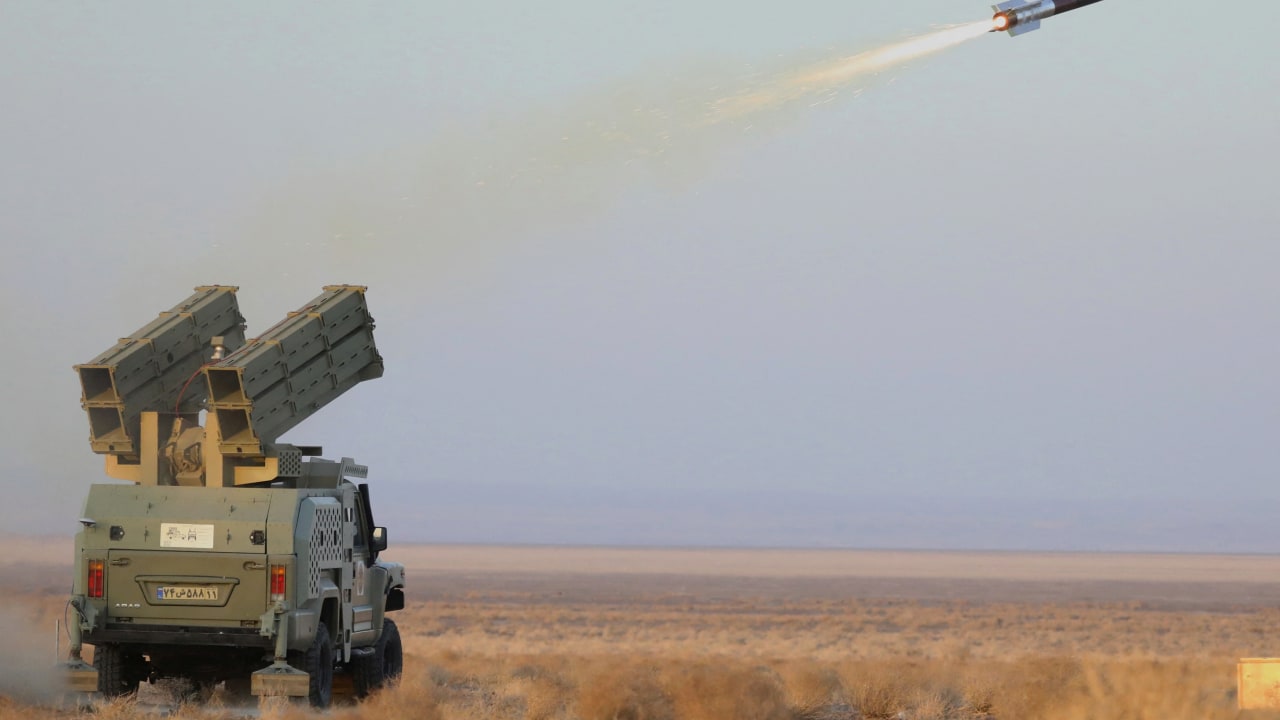
As tensions heightened, Russia tested a new nuclear-capable intercontinental missile that Putin claimed would be deployed by the end of the year. He described the missile as the "most powerful" in the world, capable of evading all current and future missile defense systems. Analysts have previously questioned the accuracy of Putin's military assertions, suggesting that he may be overstating Russia's capabilities.
Future Negotiations Uncertain
Despite ongoing discussions, significant breakthroughs in peace negotiations remain elusive. Reports indicate that the U.S. is attempting to negotiate another temporary ceasefire, potentially involving sanctions relief for Russia. However, Ukrainian officials express concerns that such an agreement lacks essential security guarantees to prevent future Russian aggression. As the conflict continues, both sides appear entrenched, with no clear path to a lasting resolution.













The sources also report that the ceasefire was brokered after talks involving U.S. President Donald Trump, but did not specify the duration of the ceasefire as 'nearly three days'.