




Currency Decline Linked to Oil Prices and Economic Pressures
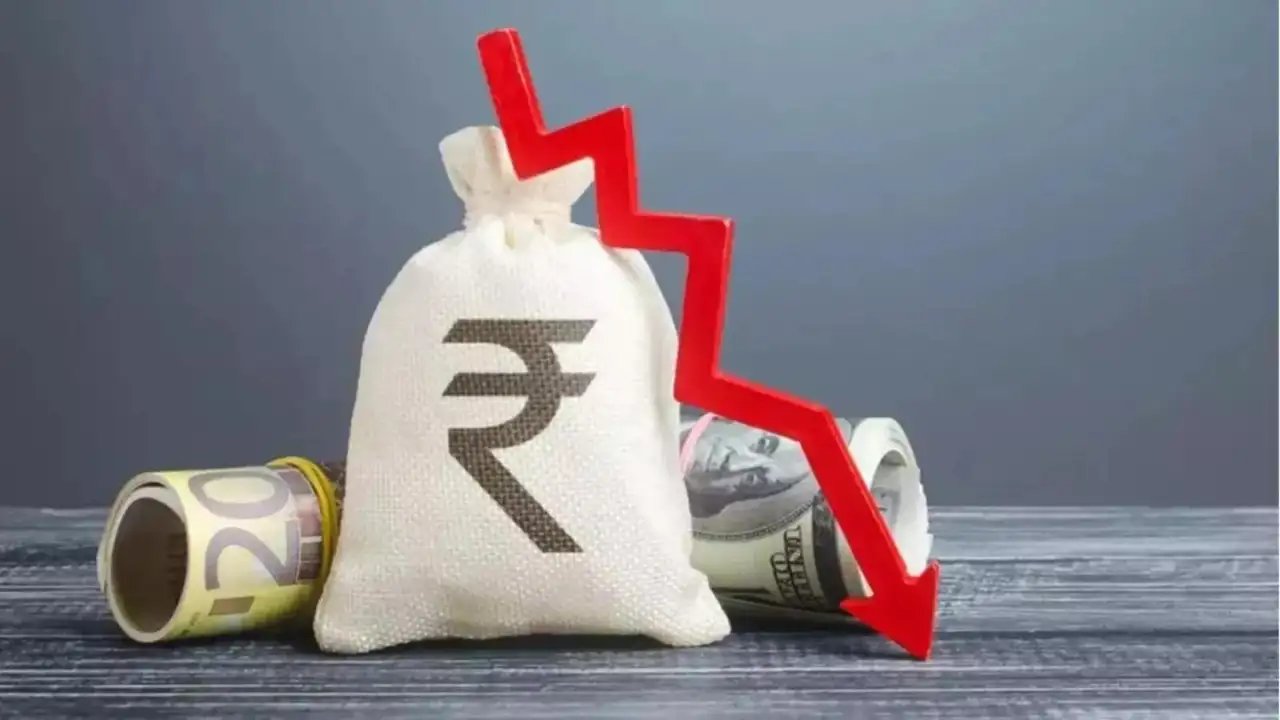
The Indian rupee has reached an unprecedented low of 95.74 against the US dollar, a decline attributed to escalating oil prices and mounting external debt. Analysts point to the ongoing US-Iran conflict as a key factor driving up crude oil costs, which has significant implications for India's economy. This depreciation not only affects international trade but also raises concerns about inflation and the overall cost of living for consumers in India.
Government and RBI Interventions
In response to the rupee's decline, both the Reserve Bank of India (RBI) and the government are taking steps to stabilize the currency. Market experts anticipate that these interventions may include potential interest rate hikes aimed at managing inflation and restoring confidence in the rupee. Despite these measures, the market remains cautious, with many investors closely monitoring the situation to assess its impact on future economic stability.
Implications for Consumers and Businesses
The weakening rupee is expected to have a direct impact on consumers, particularly as the cost of imported goods rises. This includes essential commodities such as oil, which could lead to higher transportation and energy costs. Businesses that rely on imports may also face increased operational expenses, potentially leading to higher prices for consumers. As the economy grapples with these challenges, many are concerned about the long-term effects on growth and employment.
Economic Outlook and Future Challenges
Economists warn that if the rupee continues to depreciate, India could face further economic challenges, including increased inflation and a potential slowdown in growth. The current situation underscores the interconnectedness of global events, such as geopolitical tensions and commodity price fluctuations, which can significantly influence local economies. As India navigates these turbulent waters, the effectiveness of government interventions will be crucial in determining the currency's future trajectory.
Next Steps for Stakeholders
For consumers, businesses, and policymakers, the focus will be on monitoring the rupee's performance and the impact of any government measures. Stakeholders are advised to stay informed about market developments and consider strategies to mitigate risks associated with currency fluctuations. Understanding these dynamics will be essential as India seeks to stabilize its economy amidst rising oil prices and external pressures.