




Deal Collapses After Regulatory Review Halted
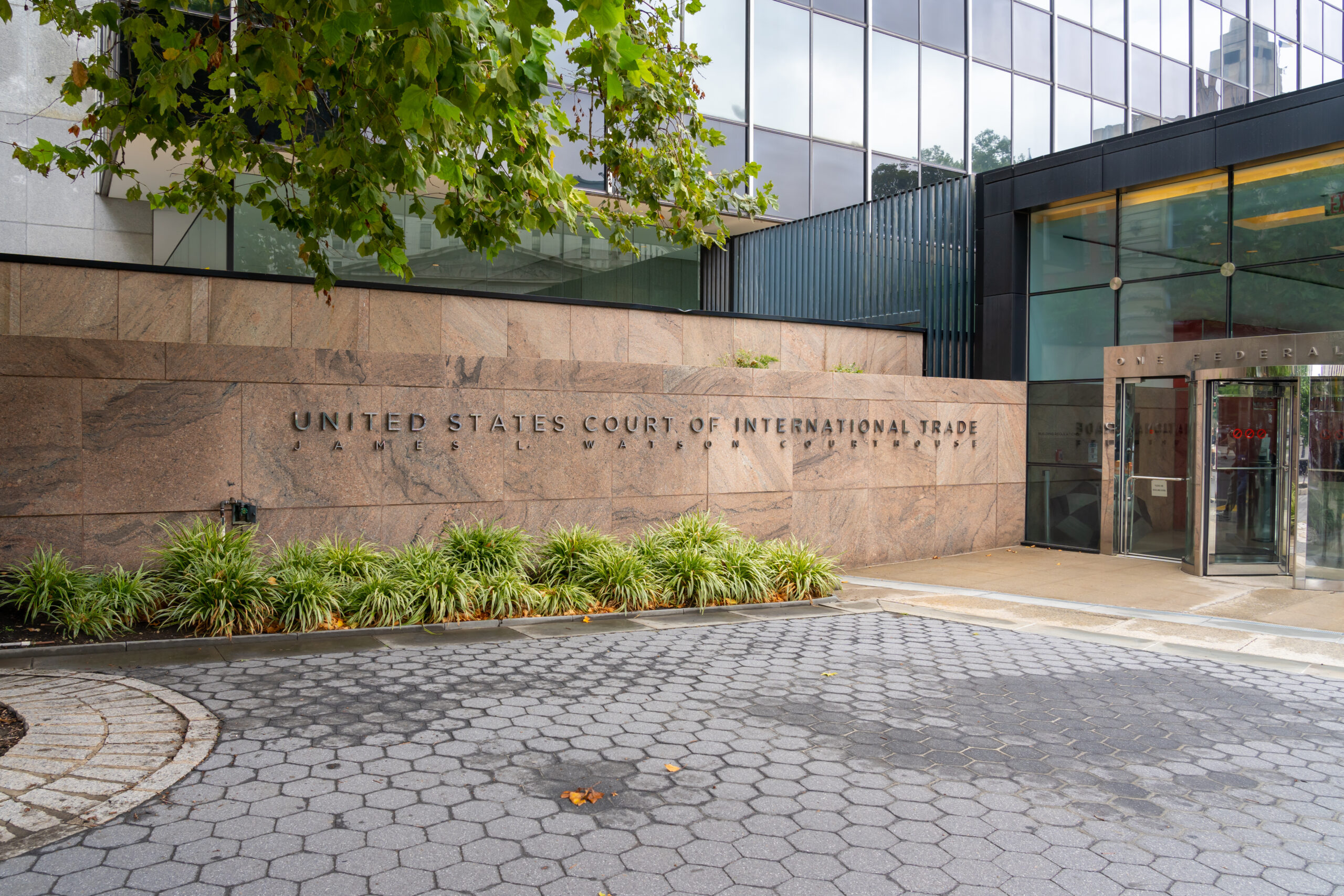
Tuas Ltd.’s planned acquisition of M1 Ltd., a major telecom operator in Singapore, has been terminated after regulatory scrutiny brought the review process to a halt. The deal, valued at $1.1 billion, faced challenges from the Singaporean authorities, leading Tuas to officially withdraw its interest in the transaction. The sudden termination highlights the increasing complexity of mergers and acquisitions in the telecommunications sector, where regulatory oversight is becoming more stringent.
Impact on Telecommunications Market
The collapse of the Tuas deal could have far-reaching implications for the telecommunications landscape in Singapore and the broader region. With Tuas stepping back, M1 remains under the ownership of Keppel Corporation, which may now need to reassess its strategic options for the company. Analysts suggest that the regulatory environment is tightening, potentially discouraging foreign investments and altering the competitive dynamics among telecom providers.
Statements from Key Players
Tuas did not provide detailed comments on its decision to terminate the deal. However, regulatory bodies have emphasized the importance of maintaining competitive markets, suggesting that scrutiny of such deals is essential for consumer protection. A spokesperson from the Singaporean regulatory authority stated, "Our role is to ensure that any merger or acquisition does not harm market competition or consumer interests."
Broader Context of Regulatory Scrutiny
The termination of the Tuas-M1 deal reflects a growing trend of regulatory caution in the telecommunications sector, not just in Singapore but globally. Recent high-profile mergers in various industries have faced similar challenges, as governments prioritize consumer welfare and market competition over rapid consolidation. This scrutiny may lead to longer review processes and more rigorous assessments of potential deals.
Future Prospects for Tuas and M1
With the deal off the table, Tuas must now reevaluate its growth strategy in the competitive telecommunications space. Meanwhile, M1's management will need to address its operational strategies without the backing of Tuas's investment. Industry experts suggest that M1 could explore other avenues for growth, including partnerships or alternative investments, to enhance its market position.
Conclusion: A Cautionary Tale for Investors
The abrupt end to the Tuas-M1 deal serves as a reminder for investors and companies in the telecommunications sector about the importance of regulatory compliance and the potential obstacles that can arise during the acquisition process. As the landscape continues to evolve, businesses must remain agile and prepared for the complexities of navigating regulatory frameworks.