





Jury's Verdict on Antitrust Violations
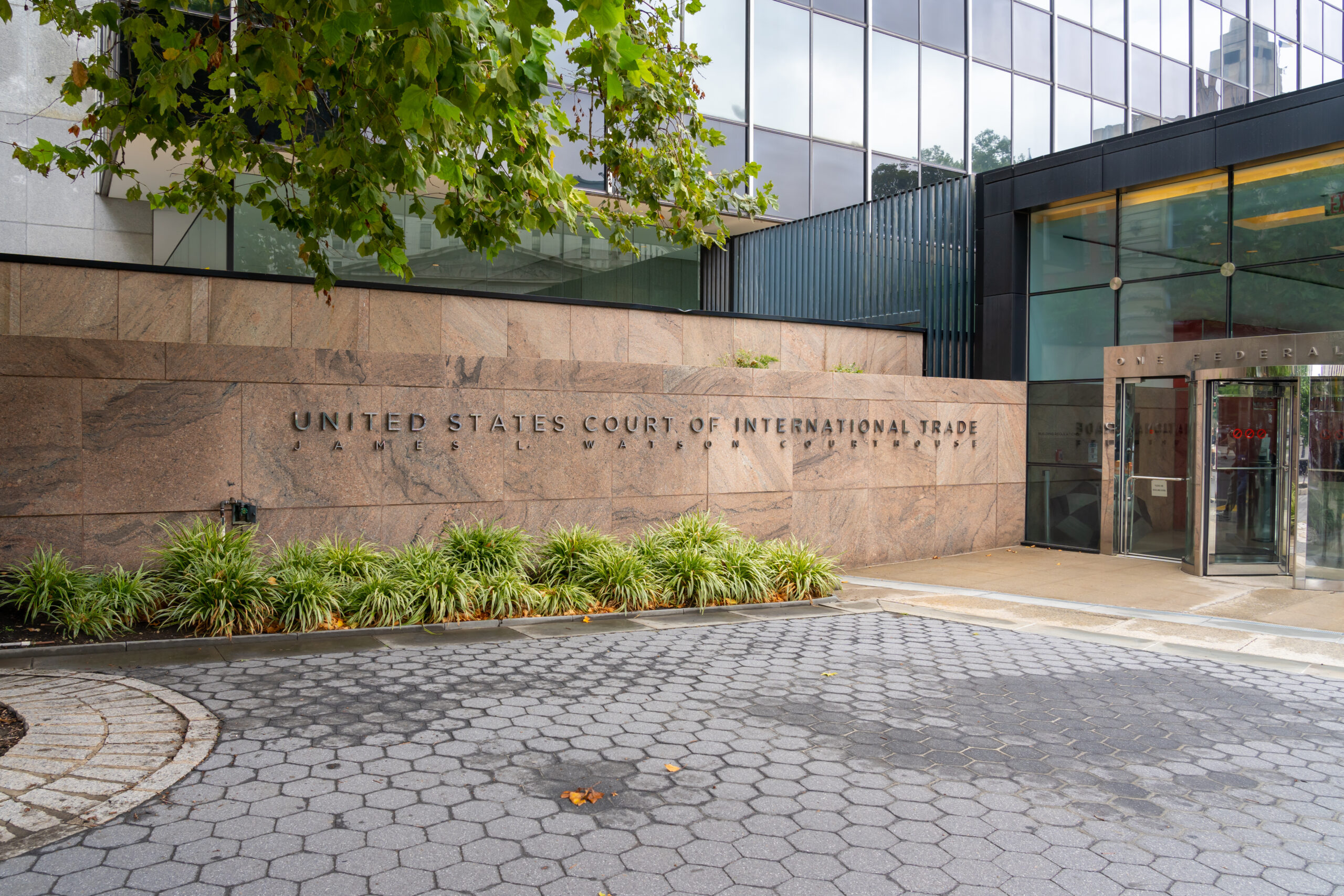
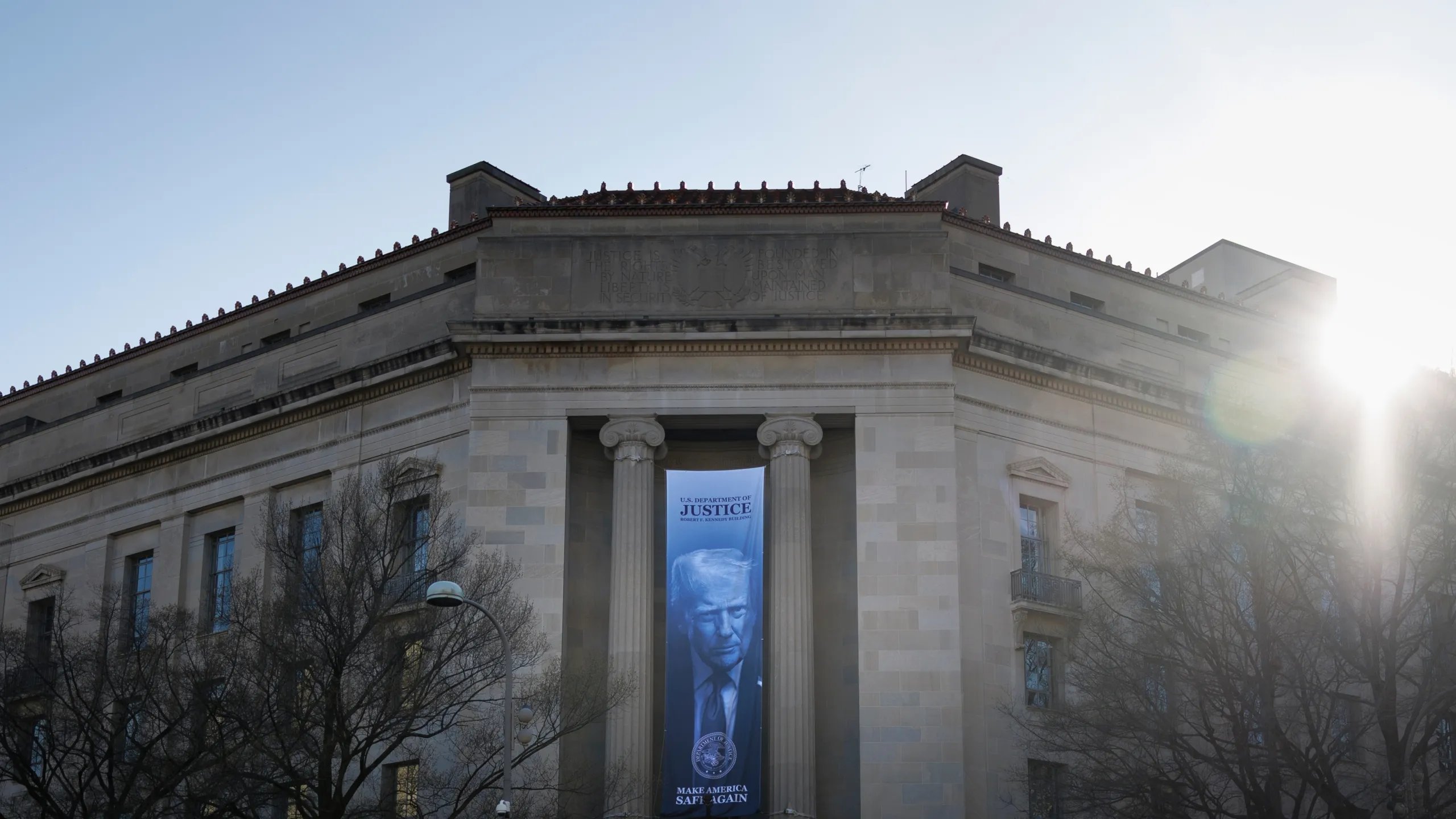
A Manhattan federal jury determined on Wednesday that Live Nation, parent company of Ticketmaster, illegally maintained a monopoly in the live entertainment industry, violating antitrust laws. The lawsuit, initially brought by the U.S. Department of Justice, compiled claims from dozens of state and district attorneys. The jury deliberated for four days before reaching its decision.
Allegations of Stifled Competition
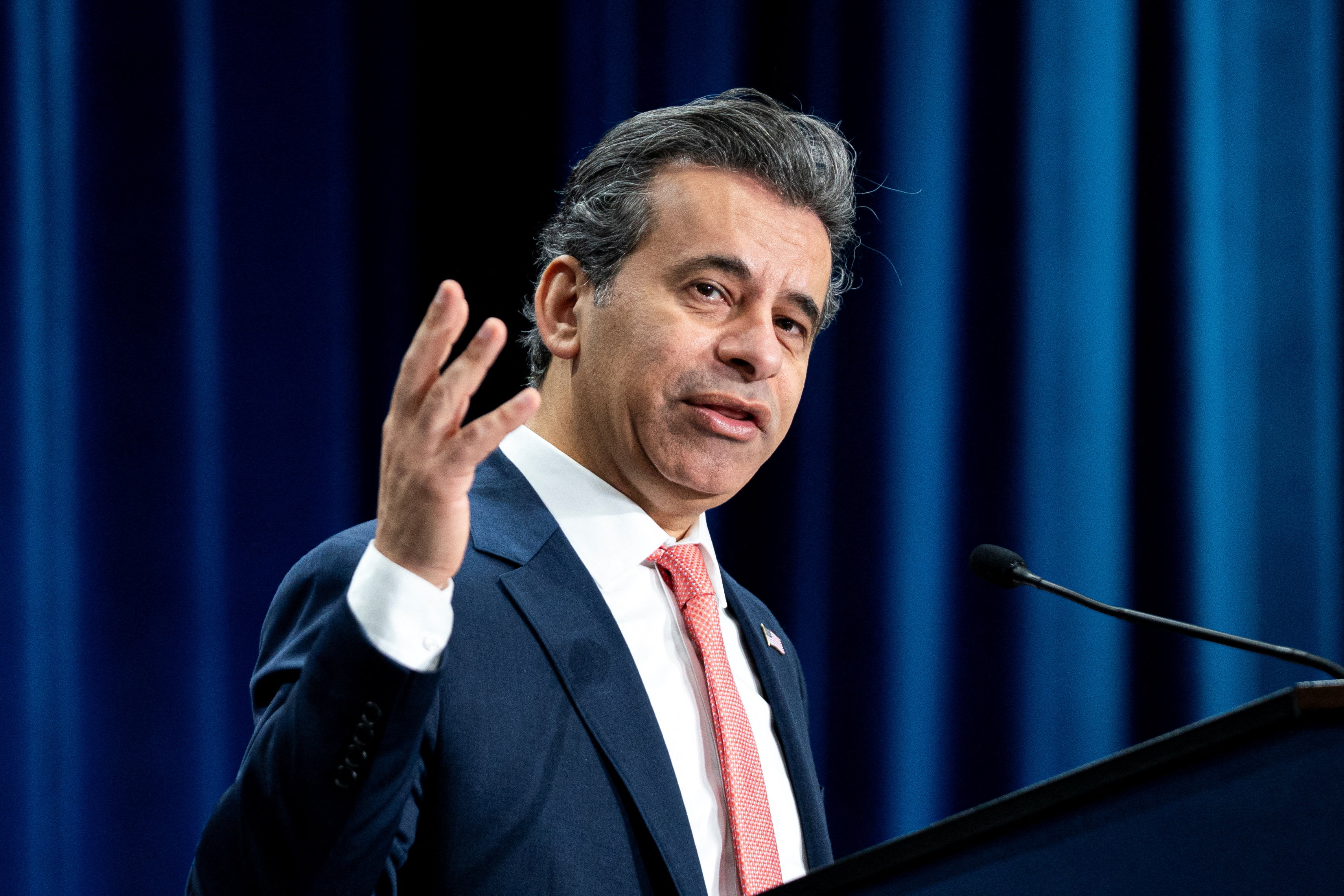
The states alleged that Live Nation undermined competition and drove up ticket prices. California Attorney General Rob Bonta described the verdict as "a historic and resounding victory for artists, fans, and the venues that support them." The lawsuit stated that Live Nation's practices led to higher ticket prices and worse service for customers.
Financial Implications for Live Nation
The jury found that Ticketmaster overcharged customers by $1.72 per ticket. This figure will be used as the basis for calculating damages. Roger Alford, a professor at Notre Dame Law School, said the damage calculation could amount to $1.72 for every ticket Live Nation sold in the past six years, potentially resulting in billions of dollars in payouts. The verdict could cost Live Nation and Ticketmaster hundreds of millions of dollars.
Calls for a Company Split
The judge in the case, Arun Subramanian, could order legal measures to restore competition, including forcing Live Nation to divest parts of its business or split from Ticketmaster. Alford said that the company has made and broken promises in the past, increasing the chances of a breakup.
Details of the Settlement
Live Nation reached a settlement with the Justice Department in March, agreeing to create a $280 million settlement fund for the 40 states that joined the Justice Department as plaintiffs. As part of the settlement, Ticketmaster was required to allow competitors like SeatGeek or StubHub to list tickets directly on its website. Live Nation also agreed to divest up to 13 amphitheaters.
Industry Dominance and Consumer Impact
Live Nation controls 86% of the market for concerts and 73% of the overall market when sports events are included, according to Jeffrey Kessler, an attorney for the states, as alleged in the lawsuit. Last year, the company organized more than 55,000 concerts worldwide, drawing 159 million attendees. Live Nation's concert business generated nearly $21 billion in 2025, or 83% of its total revenue for the year.
Live Nation's Defense
Live Nation argued throughout the trial that it was not a monopoly and competed "fiercely" with rivals. David Marriott, an attorney, said that the company's size was simply a function of excellence and effort, stating that "success is not against the antitrust laws in the United States." Live Nation has denied that it is a monopoly.
Scrutiny After Taylor Swift Debacle
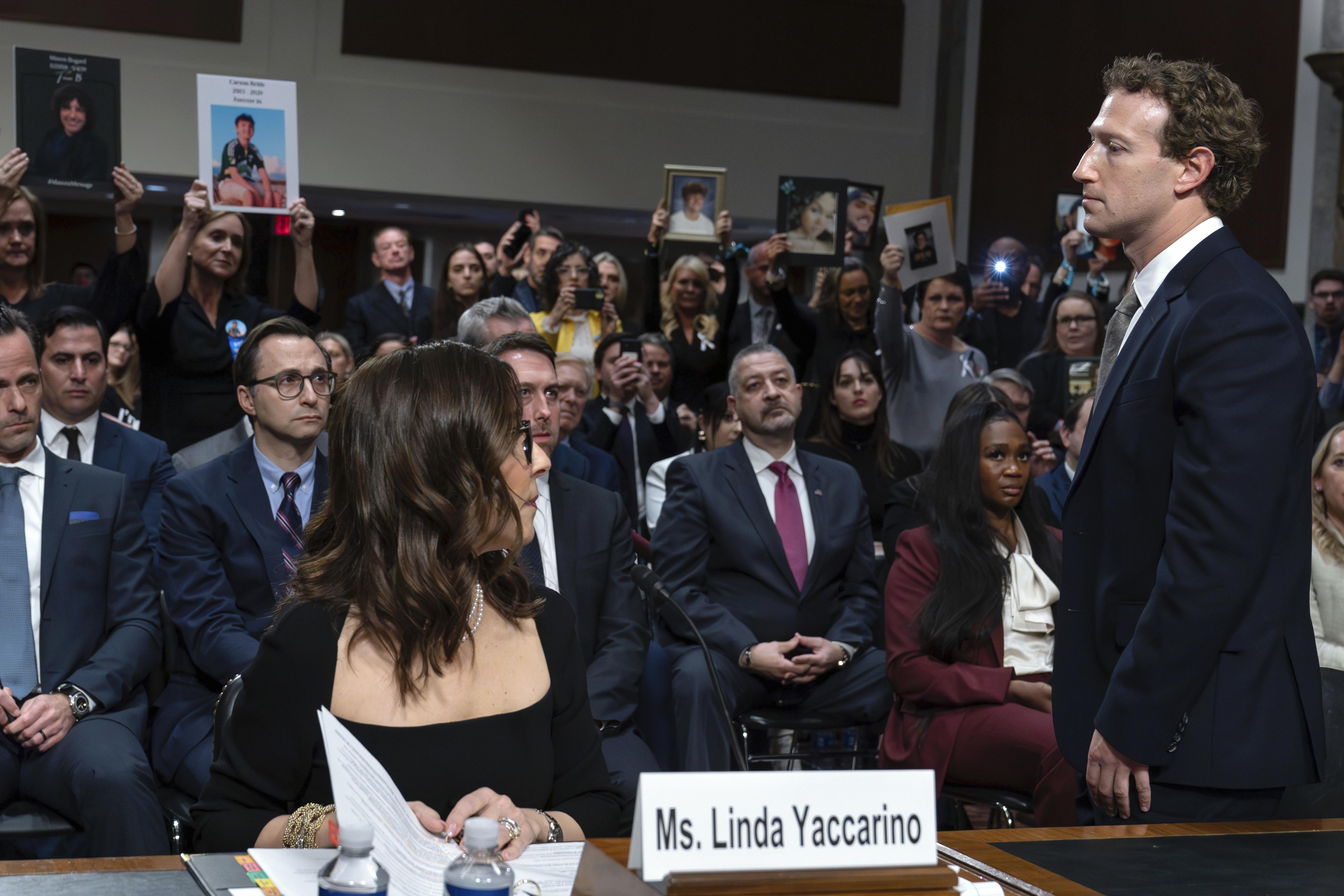
Calls to investigate Live Nation's dominance grew louder after the 2022 Taylor Swift Eras Tour, when Ticketmaster's system was overwhelmed by demand. Ticketmaster apologized to Swift and her fans during a U.S. Senate hearing. Democratic senators criticized the Justice Department settlement, stating that it "fails to restore competition and protect fans, artists, and independent venues."
Next Steps in the Case
The judge will now determine the total damages amount and penalties. The judge could also reject the settlement with the Justice Department, according to Alford.
A Long History of Controversy
Ticketmaster was established in 1976 and merged with Live Nation in 2010. The company has long faced criticism from fans and artists, including Pearl Jam, which battled the business in the 1990s. The trial brought Live Nation CEO Michael Rapino to the witness stand, where he was questioned about the Taylor Swift ticket issues. The proceedings also revealed internal messages from a Live Nation executive calling customers "so stupid" and boasting about "robbing them blind."
















































































































































































































































































The sources also report that the Justice Department settlement required Ticketmaster to allow competitors like SeatGeek or StubHub to list tickets directly on its website, putting price comparisons in front of consumers.