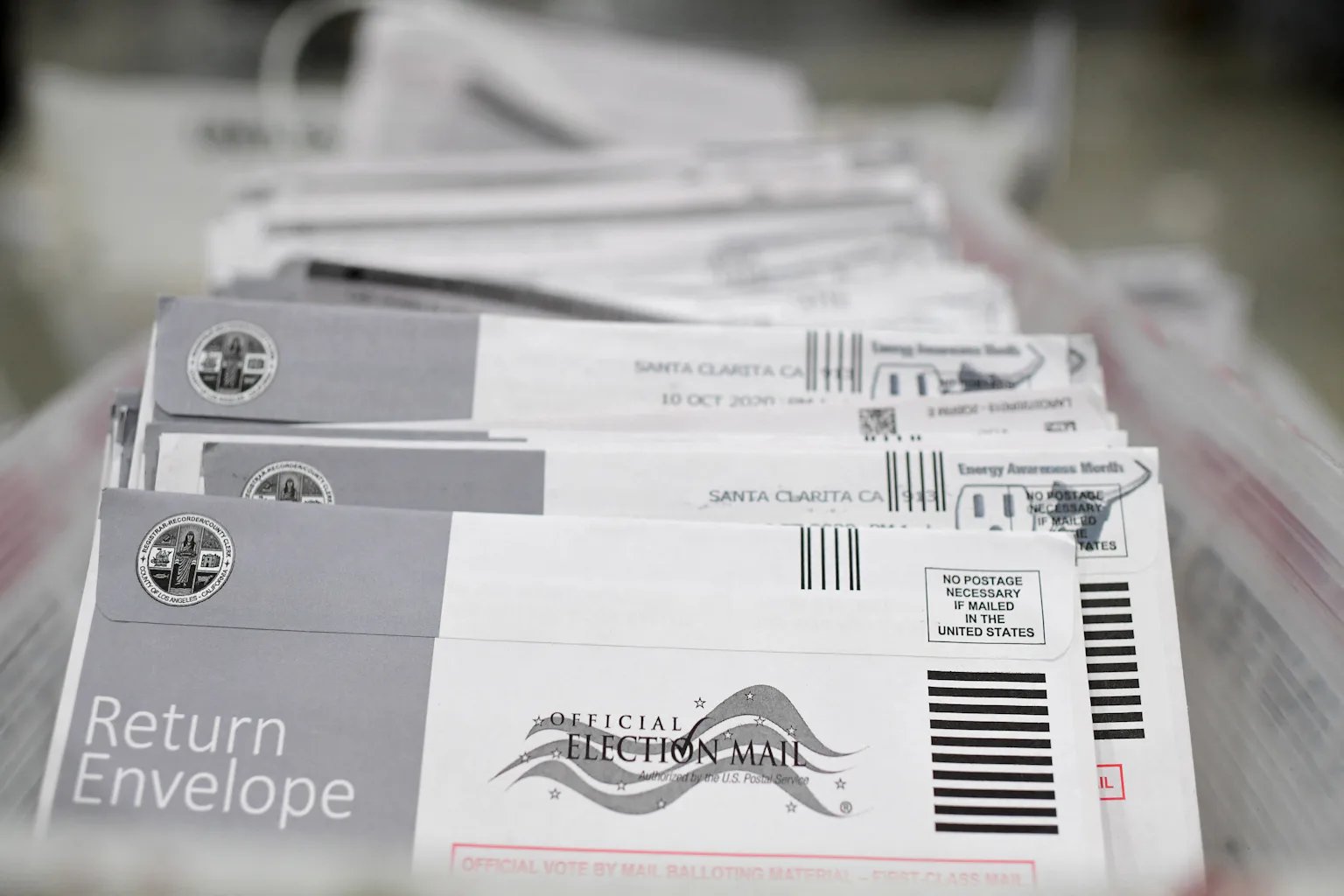
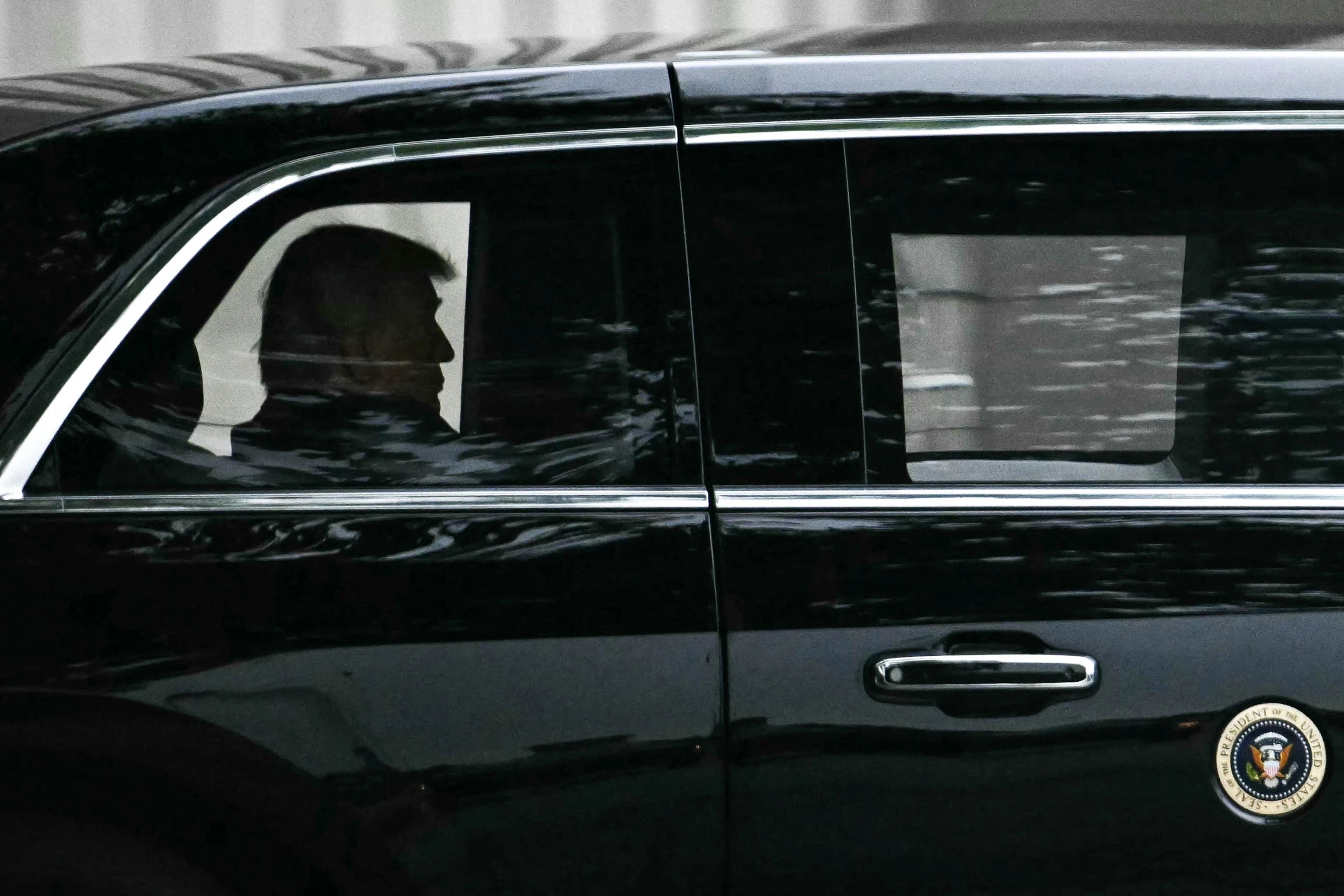
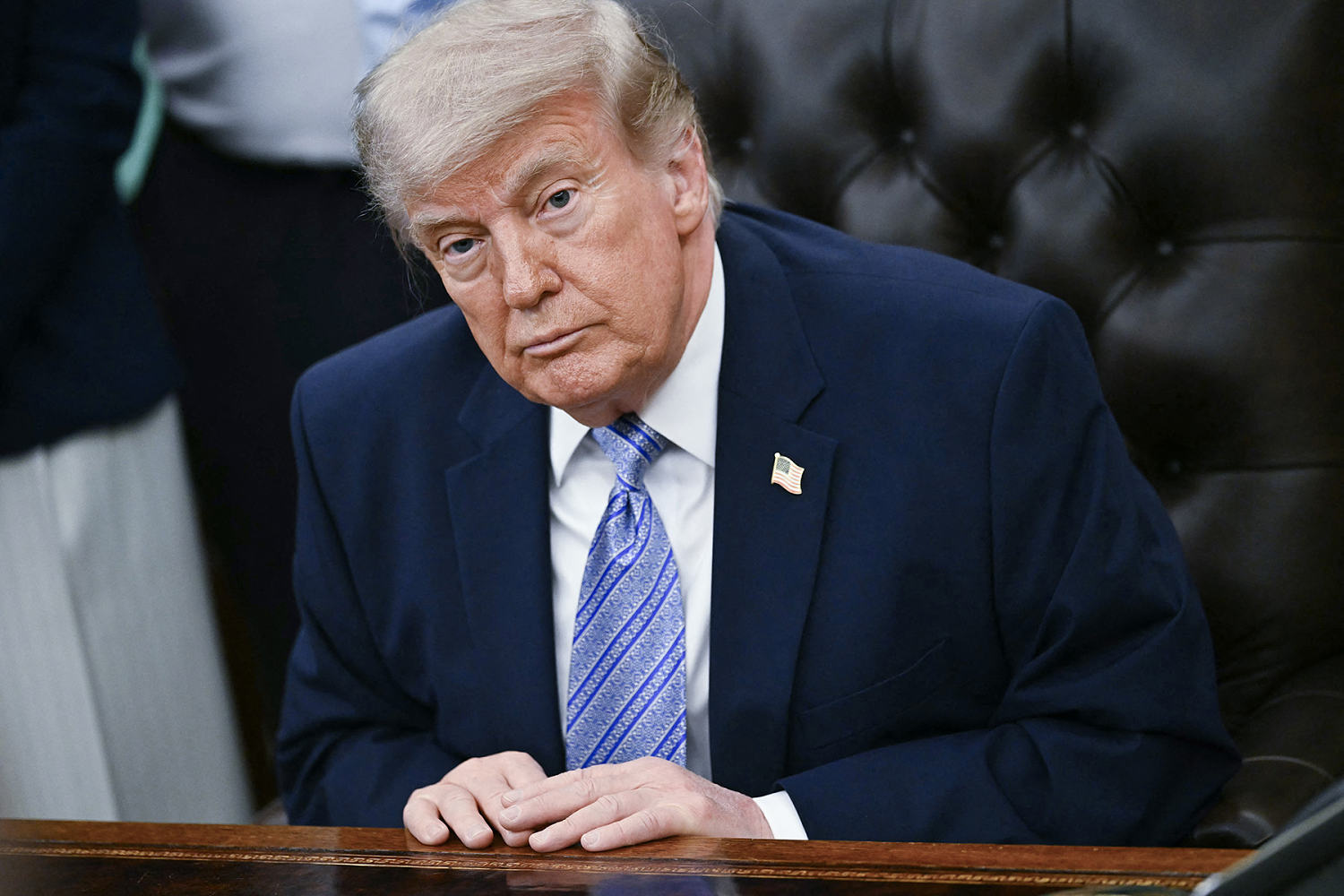
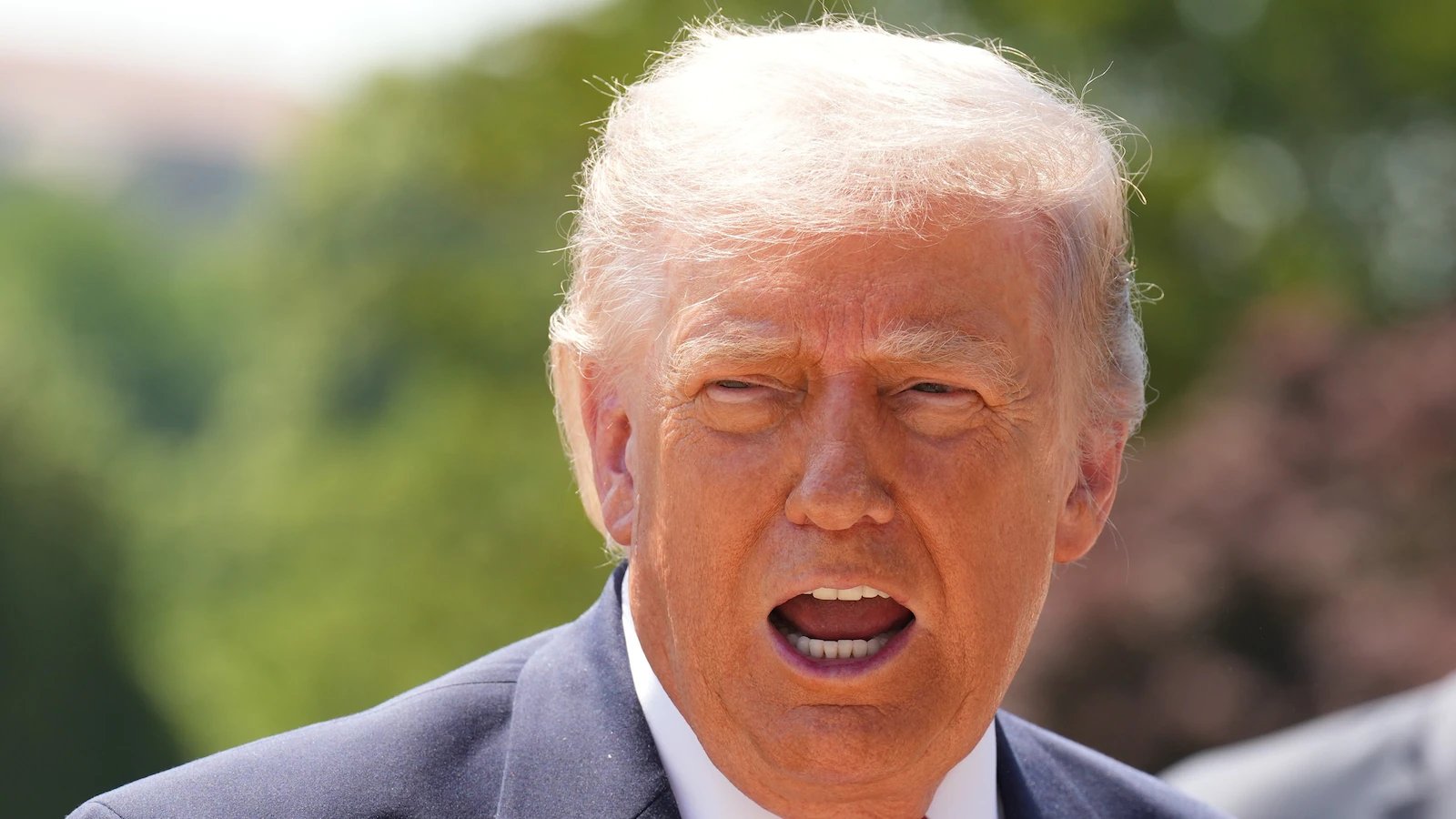
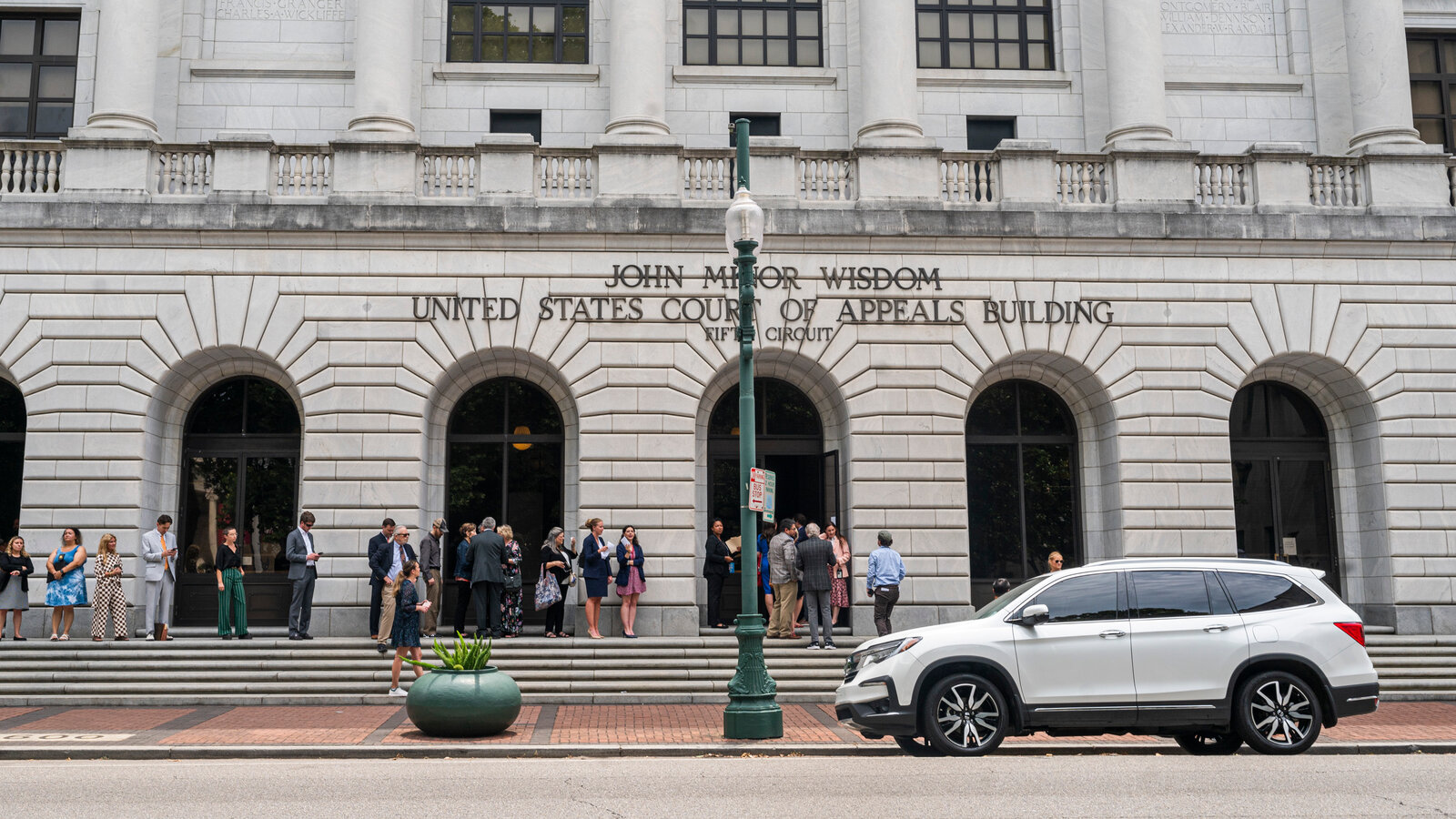
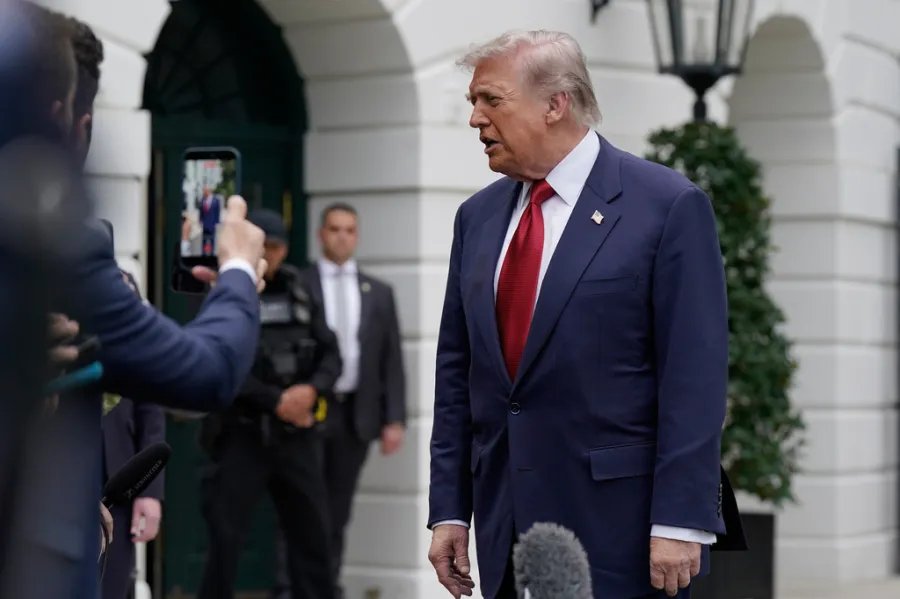
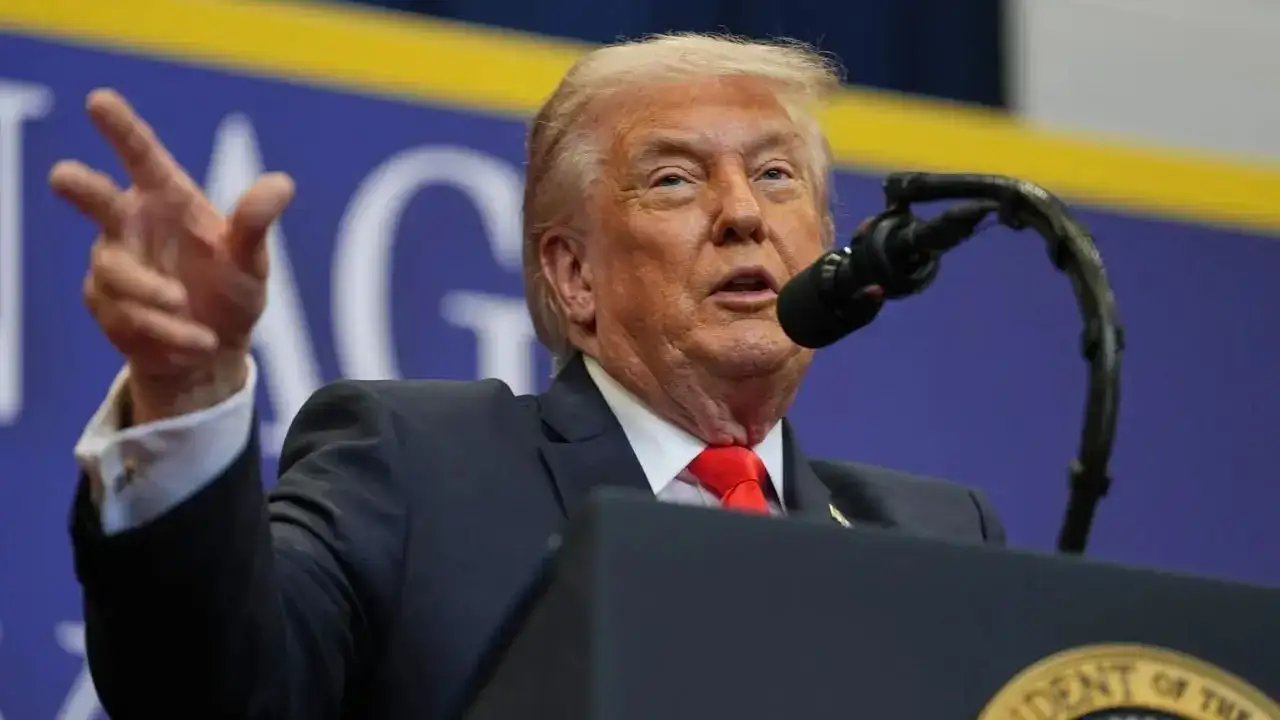
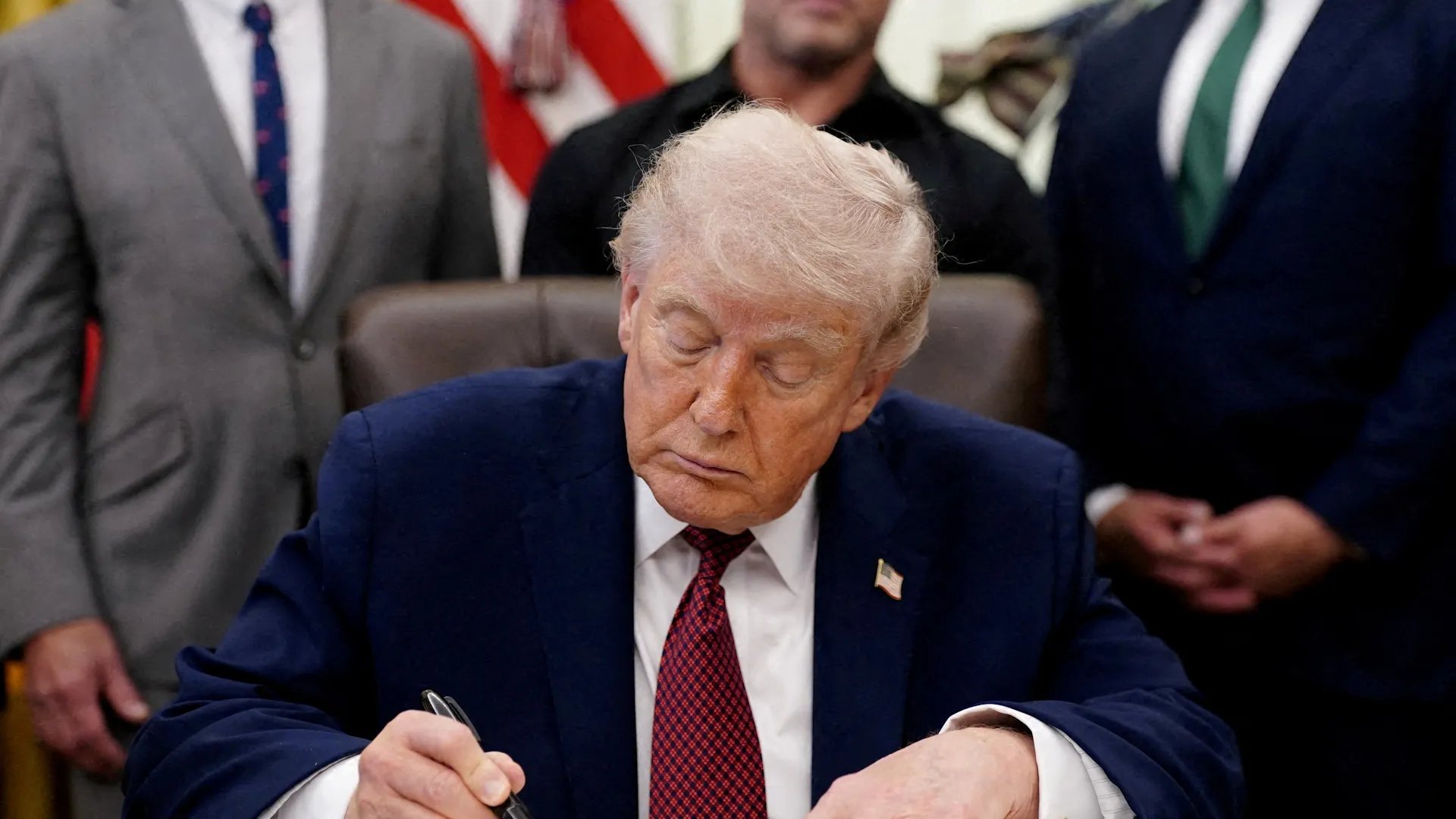
U.S. District Judge Carl Nichols declined to block President Trump's March 31 executive order tightening rules on mail-in voting. Nichols, a Trump appointee based in Washington, rejected requests from Democrats and civil rights groups who argued the order would likely prove unconstitutional.
The order directs the Department of Homeland Security to work with the Social Security Administration to compile lists of adult U.S. citizens in each state and send those lists to state election officials. It further requires the U.S. Postal Service to develop its own lists of eligible voters and deliver mail-in ballots only to people on those lists.
Nichols wrote that the Postal Service may ultimately issue a final rule affecting plaintiffs or the government may develop flawed State Citizenship Lists. He stated plaintiffs cannot show preliminary injunctive relief is warranted at this stage. The judge noted challengers may renew their motions if and when those future actions occur.
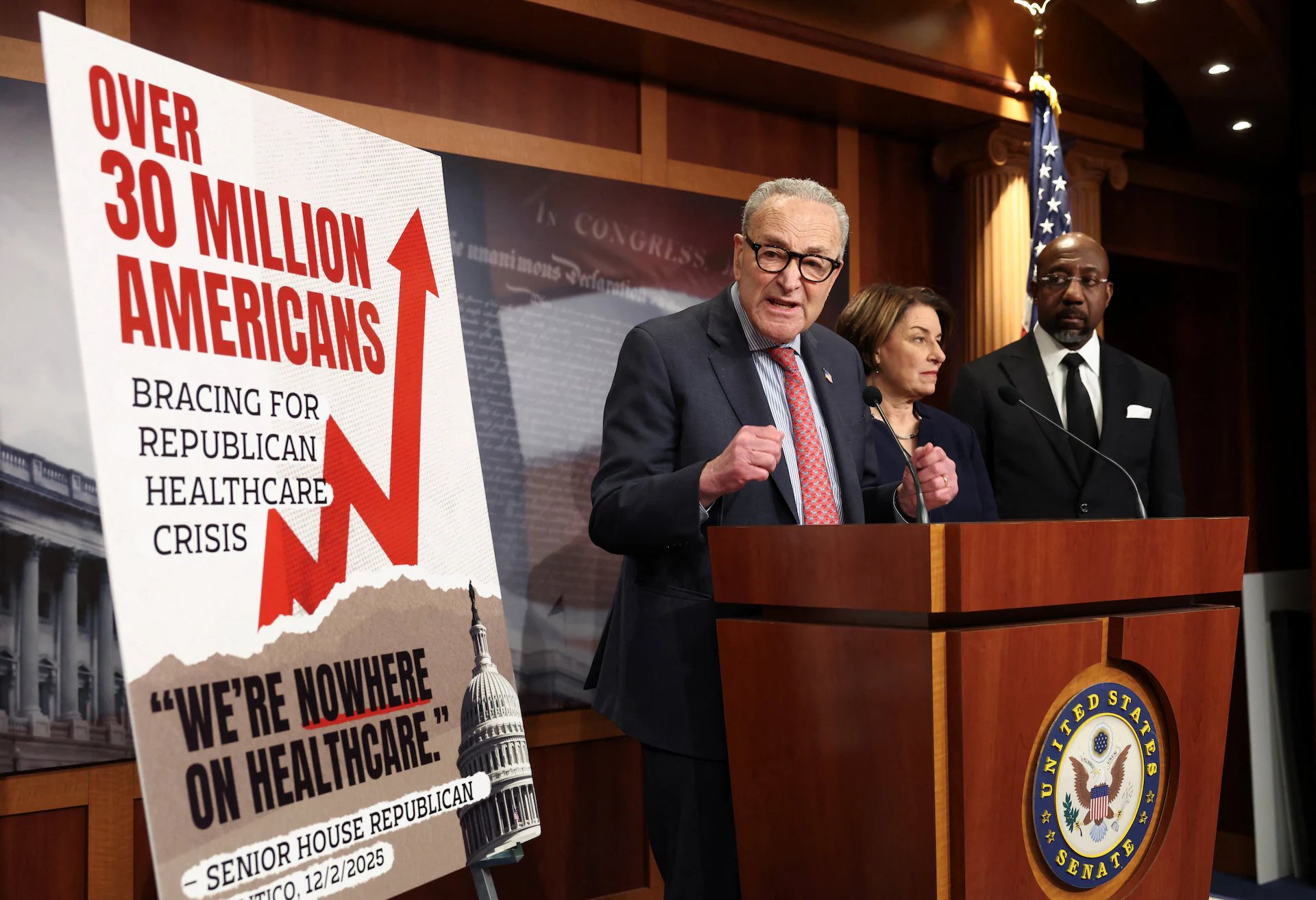
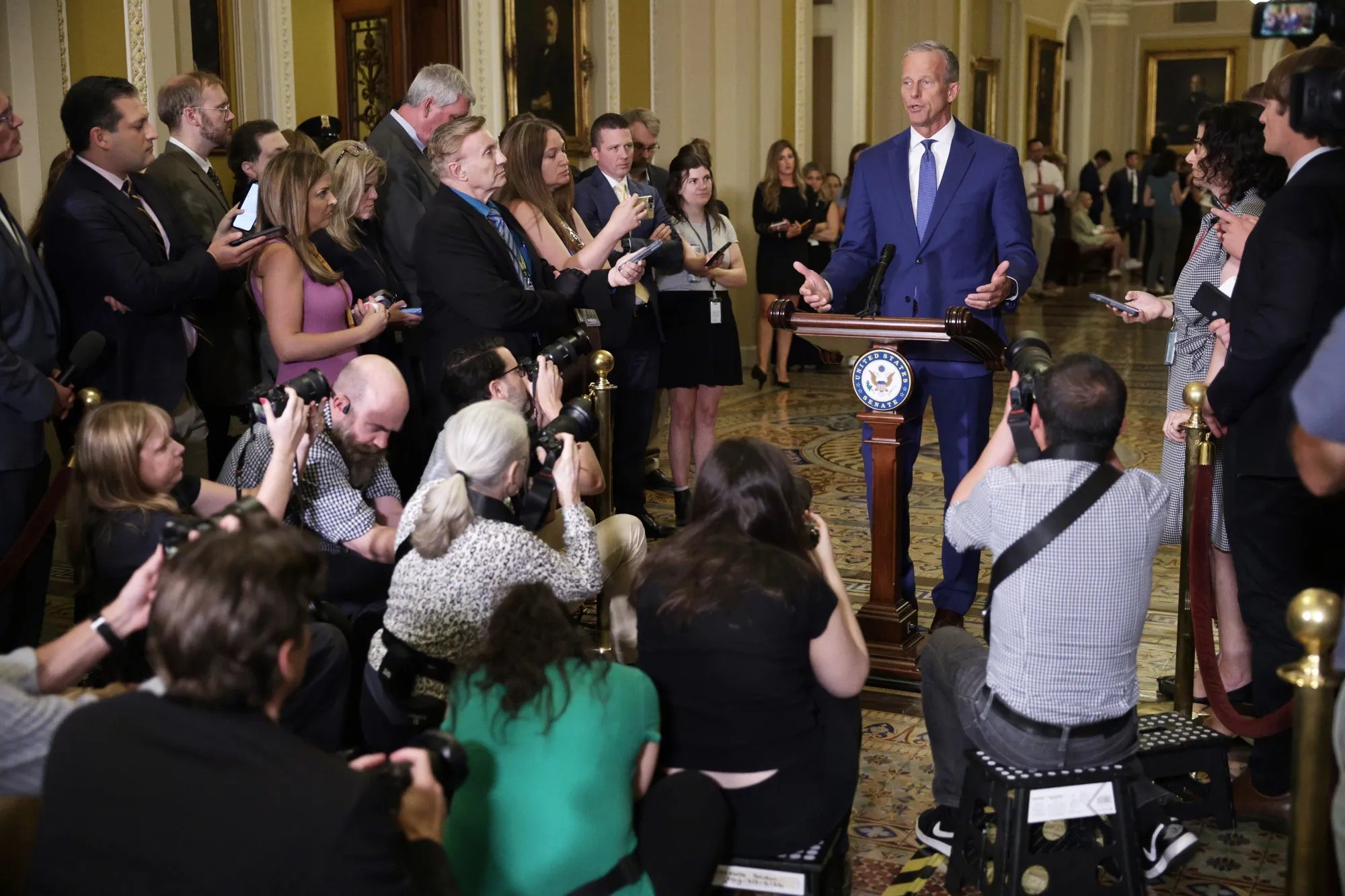
Senate Democratic leader Chuck Schumer of New York called the order voter suppression plain and simple. Schumer said mail-in voting is safe and secure, a hallmark of free and fair elections. He pledged Democrats will do everything in their power to ensure every American can exercise their right to vote.
Lawyers for the Democratic Party argued the changes could disenfranchise millions of voters. The executive order also requires states to preserve election-related records for five years. Challengers contend Article I of the Constitution gives state legislatures and Congress, not the president, power to set rules for federal elections.
The three D.C.-based lawsuits were filed by Democrats and voting rights groups including the League of United Latin American Citizens. Opponents, which include almost two dozen states plus Washington, D.C., have filed five lawsuits challenging the order in total. They argue the directives overstep the mailing agency's independent authority.
Trump signed the order after a bill he supported to overhaul voting stalled in Congress. The president has pushed the claim that his 2020 election defeat resulted from widespread voter fraud. Reviews and research have found illegal voting by noncitizens in federal elections to be incredibly rare.
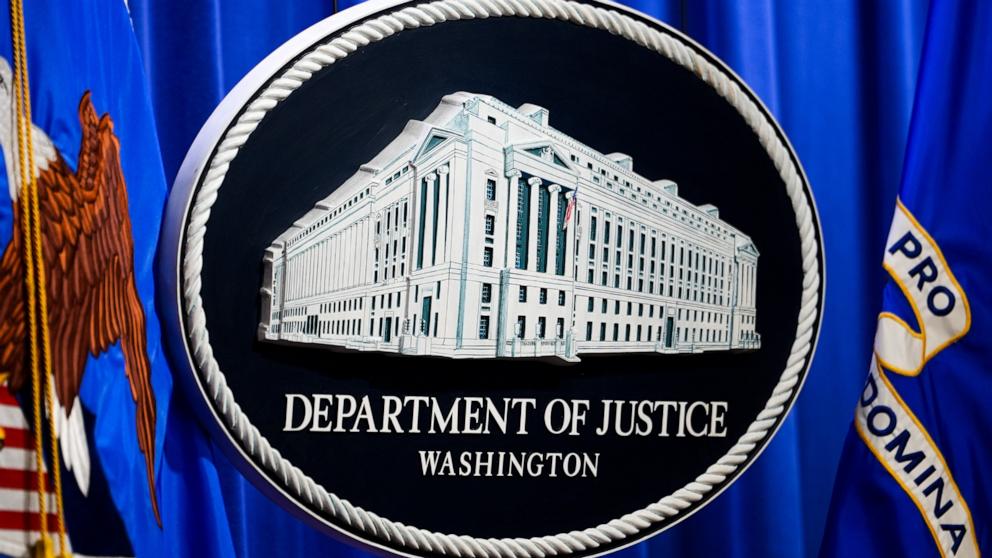
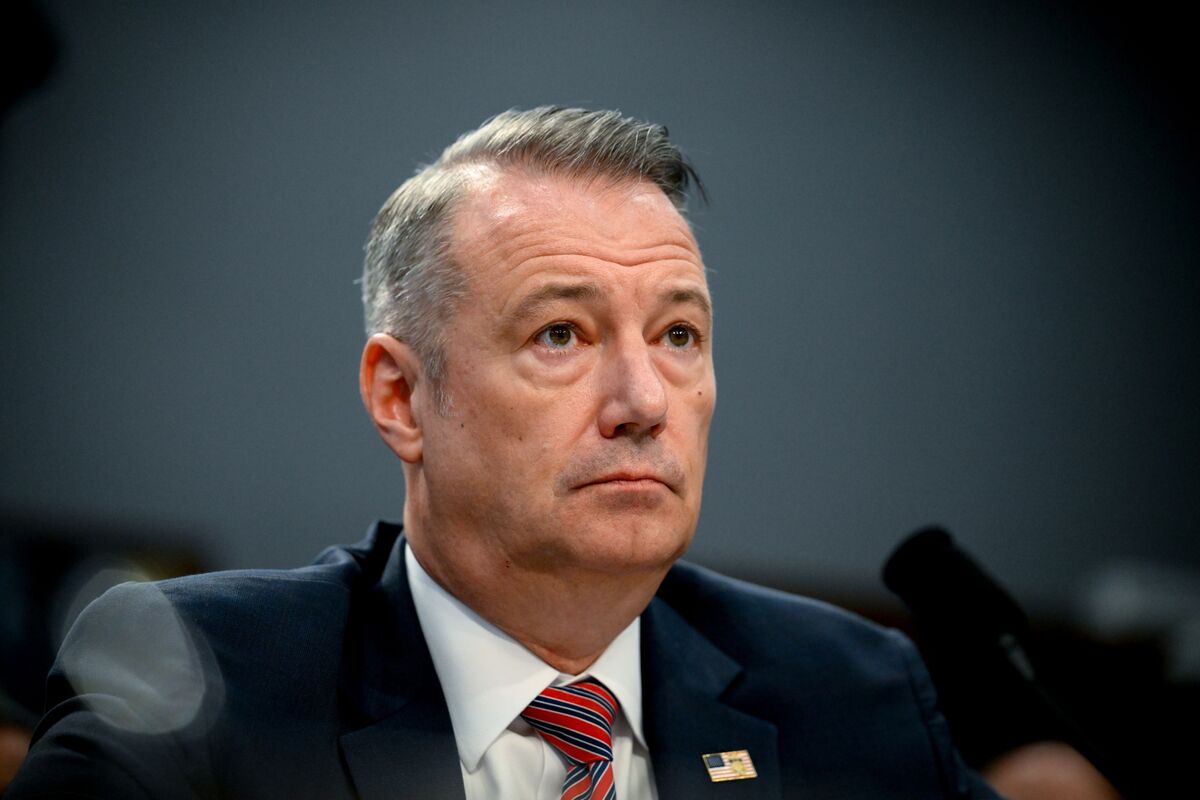
The order calls for Postmaster General David Steiner to start a rulemaking process by late May. As of Thursday the Postal Service had yet to put out a public notice about such a process. Acting U.S. Attorney General Todd Blanche told a Senate Appropriations subcommittee the Justice Department is working with other agencies to make sure the order's goals are implemented.
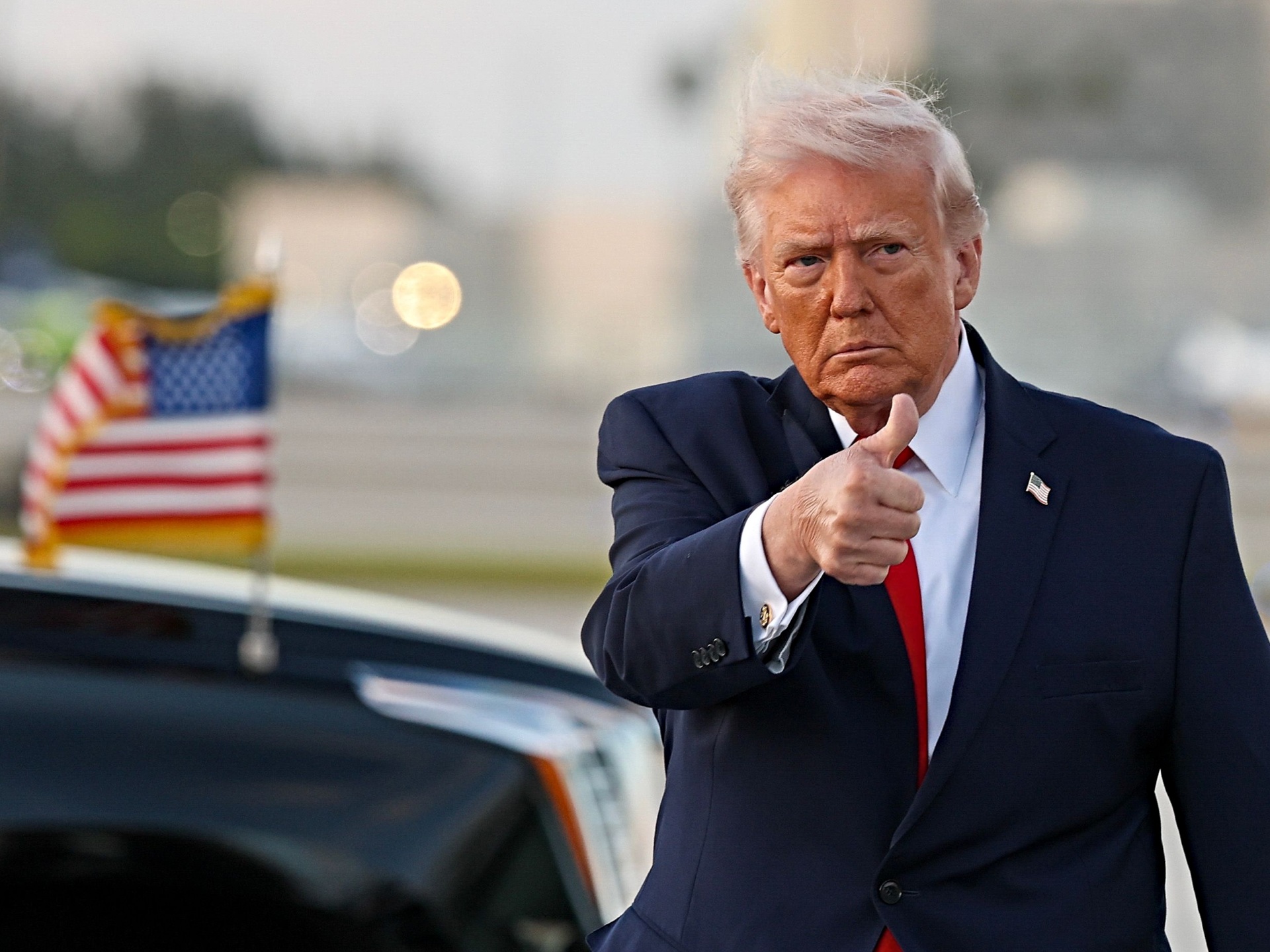
Trump himself voted by mail in Florida in March. More registered Democrats than Republicans say they voted by mail in the last national election in 2024.
Nichols found it too early for an emergency ruling because the directives have not been carried out yet. The Trump administration said in an early May court filing that federal agencies were still deliberating how to carry out the order. A separate 2025 executive order on voting was halted by courts.
The legal battle now shifts to Boston where voting rights groups have a separate lawsuit seeking to temporarily block the executive order. Another federal judge is preparing to issue a decision as soon as early June.
Juan Proaño, chief executive officer of the League of United Latin American Citizens, said the group is ready to resume the fight if and when the administration takes next steps. Danielle Lang, an attorney at Campaign Legal Center, said the challengers look forward to the next stage of this litigation. Lang added the administration is attempting to unlawfully shape the electorate to the will of the president.
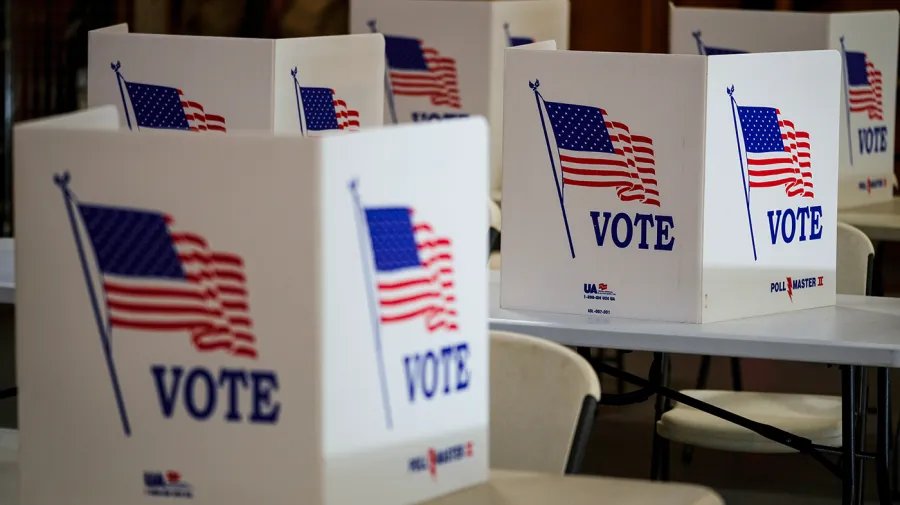
Maryland election officials are mailing replacement ballots after a vendor error led some voters to receive a mail-in ballot for the wrong political party's primary in June. The vendor Taylor Print & Visual Impressions Inc. made a coding error affecting ballots mailed prior to May 14. More than 500,000 people requested mail-in ballots for the state's primary election on June 23.
Maryland State Board of Elections administrator Jared DeMarinis posted that no fake or illegal mail-in ballots were distributed. The original ballots have been voided and cannot be cast. State officials determined sending all voters a new ballot was the only way to ensure integrity since they could not accurately identify who received wrong versions.
DeMarinis clarified elections in Maryland are administered by the bipartisan State Board of Elections, not the governor. The new ballots will be mailed by May 29 in an envelope marked replacement ballot inside. Election officials have safeguards including unique identifiers on return envelopes to prevent double voting.
Since Trump signed the order it has been unclear exactly how it would affect mail-in voting taking place for state primaries this year. The order tests the limits of the president's power under the Constitution. Election officials argued it was ripe for abuse and could cause chaos.
Trump has said he wants to take over election administration in Democratic areas. This was Trump's second executive order seeking to overhaul elections and voting.
The first sought to require documentary proof of citizenship to register to vote among other changes. That earlier order has been blocked by multiple federal judges. Challengers led by the League of United Latin American Citizens will continue working to stop such efforts at every turn.
Federal agencies have not yet produced any flawed citizenship lists. The Postal Service has not yet implemented any new rules. Plaintiffs may return to court once concrete actions replace the current planning phase.
Voters in states across the country now face potential new verification steps before receiving mail ballots this fall. The November midterm elections will test how these directives translate from paper to practice once agencies complete their work. Election administrators must balance the order's requirements against existing state procedures while litigation continues in multiple venues.
U.S. District Judge Carl Nichols declined to block President Trump's March 31 executive order tightening rules on mail-in voting. Nichols, a Trump appointee based in Washington, rejected requests from Democrats and civil rights groups who argued the order would likely prove unconstitutional. The decision issued late Wednesday allows the administration to proceed with creating lists of eligible voters drawn from federal citizenship data.
The order directs the Department of Homeland Security to work with the Social Security Administration to compile lists of adult U.S. citizens in each state. Those lists would then go to state election officials. It further requires the U.S. Postal Service to develop its own lists of eligible voters and deliver mail-in ballots only to people on those lists.
Nichols wrote that the Postal Service may ultimately issue a final rule affecting plaintiffs or the government may develop flawed State Citizenship Lists. He stated plaintiffs cannot show preliminary injunctive relief is warranted at this stage. The judge noted challengers may renew their motions if and when those future actions occur.
Senate Democratic leader Chuck Schumer of New York called the order voter suppression plain and simple. Schumer said mail-in voting is safe and secure, a hallmark of free and fair elections. He pledged Democrats will do everything in their power to ensure every American can exercise their right to vote.
Lawyers for the Democratic Party argued the changes could disenfranchise millions of voters. The executive order also requires states to preserve election-related records for five years. Challengers contend Article I of the Constitution gives state legislatures and Congress, not the president, power to set rules for federal elections.
The three D.C.-based lawsuits were filed by Democrats and voting rights groups including the League of United Latin American Citizens. Opponents, which include almost two dozen states plus Washington, D.C., have filed five lawsuits challenging the order in total. They argue the directives overstep the mailing agency's independent authority.
Trump signed the order after a bill he supported to overhaul voting stalled in Congress. The president has pushed the claim that his 2020 election defeat resulted from widespread voter fraud. Reviews and research have found illegal voting by noncitizens in federal elections to be incredibly rare.
The order calls for Postmaster General David Steiner to start a rulemaking process by late May. As of Thursday the Postal Service had yet to put out a public notice about such a process. Acting U.S. Attorney General Todd Blanche told a Senate Appropriations subcommittee the Justice Department is working with other agencies to make sure the order's goals are implemented.
Trump himself voted by mail in Florida in March. More registered Democrats than Republicans say they voted by mail in the last national election in 2024. The ruling comes as Republicans battle to keep control of both houses of Congress in the November midterm elections.
Nichols found it too early for an emergency ruling because the directives have not been carried out yet. The Trump administration said in an early May court filing that federal agencies were still deliberating how to carry out the order. A separate 2025 executive order on voting was halted by courts.
The legal battle now shifts to Boston where voting rights groups have a separate lawsuit seeking to temporarily block the executive order. Another federal judge is preparing to issue a decision as soon as early June. It is not clear if the D.C. plaintiffs will file an appeal of Nichols' ruling before a 60-day deadline in late July.
Juan Proaño, chief executive officer of the League of United Latin American Citizens, said the group is ready to resume the fight if and when the administration takes next steps. Danielle Lang, an attorney at Campaign Legal Center, said the challengers look forward to the next stage of this litigation. Lang added the administration is attempting to unlawfully shape the electorate to the will of the president.
Maryland election officials are mailing replacement ballots after a vendor error led some voters to receive a mail-in ballot for the wrong political party's primary in June. The vendor Taylor Print & Visual Impressions Inc. made a coding error affecting ballots mailed prior to May 14. More than 500,000 people requested mail-in ballots for the state's primary election on June 23.
Maryland State Board of Elections administrator Jared DeMarinis posted that no fake or illegal mail-in ballots were distributed. The original ballots have been voided and cannot be cast. State officials determined sending all voters a new ballot was the only way to ensure integrity since they could not accurately identify who received wrong versions.
Trump cited the Maryland mix-up to claim 500,000 fake, corrupt and illegal ballots had been mailed. He said when caught officials issued 500,000 new ballots leaving a million ballots out there. Trump added many went to Democrats and any Republican running in Maryland does not have a chance.
DeMarinis clarified elections in Maryland are administered by the bipartisan State Board of Elections, not the governor. The new ballots will be mailed by May 29 in an envelope marked replacement ballot inside. Election officials have safeguards including unique identifiers on return envelopes to prevent double voting.
Since Trump signed the order it has been unclear exactly how it would affect mail-in voting taking place for state primaries this year. The order tests the limits of the president's power under the Constitution. Election officials argued it was ripe for abuse and could cause chaos.
The ruling allows the Trump administration to continue pursuing changes that include enlisting the Postal Service in checking voters against a national database. Trump has said he wants to take over election administration in Democratic areas. This was Trump's second executive order seeking to overhaul elections and voting.
The first sought to require documentary proof of citizenship to register to vote among other changes. That earlier order has been blocked by multiple federal judges. Challengers led by the League of United Latin American Citizens will continue working to stop such efforts at every turn.
Federal agencies have not yet produced any flawed citizenship lists. The Postal Service has not yet implemented any new rules. Plaintiffs may return to court once concrete actions replace the current planning phase.
Voters in states across the country now face potential new verification steps before receiving mail ballots this fall. The November midterm elections will test how these directives translate from paper to practice once agencies complete their work. Election administrators must balance the order's requirements against existing state procedures while litigation continues in multiple venues.
Highlighted text was flagged by the council. Tap to see feedback.