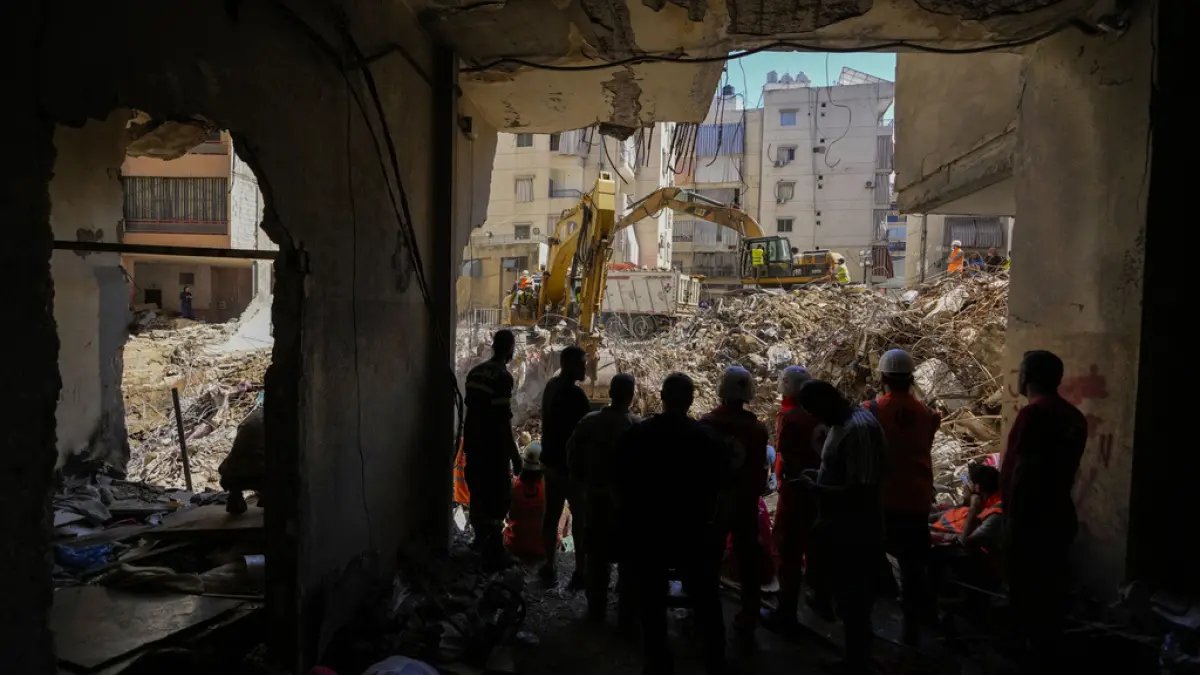





Rising Violence Amid Fragile Ceasefire
The ceasefire in Lebanon, established on April 16, is crumbling as both Israel and Hezbollah intensify their military operations against each other. Since Israel's ground invasion began on March 2, at least 2,846 people have been killed, and over one million have been displaced. The Lebanese Health Ministry reported that recent Israeli strikes across the country claimed the lives of 51 individuals, including two medical workers, raising alarms about the protection of humanitarian personnel in conflict zones.
Humanitarian Concerns
The ongoing violence has severely impacted healthcare in southern Lebanon. The United Nations reported that 103 medical workers have been killed and 230 injured in over 130 Israeli strikes since the conflict began. Ali Safiuddin, head of the Lebanese Civil Defence in Tyre, expressed the dire situation, stating, “We’re under threat every second, every day.” Dr. Tahir Mohammed, a humanitarian surgeon, noted the alarming consistency of Israeli attacks on healthcare workers in both Lebanon and Gaza, emphasizing the need for the international community to uphold humanitarian laws.
Increased Military Engagements
Despite the theoretical ceasefire, both sides have ramped up military engagements. On Monday, Hezbollah claimed to have conducted 24 attacks targeting Israeli military positions in southern Lebanon, using explosive drones and artillery. The Israeli military reported intercepting a drone launched by Hezbollah, highlighting the evolving nature of the conflict. The Jerusalem Post indicated that the Israeli army is struggling to counter Hezbollah's advanced drone technology, which is guided by fiber optics to evade Israeli defenses.
Controversial Acts by Israeli Soldiers
Tensions escalated further with the recent desecration of a Virgin Mary statue by two Israeli soldiers, one of whom posed with a cigarette in her mouth. This act sparked widespread outrage and was condemned as an anti-Christian act. The Israeli military has sentenced the soldiers to military prison for 21 and 14 days, respectively. Lieutenant Colonel Ariella Mazor stated that the military views such incidents with "great severity" and respects the sanctity of religious symbols.
Political Ramifications and Upcoming Talks
The situation remains complex as Lebanon's government expresses unease over Hezbollah's influence and military capabilities. The U.S. State Department is set to host talks between Israeli and Lebanese officials on May 14 and 15, aimed at advancing a peace agreement. However, Hezbollah's exclusion from these discussions raises concerns about the sustainability of any potential agreements. David Wood, a senior analyst at the International Crisis Group, warned that the outcome of these negotiations could determine the future of the ceasefire, with possibilities ranging from a temporary extension to a complete collapse.
The Human Cost of Conflict
As violence escalates, the humanitarian situation in Lebanon continues to deteriorate, with displaced populations facing an uncertain future. The ongoing conflict has not only caused significant loss of life but has also left many without access to essential services. The fragility of the ceasefire and the impending talks in Washington could have profound implications for the people of Lebanon, who are caught in the crossfire of geopolitical tensions. The international community's response will be crucial in shaping the future of peace and stability in the region.