




New Law Makes Operation a Felony
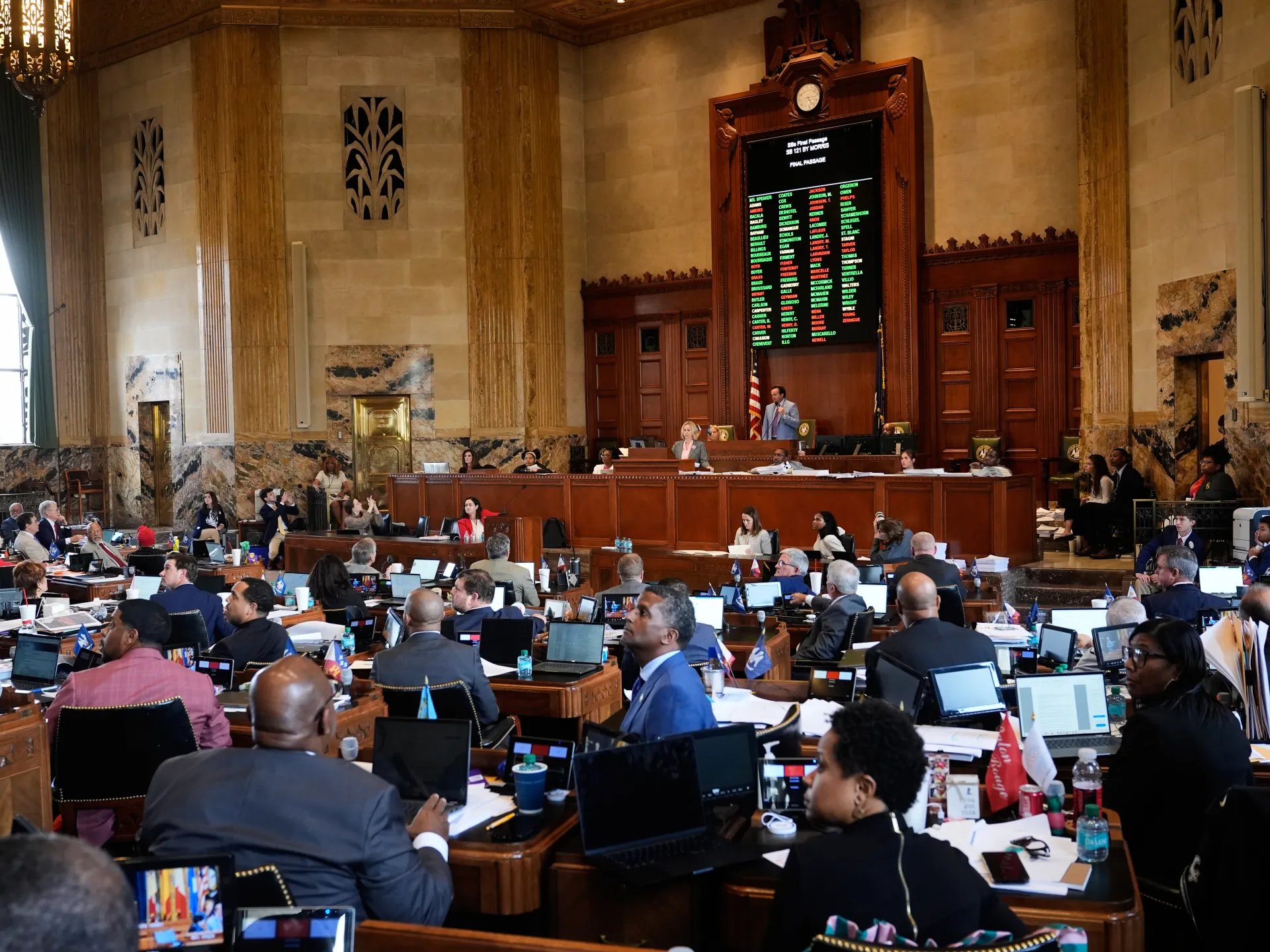
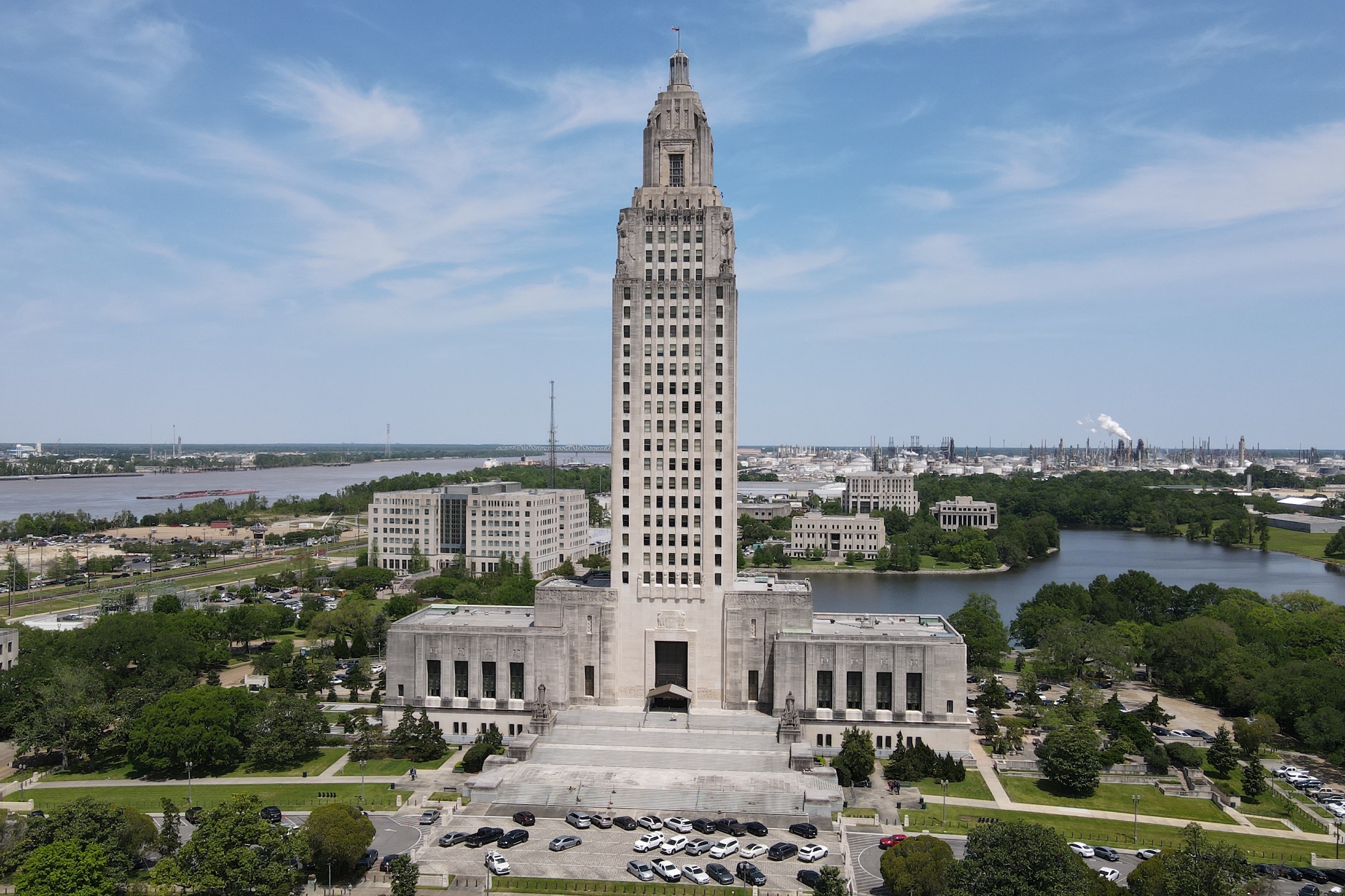
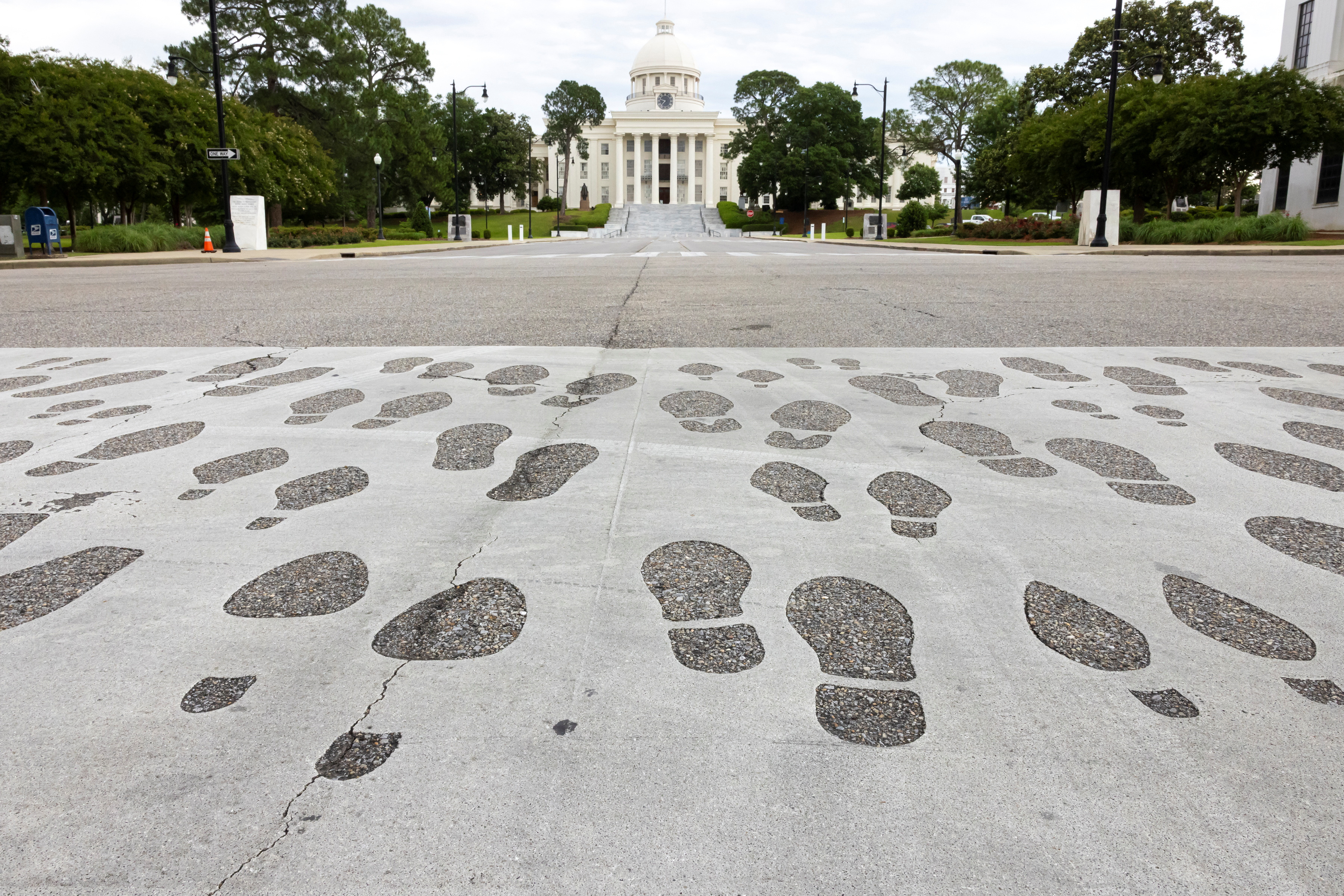
Minnesota has officially become the first state to ban prediction markets, making it a felony for companies like Kalshi and Polymarket to operate within its borders. This law represents a significant shift in state policy, as lawmakers respond to concerns over potential insider trading and ethical implications. The decision follows increasing scrutiny of prediction markets amid a series of scandals, including allegations involving classified information and financial misconduct.
Legislative Context and Growing Concerns
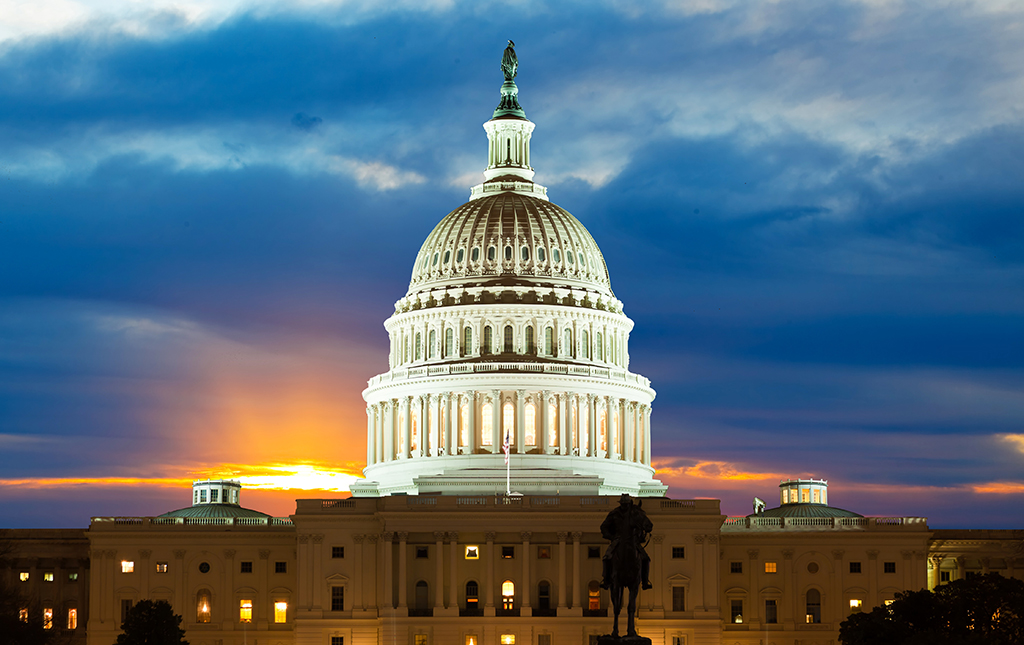
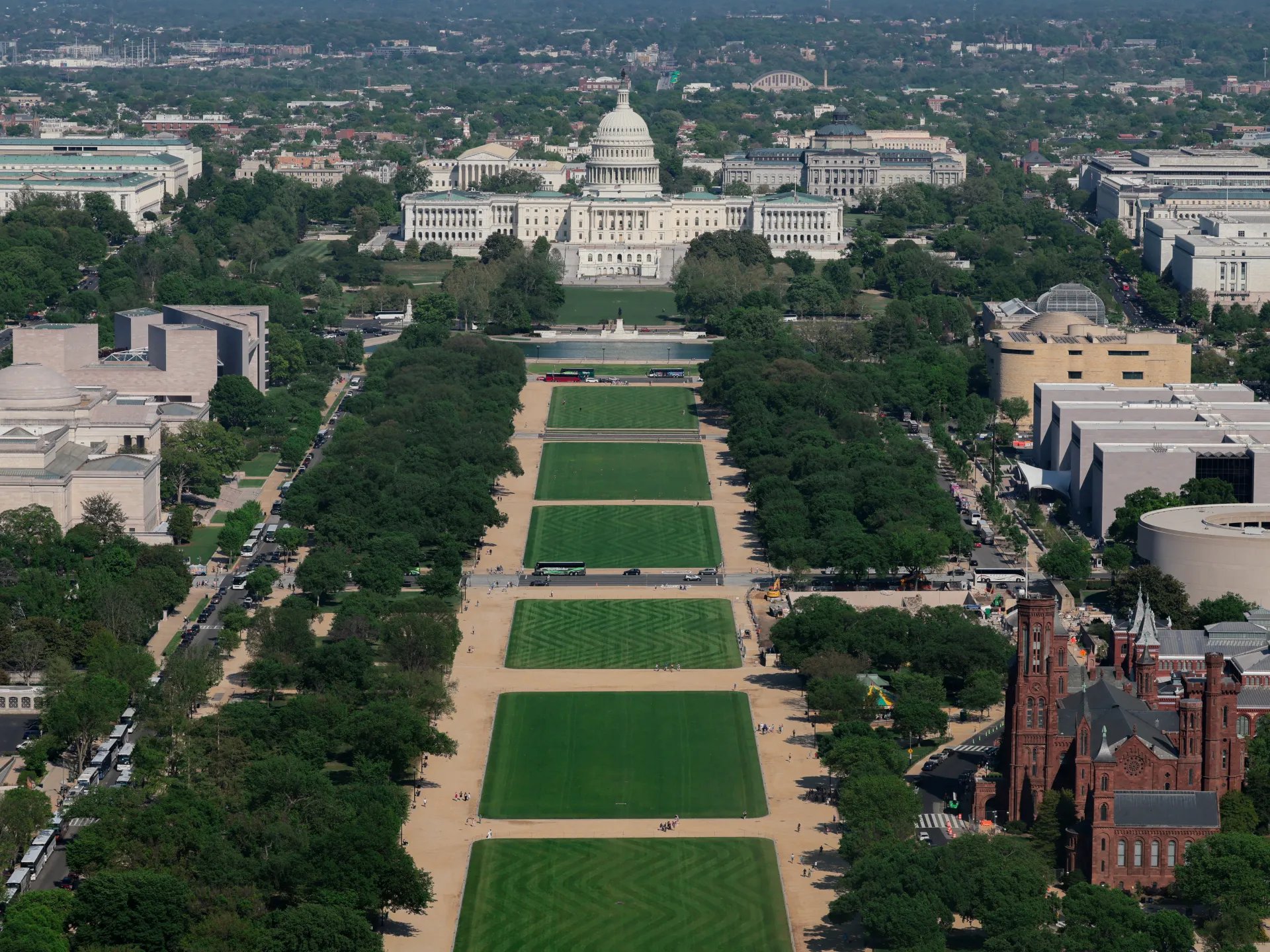
The ban in Minnesota comes at a time when Congress is grappling with how to regulate the burgeoning prediction market industry. More than a dozen bills have been introduced this year aimed at regulating betting markets, but none have progressed significantly. Lawmakers are particularly worried about the risks posed by insider trading, as evidenced by a January incident where a $30,000 bet on the capture of former Venezuelan President Nicolas Maduro raised alarms. The bet was linked to accusations of a U.S. soldier profiting over $400,000 using classified information.
Responses from Industry and Lawmakers
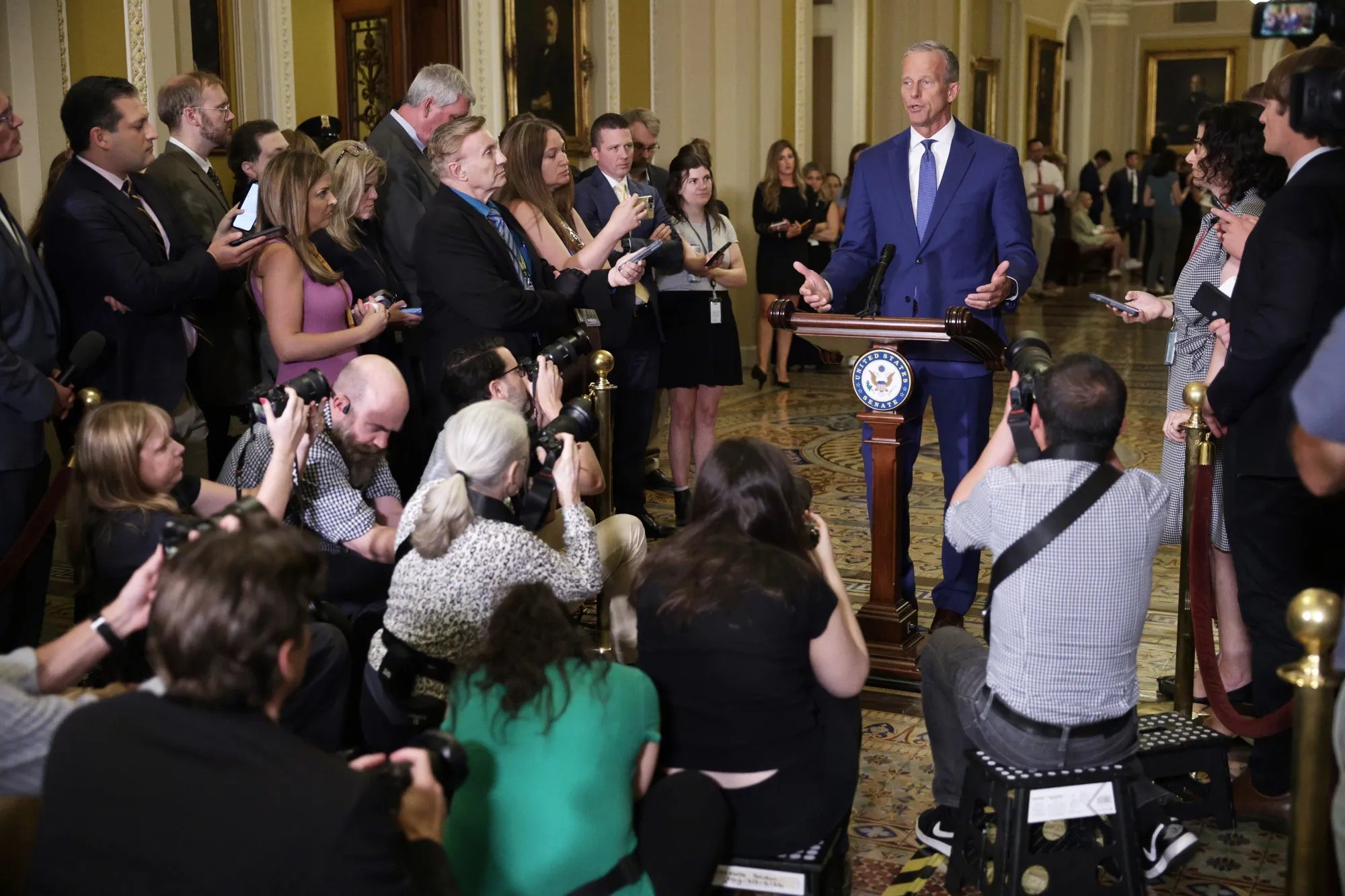
Companies operating prediction markets have begun implementing their own measures to mitigate unethical behavior. Kalshi, for example, has taken steps to restrict betting by political candidates and campaign staffers who may have access to non-public information. Meanwhile, Rep. Ritchie Torres from New York has introduced legislation aimed at banning the use of campaign funds for betting on these markets, proposing criminal penalties that could include up to five years of imprisonment.
Broader Implications for Prediction Markets
The Minnesota ban could set a precedent for other states considering similar measures. As lawmakers across the country look to establish regulatory frameworks for emerging technologies like prediction markets, this decision highlights the complexities involved in balancing innovation with ethical standards. Some proposals on Capitol Hill even seek to prohibit prediction markets related to sensitive topics such as war or the deaths of specific individuals.
Future of Prediction Market Regulation
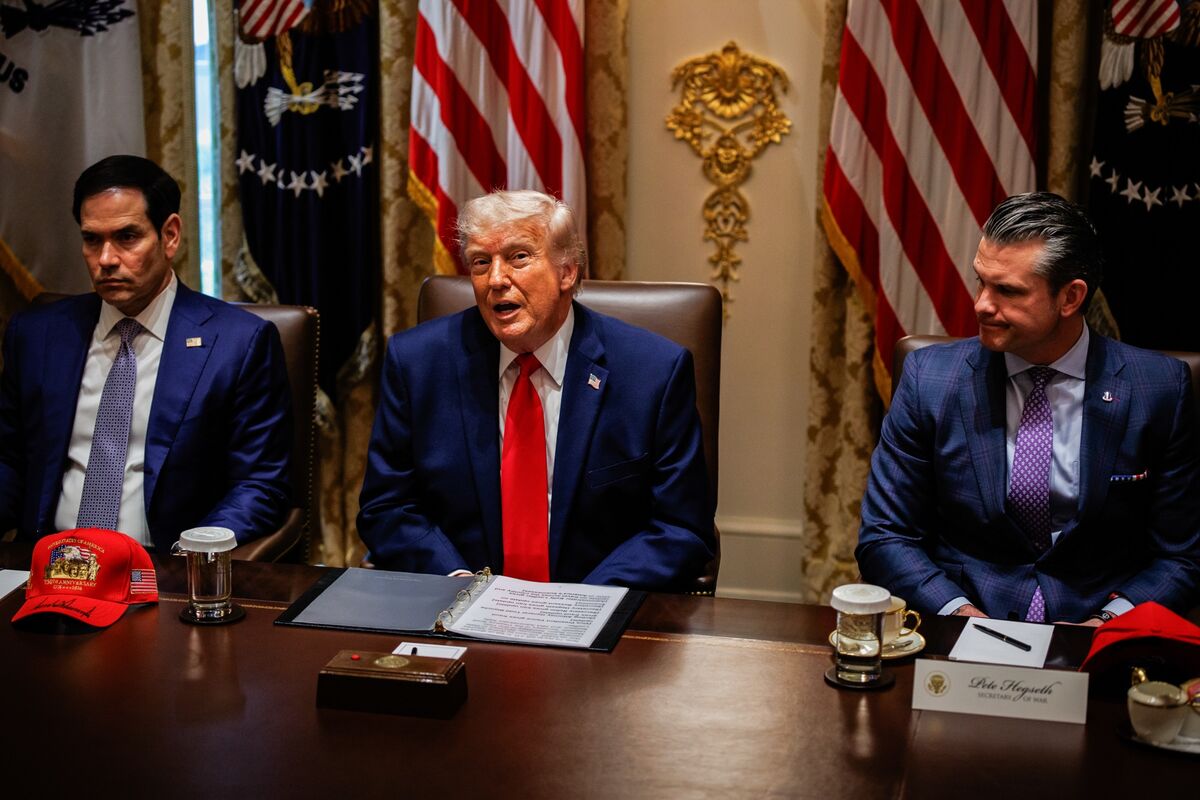
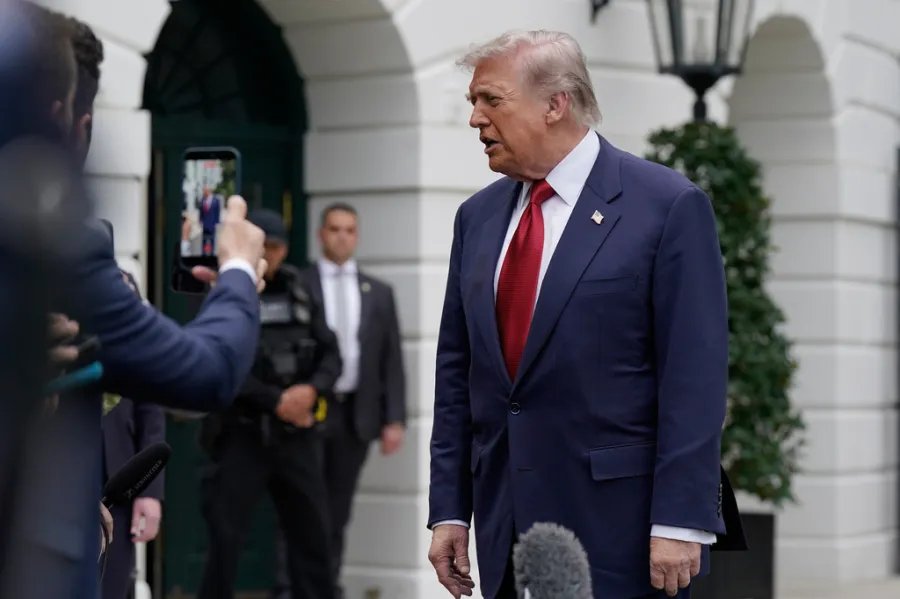
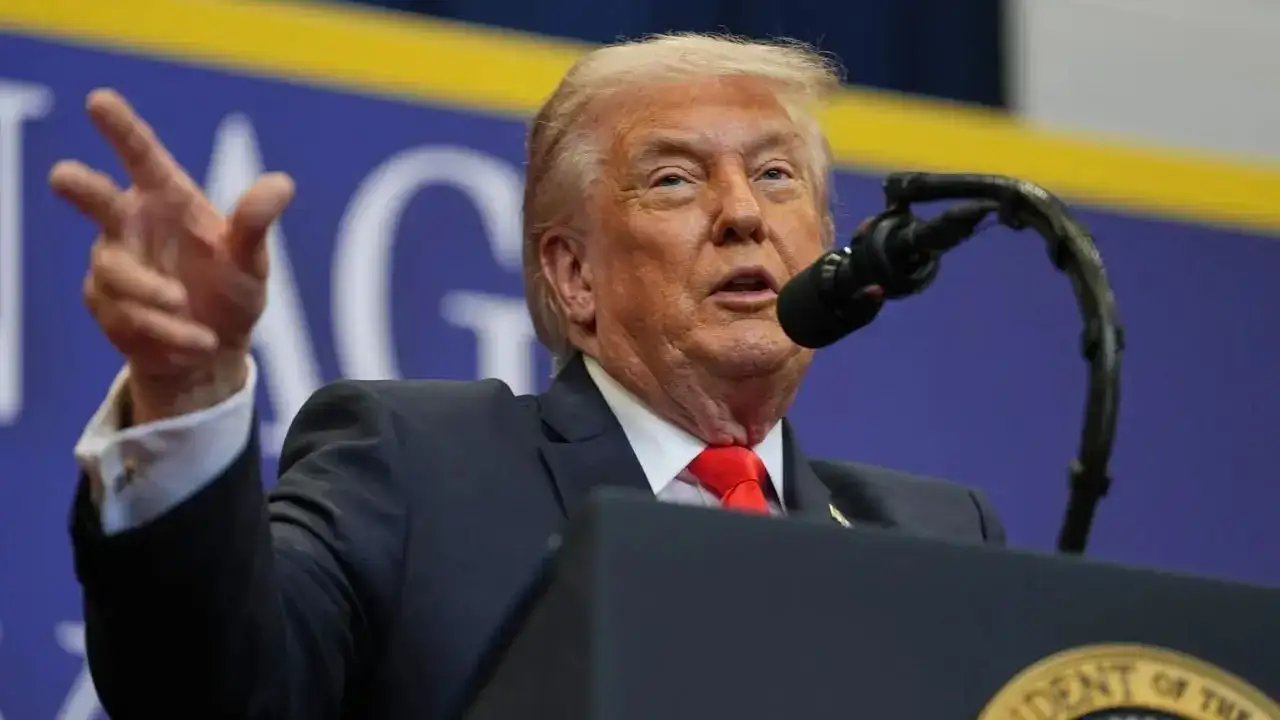
While the ban in Minnesota marks a significant policy change, the future of prediction markets remains uncertain. The Trump administration has largely resisted imposing strict regulations, which could hinder efforts to implement comprehensive oversight. As legislators continue to navigate the challenges posed by this industry, the implications of Minnesota’s decision may reverberate beyond its borders, influencing discussions on gambling and economic forecasting nationwide.