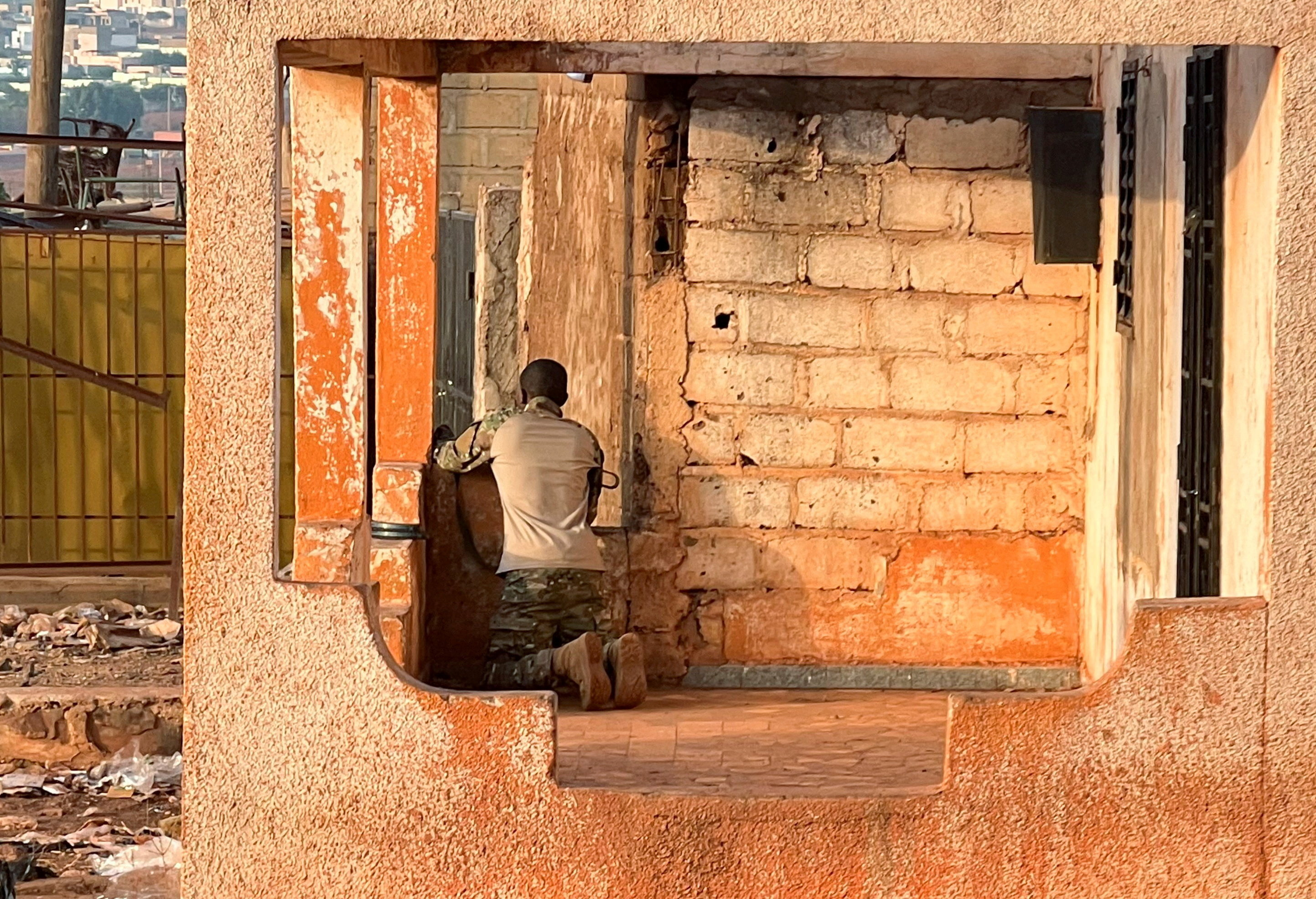
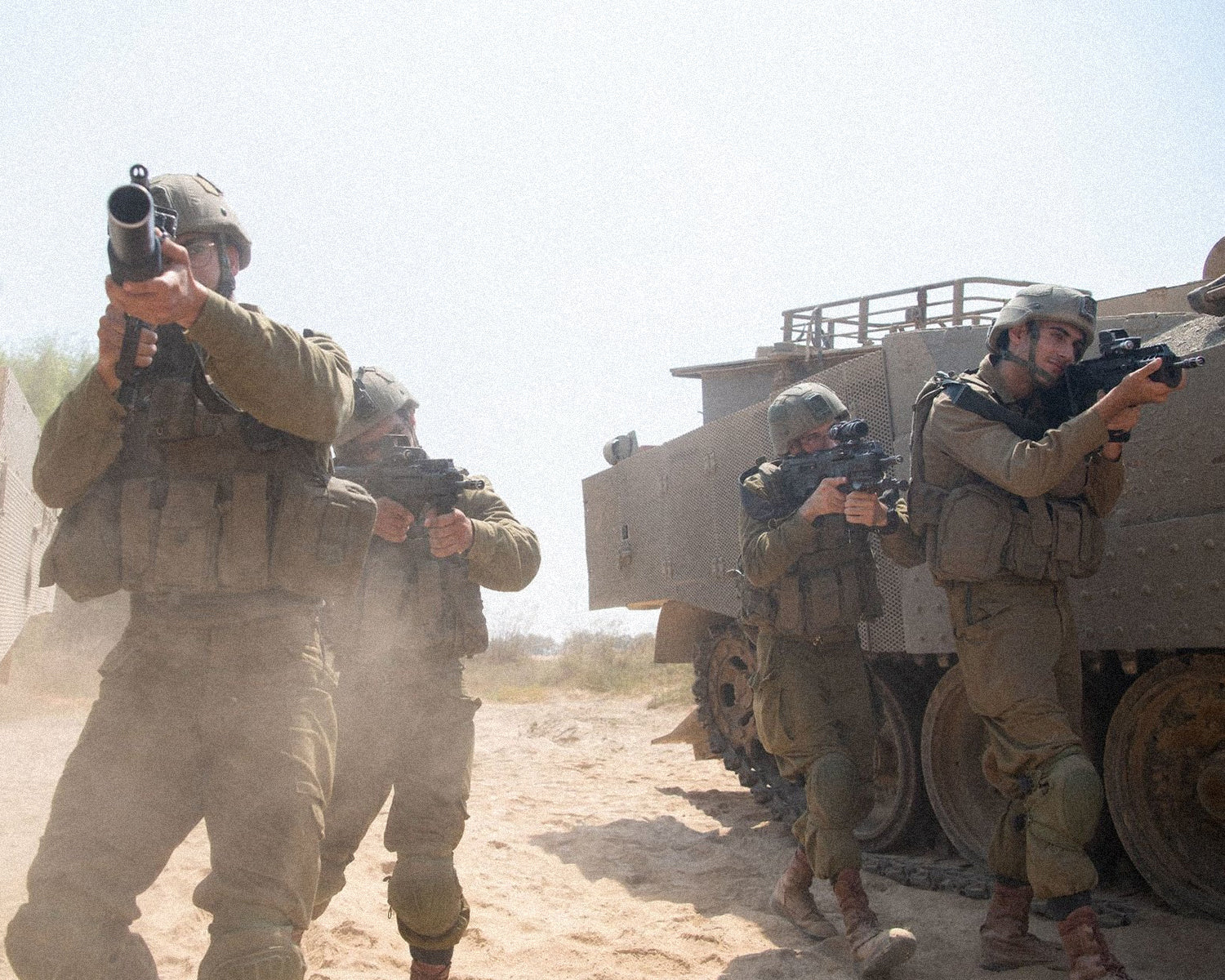
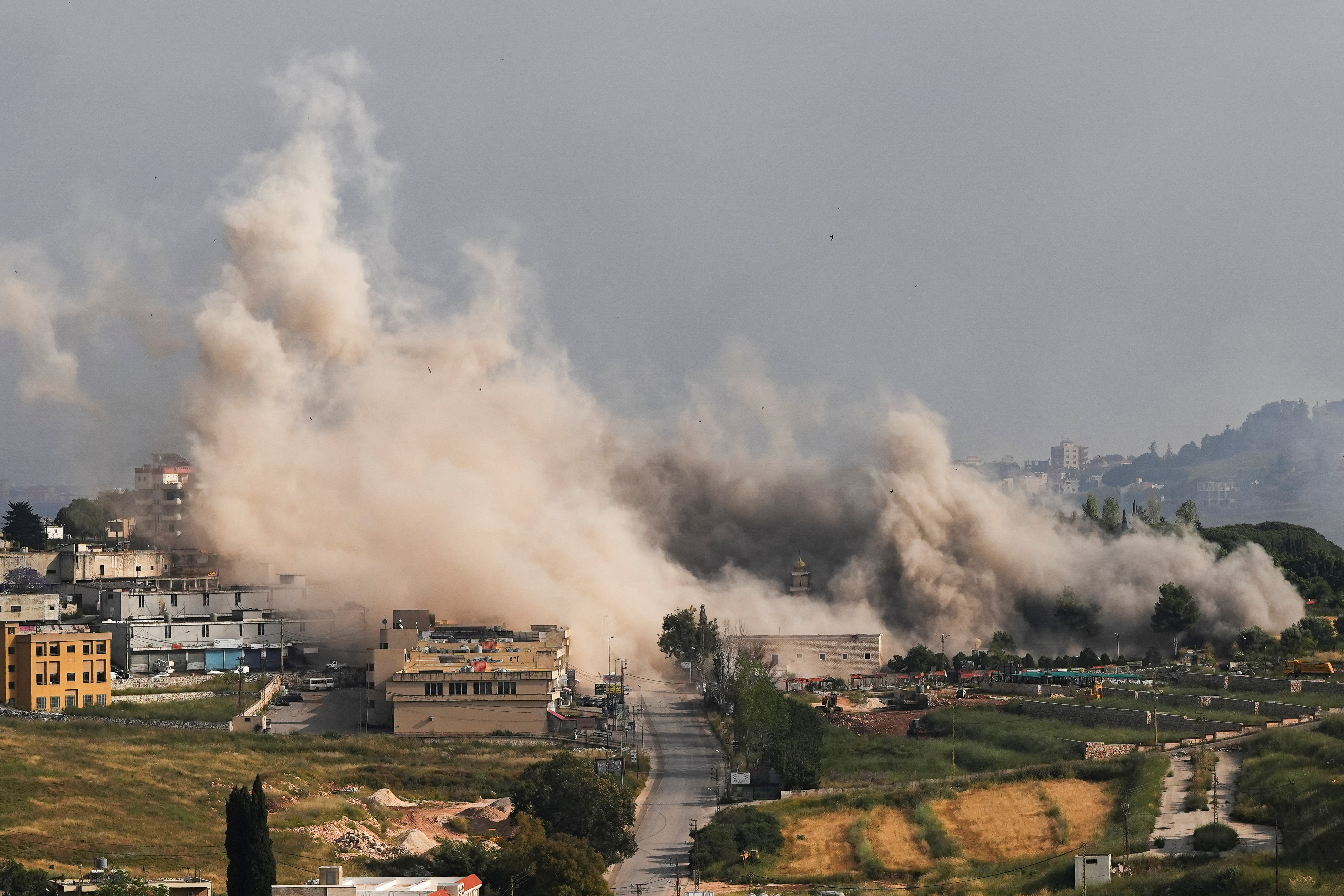
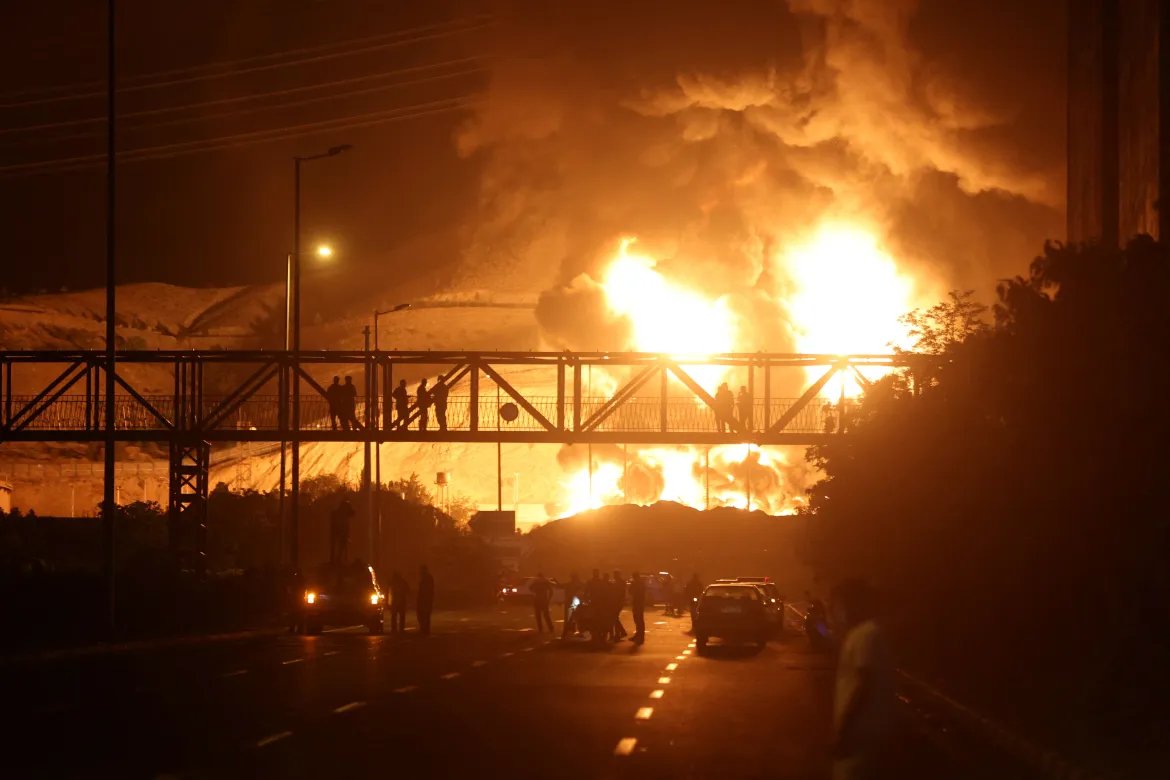
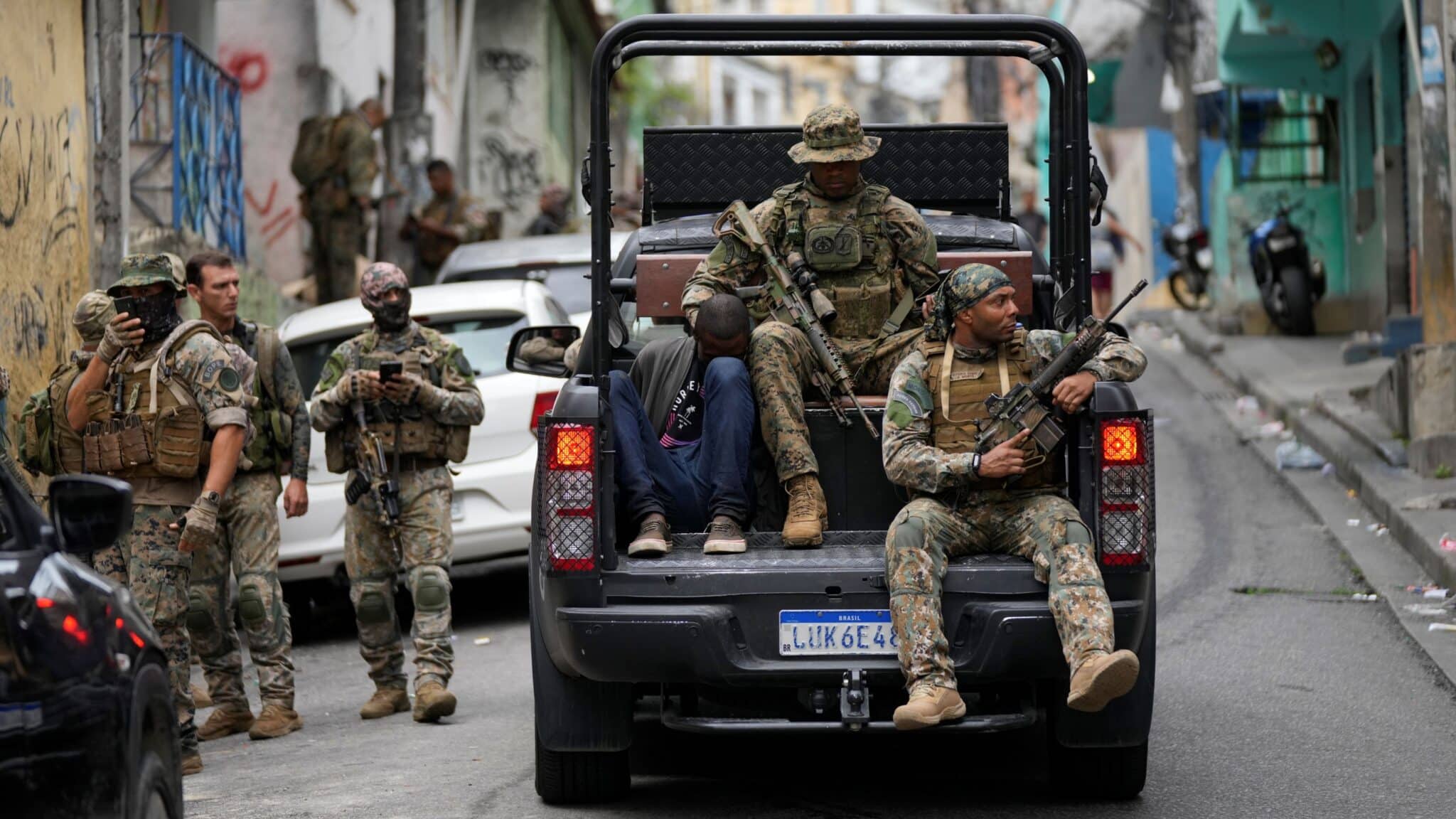
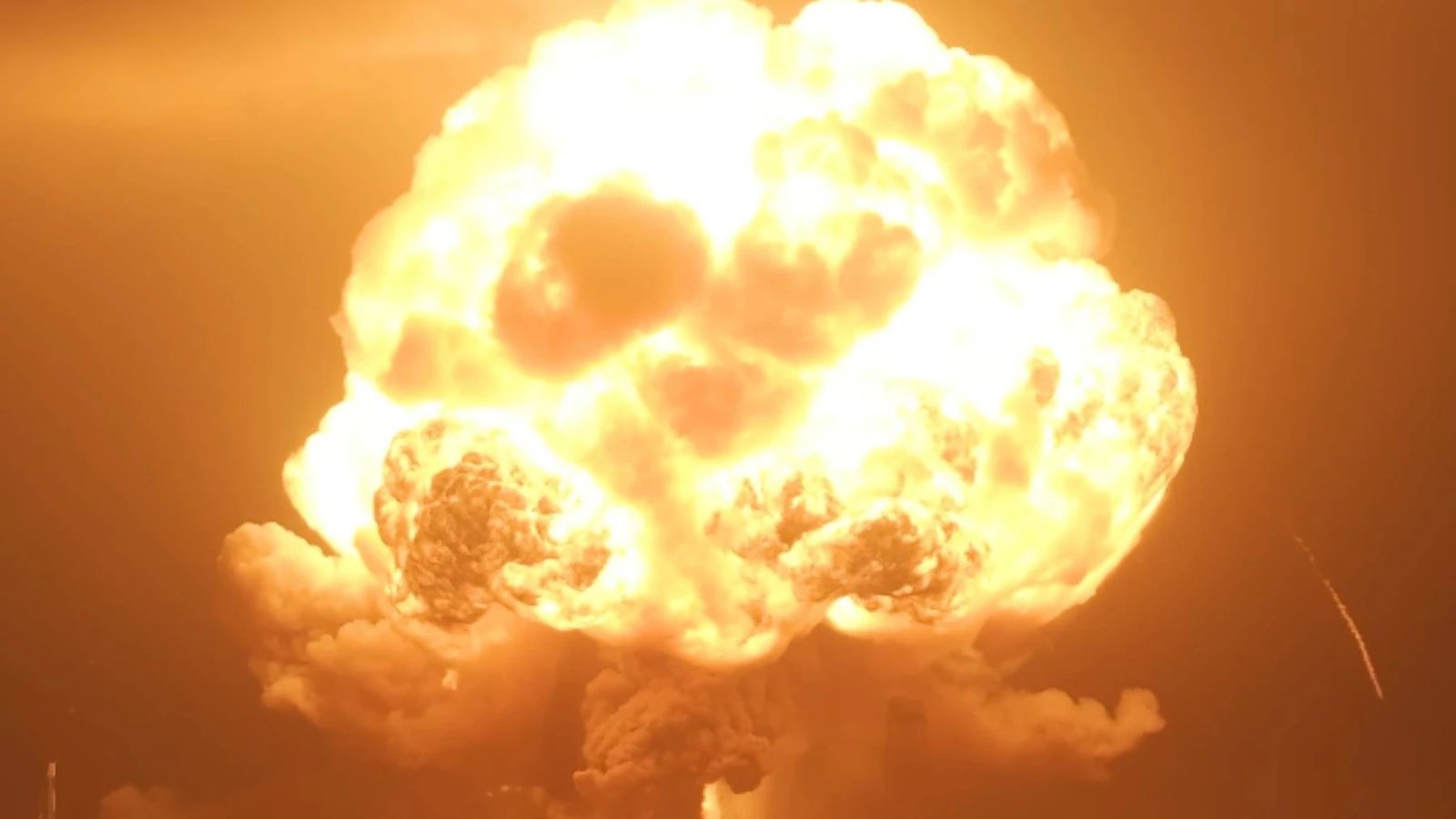
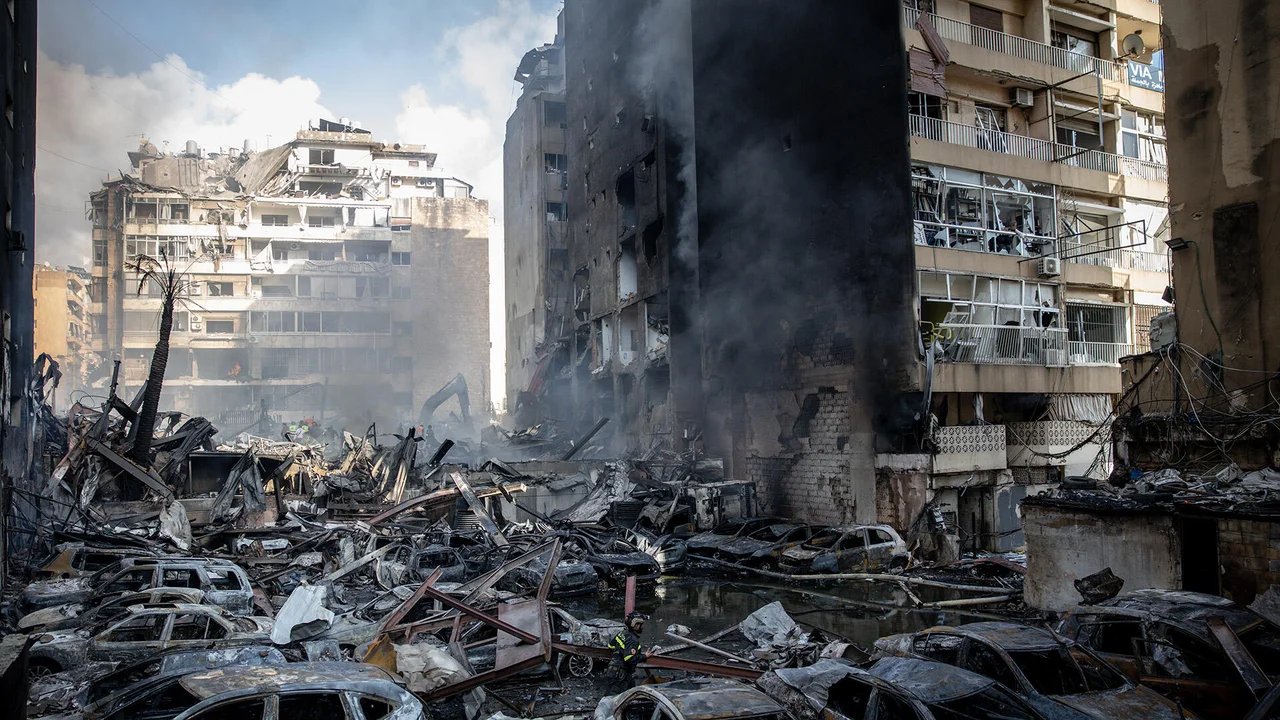
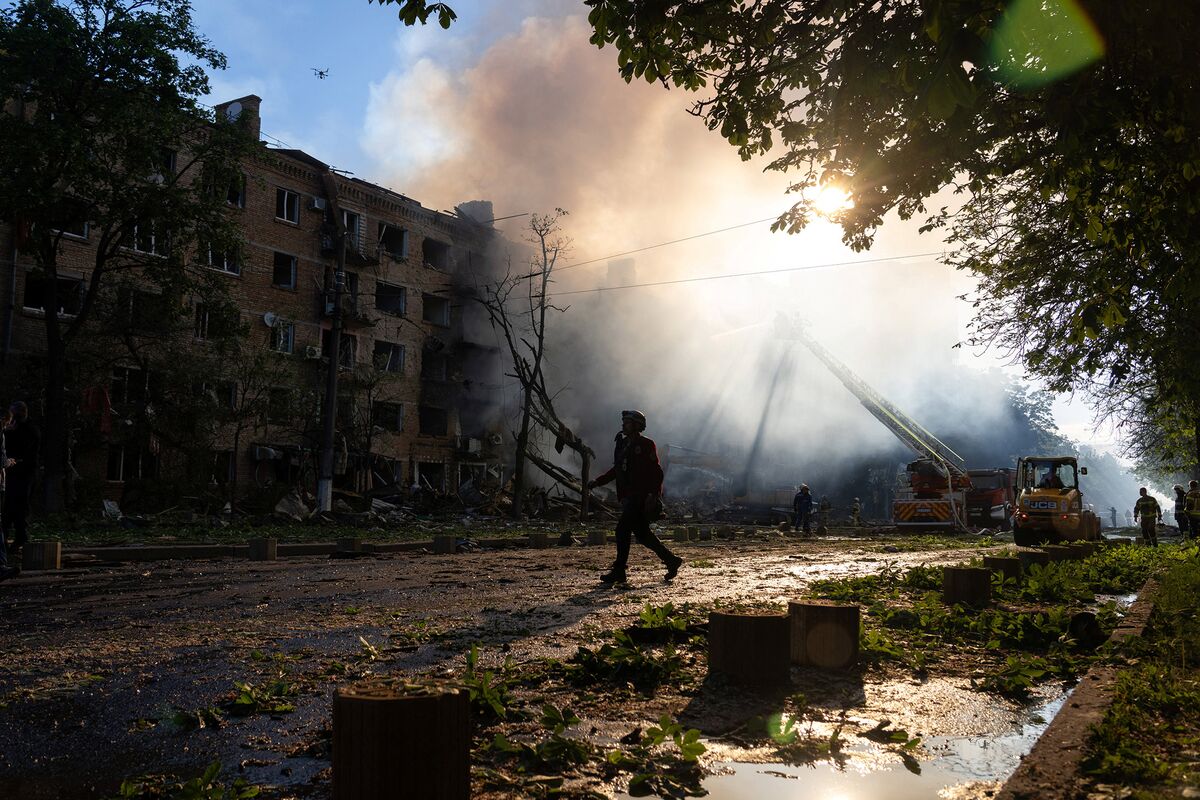
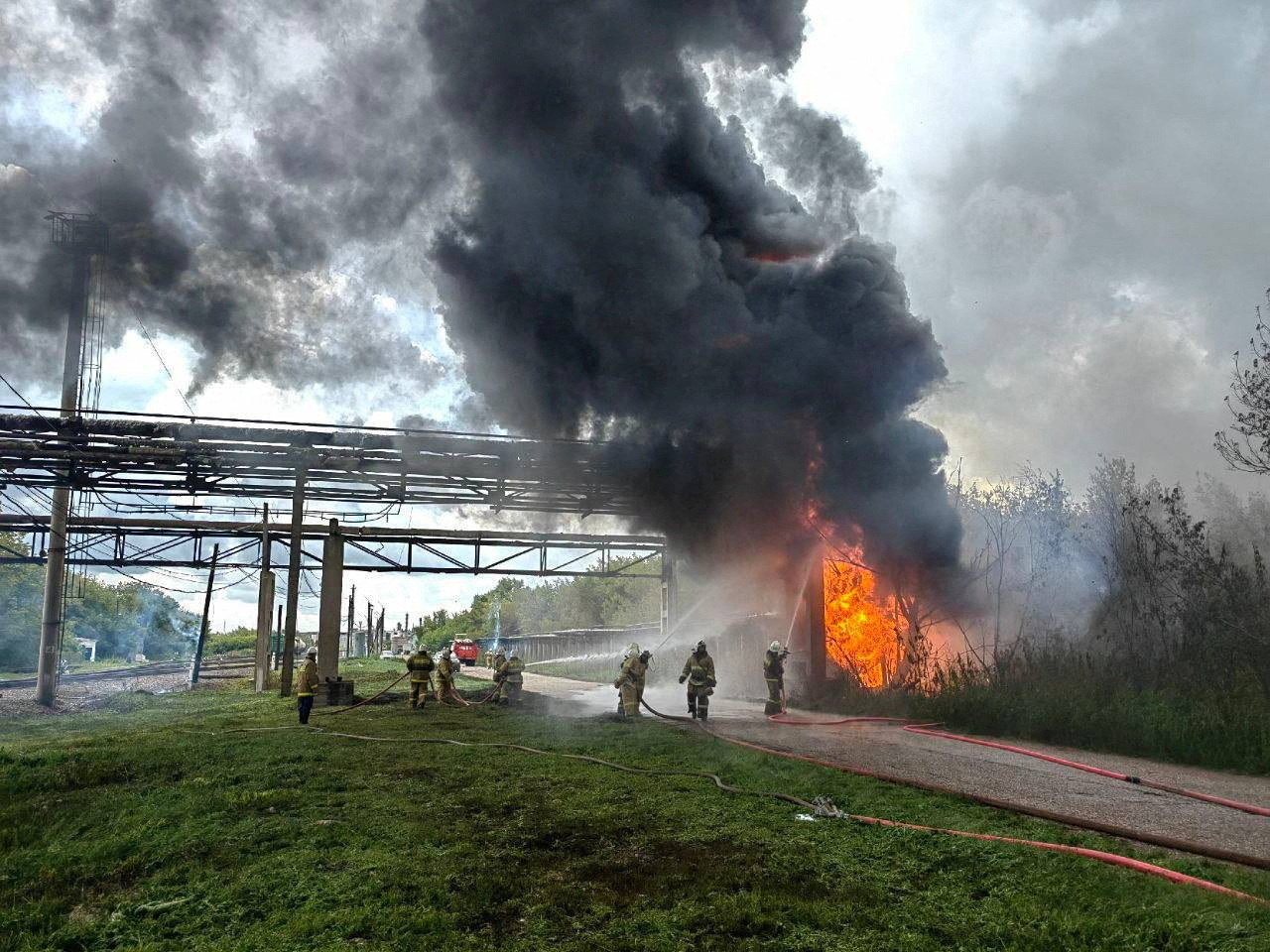
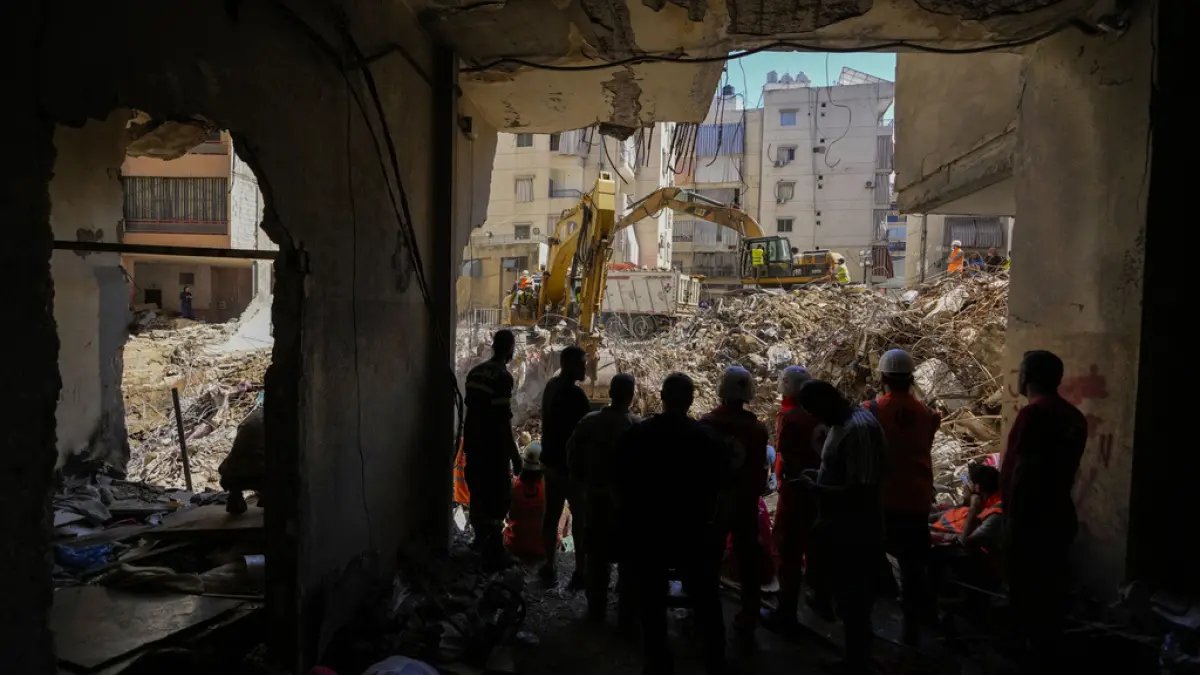
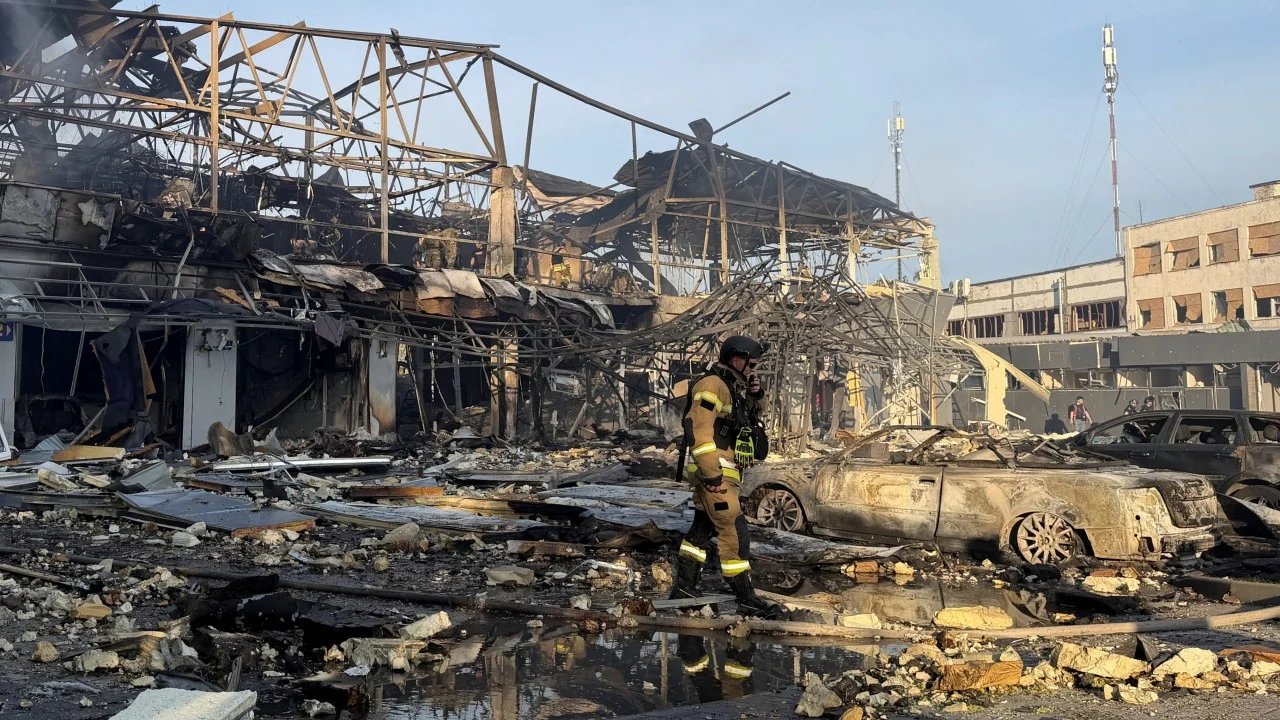
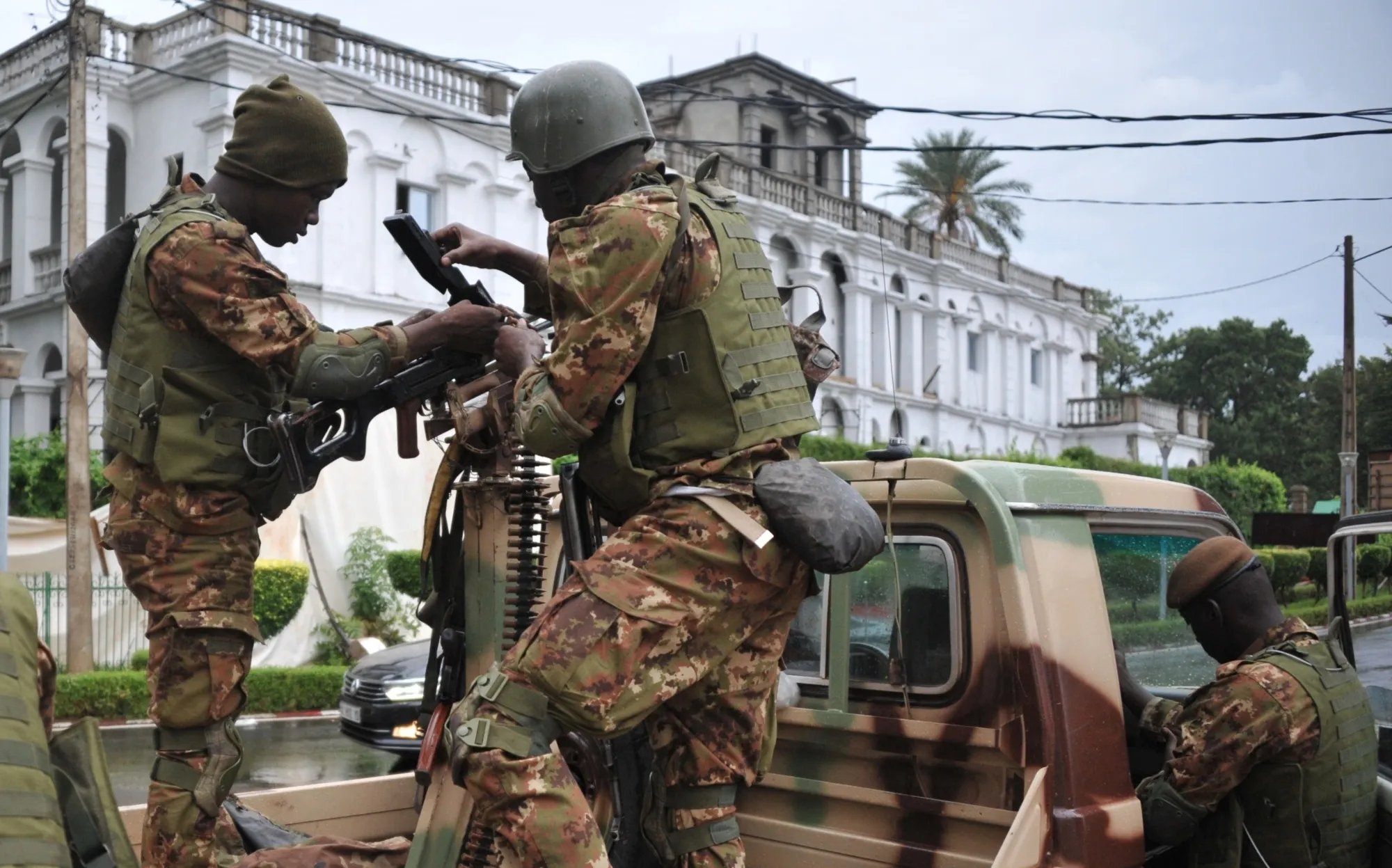
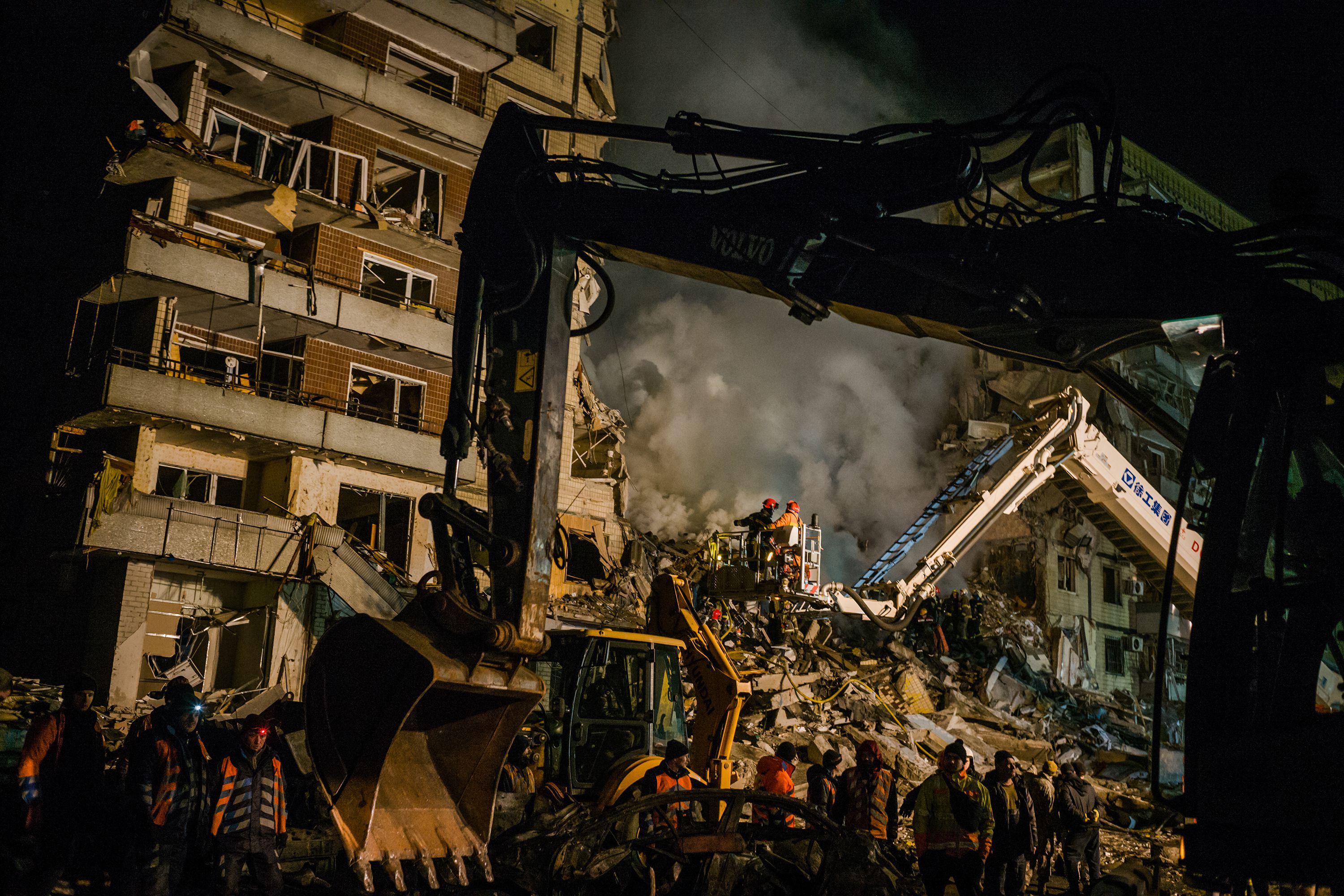
Coordinated attacks by armed groups struck Mali's capital, Bamako, and other key cities on Saturday, signaling a major escalation in the country's security crisis. Gunfire and explosions were heard near the main airport in Bamako, leading to the cancellation of flights. The attacks also targeted military bases and other locations across the country, including Gao and Kidal in the north, and Sevare and Mopti in the center.
The Al-Qaeda affiliate Jama'at Nusrat al-Islam wal-Muslimin (JNIM) claimed responsibility for the attacks, stating they were part of a joint operation with the Azawad Liberation Front (FLA). Mohamed Elmaouloud Ramadane, a spokesperson for the FLA, said the groups had been planning the operation for a long time. The FLA seeks a breakaway ethnic Tuareg state. JNIM confirmed the joint operation in a statement.
Mali's military said it was fighting "terrorist groups" and that some militants had already fled. Mali's army claimed the situation was under control following the attacks in Bamako and other towns. The military stated that its forces had "routed" the attackers, killing "several hundred." However, the BBC has not been able to independently verify this claim.
Despite the military's claims, fighting continues in some areas. Ramadane stated that Kidal has not fallen completely, with elements of the Malian army and Russian mercenaries still present. He also claimed that all of Gao's gates have fallen, but the army camps have not. An FLA field commander involved in the assault on Kidal said the group had been preparing for the offensive "for months" and was attempting to block the road between the city and Tessalit to prevent army reinforcements from arriving.
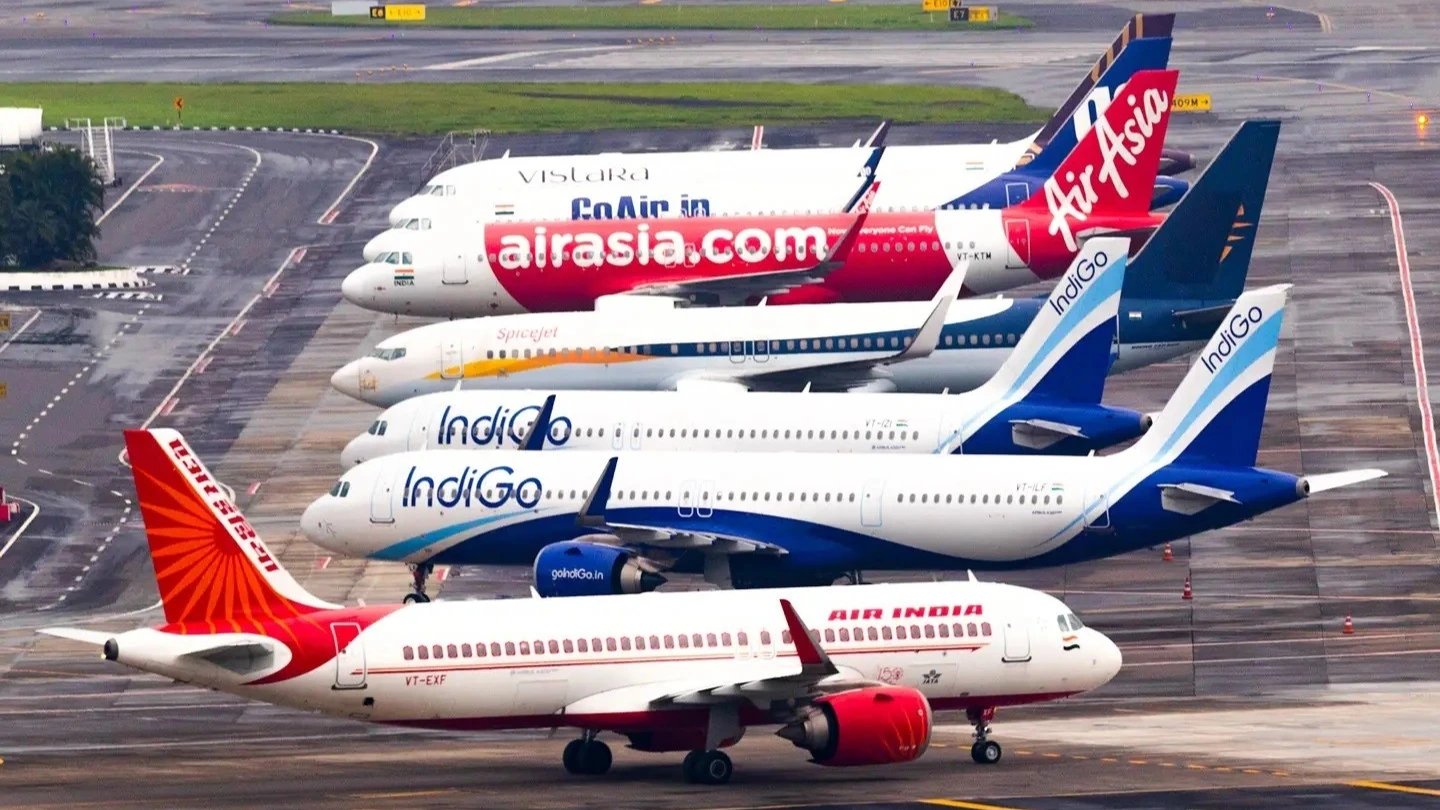
The U.S. Embassy in Mali has urged American citizens to shelter in place and avoid all travel. The UK Foreign Office has advised against all travel to Mali following the attacks, adding Bamako International Airport had been temporarily closed. Mahmoud Ali Youssouf, chair of the African Union Commission, said he was following the situation with "deep concern." The US State Department's Africa bureau strongly condemned the attacks and extended condolences to the victims.
Mali has faced escalating instability in recent years, with groups linked to al-Qaeda, including JNIM, and others aligned with the Islamic State group operating across the country, alongside a long-running Tuareg-led separatist rebellion in the north. According to this year's Global Terrorism Index, the Sahel region accounted for more than half of all terrorism-related deaths in 2025.
Checkpoints have been established on roads leading to the airport in Bamako, and vehicles are being searched. A curfew has been imposed from 21:00 to 06:00 local time for the next three nights.
Coordinated attacks by armed groups struck Mali’s capital, Bamako, and other key cities on Saturday, signaling a major escalation in the country’s security crisis. Gunfire and explosions were heard near the main airport in Bamako, leading to the cancellation of flights. The attacks also targeted military bases and other locations across the country, including Gao and Kidal in the north, and Sevare and Mopti in the center.
The Al-Qaeda affiliate Jama'at Nusrat al-Islam wal-Muslimin (JNIM) claimed responsibility for the attacks, stating they were part of a joint operation with the Azawad Liberation Front (FLA). Mohamed Elmaouloud Ramadane, a spokesperson for the FLA, said the groups had been planning the operation for a long time. The FLA seeks a breakaway ethnic Tuareg state. JNIM confirmed the joint operation in a statement.
Mali’s military said it was fighting "terrorist groups" and that some militants had already fled. The army claimed the situation was under control following the attacks in Bamako and other towns. The military stated that its forces had "routed" the attackers, killing "several hundred." However, the BBC has not been able to independently verify this claim.
Despite the military's claims, fighting continues in some areas. Ramadane stated that Kidal has not fallen completely, with elements of the Malian army and Russian mercenaries still present. He also claimed that all of Gao’s gates have fallen, but the army camps have not. An FLA field commander involved in the assault on Kidal said the group had been preparing for the offensive "for months" and was attempting to block the road between the city and Tessalit to prevent army reinforcements from arriving.
The U.S. Embassy in Mali has urged American citizens to shelter in place and avoid all travel. The UK Foreign Office has advised against all travel to Mali following the attacks, adding Bamako International Airport had been temporarily closed. Mahmoud Ali Youssouf, chair of the African Union Commission, said he was following the situation with "deep concern." The US State Department's Africa bureau strongly condemned the attacks and extended condolences to the victims.
Mali has faced escalating instability in recent years, with groups linked to al-Qaeda, including JNIM, and others aligned with the Islamic State group operating across the country, alongside a long-running Tuareg-led separatist rebellion in the north. The Malian government has relied on Russian-backed mercenaries from the Africa Corps to address the country's worsening insecurity. According to this year's Global Terrorism Index, the Sahel region accounted for more than half of all terrorism-related deaths in 2025.
Checkpoints have been established on roads leading to the airport in Bamako, and vehicles are being searched. A curfew has been imposed from 21:00 to 06:00 local time for the next three nights. One resident, who was travelling back to Bamako from Ethiopia, told the BBC all flights into the city had been cancelled early on Saturday.
Highlighted text was flagged by the council. Tap to see feedback.