




Pro-West Government Triumphs
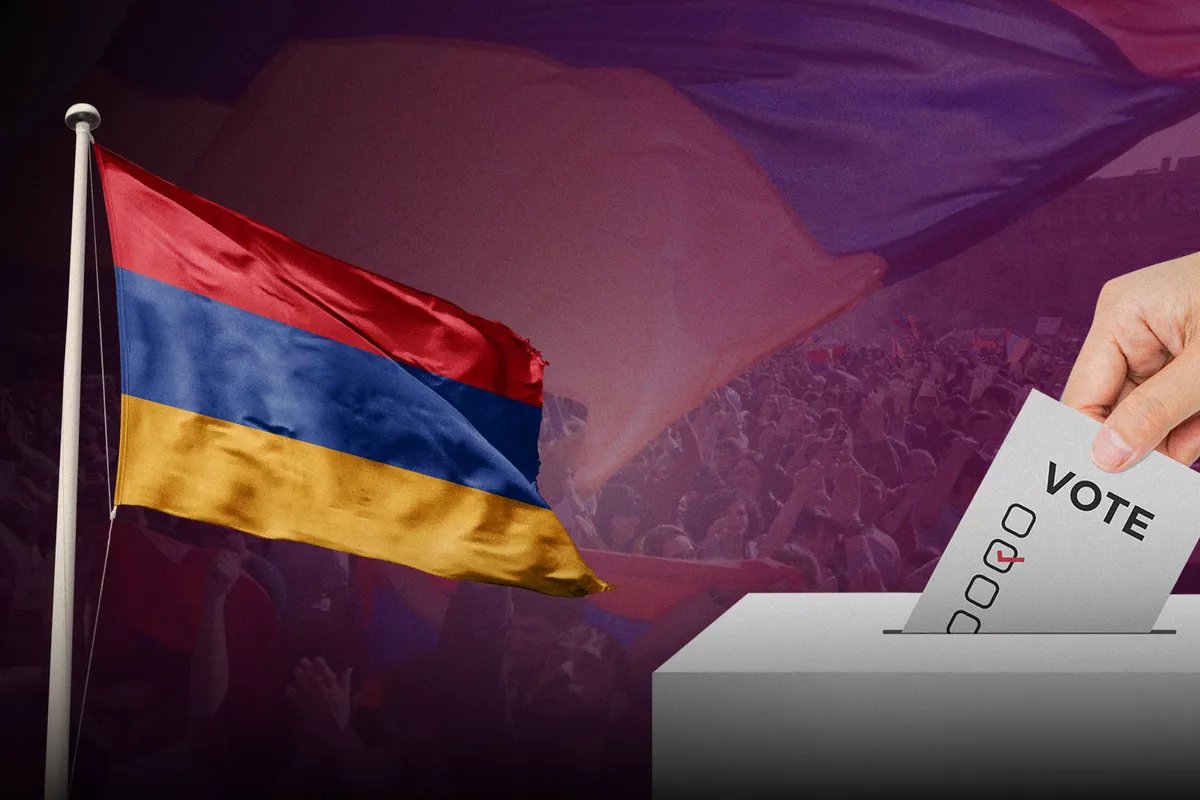
In a significant geopolitical development, Prime Minister Nikol Pashinyan's Civil Contract Party won Armenia's parliamentary elections with 49.81% of the vote, securing a clear plurality as Pashinyan pursues closer ties with the European Union. This victory comes amidst allegations of Russian interference and threats from Moscow, showcasing Armenia's determination to realign its geopolitical stance.
Russian Response and Interference Claims
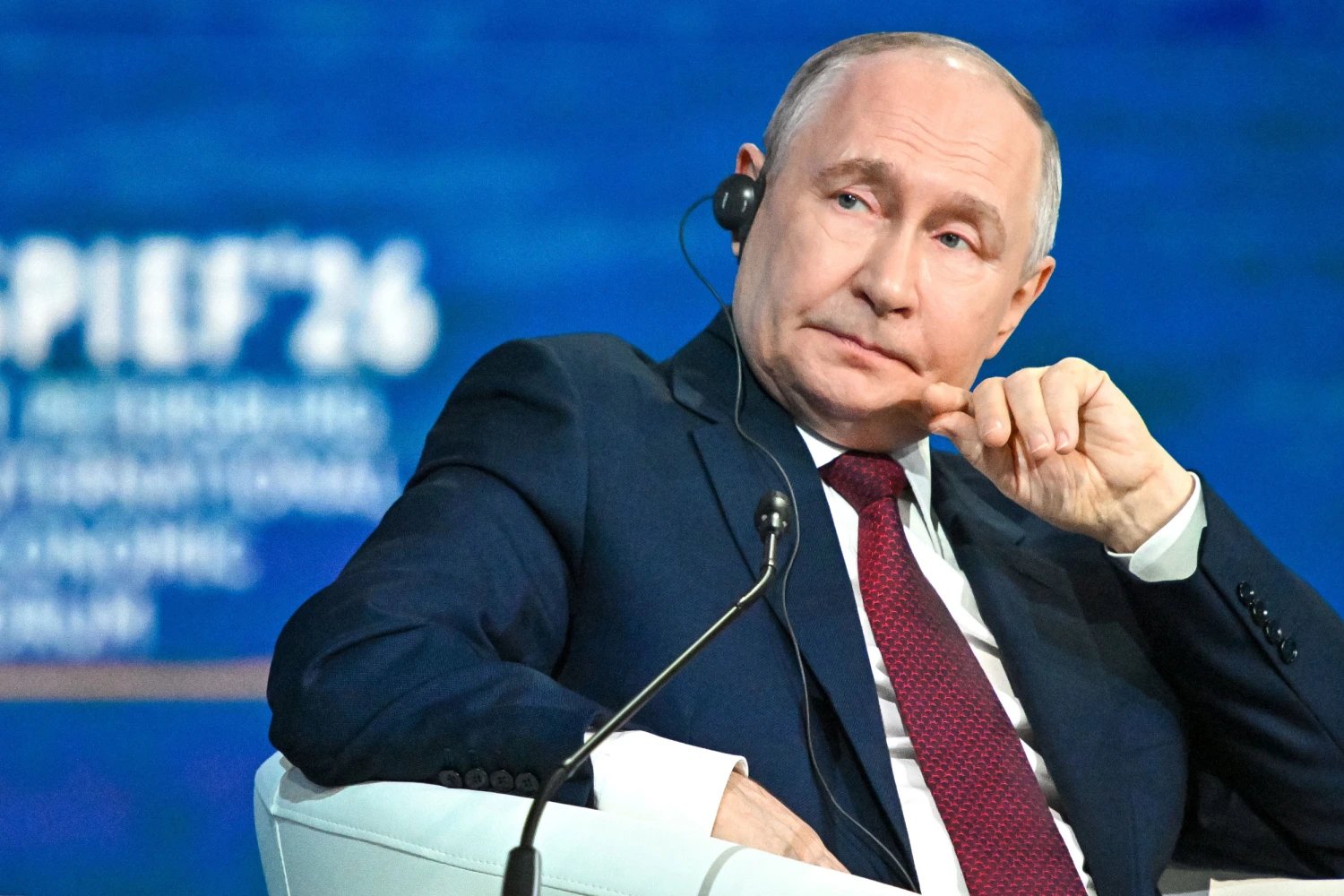
Russia's foreign ministry spokesperson, Maria Zakharova, quoted by the Tass news agency, claimed "unprecedented pressure" on opposition parties and alleged Western "interference" in the election. Despite these accusations, the international community, including France and the EU, congratulated Pashinyan, commending Armenia's closer ties with the West. This support highlights the broader implications of the election on regional stability and alliances.
Economic and Political Realignment
Pashinyan's push for closer ties with the West is set against the backdrop of economic pressure from Russia, Armenia's largest trading partner. This financial assistance is crucial as Pashinyan navigates the complex balance between maintaining relations with Russia while pursuing a Westward path.
Domestic Challenges and International Implications
Pashinyan faces significant domestic challenges stemming from the lingering effects of the 2023 military defeat by Azerbaijan and the contentious peace deal with Azerbaijan, which continue to influence public opinion. In Yerevan, the election results drew muted public response, with residents continuing their daily routines. Russia's foreign ministry characterized Armenian society as extremely polarized.
Future Prospects and Regional Alignment
Pashinyan declared he will continue rapprochement with the West while maintaining Armenia's participation in the Eurasian Economic Union, a Russian-led customs bloc. This balancing act is crucial for Armenia's economic and political future. The election results signal a potential shift in regional alignment, with broader implications for the Caucasus region and its relationship with both Russia and the European Union.