
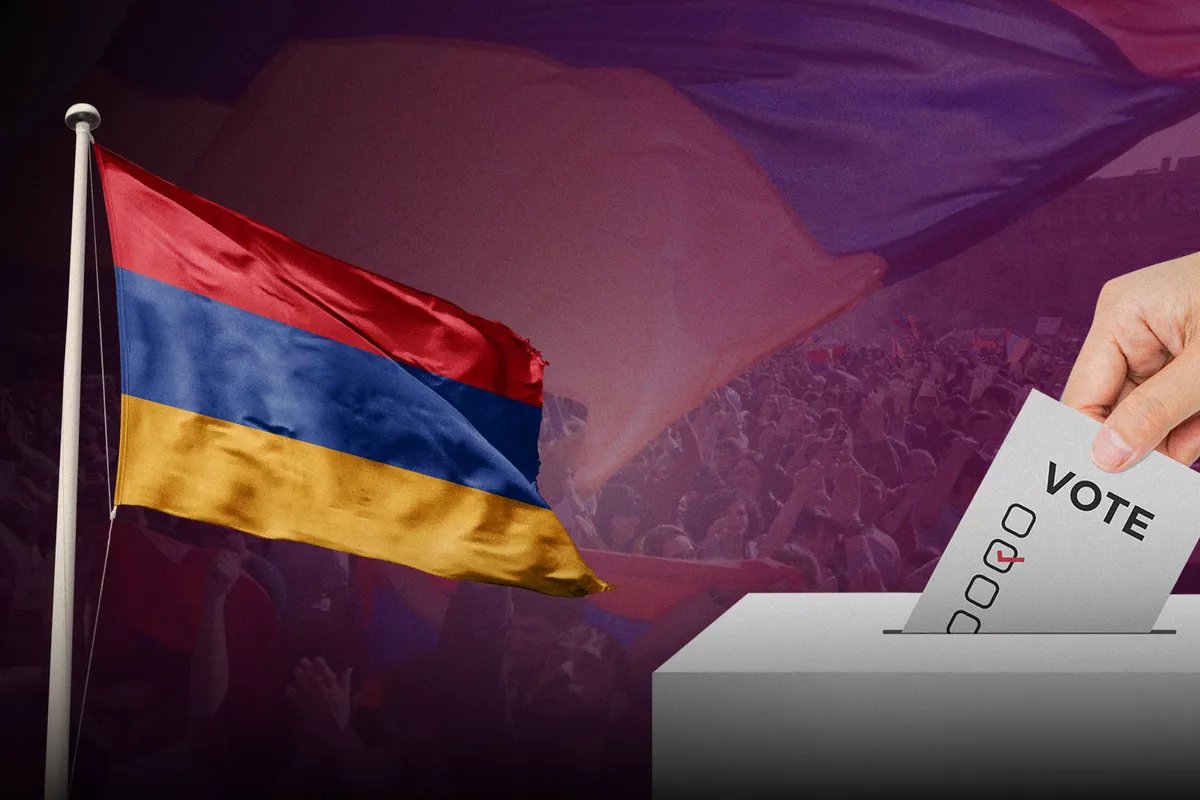





Geopolitical Struggle in Focus
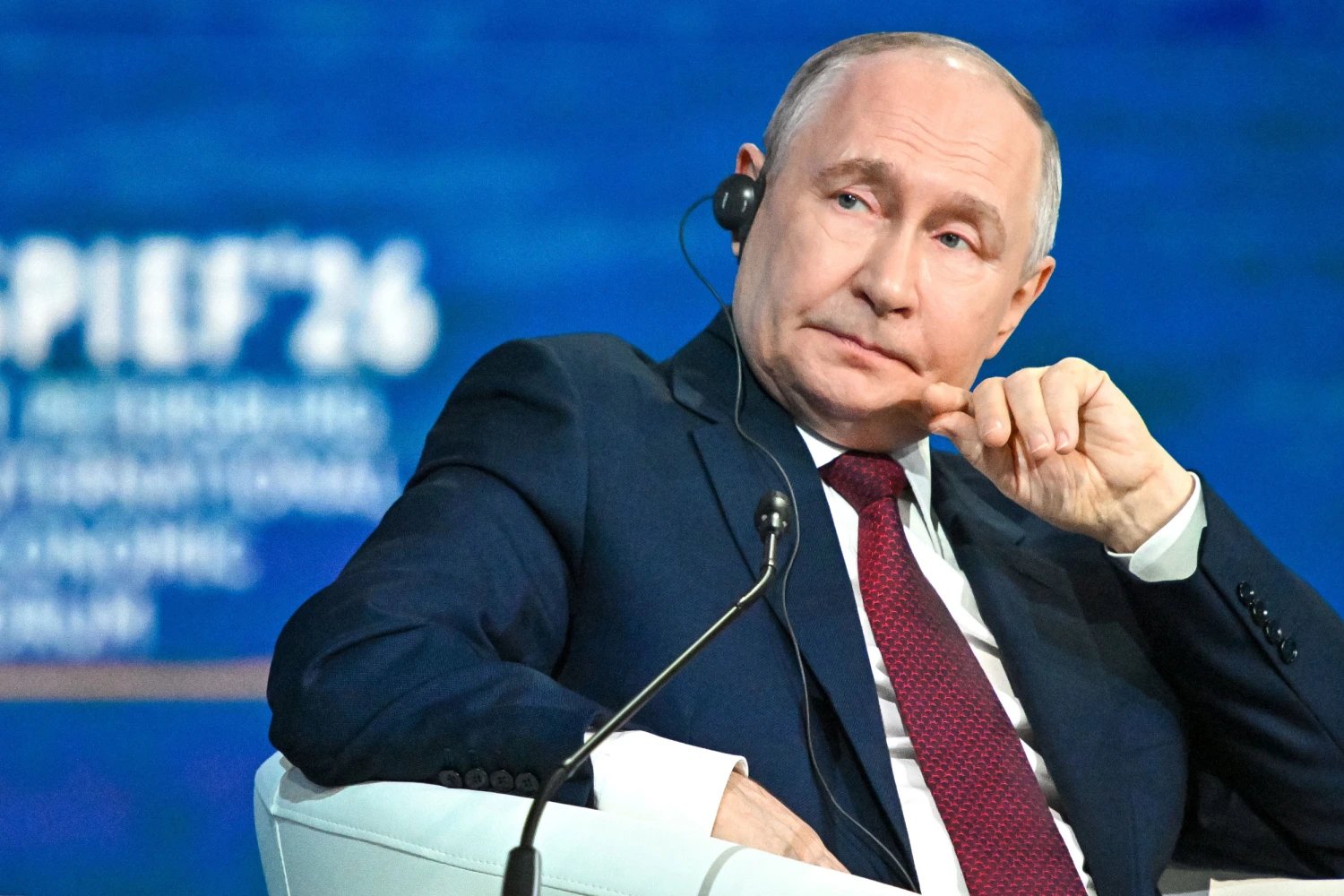
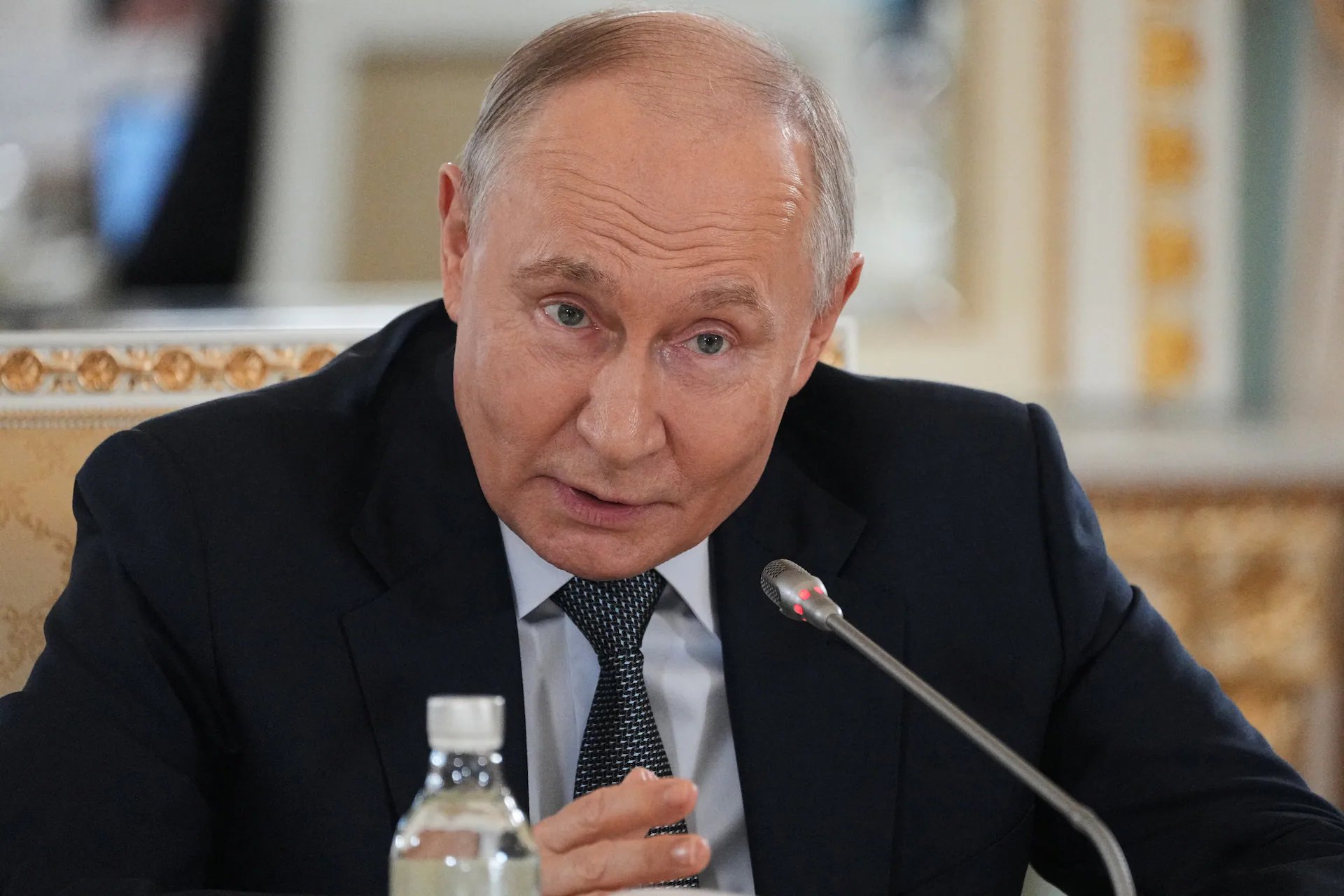
Armenians participated in a pivotal general election on Sunday, which is widely viewed as a referendum on the nation's geopolitical future and its relationship with Russia. Prime Minister Nikol Pashinyan and his Civil Contract party are seeking a mandate to chart a new course, aiming to reduce Armenia's reliance on Moscow and foster stronger ties with the West. This move is set against a backdrop of increasing pressure from Russia, as indicated by recent restrictions on Armenian exports and veiled threats from President Vladimir Putin.
Divergent Visions for Armenia's Future
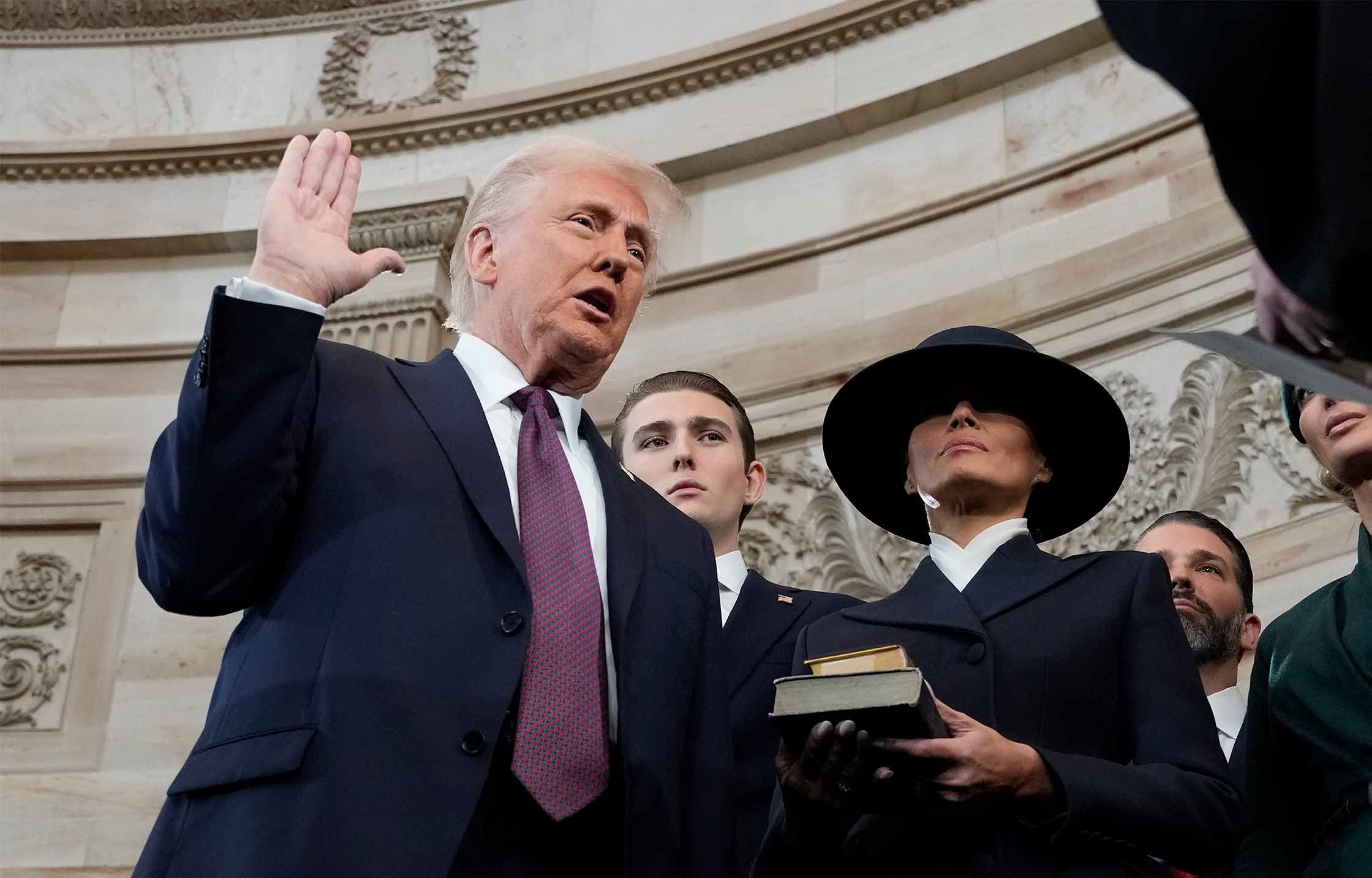
The opposition, which includes vocally pro-Russian parties such as Strong Armenia, offers a contrasting vision, seeking to bolster relations with Moscow. Pashinyan, who has been endorsed by several European leaders and U.S. President Donald Trump, maintains that Armenia will continue to strengthen its independence, statehood, democracy, and rule of law, with the European Union as its main partner in democratic reform implementation. Despite this, Pashinyan asserts that there are no tensions with Russia, and that their relations are based on mutual respect.
Election Controversies and Arrests
The election has not been without controversy. On the eve of the vote, Armenian investigators issued six arrest warrants for members of the opposition Strong Armenia party, accusing them of buying votes. Despite these allegations, the party was allowed to participate in the election after an appeal by another opposition party, Republic. Samvel Karapetyan, the head of Strong Armenia and a Russian-Armenian businessman under house arrest, claimed the arrests would not influence the voters' decisions.
Economic Coercion and Energy Dependence
Adding to the complexity, Russia's recent restrictions on Armenian produce have been labeled as "economic coercion" by the European Commission. Moscow's control over a significant portion of Armenia's energy and infrastructure, including the supply of cheap gas, further complicates the nation's geopolitical maneuvering. Putin has emphasized that membership in both the EU and the Russia-led Eurasian Economic Union is impossible, highlighting the challenging choices Armenia faces in this election.
The Stakes for Regional Stability
The vote is not just about political power but also about the economic and security future of the nation, as it grapples with its position between larger global powers. The choices made by Armenian voters will reverberate beyond its borders, affecting the balance of power in the region and the international community's engagement with this historically strategic crossroads.











For example, the head of Strong Armenia, Samvel Karapetyan, is under house arrest for allegedly advocating for the government's overthrow, a charge he claims is politically motivated.