




The Deal Collapses Before It Begins
Israel and Lebanon announced a ceasefire agreement Wednesday after a fourth round of U.S.-mediated talks at the State Department in Washington. The joint statement said the ceasefire "is contingent on a complete cessation of Hezbollah fire and the evacuation of all Hezbollah operatives" from areas south of the Litani River, a demilitarized zone currently occupied by Israeli forces. Within hours, Hezbollah rejected it entirely.
Hezbollah leader Naim Kassem called the agreement "absurd, humiliating and insulting" in a statement Thursday. He described the ceasefire as "a roadmap to annihilate part of the Lebanese people" and said accepting it would constitute "surrender, defeat and achieving the enemy's goals." The group demanded instead a full Israeli withdrawal from southern Lebanon before any truce could take effect.
What the Agreement Required
Under the deal, Israel and Lebanon agreed to create "pilot zones" in southern Lebanon where the Lebanese Armed Forces would take exclusive control, excluding all non-state actors like Hezbollah. Israeli forces would remain in the region during this process. The two countries' representatives scheduled another round of negotiations for June 22 in Washington to work toward a comprehensive agreement.
Lebanese Prime Minister Nawaf Salam said the army would begin deploying in these pilot zones as "a first phase," adding that "this does not prejudice our right to a full Israeli withdrawal, but brings us closer to it." Lebanese President Joseph Aoun said the ceasefire could take effect within 24 hours of approval by all concerned parties, but that approval never came.
Fighting Continues Regardless
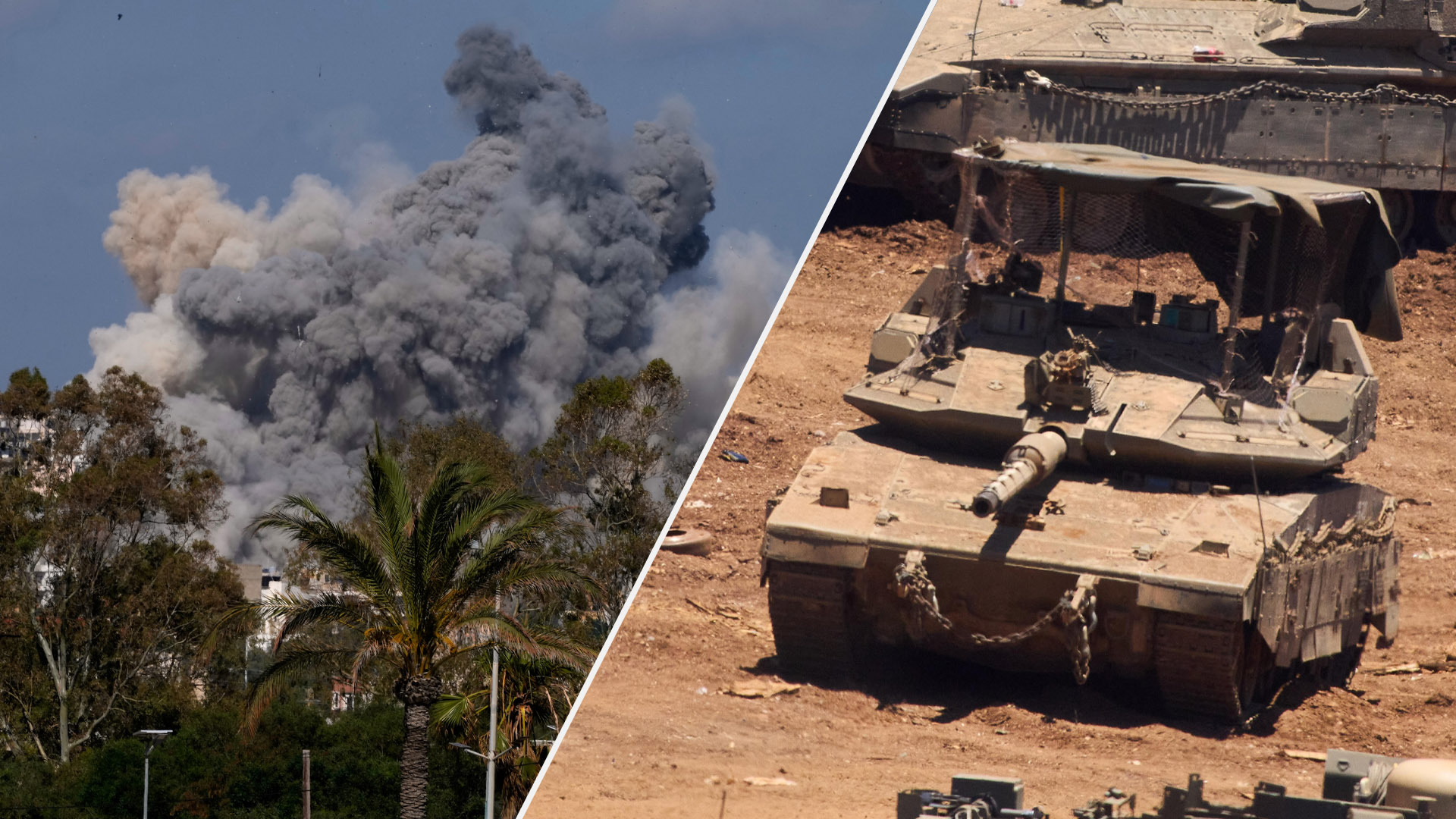
Israeli Defense Minister Israel Katz announced Thursday that the Israeli military would continue its operations in southern Lebanon. He said Israeli forces retained "freedom of action, with American backing, to strike in Beirut in response to fire on Israeli communities and territory." The military would "remain in the security zone in Lebanon up to the Yellow Line—including in the Beaufort area—and without the return of the population, while continuing to dismantle terrorist infrastructure on the ground."
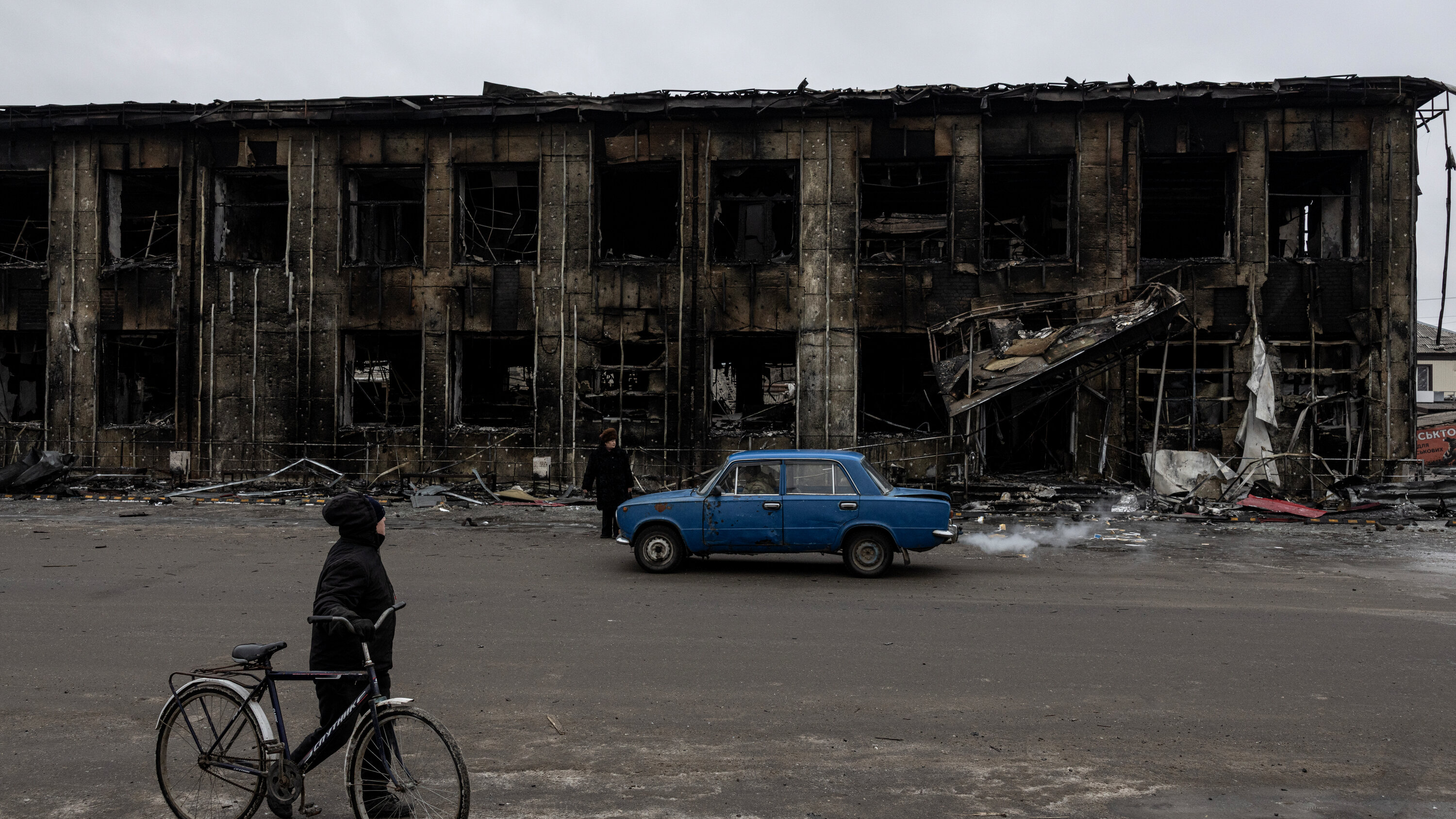
Lebanese media reported multiple Israeli strikes across southern Lebanon on Thursday morning, hours after the ceasefire announcement. The state-run National News Agency said five people were killed in airstrikes on the Bekaa Valley town of Sohmor, and the Lebanese health ministry reported at least eight people killed and 15 injured in strikes targeting towns in southern Lebanon.
A Peacekeeper Dies in the Crossfire
A Serbian peacekeeper, Senior Sergeant Milovan Jovanovic, was killed Wednesday night when mortar shells struck a United Nations Interim Force in Lebanon (UNIFIL) position near Marjayoun in southeastern Lebanon. Two other peacekeepers, from El Salvador and Spain, were wounded in the attack. The U.N. source said the mortars appeared to have come from Hezbollah, though the group denied responsibility and expressed its "unwavering commitment" to UNIFIL's role in Lebanon.
Jovanovic's death brings the total number of UNIFIL peacekeepers killed since the war restarted in March to seven. UNIFIL said it had "detected an increasingly high number of trajectories and impacts in South Lebanon" and called for the violence to end.
Congress Splits on War Powers
The House rejected a war powers resolution Thursday that would have required President Trump to withdraw U.S. forces from Lebanon within seven days. The measure, introduced by Democratic Rep. Rashida Tlaib of Michigan, failed 92-324, with 207 Republicans, 117 Democrats, and one independent voting against it. Rep. Thomas Massie of Kentucky was the sole Republican to support the resolution.
House Minority Leader Hakeem Jeffries and other Democratic leaders opposed the measure, saying "currently, there are no U.S. servicemembers involved in combat operations or hostilities in Lebanon." They said they would work with Tlaib on a narrower version that had the support of Rep. Gregory Meeks of New York, the top Democrat on the House Foreign Affairs Committee. The debate grew heated when Rep. Max Miller of Ohio linked Tlaib to Hezbollah, prompting a shouting match and a request that his remarks be stricken from the record. Miller then doubled down on the accusation, saying he owned the statement and stood by it.
Iran's Ceasefire Demands Unmet
Iran's Foreign Minister Abbas Araghchi said there has been "no tangible progress" in negotiations between Iran and the United States. He warned that "any attack on Beirut will have grave consequences and will lead to a full-scale resumption of the war," and said Iran's armed forces were "ready to strike Israel if it attacks Beirut." Iran has insisted that any ceasefire agreement with the U.S. must include peace in Lebanon. Hezbollah's rejection of the Israel-Lebanon deal throws the future of regional peace negotiations into question.
Iranian Revolutionary Guard Corps commander Esmail Qaani demanded that Israel withdraw to positions it held before late February, when the U.S. and Israel first attacked Iran. Before those strikes, Israel held five positions across the border in Lebanon. It now occupies large parts of the south.