




Swearing-In Ceremony
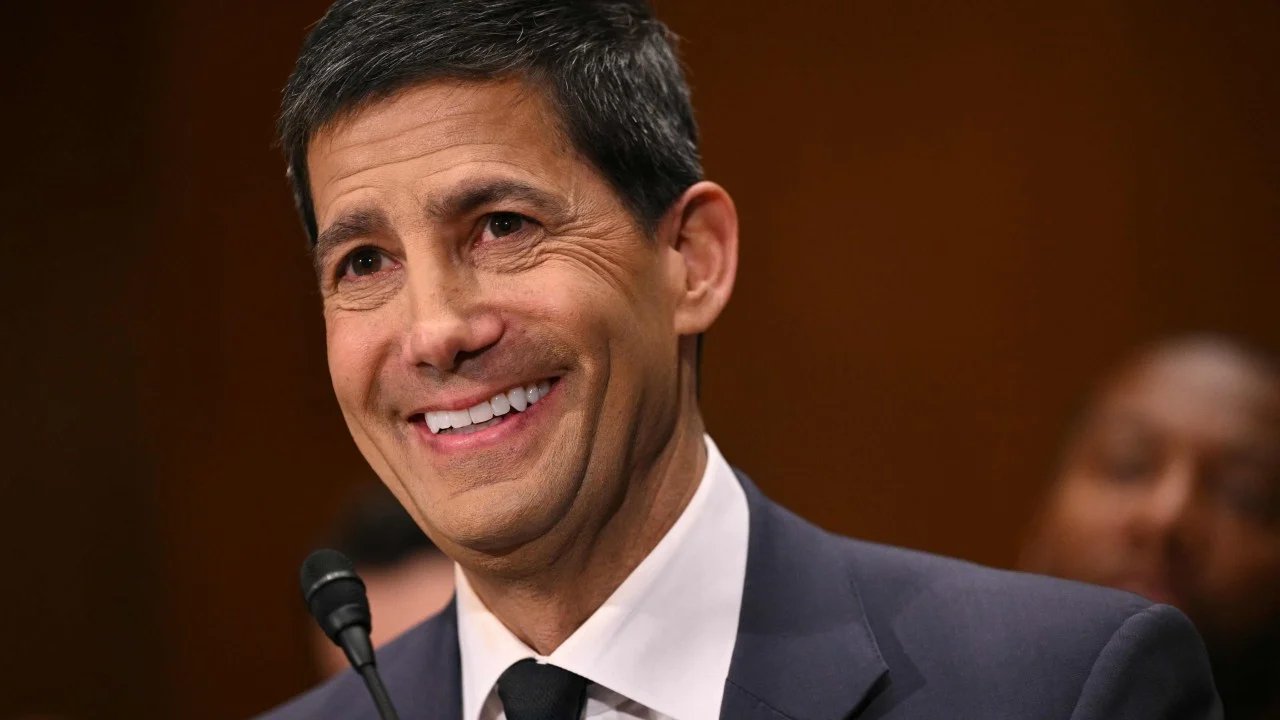
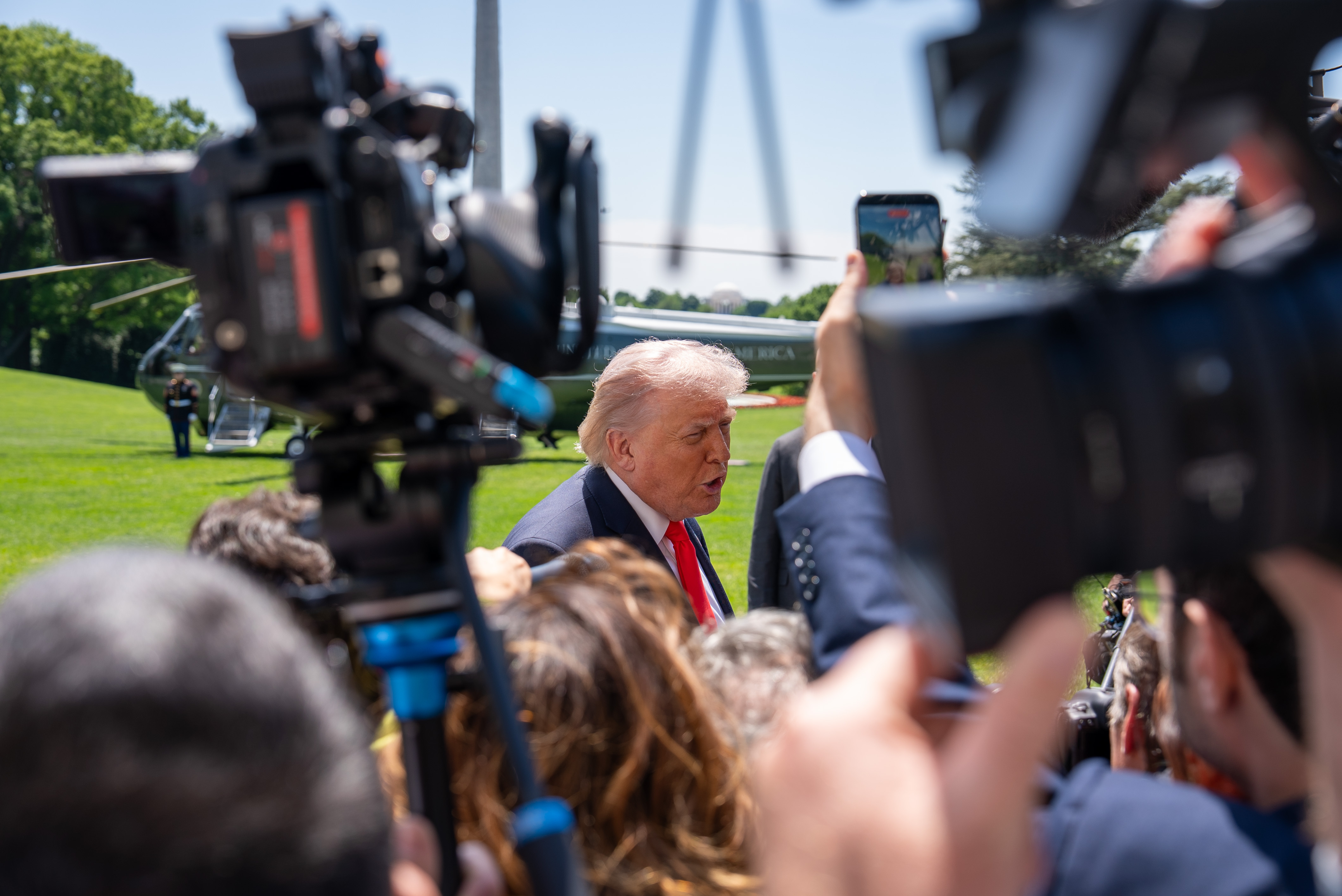
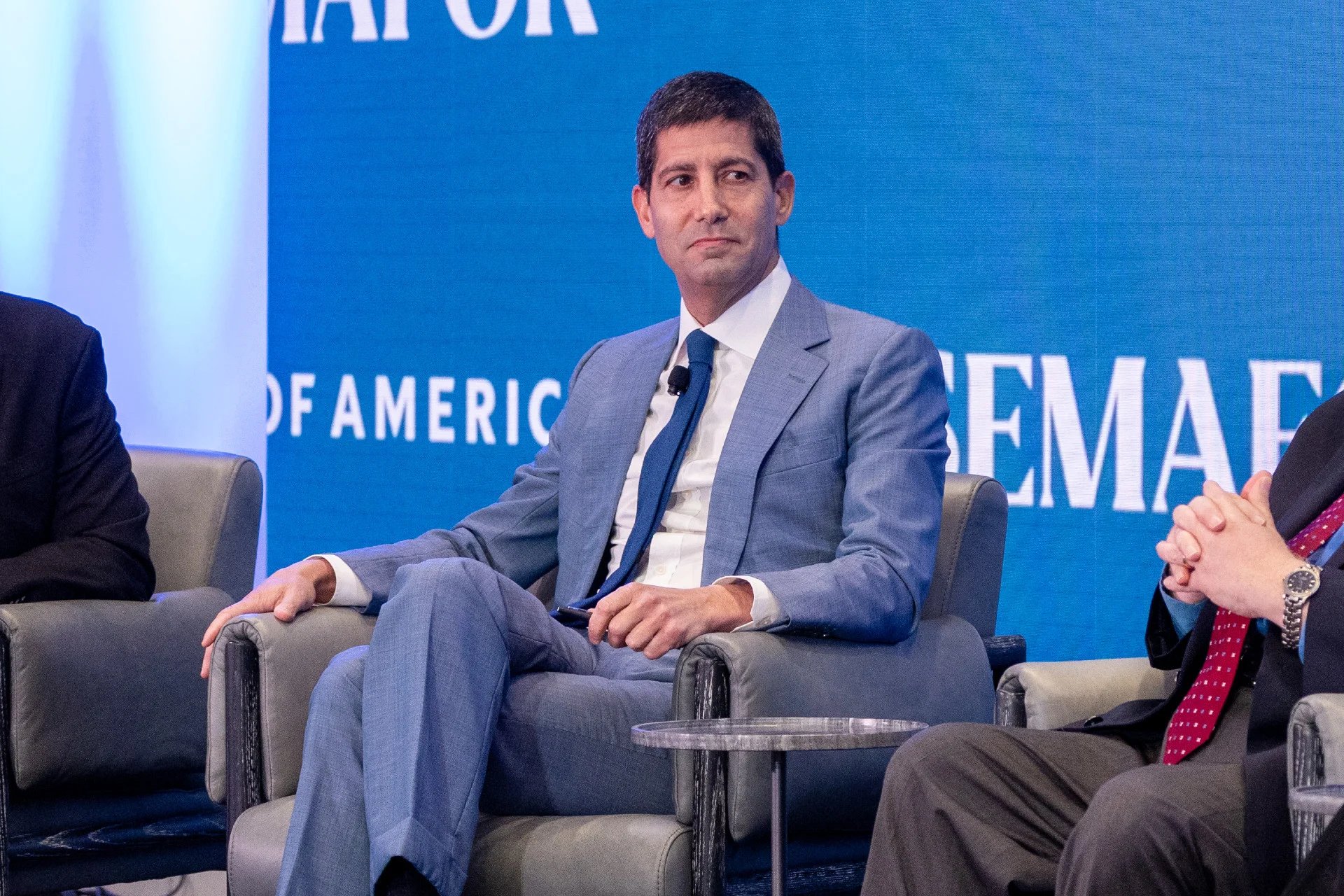
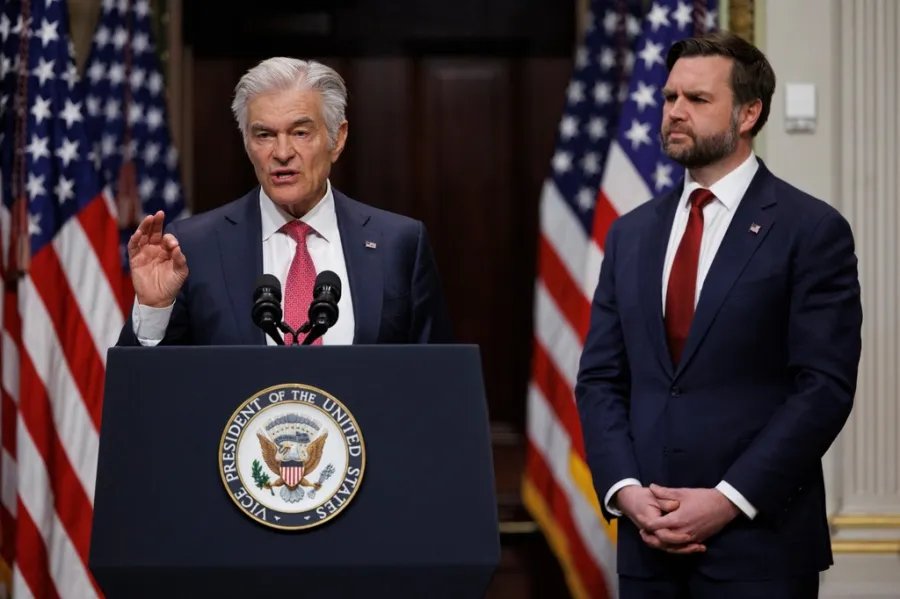
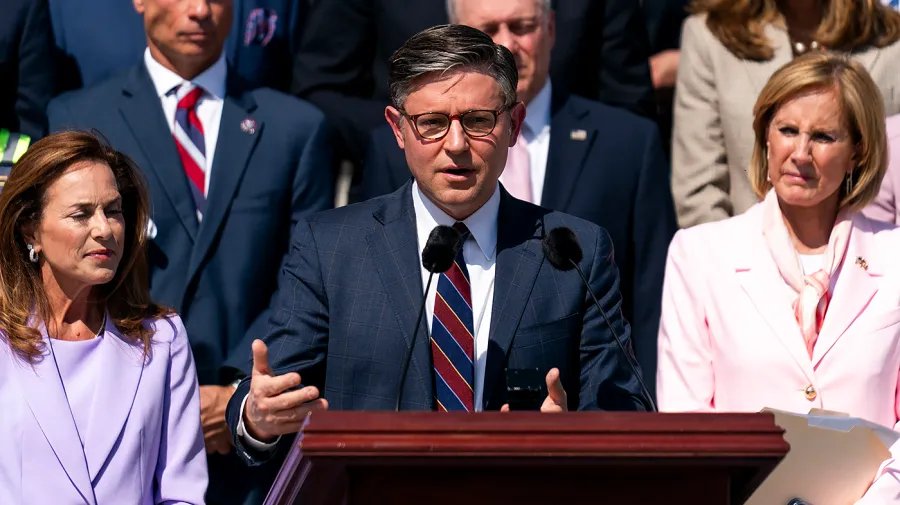
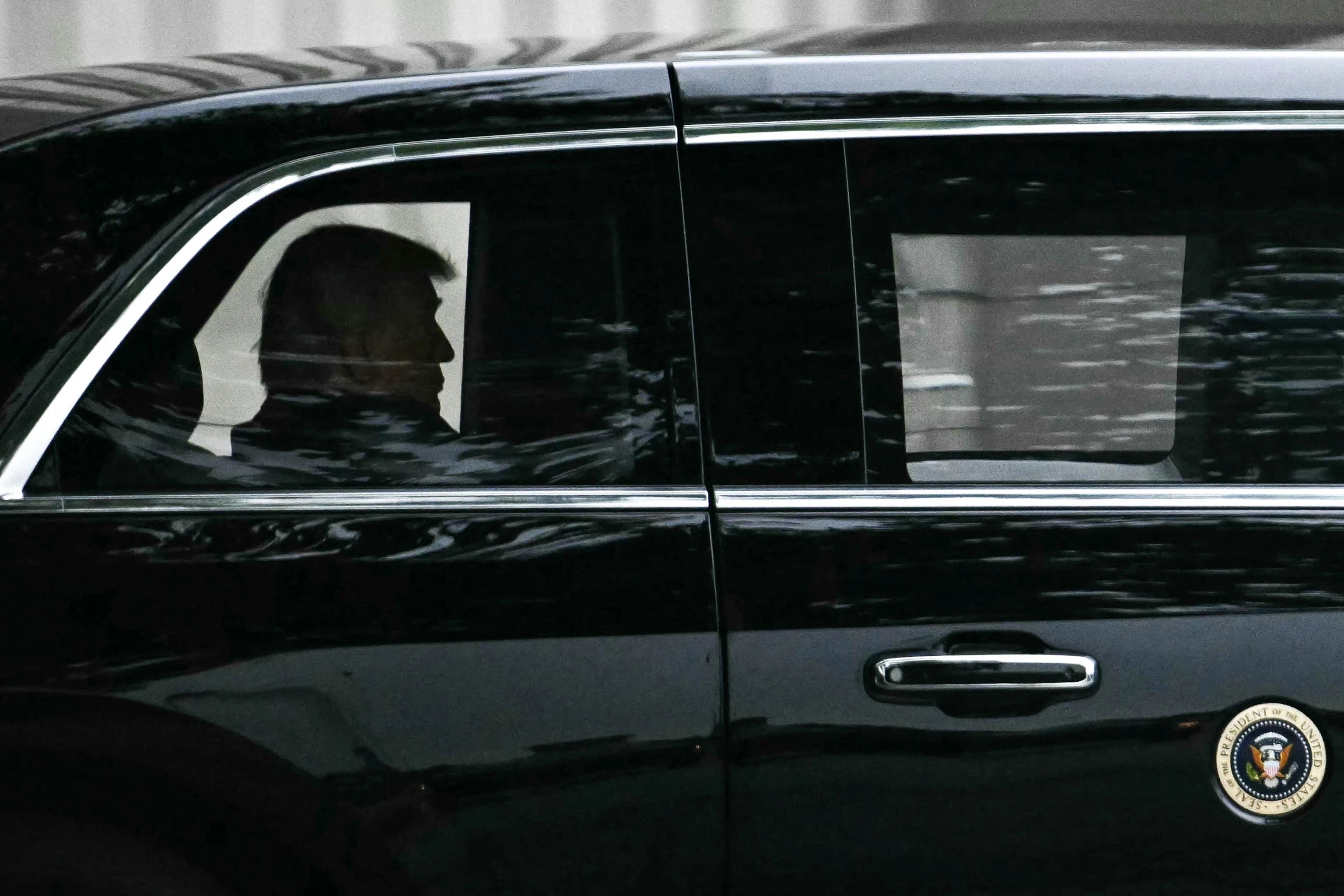
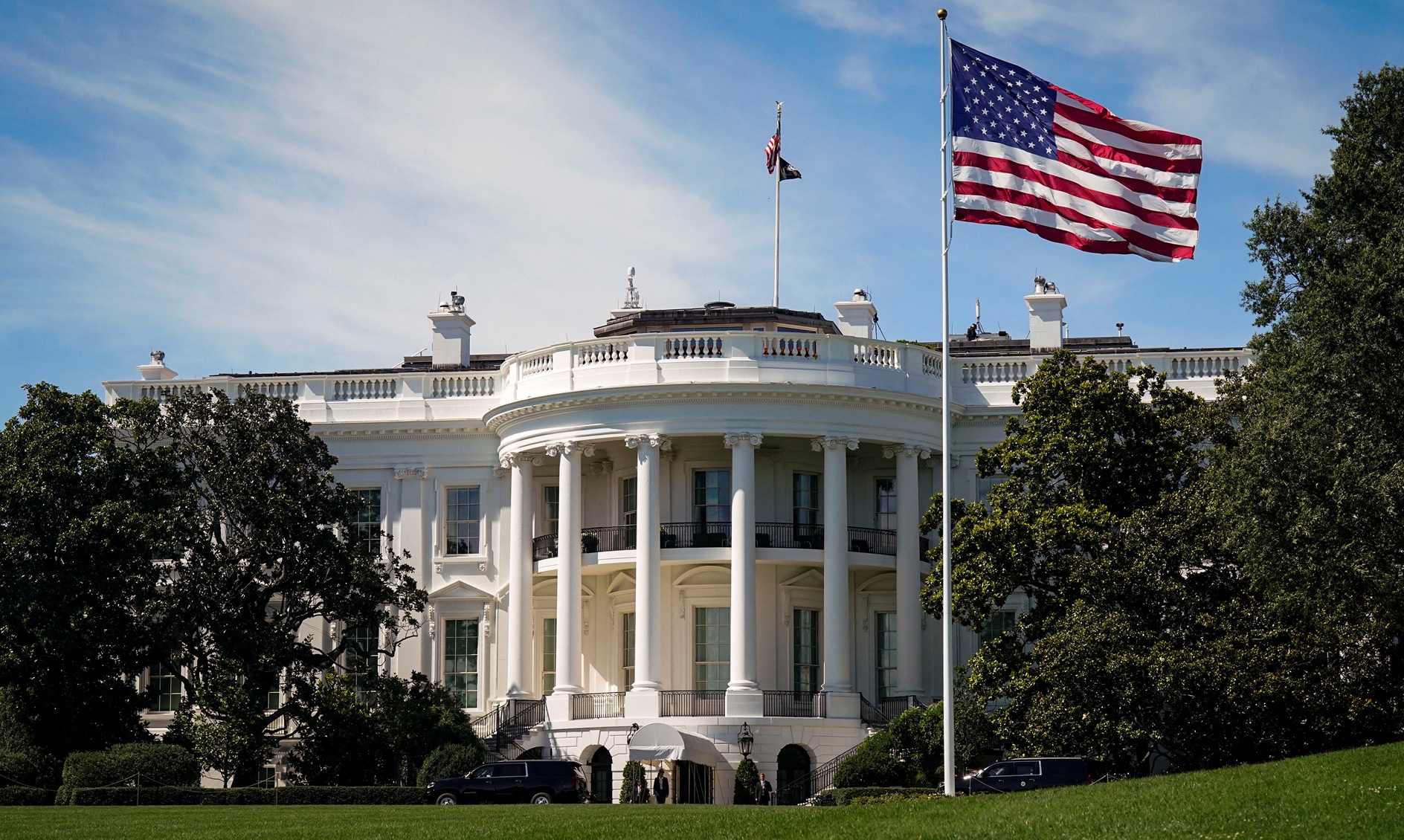
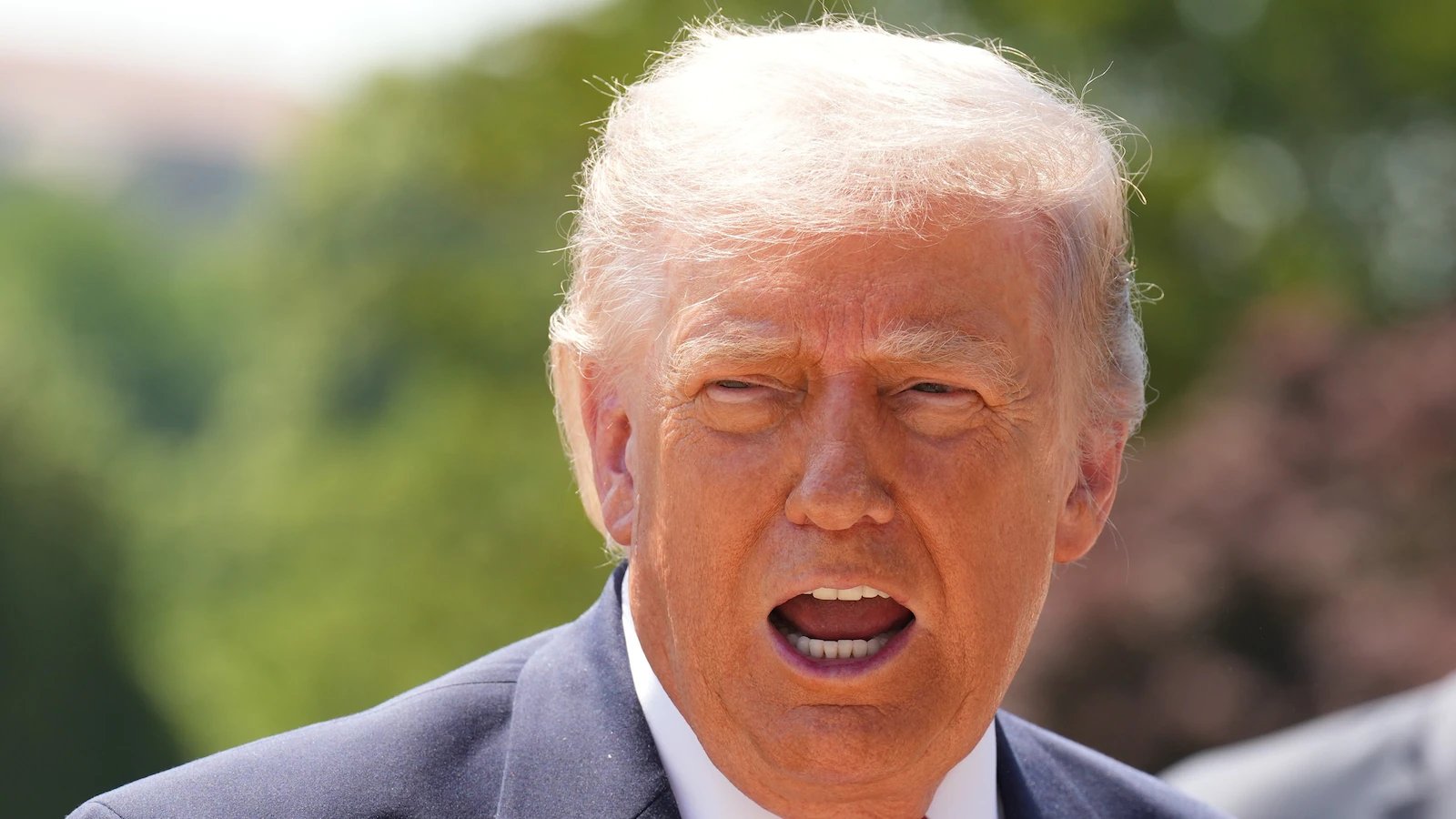
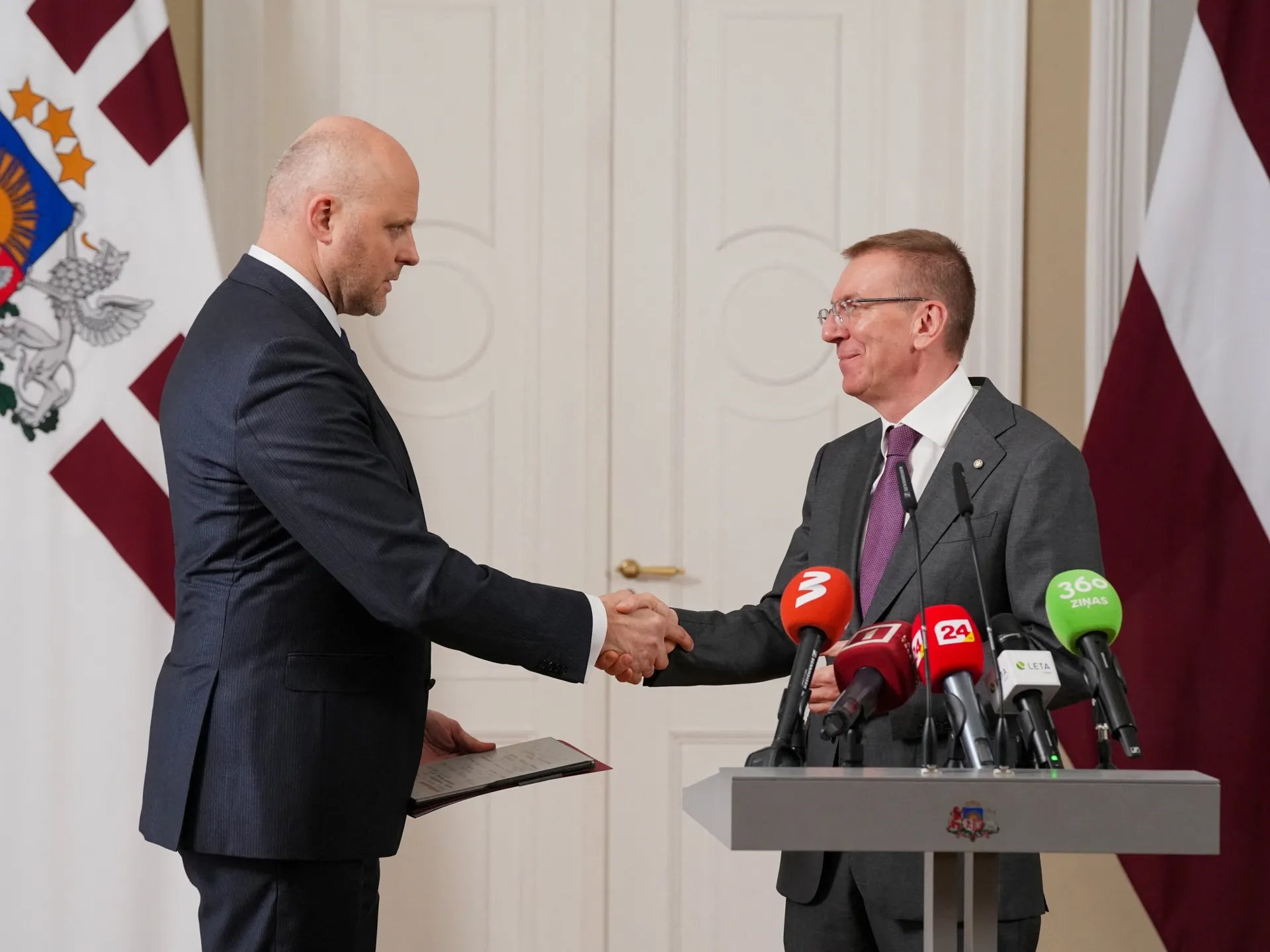
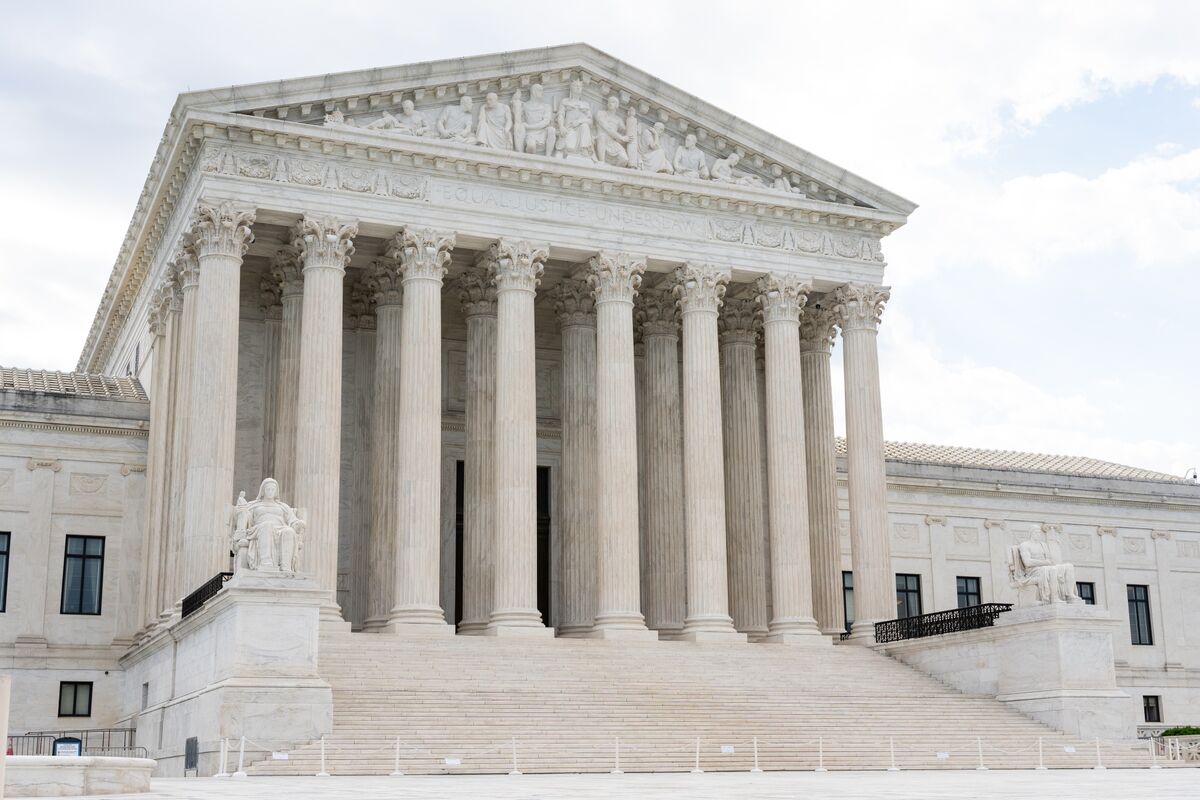
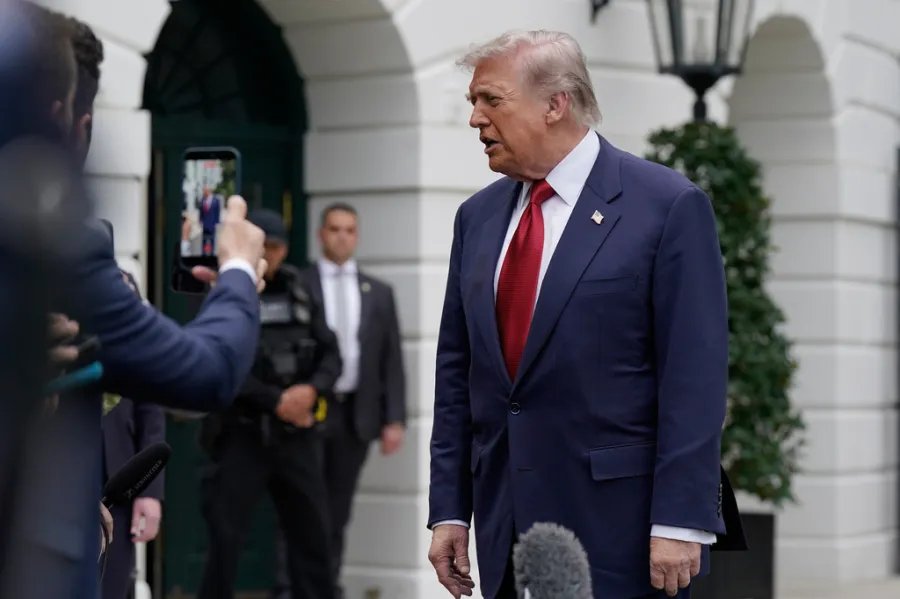
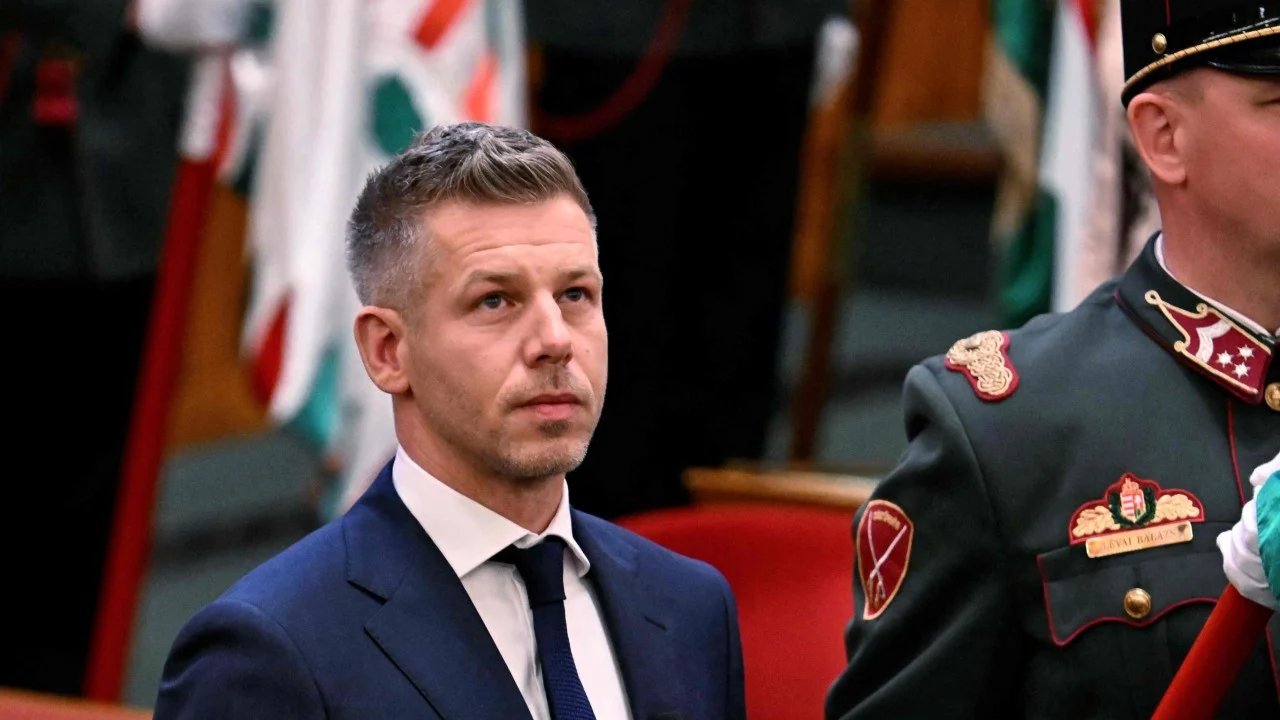
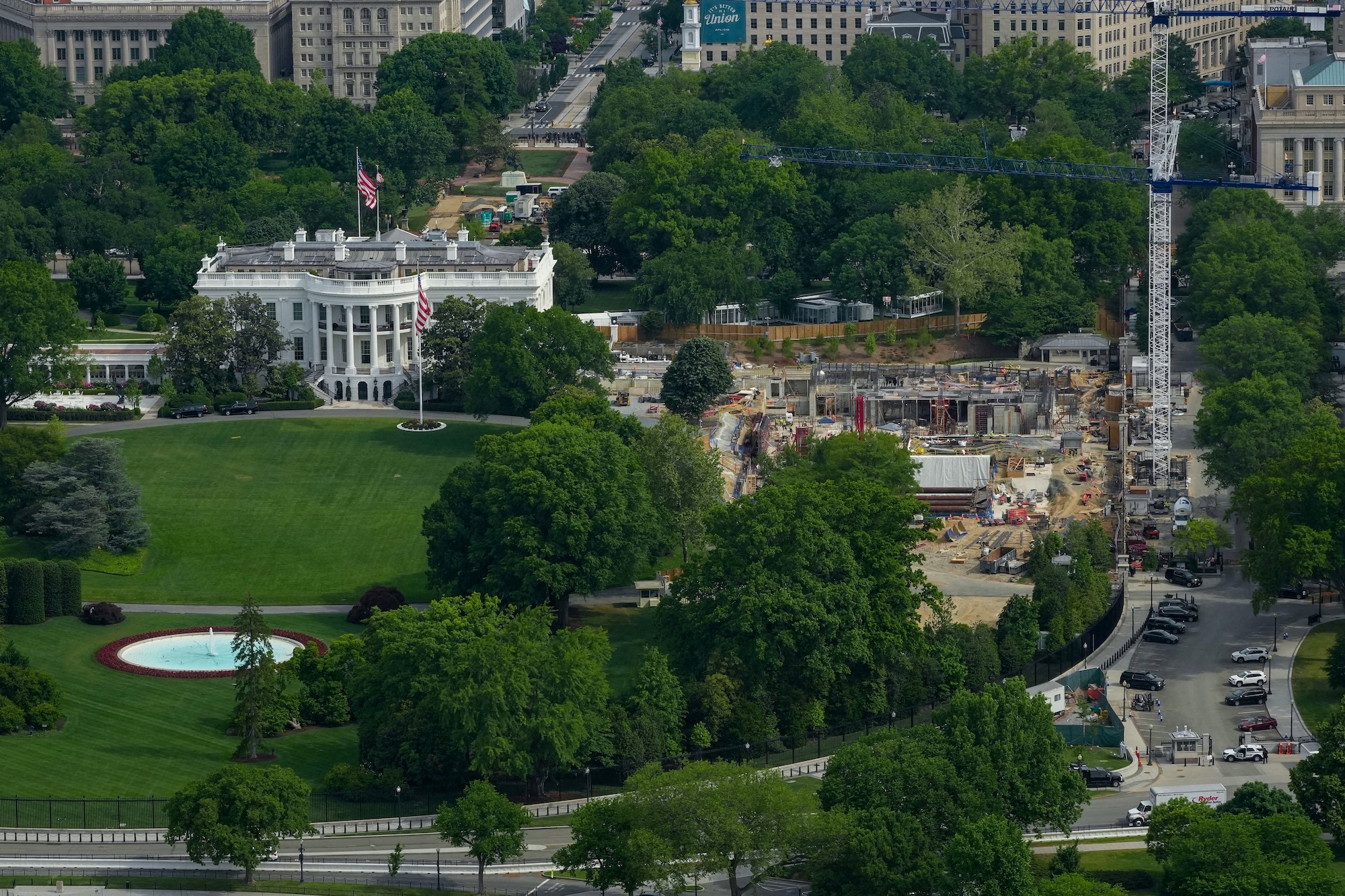
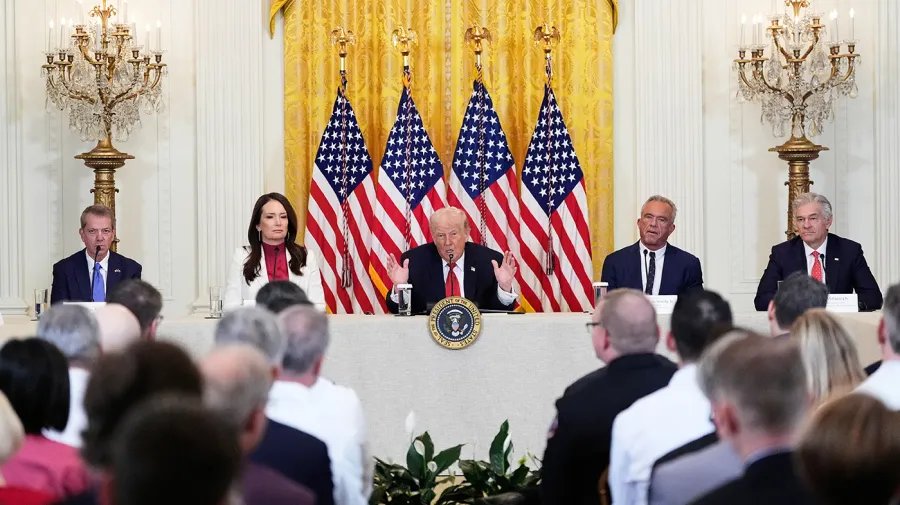
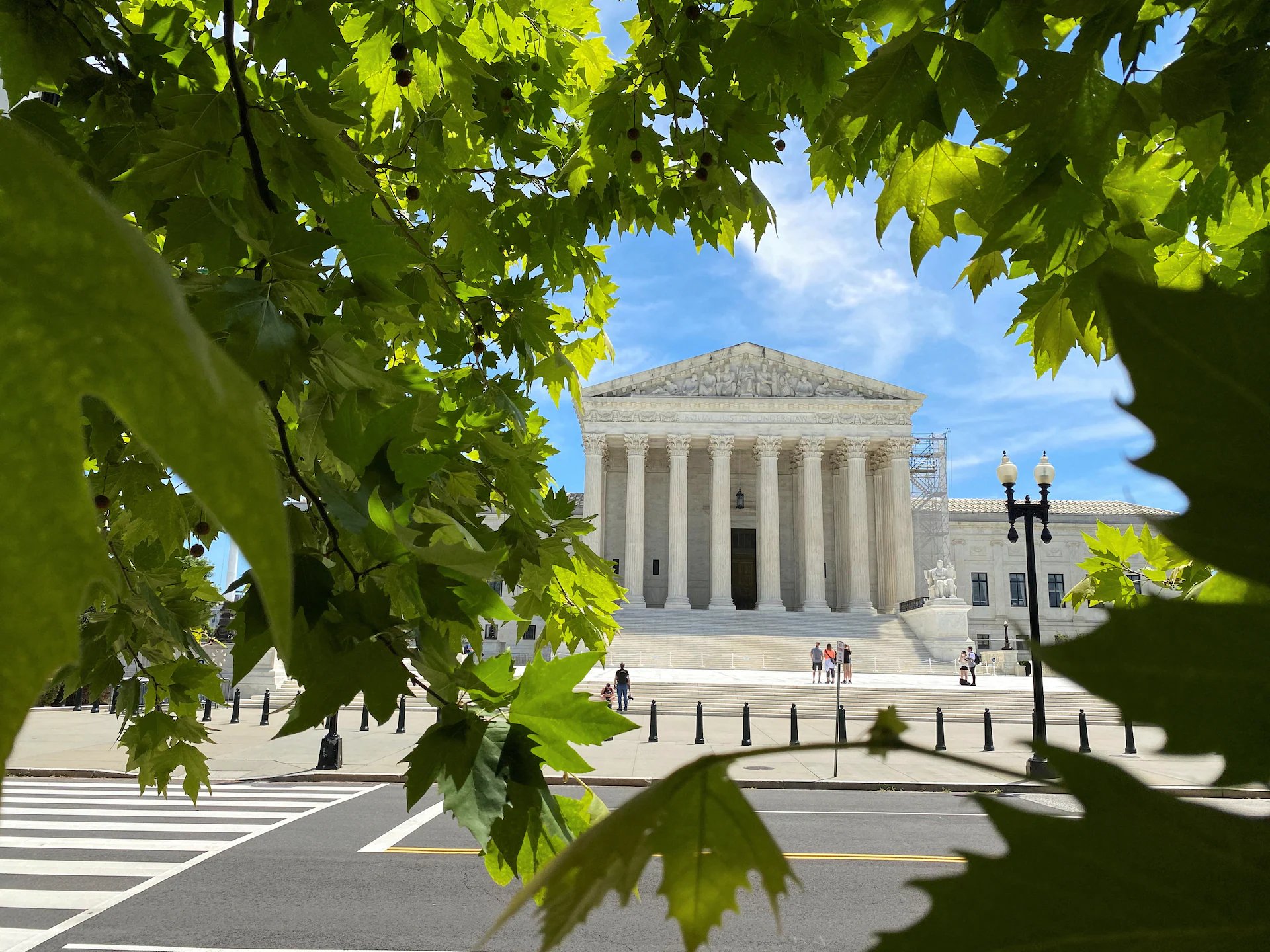
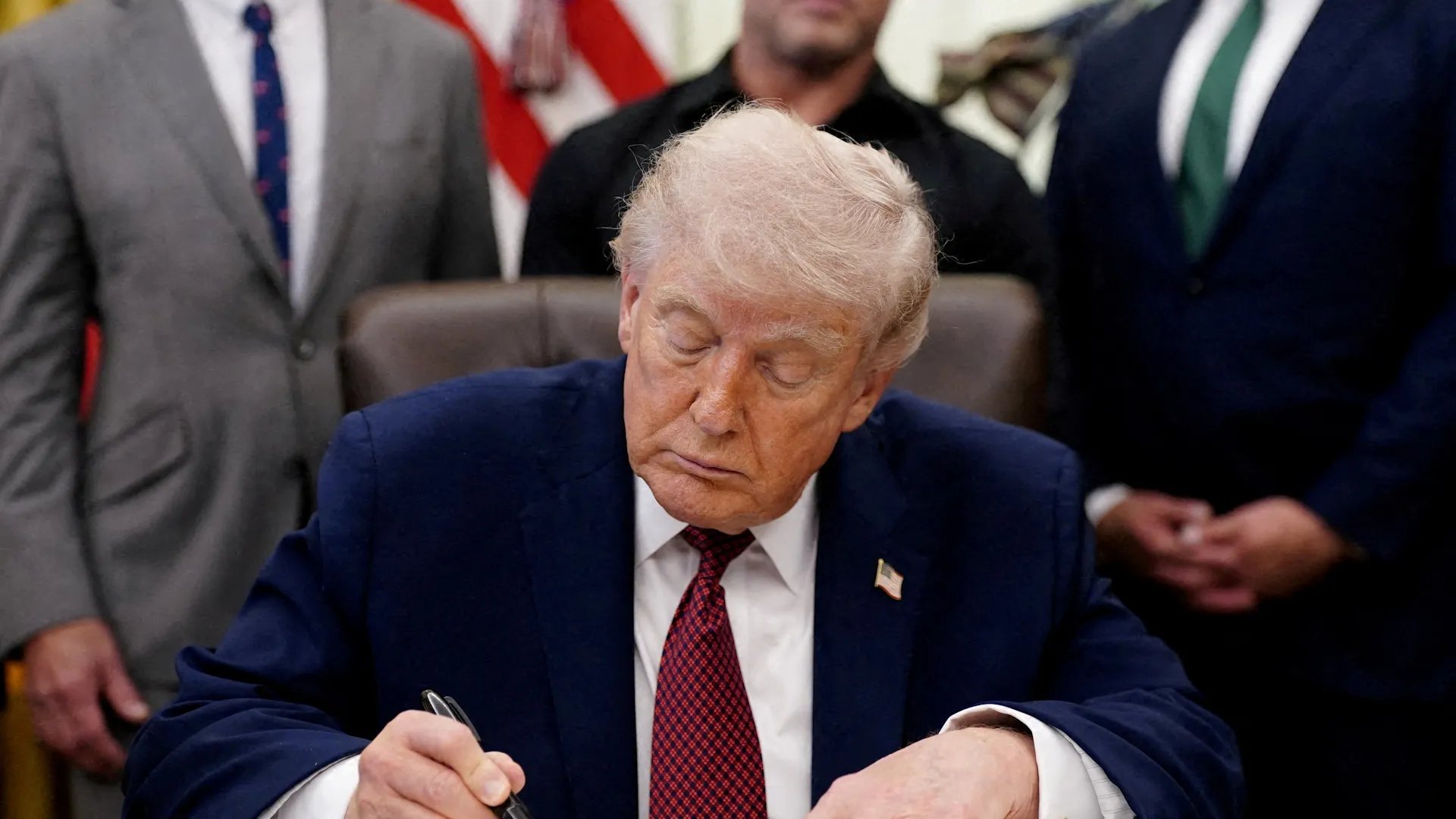
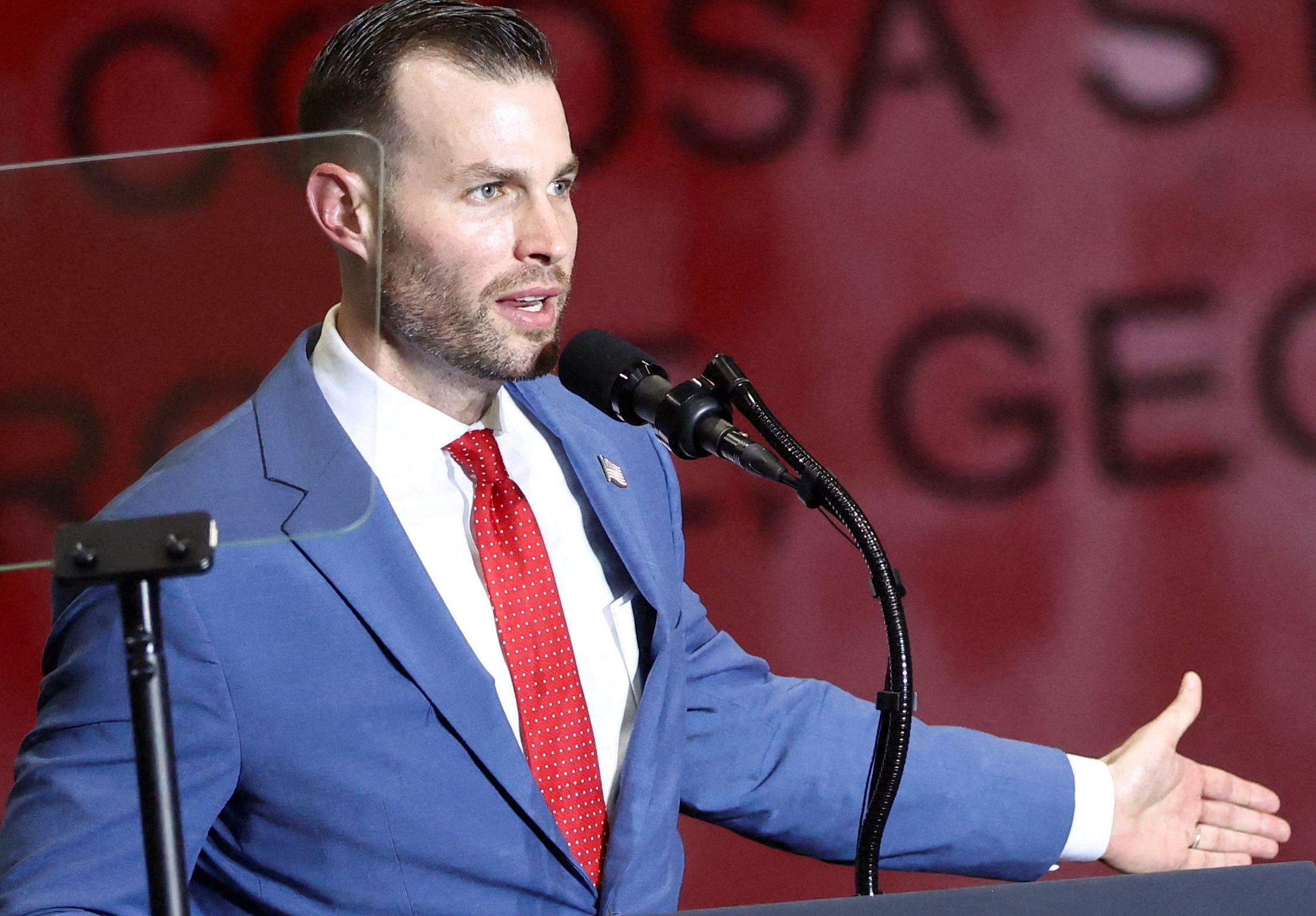
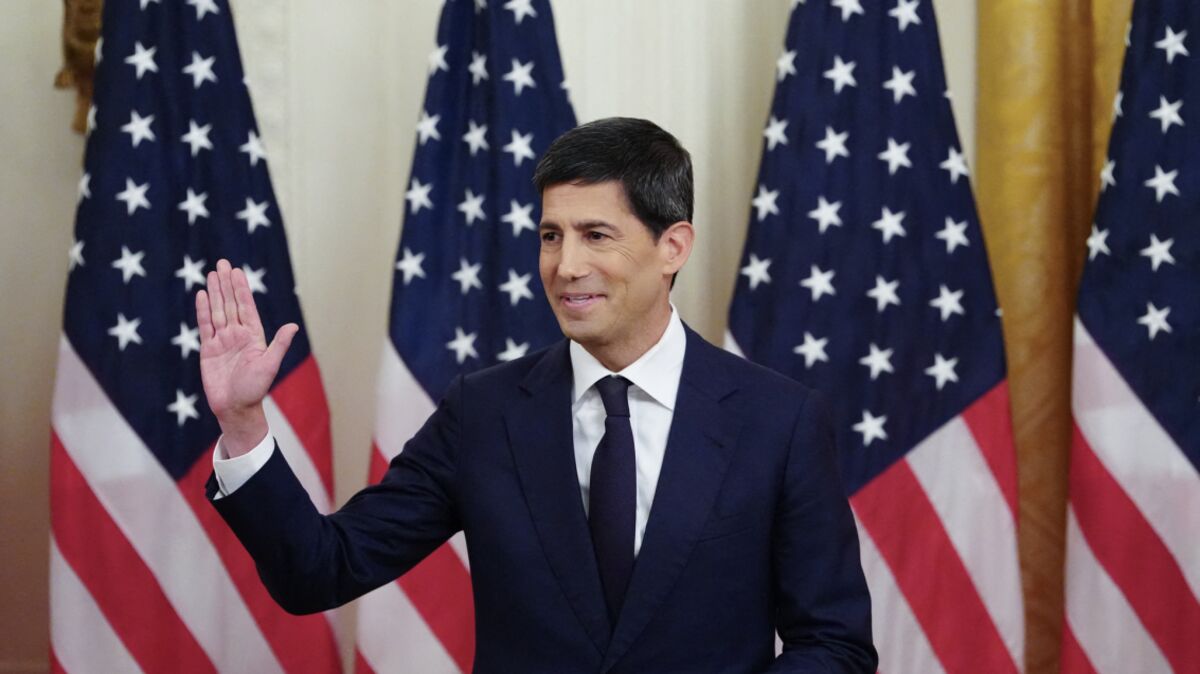
Kevin Warsh was sworn in as the 17th chair of the Federal Reserve on Friday, replacing Jerome Powell. The ceremony took place at the White House, with Supreme Court Justice Clarence Thomas administering the oath. Warsh's wife, Jane Lauder, held the Bible as he was sworn in.
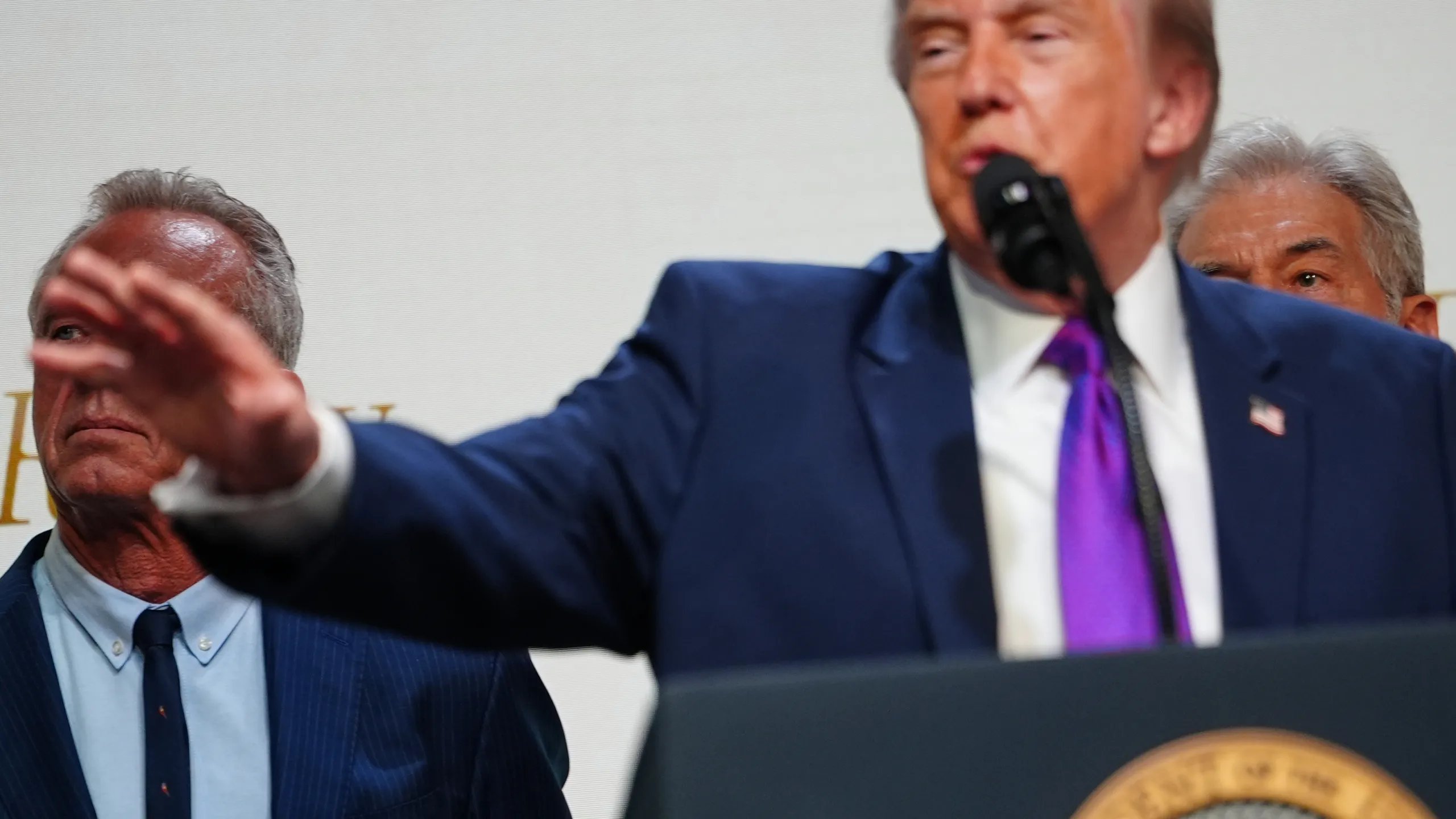
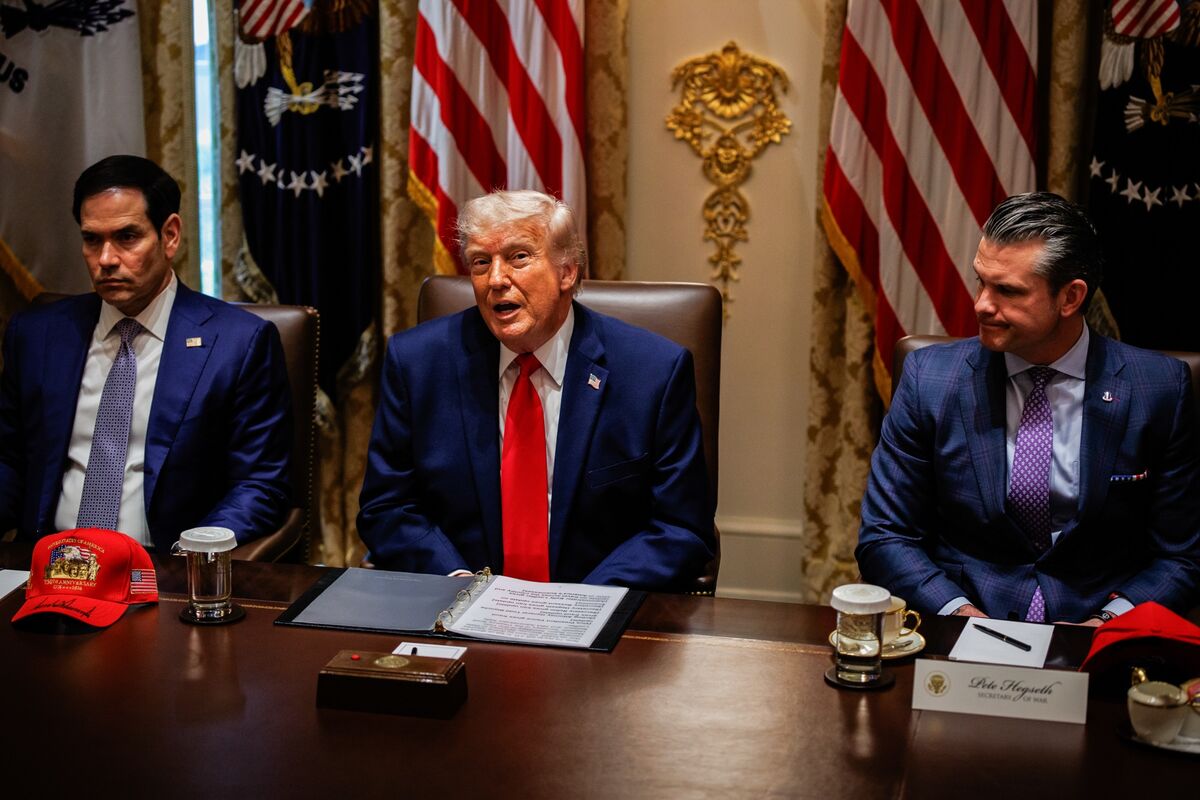
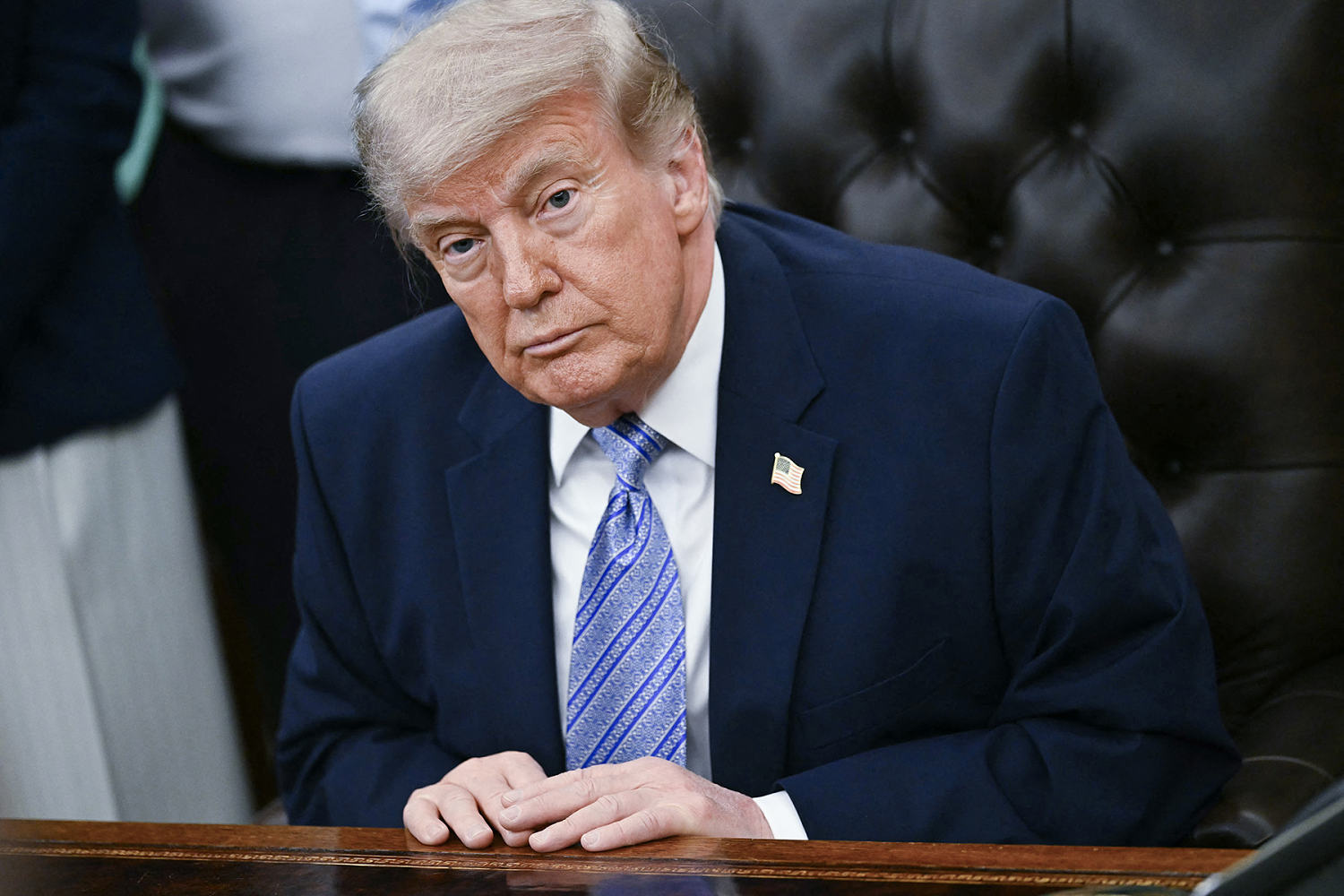
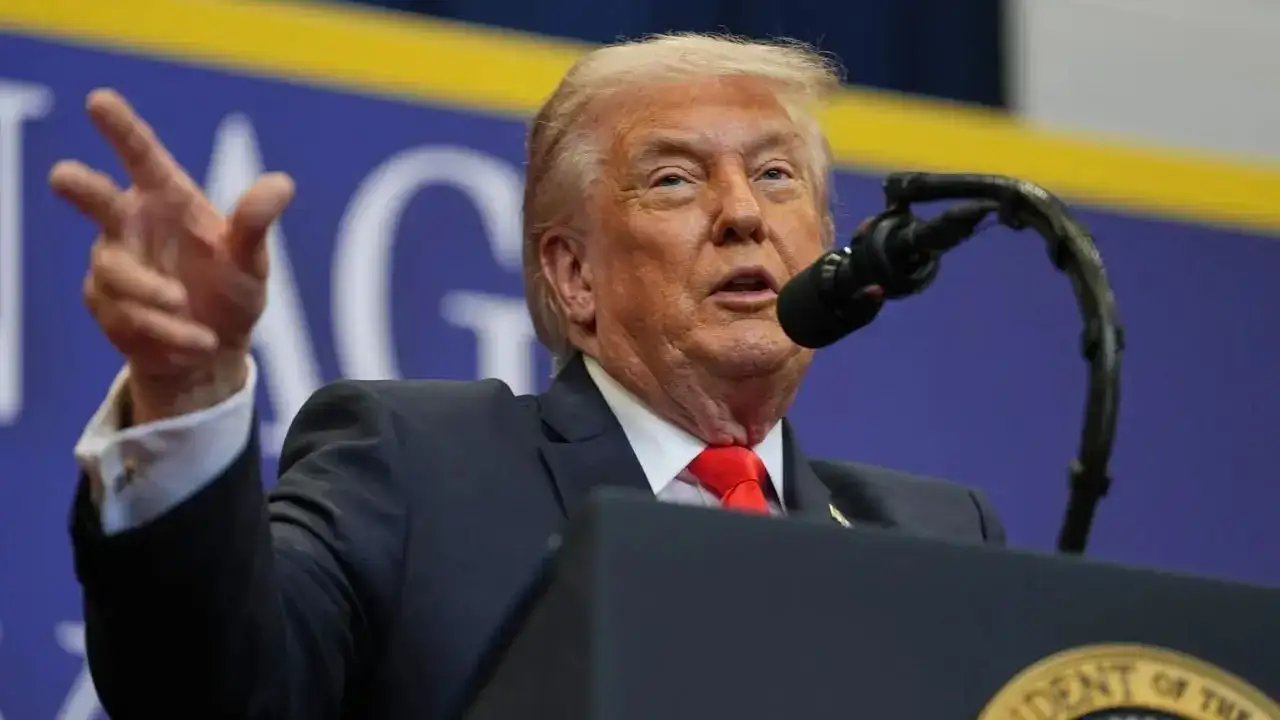
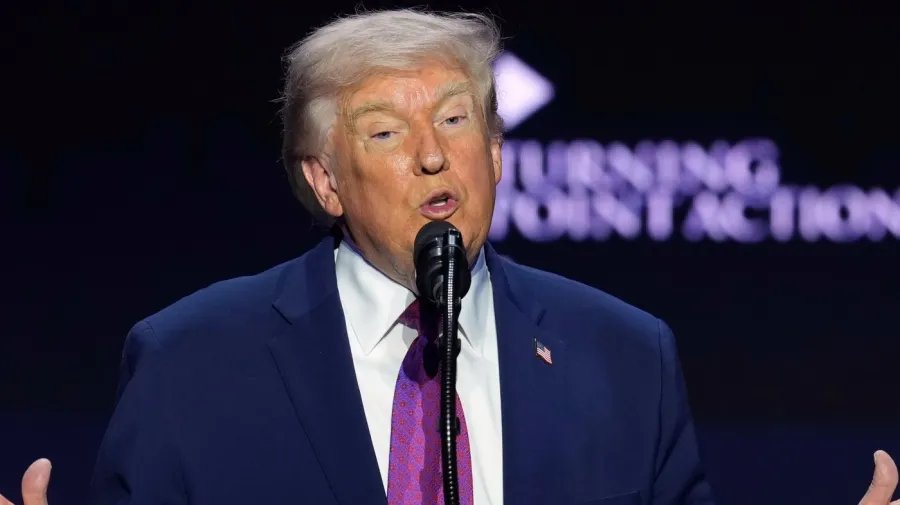
President Trump told Warsh to be "totally independent" and to "do your own thing." Trump added that Warsh has "abilities that very few people have" and is "respected by everybody."
Warsh's Pledge
Warsh promised to lead a "reform-oriented" Federal Reserve, learning from past successes and mistakes. He stated the Fed's mandate is to promote price stability and maximum employment. Warsh said when those aims are pursued with "wisdom and clarity, independence and resolve, inflation can be lower, growth stronger, real take-home pay higher, and America can be more prosperous."
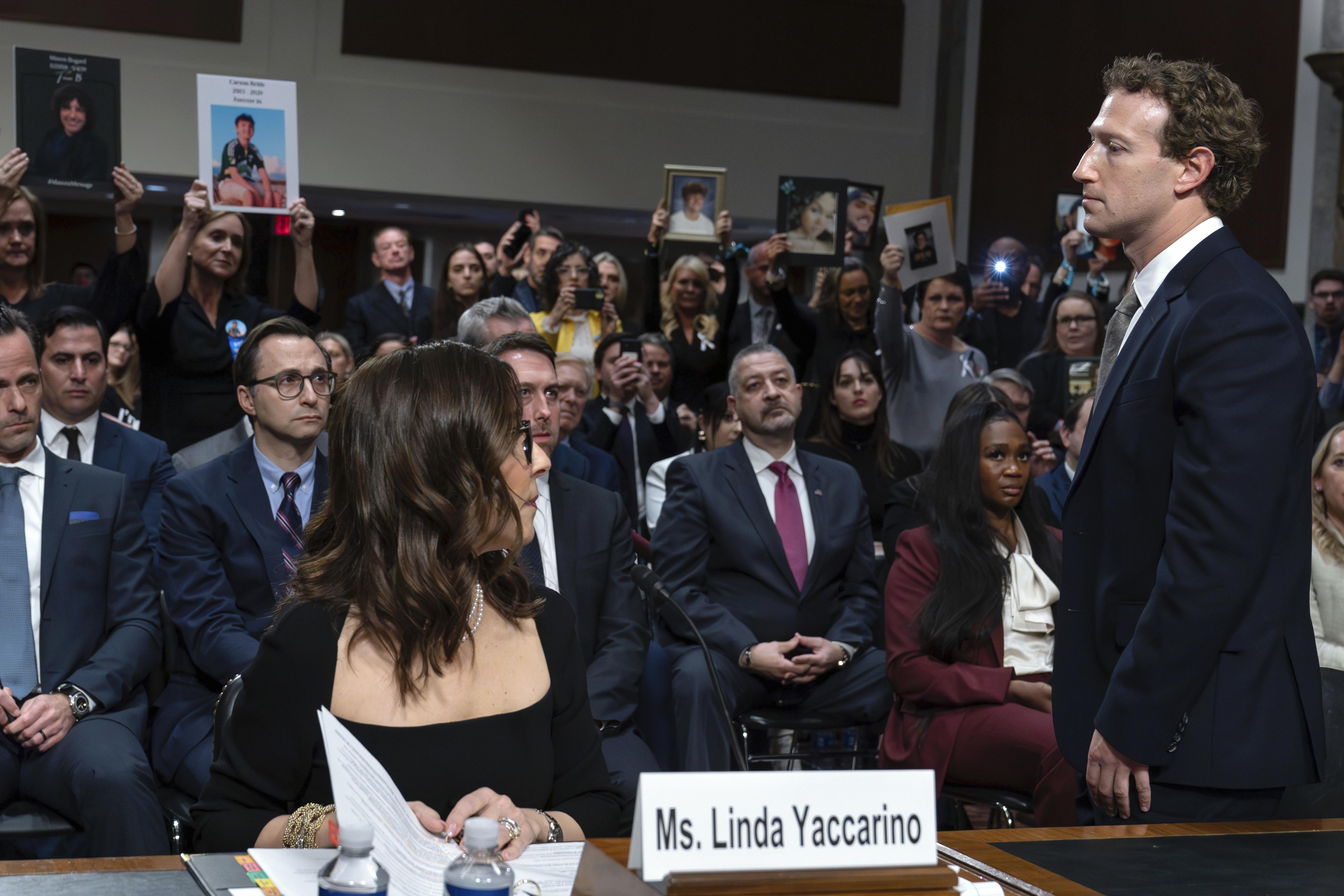
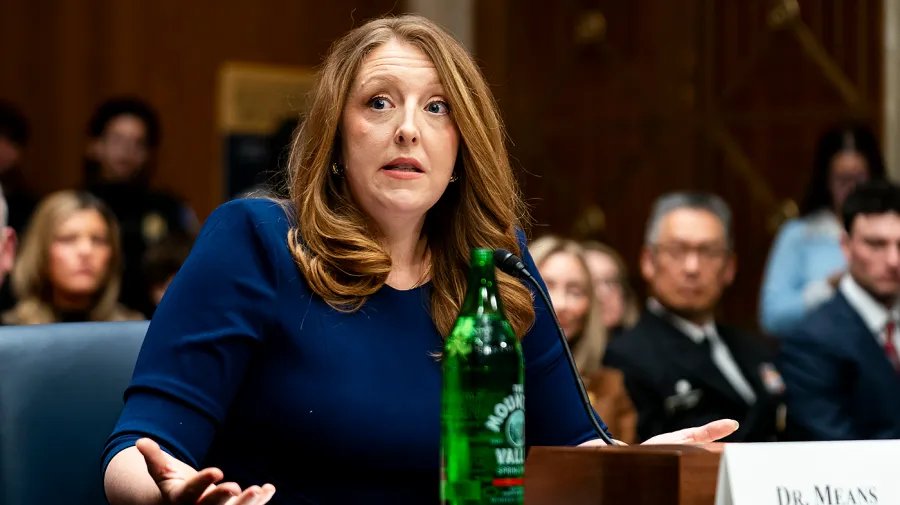
Warsh vowed to preserve the Fed's independence over monetary policy, telling lawmakers he will never "predetermine" interest rates at Trump's request.
Economic Challenges
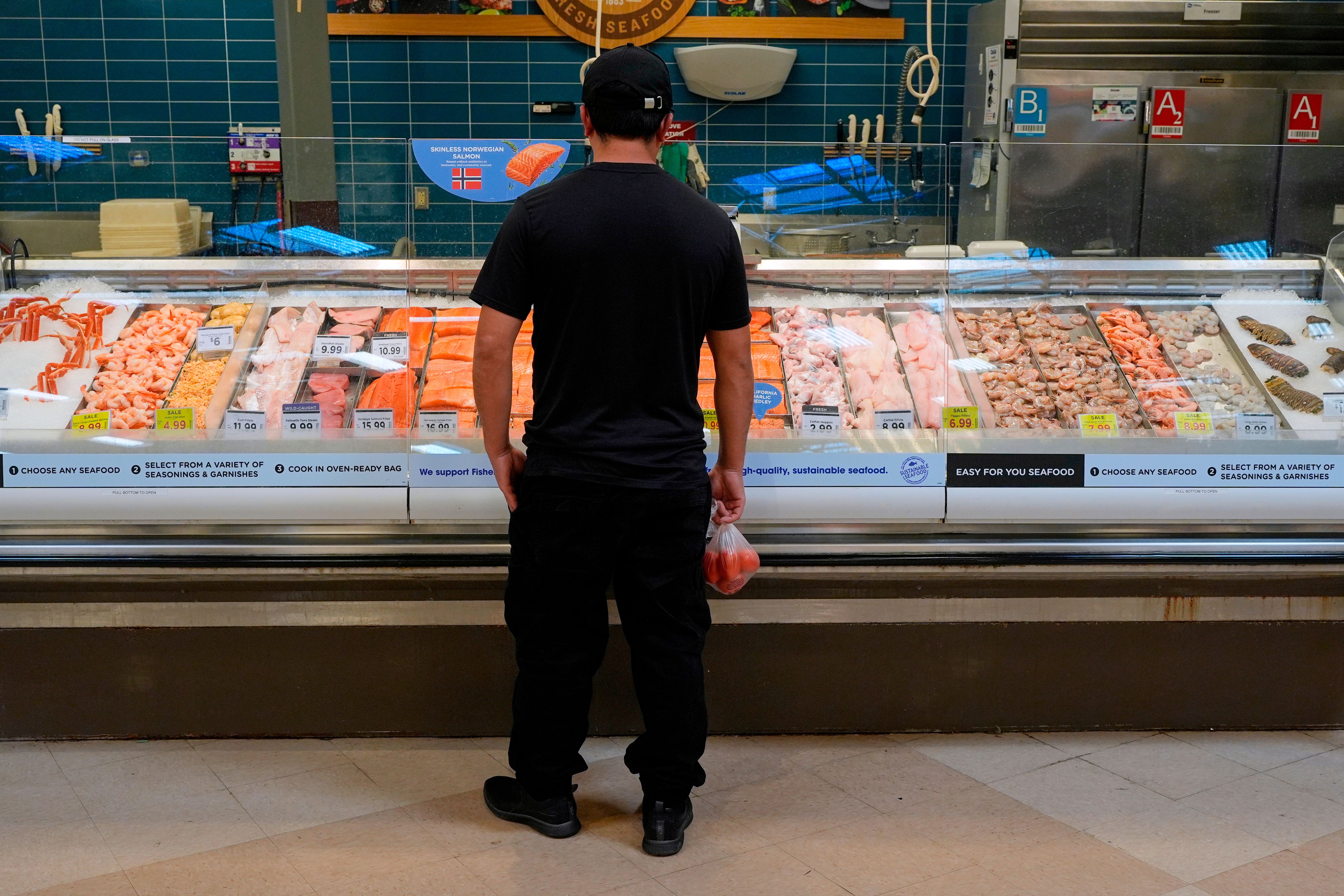
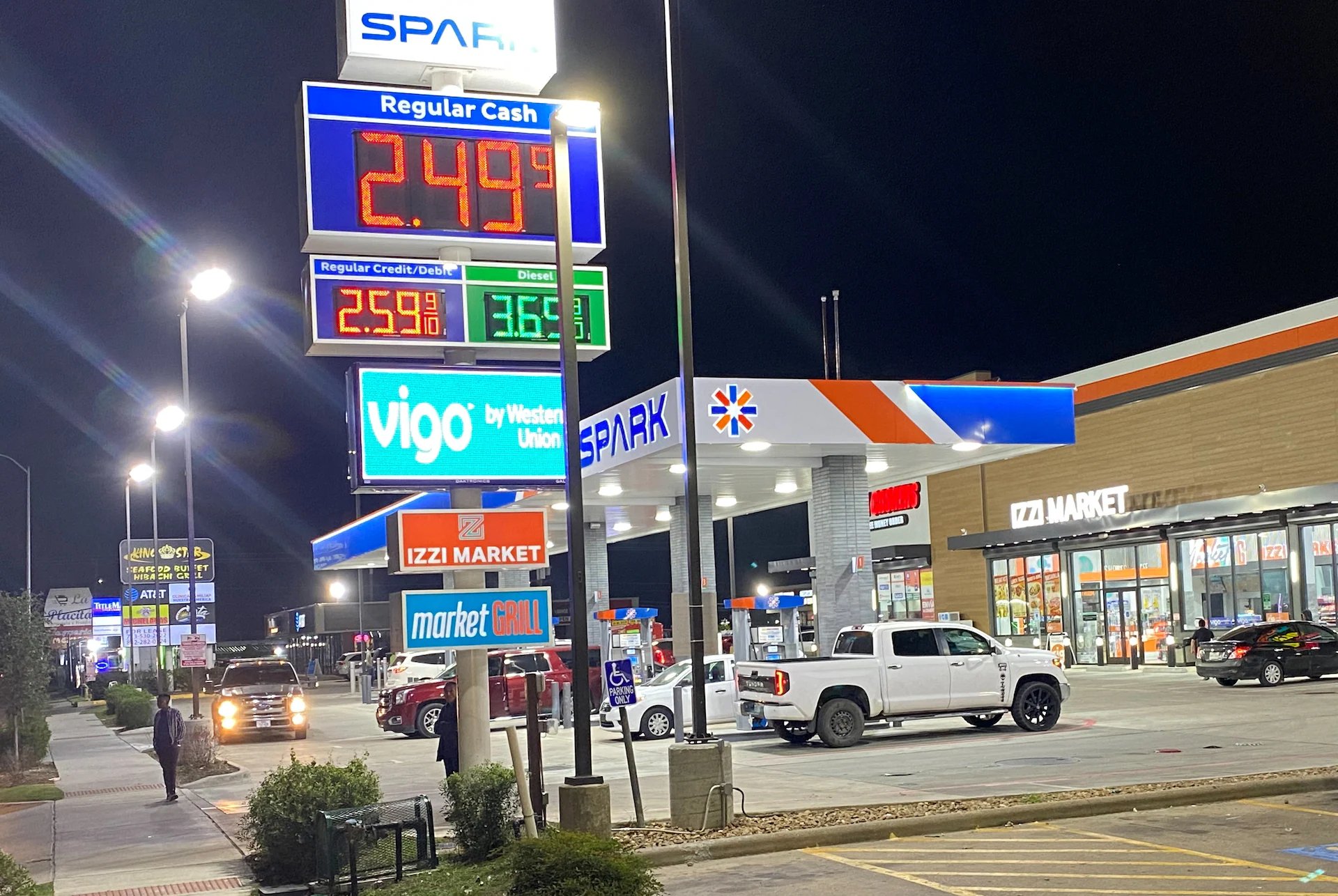
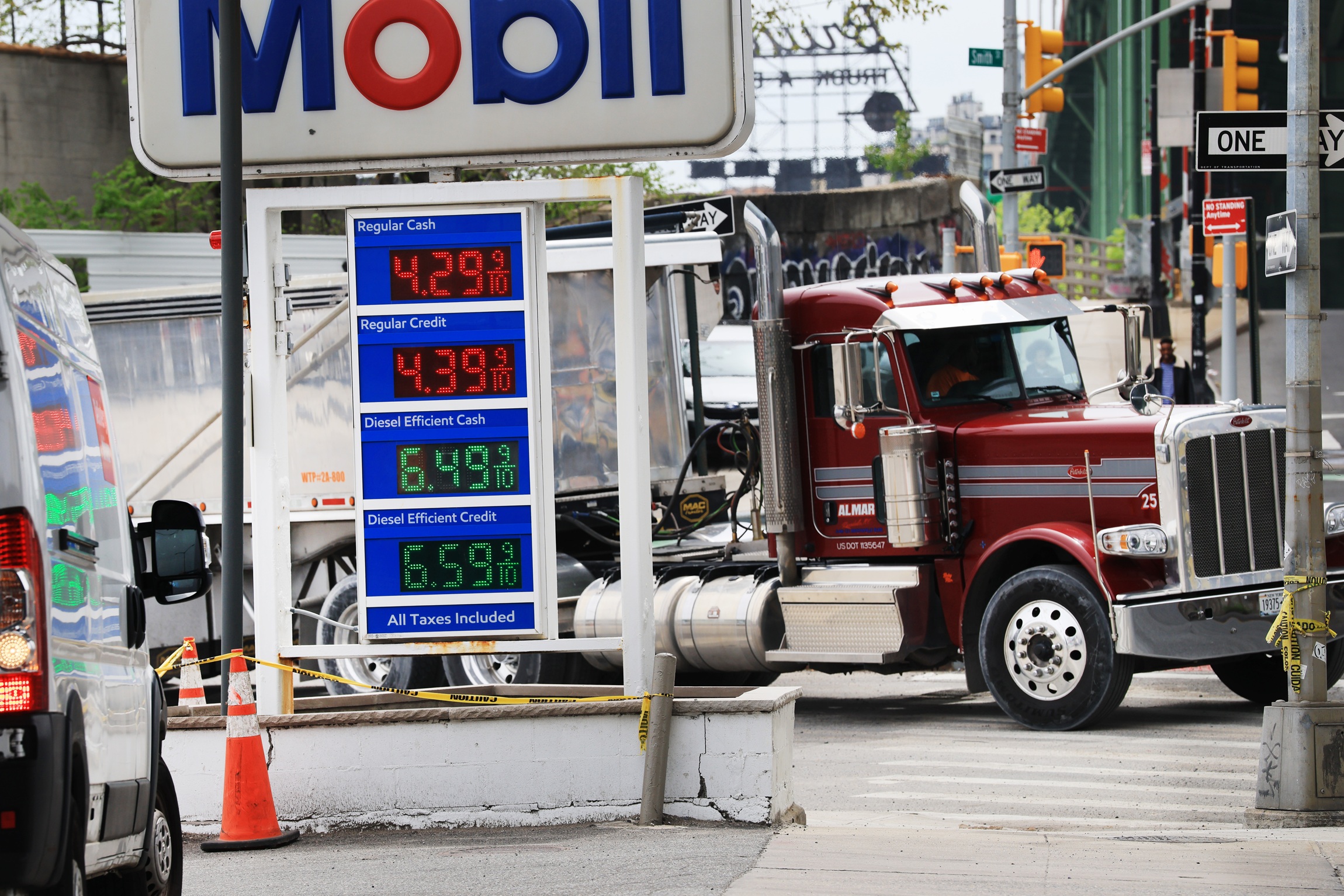
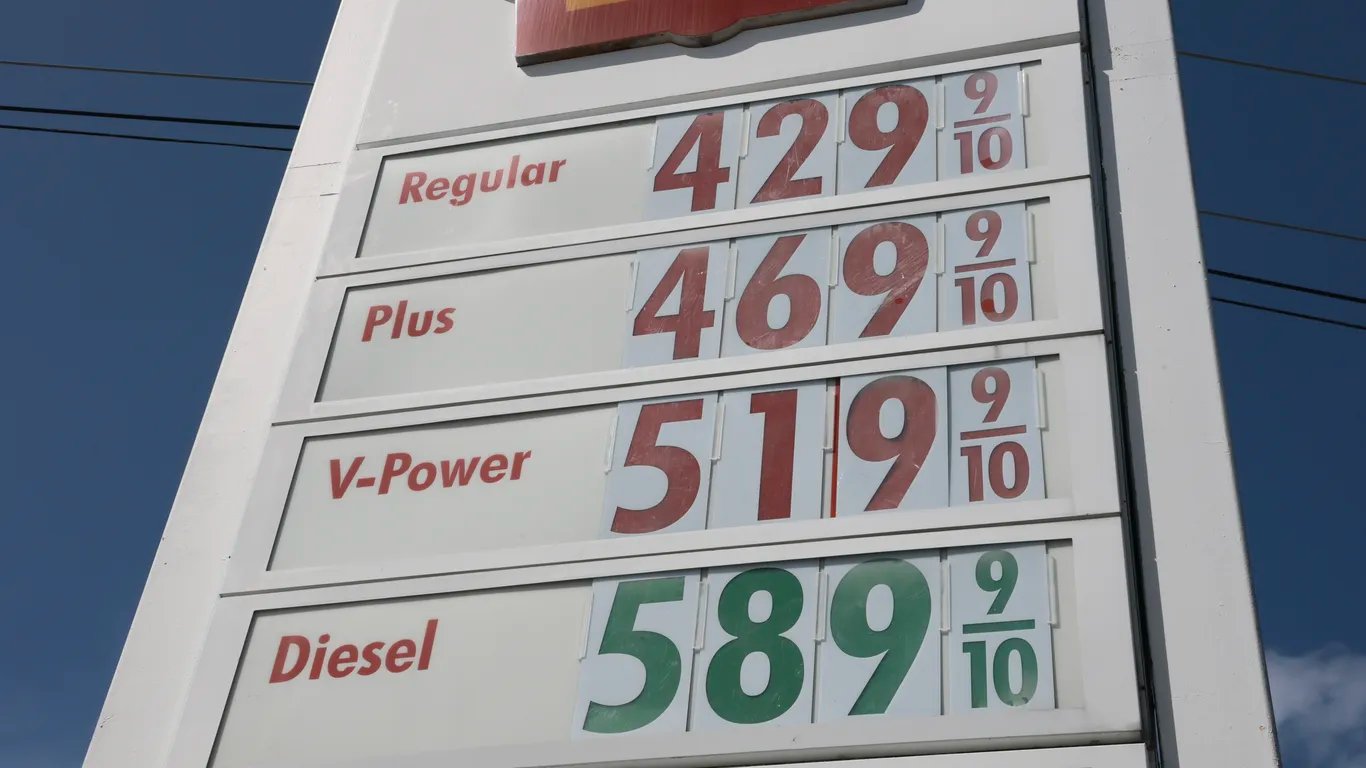
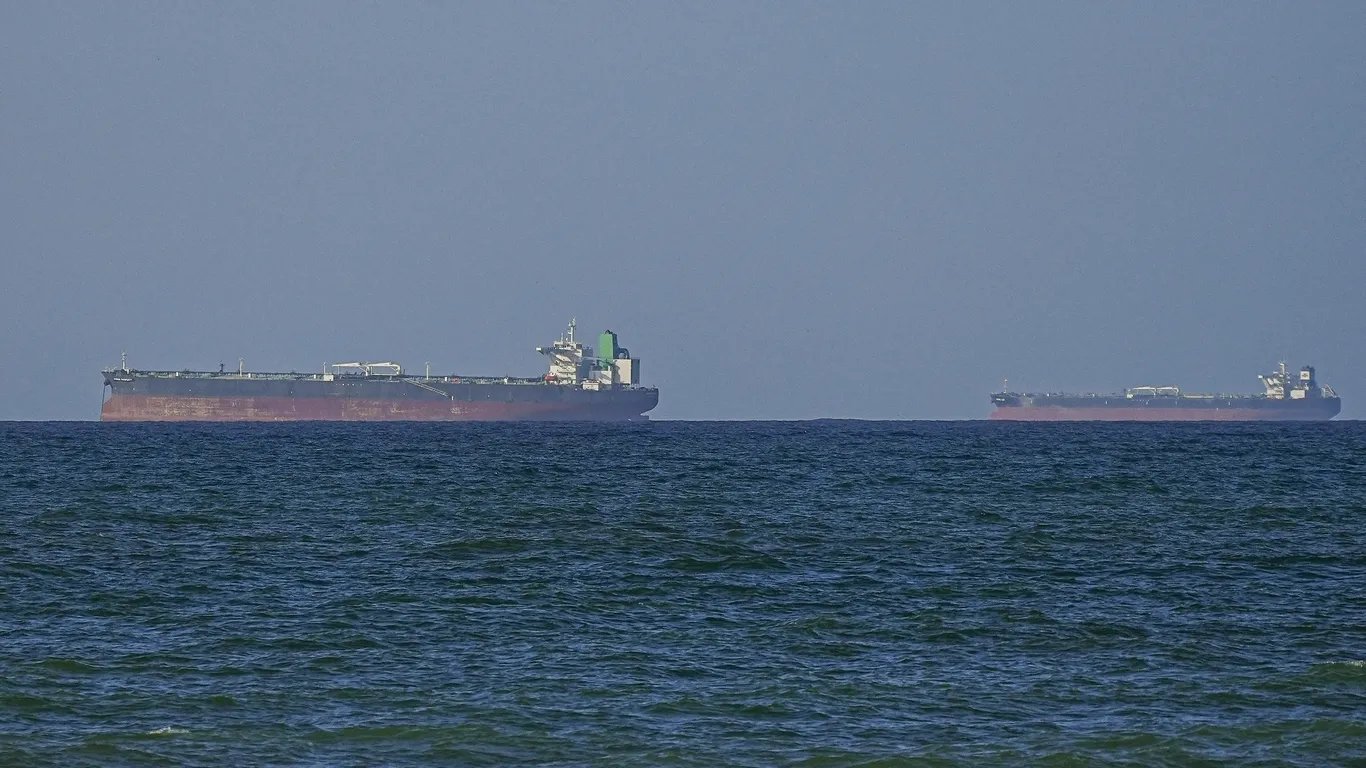
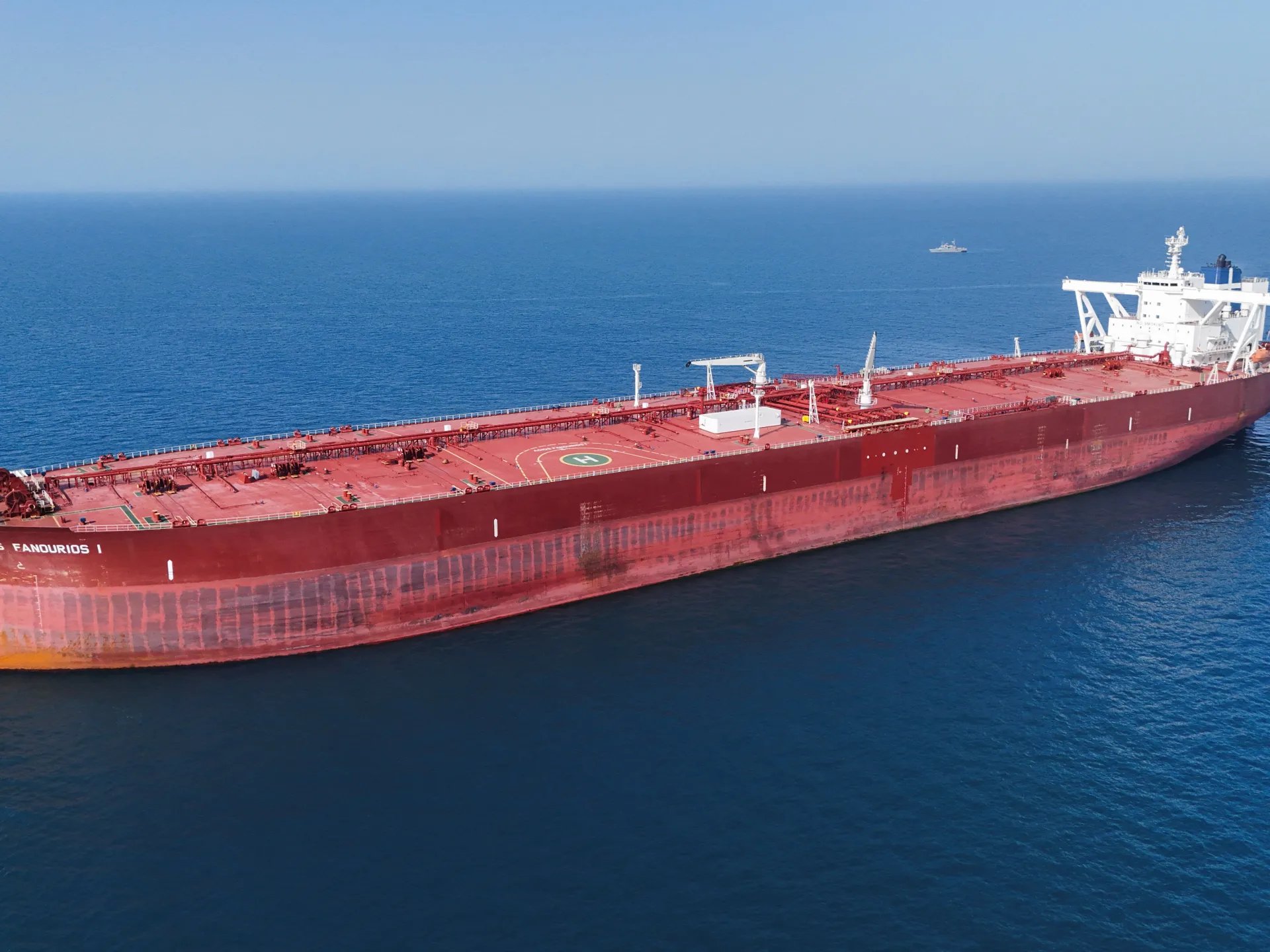
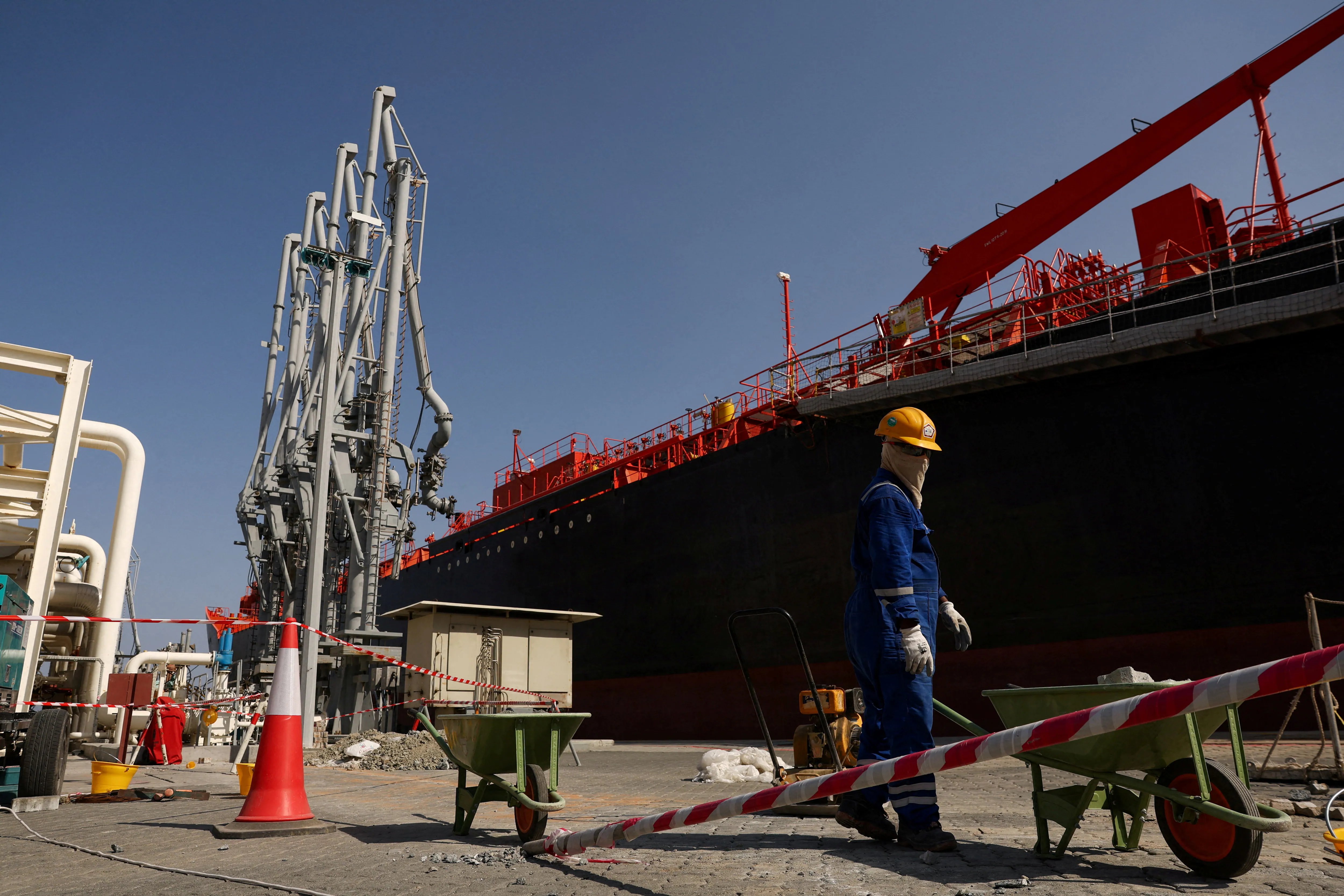
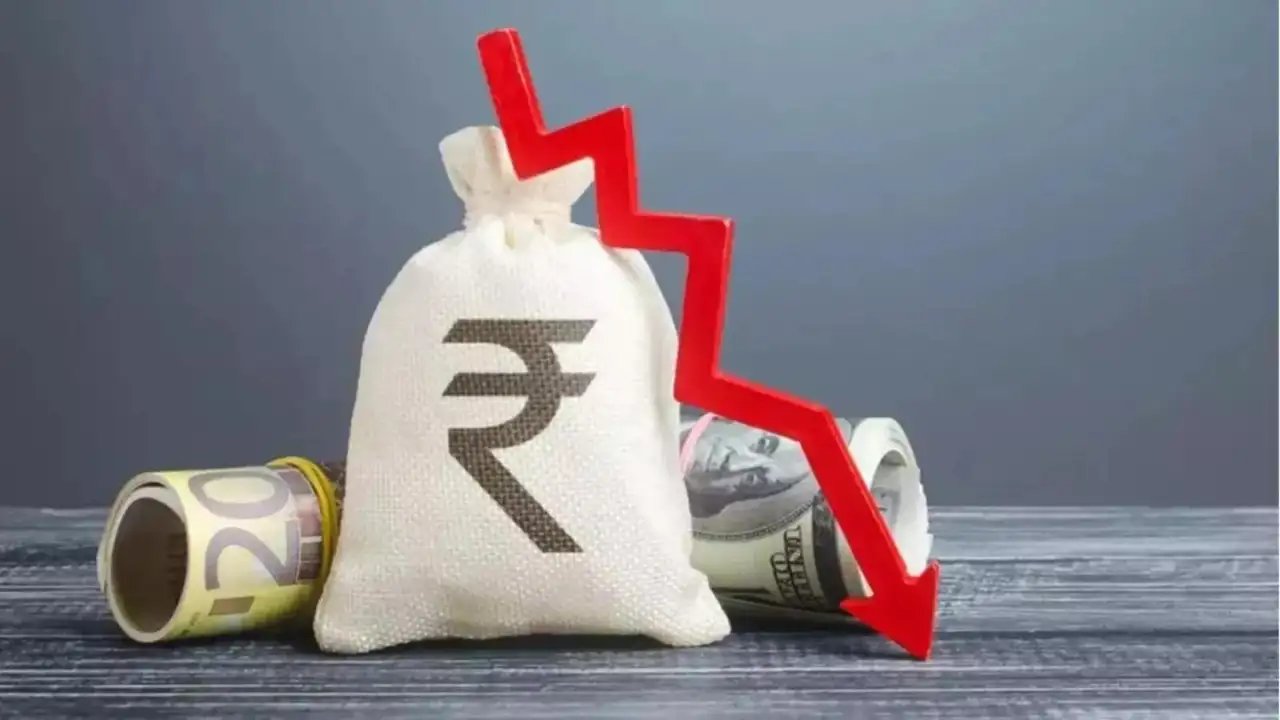
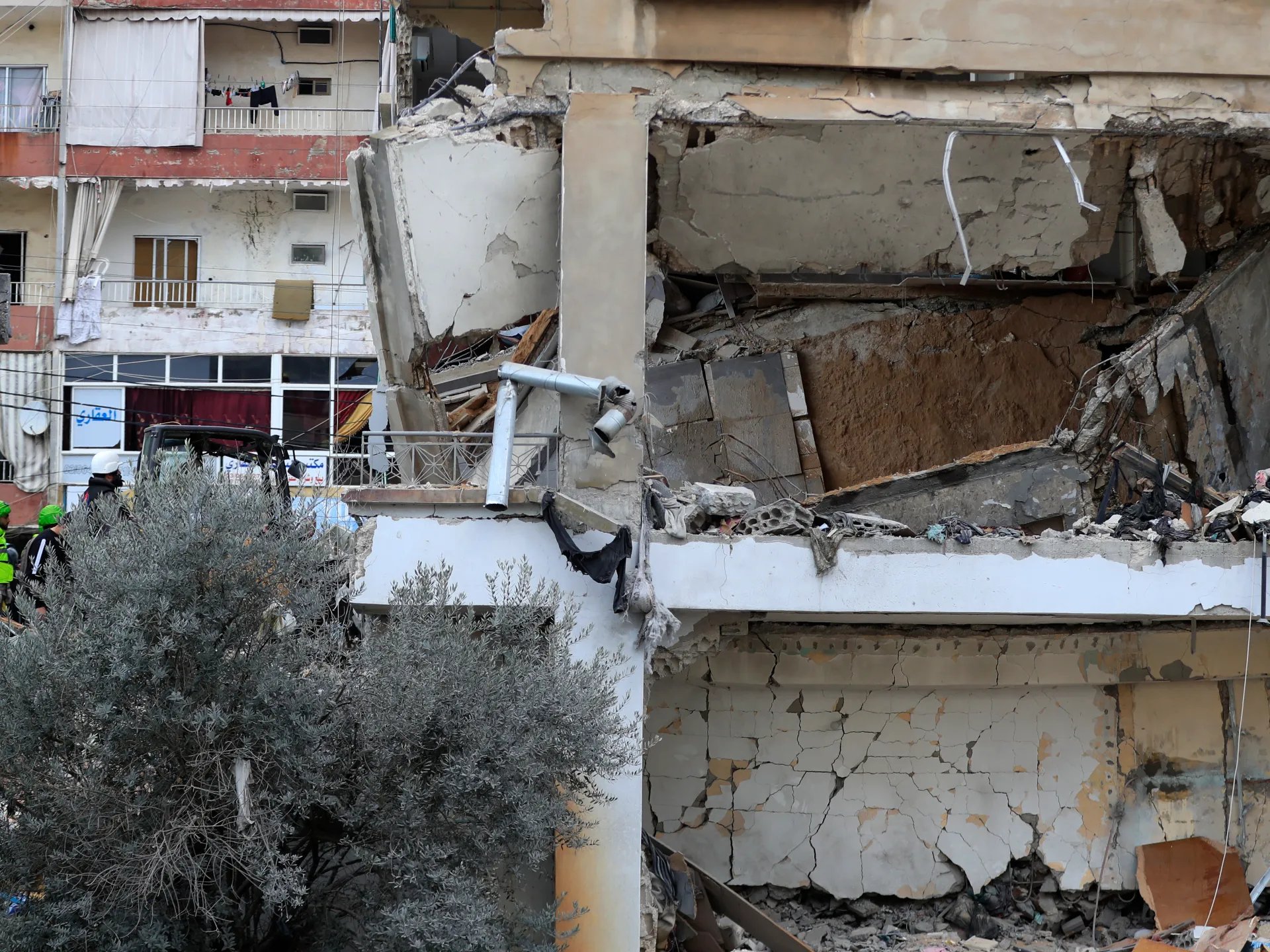
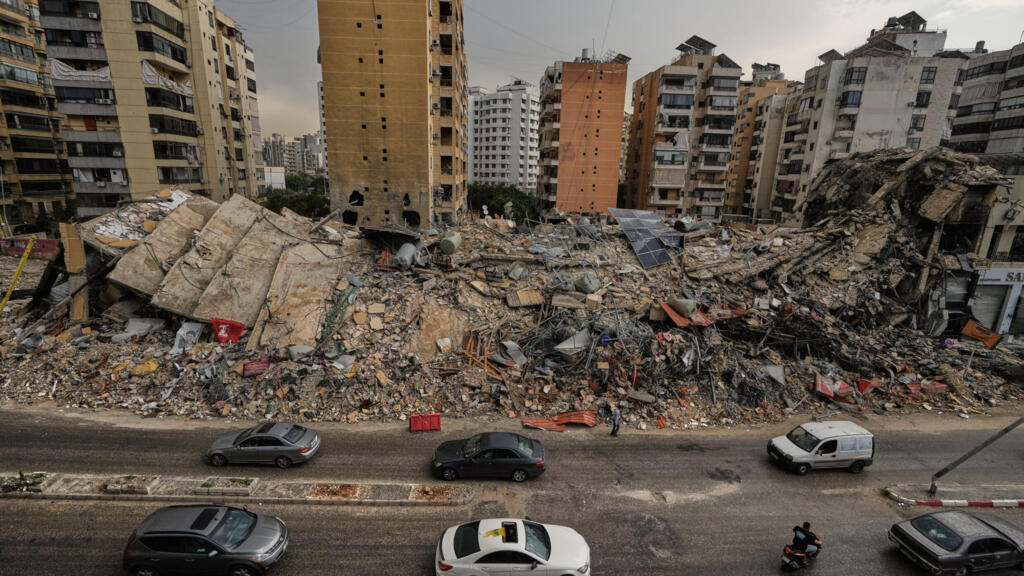
Warsh takes over the Fed amid soaring inflation and a Middle East energy shock stemming from the Iran war. Christopher Waller, a Fed governor, said the inflation picture has materially worsened. Waller estimated that the Fed's go-to inflation gauge ran around 3.8% in April compared with a year ago, the highest in three years, with core personal consumption expenditures at roughly 3.3%.
Waller said he is going to need to see improvement on inflation or a significant deterioration in the labor market before he would consider reducing the policy rate. Bond traders are already pricing in an interest-rate hike by the Federal Reserve this year.
Divisions Within the Fed
The rate-setting committee voted to leave rates stable at its last meeting in April, but three members objected to a sentence in the Fed's post-meeting statement that hinted at cuts. A "majority" of participants felt that a rate increase would probably be necessary if inflation remains stuck above 2% per year, according to meeting minutes released earlier this week.
Powell is planning to remain on the Fed's Board of Governors, entitling him to a seat on the rate-setting committee.
Views on Monetary Policy
When Warsh served on the Fed board from 2006 to 2011, he had a reputation as a hawk, known for preferring tighter monetary policy. Last year, he came out in favor of lower rates, and he has argued that artificial intelligence will push down inflation and boost productivity, giving the Fed room to ease up.
Randall Kroszner, who served with Warsh on the Fed board, said he does not expect Warsh to give into short-term political pressure. Kroszner believes Warsh is a long-run strategic thinker who understands the need to build consensus.
The Inflation Factor
The Warsh-era Fed will have to grapple with the fact that inflation has run above the central bank's 2% target for five years. Waller warned that even if Americans believe each individual price shock will fade, watching them stack up one after another can cause them to revise their inflation expectations higher anyway because the pattern starts to feel like evidence that higher inflation is the new normal.
Waller compared it to a series of coin flips: If you flip heads three times in a row, you rationally start to wonder if the coin is rigged, even if you know each flip is supposed to be independent.