




The Sentencing and Its Stakes for Voters
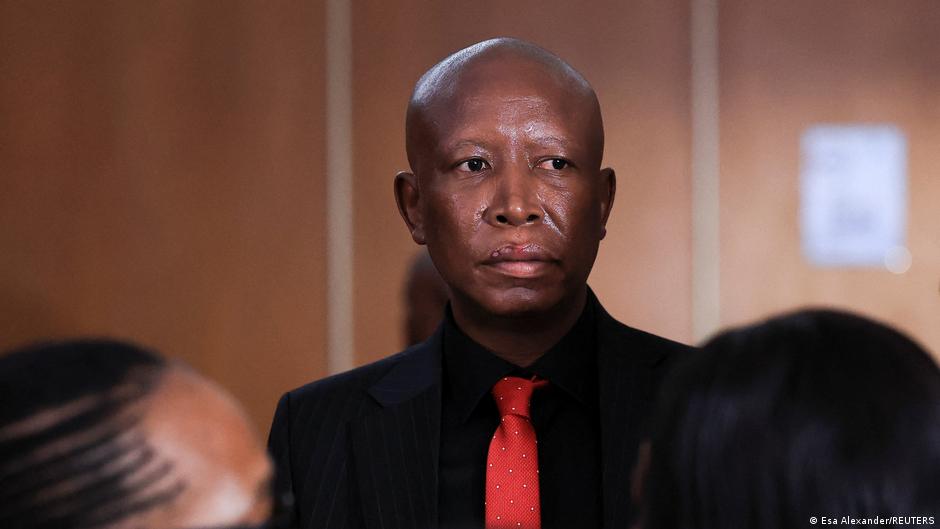
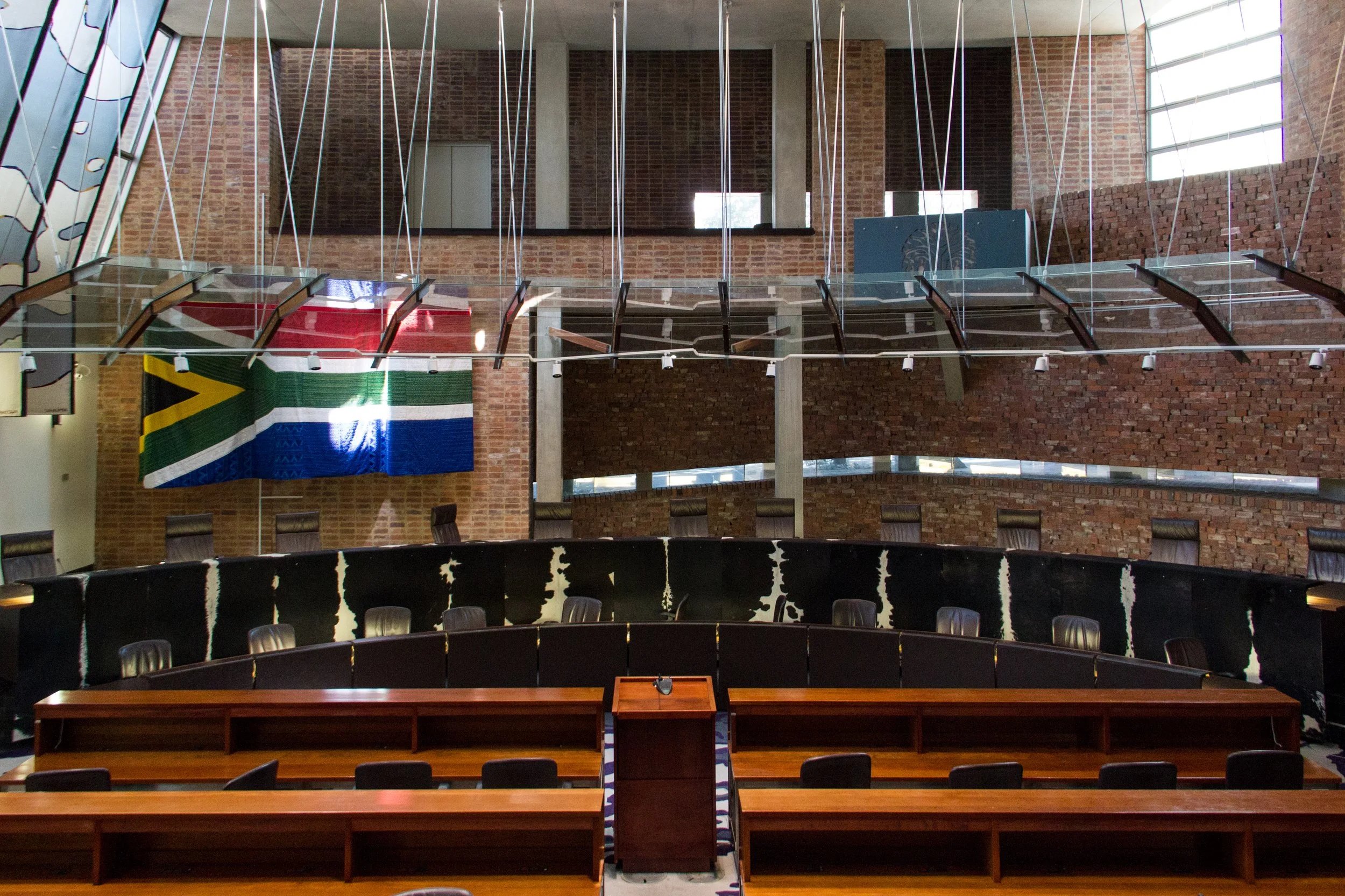
Magistrate Twanet Olivier sentenced Julius Malema, the 45-year-old leader of the Economic Freedom Fighters, to five years in prison on Thursday for unlawful possession of a firearm and other offenses. This development threatens Malema's role as an MP, potentially disrupting the EFF's push for land redistribution and wealth transfer, issues that could affect millions of South Africans facing economic inequality by altering party representation and policies.
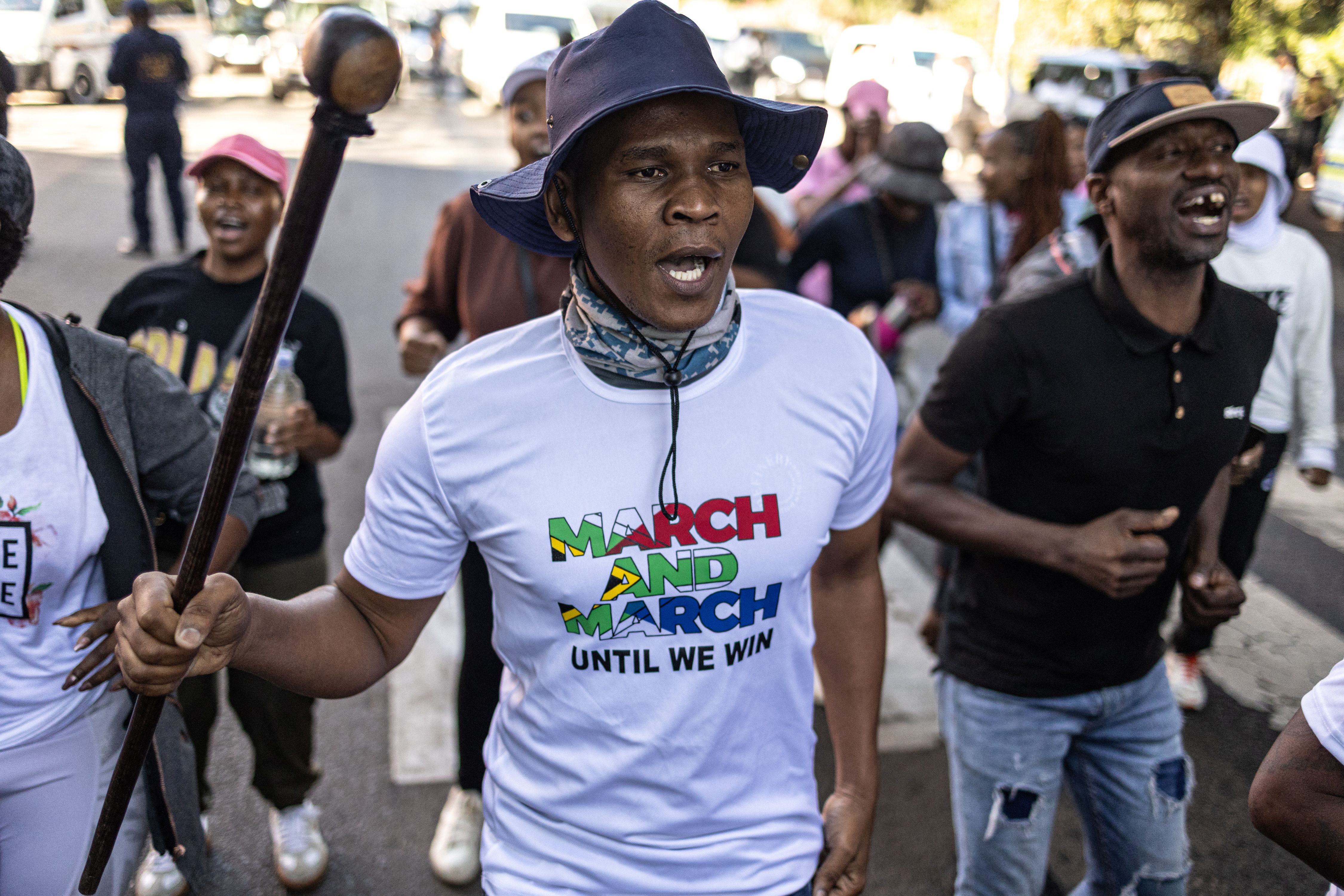
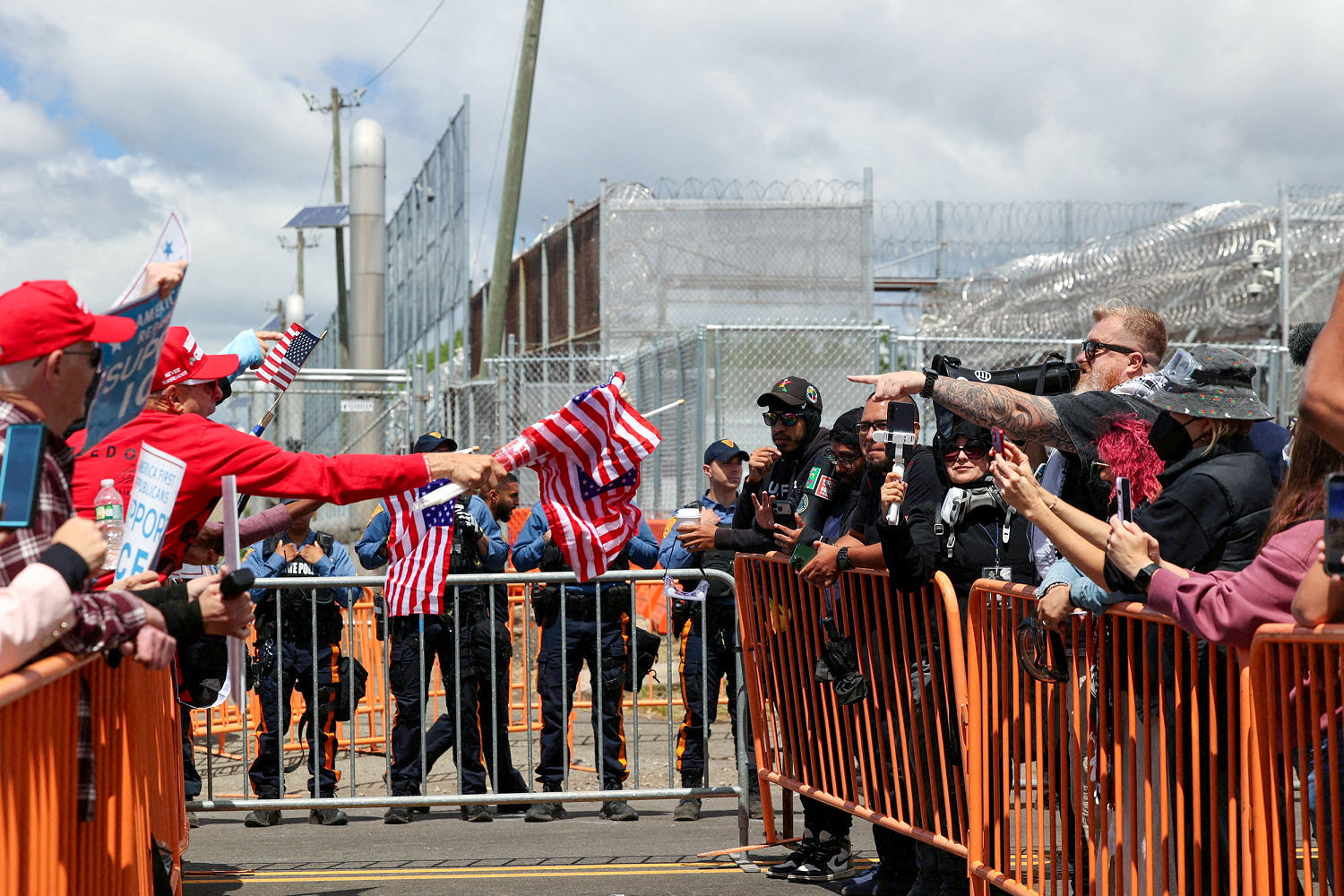
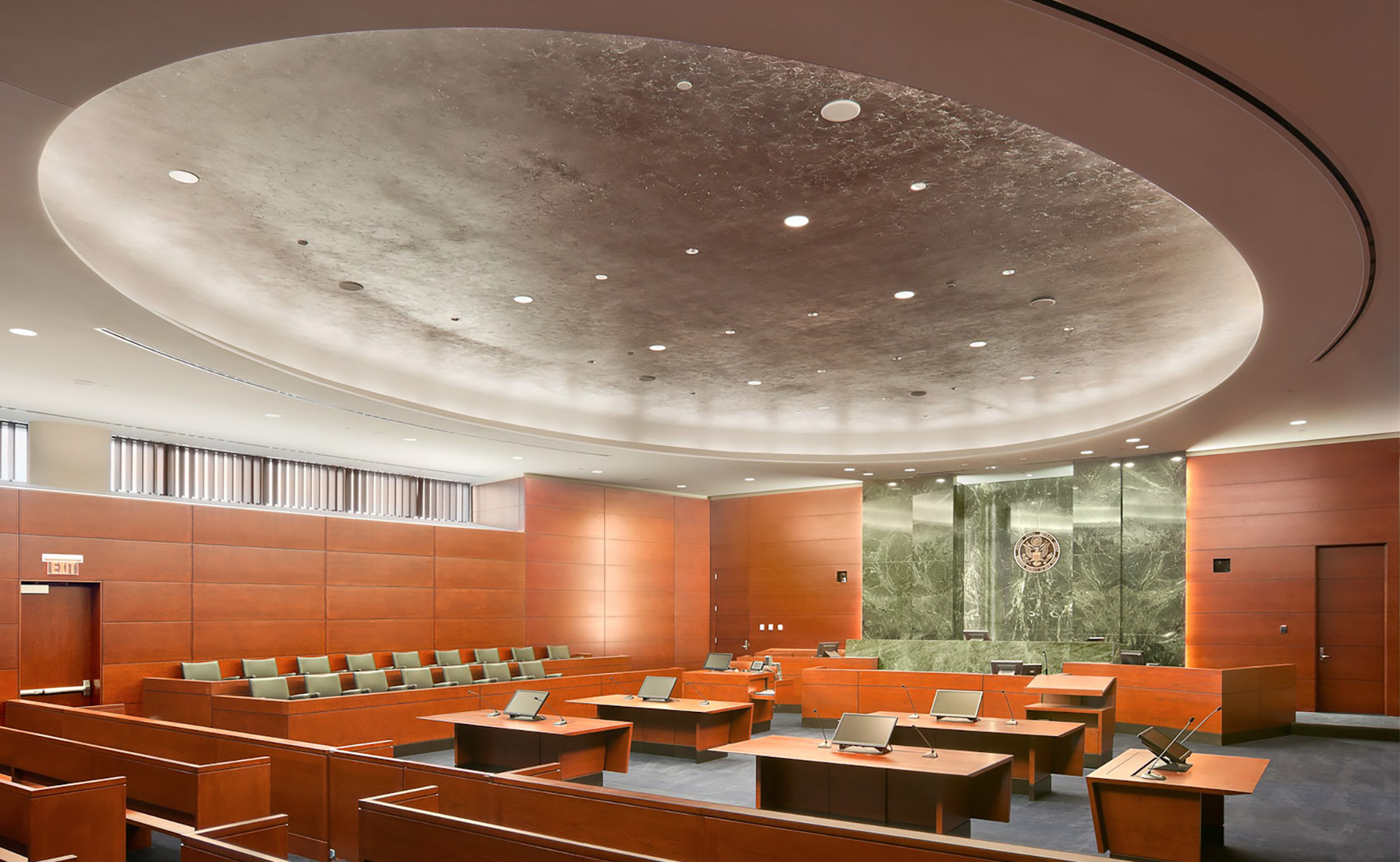
Hundreds of EFF supporters gathered outside the East London court for the sentencing, chanting in Xhosa and singing revolutionary songs to back Malema. Olivier emphasized in her ruling that the conviction targeted an individual, not the party, stating, "It is not a political party that has been convicted here, but an individual." The sentence includes a two-year term for unlawful possession of ammunition, with fines for additional charges, all running concurrently, which might prevent Malema from serving in parliament if upheld.
Malema's legal team immediately applied for and received leave to appeal, delaying any immediate imprisonment. This appeal process could extend for months, keeping Malema out of jail but casting uncertainty over EFF operations. For voters, especially young supporters frustrated by persistent racial disparities, the outcome might mean less vocal advocacy for seizing white-owned land, a policy the EFF promoted to address historical injustices.
The Incident Behind the Charges
The charges against Malema arose from a video showing him discharging a rifle at an EFF rally during the party's fifth anniversary celebrations. Prosecutors argued that Malema deliberately violated firearm laws, with Olivier noting in court, "It wasn't an impulsive act. It was the event of the evening." Malema had pleaded not guilty, claiming the firearm was not his and the shots were meant to energize the crowd.
In his defense, Malema told the court the act was celebratory, not criminal, according to reports from the time. Last year, he faced conviction on five offenses, including reckless endangerment, related to this event. The case gained traction when AfriForum, an Afrikaner lobby group, filed charges after the video went viral, accusing Malema of inciting violence.
AfriForum's involvement highlights their ongoing disputes with Malema, including a separate hate speech conviction last August for remarks at a 2022 rally. In that instance, Malema said, "No white man is going to beat me up... you must never be scared to kill," which a court ruled as inciting harm, though the EFF argued it was taken out of context.
Supporters' Response and Political Fallout
Outside the court, supporters chanted "sigoduka naye," meaning "we are leaving with him today," upon learning of the appeal grant, showing Malema's strong base. The EFF became the country's fourth-largest party at the 2024 elections. His potential absence could weaken the party's influence in parliament, affecting debates on economic policies.
After being found guilty, Malema told supporters outside the court: "Going to prison or death is a badge of honour." He vowed to take the case to South Africa's Constitutional Court. This stance has rallied his base, with supporters threatening protests if he is jailed, potentially leading to public unrest. The EFF maintains the prosecution is politically motivated, a claim that echoes their criticisms of AfriForum's role in multiple cases against Malema.
AfriForum, led by figures like Kallie Kriel, has defended their actions as necessary to address perceived threats, pointing to Malema's history of provocative statements. This back-and-forth underscores the tensions between the EFF and conservative groups, with both sides drawing on their narratives to mobilize support.
The Ambassador Appointment Amid Tensions
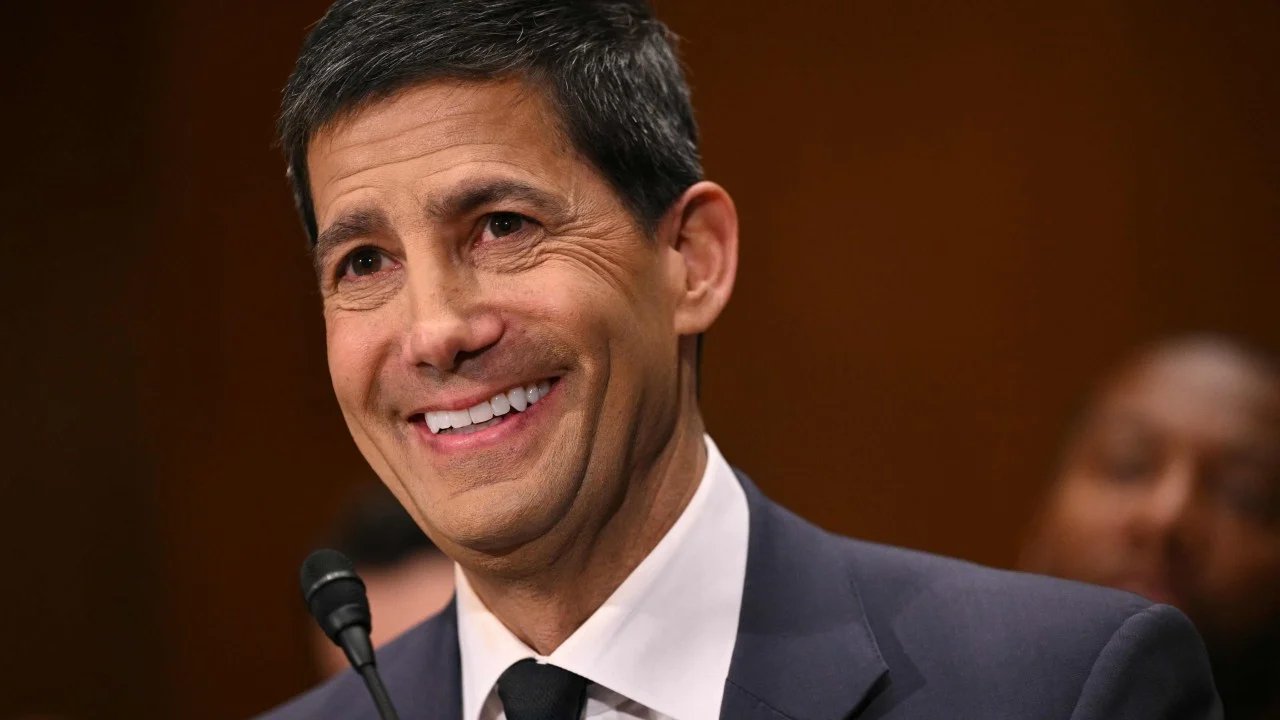
President Cyril Ramaphosa appointed Roelf Meyer, a 78-year-old veteran politician and former apartheid-era negotiator, as South Africa's ambassador to the US, effective immediately. Meyer, who mediated the end of white-minority rule in the 1990s alongside Ramaphosa, steps into the role amid strained US-South Africa relations. This move follows the expulsion of the previous ambassador last year, after criticisms of the Trump administration's policies on Afrikaners.
Analysts like Dr. Oscar van Heerden have praised the appointment for Meyer's negotiation skills, which could help navigate US ties complicated by Trump's allegations of persecution against Afrikaners. Ramaphosa defended the choice, stating Meyer is "well attuned with the policies of this country," potentially easing diplomatic hurdles.
However, groups like AfriForum and the Solidarity Movement have criticized the appointment, calling Meyer an "ANC cadre" who betrays Afrikaner interests. Despite this, US Ambassador Leo Brent Bozell III met Meyer in March, describing it as a privilege to discuss South Africa's democracy. This development adds layers to Malema's case, as ongoing US scrutiny of South African politics might amplify the sentencing's international repercussions.

The sources also report that US Ambassador Leo Brent Bozell III met Meyer in March, describing the meeting as a privilege to discuss South Africa's democracy.
What This Means for Everyday South Africans
The appeal gives Malema time to challenge his sentence, with his case potentially reaching the Constitutional Court, offering a path to overturn the ruling. If upheld, his imprisonment could sideline a key voice for youth and marginalized communities, slowing efforts to tackle inequality. For citizens, this might translate to fewer options at the ballot box, as the EFF's diminished presence could leave economic reforms unaddressed, directly impacting jobs and land access in daily life.





























































































The sources also report that Malema formed the Economic Freedom Fighters after being expelled from the African National Congress due to a falling-out with then-President Jacob Zuma.