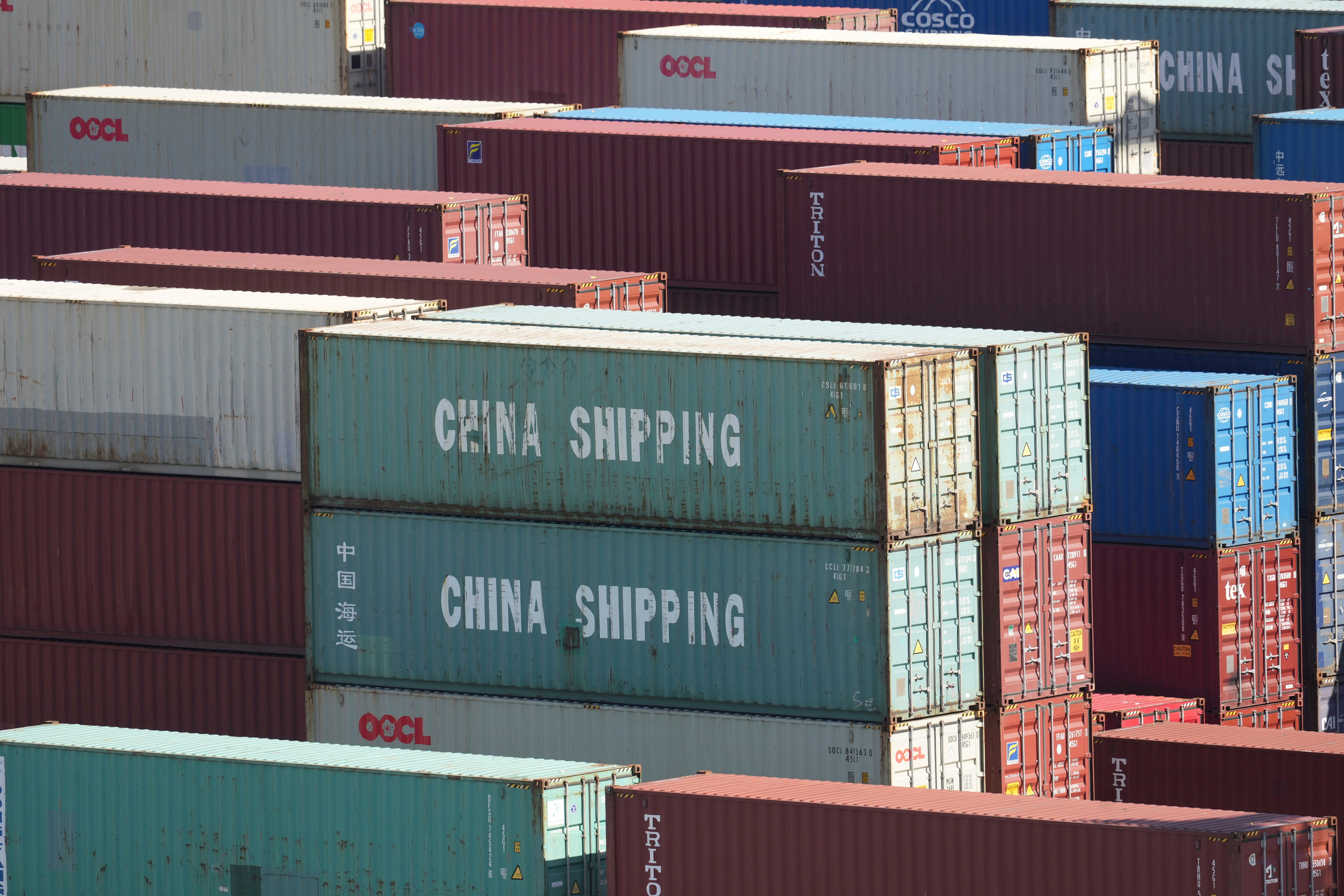
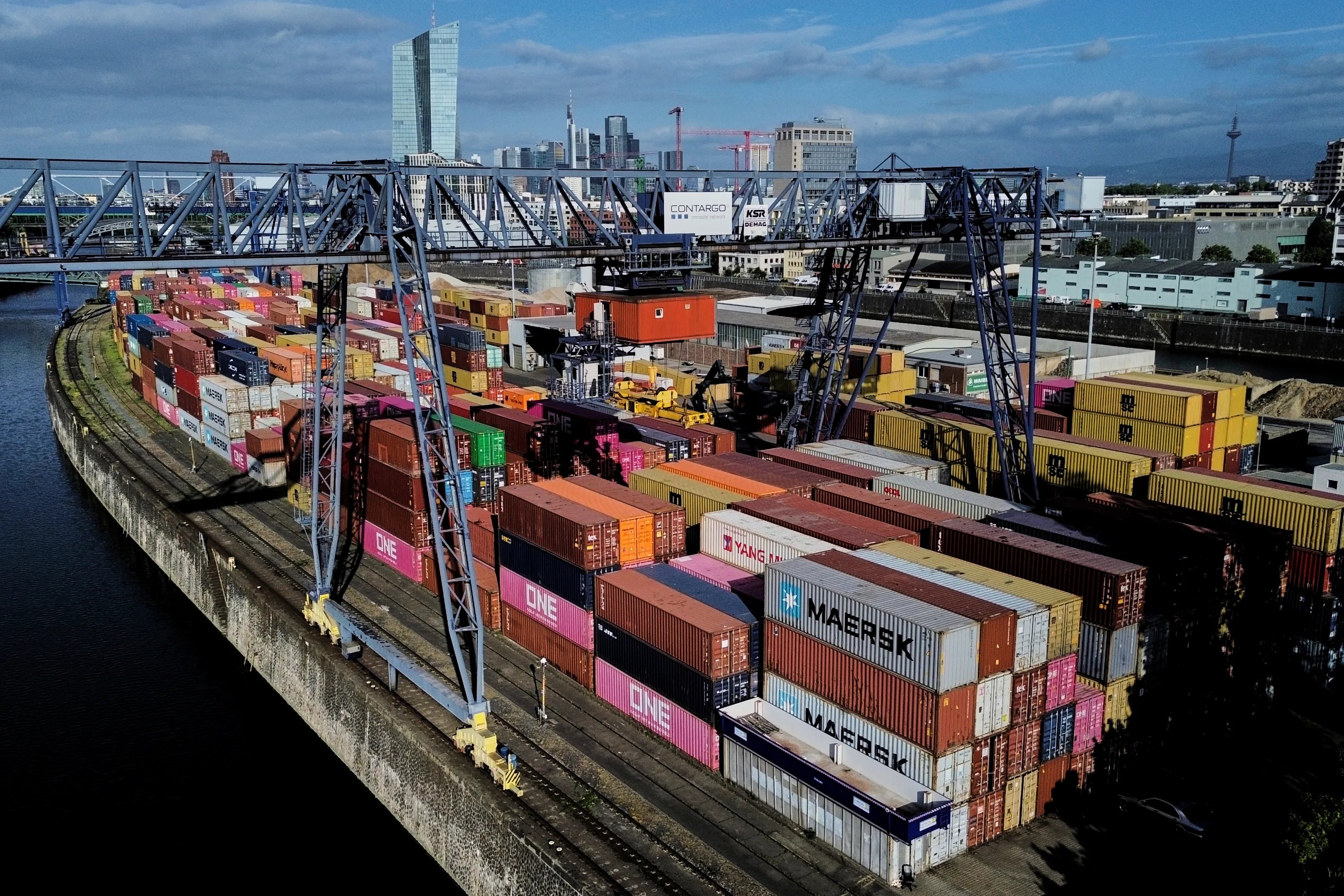
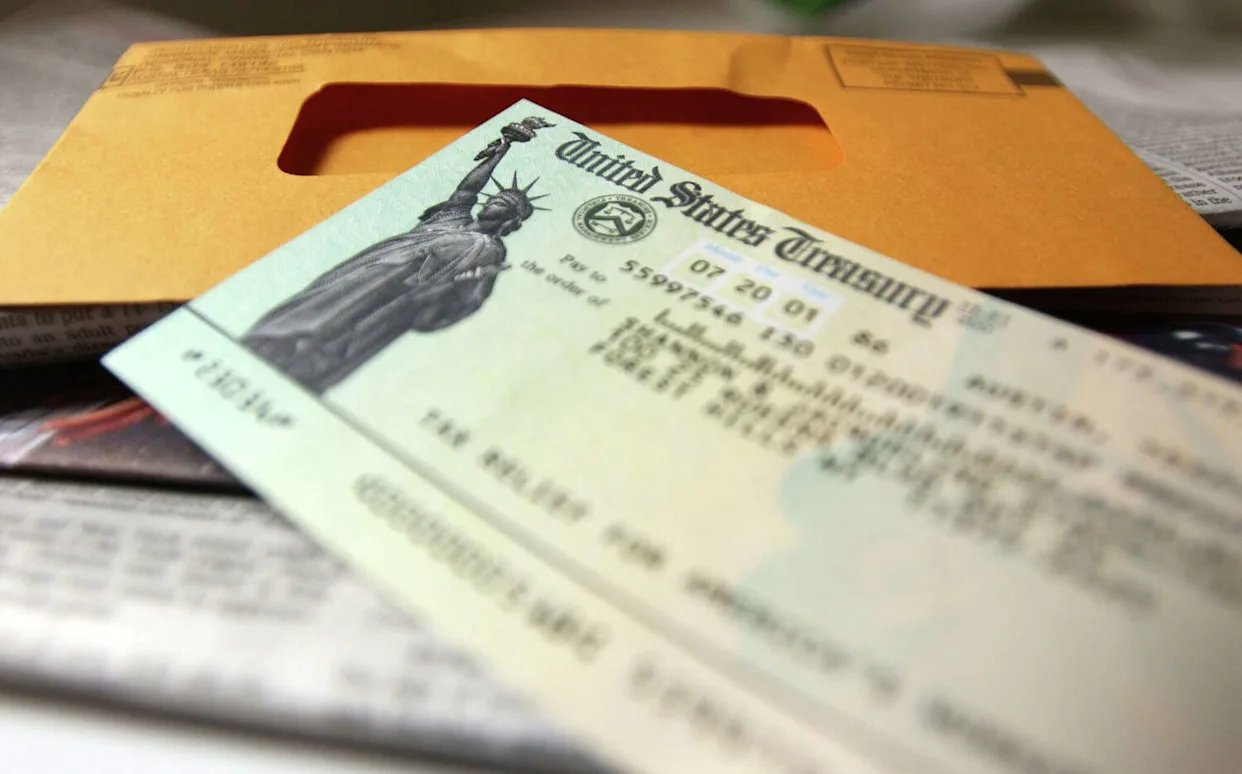
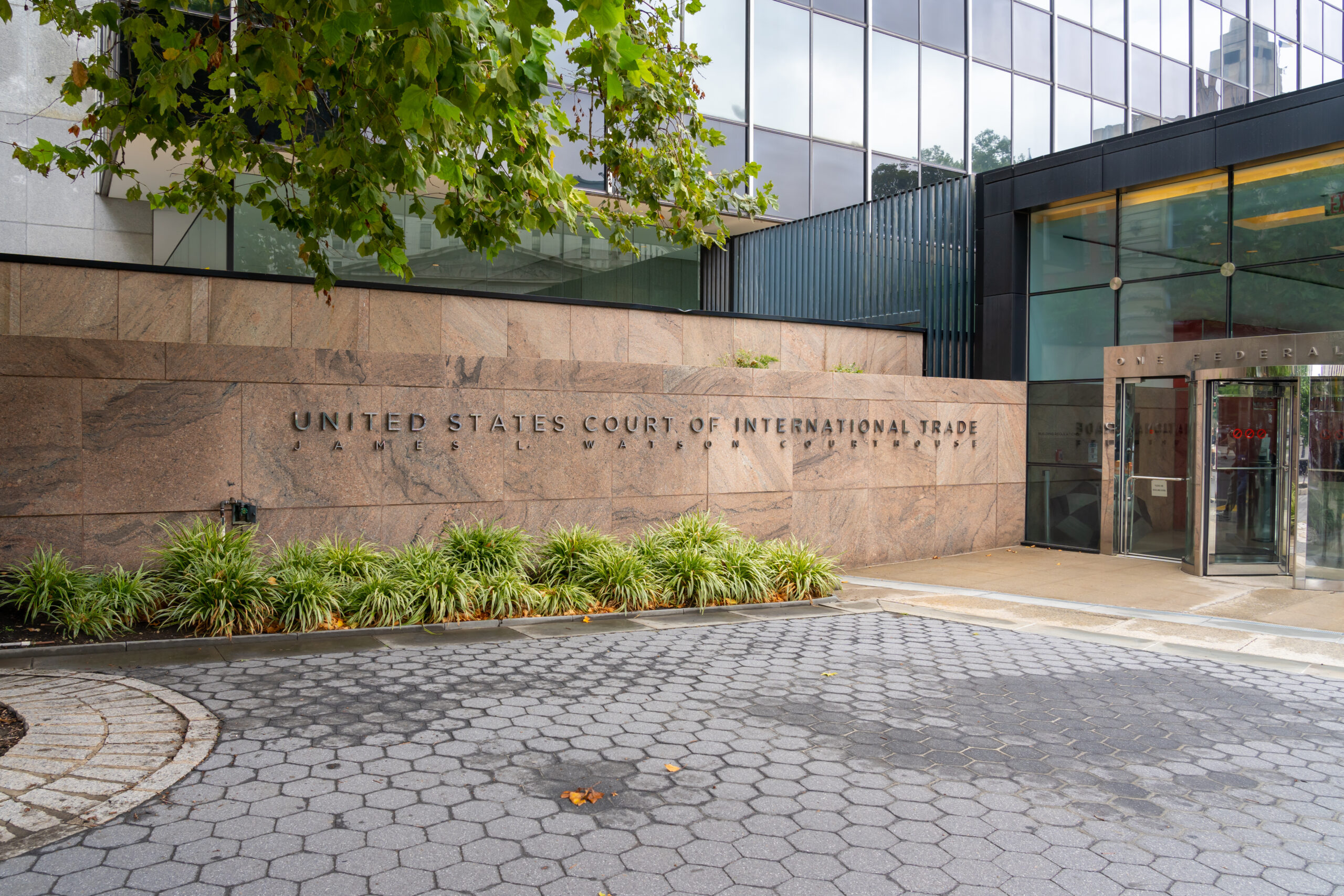
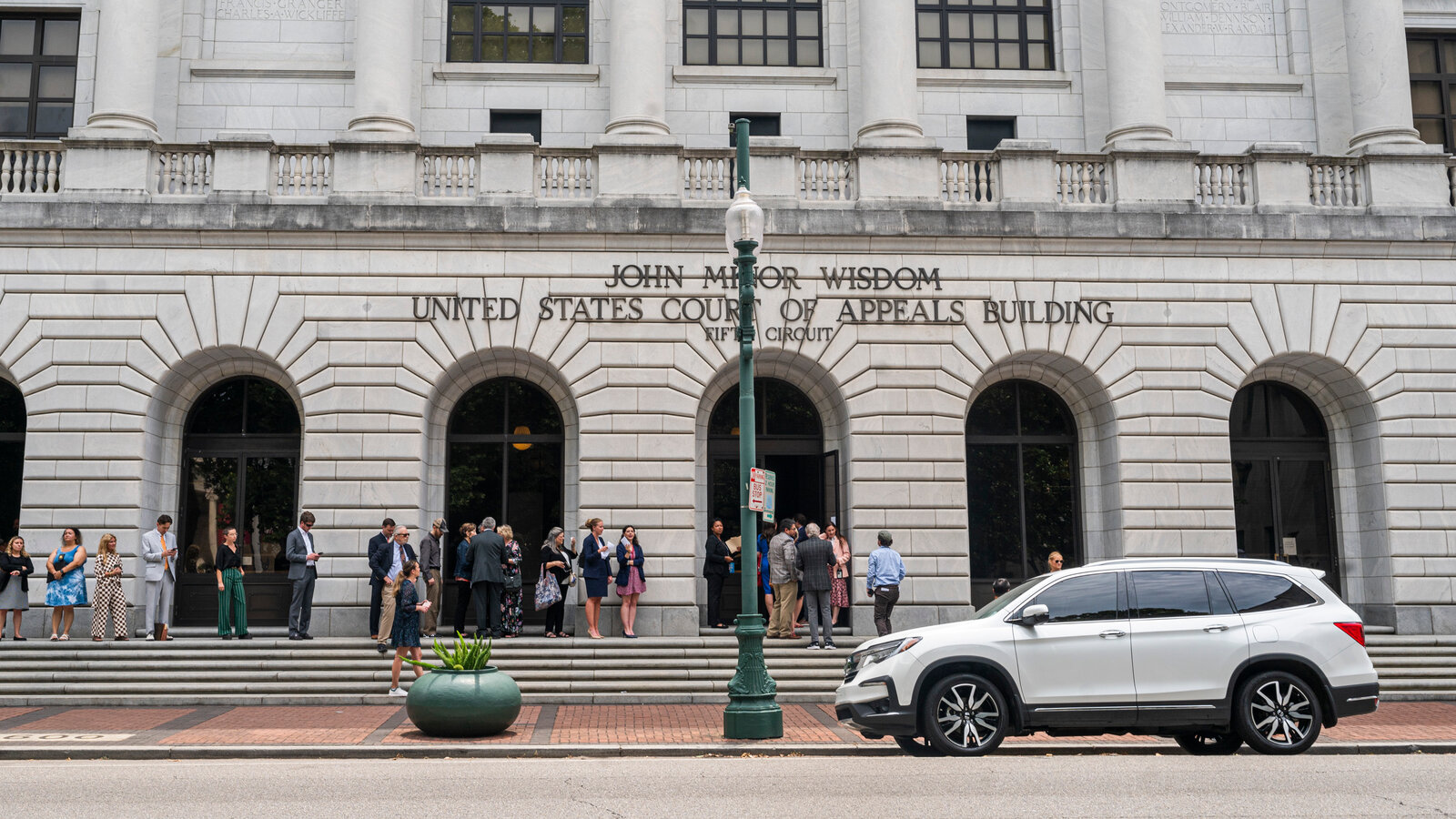
A federal court has ordered the U.S. Customs and Border Protection (CBP) chief to address compliance regarding the refunding of tariffs, a move that could impact businesses and consumers who have been overcharged. The government owes $166 billion from tariffs that were deemed illegal during the Trump administration. This unprecedented judicial directive emphasizes the need for transparency and accountability in tariff administration.
The court's ruling highlights the potential for significant financial relief for importers who have faced inflated costs due to these tariffs. With the court's order, the customs chief is now required to provide a clear plan on how these refunds will be processed, which could expedite the return of funds to affected parties.
The court's decision demands action from the highest levels of customs administration.
Customs officials have not yet publicly responded to the court's order, leaving many stakeholders anxious about the next steps. Business groups have expressed cautious optimism, hoping that this ruling will finally prompt meaningful action to resolve the outstanding refunds. "This is a critical moment for businesses that have been unfairly burdened by these tariffs," said a spokesperson for the National Association of Manufacturers.
The customs chief is expected to outline a compliance strategy in the coming weeks, detailing how the agency plans to address the backlog of tariff refunds. This plan will be closely monitored by both the court and affected businesses. The outcome of this directive could set a precedent for how tariff disputes are handled in the future, establishing standards for accountability within the customs framework.
The recent court ruling on tariff refunds not only affects businesses but also has broader implications for consumer prices and market stability. As the customs chief prepares to respond, the financial stakes for importers and consumers alike remain high.
A federal court has ordered the U.S. Customs and Border Protection (CBP) chief to address compliance regarding the refunding of tariffs, a move that could impact businesses and consumers who have been overcharged. The government owes approximately $166 billion from tariffs that were deemed illegal during the Trump administration. This unprecedented judicial directive emphasizes the need for transparency and accountability in tariff administration.
The court's ruling highlights the potential for significant financial relief for importers who have faced inflated costs due to these tariffs. Many businesses have reported difficulties in navigating the complex refund process, often leading to delays and confusion. With the court's order, the customs chief is now required to provide a clear plan on how these refunds will be processed, which could expedite the return of funds to affected parties.
The tariffs in question were imposed in a controversial manner, prompting widespread criticism and legal challenges. Importers have long argued that the tariffs were unjust, leading to inflated prices for consumers. The court's decision represents a turning point in the ongoing battle over tariff compliance and enforcement, as it demands action from the highest levels of customs administration.
Customs officials have not yet publicly responded to the court's order, leaving many stakeholders anxious about the next steps. Business groups have expressed cautious optimism, hoping that this ruling will finally prompt meaningful action to resolve the outstanding refunds. “This is a critical moment for businesses that have been unfairly burdened by these tariffs,” said a spokesperson for the National Association of Manufacturers.
The customs chief is expected to outline a compliance strategy in the coming weeks, detailing how the agency plans to address the backlog of tariff refunds. This plan will be closely monitored by both the court and affected businesses. The outcome of this directive could set a precedent for how tariff disputes are handled in the future, establishing standards for accountability within the customs framework.
The recent court ruling on tariff refunds not only affects businesses but also has broader implications for consumer prices and market stability. As the customs chief prepares to respond, the financial stakes for importers and consumers alike remain high.
Highlighted text was flagged by the council. Tap to see feedback.