





Ceasefire Terms Negotiated
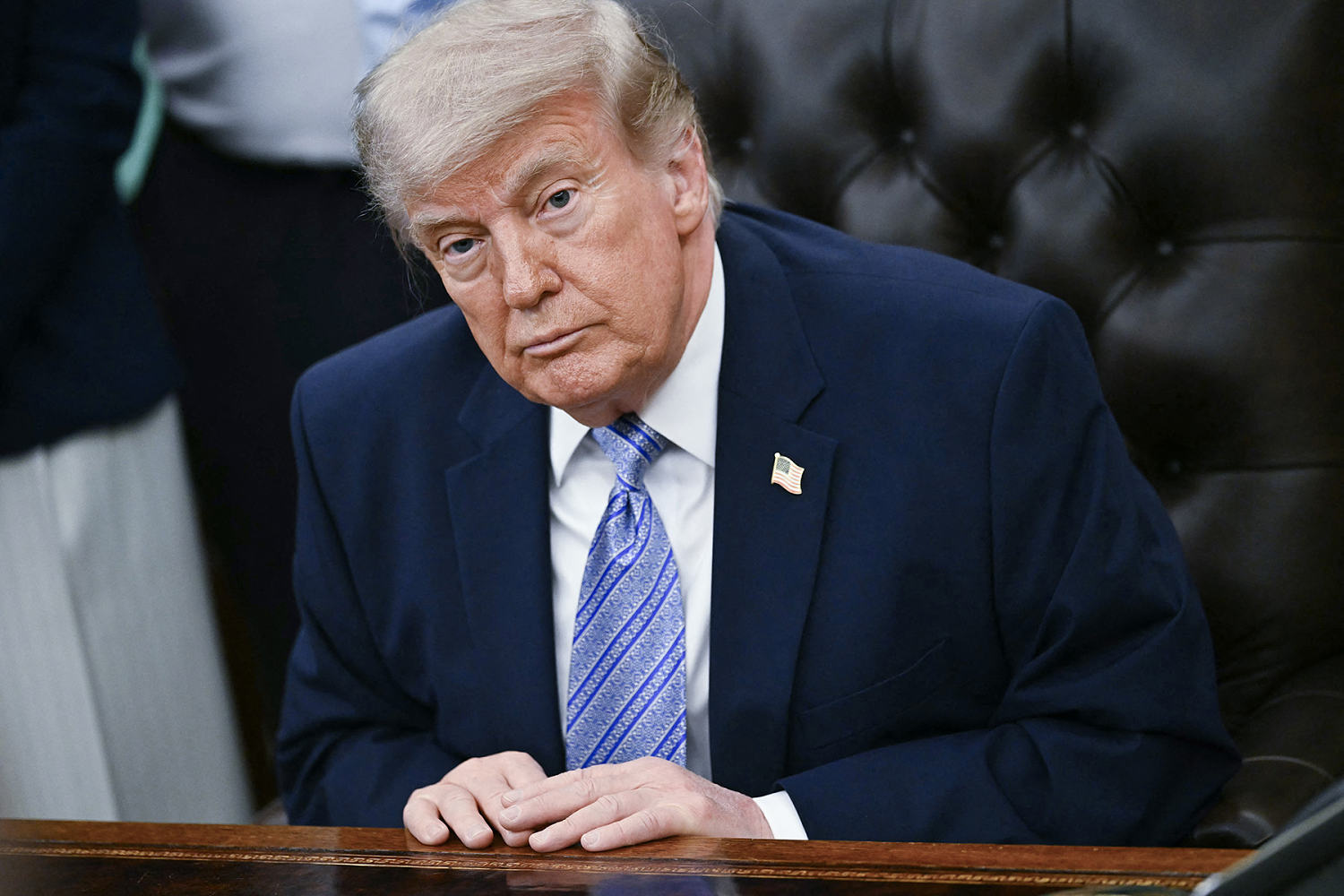
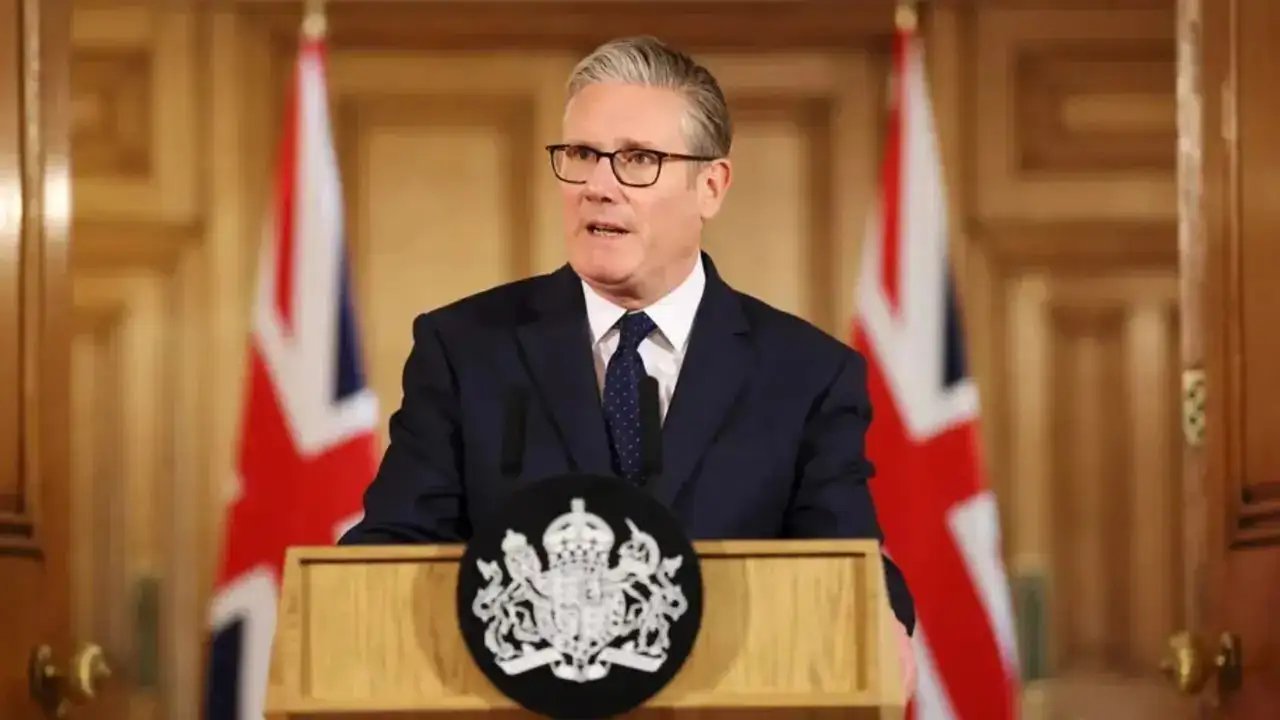
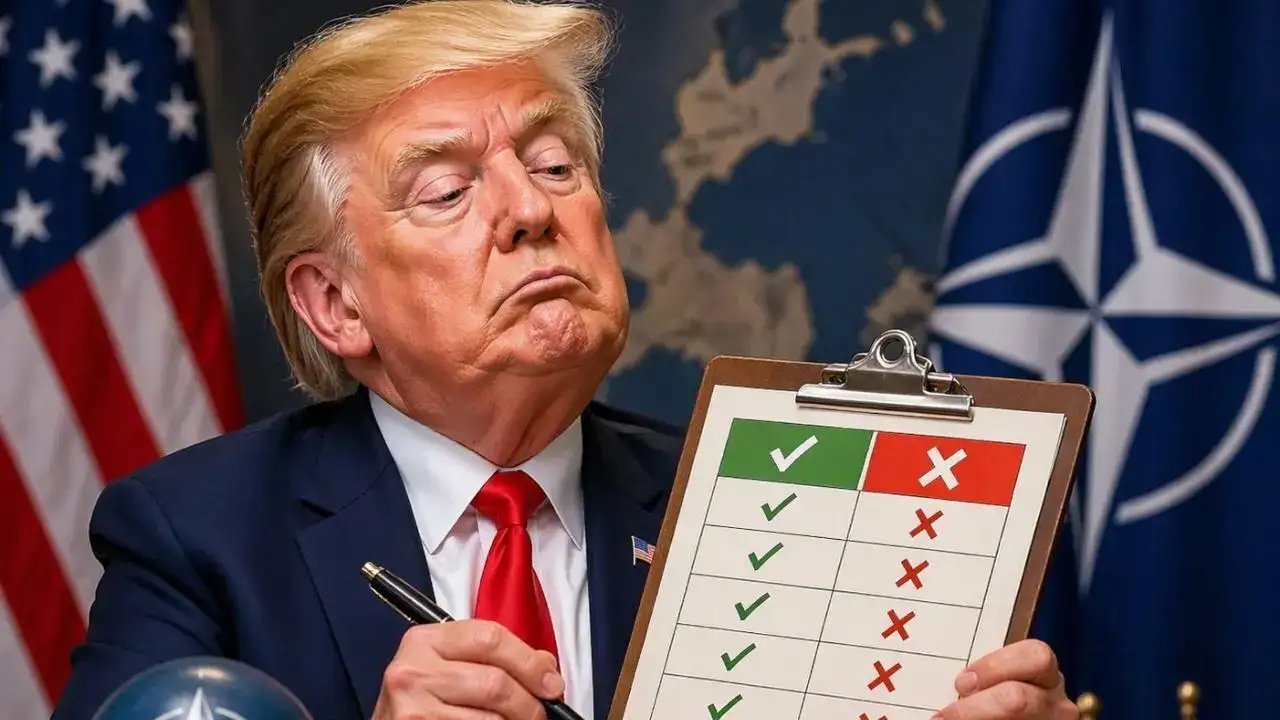
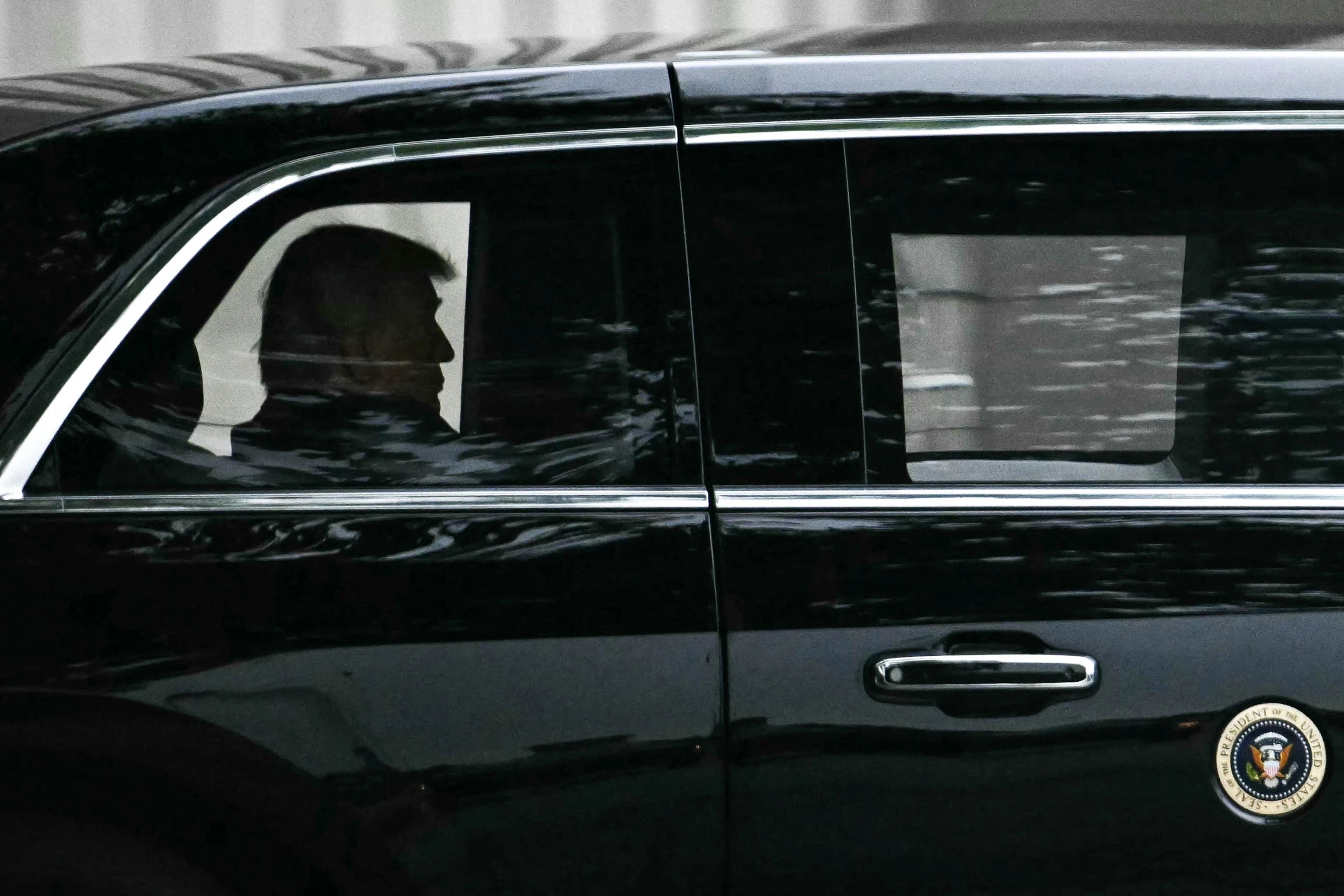
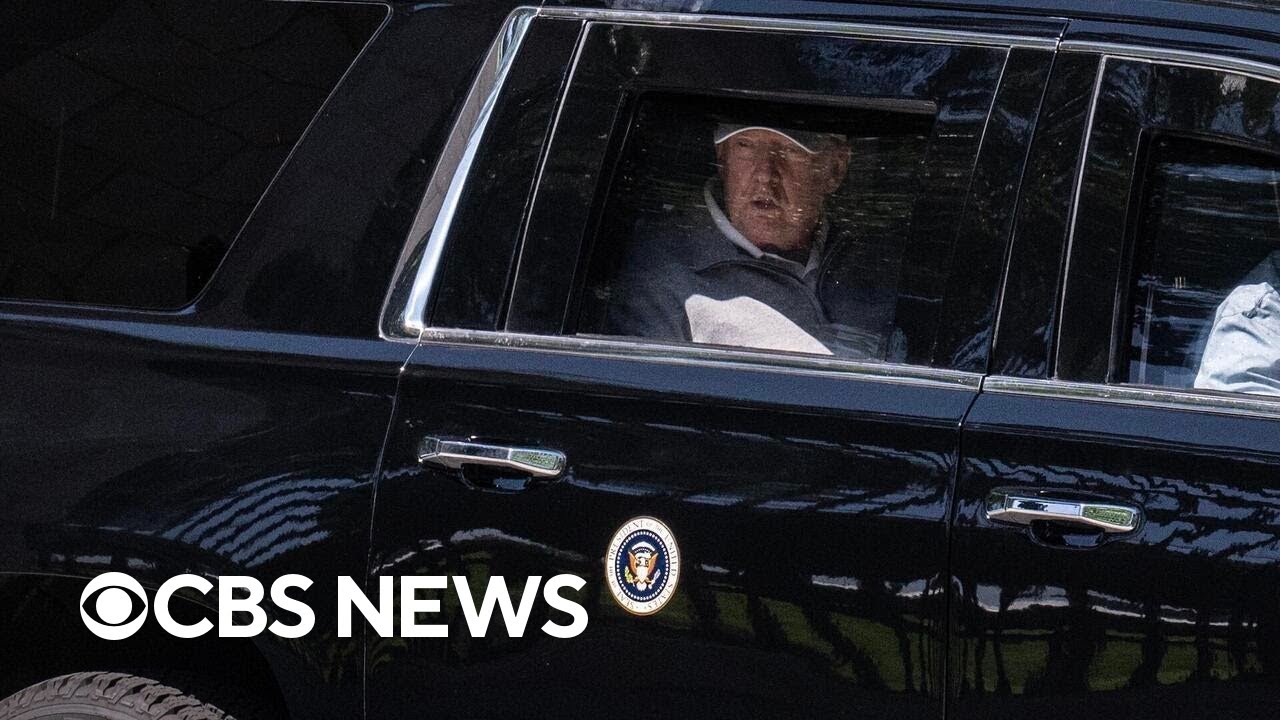
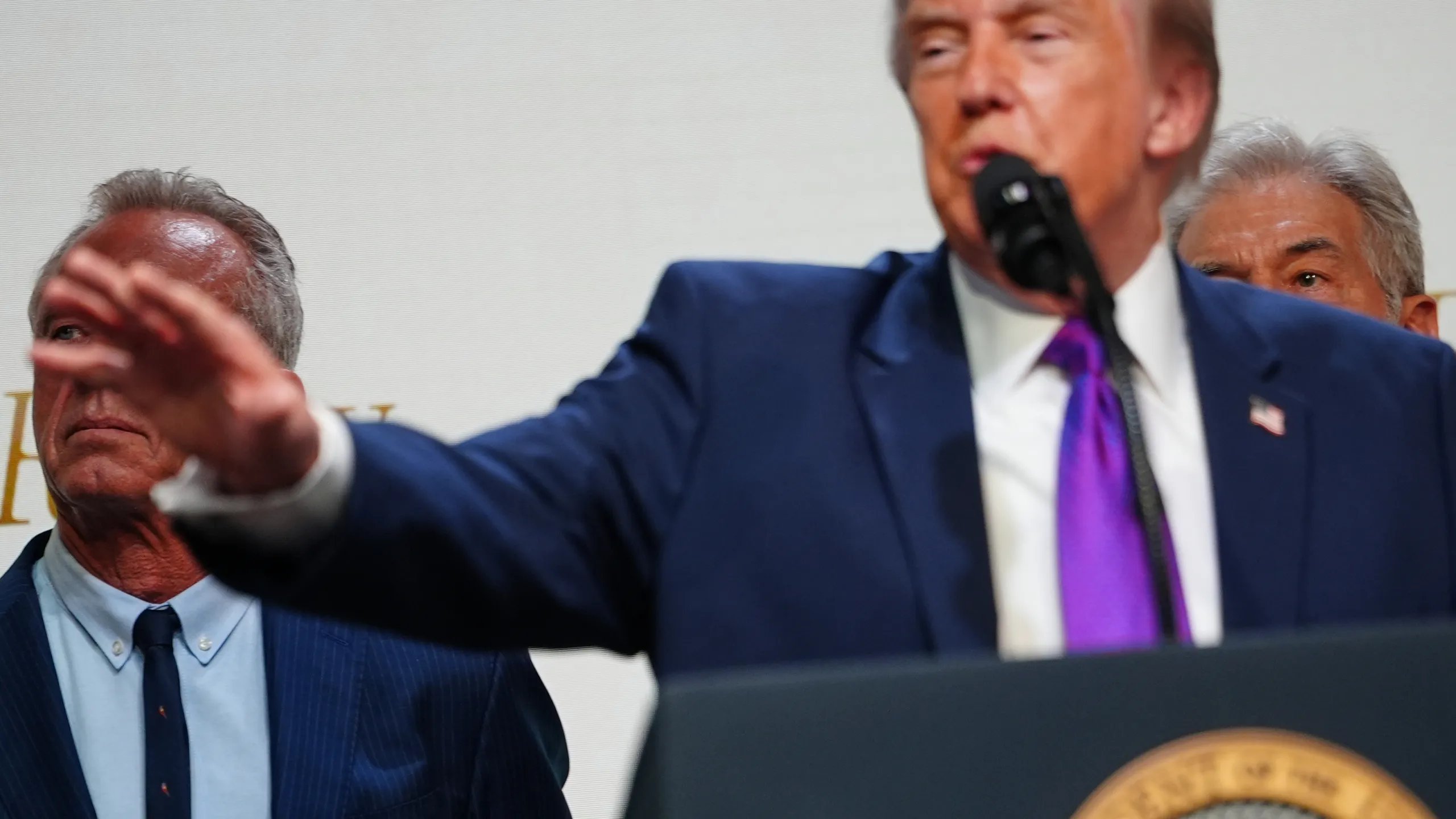
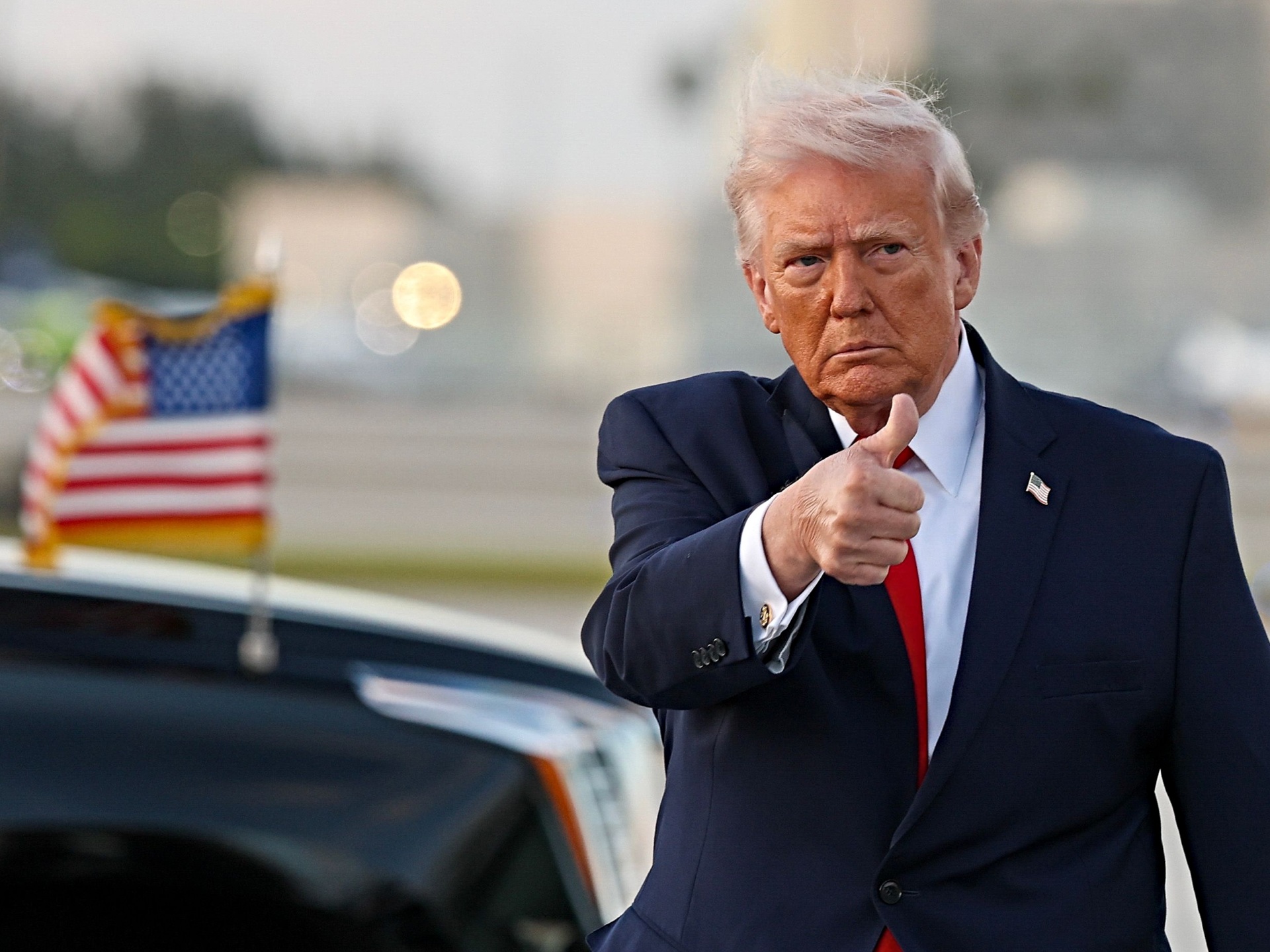
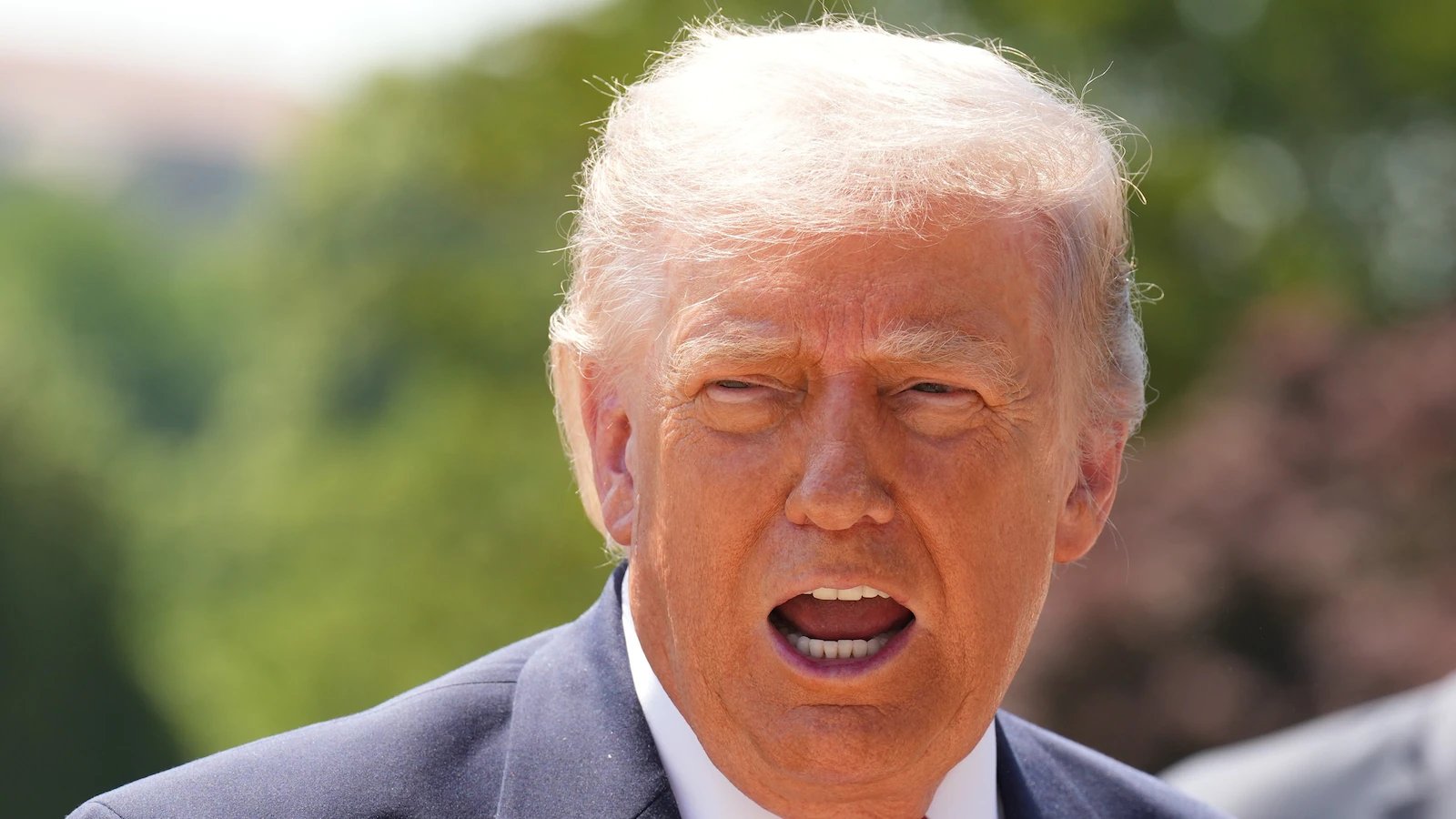
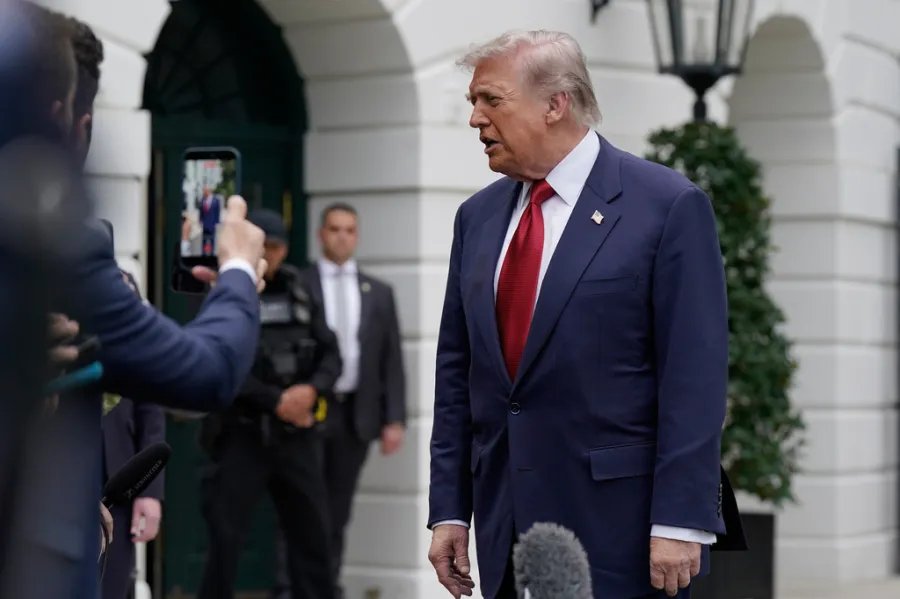
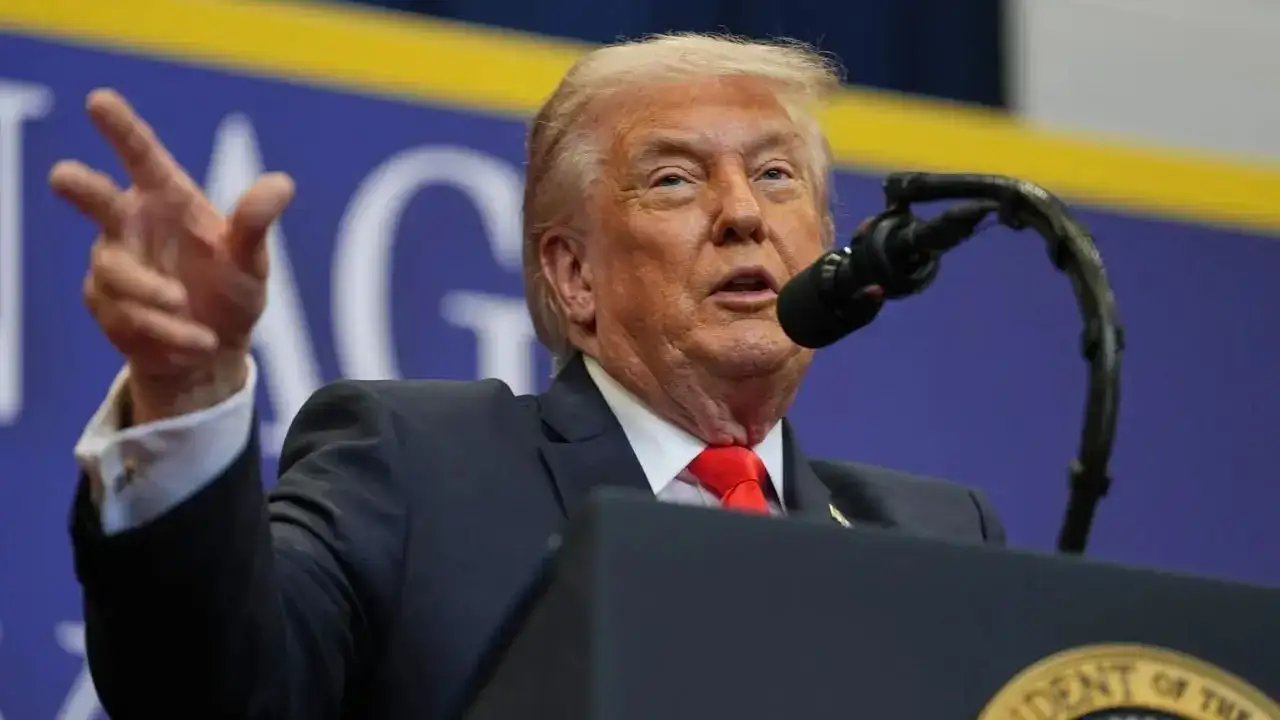
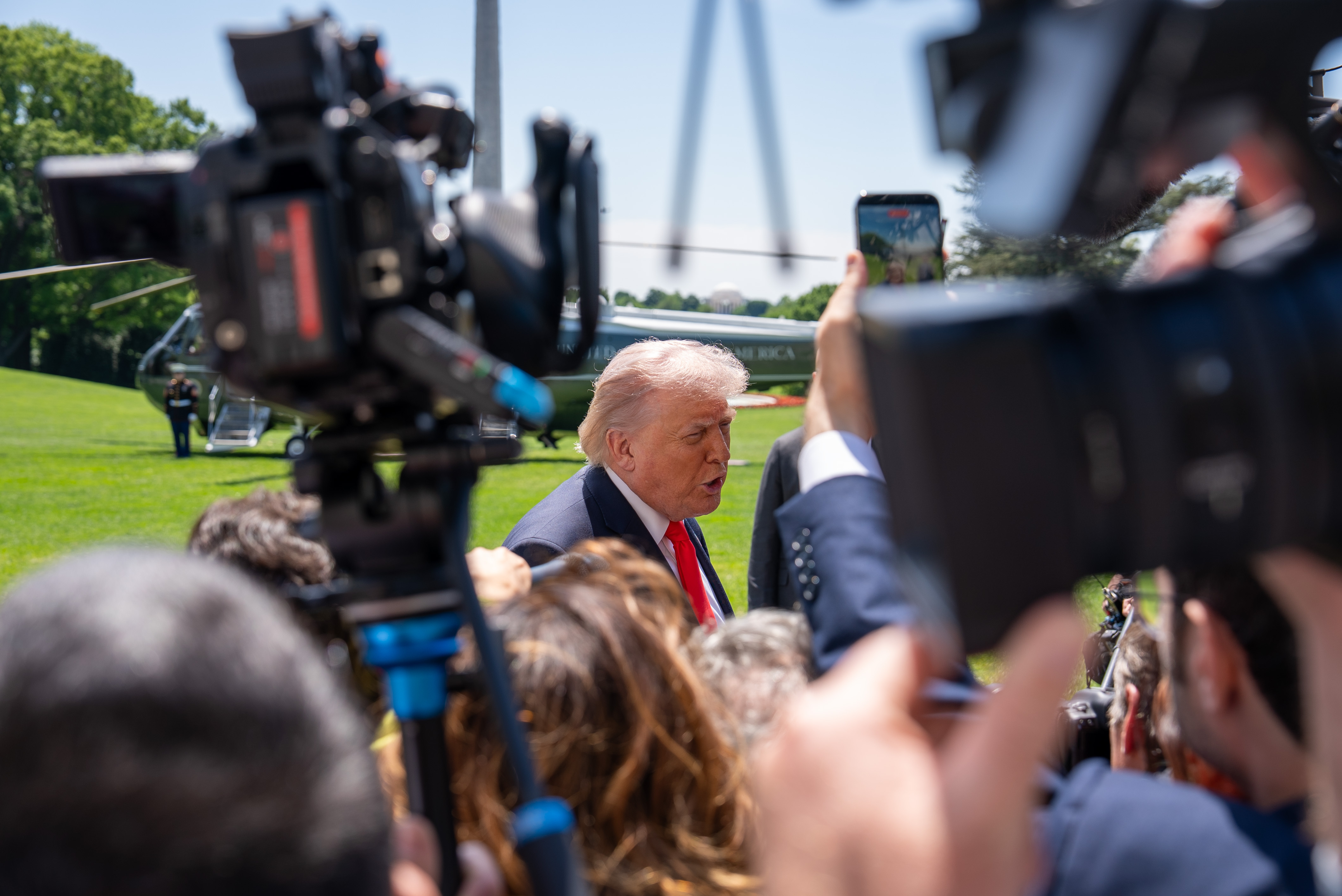
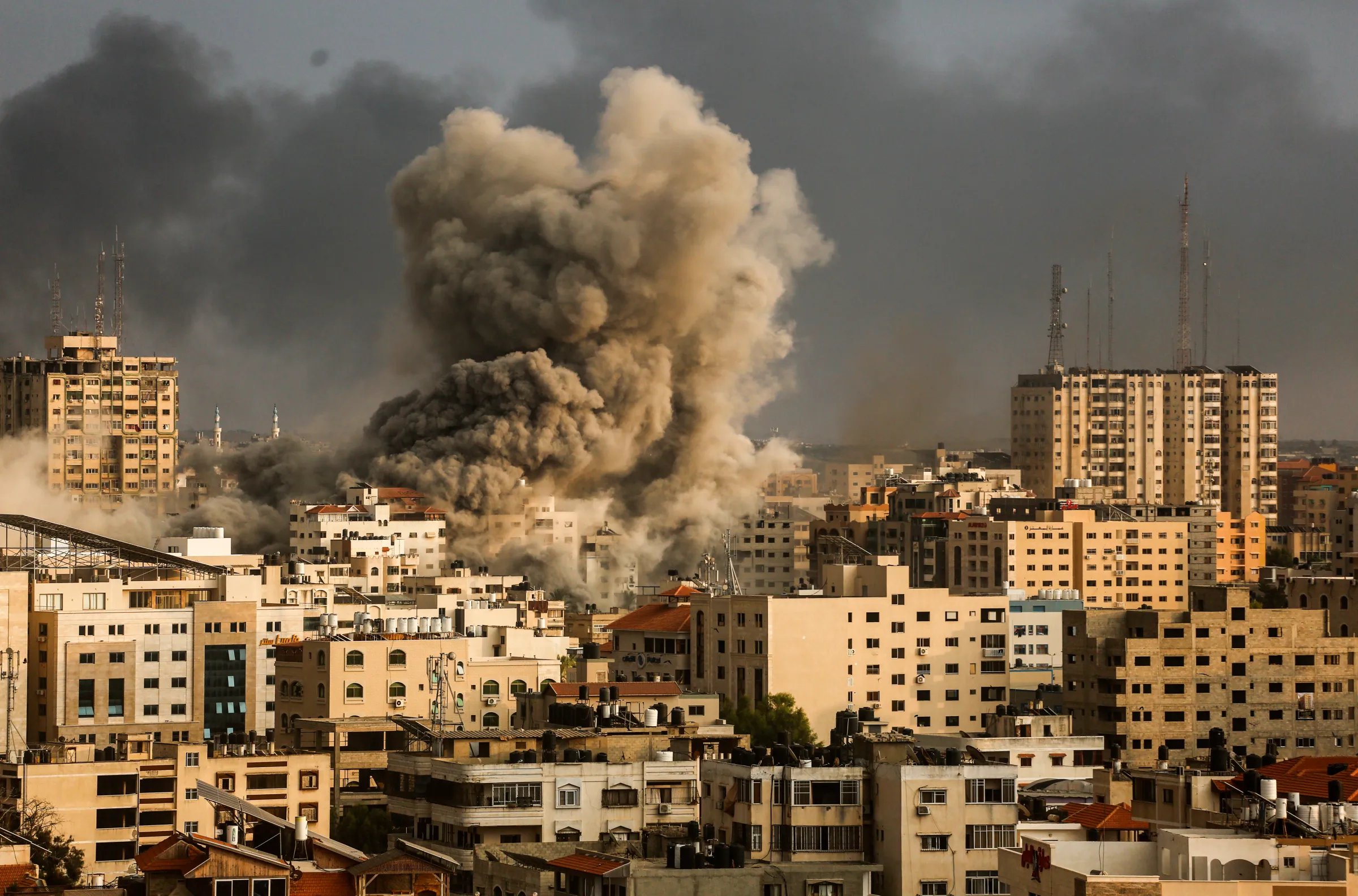
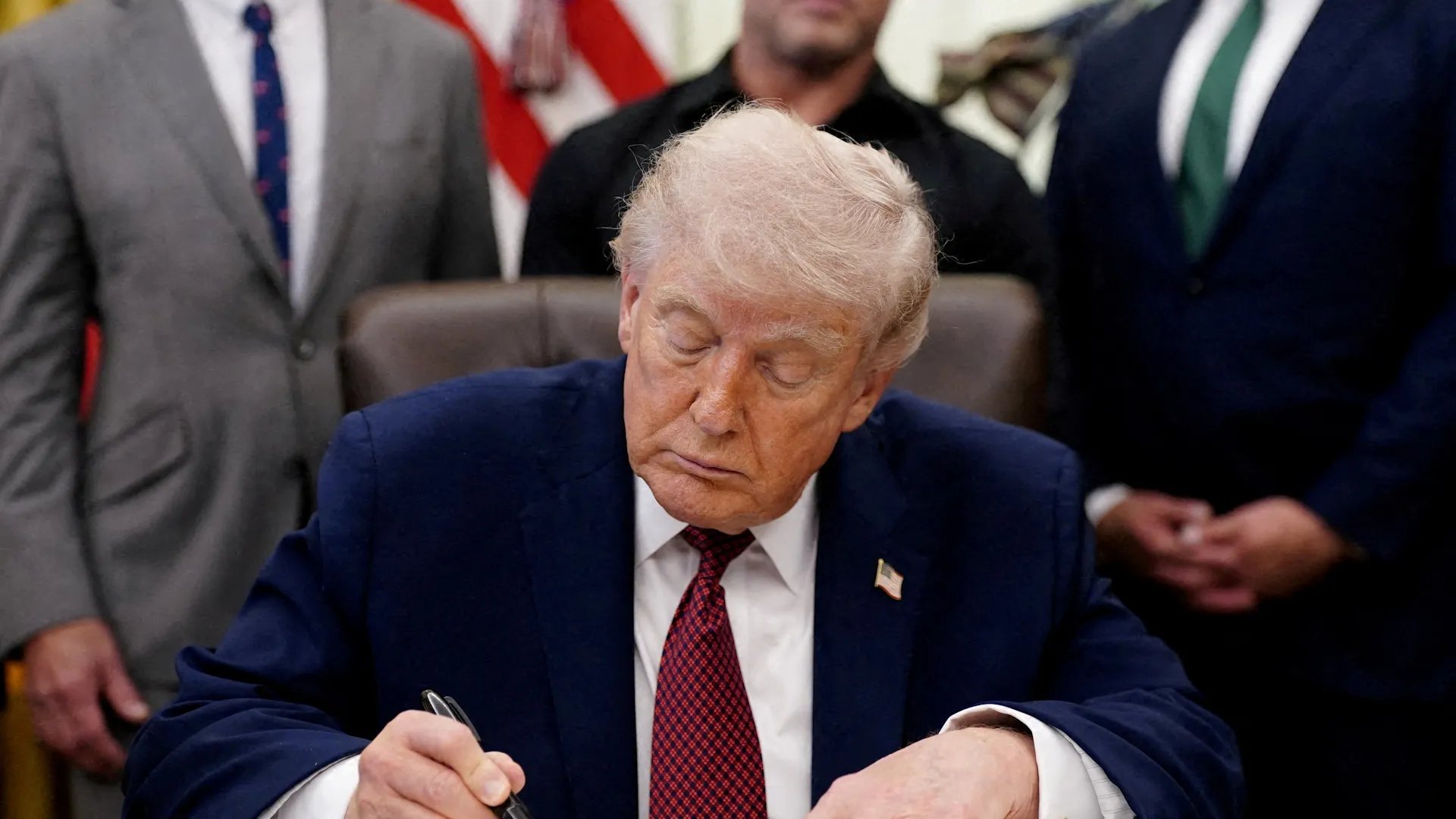
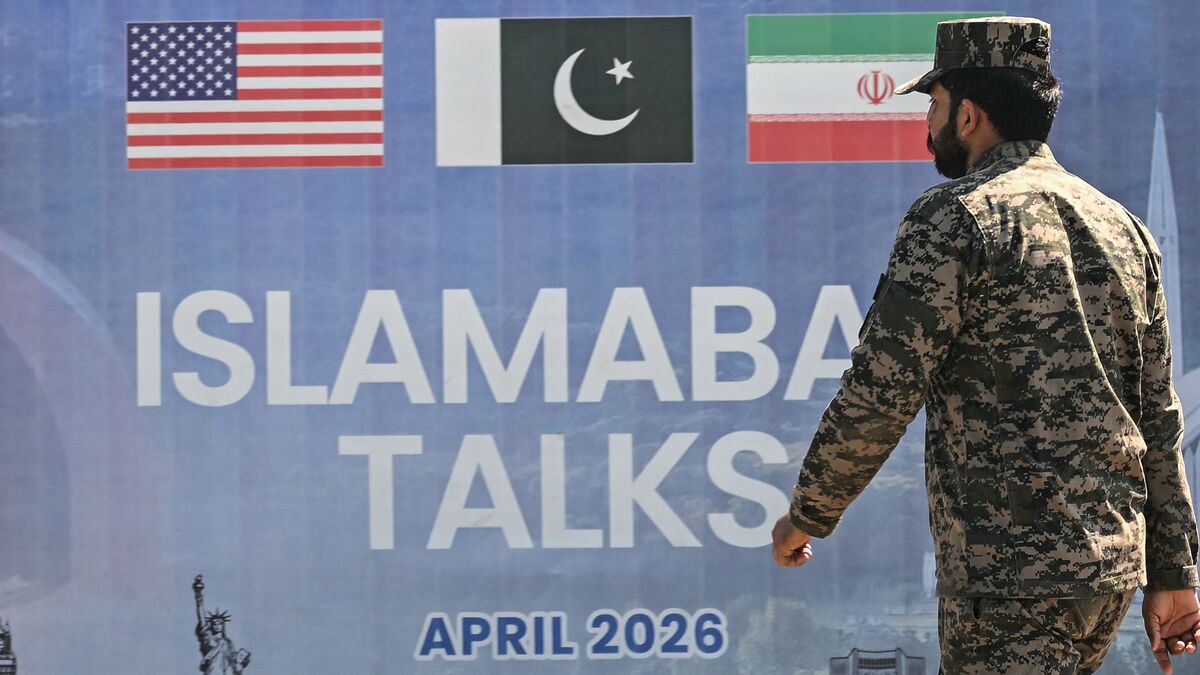
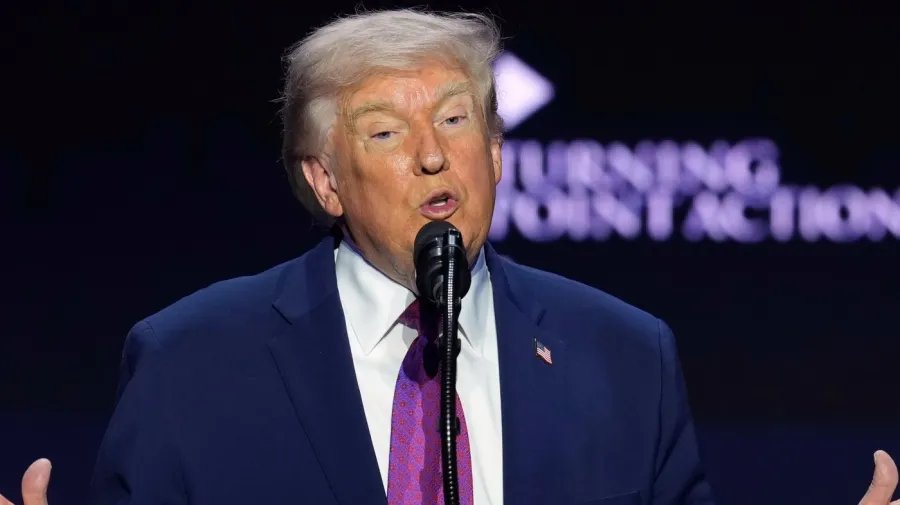
President Donald Trump announced Saturday that a deal with Iran is "largely negotiated," potentially ending a conflict that began in February with joint U.S.-Israeli strikes. Trump stated that "final aspects and details of the Deal are currently being discussed, and will be announced shortly." The agreement hinges on a memorandum of understanding between the U.S., Iran, and other countries.
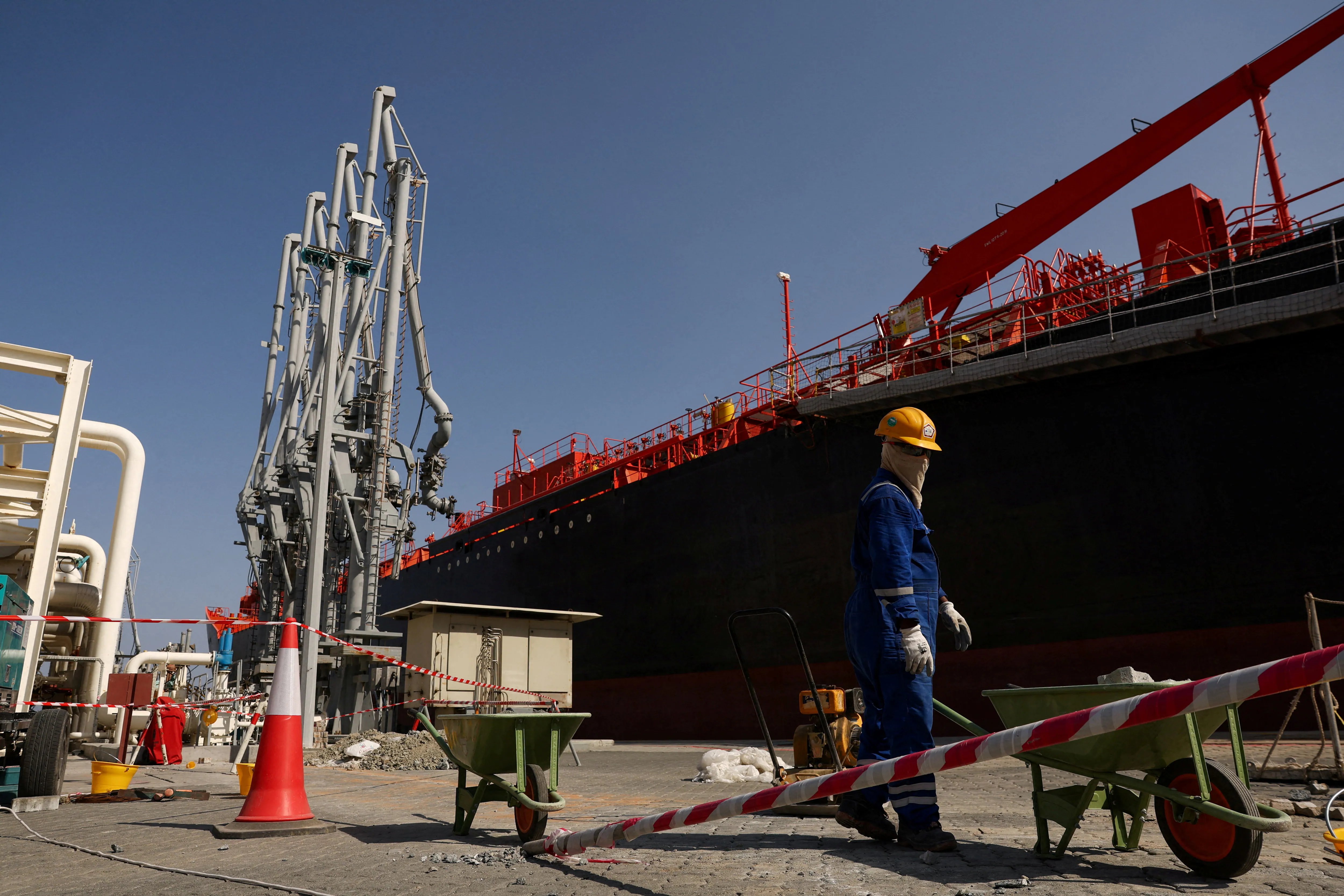
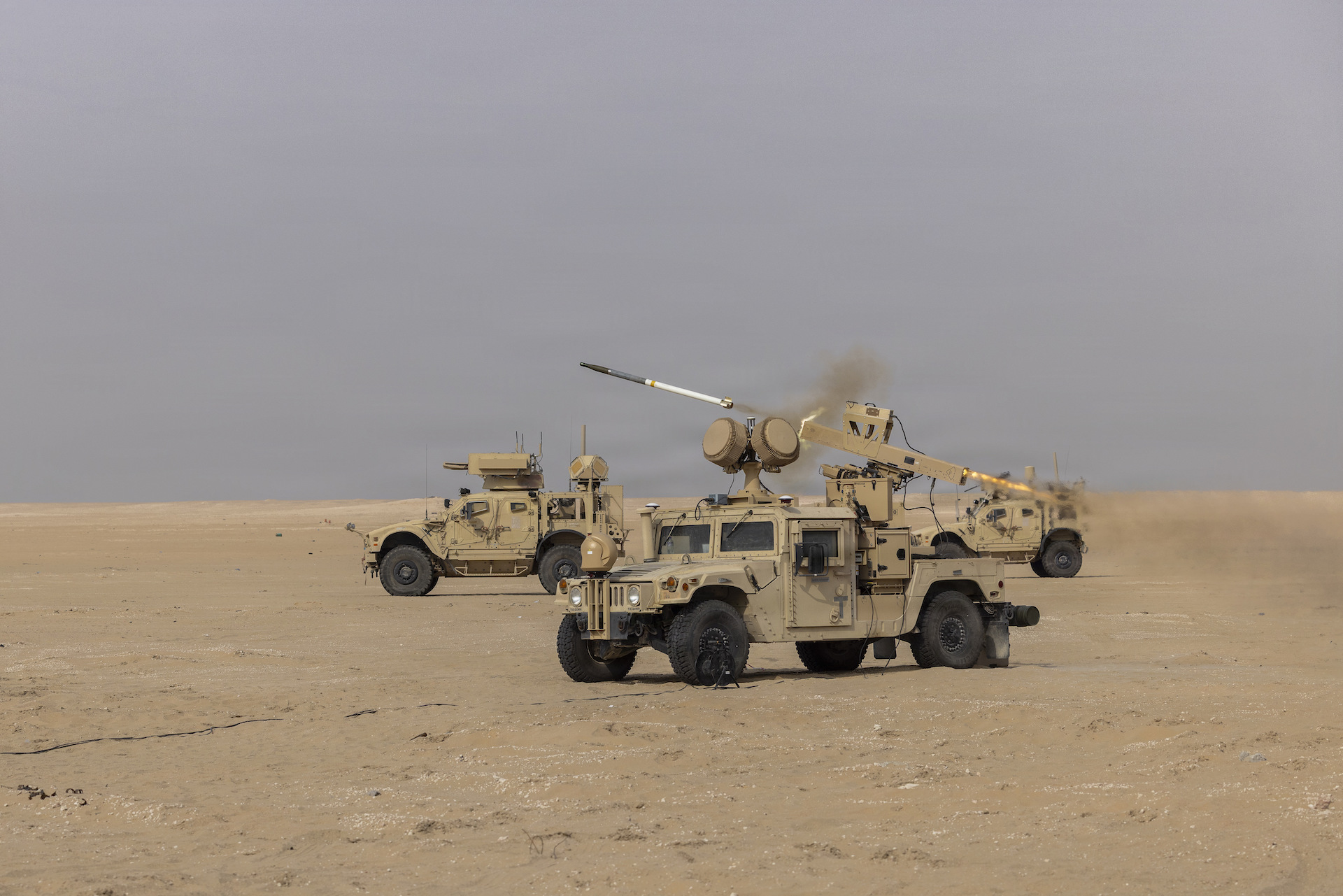
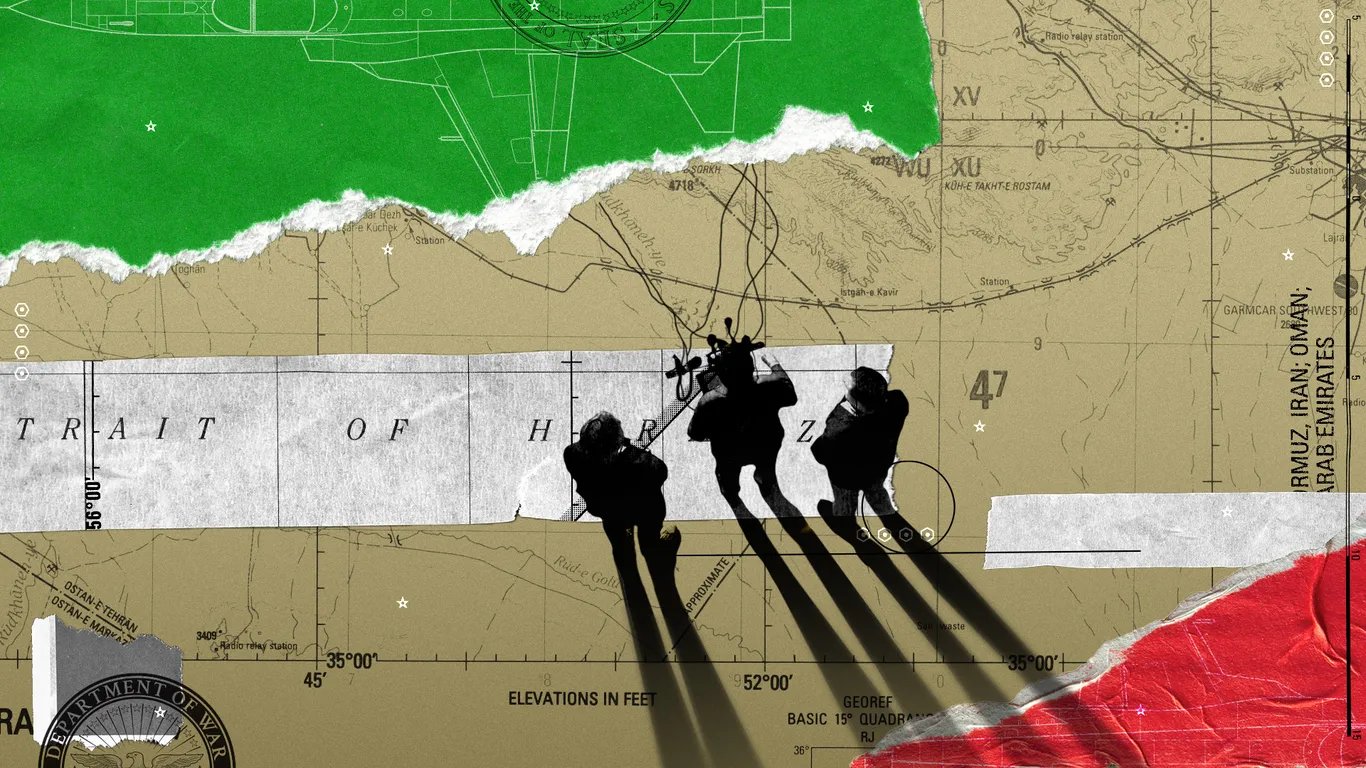
The proposed deal includes the reopening of the Strait of Hormuz, a vital shipping passage. In exchange, the U.S. would lift its blockade on Iranian ports and issue some sanctions waivers to allow Iran to sell oil freely. The U.S. Central Command (Centcom) said it has redirected more than 100 commercial vessels as part of the ongoing naval blockade of Iranian ports in the Strait of Hormuz.
Iranian Confirmation
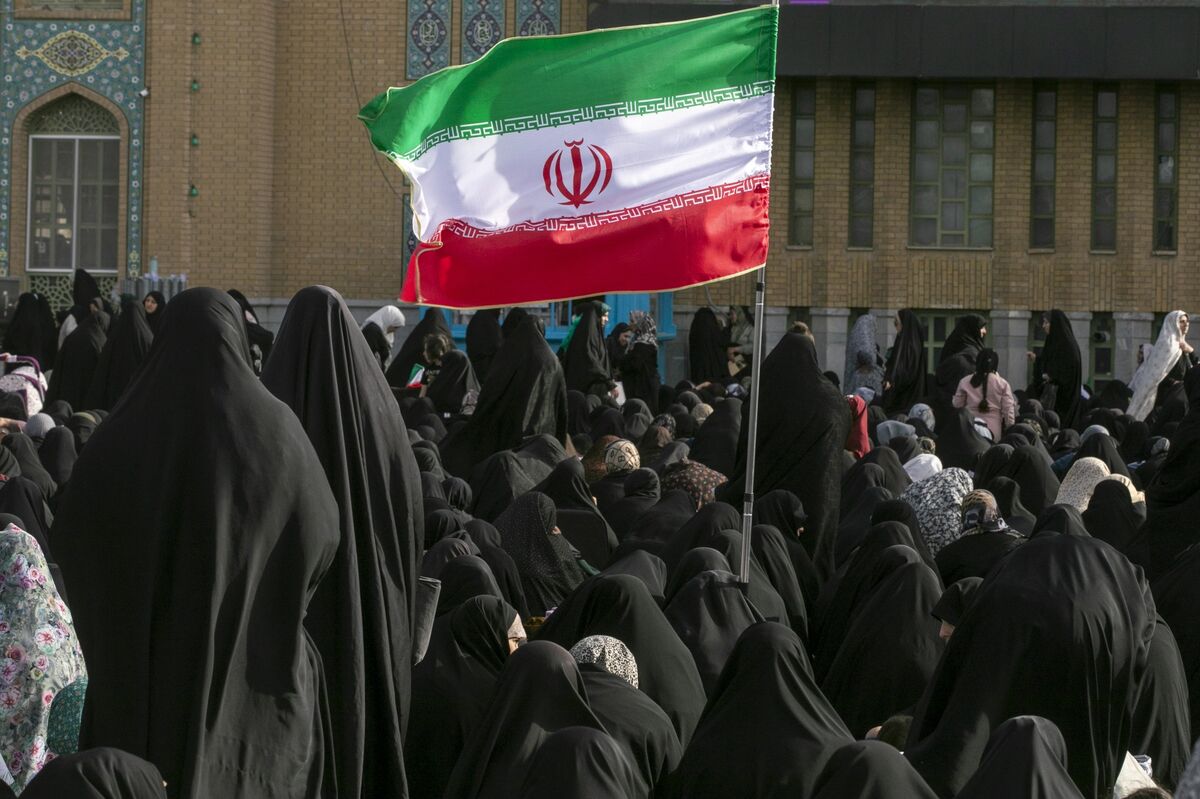
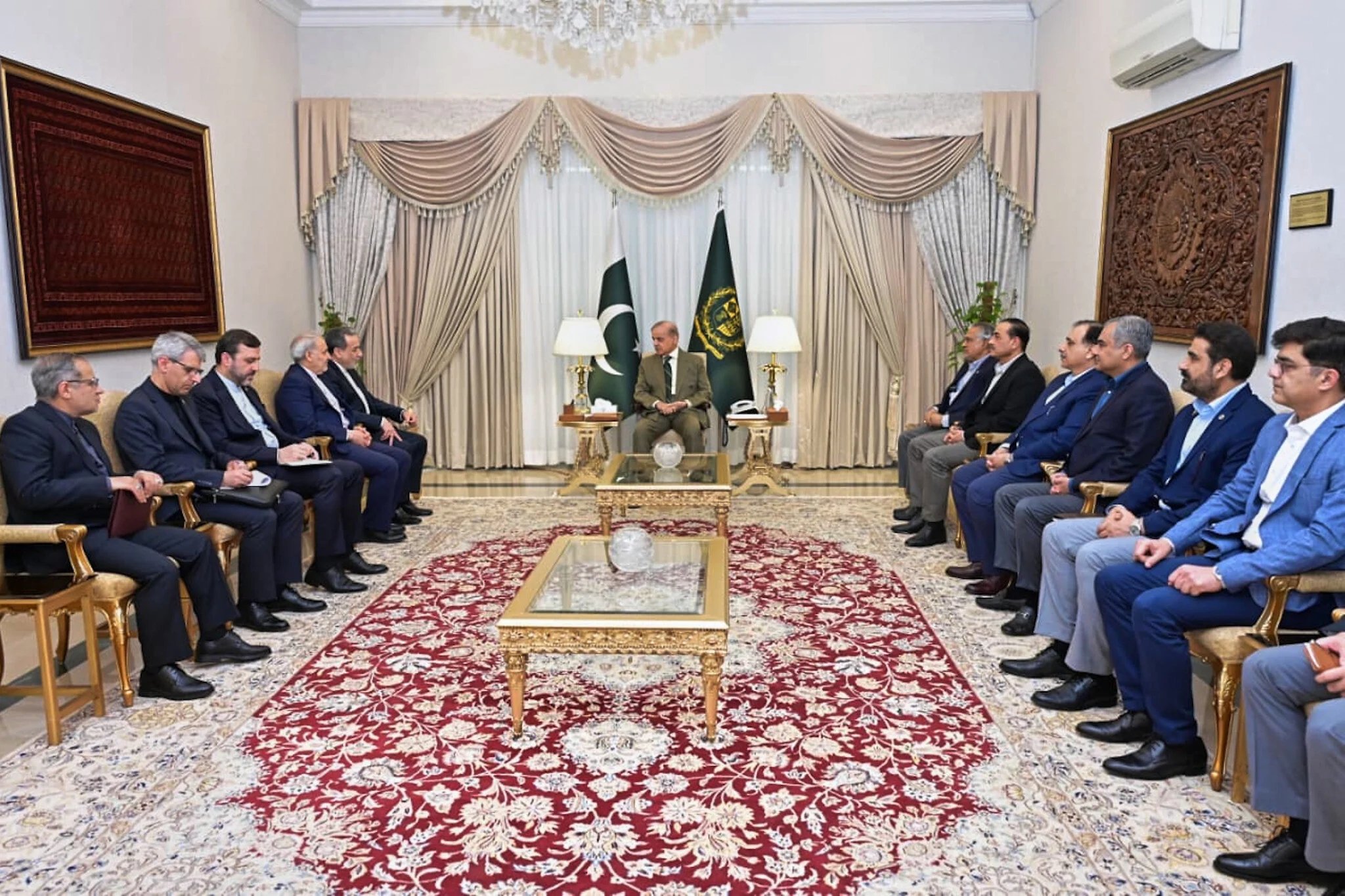
Iran's Foreign Ministry spokesperson Esmail Baghaei described the draft as a "framework agreement" for further talks. Baghaei told IRNA news agency that nuclear issues are not part of current negotiations. Lifting sanctions on Tehran "has explicitly been included in the text and remains our fixed position," according to Baghaei.
The framework envisions a 30-60 day period for detailed discussions to reach a final agreement. The Iranian-backed Hezbollah's Al-Manar TV reported that Abbas Araghchi assured the group that Tehran will not abandon its allies.
Regional Support and Skepticism
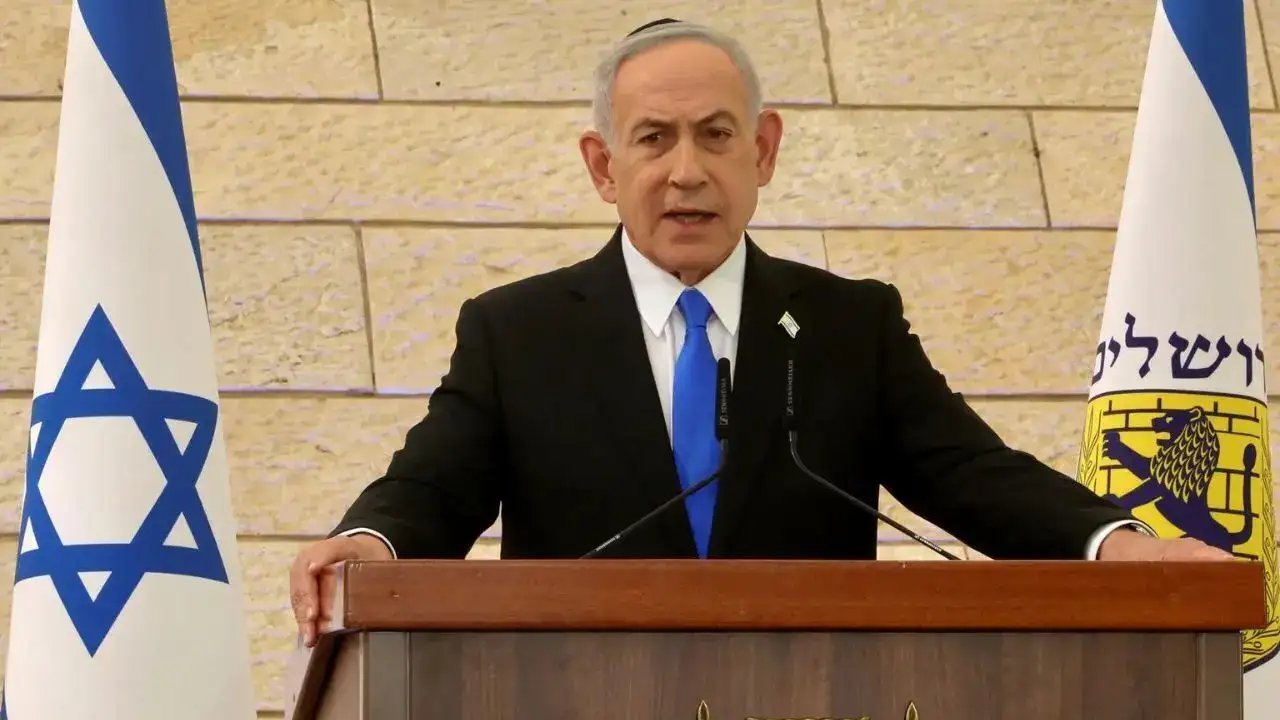
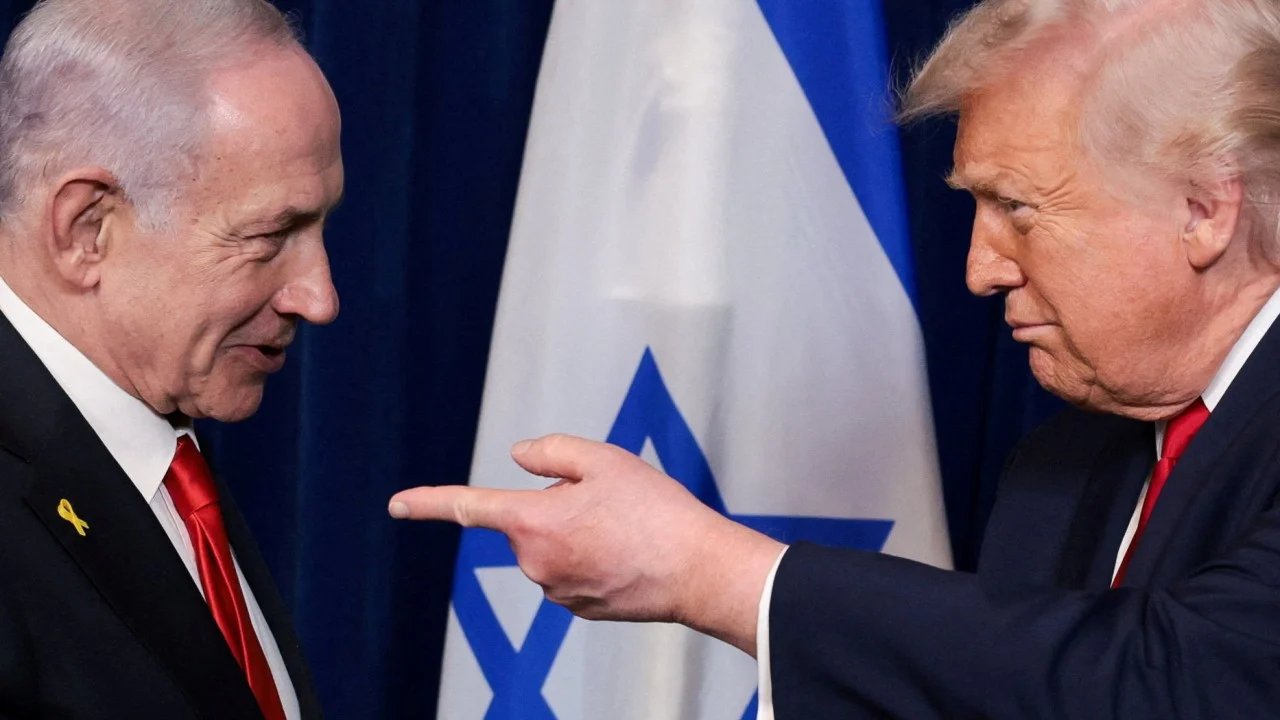
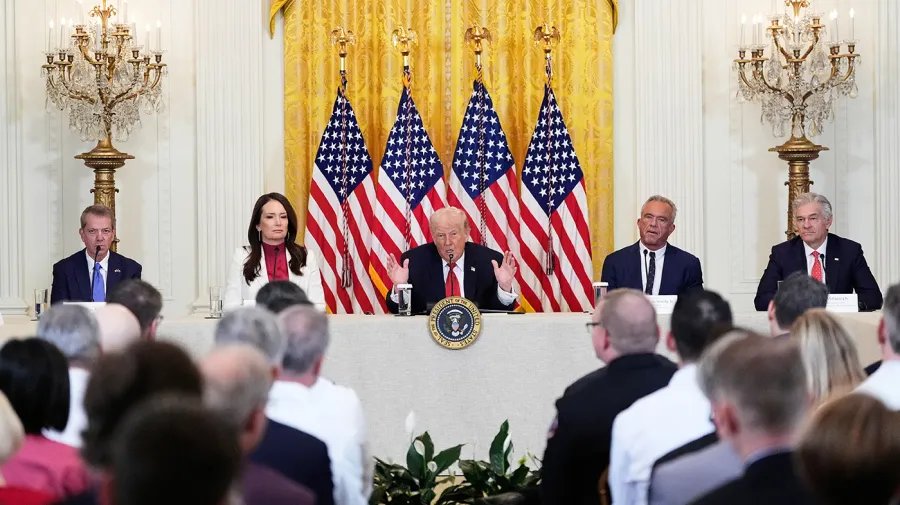
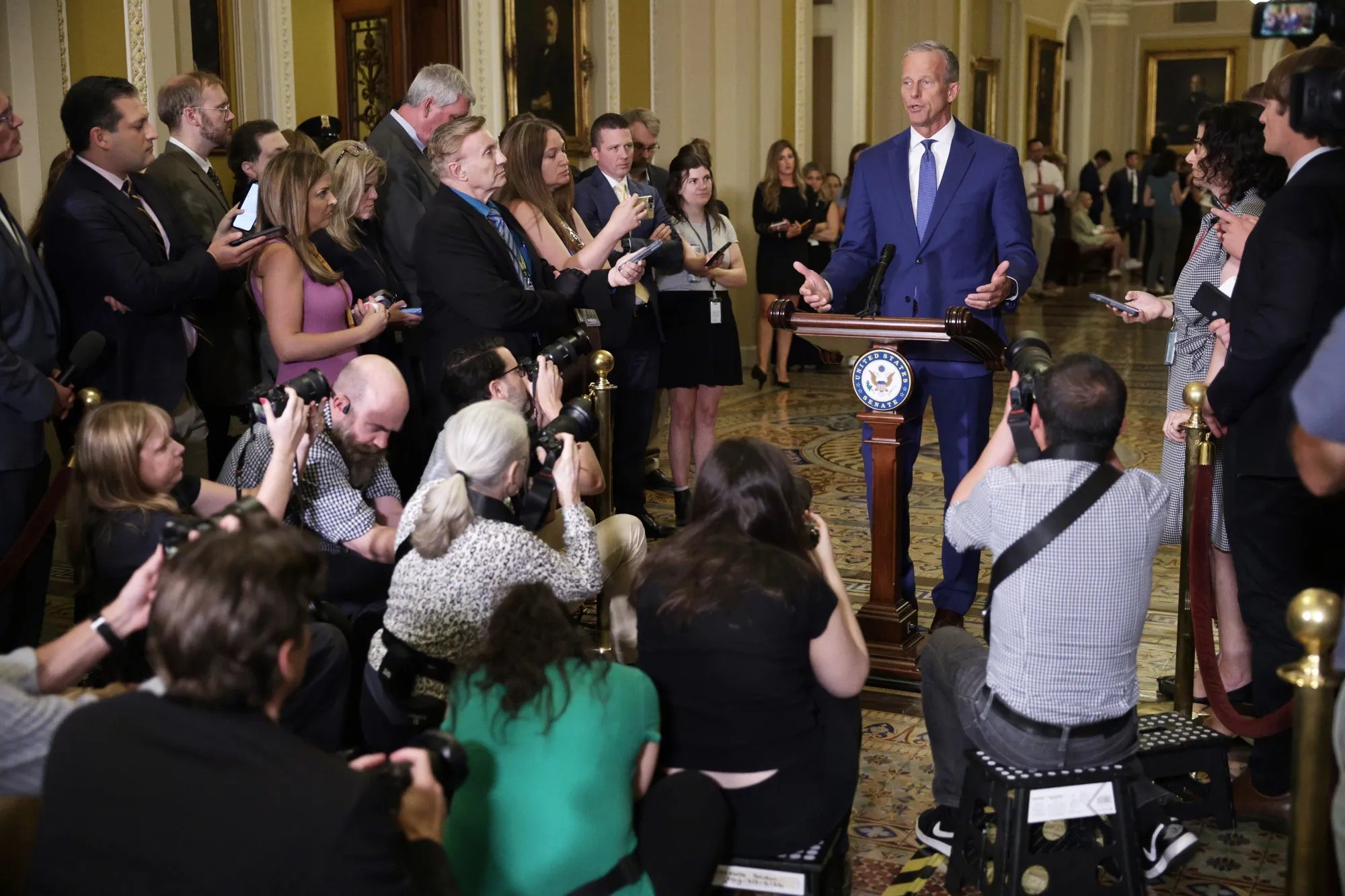
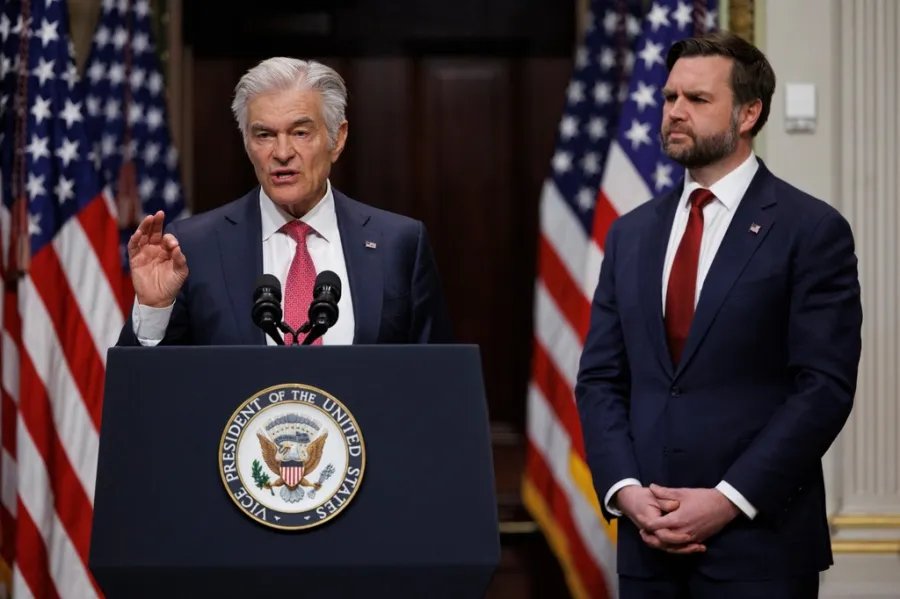
Trump said he spoke with leaders from Saudi Arabia, the United Arab Emirates, Qatar, Pakistan, Turkey, Egypt, Jordan, and Bahrain, and separately with Israeli Prime Minister Benjamin Netanyahu. According to a regional source, the leaders urged Trump to take the deal, saying, "Please stop the war for the benefit of the whole region." Two regional diplomats with knowledge of the talks confirmed that Vice President JD Vance and Steve Witkoff were also on the call.
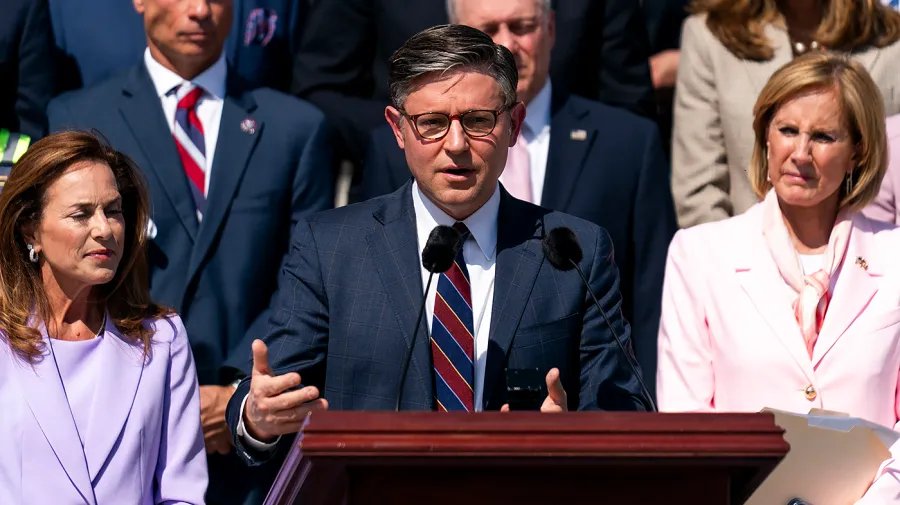
Netanyahu expressed concerns about the deal during his call with Trump, according to an Israeli official. Republican Senators Lindsey Graham and Roger Wicker have voiced opposition to the emerging agreement. Wicker referred to a potential deal with Iran as "a disaster."
Nuclear Program
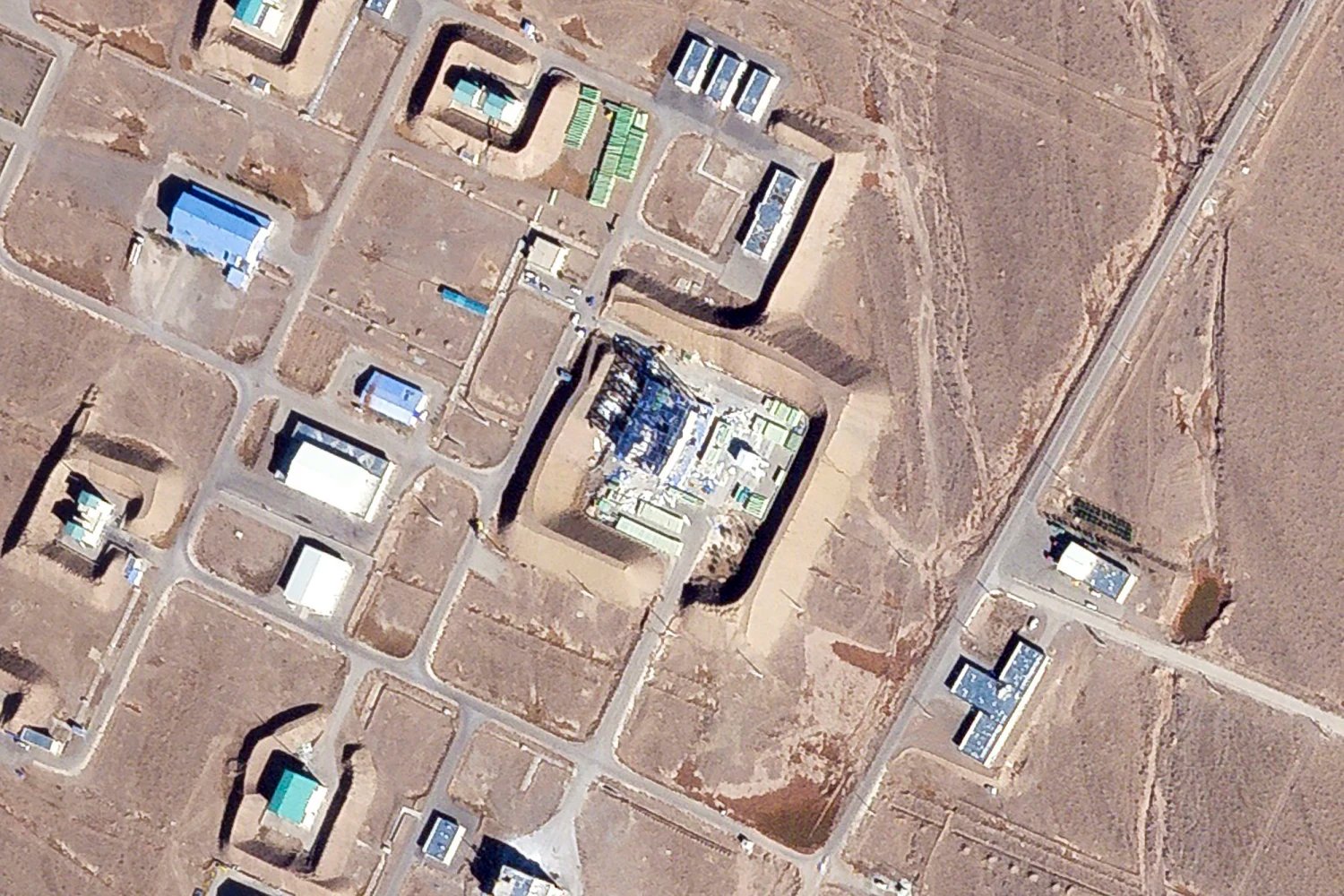
The draft memorandum of understanding includes commitments from Iran to never pursue nuclear weapons and to negotiate over a suspension of its uranium enrichment program and the removal of its stockpile of highly enriched uranium, according to a U.S. official. Iran has reportedly agreed in principle to surrender its enriched uranium stockpile to the US as part of a peace deal. Secretary of State Marco Rubio stressed that the U.S. position is that Iran cannot have a nuclear weapon.
Looming Deadlines
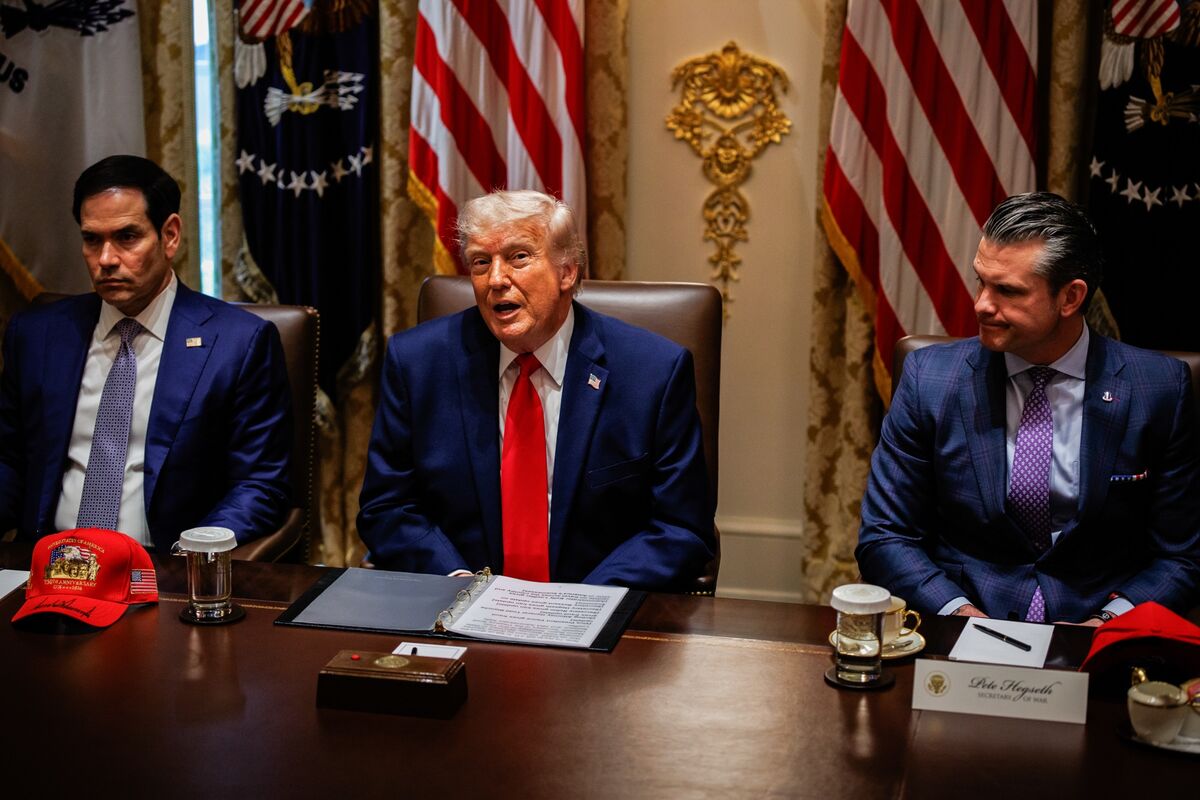
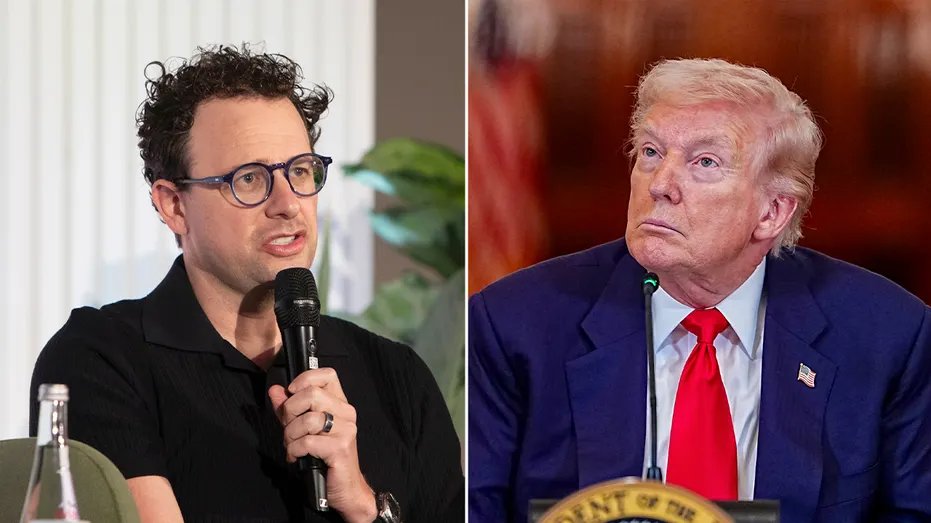
Trump told Axios there was a "50/50" chance of making a "good" deal or else "blow them to kingdom come." He said he would meet with Steve Witkoff and Jared Kushner to discuss Iran's latest response and would likely decide by Sunday whether to resume the war. The conflict has cost U.S. taxpayers over $25 billion, according to Pentagon estimates.
If the deal collapses, Secretary of State Marco Rubio said the U.S. and its partners must "have a Plan B" if Iran refuses to reopen the Strait of Hormuz.



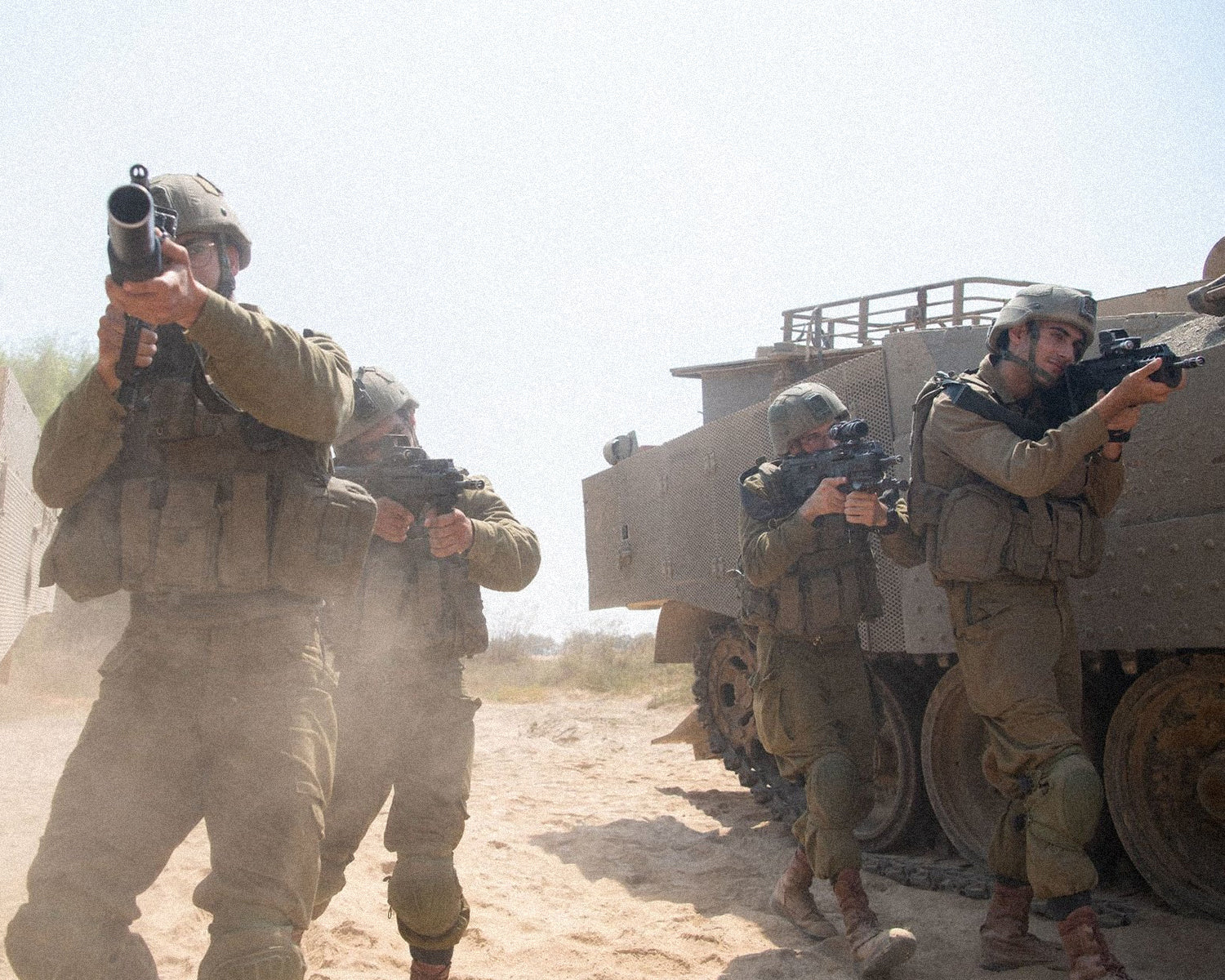















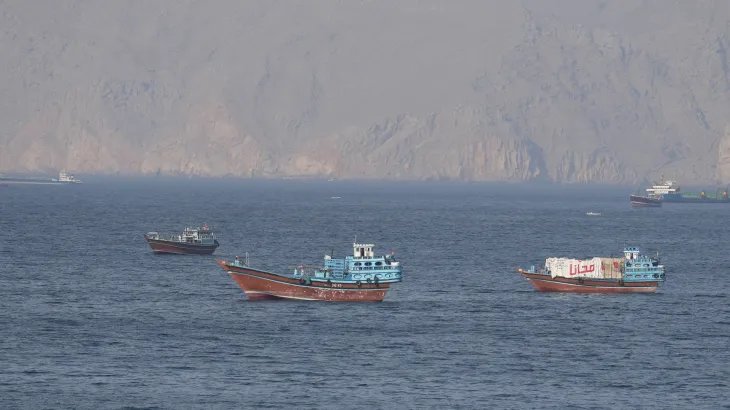



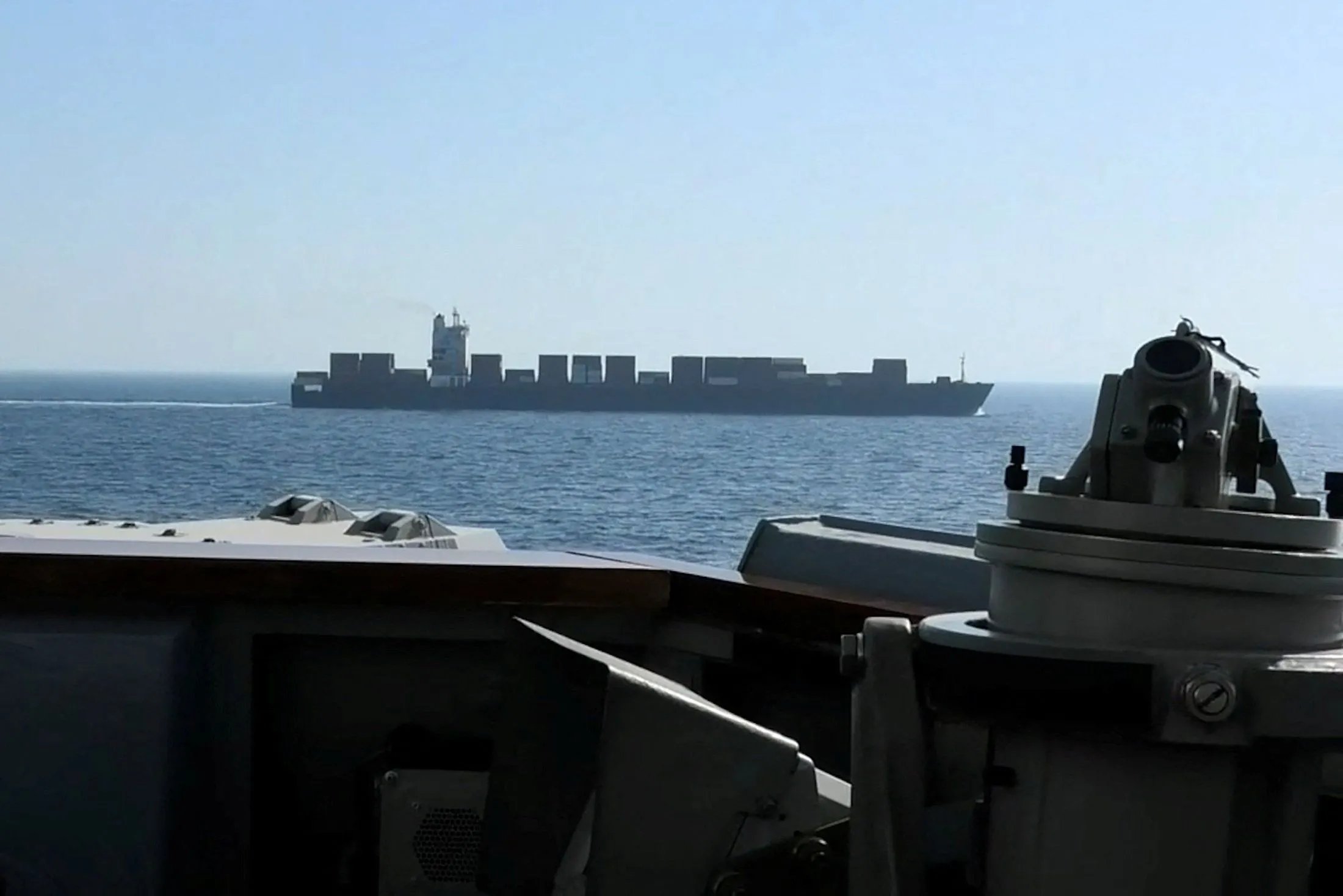

















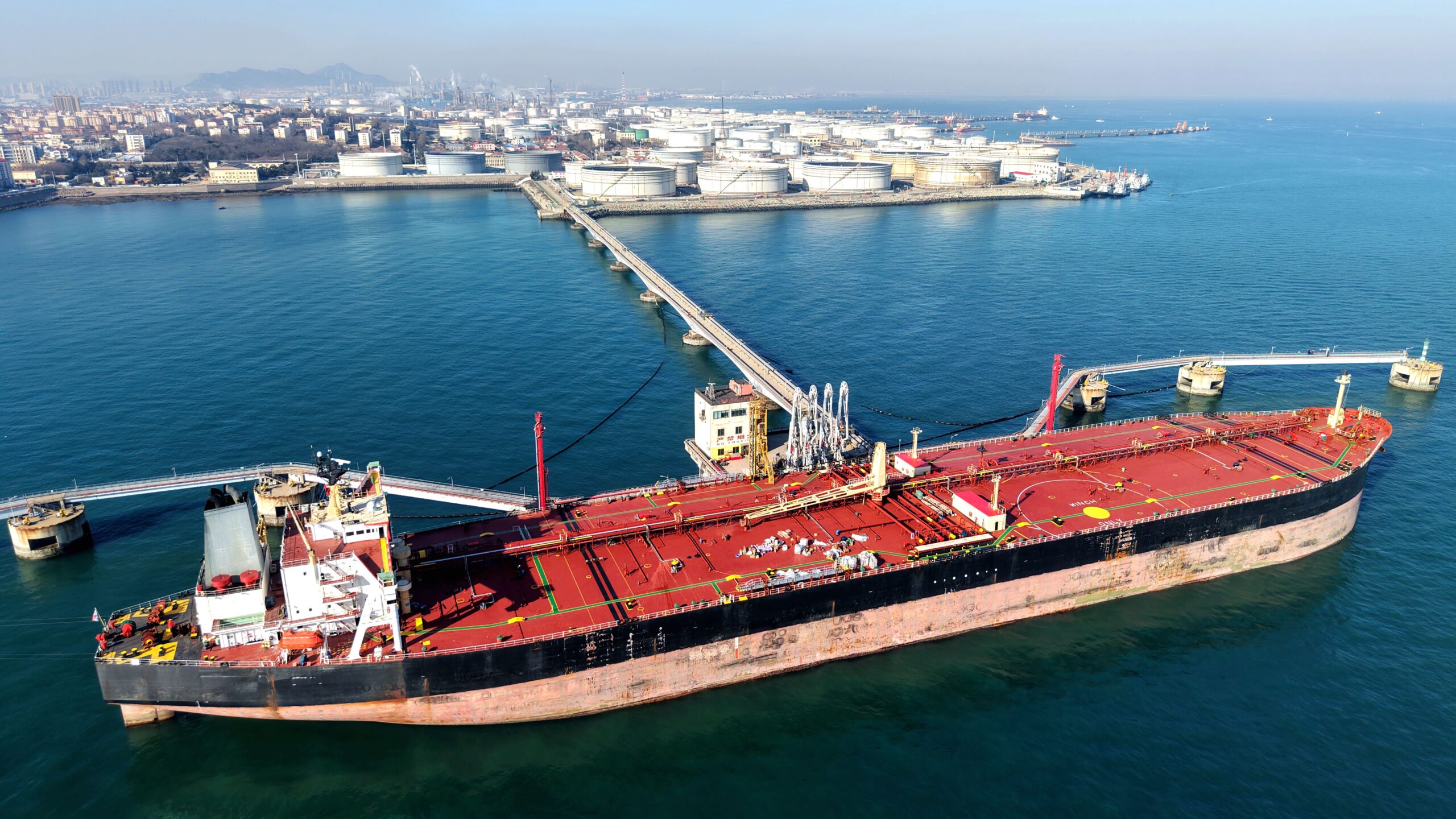















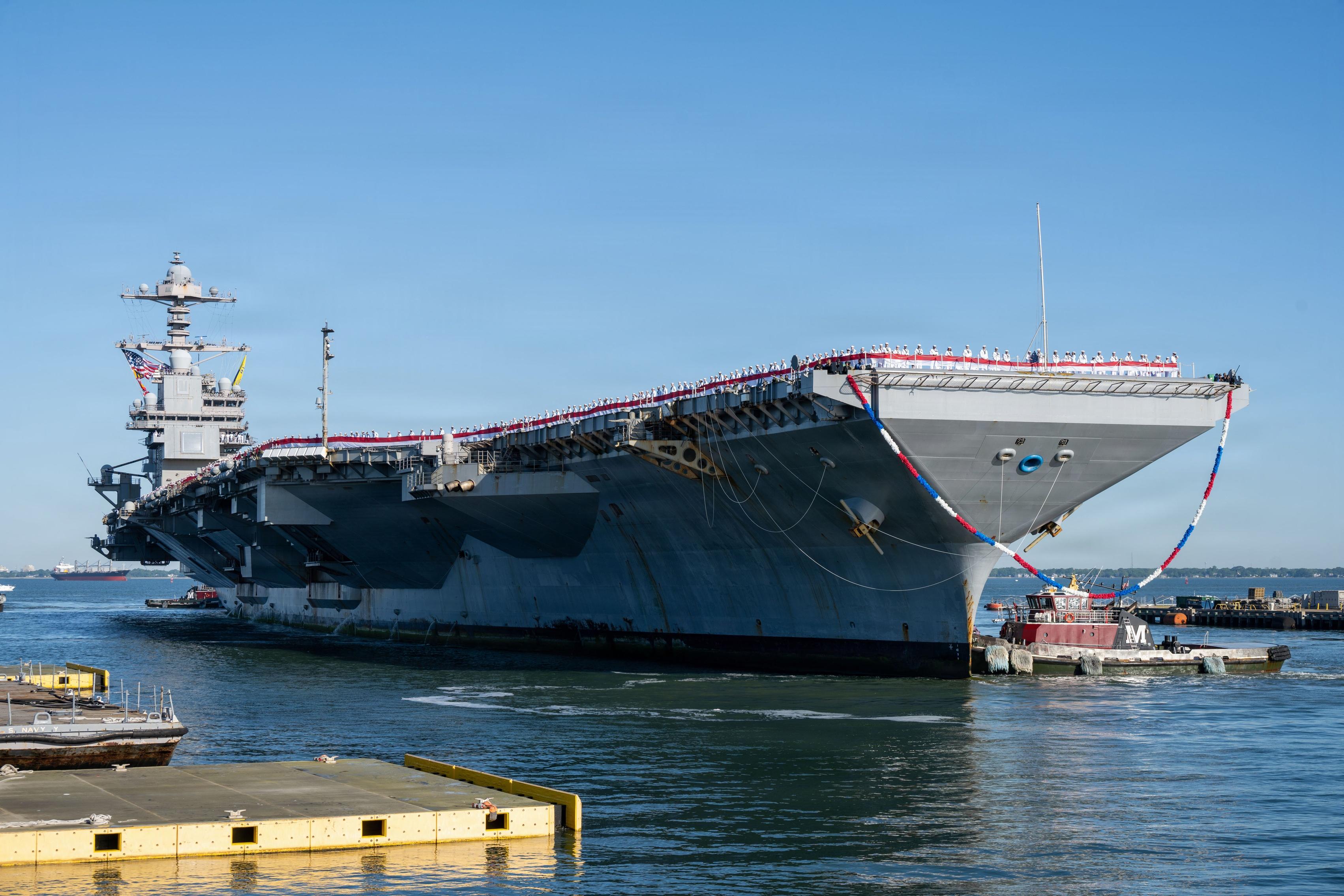







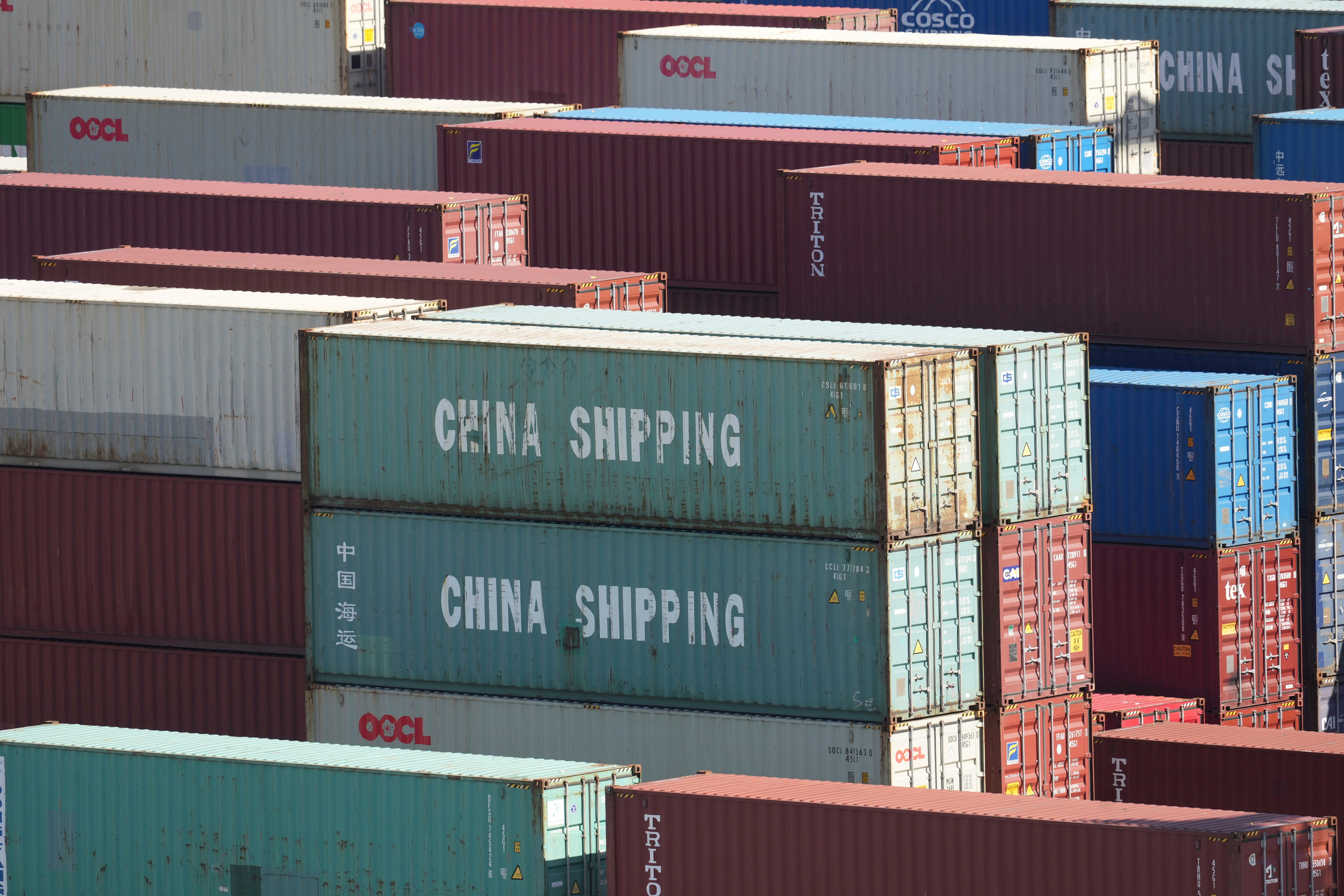



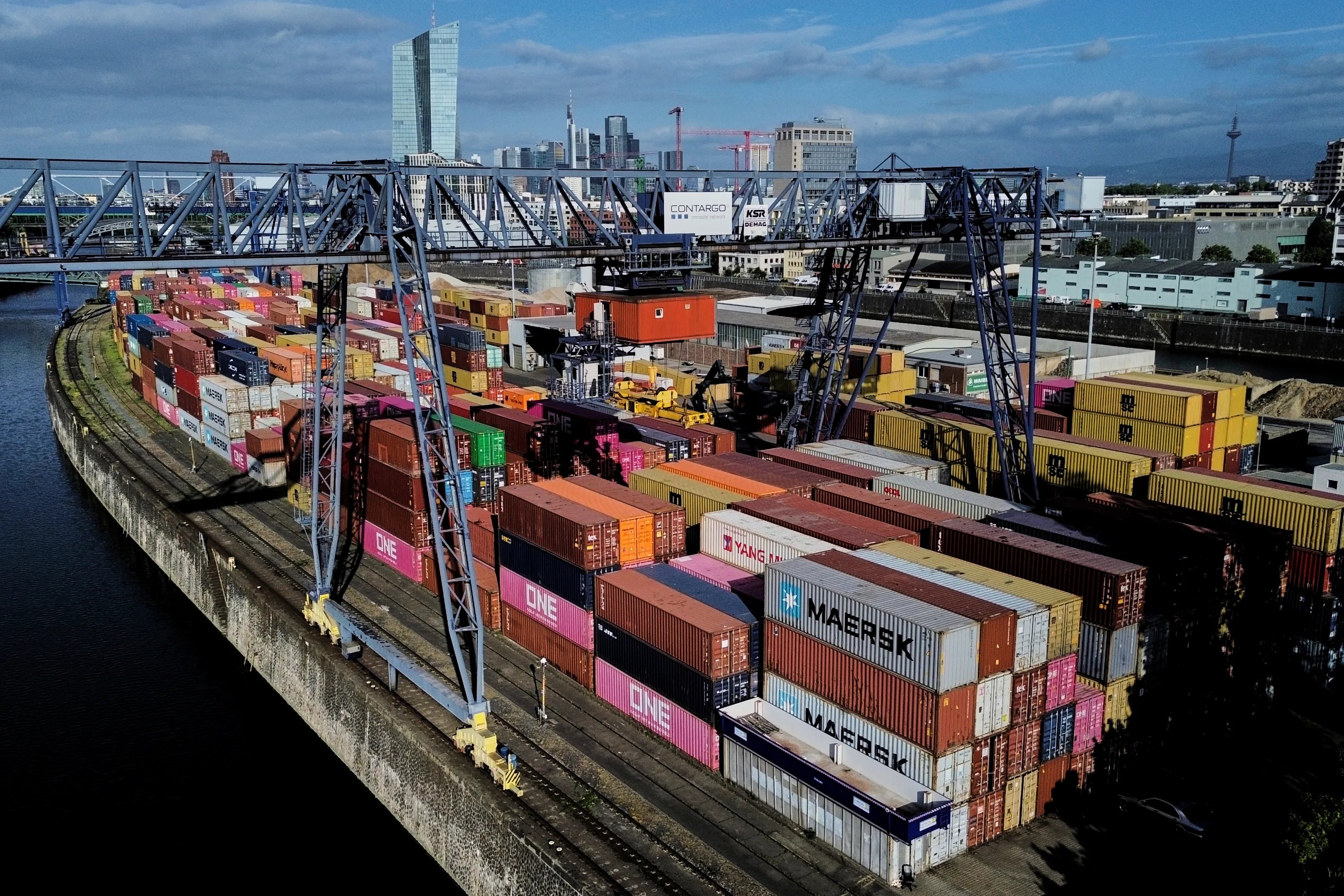











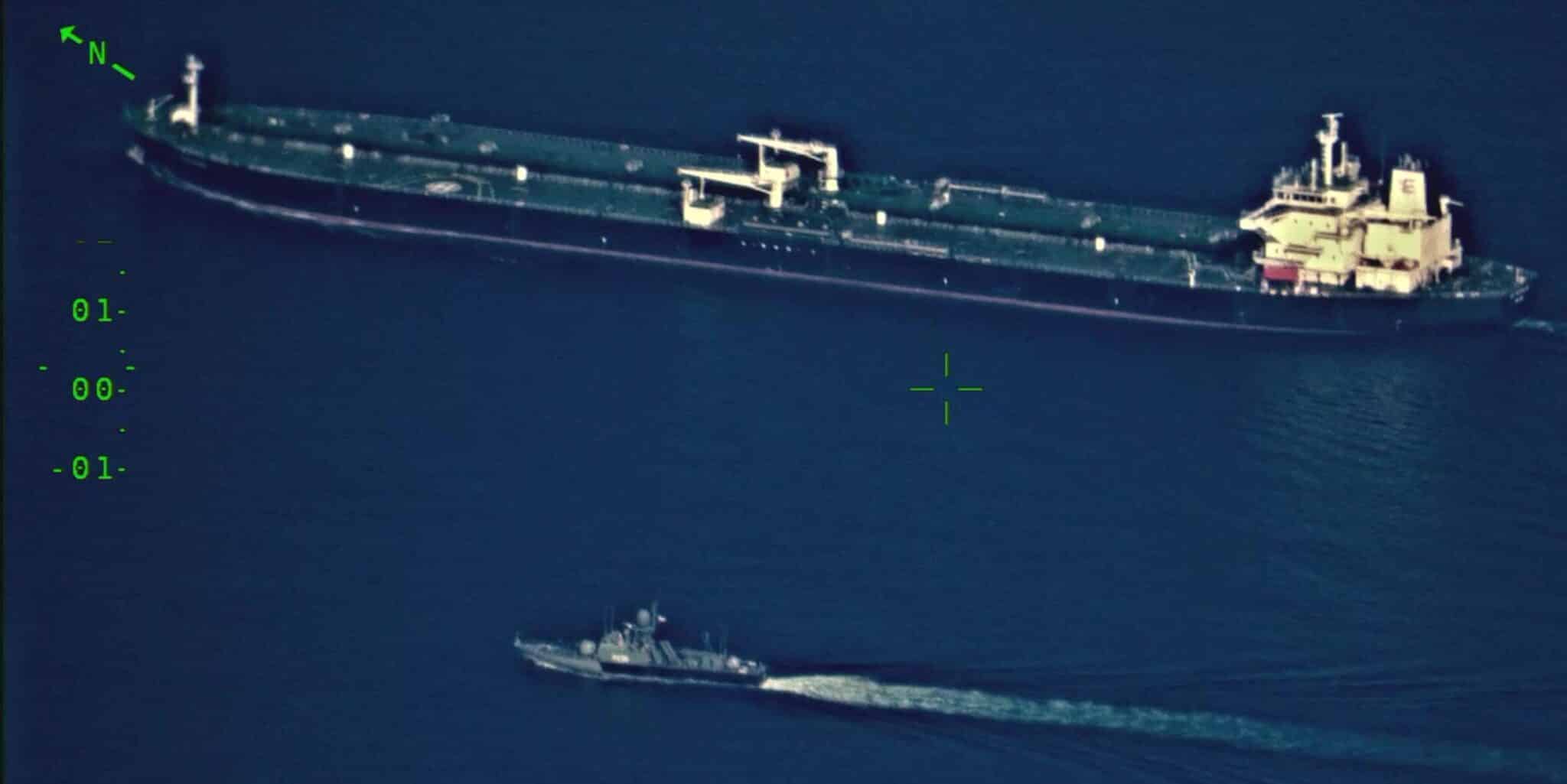






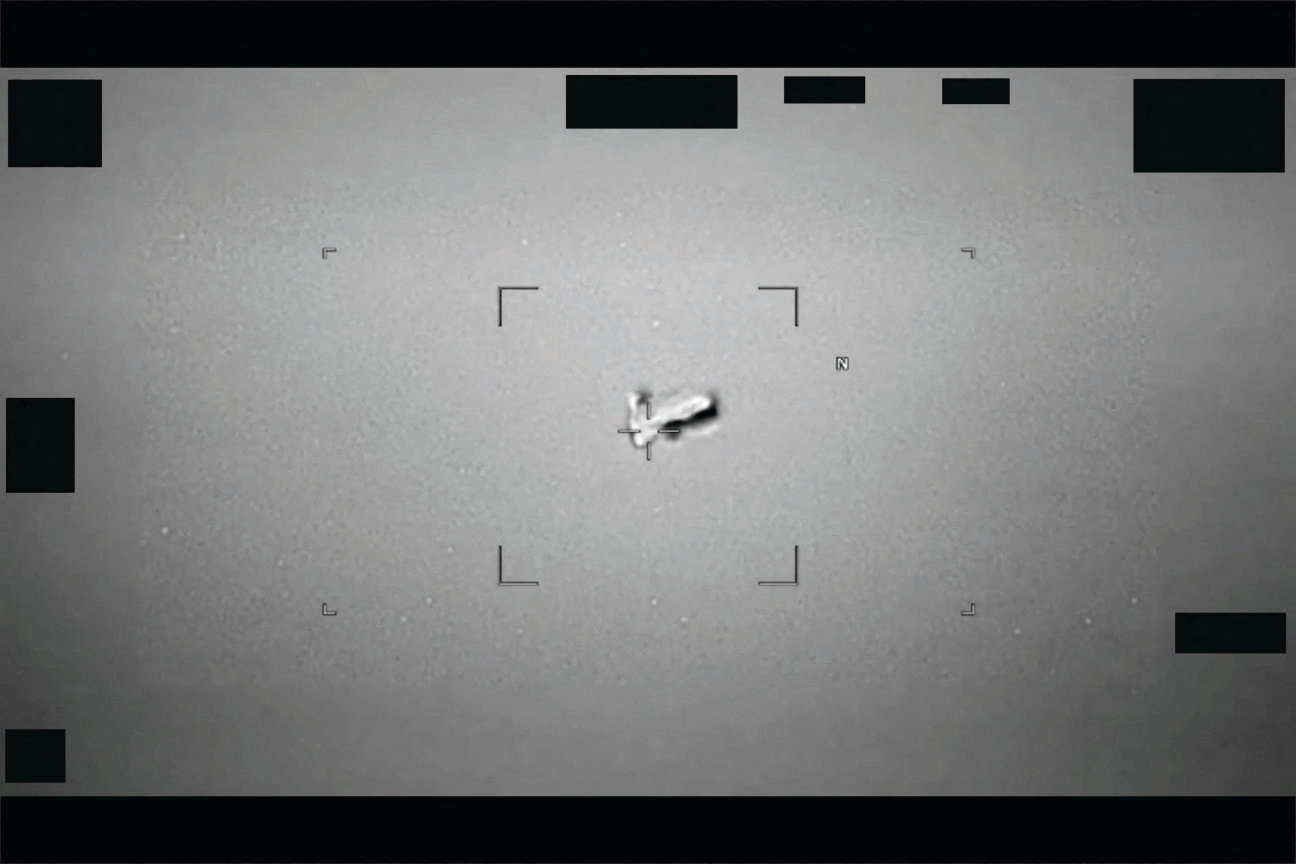

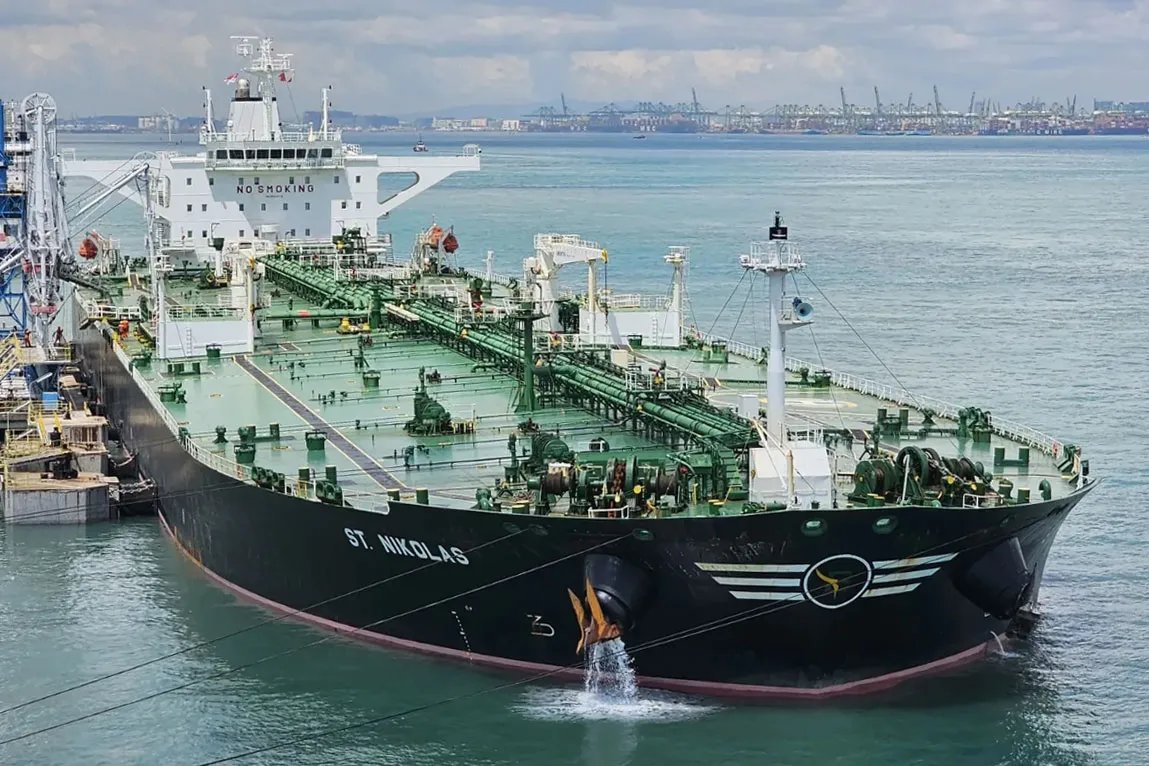







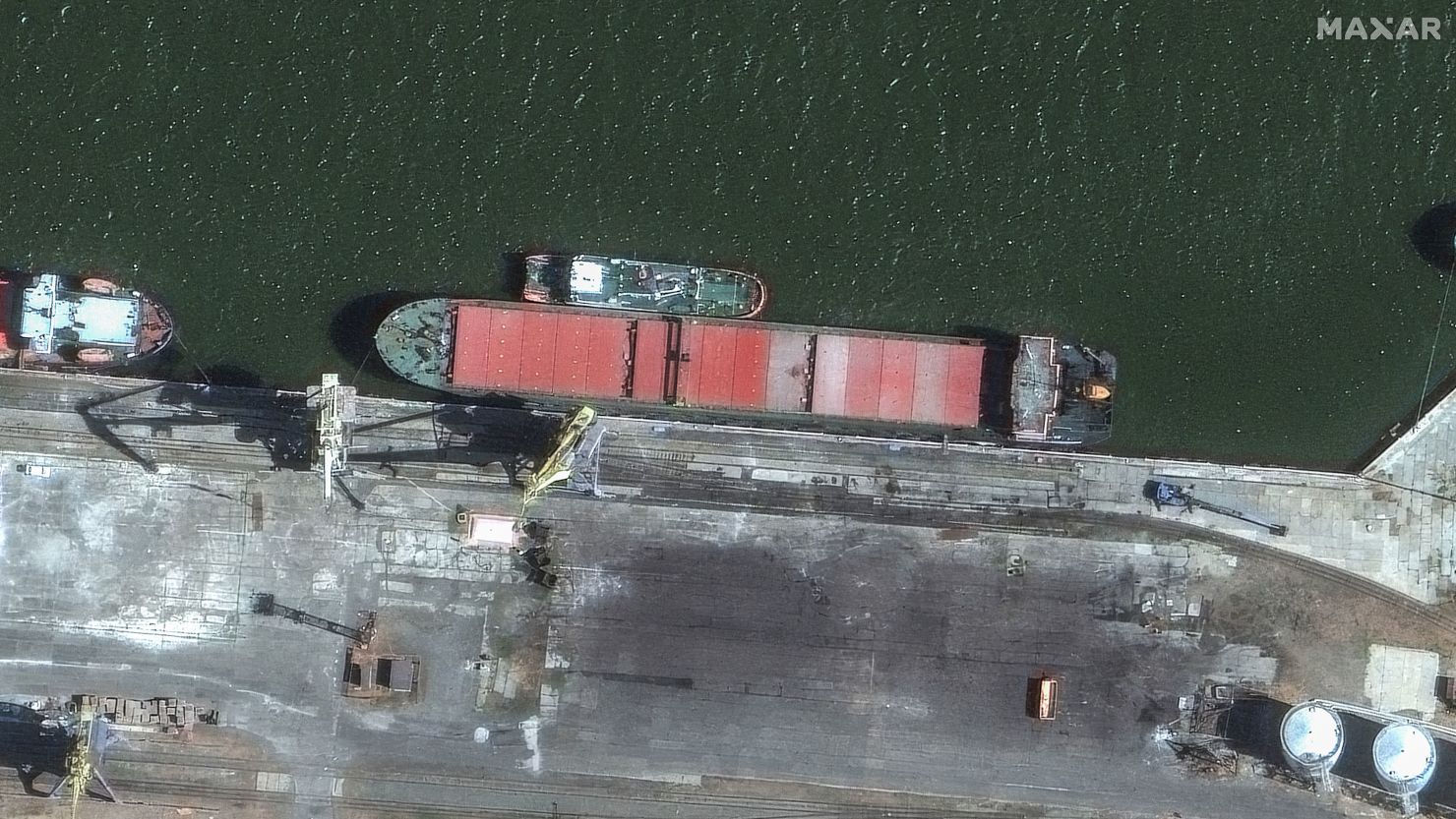














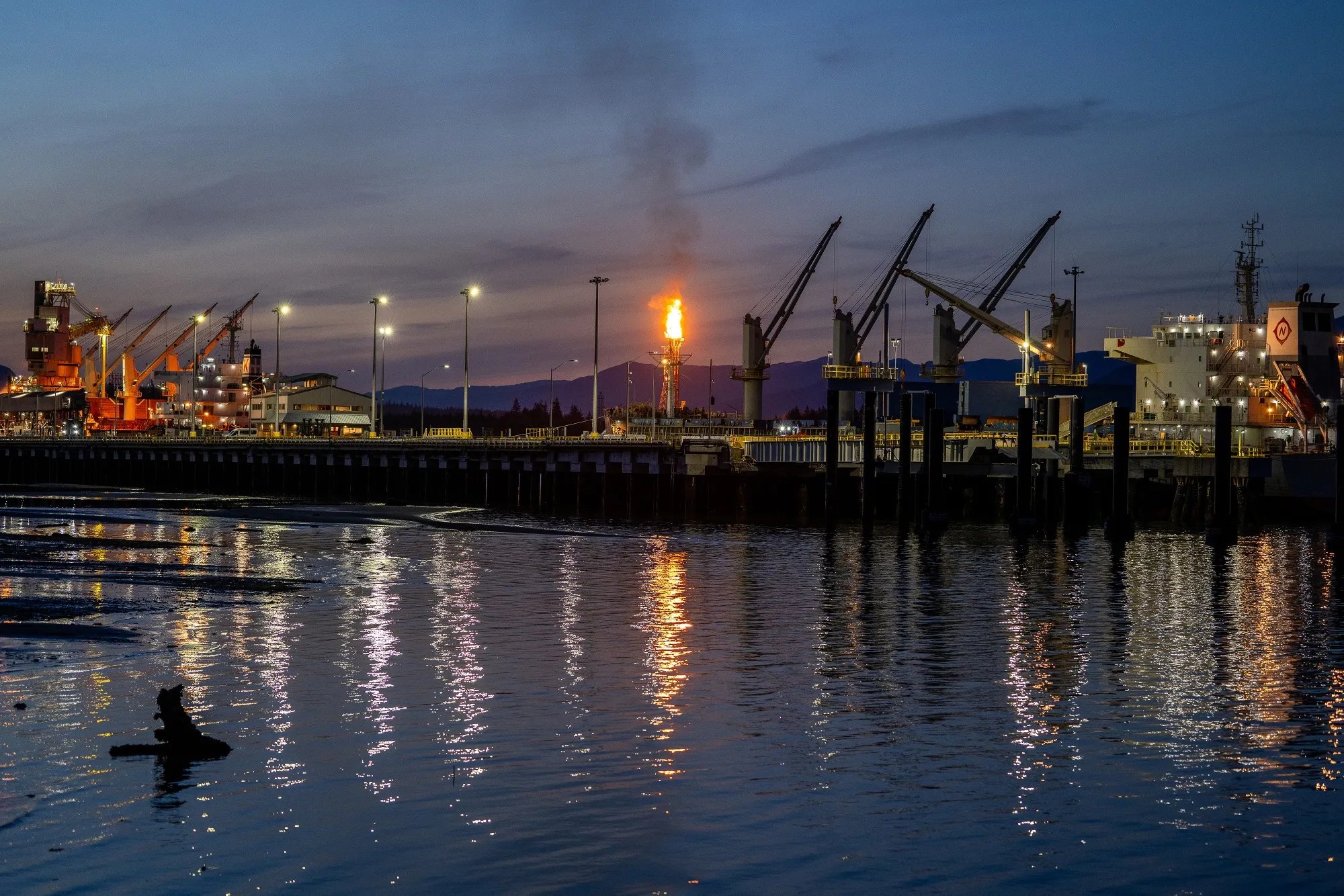



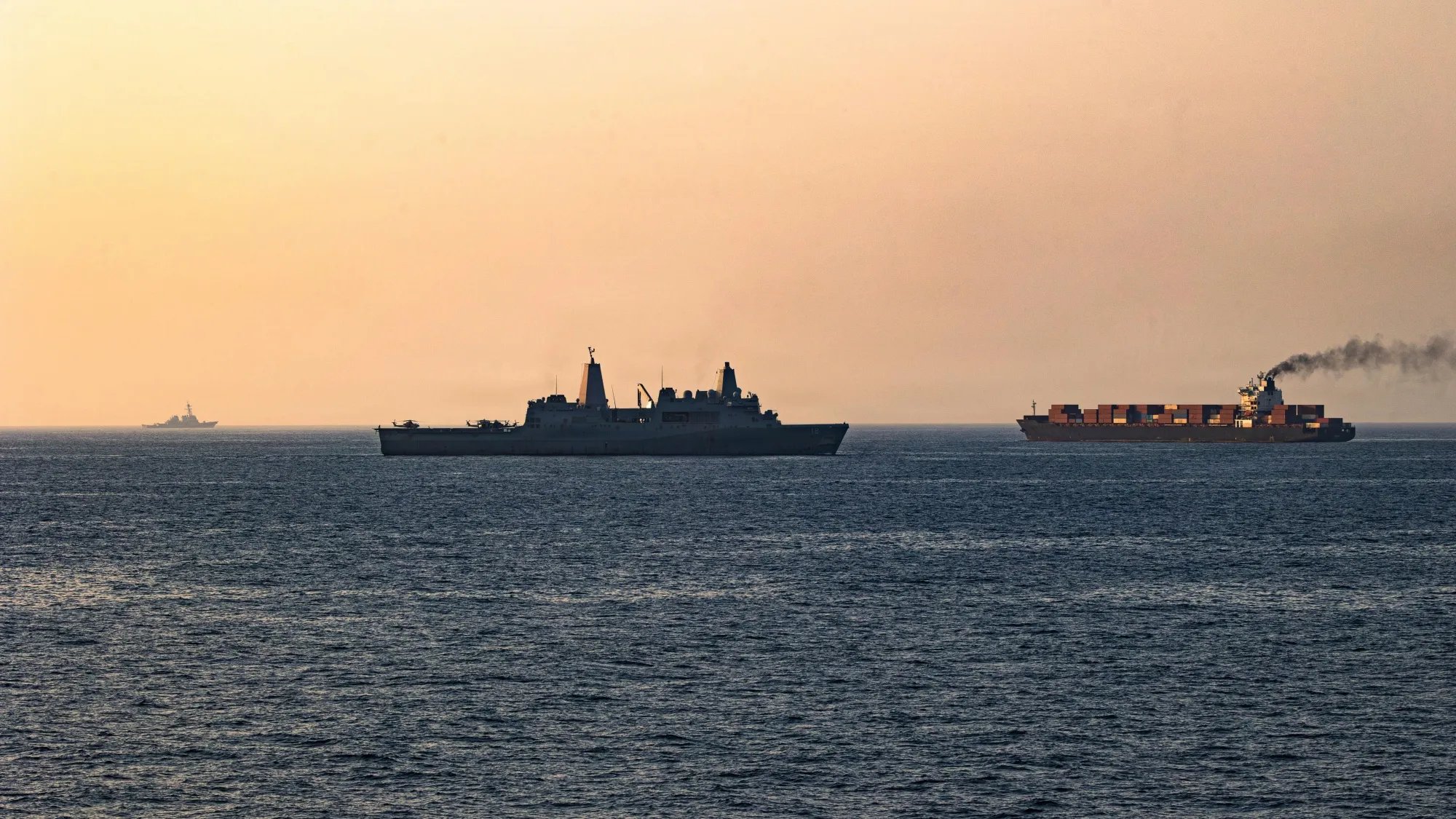









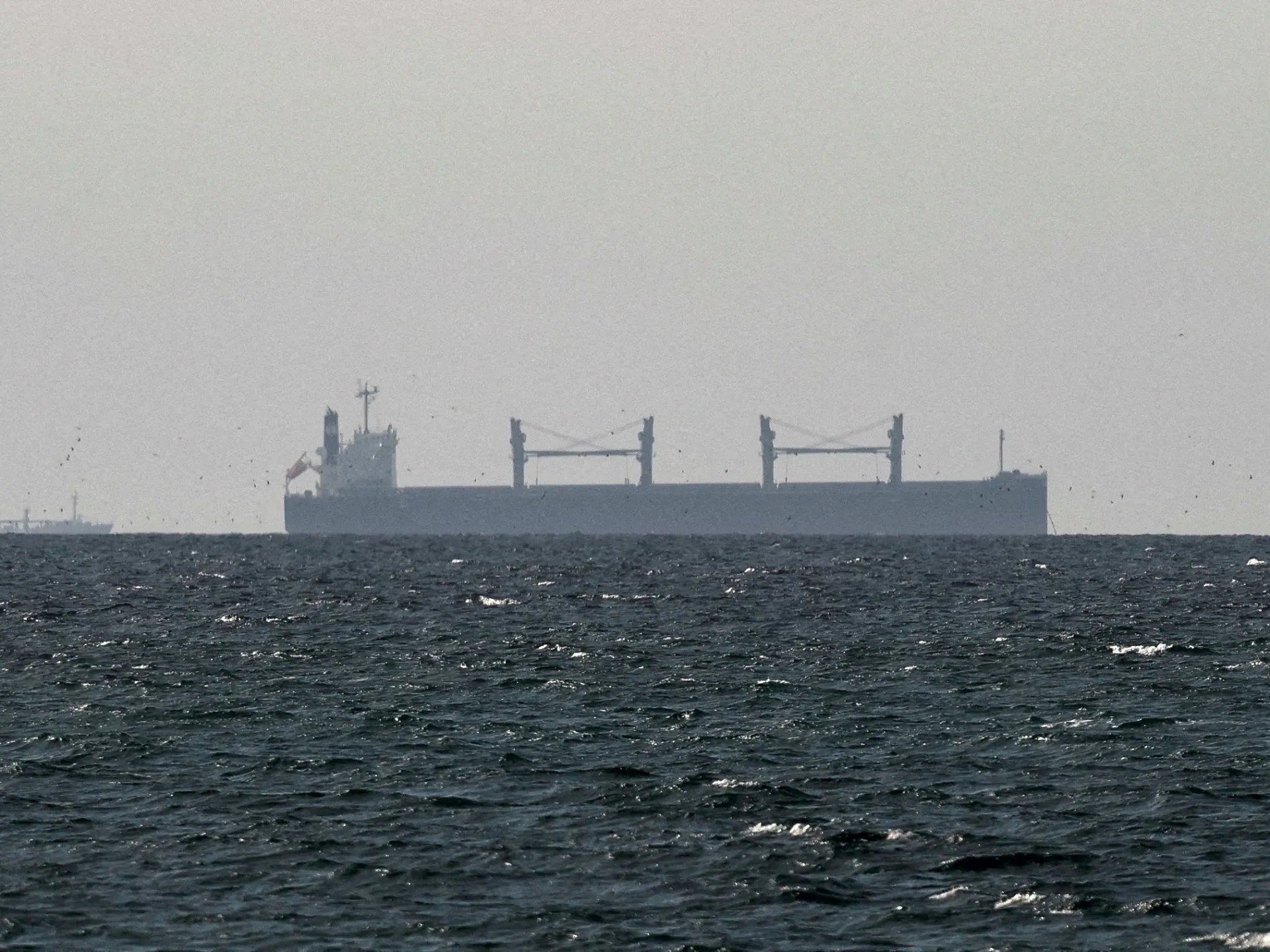
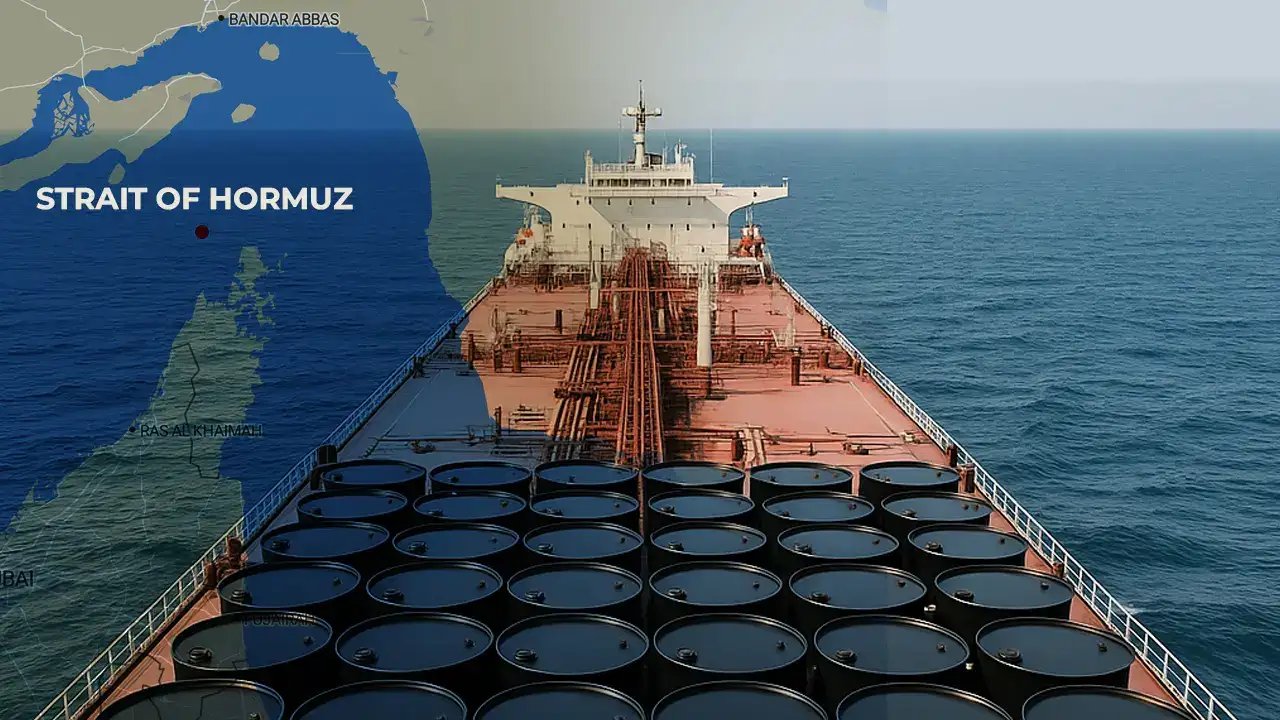




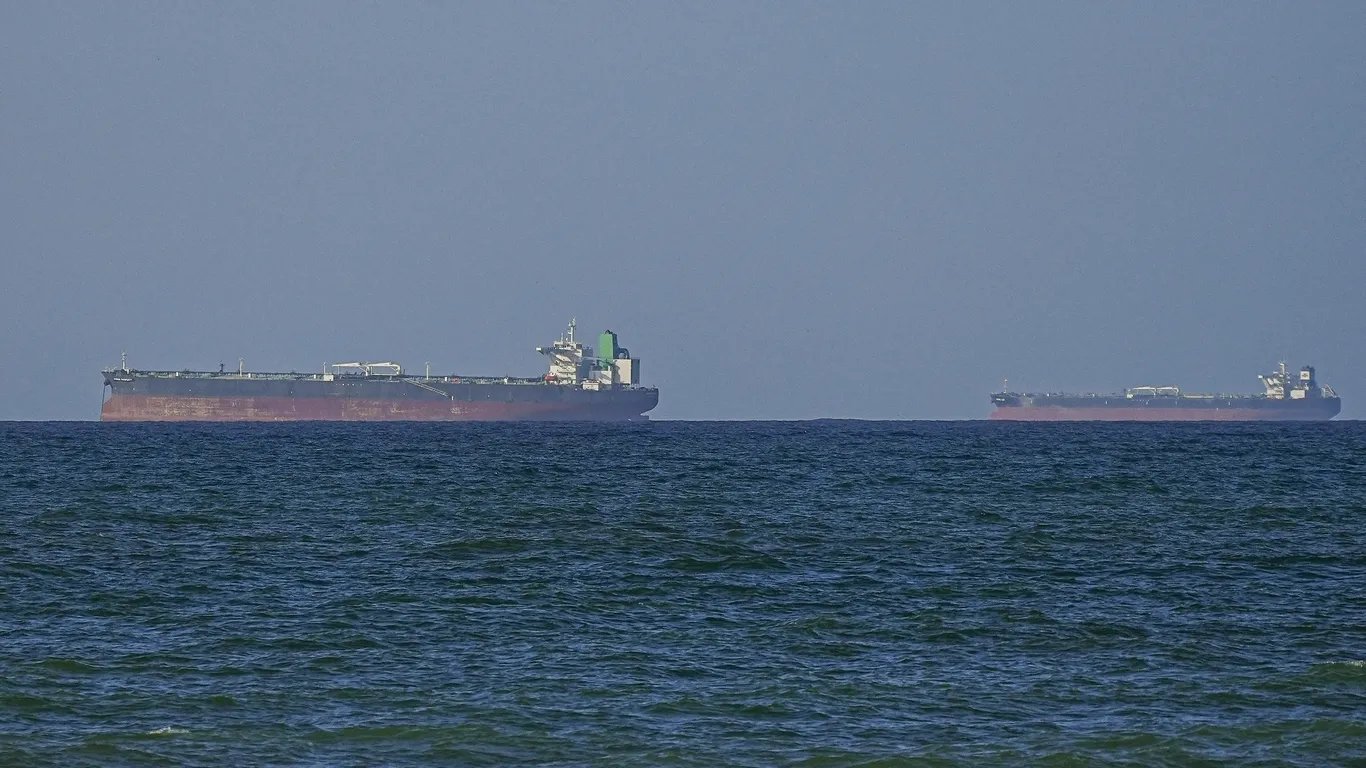

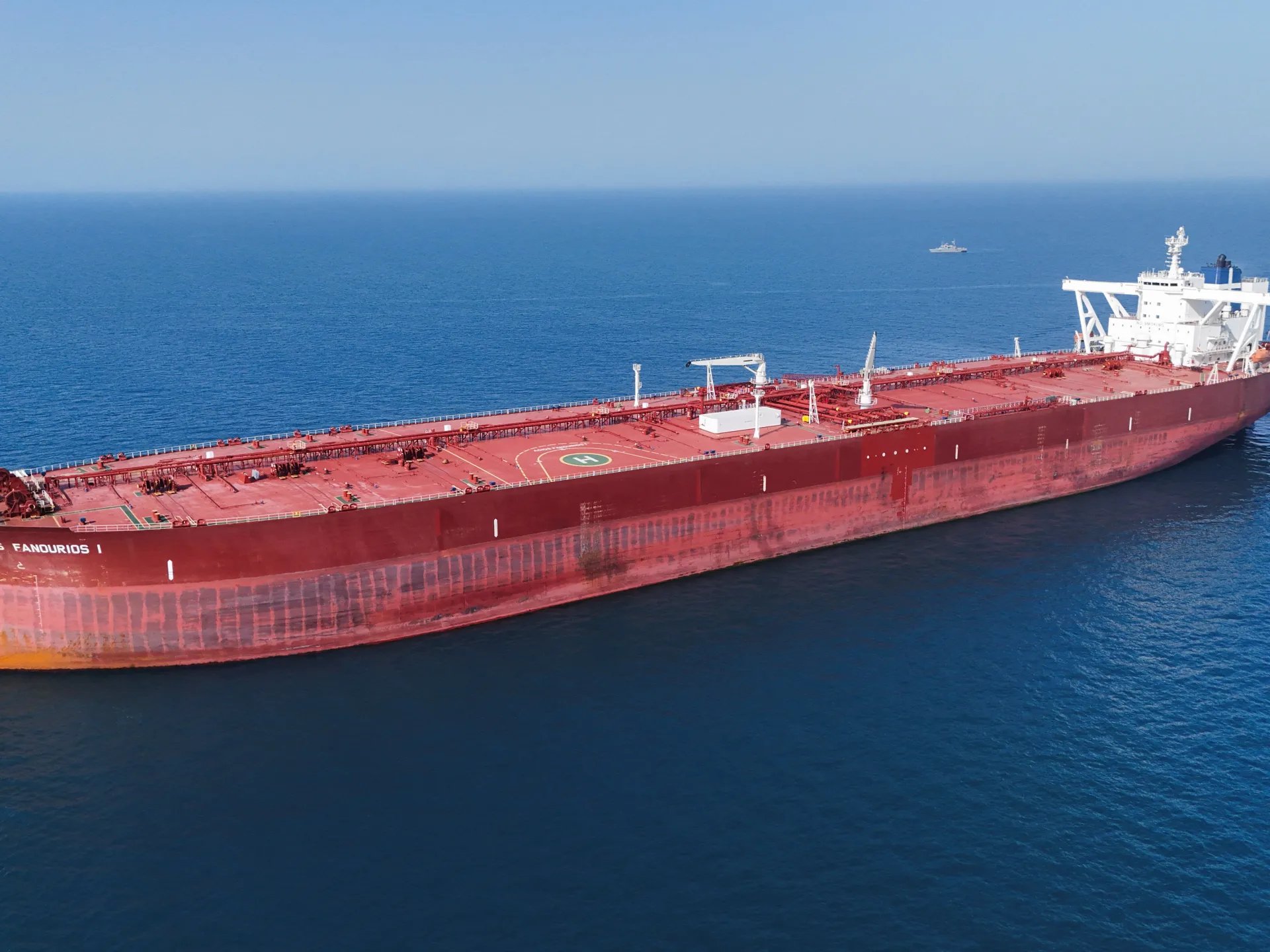



The sources also report that U.S. Central Command has redirected 100 commercial vessels as part of its blockade against Iran.