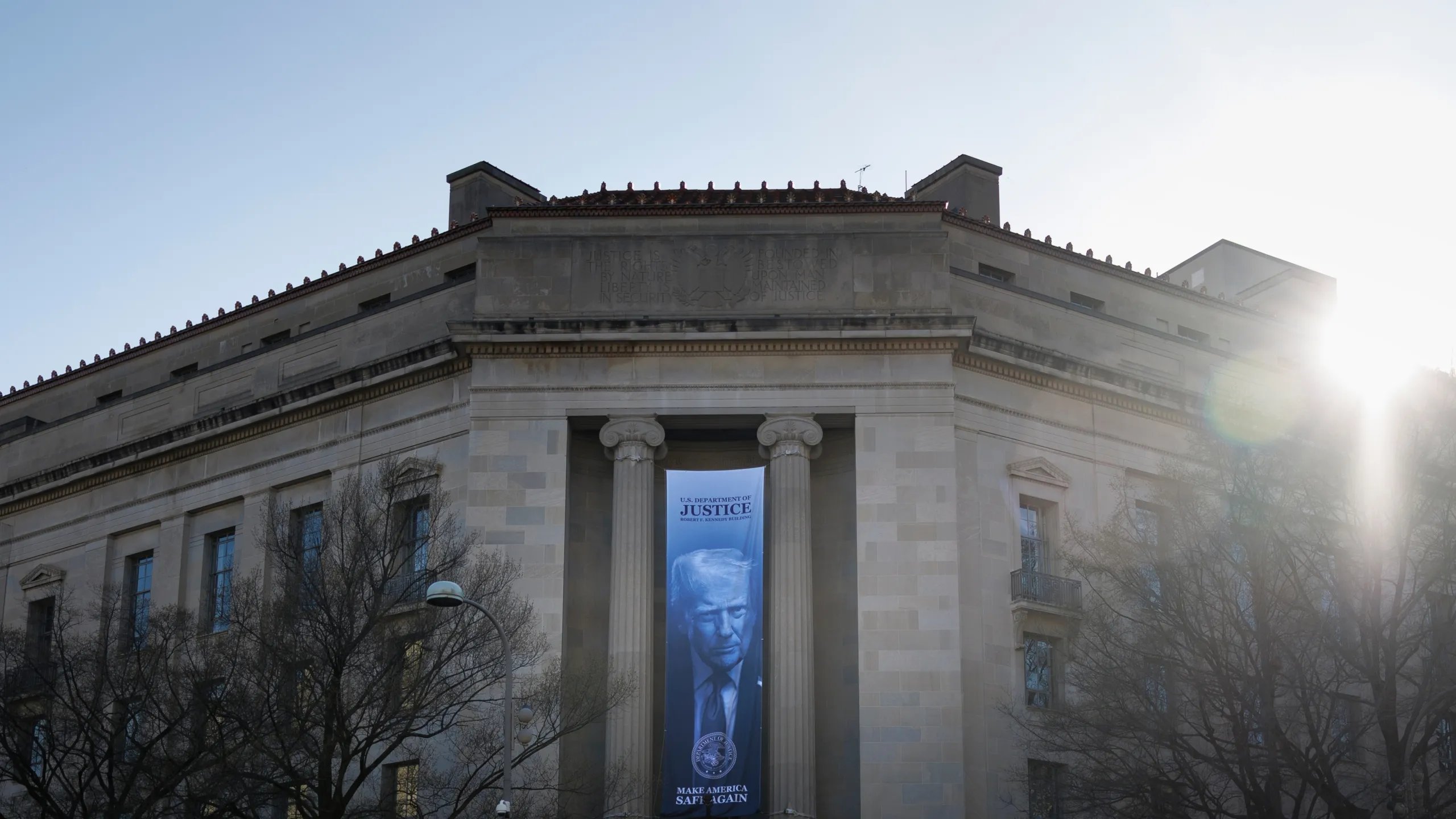
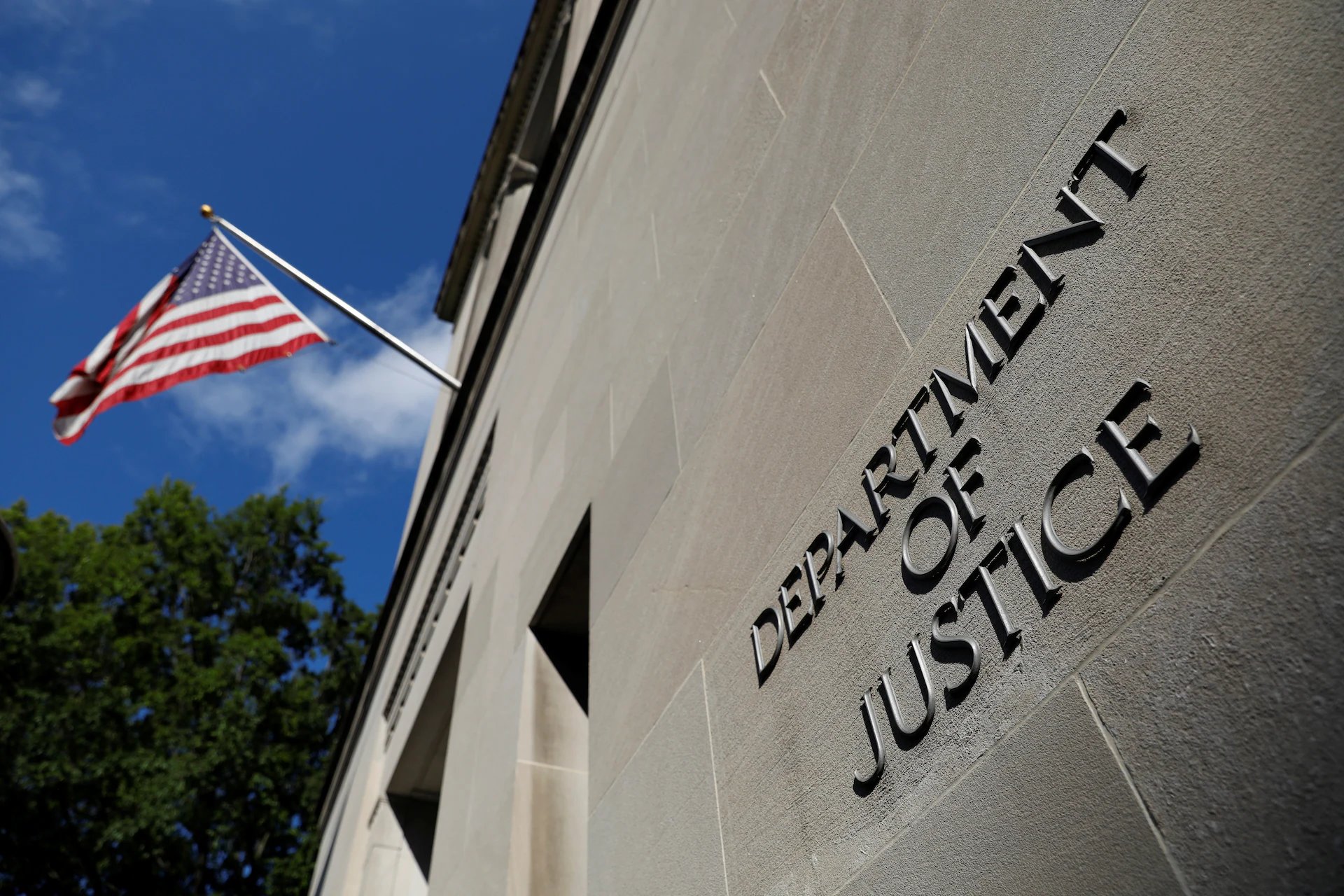
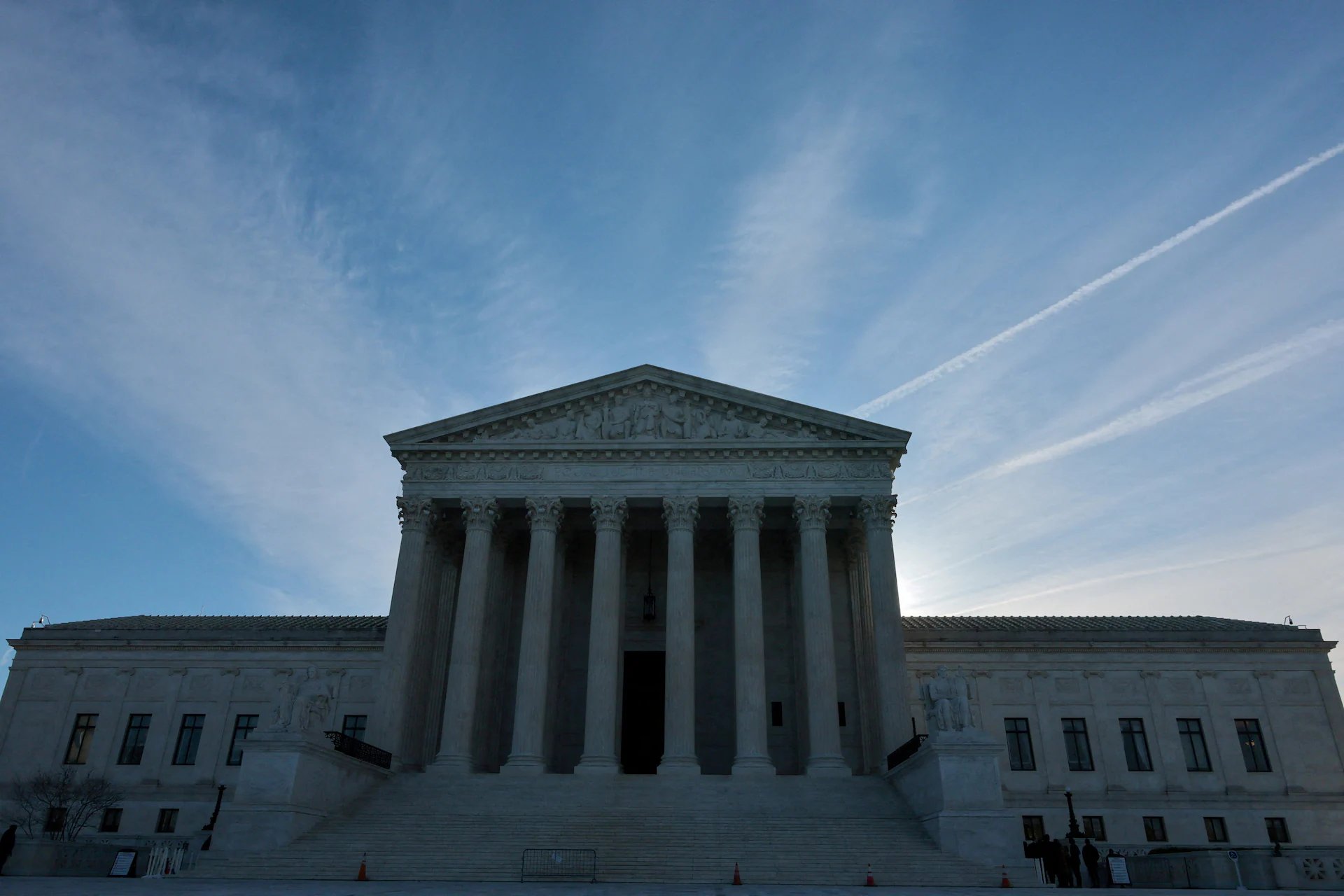
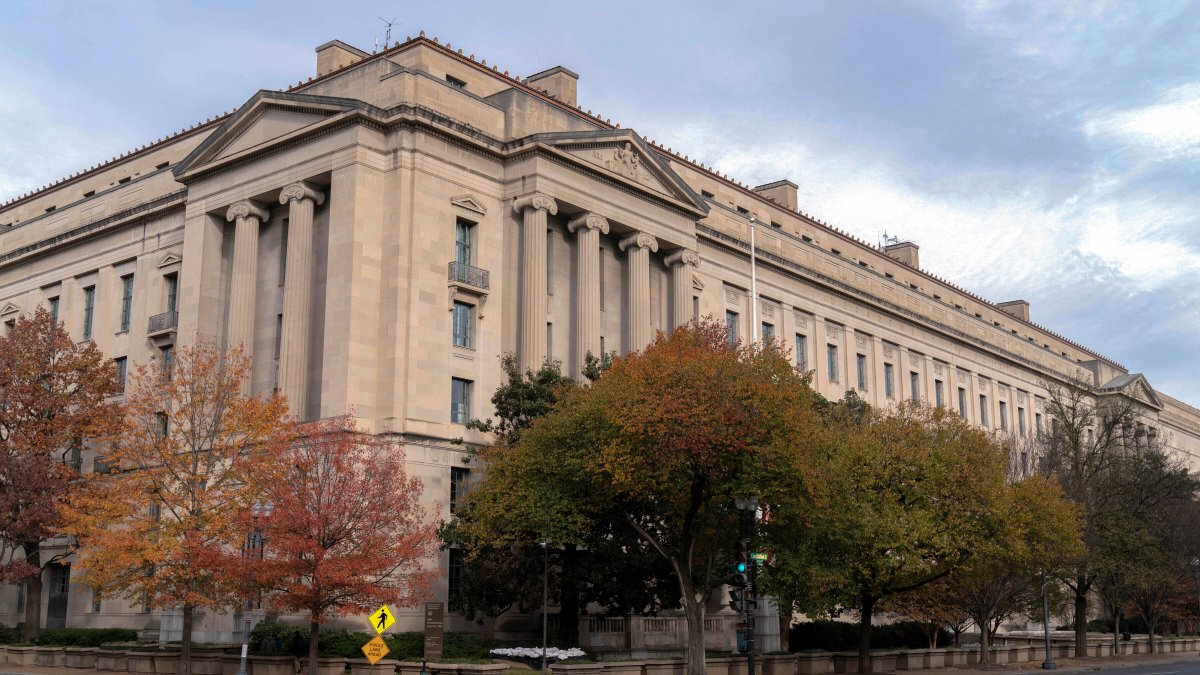
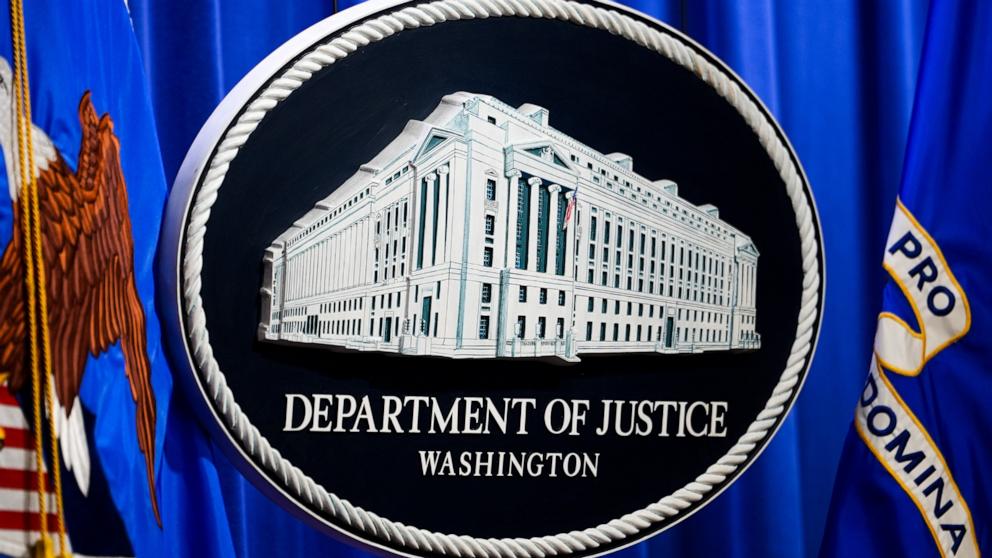
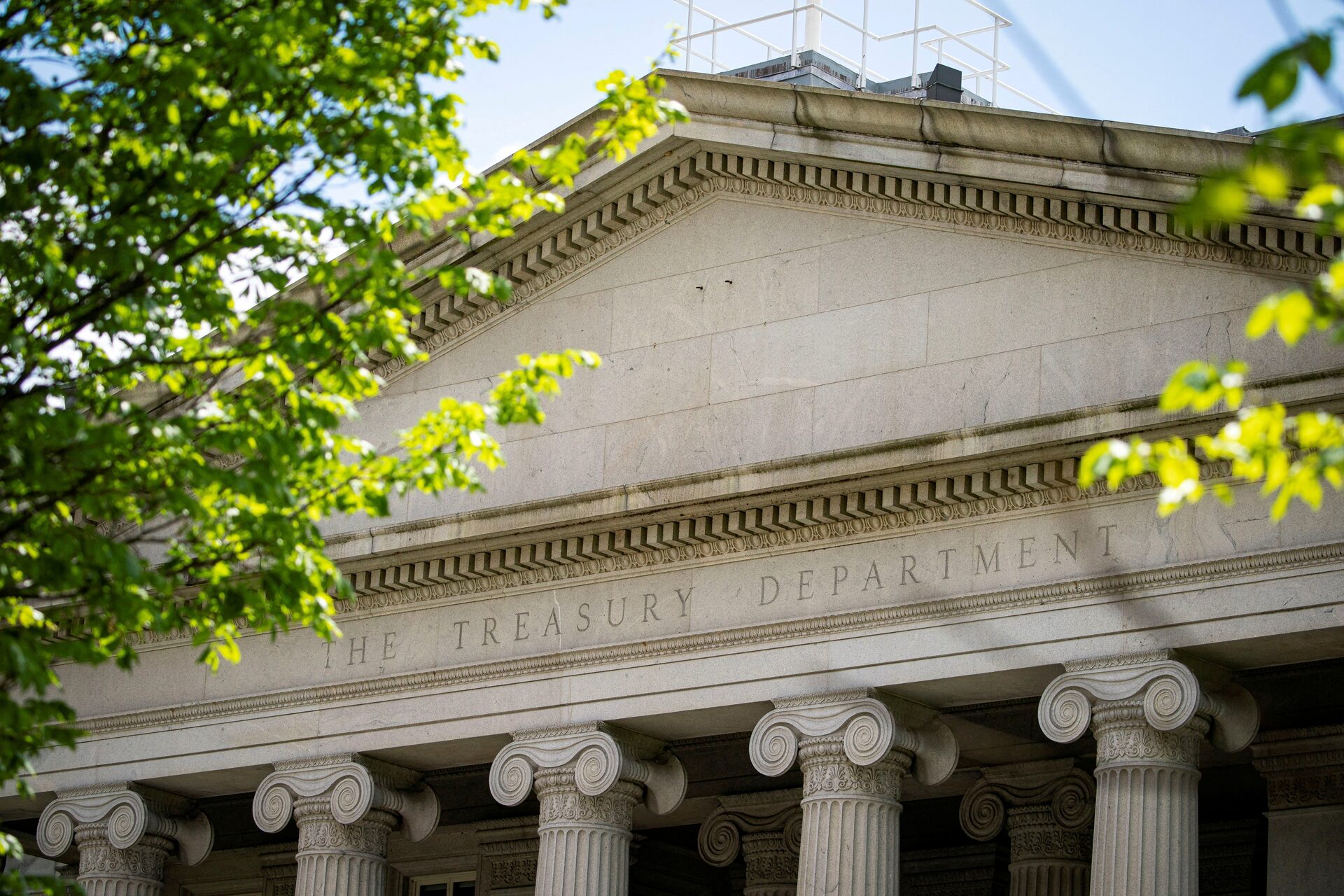
The Justice Department announced an 11-count indictment against the Southern Poverty Law Center on Tuesday, charging the group with wire fraud, bank fraud, and conspiracy. Prosecutors allege the SPLC paid more than $3 million to informants affiliated with extremist groups like the Ku Klux Klan and National Alliance between 2014 and 2023.
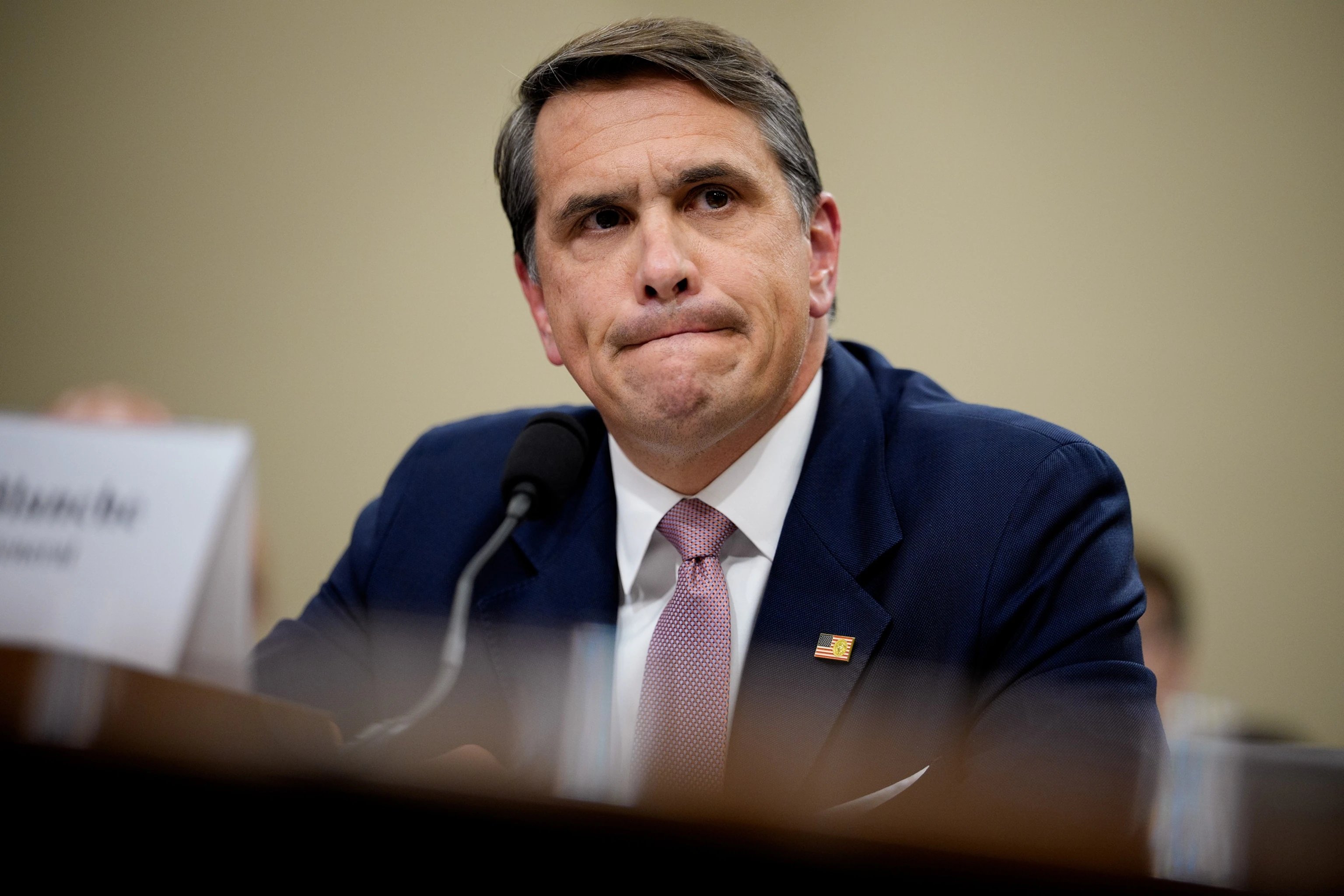
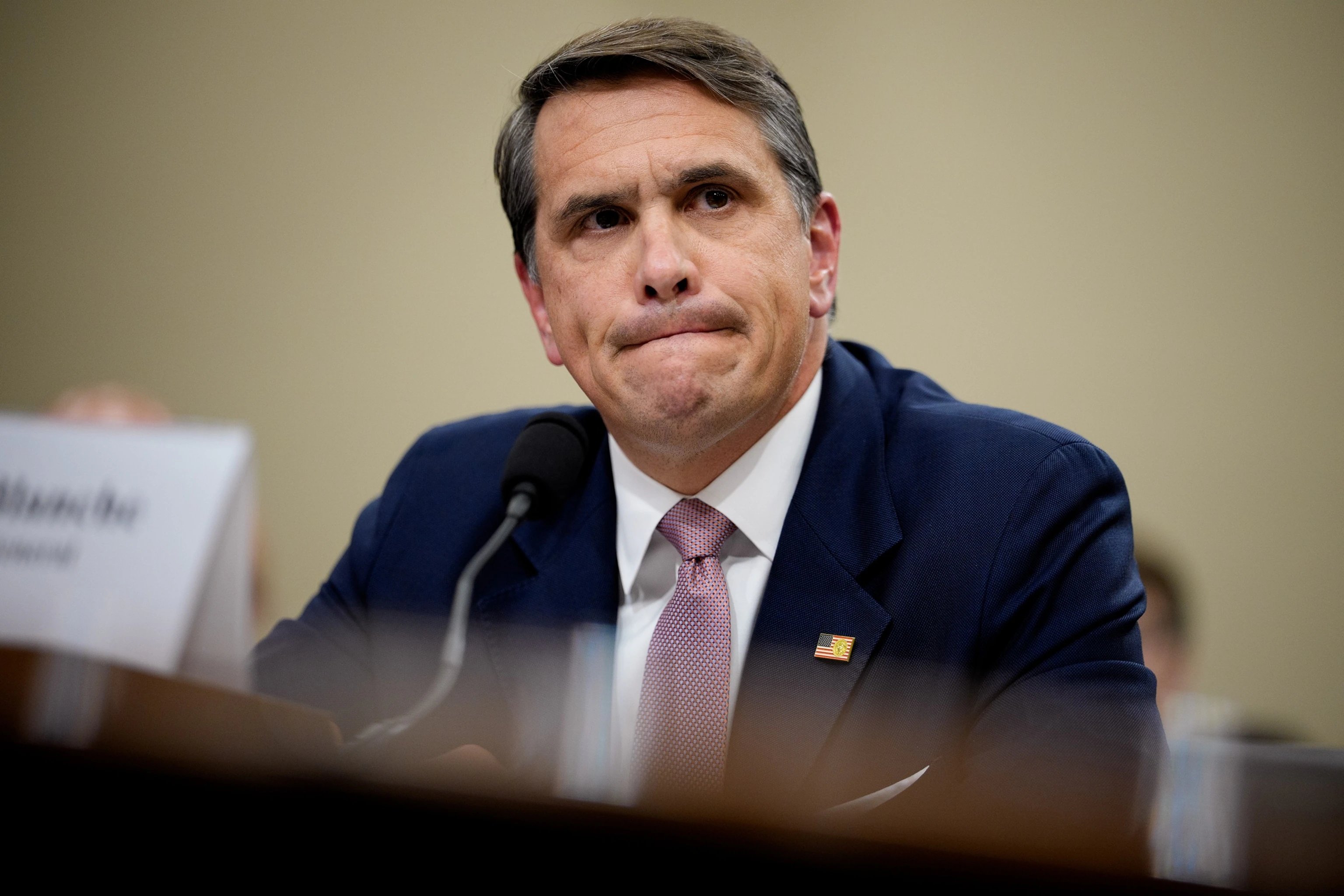
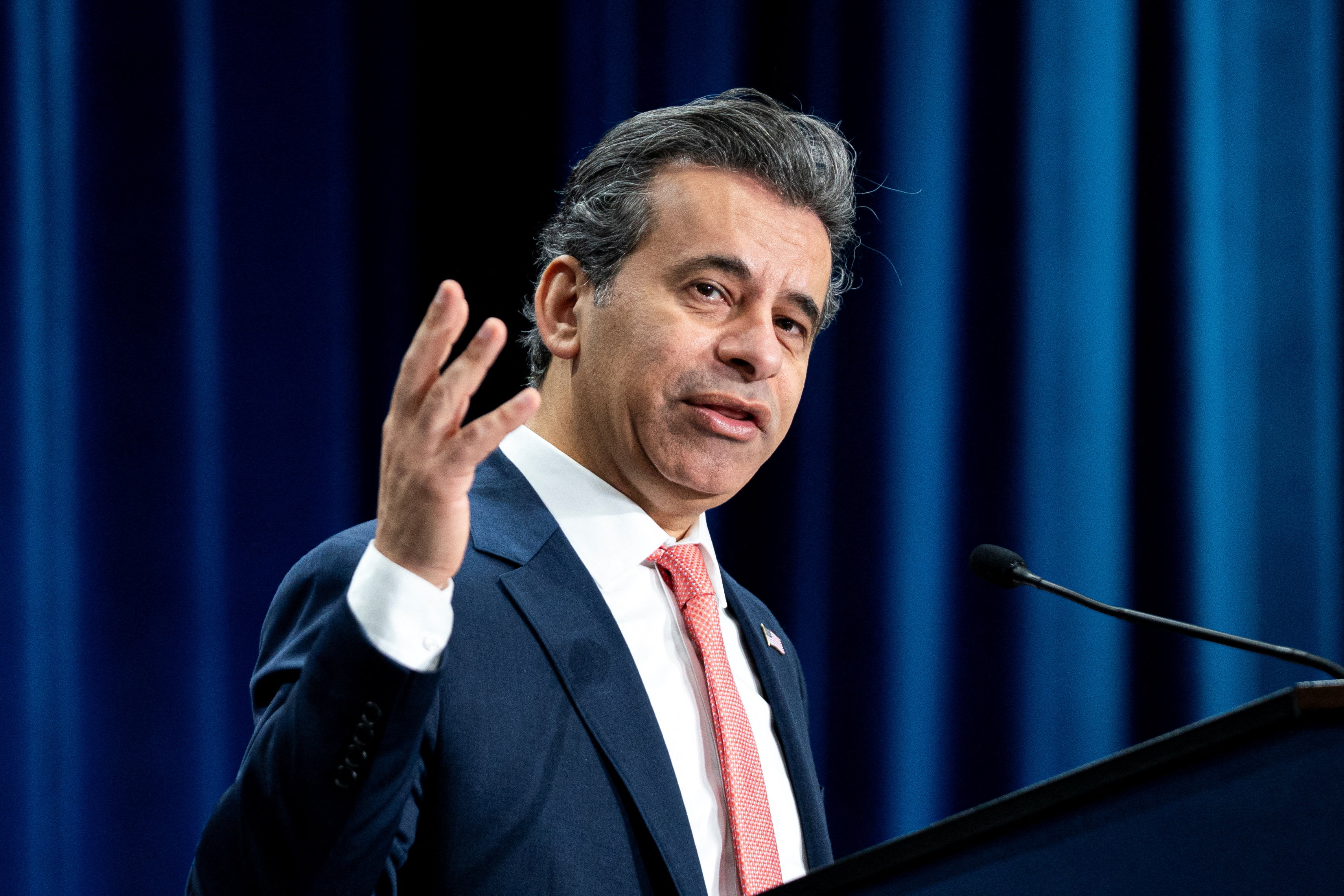
Acting Attorney General Todd Blanche stated that the SPLC defrauded donors by using their contributions to pay informants without disclosure. The indictment claims the SPLC created fake bank accounts, such as "Fox Photography," to funnel money to these informants. One informant received over $1 million while linked to the neo-Nazi National Alliance, according to court documents.
SPLC interim CEO Bryan Fair asserted that the informant program saved lives by sharing intelligence with the FBI and other agencies. Fair explained that payments went to confidential sources to monitor violence threats, a practice kept secret for informant safety.
The SPLC's secret program, known internally as "the Fs," began in the 1980s and involved at least nine unnamed informants, the indictment reveals. Prosecutors say one informant, paid more than $270,000 between 2015 and 2023, helped coordinate the Unite the Right rally in Charlottesville.
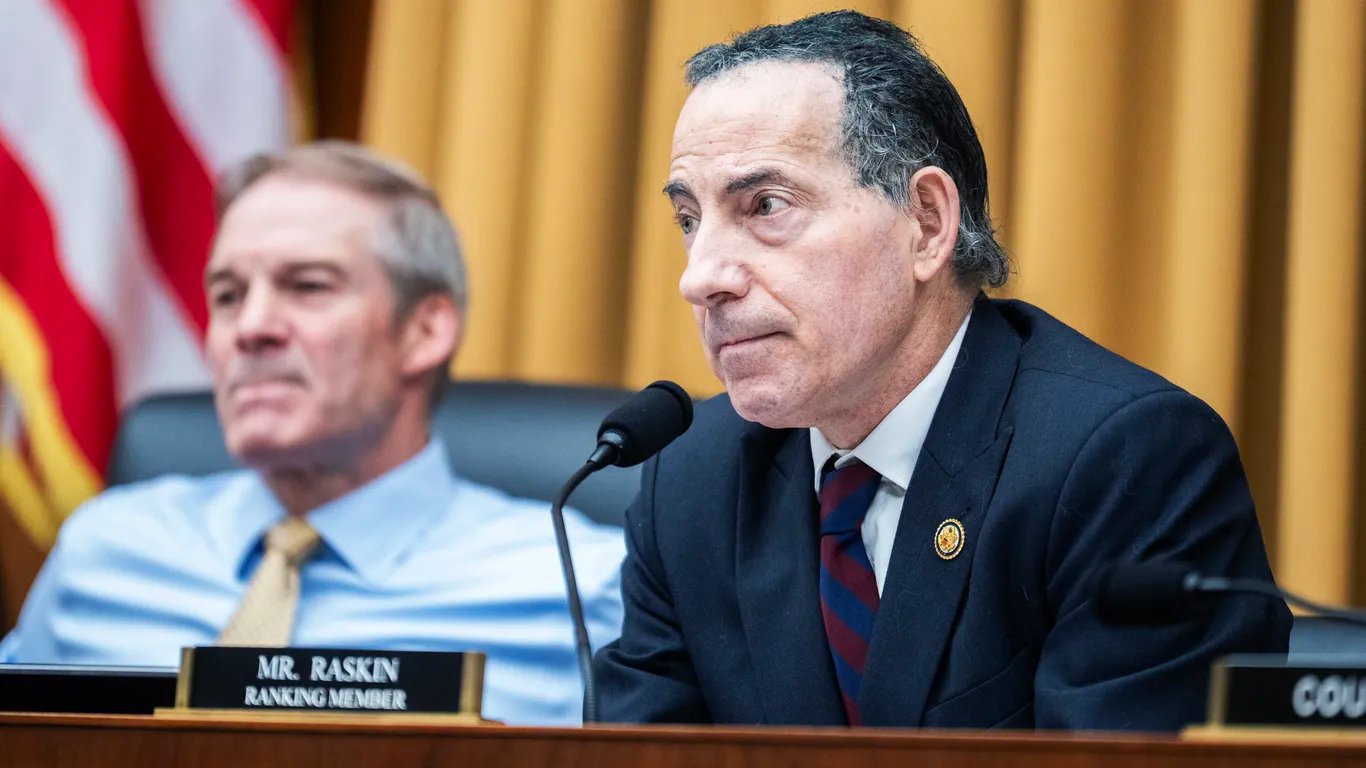
FBI Director Kash Patel announced last year that the agency severed ties with the SPLC, calling it a "partisan smear machine." House Republicans held a hearing in December, accusing the SPLC of targeting conservative groups like Turning Point USA in its "Year in Hate and Extremism 2024" report.
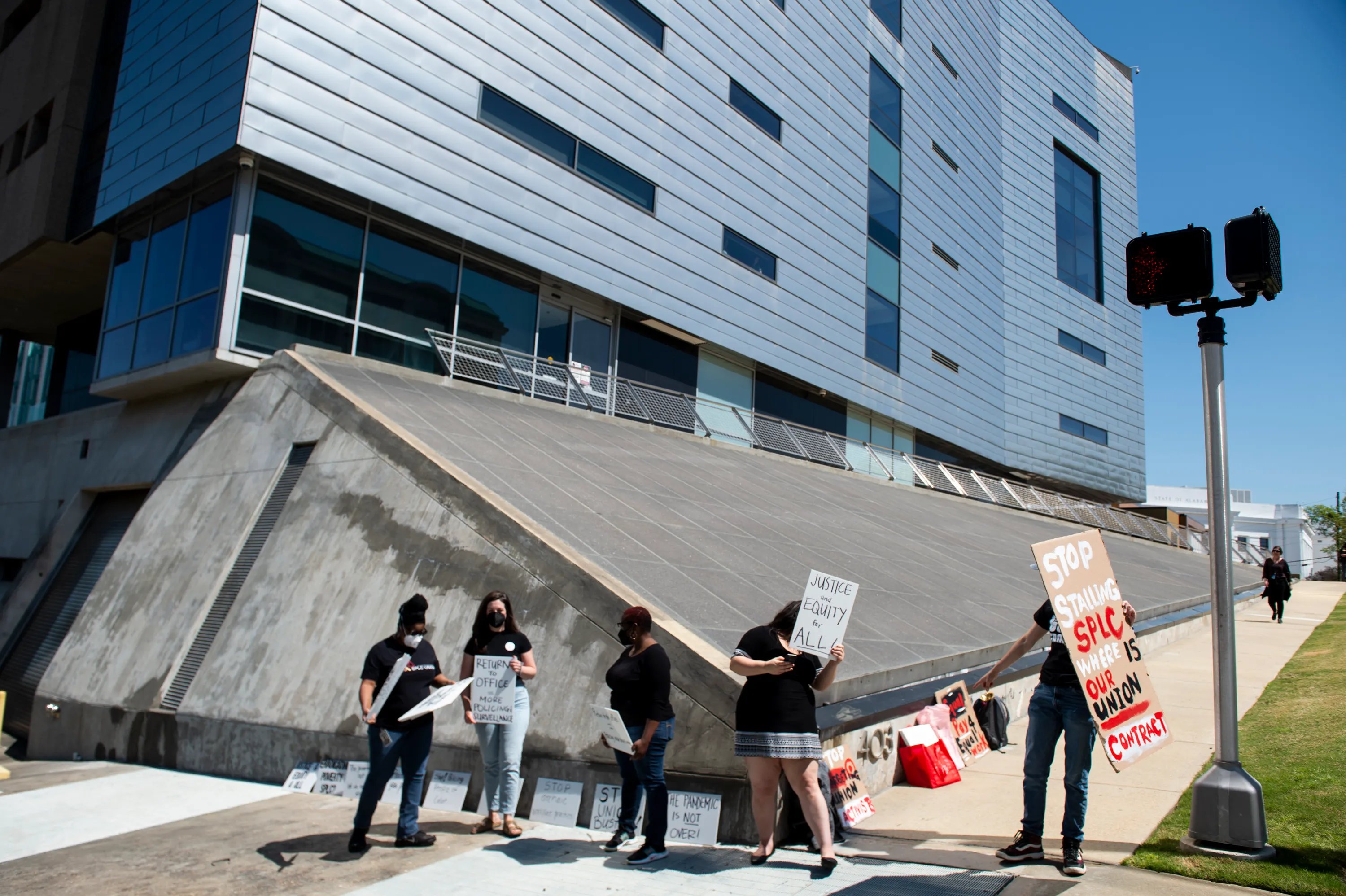
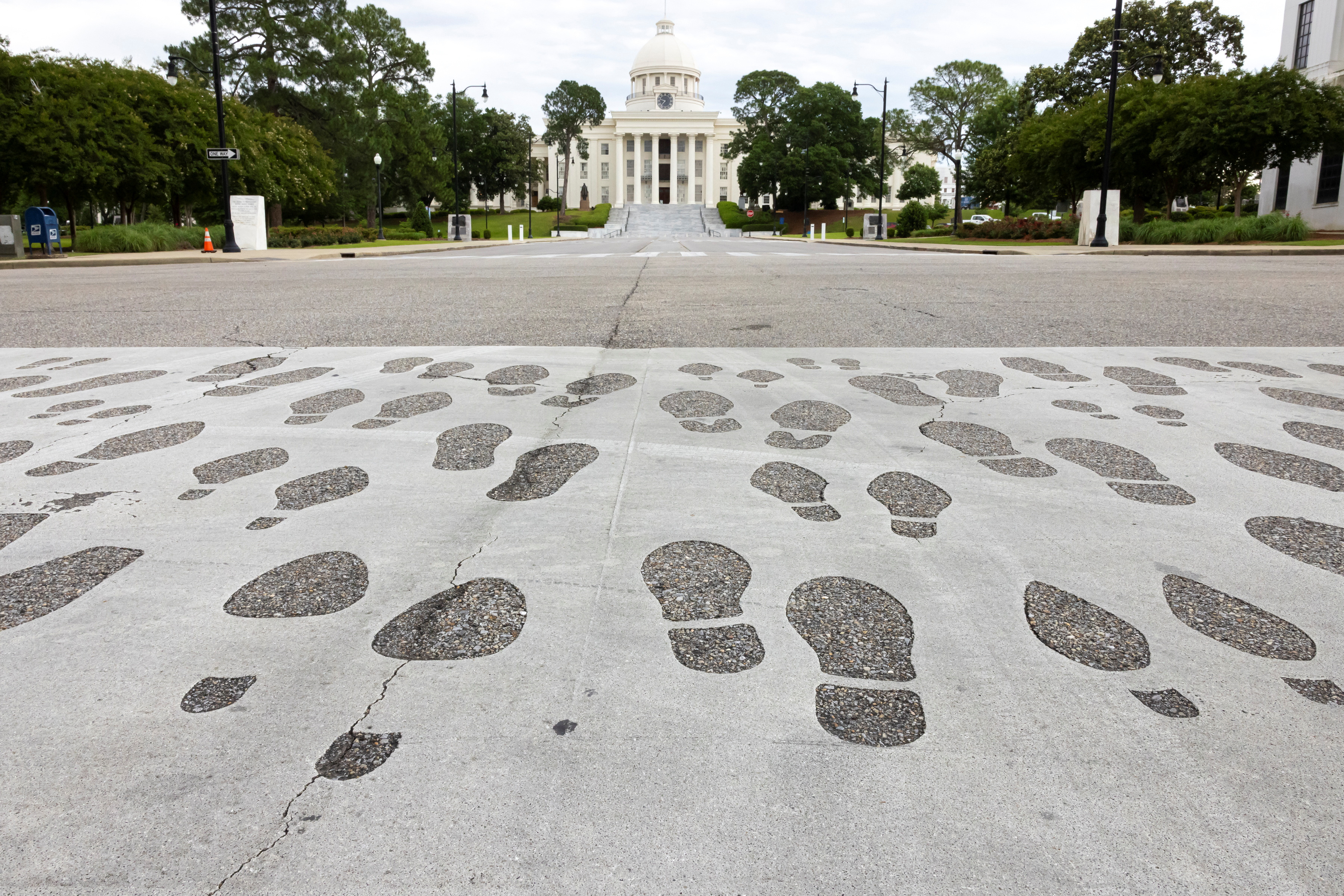
The indictment disrupts the SPLC's operations in Montgomery, Alabama, where it has fought extremism since 1971, potentially cutting funding that supports civil rights monitoring. As the case proceeds in federal court, donors may reconsider contributions, affecting resources for tracking hate groups that threaten communities. This legal battle highlights the risks to organizations that rely on informant networks, underscoring how such challenges could limit efforts to prevent violence in everyday life.
The Justice Department announced an 11-count indictment against the Southern Poverty Law Center on Tuesday, charging the group with wire fraud, bank fraud, and conspiracy. Prosecutors allege the SPLC paid more than $3 million to informants affiliated with extremist groups like the Ku Klux Klan and National Alliance between 2014 and 2023. This action affects donors who funded the SPLC, potentially eroding trust in nonprofits that monitor hate groups and influence public safety efforts.
Acting Attorney General Todd Blanche stated that the SPLC defrauded donors by using their contributions to pay informants without disclosure. The indictment claims the SPLC created fake bank accounts, such as "Fox Photography," to funnel money to these informants. One informant received over $1 million while linked to the neo-Nazi National Alliance, according to court documents.
SPLC interim CEO Bryan Fair asserted that the informant program saved lives by sharing intelligence with the FBI and other agencies. Fair explained that payments went to confidential sources to monitor violence threats, a practice kept secret for informant safety. The organization vowed to defend its staff and mission, emphasizing that the work combated groups involved in events like the 2017 Unite the Right rally.
The SPLC's secret program, known internally as "the Fs," began in the 1980s and involved at least nine unnamed informants, the indictment reveals. Prosecutors say one informant, paid more than $270,000 between 2015 and 2023, helped coordinate the Unite the Right rally in Charlottesville. These payments included loading funds onto prepaid cards through intermediary accounts, hiding the transactions from donors.
FBI Director Kash Patel announced last year that the agency severed ties with the SPLC, calling it a "partisan smear machine." House Republicans held a hearing in December, accusing the SPLC of targeting conservative groups like Turning Point USA in its "Year in Hate and Extremism 2024" report. This investigation follows scrutiny of the SPLC's characterizations of organizations, raising questions about nonprofit oversight.
The indictment disrupts the SPLC's operations in Montgomery, Alabama, where it has fought extremism since 1971, potentially cutting funding that supports civil rights monitoring. As the case proceeds in federal court, donors may reconsider contributions, affecting resources for tracking hate groups that threaten communities. This legal battle highlights the risks to organizations that rely on informant networks, underscoring how such challenges could limit efforts to prevent violence in everyday life.
Highlighted text was flagged by the council. Tap to see feedback.