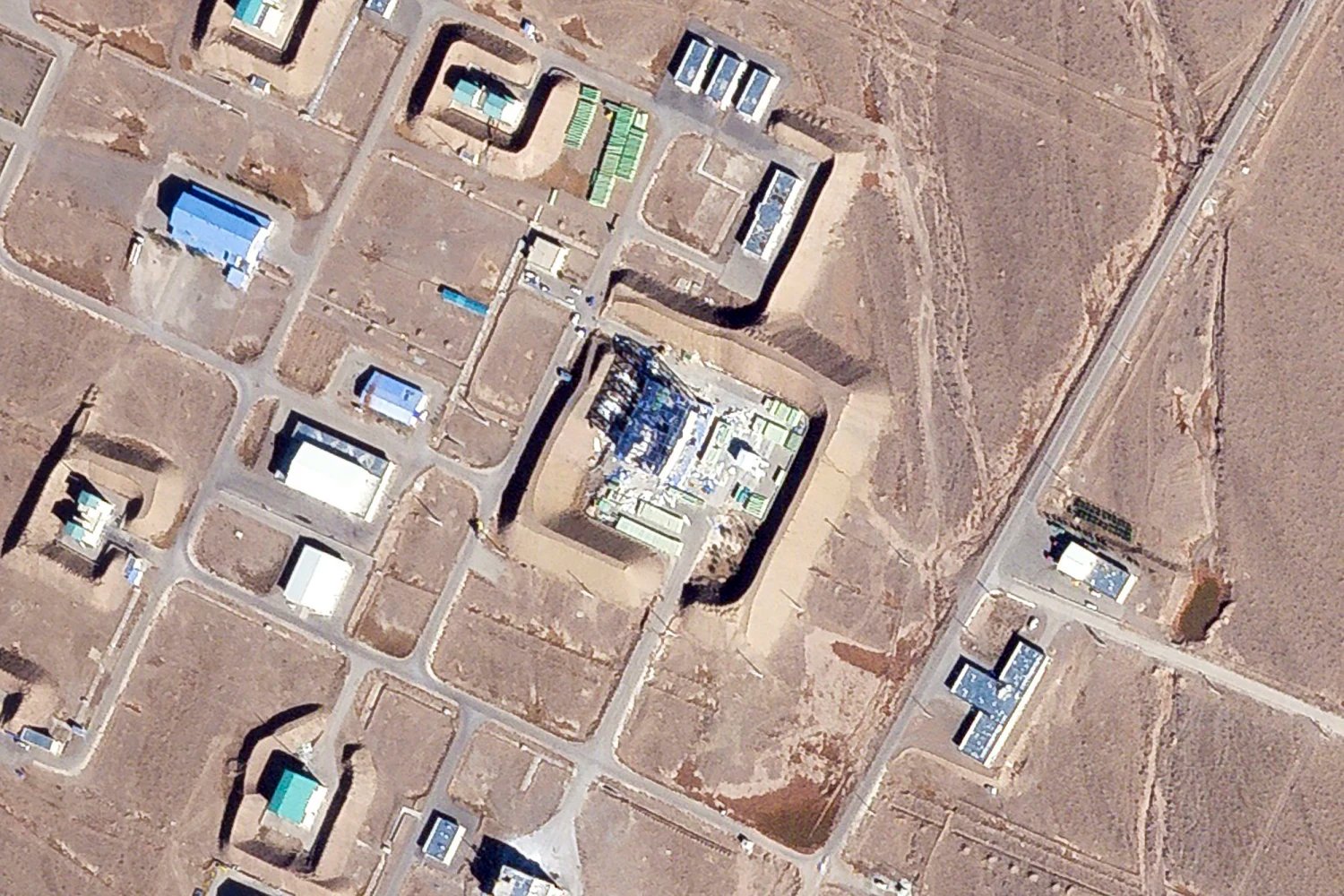
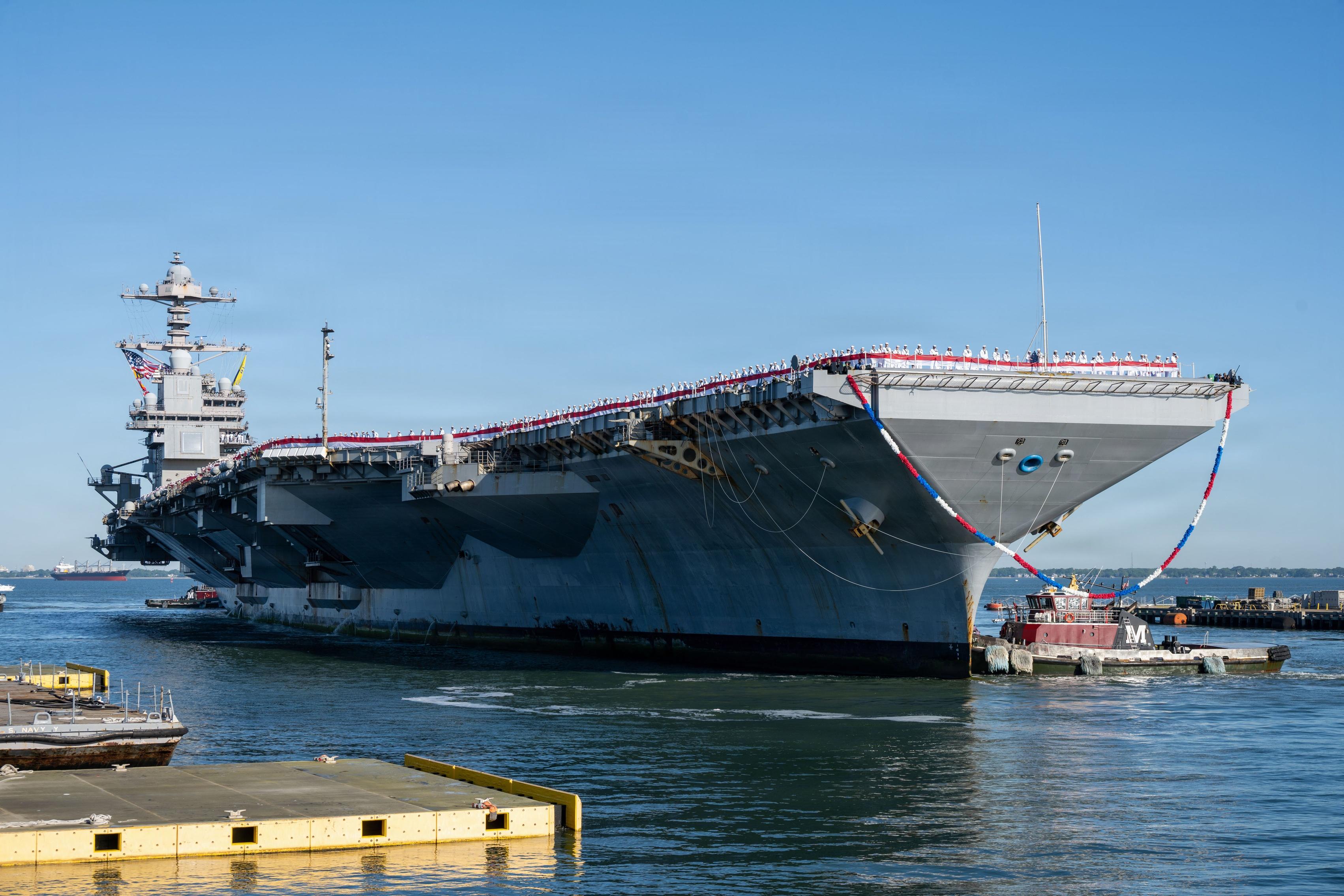
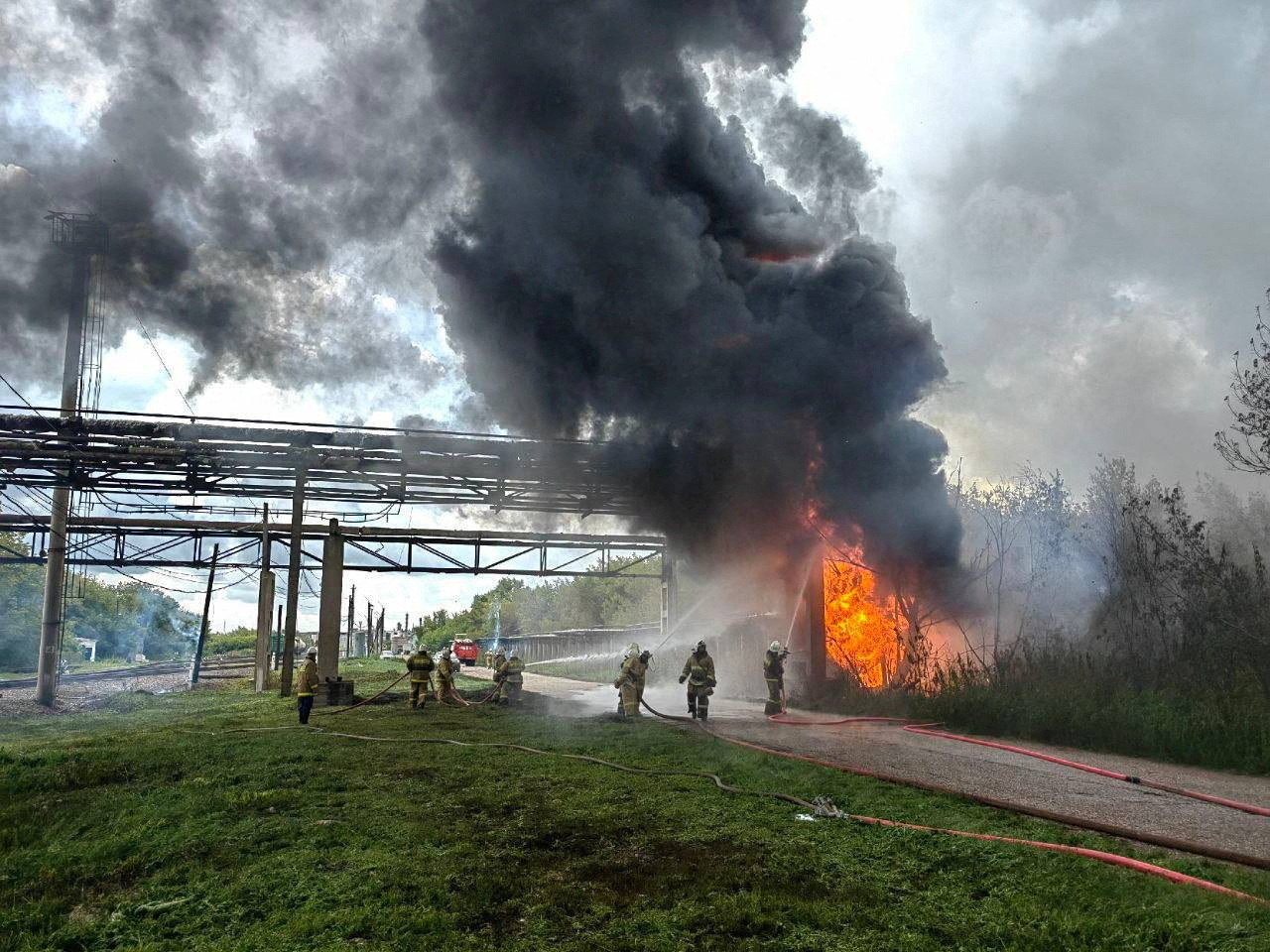
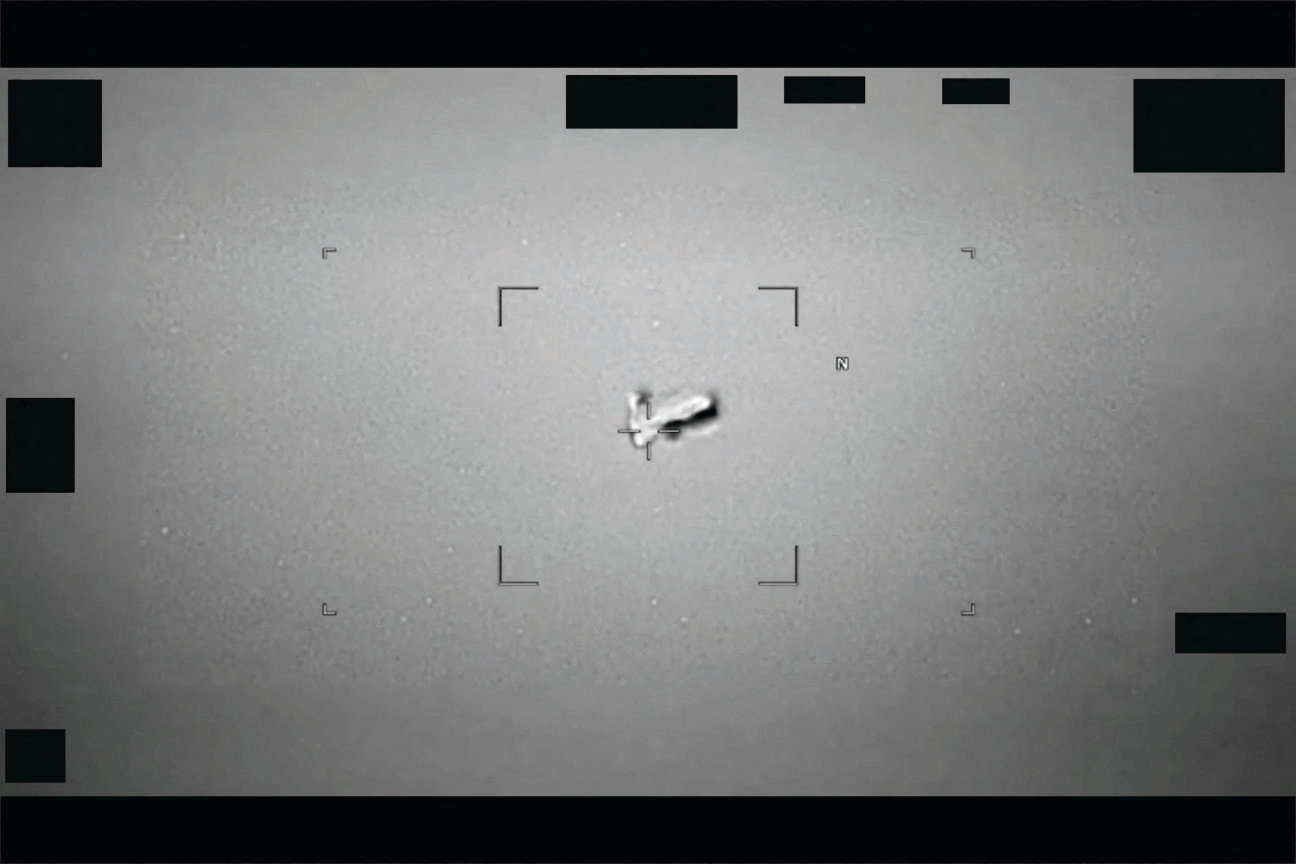
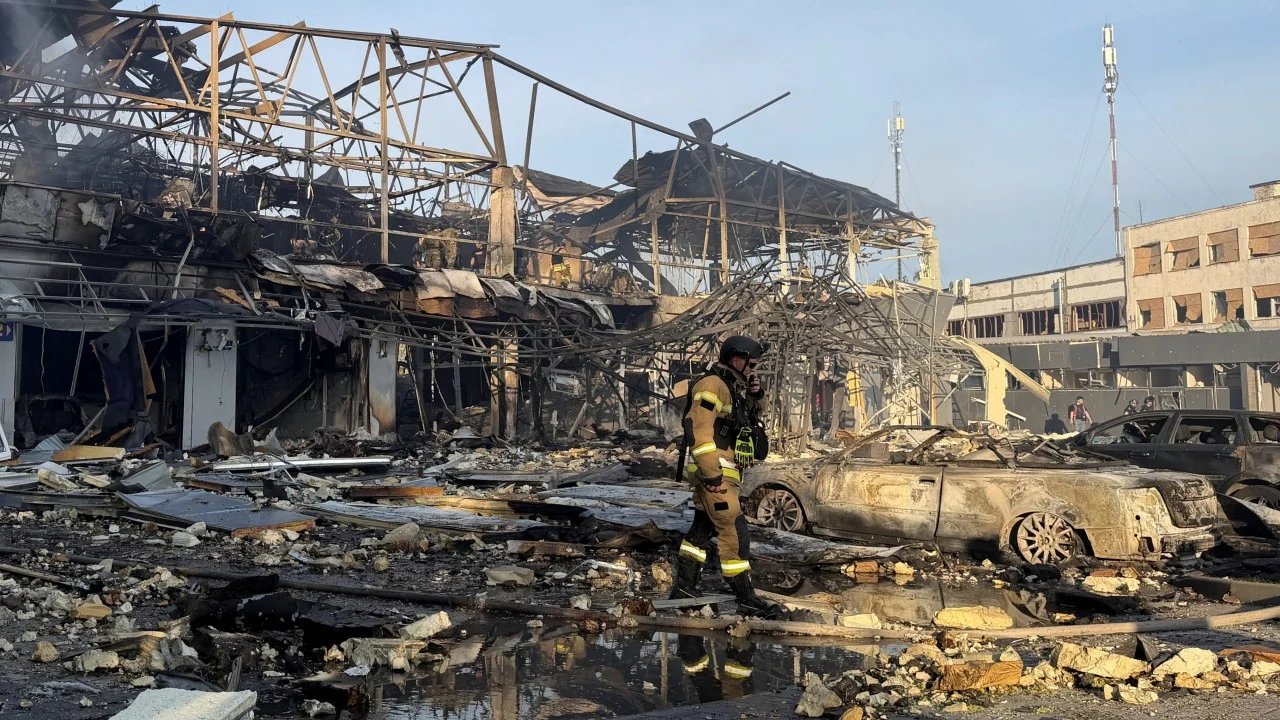
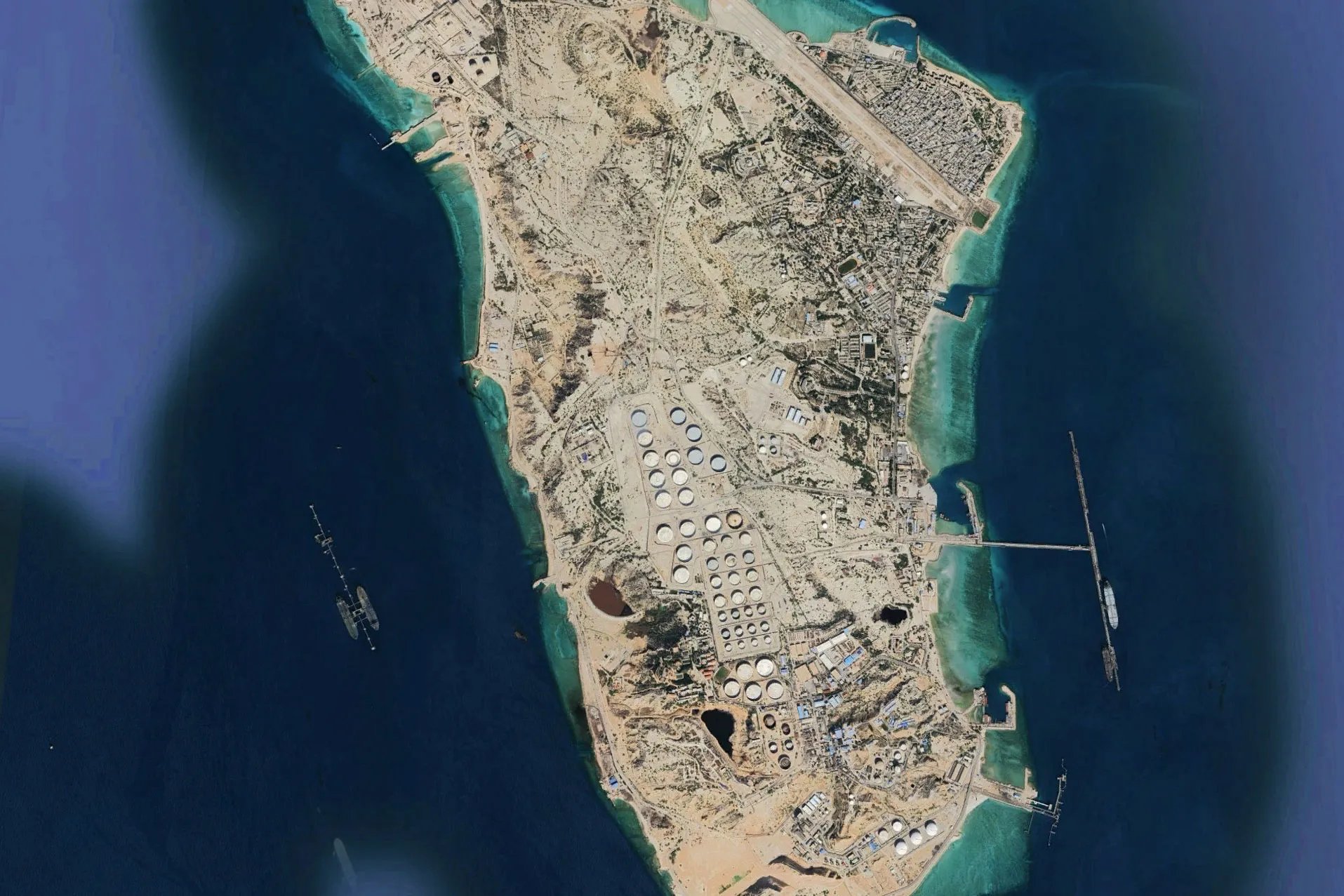
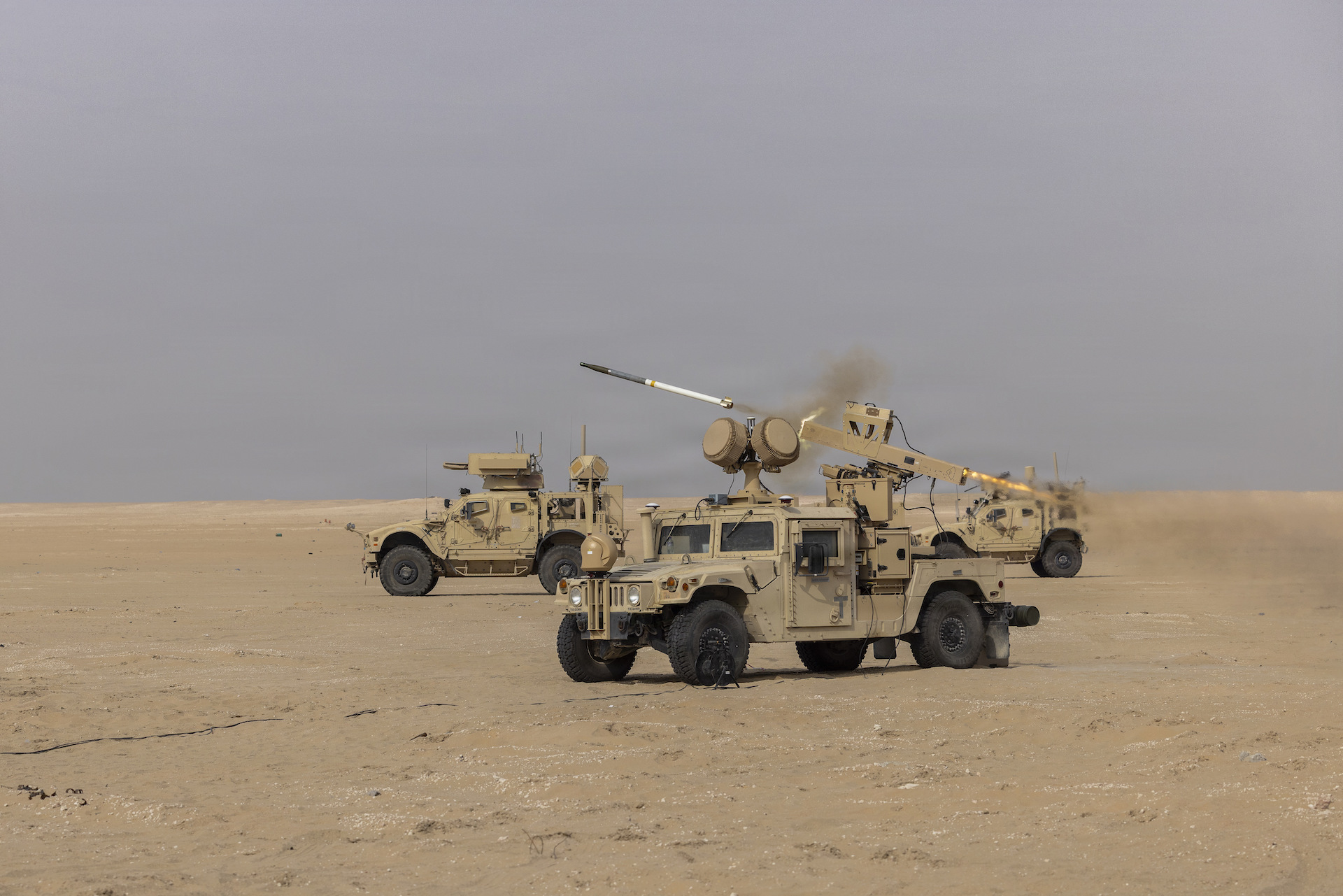
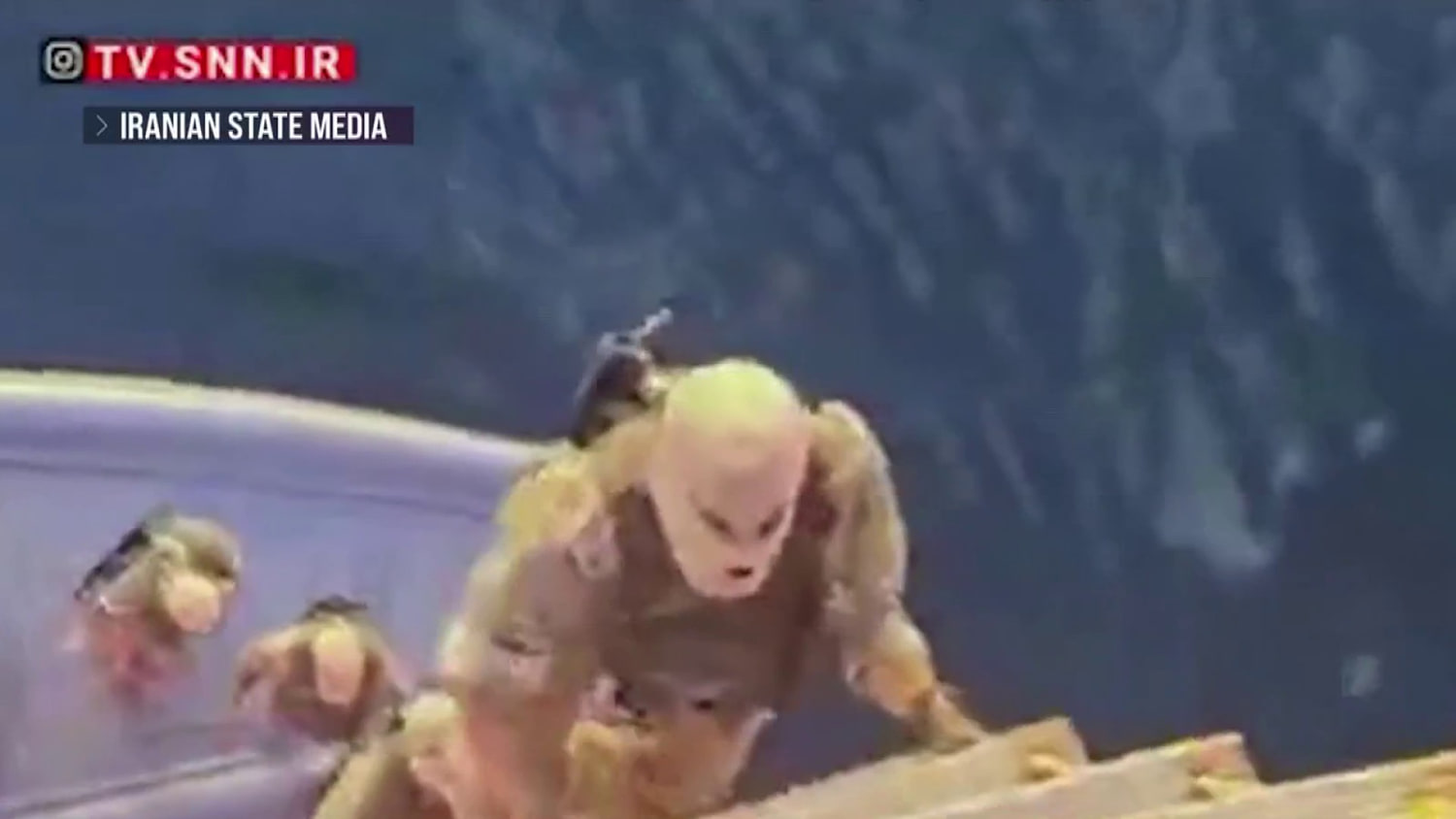
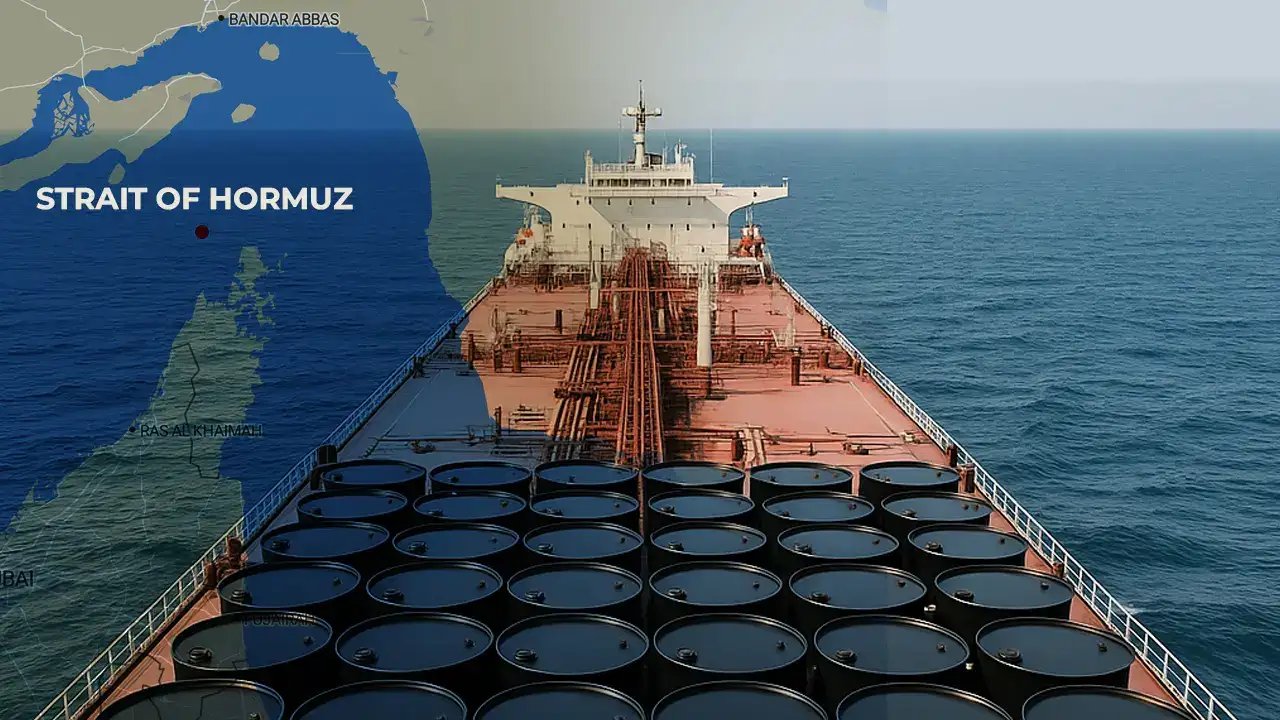
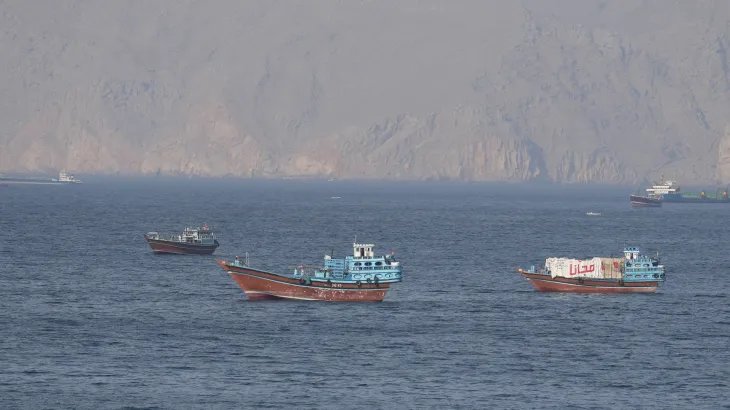
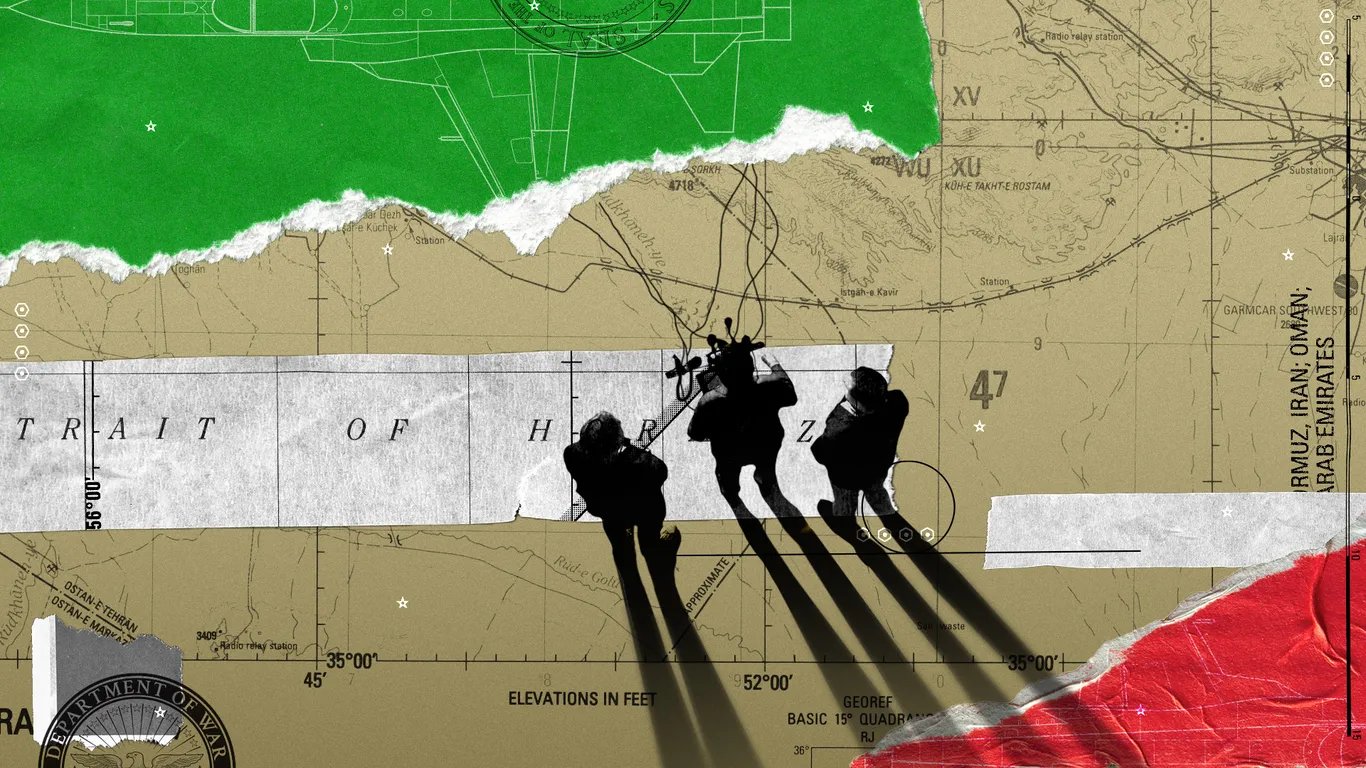
The U.S. military conducted its second round of strikes against Iran in three days, shooting down four Iranian one-way attack drones and hitting a ground control station in Bandar Abbas that was preparing to launch a fifth drone, a U.S. official said. The strikes targeted military threats around the Strait of Hormuz and were described by the official as "measured, purely defensive, and intended to maintain the ceasefire."
On Monday, the Pentagon had already carried out airstrikes against Iranian missile locations and boats that U.S. Central Command said were preparing to launch mines in the Strait of Hormuz. Iran responded to Wednesday's strikes by targeting an American air base in retaliation, according to Iran's Revolutionary Guards, though they did not specify the base's location. Kuwait reported that its air defenses were battling hostile missiles and drones on Thursday morning.
The escalating military actions underscore the fragility of a ceasefire that has been in place since April, even as both sides claim to be negotiating toward a broader peace deal.
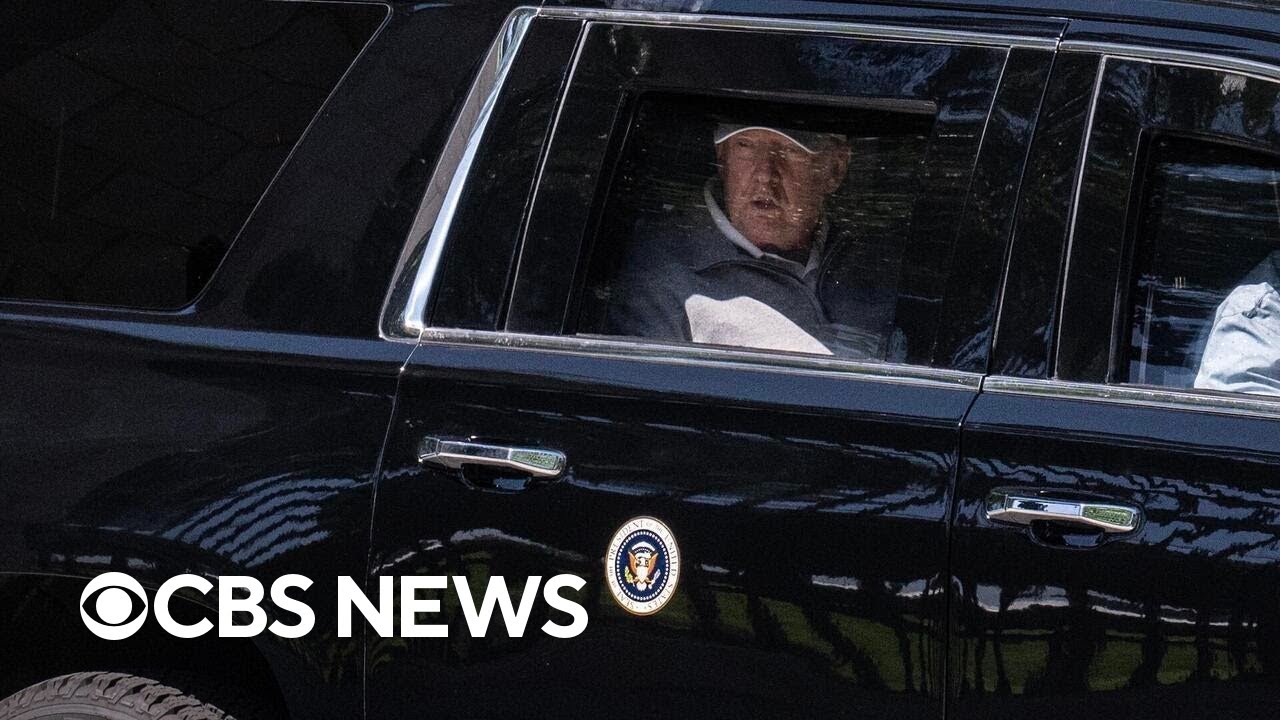
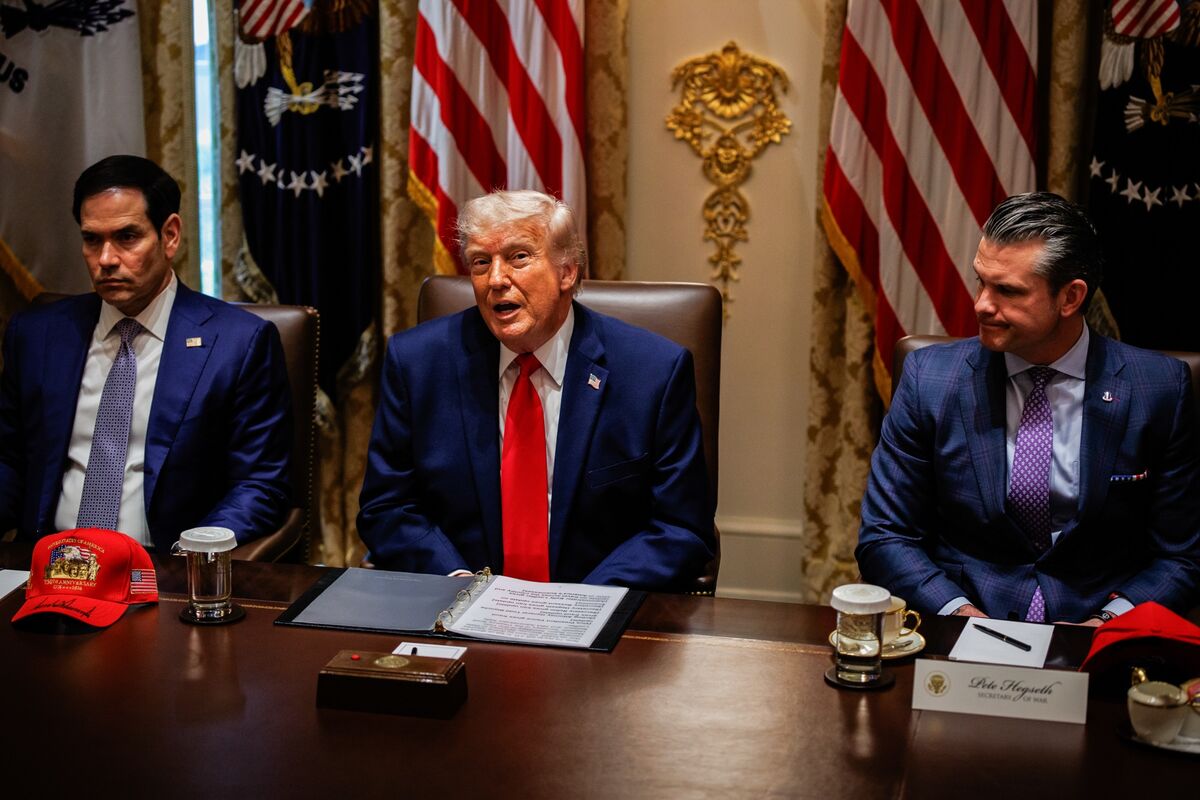
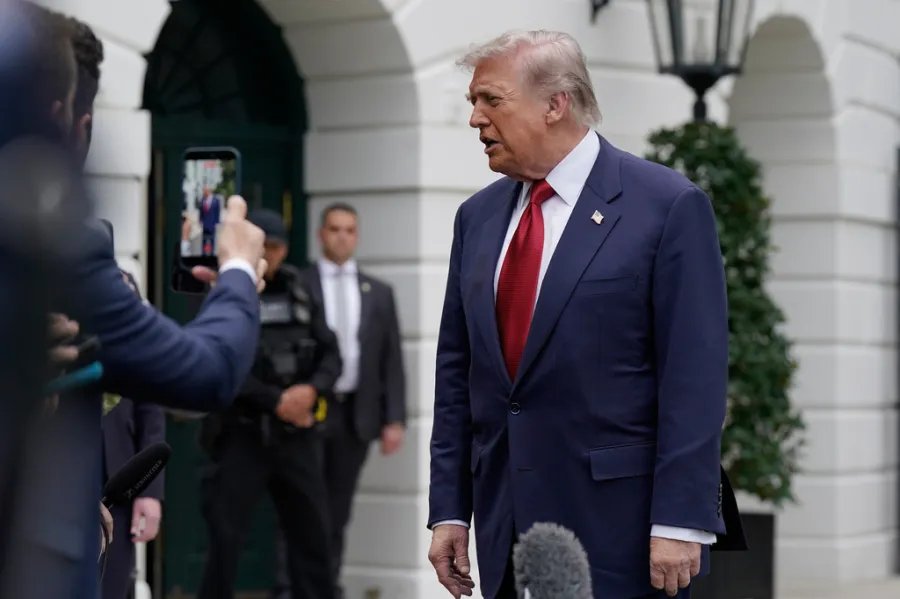
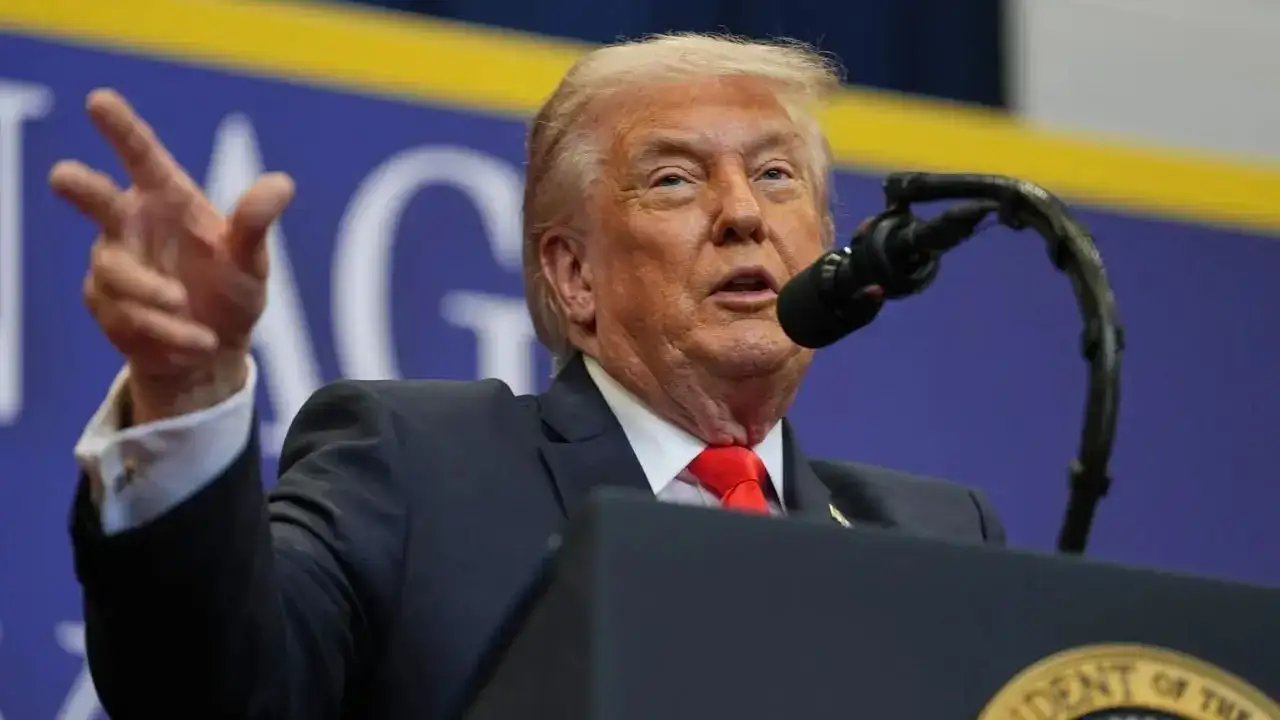
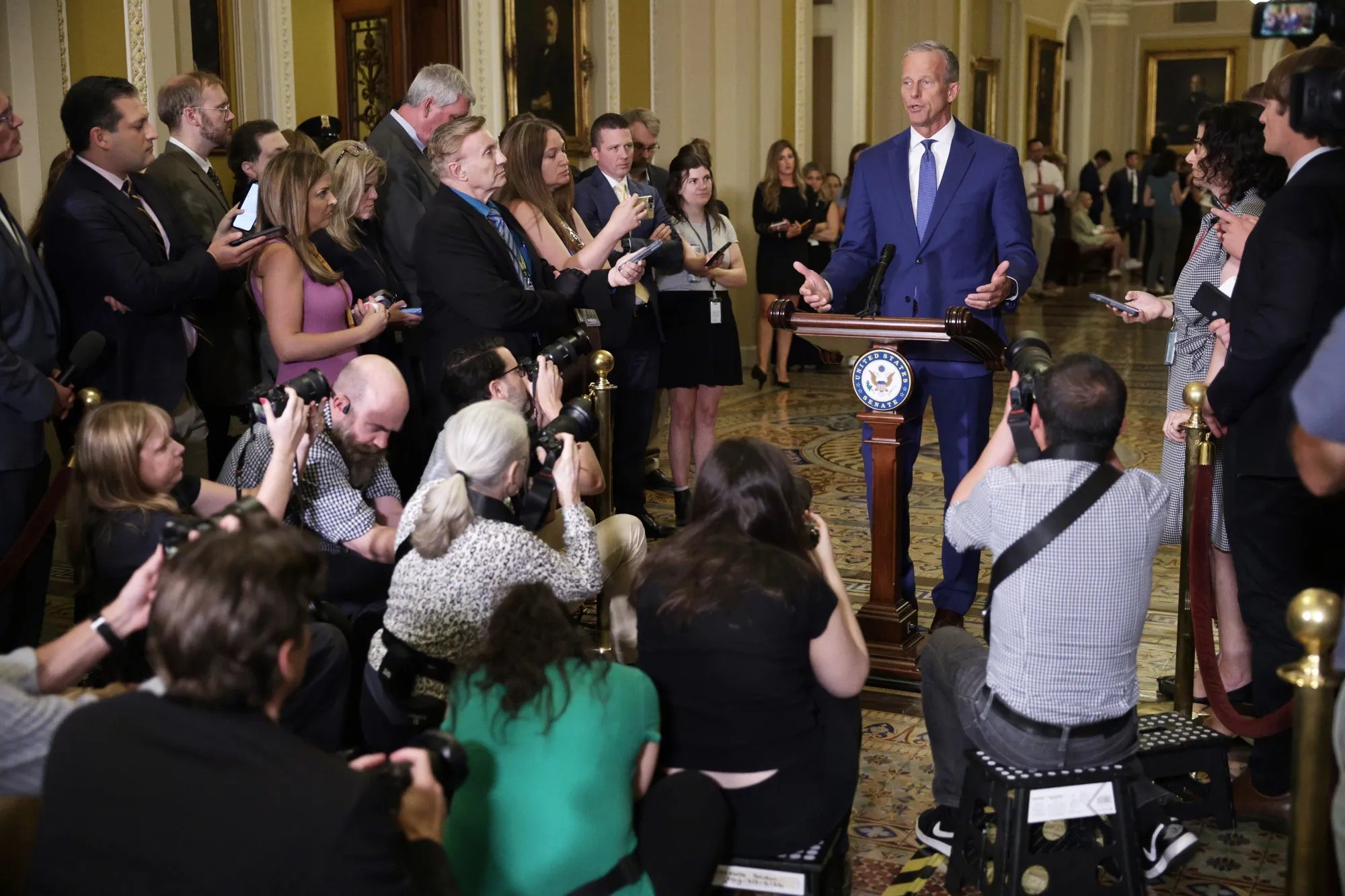
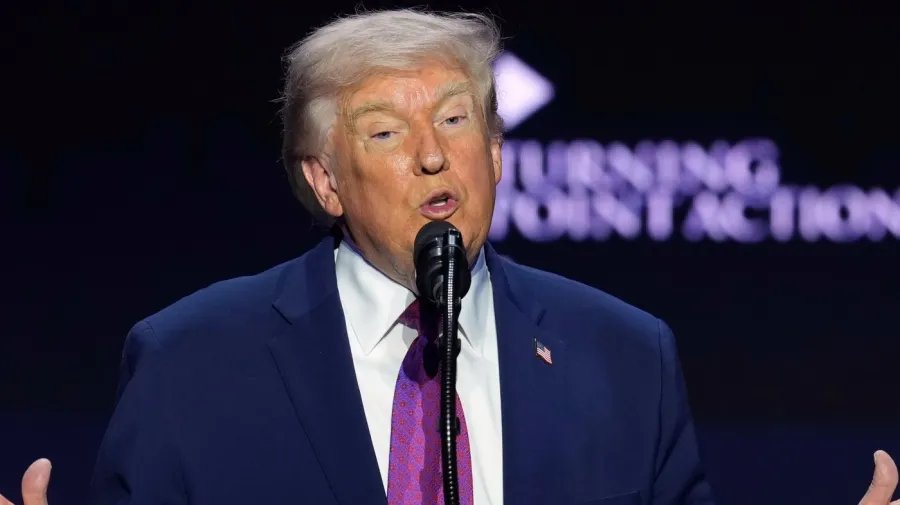
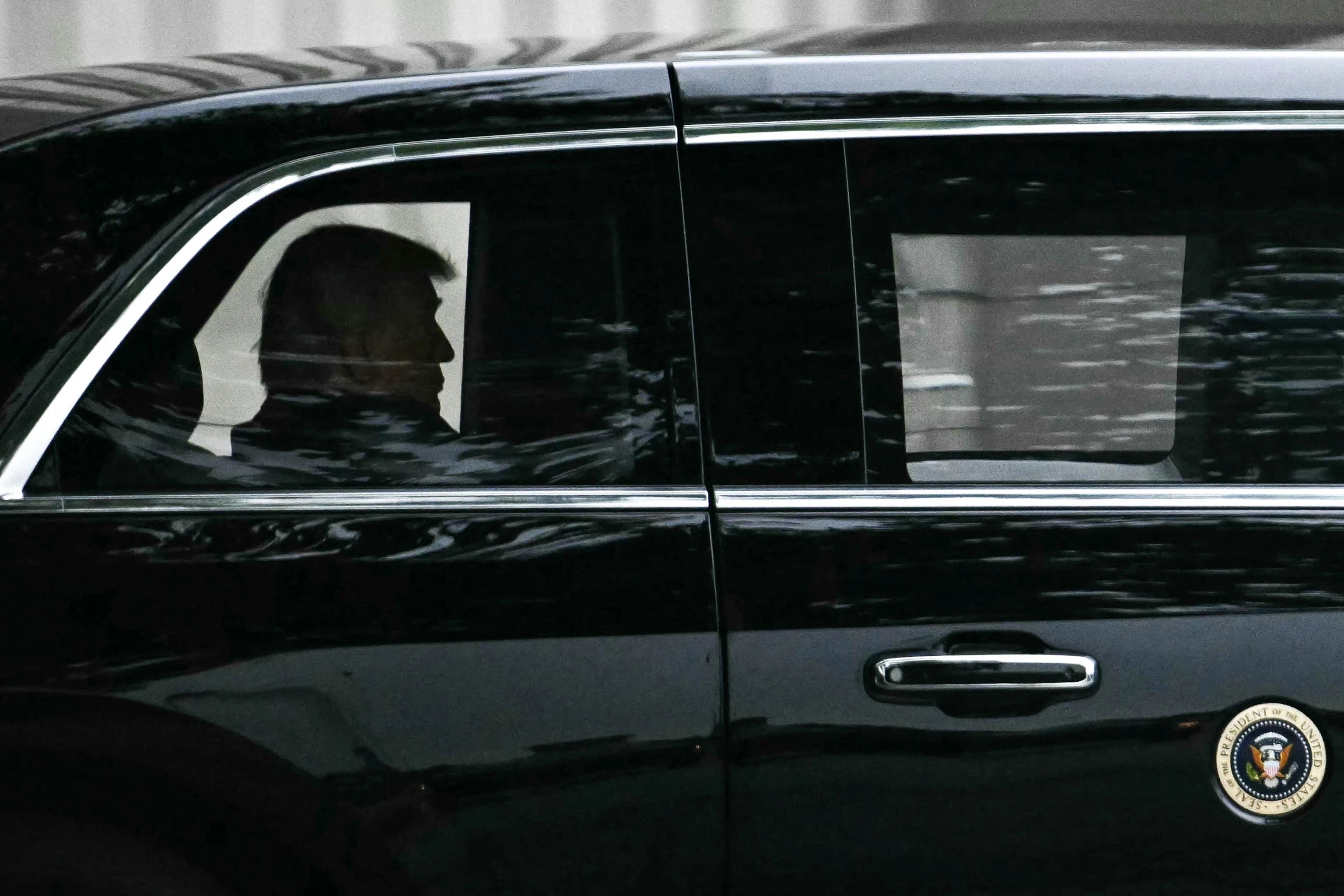
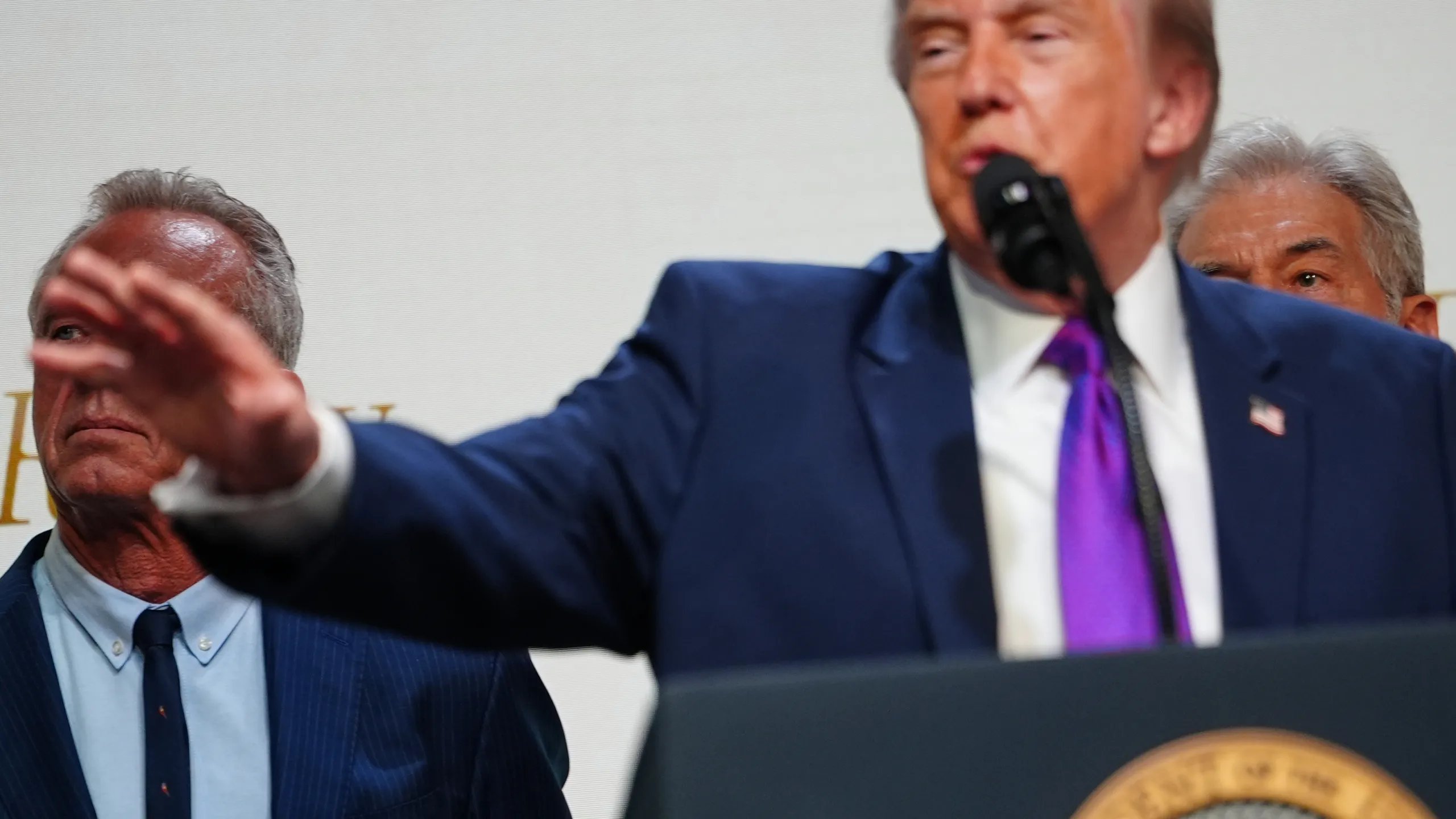
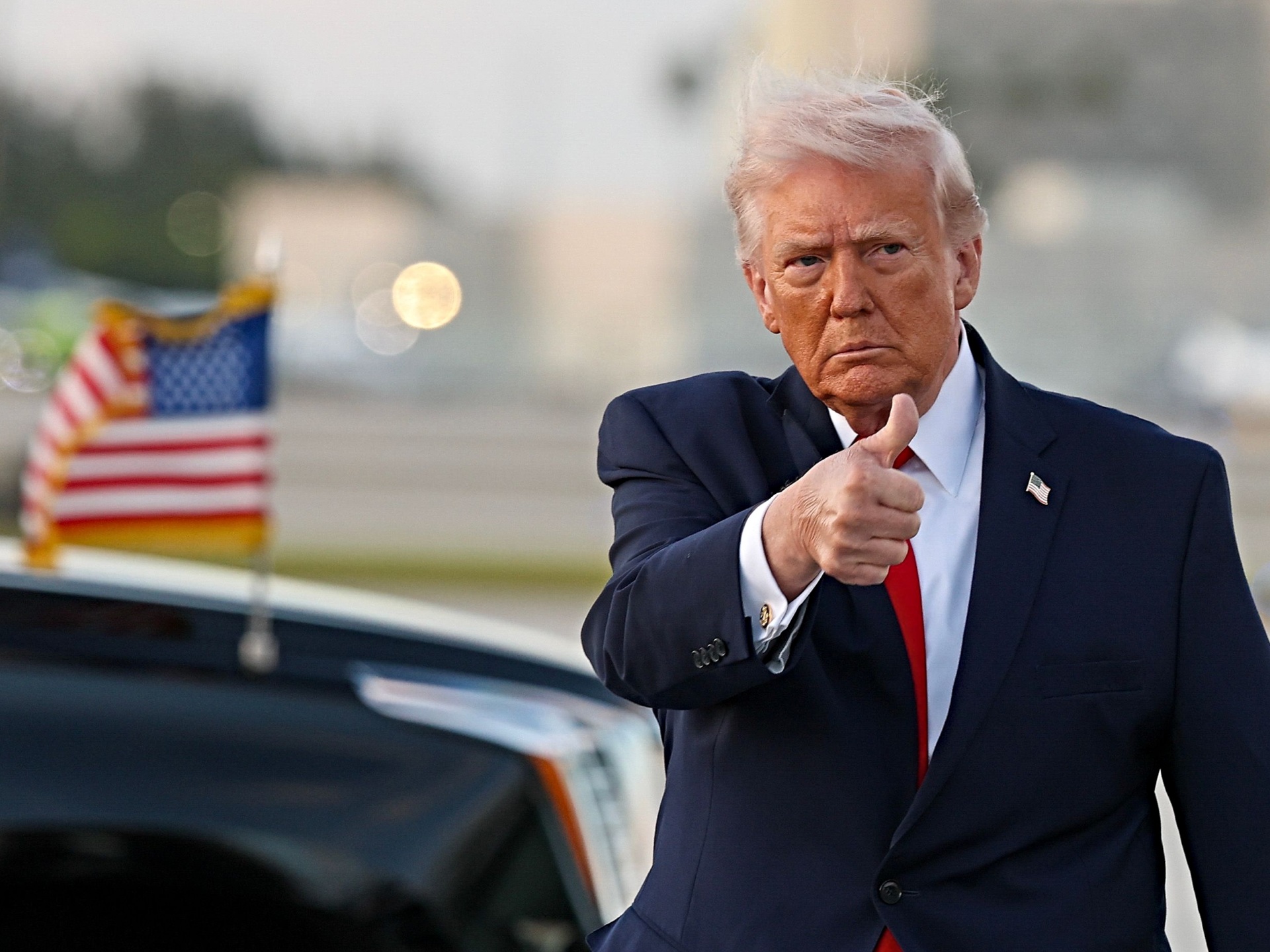
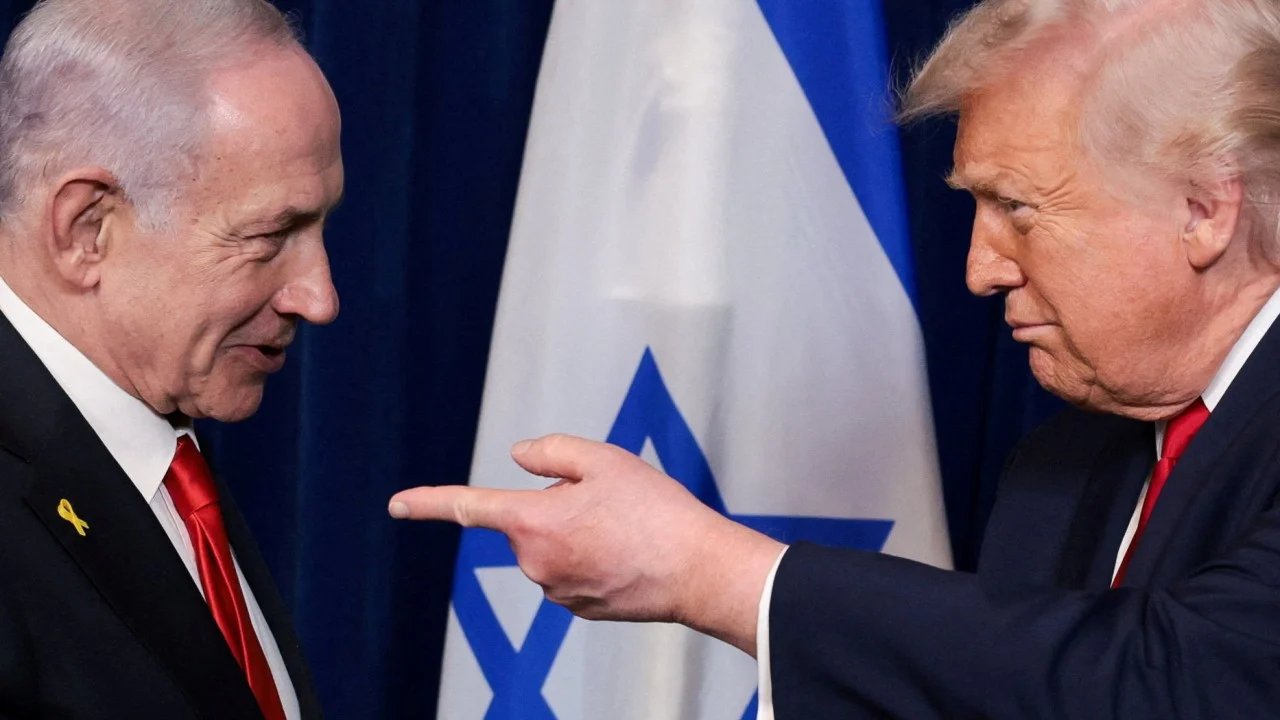
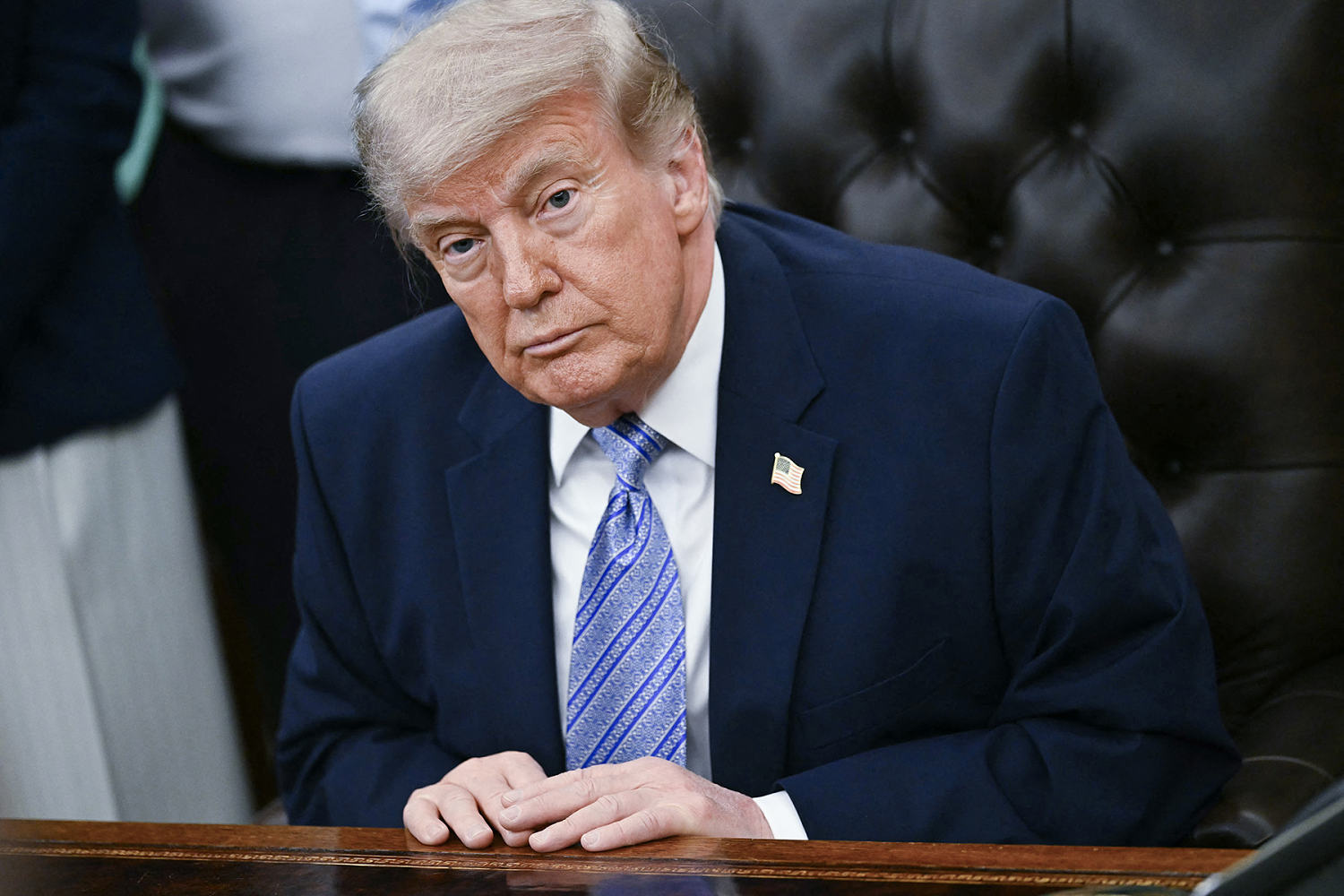
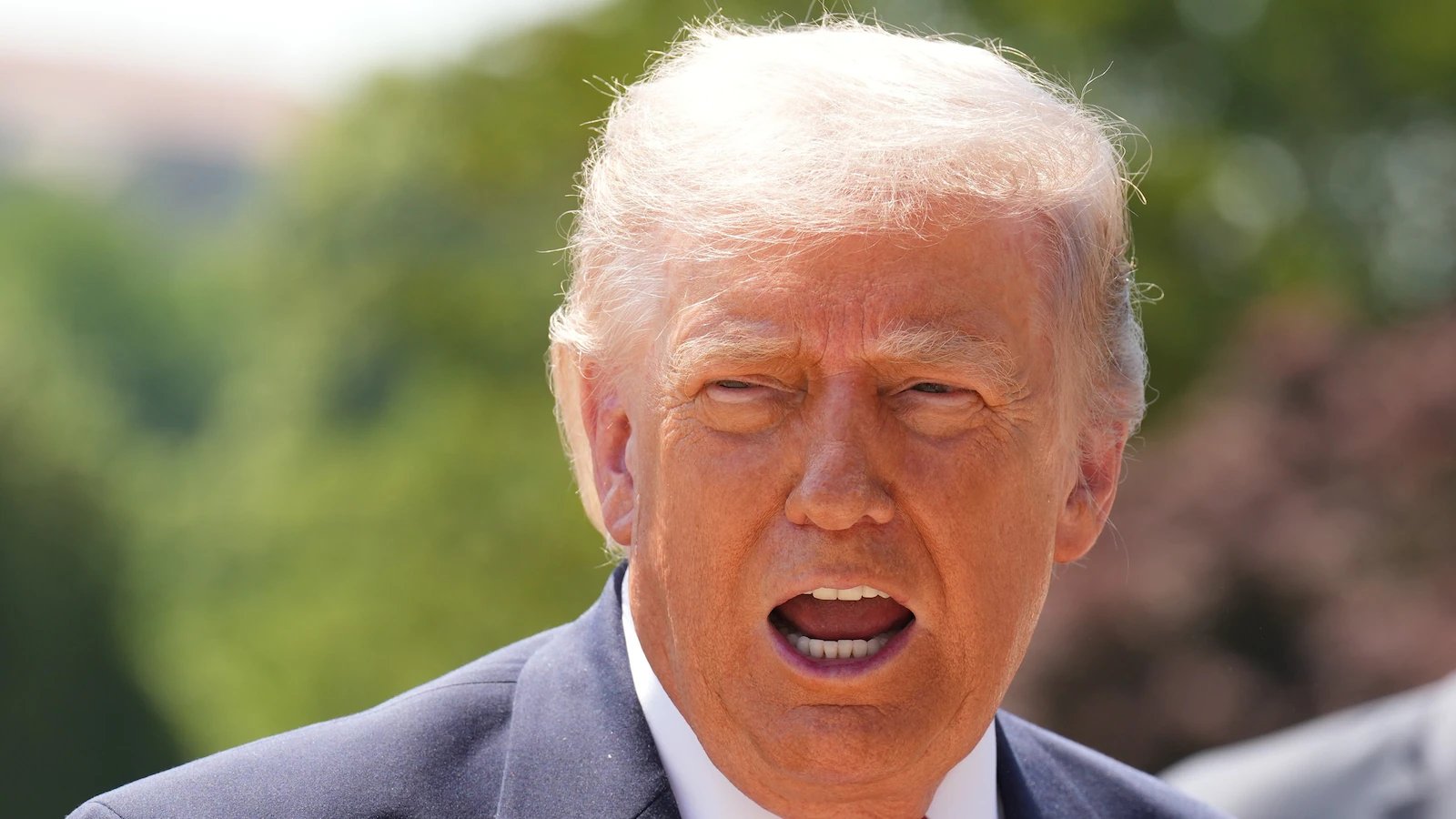
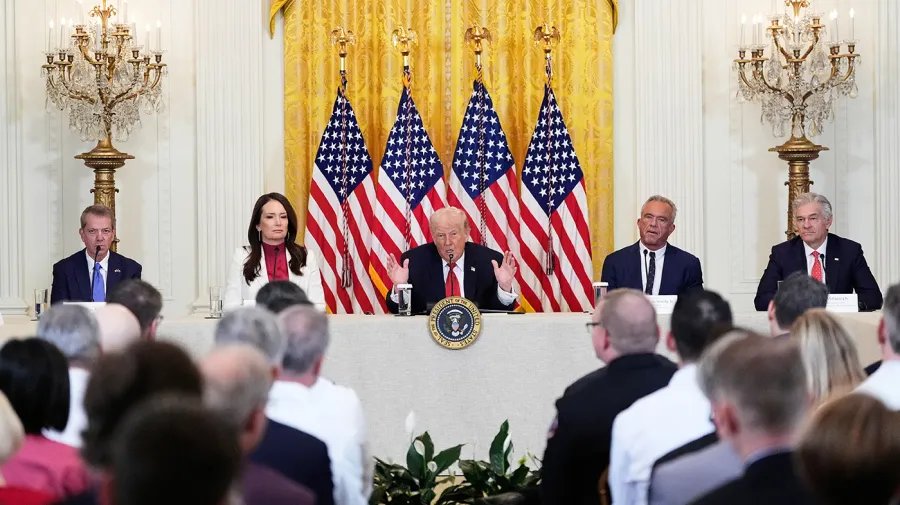
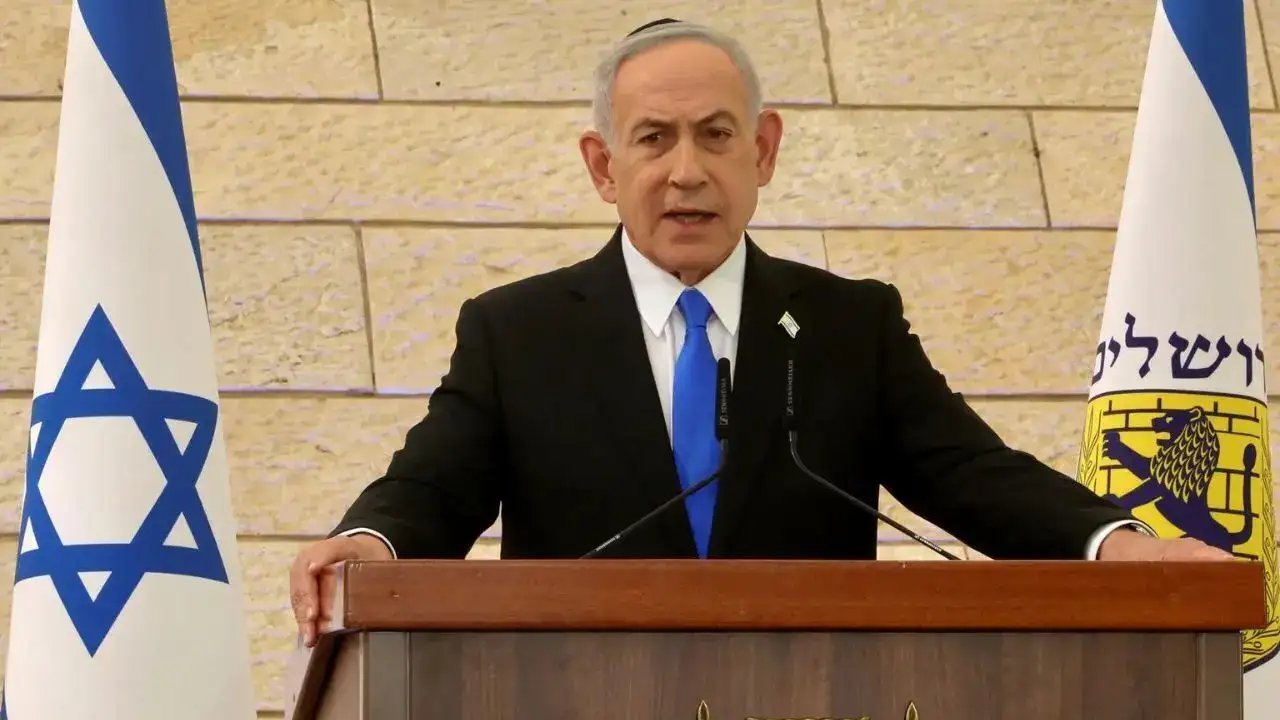
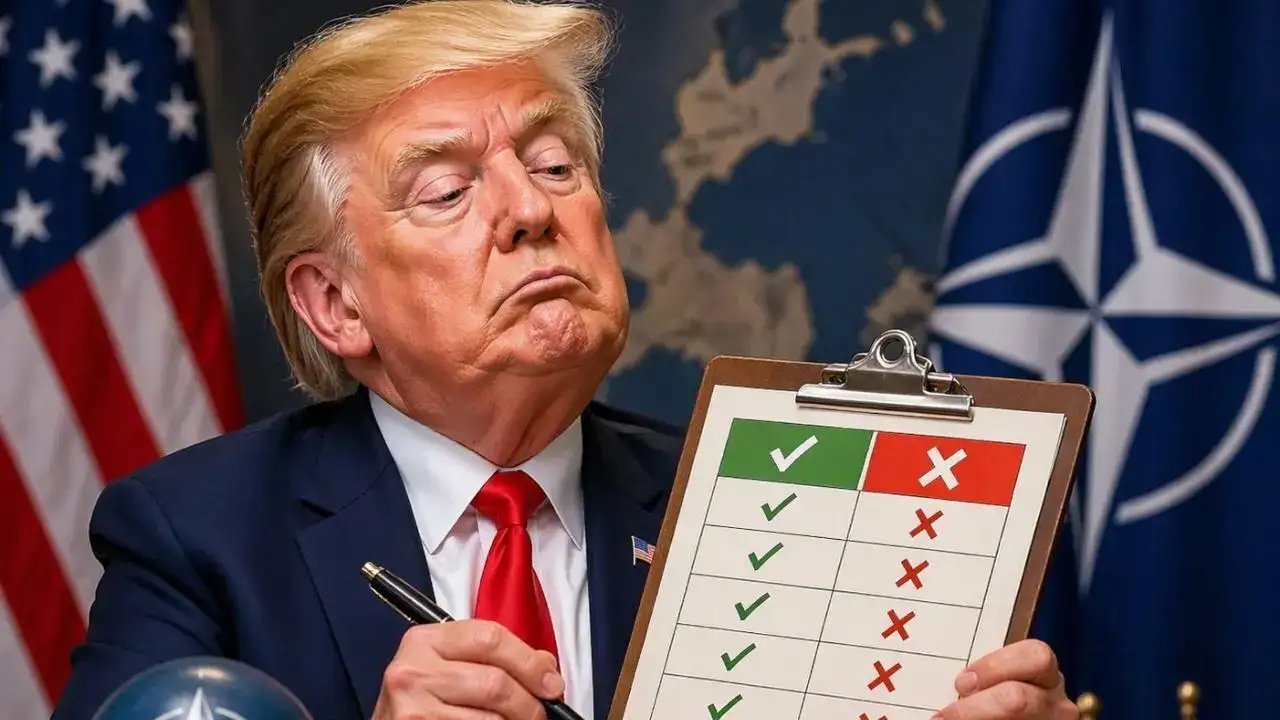
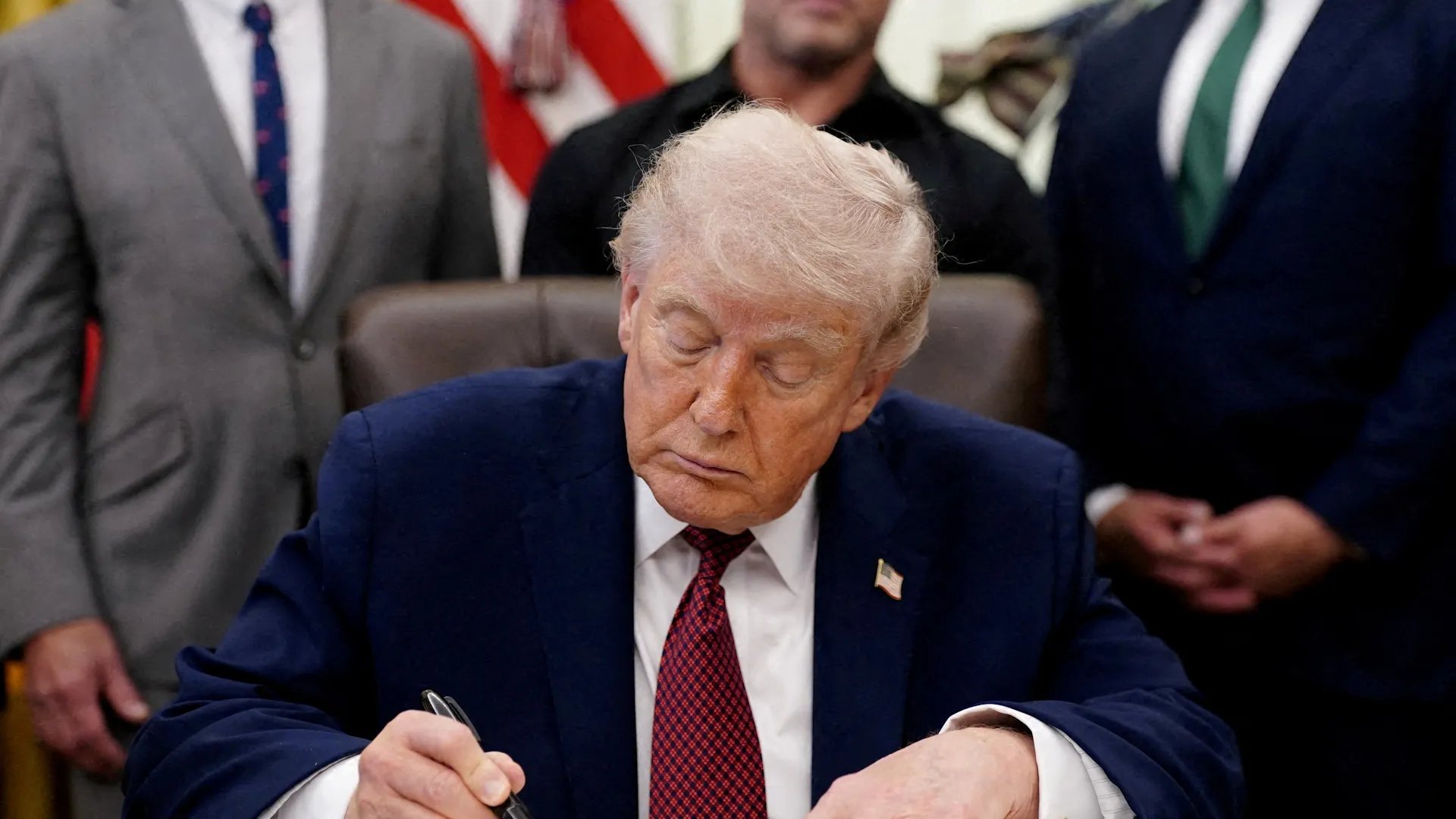
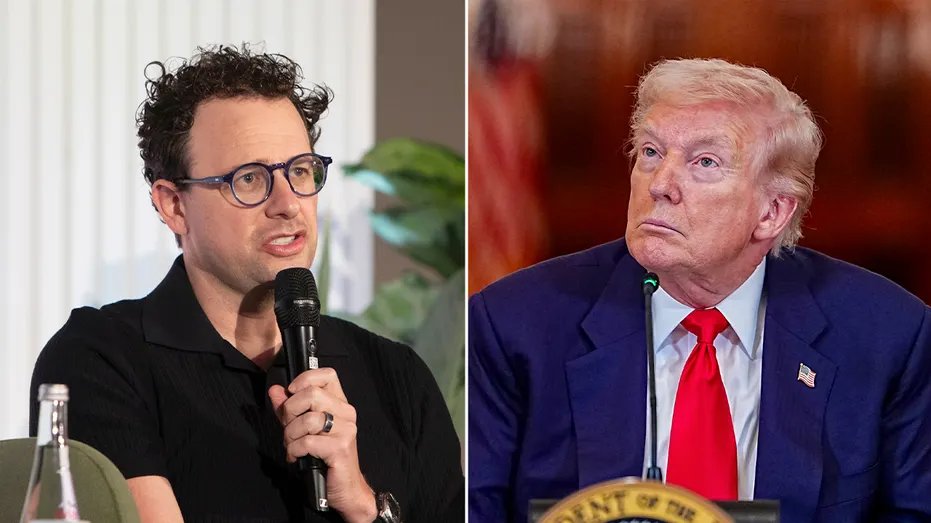
President Trump suggested Gulf countries should sign the Abraham Accords as part of an Iran peace deal, saying he was "not sure we should make the deal if they don't sign." Speaking at a Cabinet meeting Wednesday, Trump said Saudi Arabia, Qatar and others should join the accord, which currently includes the United Arab Emirates, Bahrain, Morocco, Sudan and Kazakhstan.
"It'll be historic if they do it. And I think, I think they owe that to us," Trump said.
U.S. special envoy Steve Witkoff said Trump negotiators are "pushing" for remaining countries to sign onto the accords. Republican Senator Lindsey Graham called the potential expansion of the agreement "the biggest change in the Middle East in thousands of years, effectively ending the Arab-Israeli conflict."
Trump said Iran "wants very much to make a deal" but that the U.S. remained "not satisfied" with terms on the table. "Either that or we'll have to just finish the job," he said, noting that Iran's navy and air force have been decimated. Trump also claimed Iran is "negotiating on fumes" and lacks other options.
White House spokesperson Olivia Wales stated that "negotiations are proceeding nicely" and that Trump has made his redlines clear, including that "Iran can never have a nuclear weapon." Secretary of State Marco Rubio said there has been "progress and interest" and indicated a deal could materialize "over the next few hours and days."
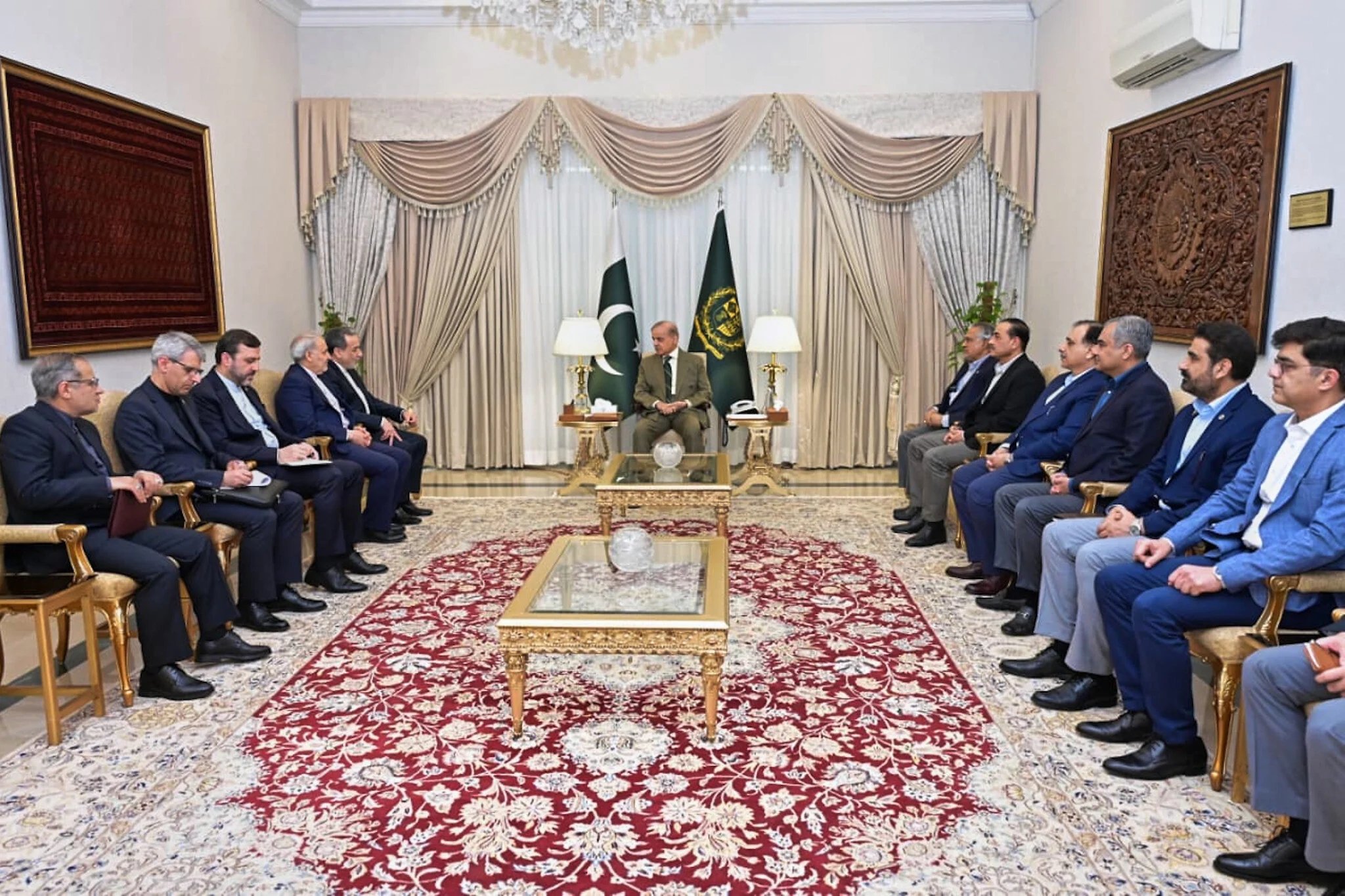
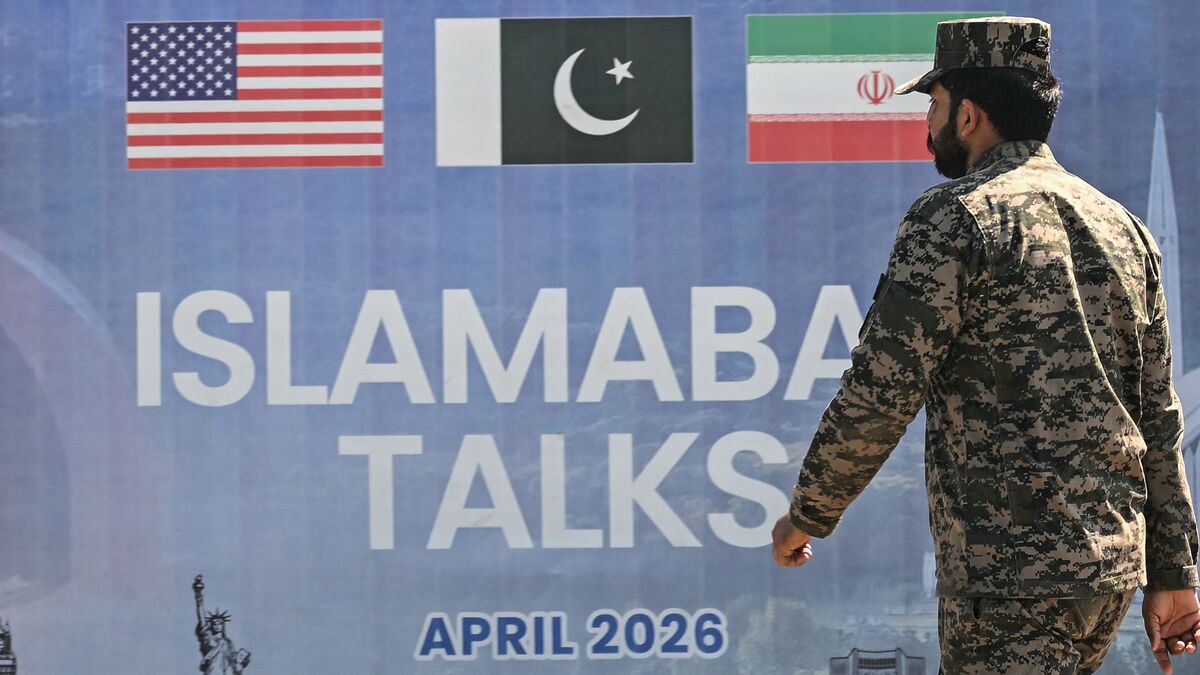
The two sides have sparred over the details of a potential memorandum of understanding. Iran's state broadcaster IRIB released what it said was a draft agreement, called the Islamabad Framework, which would have the U.S. lift its blockade of Iranian ports in exchange for Iran restoring commercial shipping through the Strait of Hormuz to pre-war levels within one month. The White House immediately rejected the report as "not true" and a "complete fabrication," calling it Iranian propaganda.
The framework also proposed that if a final agreement is reached within 60 days, it would be confirmed through a binding United Nations Security Council resolution.
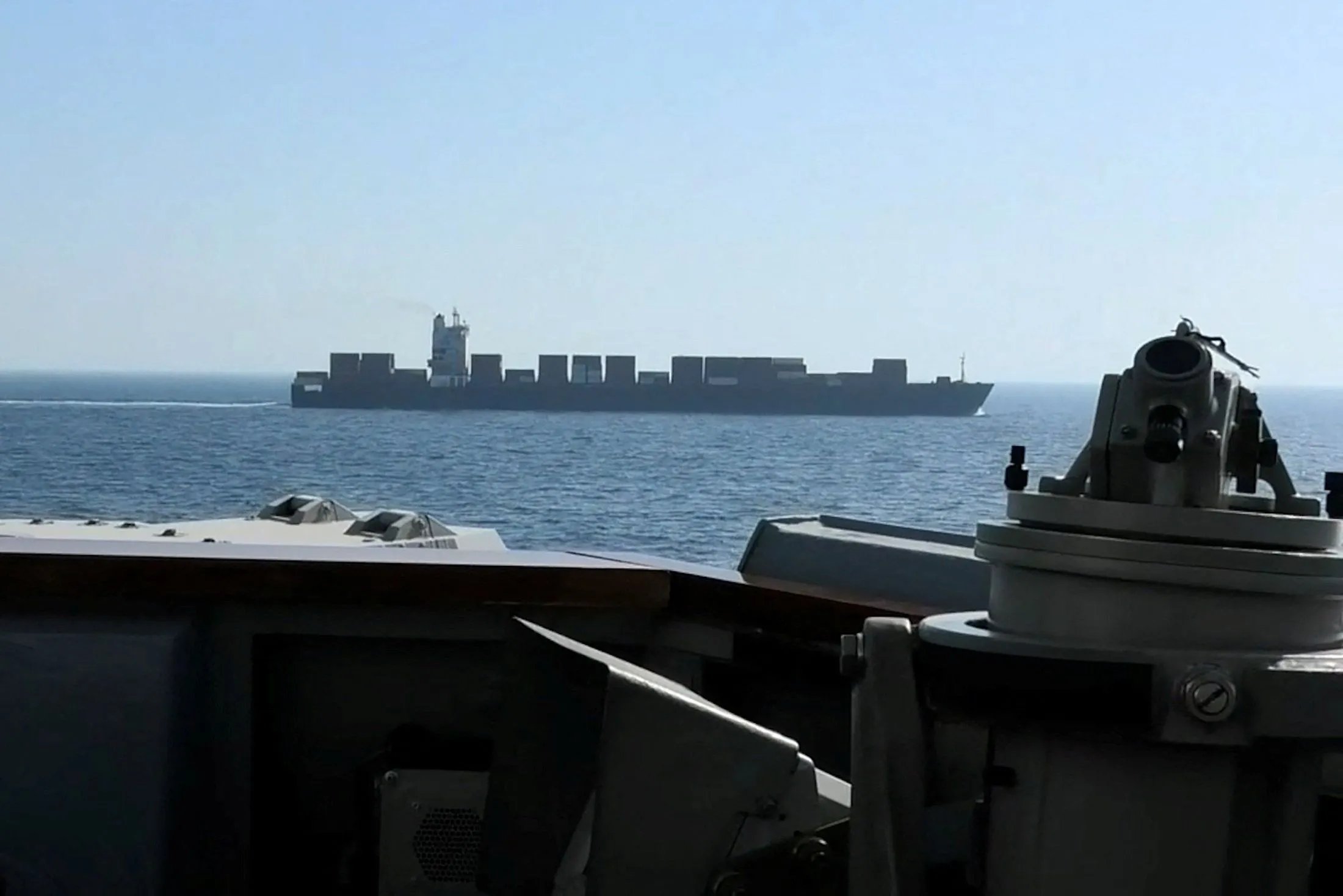
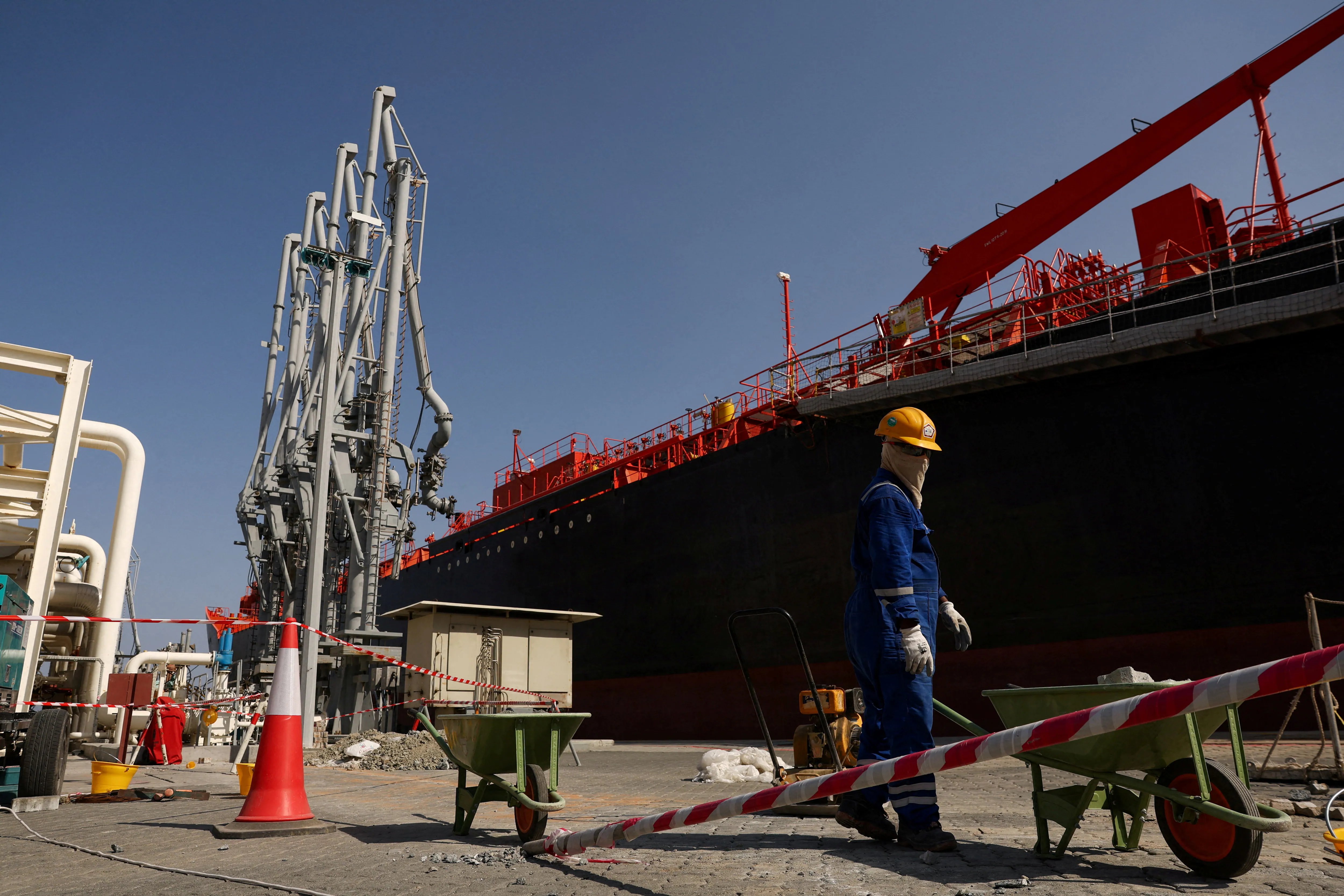
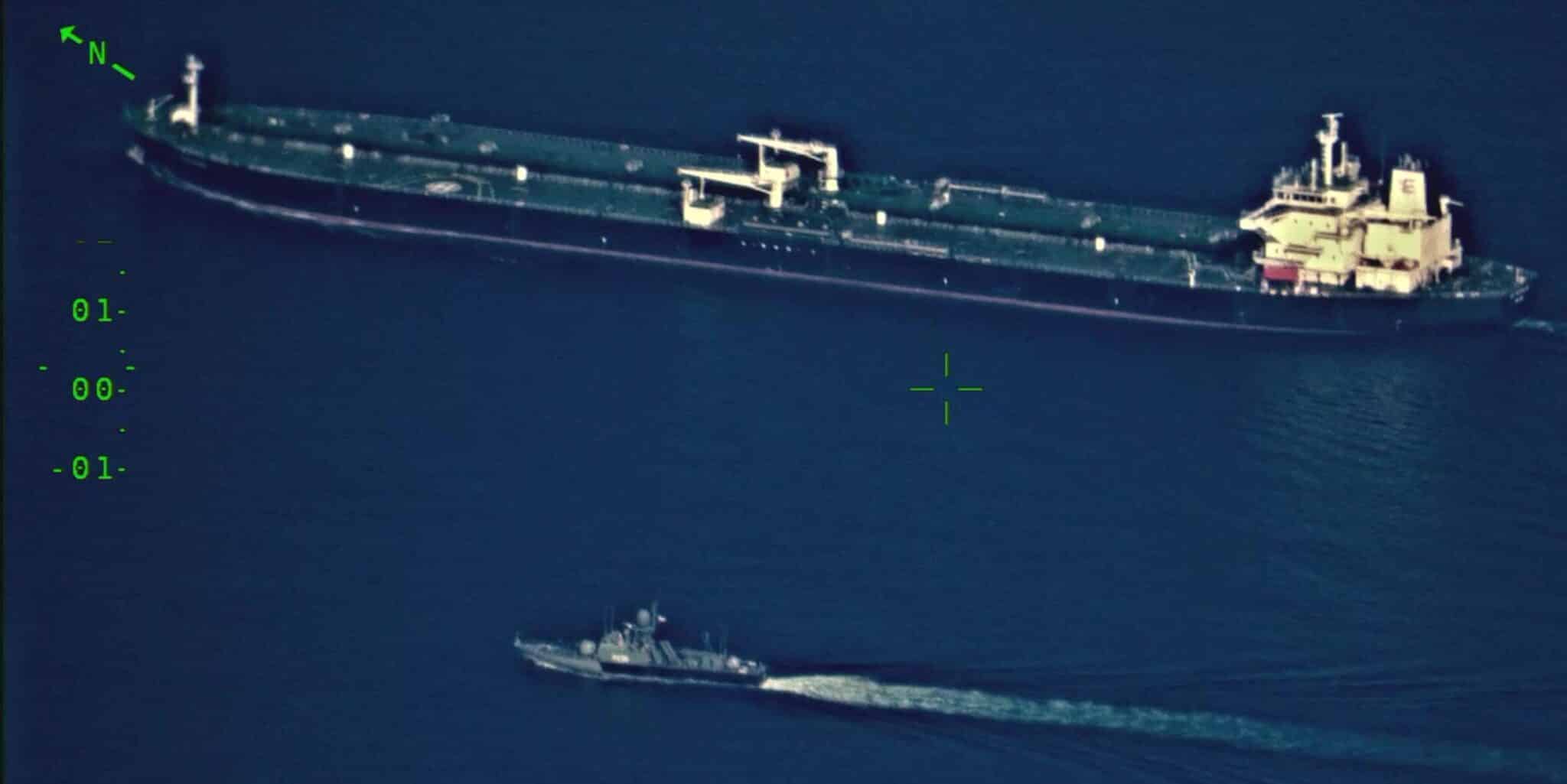
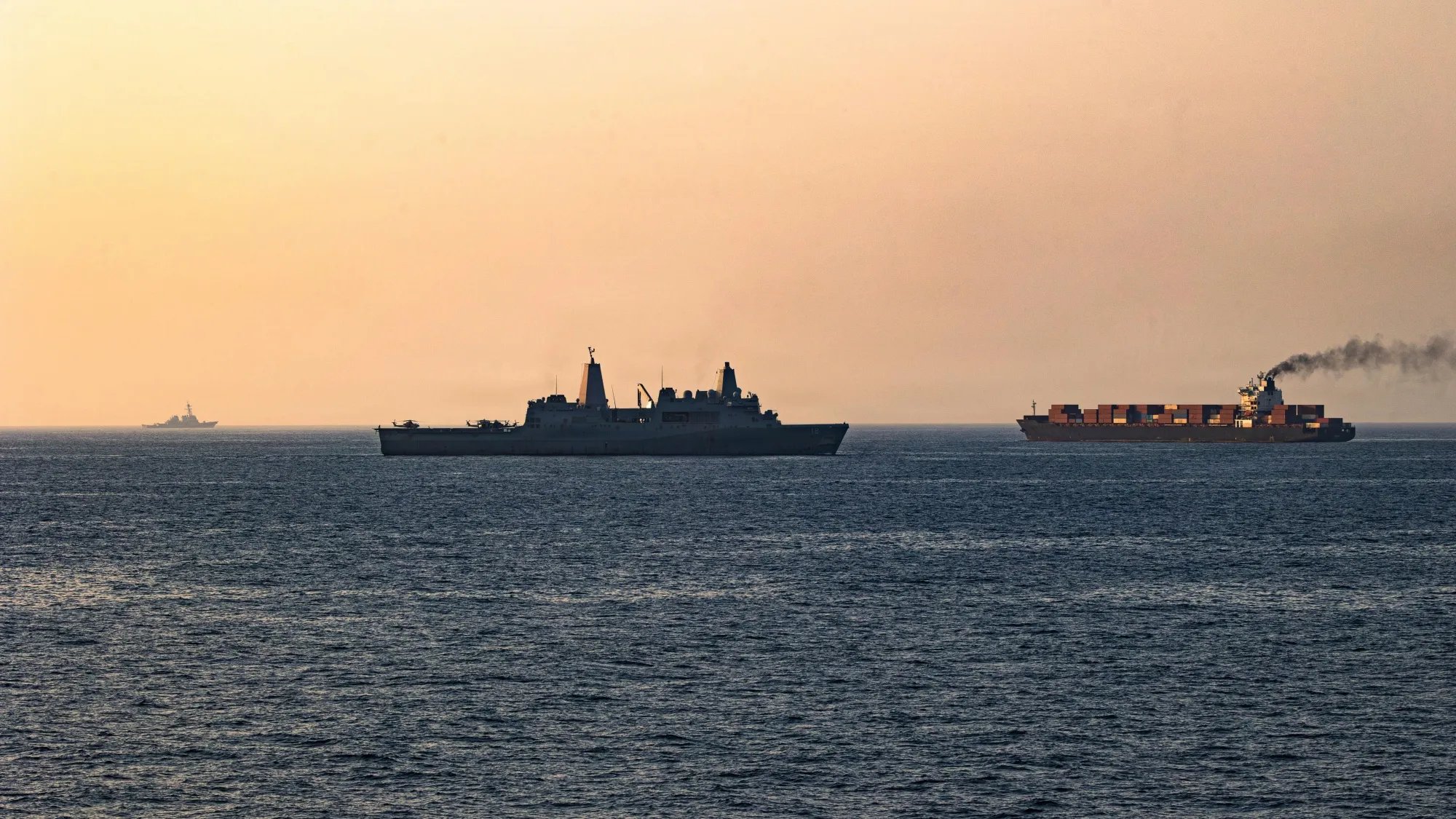
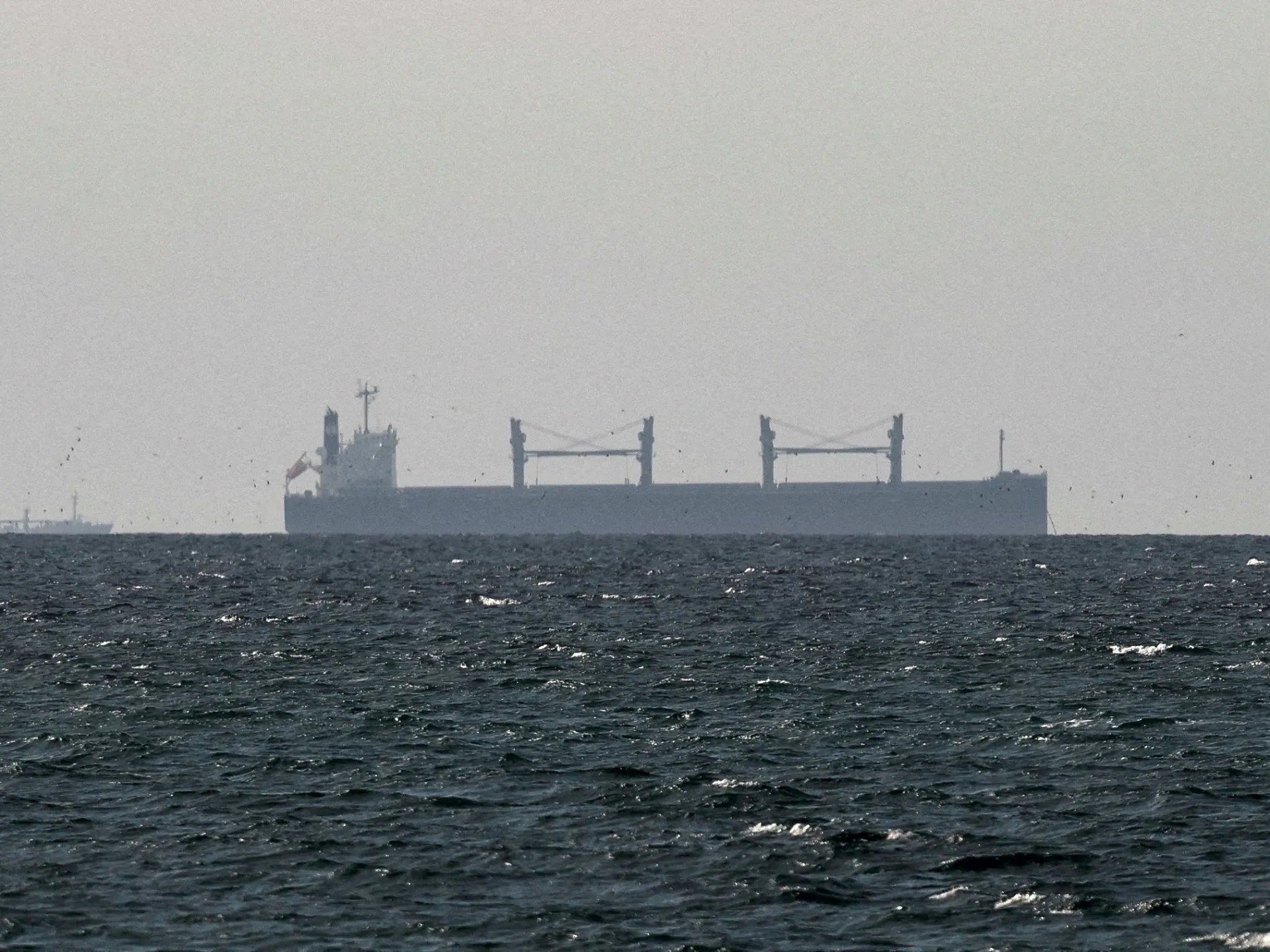
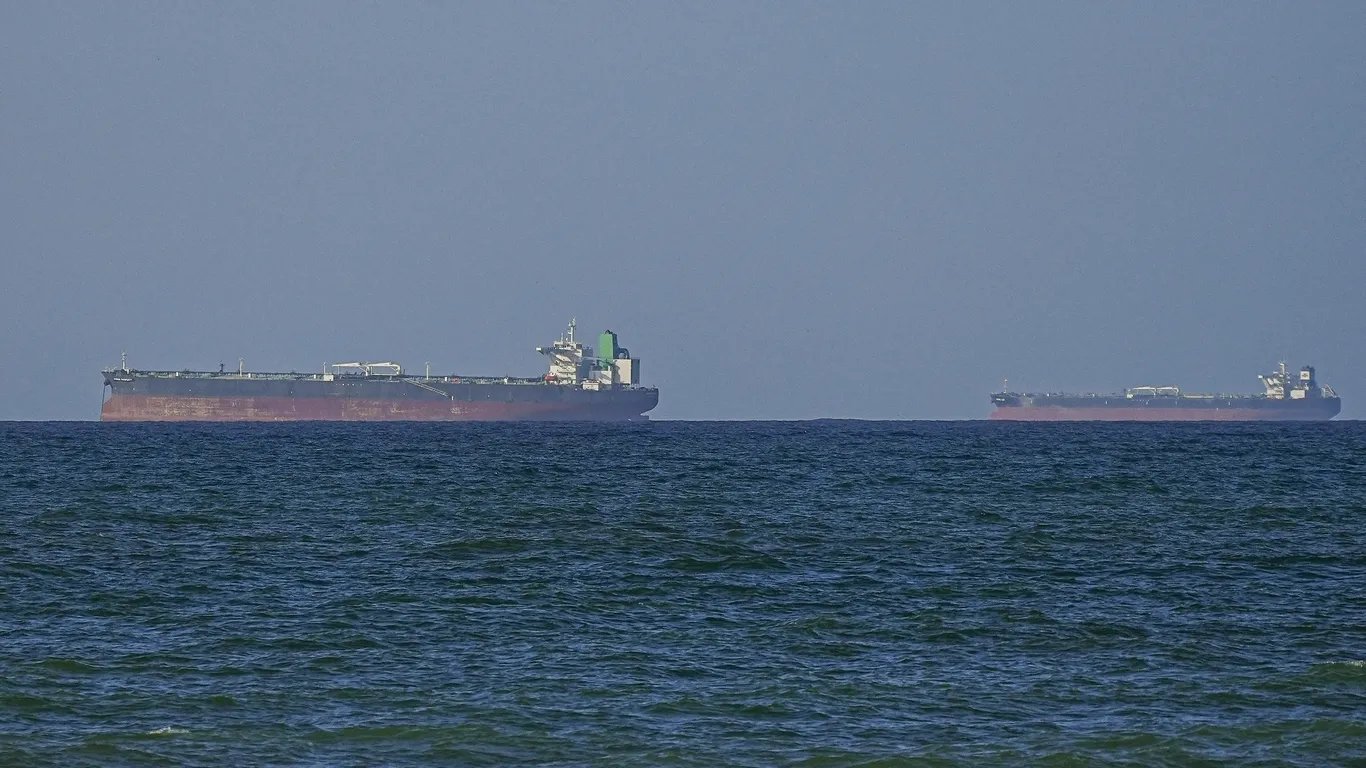
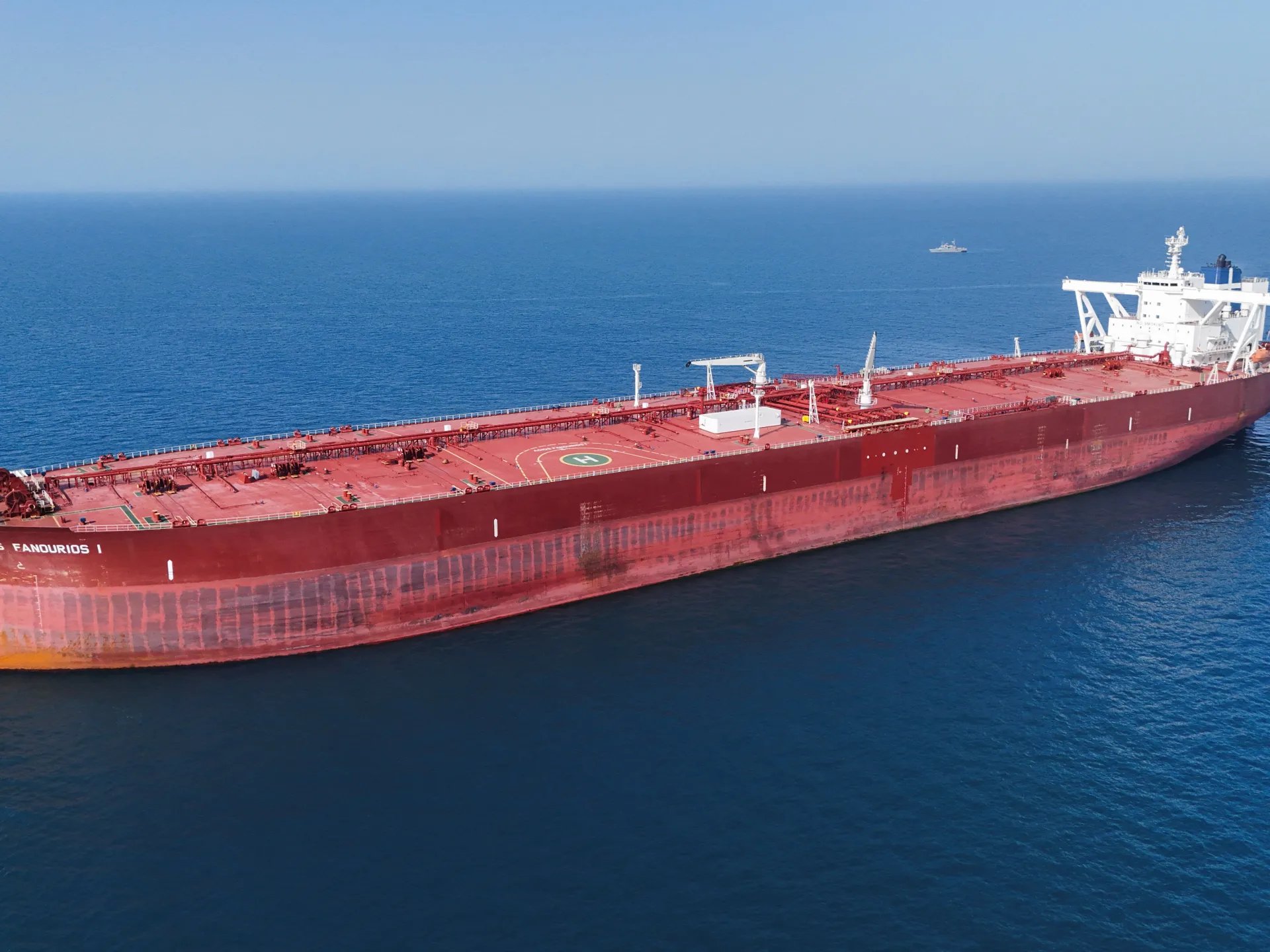
The U.S. blockade on the Strait of Hormuz has redirected 109 commercial vessels heading into or leaving Iranian ports, according to U.S. Central Command. Lifting this blockade has been a key condition of negotiations.
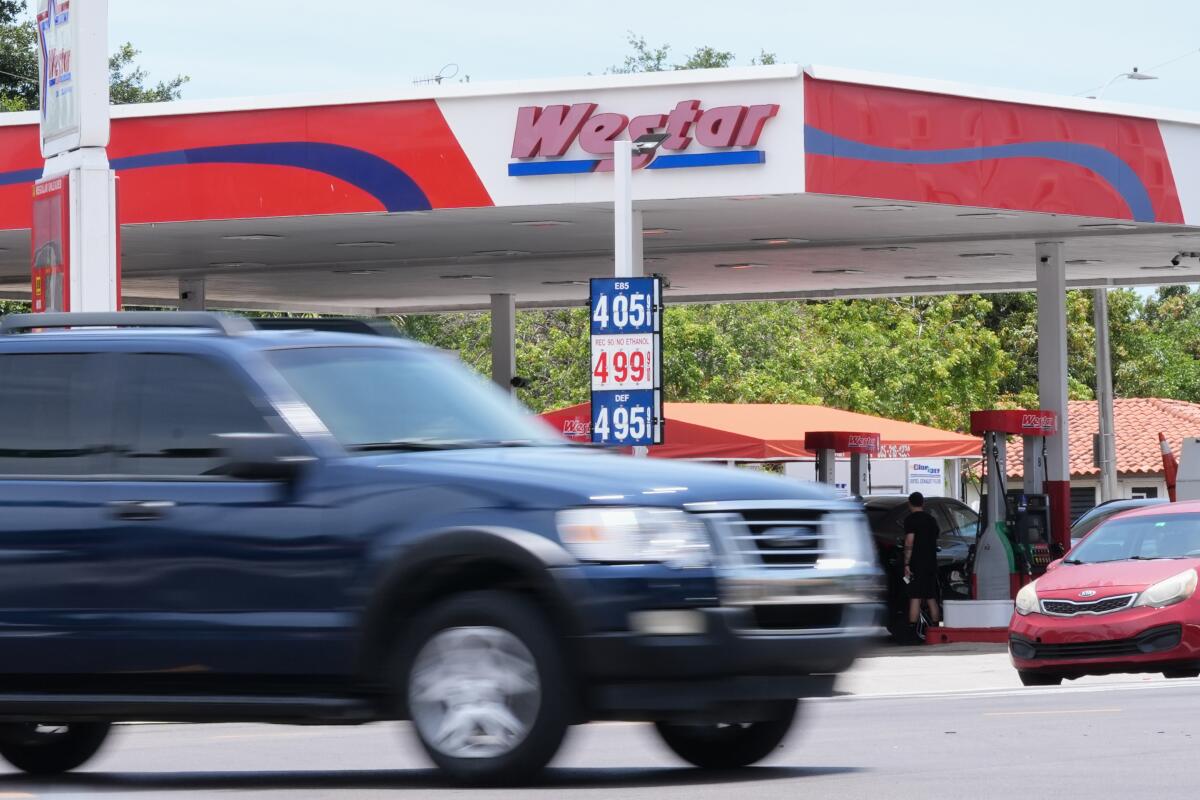
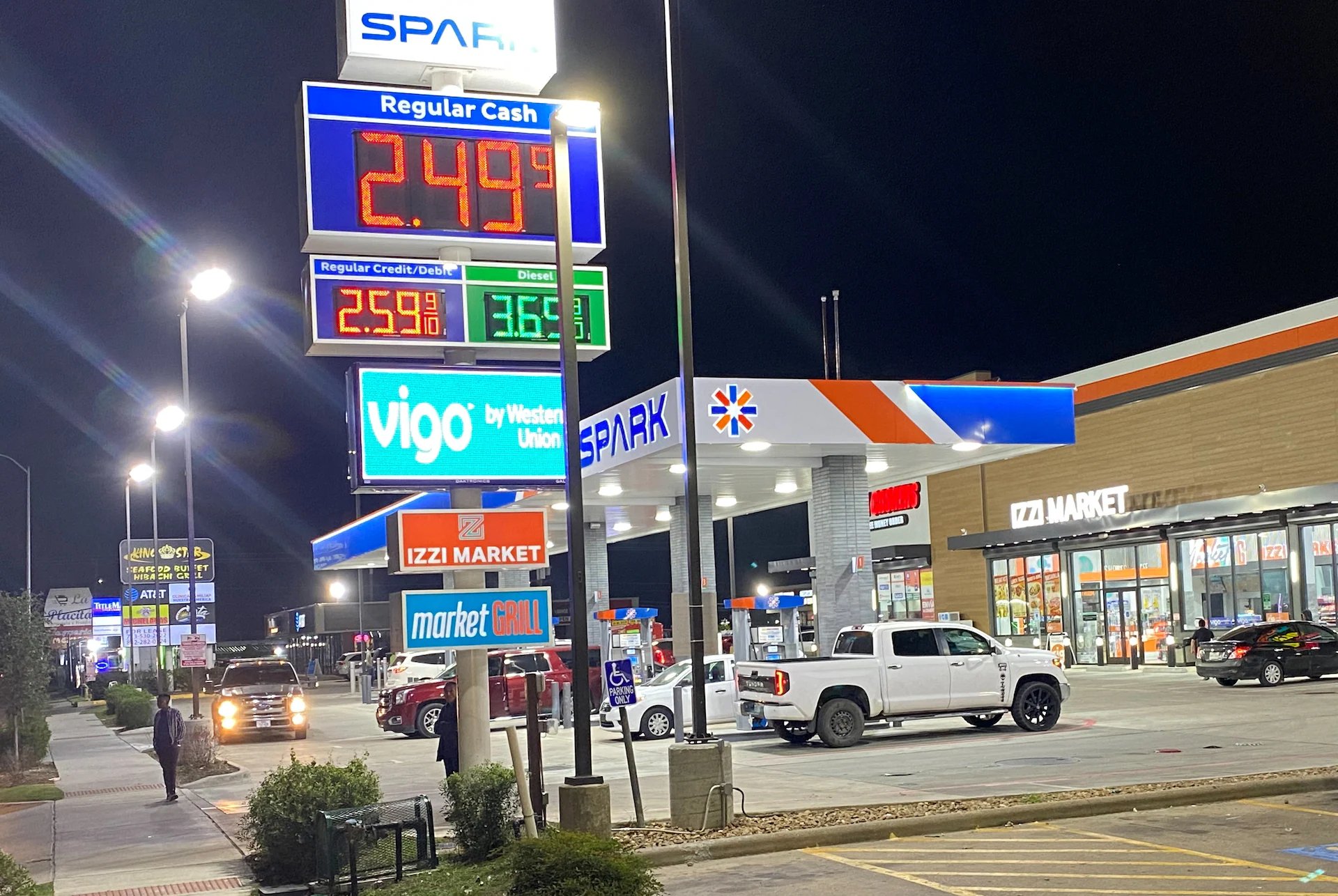
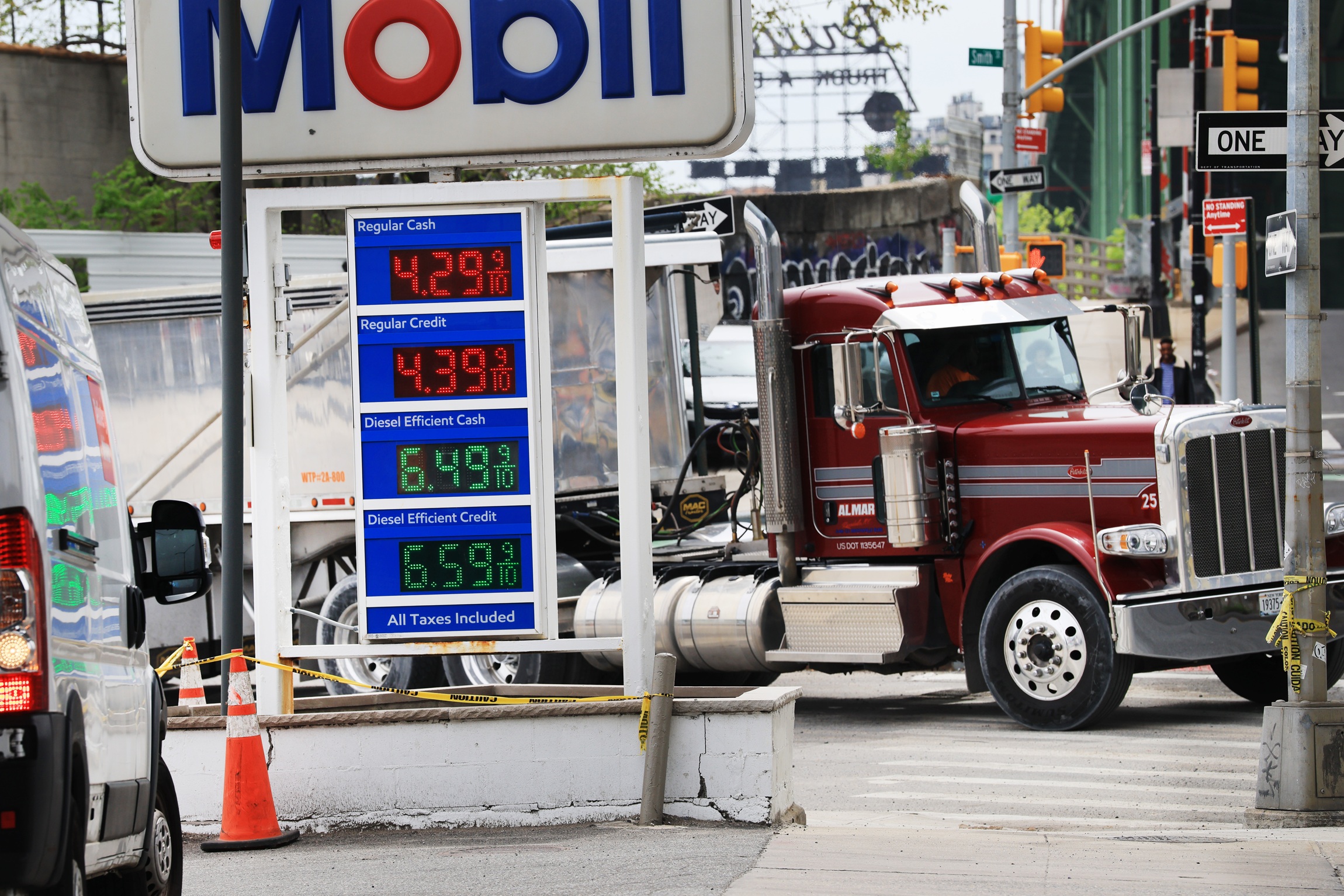
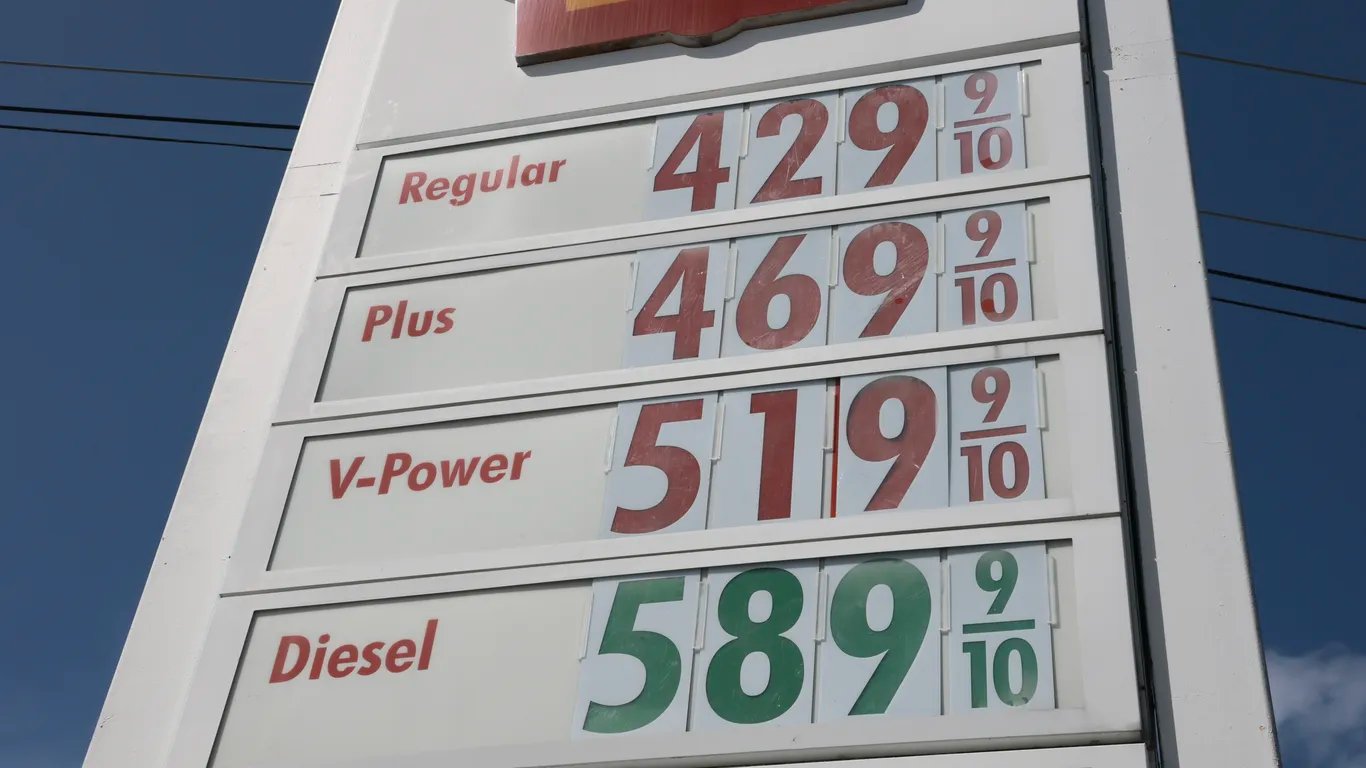
Oil prices dropped Wednesday on rekindled hope of a deal. Brent North Sea crude fell 5% to $94.61 a barrel before rebounding slightly to around $95. The main U.S. crude contract, WTI, tumbled almost 6% to $89 a barrel. Treasury Secretary Scott Bessent claimed oil prices will be lower than pre-conflict levels when the war ends, though the current average for regular gasoline stands at $4.46 nationally.
The U.S. missile supply depleted by the war with Iran could take three or more years to replace, according to the U.S. Center for Strategic and International Studies. Patriot missiles, of which an estimated 1,060 to 1,430 were used in the Iran attacks, could take until mid-2029 to return to pre-war levels. Terminal high altitude area defense missiles could take until mid- to late-2029 to replace.
Tomahawk cruise missiles, one of the key long-range weapons used by the military, will take the longest to replace. More than 1,000 were used in the war, and pre-war stockpiles may not be equaled until early 2031, the think tank said.
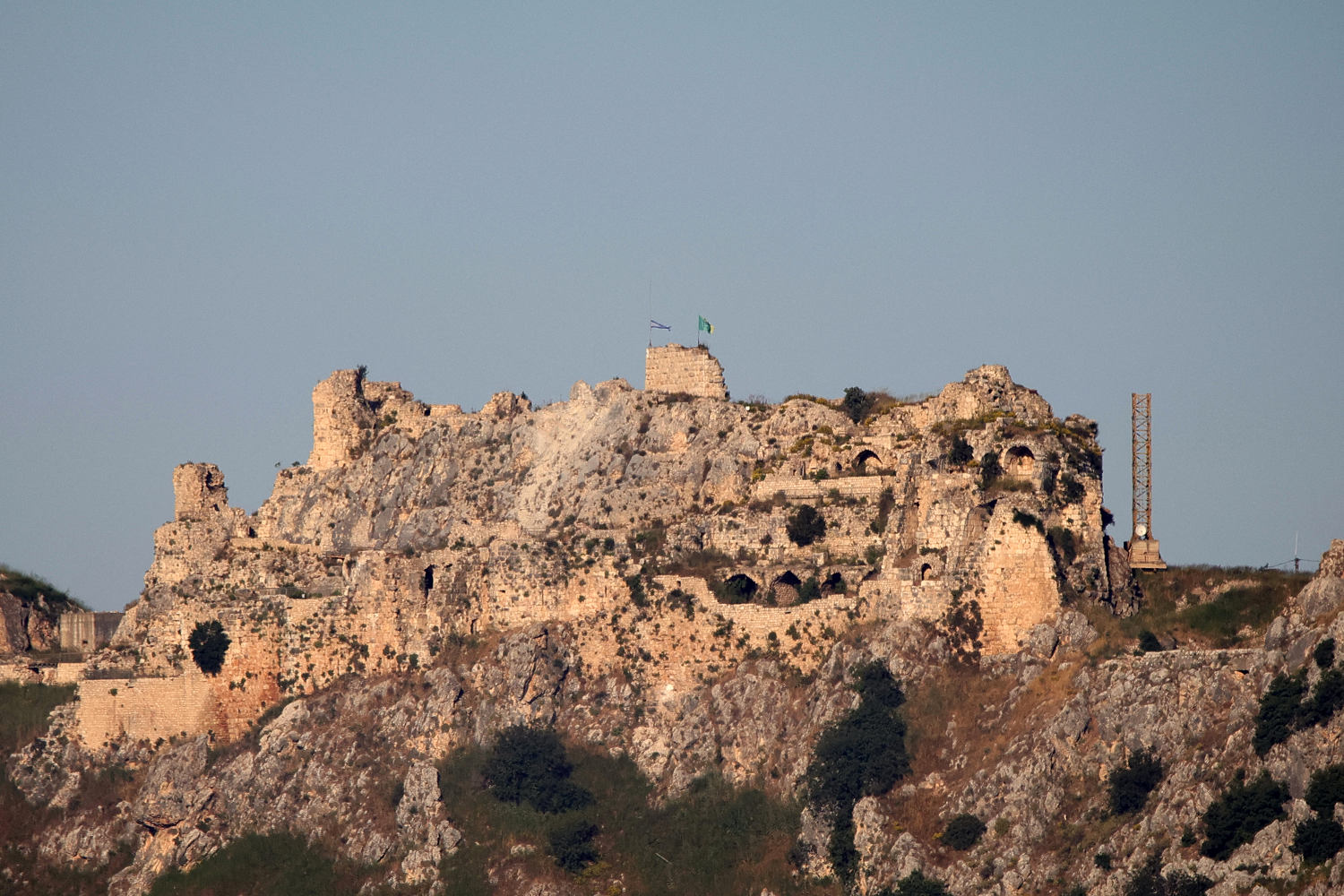
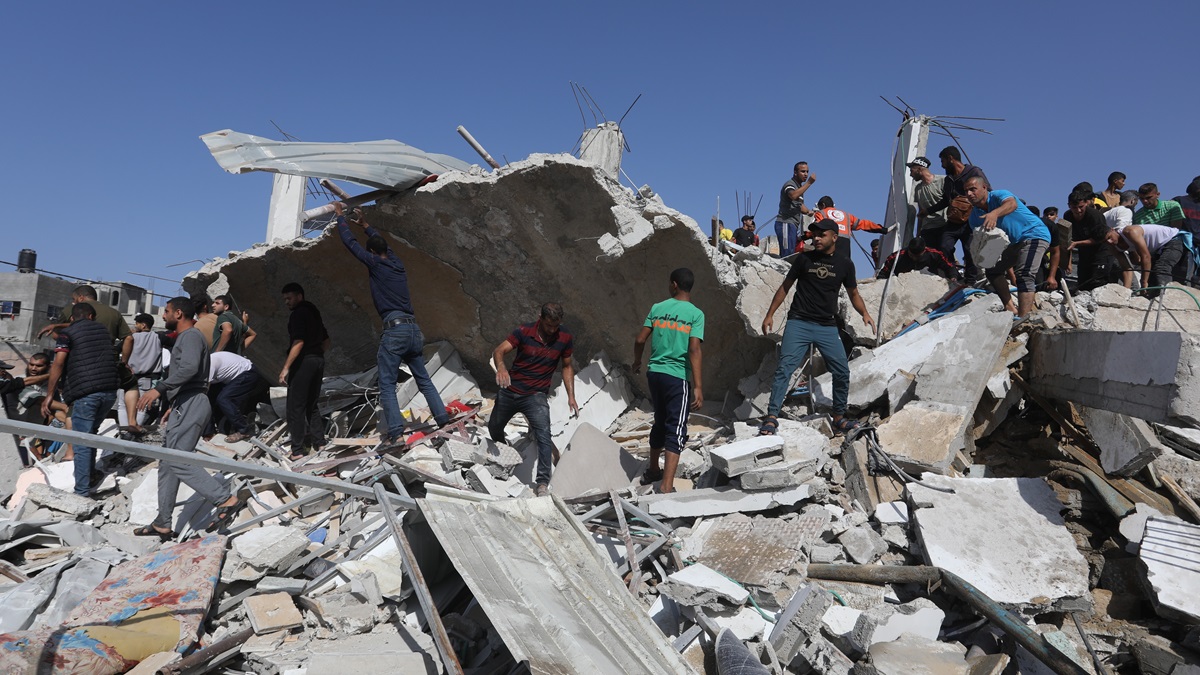
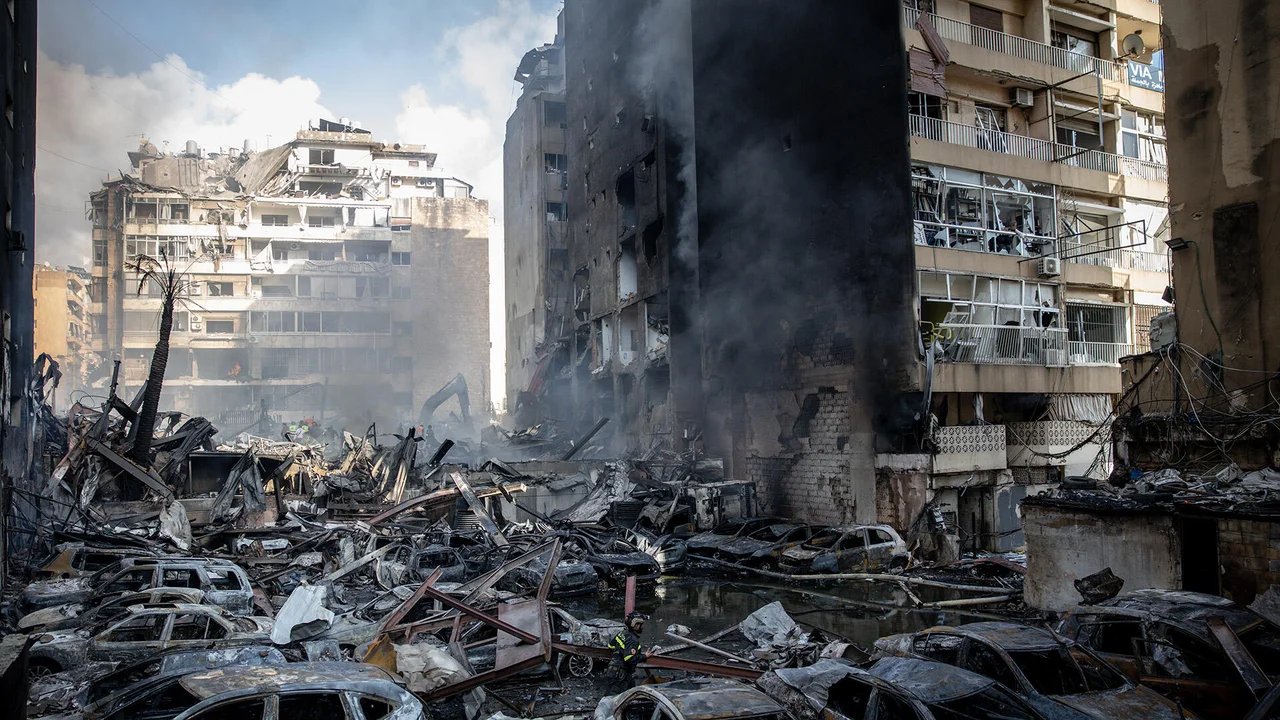
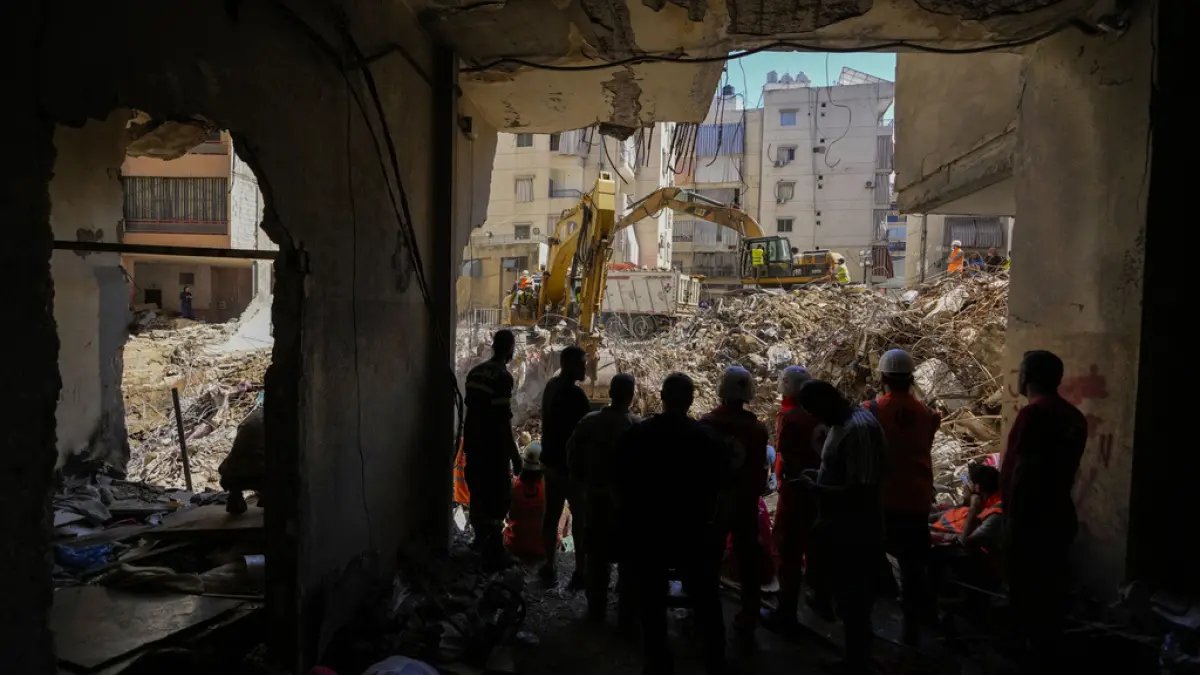
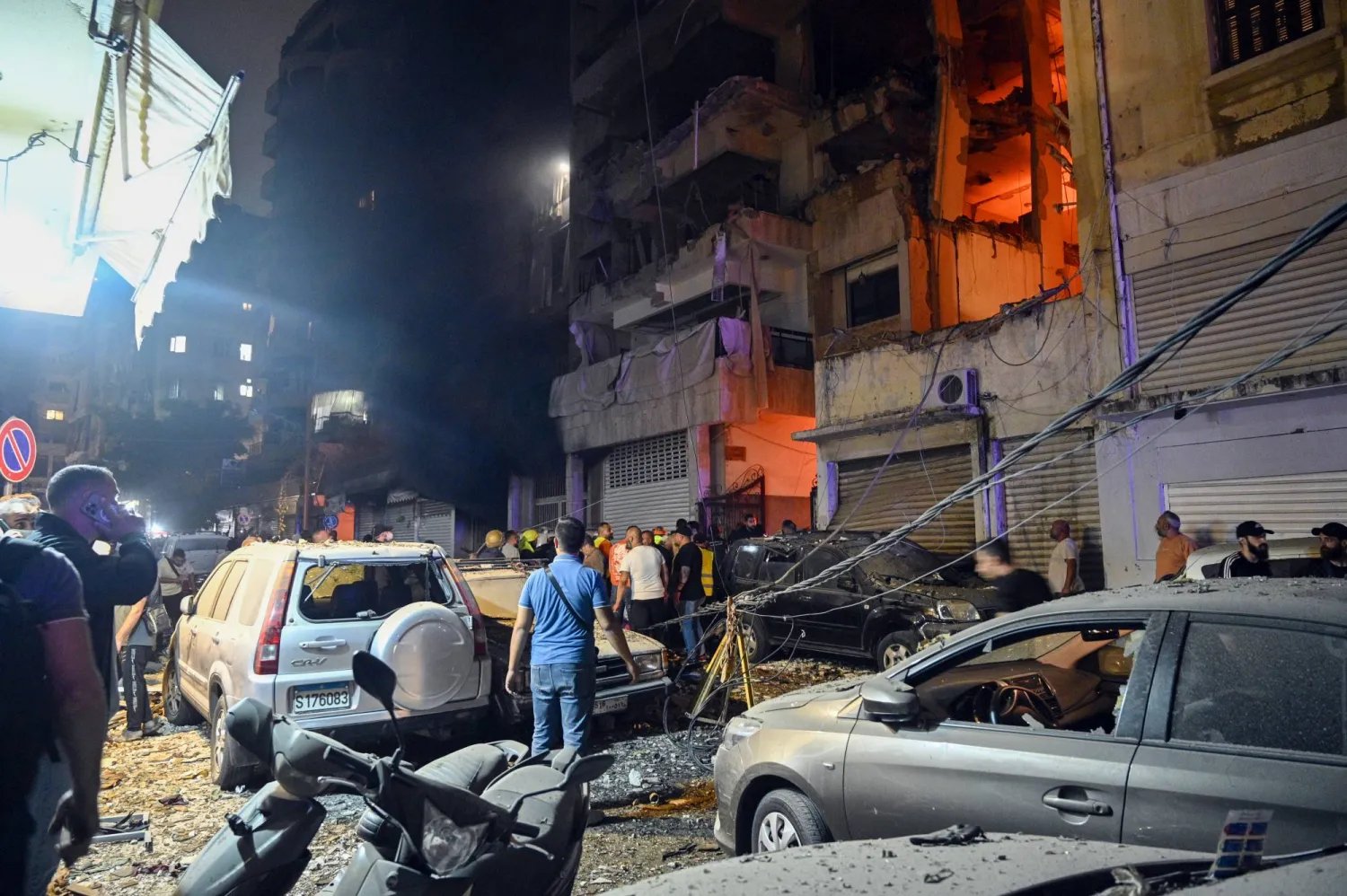
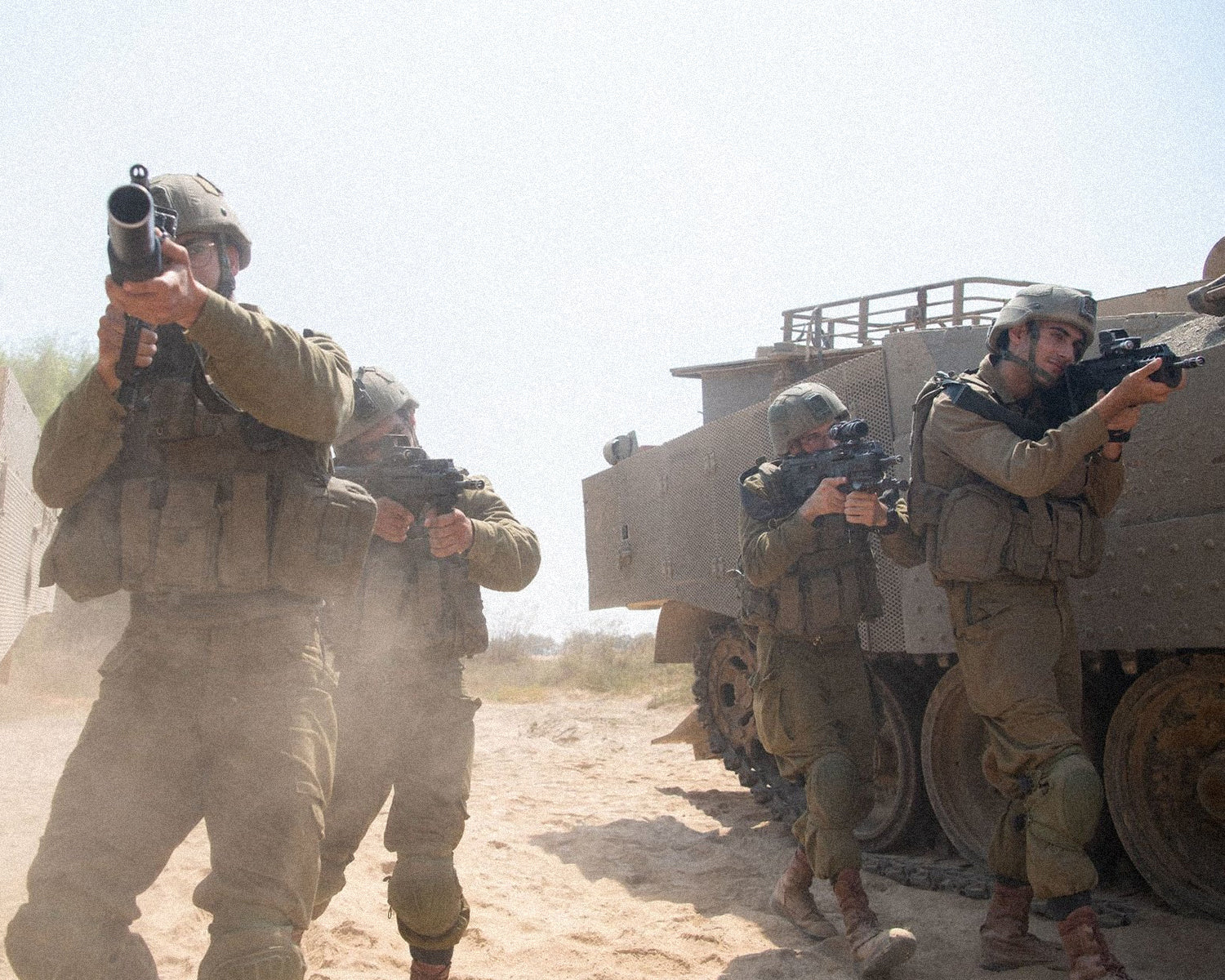
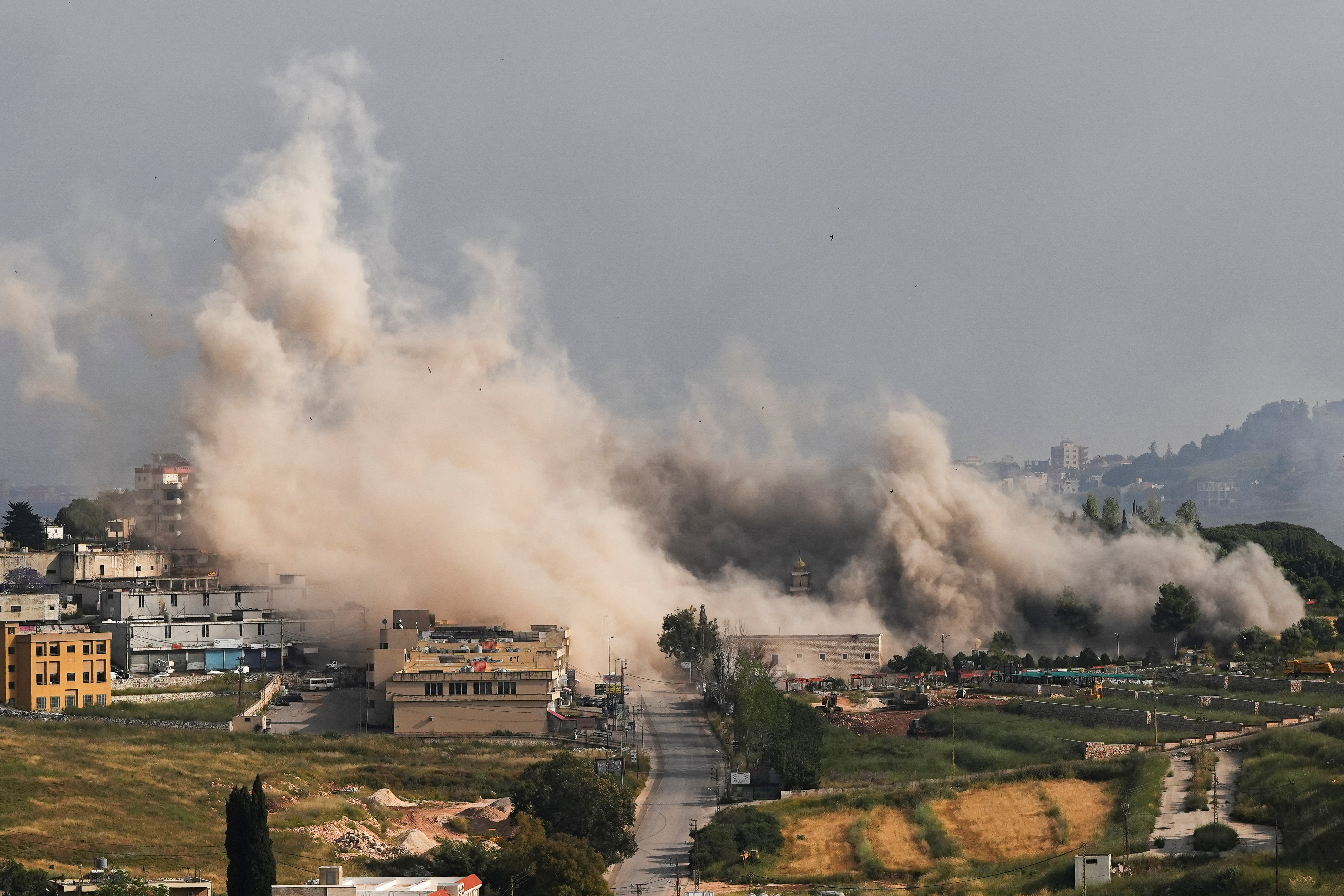
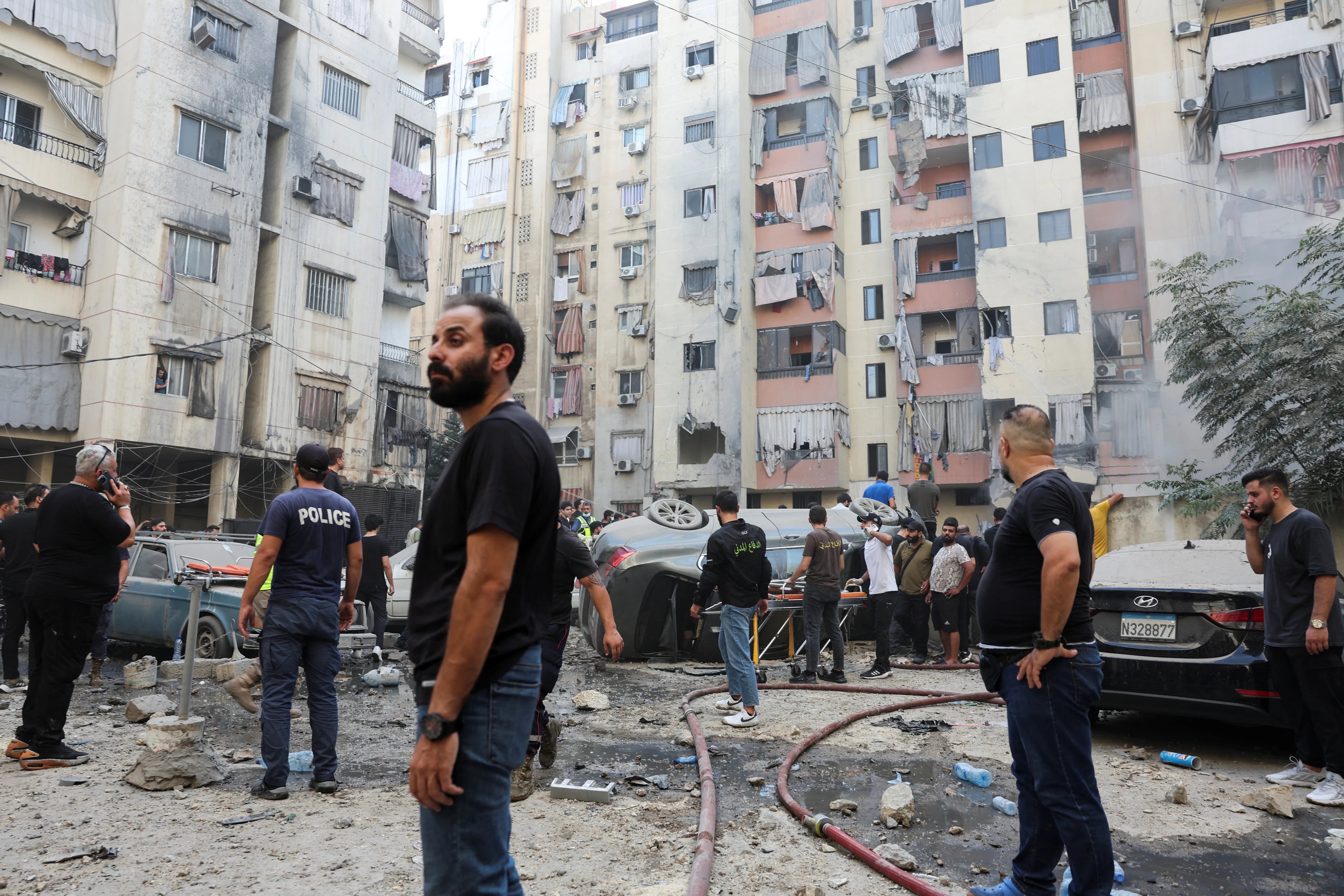
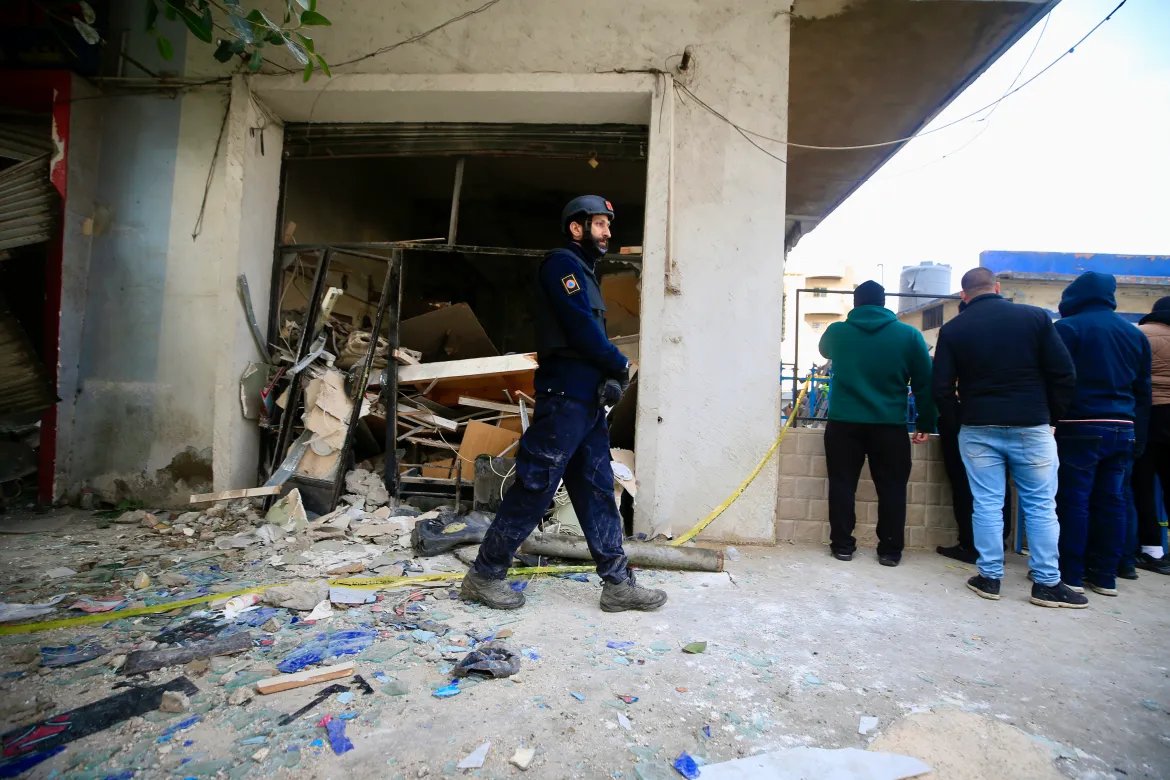
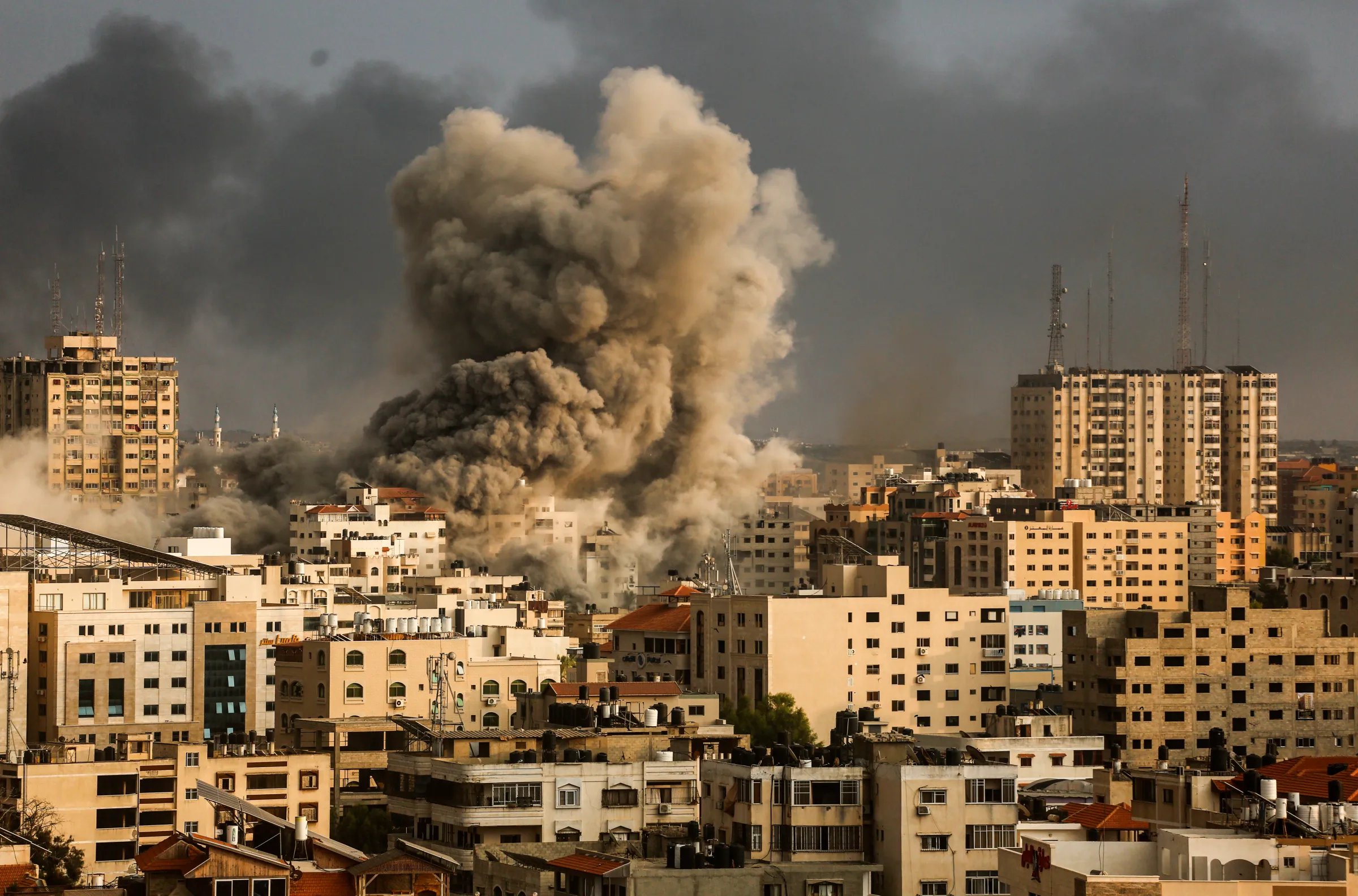
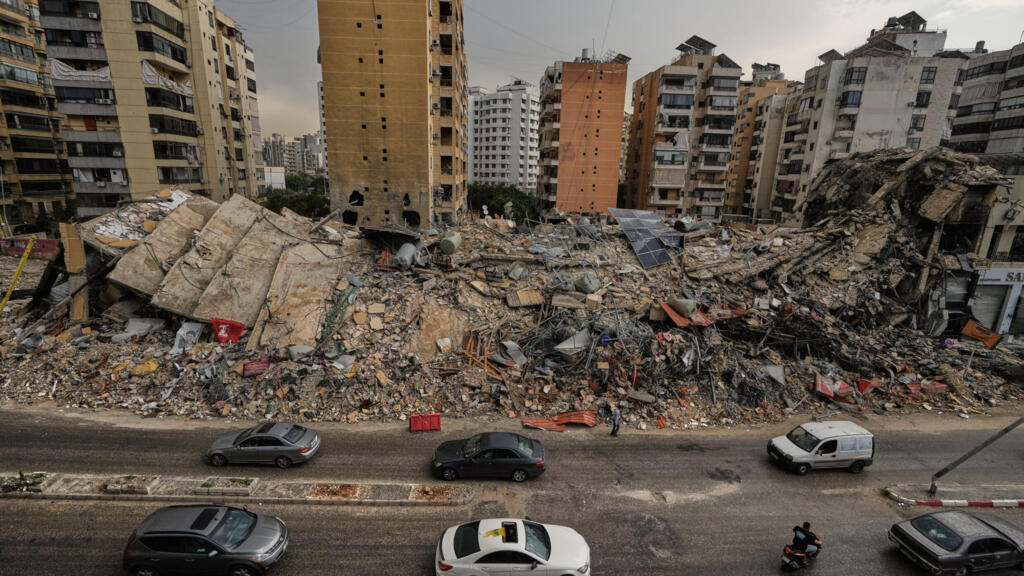
The Israeli military declared all areas south of the Zahrani River, roughly 25 miles from the border, as combat zones on Wednesday. On Thursday, it began new strikes on Hezbollah infrastructure around the southern Lebanese city of Tyre.
The IDF struck more than 150 Hezbollah infrastructure sites and terrorists in and around Tyre and Nabatieh and in the Beqaa Valley over the last day.
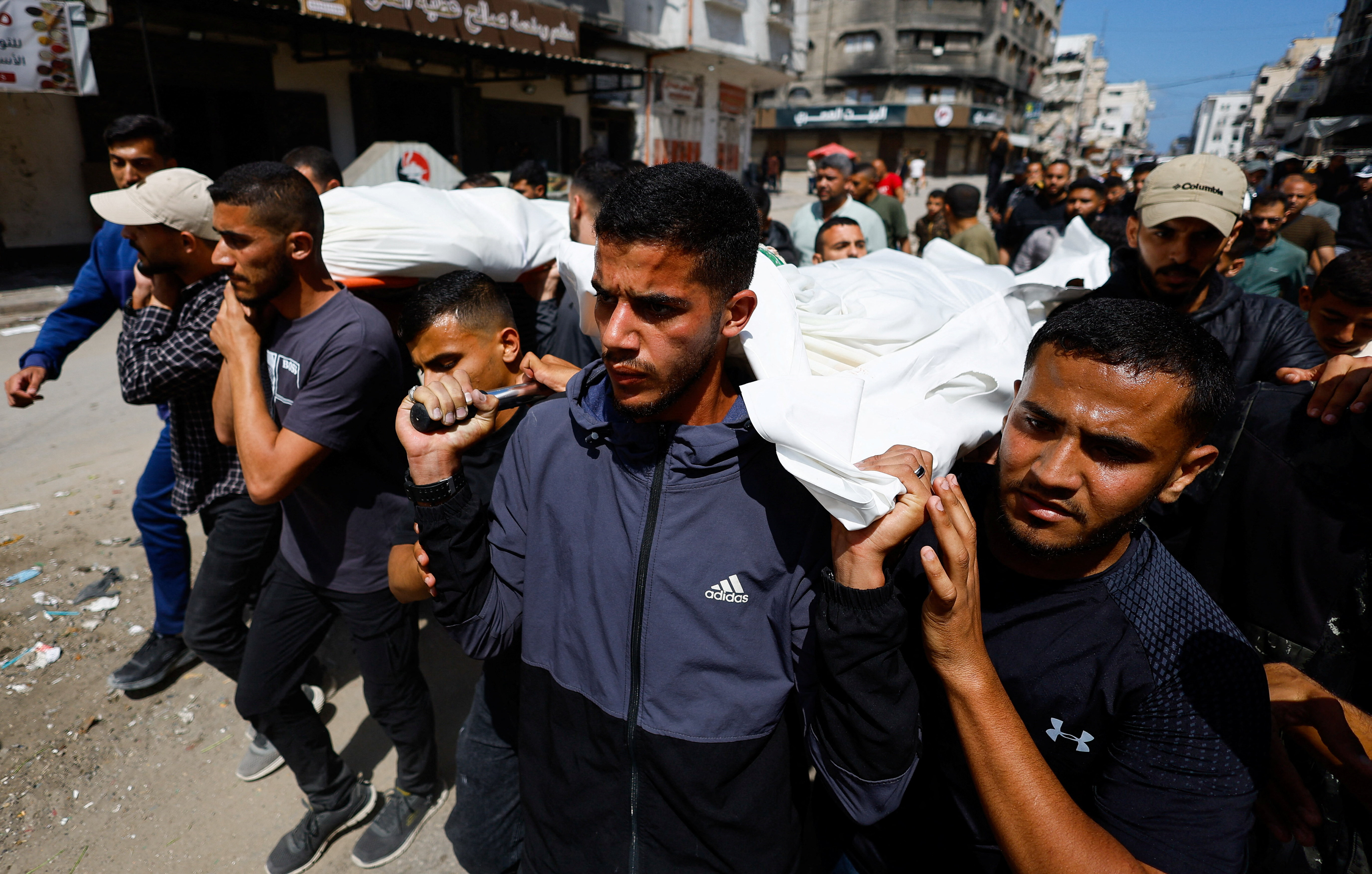
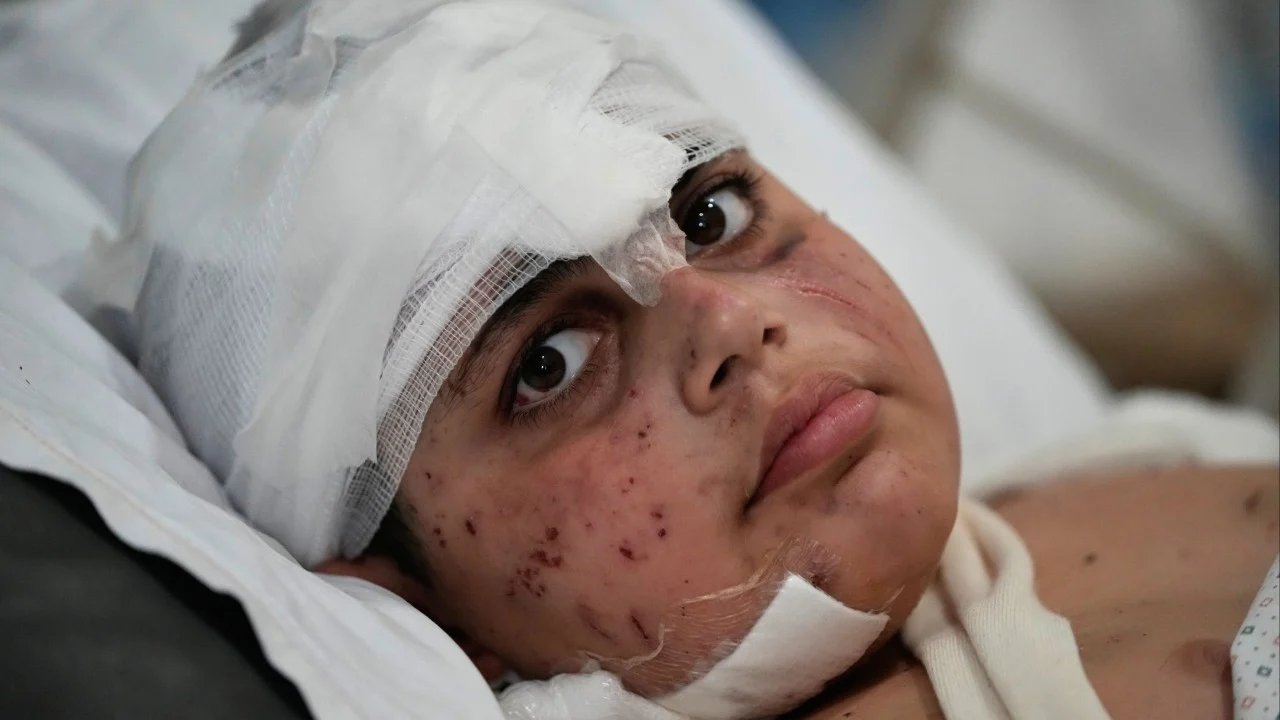
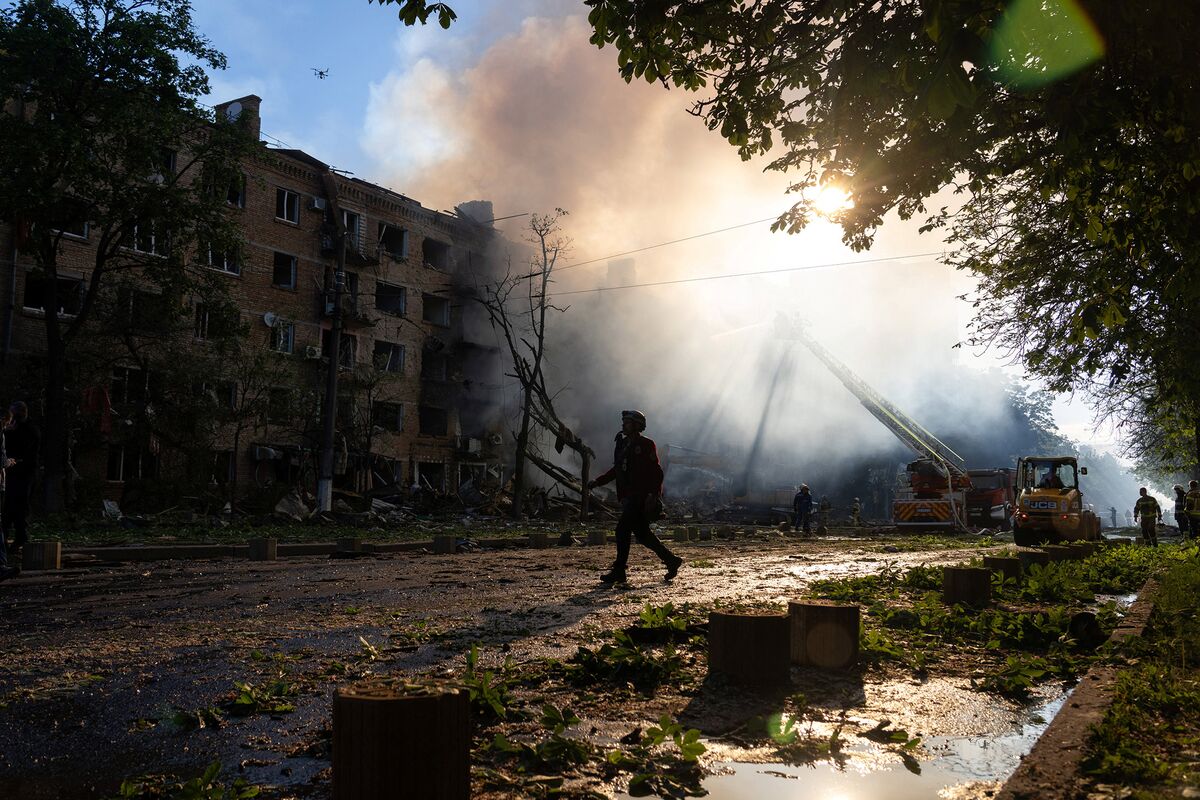
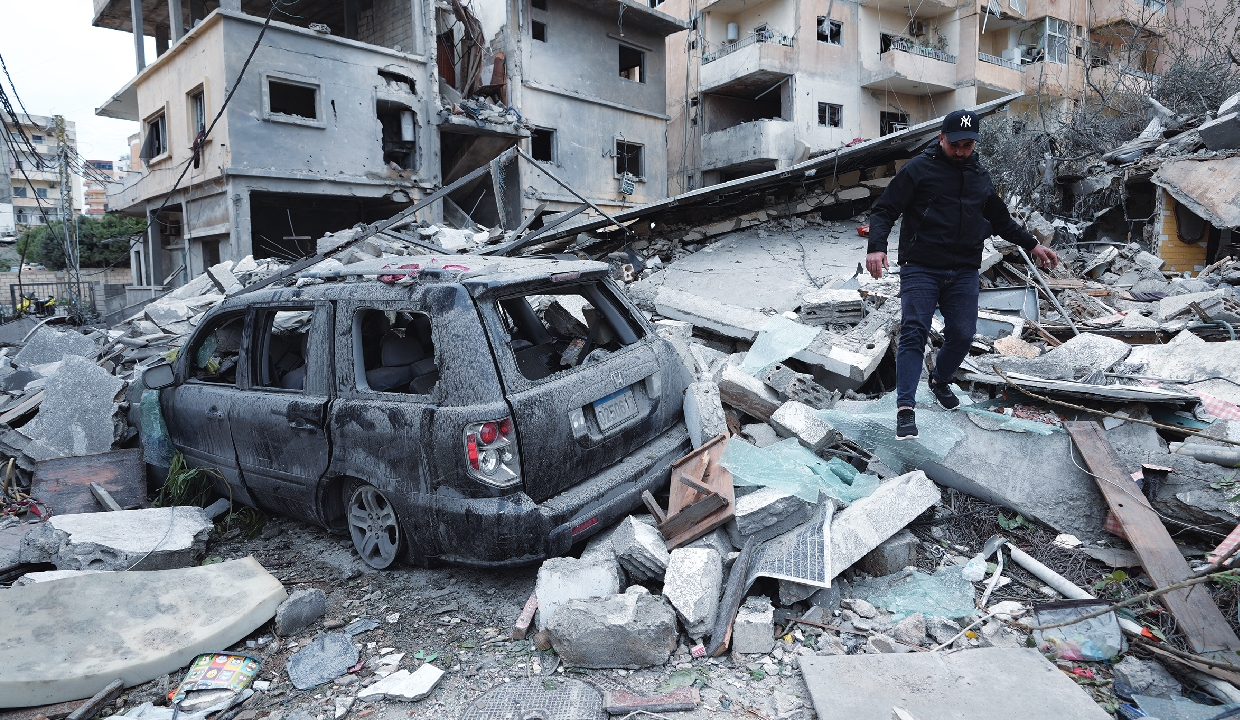
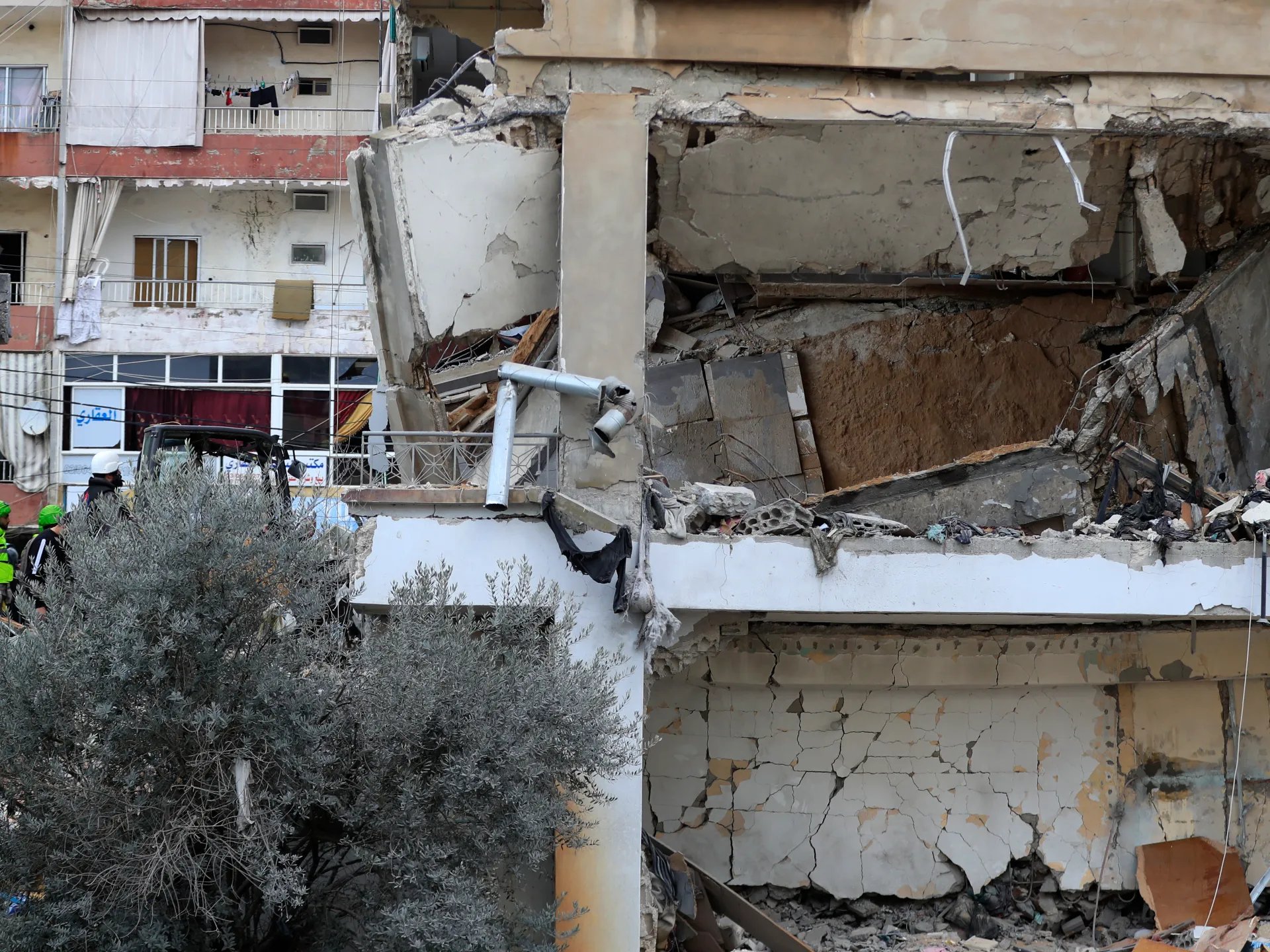
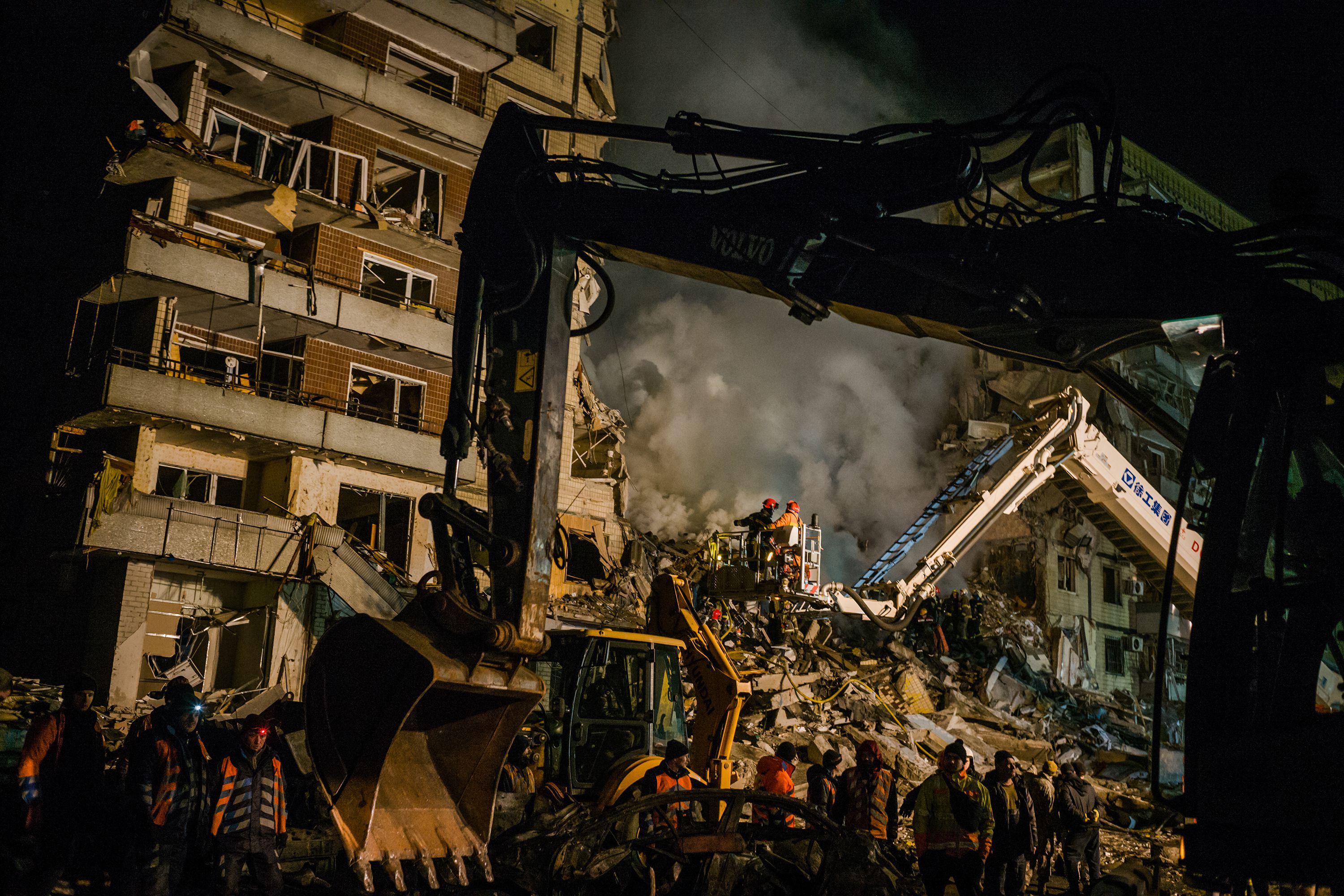
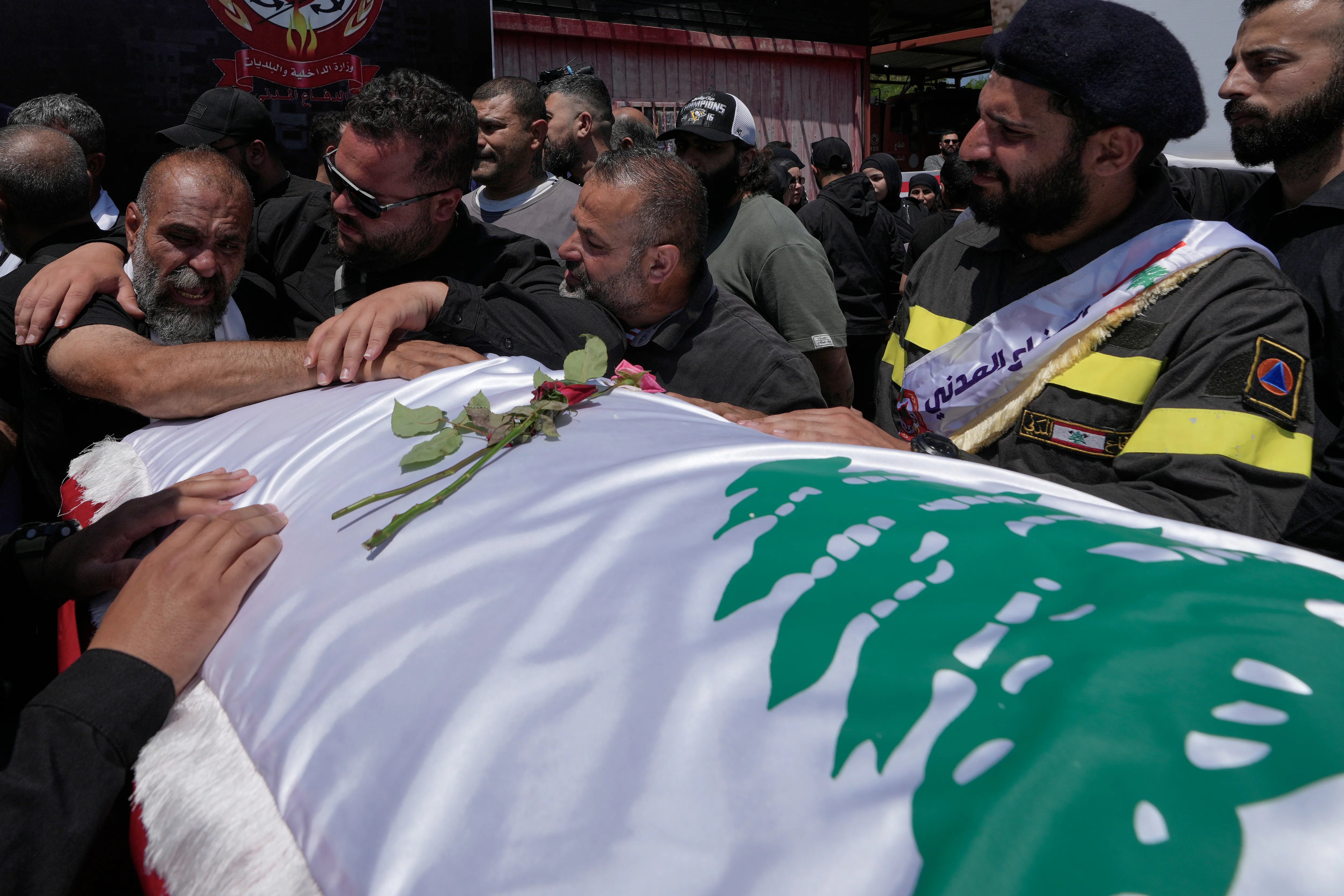
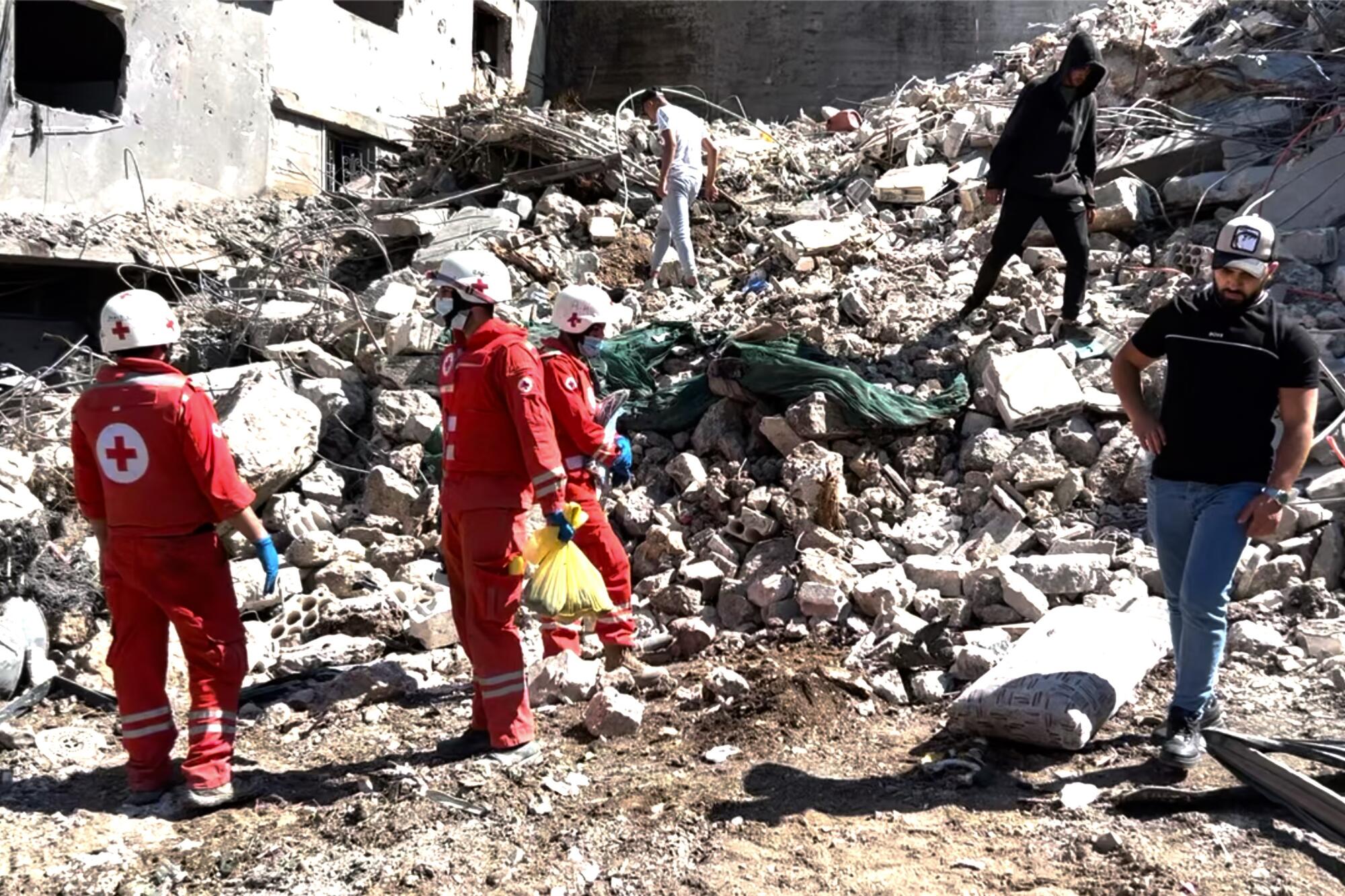
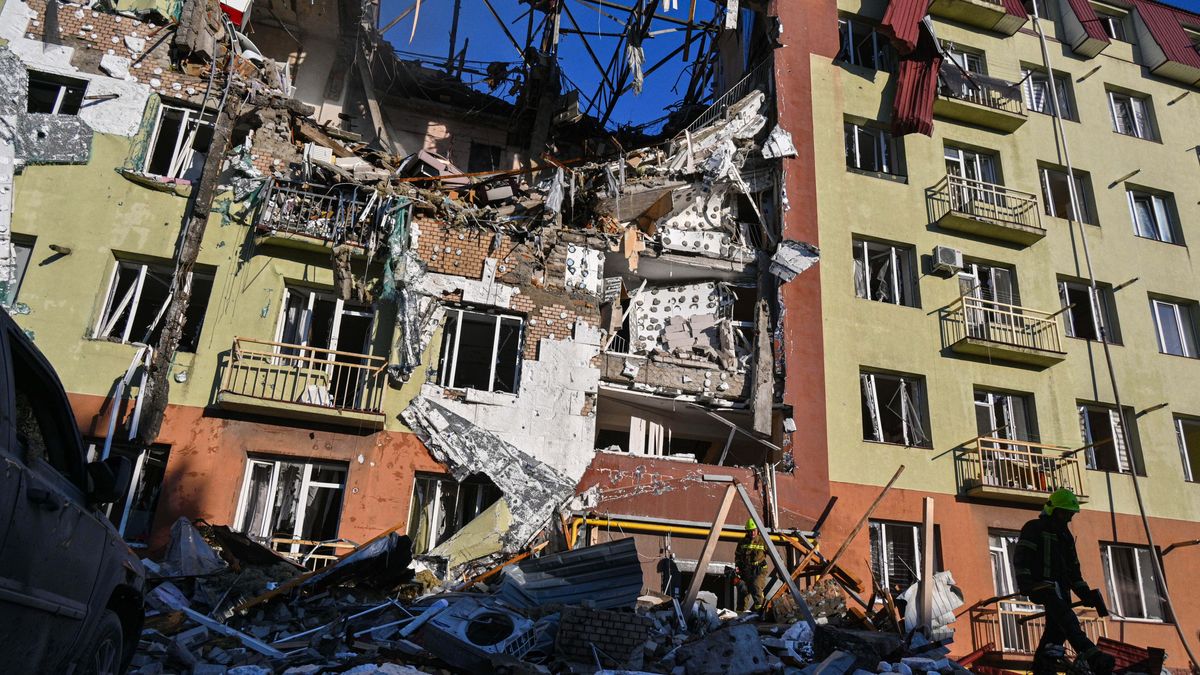
Lebanon's health ministry said 31 people, including at least four children and three women, were killed in the strikes, with 40 wounded. Fourteen were killed in Burj al-Shamali near Tyre, five in Kawthariyat al-Riz, four in Habbush, six in Maarakeh and two in Salaa. Since Israel and Hezbollah began fighting at the start of the U.S.-Israeli war with Iran, more than 3,200 people have been killed and almost 10,000 wounded in Lebanon.
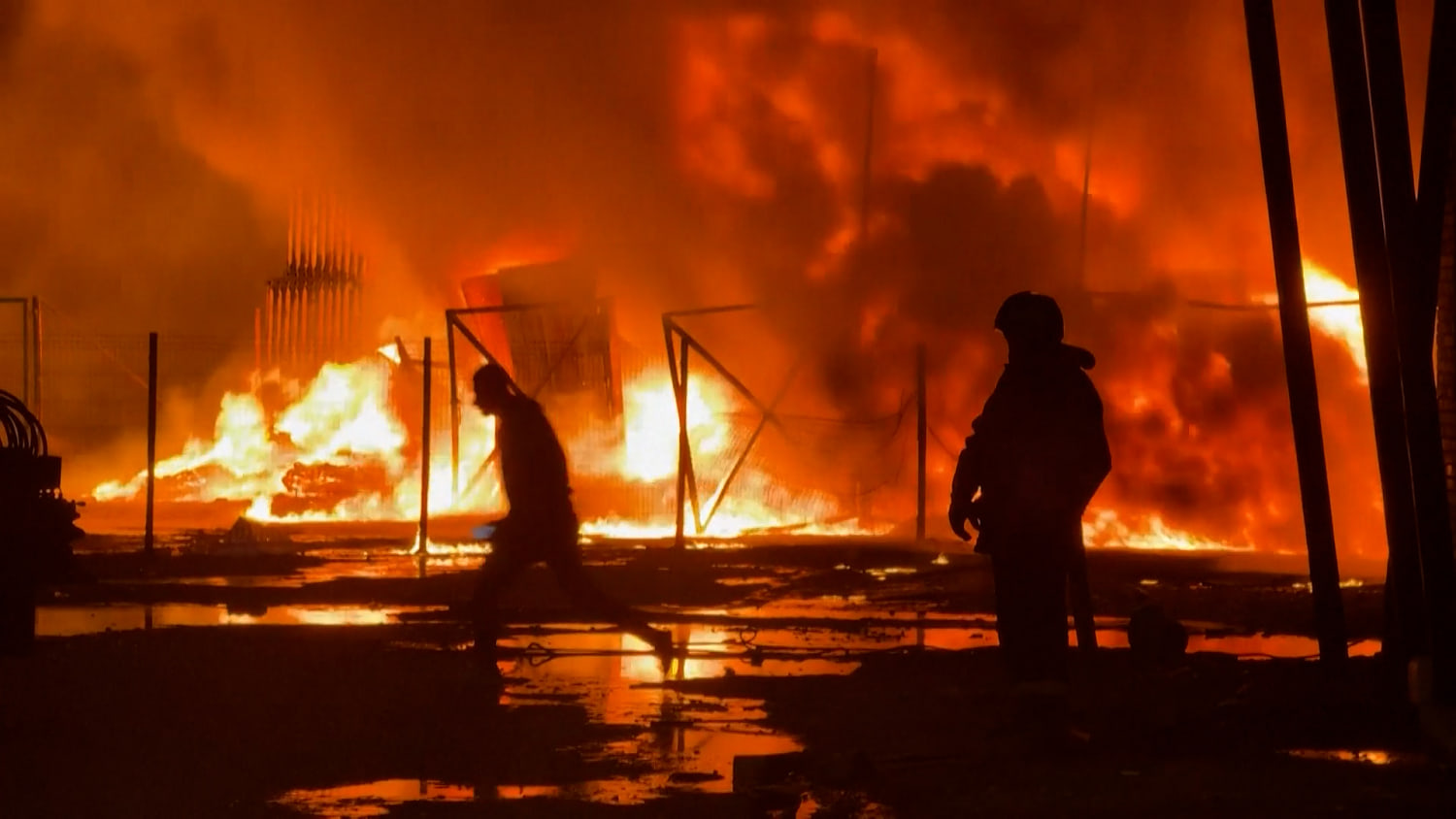
The U.S. military conducted its second round of strikes against Iran in three days, shooting down four Iranian one-way attack drones and hitting a ground control station in Bandar Abbas that was preparing to launch a fifth drone, a U.S. official said. The strikes targeted military threats around the Strait of Hormuz and were described by the official as "measured, purely defensive, and intended to maintain the ceasefire."
On Monday, the Pentagon had already carried out airstrikes against Iranian missile locations and boats that U.S. Central Command said were preparing to launch mines in the Strait of Hormuz. Iran responded to Wednesday's strikes by targeting an American air base in retaliation, according to Iran's Revolutionary Guards, though they did not specify the base's location. Kuwait reported that its air defenses were battling hostile missiles and drones on Thursday morning.
The escalating military actions underscore the fragility of a ceasefire that has been in place since April, even as both sides claim to be negotiating toward a broader peace deal.
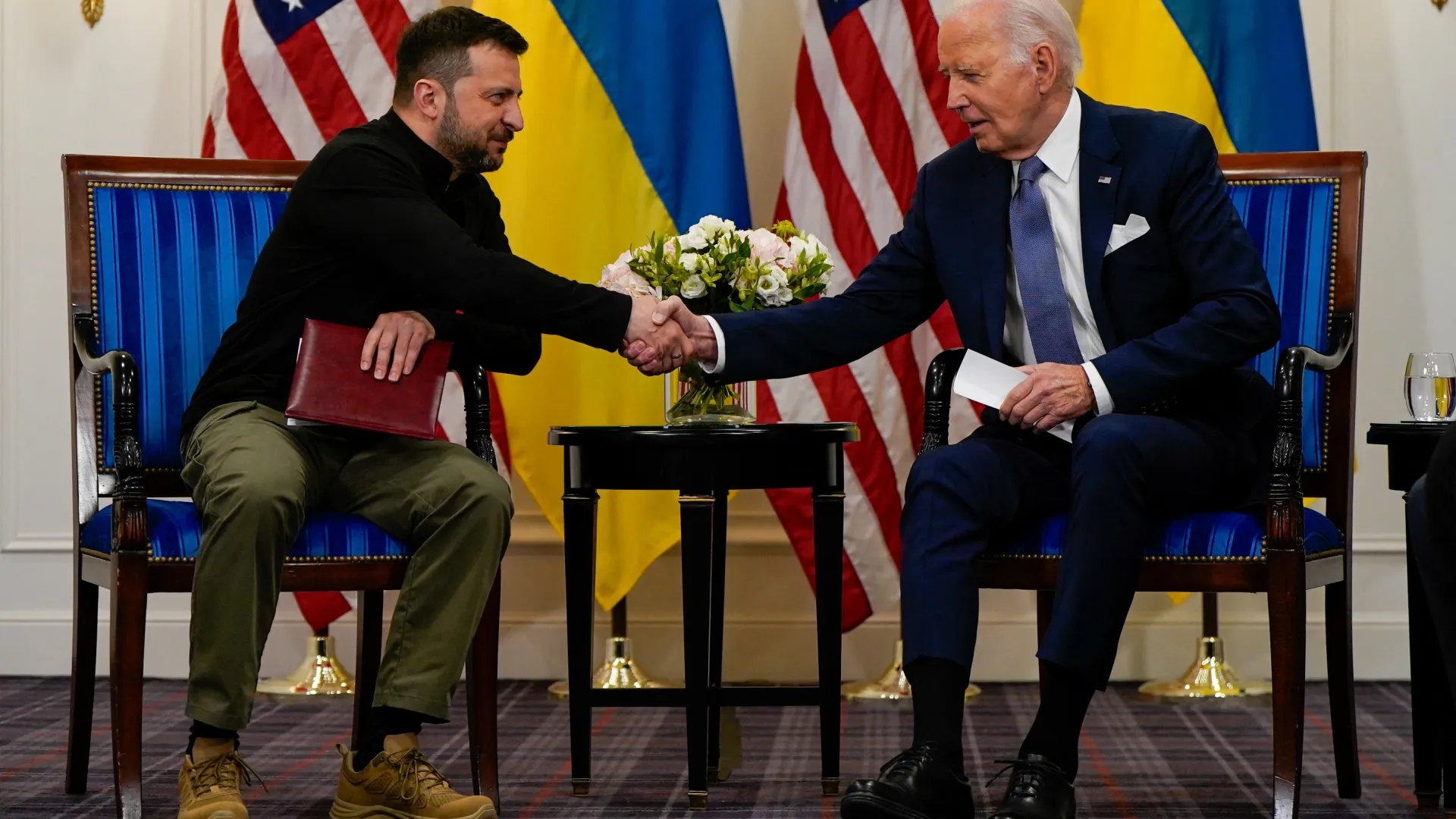
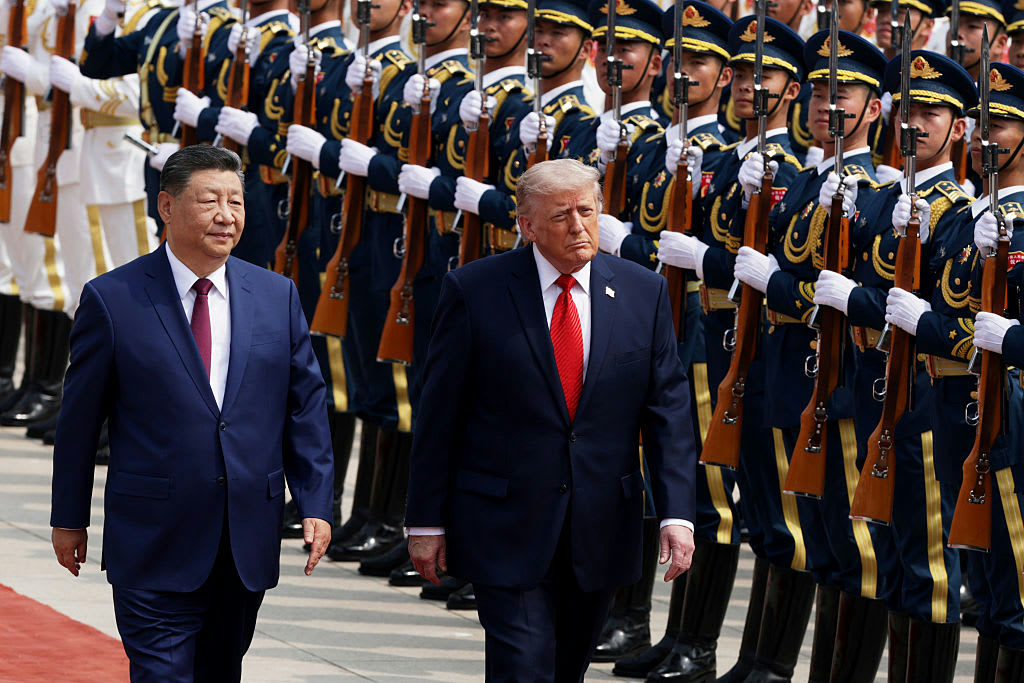
President Trump tied any Iran peace deal to a broader regional realignment, saying Gulf countries must sign the Abraham Accords normalizing relations with Israel or he may refuse to sign an agreement with Tehran. Speaking at a Cabinet meeting Wednesday, Trump said Saudi Arabia, Qatar and others should join the accord, which currently includes the United Arab Emirates, Bahrain, Morocco, Sudan and Kazakhstan.
"It'll be historic if they do it. And I think, I think they owe that to us," Trump said. He added that he was "not sure we should make the deal if they don't sign, if you want to know the truth."
U.S. special envoy Steve Witkoff said Trump negotiators are "pushing" for remaining countries to sign onto the accords. Republican Senator Lindsey Graham called the potential expansion of the agreement "the biggest change in the Middle East in thousands of years, effectively ending the Arab-Israeli conflict."
Trump said Iran "wants very much to make a deal" but that the U.S. remained "not satisfied" with terms on the table. "Either that or we'll have to just finish the job," he said, noting that Iran's navy and air force have been decimated. Trump also claimed Iran is "negotiating on fumes" and lacks other options.
White House spokesperson Olivia Wales stated that "negotiations are proceeding nicely" and that Trump has made his redlines clear, including that "Iran can never have a nuclear weapon." Secretary of State Marco Rubio said there has been "progress and interest" and indicated a deal could materialize "over the next few hours and days."
The two sides have sparred over the details of a potential memorandum of understanding. Iran's state broadcaster IRIB released what it said was a draft agreement, called the Islamabad Framework, which would have the U.S. lift its blockade of Iranian ports in exchange for Iran restoring commercial shipping through the Strait of Hormuz to pre-war levels within one month. The White House immediately rejected the report as "not true" and a "complete fabrication," calling it Iranian propaganda.
According to IRIB's account, the draft would have Iran and Oman jointly manage commercial traffic through the strait, with military vessels excluded from Iran's opening of the waterway. The framework also proposed that if a final agreement is reached within 60 days, it would be confirmed through a binding United Nations Security Council resolution.
The U.S. blockade on the Strait of Hormuz has redirected 109 commercial vessels heading into or leaving Iranian ports, according to U.S. Central Command. Lifting this blockade has been a key condition of negotiations.
Oil prices dropped Wednesday on rekindled hope of a deal. Brent North Sea crude fell 5% to $94.61 a barrel before rebounding slightly to around $95. The main U.S. crude contract, WTI, tumbled almost 6% to $89 a barrel. Treasury Secretary Scott Bessent claimed oil prices will be lower than pre-conflict levels when the war ends, though the current average for regular gasoline stands at $4.46 nationally.
Wall Street has grown increasingly optimistic about the deal's prospects. Goldman Sachs raised its target for the S&P 500 to 8,000 points by year-end, citing surging corporate profits, the spread of artificial intelligence, and hope that the Iran war is drawing to an end.
The U.S. missile supply depleted by the war with Iran could take three or more years to replace, according to the U.S. Center for Strategic and International Studies. Patriot missiles, of which an estimated 1,060 to 1,430 were used in the Iran attacks, could take until mid-2029 to return to pre-war levels. Terminal high altitude area defense missiles could take until mid- to late-2029 to replace.
Tomahawk cruise missiles, one of the key long-range weapons used by the military, will take the longest to replace. More than 1,000 were used in the war, and pre-war stockpiles may not be equaled until early 2031, the think tank said.
The Israeli military began new strikes on Hezbollah infrastructure around the southern Lebanese city of Tyre after declaring all areas south of the Zahrani River, roughly 25 miles from the border, as combat zones. The IDF struck more than 150 Hezbollah infrastructure sites and terrorists in and around Tyre and Nabatieh and in the Beqaa Valley over the last day.
Lebanon's health ministry said 31 people, including at least four children and three women, were killed in the strikes, with 40 wounded. Fourteen were killed in Burj al-Shamali near Tyre, five in Kawthariyat al-Riz, four in Habbush, six in Maarakeh and two in Salaa. Since Israel and Hezbollah began fighting at the start of the U.S.-Israeli war with Iran, more than 3,200 people have been killed and almost 10,000 wounded in Lebanon.
Iran has insisted that any U.S. peace deal must include Lebanon, complicating negotiations over the broader ceasefire.
Highlighted text was flagged by the council. Tap to see feedback.