





The Bill's Key Provisions
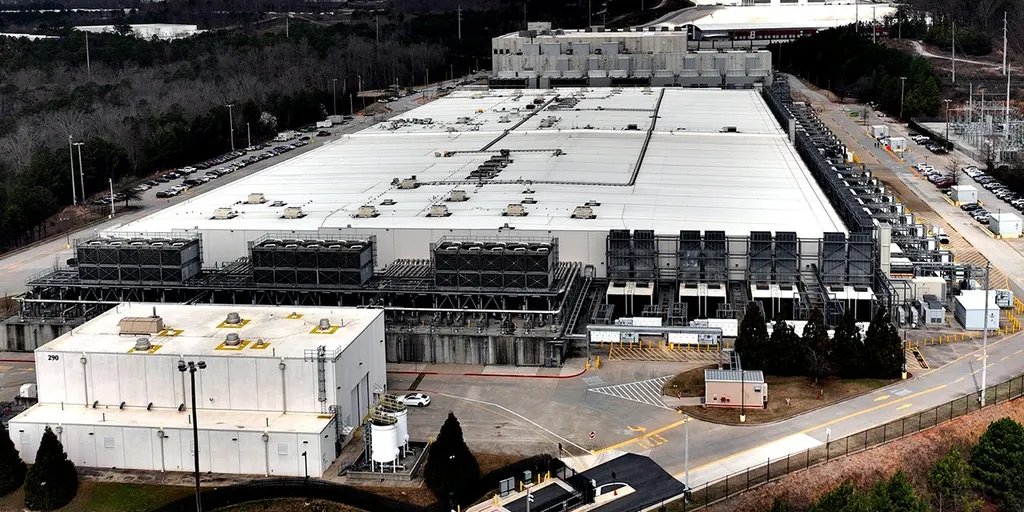
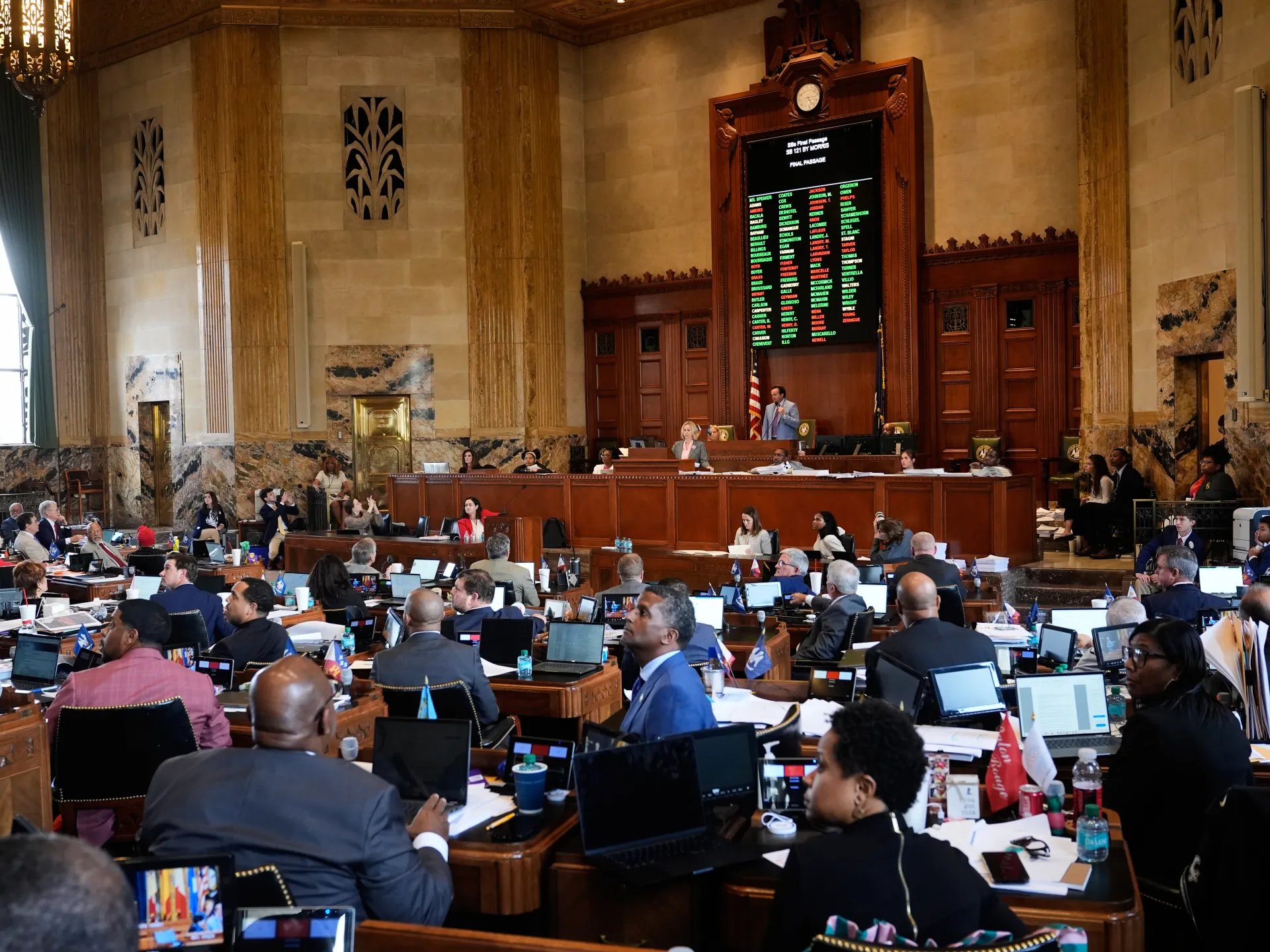
Maine lawmakers approved a measure that restricts new data centers using more than 20 megawatts of power. The legislation, which passed the state House 79-62 and the Senate 21-13, creates a 1.5-year pause on such projects until October 2027.
Democratic Rep. Melanie Sachs sponsored the bill and argued it protects residents from unchecked energy demands. Sachs told The Associated Press that the tradeoffs of data centers have not benefited ratepayers, water supplies, or local economies.
Reasons for the Freeze
Supporters cite environmental and economic risks from data centers linked to artificial intelligence. Sens. Bernie Sanders and AOC introduced similar nationwide legislation citing environmental concerns, increased electricity prices, and potential job displacement. The bill directs a state council to study impacts on energy bills, the environment, and power infrastructure before new approvals.
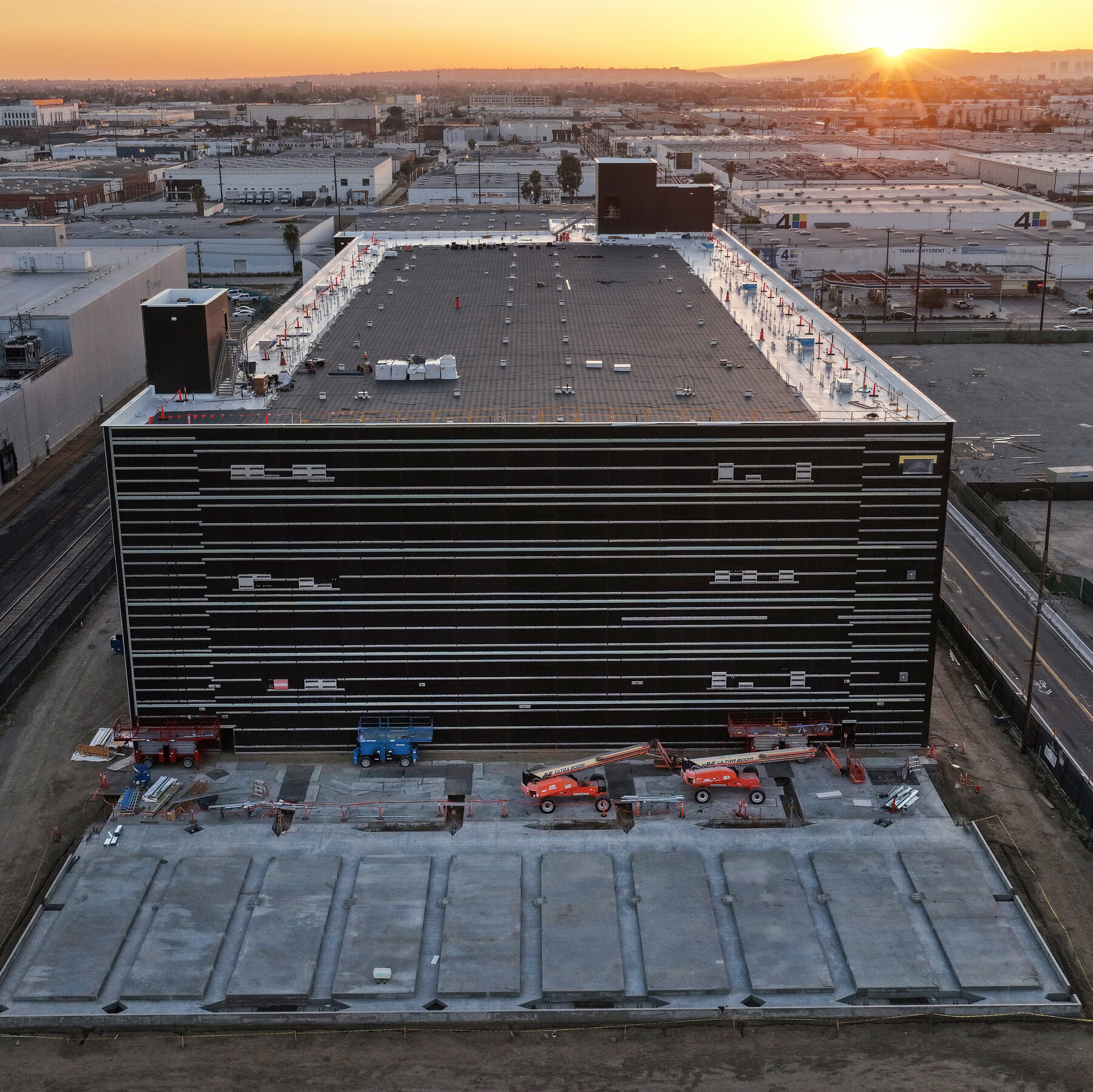
This pause responds to growing backlash against "hyperscale" facilities that use vast amounts of water and electricity. Analysts have noted potential reliability issues in the U.S. grid due to surging demand. The decision could influence how other states manage tech growth and its effects on community resources.
Opposition from Industry Advocates
Montana Towers, a policy analyst with the Maine Policy Institute, warned that the moratorium might scare off investments and jobs. Towers told the AP that data centers offer good opportunities for regions and dismissed some concerns as outdated. Critics argue the measure overlooks economic gains from tech projects.
The Trump administration has supported data center expansion to compete with China in AI development, even pushing tech companies to cover the cost of new power generation for these facilities. At least 11 other states are weighing similar restrictions, potentially following Maine's lead. This pushback reflects a divide between tech boosters and those prioritizing local stability.
Potential Nationwide Ripple
The bill now awaits action from Gov. Janet Mills, who has considered an exemption for a smaller ongoing project using existing infrastructure. If signed, Maine's approach could prompt federal debates, as seen in the Hawley-Blumenthal bill that requires tech firms to cover their electricity costs. Such changes might shift how AI companies plan future sites and fund power needs.
This development highlights tensions between innovation and resource limits across the country. Residents in tech-heavy areas could face similar choices about balancing jobs and utility rates. The outcome in Maine may encourage more states to adopt targeted reviews of large-scale projects.






























































































































































































































































































































































The legislation creates a pause on new data center projects until October 2027, not a 1.5-year pause as stated in the summary.