




The debut reshapes computing hardware
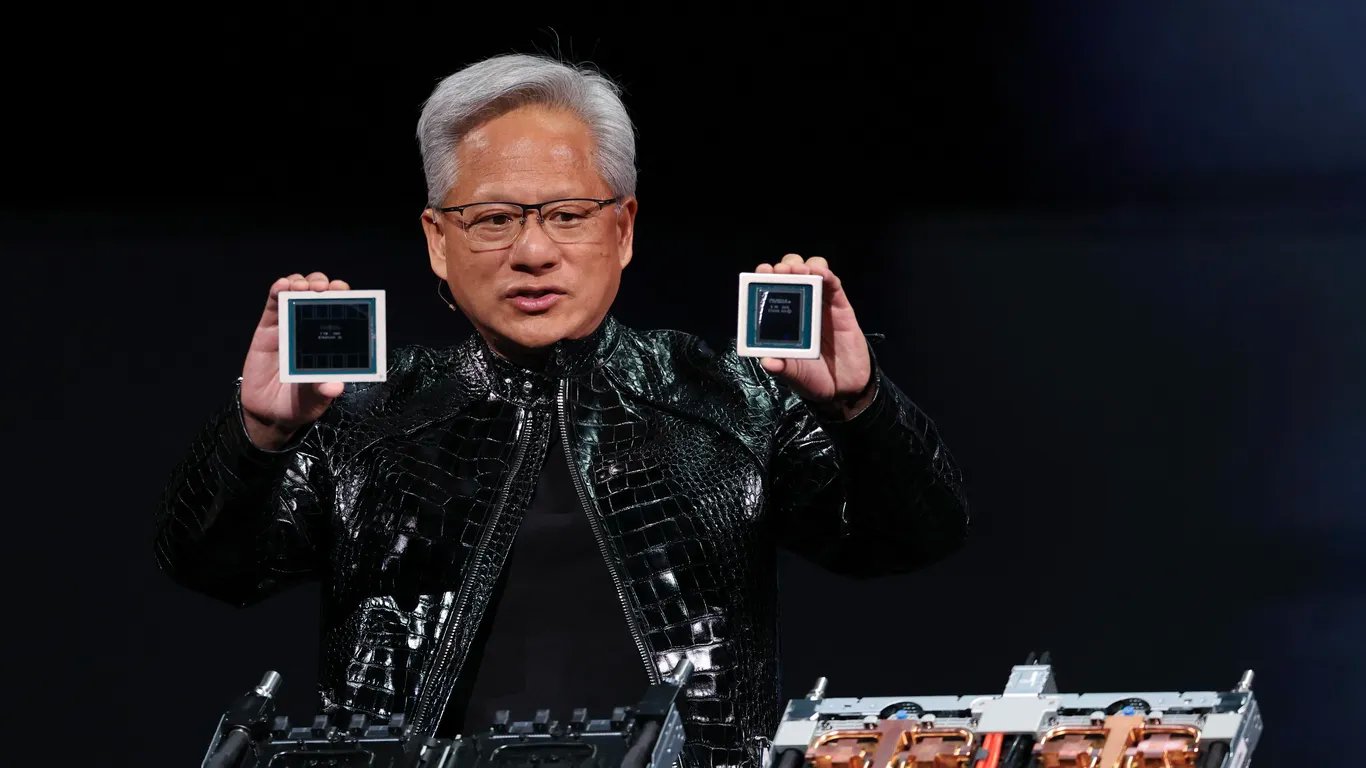
Nvidia will debut the first Windows computers powered by its chips as the main processor next week, marking the chipmaker's entry into the PC market. The unveiling will happen at two industry conferences: the Computex trade show in Taiwan and Microsoft's Build developer conference in San Francisco. This arrival gives Microsoft a second chance at its AI PC strategy after its first effort, the Copilot+ PC, faced delays and security concerns over its signature Recall feature.
Nvidia and Microsoft's joint announcement
Nvidia-powered PCs are expected to come from Microsoft's Surface brand as well as other computer makers, including Dell. Microsoft is also expected to debut software that will enable AI agents to perform work locally on Windows computers rather than relying on cloud-based processing. Nvidia teased the announcement with a post on X from the previous Friday, May 23, stating "A new era of PC" and pointing to coordinates matching a location in Taiwan. Windows head Pavan Davuluri posted separately on X: "Something new is coming for developers. And no, it's not a new OS version. See you at Build next week!"
Why local AI processing matters
Businesses are beginning to struggle with massive computing costs that accompany the shift from unlimited-use chatbots to agents, which can accumulate large bills as they perform autonomous work. Running AI agents locally on PCs rather than in the cloud could help reduce these expenses. Microsoft has been embracing agents since earlier this year, creating a new team led by veteran coder Omar Shahine. The company also scheduled Peter Steinberger, founder of OpenClaw and now employed by OpenAI, to host a breakout session at Build.
Broader implications for the chip market
Nvidia's entry into PC processors could benefit not only itself and Microsoft but also rival Qualcomm, which uses a similar chip architecture rather than the traditional PC chip design used by Intel and AMD. Carolina Milanesi, an analyst at Current Strategies, told Axios that "from an industry perspective, it's a good thing." Milanesi noted that Qualcomm has struggled to capture significant PC market share despite offering excellent battery life, partly because developers and businesses saw no reason to focus resources on a different version of Windows. For Nvidia, Milanesi said getting its new processor into data centers remains the bigger opportunity, though powering PCs could serve as a valuable complement.