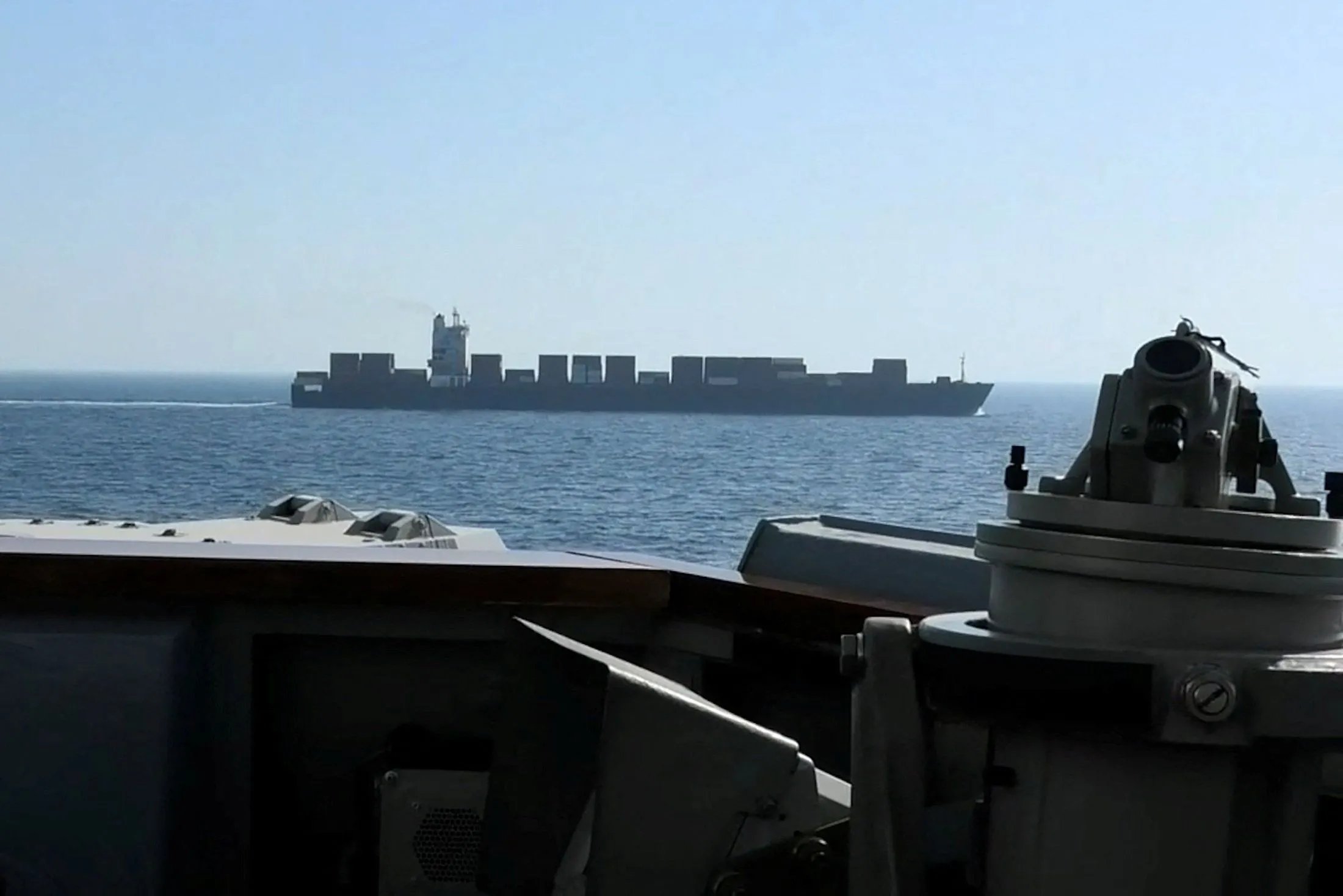
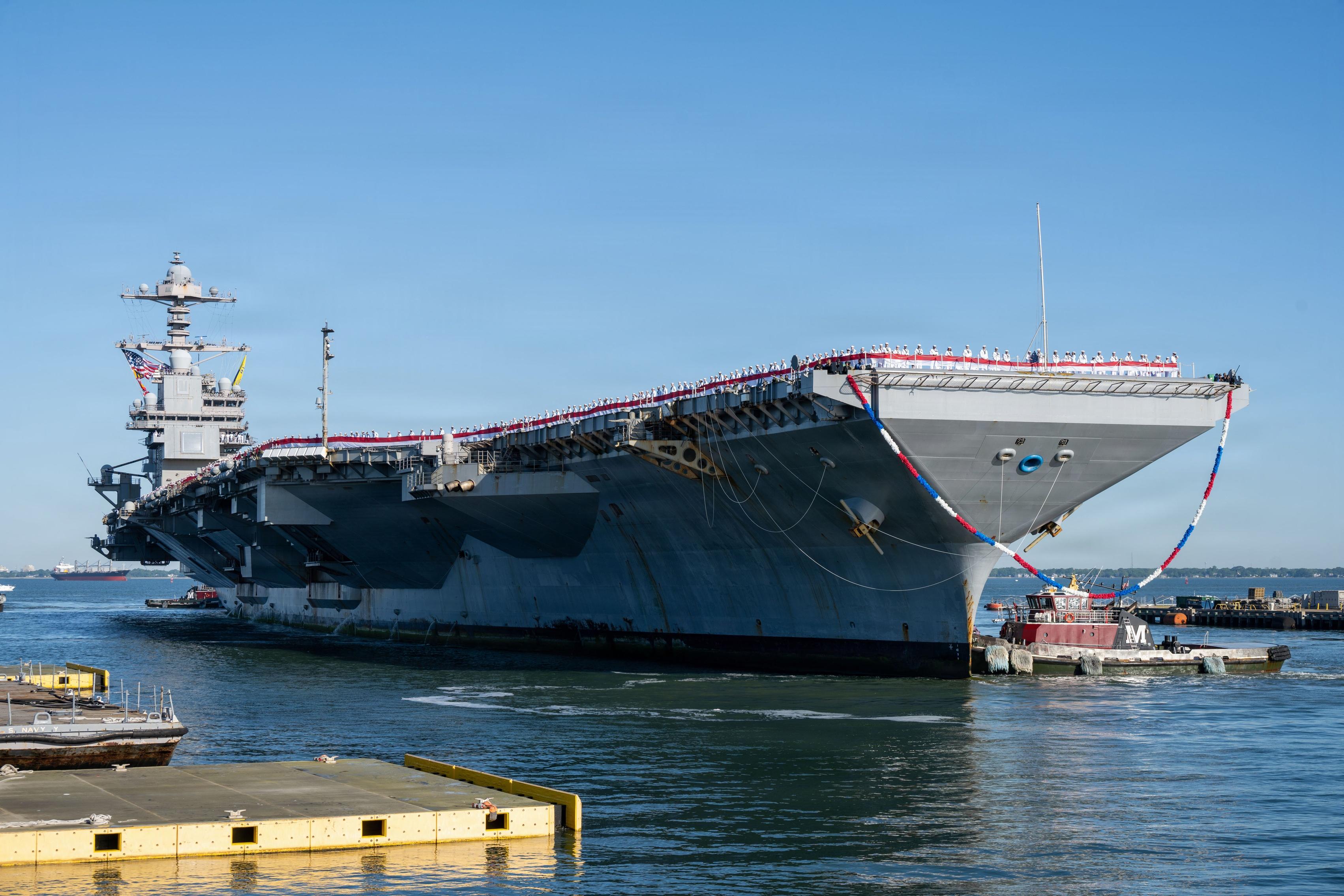
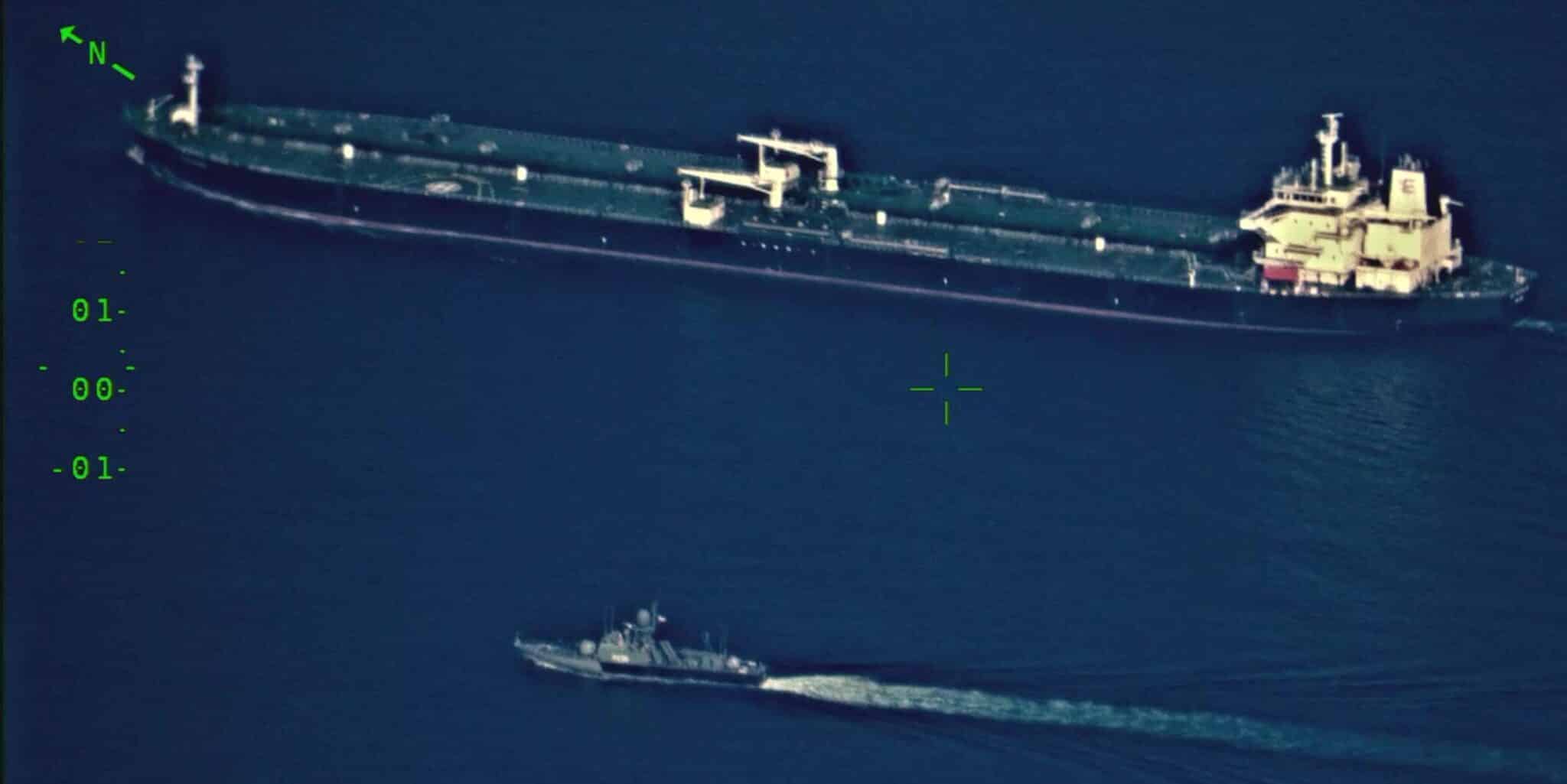
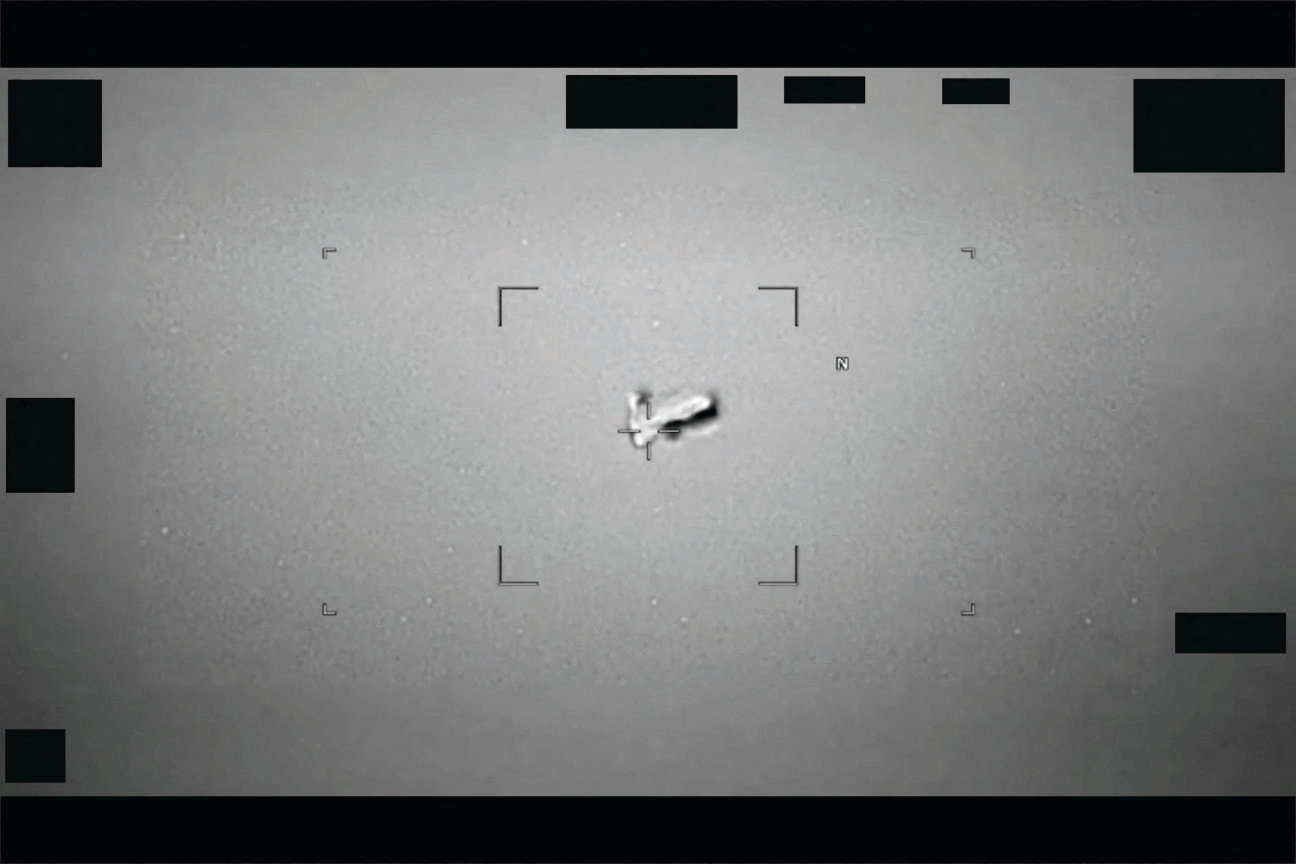
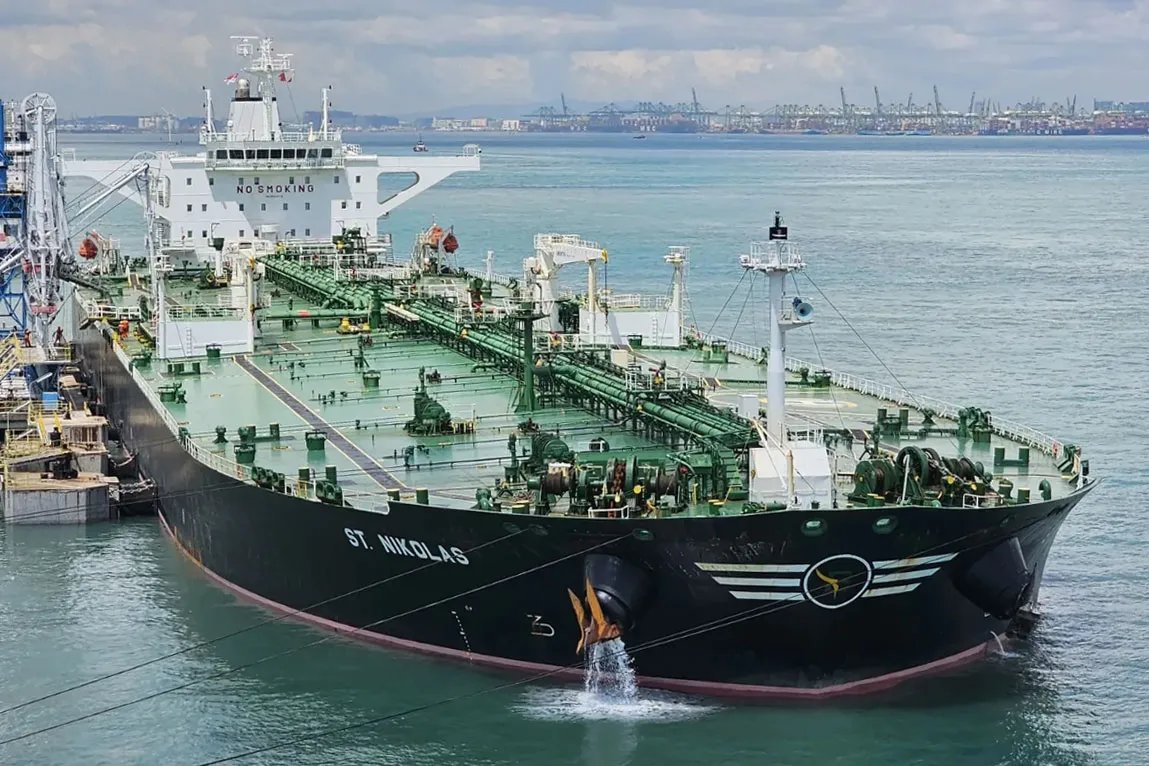
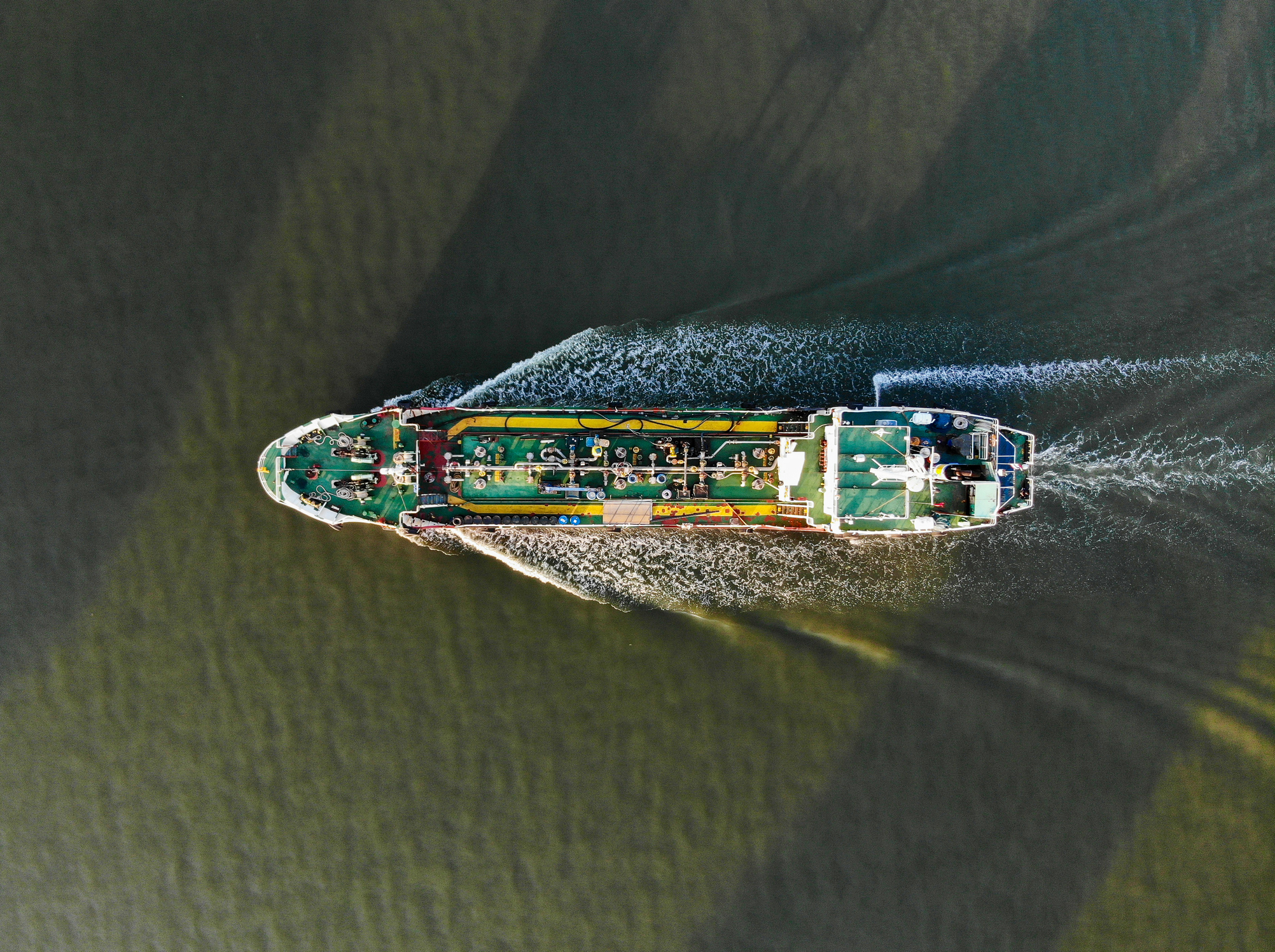
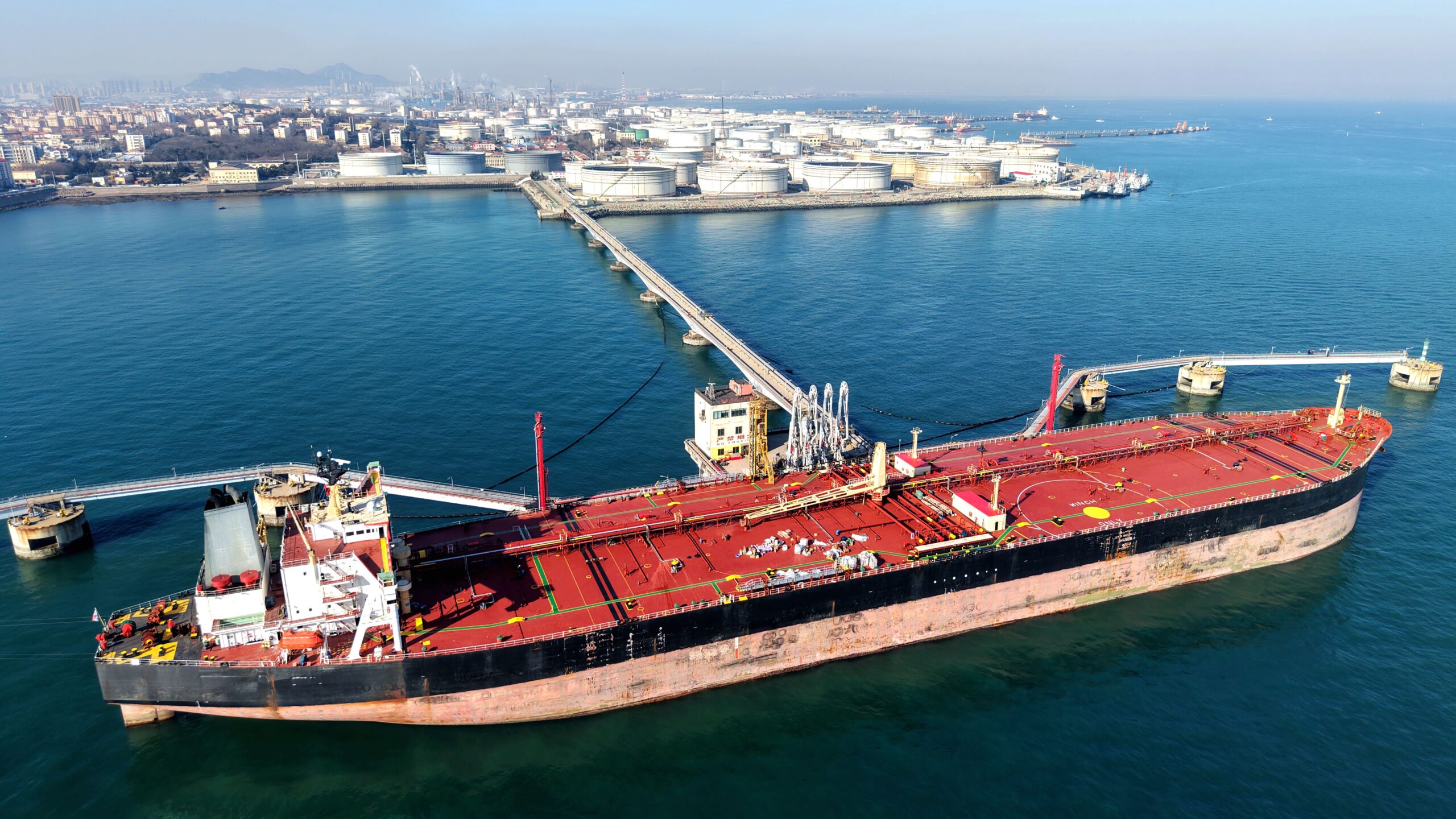
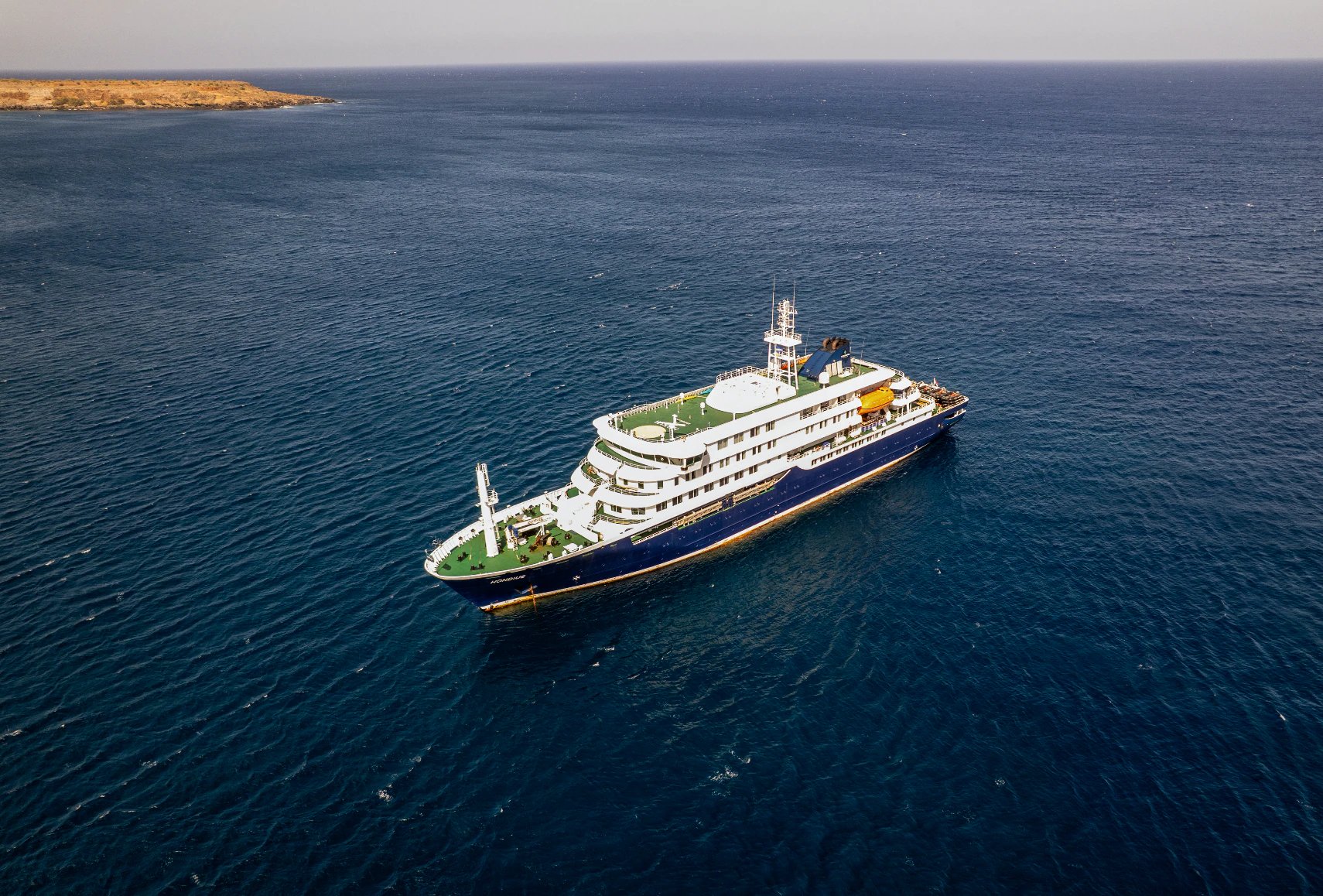
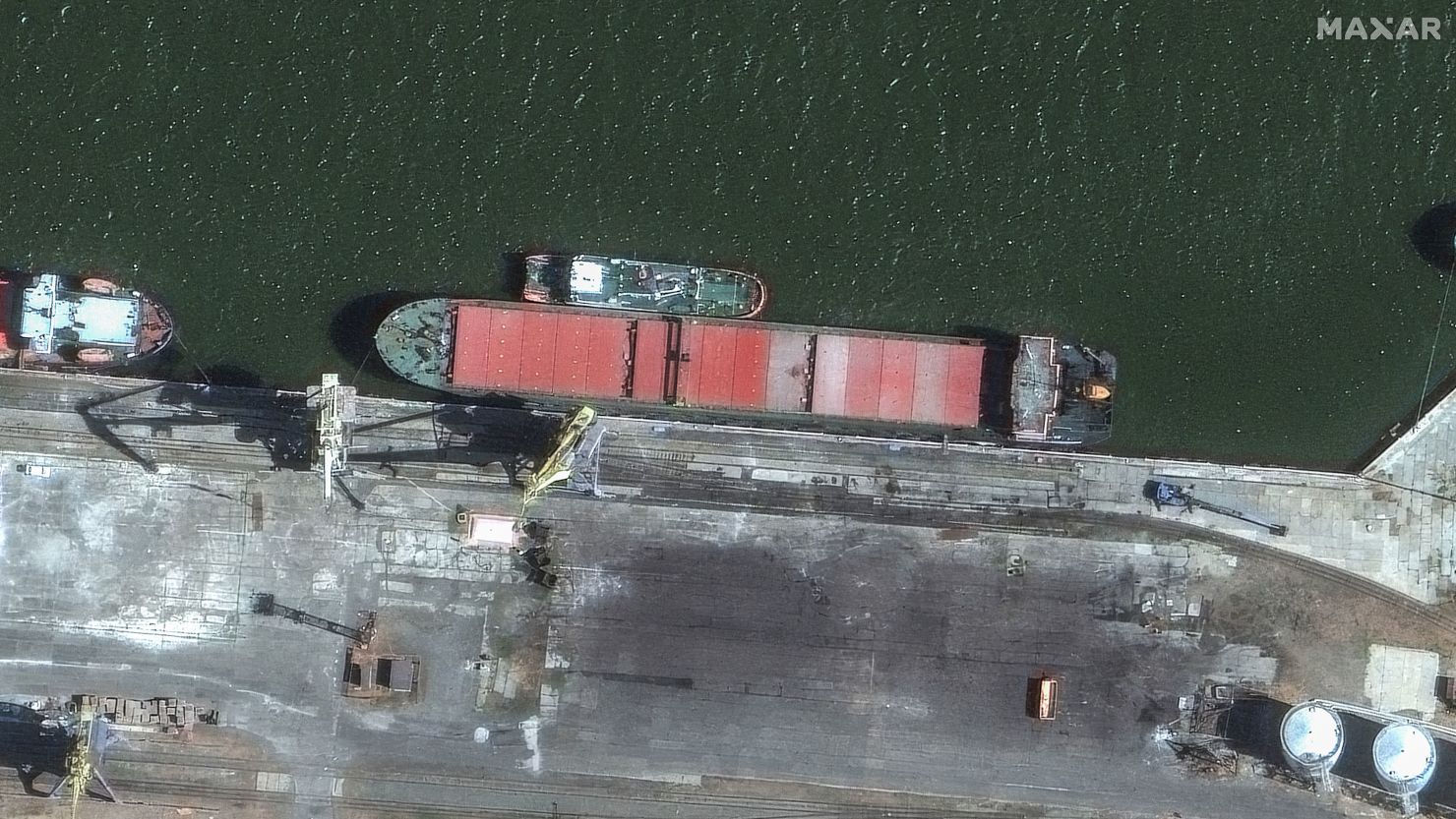
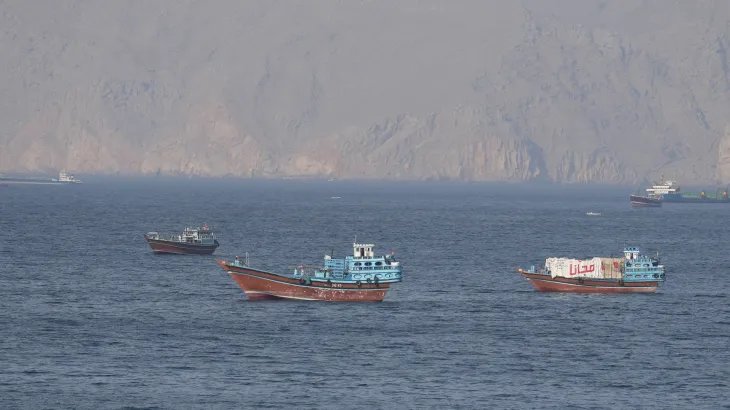
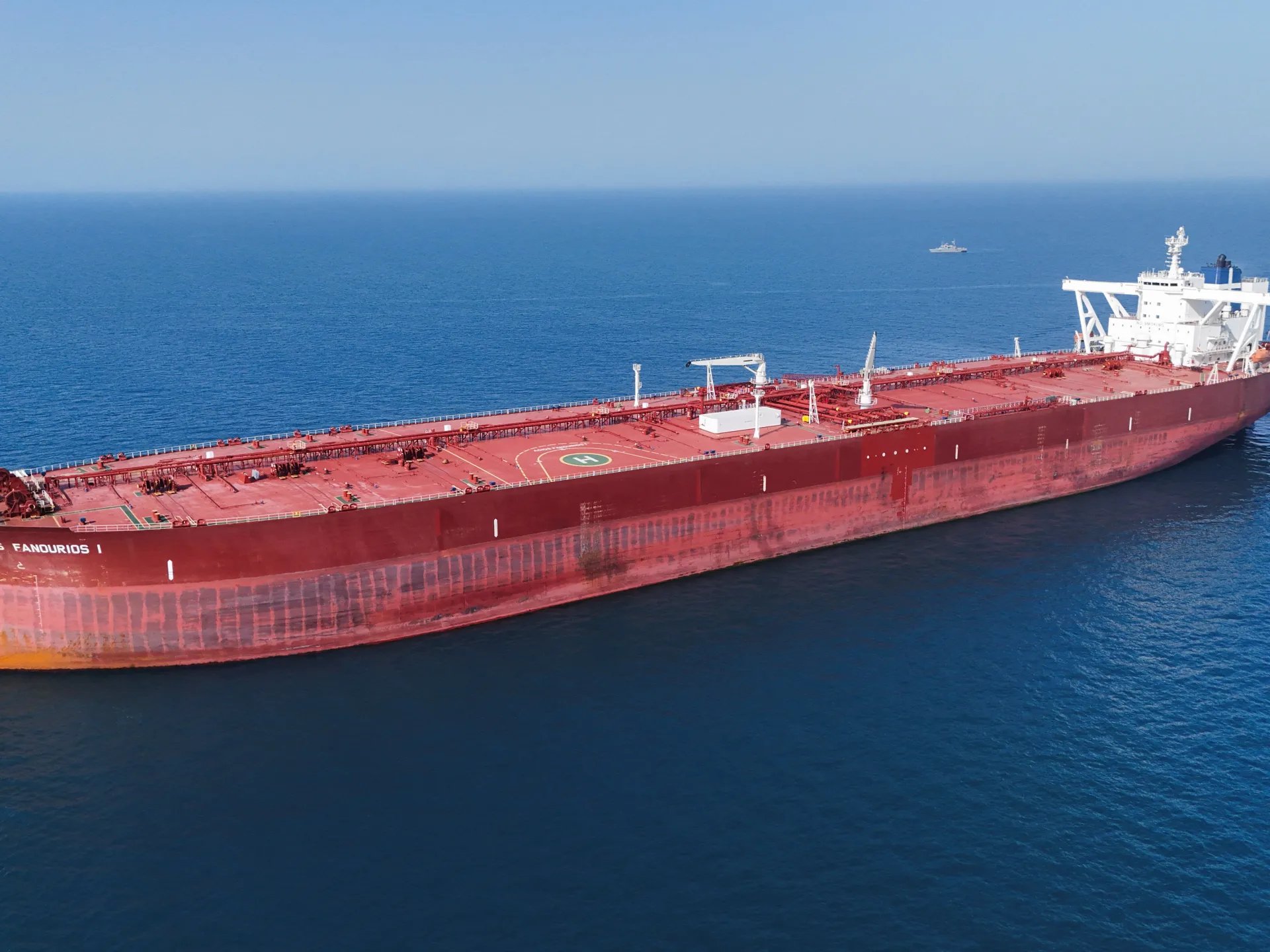
The U.S. military fired a missile into the engine room of a cargo ship on Friday to prevent it from reaching Iranian ports, marking an escalation in America's naval enforcement of a blockade that has paralyzed shipping through one of the world's most critical waterways. The Gambia-flagged vessel Lian Star ignored more than 20 warnings from U.S. forces before the strike disabled it in the Gulf of Oman, according to U.S. Central Command. The ship remained adrift, and U.S. forces have not boarded it, said a U.S. official speaking on condition of anonymity to discuss military operations.
The blockade, launched on April 17, aims to limit Iran's own shipments and weaken its access to cash, according to U.S. officials. Iran's joint military command has warned that violations of transit regulations will place ships at serious risk and that military interference with Iranian shipping would be targeted. The U.S. initiated the action in response to Iran closing the Strait of Hormuz after war in the Middle East began with U.S. and Israeli strikes on February 28. A fragile ceasefire has held since April 7, though negotiations continue on whether to extend it by 60 days while talks proceed on Iran's disputed nuclear program.
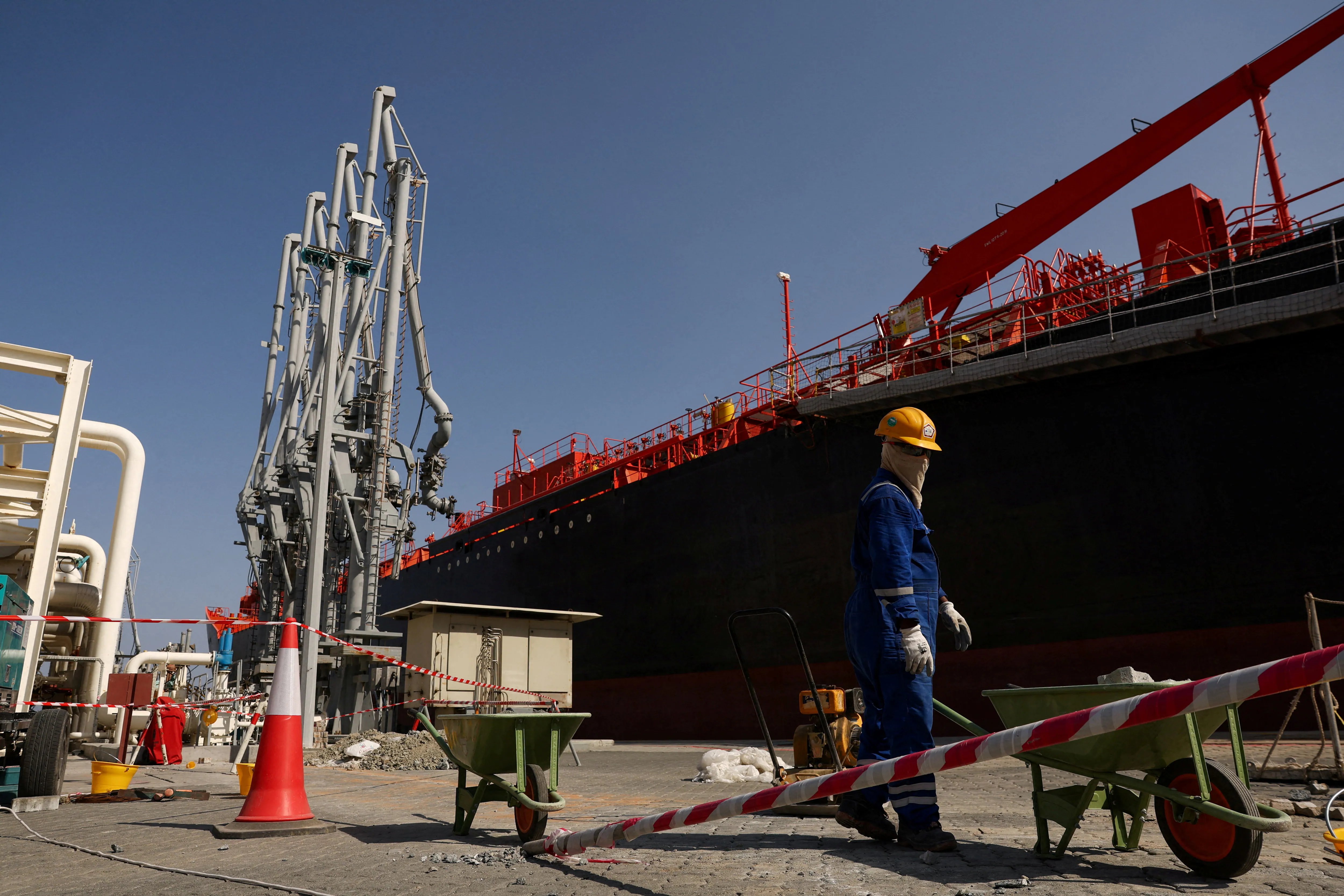
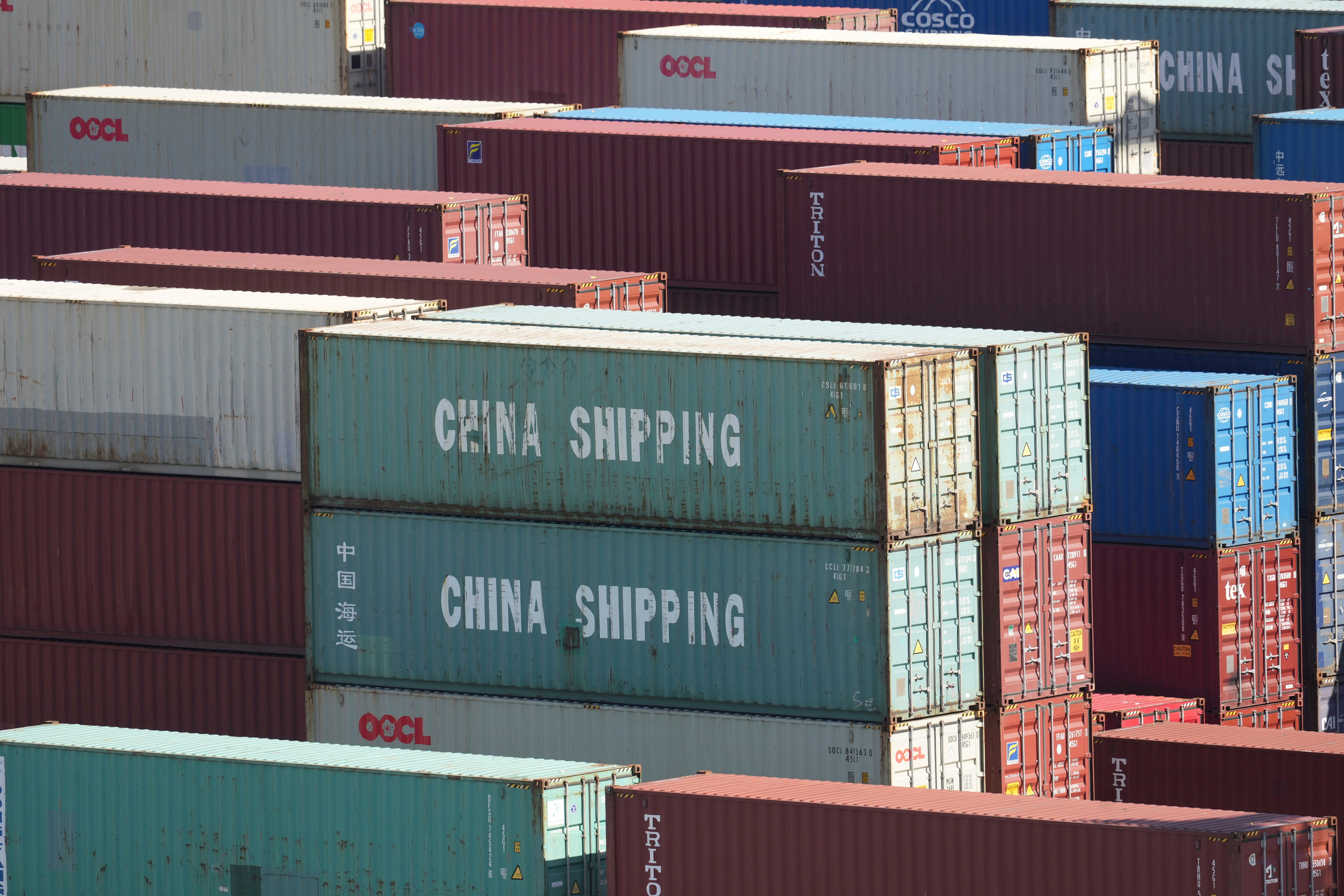
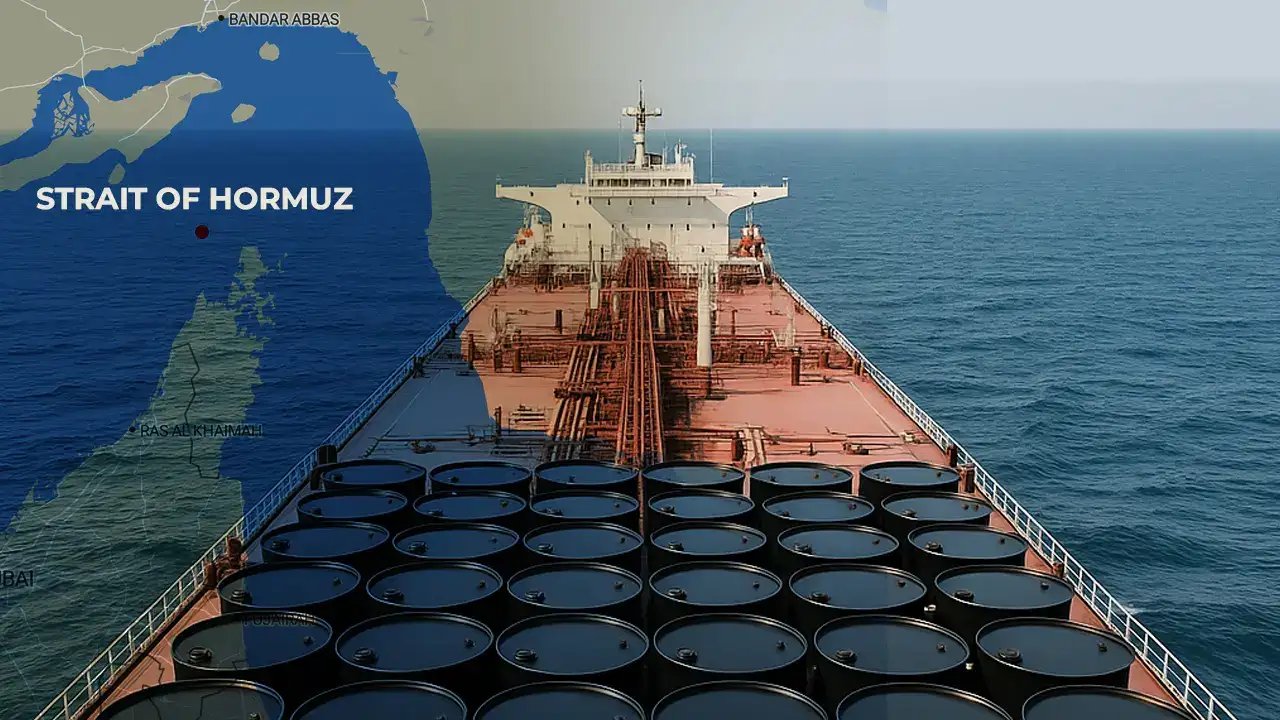
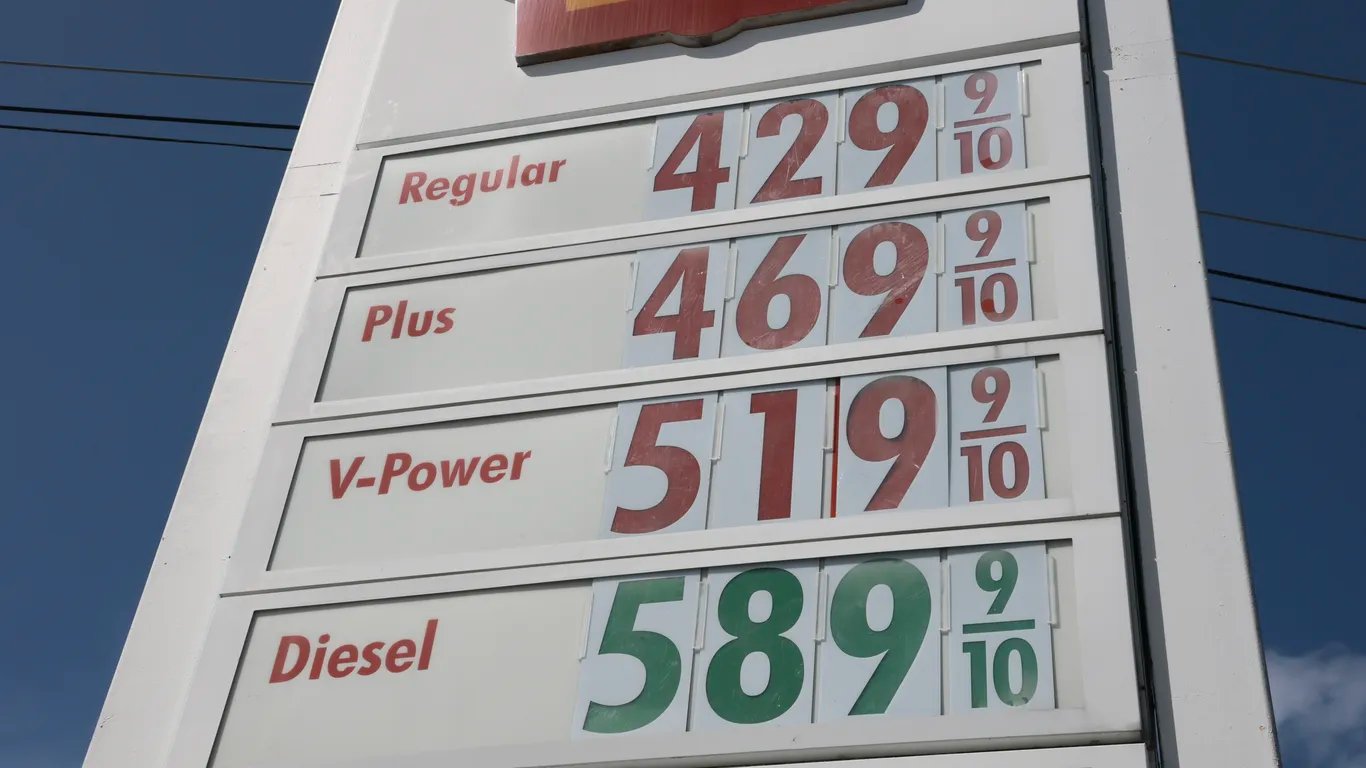
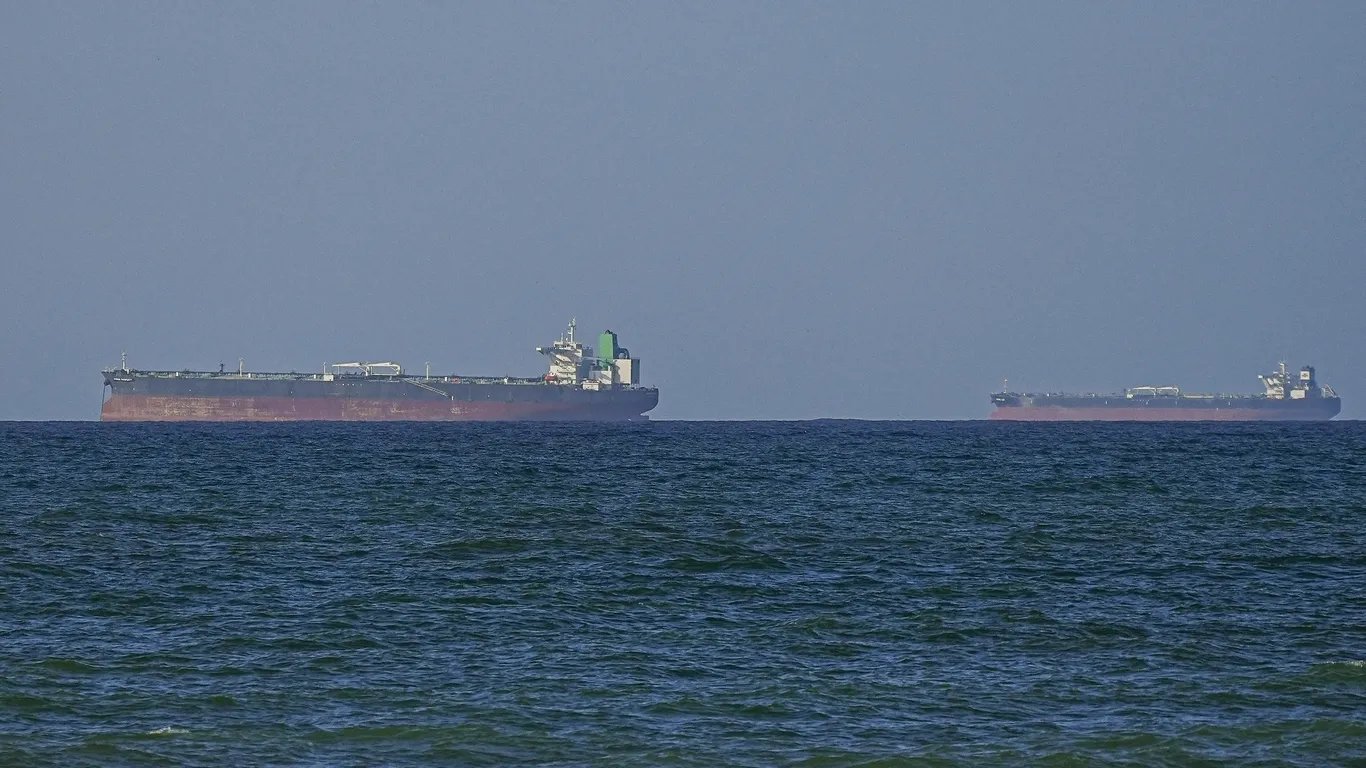
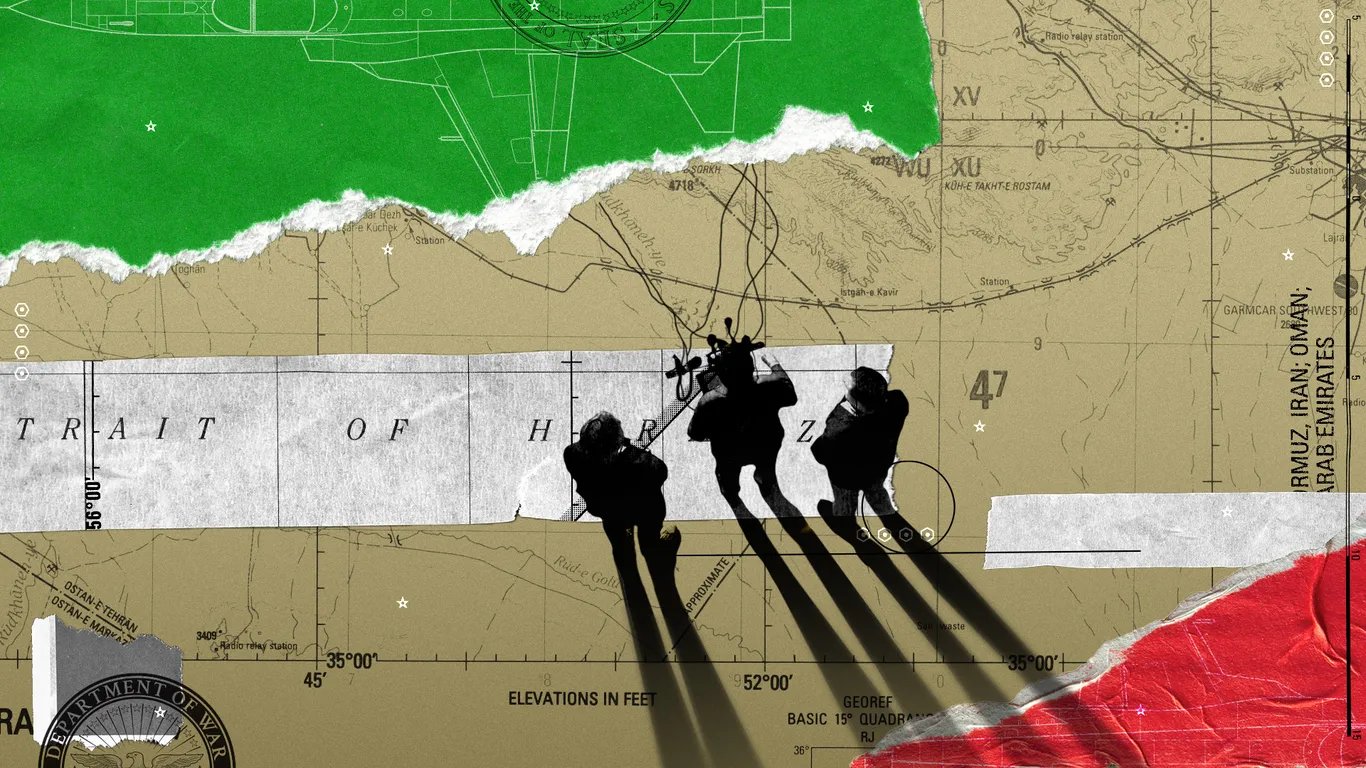
Shipments of significant amounts of oil, natural gas, and related supplies like fertilizer are largely stranded in the Strait of Hormuz, the key waterway between Iran and Oman. This disruption has increased strain on consumers and food producers worldwide. Commercial traffic has continued to flow through the strait at much lower volume than before the war, despite Iran's assertions that it must approve any transits.
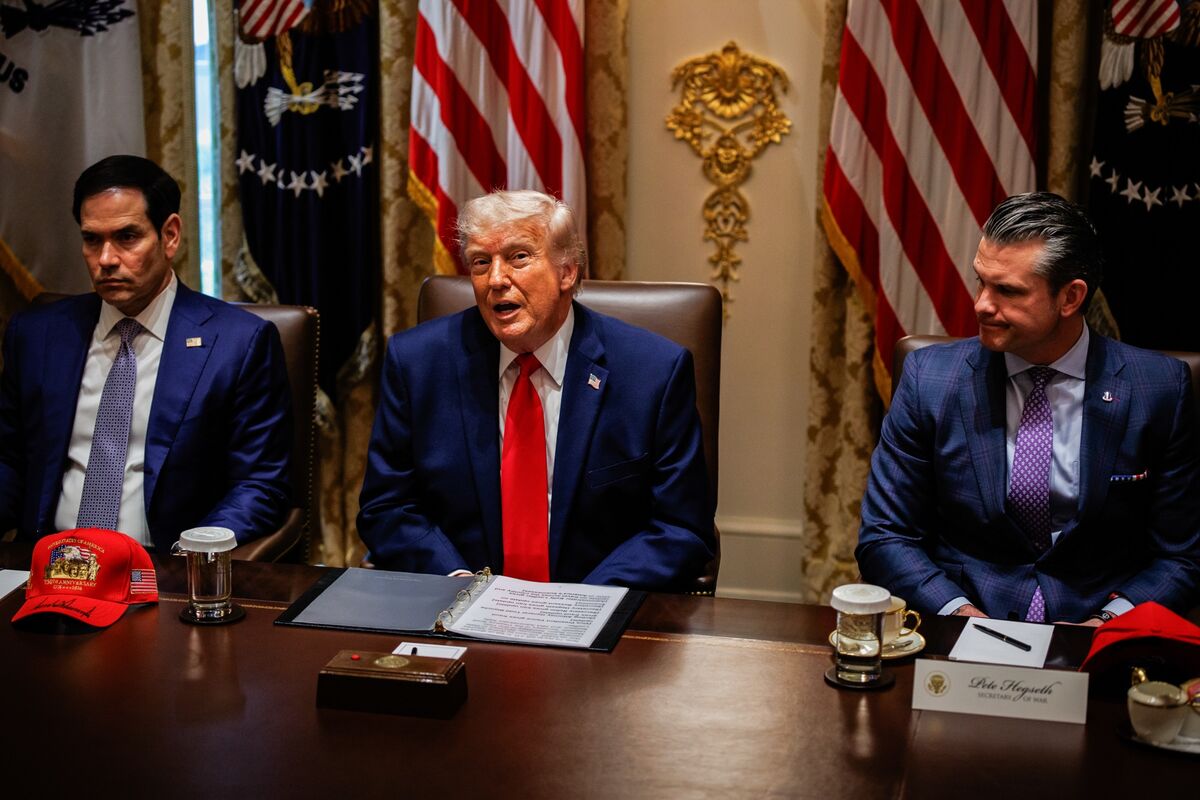
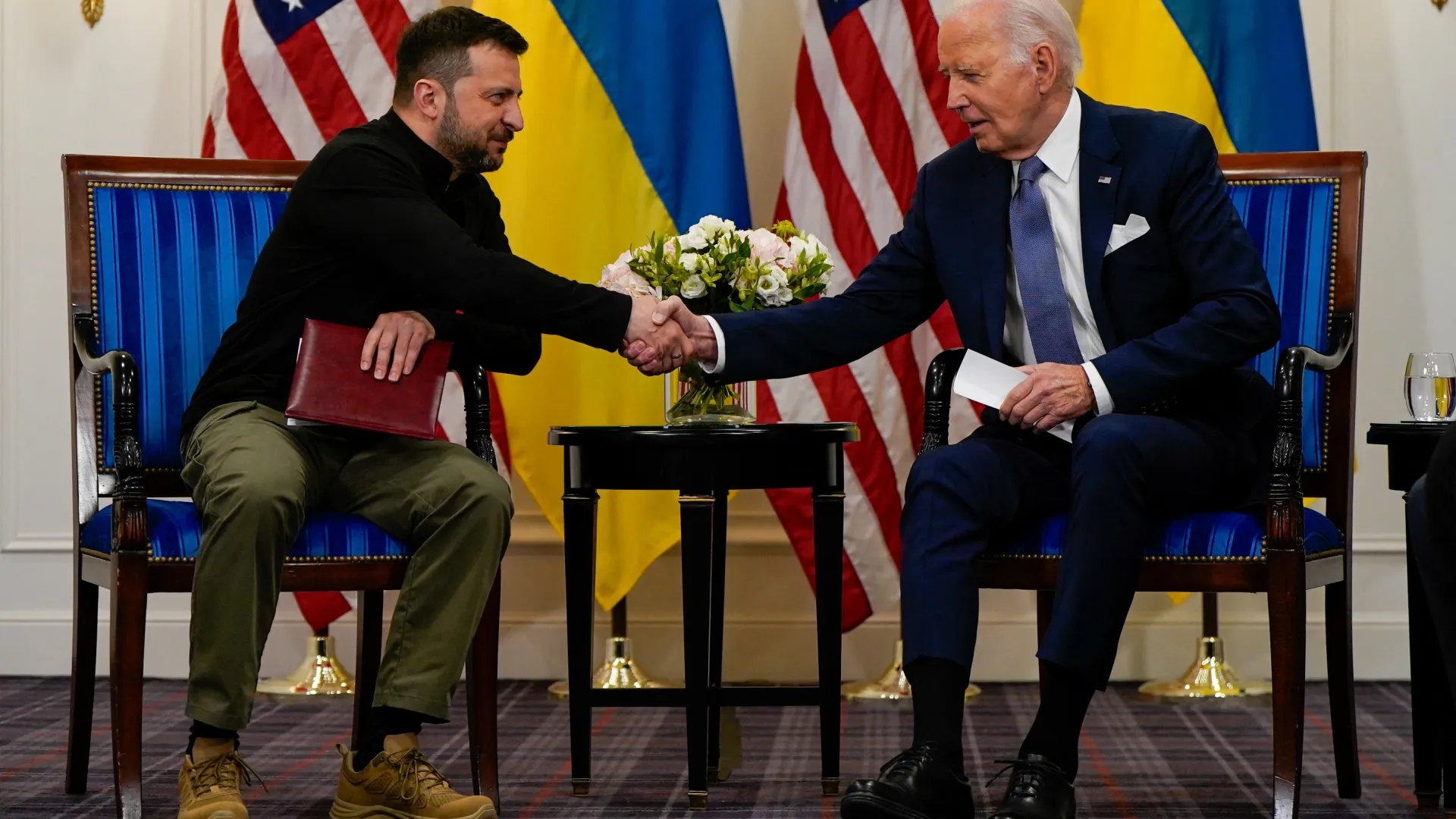
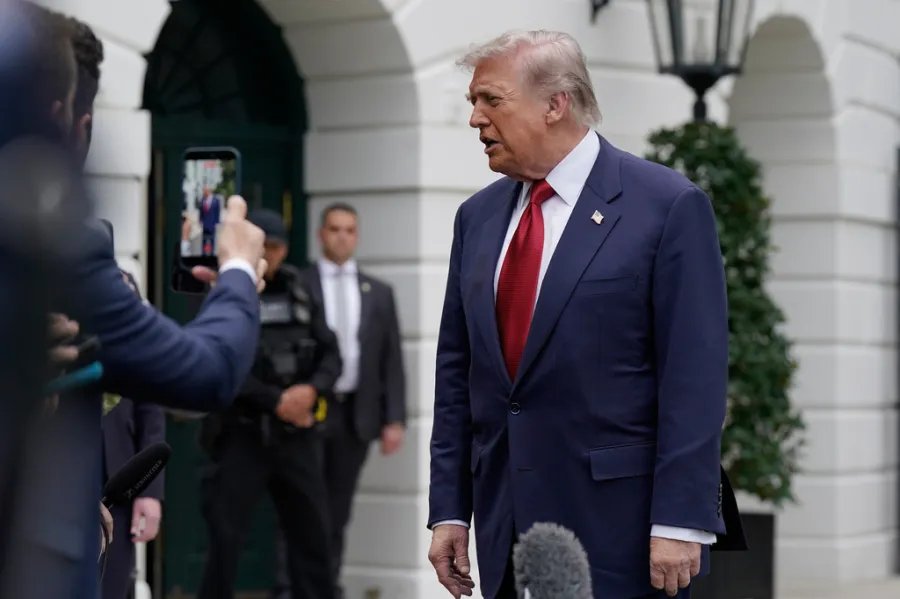
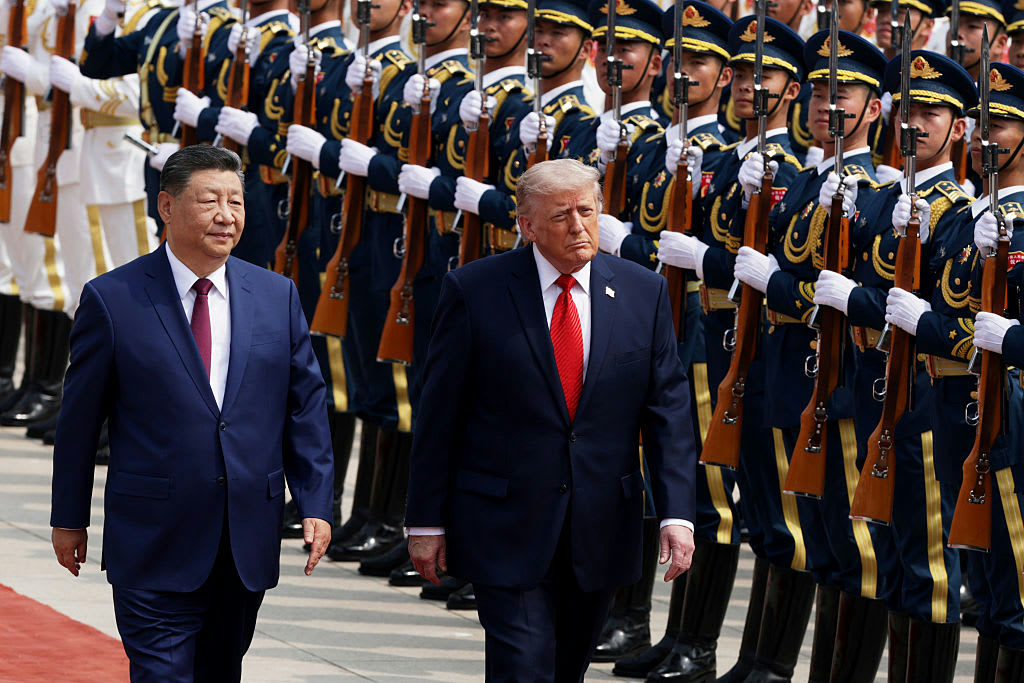
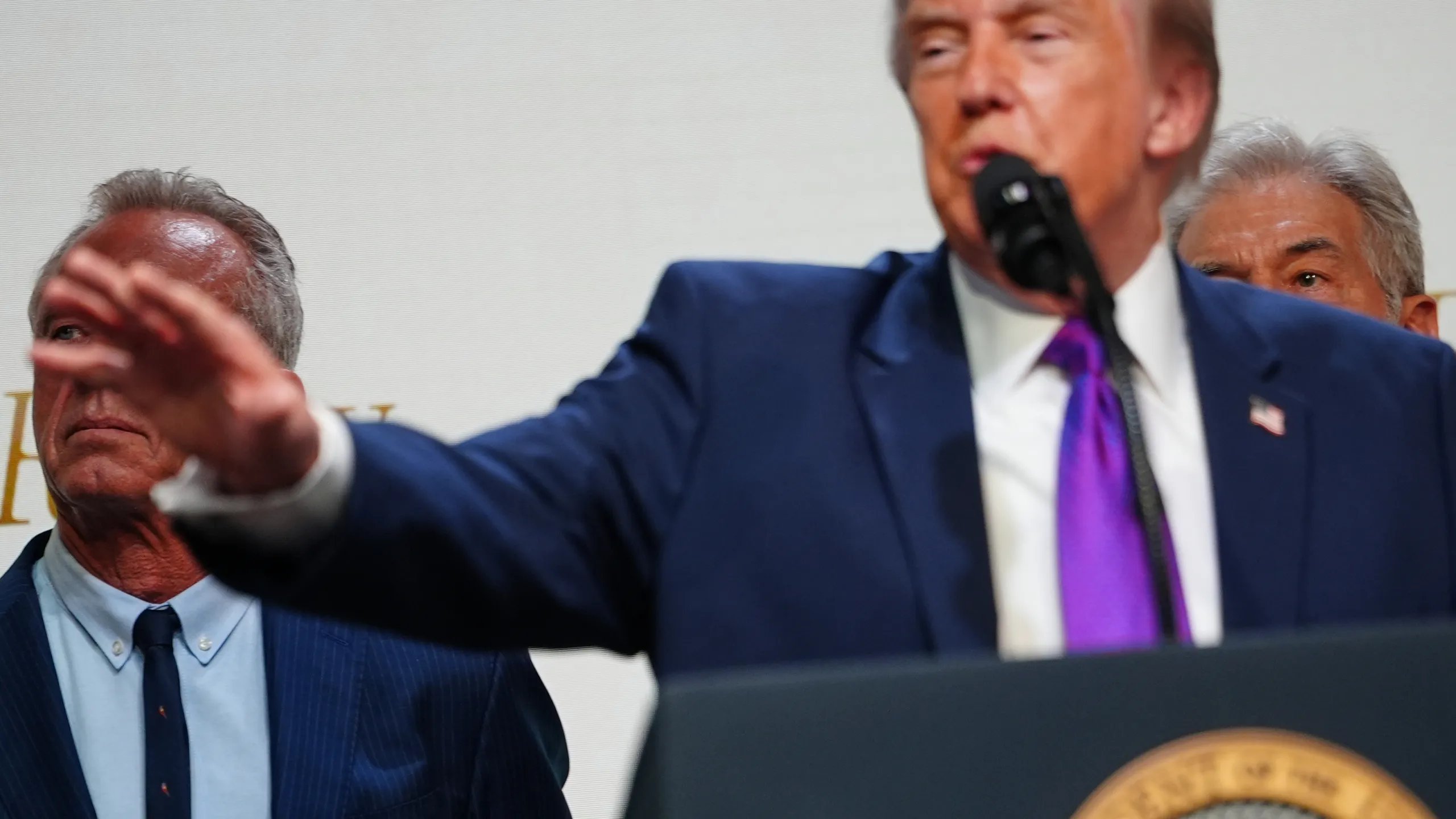
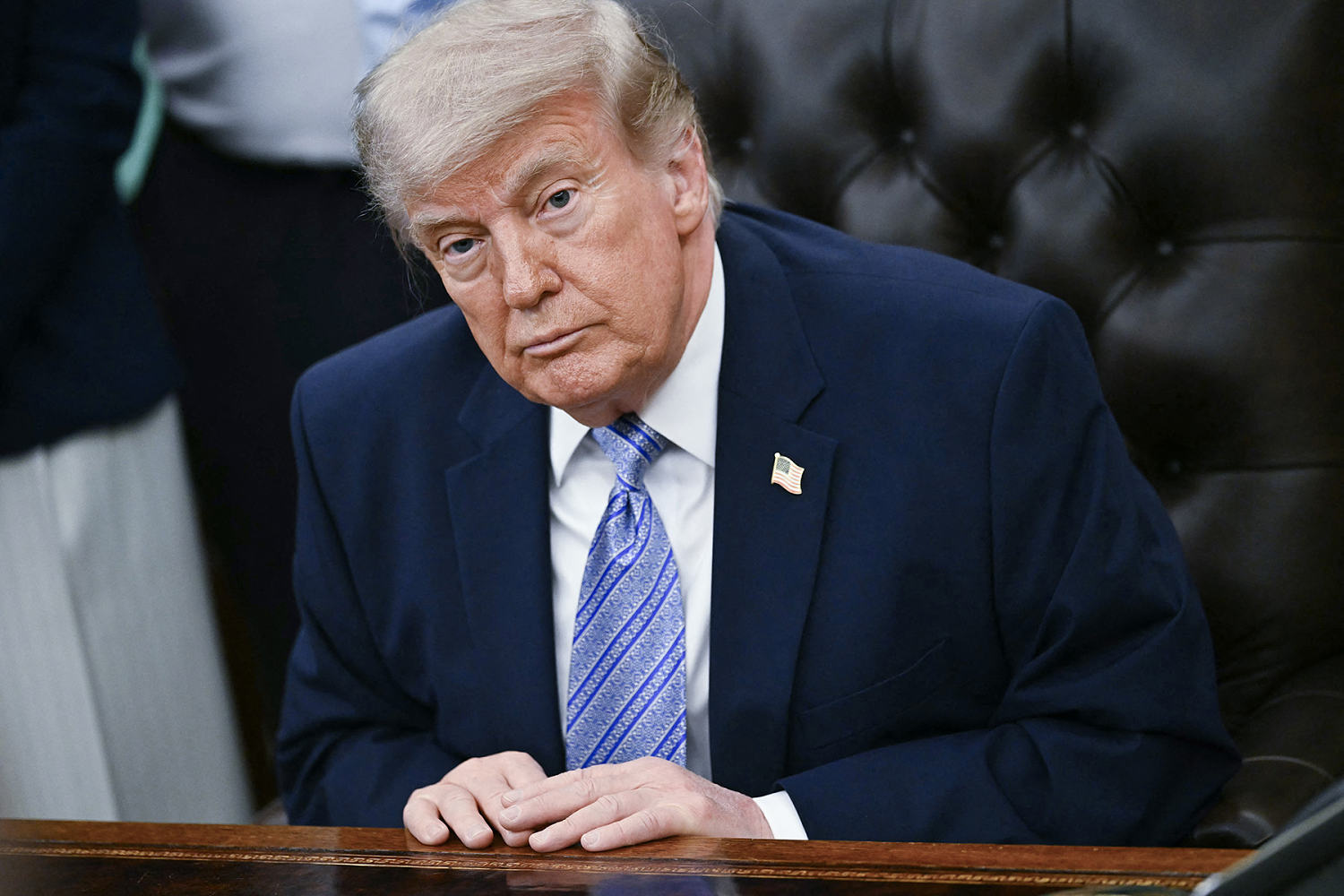
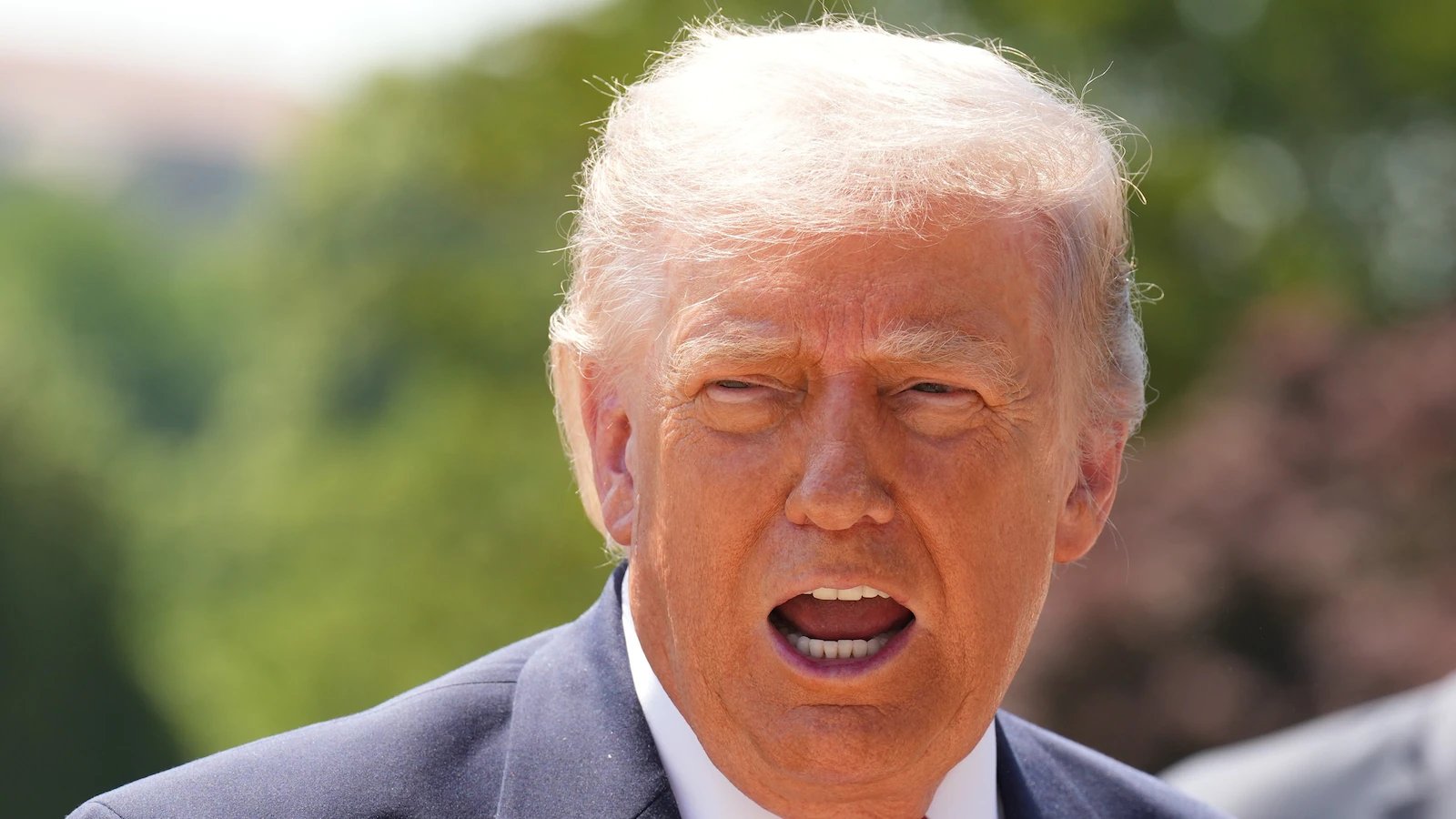
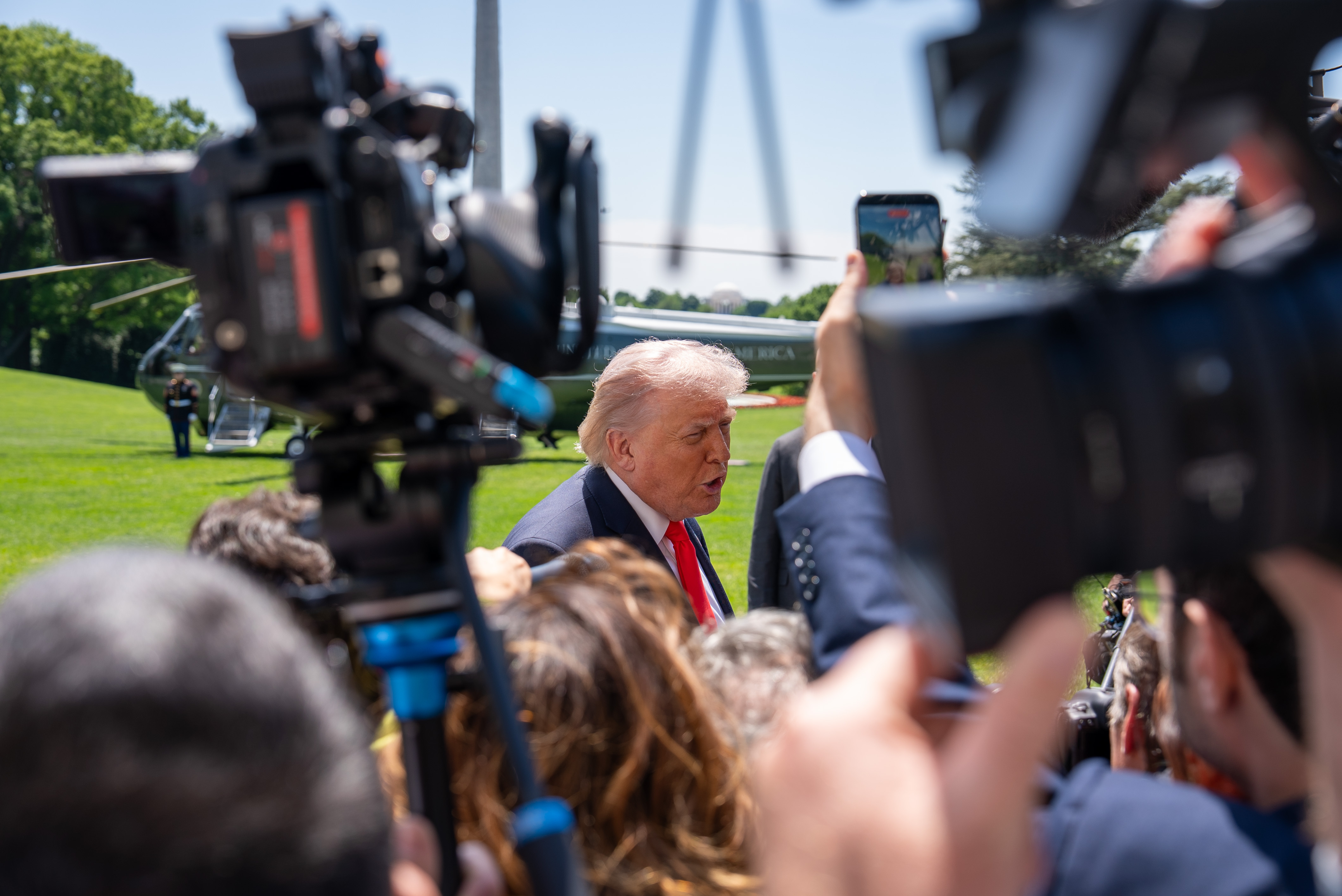
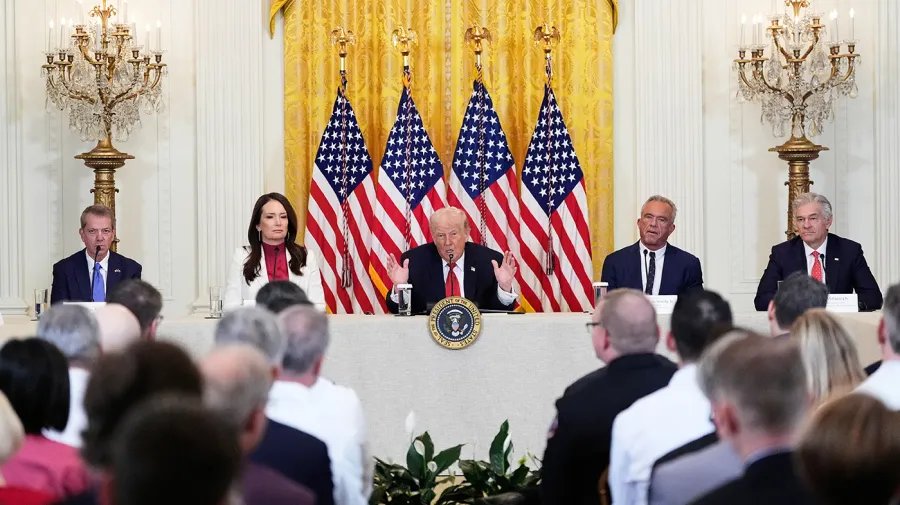
U.S. President Donald Trump met with advisers on Friday but has yet to decide whether to move ahead with a deal to extend the ceasefire and reopen the strait. Iran has said the deal had not been finalized.
With the strike on Lian Star, the U.S. military has stopped six ships trying to breach the blockade. One vessel was allowed to proceed, while another 116 ships have been redirected by U.S. forces.
Qatar's deputy prime minister, Sheikh Saoud bin Abdulrahman bin Hassan bin Ali Al Thani, said Saturday that the Gulf nation opposes charging fees to transit but indicated that temporary tolls for specific purposes like mine clearing could be negotiable and might help restore normal passage through the strait. The U.S. official previously told the Associated Press that the U.S. has not found or destroyed any mines in the strait.
The U.S. military fired a missile into the engine room of a cargo ship on Friday to prevent it from reaching Iranian ports, marking an escalation in America's naval enforcement of a blockade that has paralyzed shipping through one of the world's most critical waterways. The Gambia-flagged vessel Lian Star ignored more than 20 warnings from U.S. forces overnight before the strike disabled it in the Gulf of Oman, according to U.S. Central Command. The ship remained adrift, and U.S. forces have not boarded it, said a U.S. official speaking on condition of anonymity to discuss military operations.
The blockade, launched on April 17, aims to limit Iran's own shipments and weaken its access to cash. The U.S. initiated the action in response to Iran effectively closing the Strait of Hormuz after war in the Middle East began with U.S. and Israeli strikes on February 28. A fragile ceasefire has held since April 7, though negotiations continue on whether to extend it by 60 days while talks proceed on Iran's disputed nuclear program.
Shipments of significant amounts of oil, natural gas, and related supplies like fertilizer are largely stranded in the Strait of Hormuz, the key waterway between Iran and Oman. This disruption has increased strain on consumers and food producers worldwide. Commercial traffic has quietly continued to flow through the strait at much lower volume than before the war, despite Iran's assertions that it must approve any transits.
U.S. President Donald Trump met with advisers on Friday but has yet to decide whether to move ahead with a deal to extend the ceasefire and reopen the strait. Iran has said the deal had not been finalized.
With the strike on Lian Star, the U.S. military has stopped six ships trying to breach the blockade. One vessel was allowed to proceed, while another 116 ships have been redirected by U.S. forces.
Iran's joint military command warned on Saturday that any violation of transit regulations would place ships at serious risk, and that any military vessels trying to interfere with Iranian shipping would be targeted. Iran has also charged tolls for transit as high as $2 million, which experts have called a violation of the international maritime principle of freedom of peaceful navigation.
Qatar's deputy prime minister, Sheikh Saoud bin Abdulrahman bin Hassan bin Ali Al Thani, said Saturday that the Gulf nation opposes charging fees to transit but indicated that temporary tolls for specific purposes like mine clearing could be negotiable and might help restore normal passage through the strait. The U.S. official previously told the Associated Press that the U.S. has not found or destroyed any mines in the strait.
Highlighted text was flagged by the council. Tap to see feedback.