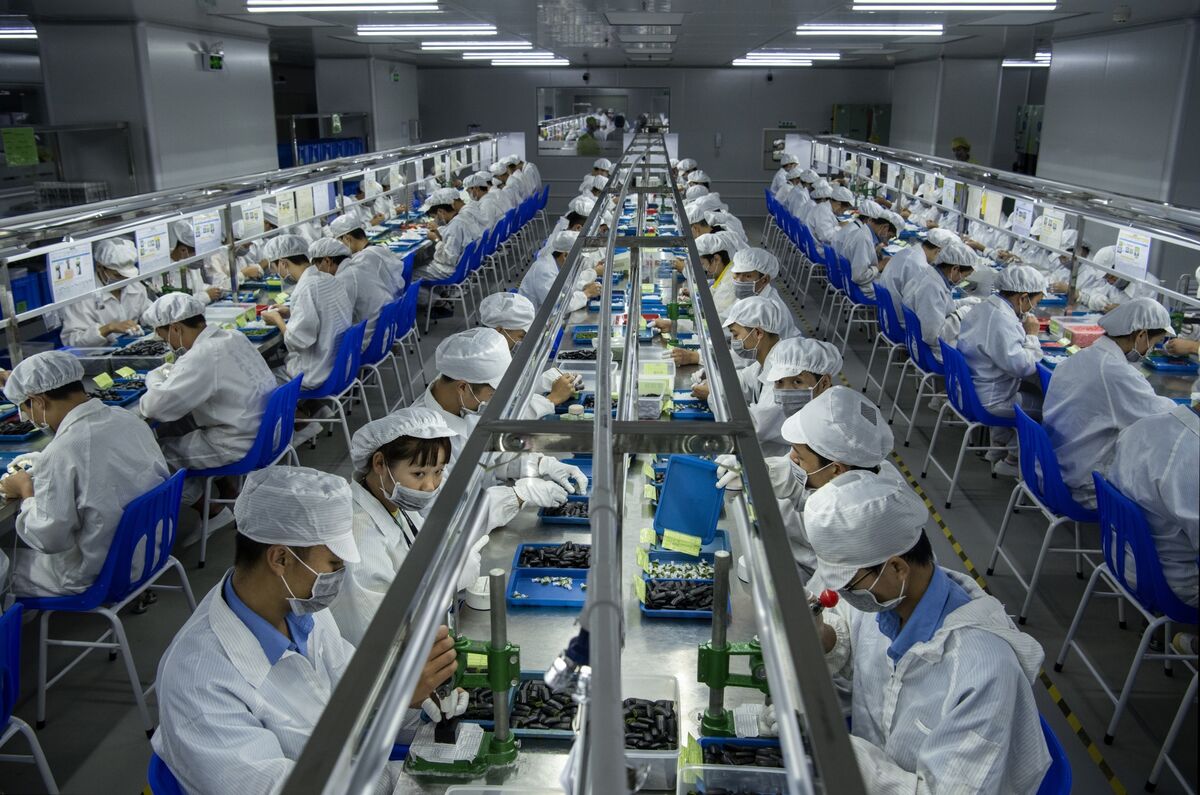
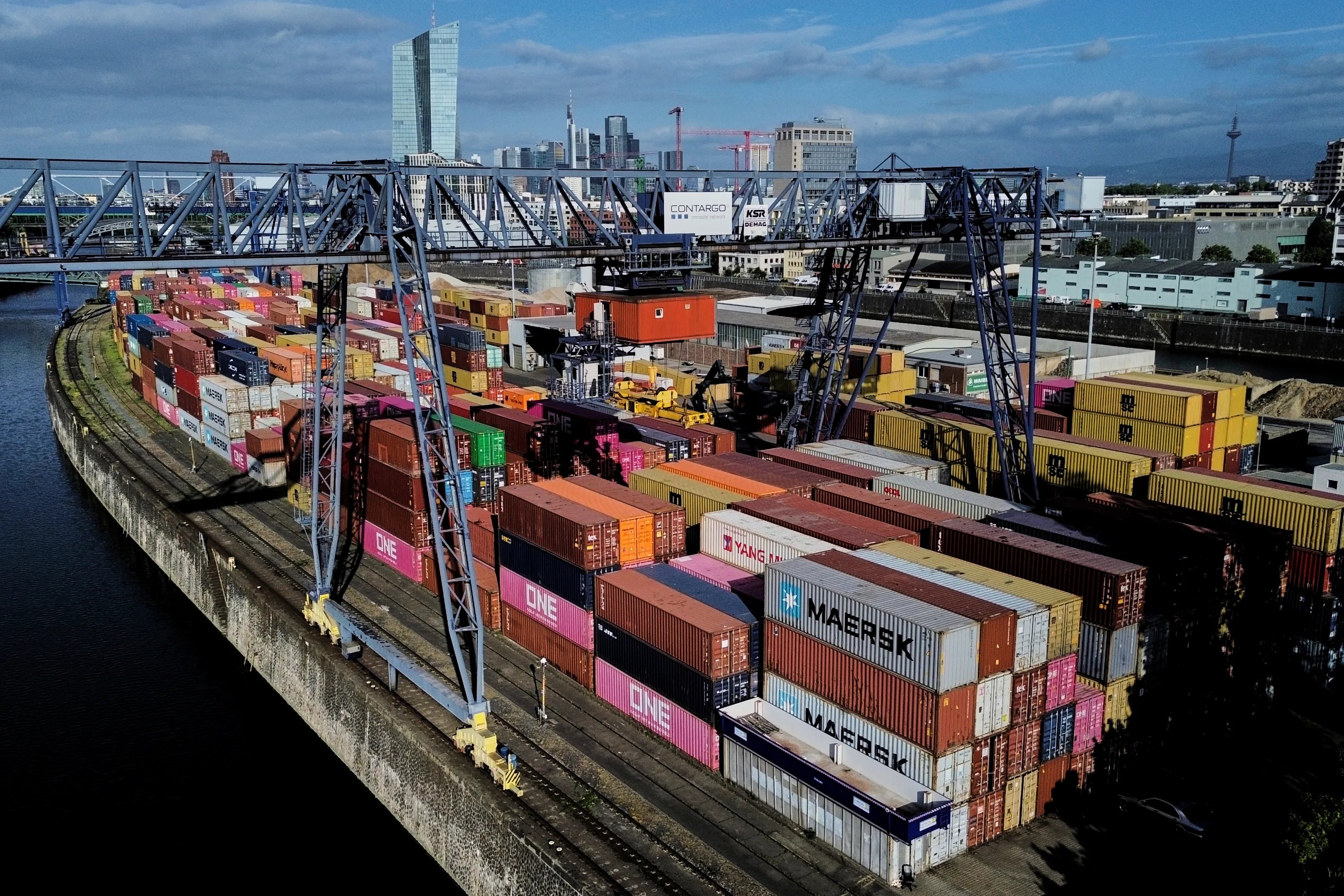
The European Commission agreed on a tough new approach to trade relations with China during a rare Beijing-focused debate among its leadership on Friday. Trade chief Maros Sefcovic presented the case for stronger defensive steps against a new "China shock" hitting European industries. The shift comes as Chinese businesses have moved from being Europe's favoured customer to a sophisticated competitor that challenges local firms in strategic sectors.
Sefcovic proposed developing a new instrument that would compel companies in critical sectors to expand both the number and the locations of their suppliers. This measure aims to reduce reliance on single sources amid growing imbalances.
Sefcovic plans to ramp up the use of safeguard measures in sectors under severe pressure from Chinese overcapacity. Safeguards act faster and broader than anti-dumping or anti-subsidy probes. They prove difficult for dissenting member states to block because a qualified majority of capitals is required to obstruct them. Authorities expect these tools to apply in some chemicals and machinery industries.
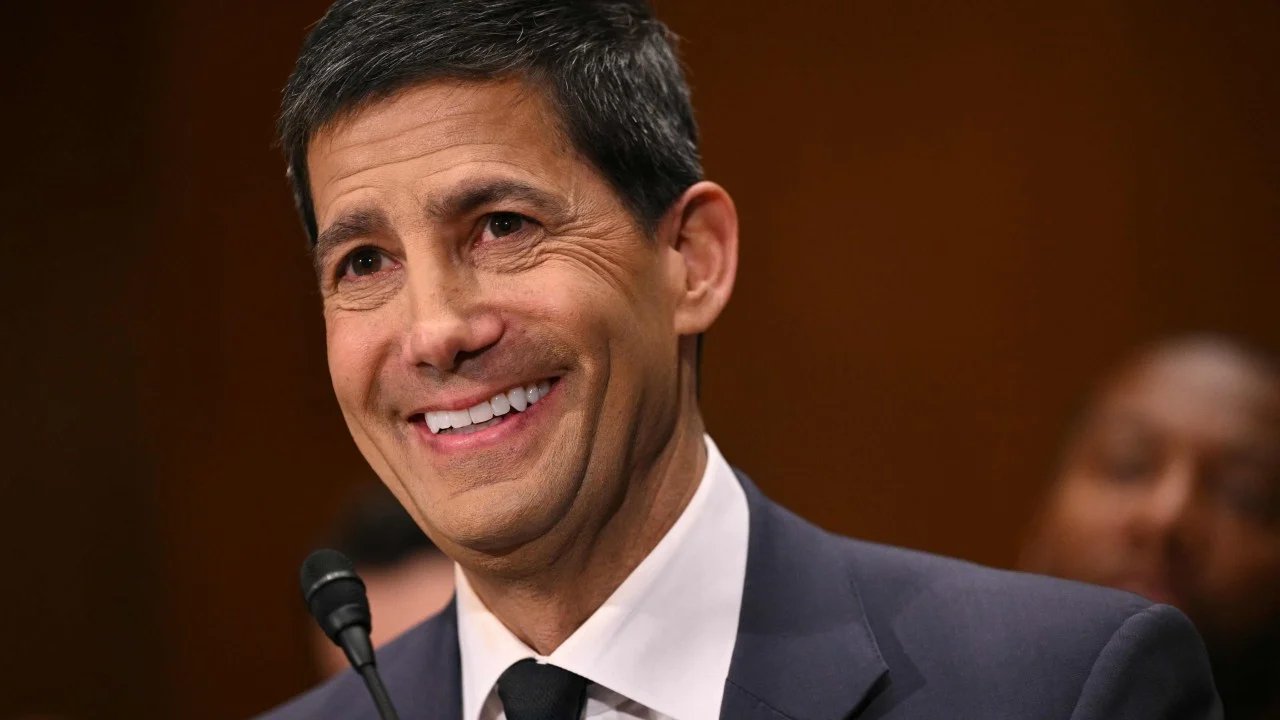
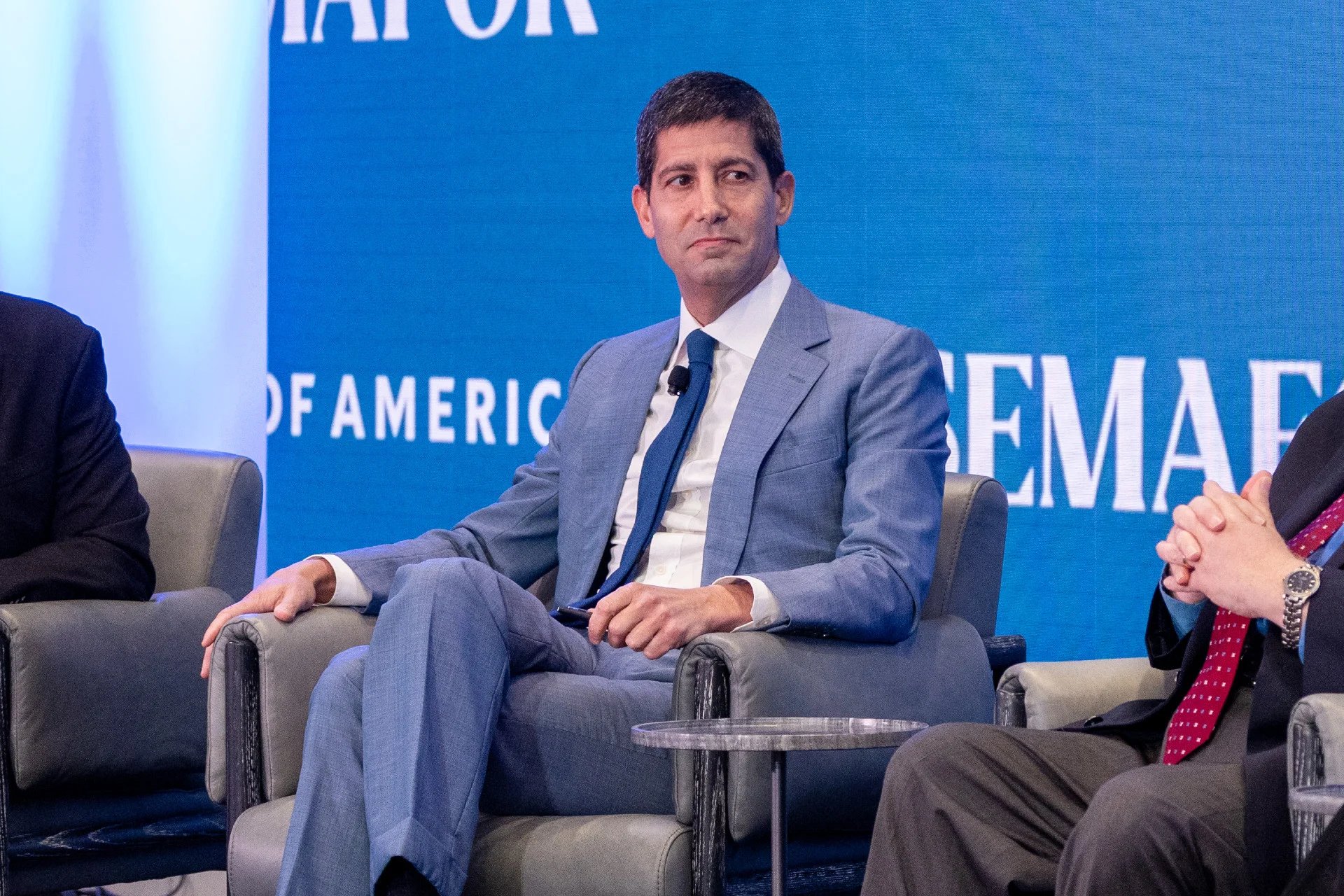
Michael Koplovsky, senior adviser at a strategic consultancy and visiting professor at the College of Europe, said the era when Europe viewed China as a partner is over. "There was a recognition of China as a partner some years ago, and China is a very important market for European goods," Koplovsky told an audience at the UBS Asian Investment Conference in Hong Kong on Thursday. He added that Europeans have become a little more sceptical and a little more wary of China.
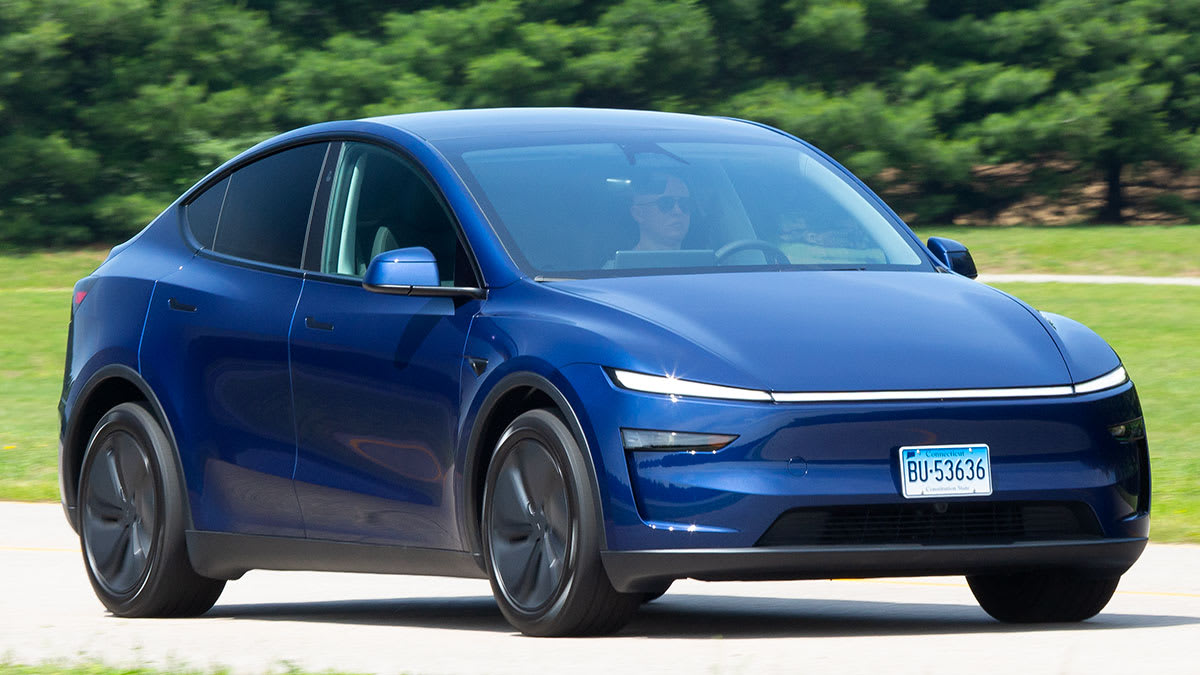
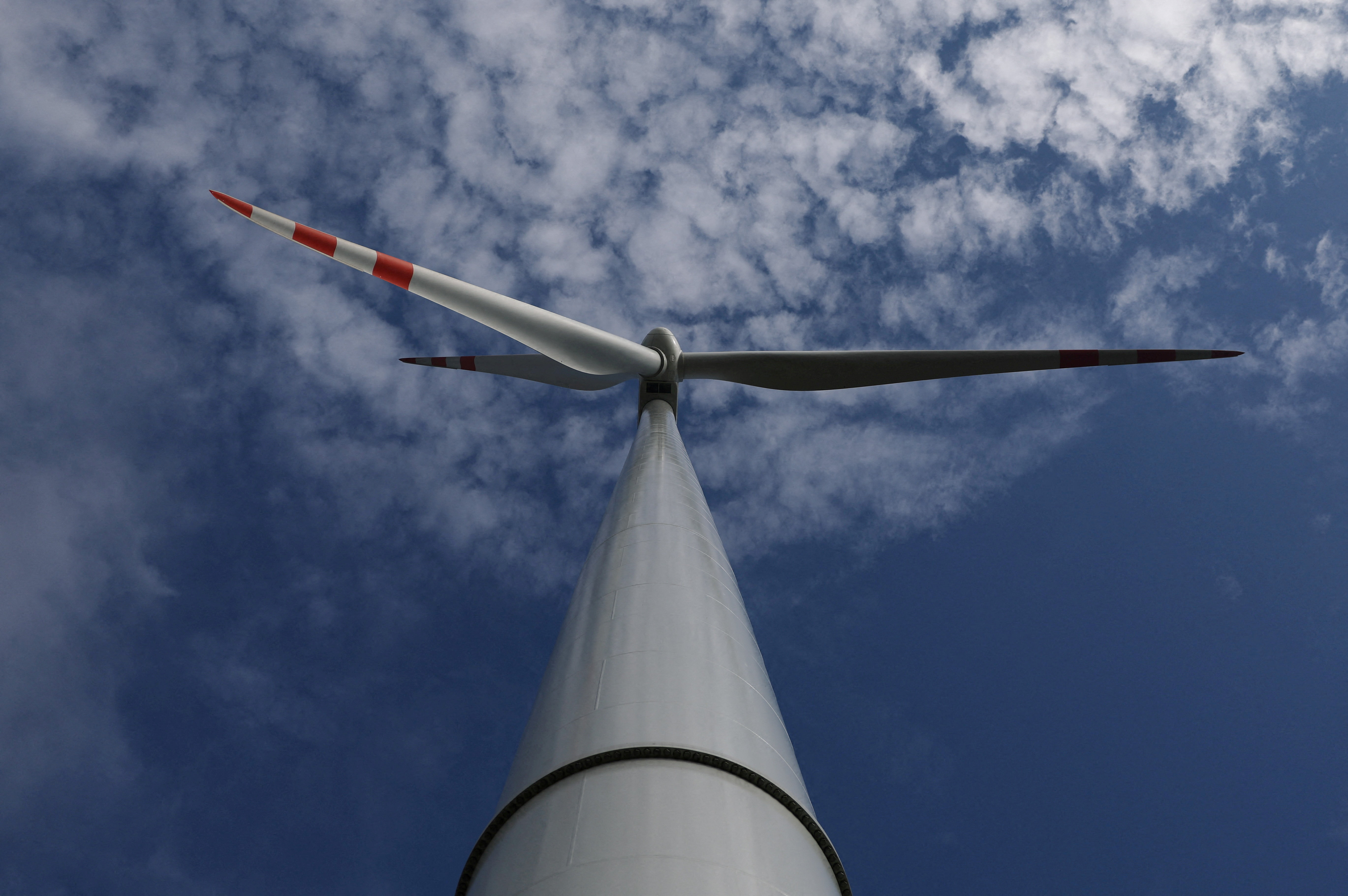
China's rapid strides in solar, wind, batteries and electric vehicles have driven the change in European perception. Chinese firms in those areas now present a direct challenge to European industry. Koplovsky, a former senior US diplomat, noted that the shift has not been as pronounced in Europe as in the United States, where the relationship is framed as strategic rivalry while Brussels speaks in terms of competition.
Koplovsky warned that the rift between the two sides could deepen further. "I don't know how far Europe will go, but I do see the movement," he said. The new approach signals that a more turbulent period in EU-China trade relations has begun and is likely to persist.
The European Commission agreed on a tough new approach to trade relations with China during a rare Beijing-focused debate among its leadership on Friday. Trade chief Maros Sefcovic presented the case for stronger defensive steps against a new “China shock” hitting European industries. The shift comes as Chinese businesses have moved from being Europe’s favoured customer to a sophisticated competitor that challenges local firms in strategic sectors.
Sefcovic proposed developing a new instrument that would compel companies in critical sectors to expand both the number and the locations of their suppliers. This measure aims to reduce reliance on single sources amid growing imbalances. Officials described the presentation as laying out why the bloc must defend itself more forcefully from overcapacity pressures.
Sefcovic plans to ramp up the use of safeguard measures in sectors under severe pressure from Chinese overcapacity. Safeguards act faster and broader than anti-dumping or anti-subsidy probes. They prove difficult for dissenting member states to block because a qualified majority of capitals is required to obstruct them. Authorities expect these tools to apply in some chemicals and machinery industries.
Michael Koplovsky, a senior adviser at a strategic consultancy and visiting professor at the College of Europe, said the era when Europe viewed China as a partner is over. “There was a recognition of China as a partner some years ago, and China is a very important market for European goods,” Koplovsky told an audience at the UBS Asian Investment Conference in Hong Kong on Thursday. He added that Europeans have become a little more sceptical and a little more wary of China.
China’s rapid strides in solar, wind, batteries and electric vehicles have driven the change in European perception. Chinese firms in those areas now present a direct challenge to European industry. Koplovsky, a former senior US diplomat, noted that the shift has not been as pronounced in Europe as in the United States, where the relationship is framed as strategic rivalry while Brussels speaks in terms of competition.
China has vowed retaliation against the tougher European measures. The European Union cautioned that its economic relationship with China is not sustainable without change. Brussels is already taking steps to diversify its trade and is considering more robust measures to shield local industry from Chinese competition.
Koplovsky warned that the rift between the two sides could deepen further. “I don’t know how far Europe will go, but I do see the movement,” he said. The new approach signals that a more turbulent period in EU-China trade relations has begun and is likely to persist.
The concrete next step for European companies in affected sectors will be preparing for expanded supplier audits and potential safeguard tariffs that alter sourcing costs within months.
Highlighted text was flagged by the council. Tap to see feedback.