
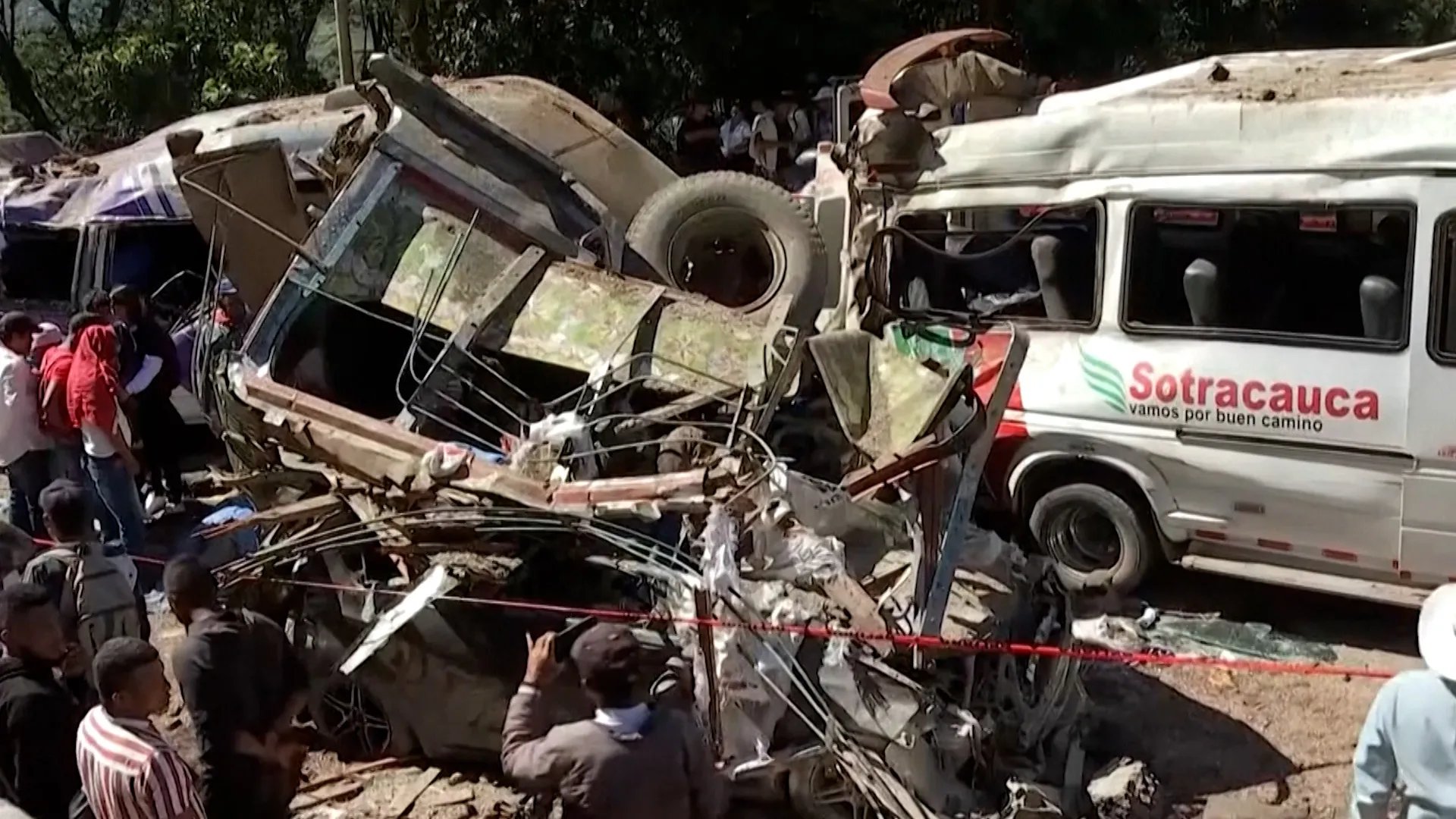




Attack on Pan-American Highway
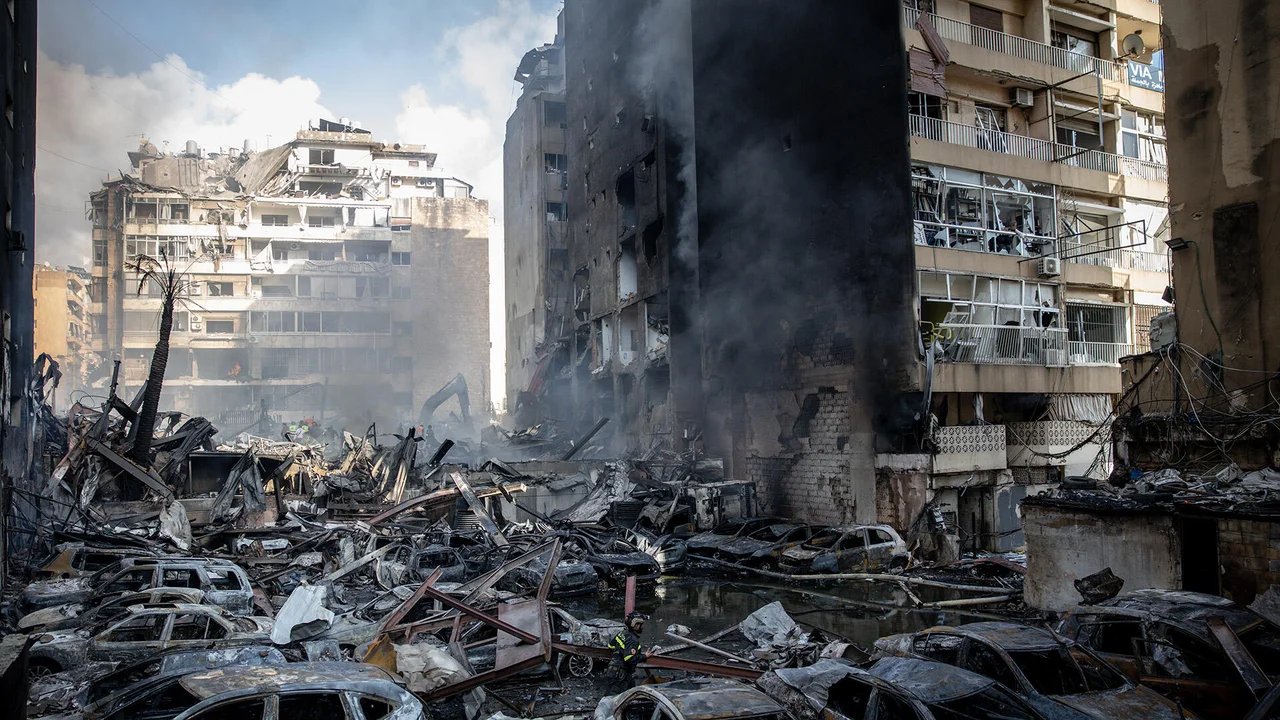
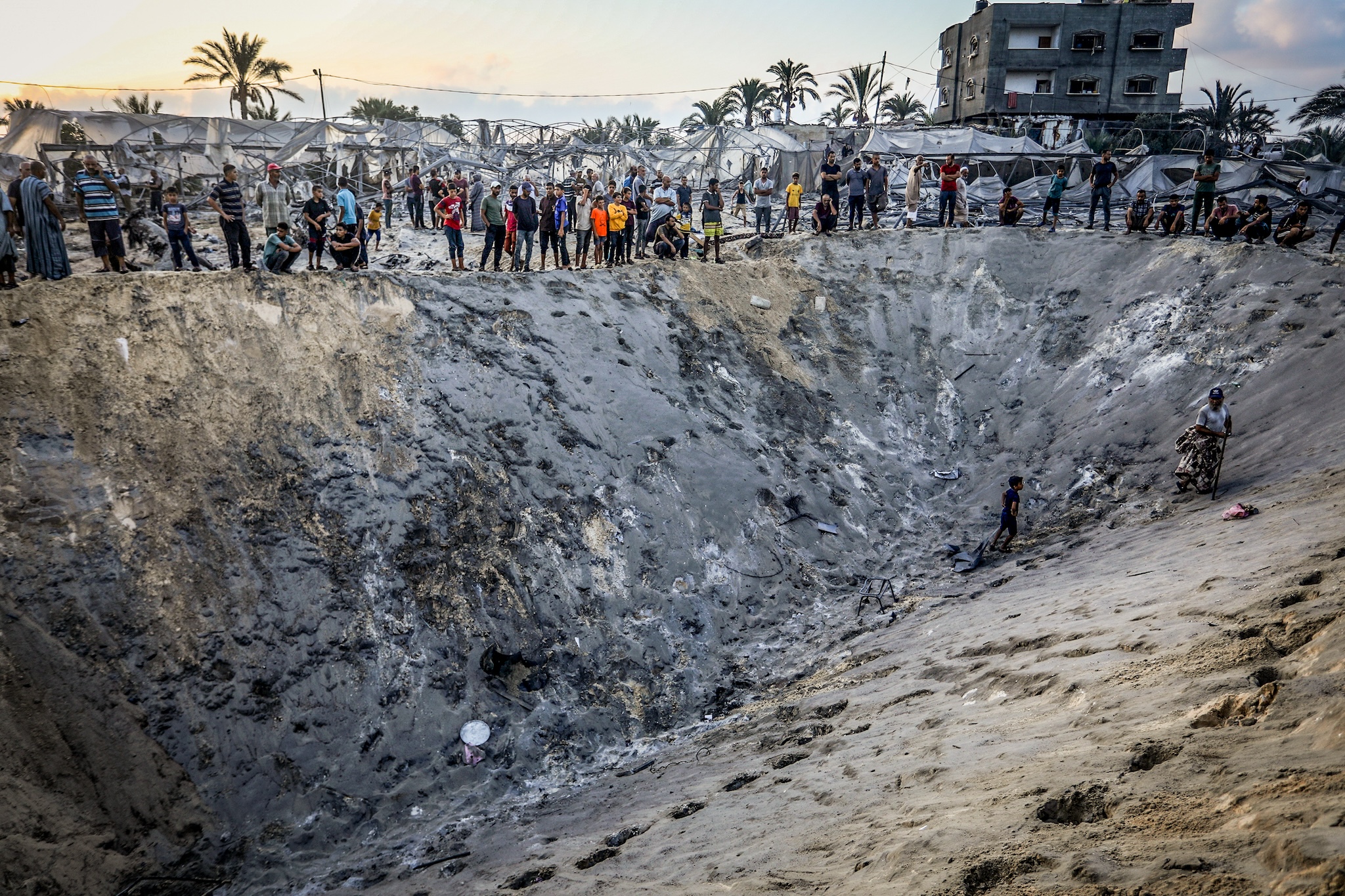
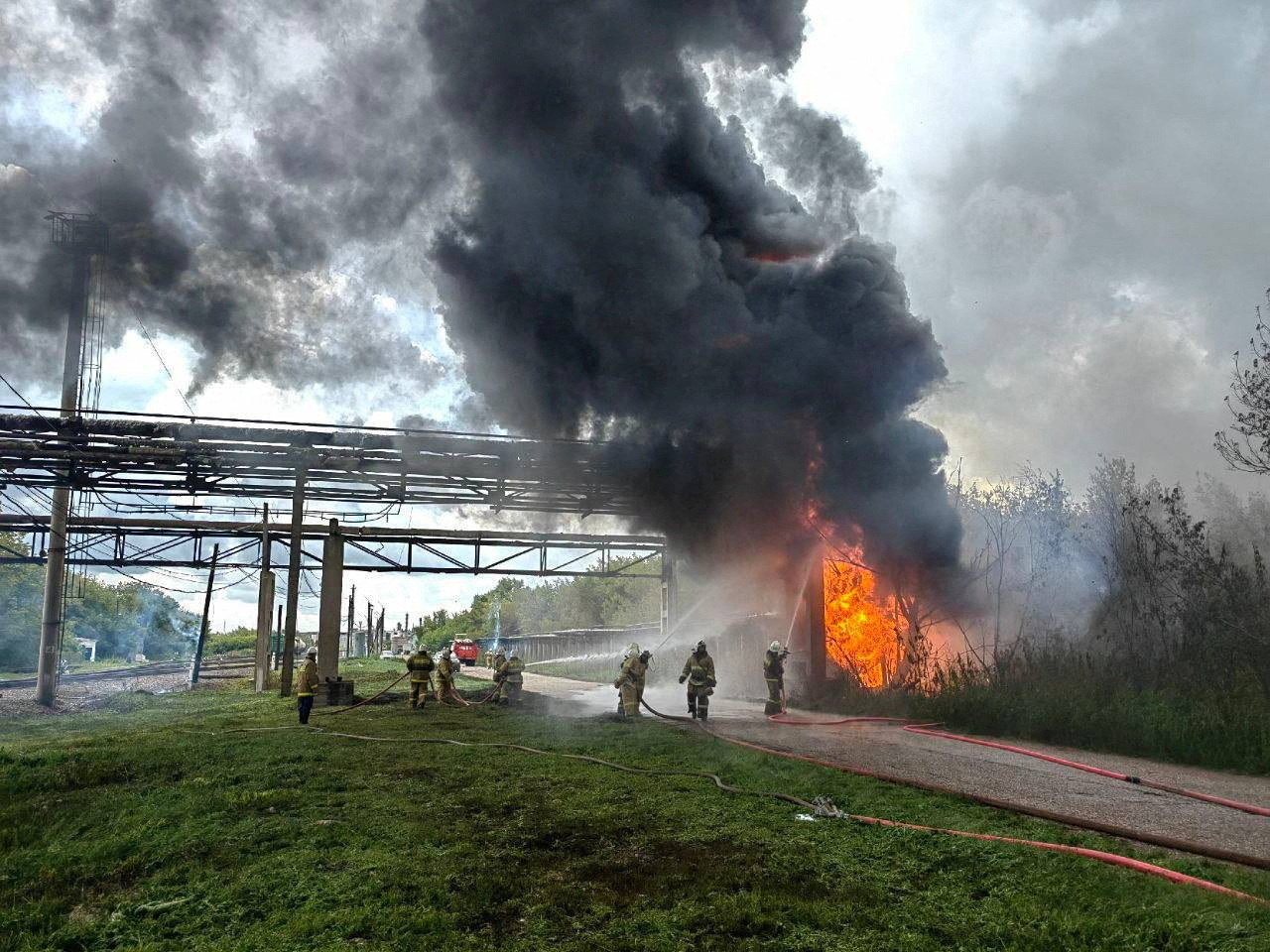
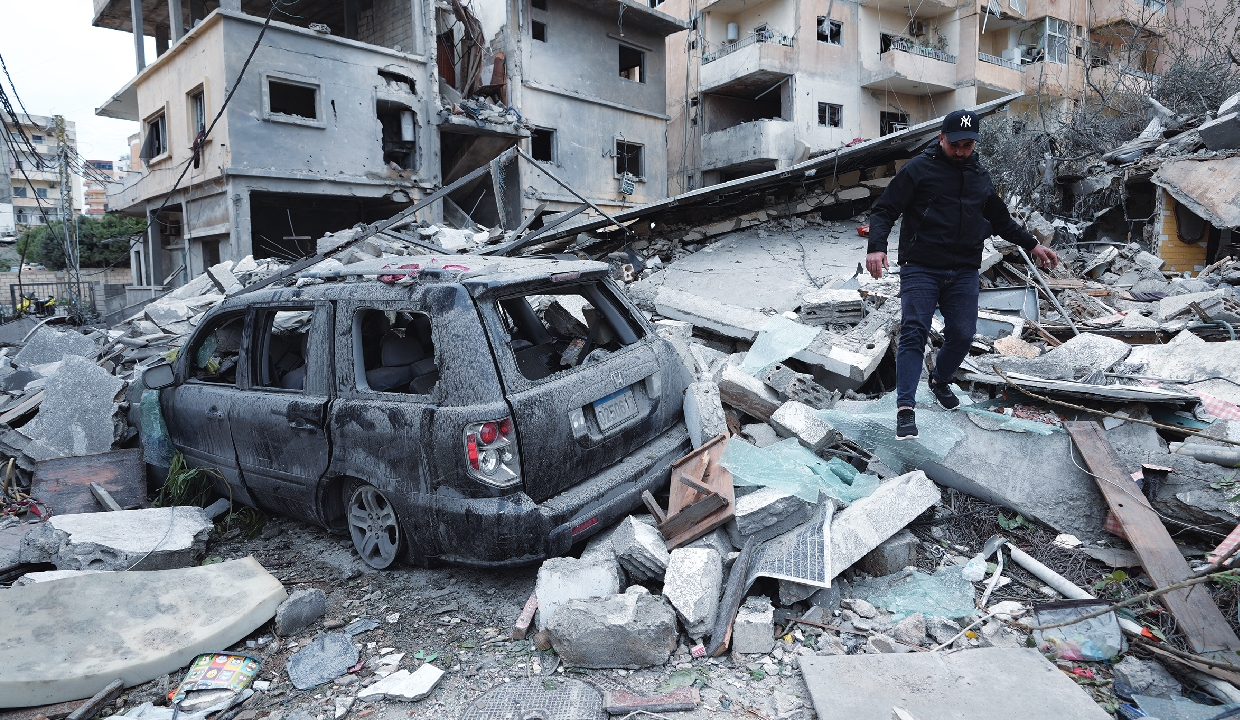
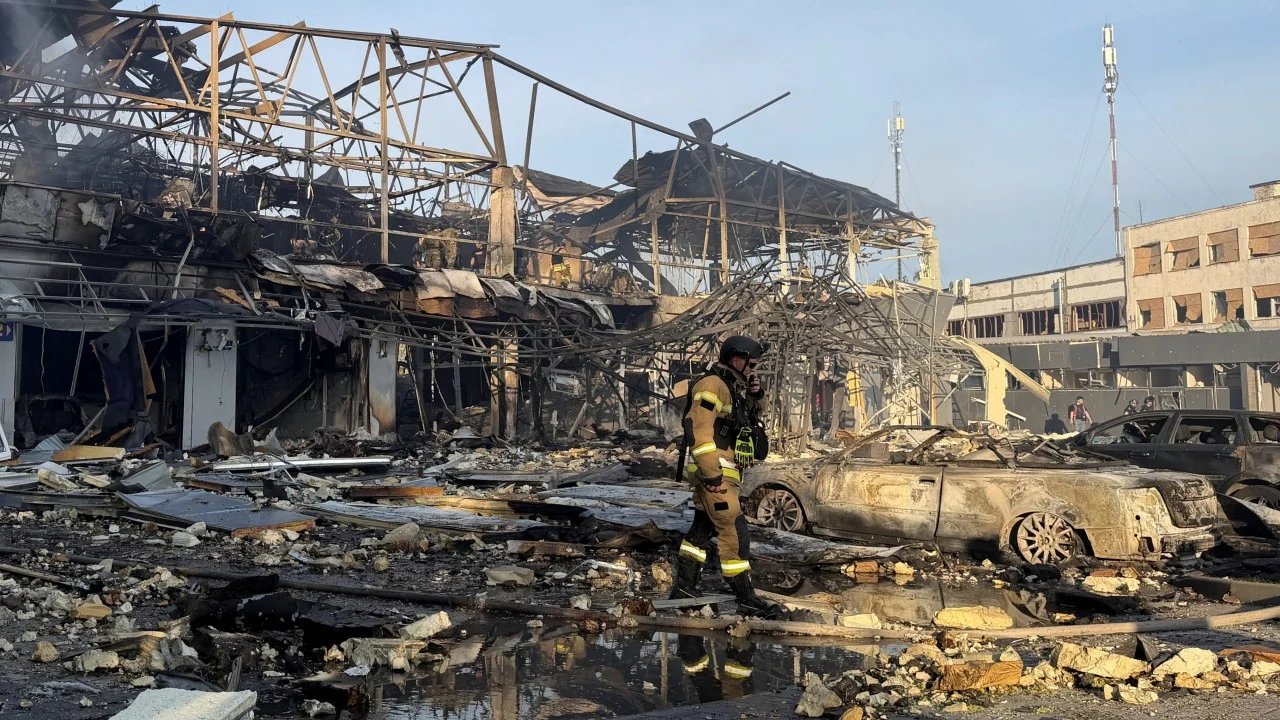
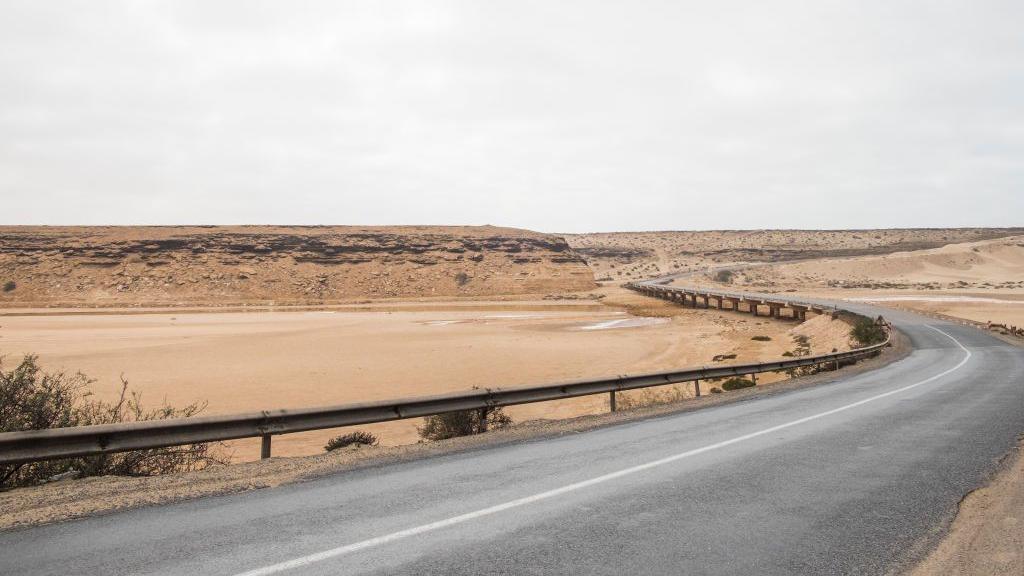
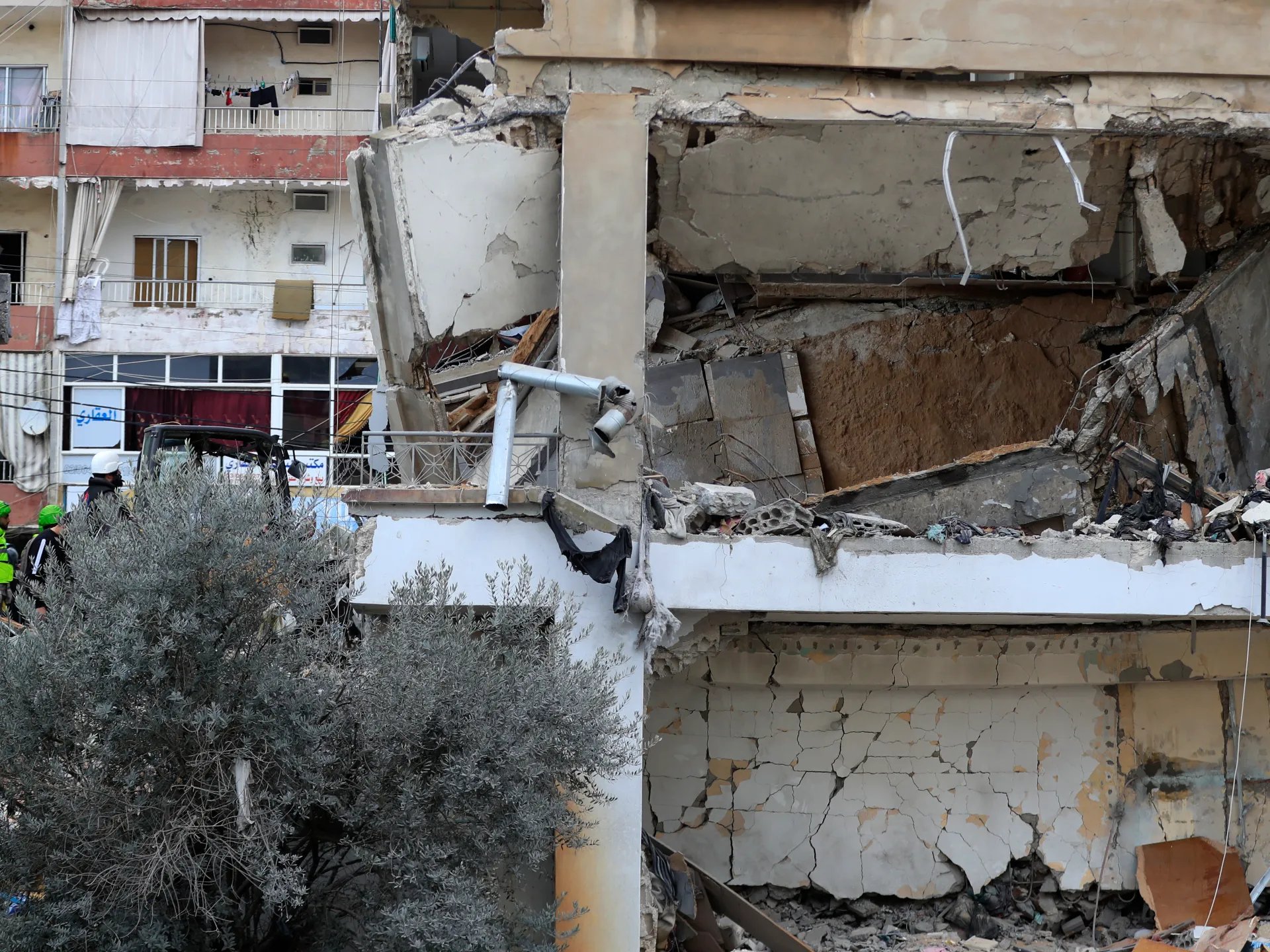
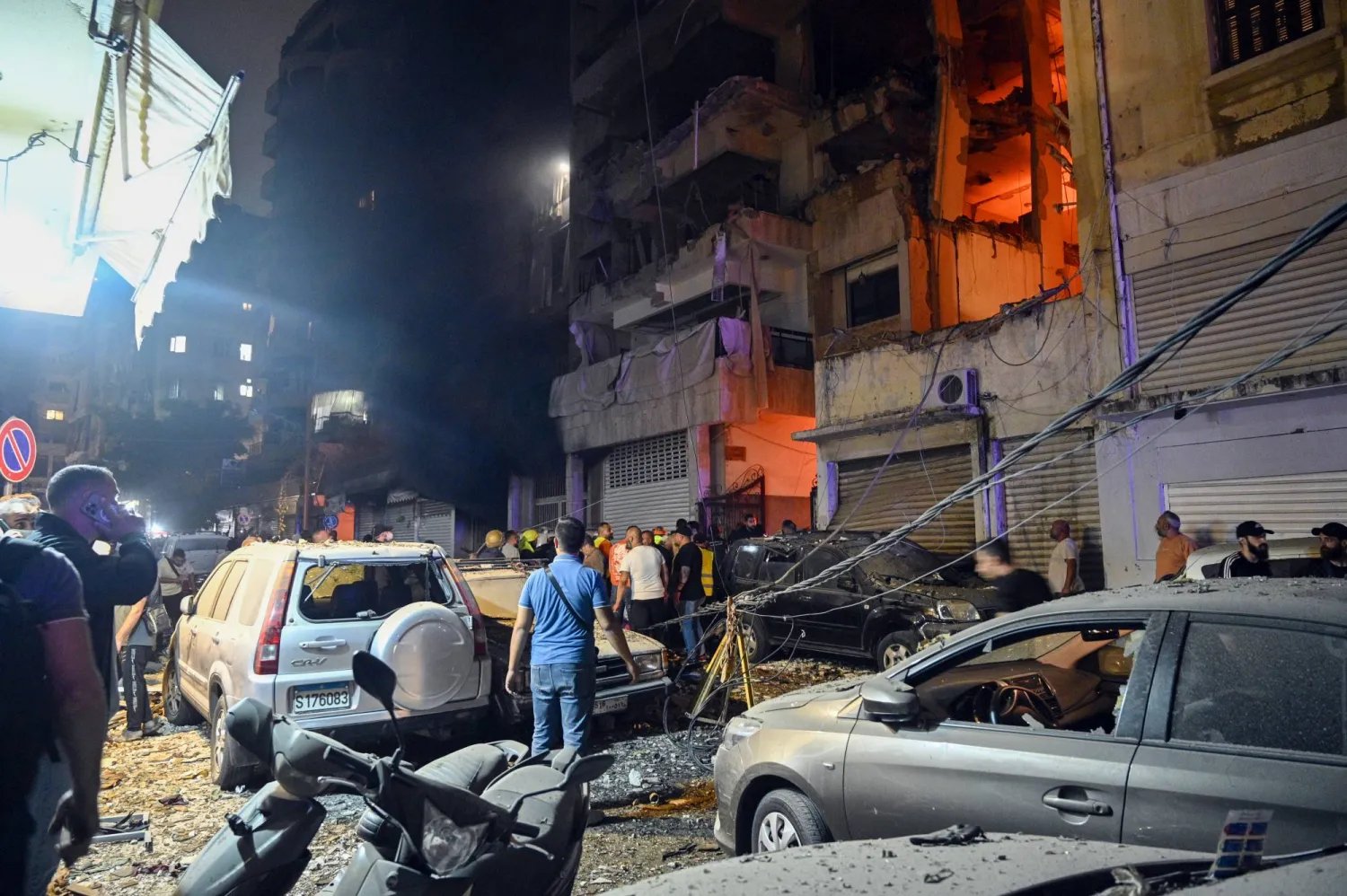
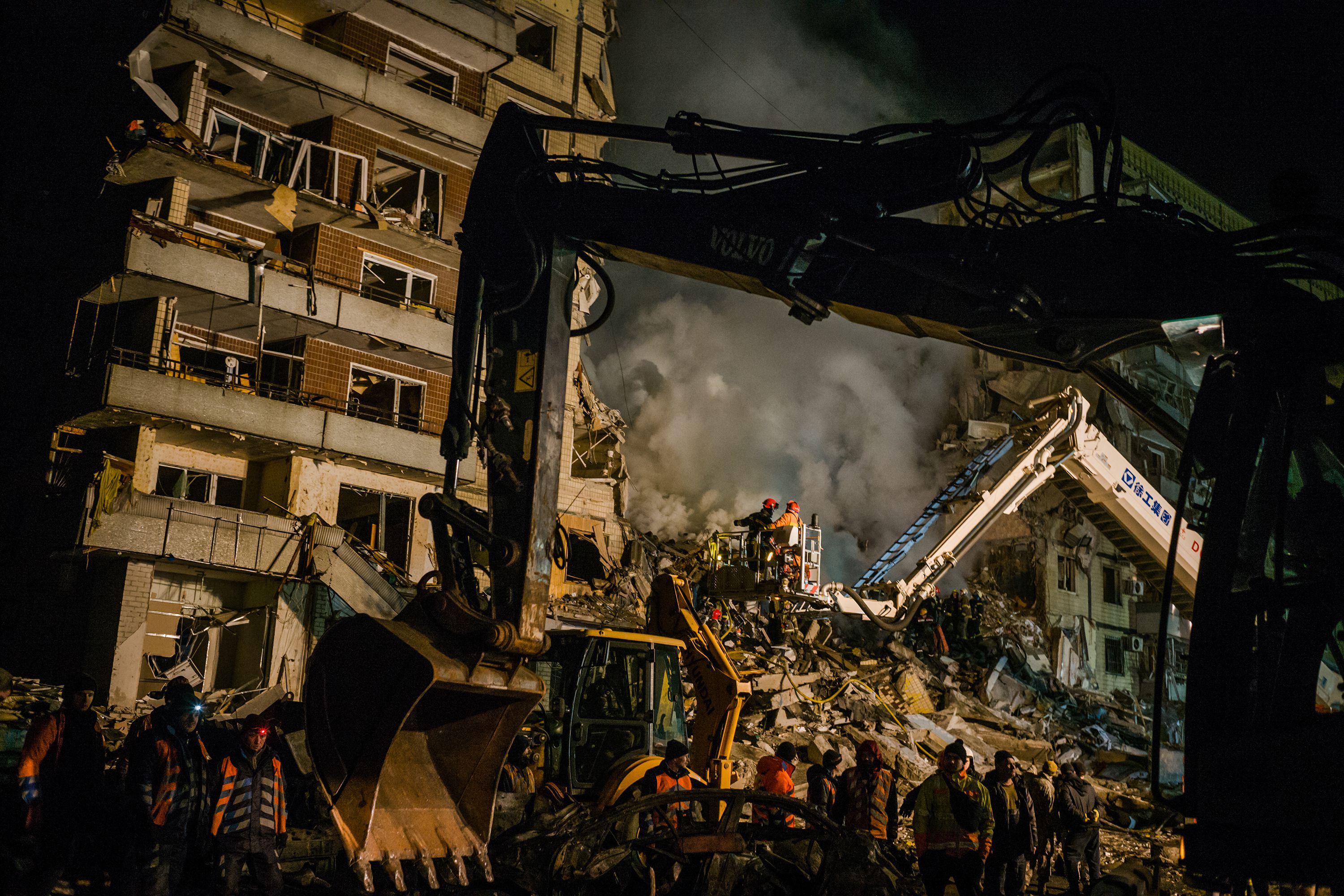
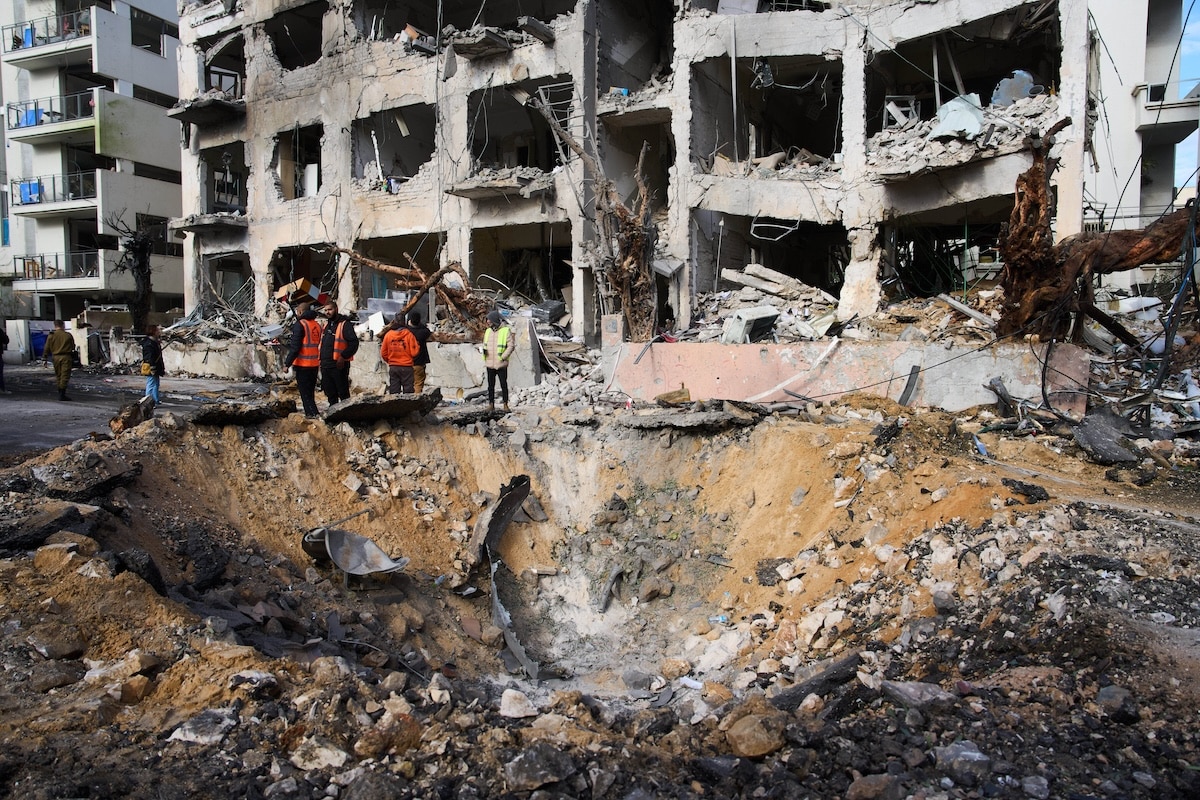
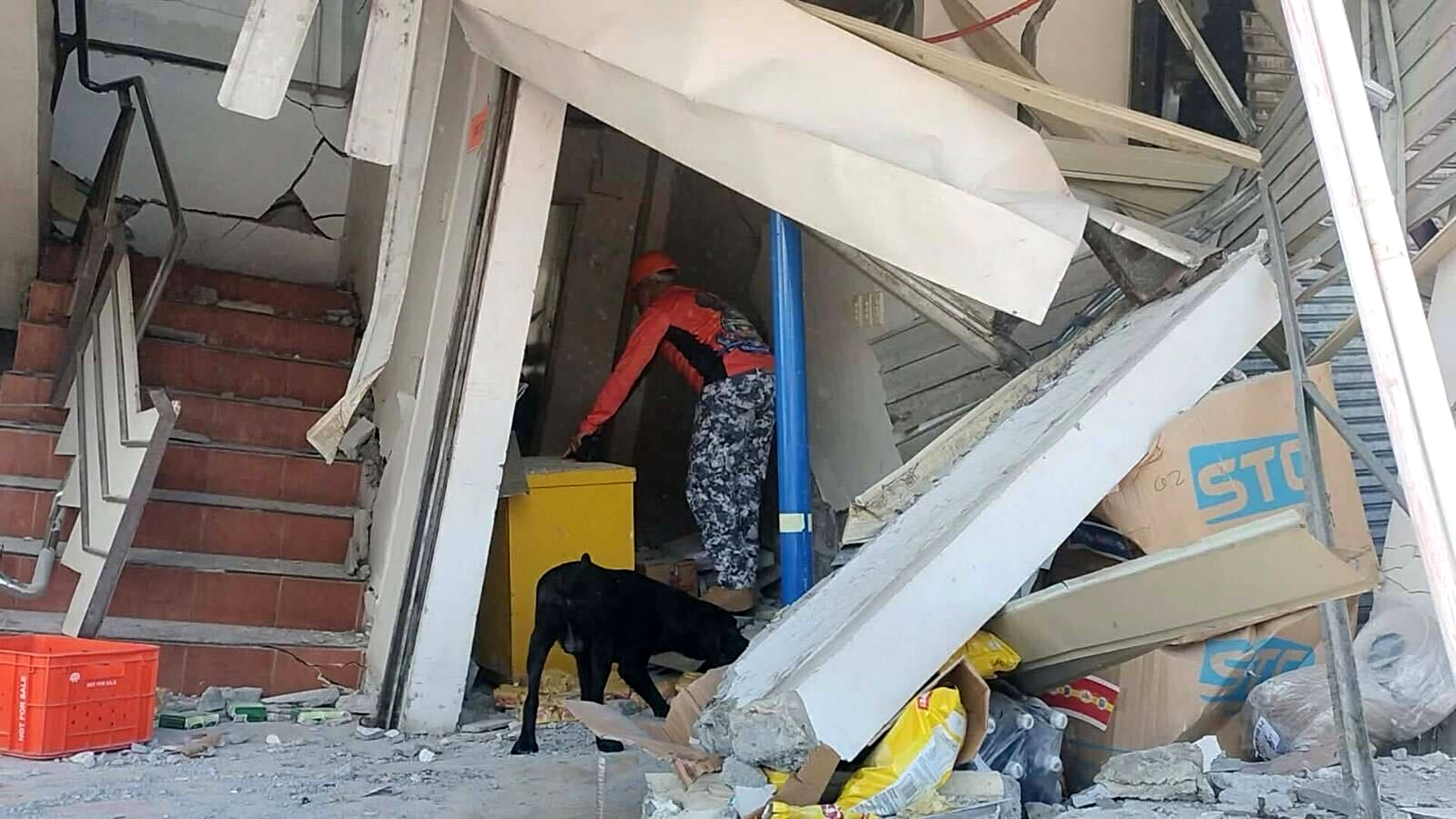
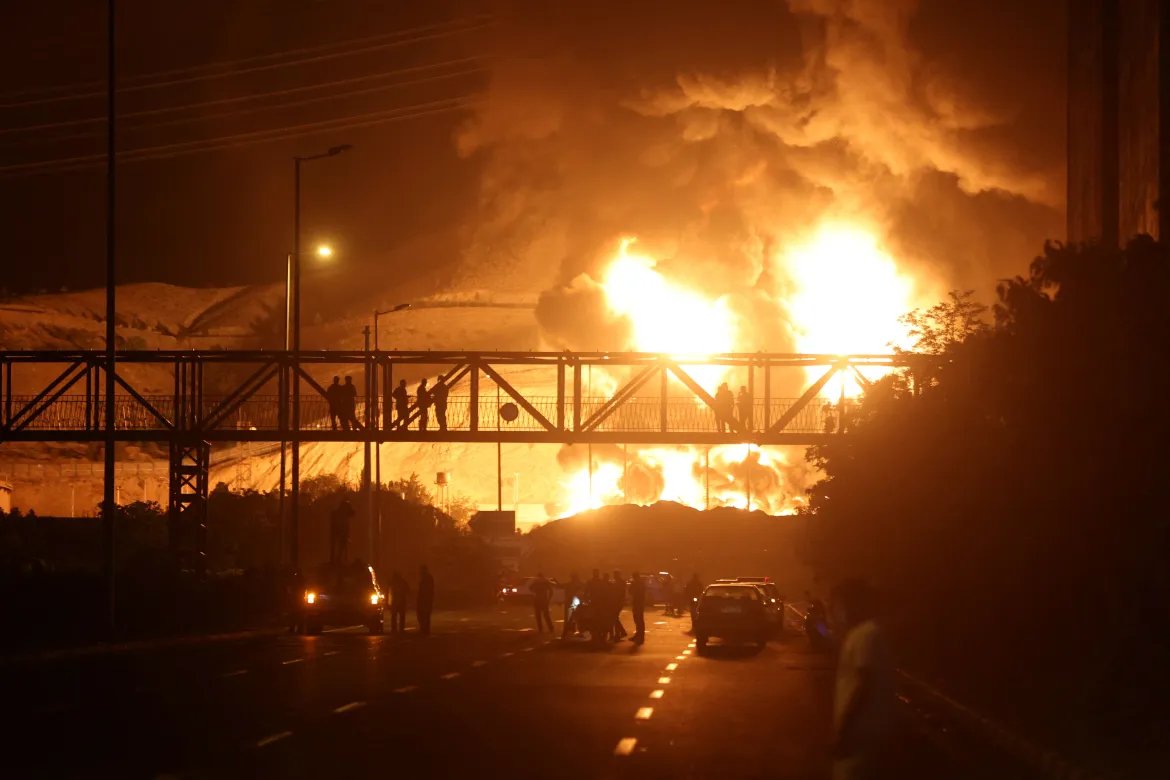
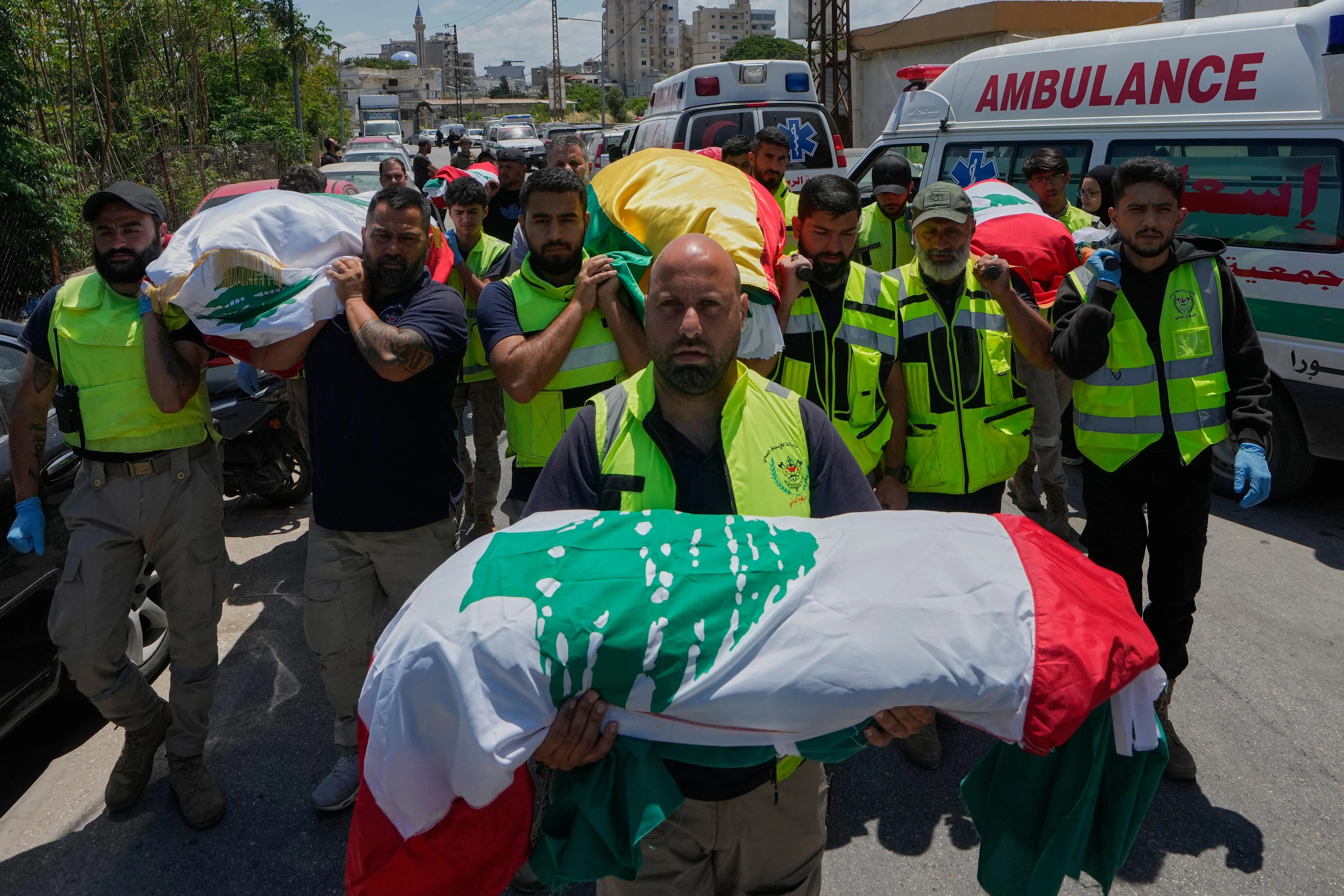
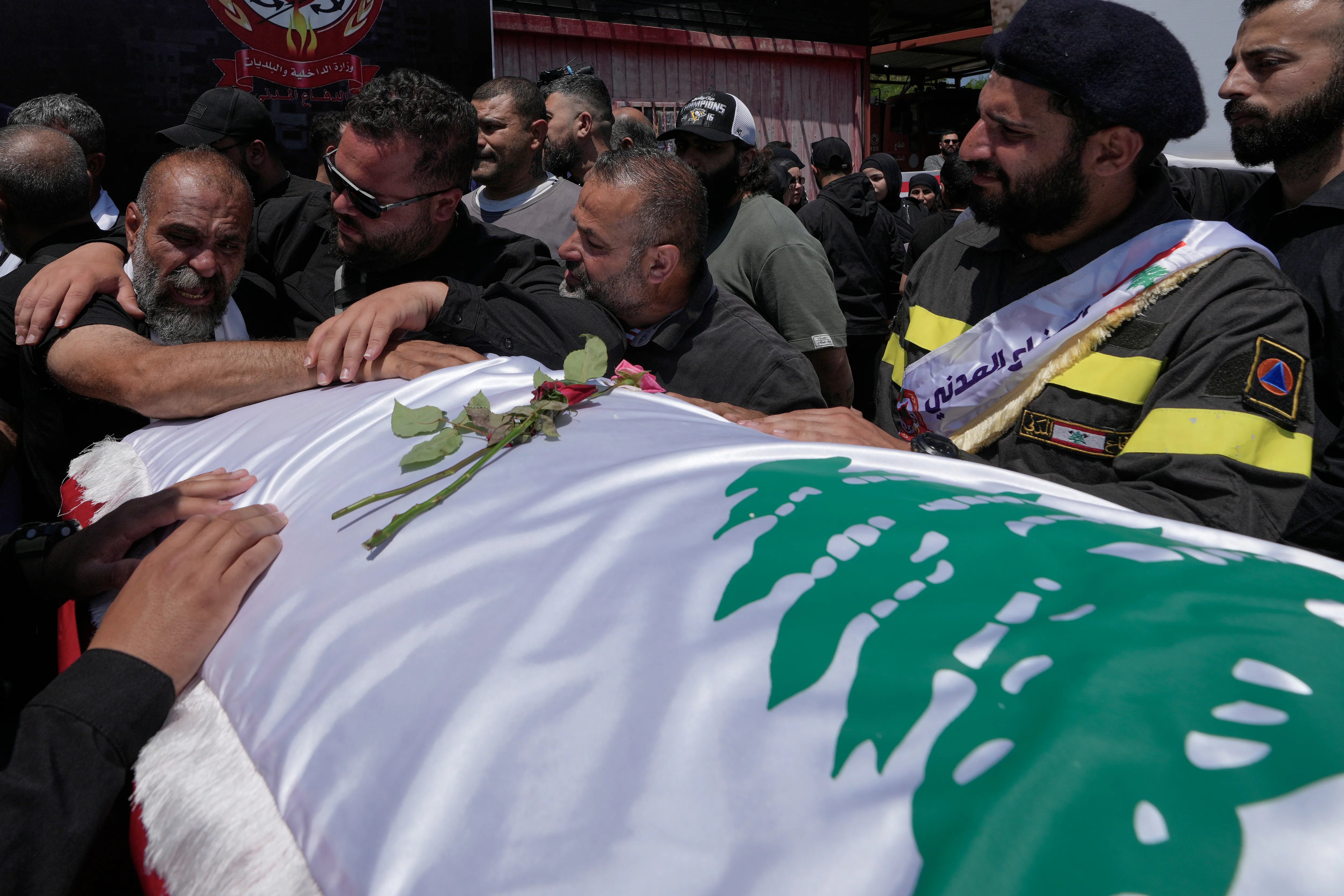
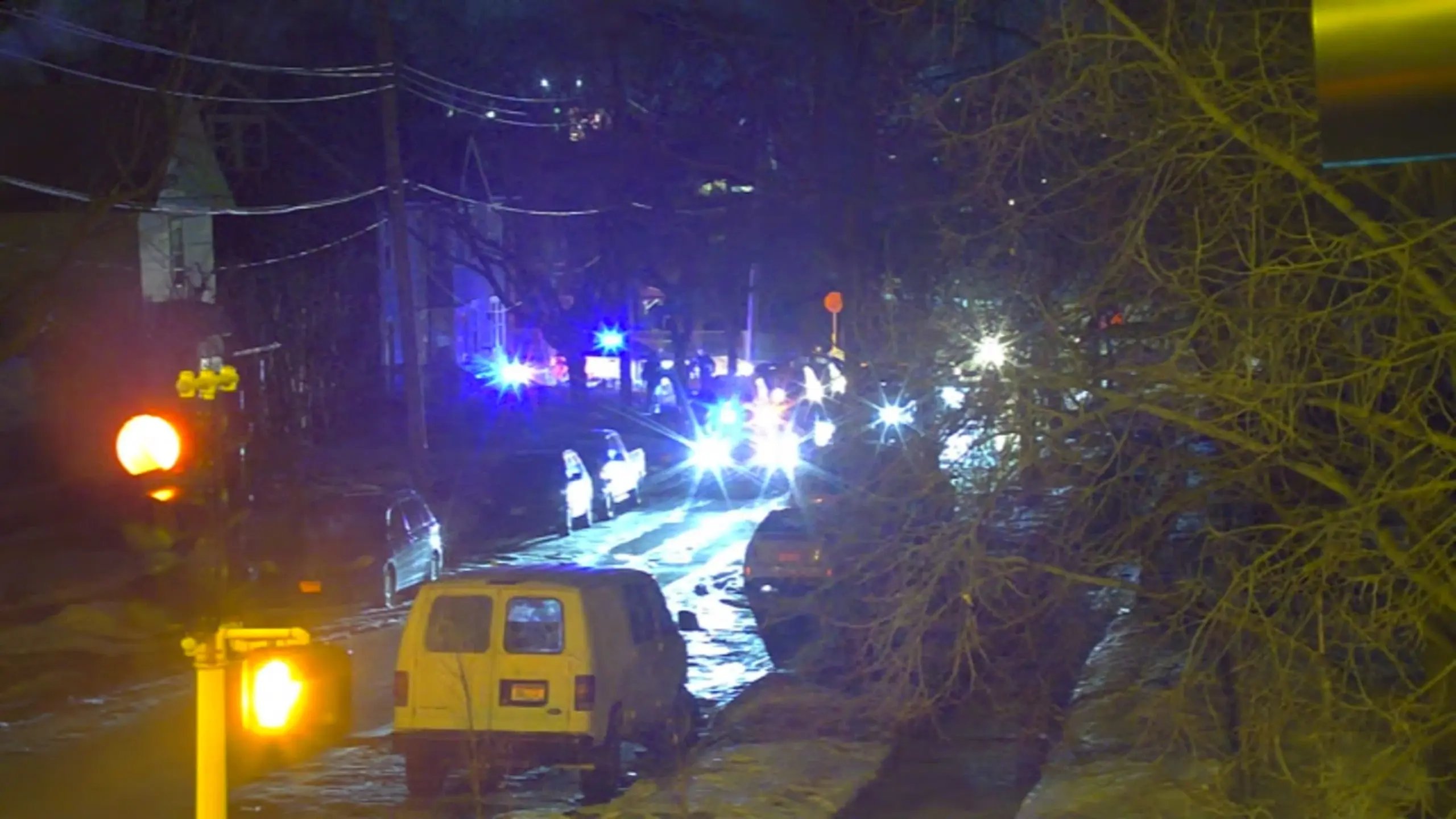
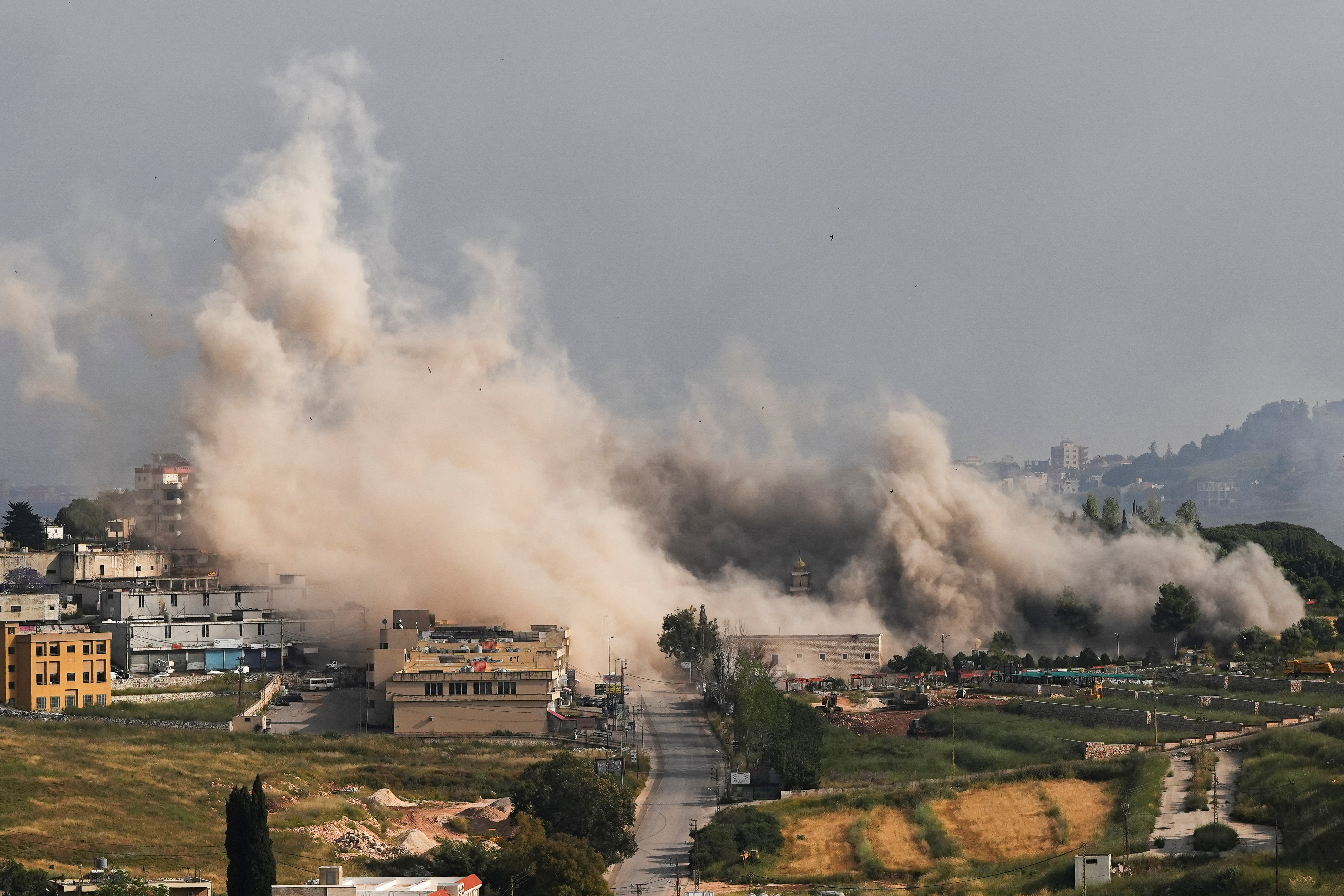
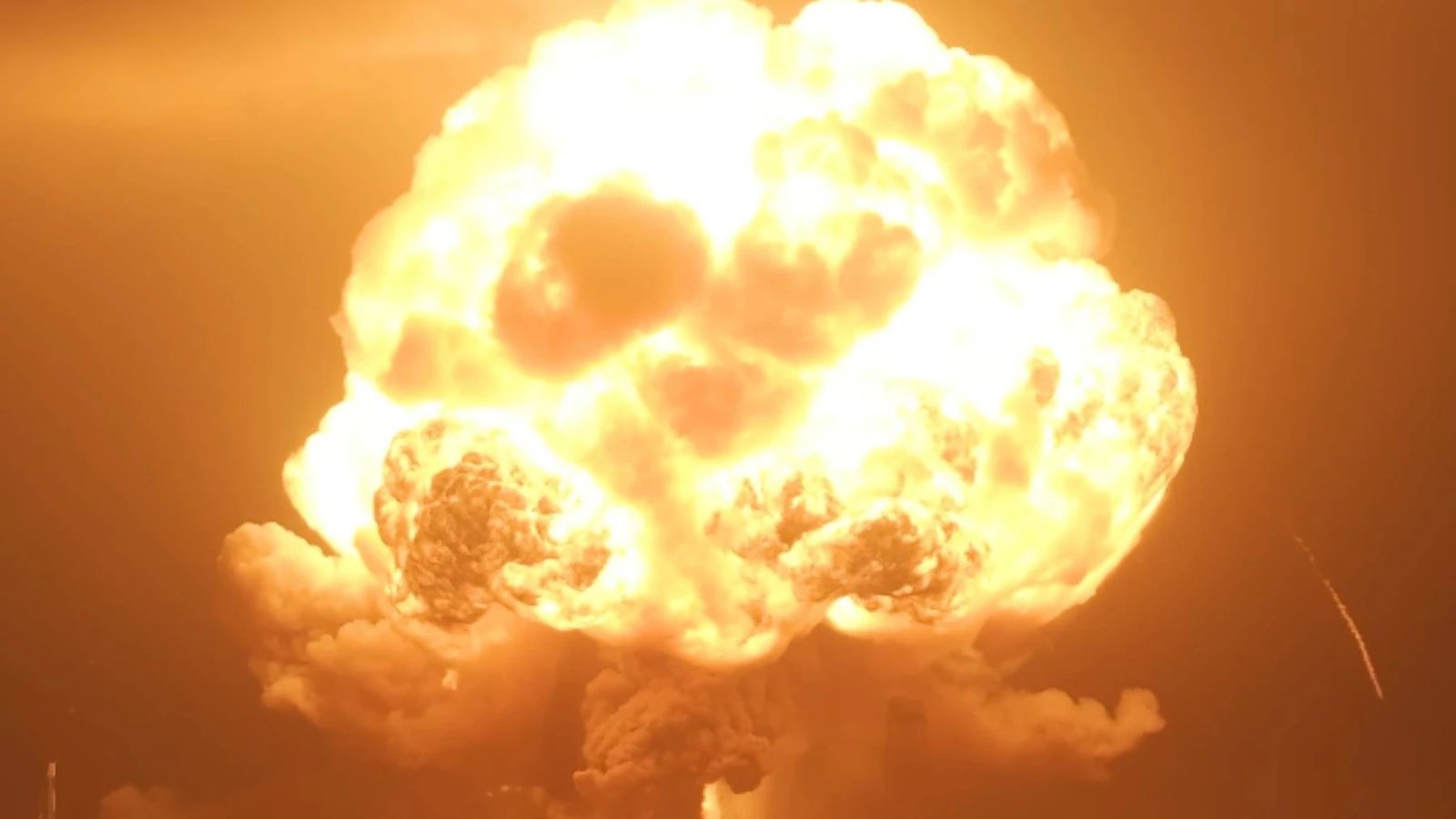
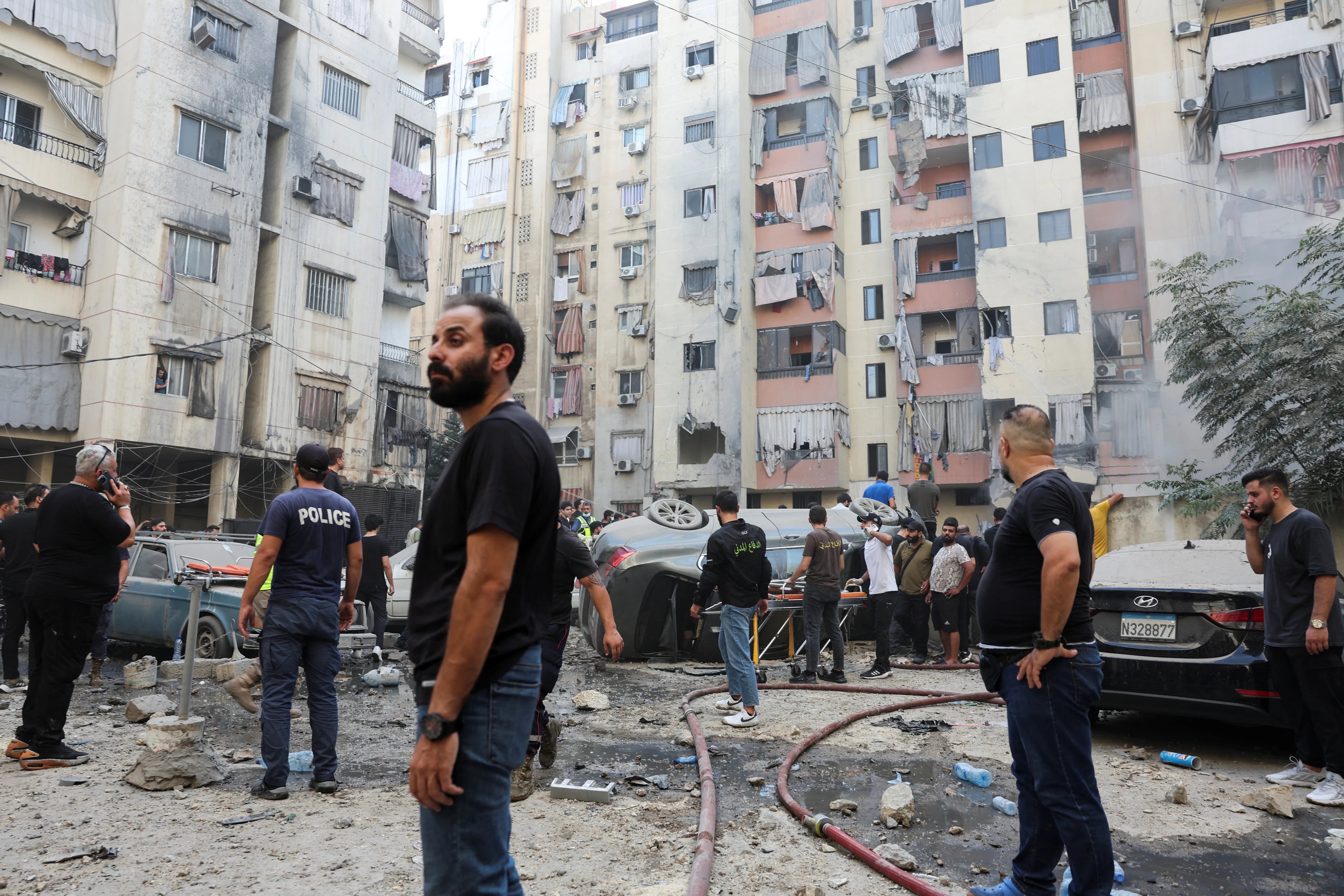
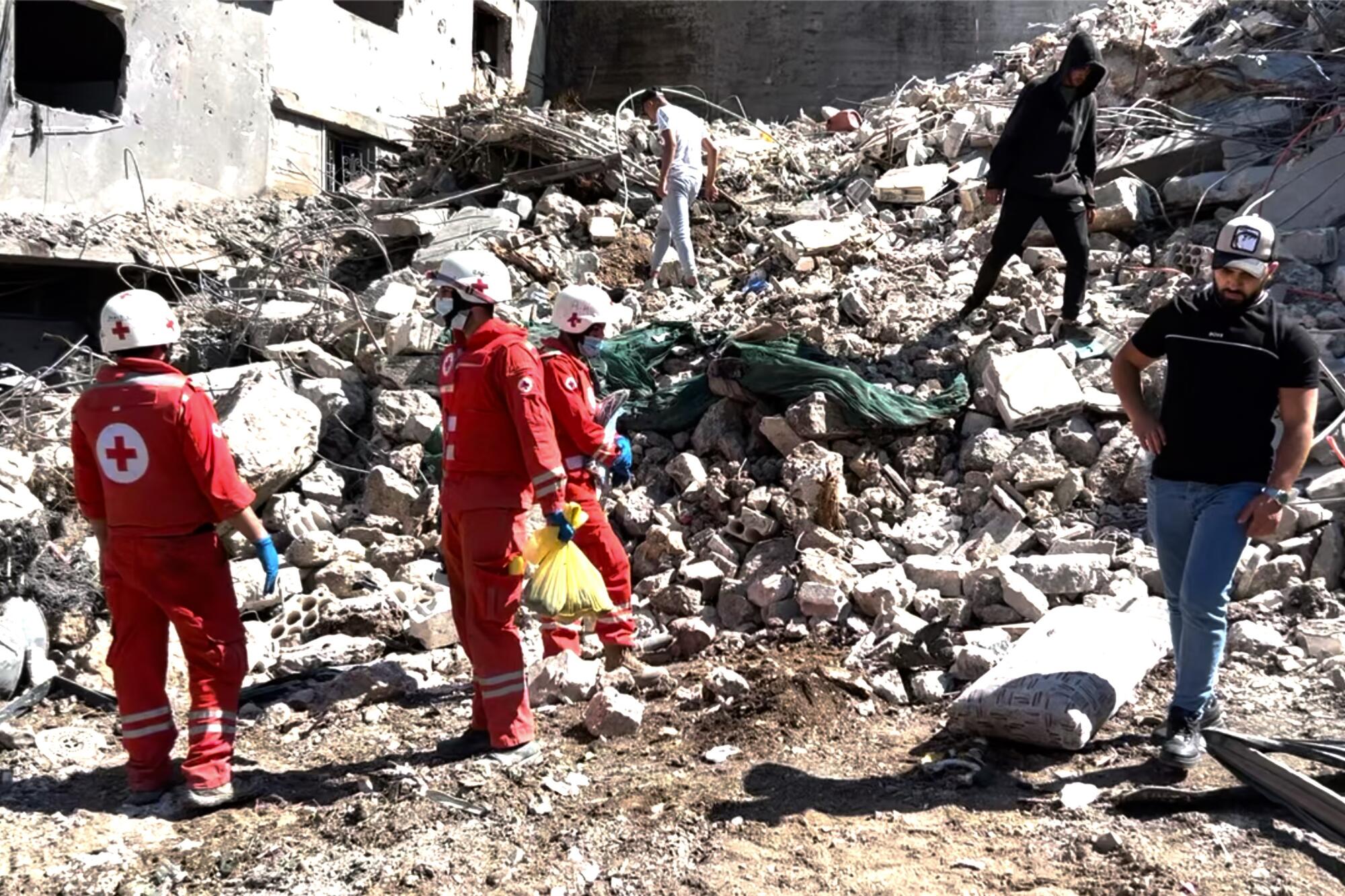
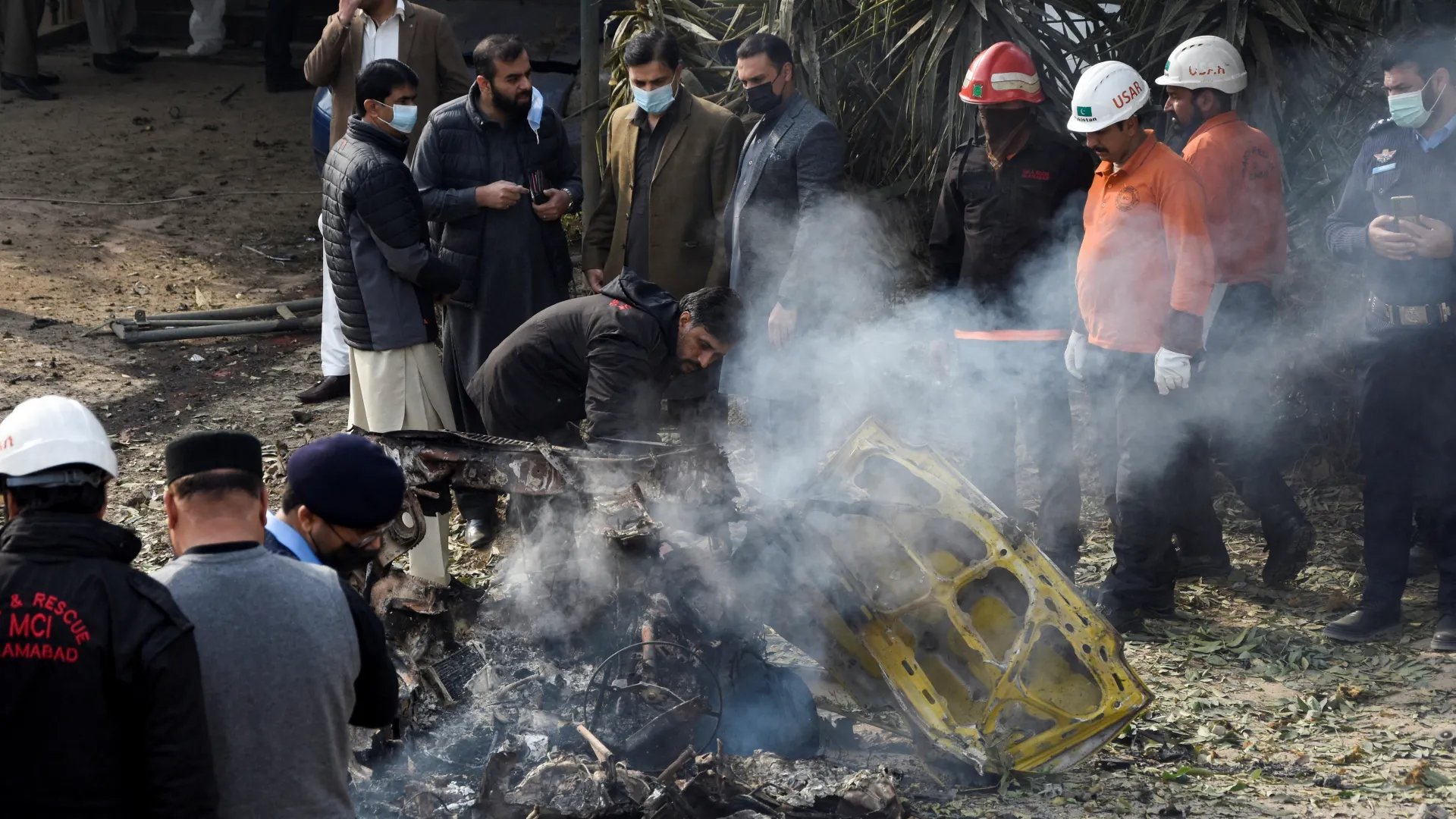
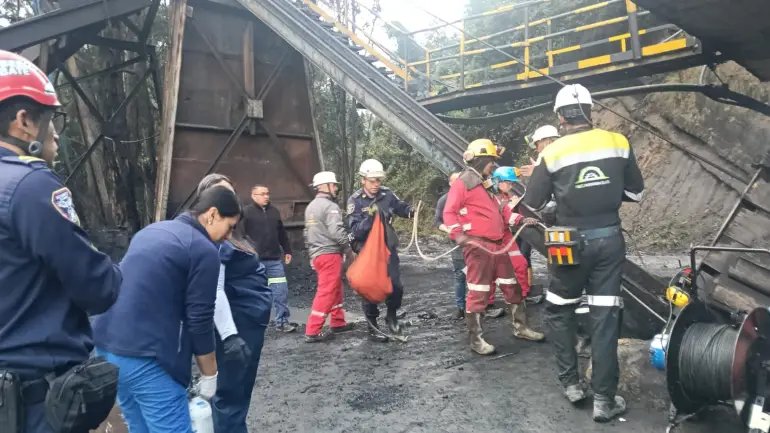
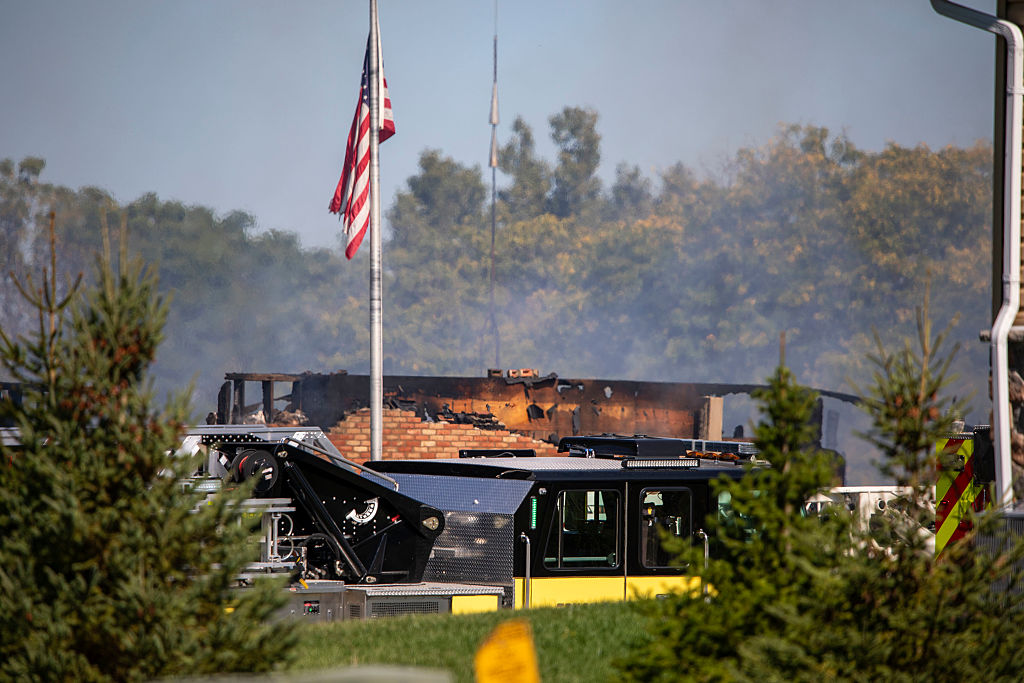
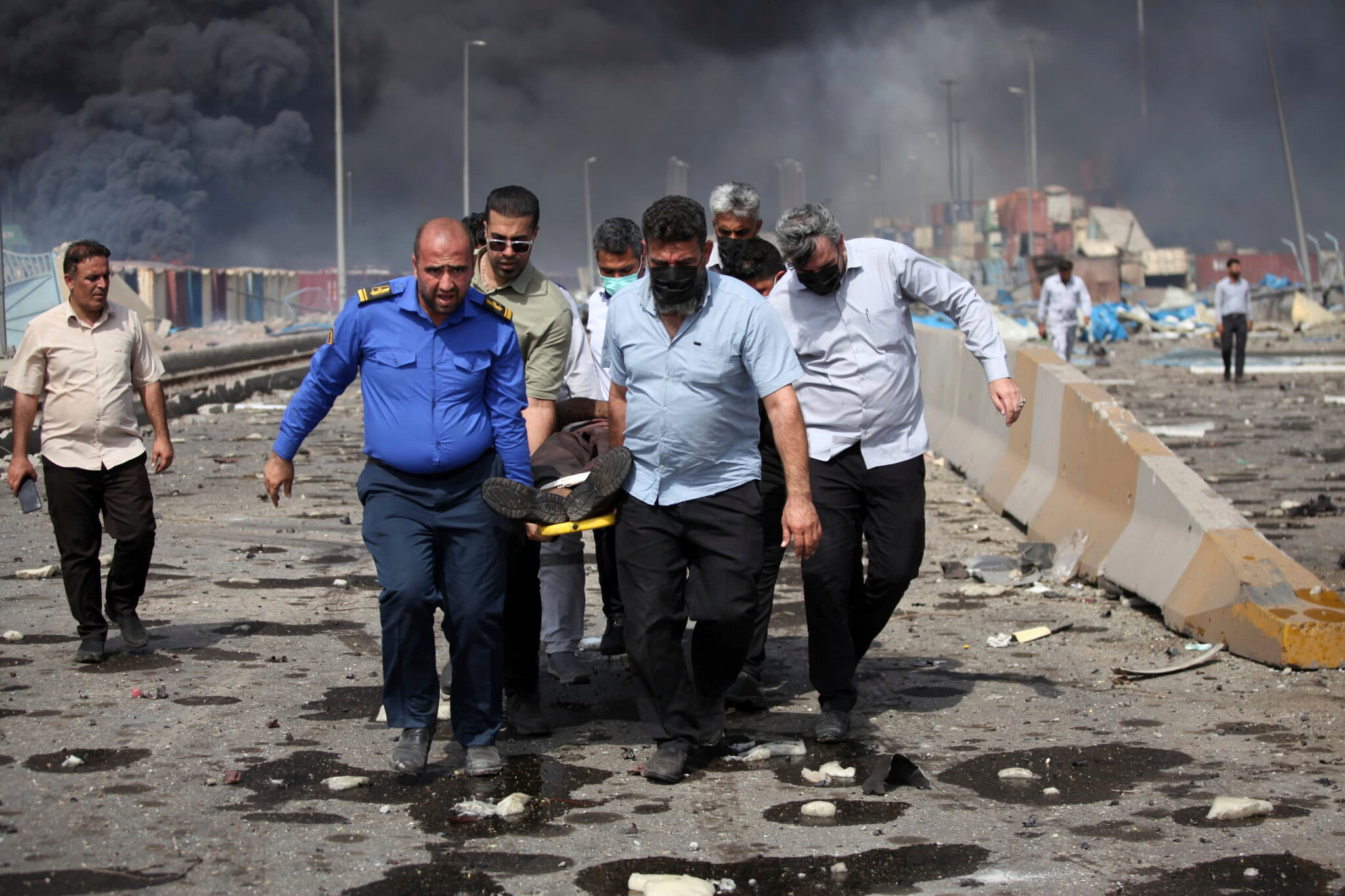
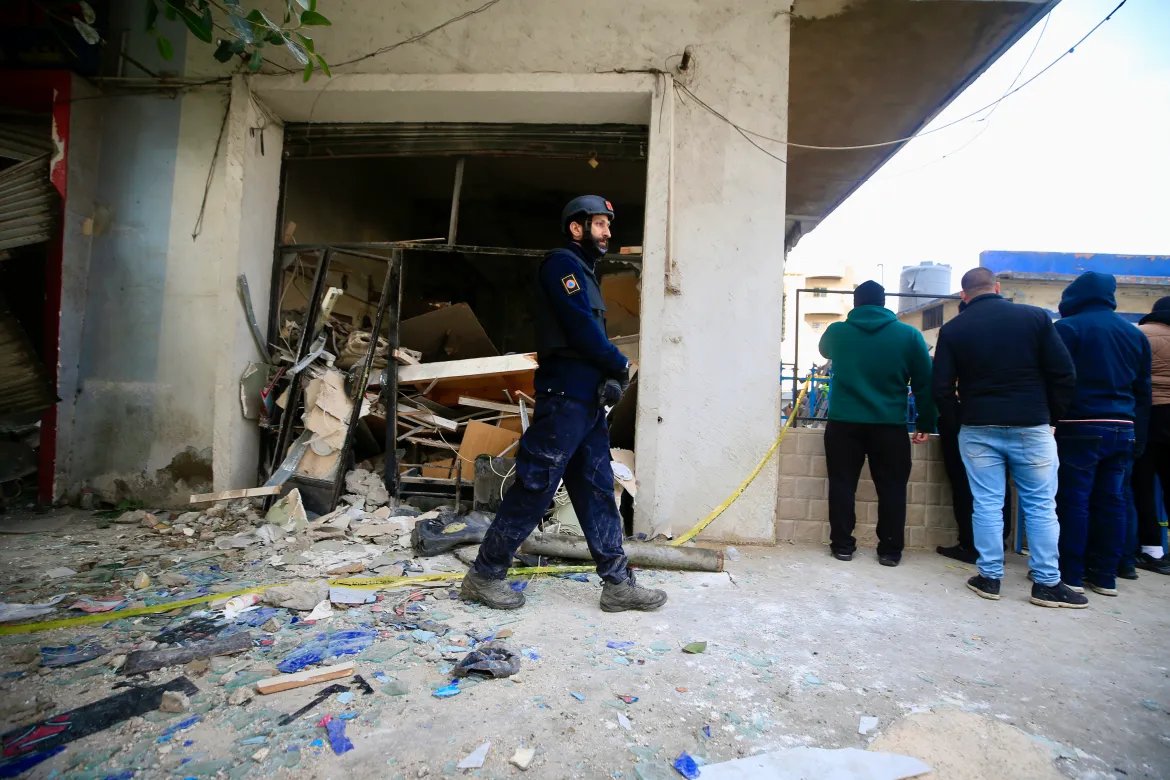
A bomb detonated on the Pan-American Highway in Cajibio, a municipality in Colombia's Cauca region, on Saturday, killing 14 people and injuring at least 38 others, including five children. The force of the blast overturned vehicles and carved a large crater into the road surface.
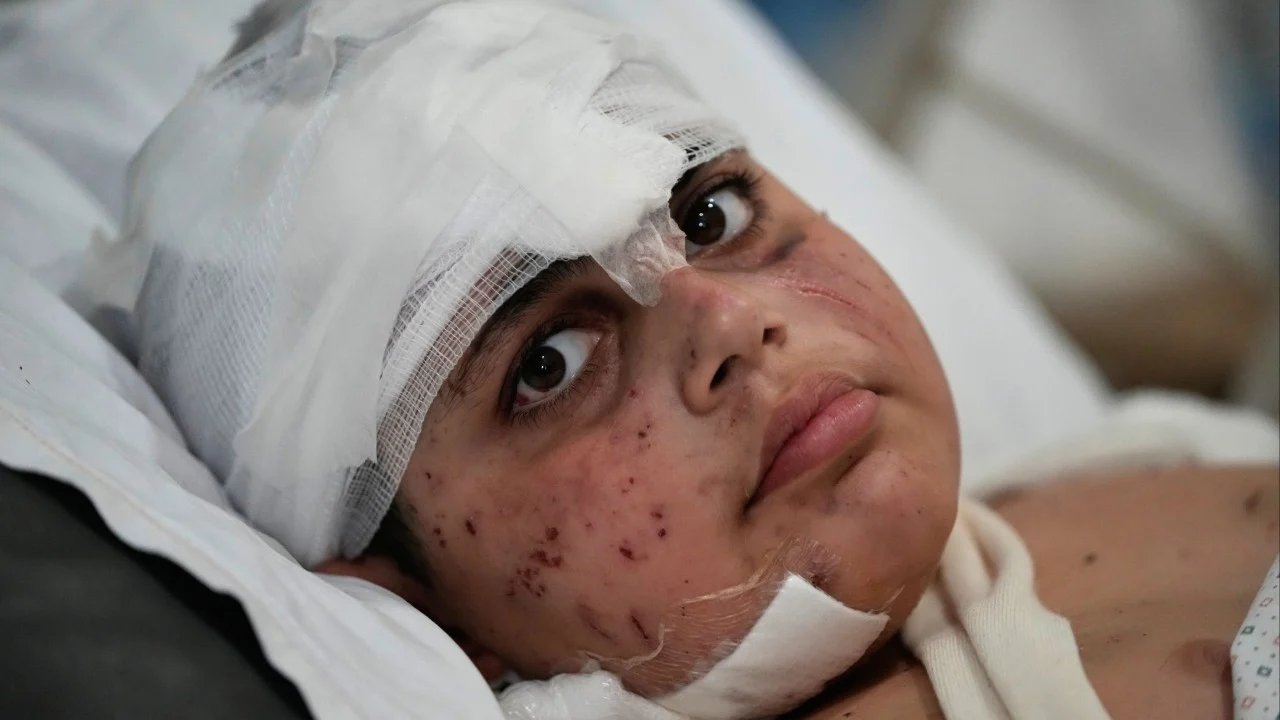
Cauca Health Secretary Carolina Camargo confirmed that five children were among those injured in the attack. Governor Octavio Guzman described the incident as a "tragedy" and warned of a "terrorist escalation," stating that "Cauca cannot continue facing this barbarity alone."
Government Response and Blame
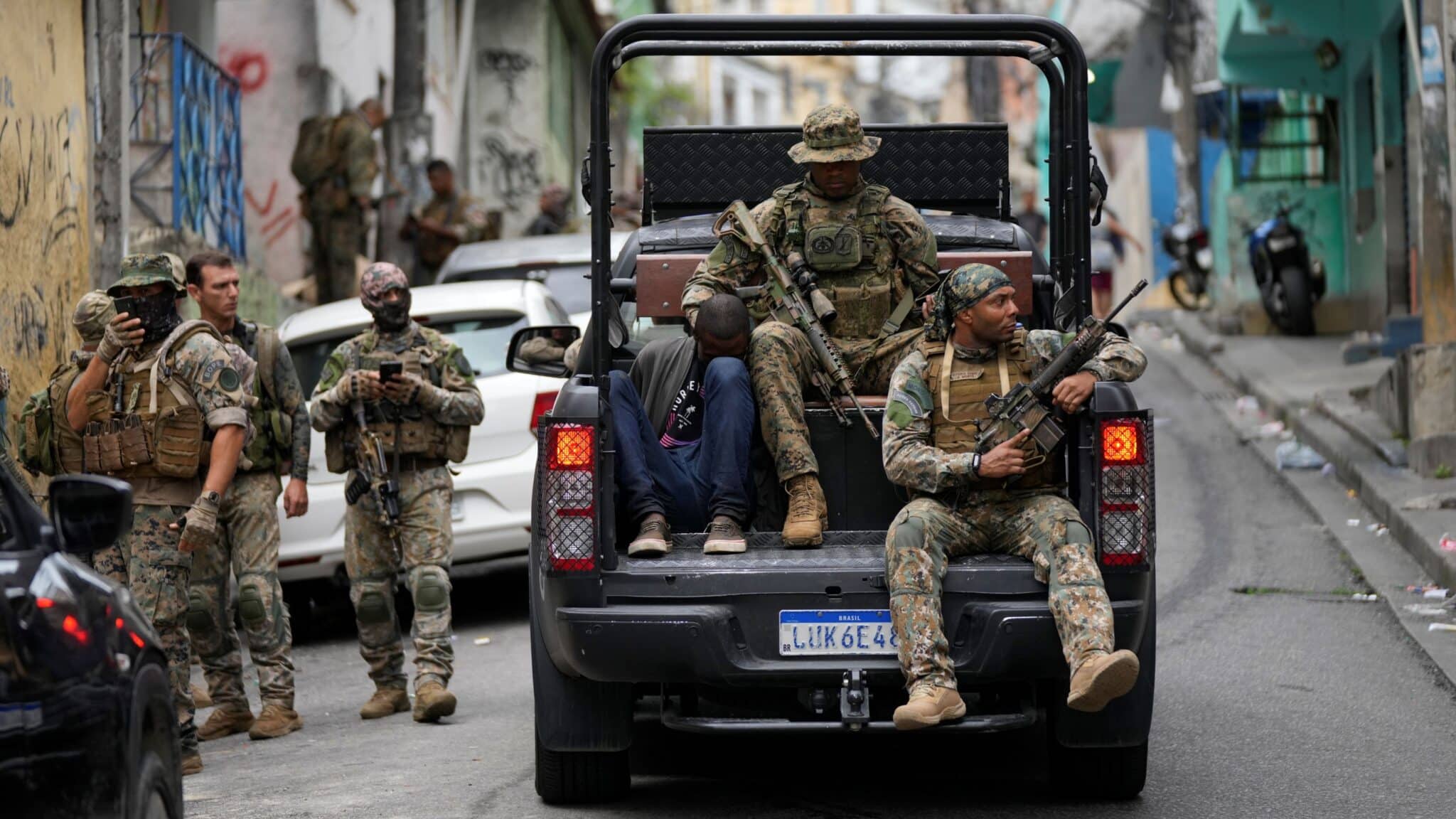
President Gustavo Petro blamed the attack on Ivan Mordisco, one of Colombia's most wanted criminals, calling those responsible "terrorists, fascists and drug traffickers." Other reports identify a dissident FARC leader known as Marlon as responsible. General Hugo López, commander of Colombia's Armed Forces, confirmed the attack was a "terrorist act" and attributed it to the network of Mordisco and the Jaime Martínez faction, both dissident groups that rejected the peace agreement FARC signed with the state in 2016.
Defense Minister Pedro Sanchez was leading a delegation in Cali assessing violence in Valle del Cauca when the explosion occurred. Sanchez responded on social media, stating "These criminals seek to instil fear, but we will respond with firmness." Local authorities offered a reward of more than $1 million for information leading to the capture of "Marlon," identified as the leader of the region's dissident group.
Wave of Coordinated Attacks
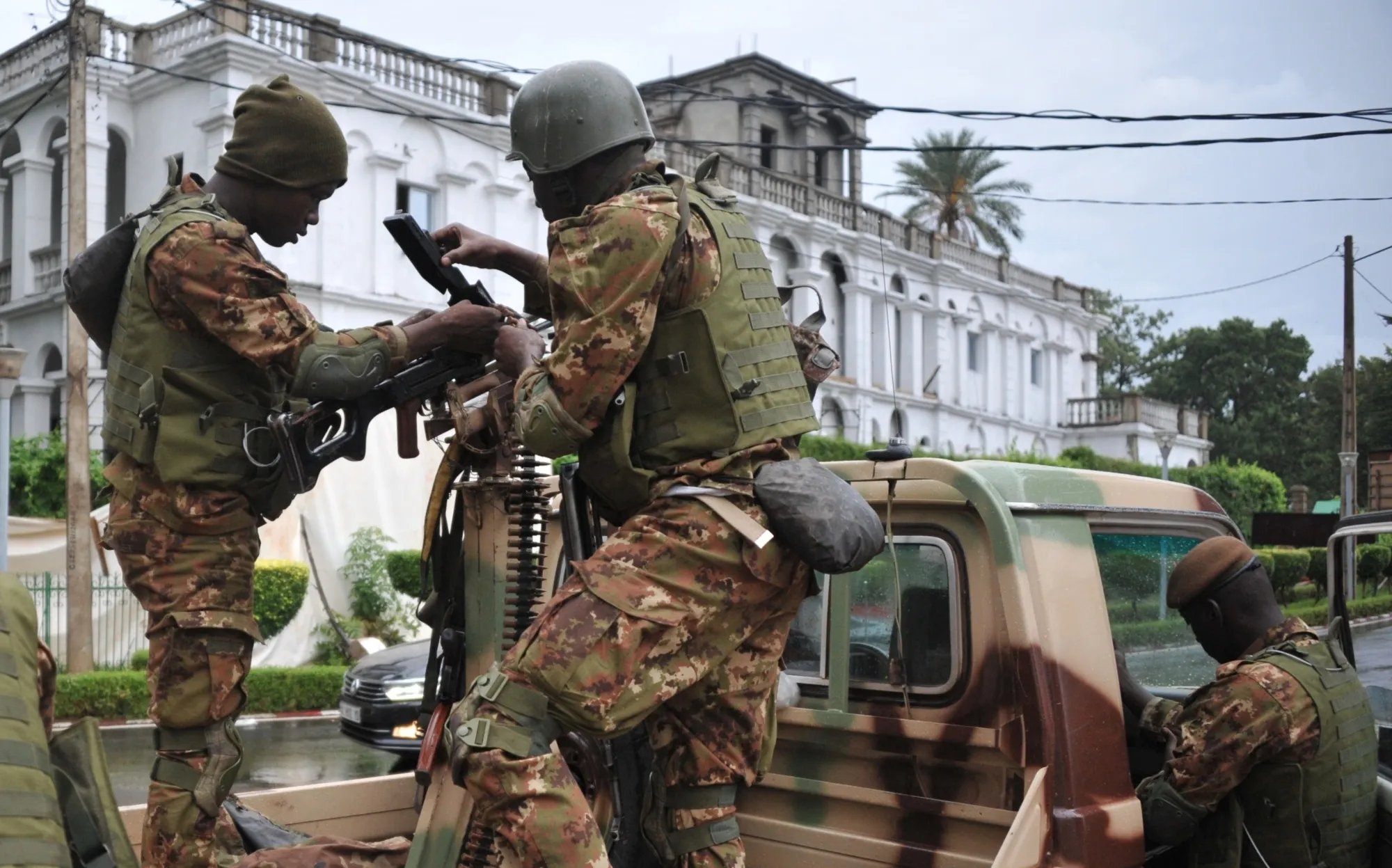
Saturday's bombing was part of a broader escalation of violence. General López reported that at least 26 incidents took place over the previous two days in Valle del Cauca and Cauca departments, affecting only civilians. These attacks included a shooting at a police station in Jamundi, an assault on a Civil Aviation radar facility in El Tambo where authorities took down three explosives-laden drones, and two vehicle bombs detonated near military units in Cali and Palmira on Friday.

The sources also report that authorities took down three explosives-laden drones at the Civil Aviation radar facility in El Tambo on Saturday, with no casualties from that incident.
The region serves as a critical hub for illegal armed groups competing for control over sea and river access routes to the port of Buenaventura, a key transit point for drug trafficking to Central America and Europe.
Political Pressure Before Elections
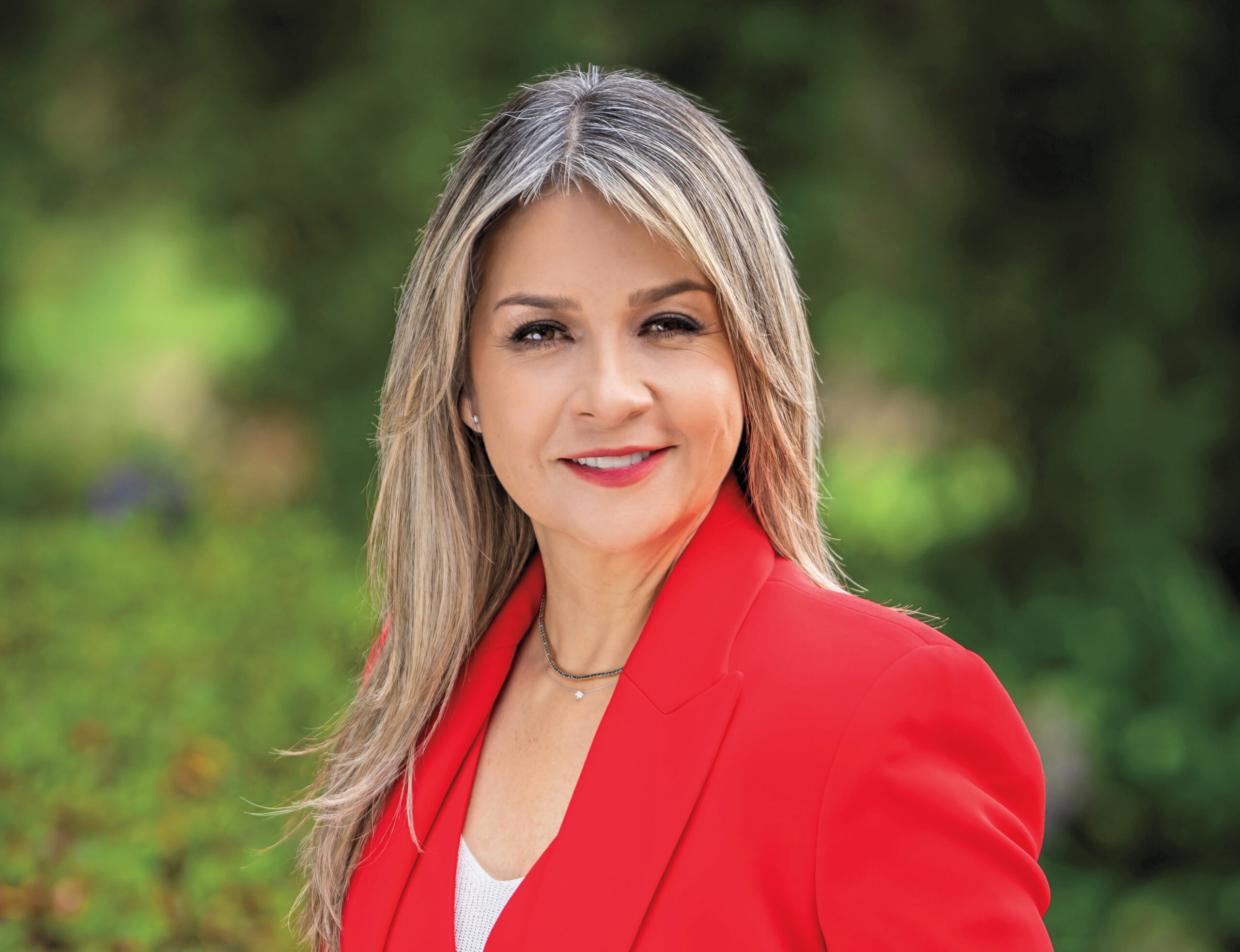
The violence erupts one month before Colombia's presidential election on May 31, 2026, when security is a central campaign issue. Presidential candidate Paloma Valencia, from the opposition right-wing Democratic Center party and a native of Cauca, called for immediate action against the violence. "President Gustavo Petro's government cannot continue minimizing the violence or dismantling the state," Valencia said, demanding "immediate action, full backing for our Armed Forces and police, and concrete results."
Francisca Toro, governor of Valle del Cauca, called upon the national government to provide "immediate support," requesting reinforcement of public security forces and enhanced intelligence operations in response to what she termed a "terrorist-level escalation."

























































The sources also report that local authorities offered more than $14,000 for information leading to the identification and location of those behind the attacks in Cali and Palmira.