





Shenzhou 23 Mission
China launched the Shenzhou 23 spacecraft Sunday night, sending three astronauts to the Tiangong Space Station. The launch from the Jiuquan Satellite Launch Center in northwestern China is part of China's effort to expand its space capabilities.
One astronaut will remain in space for a year, a mission to "explore human adaptability and performance limits" in long-duration spaceflight environments, according to state media. This extended stay would be among the world's longest single stays in space.
Crew Details
The crew of Shenzhou 23 includes commander Zhu Yangzhu, Zhang Zhiyuan, and Lai Ka-ying, also known as Li Jiaying. Lai is the first astronaut from Hong Kong. She has a doctoral degree in computer forensics and is the country's fourth female astronaut to travel to space, according to Chinese state media.
Objectives in Space
The astronauts are scheduled to conduct dozens of science and application projects. The crew is expected to complete an in-orbit rotation with the crew of Shenzhou 21, who have been at the Tiangong space station for more than 200 days.
China's Space Ambitions
Li Benqi, an official at the Jiuquan Satellite Launch Center, called the launch "a complete success." The launch comes as China prepares for its first crewed lunar landing by 2030.
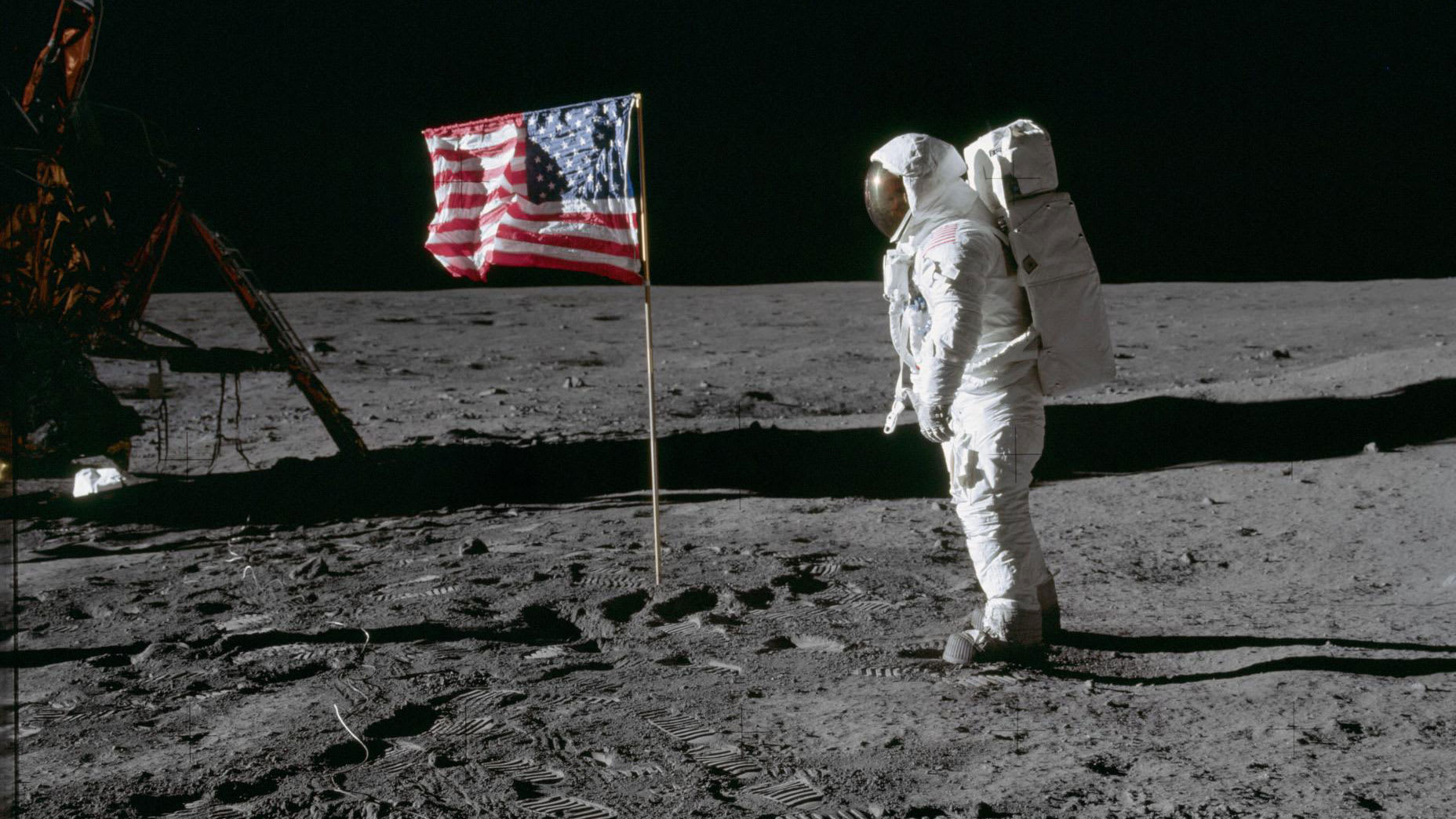
China developed the Tiangong space station after being excluded from the International Space Station due to U.S. concerns over national security. The U.S., through NASA, aims to land astronauts on the lunar surface in 2028.
Past Missions
China's space station Tiangong, which translates to "Heavenly Palace," first hosted the country's crew in 2021. Last year, an emergency mission in the Shenzhou program, which means "Divine Vessel," returned a team of astronauts stranded on the space station due to a damaged spacecraft. Before that, a group of Chinese astronauts faced a nine-day delay as they attempted to return to Earth, after the window of their spacecraft was damaged.
Launching in late October, the three-person crew of Shenzhou 21 included China's youngest astronaut. Four mice were on board with them, marking the first live mammals on a space mission since Beijing launched its program. The damaged spacecraft, Shenzhou 20, did not meet the safety standards necessary to carry astronauts.










































































































































For example, Lai Ka-ying is also identified as Li Jiaying using the Mandarin transliteration of her name, as reported by Chinese authorities.