Myanmar's military junta has announced a significant political shift by reducing the prison sentence of former leader Aung San Suu Kyi and granting freedom to former President Win Myint. This decision follows a mass amnesty that saw 4,335 prisoners released, including 179 foreign nationals, as part of a traditional New Year celebration.
Aung San Suu Kyi, who has been serving a 27-year sentence on charges widely regarded as politically motivated, received a one-sixth reduction in her term. Her lawyer confirmed the alteration, although it remains unclear whether she will be allowed to serve the remainder of her sentence under house arrest. The 80-year-old Nobel Peace Prize laureate has not been seen publicly since her trials, and her current condition and whereabouts remain uncertain.
Former President Win Myint, detained alongside Suu Kyi during the coup, was also pardoned. The amnesty not only included the commutation of all death sentences to life imprisonment but also reduced life sentences to 40 years. Rights groups, however, have highlighted that less than 14 percent of those released in previous amnesties were political prisoners.
Outside Yangon's infamous Insein Prison, families gathered in anticipation of news about their loved ones. Many expressed hope that political prisoners would be included in this amnesty. For example, Aung Htet Naing, whose brother is imprisoned for a political case, voiced cautious optimism, reflecting a common sentiment among families of detainees. Despite the amnesty, the Assistance Association for Political Prisoners has reported that over 30,000 people remain jailed on political charges since the coup.
International human rights advocates have responded to the news with calls for the unconditional release of all political prisoners, including Suu Kyi. UN rights chief Volker Turk emphasized that those unjustly detained since the coup must be released immediately. He condemned the ongoing violence against Myanmar's people and reiterated the need for an end to politically motivated detentions.
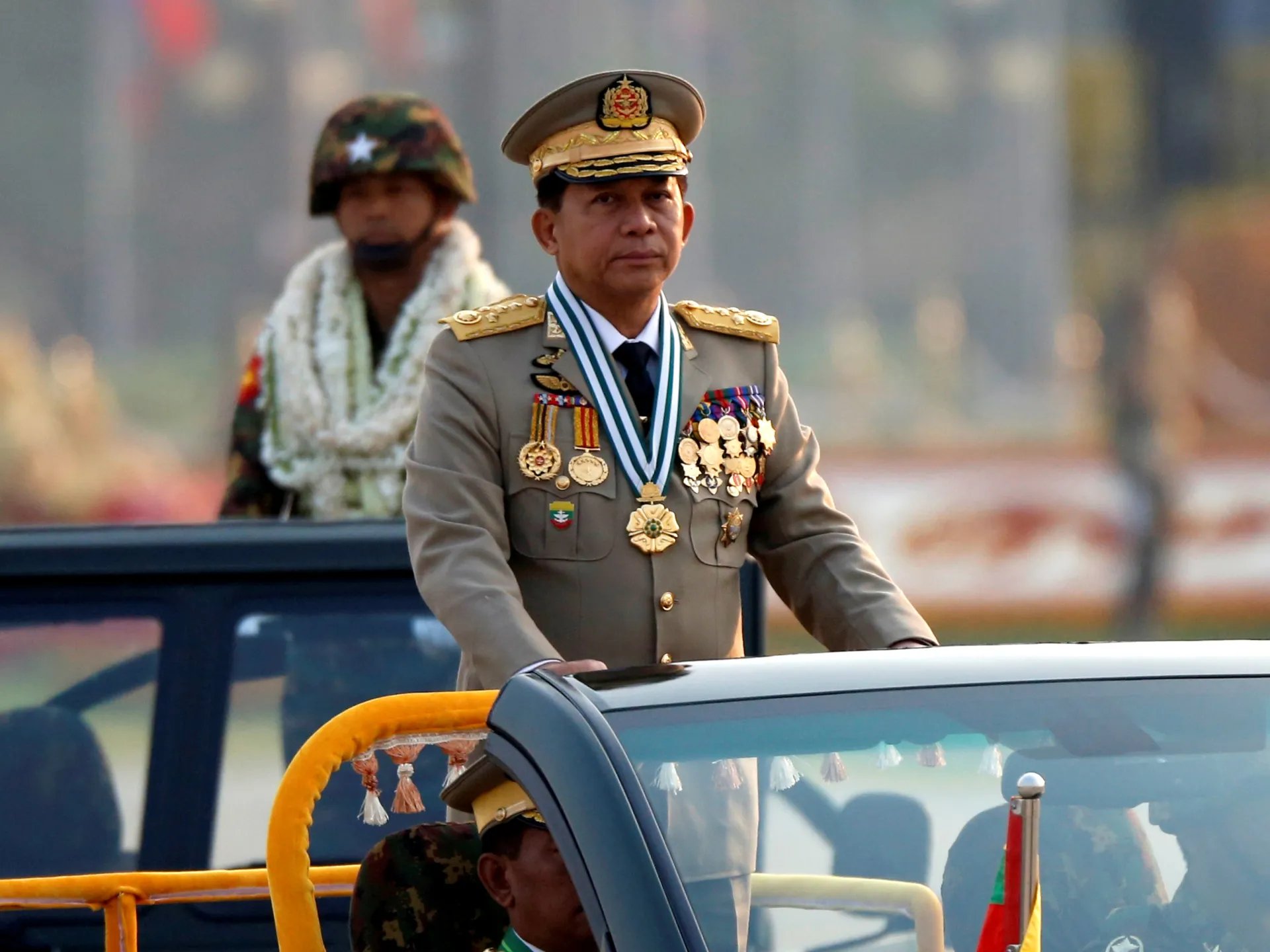
Myanmar's military junta has announced a significant political shift by reducing the prison sentence of former leader Aung San Suu Kyi and granting freedom to former President Win Myint. This decision follows a mass amnesty that saw 4,335 prisoners released, including 179 foreign nationals, as part of a traditional New Year celebration. The move, approved by newly elected President Min Aung Hlaing, is seen as an attempt to promote stability and reconciliation in a nation deeply affected by civil unrest since the 2021 coup.
Aung San Suu Kyi, who has been serving a 27-year sentence on charges widely regarded as politically motivated, received a one-sixth reduction in her term. Her lawyer confirmed the alteration, although it remains unclear whether she will be allowed to serve the remainder of her sentence under house arrest. The 80-year-old Nobel Peace Prize laureate has not been seen publicly since her trials, and her current condition and whereabouts remain uncertain.
Former President Win Myint, detained alongside Suu Kyi during the coup, was also pardoned. His release is part of a broader effort by President Hlaing to demonstrate a commitment to governance amid ongoing international criticism. The amnesty not only included the commutation of all death sentences to life imprisonment but also reduced life sentences to 40 years. Rights groups, however, have highlighted that less than 14 percent of those released in previous amnesties were political prisoners.
Outside Yangon’s infamous Insein Prison, families gathered in anticipation of news about their loved ones. Many expressed hope that political prisoners would be included in this amnesty. For example, Aung Htet Naing, whose brother is imprisoned for a political case, voiced cautious optimism, reflecting a common sentiment among families of detainees. Despite the amnesty, the Assistance Association for Political Prisoners has reported that over 30,000 people remain jailed on political charges since the coup.
International human rights advocates have responded to the news with calls for the unconditional release of all political prisoners, including Suu Kyi. UN rights chief Volker Turk emphasized that those unjustly detained since the coup must be released immediately. He condemned the ongoing violence against Myanmar's people and reiterated the need for an end to politically motivated detentions.
This recent amnesty and the reduced sentence for Aung San Suu Kyi could have far-reaching implications for Myanmar's political landscape. President Hlaing, who was sworn in earlier this month, has pledged to lead the country towards democracy, although many remain skeptical given the military's history of repression. As the situation develops, the future of governance in Myanmar remains uncertain, with many watching closely how these actions will affect the ongoing civil conflict and the rights of its citizens.
Highlighted text was flagged by the council. Tap to see feedback.