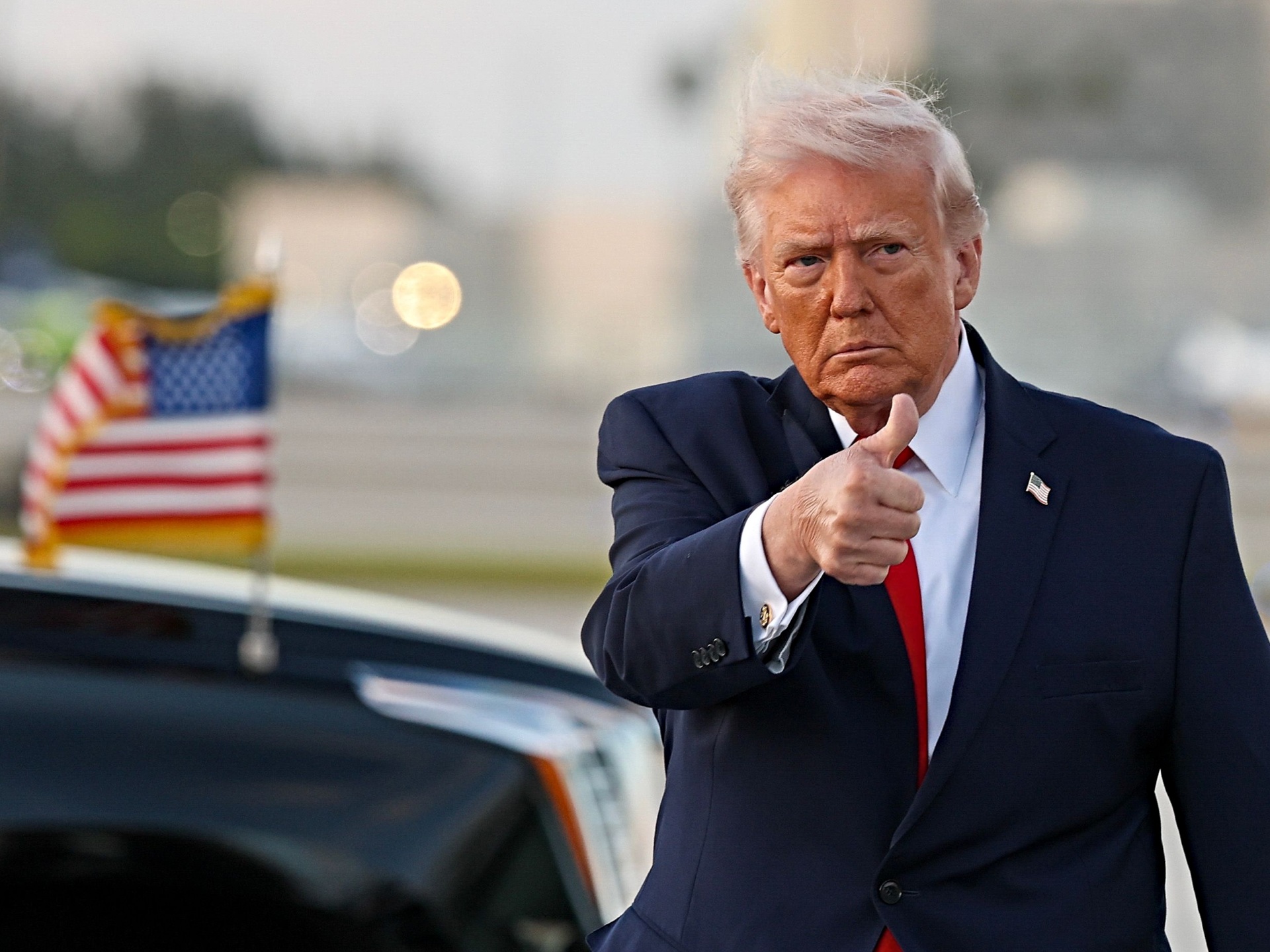
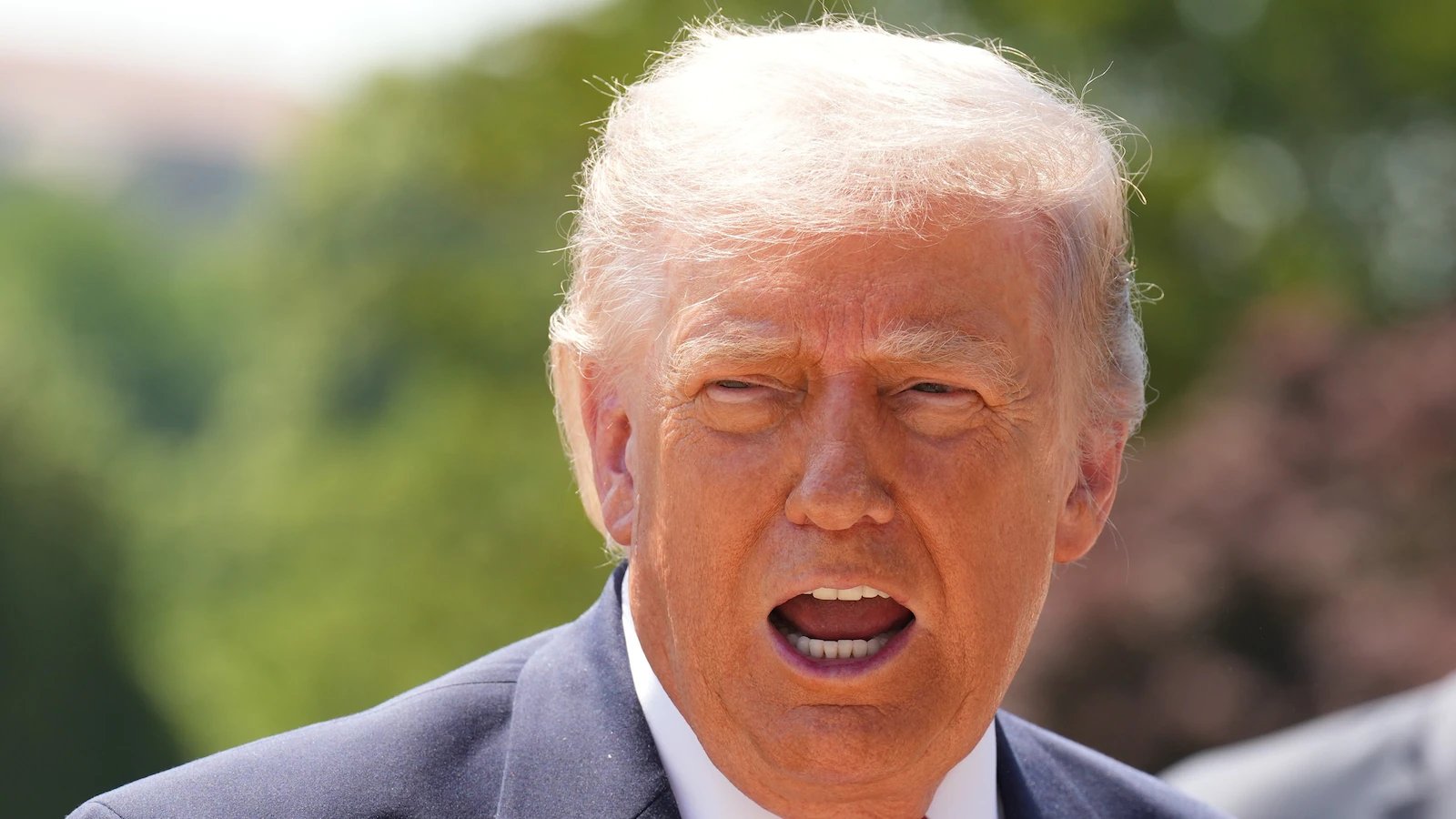
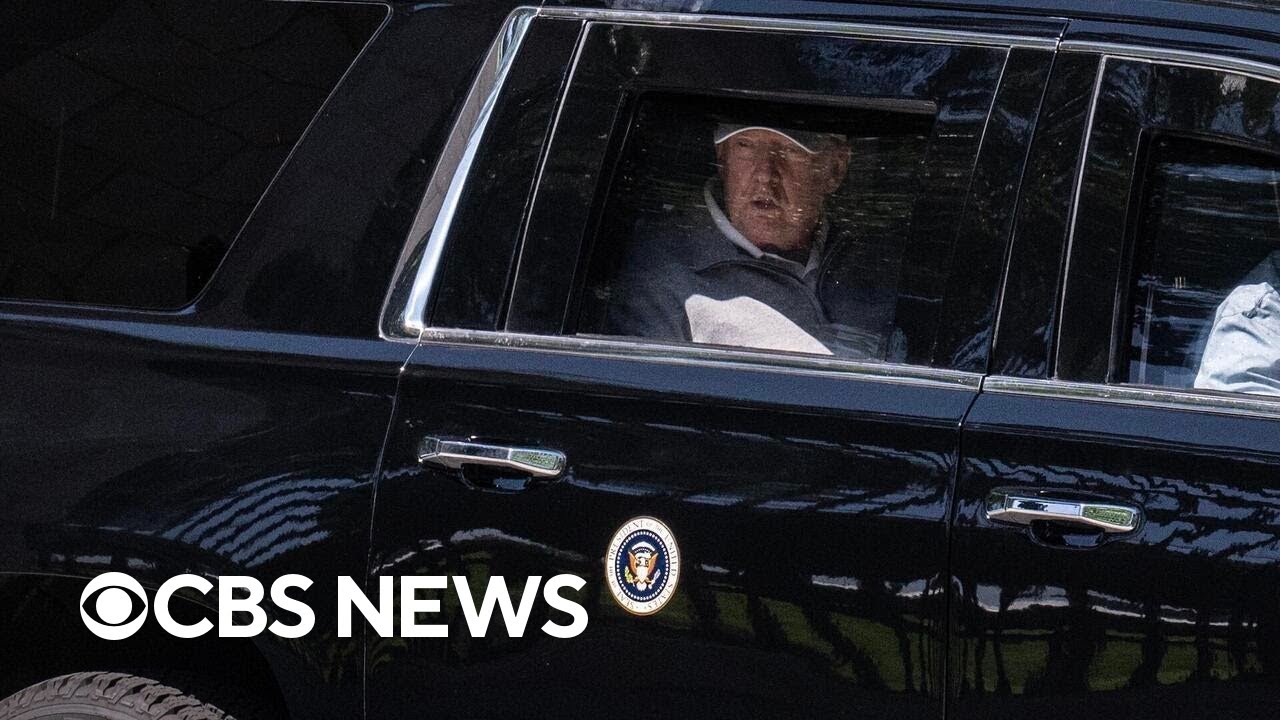
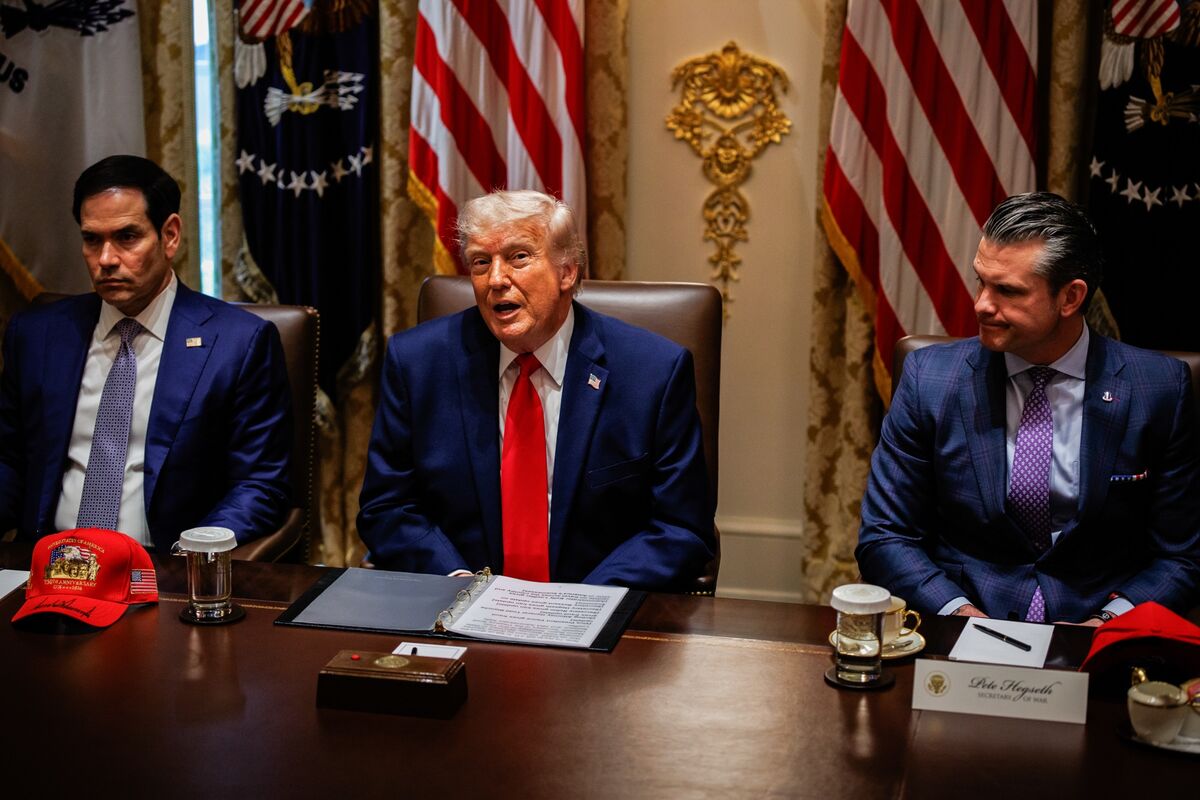
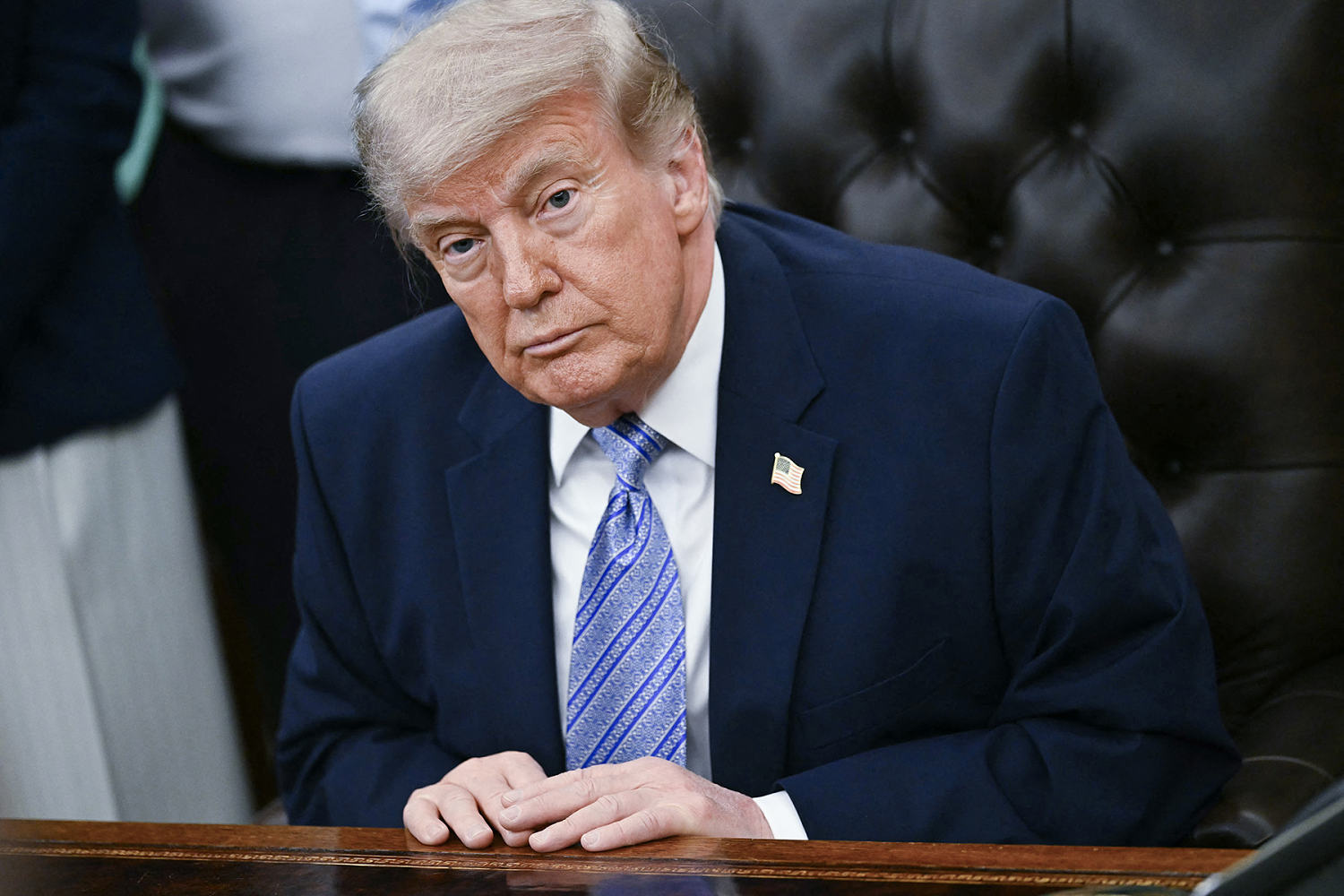
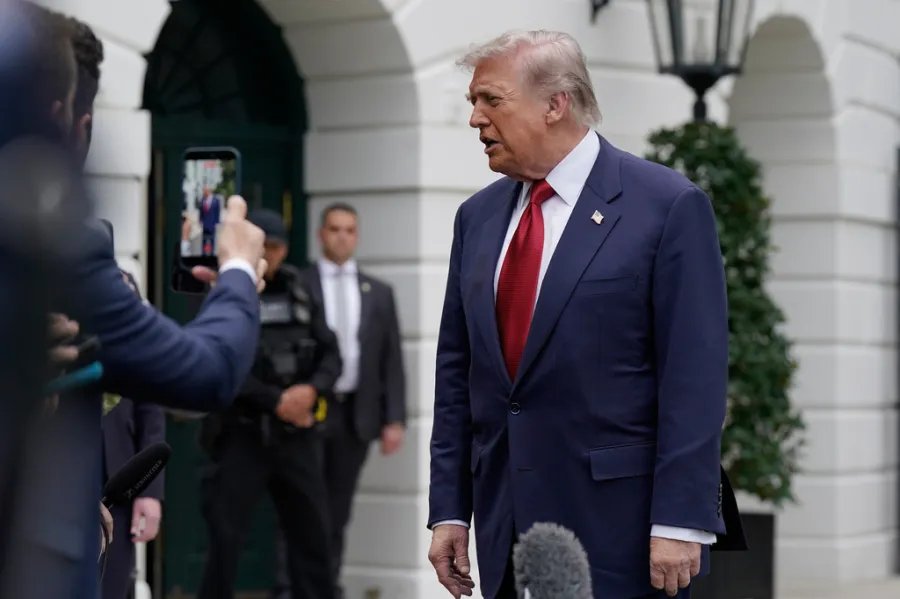
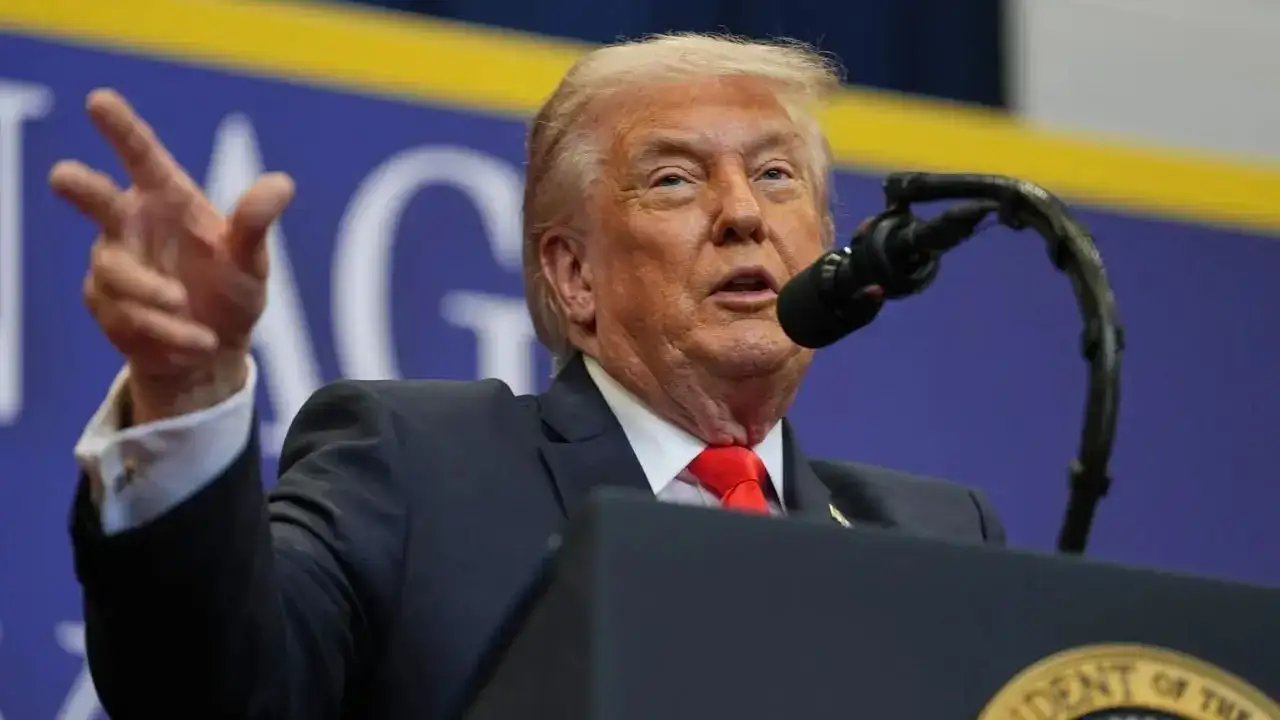
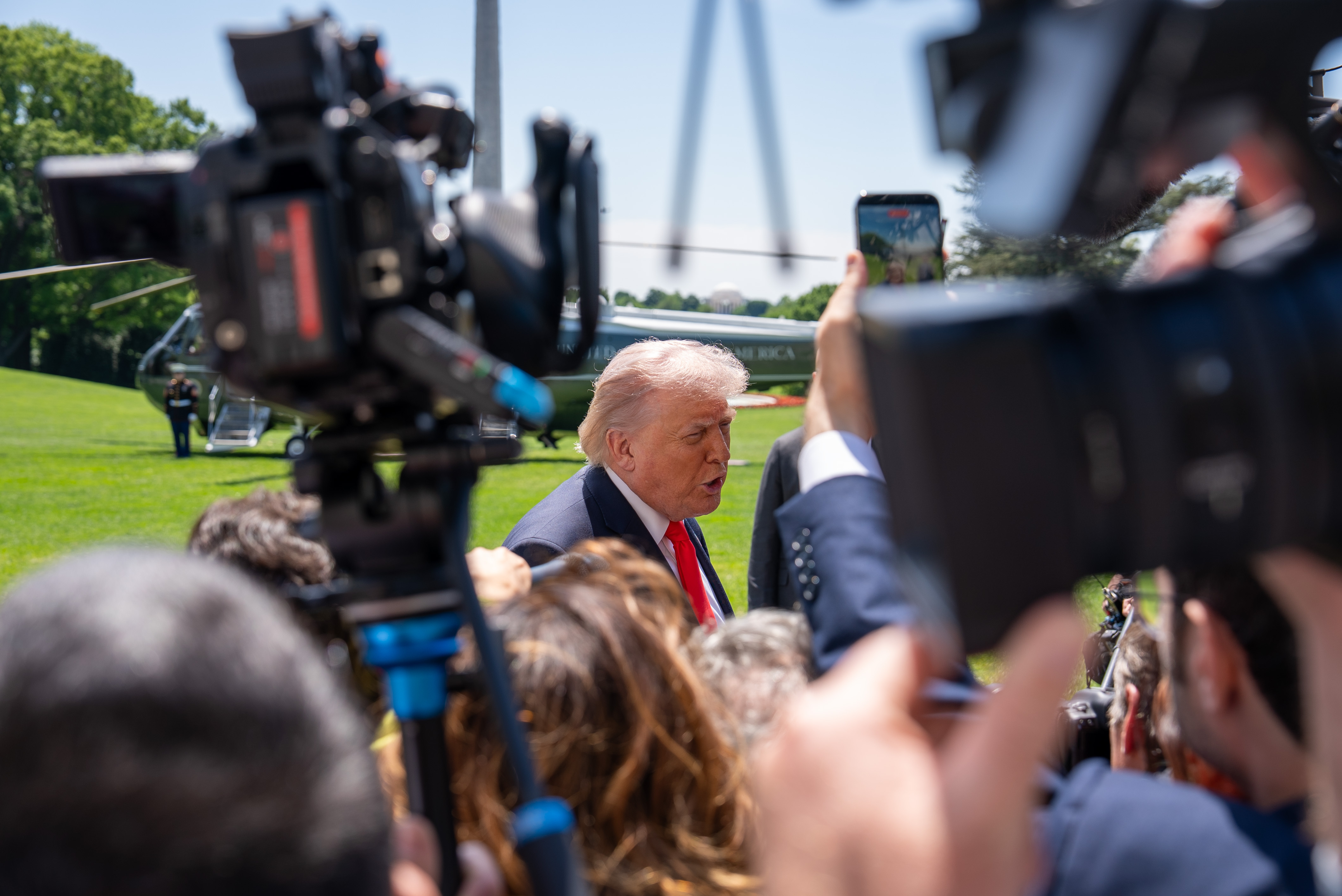
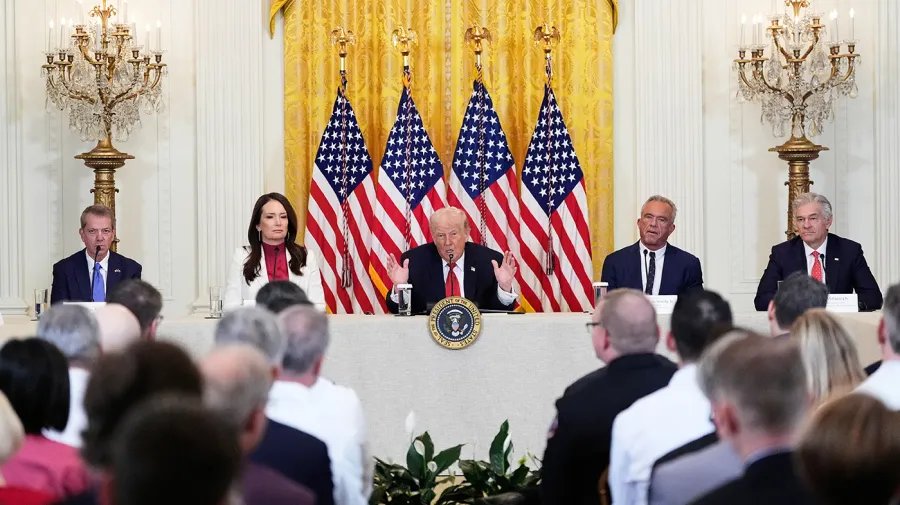
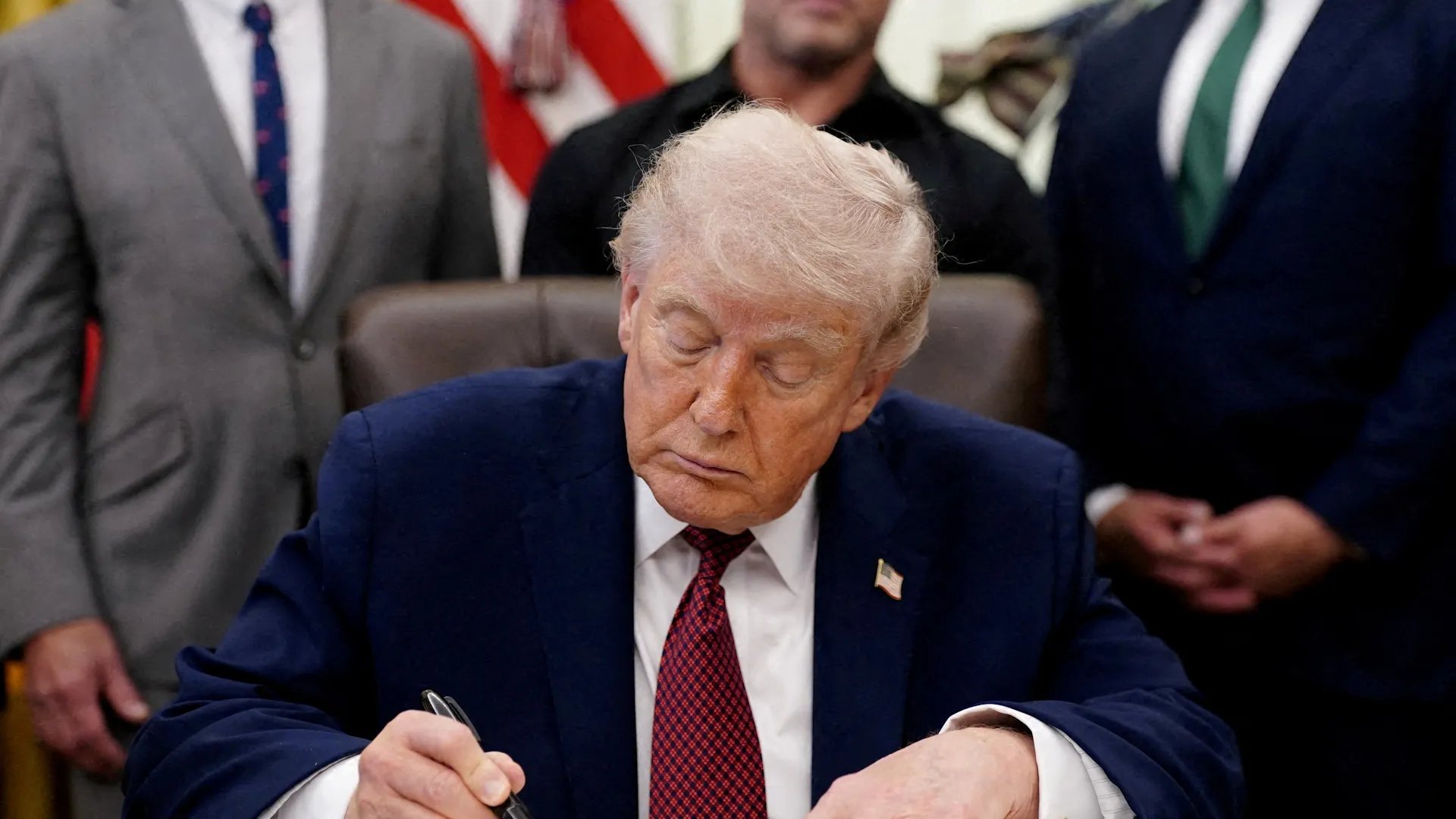
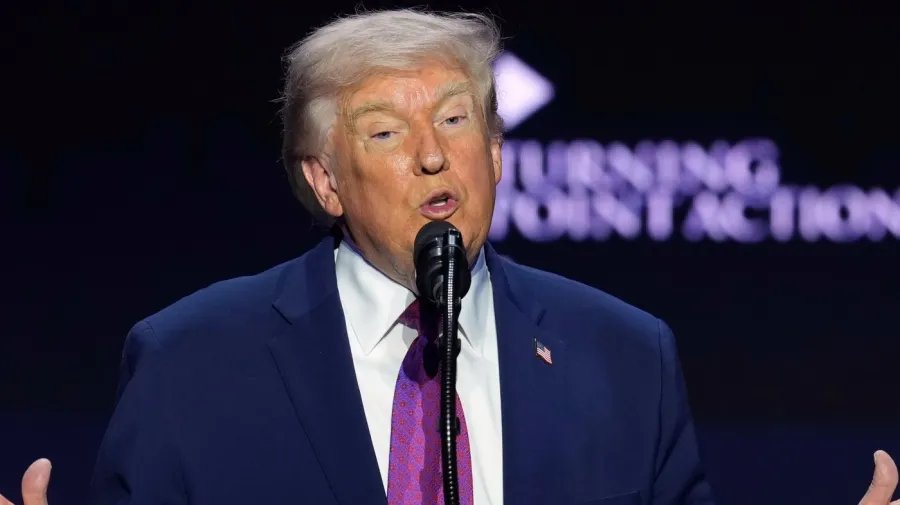
US Navy Captain Sean Barbabella, Trump's physician, released a three-page memo after examining the president at Walter Reed Medical hospital on Tuesday, stating that "President Trump remains in excellent health, demonstrating strong cardiac, pulmonary, neurological and overall physical function." The doctor declared the 79-year-old president "fully fit to carry out all duties" of the presidency.
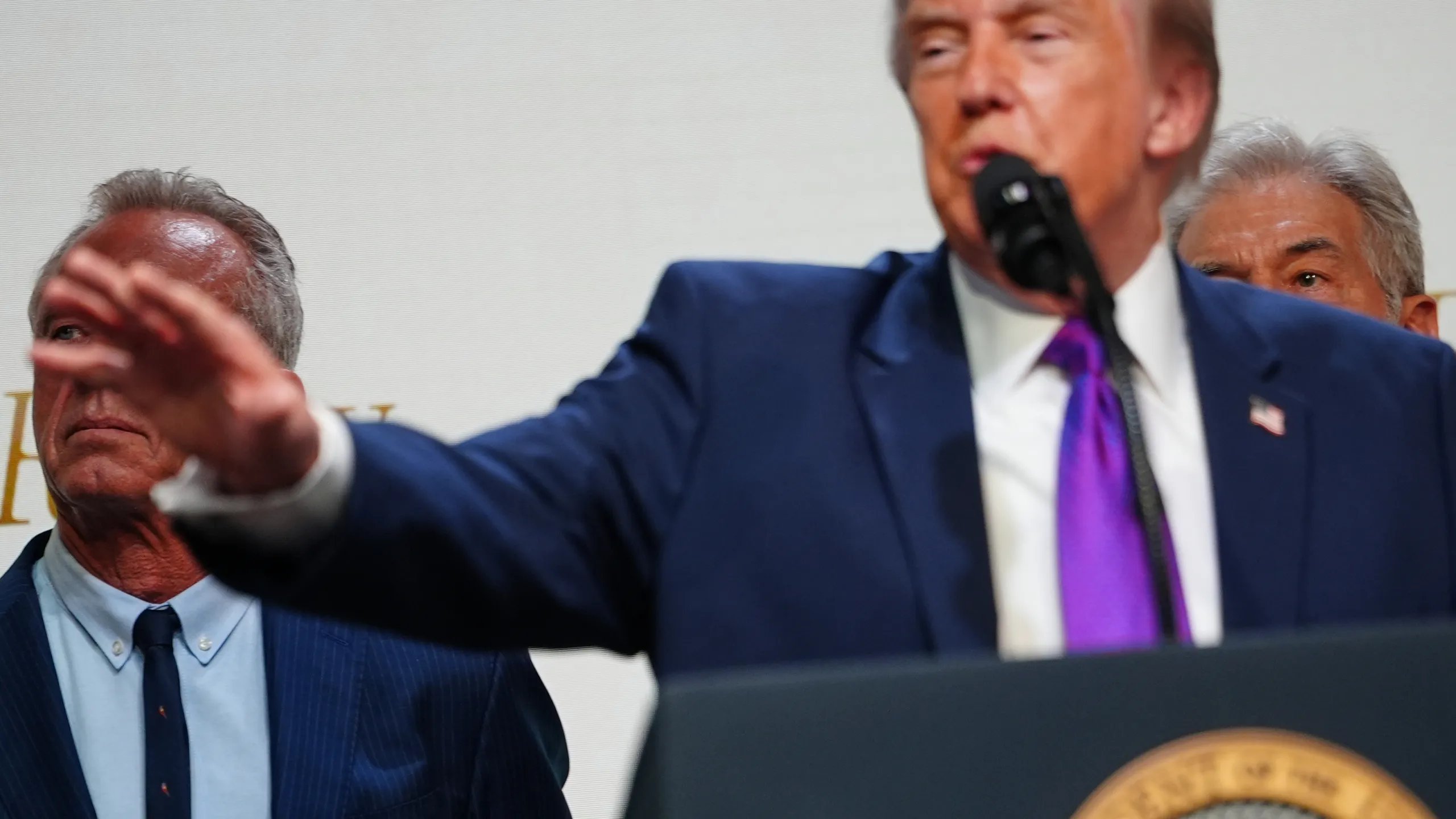
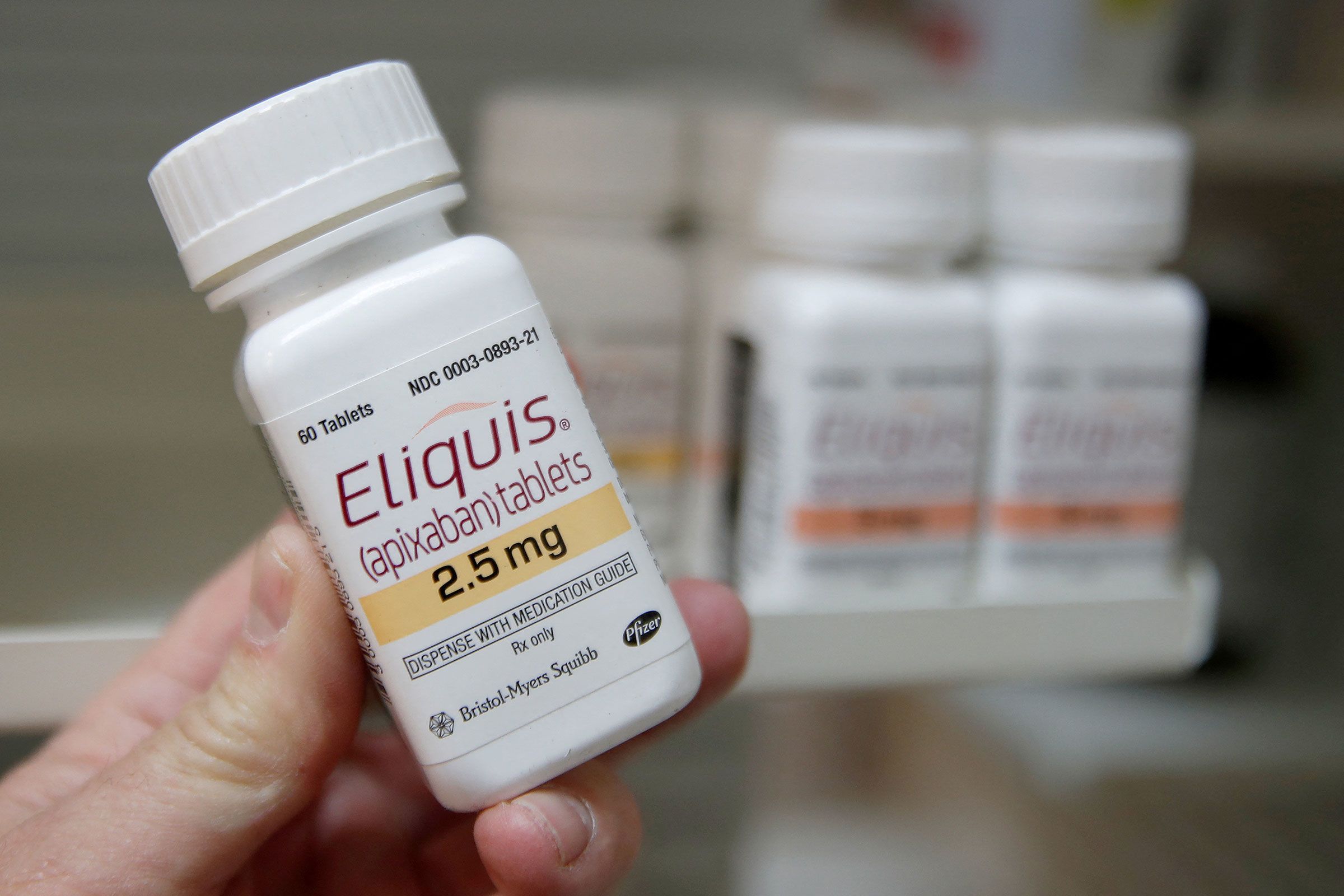
Barbabella advised the president to exercise more and lose weight. The Guardian reported that Trump has been grappling with lower leg swelling. His physician also addressed bruising on his hand, which has been photographed during public events, as being consistent with minor soft tissue irritation from frequent handshaking while taking aspirin for cardiovascular prevention. His vital statistics included a height of 75 inches, weight of 238 pounds, resting heart rate of 73 beats per minute, and blood pressure of 105/71 millimeters of mercury.
Medical ethicist Jacob Appel at Mount Sinai Hospital told the BBC that presidential health reports should be viewed with caution. "If I were the public, I would ignore that information entirely," Appel said. "The president can cherry pick what looks good, and what doesn't look good."
Every president in modern history has undergone annual physical exams at Walter Reed, but the reports function as much as political messaging tools as medical documents. Dr. Matt Dallek, a political historian at George Washington University, noted that "Americans historically have wanted masculine presidents, vigorous presidents," and the physical exam allows a president to demonstrate vitality and project political power.
There is no requirement for the president to share medical records, which are protected by the same health privacy law as every other American. Appel pointed out that any information released to the public would also be known by foreign intelligence services, raising national security concerns about disclosure.
According to the BBC, a Washington Post-ABC-Ipsos poll released earlier in May showed that 59% of those polled do not believe Trump has the mental acuity to serve, with 55% saying that they do not believe his physical health is sufficient. A separate poll by the Economist and YouGov found that just under half of Americans believe Trump is too old to be president.
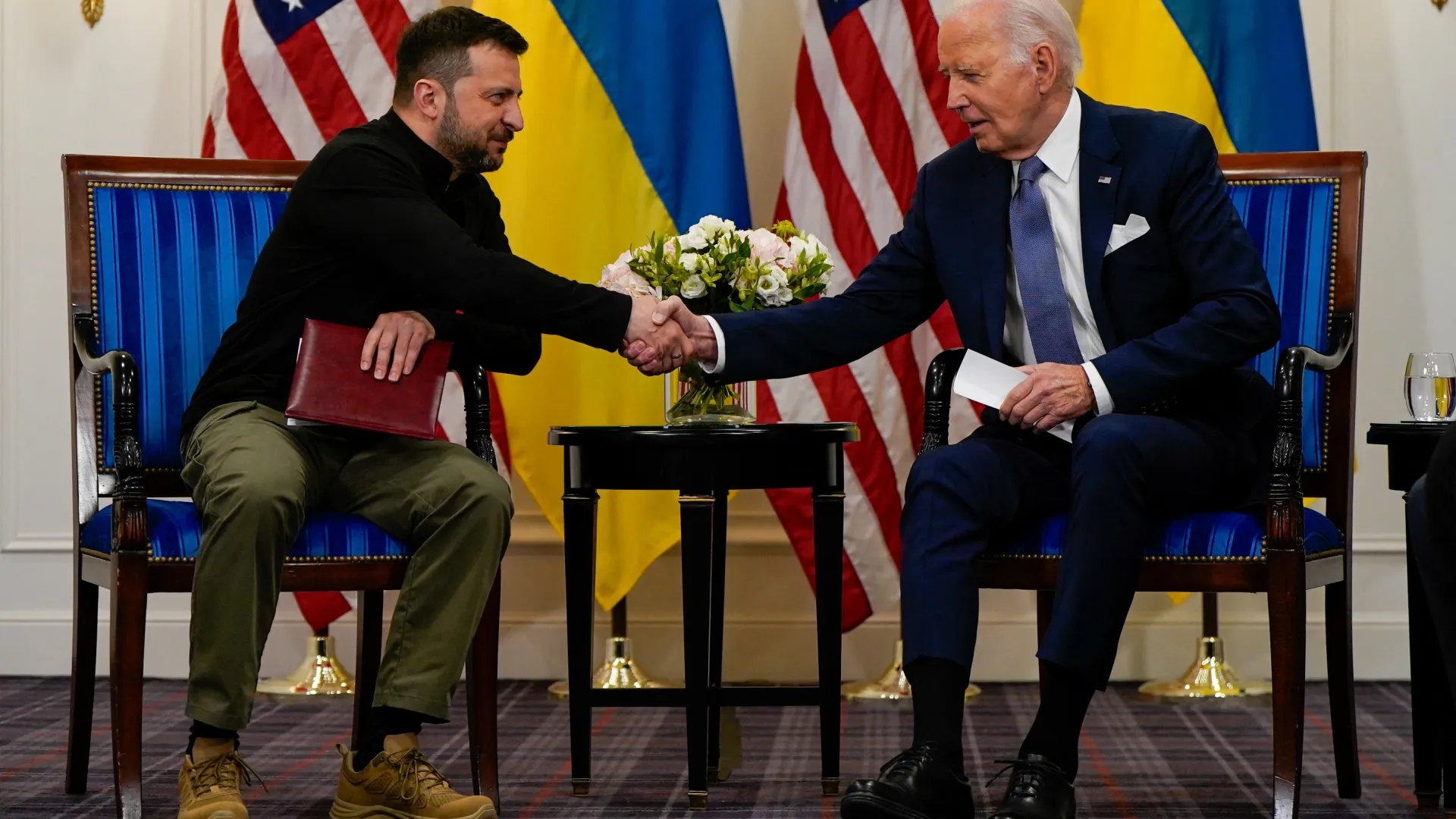
The scrutiny of presidential health has intensified in recent years. After a succession of relatively younger presidents, the nation elected Trump at age 70 for his first term and age 78 for his second, while Joe Biden entered office at 78 and left at 82. Biden's fitness for office became a central campaign issue in the previous election cycle, eventually forcing him to abandon his re-election race.
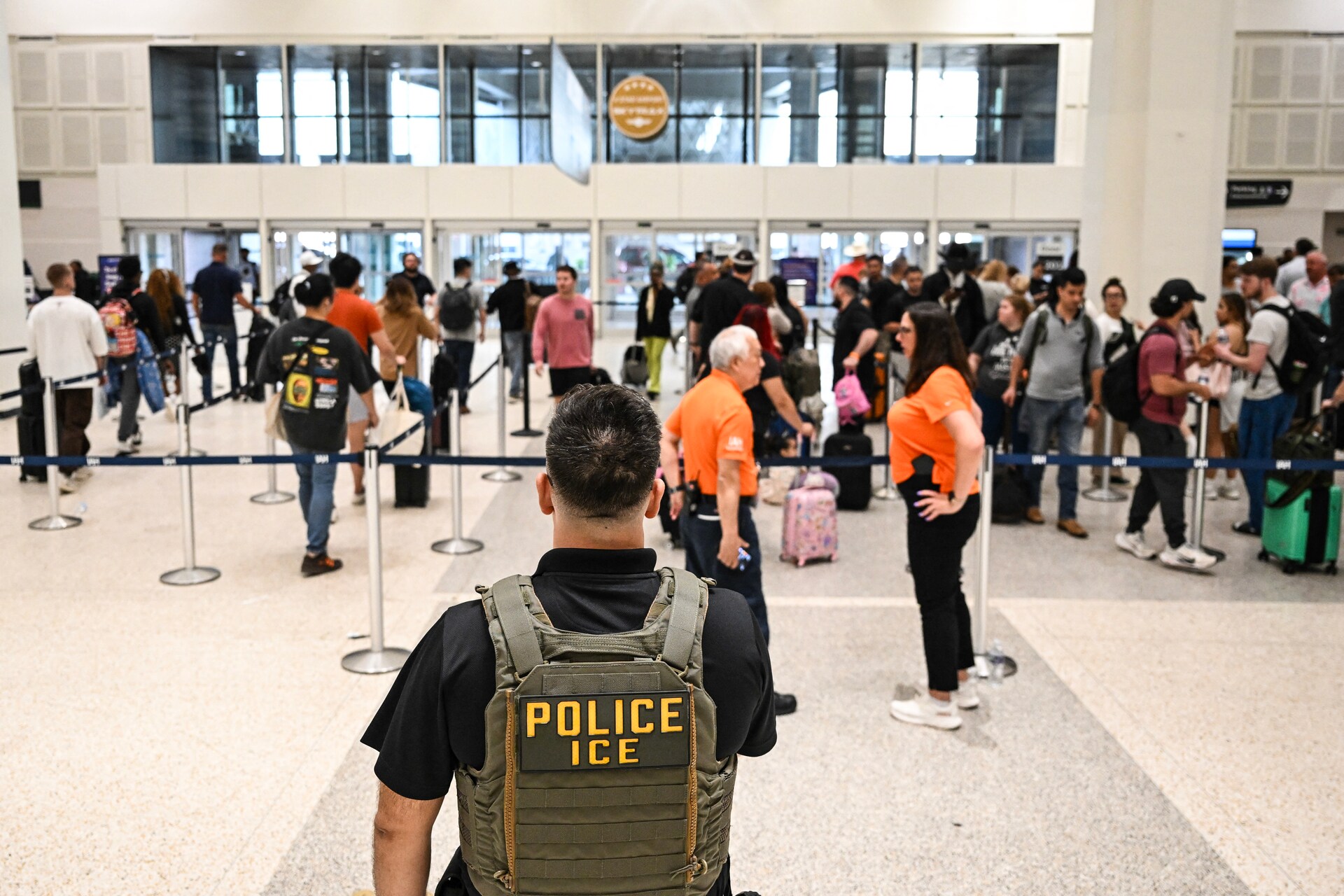
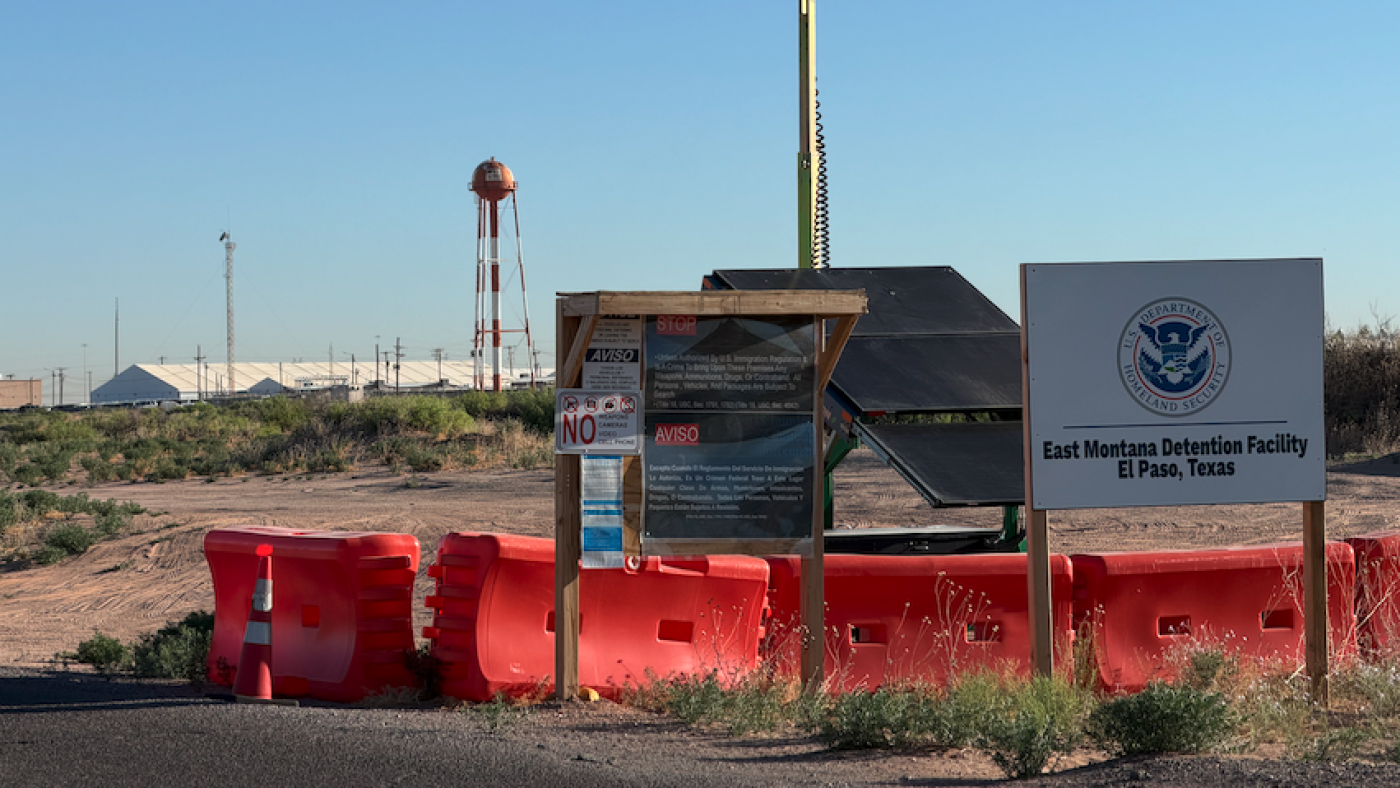
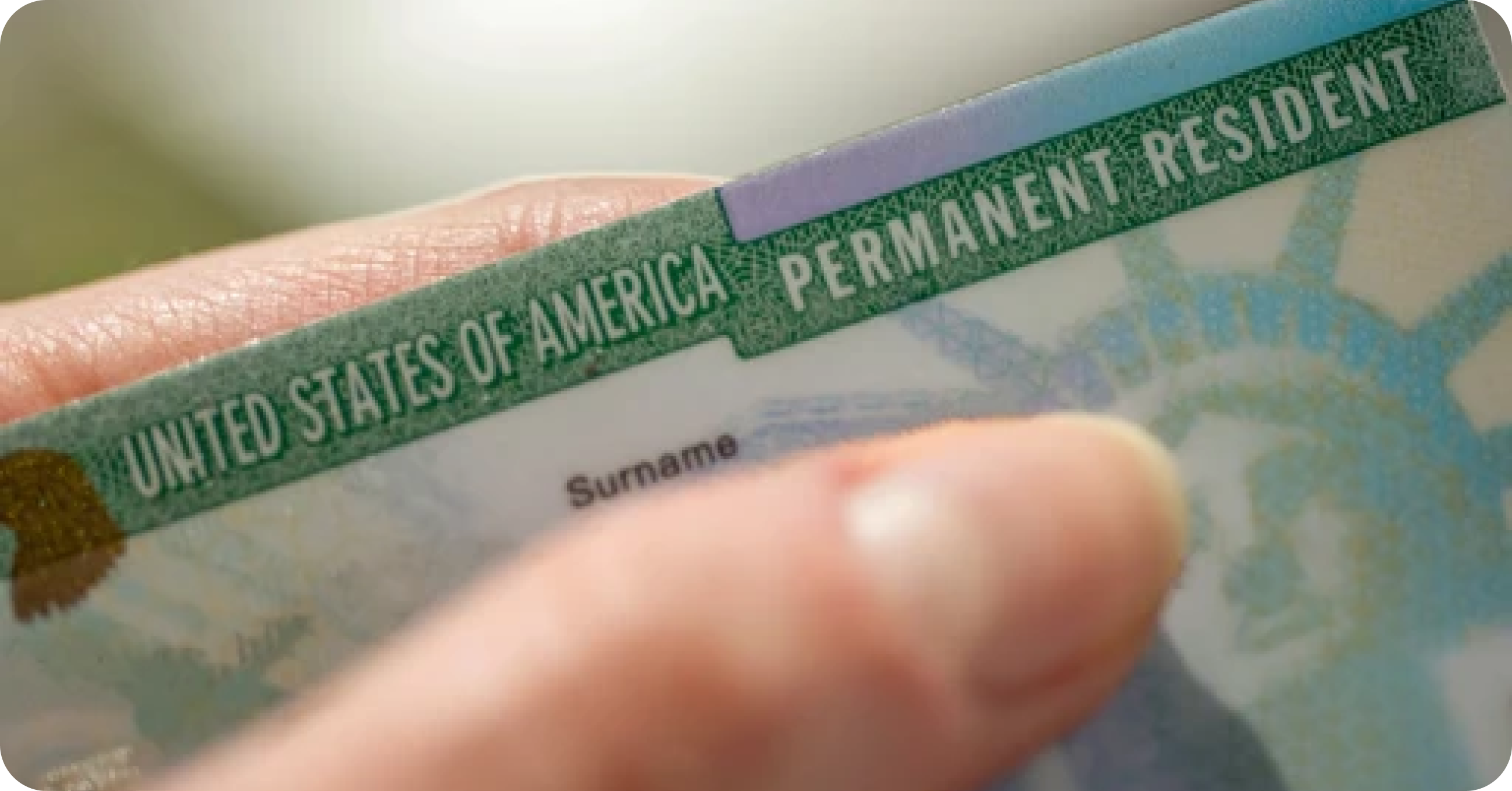
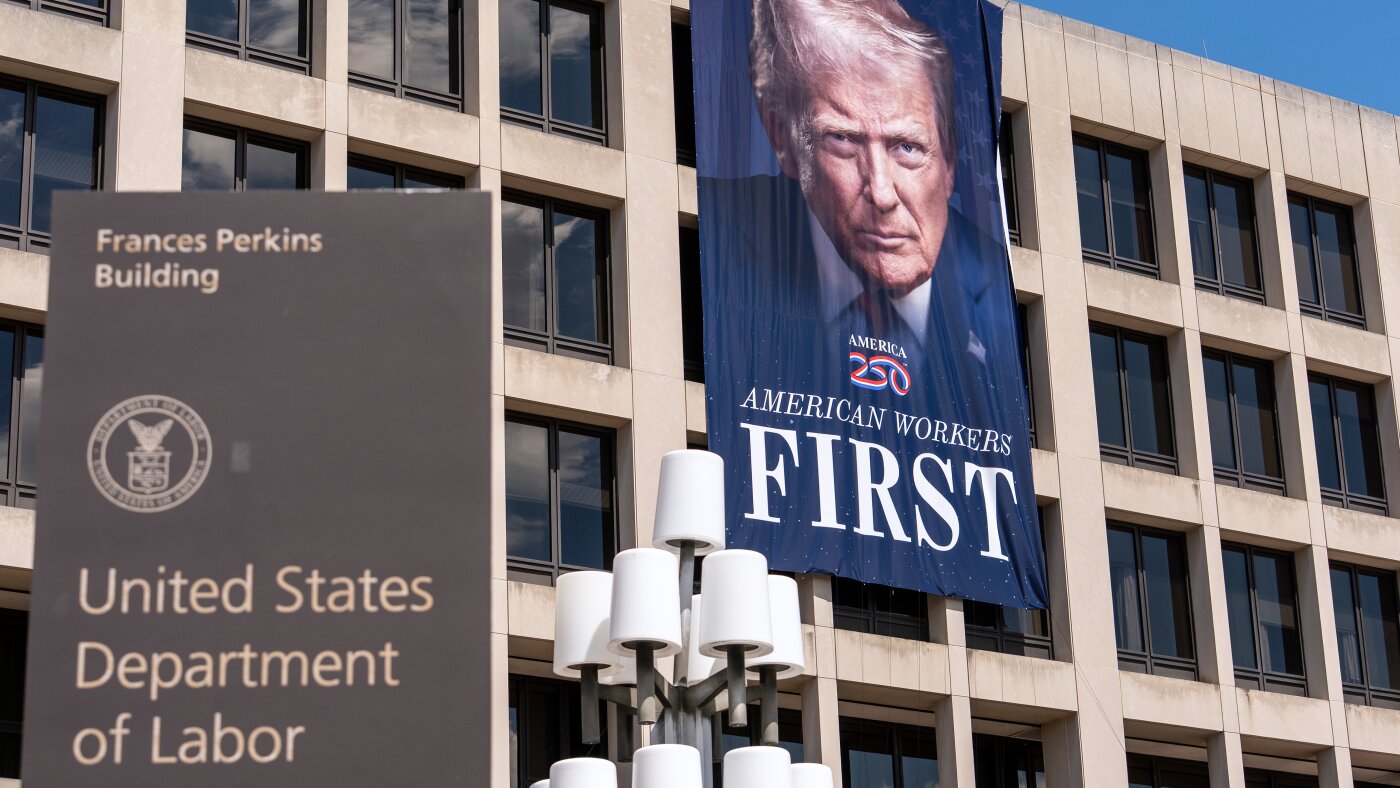
The Trump administration is systematically denying immigrants access to employment, health care, and housing in what officials describe as a methodically planned strategy intended to pressure noncitizens, including many with legal status, to leave the United States. The policy represents a coordinated effort across multiple federal agencies to restrict services and opportunities for a broad population of foreign-born residents.
US Navy Captain Sean Barbabella, Trump's physician, released a three-page memo after examining the president at Walter Reed Medical hospital on Tuesday, stating that "President Trump remains in excellent health, demonstrating strong cardiac, pulmonary, neurological and overall physical function." The doctor declared the 79-year-old president "fully fit to carry out all duties" of the presidency.
The memo noted Trump had lower leg swelling and benign hand bruising consistent with minor soft tissue irritation from frequent handshaking while taking aspirin for cardiovascular prevention. His vital statistics included a height of 75 inches, weight of 238 pounds, resting heart rate of 73 beats per minute, and blood pressure of 105/71 millimeters of mercury. Barbabella advised the president to exercise more and lose weight but otherwise gave him a clean bill of health.
Medical ethicist Jacob Appel at Mount Sinai Hospital told the BBC that presidential health reports should be viewed with caution. "If I were the public, I would ignore that information entirely," Appel said. "The president can cherry pick what looks good, and what doesn't look good."
Every president in modern history has undergone annual physical exams at Walter Reed, but the reports function as much as political messaging tools as medical documents. Dr. Matt Dallek, a political historian at George Washington University, noted that "Americans historically have wanted masculine presidents, vigorous presidents," and the physical exam allows a president to demonstrate vitality and project political power.
There is no requirement for the president to share medical records, which are protected by the same health privacy law as every other American. Appel pointed out that any information released to the public would also be known by foreign intelligence services, raising national security concerns about disclosure.
A Washington Post-ABC-Ipsos poll released in May showed that 59% of those surveyed do not believe Trump has the mental acuity to serve as president, while 55% said his physical health is insufficient. A separate poll by the Economist and YouGov found that just under half of Americans believe Trump is too old to be president.
The scrutiny of presidential health has intensified in recent years. After a succession of relatively younger presidents, the nation elected Trump at age 70 for his first term and age 78 for his second, while Joe Biden entered office at 78 and left at 82. Biden's fitness for office became a central campaign issue in the previous election cycle, eventually forcing him to abandon his re-election race.
Highlighted text was flagged by the council. Tap to see feedback.















































































































































































For example, the memo from Trump's physician, US Navy Captain Sean Barbabella, also noted that the bruising on Trump's hand was related to frequent handshaking while taking aspirin for cardiovascular prevention.