




Launch Details and Objectives
SpaceX launched its largest and most powerful rocket, the Starship V3, on Friday, marking a significant milestone in its quest for space exploration. The rocket blasted off from Texas at 5:30 PM local time, successfully deploying 20 mock Starlink satellites during its hour-long flight. This mission is pivotal as NASA relies on the Starship to facilitate future lunar landings as part of its Artemis program. SpaceX CEO Elon Musk celebrated the launch on social media, stating, "Congratulations @SpaceX team on an epic first Starship V3 launch & landing! You scored a goal for humanity."
Technical Challenges Encountered
Despite achieving most mission objectives, the test flight was not without its challenges. Both stages of the Starship experienced engine failures during the ascent, but the rocket still managed to reach its planned destination. The flight ended with a planned explosion upon splashdown in the Indian Ocean, a scenario that SpaceX had prepared for. The company had previously faced issues with mid-air explosions during earlier test flights, making this successful launch an important step forward.
The Road Ahead for SpaceX
The launch of Starship V3 comes just days before SpaceX's anticipated initial public offering (IPO), which could become the largest in Wall Street history. Analysts estimate that the company's valuation could reach $1.25 trillion, potentially making Musk the first trillionaire. This IPO is critical for SpaceX as it seeks to expand its operations beyond rocket launches, including its satellite internet service, Starlink, and its artificial intelligence firm, xAI.
Competition in the Space Sector
SpaceX is in a competitive race with Jeff Bezos' Blue Origin to secure contracts for NASA’s lunar landers. While SpaceX's Starship has successfully reached the edges of space on multiple occasions, Blue Origin's lunar lander, Blue Moon, has yet to launch. NASA has made substantial financial commitments to both companies, further intensifying the competition as they work towards supporting lunar missions.
Future Prospects for Space Exploration
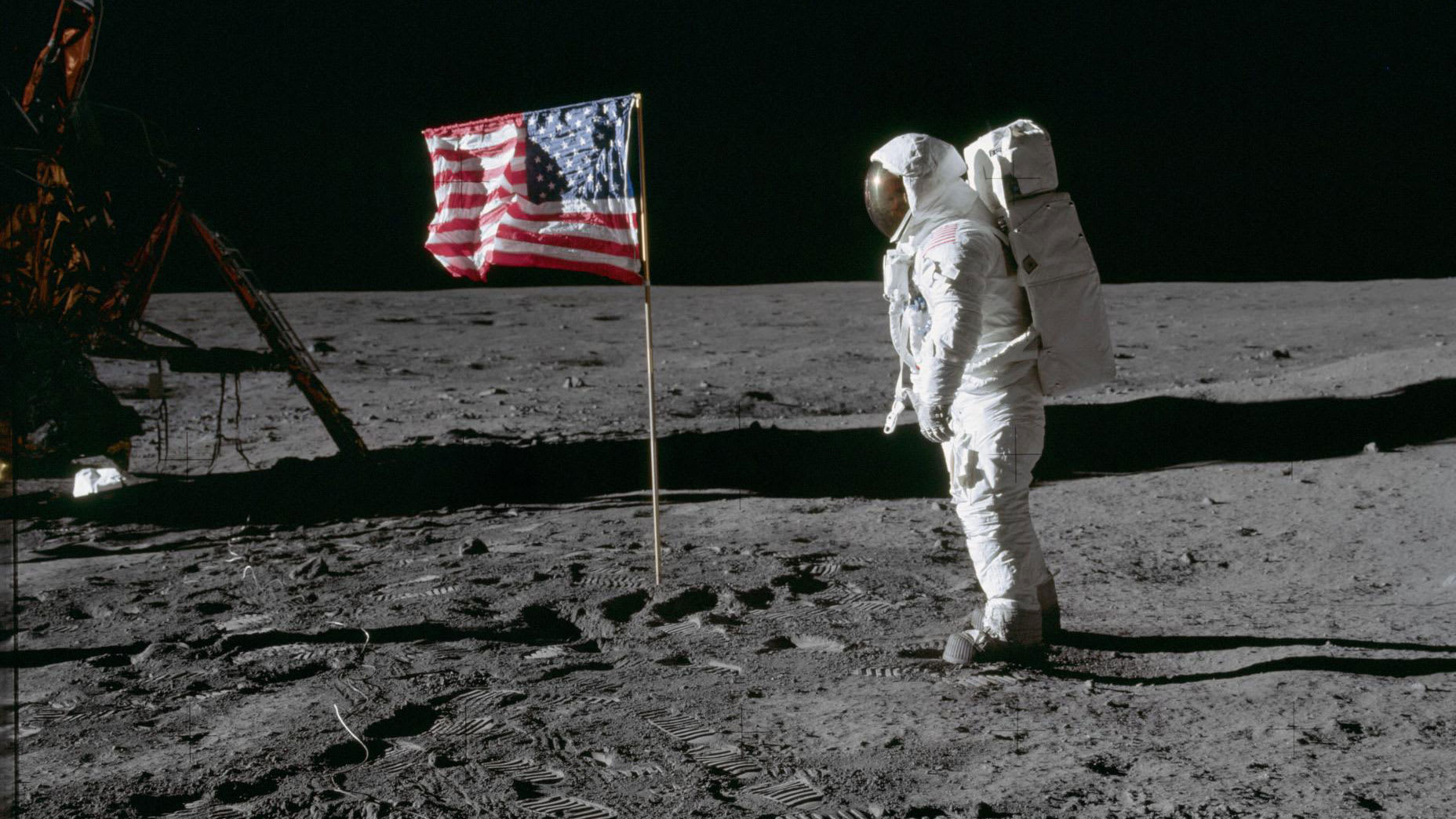
The successful test flight of Starship V3 is a crucial step towards future manned missions to both the Moon and Mars. NASA plans to conduct a docking trial run with astronauts next year, preparing for the Artemis III mission, which aims for a lunar landing by 2028. SpaceX is already taking reservations for private flights to the Moon and Mars, indicating a burgeoning market for space tourism. High-profile individuals, including California businessman Dennis Tito and Chinese bitcoin investor Chun Wang, have signed up for these ambitious missions.
Conclusion: Implications for Investors and Space Exploration
The successful launch of the Starship V3 not only boosts SpaceX's credibility ahead of its IPO but also enhances investor confidence in the company's future endeavors. With NASA depending on SpaceX for critical lunar missions, the stakes are high for both the company and the future of space exploration. As SpaceX continues to push the boundaries of technology and exploration, the implications for the space industry and potential investors are profound.