




Sanctions Target Extremism and Violence
The European Union unanimously approved a new sanctions package on May 11, targeting leaders of the Palestinian militant group Hamas and members of the Israeli settler movement. The decision came amid mounting international outrage over escalating violence in Gaza and the West Bank during the ongoing Israel-Hamas conflict. EU foreign policy chief Kaja Kallas emphasized that "extremism and violence carry consequences," marking a shift in the EU's approach to the conflict.
Details of the Sanctions
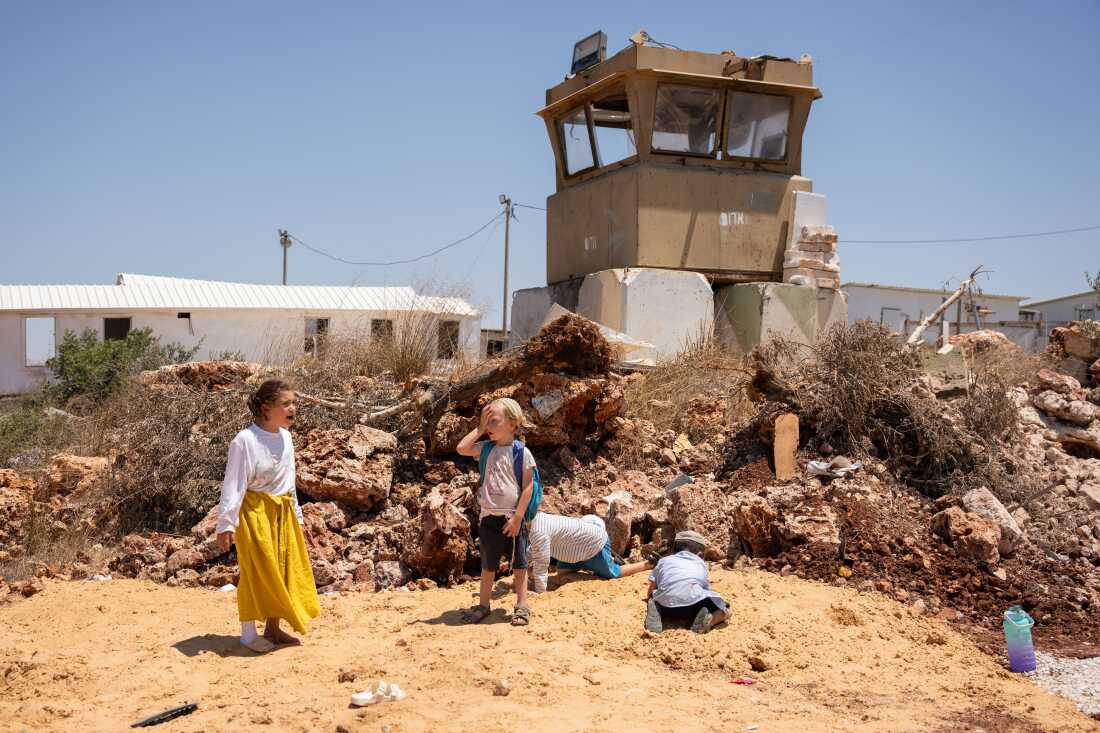
The sanctions specifically focus on three individual settlers and four organizations known for promoting violence against Palestinians in the occupied West Bank. While the identities of those targeted have not yet been publicly disclosed, Israeli media reported that prominent figures like Daniella Weiss, a key leader in the settler movement, are among them. Weiss criticized the sanctions as "ridiculous" and stated she had not received formal notification. The organizations named include Nachala, Regavim, HaShomer Yosh, and Amana, which support and finance unauthorized settlements.
Shift in EU Policy
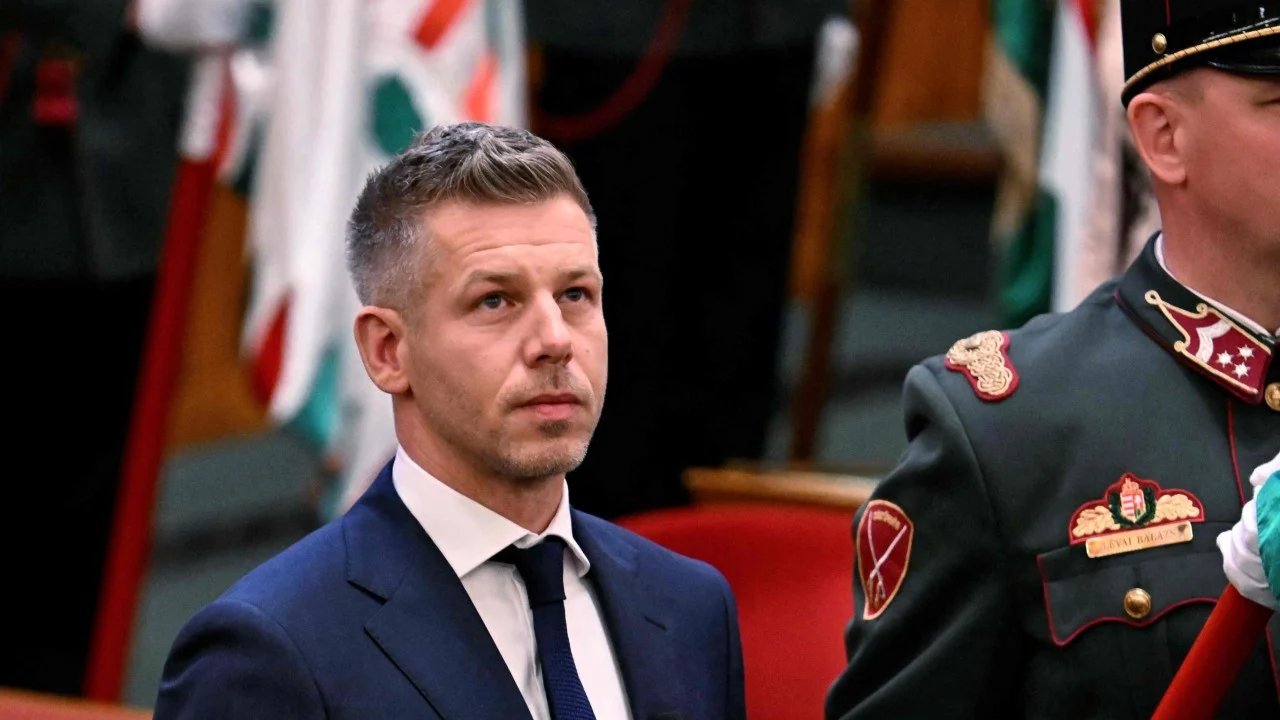
The unanimous vote followed a change in leadership in Hungary, where new Prime Minister Péter Magyar replaced Viktor Orbán, who had previously blocked such measures. This political shift allowed EU foreign ministers to move forward with plans that had been stalled for nearly two years. French Foreign Minister Jean-Noël Barrot noted that the EU was "sanctioning the main Israeli organizations guilty of supporting the extremist and violent colonization of the West Bank," and called for an immediate cessation of such acts.
Israeli Government's Response
Israel's government reacted strongly against the sanctions. Foreign Minister Gideon Saar labeled the measures "arbitrary and political," asserting that Israel would continue to uphold the right of Jews to settle in what they consider their homeland. Far-right National Security Minister Itamar Ben-Gvir described the EU as "antisemitic" and vowed that the settlement enterprise would not be deterred.
Rising Violence in the West Bank
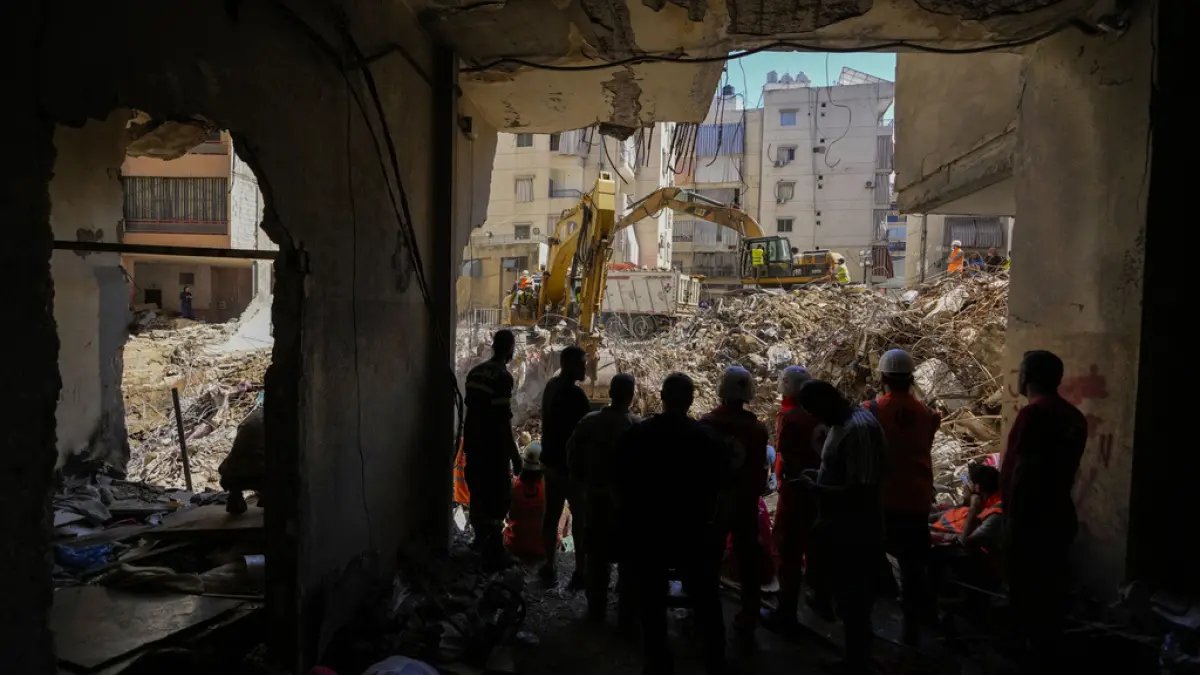
The sanctions come in response to a surge in violence against Palestinians, with reports of over 1,800 settler attacks resulting in casualties and property damage in 2025 alone. The United Nations reported that at least 45 Palestinians, including 11 children, have been killed in the West Bank since the start of 2026, with settler violence escalating significantly following Hamas's October 7 attack that killed around 1,200 people in Israel.
Calls for Broader Measures
While the EU has taken steps to sanction individual settlers and Hamas leaders, discussions continue regarding broader measures, such as banning products from Israeli settlements. Some EU member states have advocated for stronger actions, but consensus remains elusive. Italian Foreign Minister Antonio Tajani indicated that the European Commission would propose a ban on settlement goods, but it is unclear if there will be enough support to implement such measures.
Future Implications
The EU's decision to sanction both Hamas leaders and violent Israeli settlers signals a potential shift in international policy regarding the Israeli-Palestinian conflict. The sanctions reflect growing concerns among European nations about the impact of settlement expansion and violence on peace efforts. As the EU begins the legislative process to finalize these sanctions, the broader implications for Israeli-EU relations remain to be seen, especially in light of ongoing calls for more substantial actions against Israeli settlements.