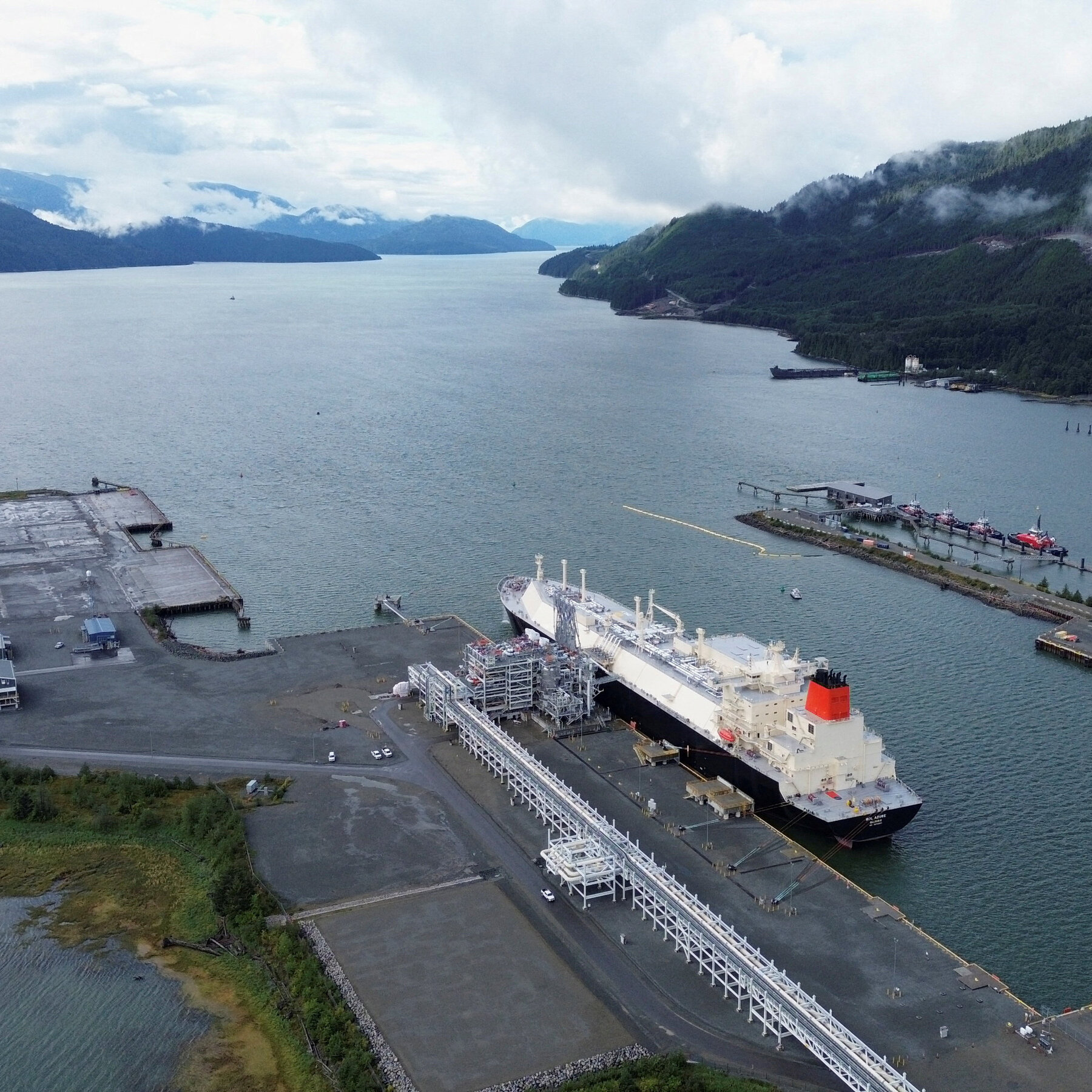
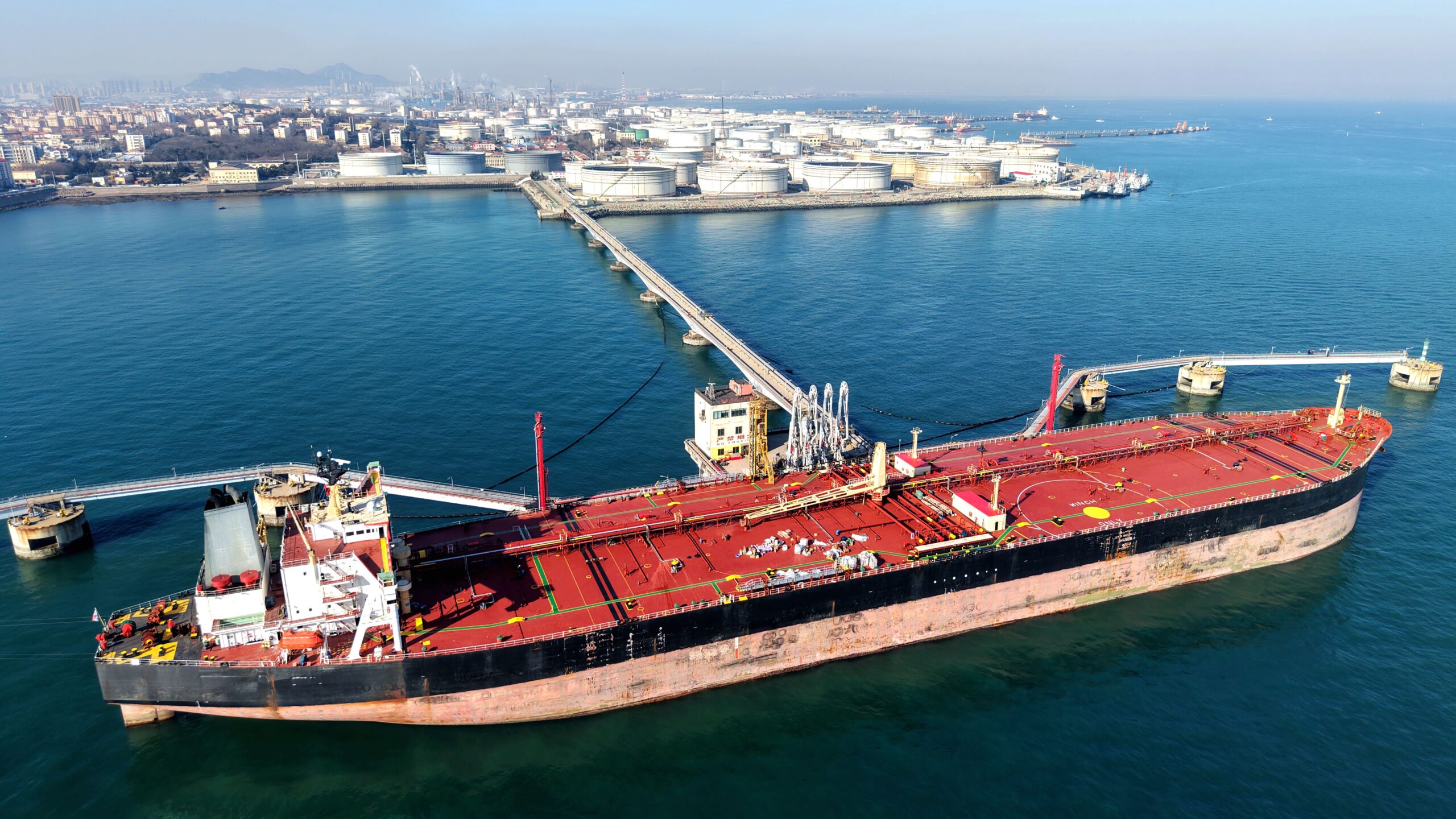
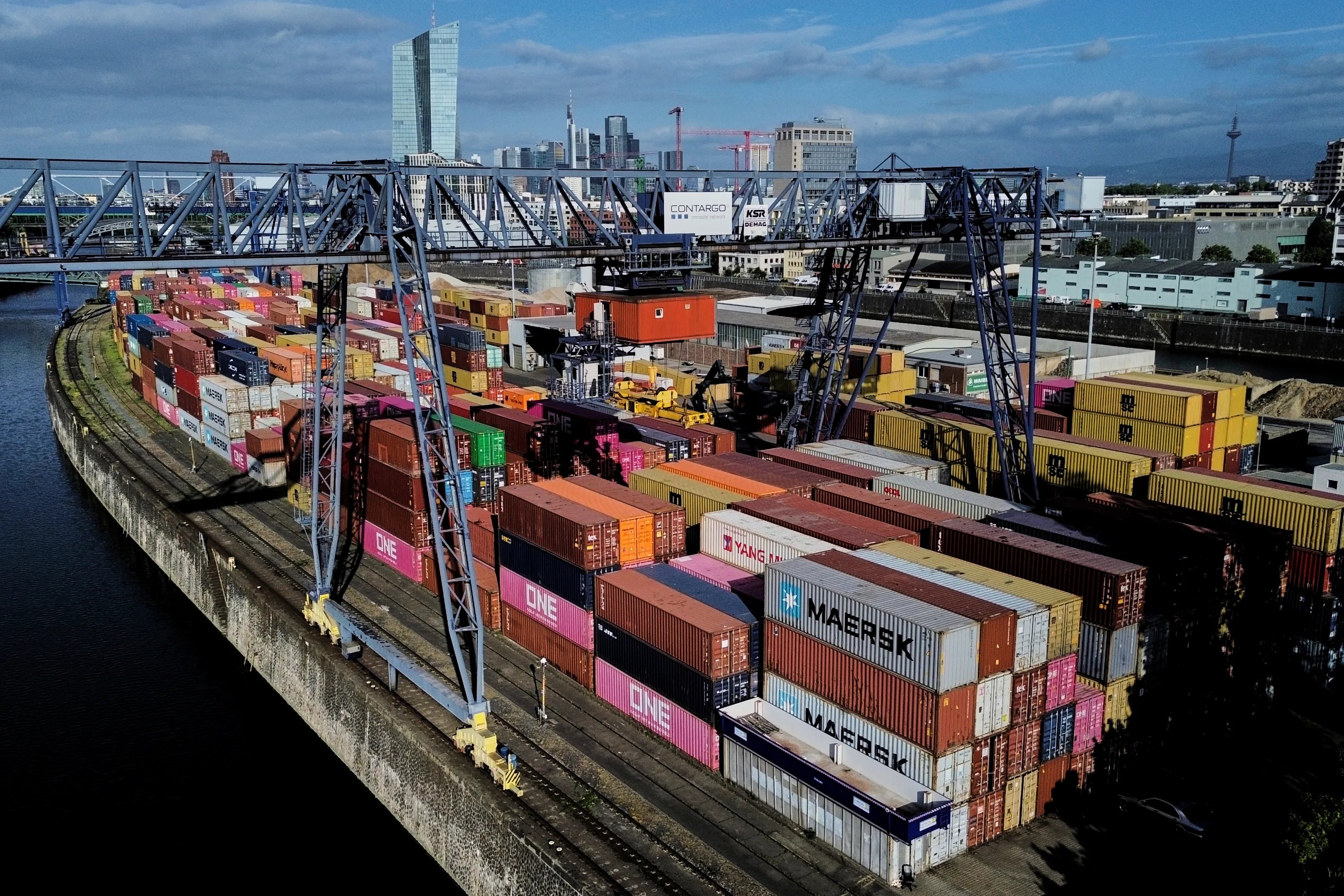
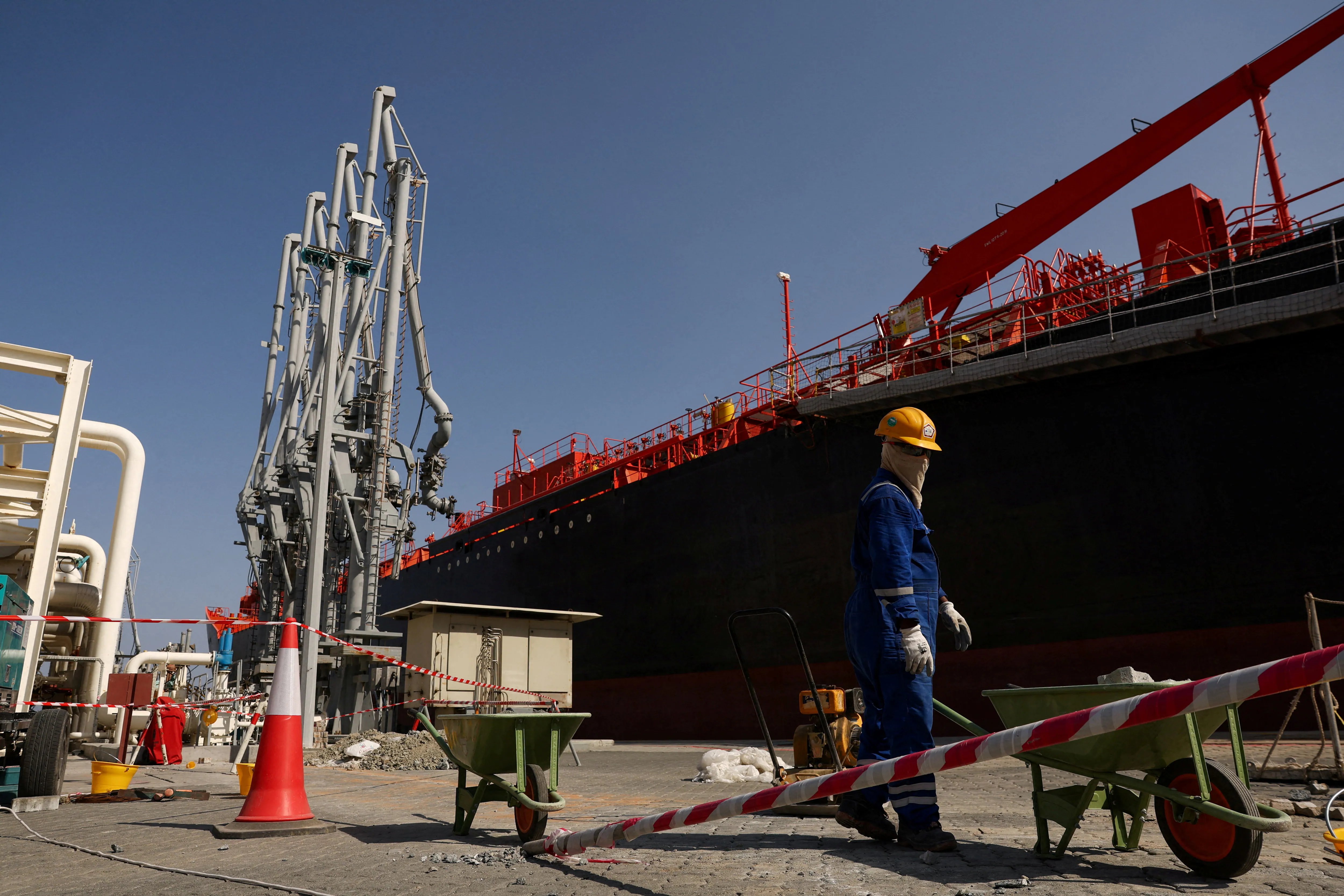
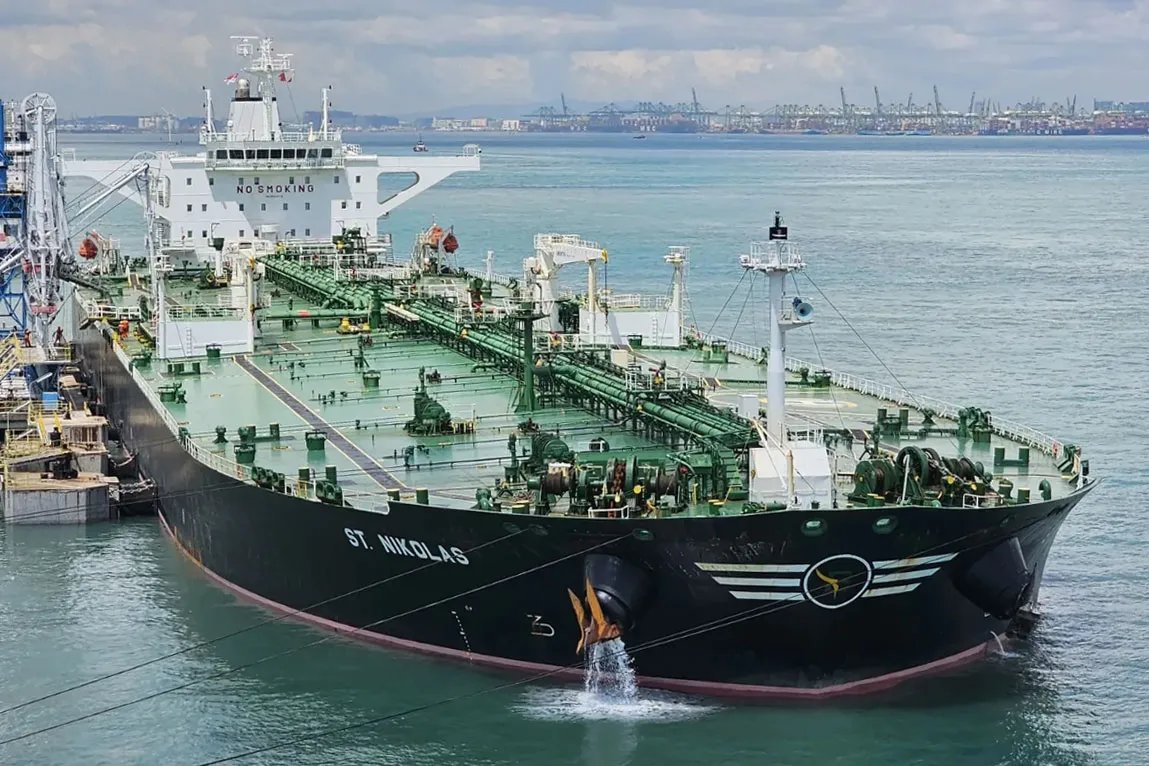
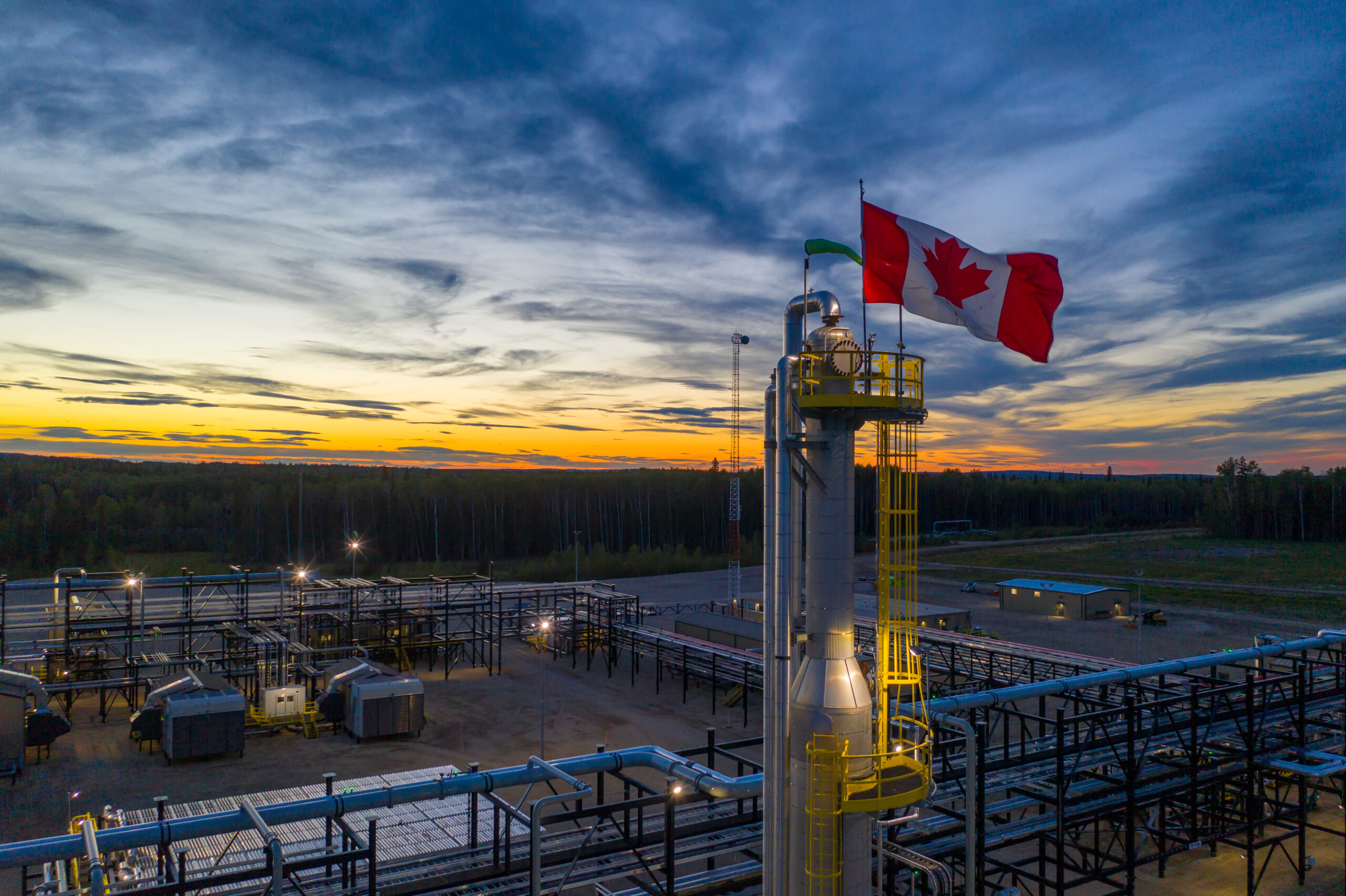
Canada will supply Germany with liquefied natural gas produced at a planned export terminal on the British Columbia coast. The agreement marks the first such long-term contract between the two countries. People familiar with the matter confirmed the deal will be formally signed in the coming days.
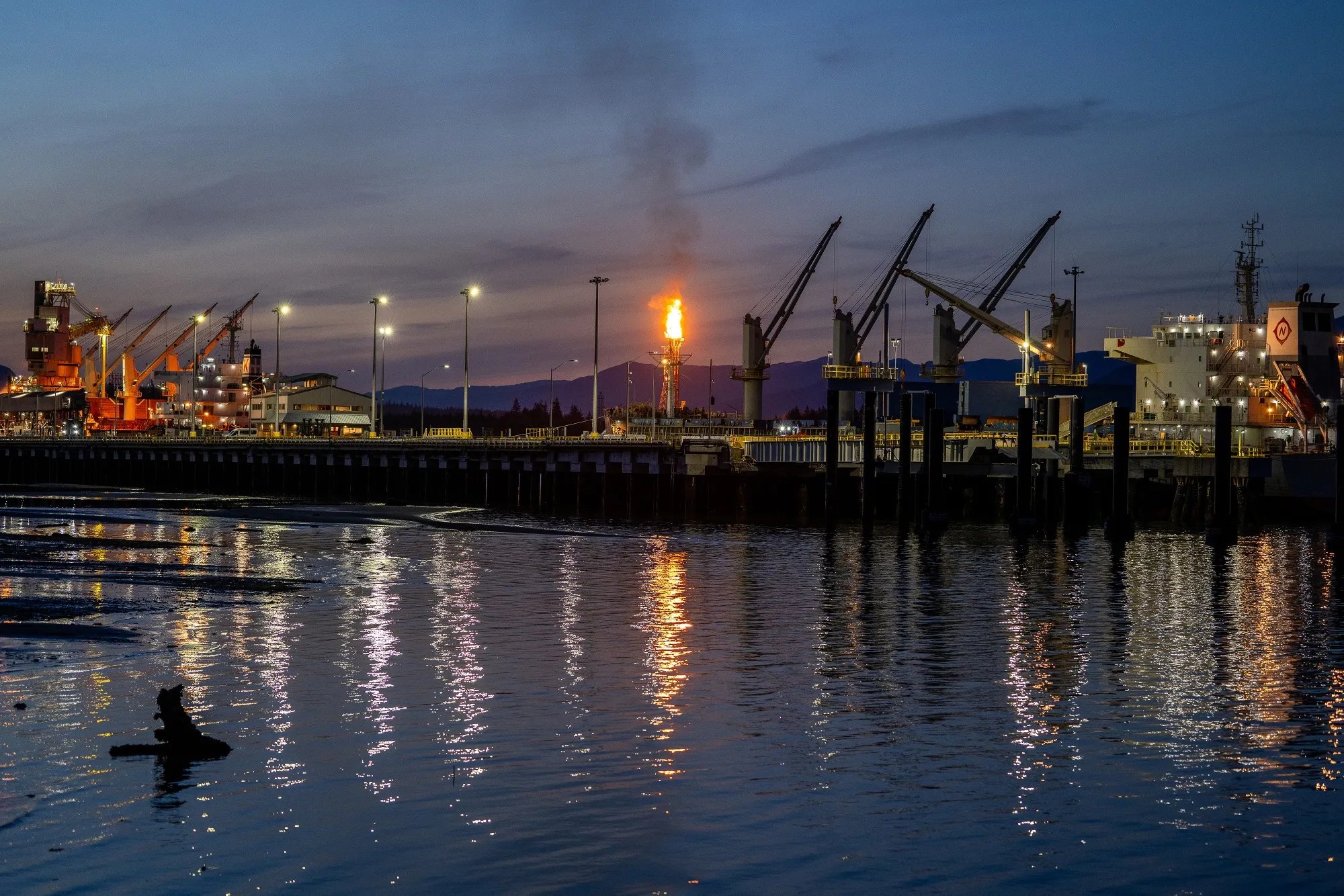
The export facility represents a major infrastructure project designed to move Canadian gas to European markets.
Germany aims to strengthen its energy security by diversifying supplies beyond its traditional providers. The country continues efforts to reduce reliance on Russian gas following years of supply disruptions. Canadian officials view the deal as a way to open new markets distinct from the United States.
Canada seeks to expand its liquefied natural gas customer base through this partnership. The agreement aligns with Ottawa's push to develop its west coast export capacity. Both sides described the arrangement as mutually beneficial for long-term energy needs.
US natural gas futures dropped in thin trading as options contracts for front-month delivery expired. Earlier gains linked to higher domestic gas flows toward Gulf Coast liquefied natural gas export terminals were completely erased. Cool shifts in weather forecasts contributed to the downward pressure by signaling reduced demand for gas-fired power used in air-conditioning.
The price decline occurred amid broader market awareness of new international liquefied natural gas supply arrangements. Increased exports from North America to Europe could influence global pricing dynamics.
Energy analysts noted the deal could help stabilize European supply chains over time. Canadian producers expressed hope that the German contract will encourage additional European buyers.
German industry representatives welcomed the prospect of steady liquefied natural gas inflows from a stable democratic partner. The agreement arrives as Europe maintains focus on replacing higher-emission energy sources.
Construction timelines for the British Columbia terminal will determine when actual deliveries begin. Canadian developers must still secure final permits and complete financing for the project. German utilities plan to integrate the new supply into their long-term procurement strategies once the facility operates.
The pact sets a precedent for similar agreements between Canada and other European nations. Officials from both governments will meet regularly to track progress on the export terminal. Industry participants anticipate that successful execution could lead to expanded trade volumes in subsequent years.
This deal delivers a concrete new revenue stream for Canadian energy workers tied to British Columbia's coastal development while offering German manufacturers a measurable hedge against future supply shocks that have previously driven up household energy bills across Europe.
Canada will supply Germany with liquefied natural gas produced at a planned export terminal on the British Columbia coast. The agreement marks the first such long-term contract between the two countries. People familiar with the matter confirmed the deal will be formally signed in the coming days.
The export facility represents a major infrastructure project designed to move Canadian gas to European markets. Volumes and pricing details remain undisclosed in initial announcements. Officials positioned the pact as a foundational step for future shipments.
Germany aims to strengthen its energy security by diversifying supplies beyond its traditional providers. The country continues efforts to reduce reliance on Russian gas following years of supply disruptions. Canadian officials view the deal as a way to open new markets distinct from the United States.
Canada seeks to expand its liquefied natural gas customer base through this partnership. The agreement aligns with Ottawa's push to develop its west coast export capacity. Both sides described the arrangement as mutually beneficial for long-term energy needs.
US natural gas futures dropped in thin trading as options contracts for front-month delivery expired. Earlier gains linked to higher domestic gas flows toward Gulf Coast liquefied natural gas export terminals were completely erased. Cool shifts in weather forecasts contributed to the downward pressure by signaling reduced demand for gas-fired power used in air-conditioning.
The price decline occurred amid broader market awareness of new international liquefied natural gas supply arrangements. Increased exports from North America to Europe could influence global pricing dynamics. Traders monitored the Canada-Germany deal as one factor among several affecting sentiment.
Energy analysts noted the deal could help stabilize European supply chains over time. One person familiar with the planning said the British Columbia facility will require several years of construction before first cargoes ship. Canadian producers expressed hope that the German contract will encourage additional European buyers.
German industry representatives welcomed the prospect of steady liquefied natural gas inflows from a stable democratic partner. The agreement arrives as Europe maintains focus on replacing higher-emission energy sources. Sources on both sides of the Atlantic emphasized the deal's role in supporting industrial competitiveness.
Construction timelines for the British Columbia terminal will determine when actual deliveries begin. Canadian developers must still secure final permits and complete financing for the project. German utilities plan to integrate the new supply into their long-term procurement strategies once the facility operates.
The pact sets a precedent for similar agreements between Canada and other European nations. Officials from both governments will meet regularly to track progress on the export terminal. Industry participants anticipate that successful execution could lead to expanded trade volumes in subsequent years.
This deal delivers a concrete new revenue stream for Canadian energy workers tied to British Columbia's coastal development while offering German manufacturers a measurable hedge against future supply shocks that have previously driven up household energy bills across Europe.
Highlighted text was flagged by the council. Tap to see feedback.