




Reduced U.S. Military Contributions
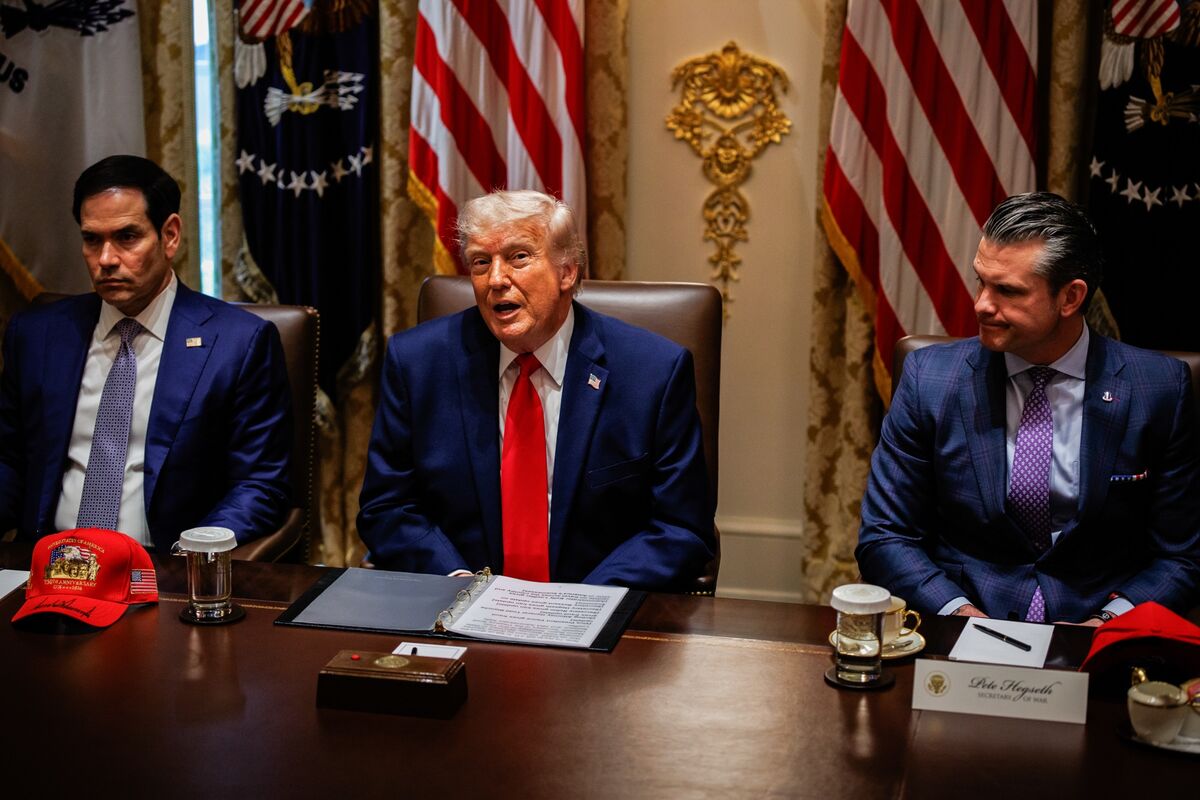
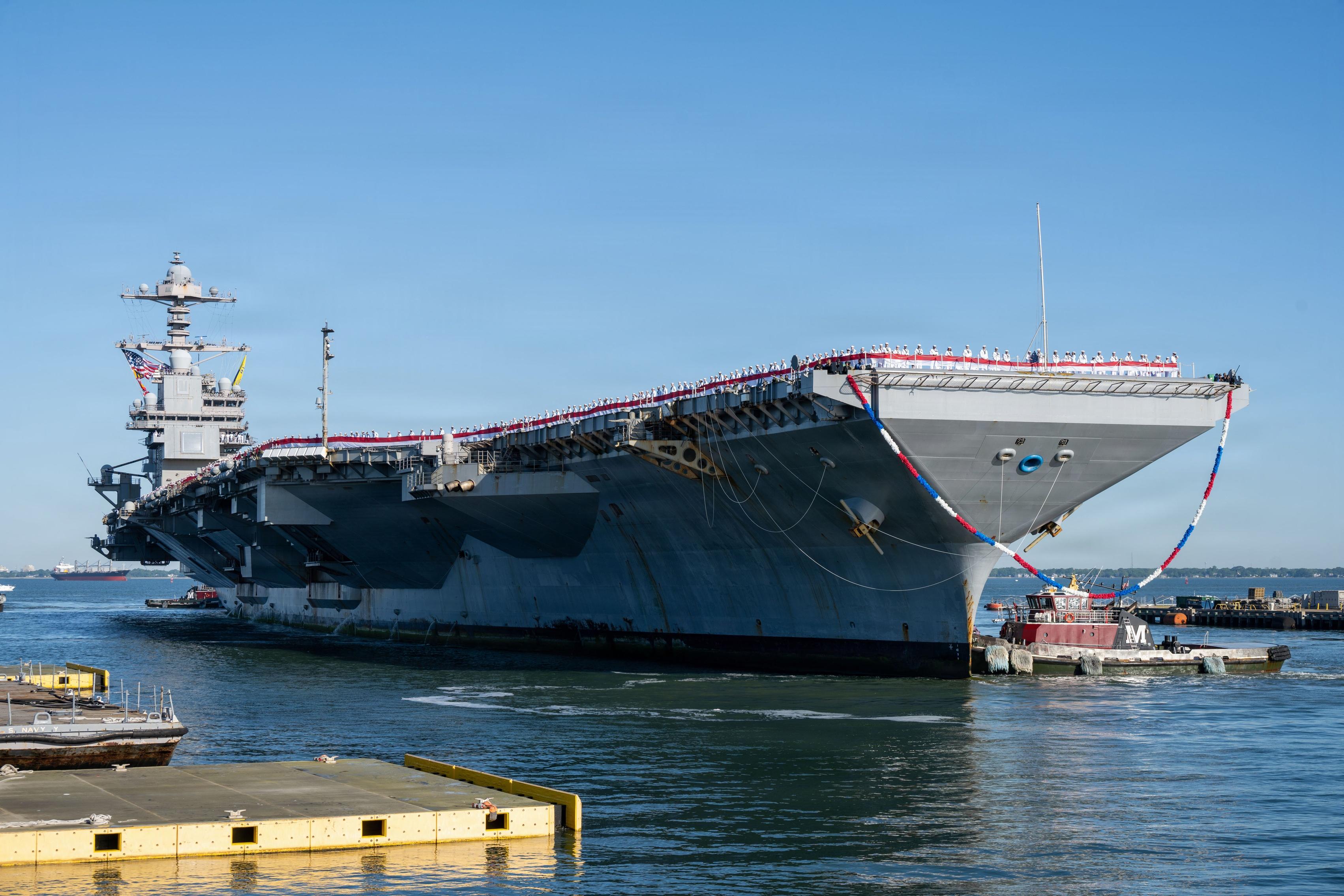
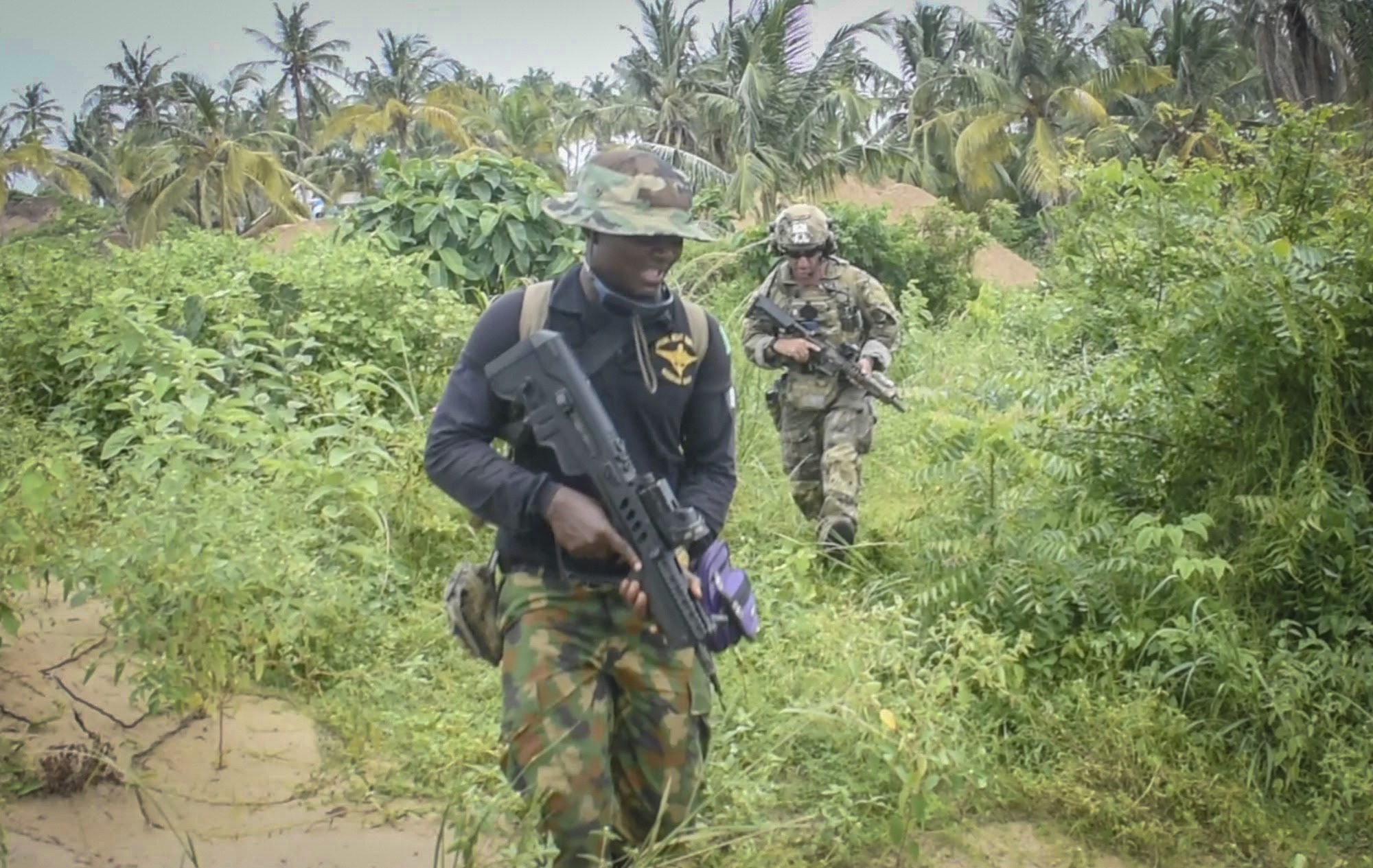
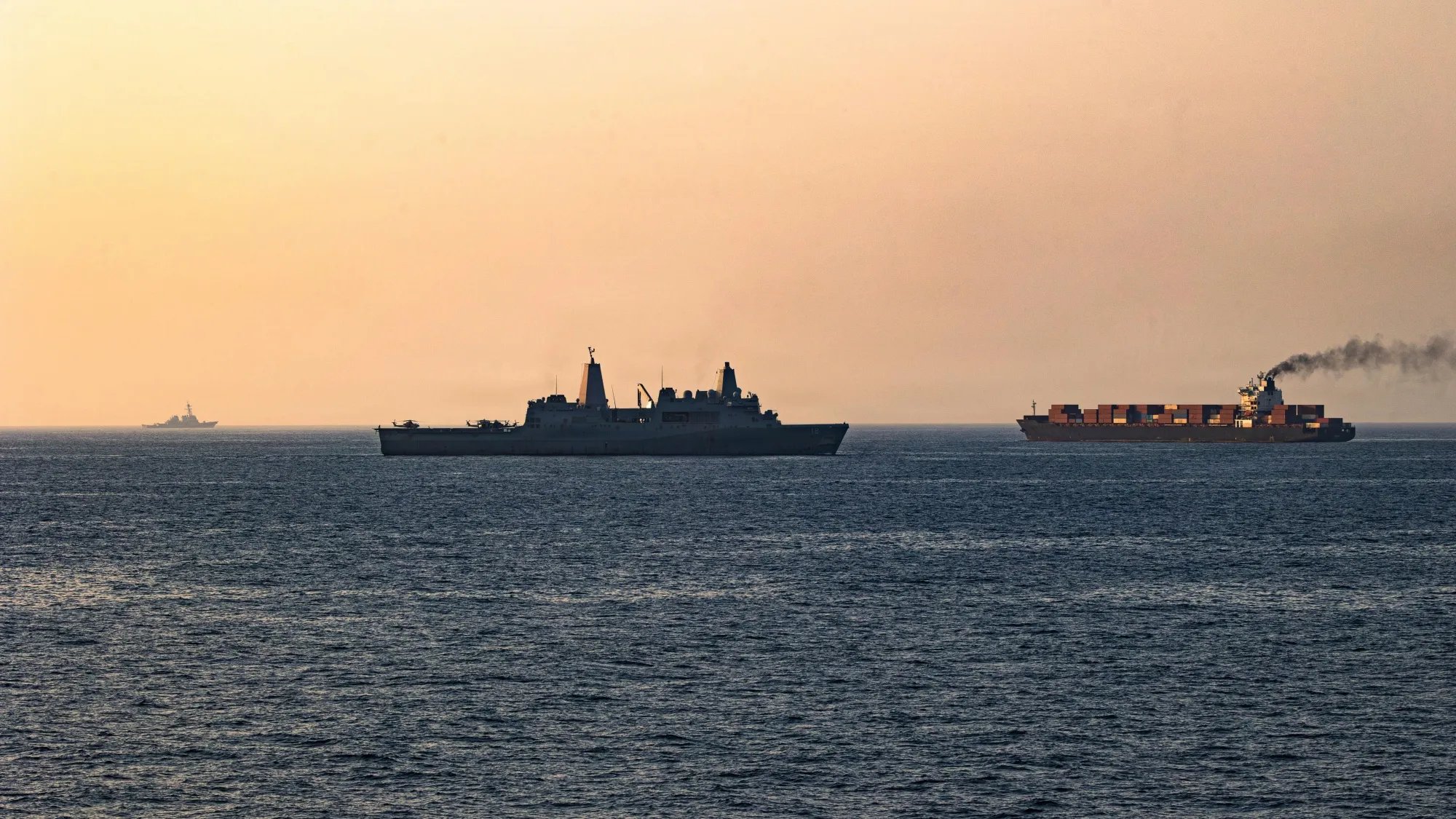
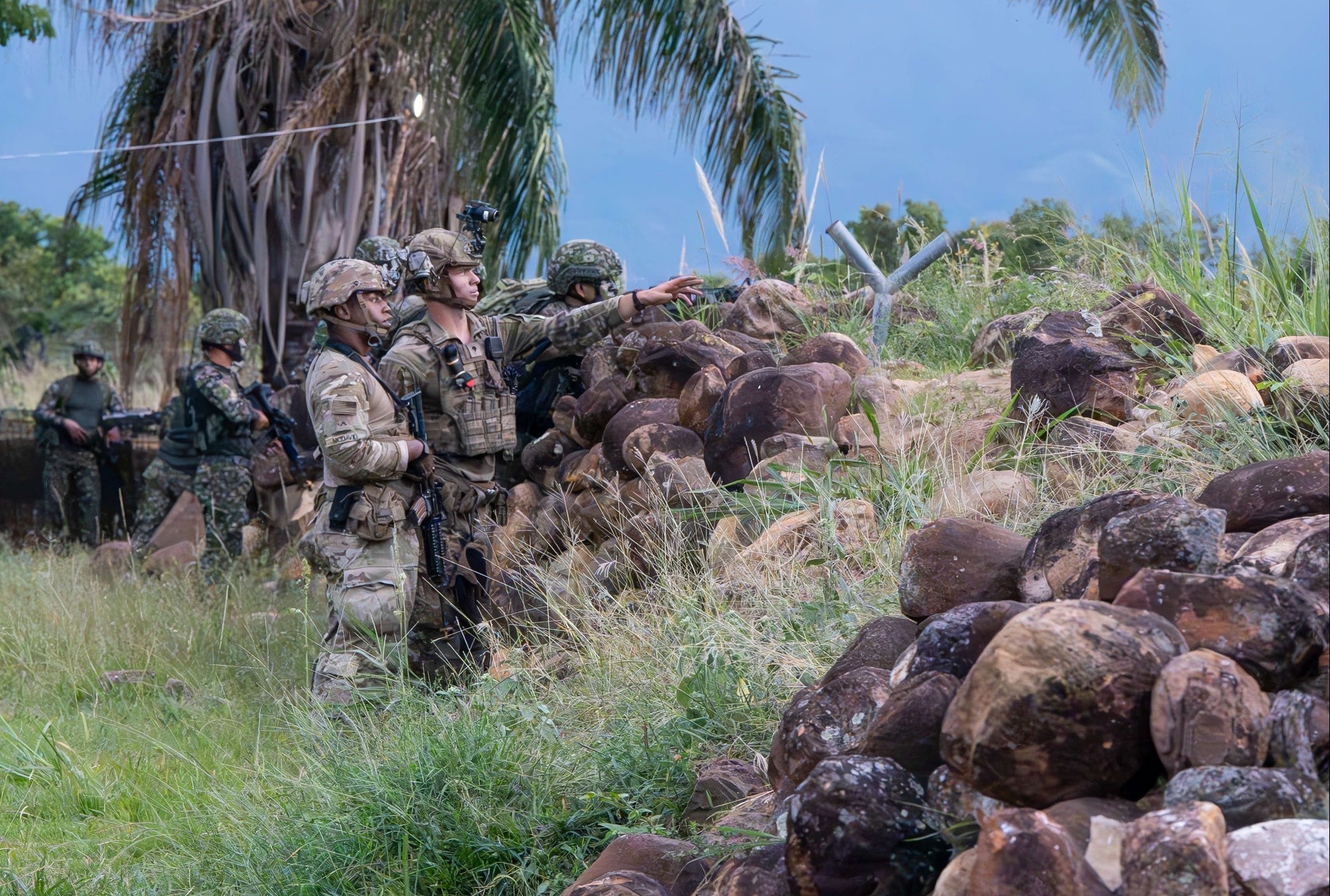
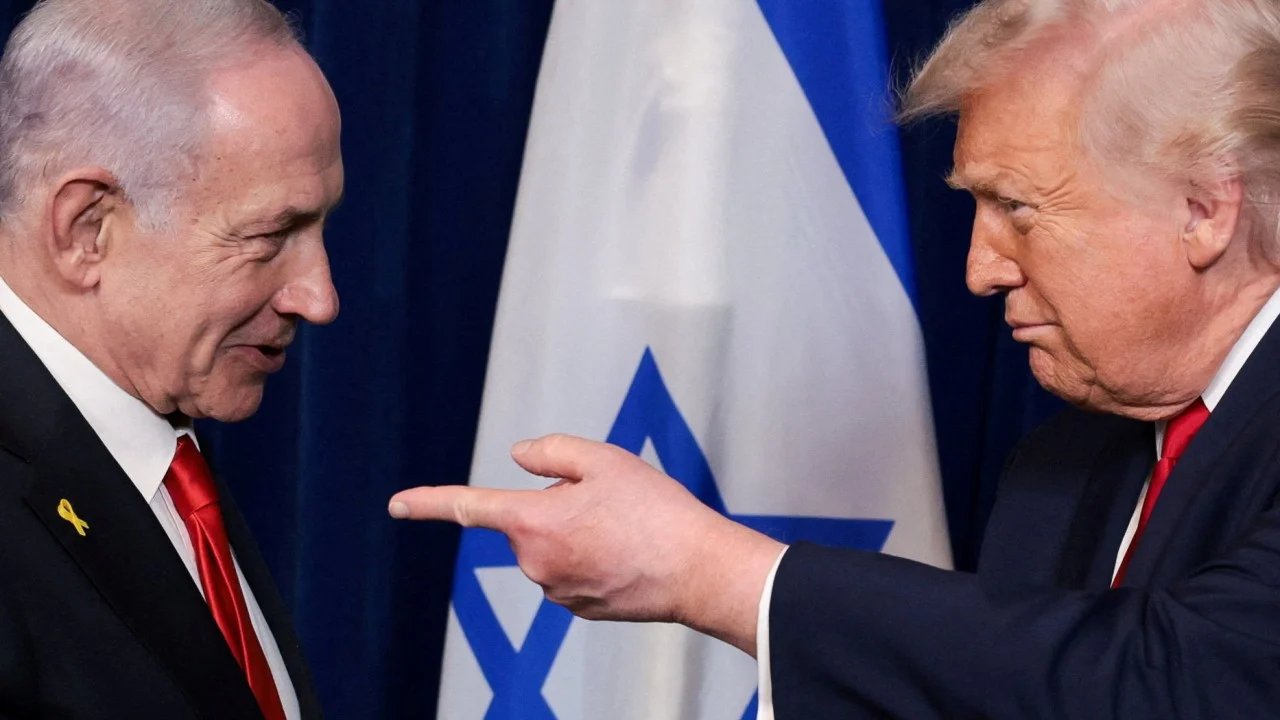
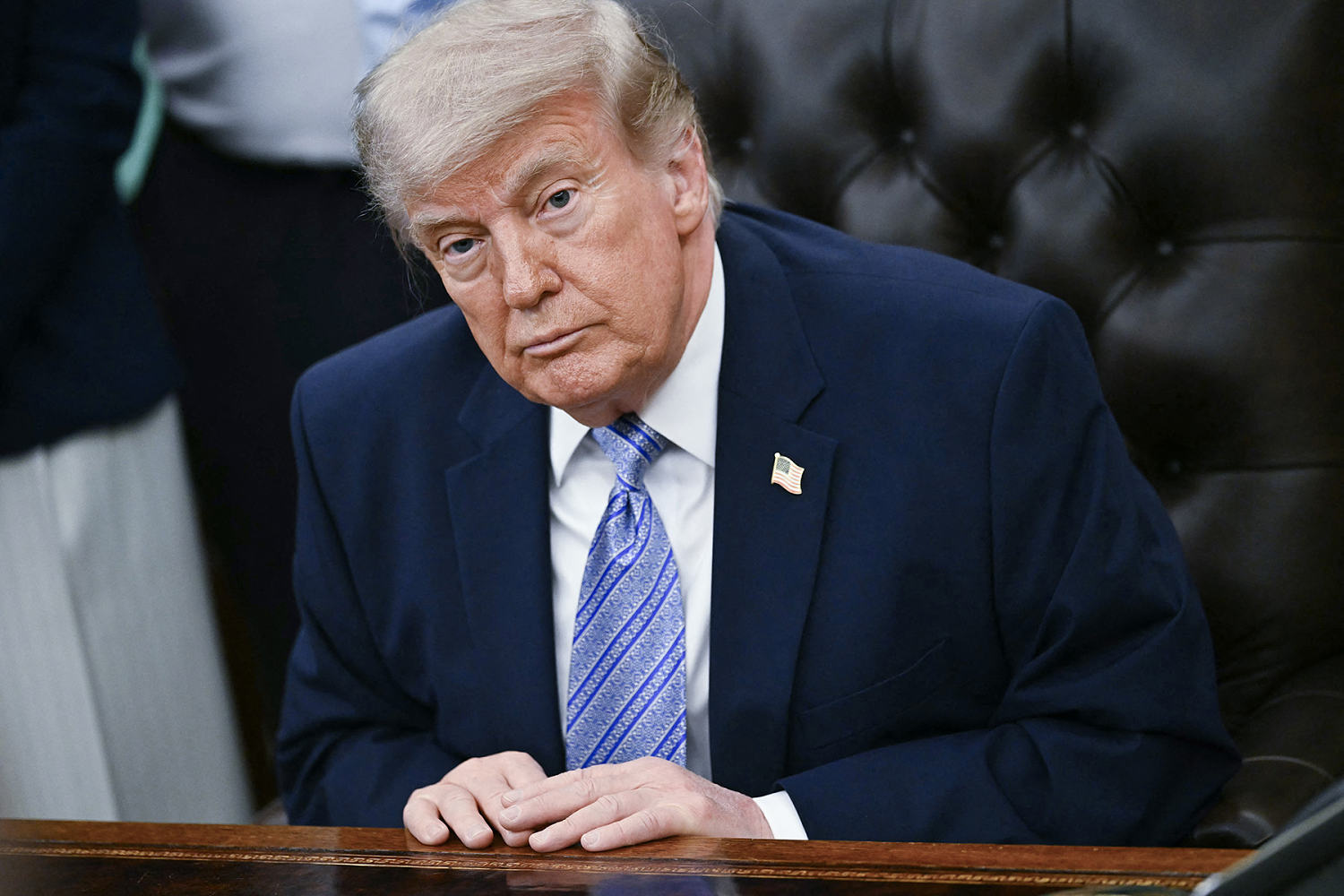
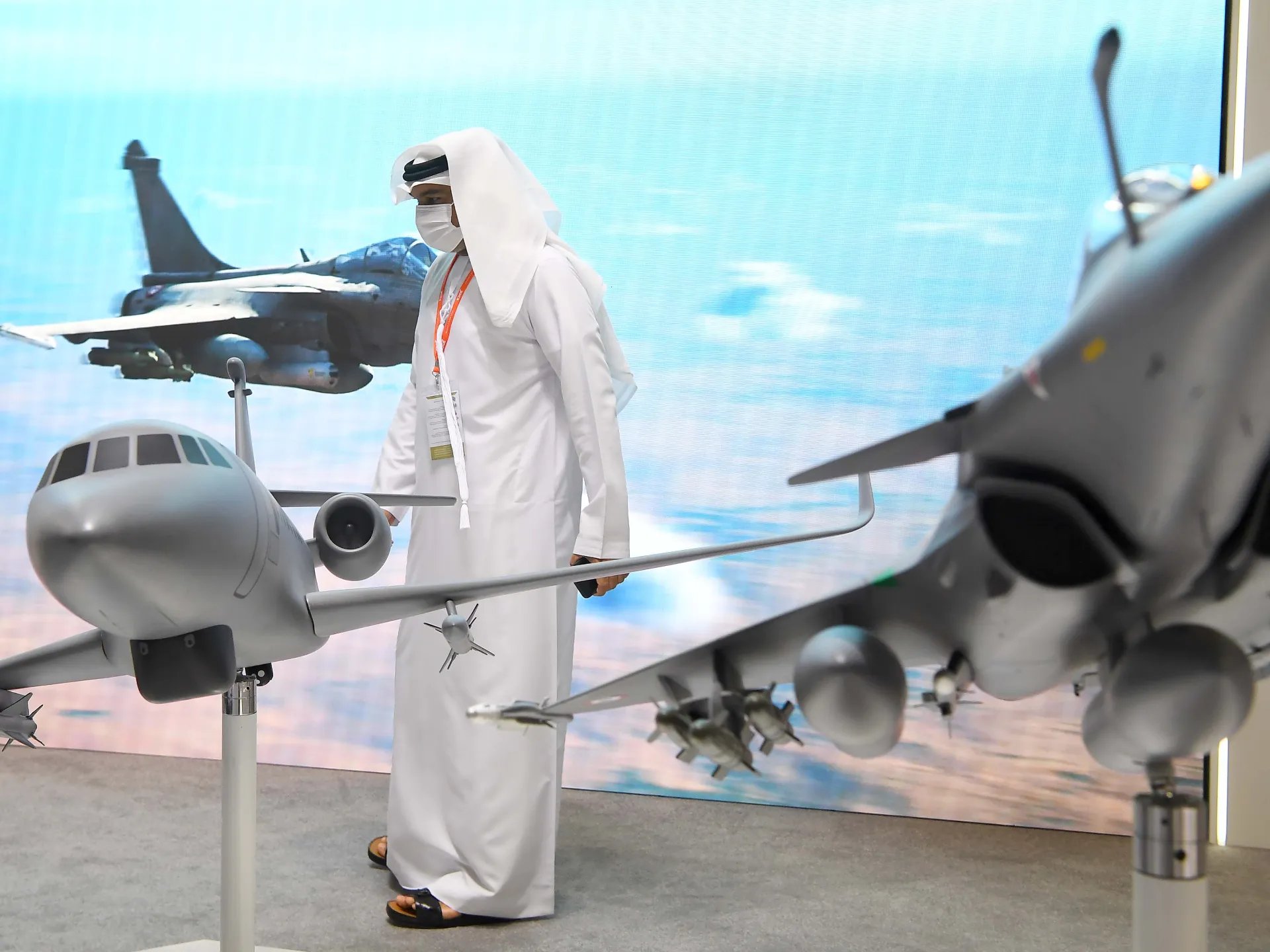
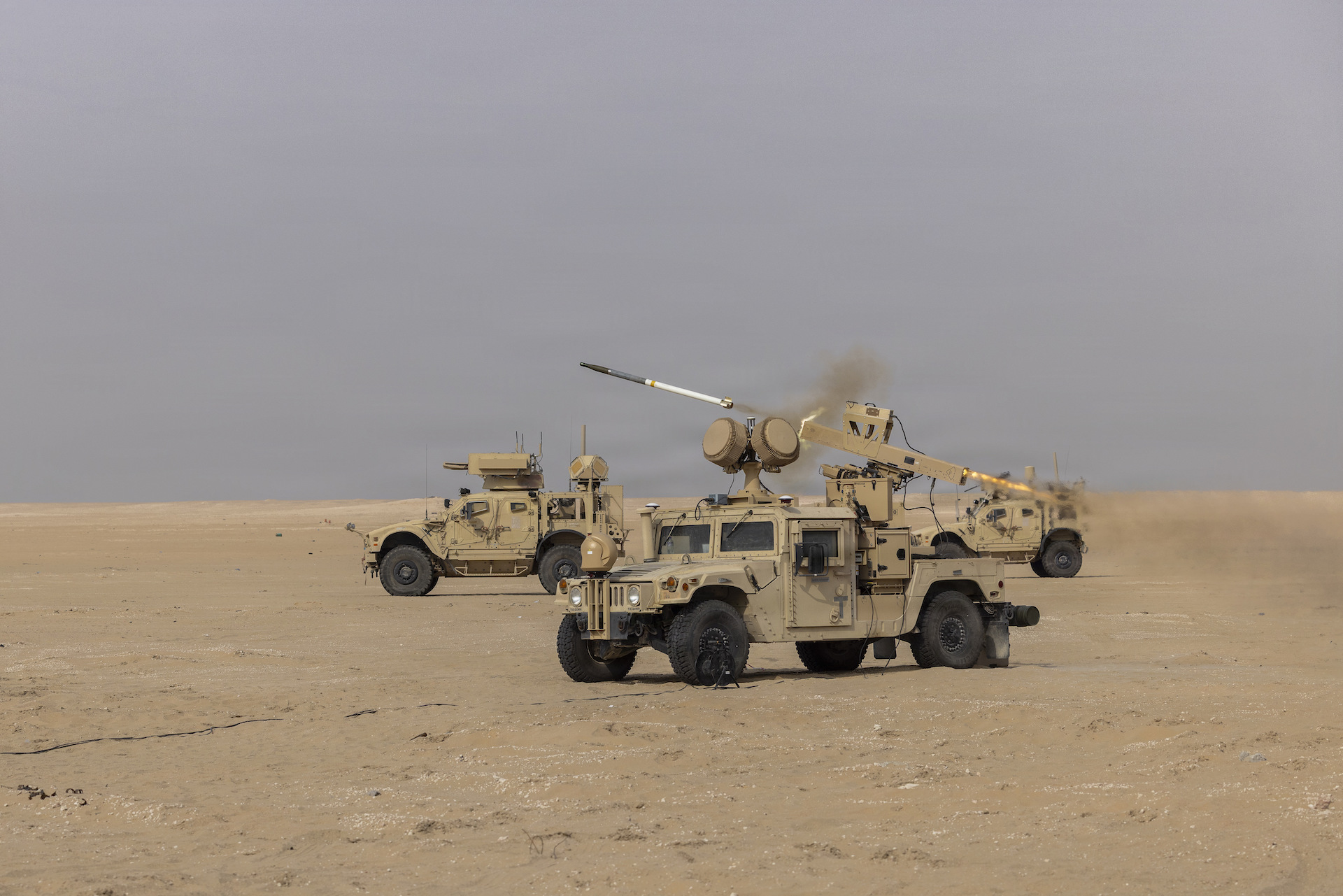
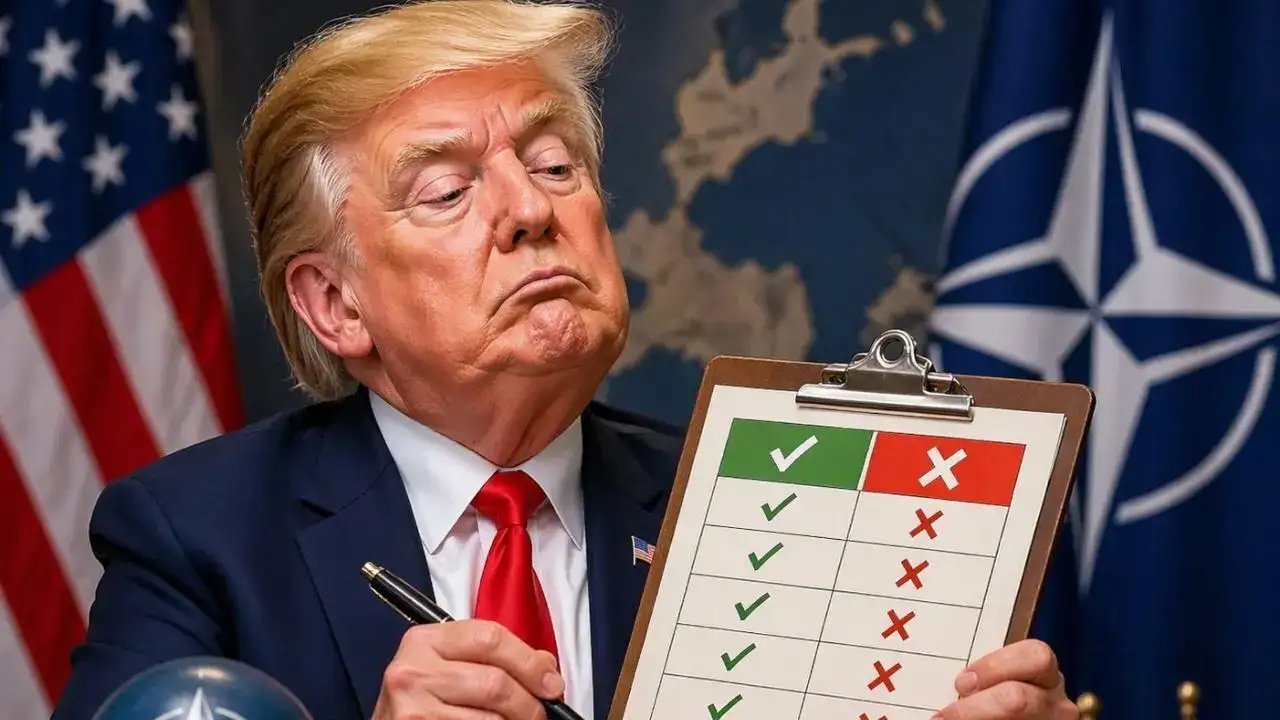
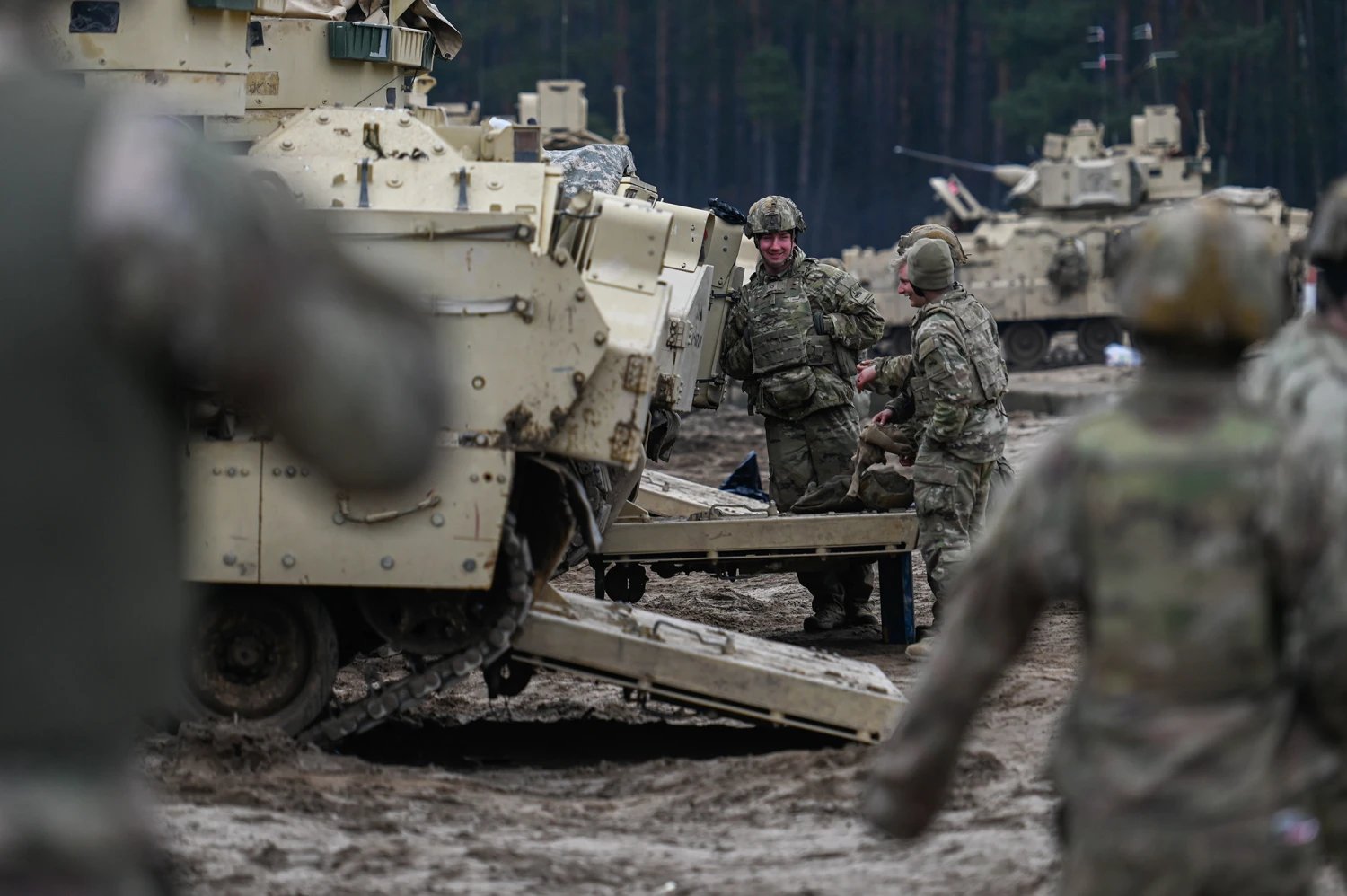
The Pentagon recently informed NATO allies it plans to reduce U.S. military contributions by one-third to one-half, according to officials who confirmed the plan to Fox News Digital. This shift aims to increase European responsibility for the alliance's conventional defense burden.
Official Statements on the Changes
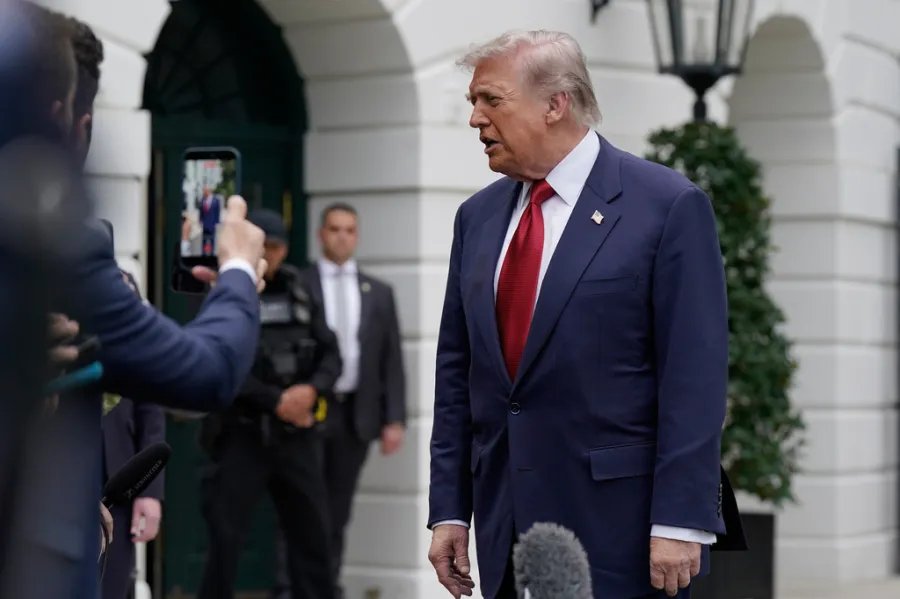
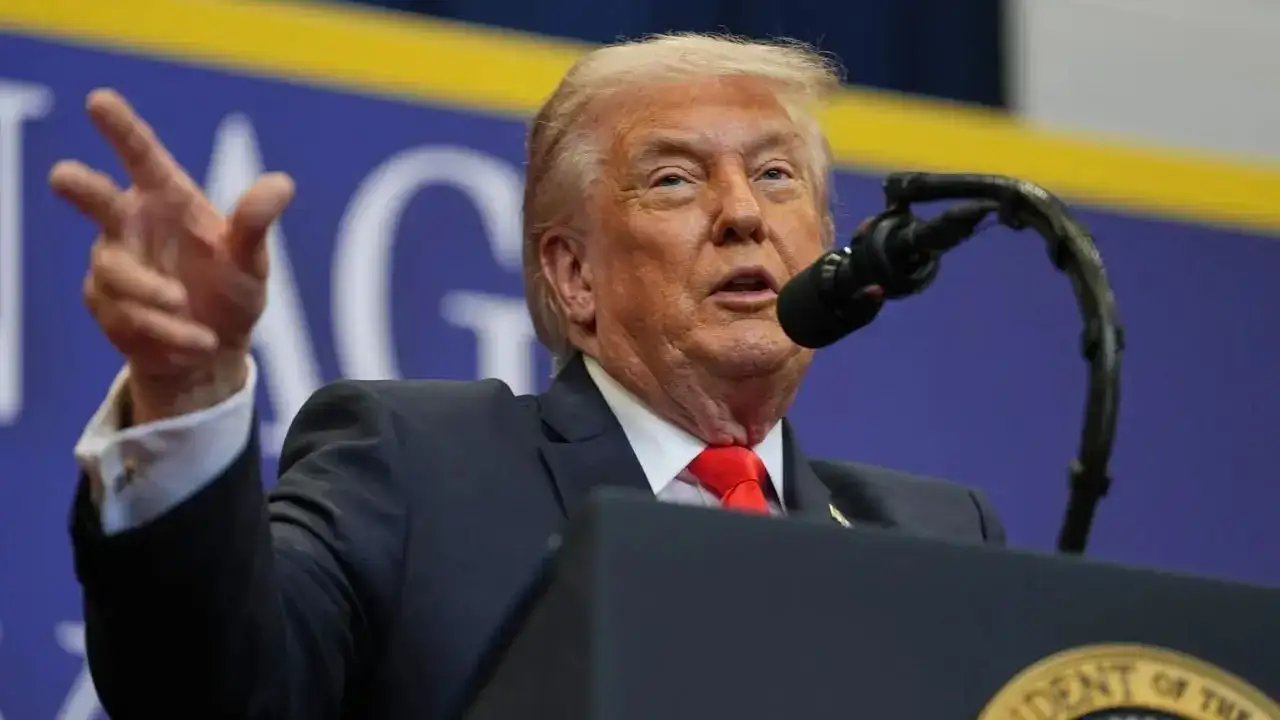
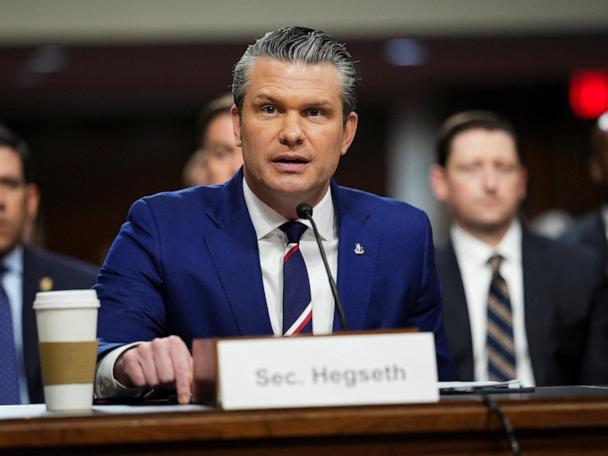
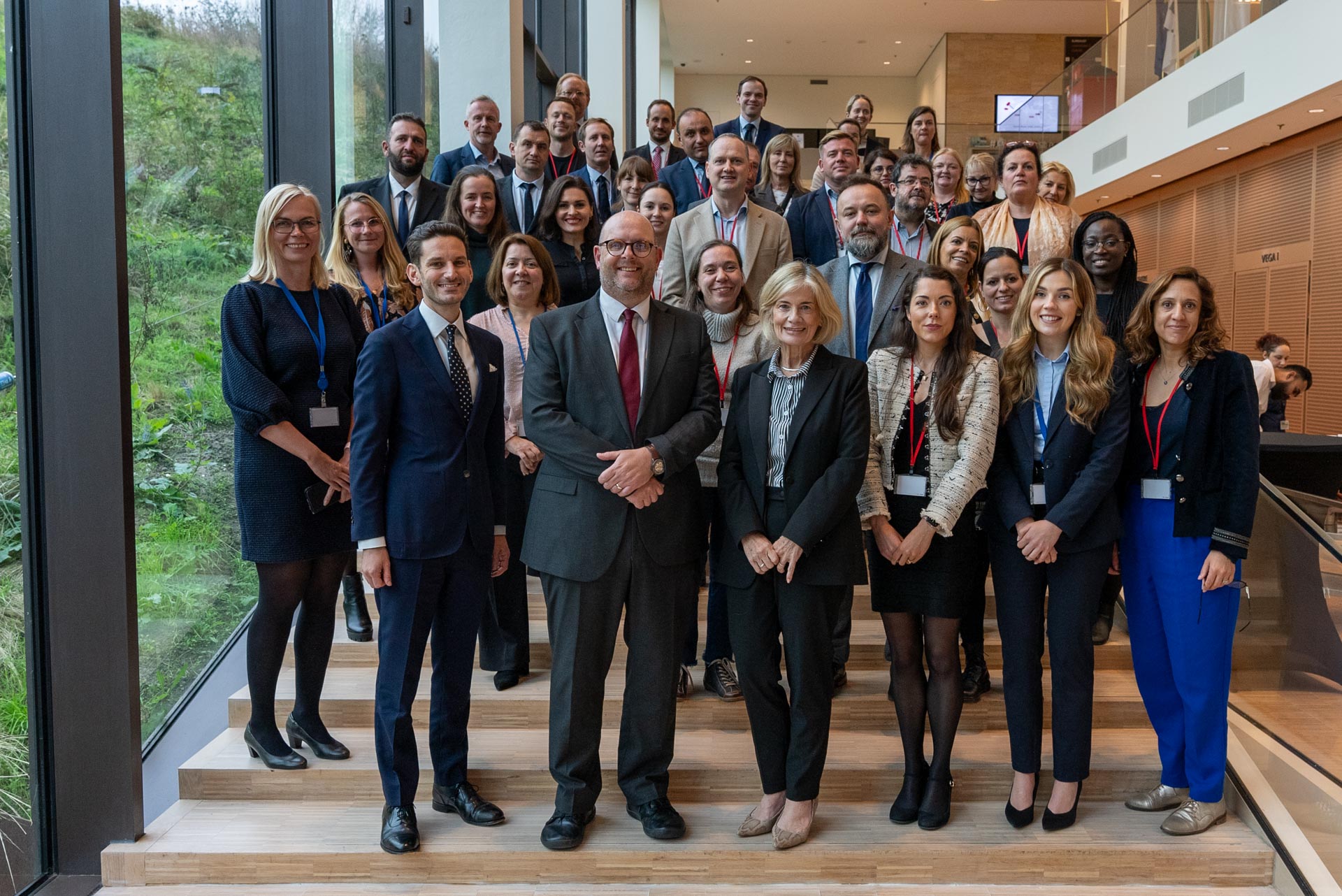
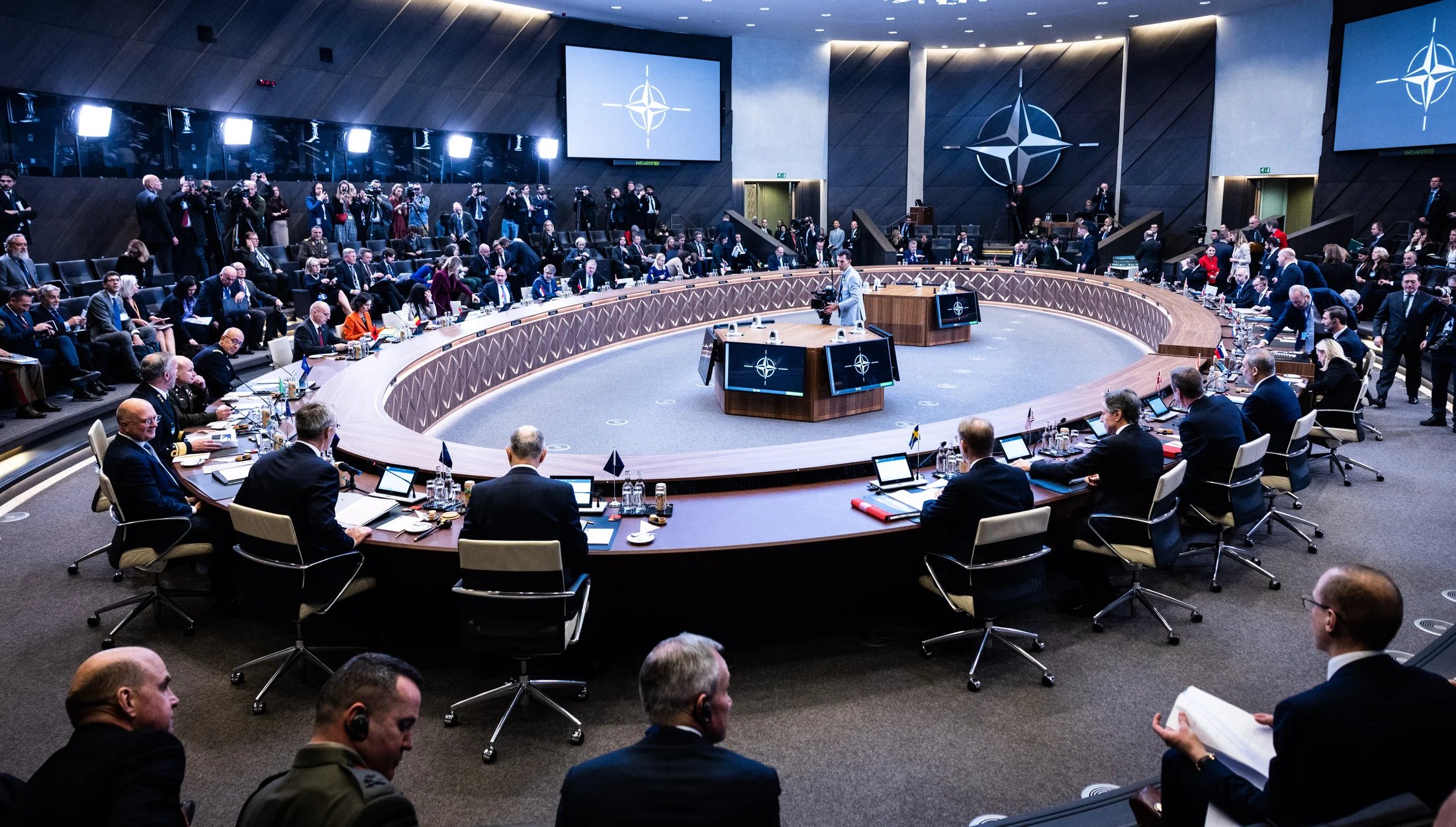
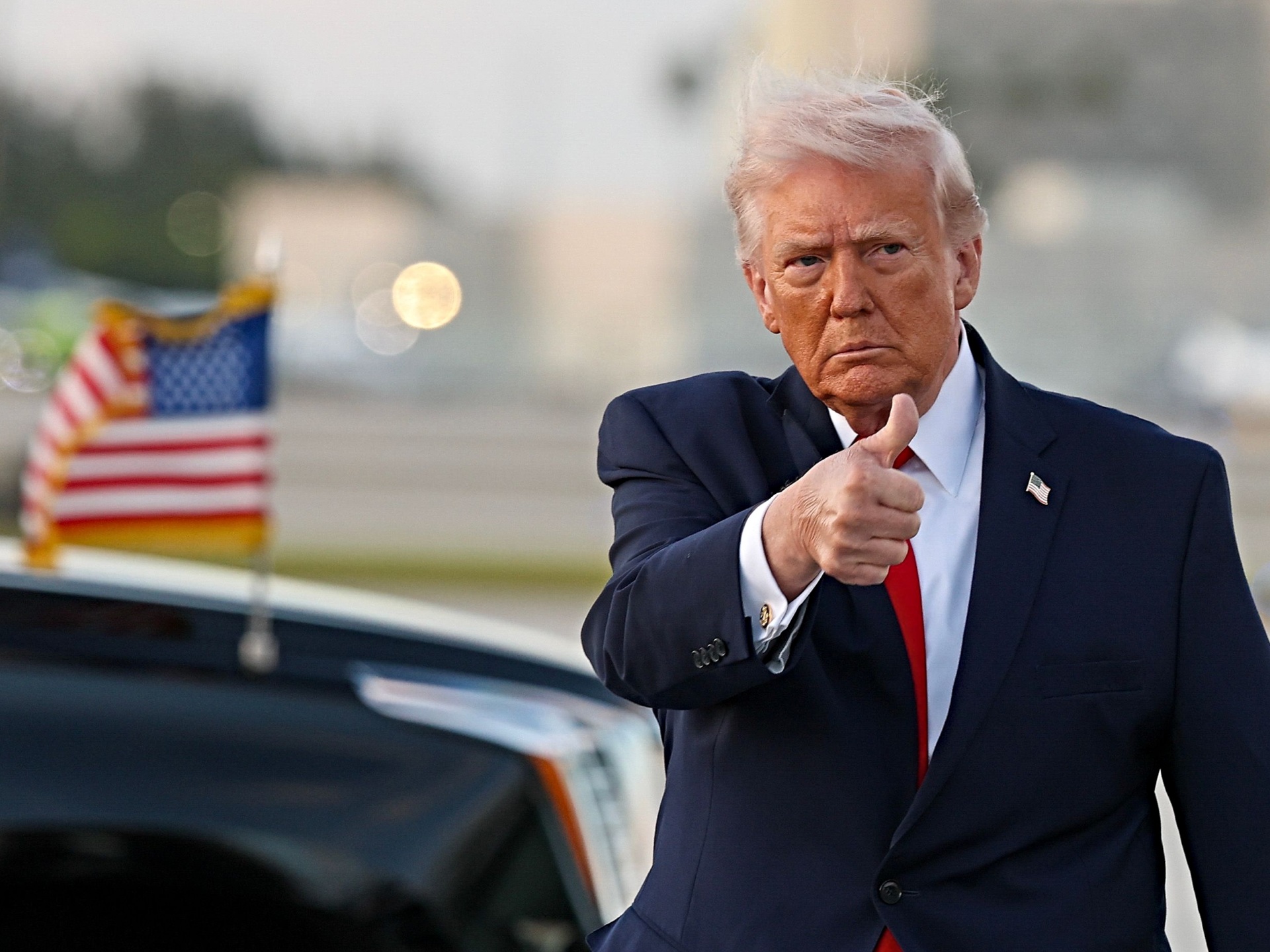
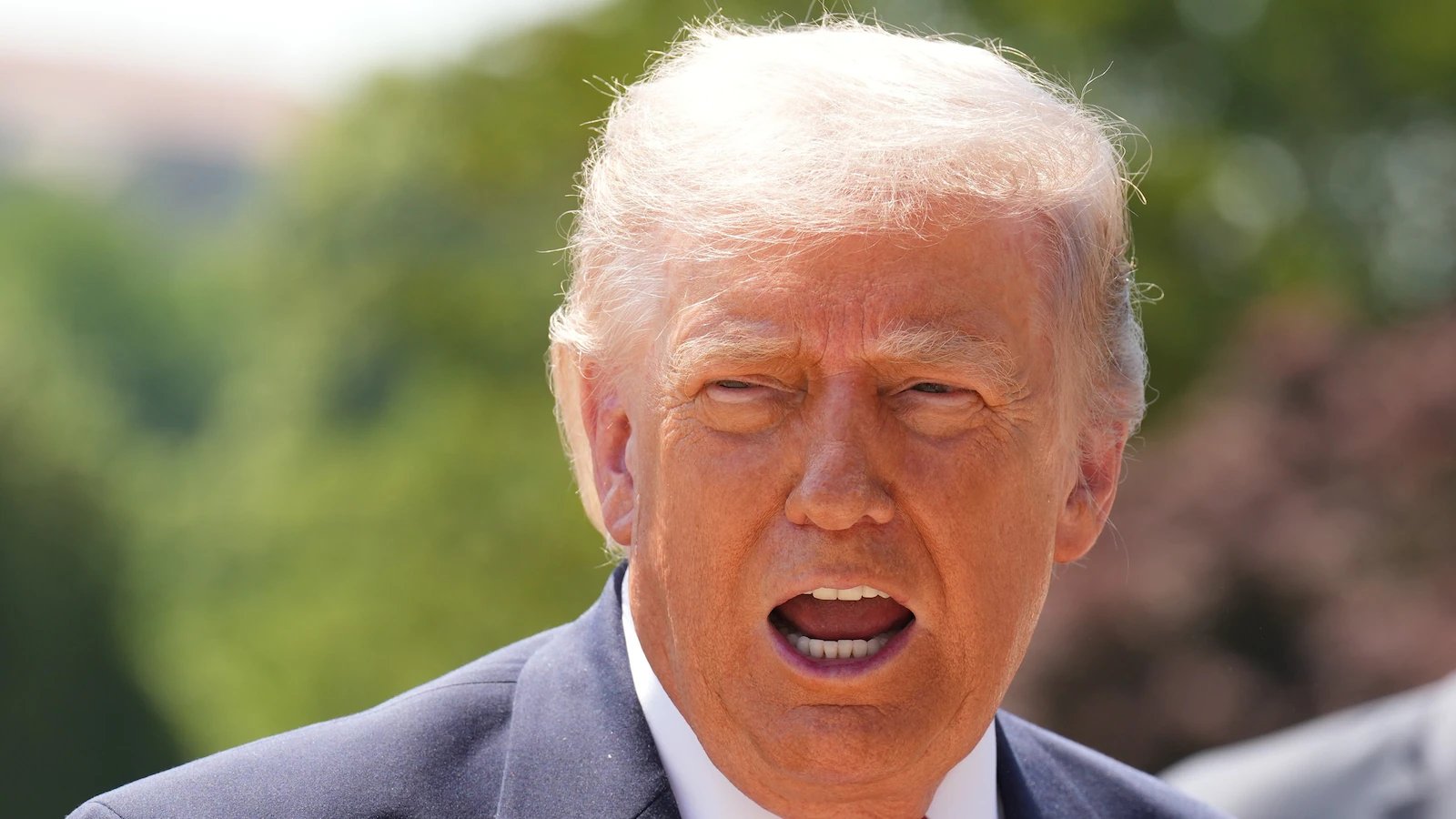
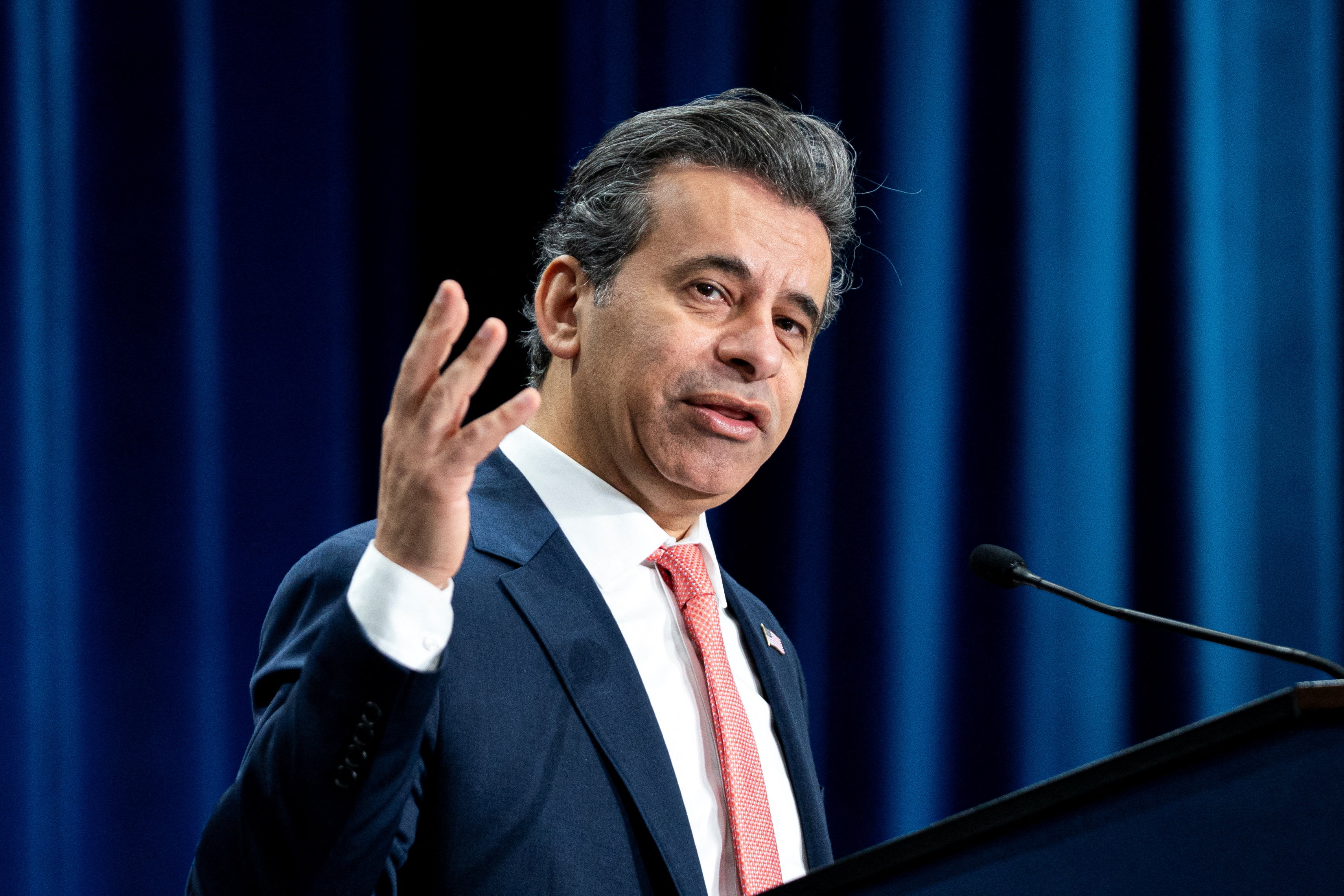
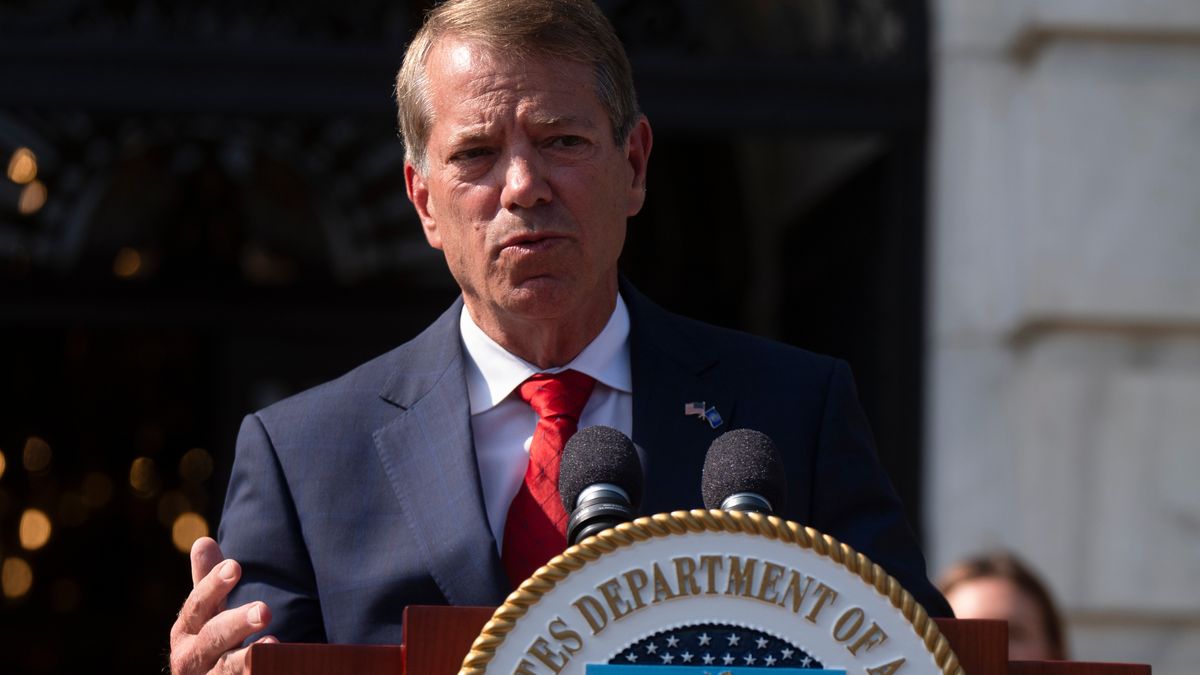
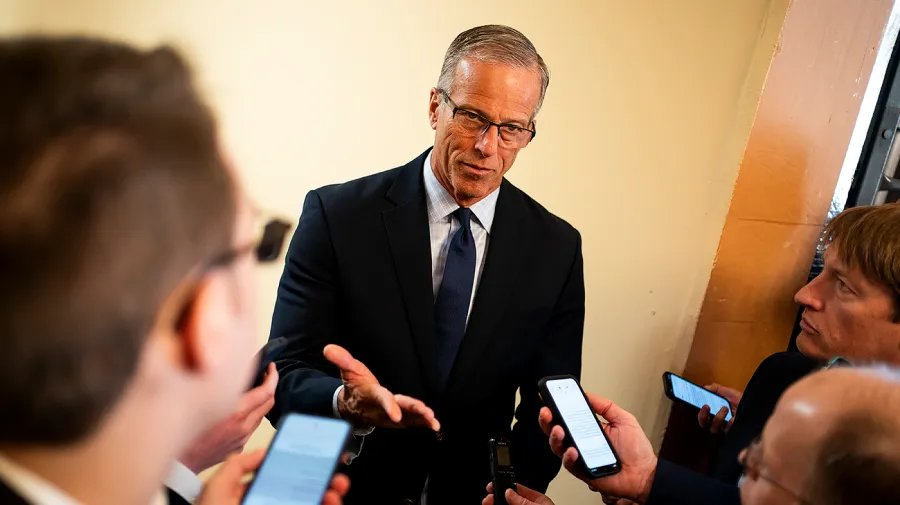
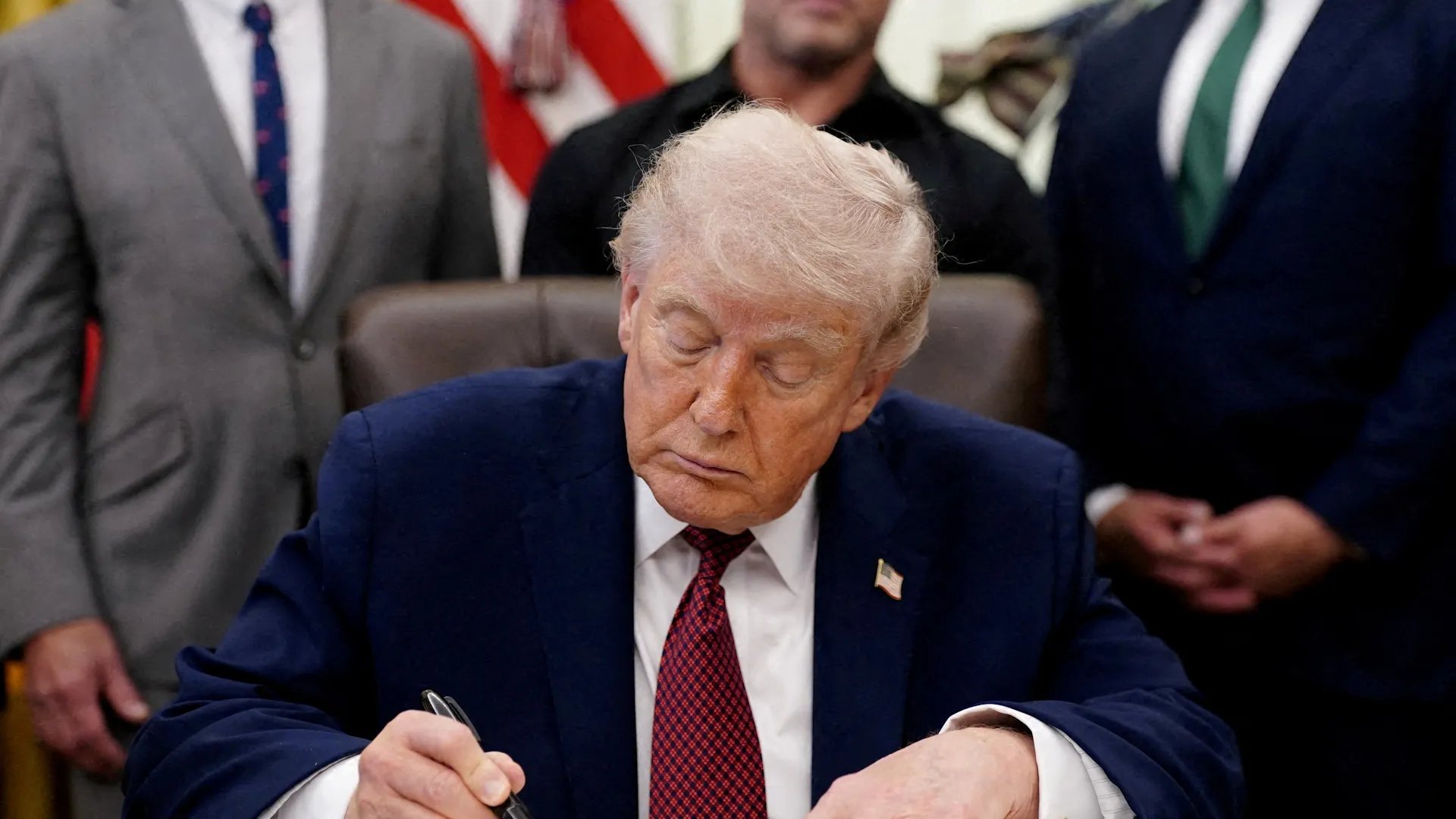
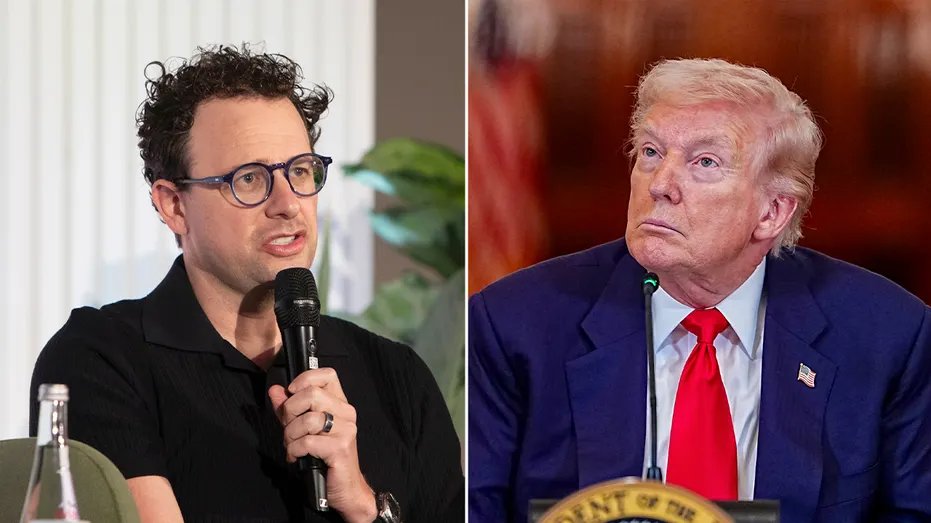
Pentagon spokesman Sean Parnell framed the changes as a broader effort to pressure allies to assume greater responsibility for Europe's defense. Parnell said the changes represent an opportunity for allies to demonstrate they have heard President Trump's call to step up and take primary responsibility for Europe's conventional defense. Alexander Velez-Green, a Pentagon official, informed officials of the changes at the NATO Defense Policy Directors' meeting in Brussels.
European Concerns and Reactions
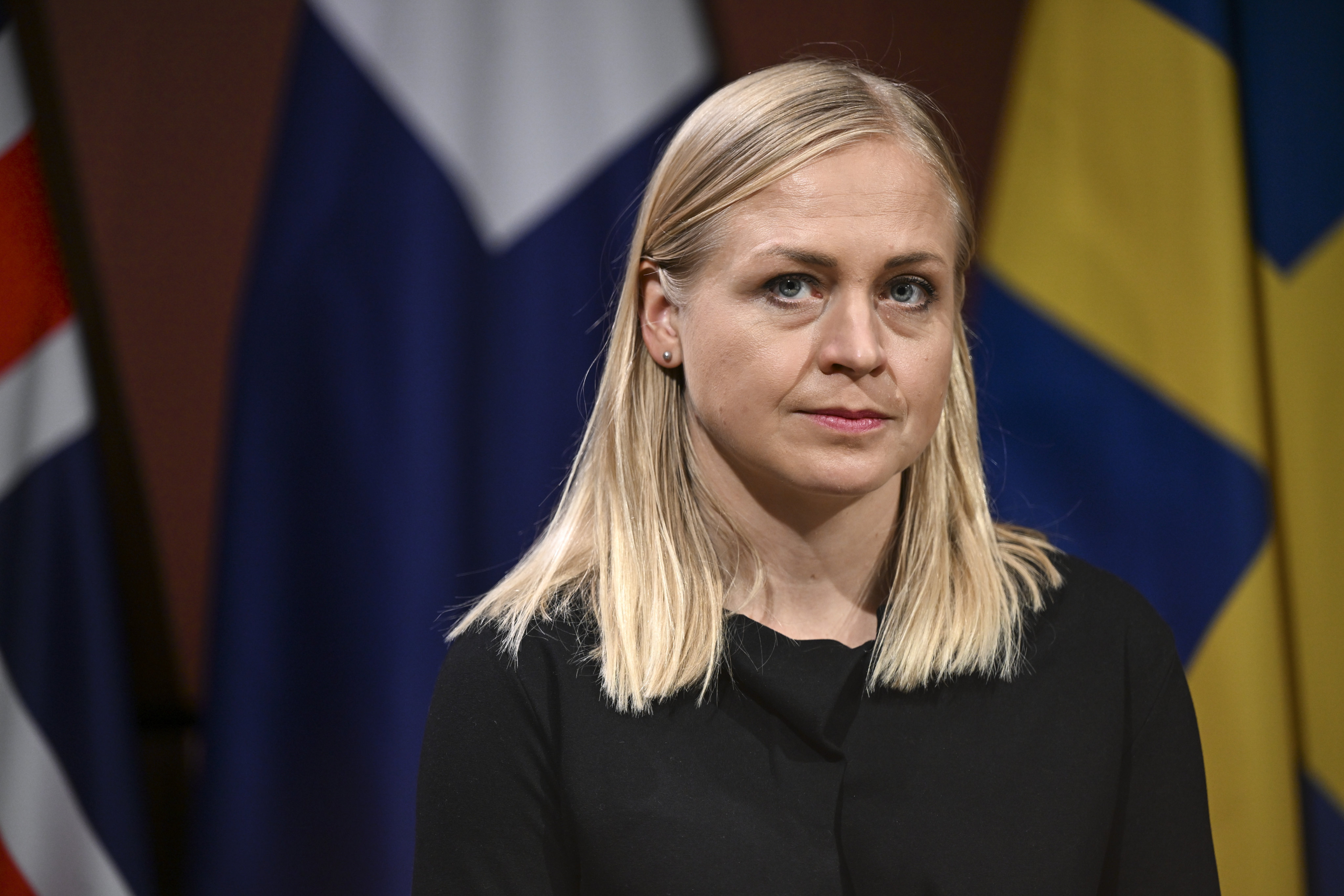
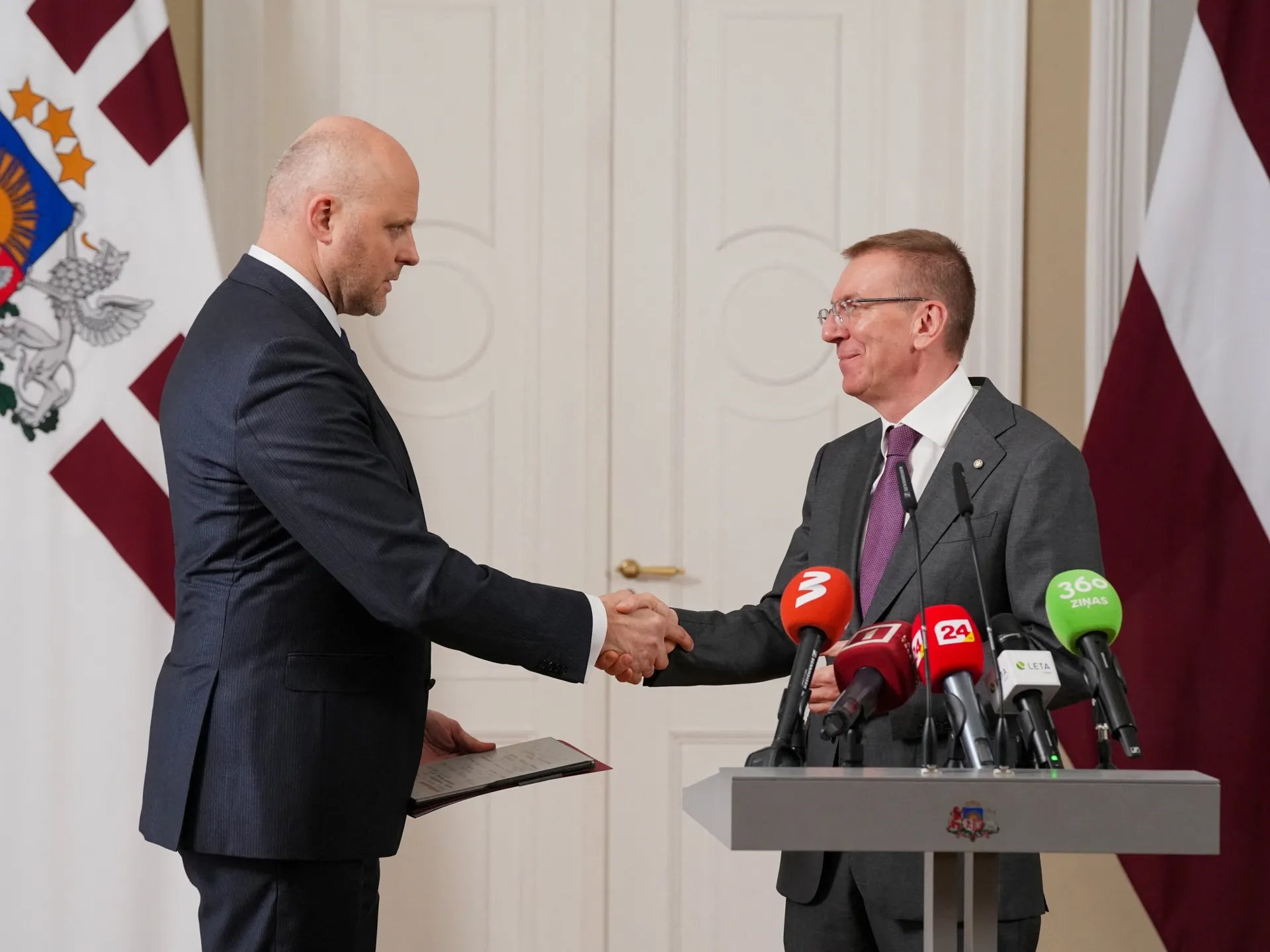
NATO Secretary General Mark Rutte sought to reassure allies that any adjustments would occur "over time, in a structured way." Rutte insisted that "the U.S. will stay involved in Europe." Swedish Foreign Minister Maria Malmer Stenergard described the situation as "confusing indeed."
Broader Strategic Shift
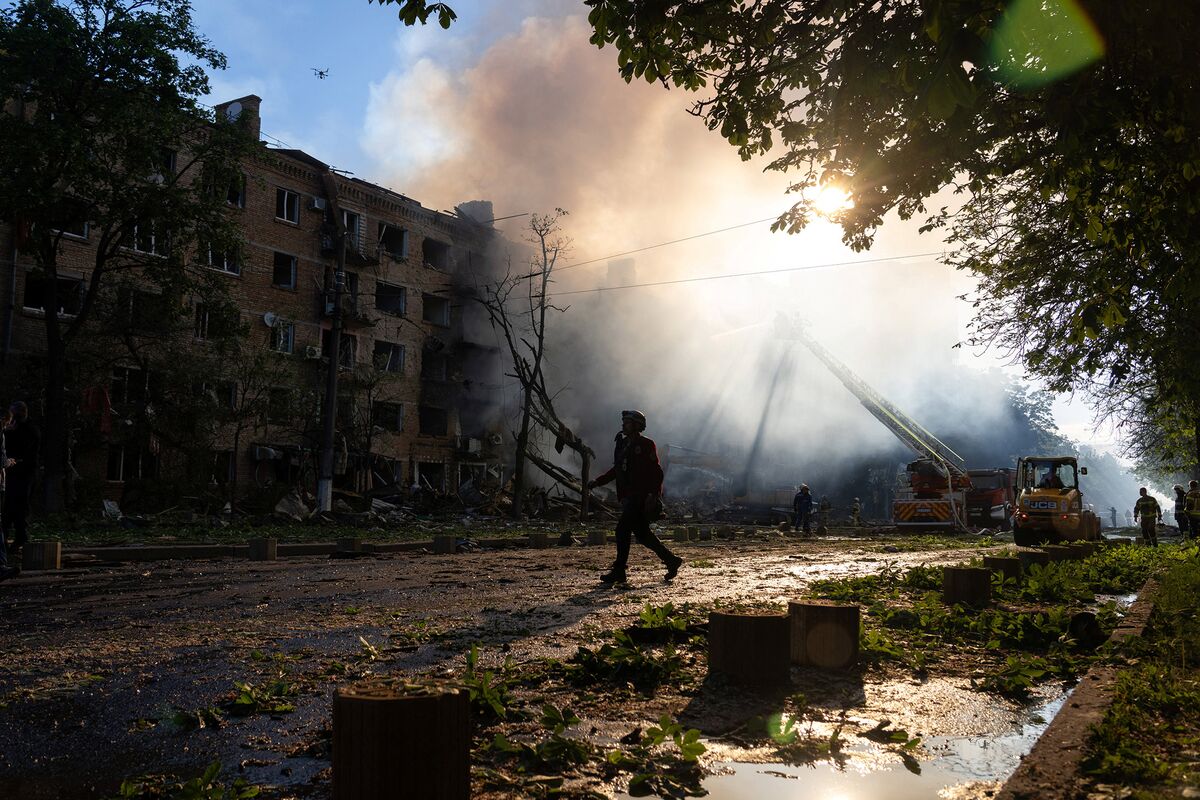
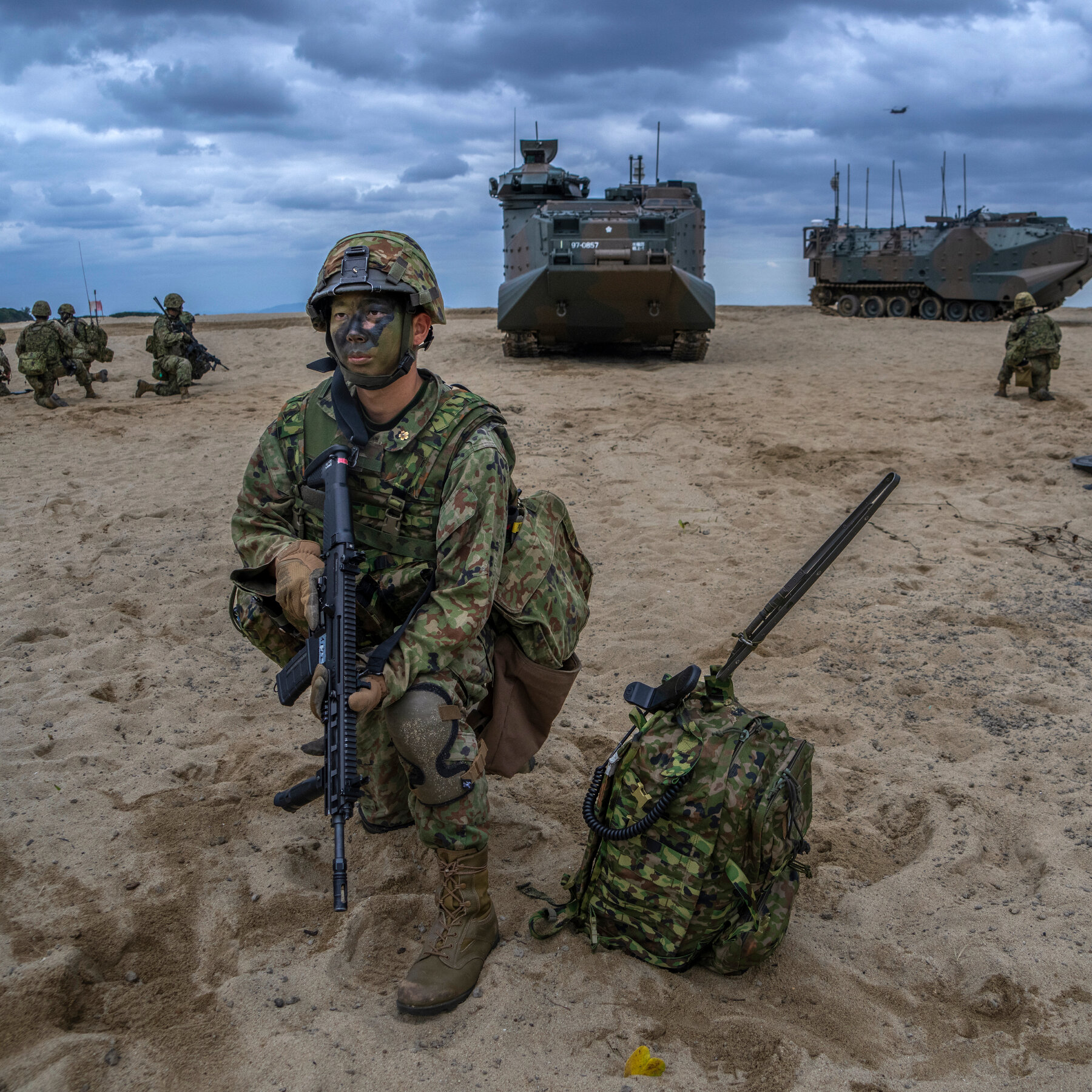
Defense officials increasingly describe the shift as part of a post-Ukraine-war restructuring of NATO focused on territorial defense and rapid mobilization. The U.S. is redirecting more military resources toward Asia. The U.S. currently maintains its largest European troop presence in Germany with roughly 36,000 troops, along with approximately 12,000 in Italy, 10,000 in the United Kingdom and an estimated 10,000 in Poland.
Cuba's Perspective on U.S. Relations
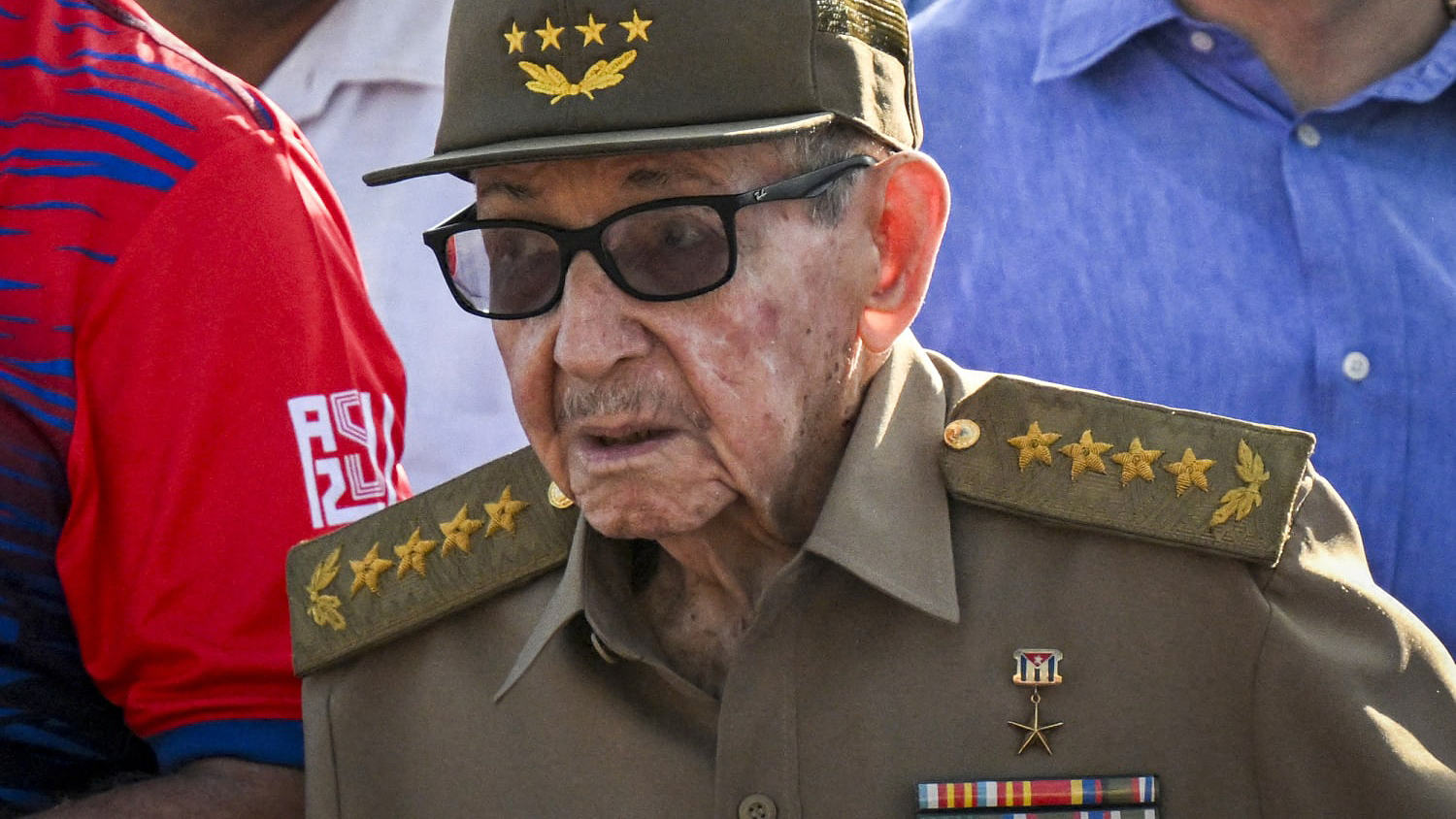
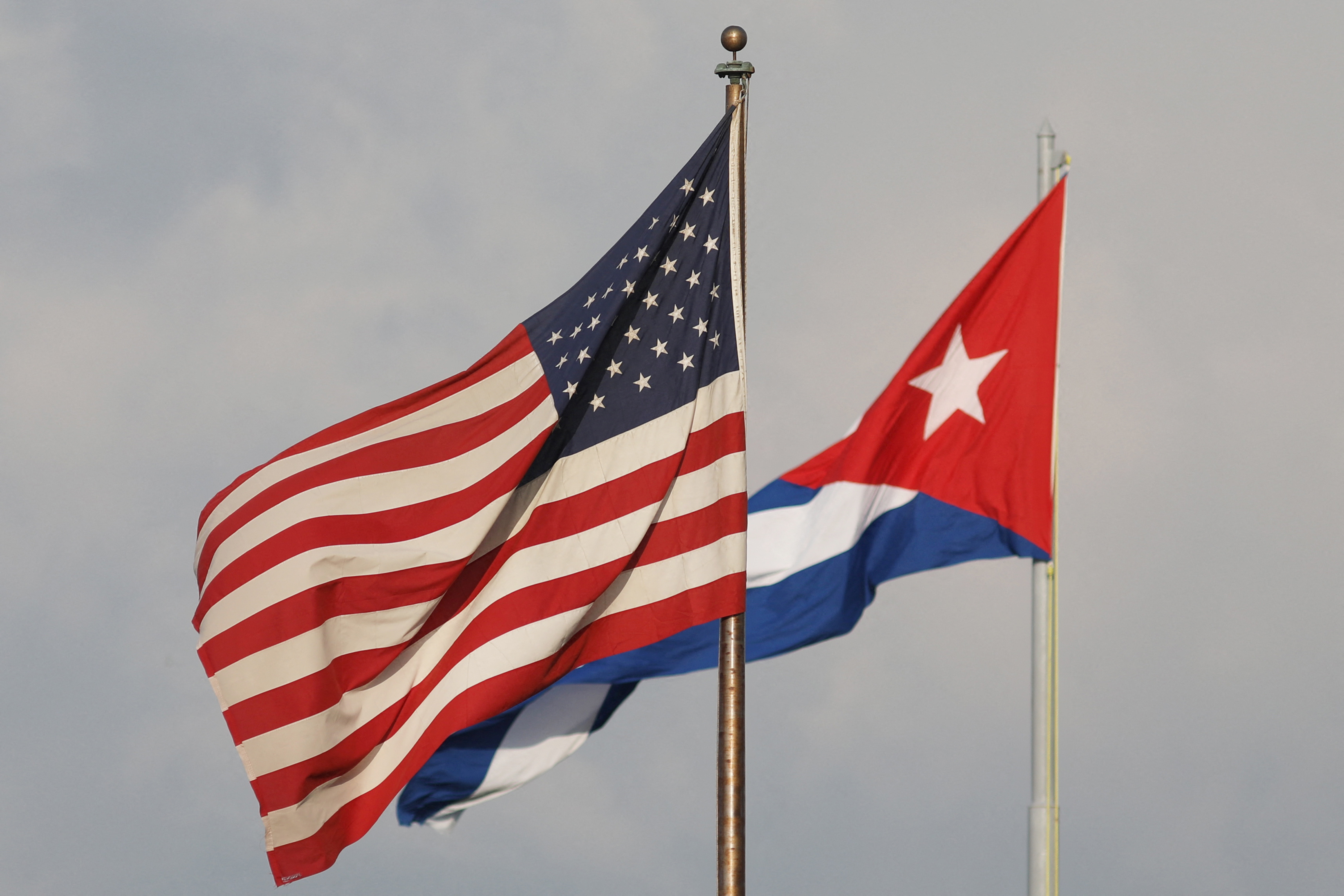
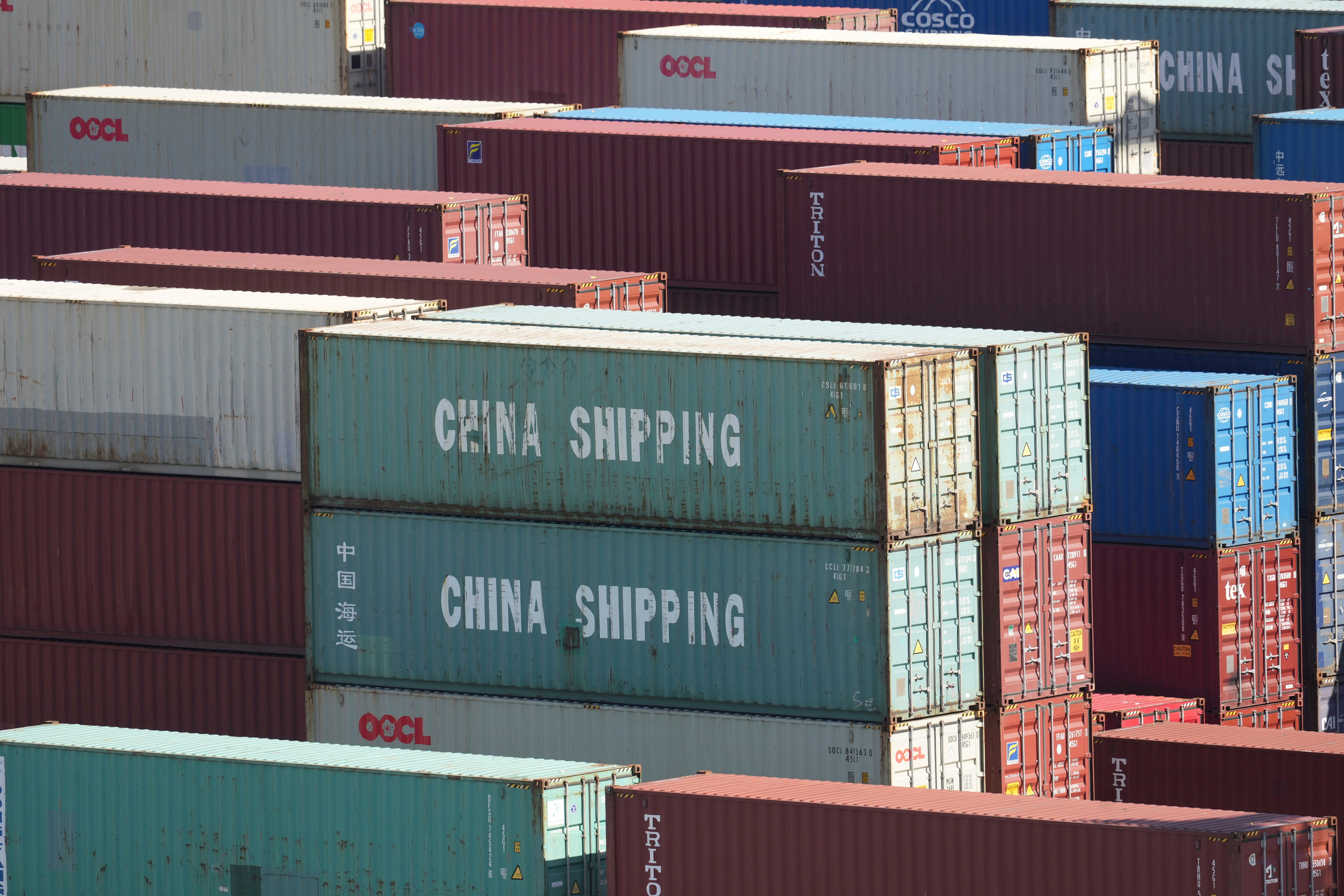
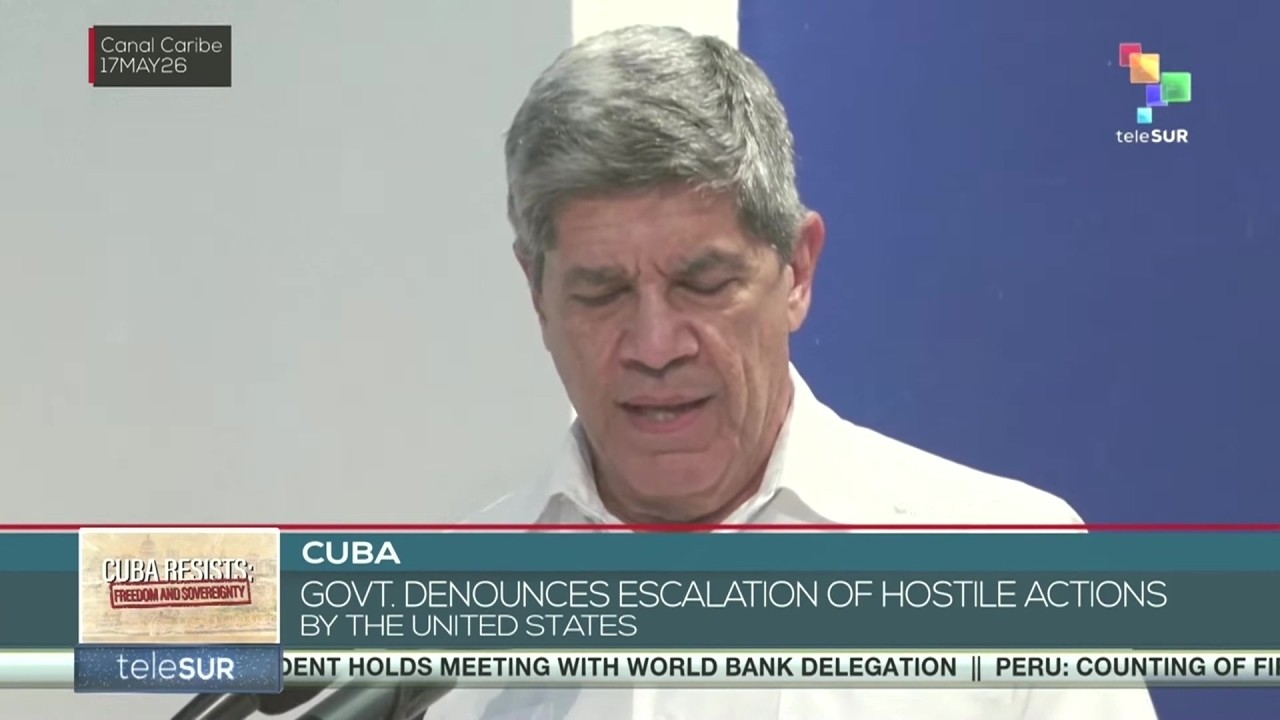
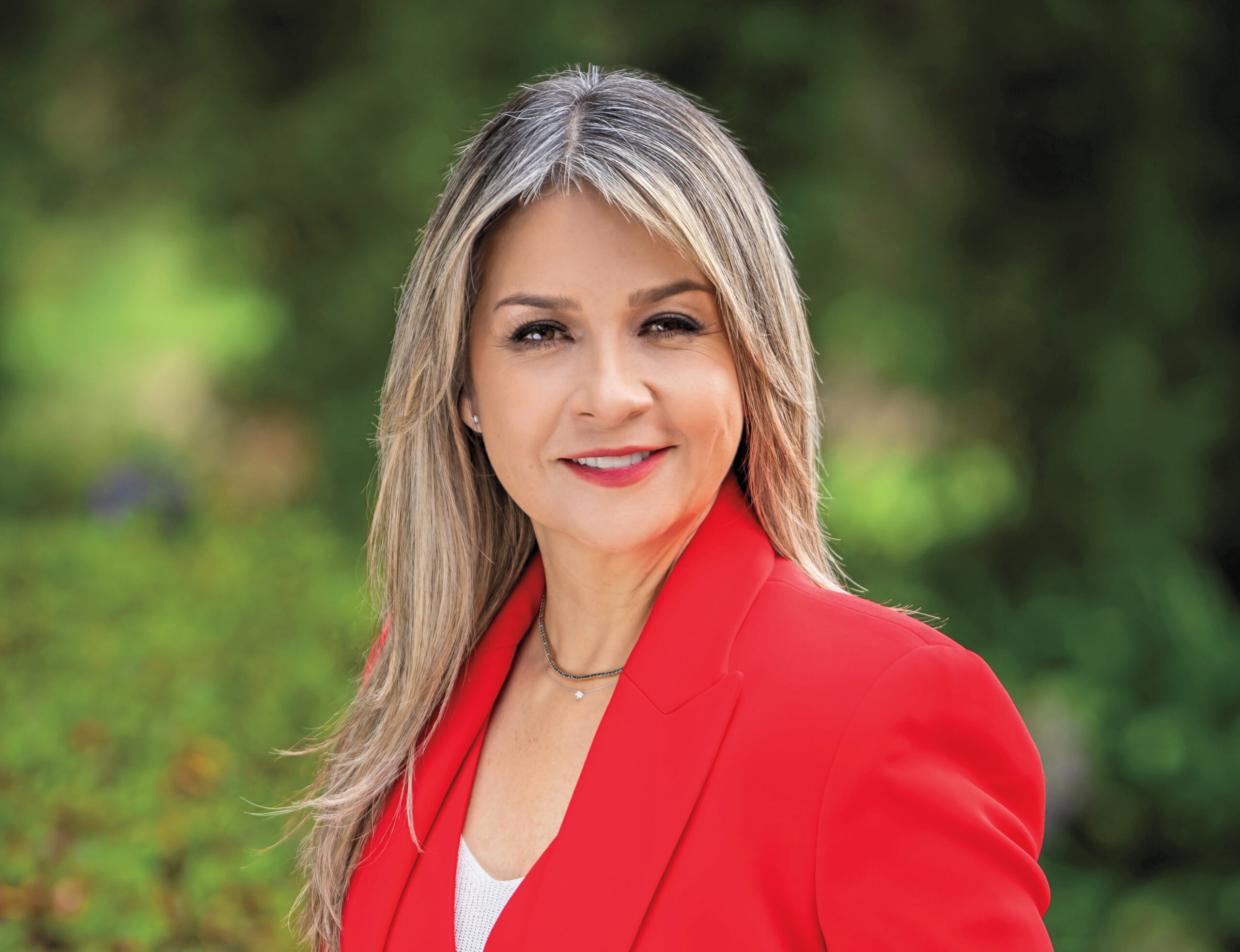
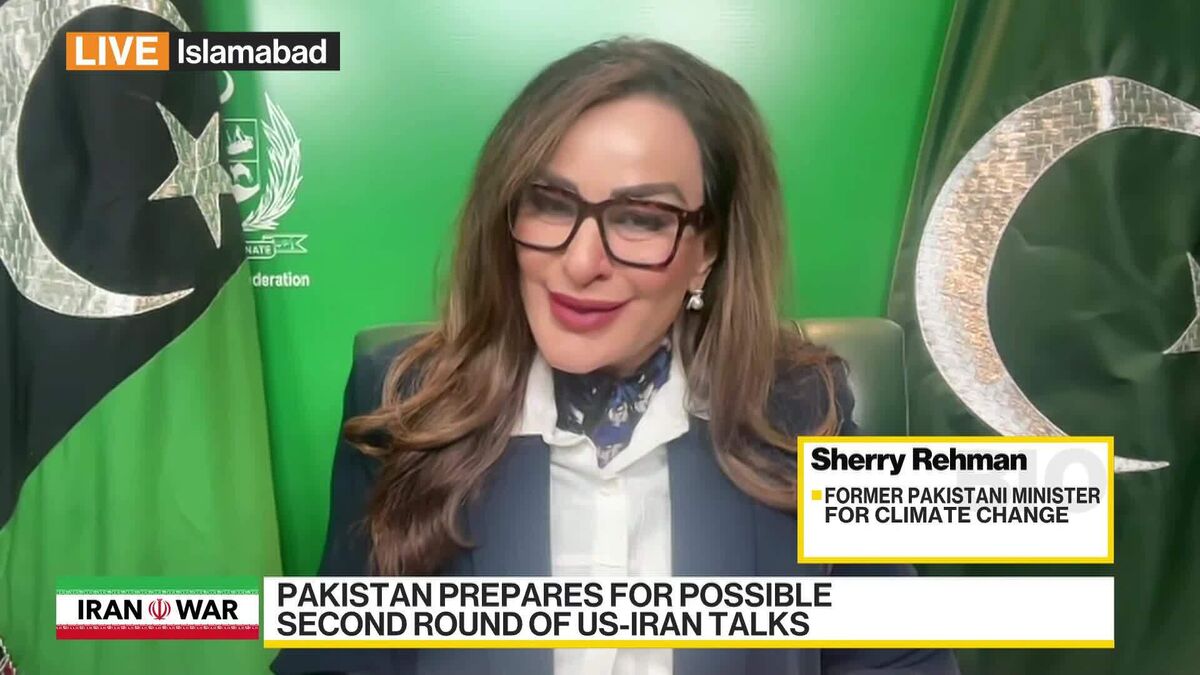
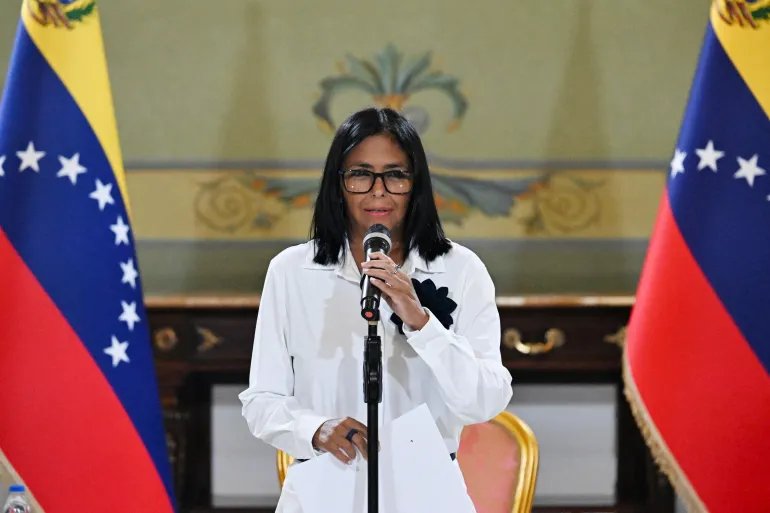
Cuba received humanitarian aid from China this week amid food shortages and an economic crisis. Deputy Foreign Minister Josefina Vidal Ferreiro stated that Cuba has always been ready to defend itself. Ferreiro said the United States government is not telling the truth when it says Cuba poses a national security threat to the U.S.
Nuclear Deterrence in Europe
Norway became the ninth country to join French President Emmanuel Macron's initiative to spread France's nuclear deterrence across more of Europe.