






Strikes Target Bandar Abbas Military Facility
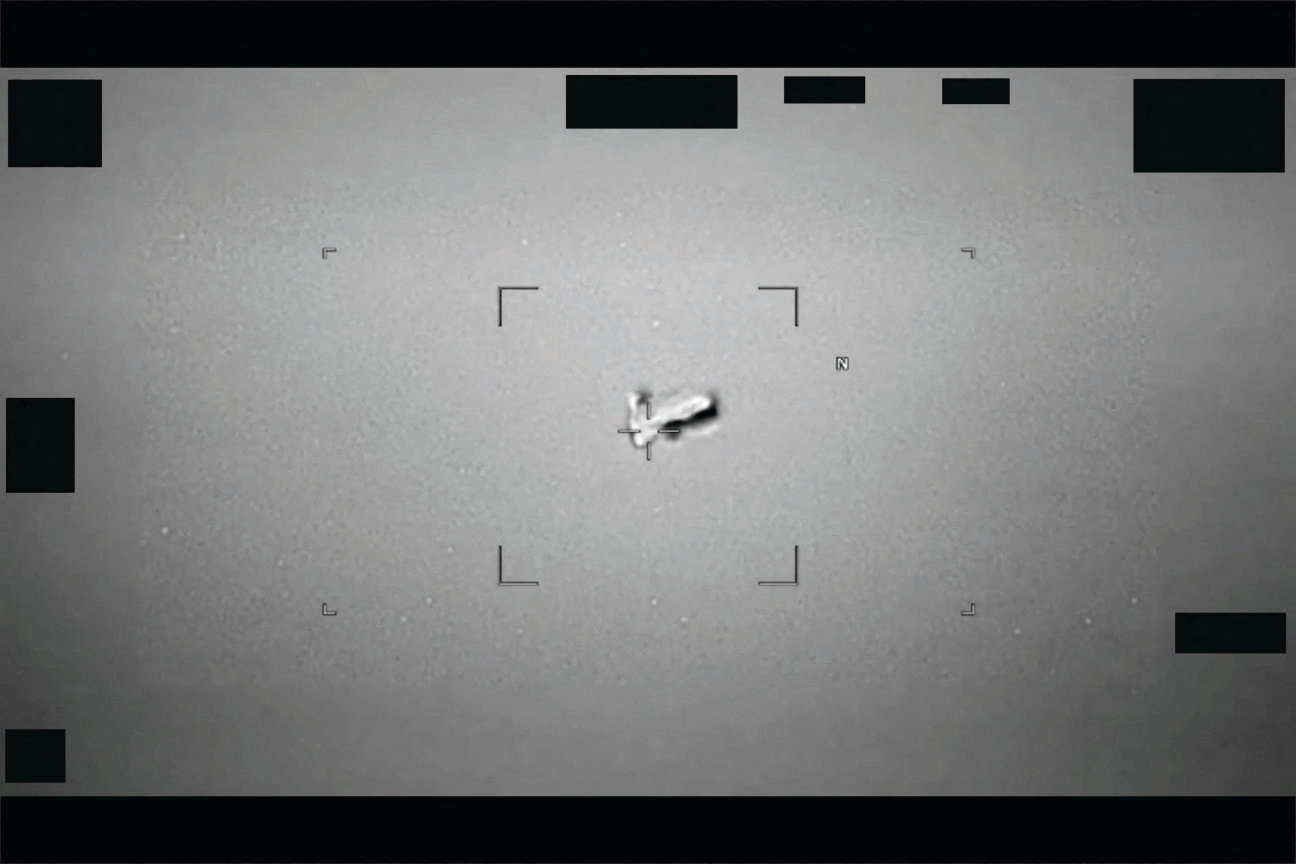
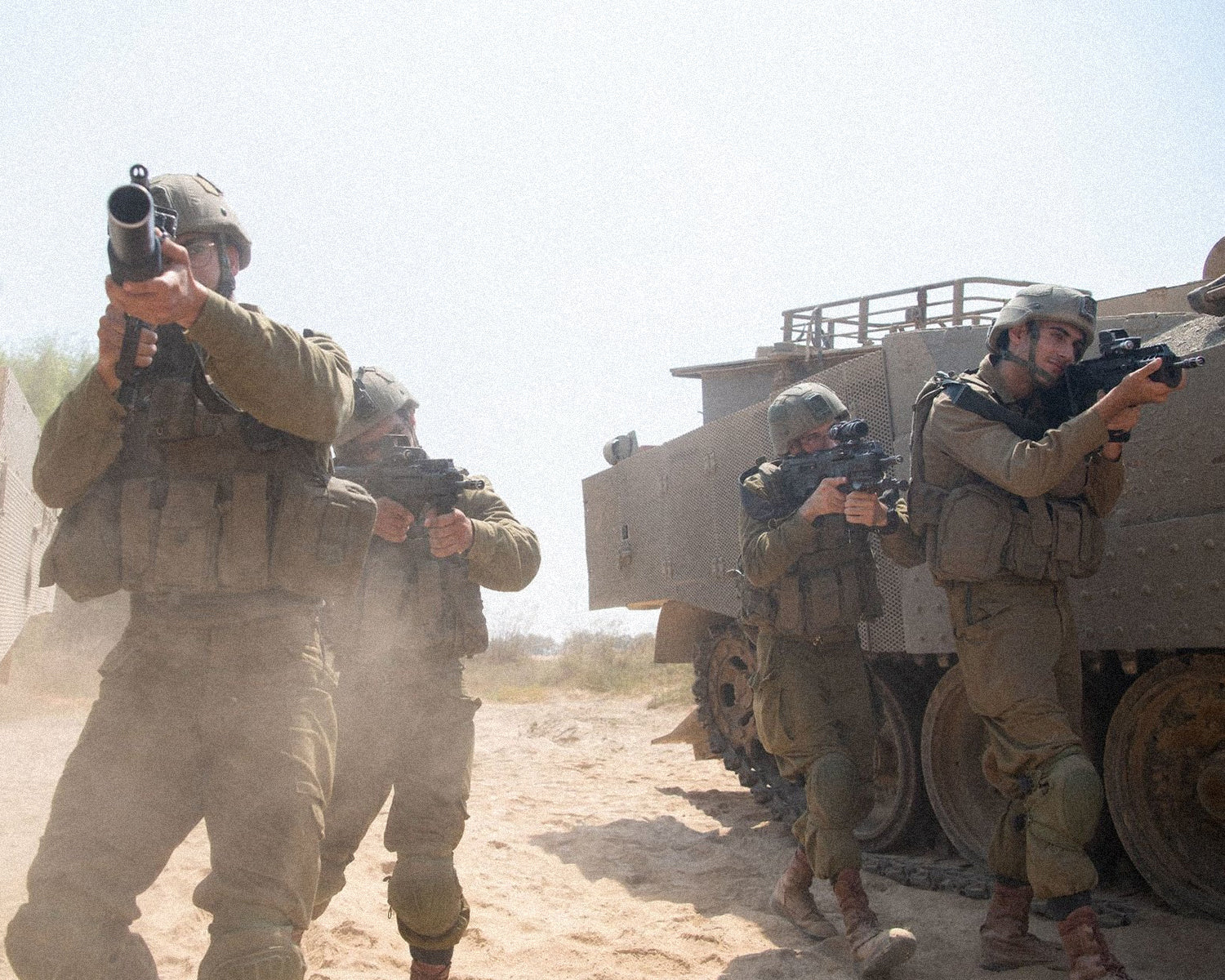
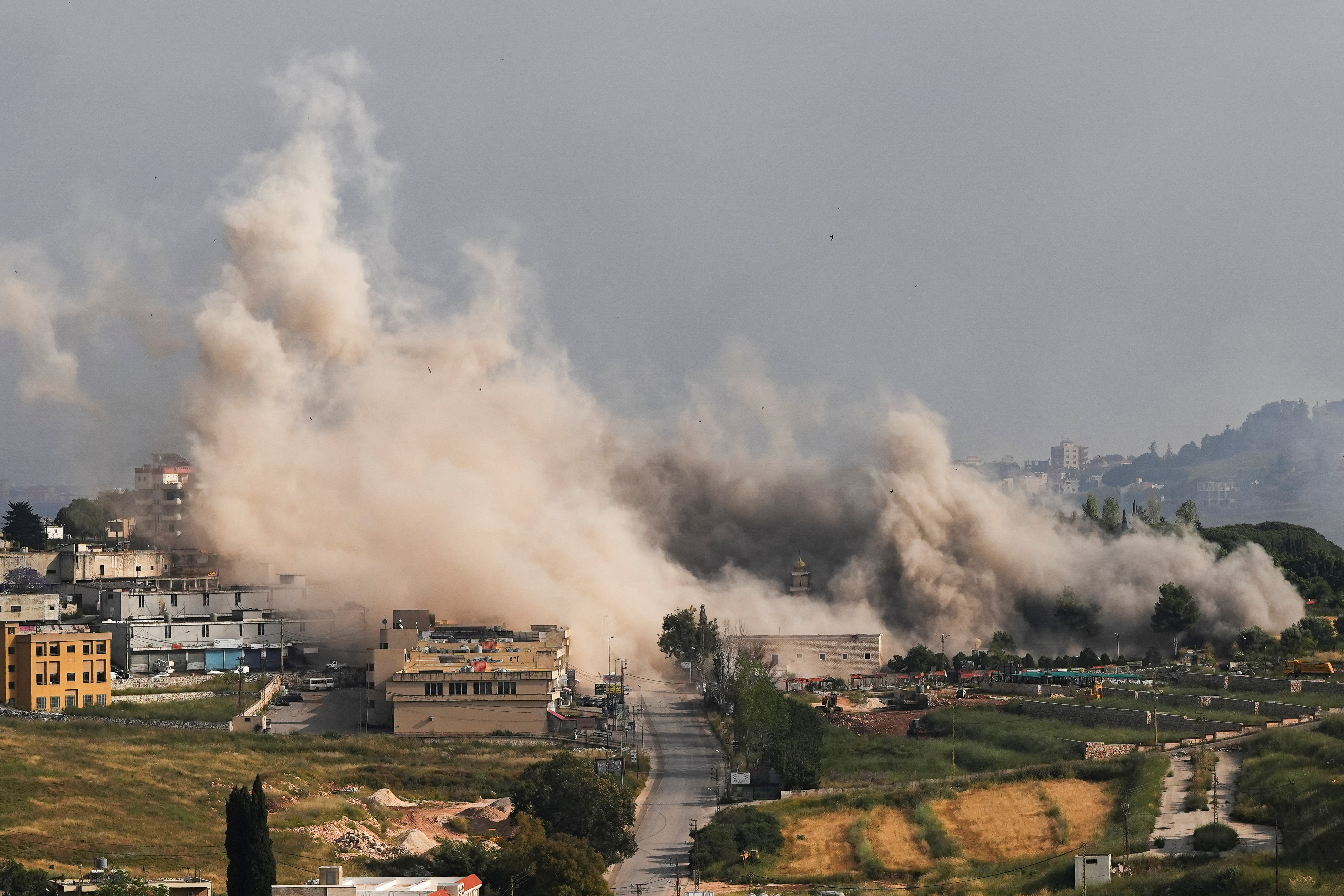
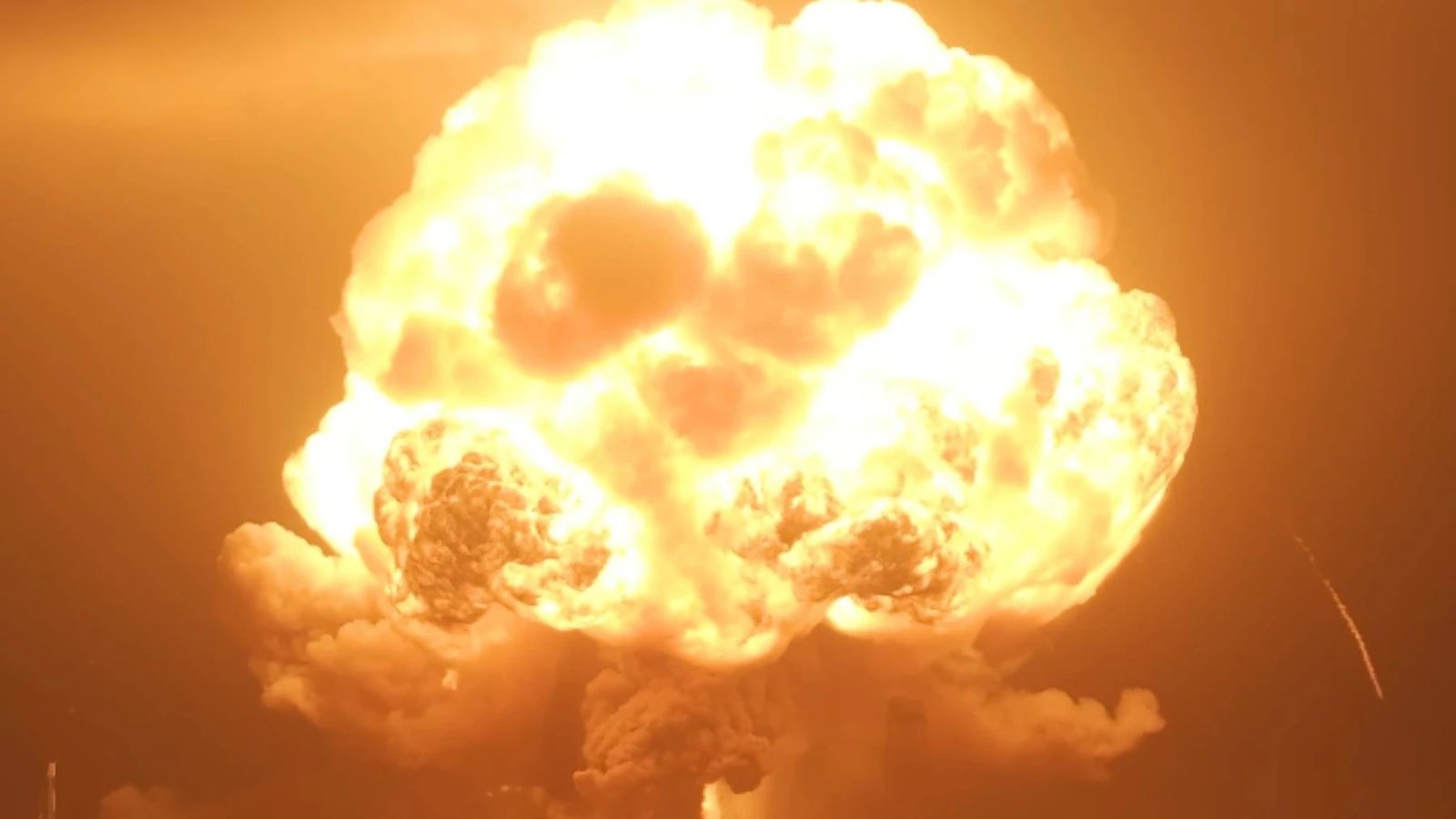
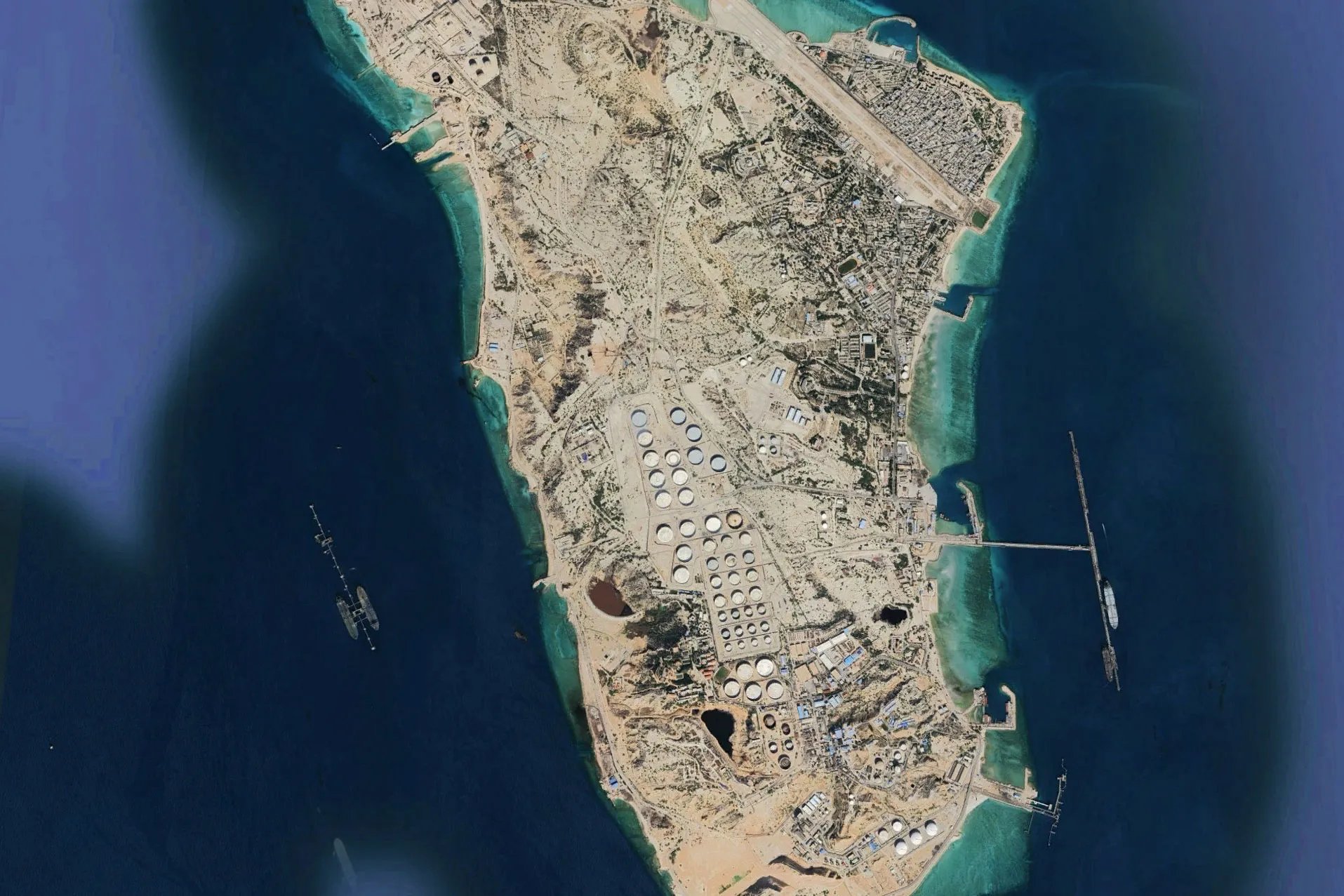
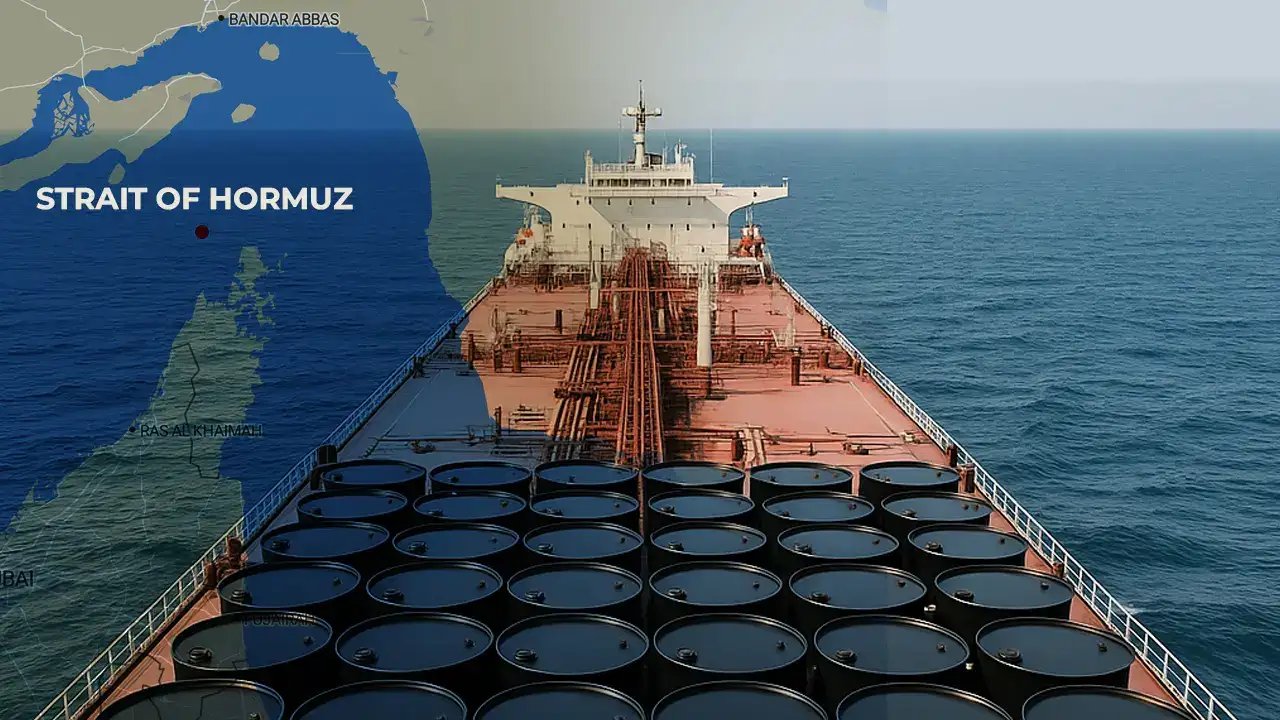
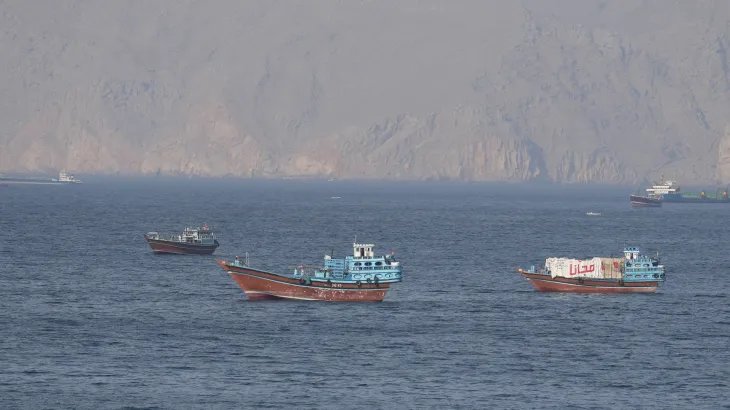
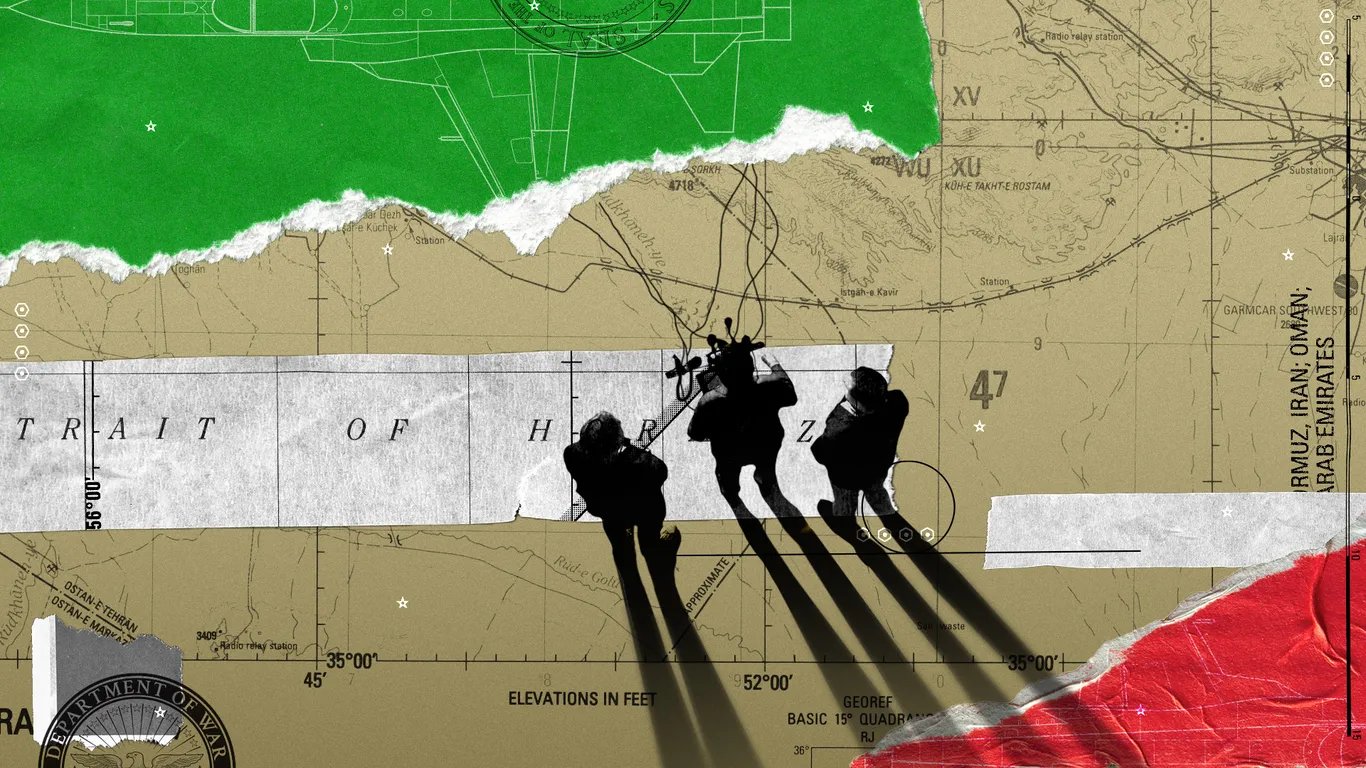
US Central Command forces struck an Iranian military site in Bandar Abbas that was preparing to launch a drone. Centcom said its forces shot down four Iranian one-way attack drones that posed a threat around the Strait of Hormuz. The action marked the second US strike on Iranian targets in three days.
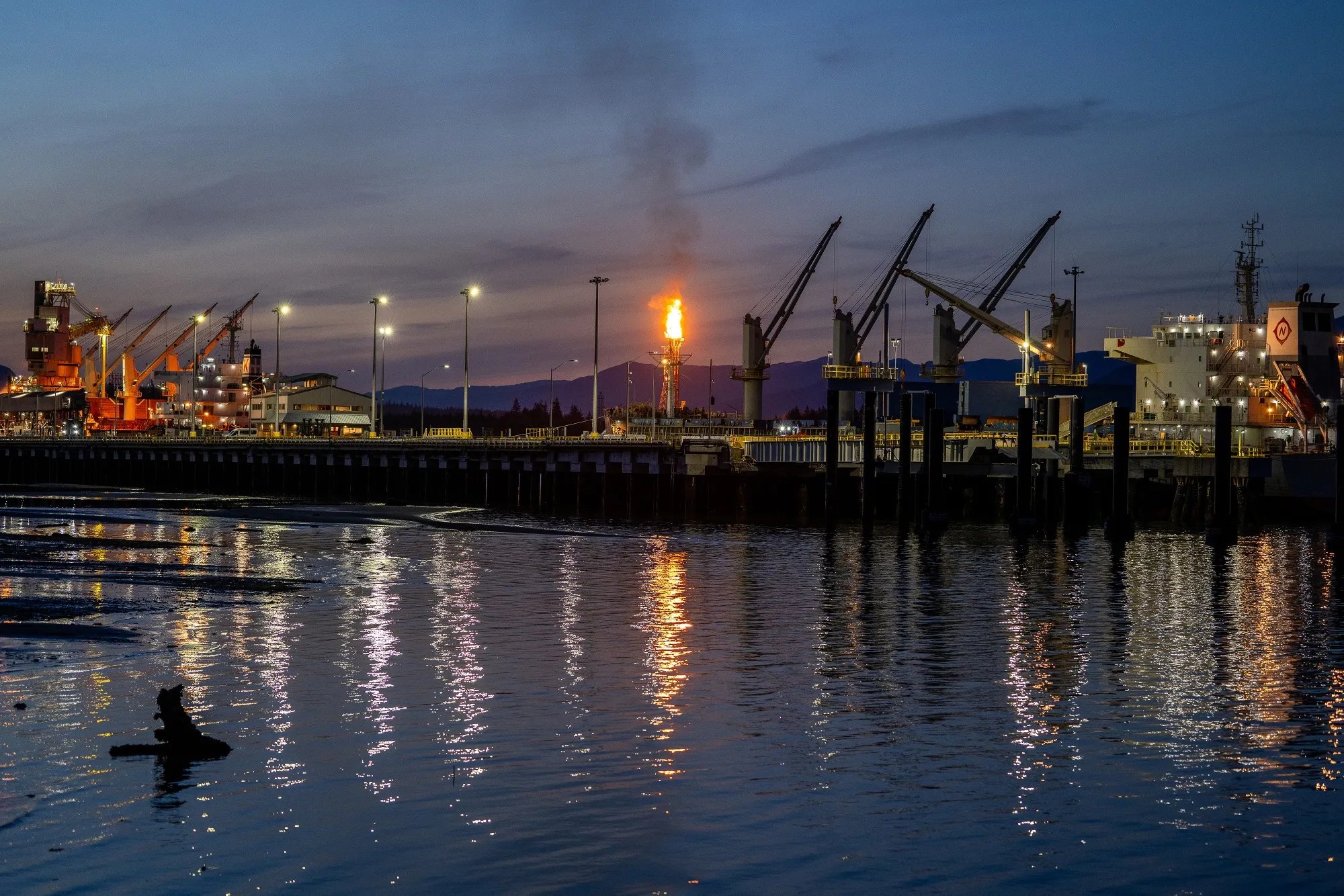
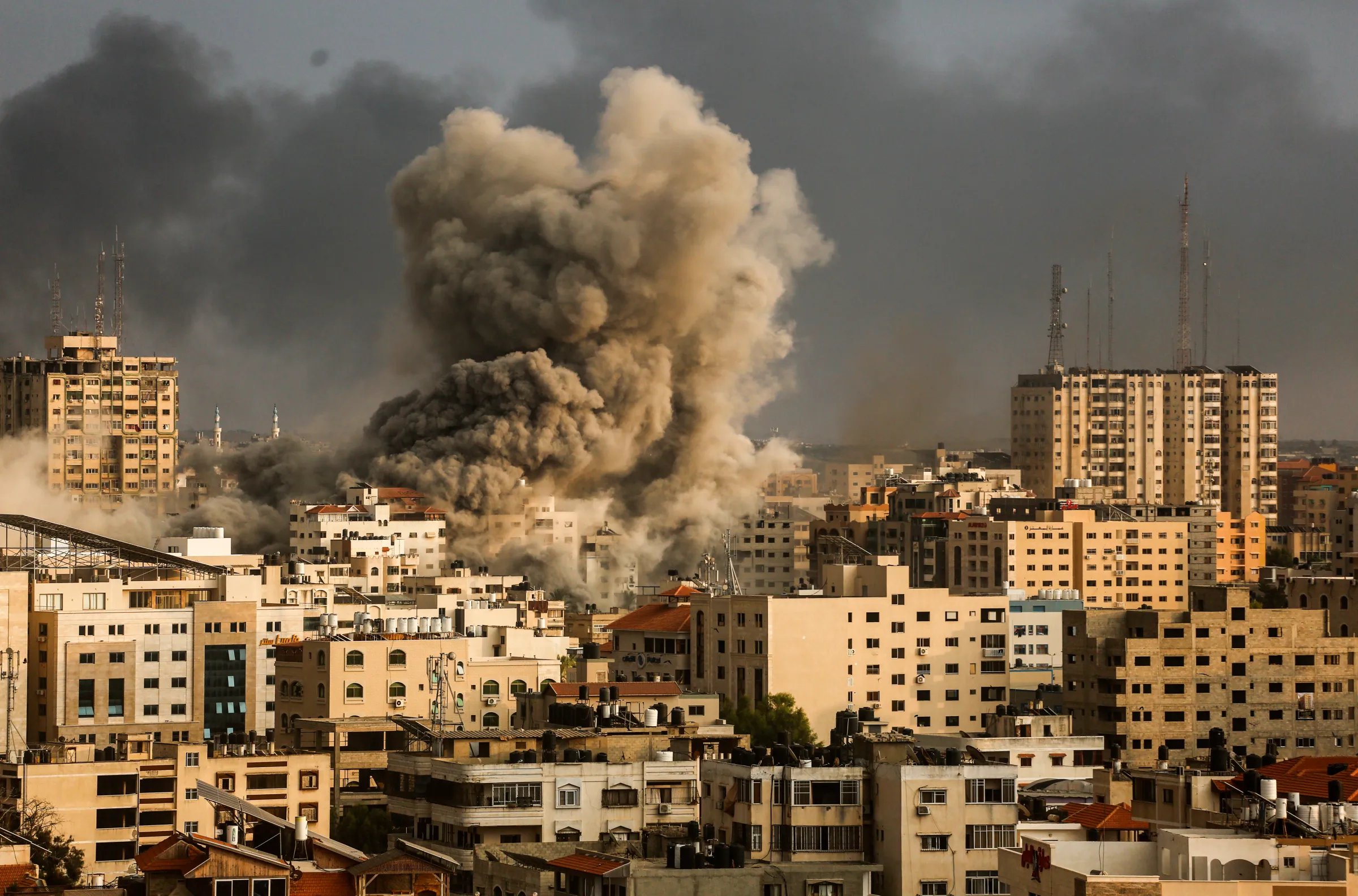
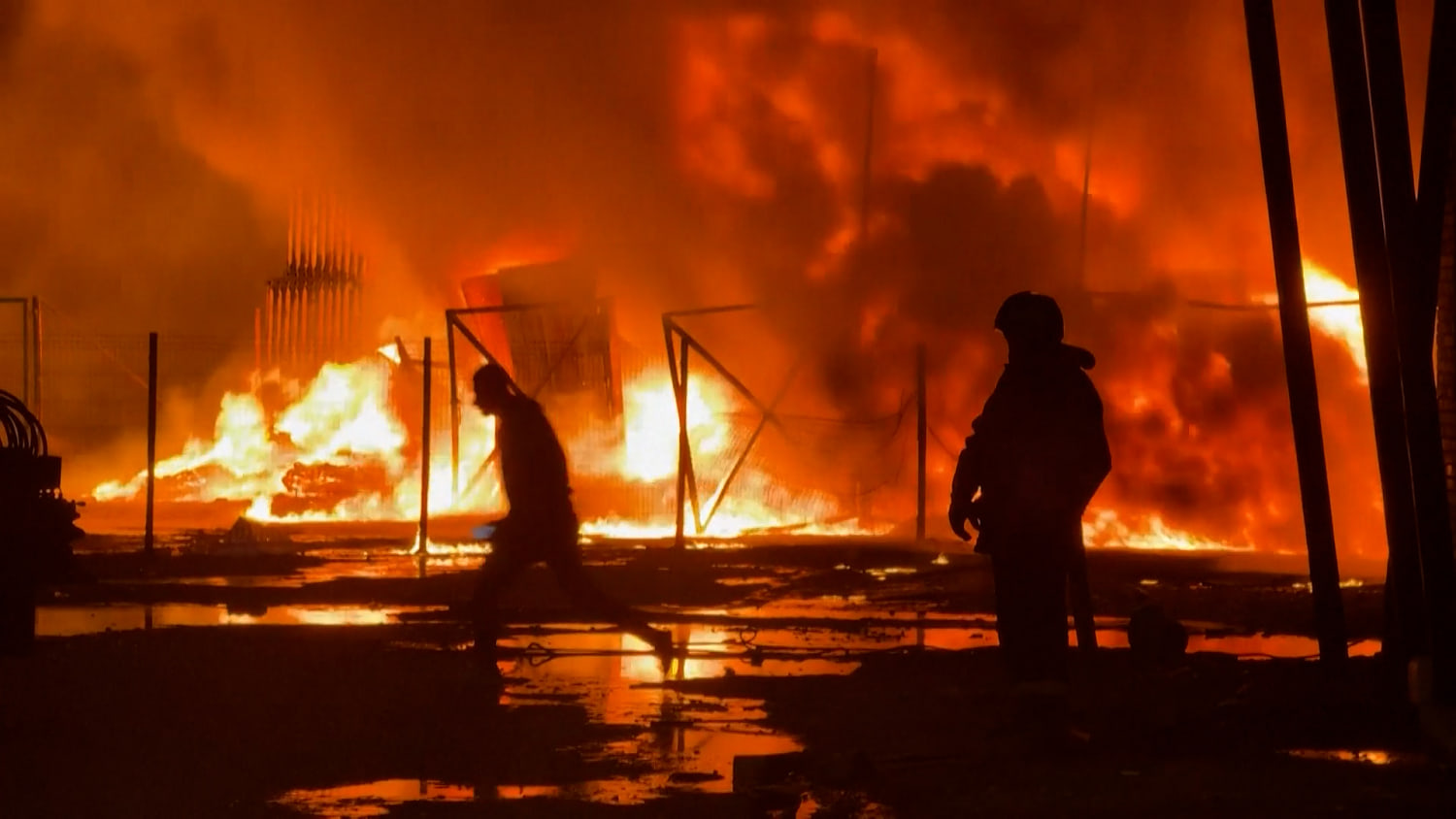
Centcom described the strikes as measured, purely defensive, and intended to maintain the ceasefire. Iranian media reported explosions east of Bandar Abbas. The port city serves as a key location in the strategic waterway.
Kuwait Reports Missile and Drone Attack
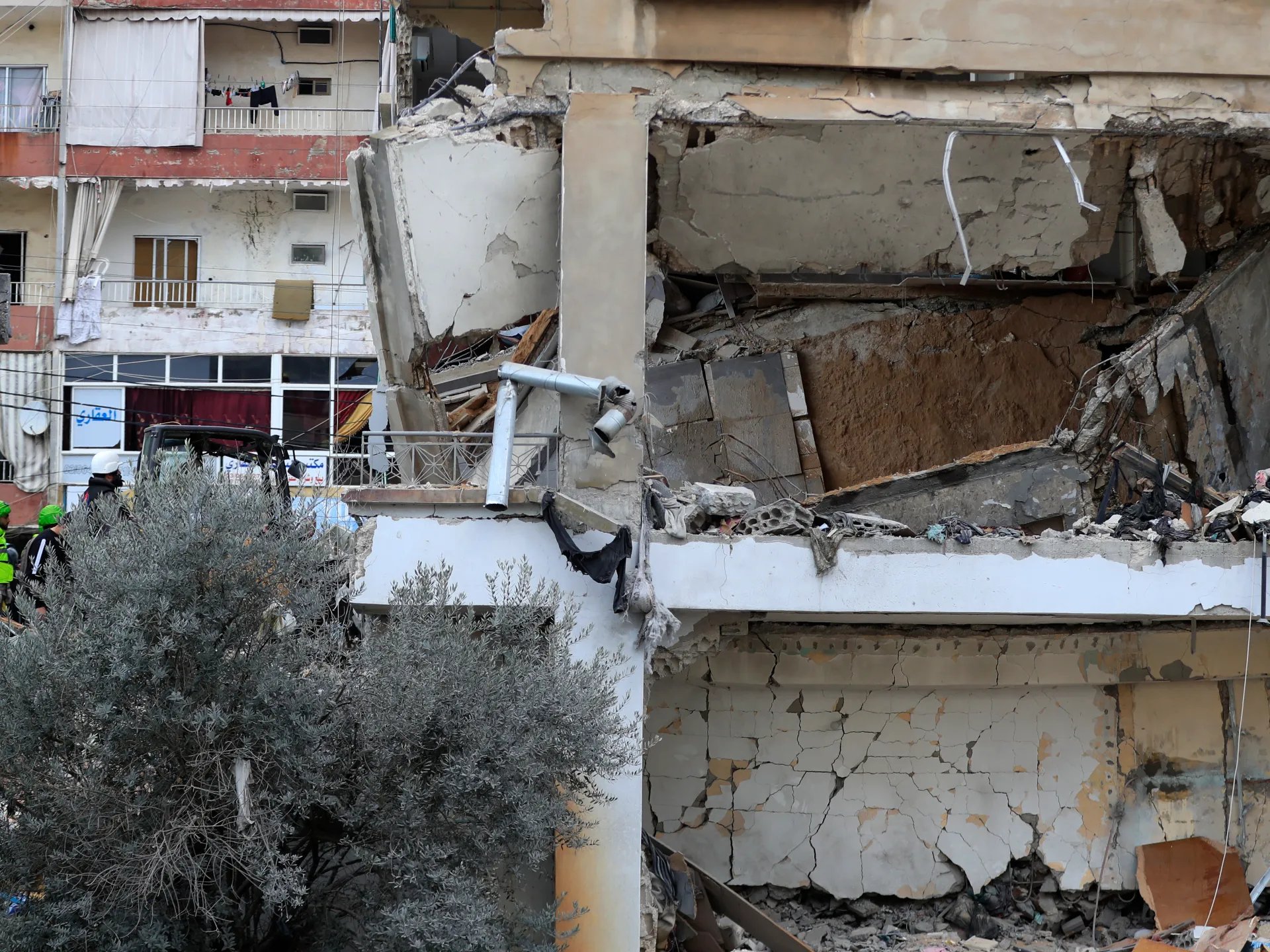
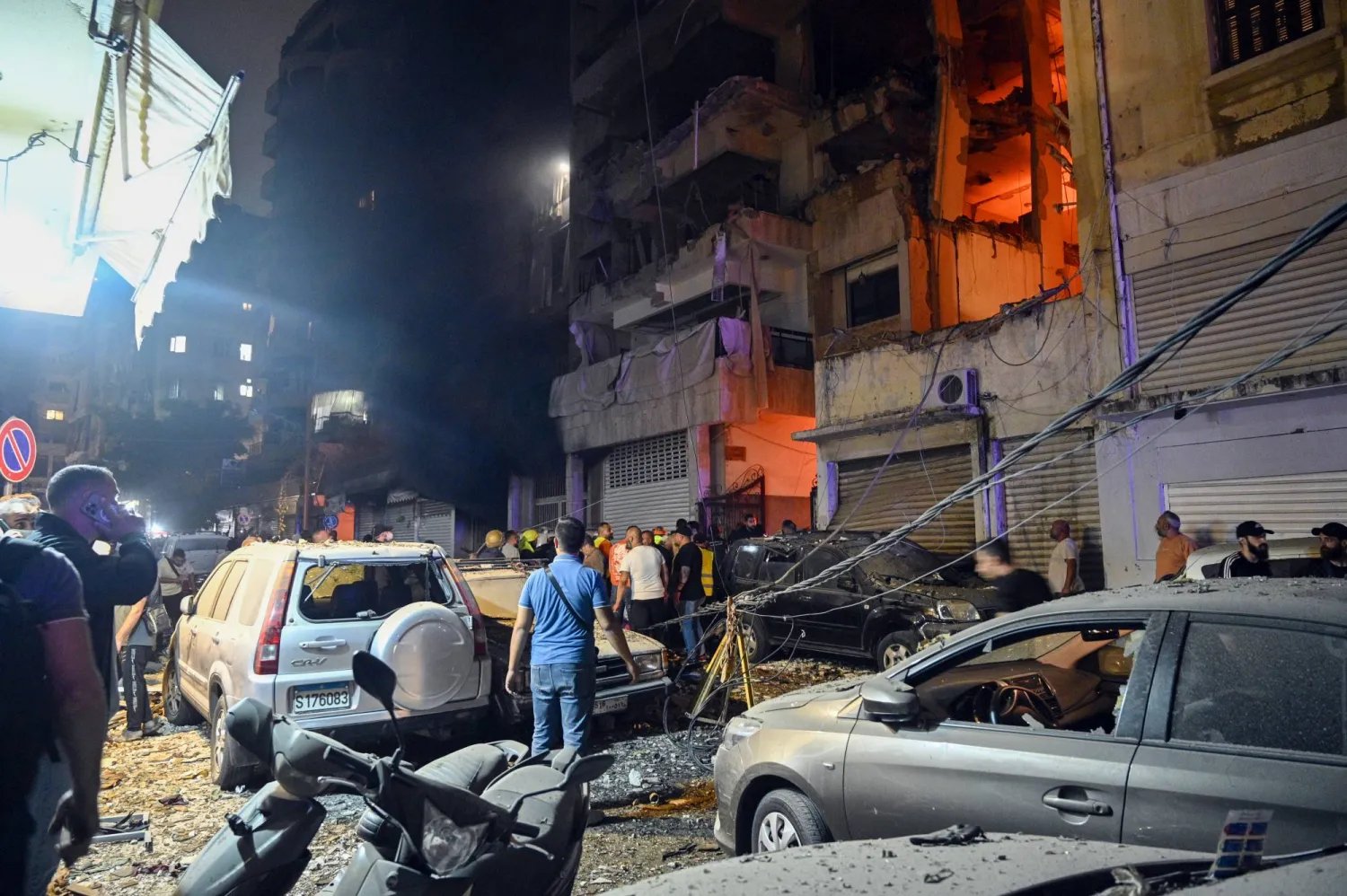
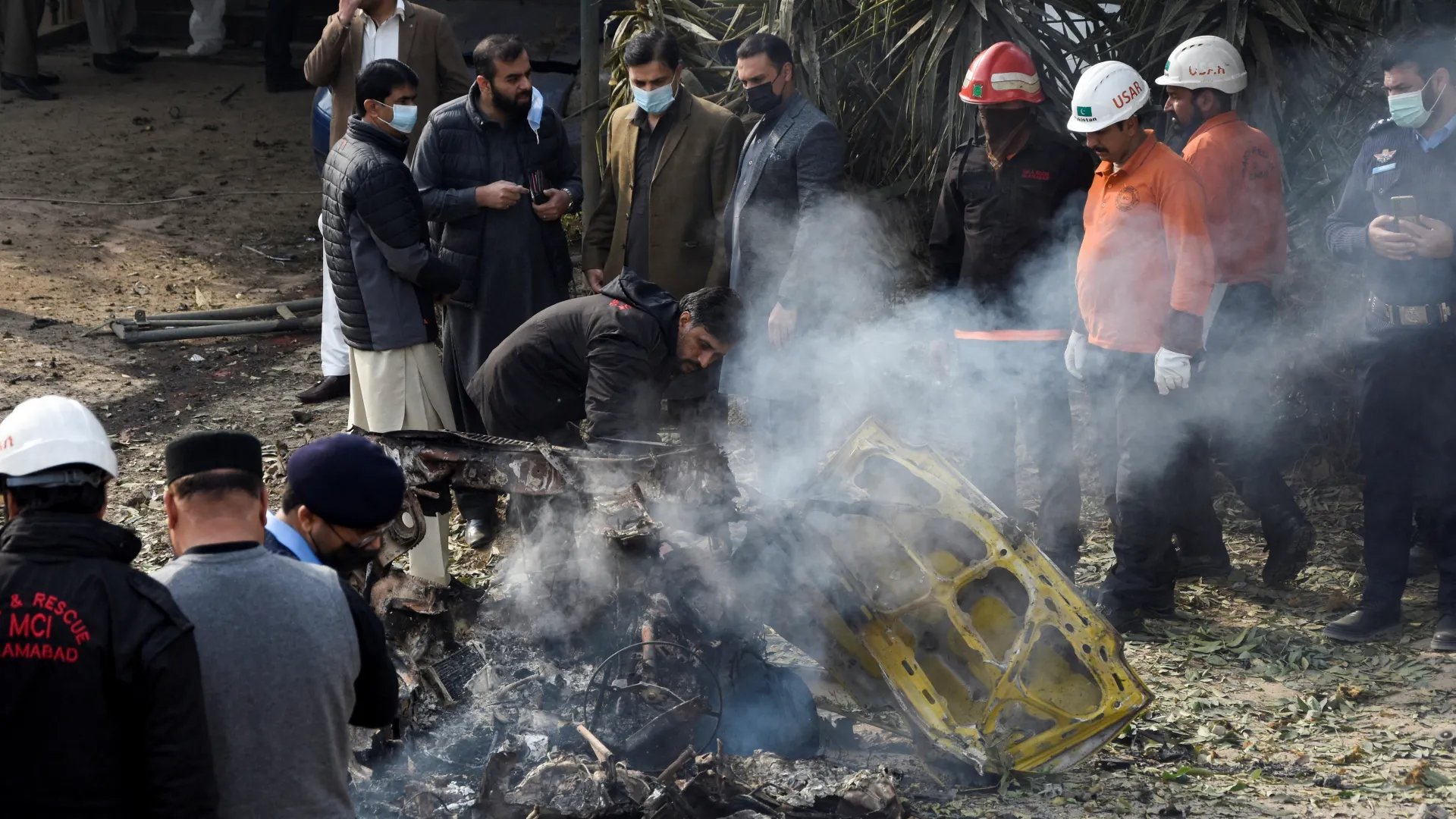
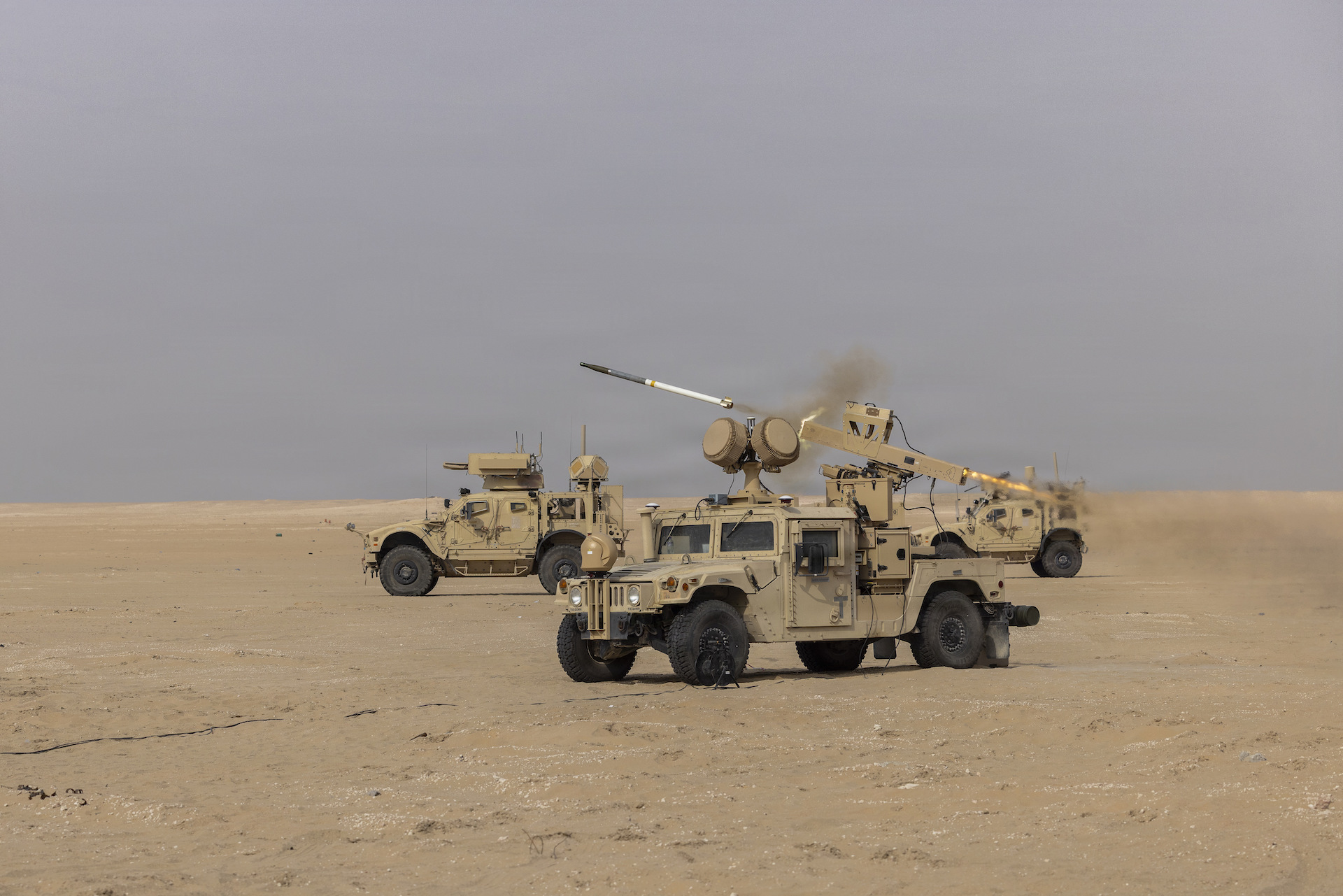
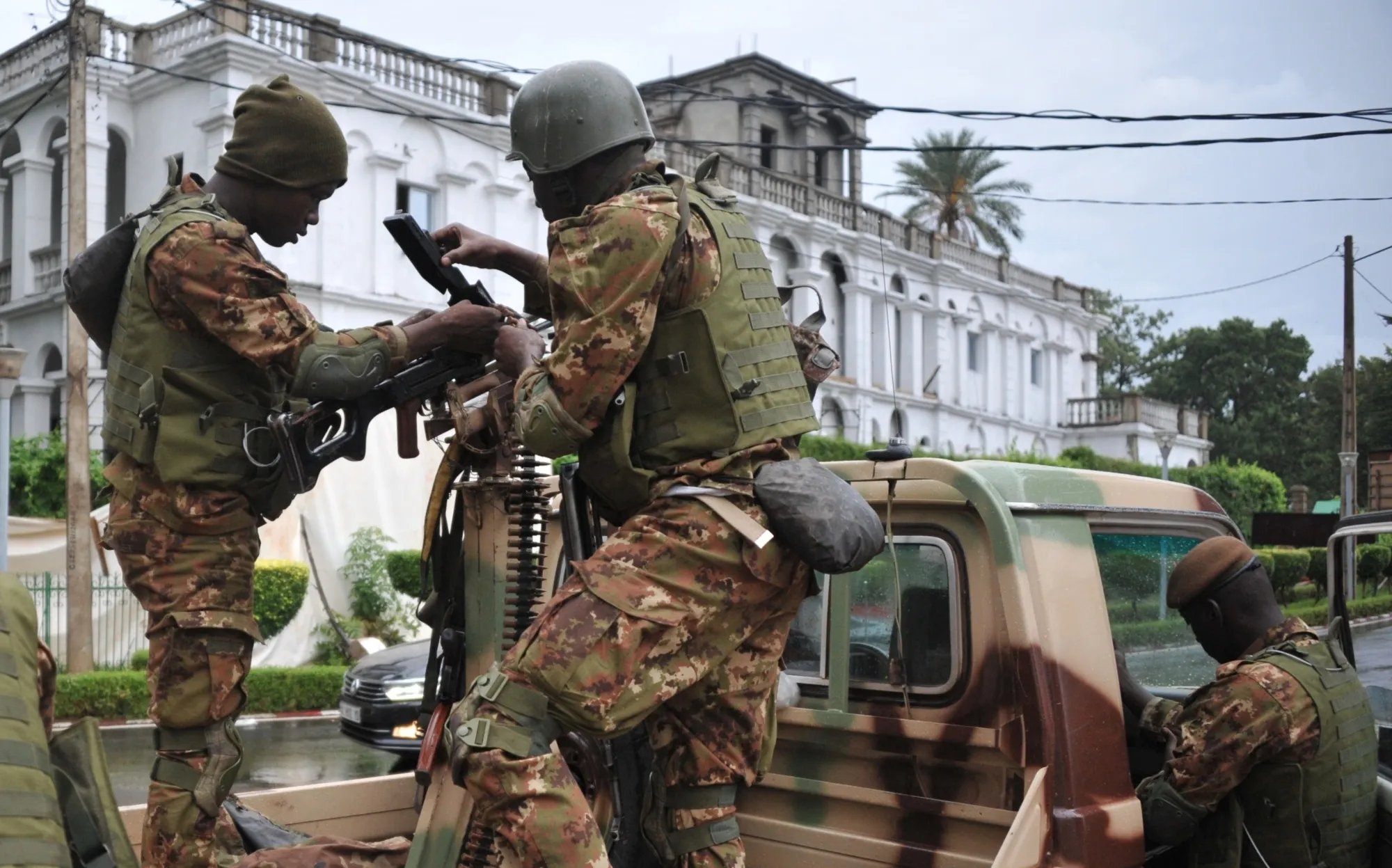
Kuwait's military announced its air defenses intercepted hostile missile and drone threats on Thursday. The announcement provided no further details on what had been targeted.
No group immediately claimed responsibility for the latest attack on Kuwait. The incident occurred hours after the US strikes near the Strait of Hormuz. Kuwait's military neutralized the incoming threats according to officials.
Iran Condemns Action and Claims Retaliation
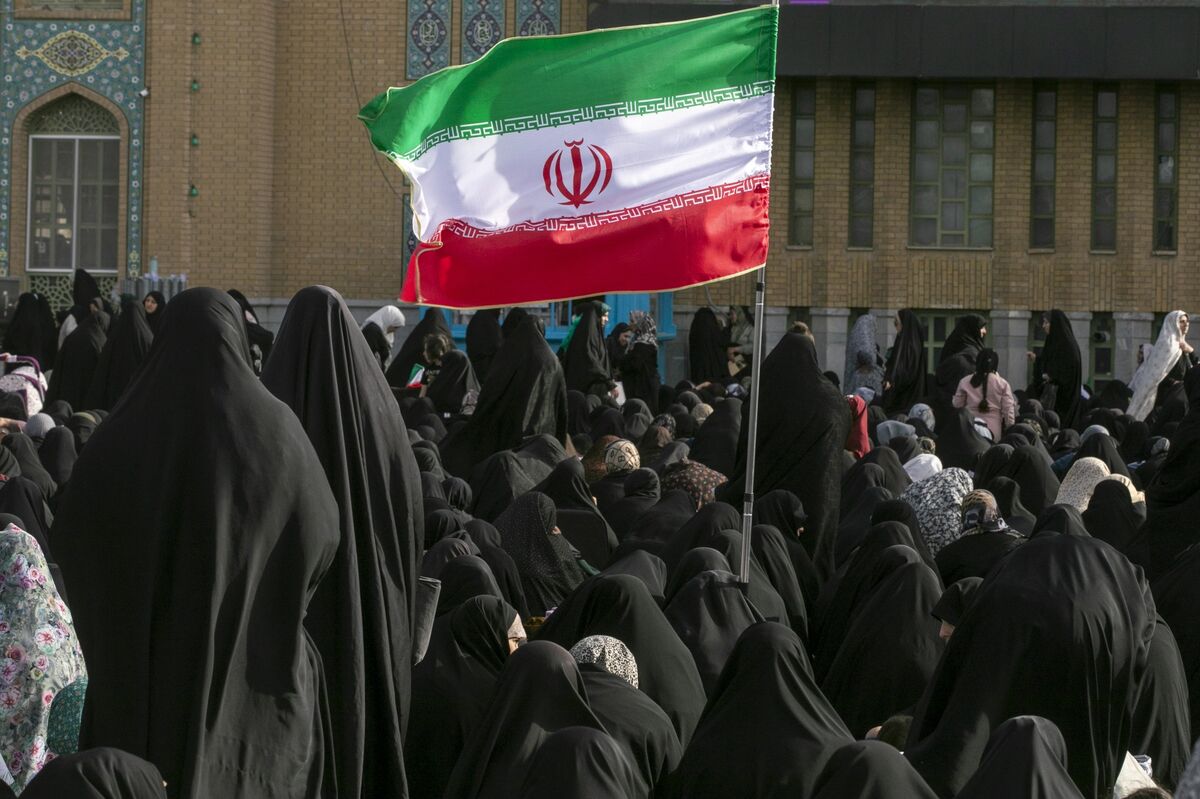
Iran labeled the US strikes a grave violation of the ceasefire. Iranian officials vowed that the government will not leave any act of hostility unanswered. Tehran announced it attacked a US airbase following the strikes near Bandar Abbas.
Iran's Islamic Revolutionary Guard Corps said it downed a US drone and fired at a fighter jet and another drone that entered Iranian airspace. The IRGC did not specify exact timing of those actions. Iran's foreign ministry spokesman Esmaeil Baqaei defended Tehran's collection of fees for navigational services in the Strait of Hormuz.
Sanctions Aim to Block Iranian Revenue
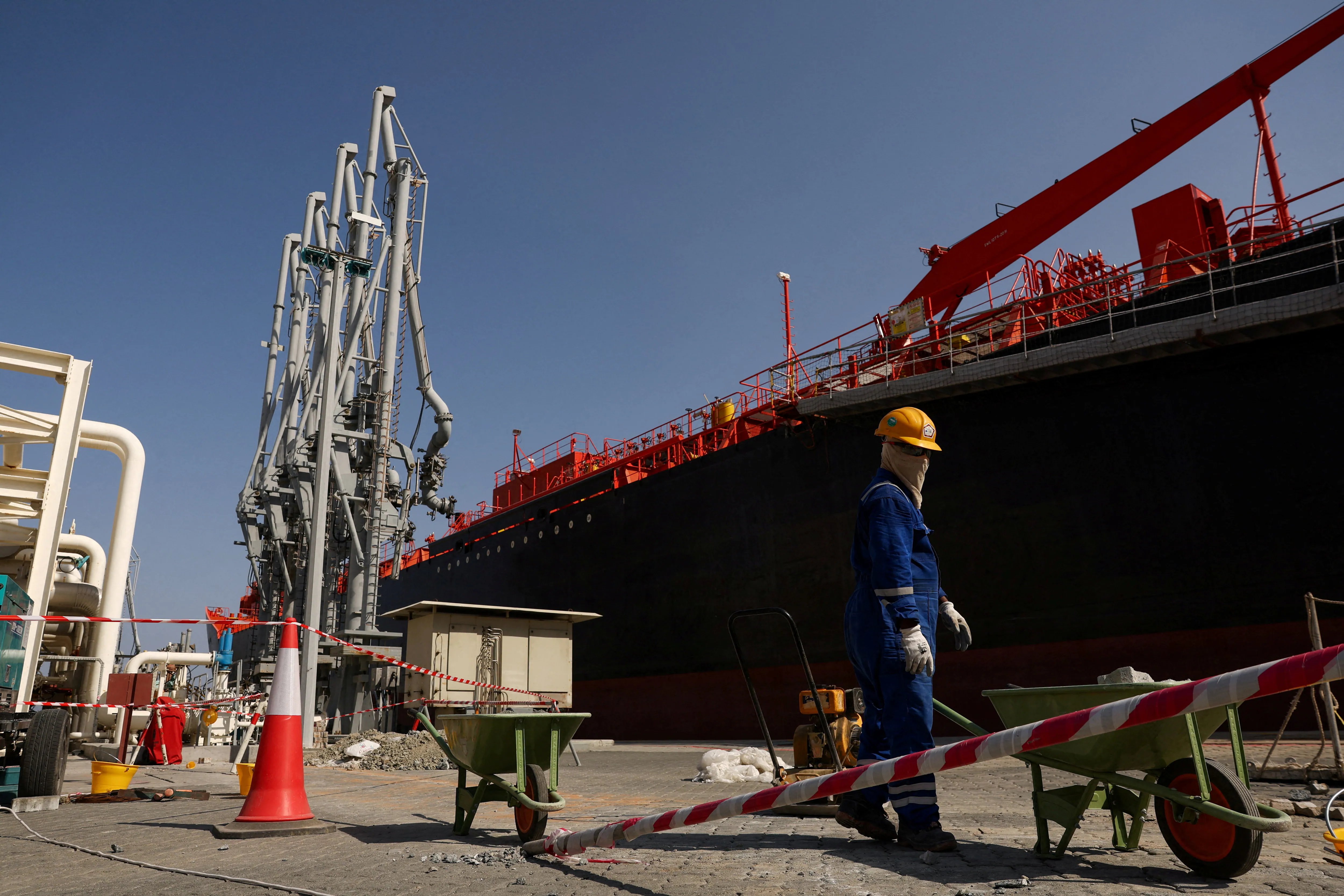
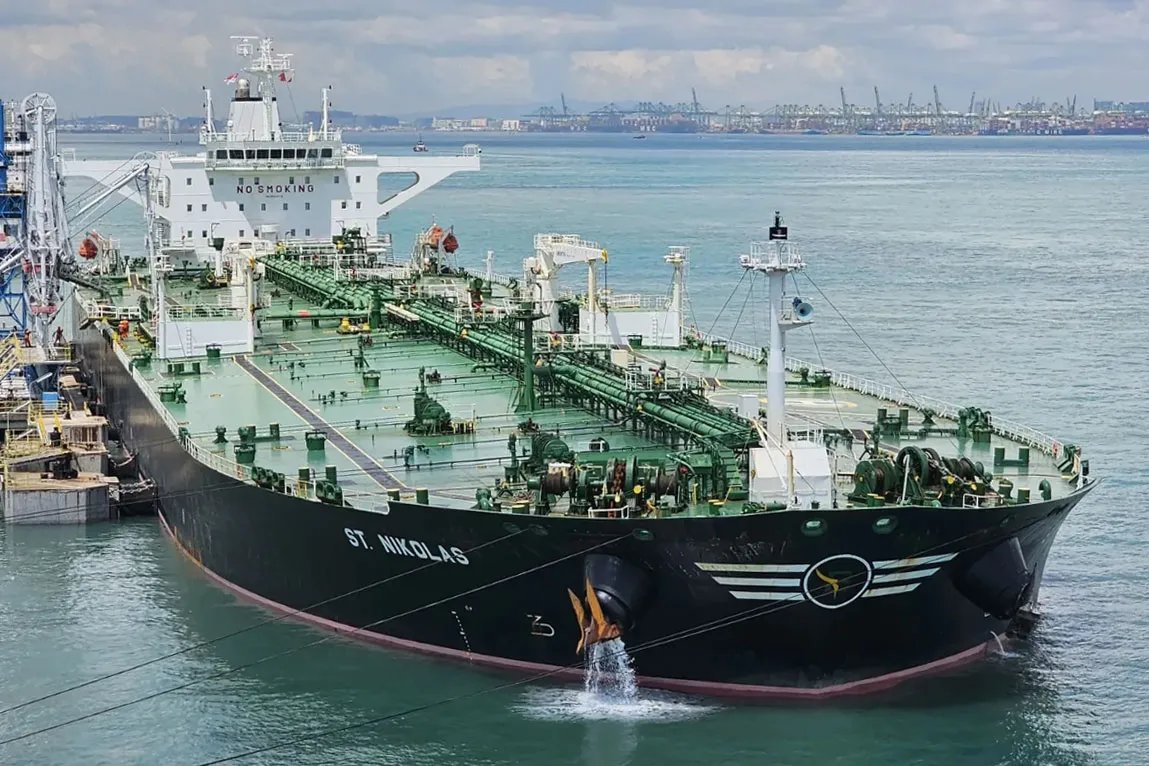
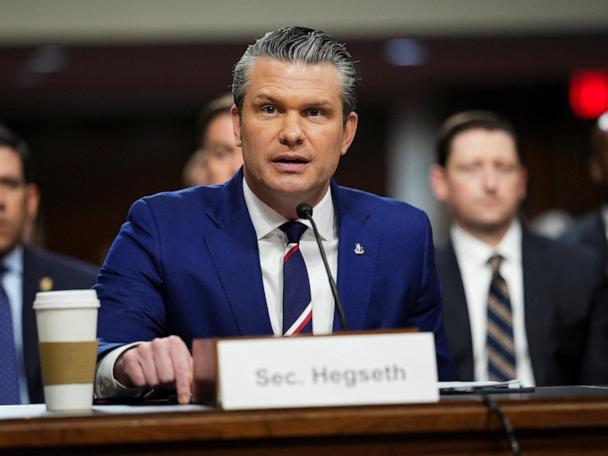
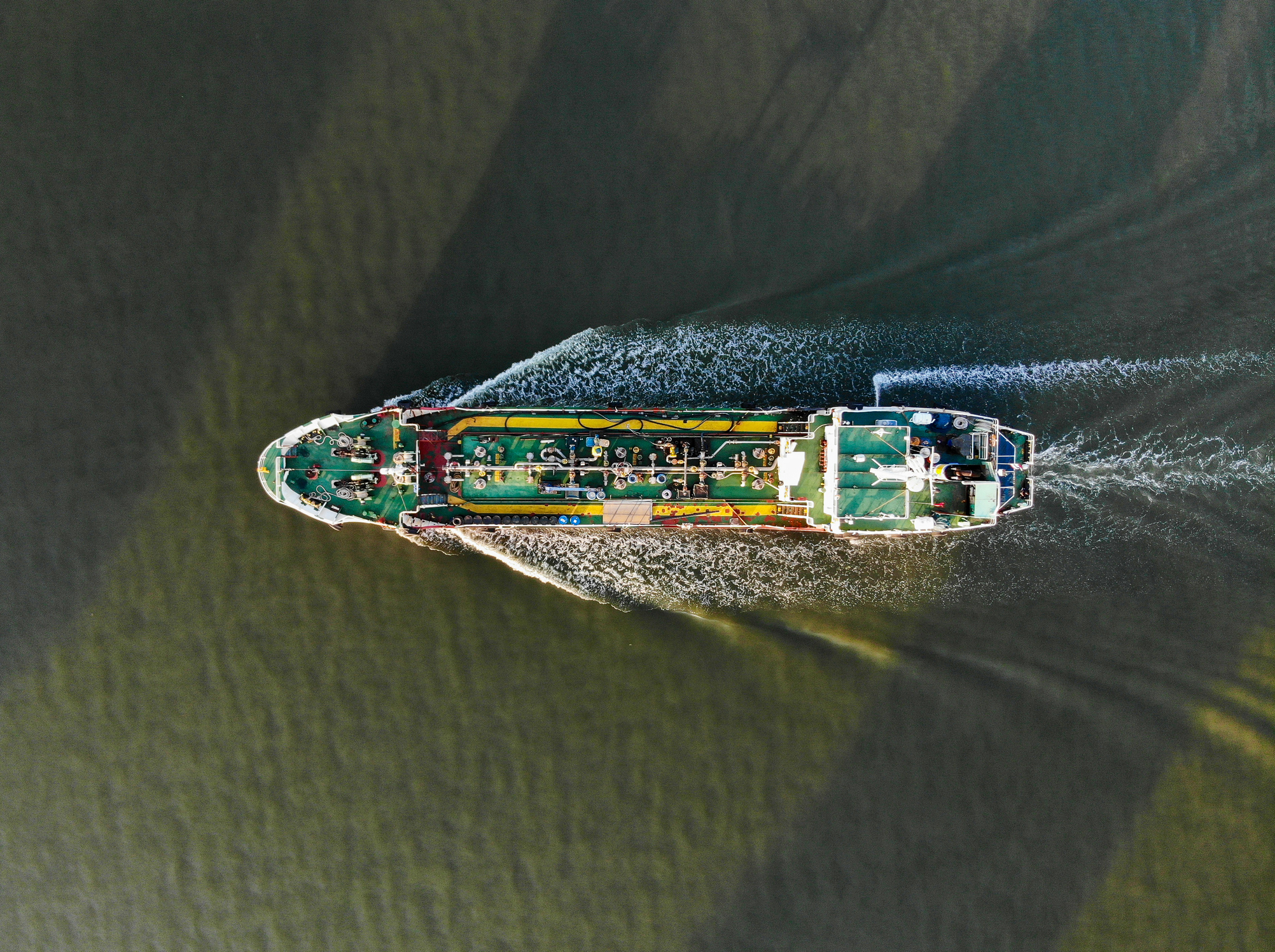
The US imposed sanctions on the Persian Gulf Strait Authority, the Iranian body that collects payments from ships traveling through the Strait of Hormuz. Any ships that pay the authority could face sanctions risk according to the US Treasury Department. US Treasury Secretary Scott Bessent called the fee collection the Iranian military's latest attempt to extort global maritime trade.
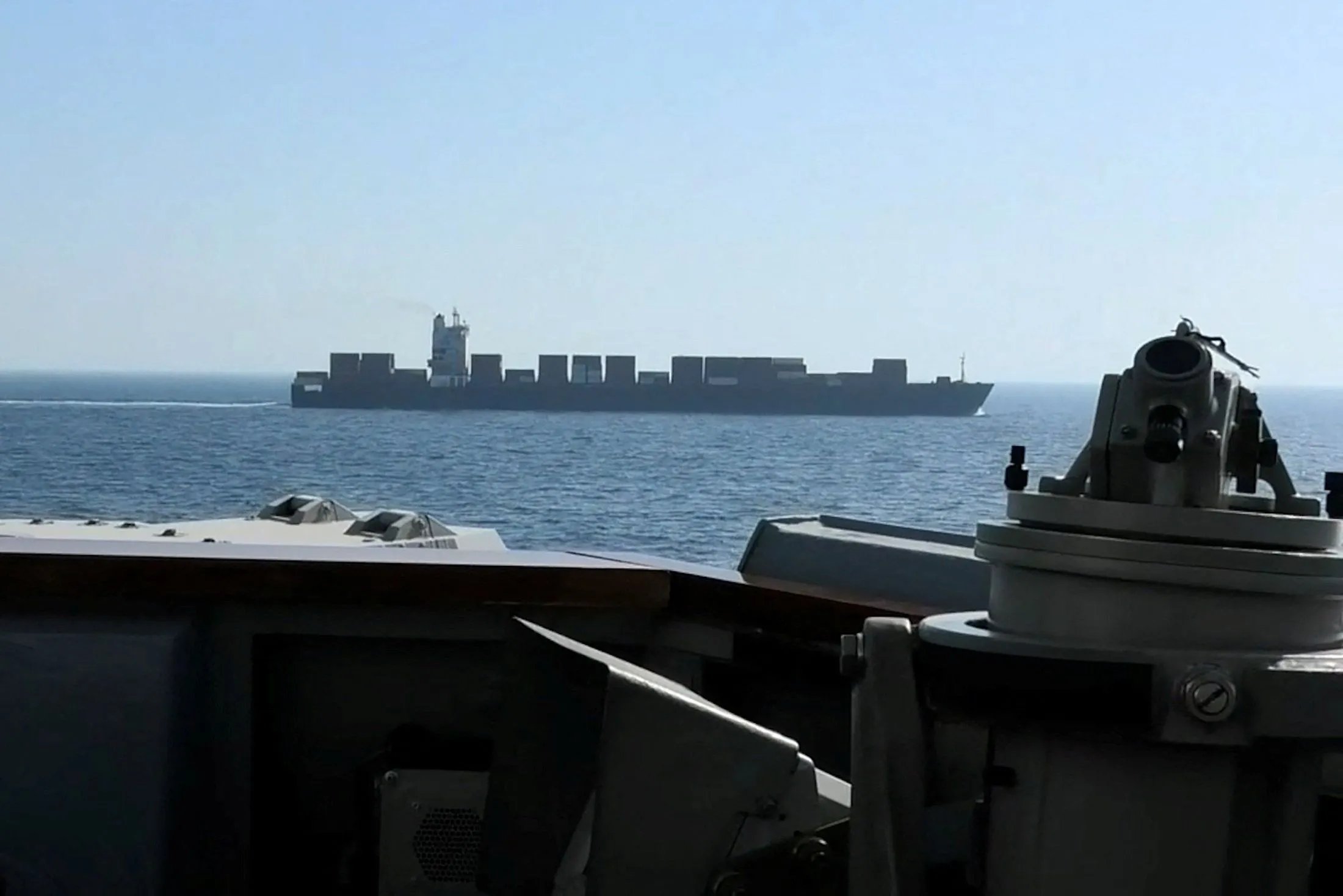
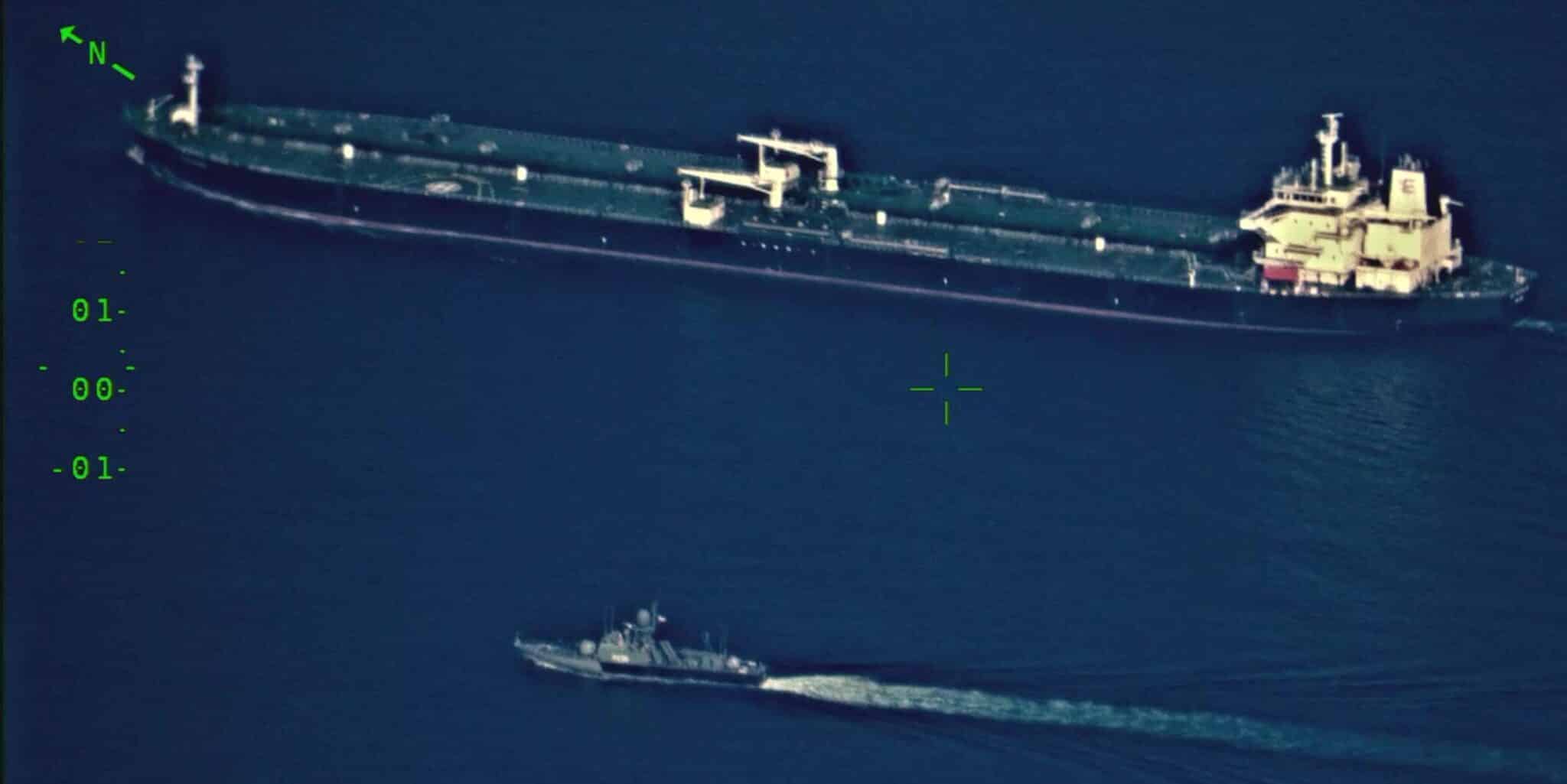
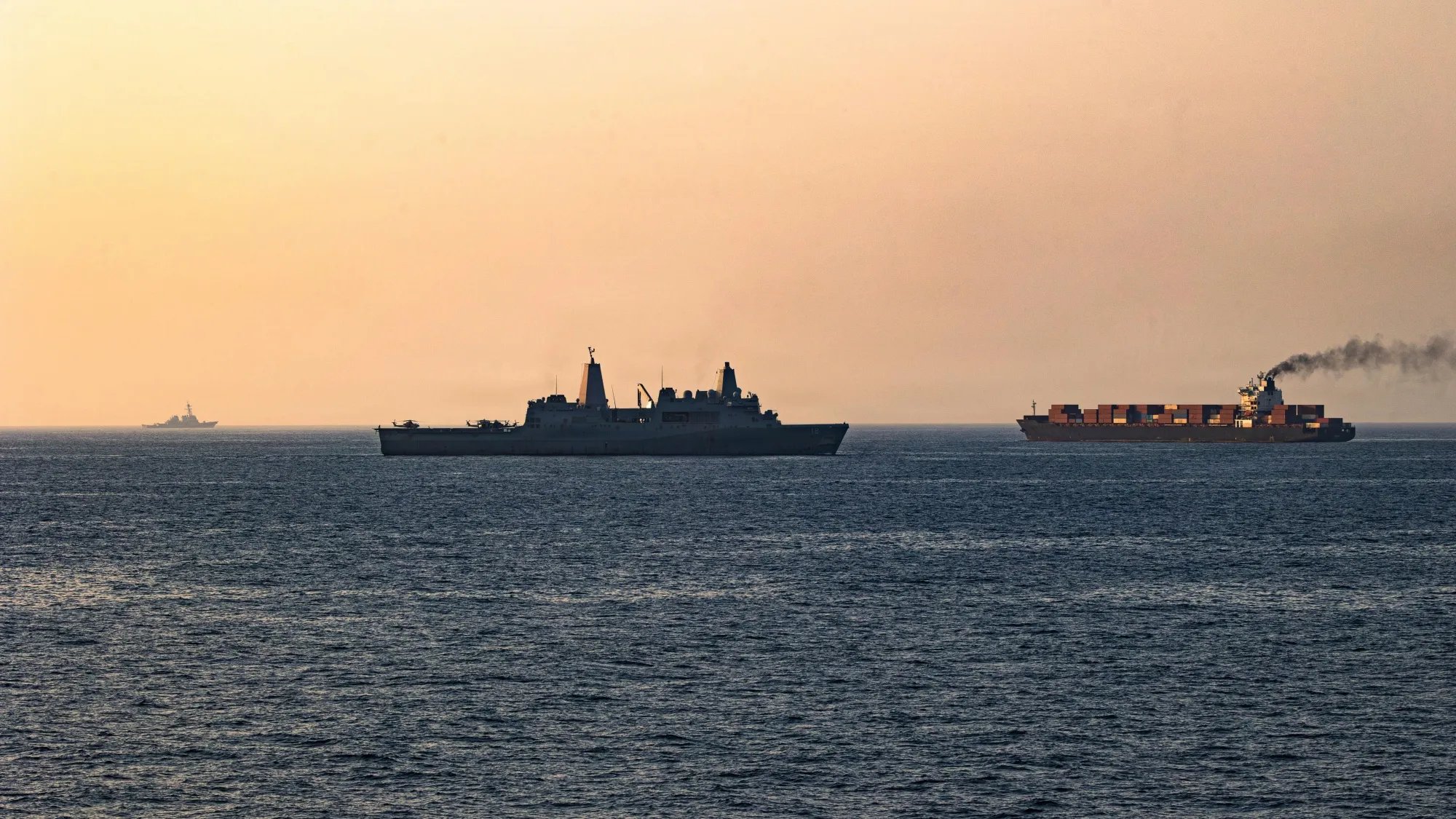
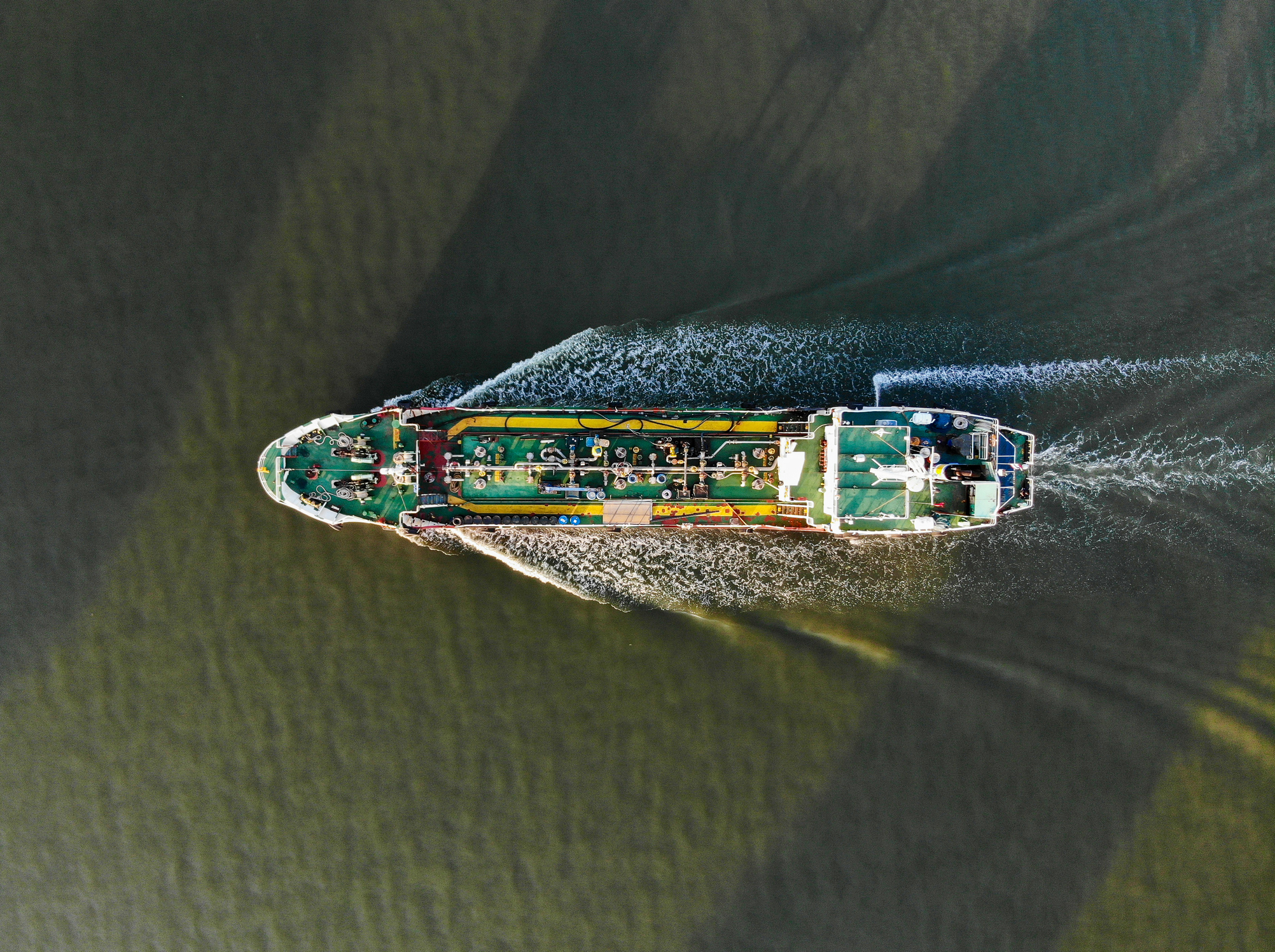
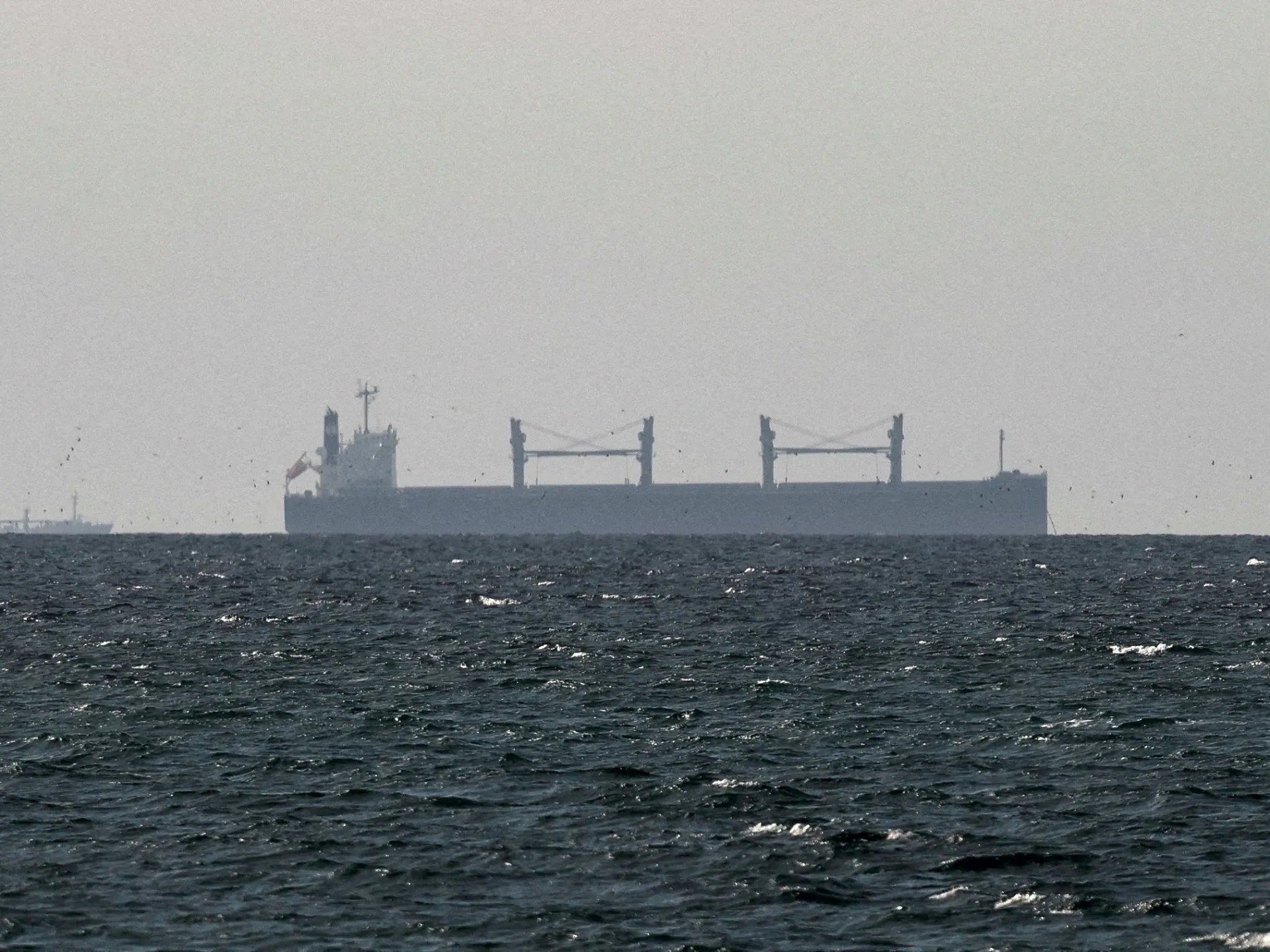
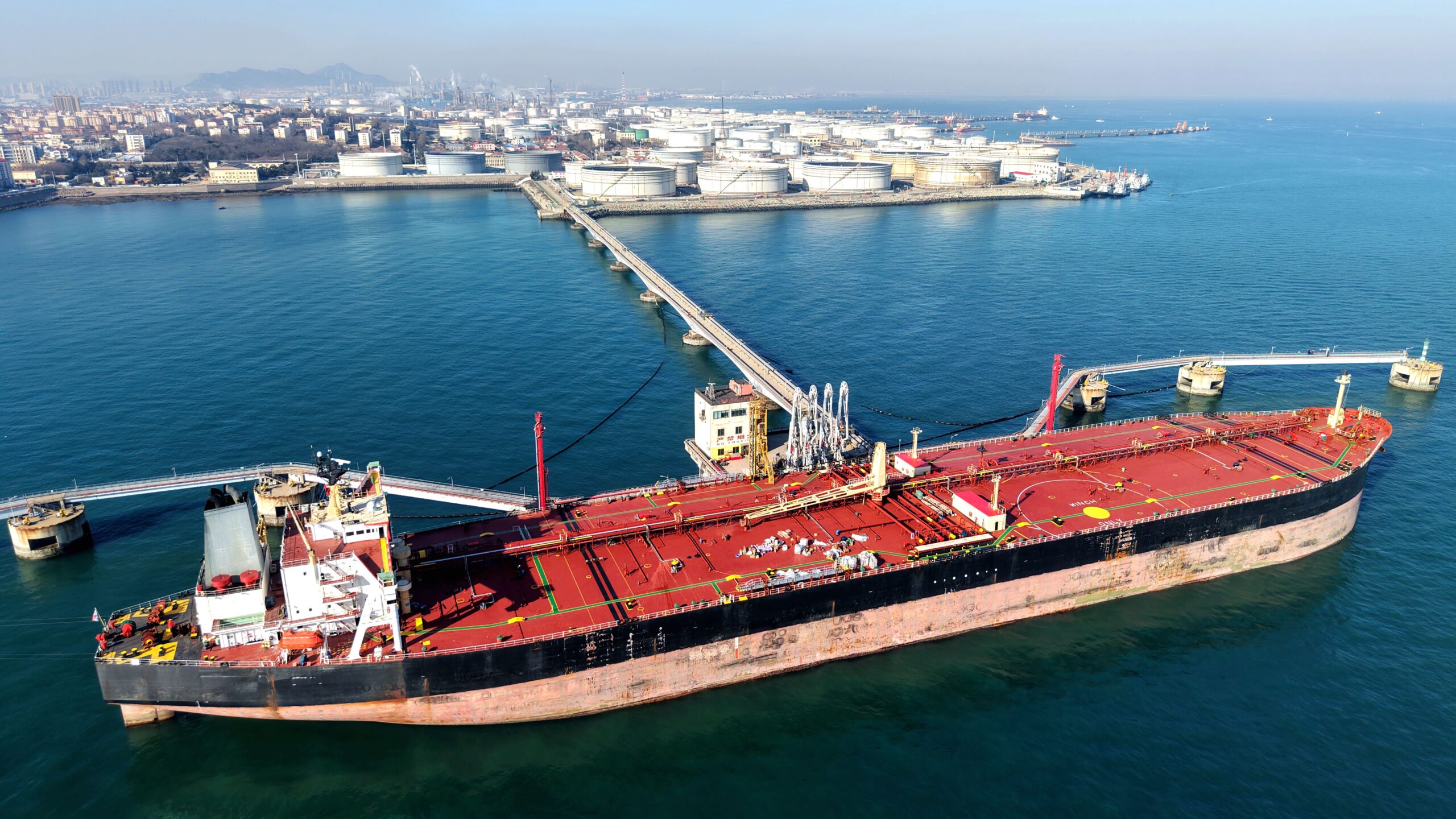
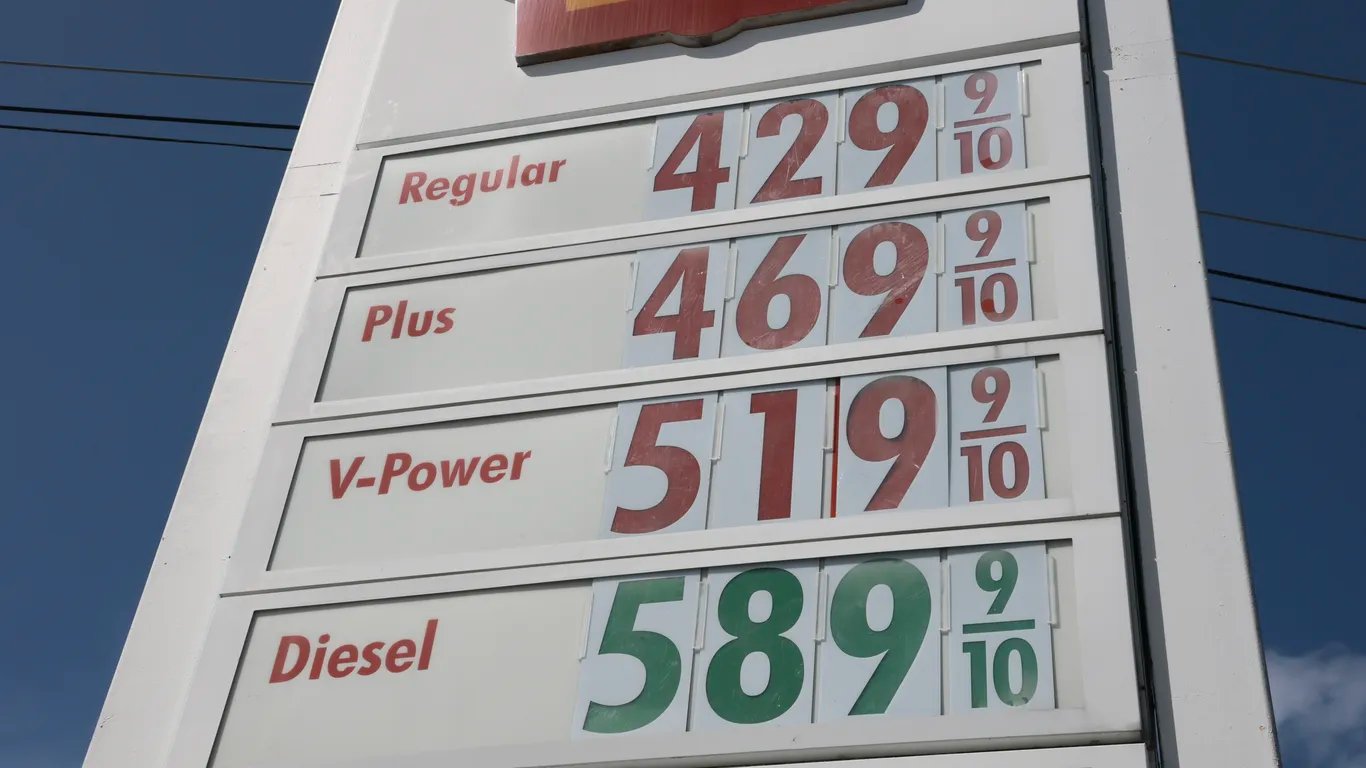
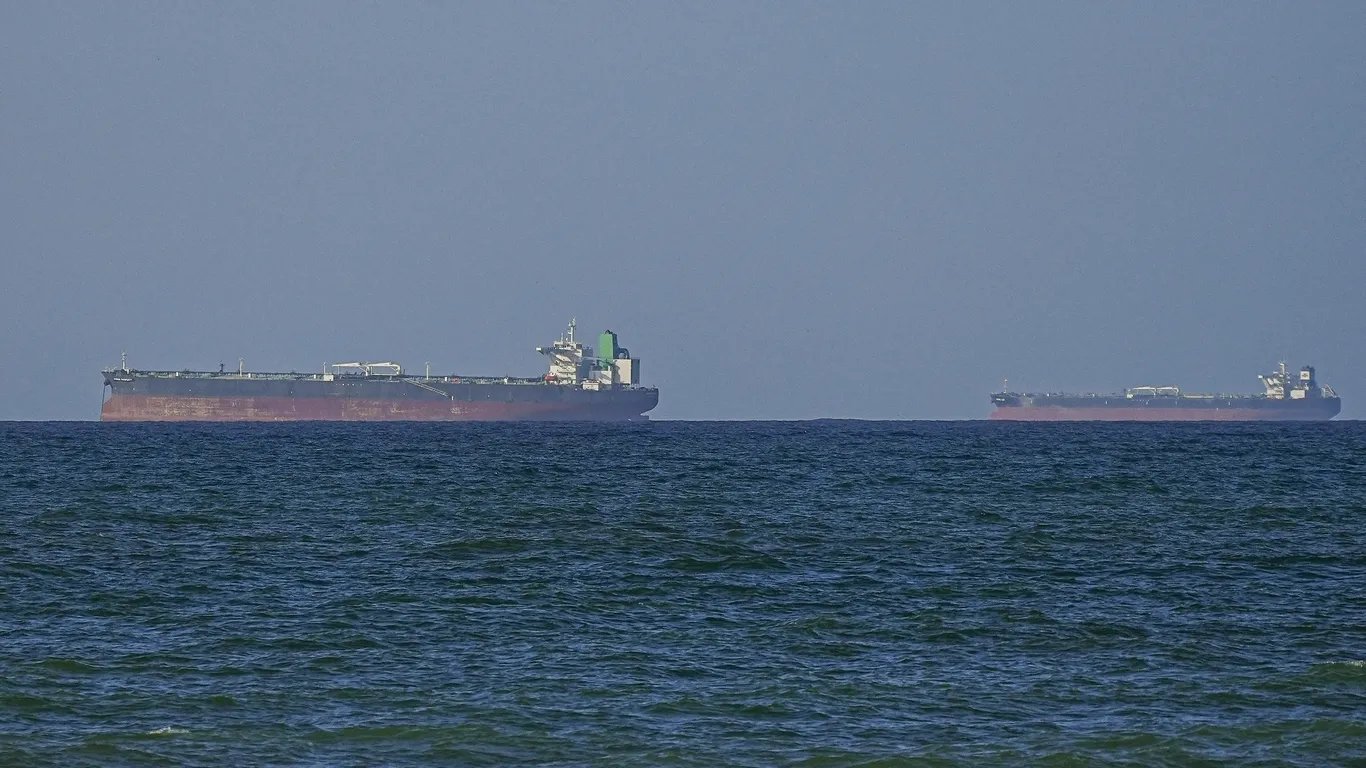
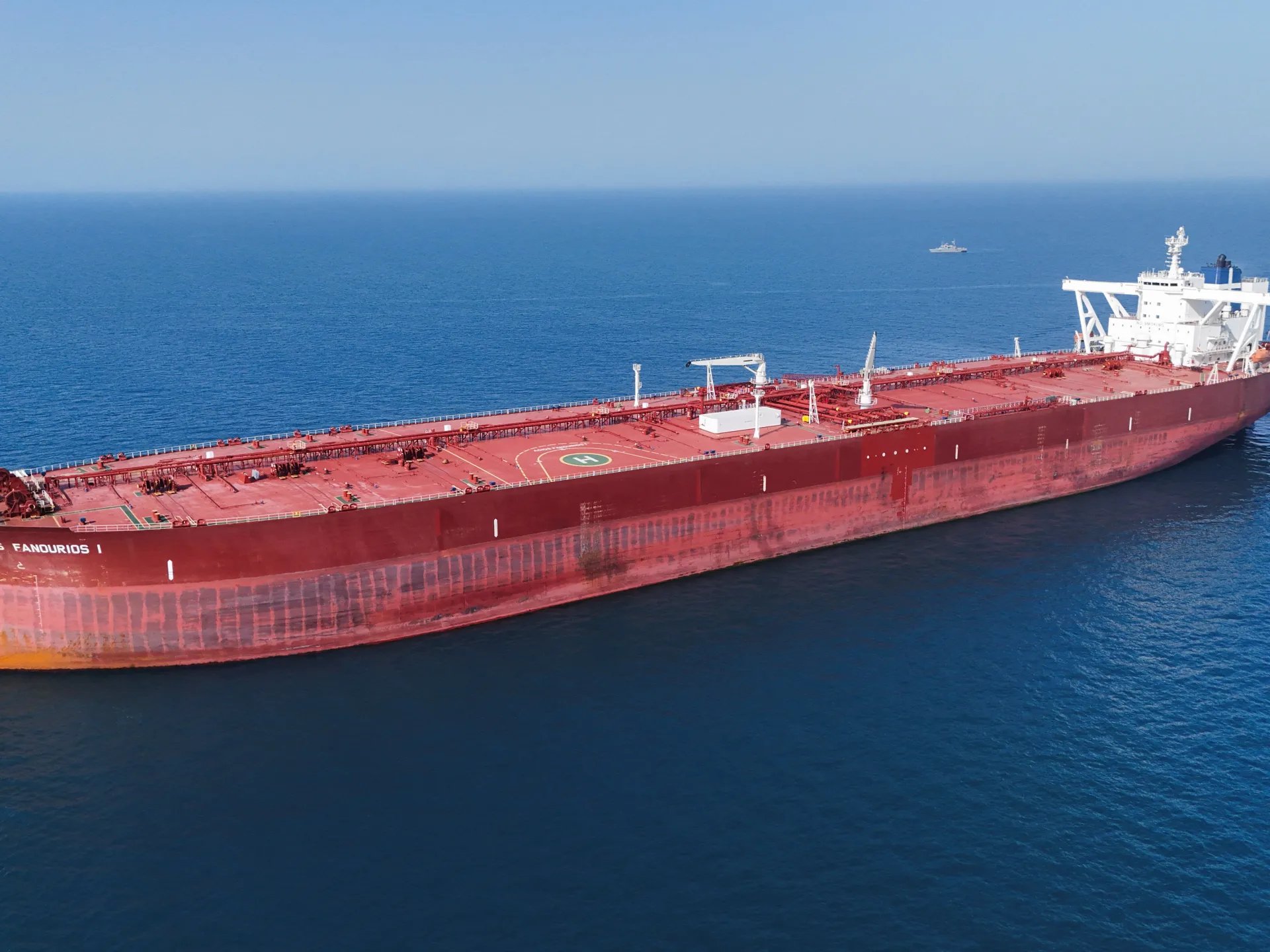
Bessent described the action as proof that Iran is desperate for cash. One-fifth of the world's liquefied natural gas and oil normally passes through the shipping channel. The channel's closure has driven up global energy prices and stranded thousands of commercial tanker ships.
Markets React to Renewed Persian Gulf Tension
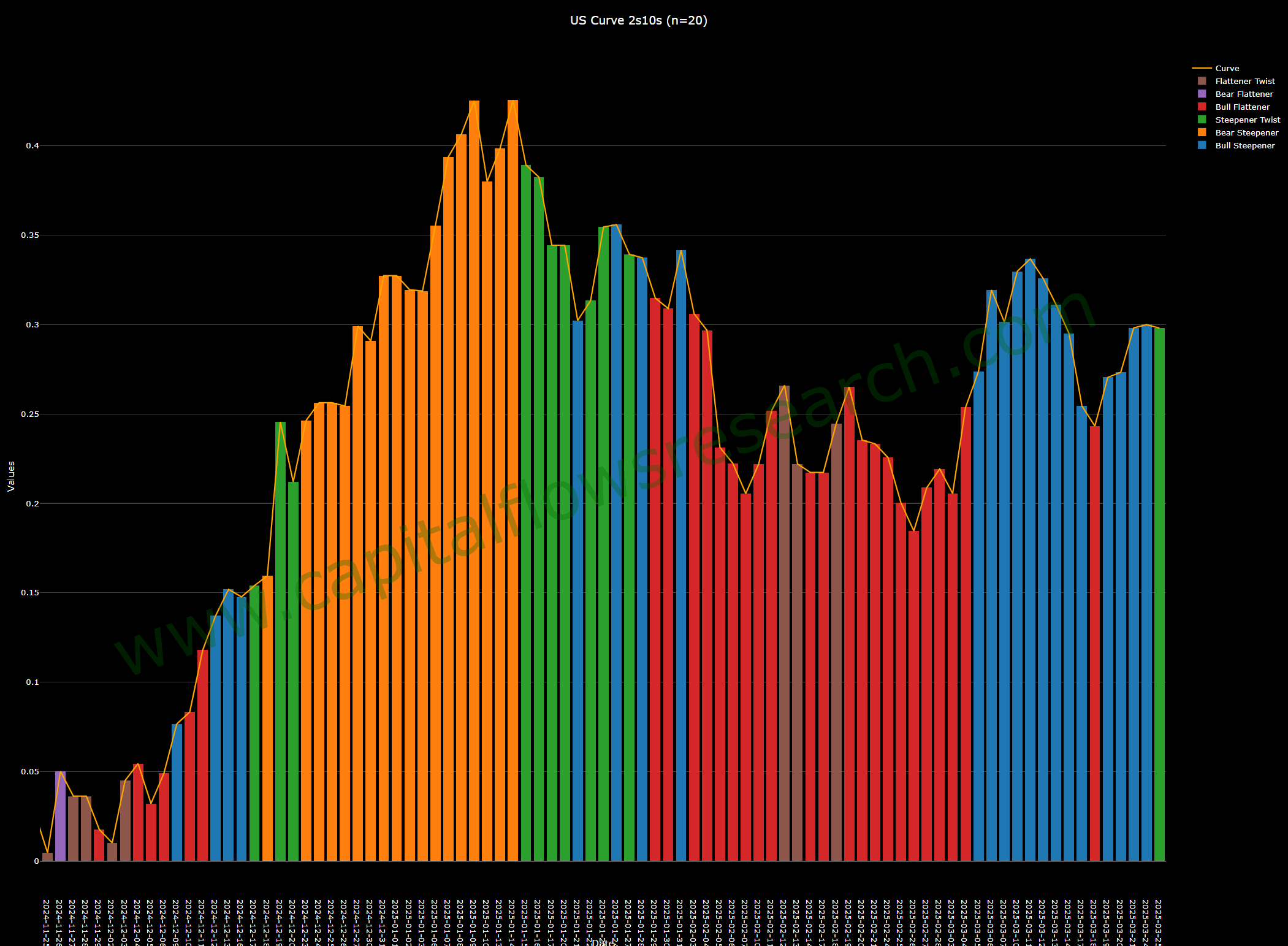
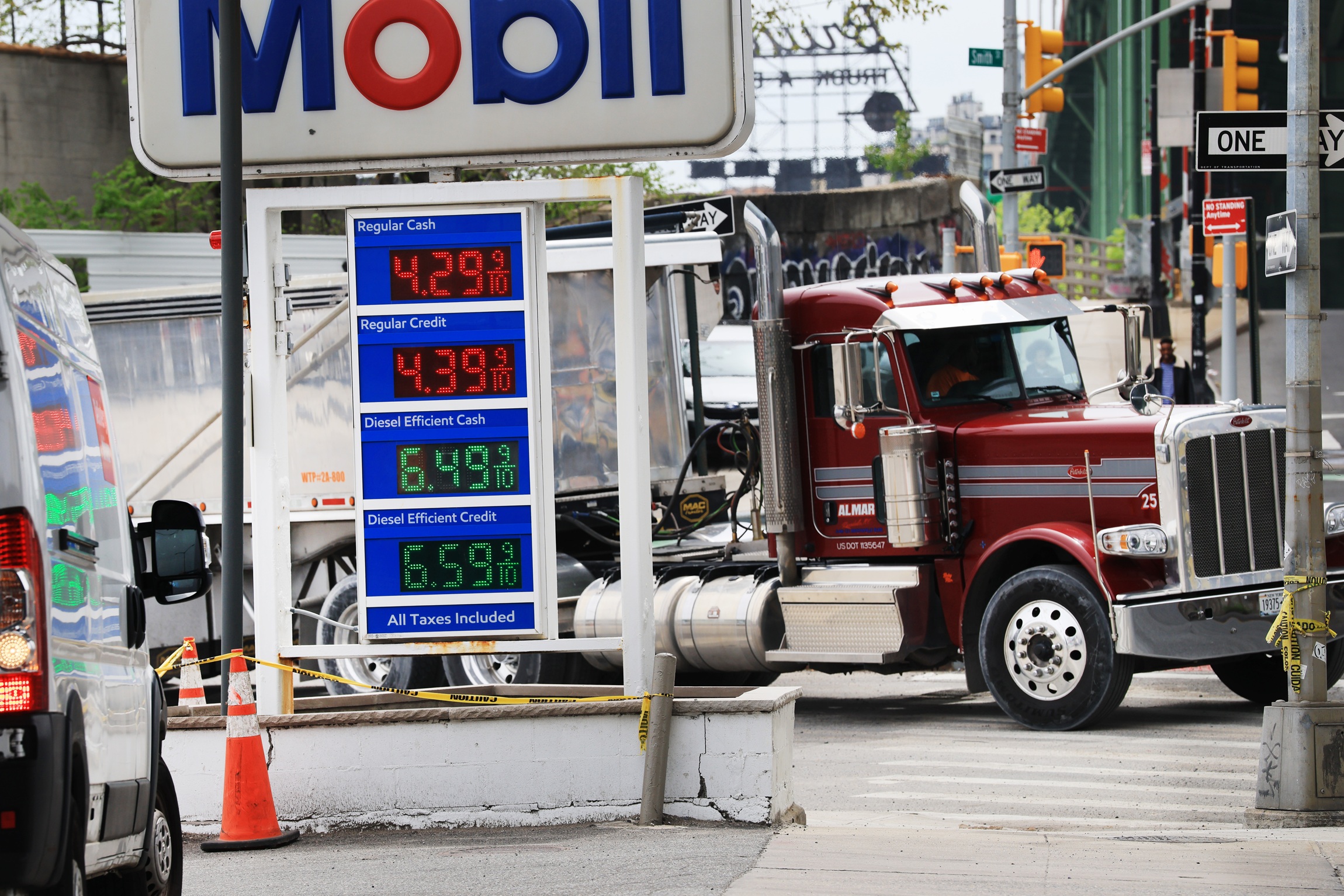
Benchmark Treasuries retreated for the first session in six as renewed clashes in the Persian Gulf spurred gains in oil prices. The price increases fueled concern over faster inflation. The hostilities threaten to intensify a global energy shortage that experts warn will worsen.
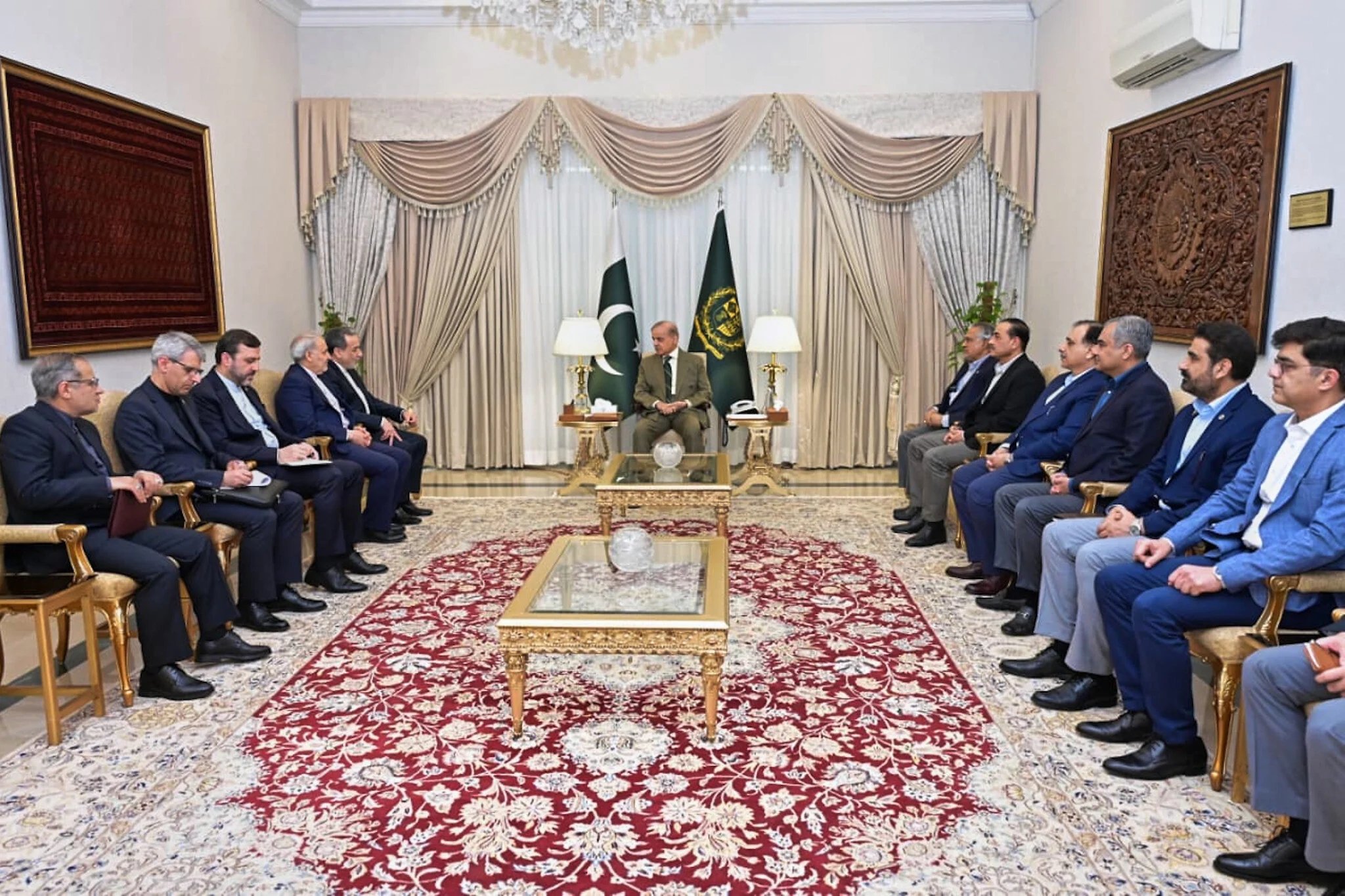
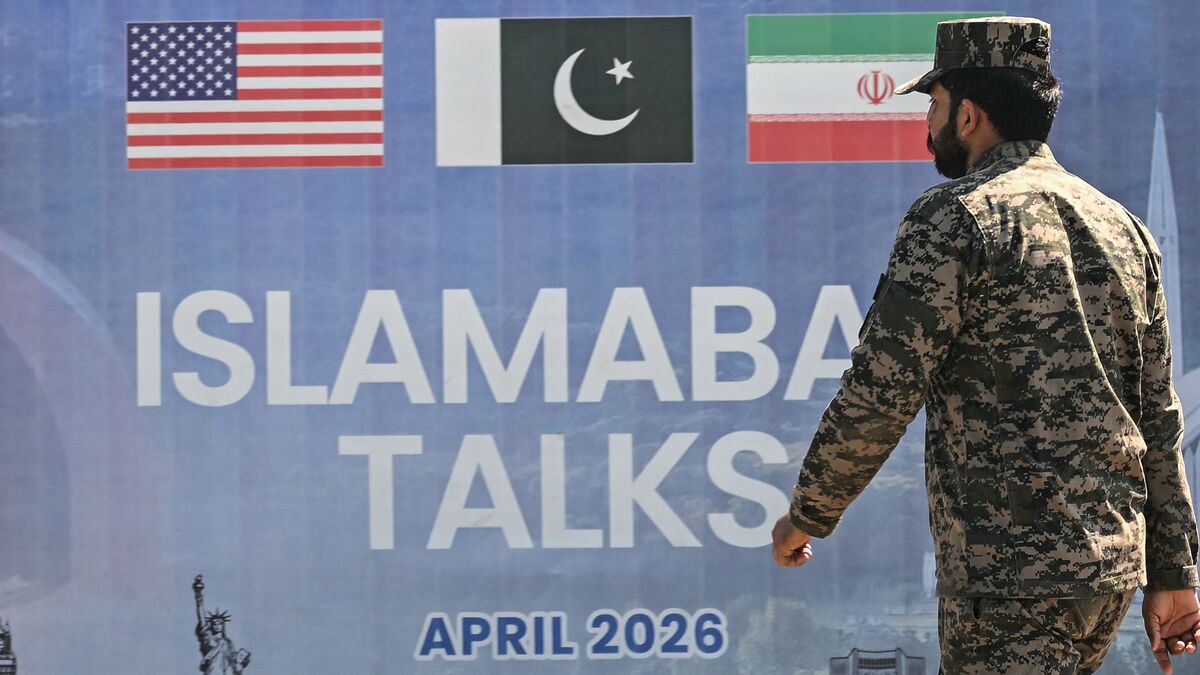
Negotiations between Tehran and Washington have not yet produced an agreement to reopen the Strait of Hormuz. Both sides continue to seek terms that include Iran's surrender of highly enriched uranium stockpiles and the lifting of economic sanctions.
Trump Signals Possible Return to Large-Scale Strikes
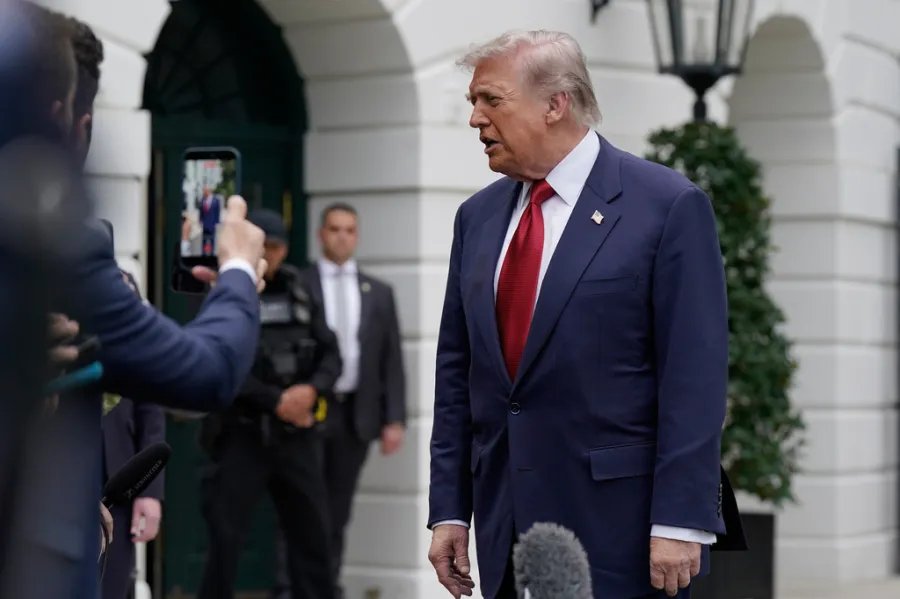
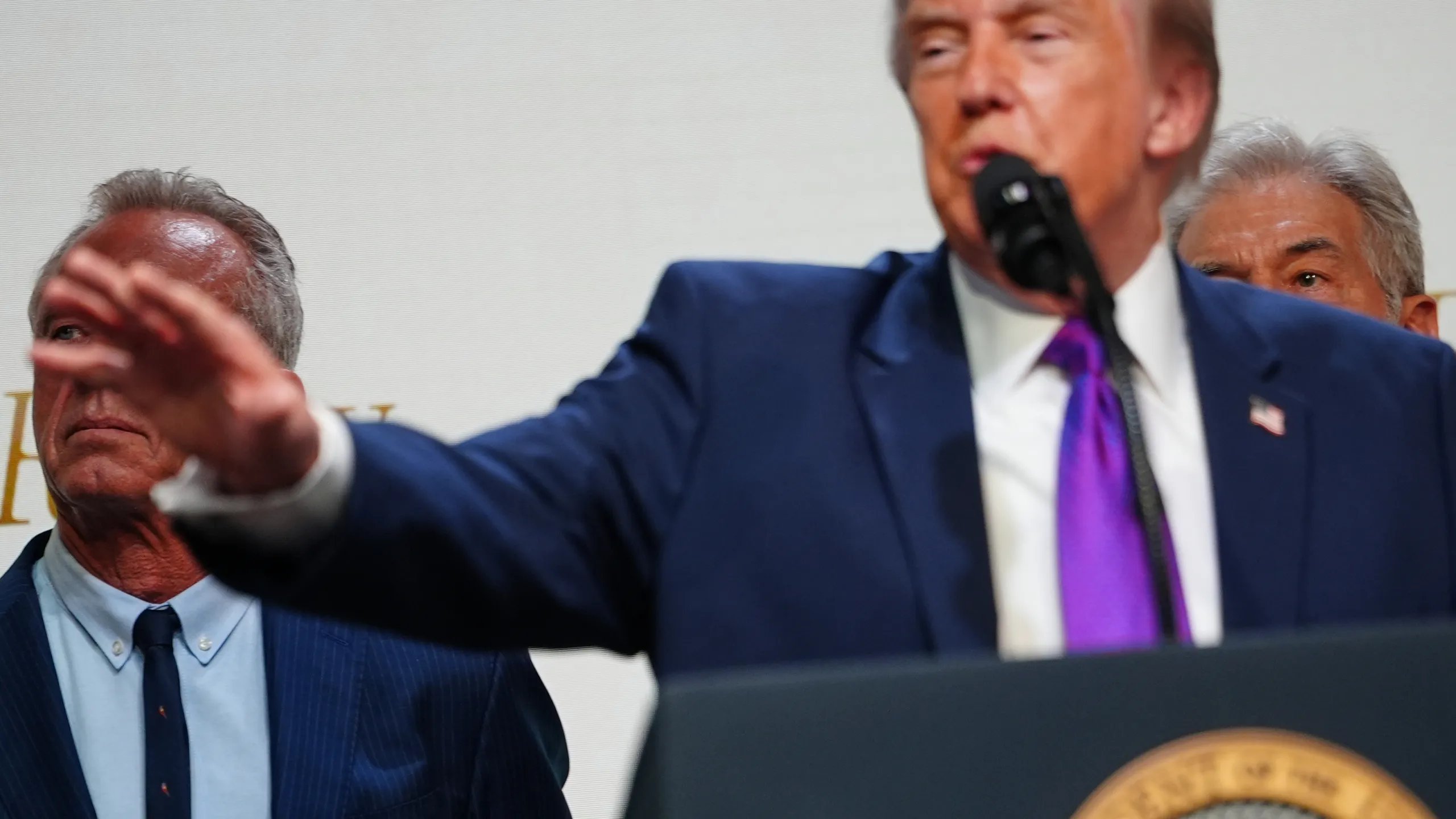
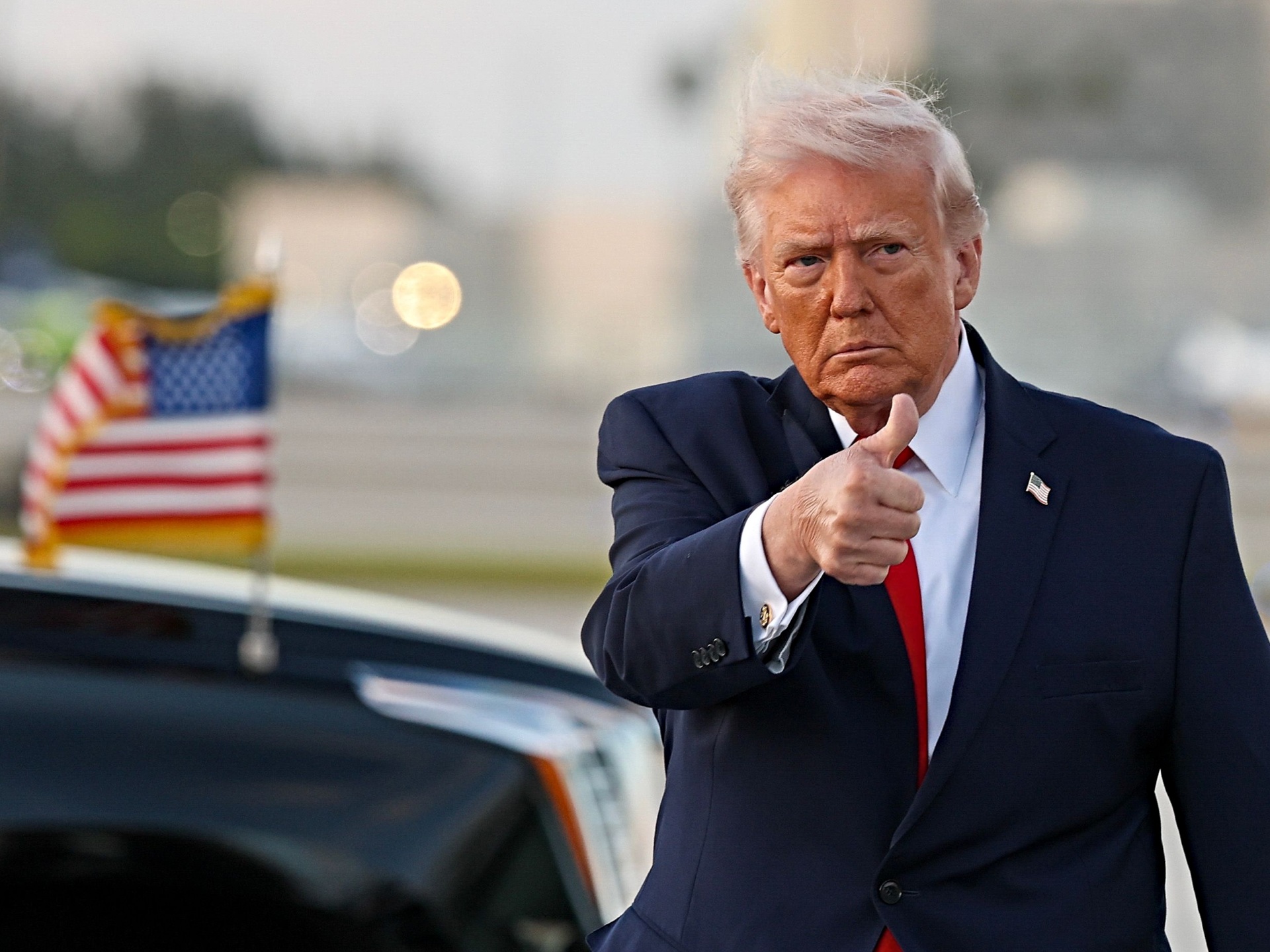
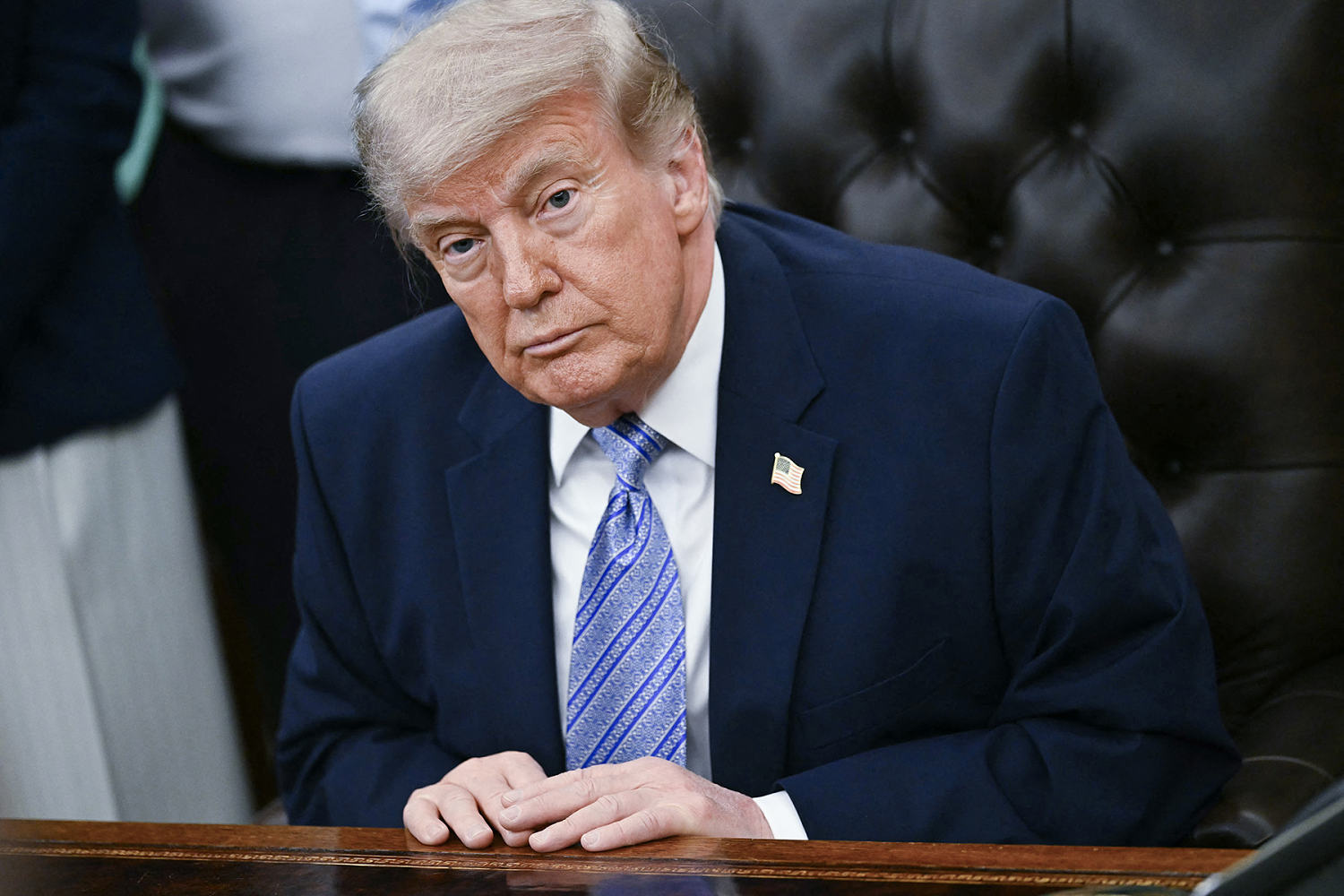
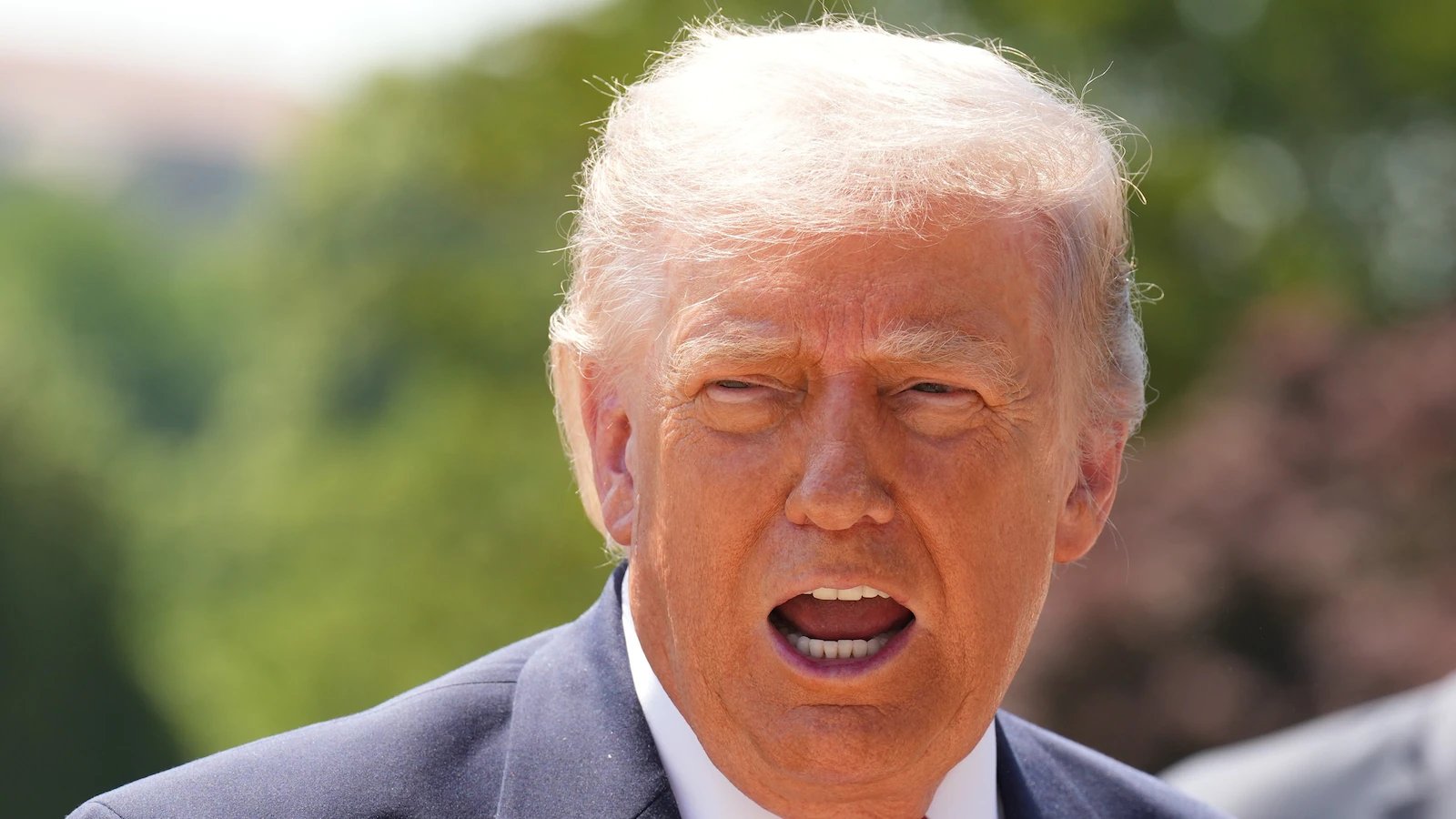
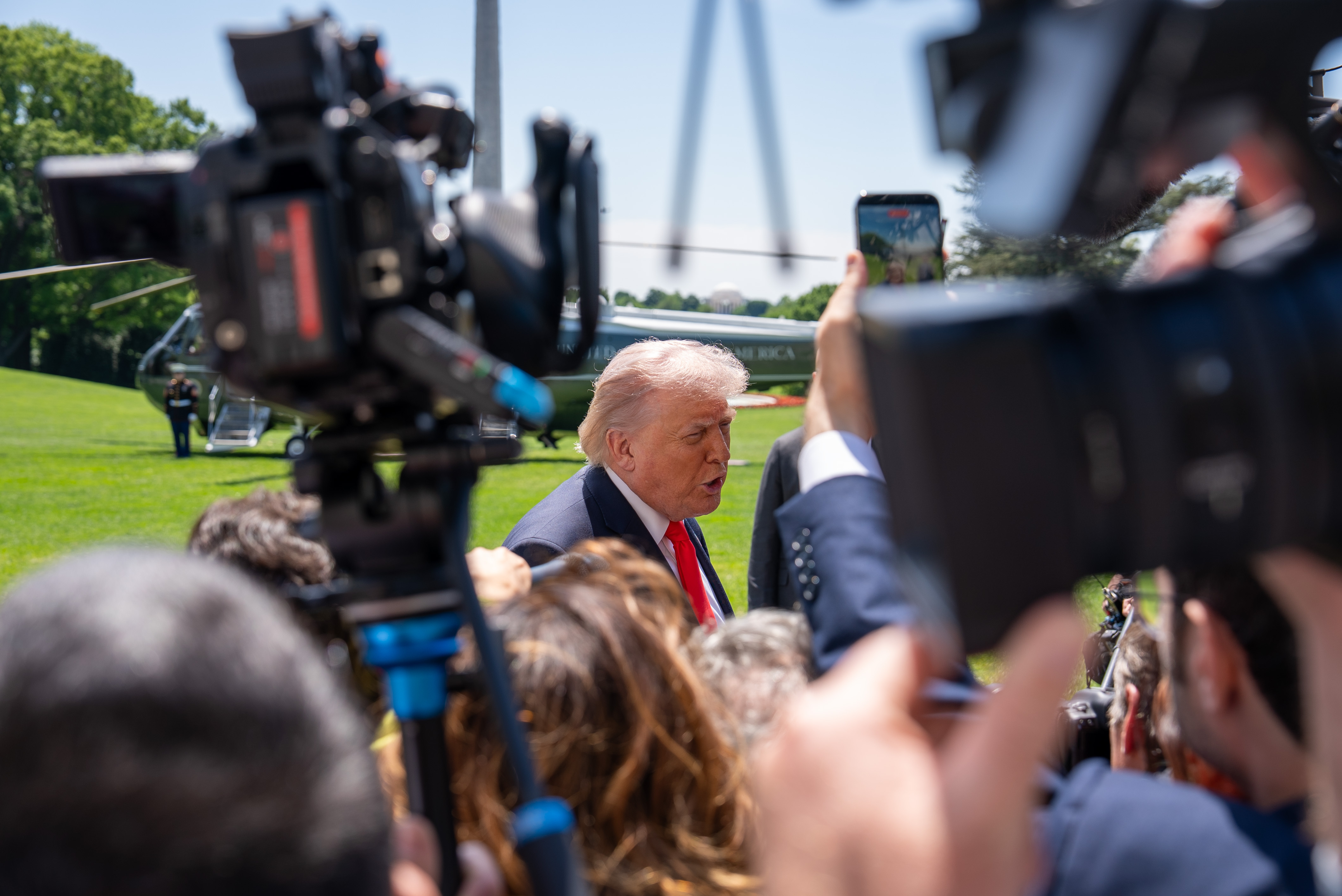
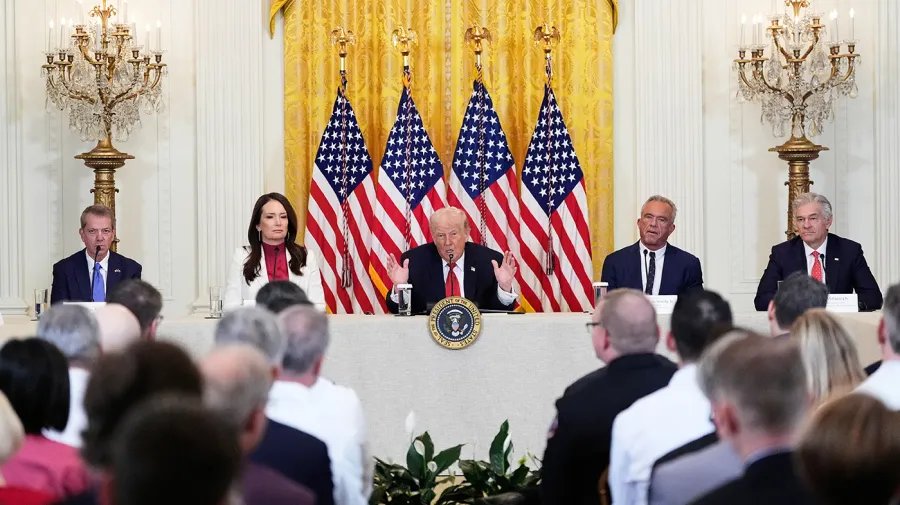
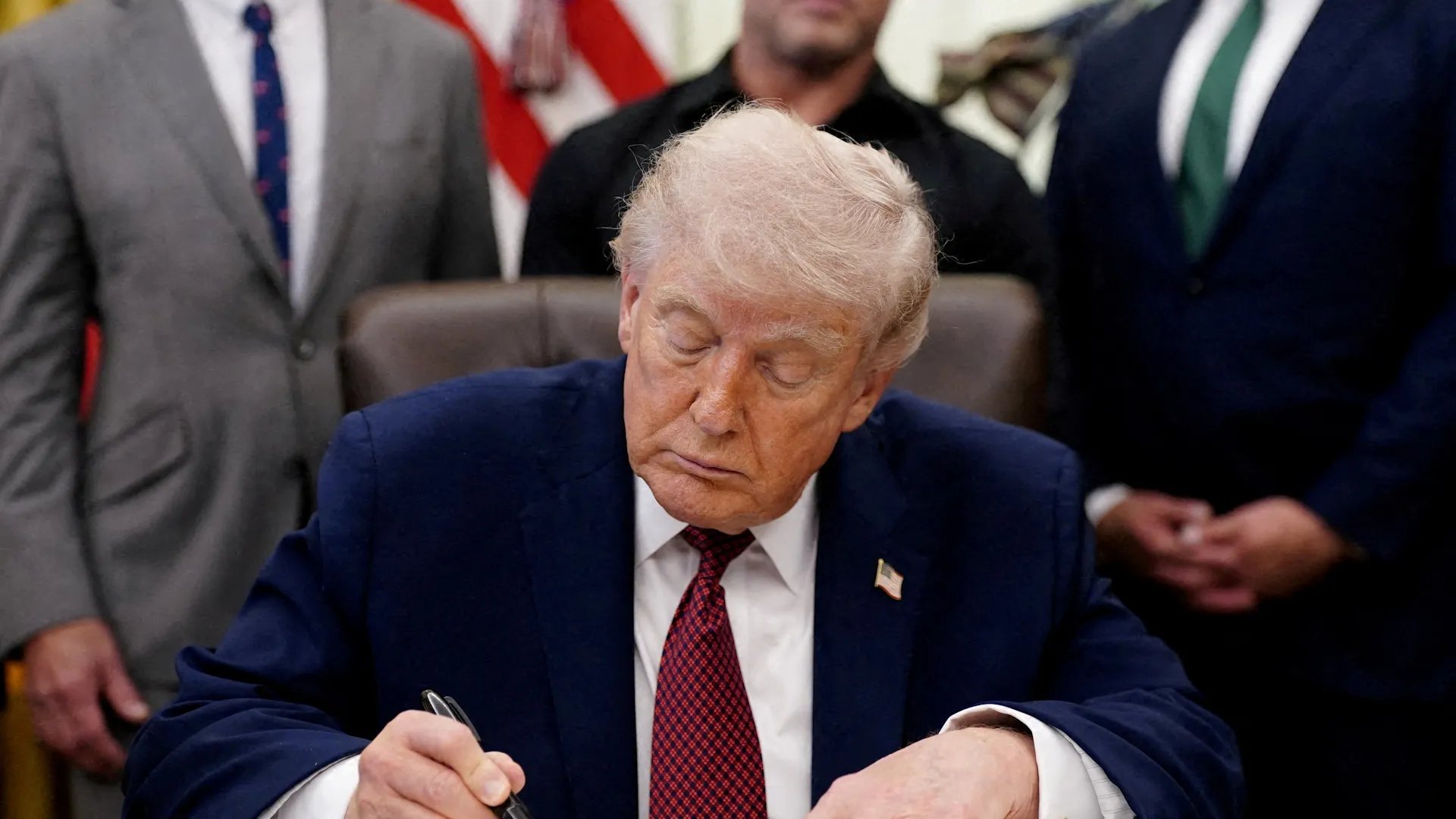
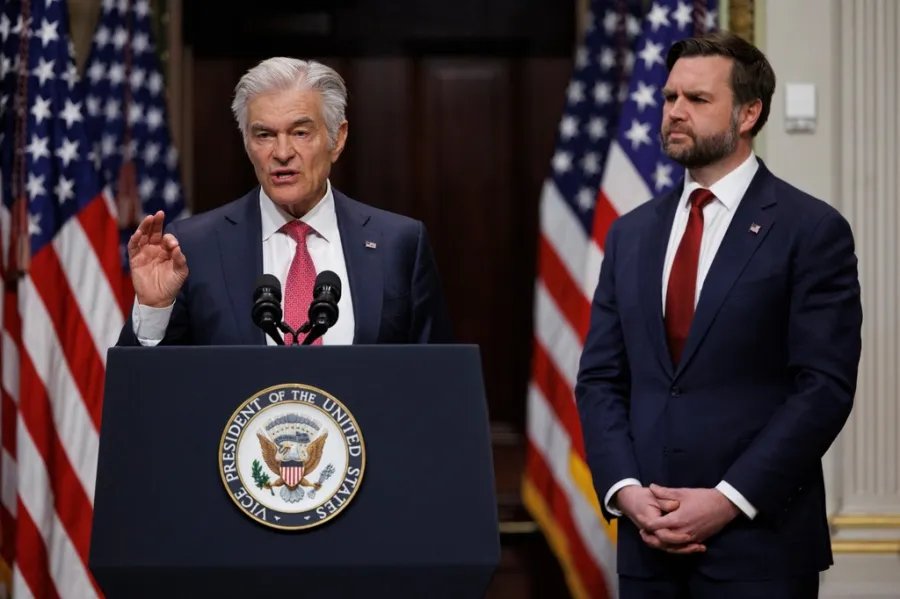
President Donald Trump said during a cabinet meeting that Iran is negotiating on fumes. Trump added that maybe we have to go back and finish it, maybe we don't.
He said the US is not satisfied with the current state of talks. The White House rejected an Iranian state television report about a draft agreement that included reopening the Strait of Hormuz and US forces withdrawing from the region, calling the text a complete fabrication.
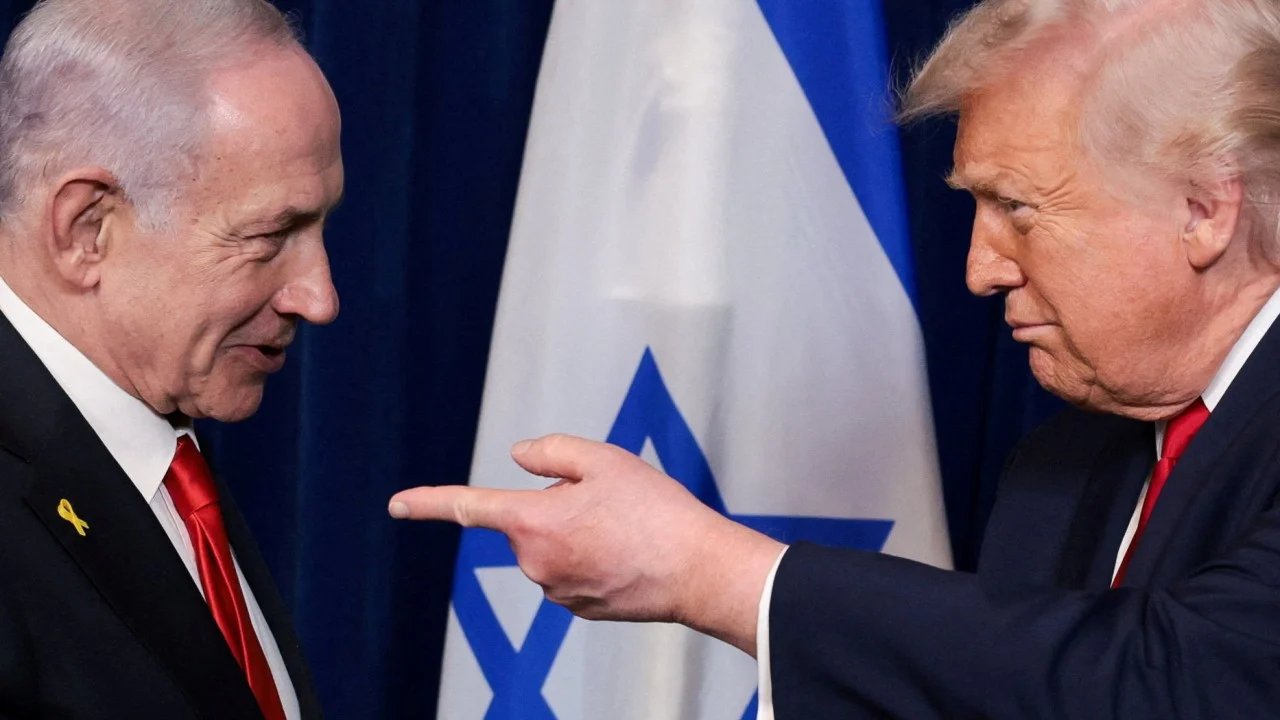
Trump has threatened to resume a large-scale bombing campaign if Iran does not agree to his terms. He urged Gulf nations during the cabinet meeting to sign on to the Abraham Accords to normalize relations with Israel. The original war began when the US and Israel struck Iran on 28 February.
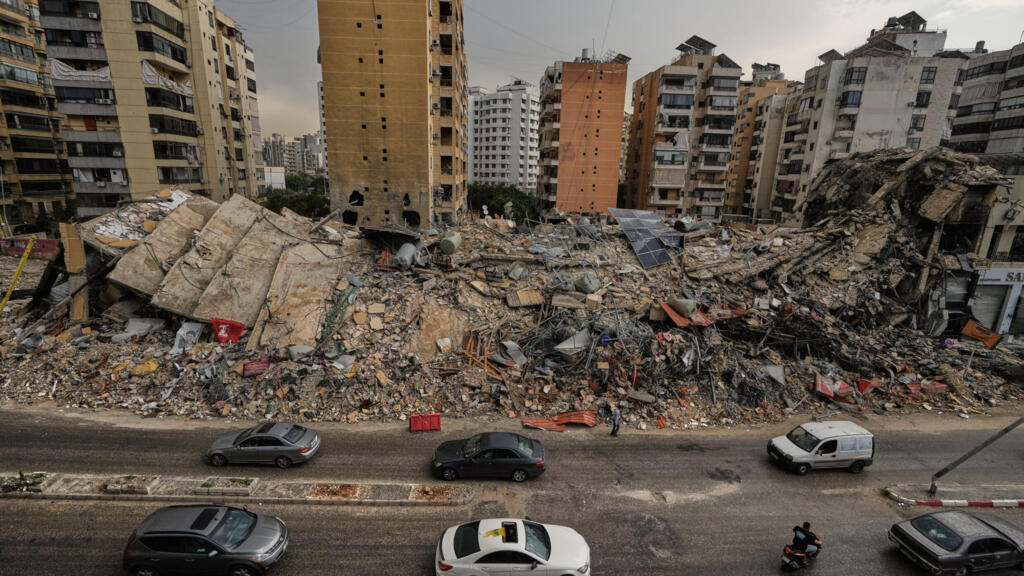
The fragile ceasefire and ongoing talks now face fresh pressure from direct military exchanges and economic penalties. Oil traders and shipping companies must navigate higher prices and continued disruption in one of the world's most vital energy corridors. Families in Kuwait and across the Gulf wake up to air defense sirens once again as diplomats race to prevent the conflict from expanding further.


























































































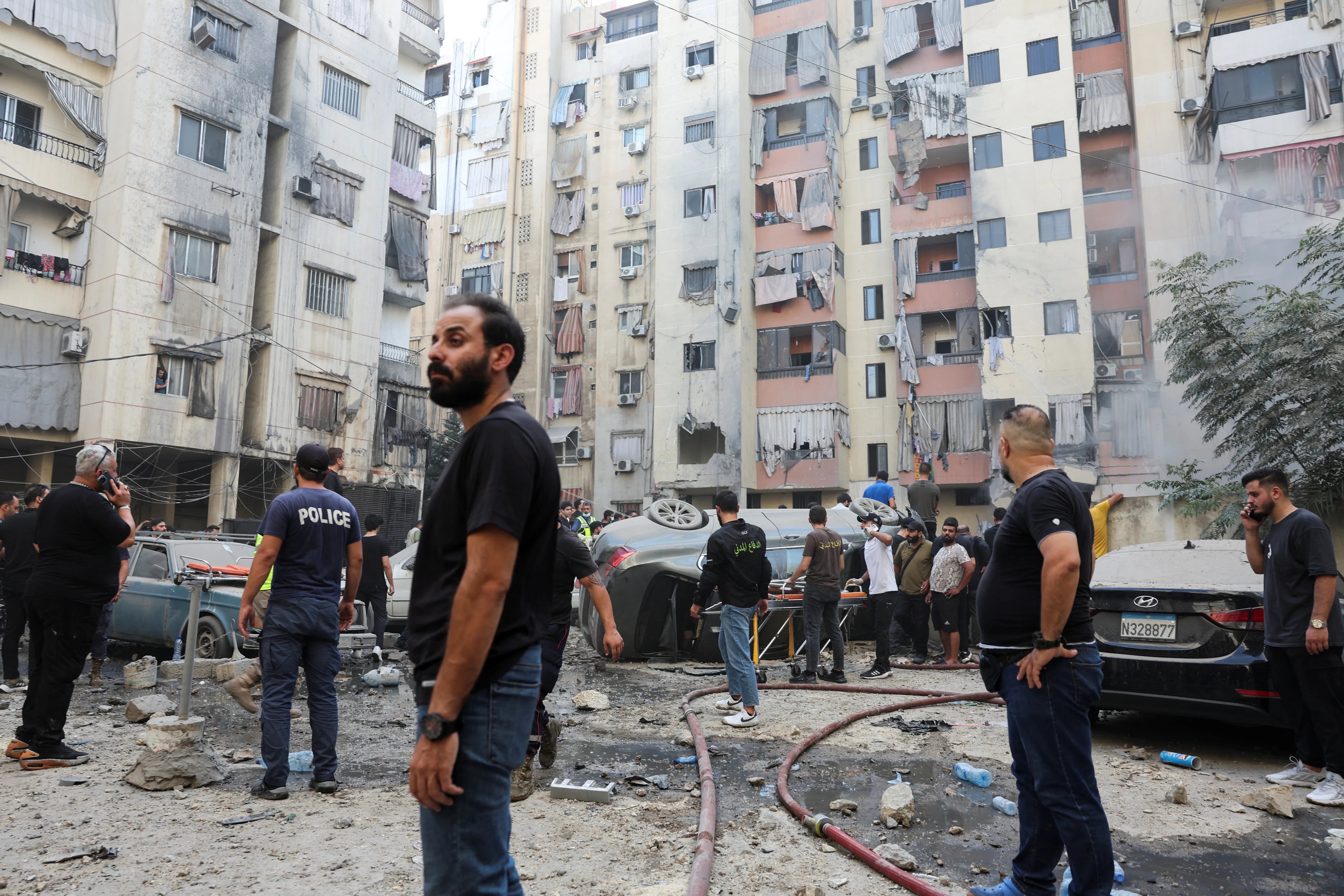























































































































































The sources also report that Kuwait's military faced missile and drone threats without providing further details on the targets, highlighting ongoing tensions in the region.