




Explosion During Hot-Fire Test
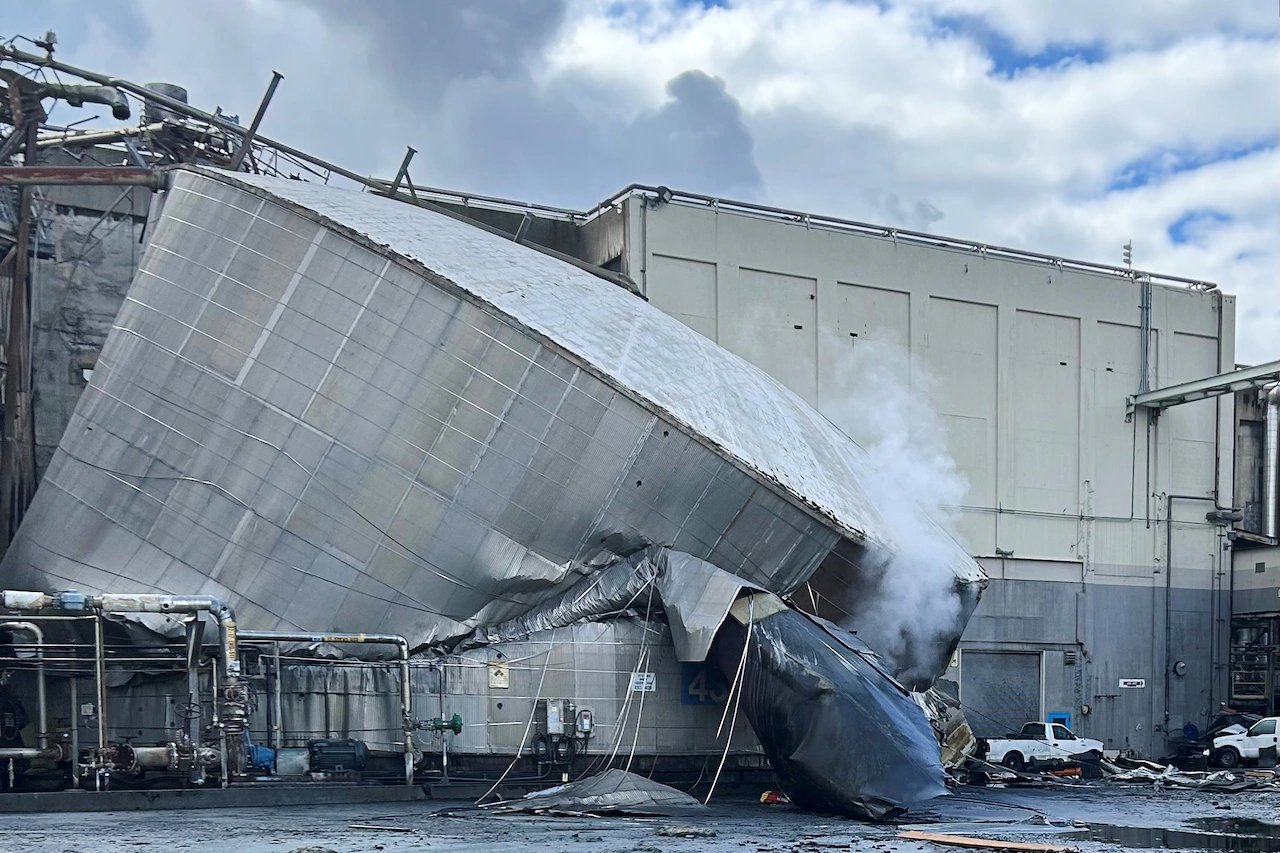
Blue Origin's New Glenn rocket exploded on the launchpad during a hot-fire test in Cape Canaveral on Thursday. The company owned by Jeff Bezos said no one was injured and all personnel were accounted for. Engineers lit the engines without releasing the vehicle but things did not go well.
The blast destroyed the only launchpad built for the New Glenn rocket. Miles O'Brien reported that launchpads are complicated structures requiring at least a year and possibly 15 months to build and certify. Blue Origin now faces months of delays before it can attempt another test or flight.
Damage Assessment Underway
Blue Origin is assessing the full extent of damage from the explosion at Cape Canaveral Space Force Station. The incident occurred during what the company described as an anomaly. Retired NASA astronaut Susan Kilrain discusses potential setbacks for upcoming missions tied to the rocket.
O'Brien noted that a lot of plumbing has to work well on a rocket for it to fly safely. Investigators will examine whether one of the engines or another component caused the failure.
Impact on Artemis Moon Program
New Glenn holds a crucial role in NASA's Artemis program to return American astronauts to the lunar surface. The rocket is designed to carry Blue Origin's Blue Moon lander which would deliver cargo and eventually people. This lander is supposed to rendezvous with the Artemis III Orion capsule.
Artemis III is supposed to fly about a year from now. O'Brien explained that without an operational heavy-lift vehicle the tight deadlines become harder to meet. NASA has discussed a sustained presence on the moon including a lunar base but those plans now face serious questions.
Parallel Setbacks at SpaceX
SpaceX's Starship program also sits nonoperational after its 12th flight. The booster lost control on descent and the FAA declared it a mishap due to public safety concerns. Elon Musk posted on X: "Sorry to see this. I hope you recover quickly."
Both Blue Origin and SpaceX encountered major problems within days of each other, leaving NASA without operational commercial heavy-lift vehicles for lunar missions. O'Brien stated that these two big vehicles from commercial players cannot do anything for NASA right now. The dual setbacks compound delays across the lunar program.
Launchpad Rebuild Timeline
Rebuilding the destroyed launchpad will take at least a year and possibly 15 months. This single pad represents the only infrastructure New Glenn has for reaching space. Blue Origin must complete construction then conduct certification before resuming flight attempts.
The explosion creates ripple effects on the company's commercial spaceflight schedule. Delays will affect contracts tied to lunar cargo delivery under the Artemis architecture.
Industry-Wide Space Race Pressure
The incident highlights how space remains hard even for established companies. NASA continues to rely on its own Space Launch System rocket to carry astronauts into space. Once in orbit the crew depends on commercial landers from Starship and Blue Moon for surface operations. Sustained lunar presence would require hundreds of launches of these heavy-lift rockets.
Next Steps for Blue Origin
Blue Origin will conduct a full investigation before announcing repair plans or revised schedules. The company must rebuild its sole New Glenn launchpad while addressing the root cause of the engine or plumbing failure. Until that work finishes the Blue Moon lander stays grounded.
This setback arrives as NASA eyes Artemis III within roughly one year. Any further slippage in commercial lander readiness directly pushes back crewed lunar landings. The human-scale consequence is a longer wait for American boots on the moon.