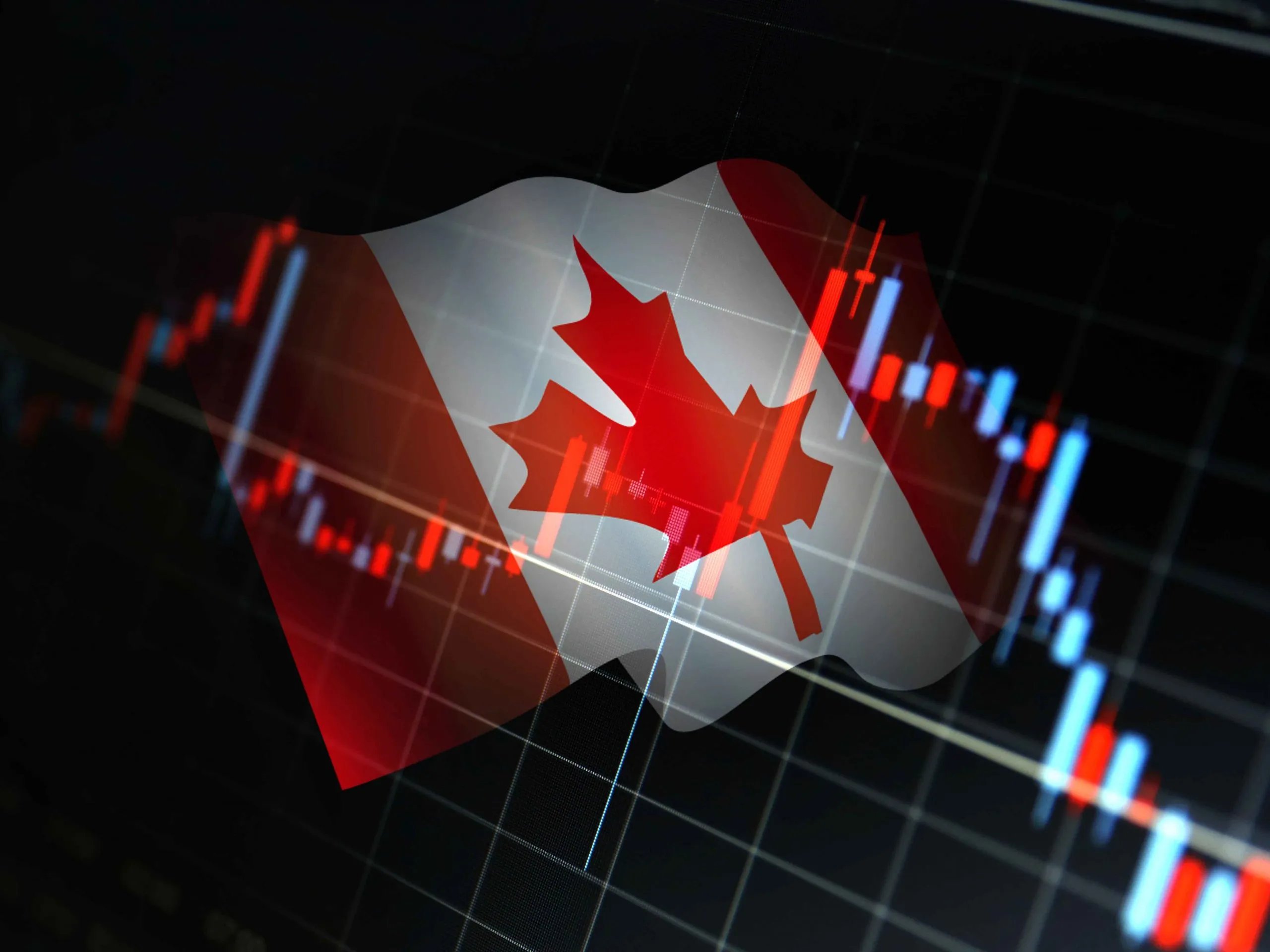
Canada has officially entered a technical recession, marked by two consecutive quarters of negative economic growth. The country's gross domestic product (GDP) shrank by 0.2% in the first quarter, following a decline of 0.1% in the fourth quarter of the previous year. This downturn has raised alarms among economists and policymakers, as it directly impacts employment rates and consumer spending across the nation.
The recession's effects are already being felt at the consumer level, with many Canadians expressing concerns about job security and financial stability. Economists warn that prolonged uncertainty could lead to higher unemployment rates, further straining households already grappling with rising costs.
Tariff disputes and trade tensions have significantly contributed to the economic contraction. Experts cite ongoing uncertainty regarding U.S.-Canada trade relations as a major factor affecting business investment decisions.
In response to the recession, Canadian officials are considering various measures to stimulate the economy. However, economists caution that without addressing underlying trade issues, any recovery may be short-lived.
Canada's technical recession may also have implications for its trade relationship with the United States. As the U.S. economy continues to show signs of strength, particularly in the housing market, any slowdown in Canada could affect cross-border trade dynamics.
As the country navigates this unexpected economic downturn, Canadians are urged to stay informed about government initiatives and support programs designed to mitigate the recession's impact. Local businesses and consumers alike may need to adapt their strategies to cope with changing economic conditions, highlighting the importance of resilience in uncertain times.
Canada has officially entered a technical recession, marked by two consecutive quarters of negative economic growth. The country's gross domestic product (GDP) shrank by 0.2% in the first quarter, following a decline of 0.1% in the fourth quarter of the previous year. This downturn has raised alarms among economists and policymakers, as it directly impacts employment rates and consumer spending across the nation.
The recession's effects are already being felt at the consumer level, with many Canadians expressing concerns about job security and financial stability. A recent survey indicated that 62% of respondents believe the economy is headed in the wrong direction, a sentiment that could dampen consumer confidence and spending. Economists warn that prolonged uncertainty could lead to higher unemployment rates, further straining households already grappling with rising costs.
Tariff disputes and trade tensions have significantly contributed to the economic contraction. Experts cite ongoing uncertainty regarding U.S.-Canada trade relations as a major factor affecting business investment decisions. The imposition of tariffs on key Canadian exports has created a challenging environment for manufacturers and exporters, leading to reduced production and job cuts in several sectors.
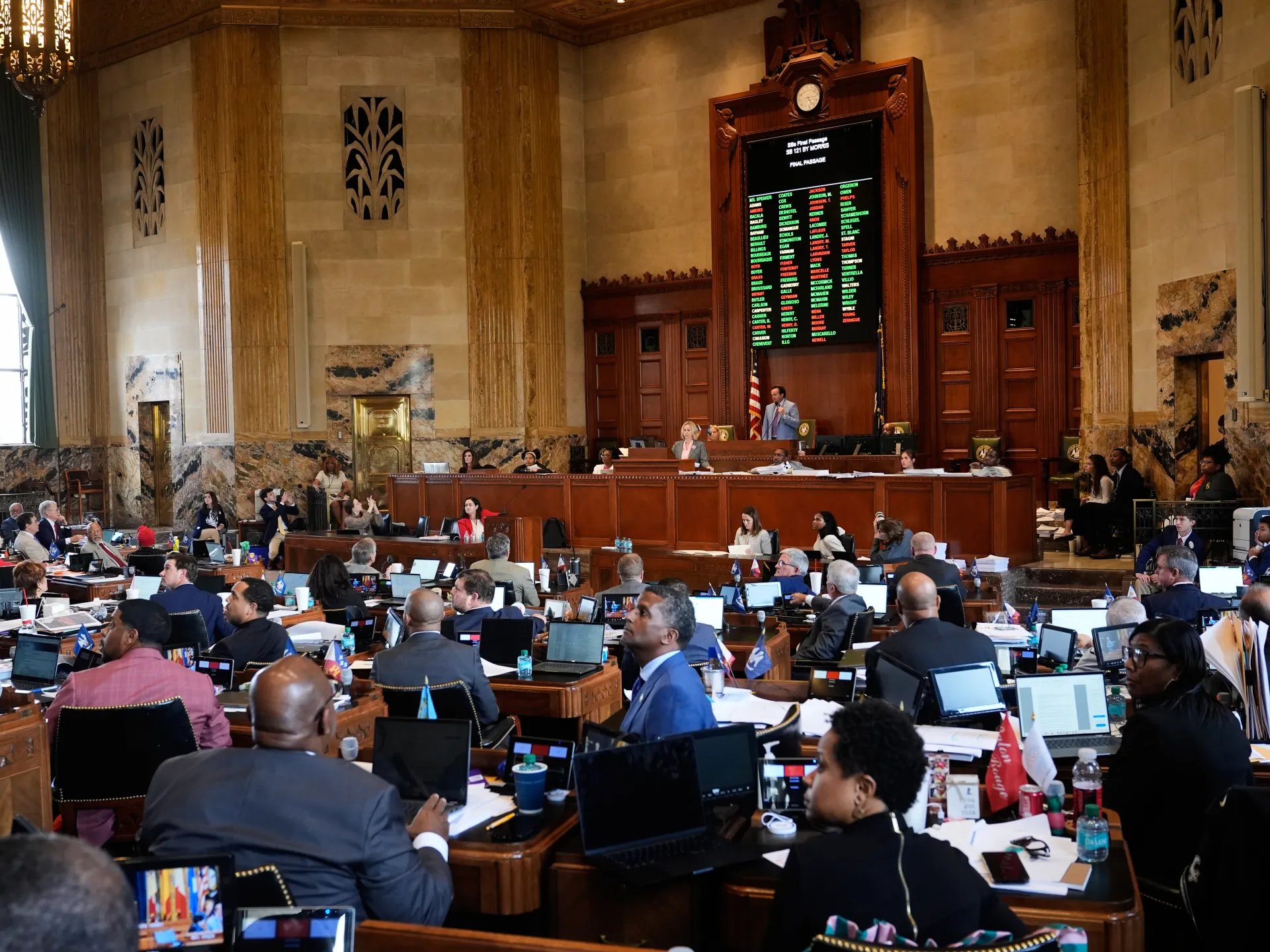
In response to the recession, Canadian officials are considering various measures to stimulate the economy. Finance Minister Chrystia Freeland acknowledged the challenges ahead, stating that the government is prepared to implement targeted fiscal policies to support affected industries. However, economists caution that without addressing underlying trade issues, any recovery may be short-lived.
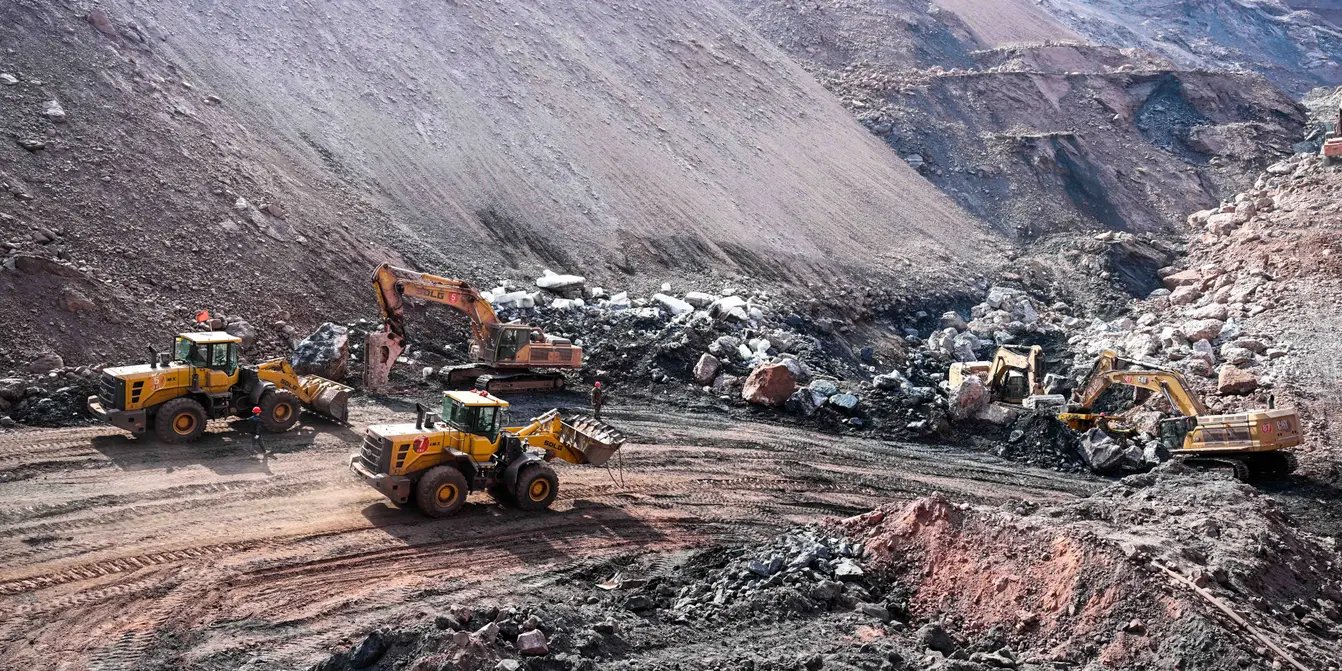
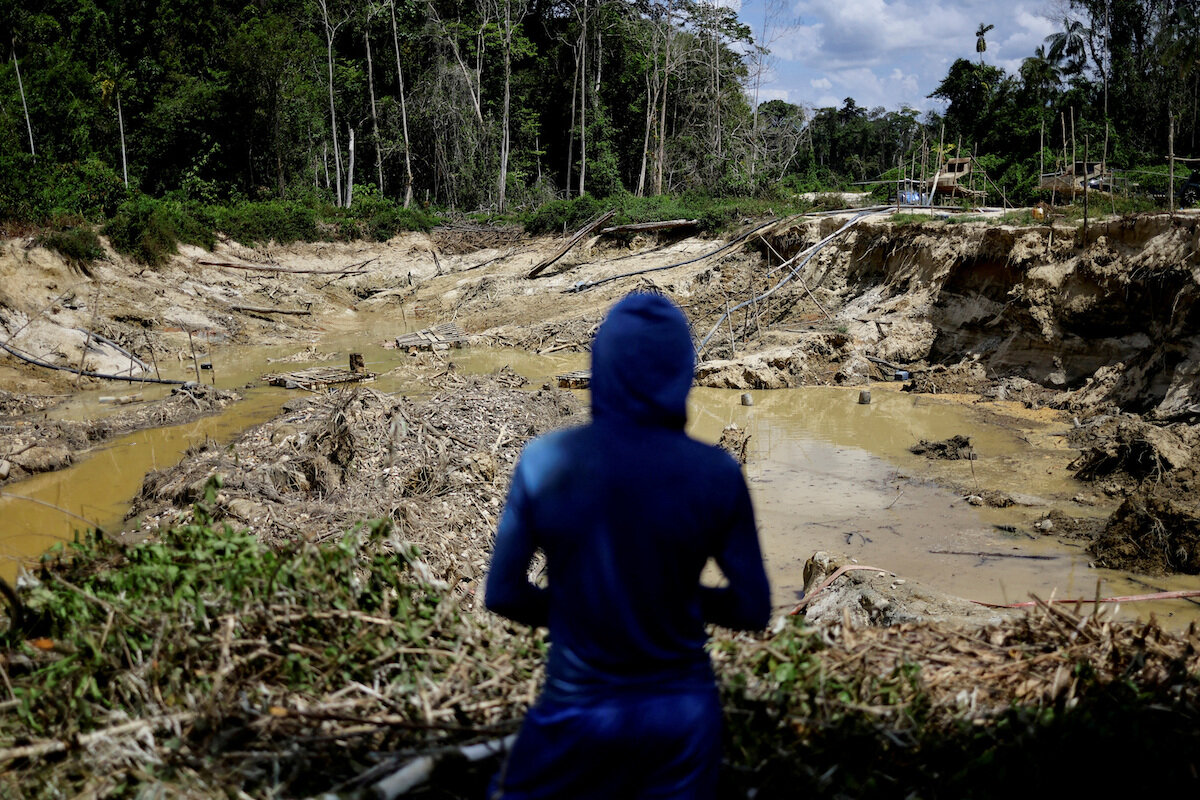
The recession's effects are not uniform across Canada. Provinces reliant on resource extraction, such as Alberta and Saskatchewan, have been hit particularly hard, with GDP contractions of 0.4% and 0.3%, respectively. In contrast, British Columbia and Ontario have shown more resilience, experiencing minor growth despite the overall downturn. This disparity highlights the need for region-specific strategies to bolster economic recovery.
Canada's technical recession may also have implications for its trade relationship with the United States. As the U.S. economy continues to show signs of strength, particularly in the housing market, any slowdown in Canada could affect cross-border trade dynamics. Analysts suggest that U.S. businesses may need to reassess their supply chains and investment strategies in response to shifts in the Canadian economy.
As the country navigates this unexpected economic downturn, Canadians are urged to stay informed about government initiatives and support programs designed to mitigate the recession's impact. Local businesses and consumers alike may need to adapt their strategies to cope with changing economic conditions, highlighting the importance of resilience in uncertain times.
Highlighted text was flagged by the council. Tap to see feedback.