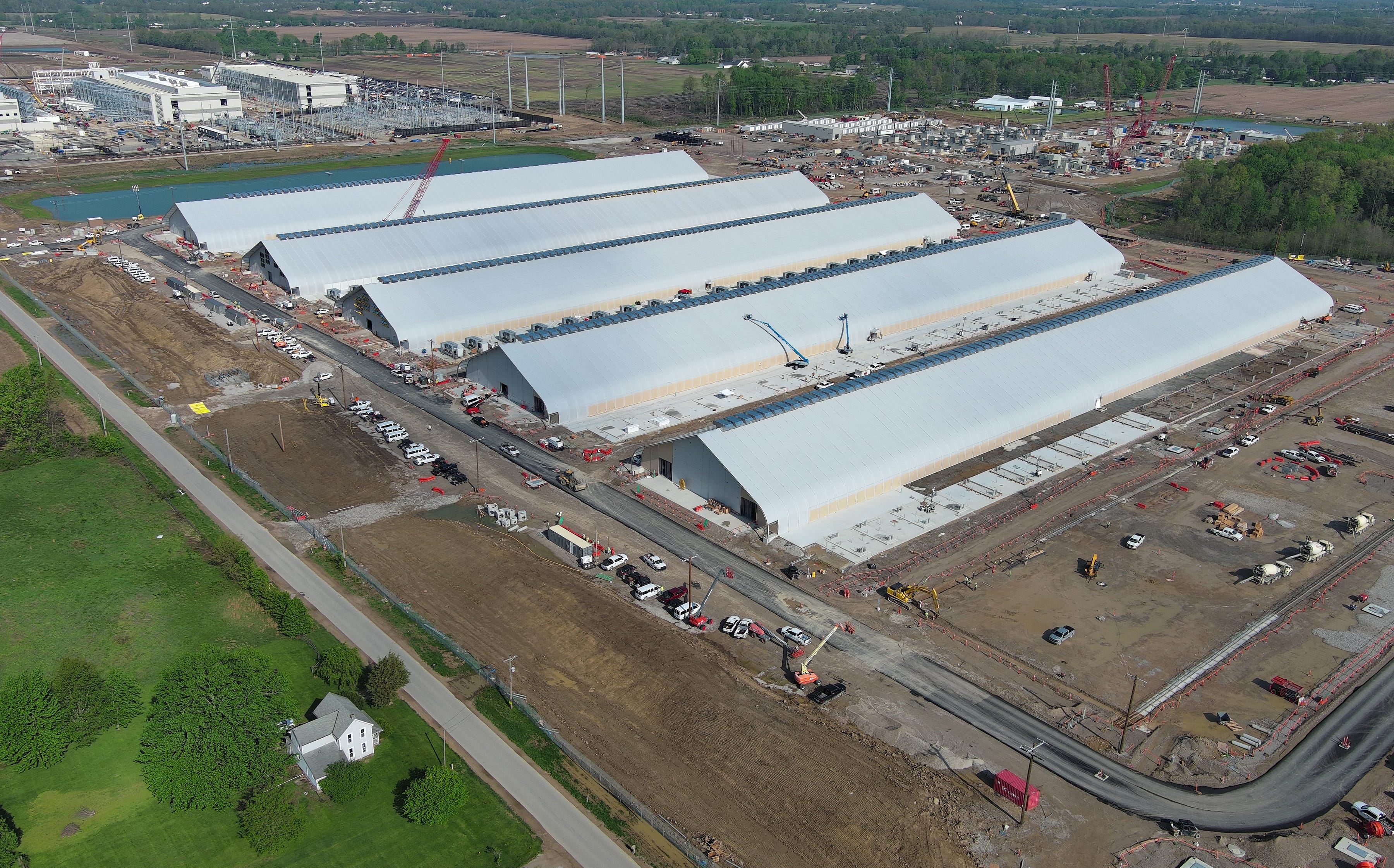
DeWine announced his directive to the Ohio Tax Credit Authority chair to temporarily halt consideration of new data center tax exemptions, effective immediately.
The suspension of the tax break is a concrete change in fiscal policy, directly affecting economic development incentives in Ohio. Developers have been drawn to Ohio due to the previous tax exemption, which lowered the cost of establishing and operating data centers. With the suspension, the state may see a slowdown in investment and development within the tech industry, potentially impacting the growth of AI infrastructure and related jobs.
At the heart of the suspension is a dispute over who will bear the significant costs of electricity needed to power AI-driven data centers.
While the suspension is temporary, it creates uncertainty for developers who were considering Ohio for new data center projects. The absence of tax incentives may lead some to explore other states with more favorable tax policies, potentially resulting in lost revenue and job opportunities for Ohio.
The suspension of the tax break underscores the need for a broader conversation on the costs and benefits of AI infrastructure.
As the state navigates this complex issue, the implications for economic development, tech investment, and the cost of AI power will be closely watched by stakeholders nationwide.
Ohio Governor Mike DeWine has suspended the state's tax exemption for new data centers, a move that could significantly impact the state's appeal to power facility developers amidst the artificial intelligence boom. DeWine announced his directive to the chair of the Ohio Tax Credit Authority to temporarily halt consideration of new data center tax exemptions, effective immediately.
The suspension of the tax break is a concrete change in fiscal policy, directly affecting economic development incentives in Ohio. Developers have been drawn to Ohio due to the previous tax exemption, which lowered the cost of establishing and operating data centers. With the suspension, the state may see a slowdown in investment and development within the tech industry, potentially impacting the growth of AI infrastructure and related jobs.
At the heart of the suspension is a dispute over who will bear the significant costs of electricity needed to power AI-driven data centers. These facilities consume vast amounts of power, leading to increased costs for electricity providers and, by extension, other consumers. The decision to suspend the tax break reflects a broader debate on how the costs of AI infrastructure should be distributed within the state.
While the suspension is temporary, it creates uncertainty for developers who were considering Ohio for new data center projects. The absence of tax incentives may lead some to explore other states with more favorable tax policies, potentially resulting in lost revenue and job opportunities for Ohio.
The suspension of the tax break underscores the need for a broader conversation on the costs and benefits of AI infrastructure. As the debate continues, Ohio must weigh the economic incentives offered to attract tech development against the fiscal burden on the state and its residents. The outcome could set a precedent for other states facing similar decisions, influencing the landscape of AI development across the country.
Ohio's decision to suspend the data center tax break is more than a local policy shift; it is a pivotal moment in the ongoing discourse on who should shoulder the financial burden of AI infrastructure. As the state navigates this complex issue, the implications for economic development, tech investment, and the cost of AI power will be closely watched by stakeholders nationwide.
Highlighted text was flagged by the council. Tap to see feedback.