Israeli Prime Minister Benjamin Netanyahu has ordered a significant expansion of military control in Gaza, increasing the area under Israeli control from 53% to 70%. The escalation has raised alarms among regional leaders, particularly as it threatens the fragile ceasefire established in October 2025, which aimed to halt ongoing violence.
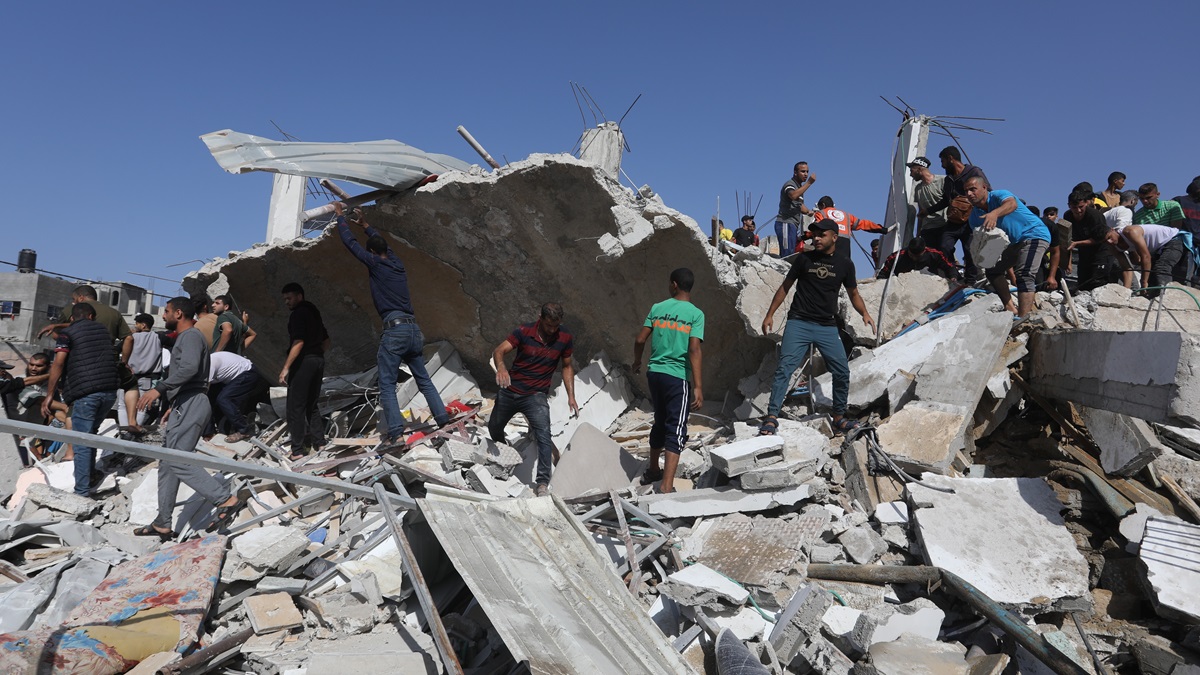
The recent military actions have led to the death of Dr. Jamal Abu Aboun, head of anaesthesia at Al-Yafa Medical Hospital, in an Israeli airstrike in central Gaza. The strike, which also injured three others, occurred near the Al-Aqsa Martyrs Hospital, highlighting the ongoing danger faced by civilians.
In response to the escalating violence, Egypt has initiated urgent diplomatic efforts to salvage the ceasefire agreement. Khalil al-Hayya, a senior Hamas official, has been invited to participate in talks aimed at preventing further escalation. The situation has prompted Cairo to coordinate with mediators from Qatar and Turkiye, as well as U.S. officials, to return to a negotiating track.
Israeli Defence Minister Israel Katz's recent comments regarding the potential for "voluntary migration" of Palestinians have sparked outrage. He stated that such a scheme would be implemented "at the right time and in the right manner," raising concerns about forced displacement. These remarks are seen as politically motivated, particularly as Netanyahu faces challenges in Lebanon, affecting the stability of the region.
The ongoing violence undermines months of diplomatic efforts aimed at securing a lasting peace. Hamas has called for urgent actions from the U.S. and other guarantor nations to compel Israel to adhere to its commitments under the ceasefire agreement. The situation remains fluid, with both sides on high alert for further developments.
As tensions continue to rise, the urgency for diplomatic engagement is paramount. The international community is closely monitoring the situation, with calls for immediate action to prevent further bloodshed. The outcome of the upcoming talks in Egypt could be critical in determining the future of Gaza and the broader Israeli-Palestinian conflict. The stakes are high, as any misstep could lead to a significant escalation in violence, affecting countless lives.
Israeli Prime Minister Benjamin Netanyahu has ordered a significant expansion of military control in Gaza, increasing the area under Israeli control from 53% to 70%. This directive comes as Israeli forces intensify their ground operations, resulting in the deaths of at least 141 Palestinians over the past two weeks. The escalation has raised alarms among regional leaders, particularly as it threatens the fragile ceasefire established in October 2025, which aimed to halt ongoing violence.
The recent military actions have led to the death of Dr. Jamal Abu Aboun, head of anaesthesia at Al-Yafa Medical Hospital, in an Israeli airstrike in central Gaza. The strike, which also injured three others, occurred near the Al-Aqsa Martyrs Hospital, highlighting the ongoing danger faced by civilians. Since the ceasefire, reports indicate that at least 922 Palestinians have died, with over 2,786 injuries attributed to Israeli attacks.
In response to the escalating violence, Egypt has initiated urgent diplomatic efforts to salvage the ceasefire agreement. Egyptian officials have warned Israel that expanding its military operations could jeopardize peace negotiations. Khalil al-Hayya, a senior Hamas official, is expected to participate in talks aimed at preventing further escalation. The situation has prompted Cairo to coordinate with mediators from Qatar and Turkiye, as well as U.S. officials, to return to a negotiating track.
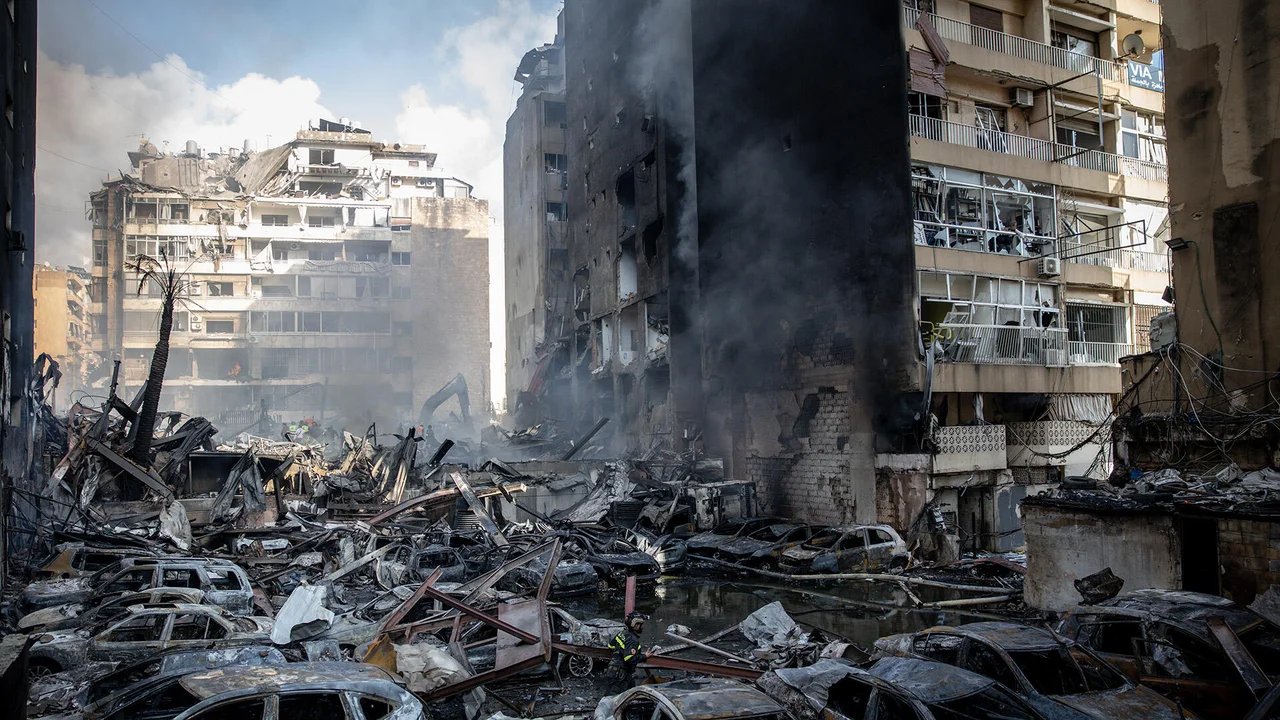
Israeli Defence Minister Israel Katz's recent comments regarding the potential for "voluntary migration" of Palestinians have sparked outrage. He stated that such a scheme would be implemented “at the right time and in the right manner,” raising concerns about forced displacement. These remarks are seen as politically motivated, particularly as Netanyahu faces challenges in Lebanon, affecting the stability of the region.
The renewed military operations and statements from Israeli officials have raised fears of an all-out war in Gaza. The ongoing violence undermines months of diplomatic efforts aimed at securing a lasting peace. Hamas has called for urgent actions from the U.S. and other guarantor nations to compel Israel to adhere to its commitments under the ceasefire agreement. The situation remains fluid, with both sides on high alert for further developments.
As tensions continue to rise, the urgency for diplomatic engagement is paramount. The international community is closely monitoring the situation, with calls for immediate action to prevent further bloodshed. The outcome of the upcoming talks in Egypt could be critical in determining the future of Gaza and the broader Israeli-Palestinian conflict. The stakes are high, as any misstep could lead to a significant escalation in violence, affecting countless lives.
Highlighted text was flagged by the council. Tap to see feedback.