




Devastation in Kyiv
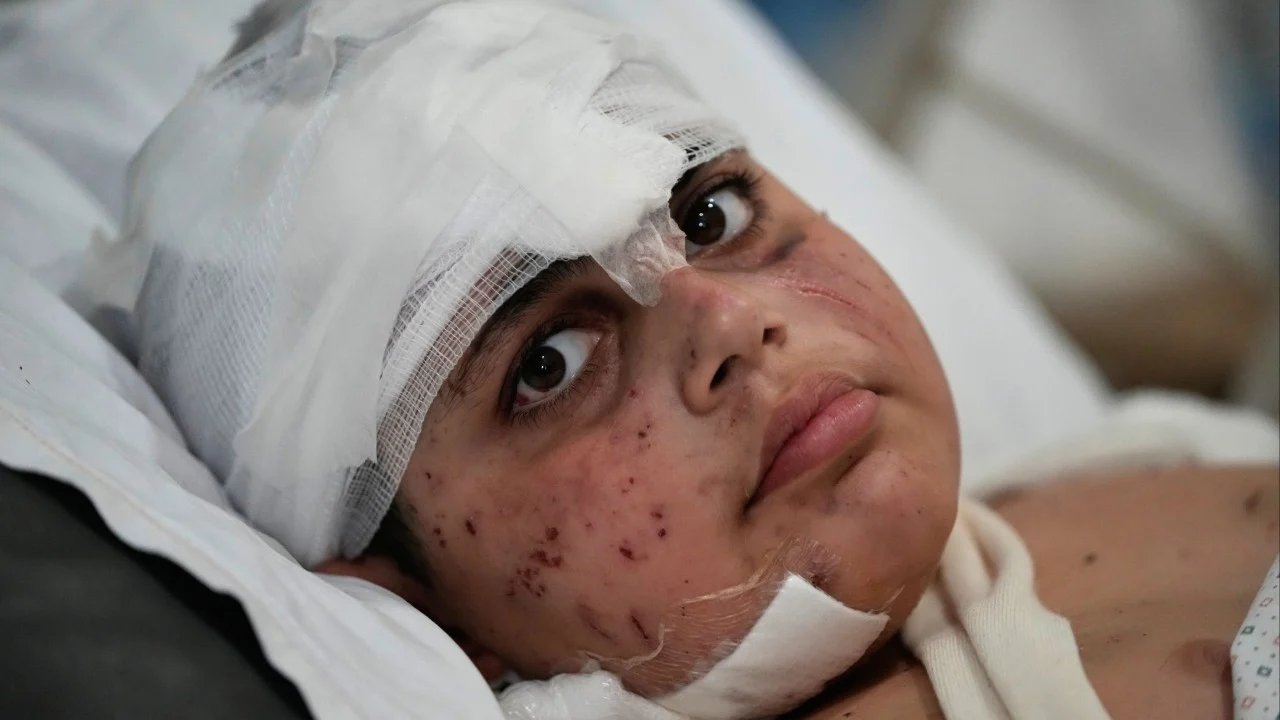
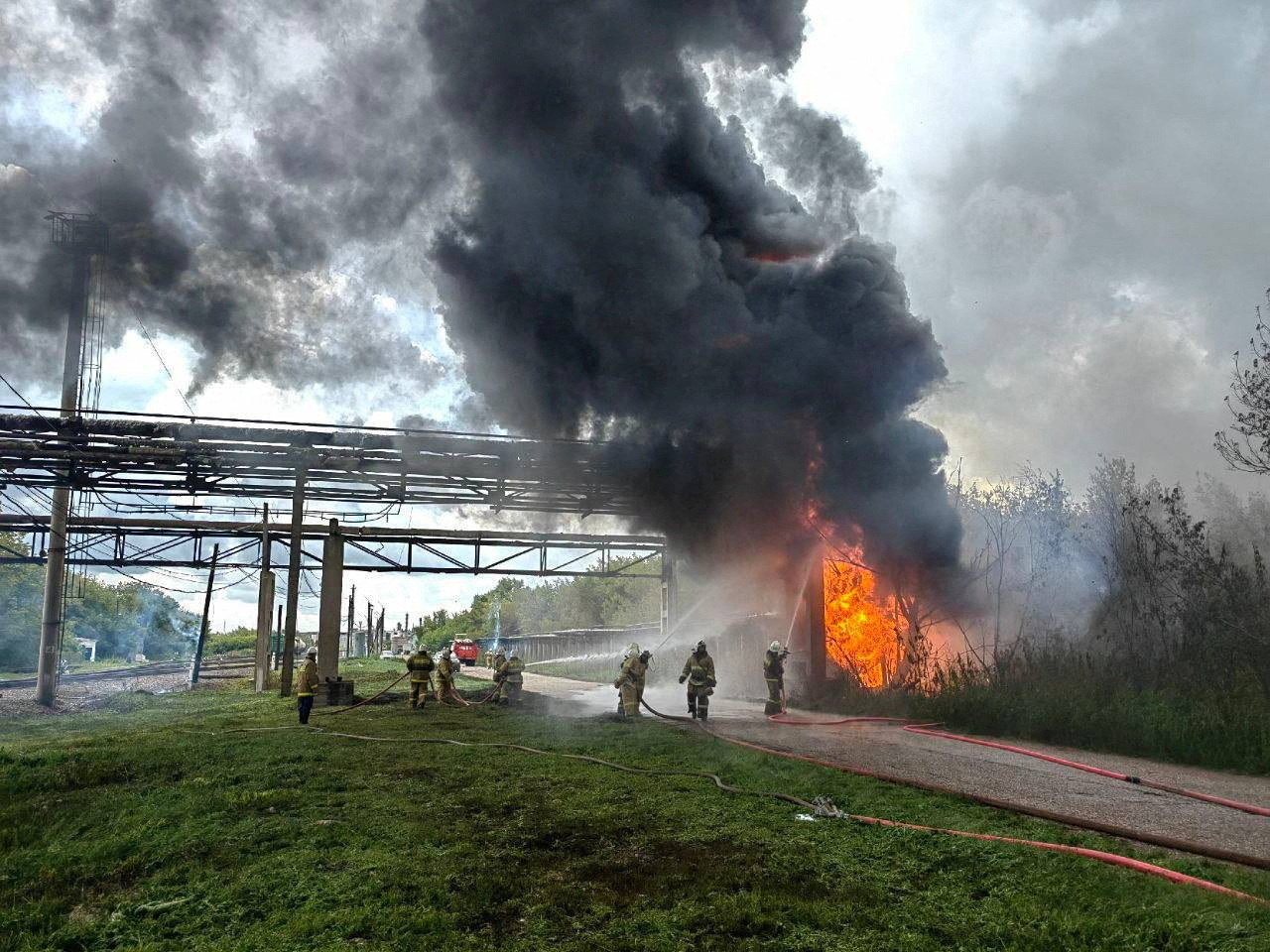
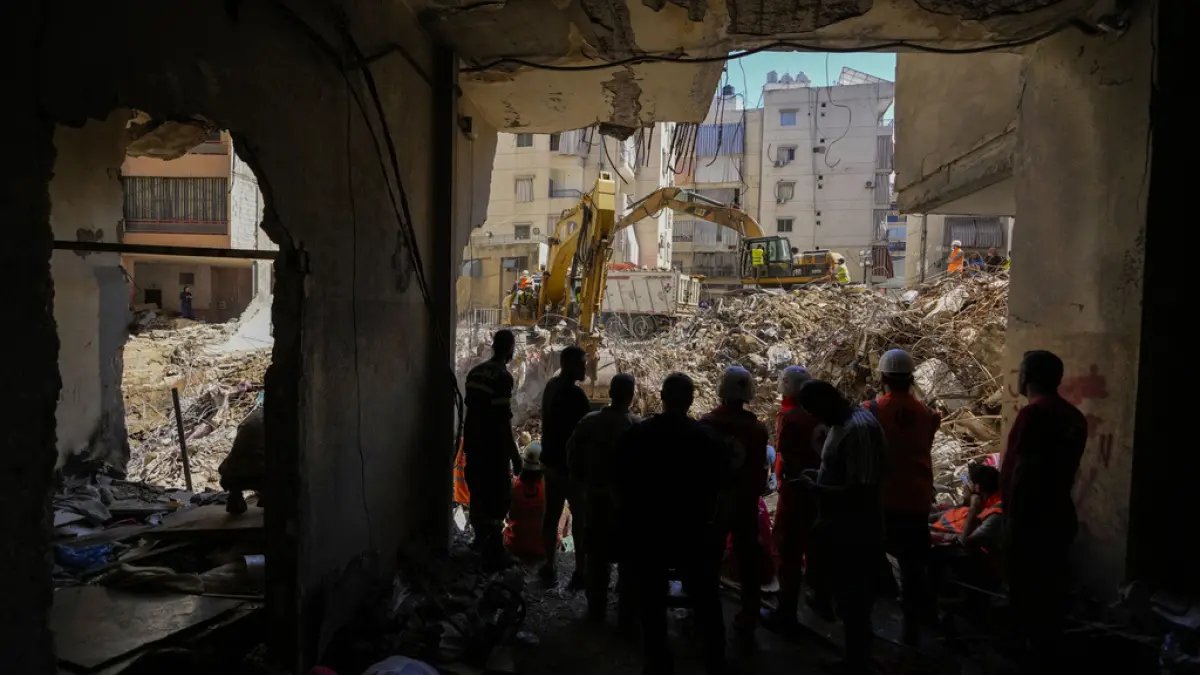
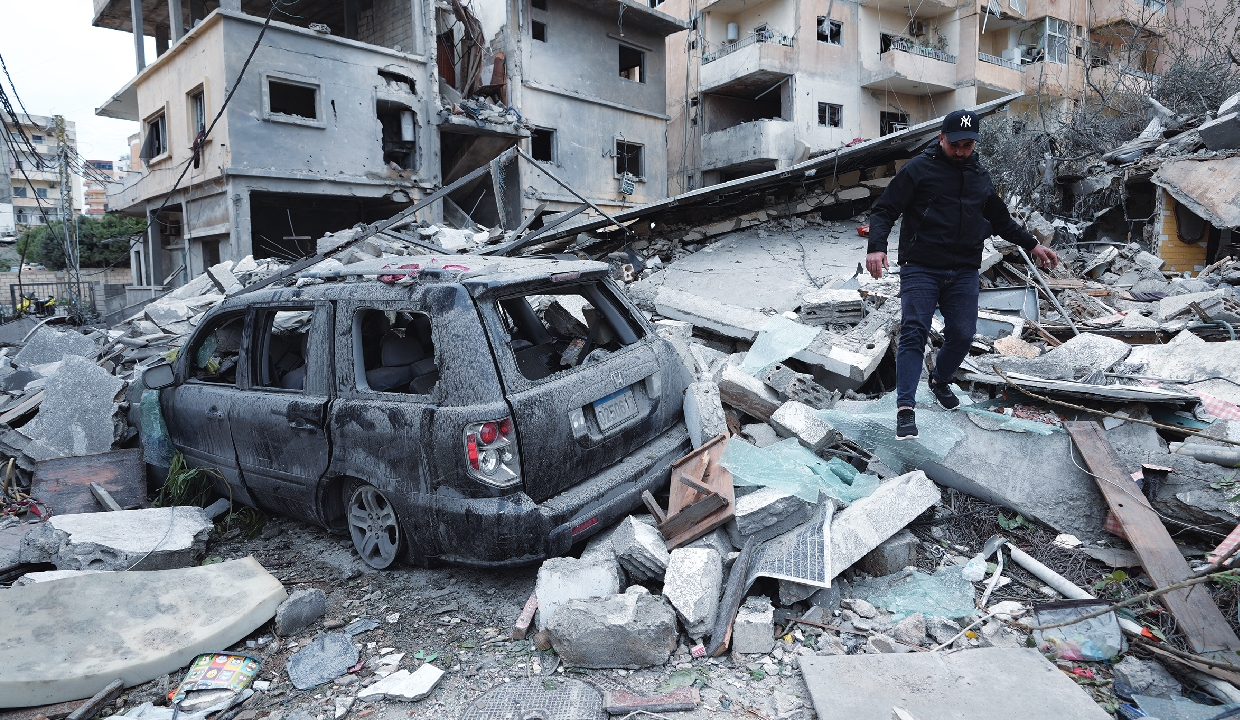
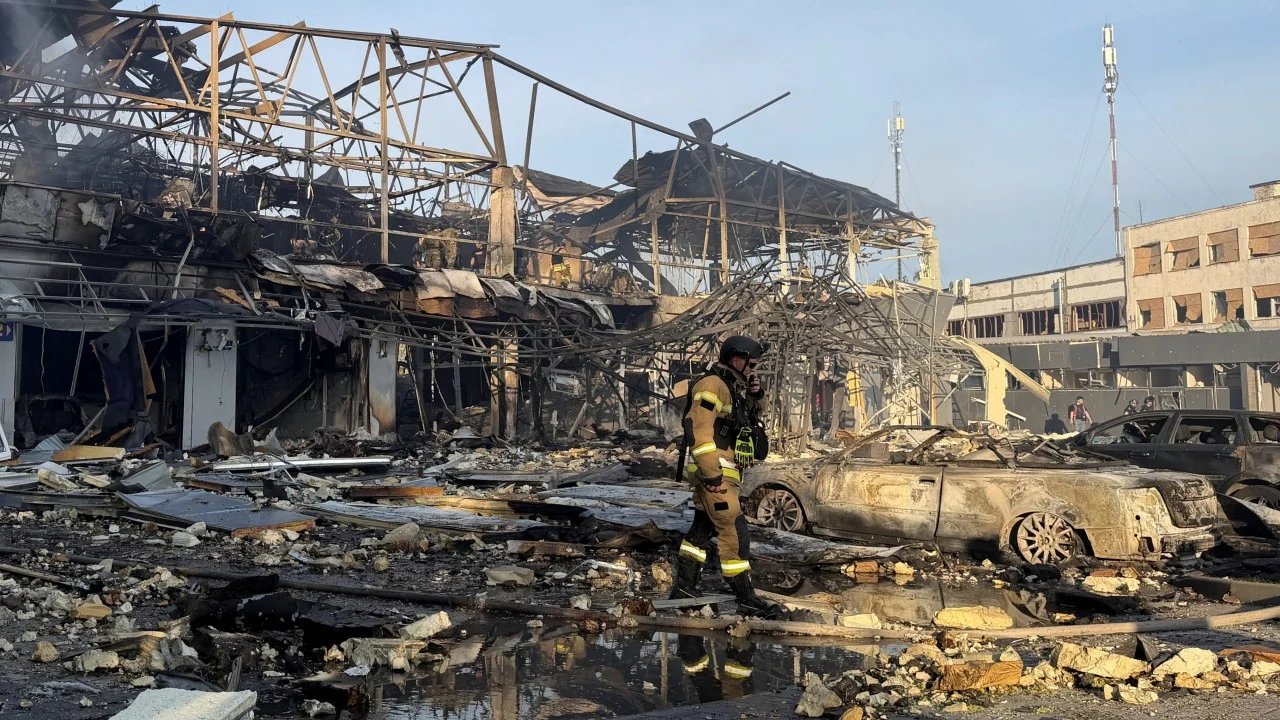
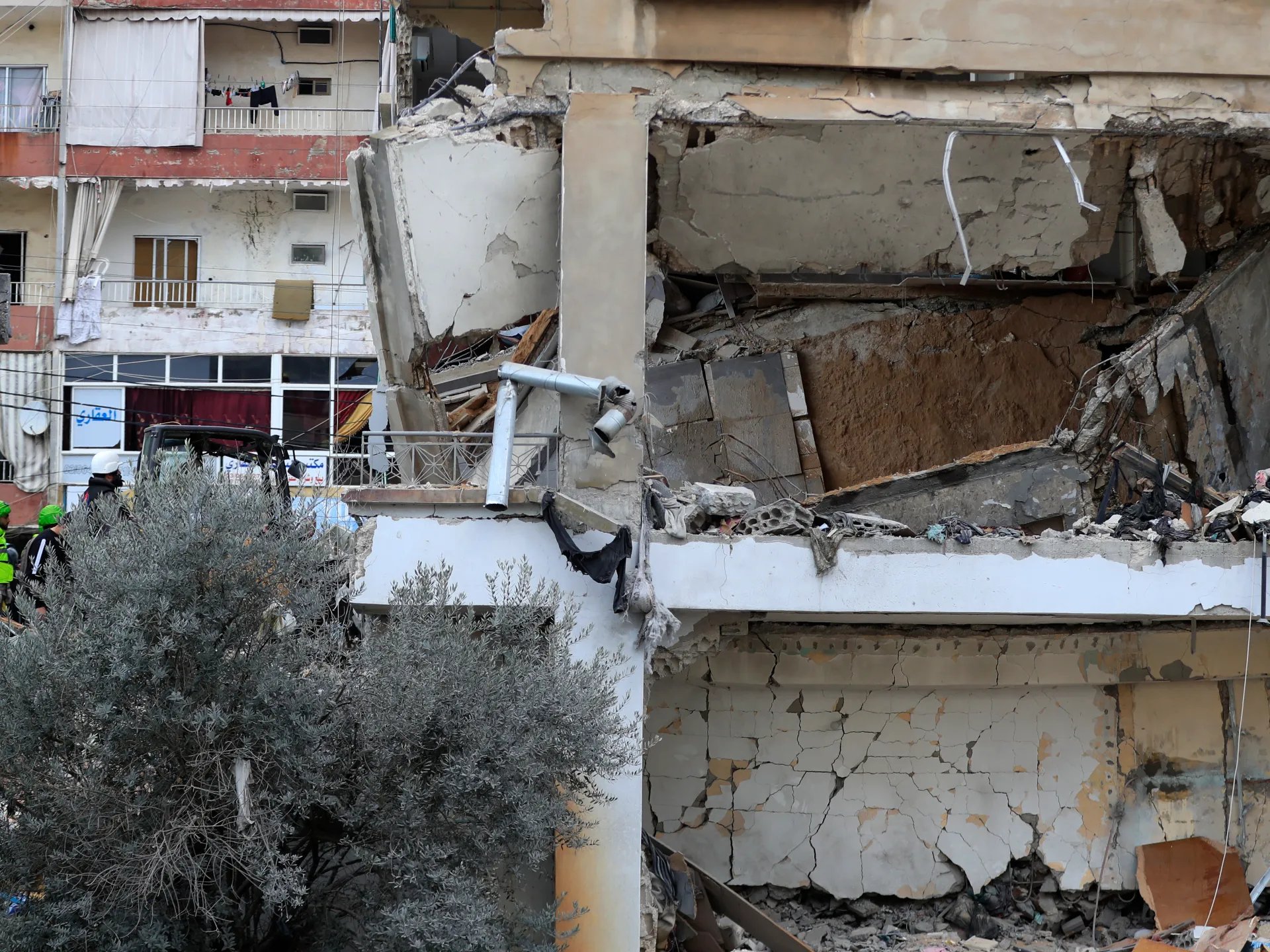
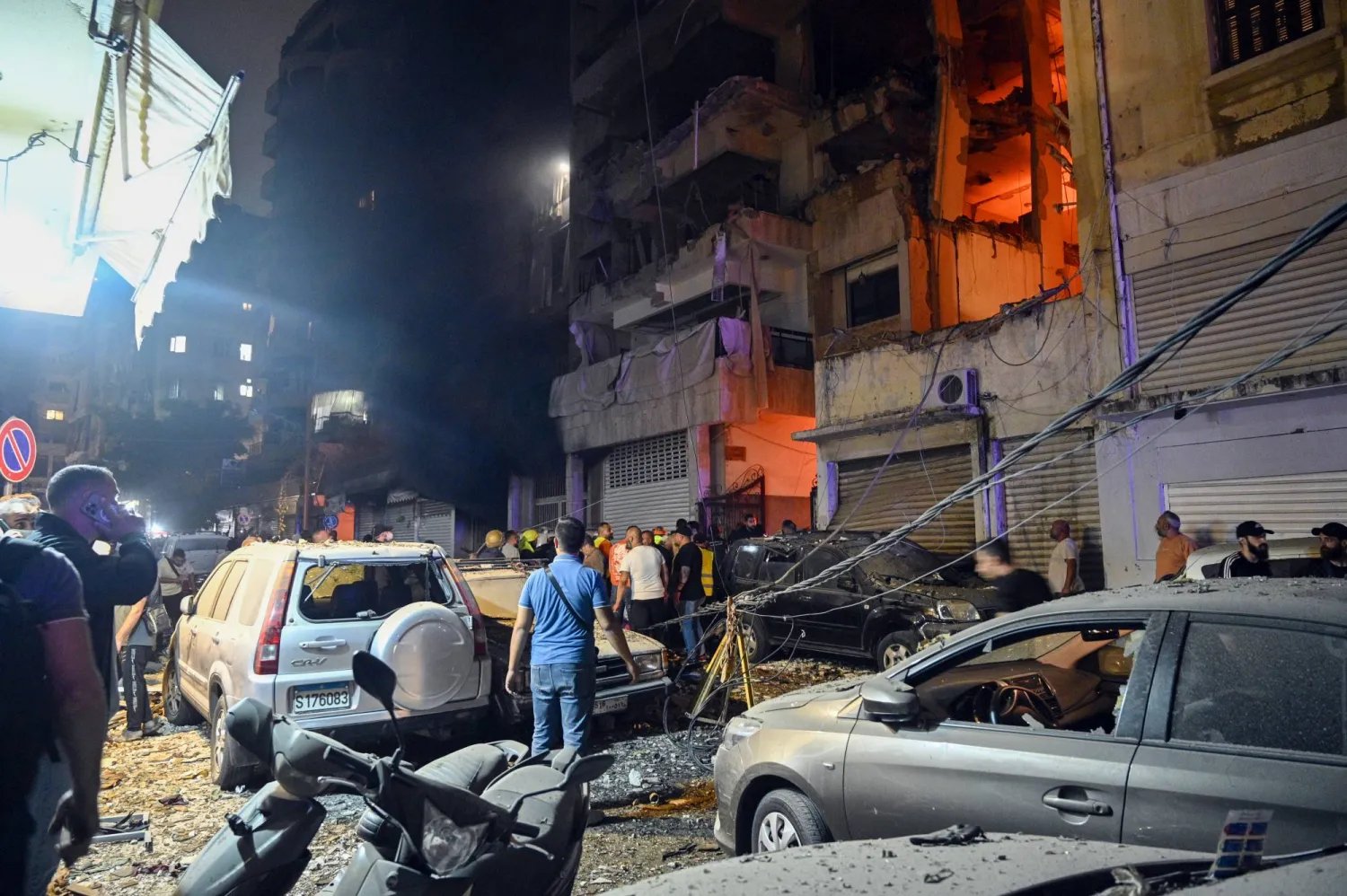
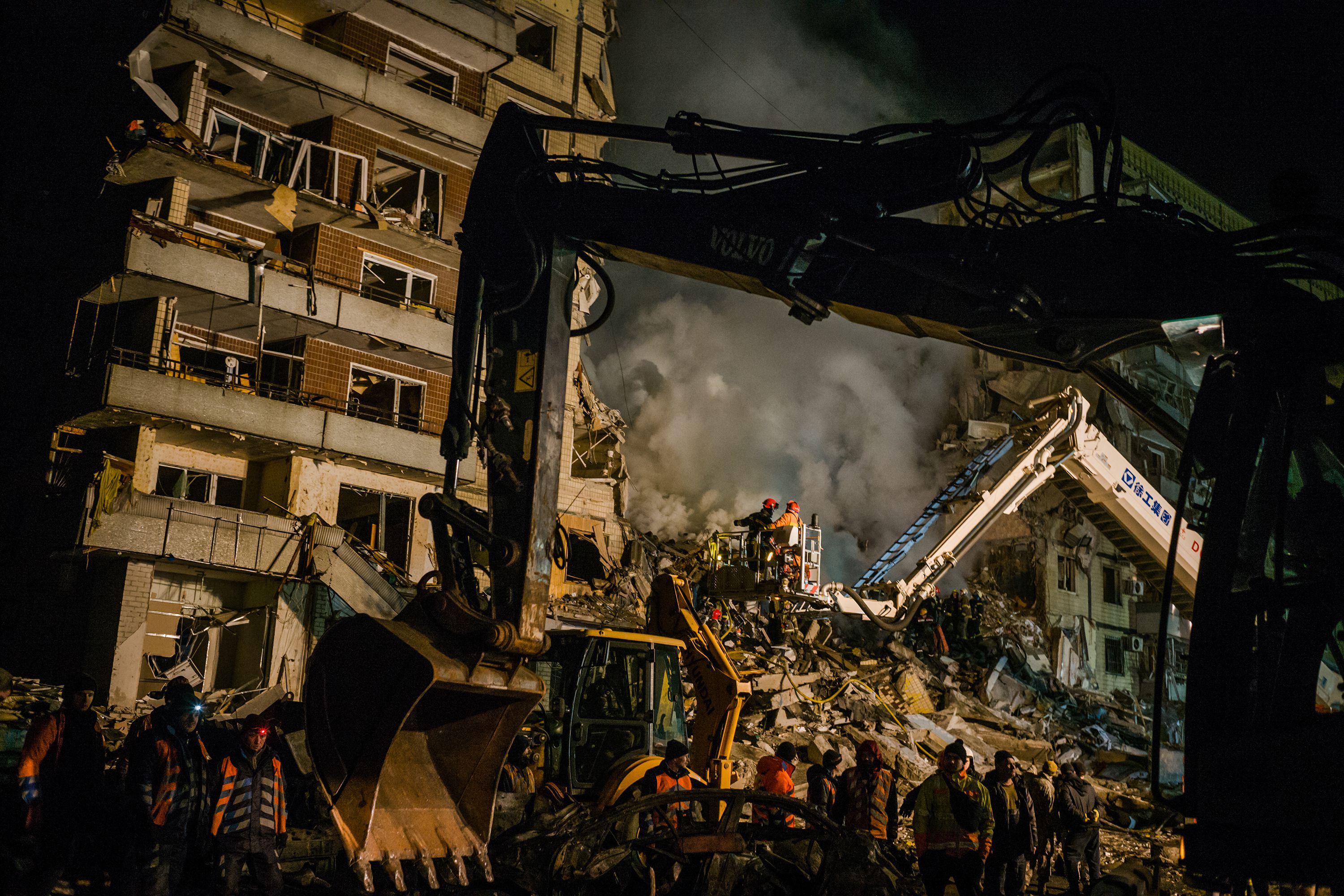
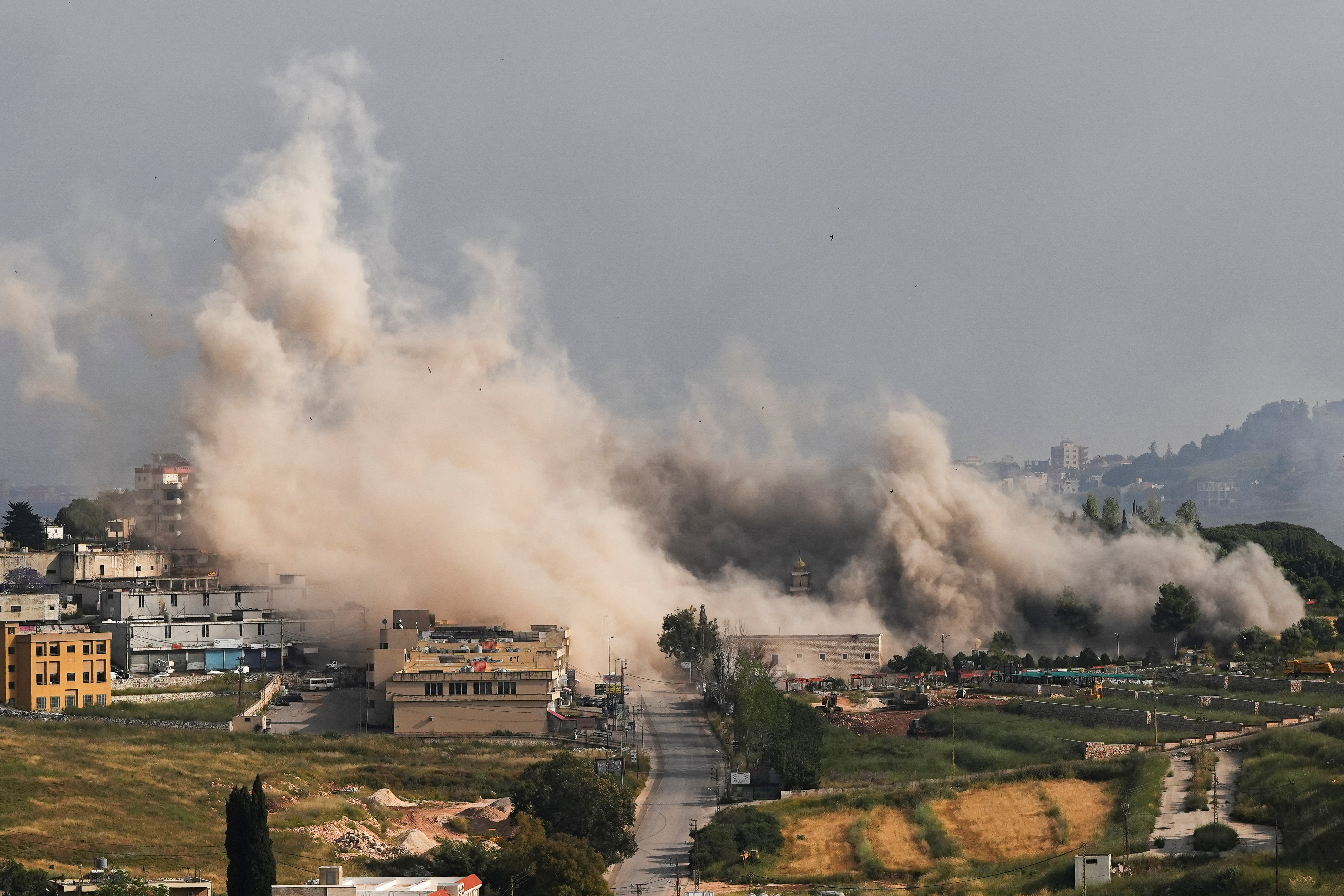
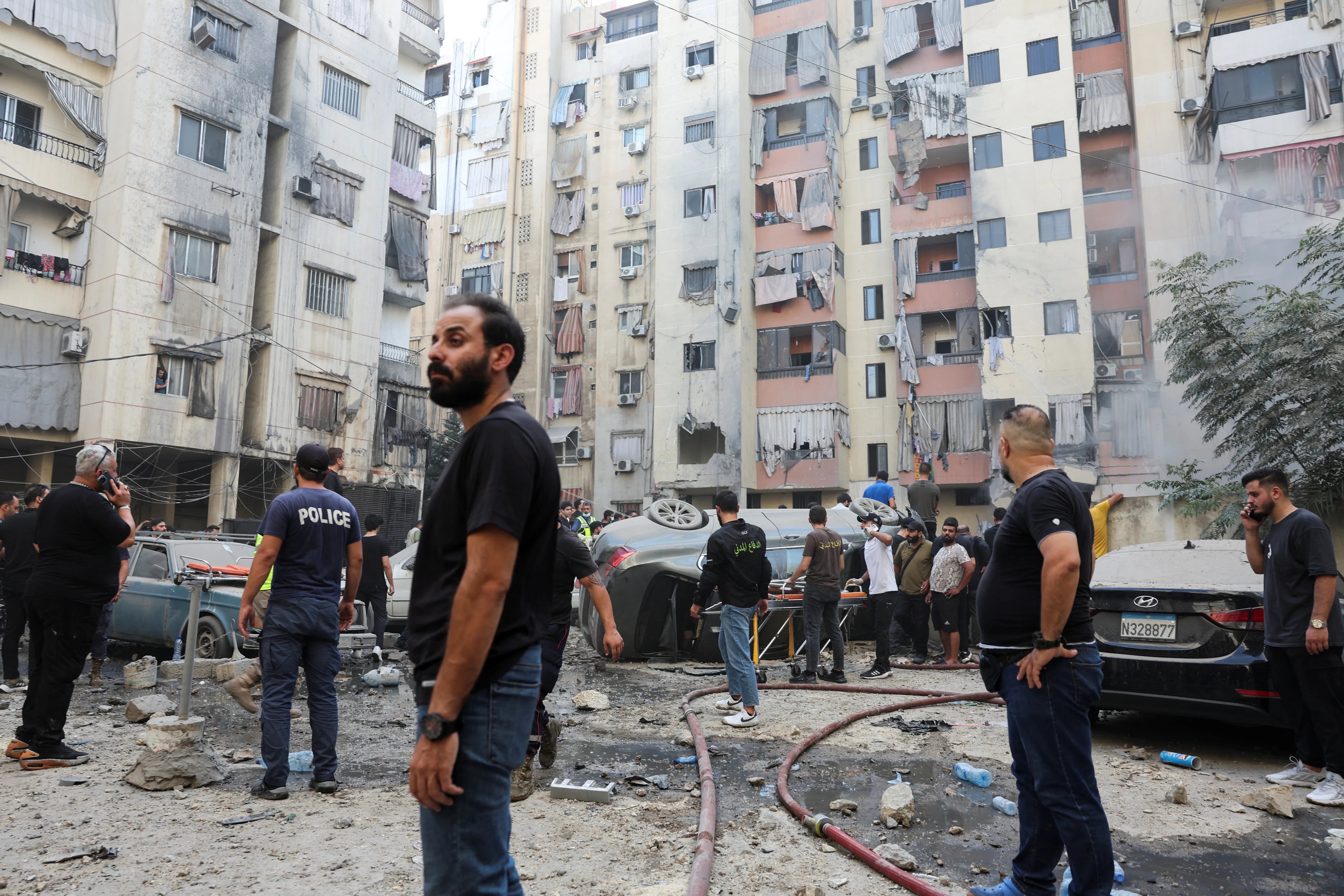
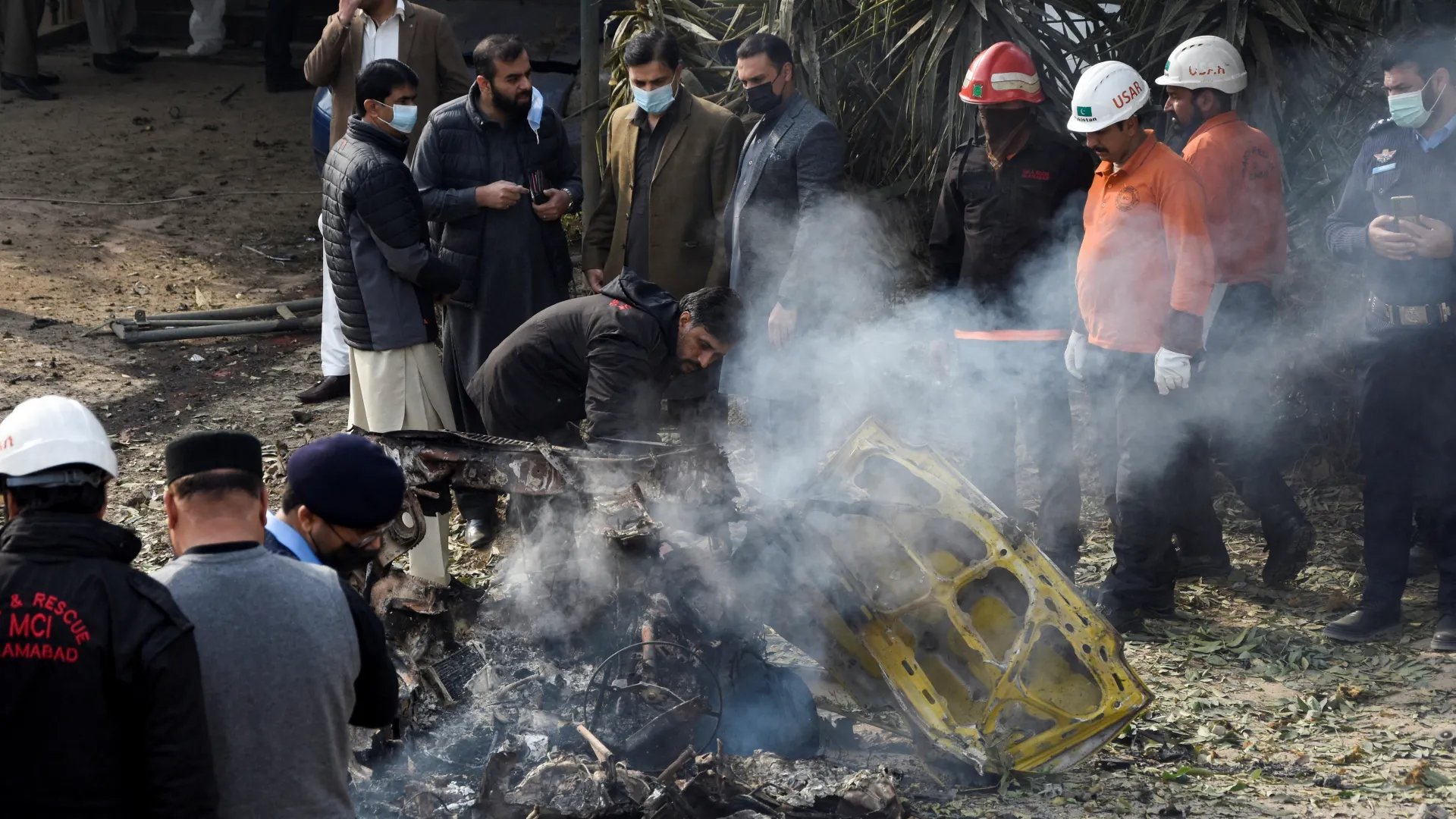
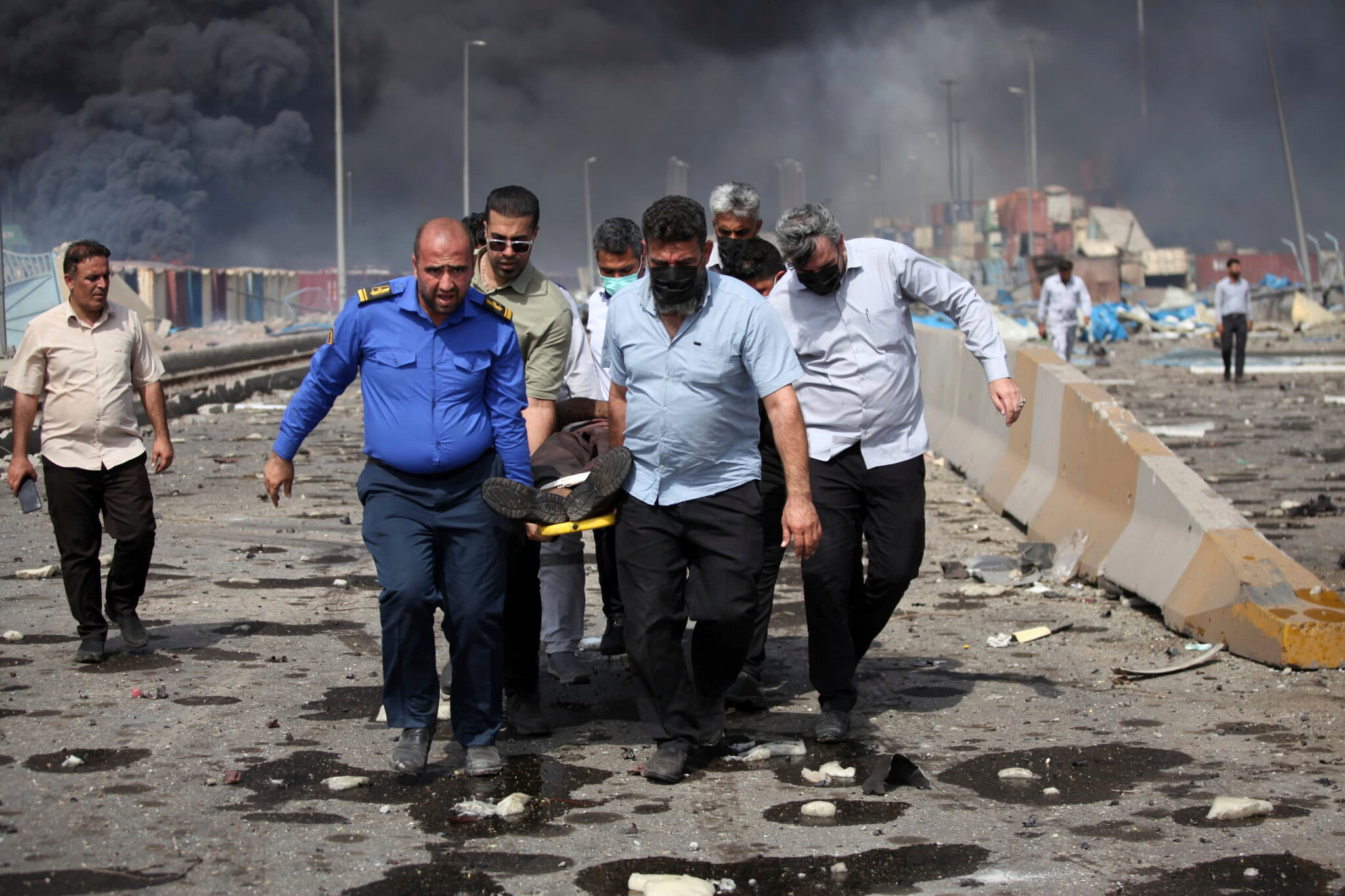
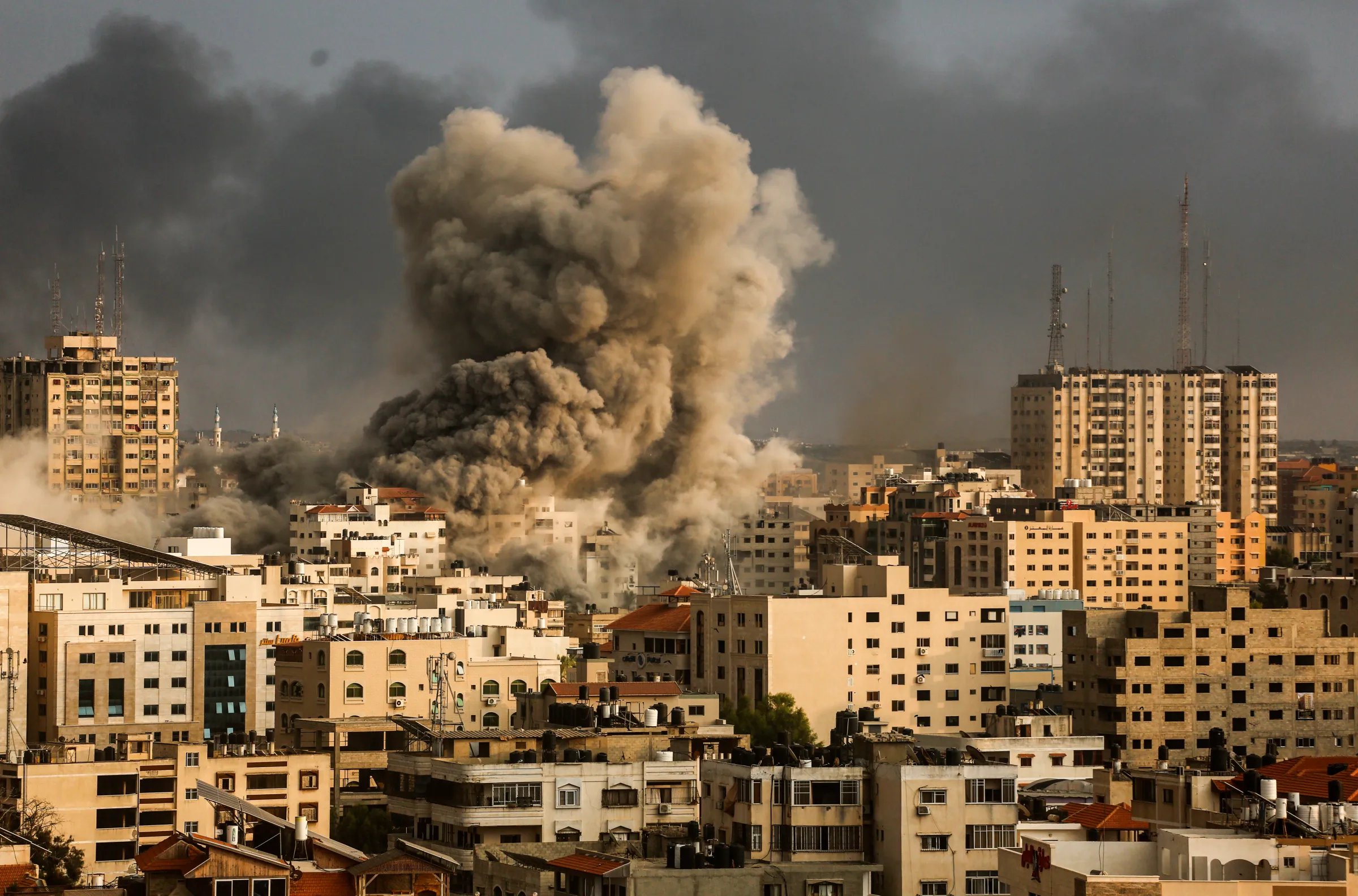
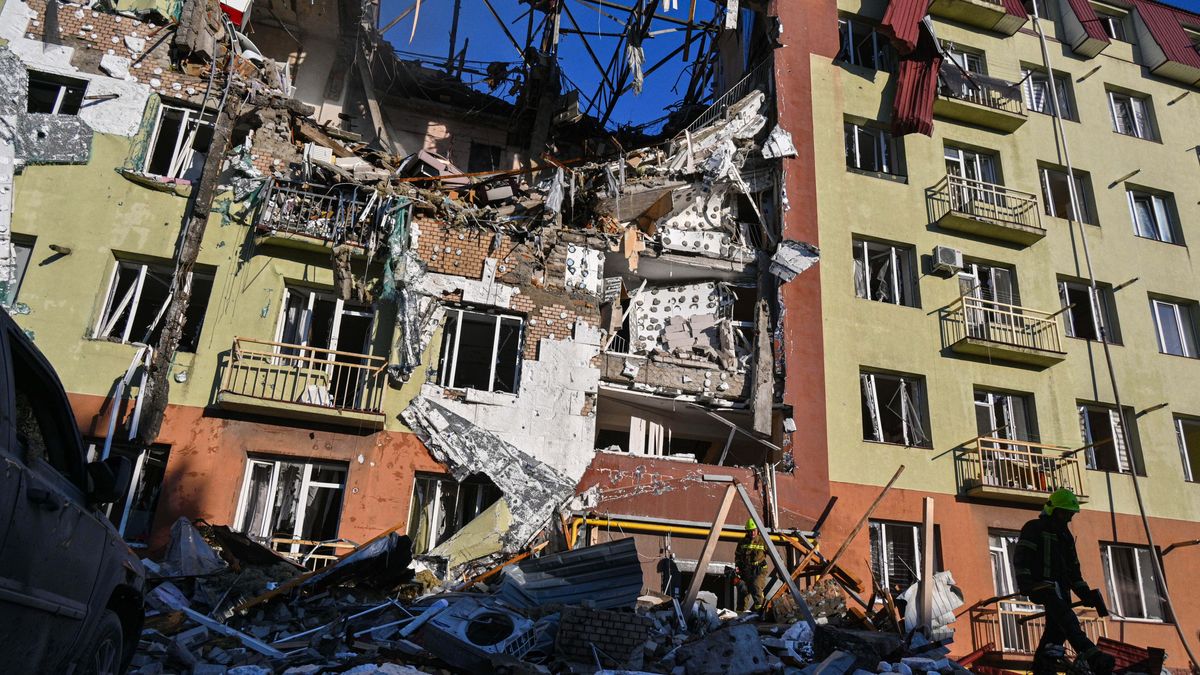
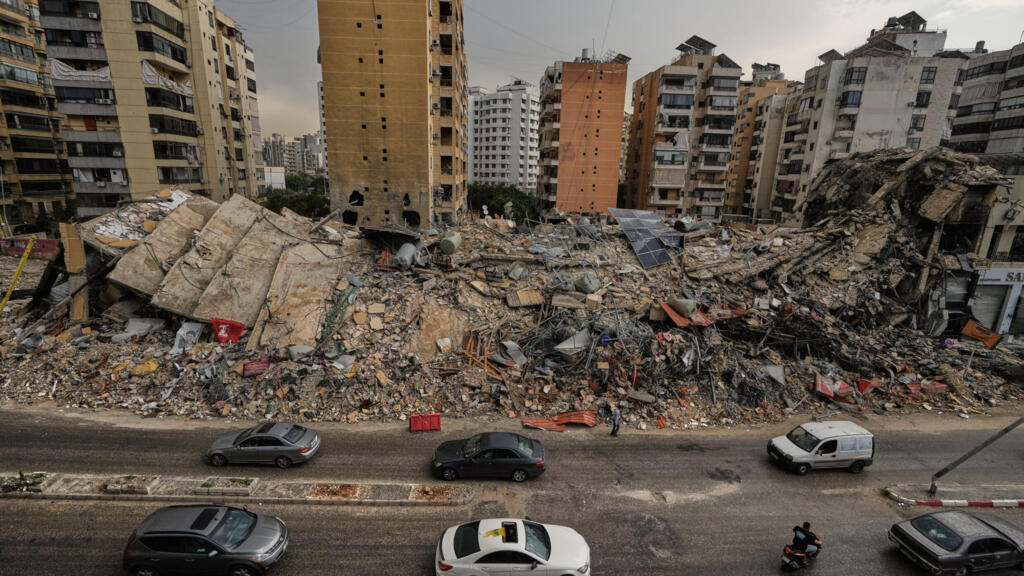
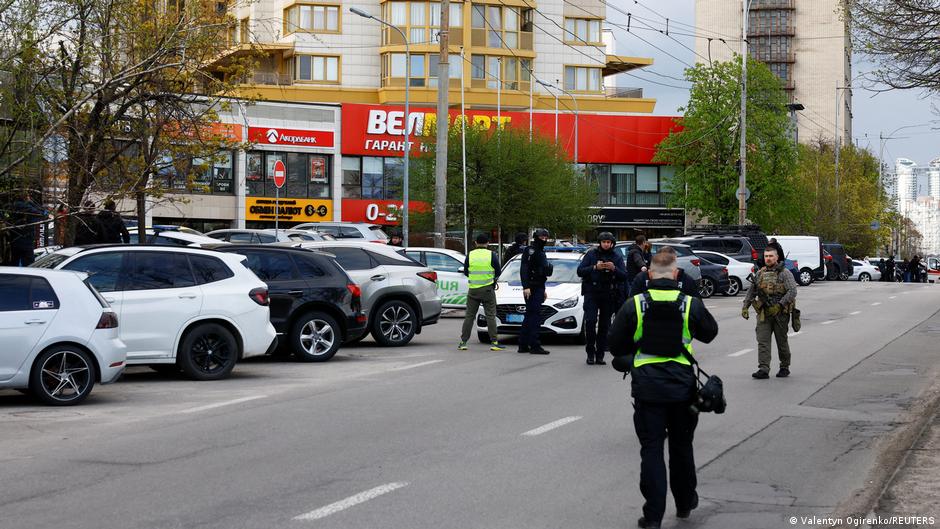
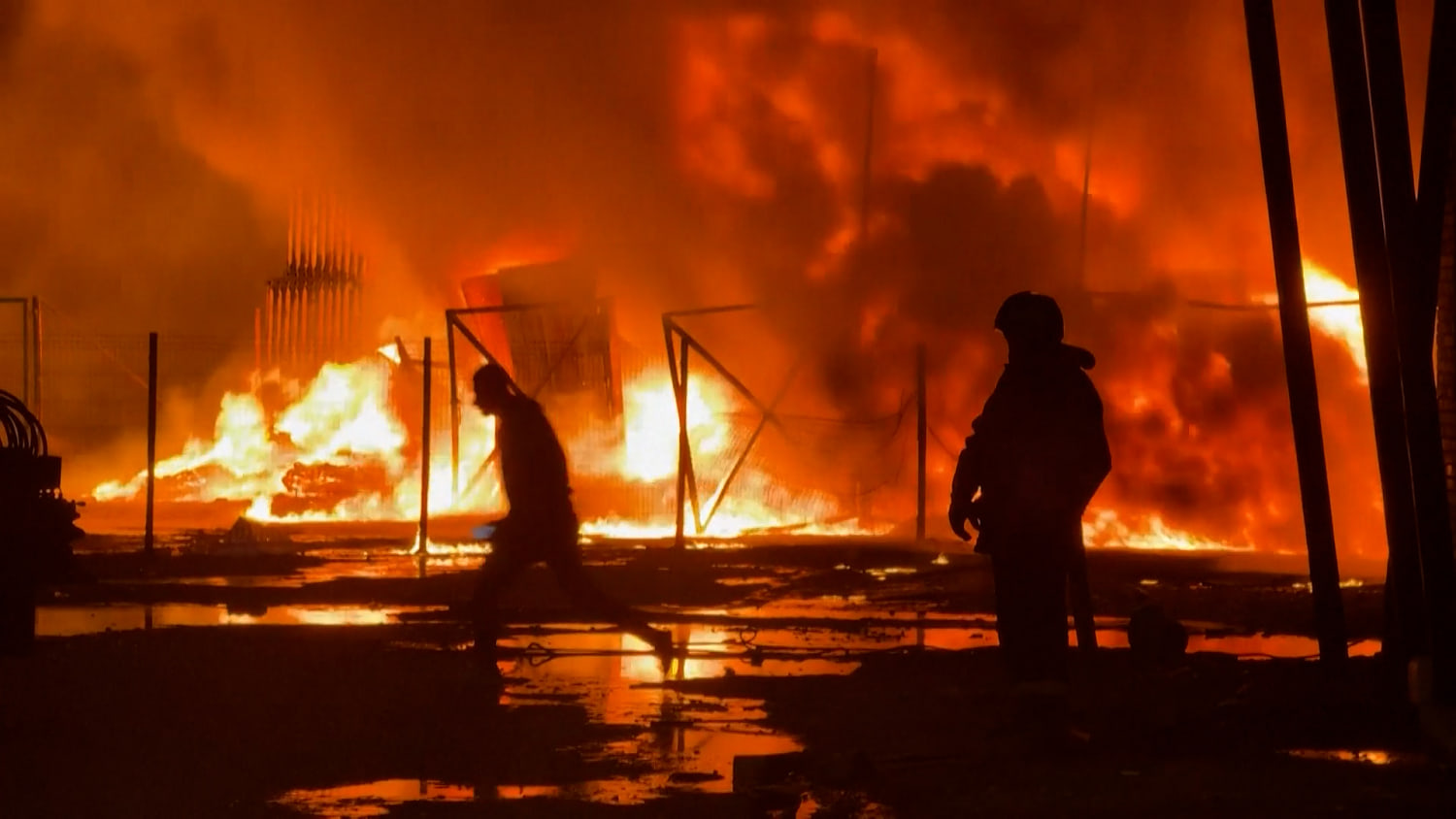
A massive Russian missile and drone attack struck Kyiv early Sunday, leaving at least four dead and 77 wounded, according to Kyiv Mayor Vitaliy Klitschko. The assault included the use of the Oreshnik hypersonic ballistic missile, which is capable of carrying a nuclear warhead. Damage impacted "every district of the city," Klitschko said.
Retaliation Claim
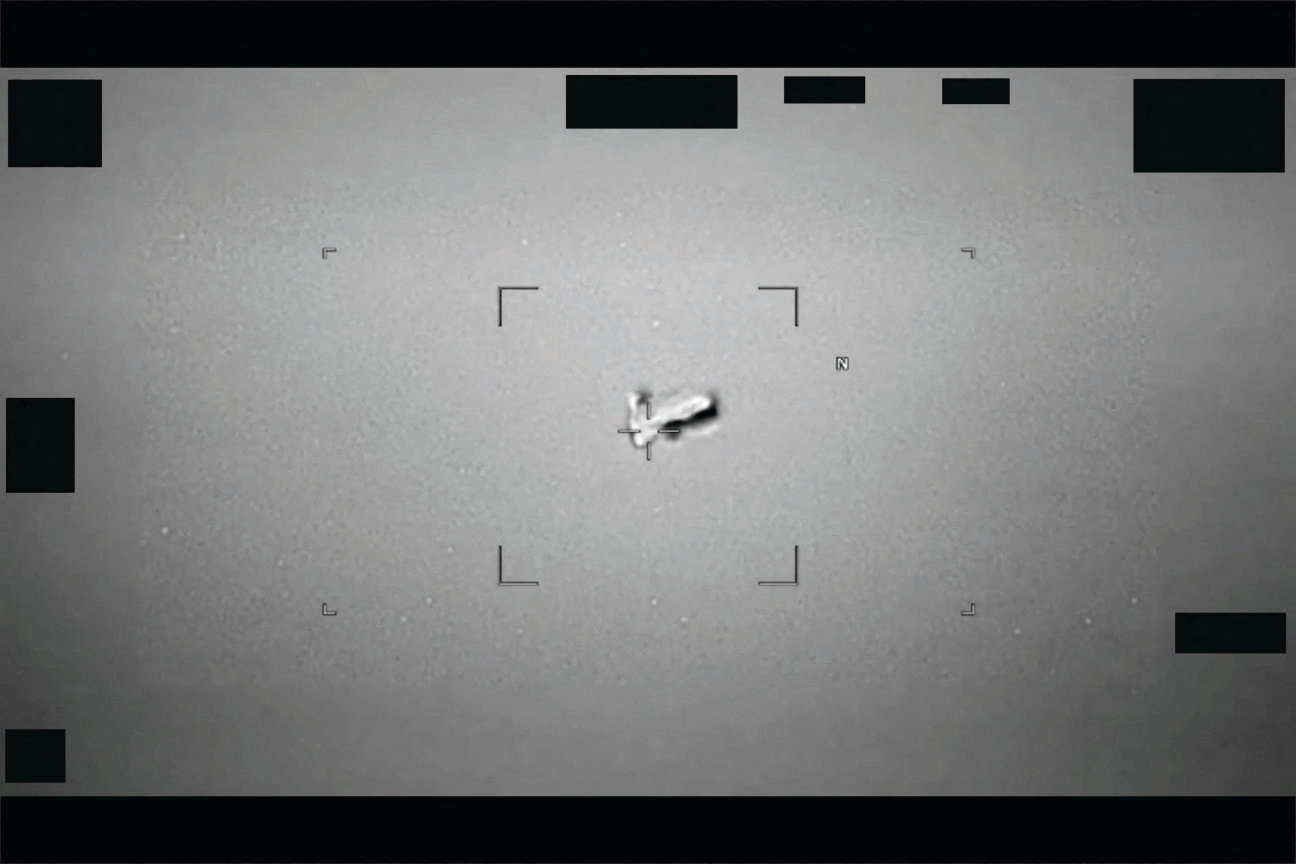
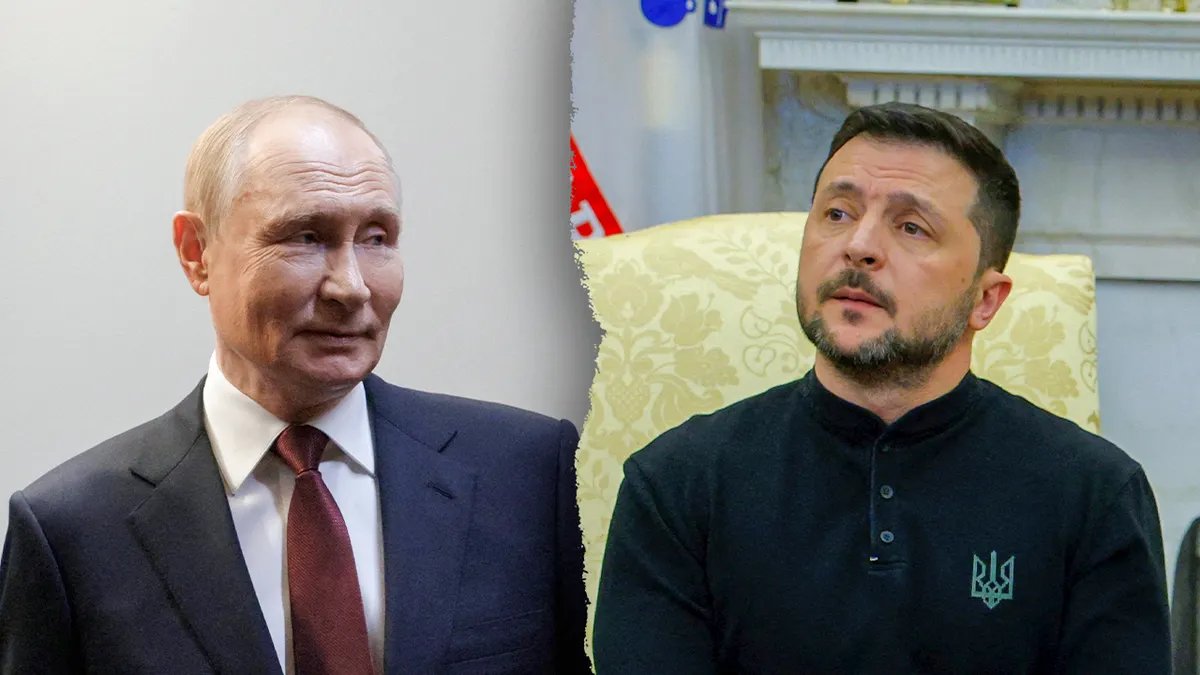
Russia's defense ministry confirmed the use of the Oreshnik, stating the strikes targeted Ukrainian "military command and control facilities," air bases, and military industrial enterprises. The ministry claimed the attack was in retaliation for Ukrainian attacks on "civilian facilities on Russian territory." President Vladimir Putin ordered the military to retaliate after a drone strike on a college in Starobilsk in Russian-occupied eastern Ukraine killed at least 21 and injured 42, according to Russia's Ministry of Emergency Situations. Ukraine denies targeting the college.
Hypersonic Capabilities
President Vladimir Putin said the Oreshnik travels "like a meteorite" at ten times the speed of sound and can destroy underground bunkers. He added that several such missiles, even with conventional warheads, could be as devastating as a nuclear strike. The Oreshnik had been previously used in Dnipro and the Lviv region.
International Condemnation
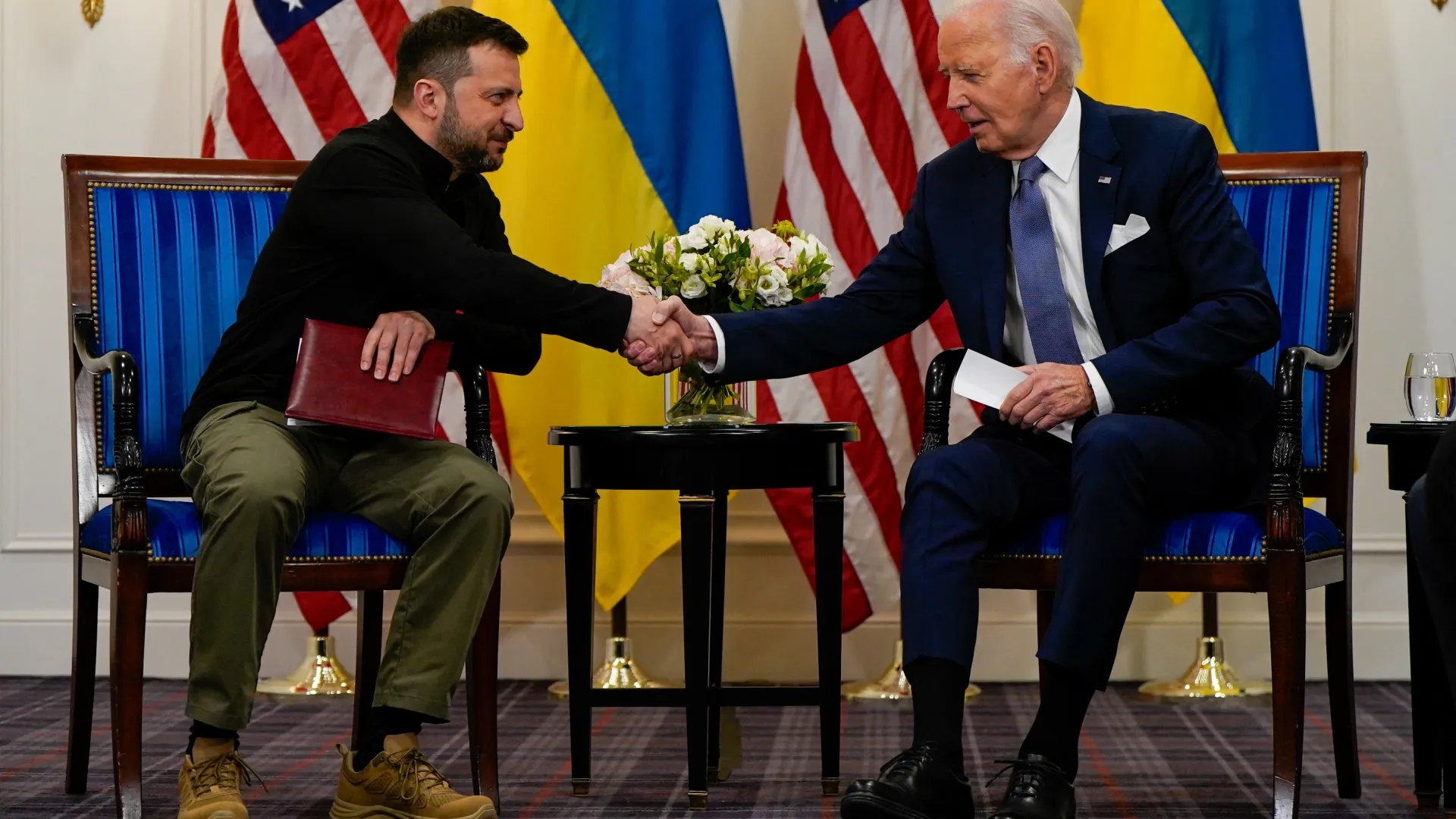
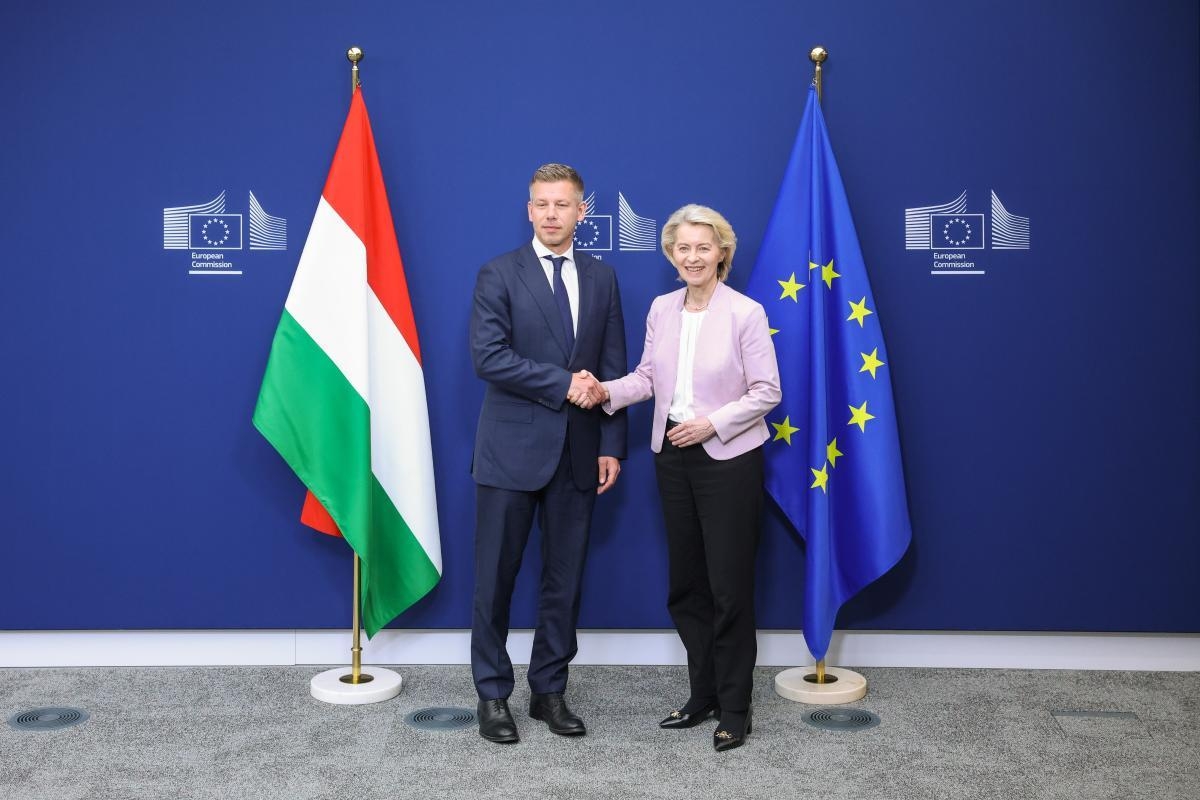
European Commission President Ursula von der Leyen stated the European Union was sending more support to help Ukraine reinforce its air defense systems. She called the attack an example of "the Kremlin's brutality and disregard for both human life and peace negotiations." Kaja Kallas, the European Union’s foreign policy chief, said top diplomats from EU states will meet within days to "discuss how to dial up the international pressure on Russia." French President Emmanuel Macron condemned the attack, calling Russia's use of the Oreshnik missile "a form of escalation." German Chancellor Friedrich Merz also condemned what he called a "reckless escalation."
Damage Assessment
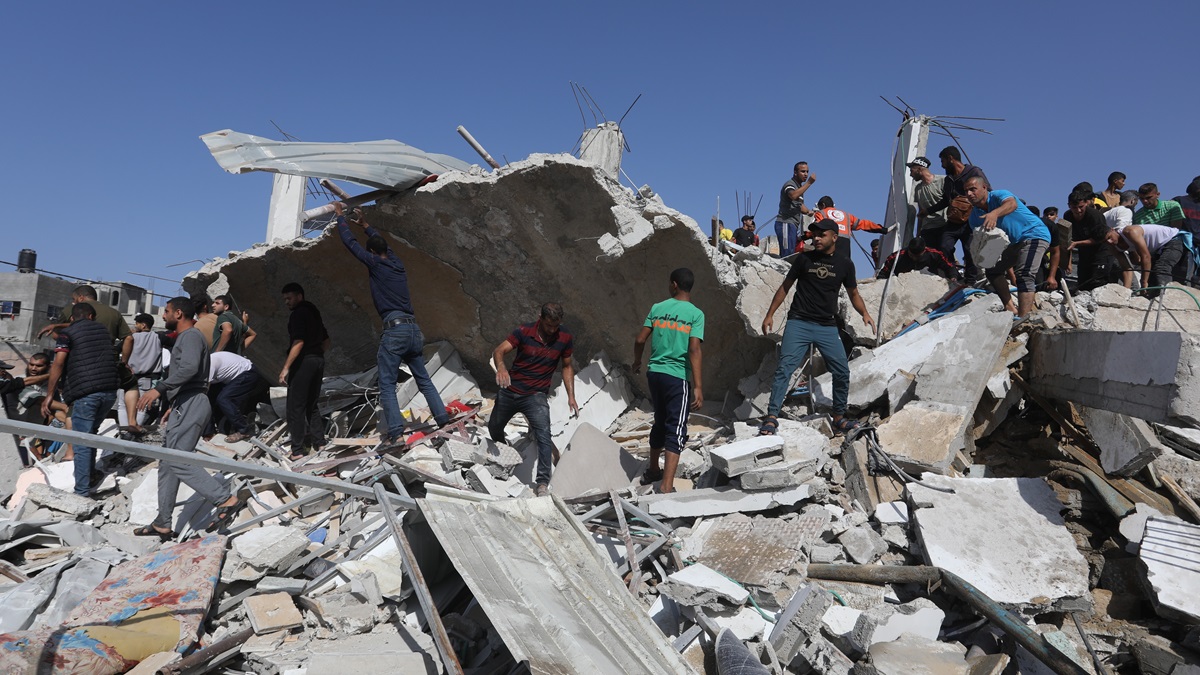
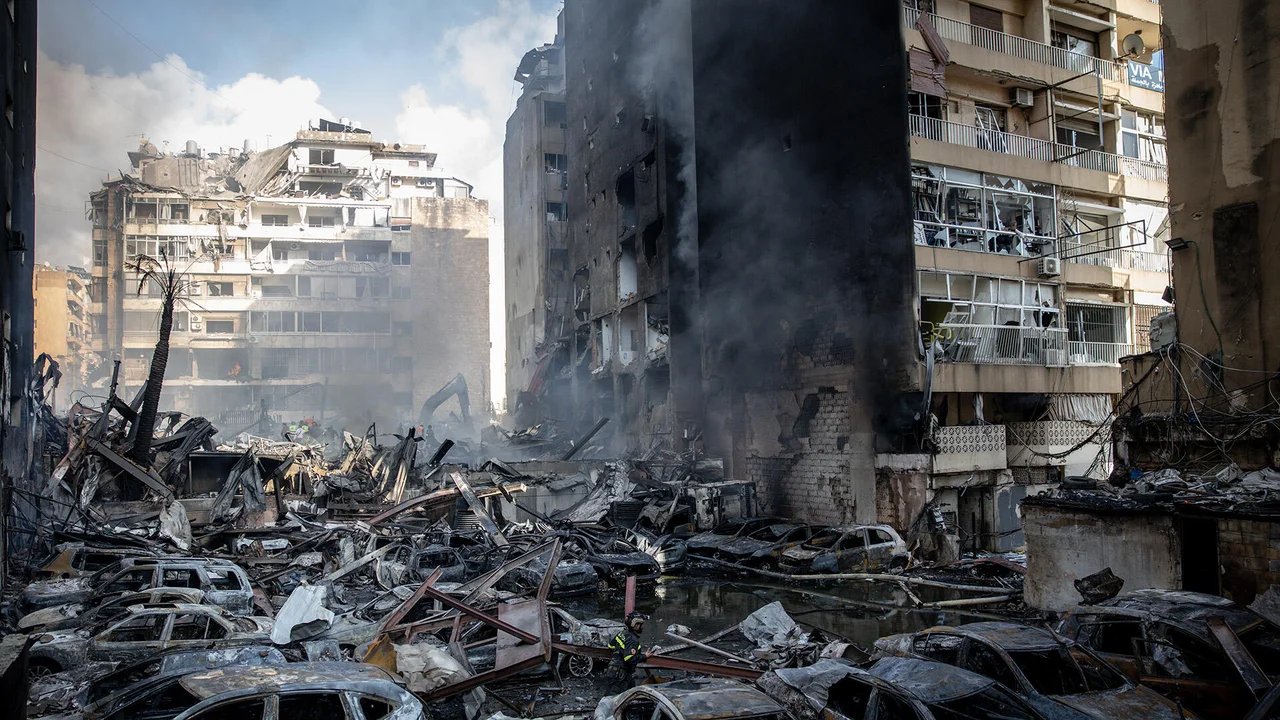
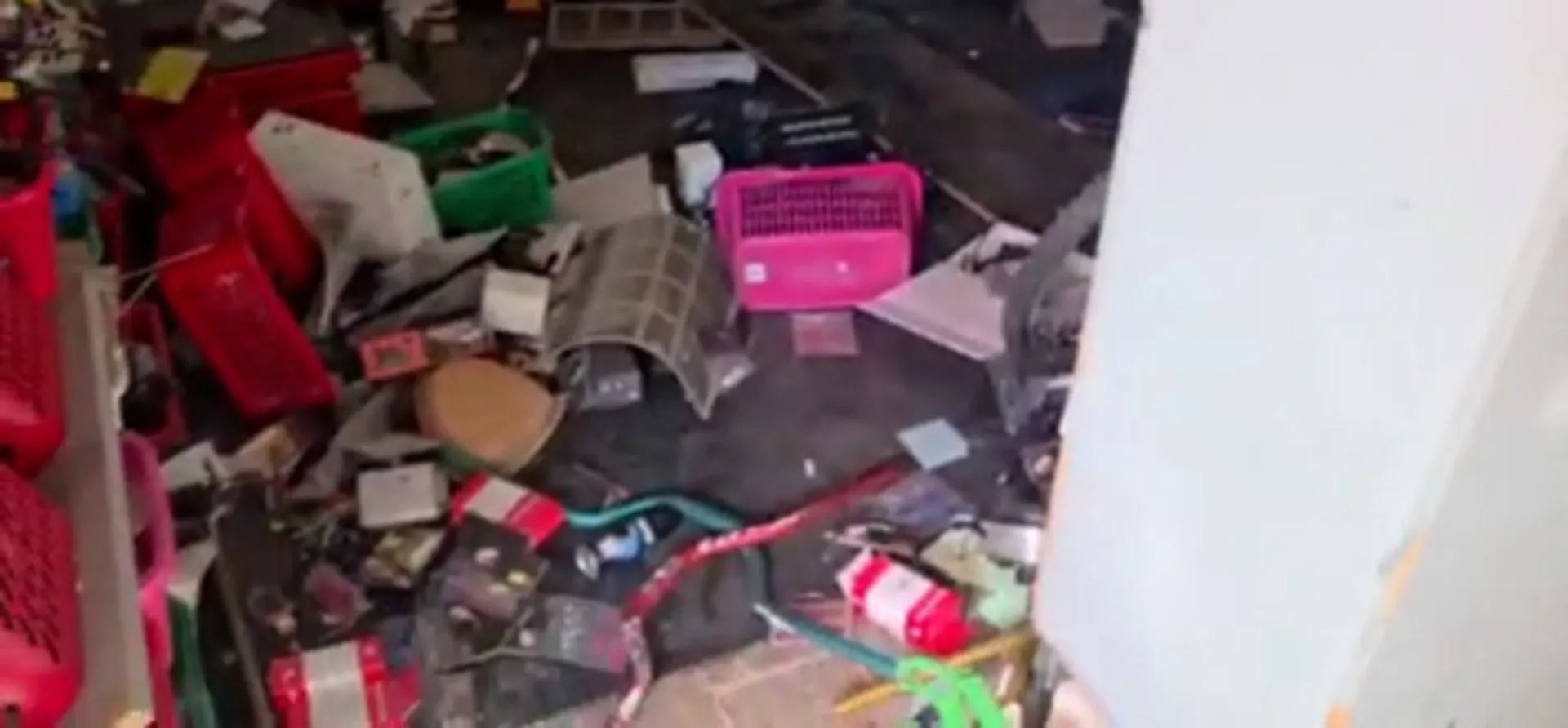
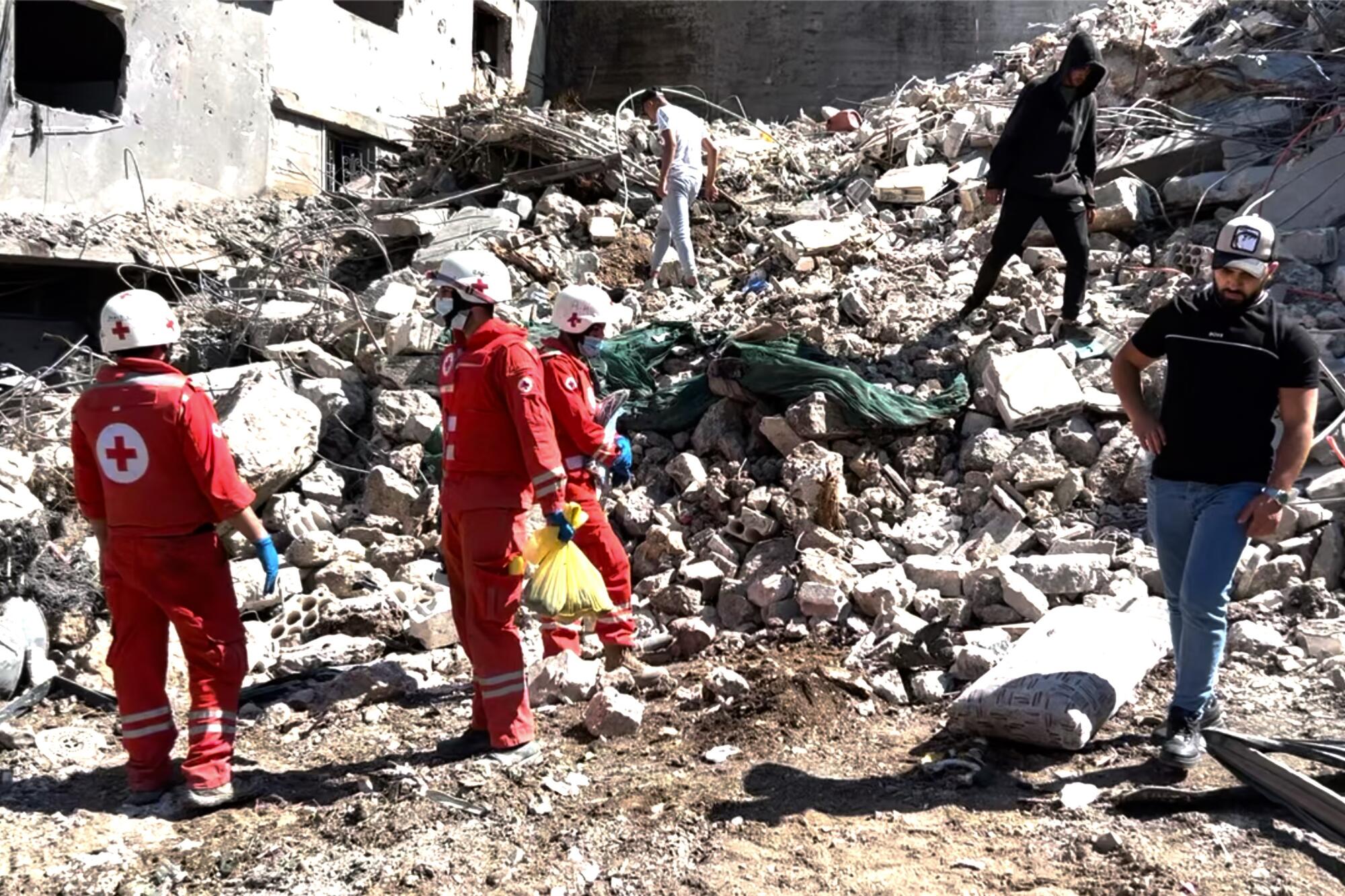
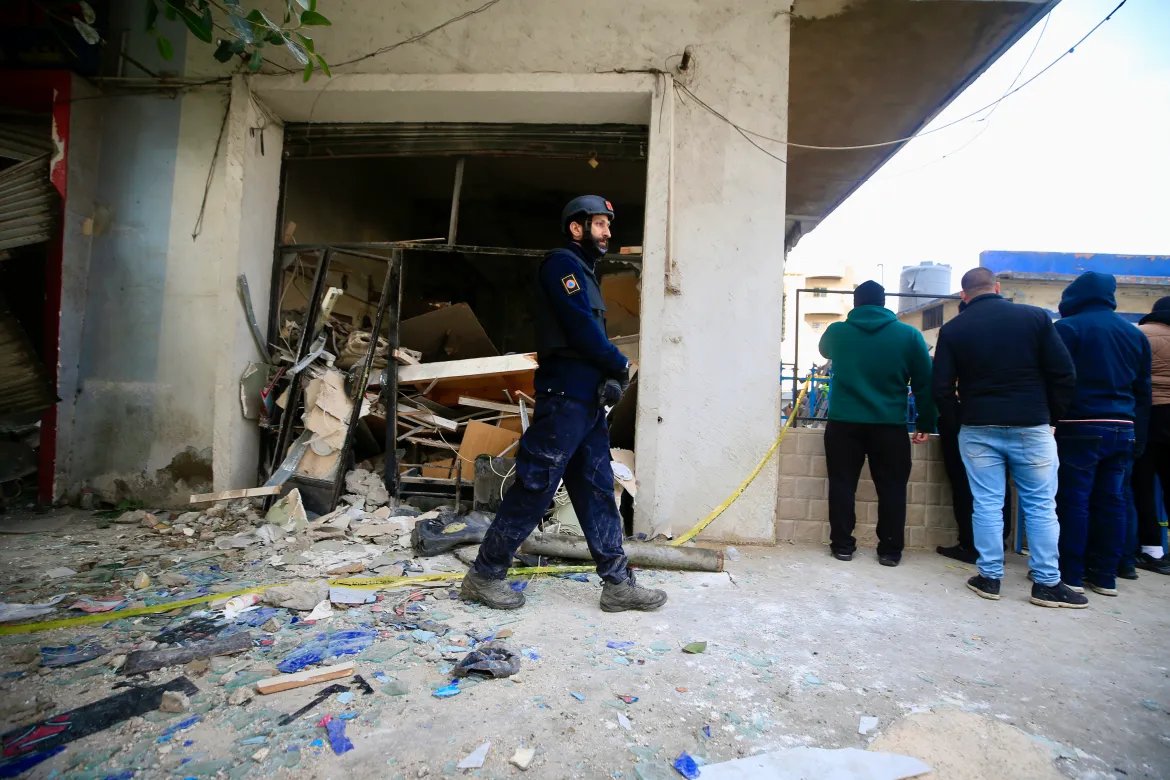
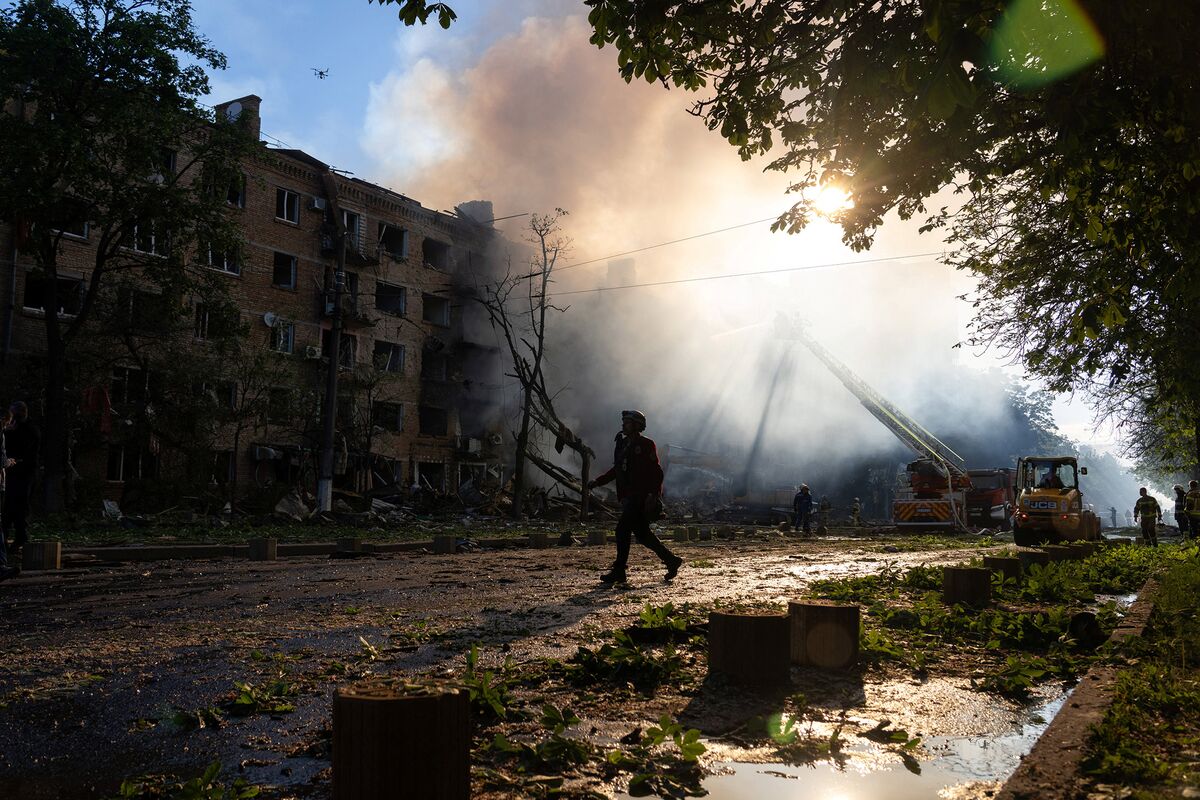
Ukraine's culture minister Tetyana Berezhna said the attacks damaged the largest number of cultural institutions in Kyiv since Russia's 2022 invasion. The museum devoted to the 1986 Chernobyl disaster was destroyed, and one of the city's oldest markets burned down. Damage was recorded in 50 locations across several districts of the capital, including residential buildings, shopping centers, and schools, according to Ukraine's emergency service.
Air Defense Efforts
Ukraine's air force reported Russia used 600 drones and 90 missiles in the attack and that Ukrainian air defenses destroyed and jammed 549 drones and 55 missiles. Around 19 missiles failed to reach targets, the Air Force said. President Volodymyr Zelenskyy warned that not all the ballistic missiles were intercepted.
Civilian Impact
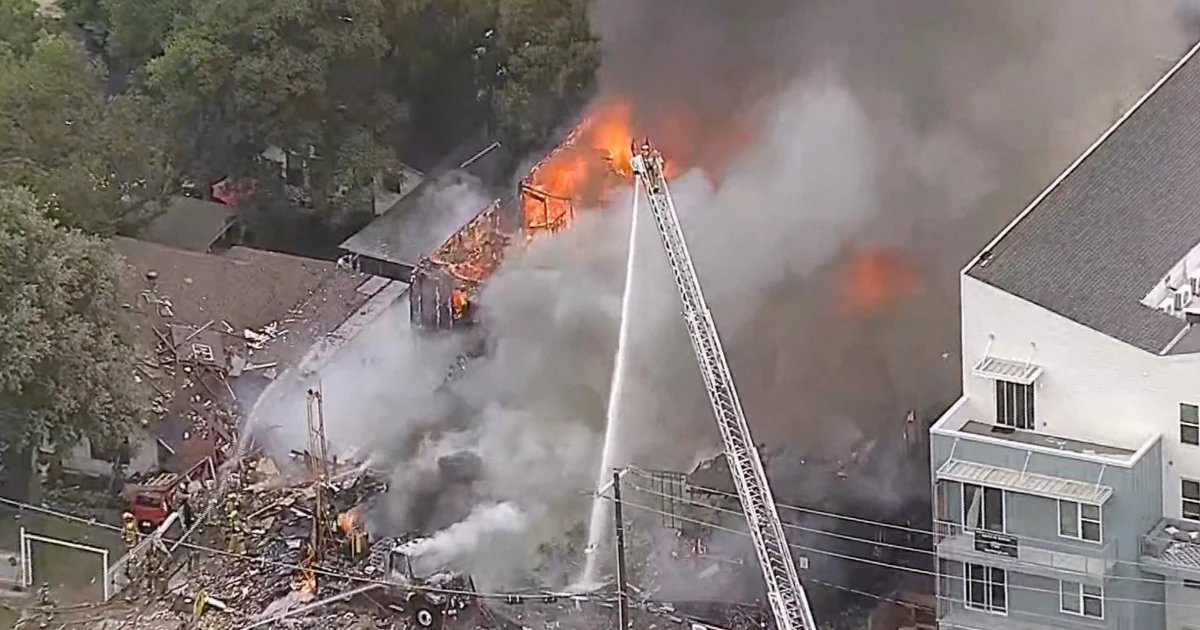
Kyiv resident Svitlana Onofryichuk, 55, who worked in the damaged market for 22 years, said, "It was a terrible night, and there had never been anything like it in the entire war." Yevhen Zosin, 74, said he and his dog were thrown back by a shock wave after an explosion. In Kyiv's Shevchenko district, a five-story residential building was hit, causing a fire and one death, Ukraine's state emergency service reported.
Air Defense Shortages
The attack underscored Ukraine's shortage of air defense missiles capable of intercepting ballistics. Kyiv relies heavily on U.S. Patriot air defense systems, but interceptor missiles remain in critically short supply. Developing a domestically produced alternative has become a top priority for Ukraine's Defense Ministry. The EU's top diplomat Kaja Kallas accused Moscow of using "a political scare-tactic and reckless nuclear-brinkmanship." She said EU foreign ministers meeting next week would address how to "dial up the international pressure on Russia."
As rescue efforts continue, the attack serves as a reminder of the ongoing need for increased air defense capabilities to protect civilian populations and cultural heritage sites.