




Rising Fuel Costs
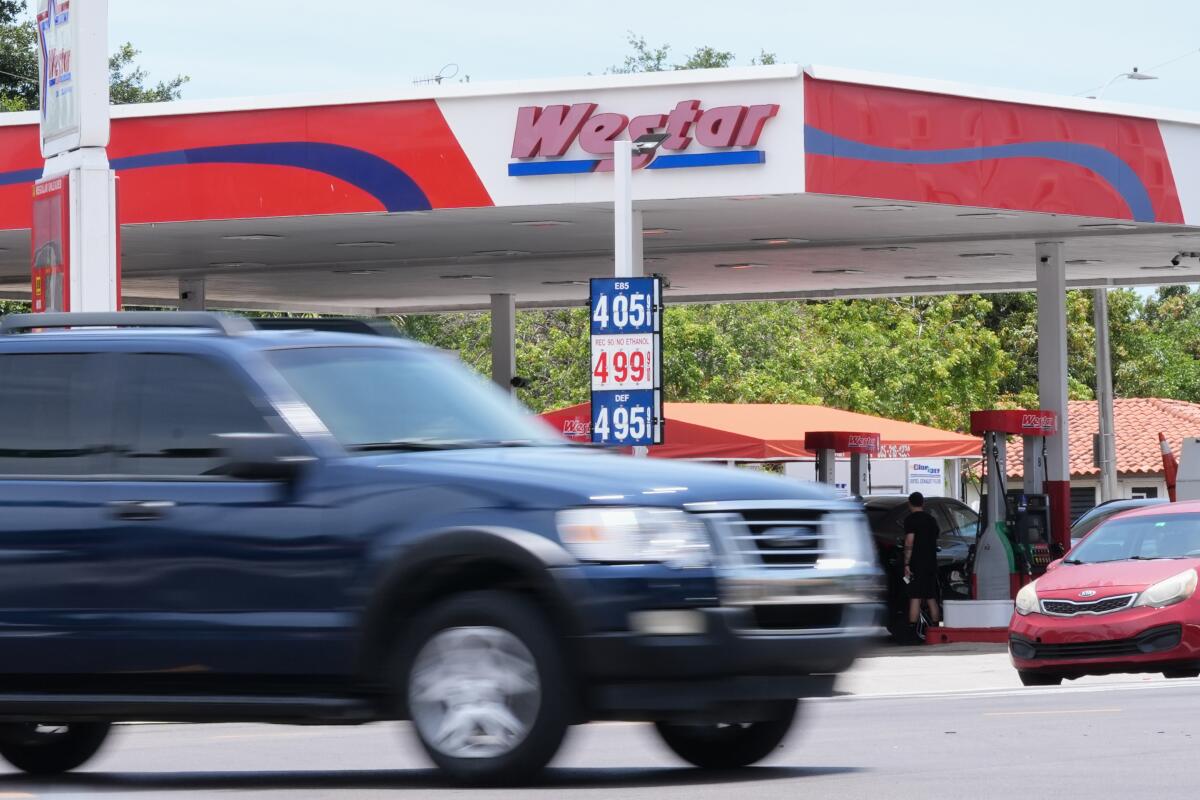
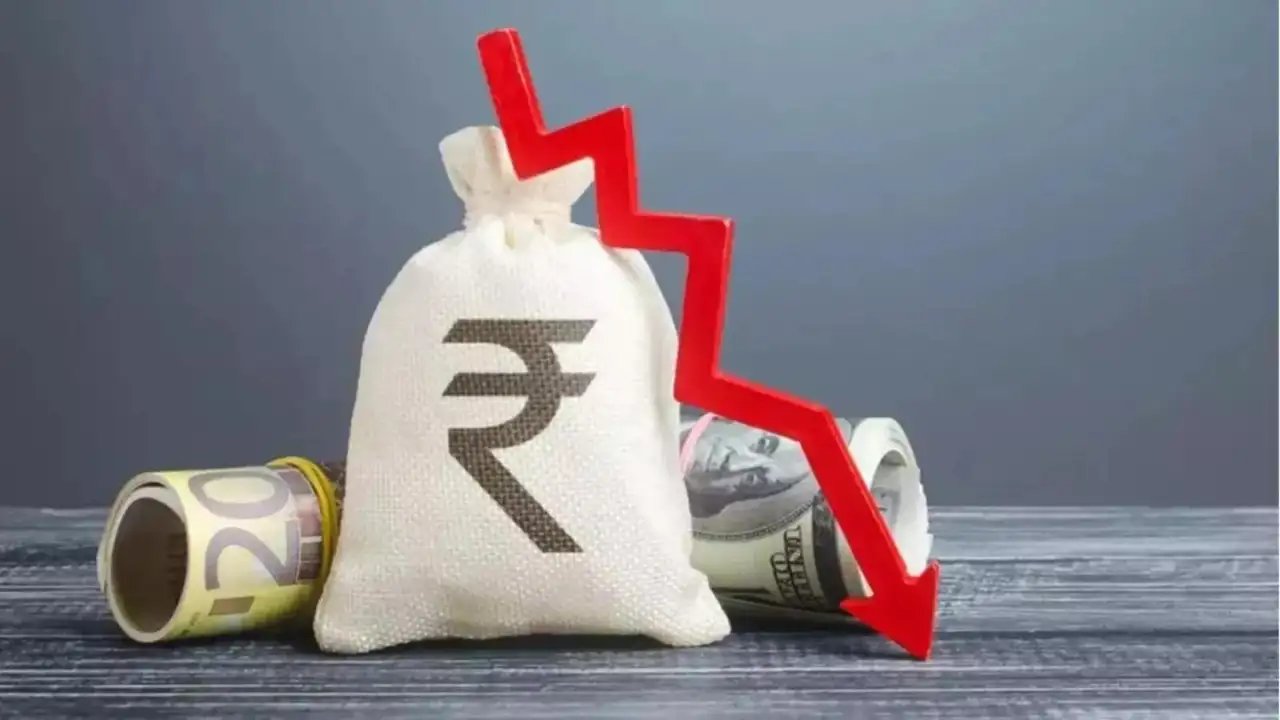
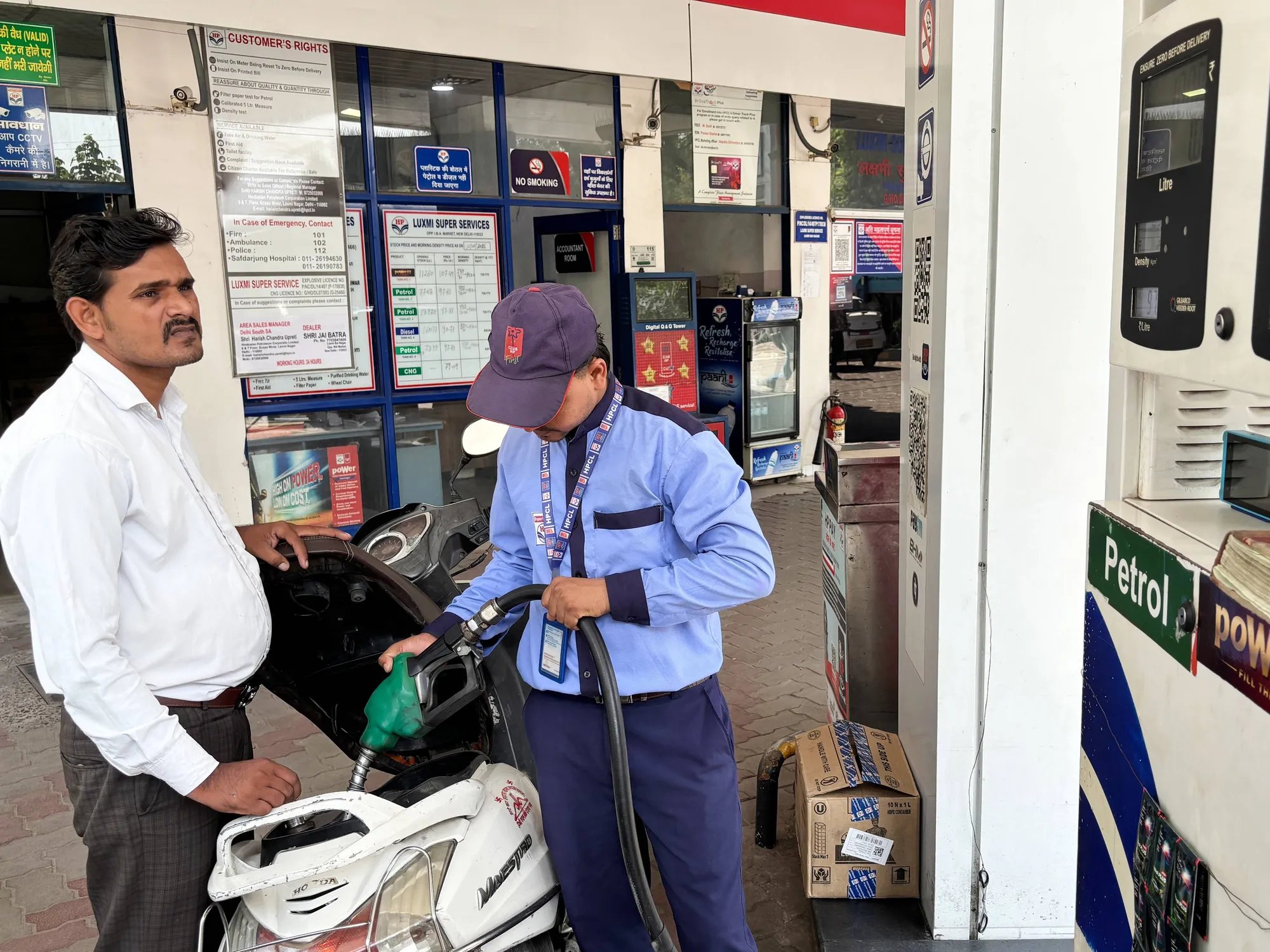
India has increased fuel prices by about 3 percent, as the energy crisis, spurred by the US-Israel war on Iran and the closure of the Strait of Hormuz, begins to impact the economy. The increase directly affects consumers by raising transportation and living costs. Gasoline prices rose to 97.77 rupees ($1.02) a litre, while diesel climbed to 90.67 rupees ($0.94). The government in New Delhi announced the 3 rupees ($0.03) per litre price hike on Friday to offset losses from supply shortages.
India's Vulnerability
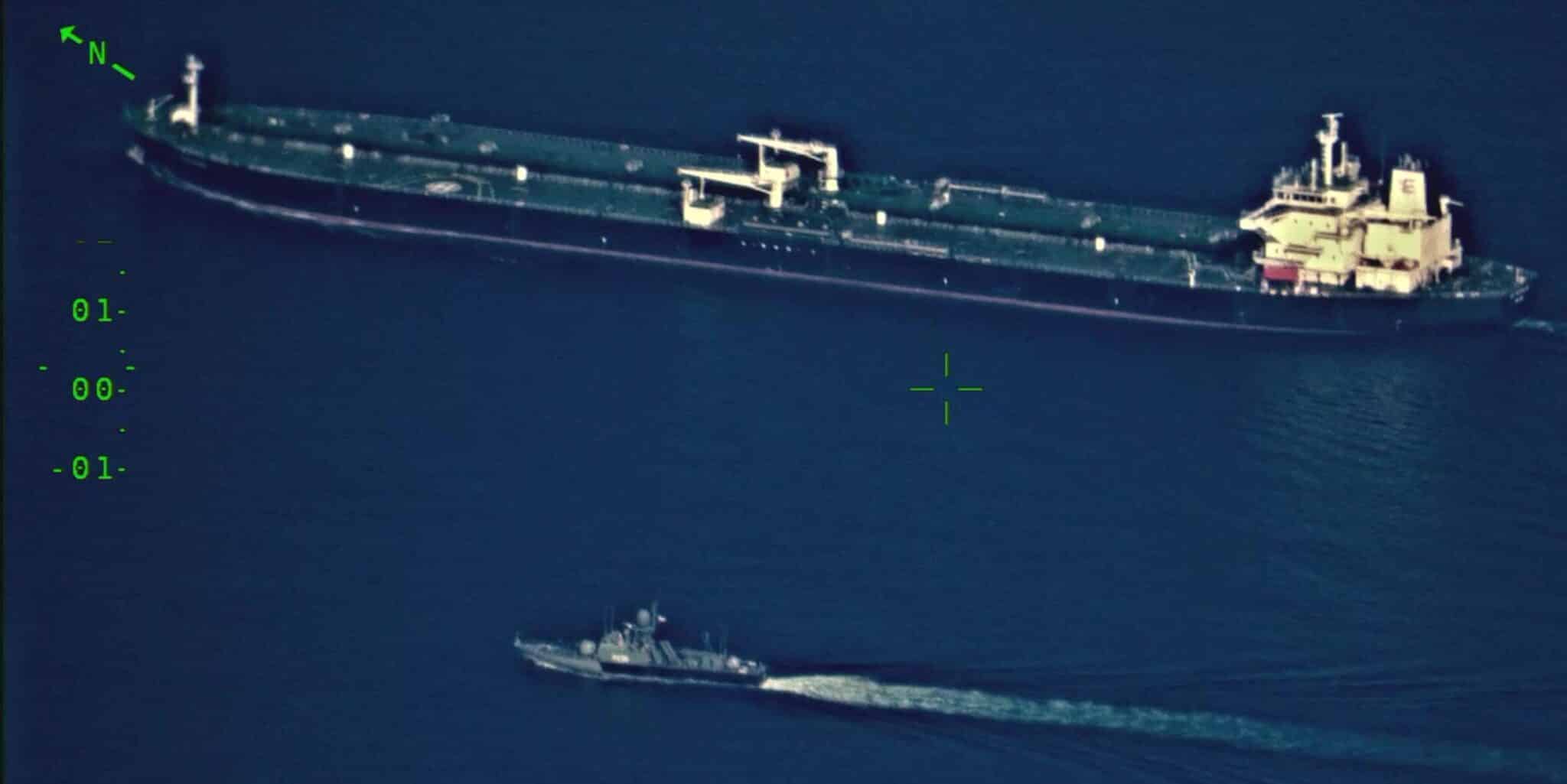
India, the world’s third-largest oil importer, sources 90 percent of its oil from overseas. About half of its usual crude supplies transit the Strait of Hormuz. This reliance makes the country vulnerable to rising energy prices and supply disruptions from the US-Israel war on Iran.
Austerity Measures
Prime Minister Narendra Modi urged Indians to adopt voluntary austerity measures, including working from home when possible, limiting travel abroad, and reducing gold purchases. Modi described saving fuel as an act of “patriotism” and encouraged greater use of public transport, carpooling, and lower fertiliser consumption. Opposition leaders noted that fuel prices were kept unchanged during the campaign for state elections, which concluded this month with Modi’s BJP winning two of four states.
Impact on Citizens
Manoj Kumar, a 48-year-old taxi driver in New Delhi, said the rise in fuel prices would put extra strain on working-class people. “For common people like us, even one rupee has great value. People work so hard from morning till evening just to make ends meet. The government is not seeing this,” he said.
Government Actions
The Indian capital became the first state in the country to roll out austerity measures on Thursday. Authorities in New Delhi announced fuel-saving measures, including mandatory work-from-home days for certain government employees. Chief Minister Rekha Gupta said the 90-day campaign aims to reduce official fuel use and encourage people in the capital to rely more on public transport. Employees whose work can be done remotely will have to work from home two days a week, while private companies are being encouraged to adopt similar measures.
Ethanol Blending and New Pacts
India has accelerated blending ethanol into gasoline as part of its push to cut crude oil imports. Many fuel stations across the country now sell gasoline blended with 20 percent ethanol, and the government has proposed expanding the use of fuels containing 85 percent – or even 100 percent – ethanol in compatible vehicles. India also announced on Friday that it has signed pacts with the United Arab Emirates on oil and gas, as well as strategic defence cooperation.
UAE Pipeline Expansion
The UAE government’s media office announced plans to accelerate construction of a new oil pipeline that will expand its ability to bypass the Strait of Hormuz, with an opening now expected in 2027. These deals were signed as Modi began a five-nation tour that will also take him to Europe, and which will “focus on strengthening our energy security,” according to India’s Ministry of External Affairs.