
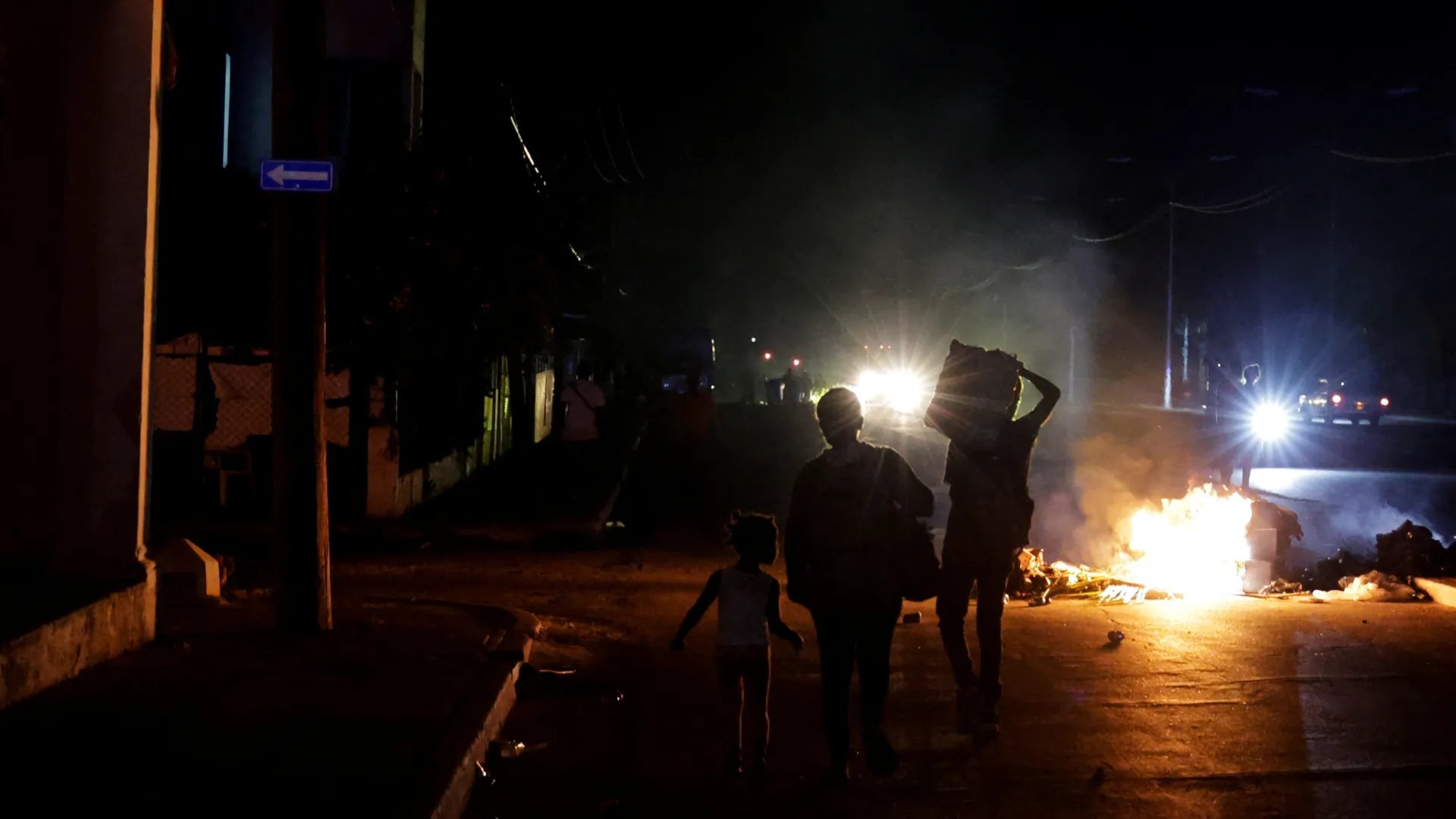





Rolling Blackouts Spark Outrage
Havana is gripped by protests as the city faces severe power outages due to a complete lack of diesel and fuel oil. Residents have taken to the streets, gathering around fires and blocking roads in response to blackouts that leave neighborhoods without electricity for up to 20 hours a day. The situation has escalated into public demonstrations, with protesters demanding an end to the outages and chanting "Turn on the lights!" as they express their frustration over deteriorating living conditions.
Government Confirms Fuel Shortage
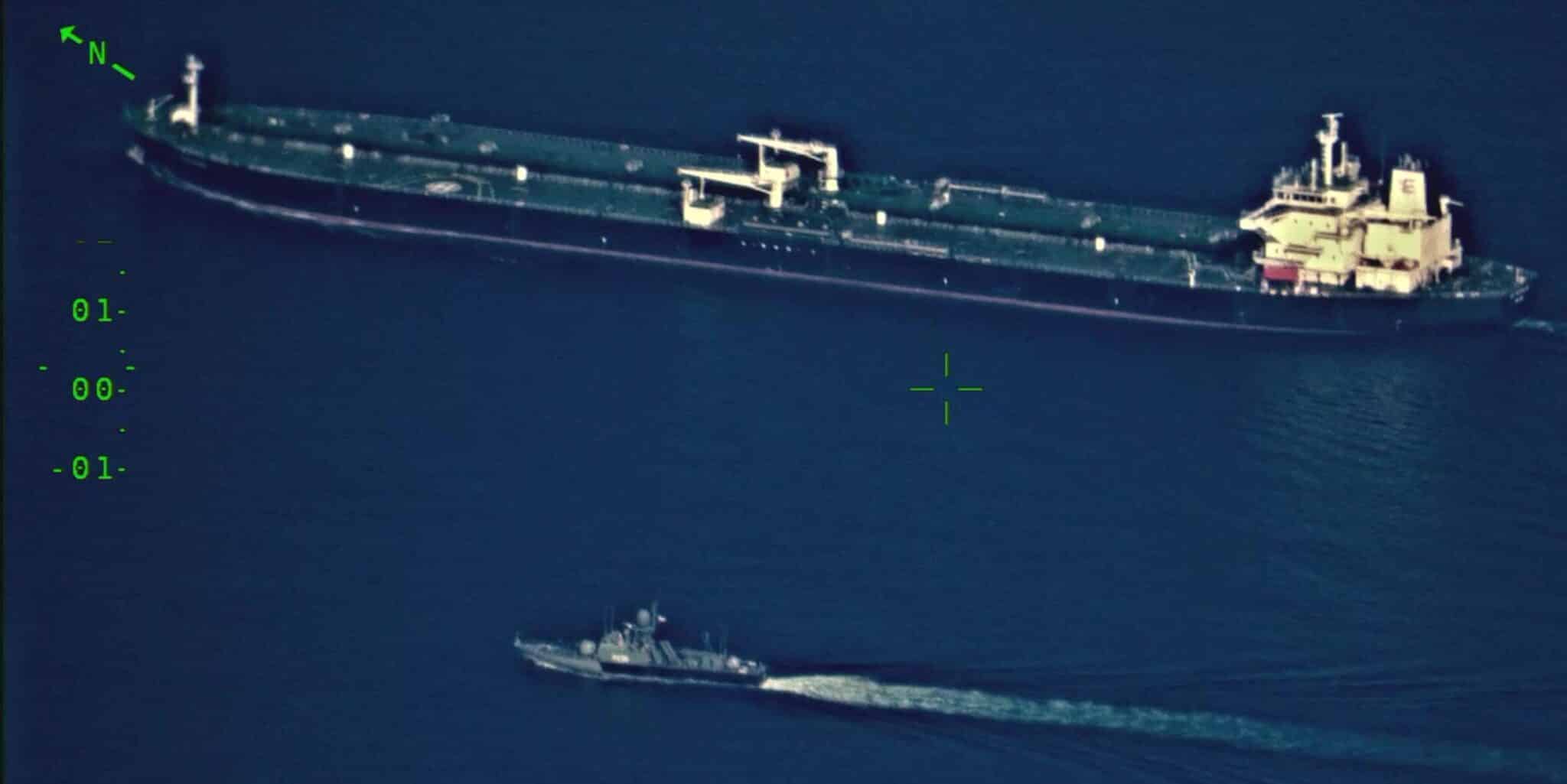
Cuba's Energy Minister Vicente de la O Levy confirmed that the country has "absolutely no fuel" and "absolutely no diesel" available, attributing the crisis to a four-month U.S. blockade on oil shipments. The blockade has severely impacted Cuba's power grid, which has entered a "critical" state. De la O Levy stated that the blockade "is indeed causing us significant harm" and acknowledged the ongoing negotiations to secure fuel imports despite rising global oil prices exacerbated by conflicts in the Middle East.
U.S. Sanctions Intensify Economic Strain
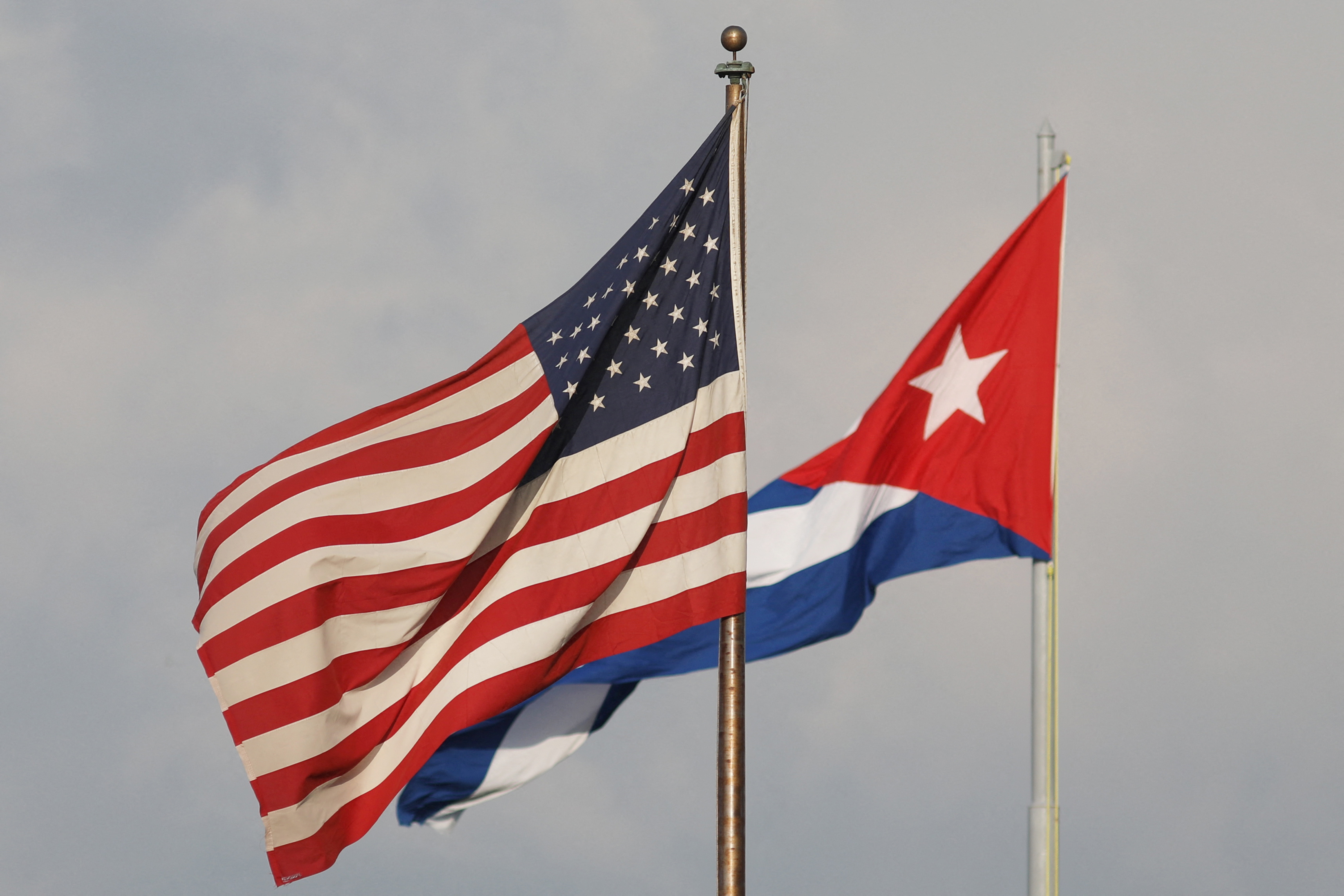
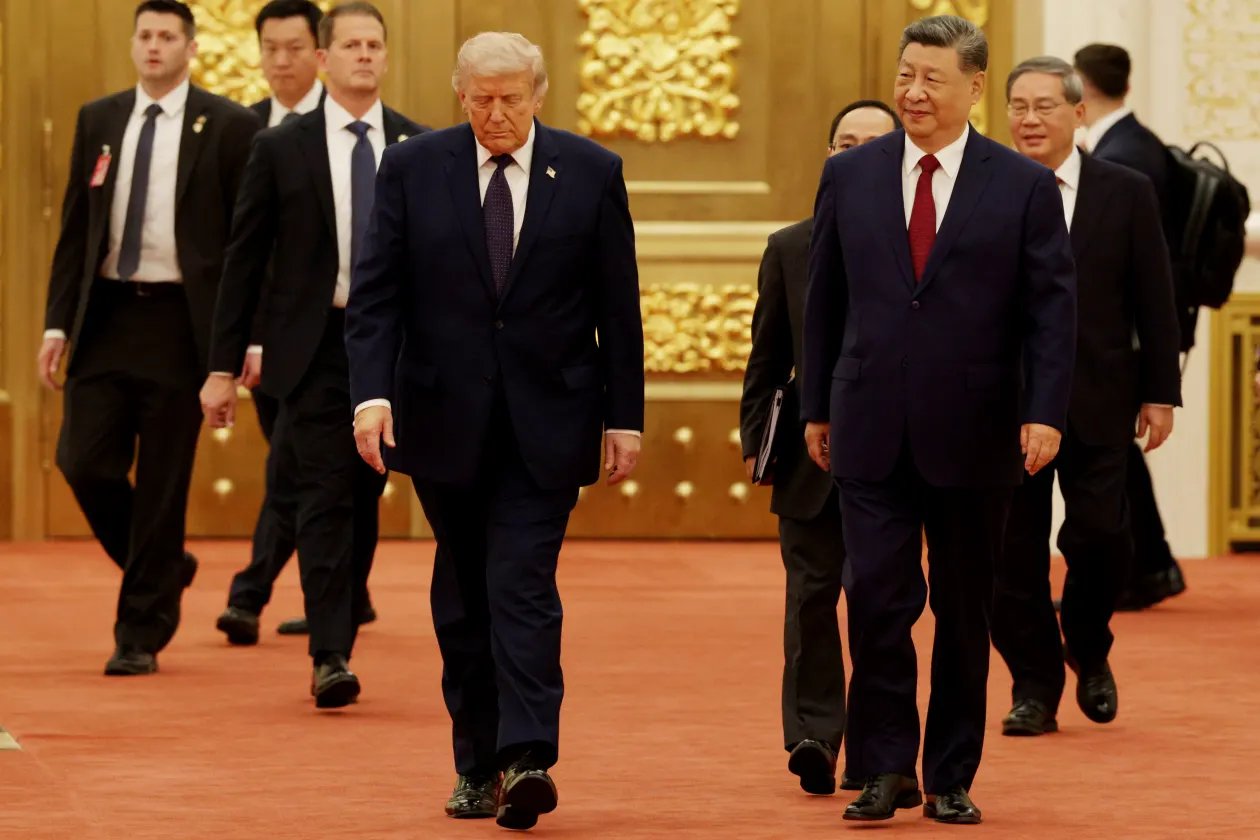
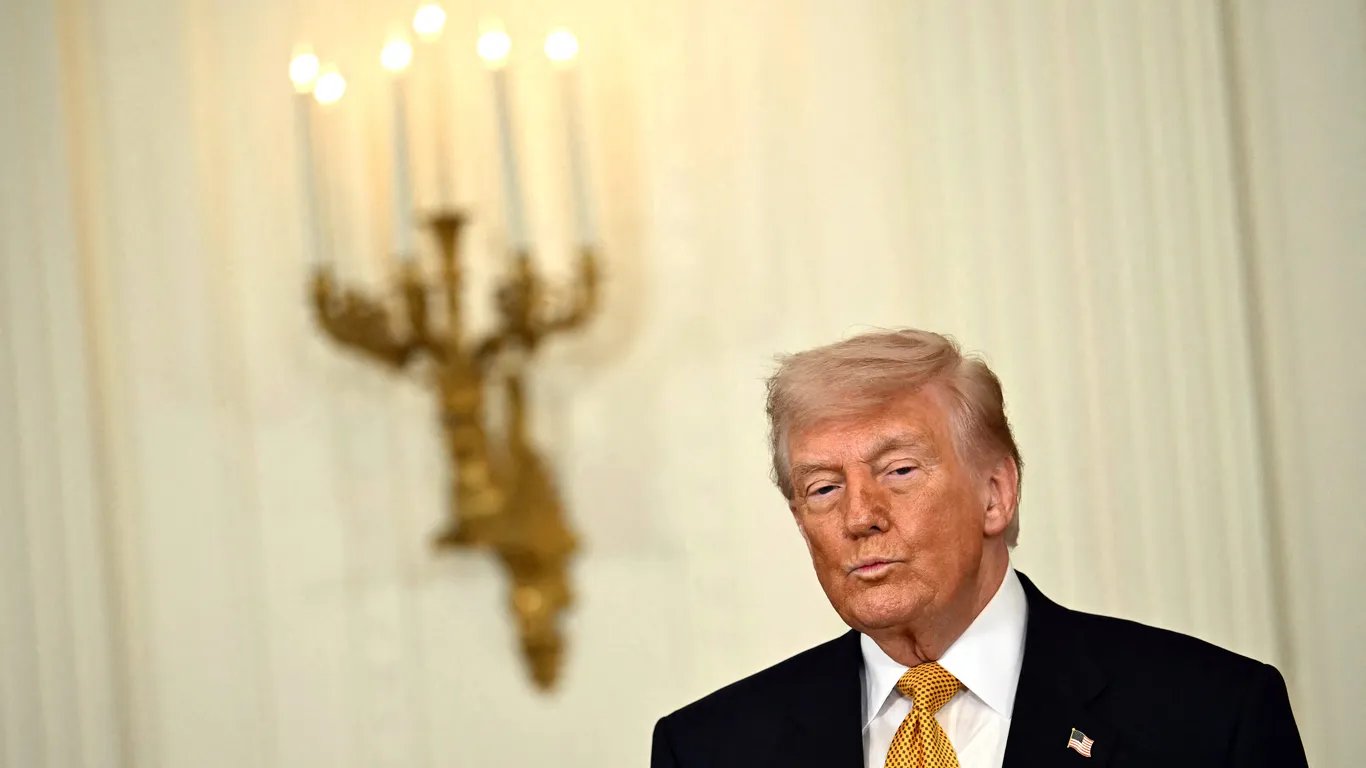
The U.S. has tightened its grip on Cuba following the capture of Venezuelan President Nicolás Maduro in January. President Donald Trump issued an executive order threatening tariffs on any nation supplying oil to Cuba, further isolating the island. Since then, Cuba's main suppliers, including Venezuela and Mexico, have ceased shipments, leaving the nation reliant on a single delivery from a Russian-flagged tanker in April. The blockade has crippled public services and created shortages of essential goods, including food and medicine.
International Criticism of the Blockade
The United Nations recently condemned the U.S. blockade as unlawful, stating it obstructs the Cuban people's rights to development and essential services. The blockade's impact is felt across the island of approximately 10 million people, as rolling blackouts and shortages disrupt daily life. Cuban President Miguel Diaz-Canel has labeled the blockade a "genocidal energy blockade," blaming it for the country's worsening humanitarian situation.
U.S. Offers Humanitarian Aid
In response to the crisis, the U.S. State Department has offered $100 million in humanitarian aid to the Cuban people, contingent on the Cuban government's acceptance. The State Department emphasized that the Cuban regime must be accountable for blocking critical assistance to its citizens. U.S. Secretary of State Marco Rubio, a vocal critic of the Cuban government, attributed the island's problems to systemic corruption within the military-run economy.
Future Implications for U.S.-Cuba Relations
As protests continue, both sides of the political spectrum in the U.S. are weighing the implications of the blockade and the ongoing humanitarian crisis. Some U.S. officials advocate for a reevaluation of the sanctions, while others, like Rubio, maintain that the Cuban government's policies are to blame for the island's plight. The situation remains tense, with the potential for further unrest as citizens demand immediate action from their government and the international community.

For example, Energy Minister Vicente de la O Levy stated that the power grid has entered a 'critical' state, emphasizing the severity of the crisis due to the blockade.