




Surge in Wholesale Inflation
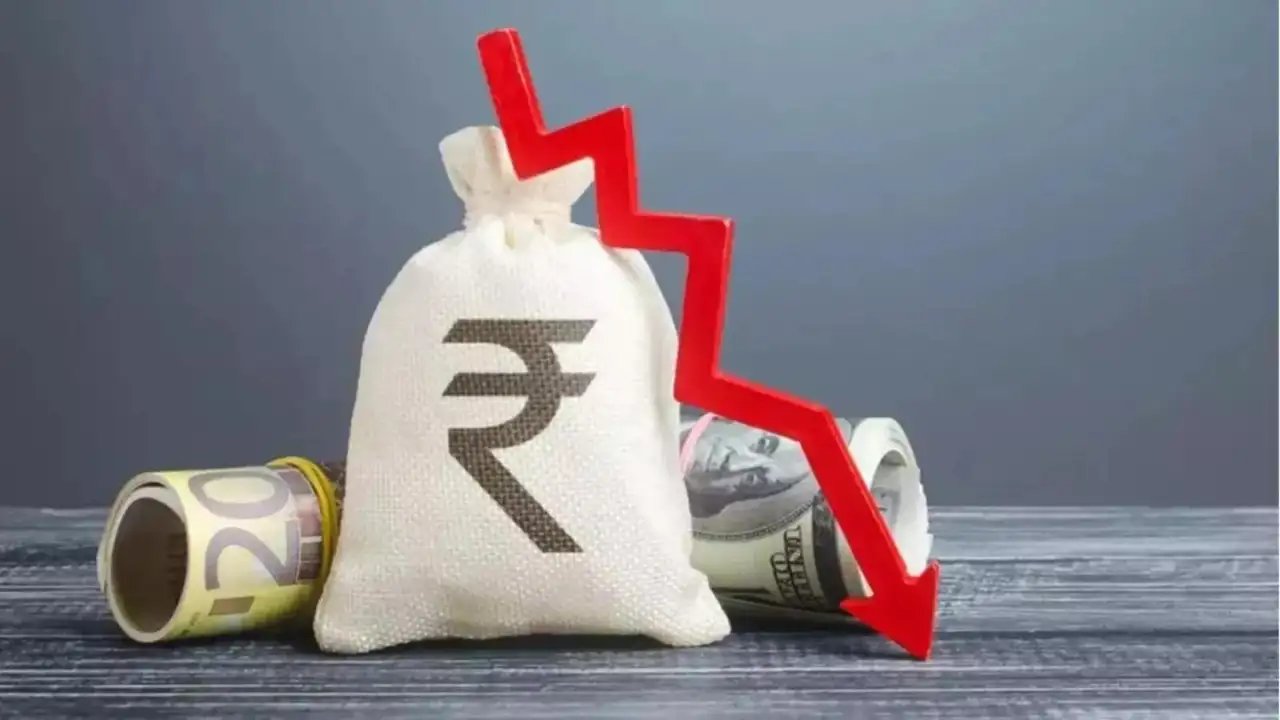
India's wholesale inflation jumped to 8.3% in April, a significant increase from March's rate of 3.88%. This spike is largely driven by soaring prices in fuel, power, and crude oil, which have been exacerbated by the ongoing crisis in West Asia. The sharp rise in inflation affects various sectors, with mineral oils, basic metals, and manufactured products contributing to the overall increase in costs.
Impact on Consumer Prices
The rise in wholesale inflation is expected to translate into higher consumer prices in the coming months. Economists warn that as manufacturers face increased input costs, these expenses will likely be passed down to consumers. The current inflation rate is the highest seen in over three and a half years, raising concerns about the potential strain on household budgets.
Economic Ramifications
The surge in wholesale prices is indicative of broader economic challenges. Rising energy prices have pushed up the costs for manufacturers, impacting everything from production to transportation. As a result, businesses may need to adjust their pricing strategies, which could lead to a ripple effect throughout the economy. Analysts are closely monitoring these developments to assess their long-term implications for economic growth.
The Role of Global Events
The inflation spike is closely tied to global events, particularly the conflict in West Asia. Rising crude oil prices have a direct effect on fuel prices, which are a significant component of the overall inflation figure. The ongoing geopolitical tensions have created uncertainty in energy markets, further complicating the economic landscape for countries like India that rely heavily on imported energy.
Future Outlook
Looking ahead, experts caution that the current inflation rate could persist if energy prices remain elevated. The potential for further disruptions in global oil supply chains could exacerbate the situation. As the government grapples with these challenges, policymakers may need to consider strategies to mitigate the impact on consumers and stabilize the economy.
Consequences for Everyday Life
For consumers, the implications of rising inflation are immediate and tangible. Higher prices for essential goods can strain household budgets, forcing families to reassess their spending habits. As fuel costs continue to rise, the increased price of transportation may lead to higher costs for groceries and other necessities, affecting daily life for millions of Indians.