




Tentative Agreement Reached
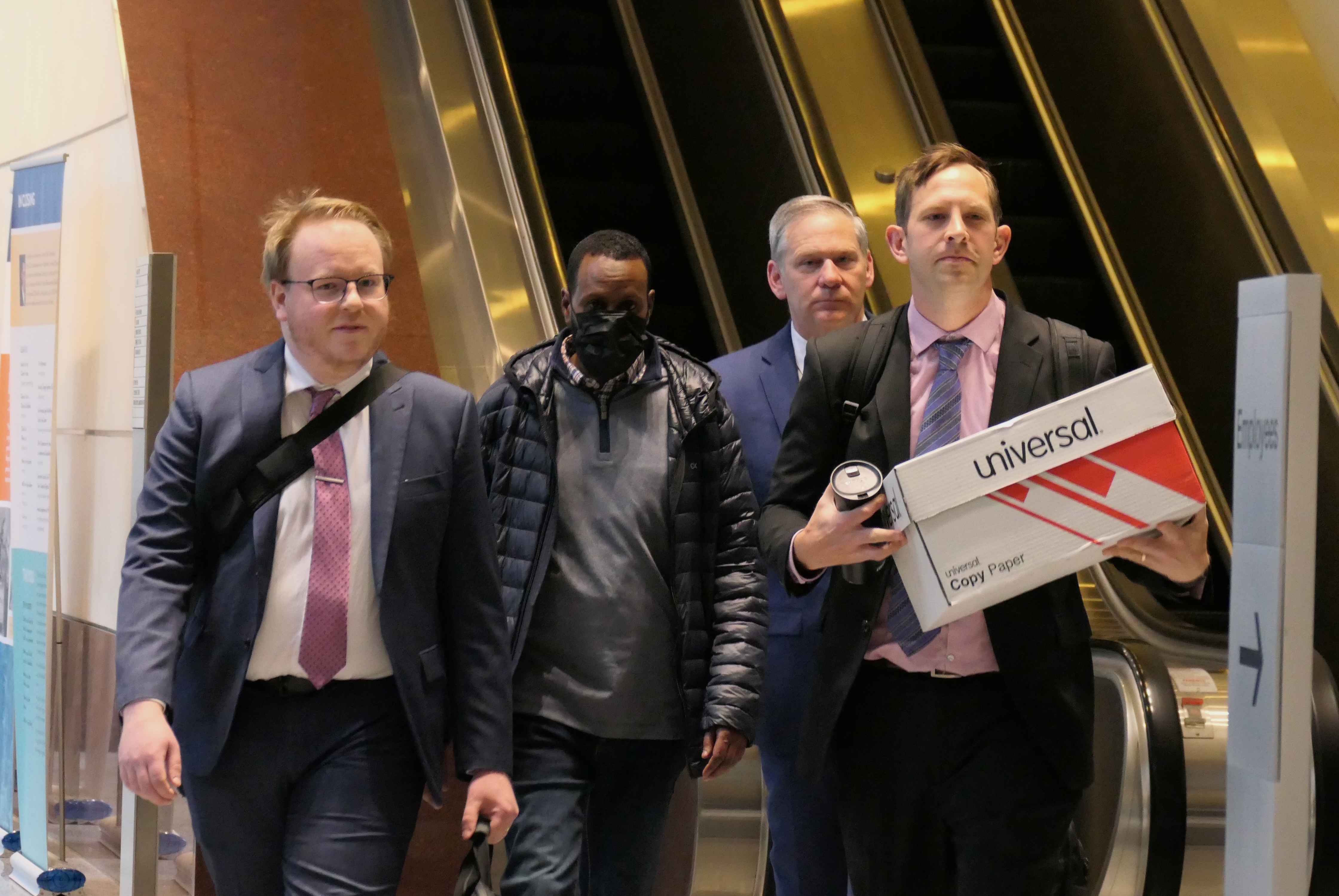
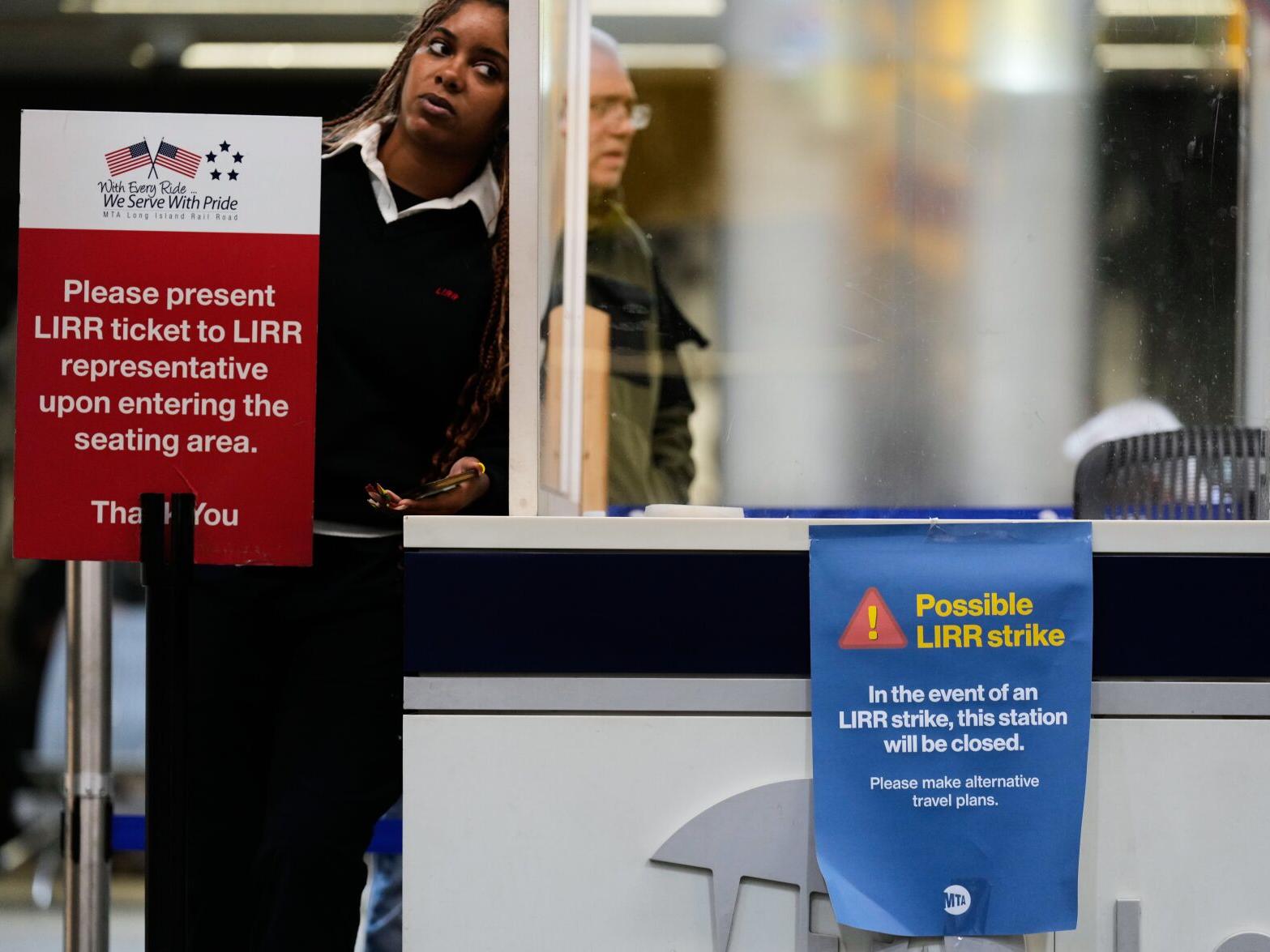
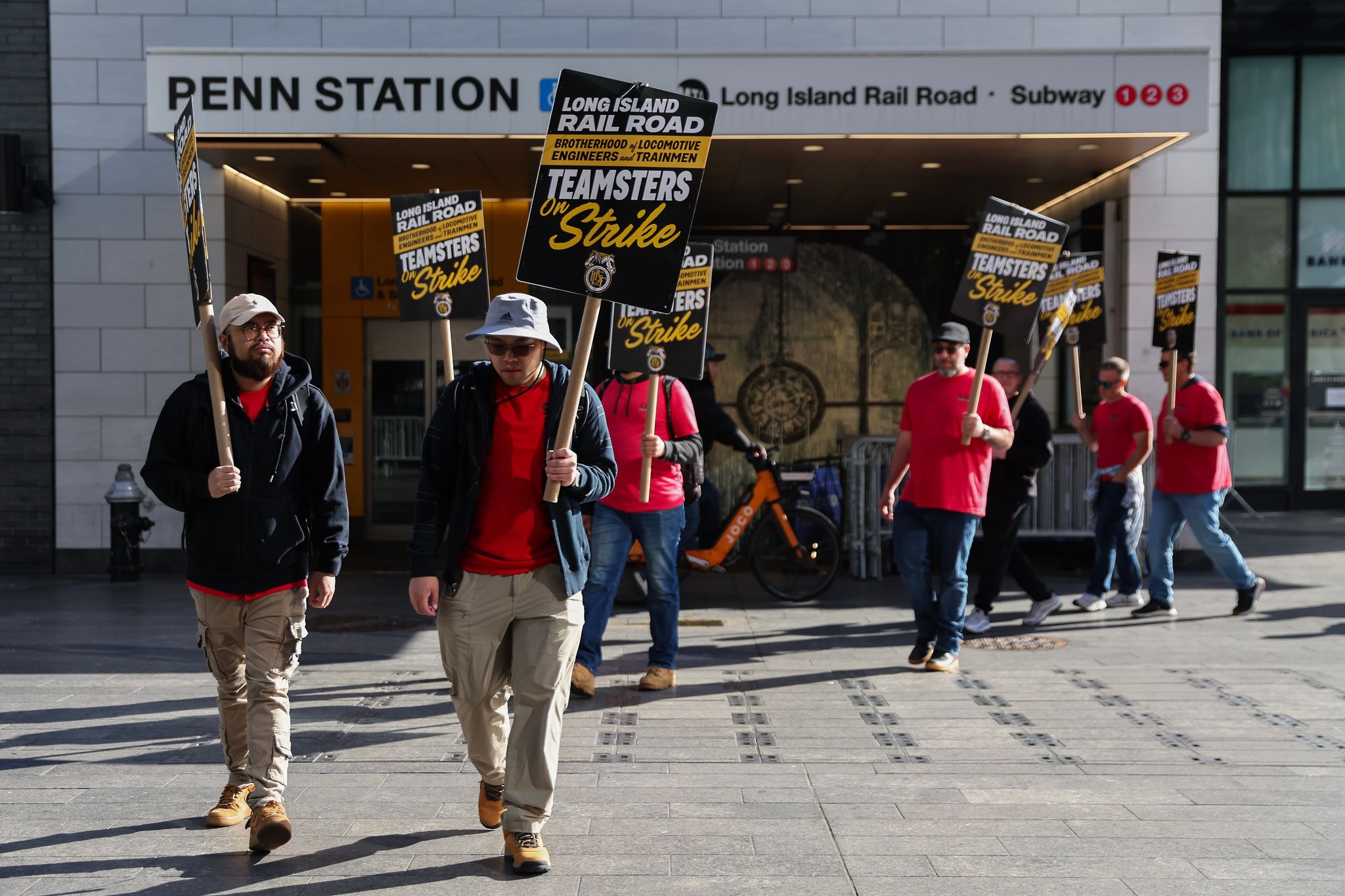
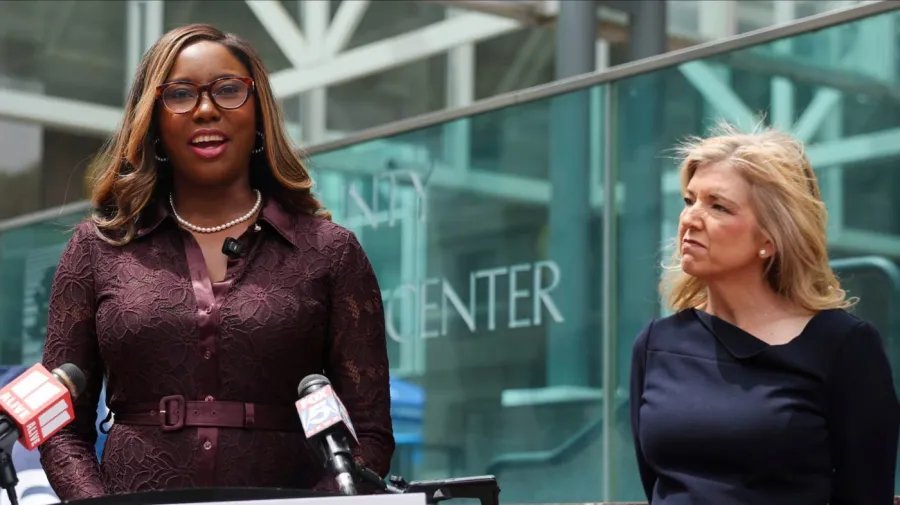
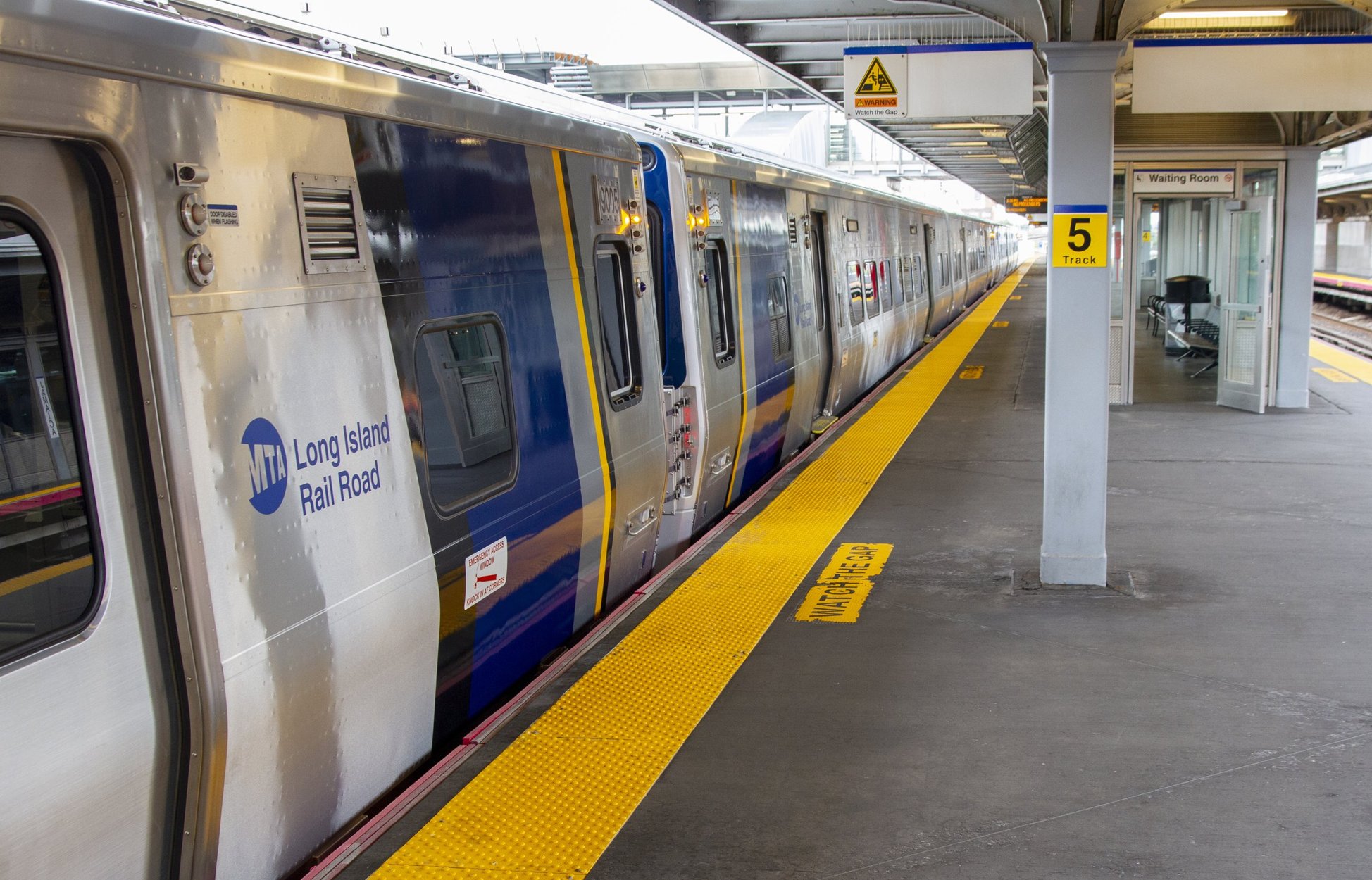
A tentative agreement between the Metropolitan Transportation Authority and five Long Island Rail Road labor unions ended a three-day strike on Monday. New York Gov. Kathy Hochul announced the deal was reached just before 9 p.m. and called it "a fair deal" that delivers raises for workers while protecting riders and taxpayers. The strike, which began at midnight Saturday, paralyzed the LIRR, impacting roughly 300,000 daily commuters.
Service Restoration
LIRR President Robert Free said service will resume Tuesday at noon, with hourly service on the Port Washington, Huntington, Ronkonkoma and Babylon branches. Full peak service on all branches will begin around 4 p.m. for the afternoon and evening rush hour. MTA CEO Janno Lieber said the strike would officially end at midnight Tuesday, but train service will not be available for the morning commute. The MTA said it requires time to conduct mandatory inspections and call employees back to work before regular service restarts. Shuttle buses will be available Tuesday morning.
Details of the Deal
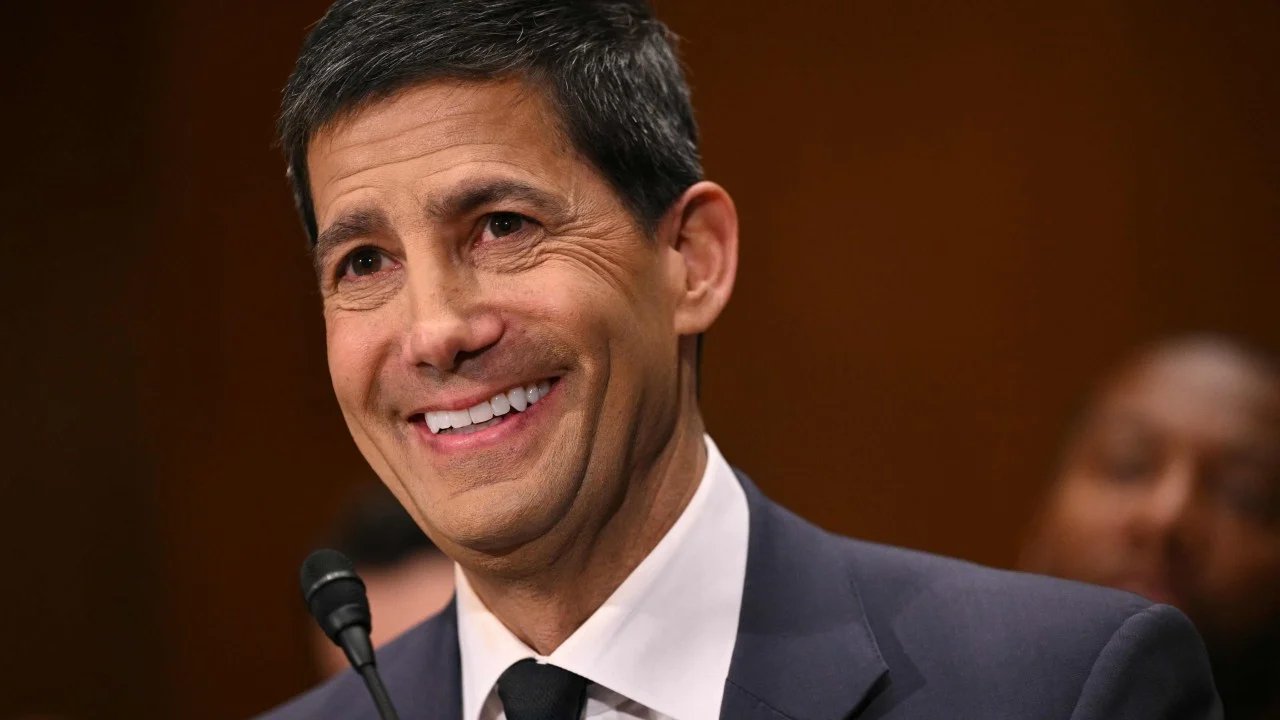
Full details of the agreement were not immediately provided, but Hochul said it does not raise taxes or fares. Lieber said the agreement provides fair raises without blowing the MTA budget. The deal must still be ratified by the five labor unions, whose conductors and maintenance workers had been working without a contract for two and a half years. Kevin Sexton, national vice president of the Brotherhood of Locomotive Engineers and Trainmen, said they are looking forward to their members getting back to work and serving the region.
Commuter Impact and Reactions
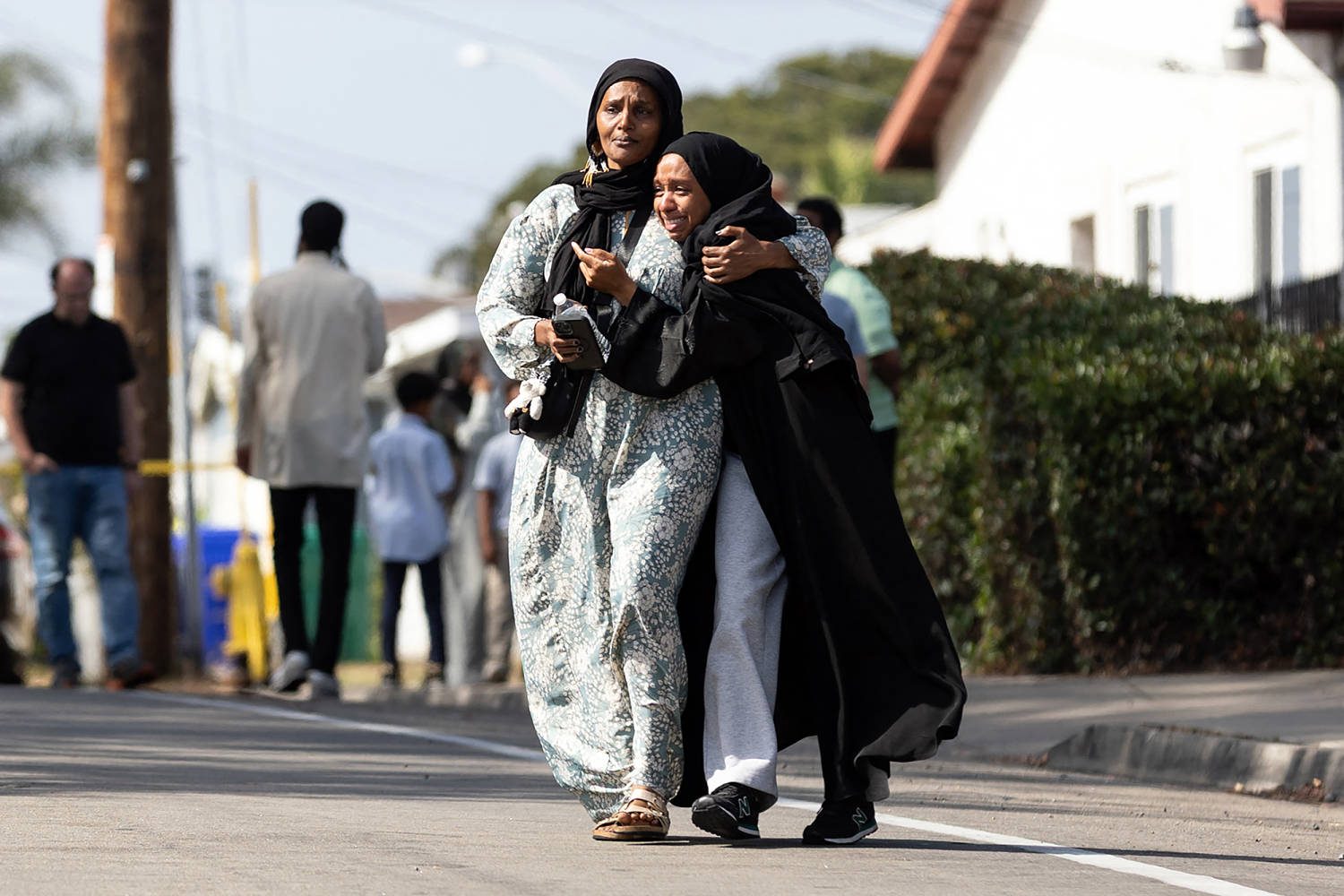
The MTA's strike contingency plan, with replacement shuttle buses, will remain in use Tuesday morning to bring commuters to the New York City subway from 4:30 a.m. - 9 a.m. On Monday, more than 2,100 commuters used the shuttle buses. Some commuters expressed frustration with increased travel times. Kevin Pierre-Louis, of Bayshore, said it cost him $100 in an Uber to get to Queens and now he had to ride a two-hour bus. Marcia Russell, of Hempstead, who works at Harlem Hospital, lamented the two-hour commute to Manhattan. Josephine Pantell, of Seaford, said she left at 7:30 a.m. and punched in at 11:23 a.m. Staffy Chavis, of St. Albans, waiting at Jamaica-179th Street to board a shuttle bus to get to Fire Island for her 8 p.m. work shift, called it "chaotic" but "organized," and "just a really big inconvenience."
Sticking Points
The LIRR strike stemmed from a dispute over the final year of a four-year contract between the MTA and unions. The MTA agreed to 9.5% wage hikes and was only a percentage point apart on the fourth year. Union representative Raymond Delio said health insurance should never be on the table. Lieber said the unions are made up of the highest-paid railway workers in the United States, making well over six figures. The MTA said it was only a percentage point apart on the fourth year, but then union sources said the MTA suddenly asked for a steep increase in healthcare contributions for new hires from 2% to 10%.
Previous Negotiations
The National Mediation Board summoned union leaders and MTA management to a meeting to resume bargaining Sunday evening and both sides picked up the talks Monday. MTA negotiator Gary Dellaverson said the unions needed more time and they weren't presented to respond substantively Monday morning. Negotiations broke off at 11 a.m. and resumed at 3 p.m. Sexton said that negotiations felt like "two steps forwards, and one step back."
Ripple Effects
Former Department of Transportation Commissioner Sam Schwartz said the ripple effects of the commuter nightmare will be far-reaching, with bigger crowds on subways and busier roads across Long Island. The last LIRR strike was in June 1994, when conductors and maintenance workers walked off after two and a half years without a contract.
Commuters' Next Step
The MTA is encouraging people to check its website for more details about service resumption.