




Proposal Details
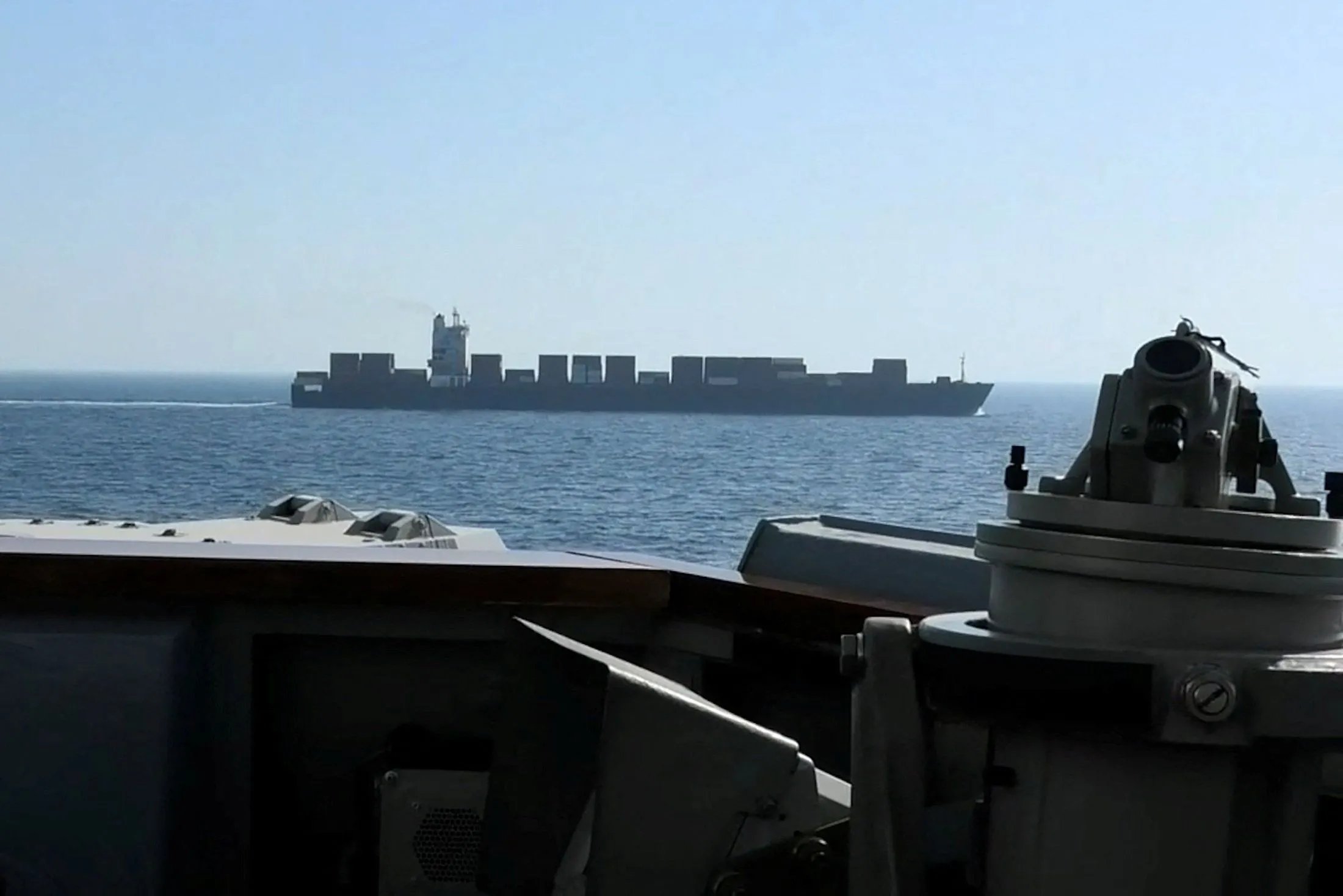
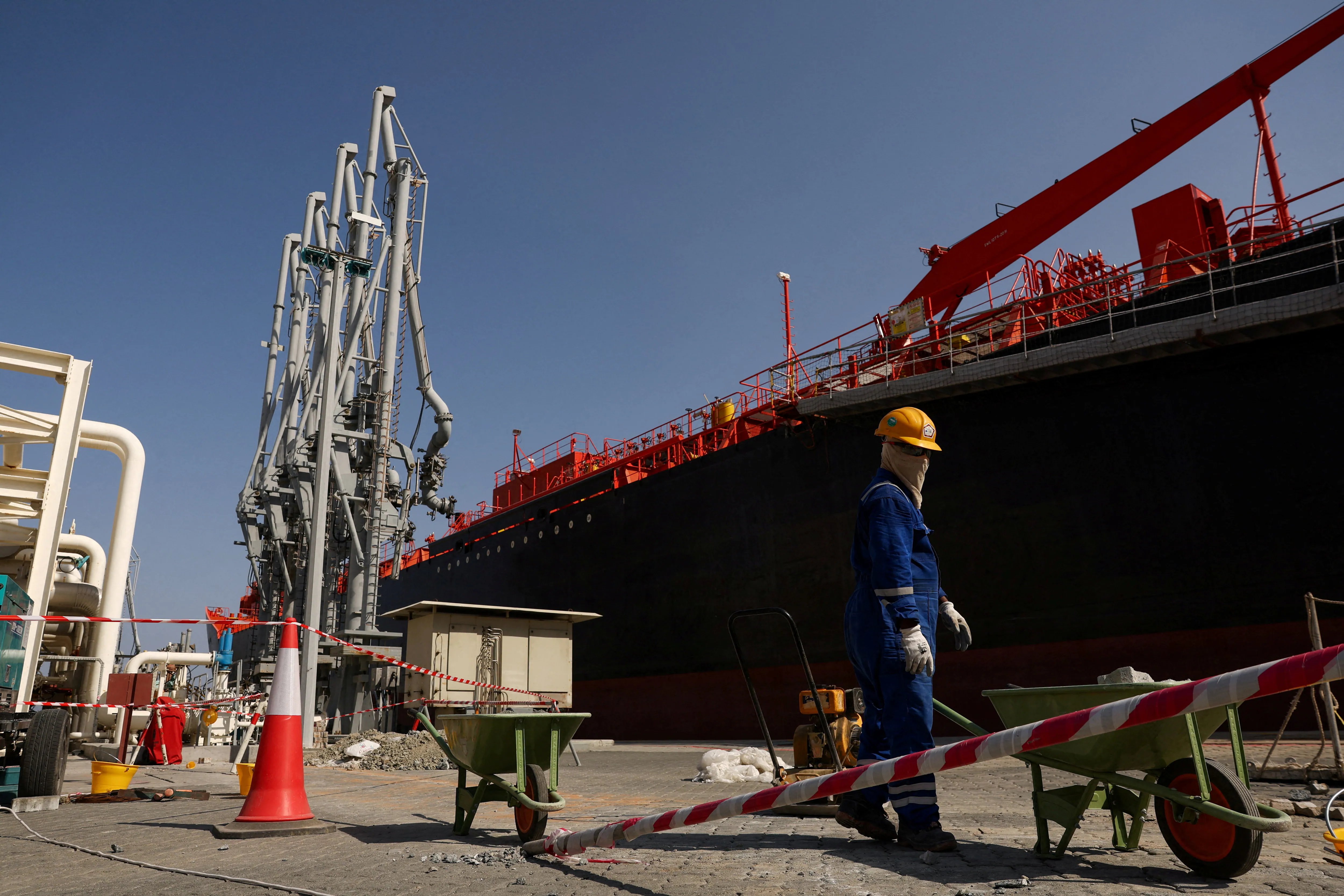
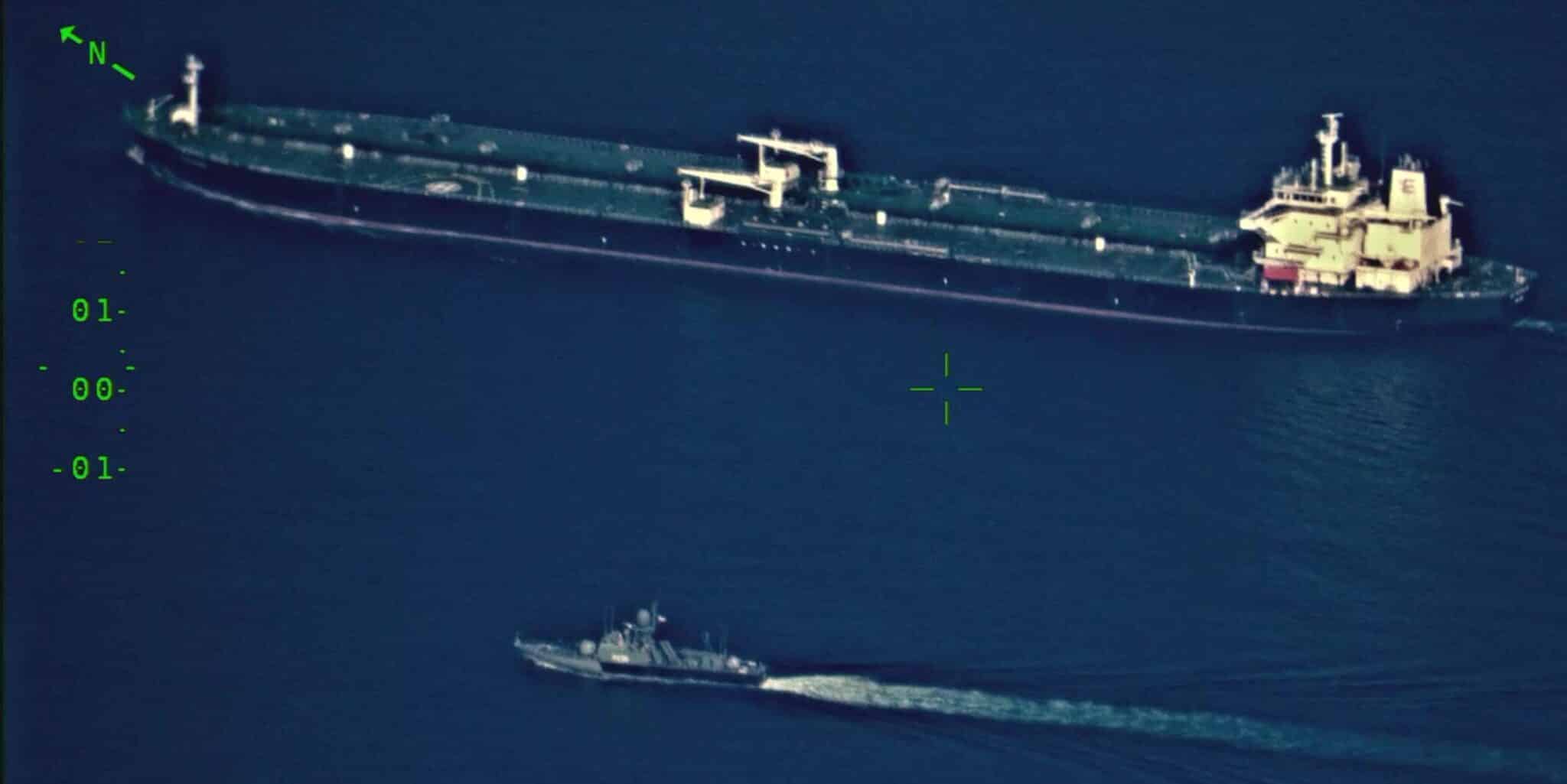
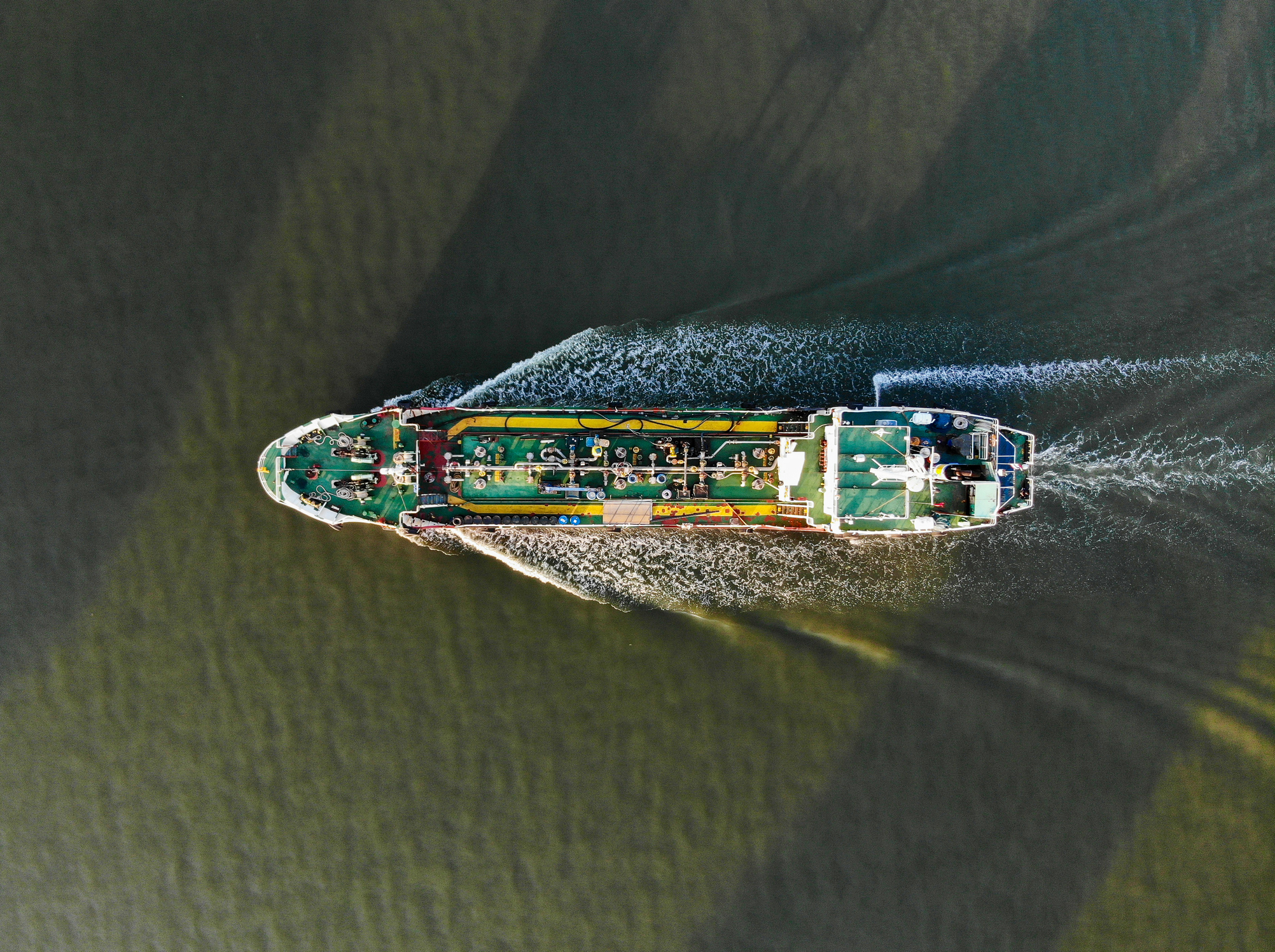
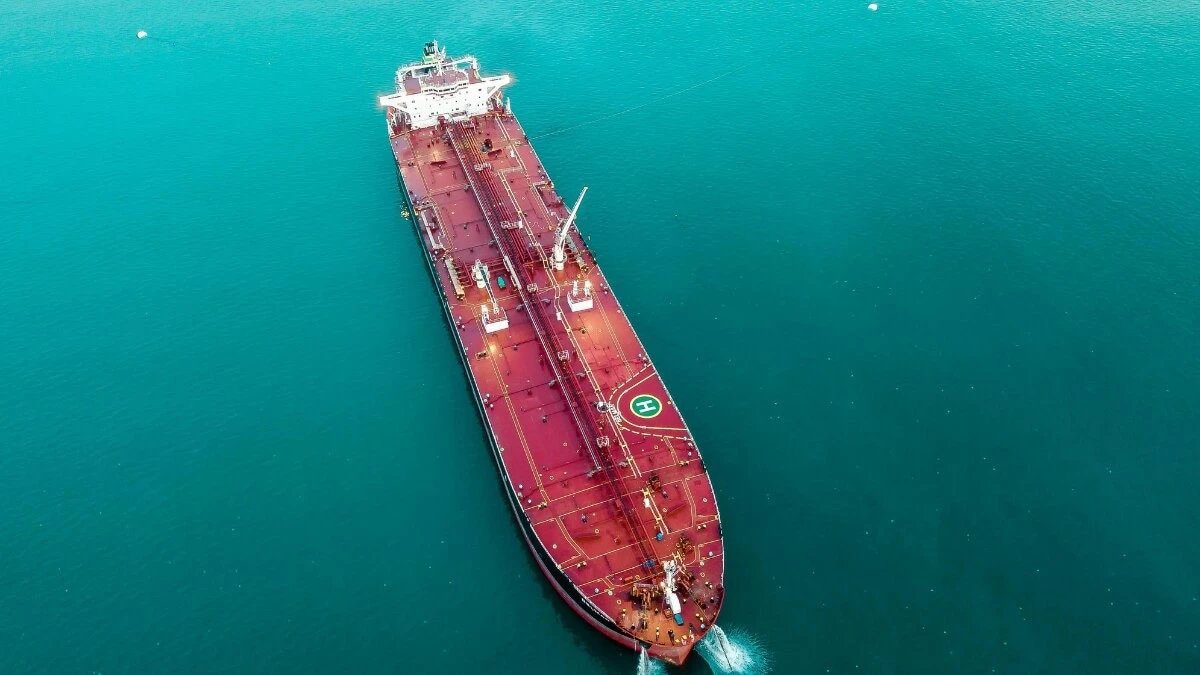
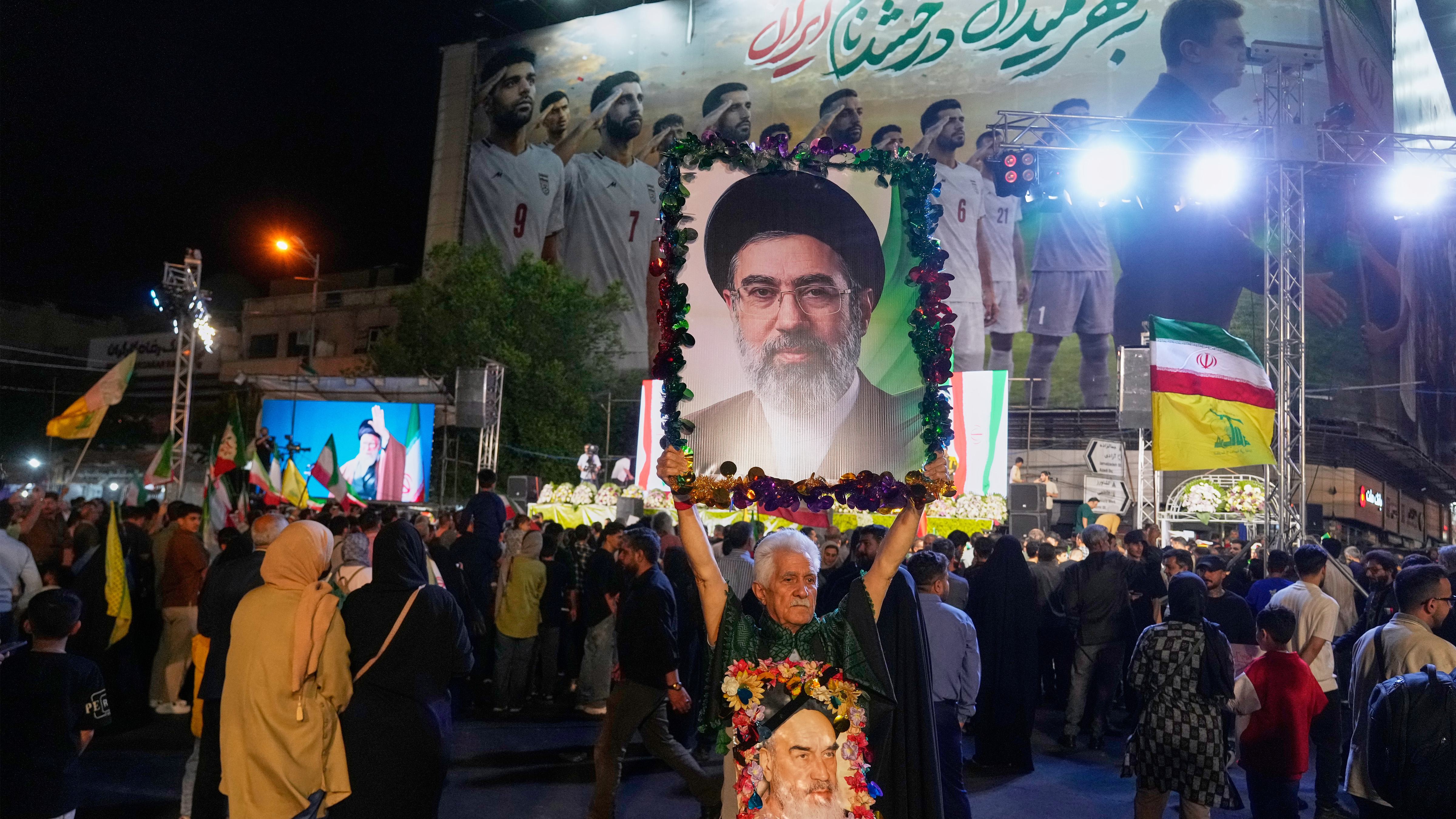
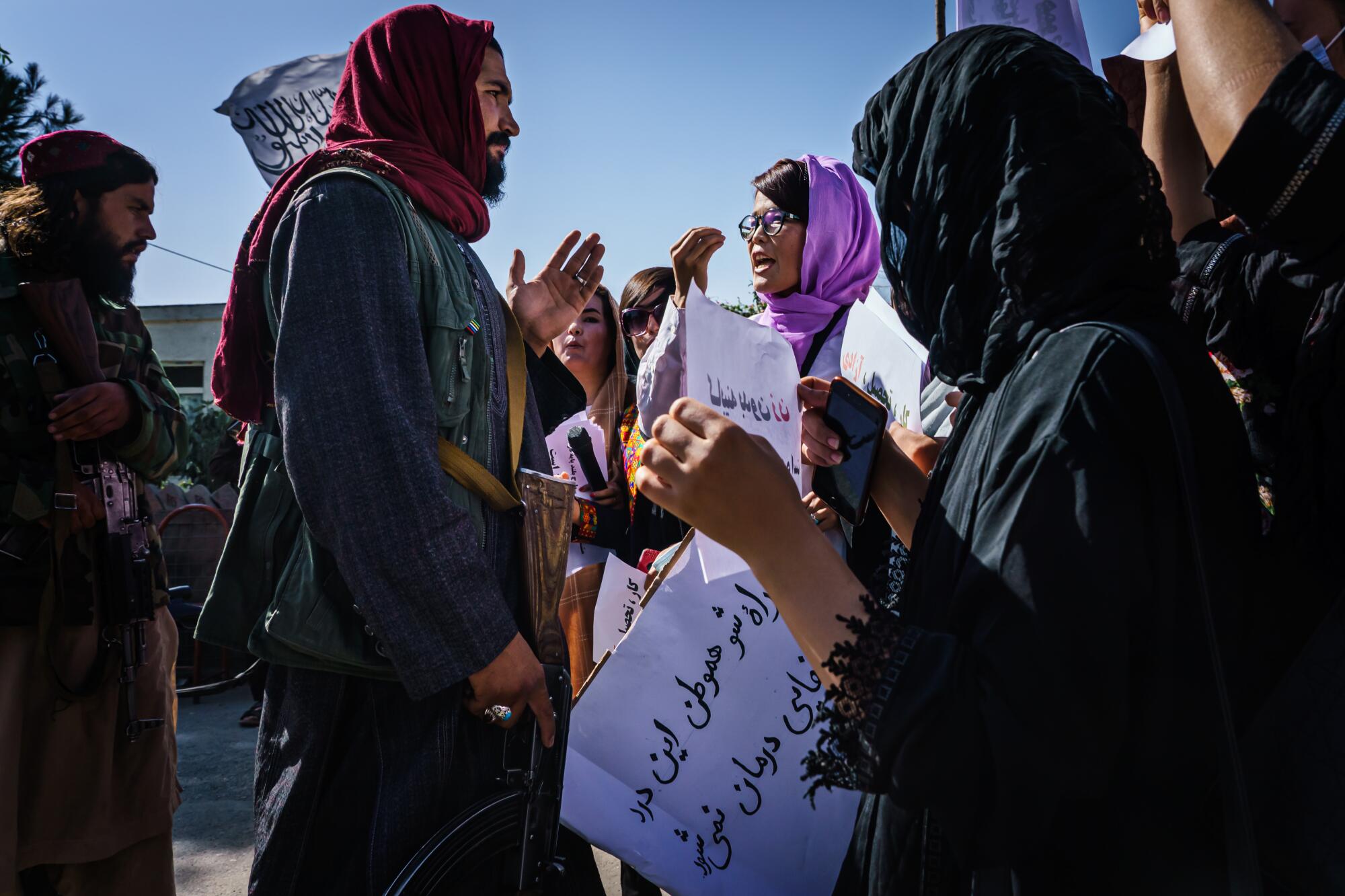
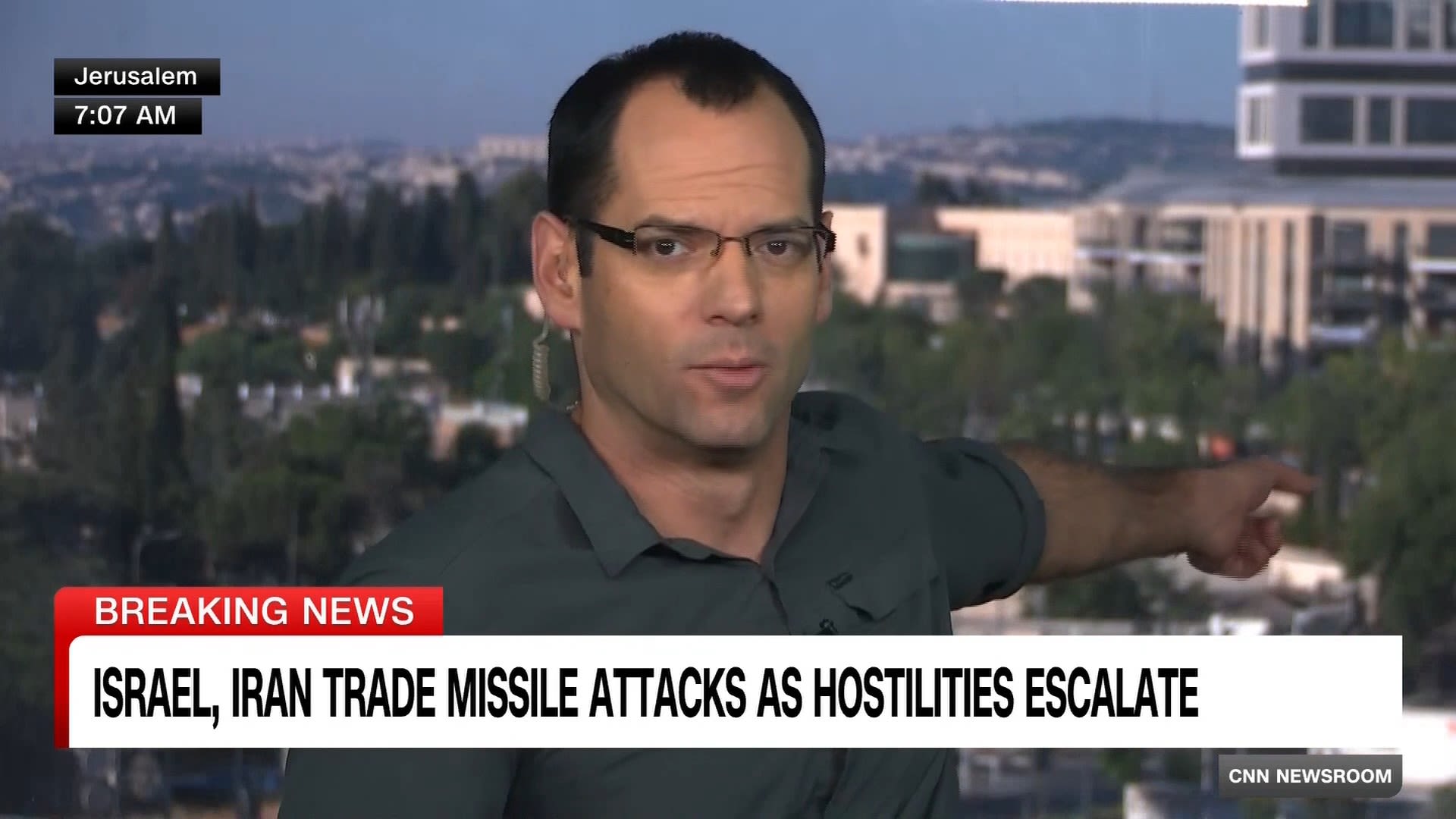
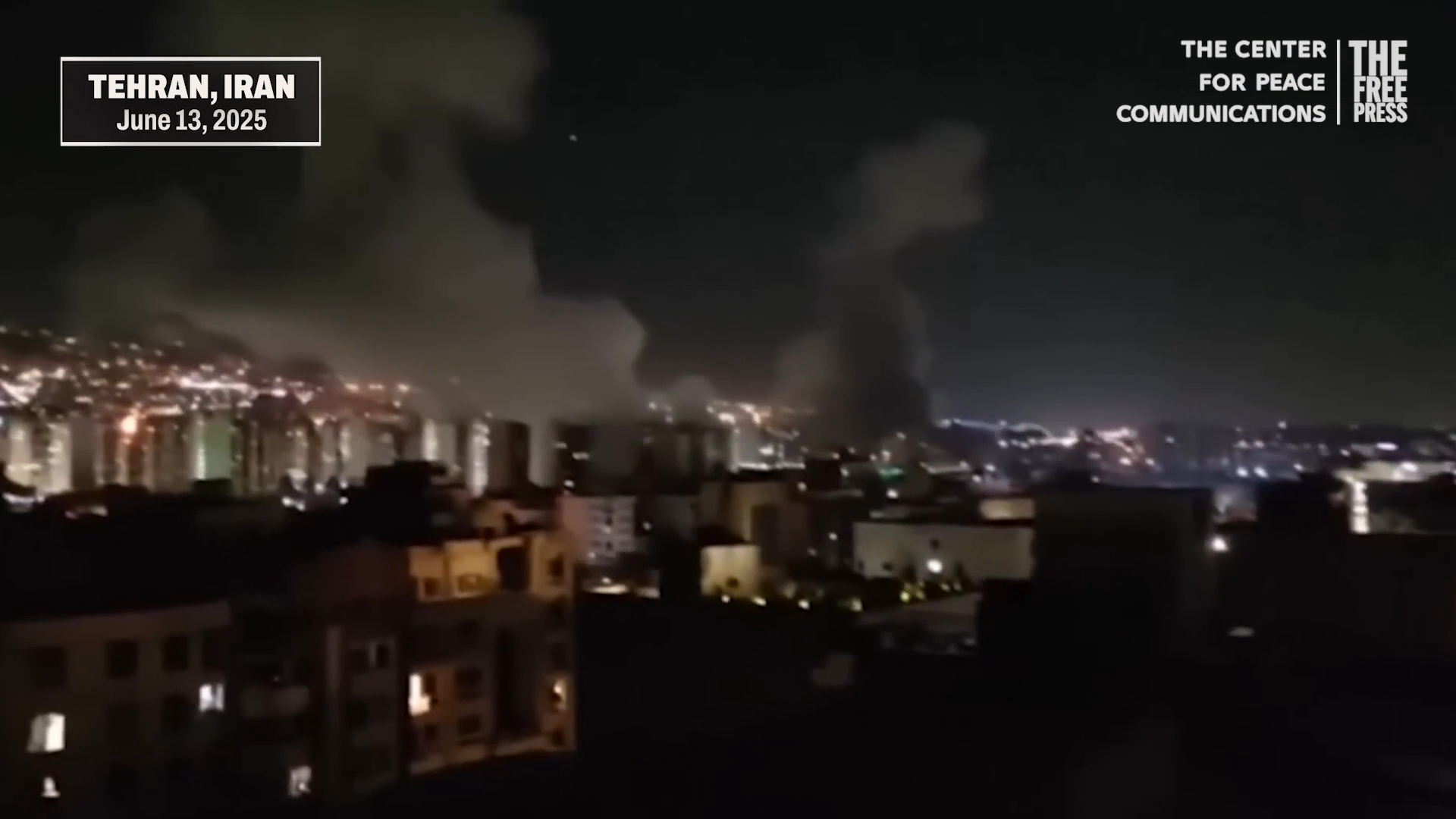
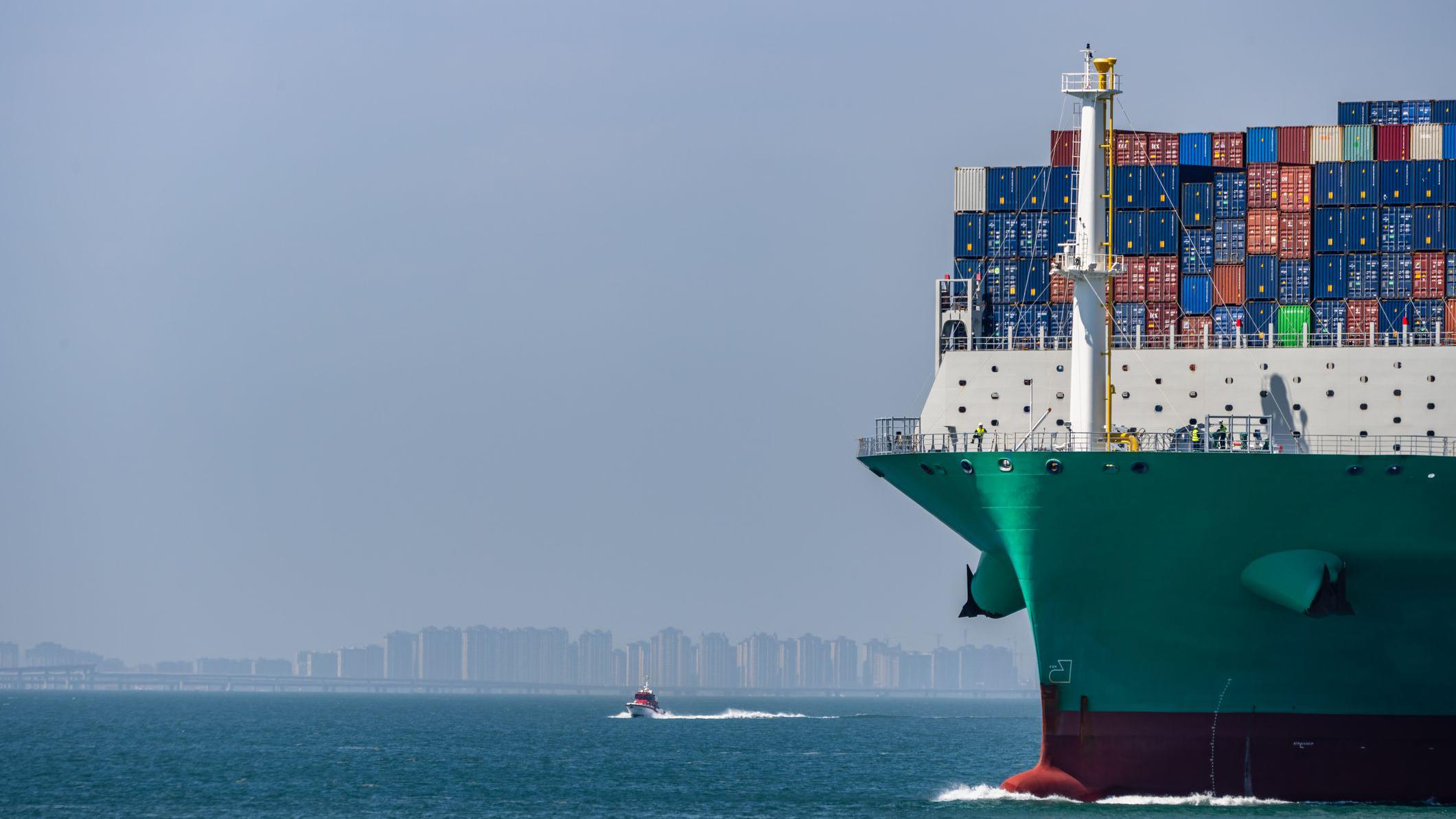
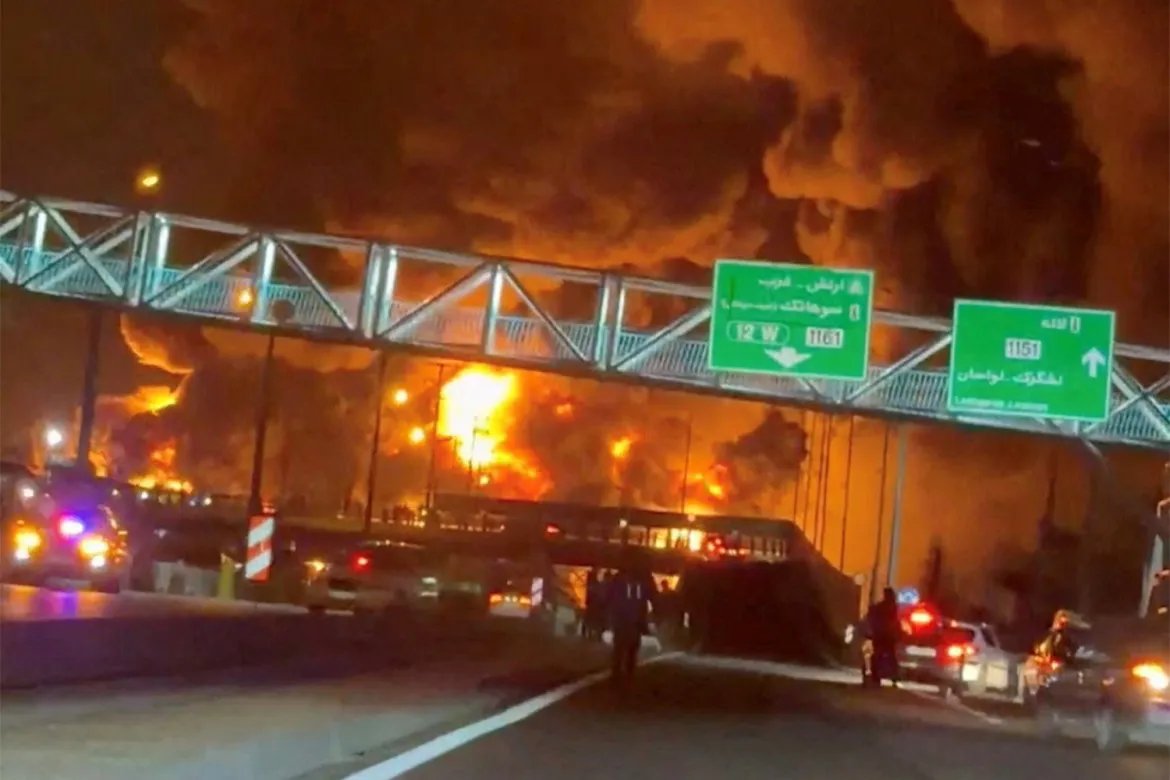
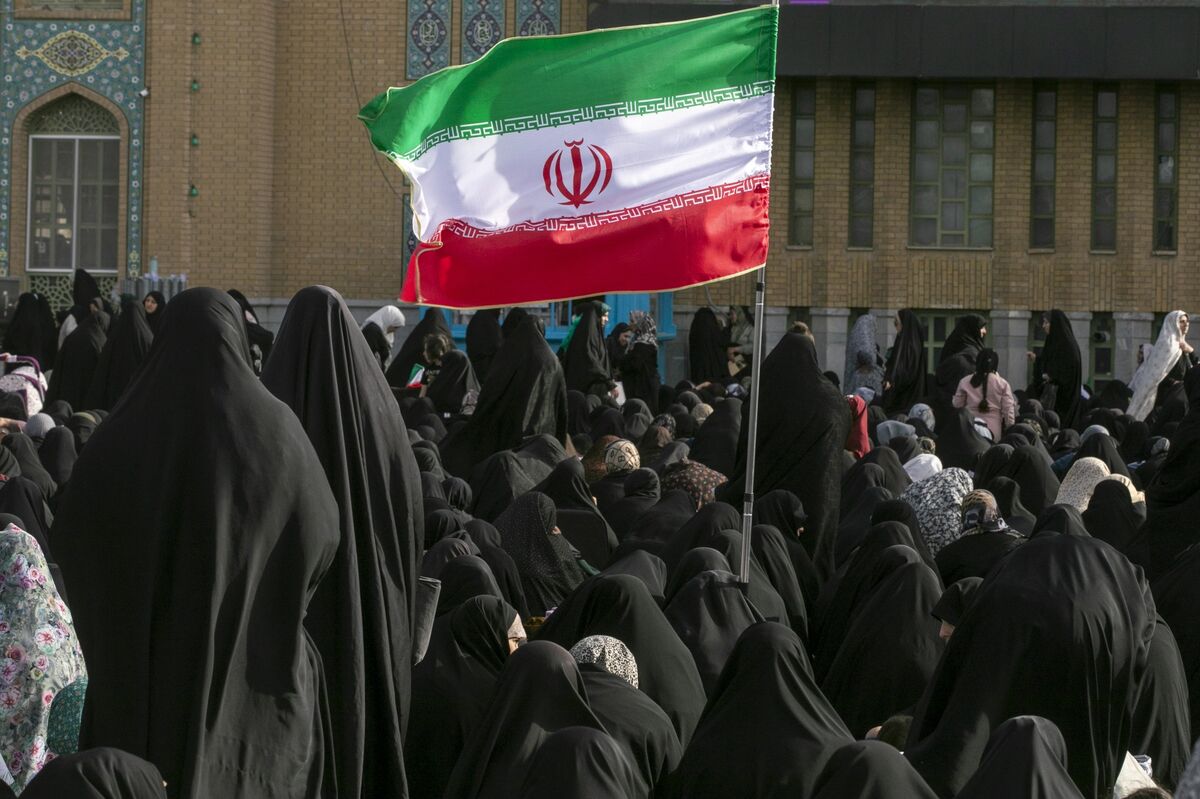
Iran has presented the U.S. with a new proposal to reopen the Strait of Hormuz and end the ongoing war, according to a U.S. official and two sources with knowledge of the matter. The White House has received the proposal. Trump has signaled he intends to maintain the naval blockade, hoping it will force Iran to make nuclear concessions within weeks.
Bypassing Stalemates
The Iranian proposal aims to bypass internal divisions within the Iranian leadership regarding nuclear concessions. The U.S. wants Iran to suspend uranium enrichment for at least a decade and remove its enriched uranium from the country. The proposal suggests extending the ceasefire for a long period or agreeing to a permanent end to the war before starting nuclear negotiations.
Diplomatic Efforts
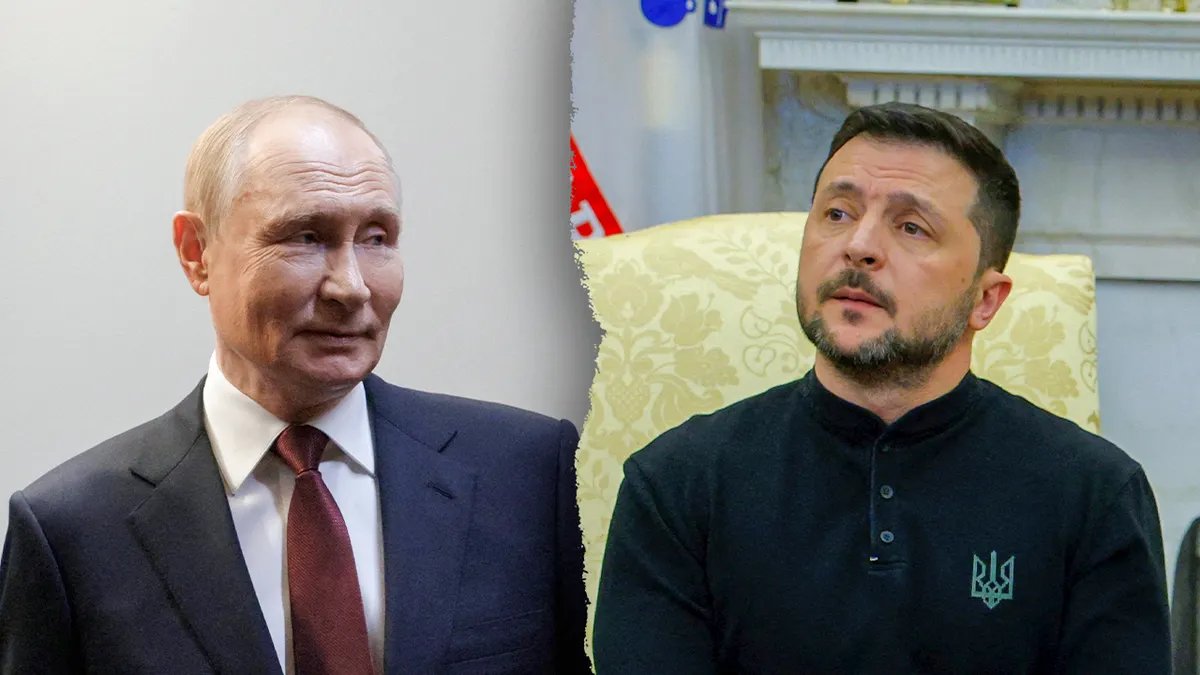
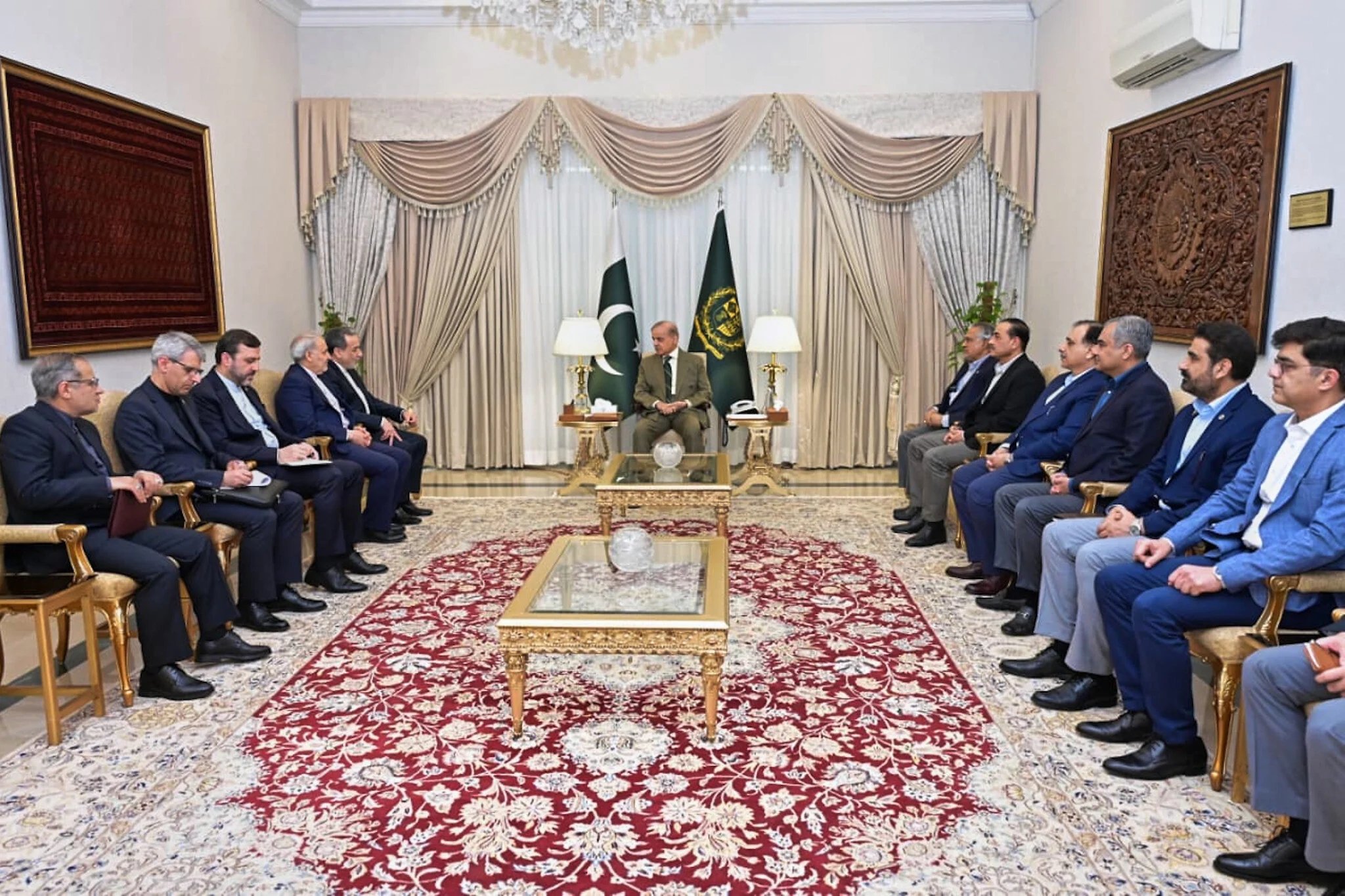
Iranian Foreign Minister Abbas Araghchi has been engaged in a diplomatic drive, including a trip to Russia to meet with President Vladimir Putin. Araghchi's trip to Russia follows visits to Pakistan and Oman to discuss the Middle East conflict. Araghchi's talks in Oman focused on reopening the Strait of Hormuz.
Trump's Stance
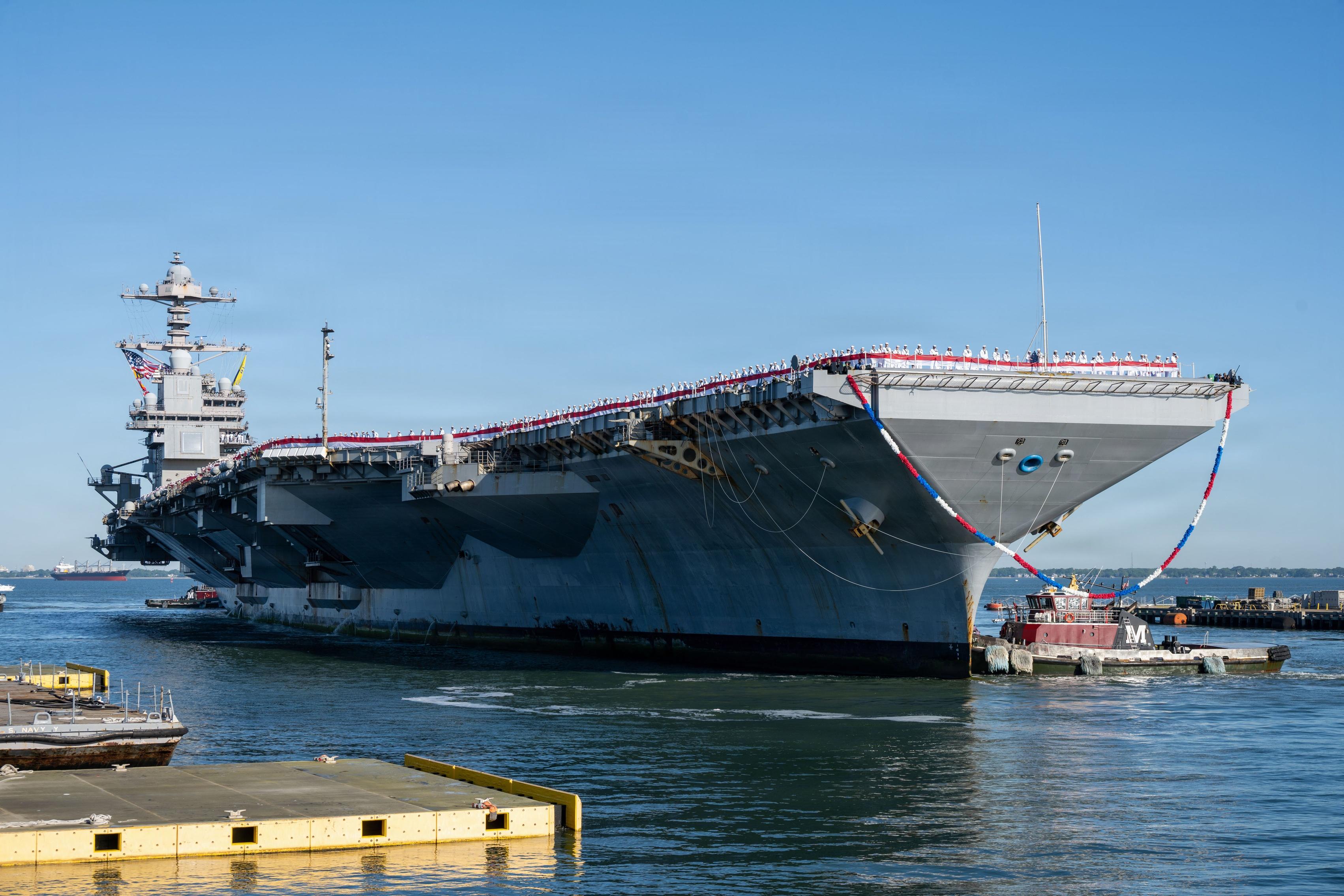
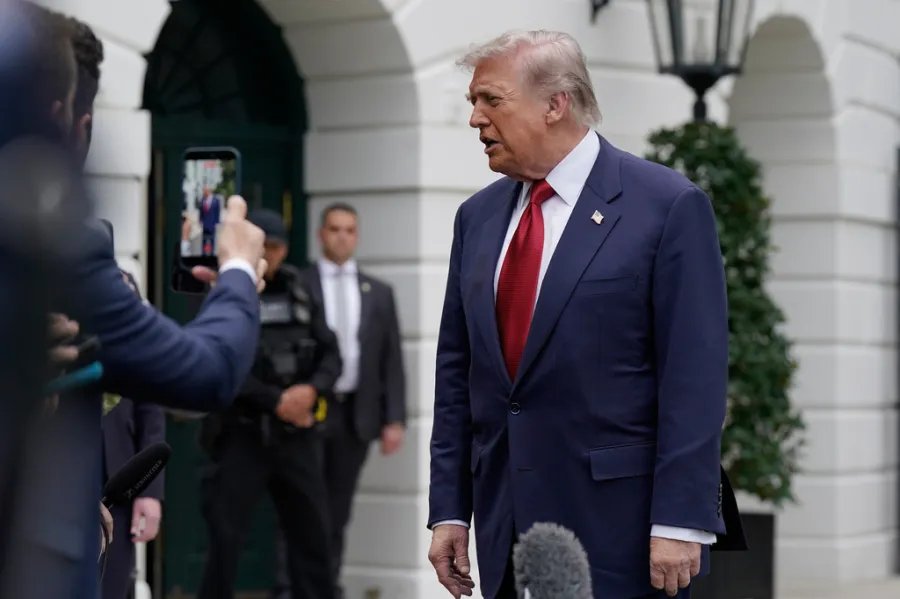
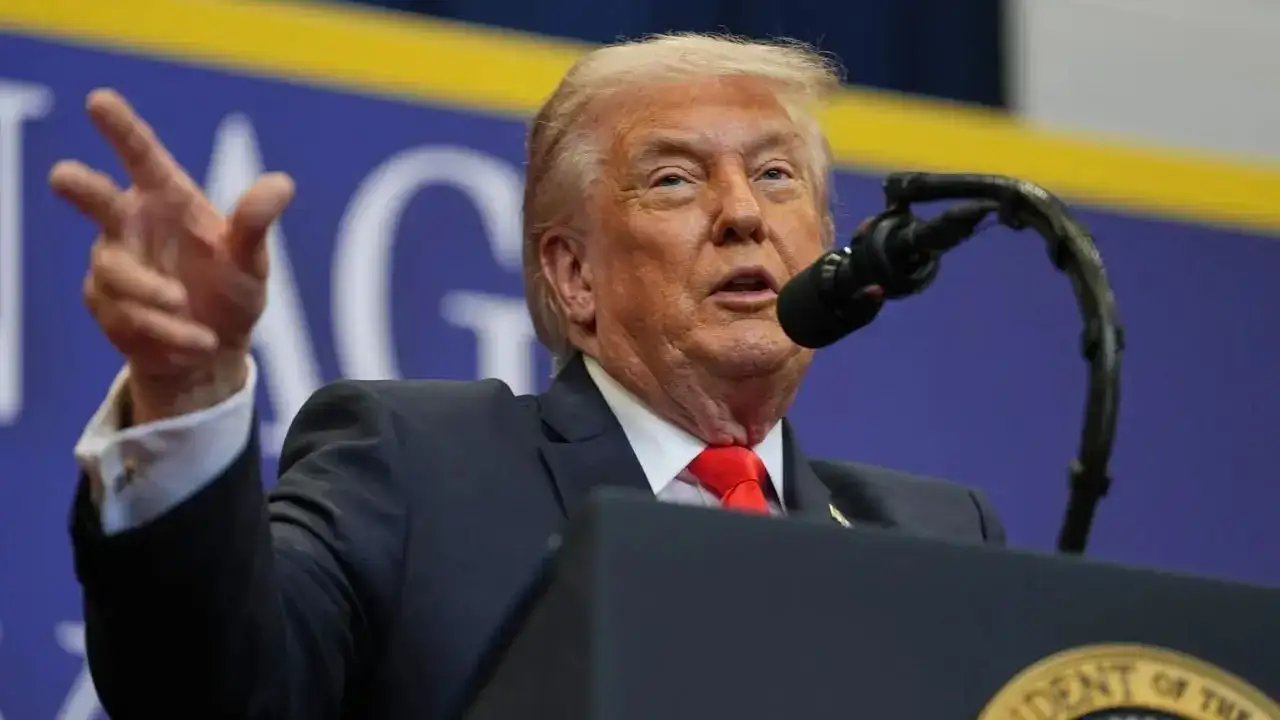
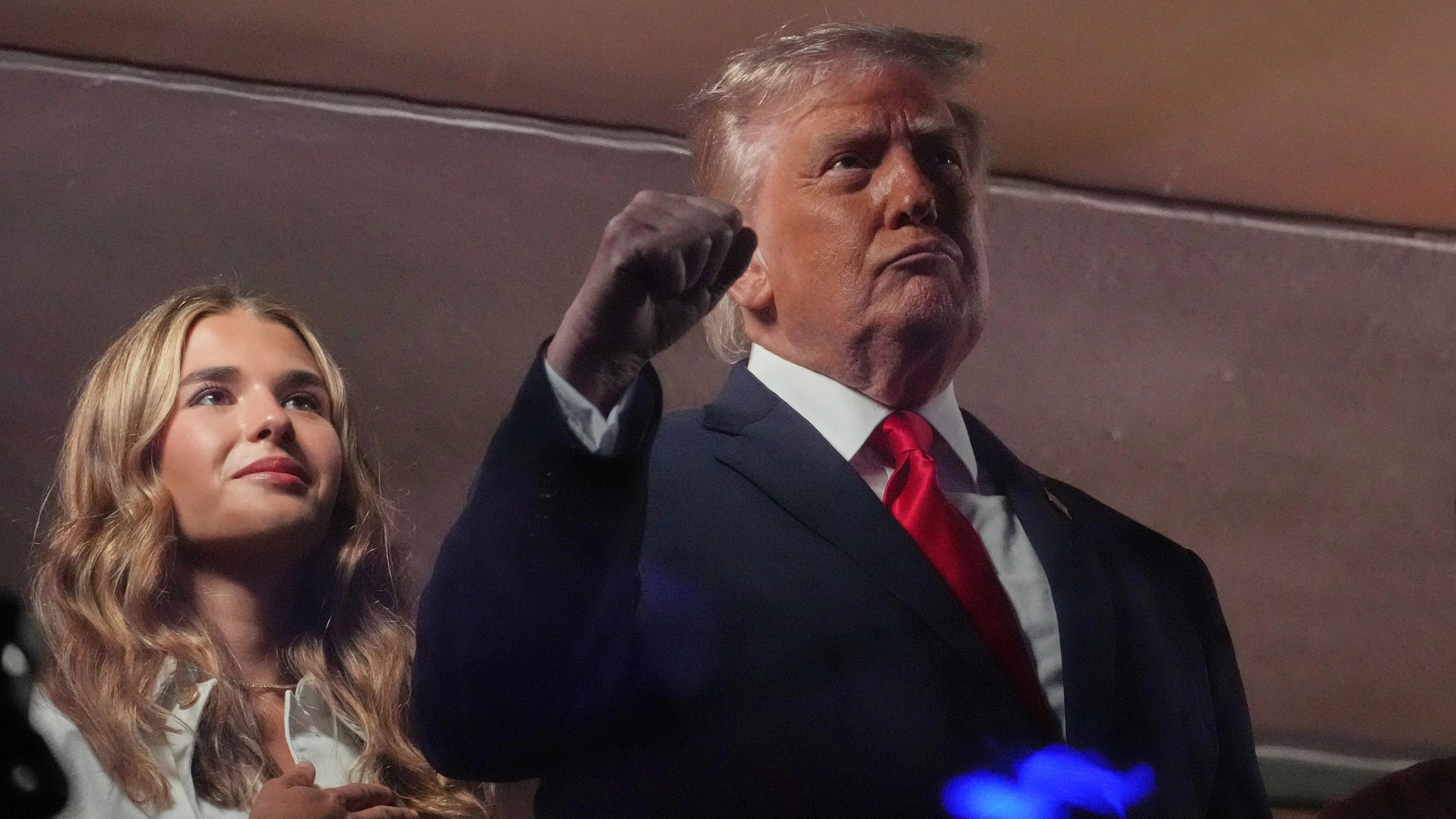
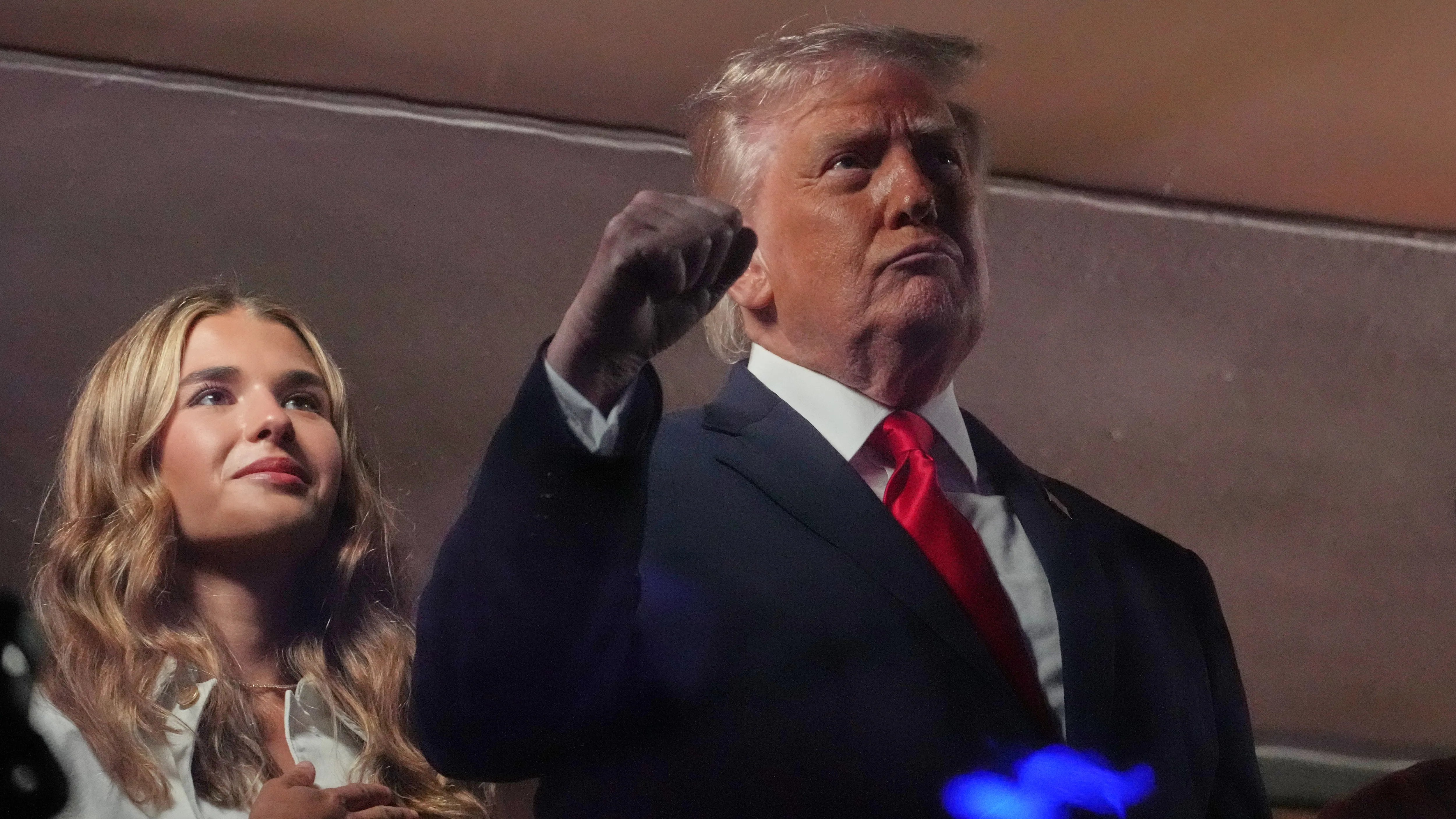
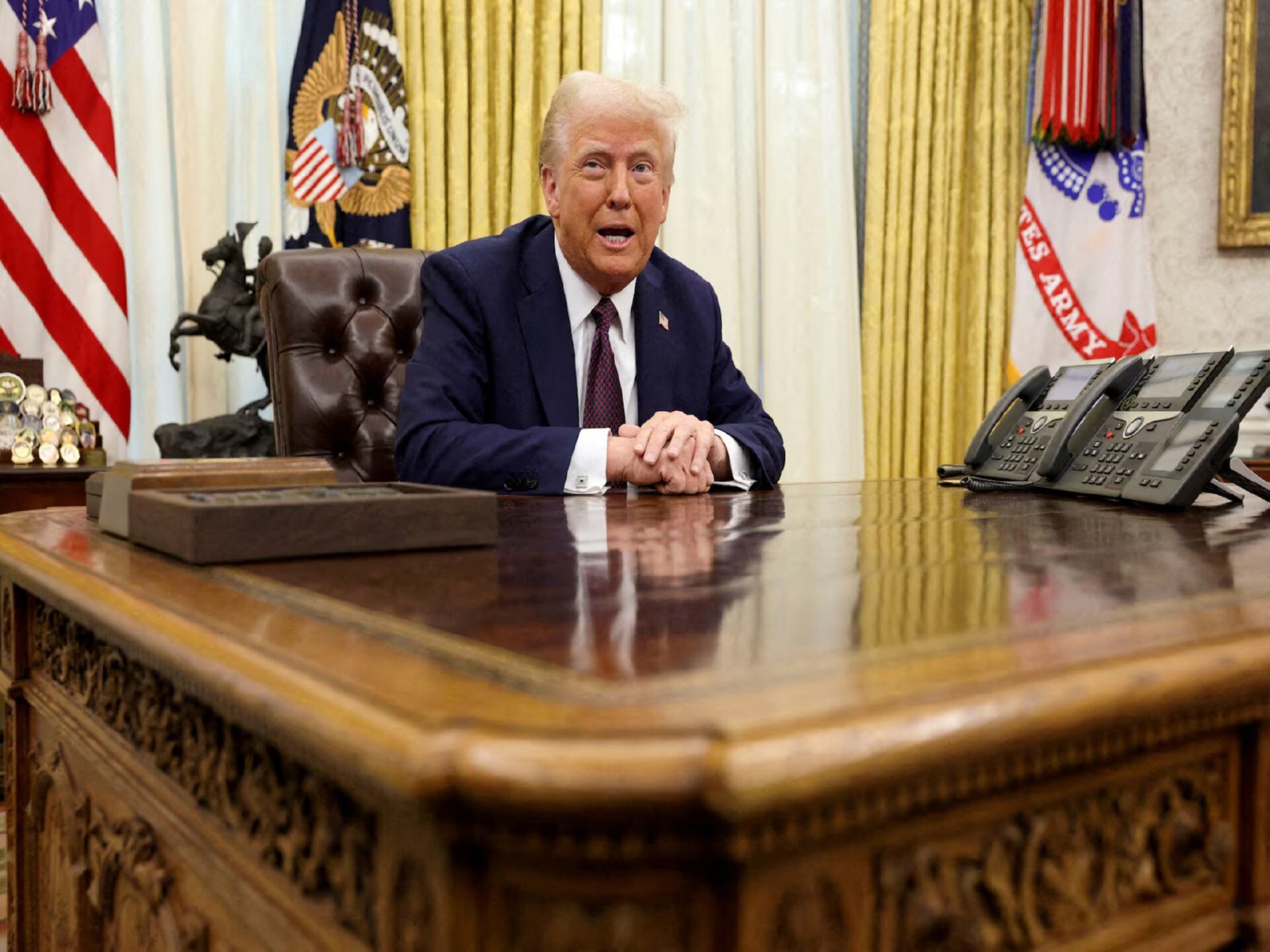
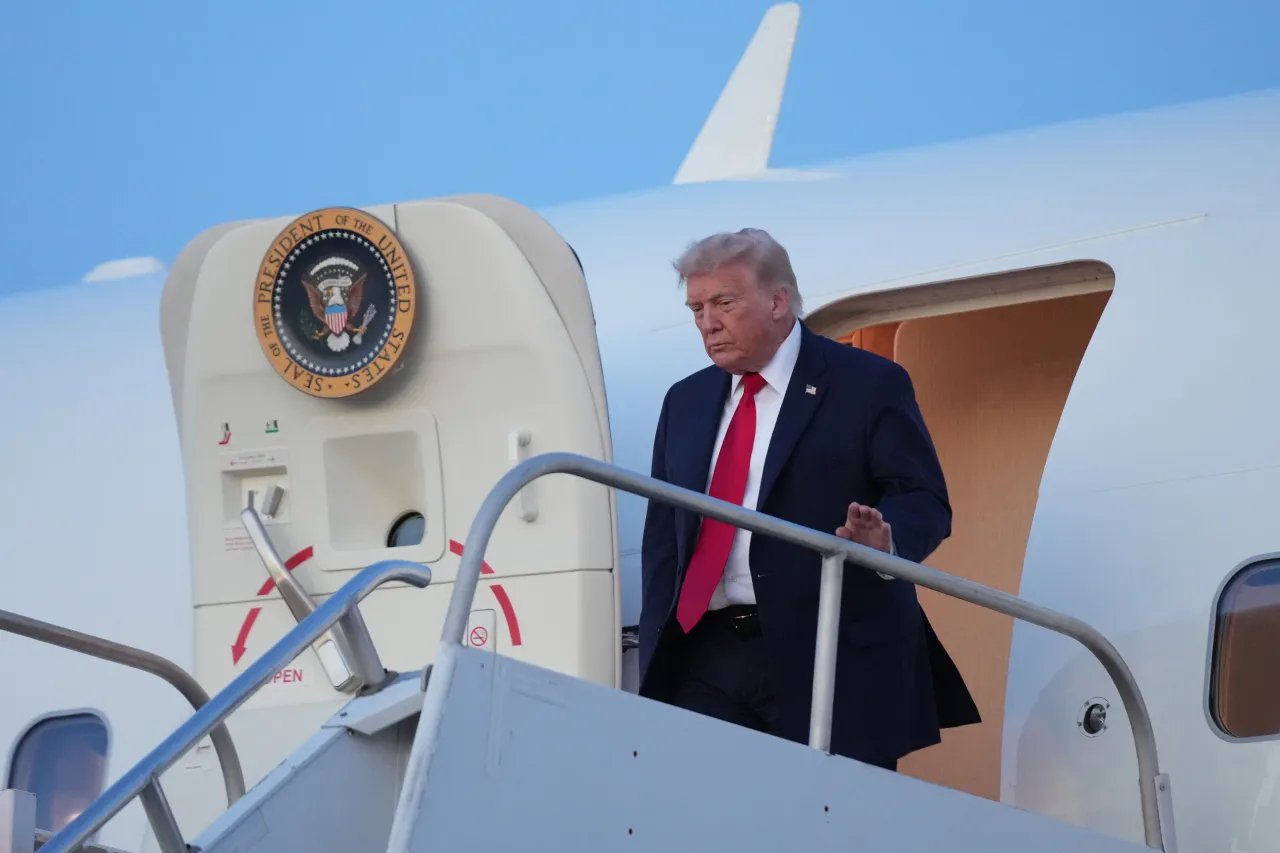
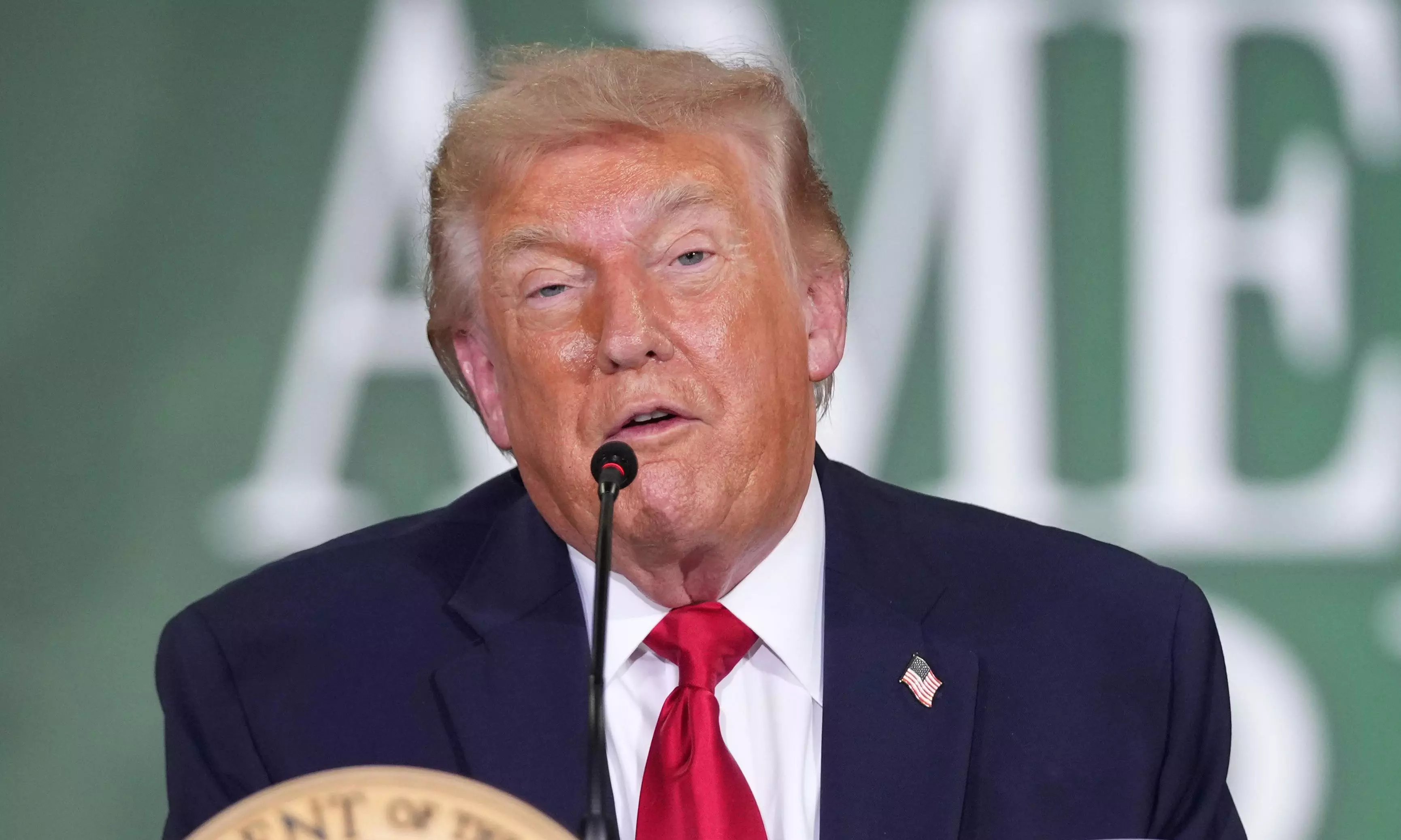
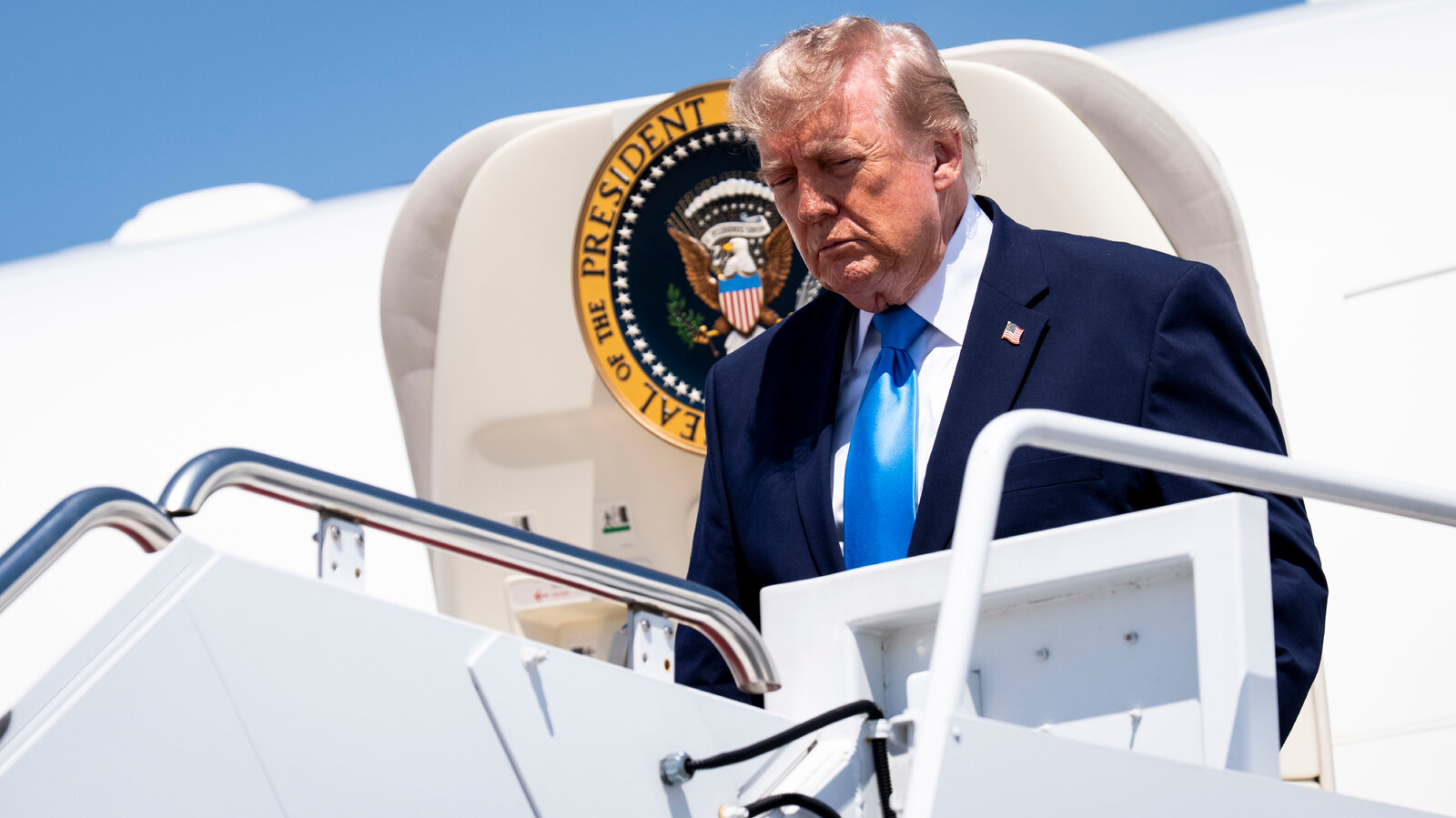
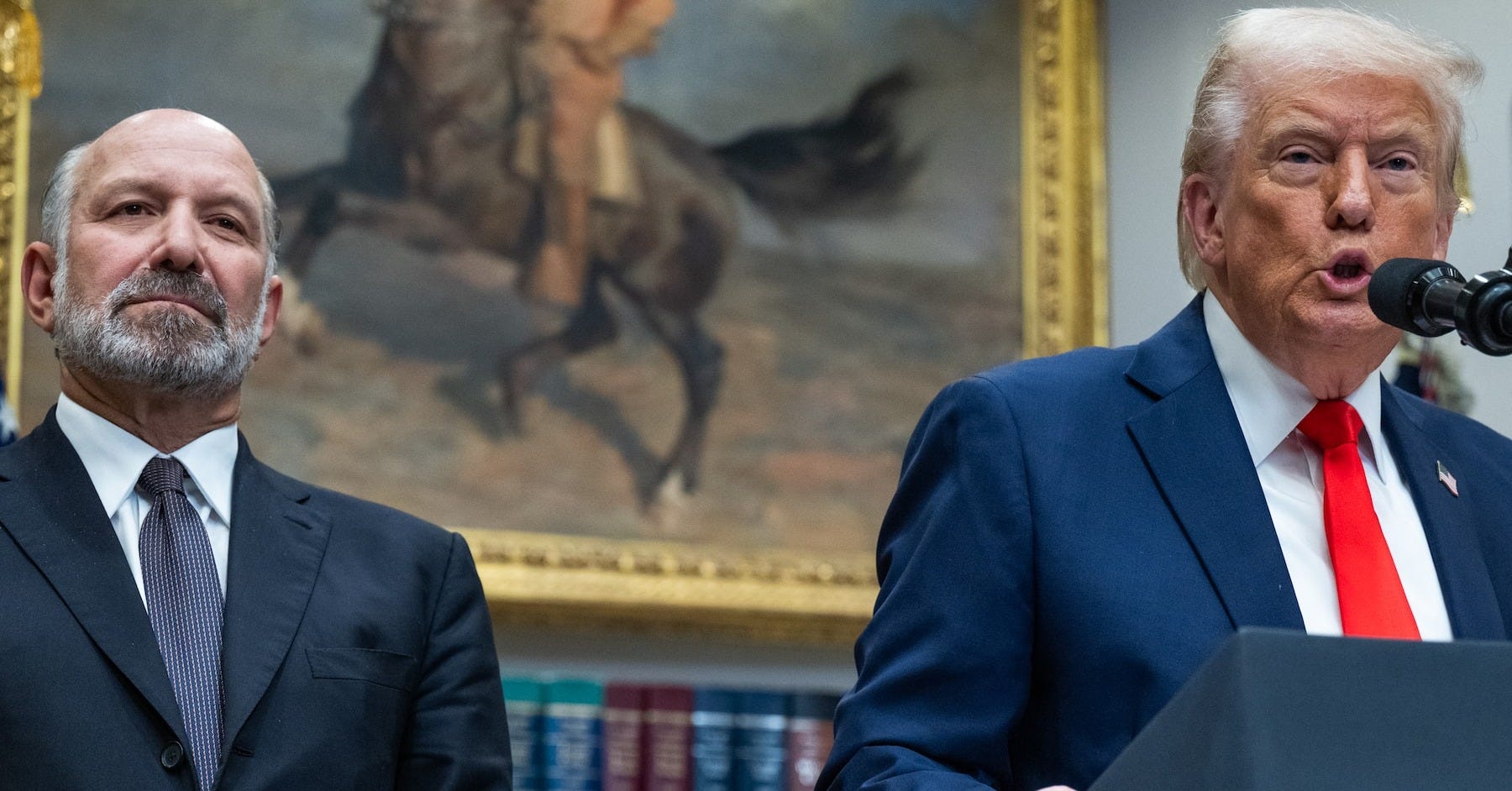
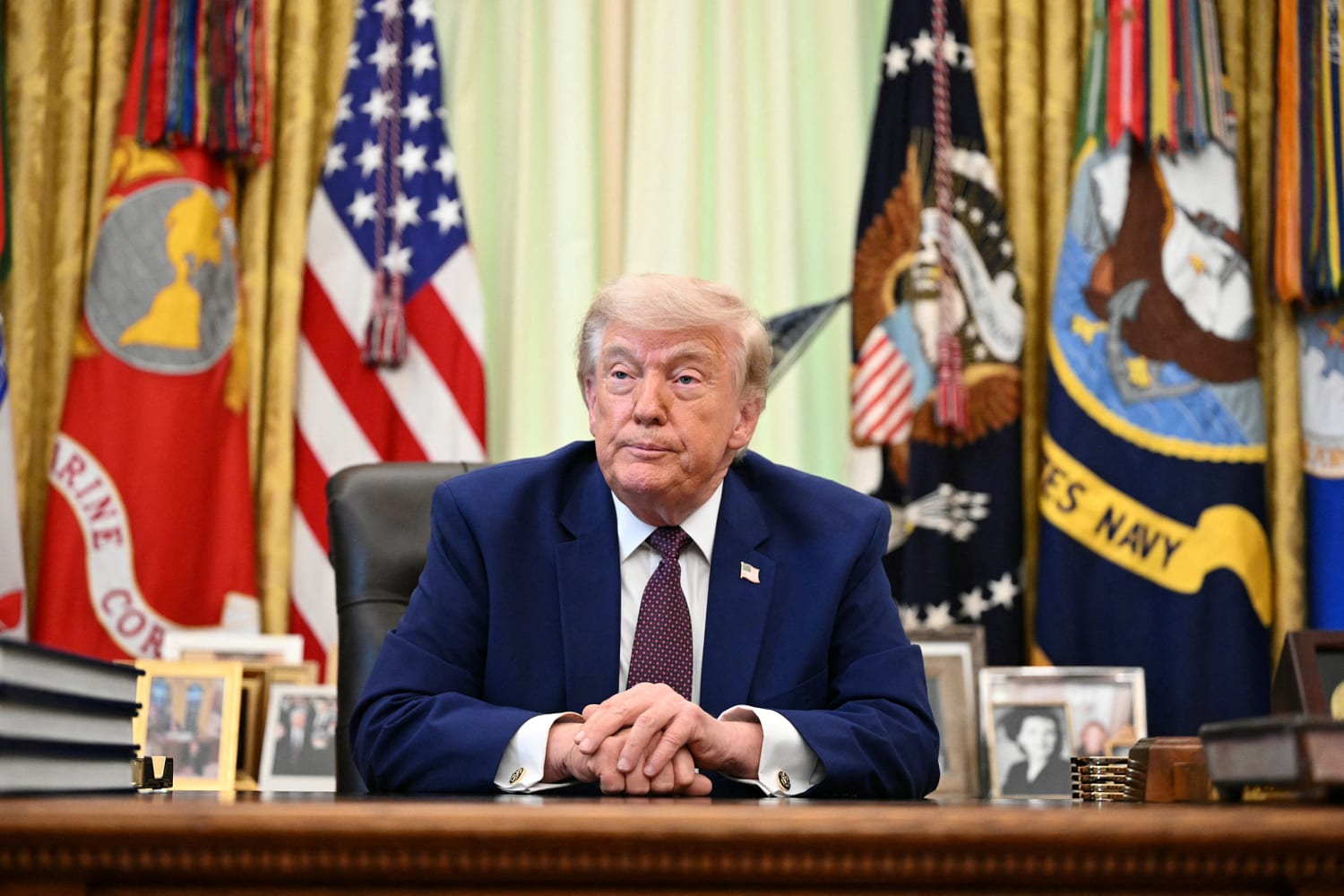
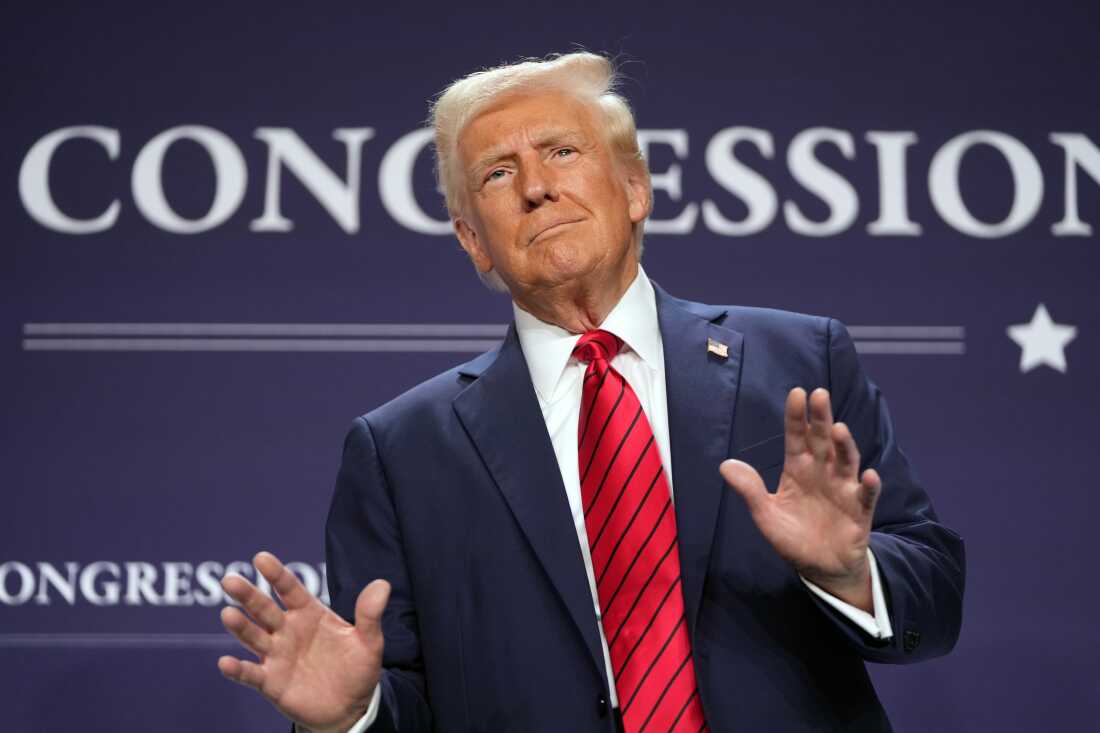
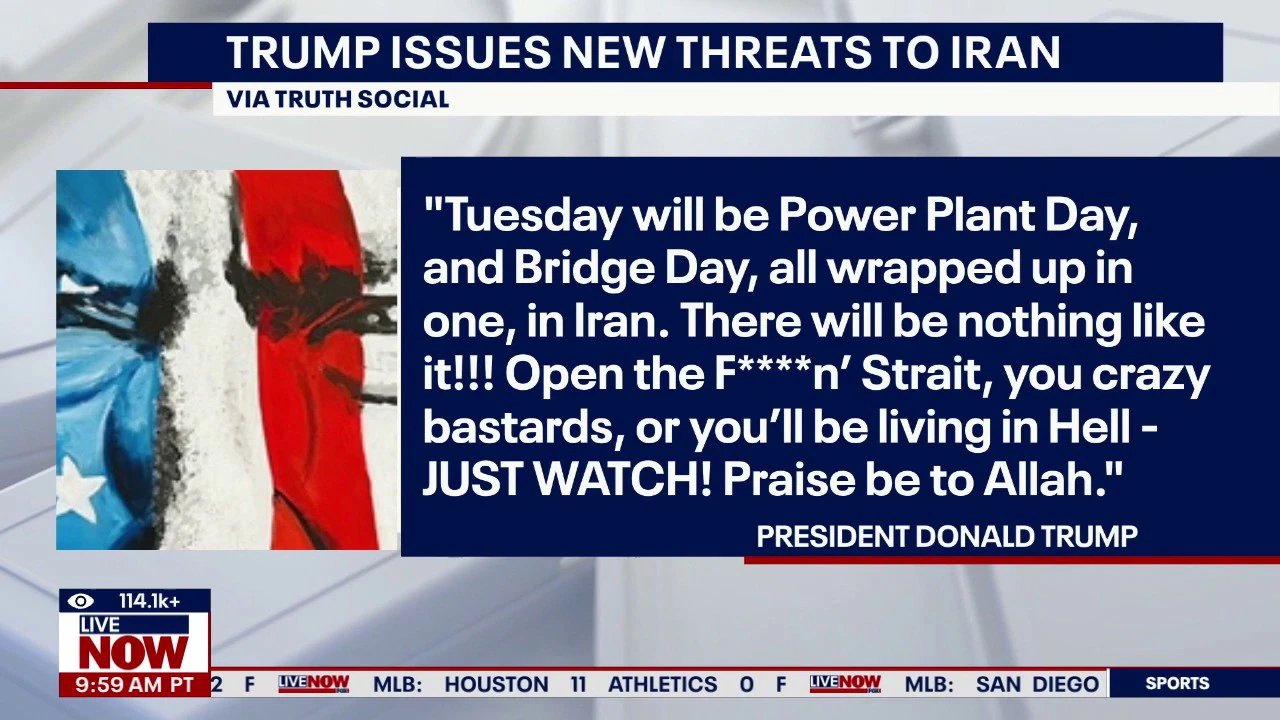
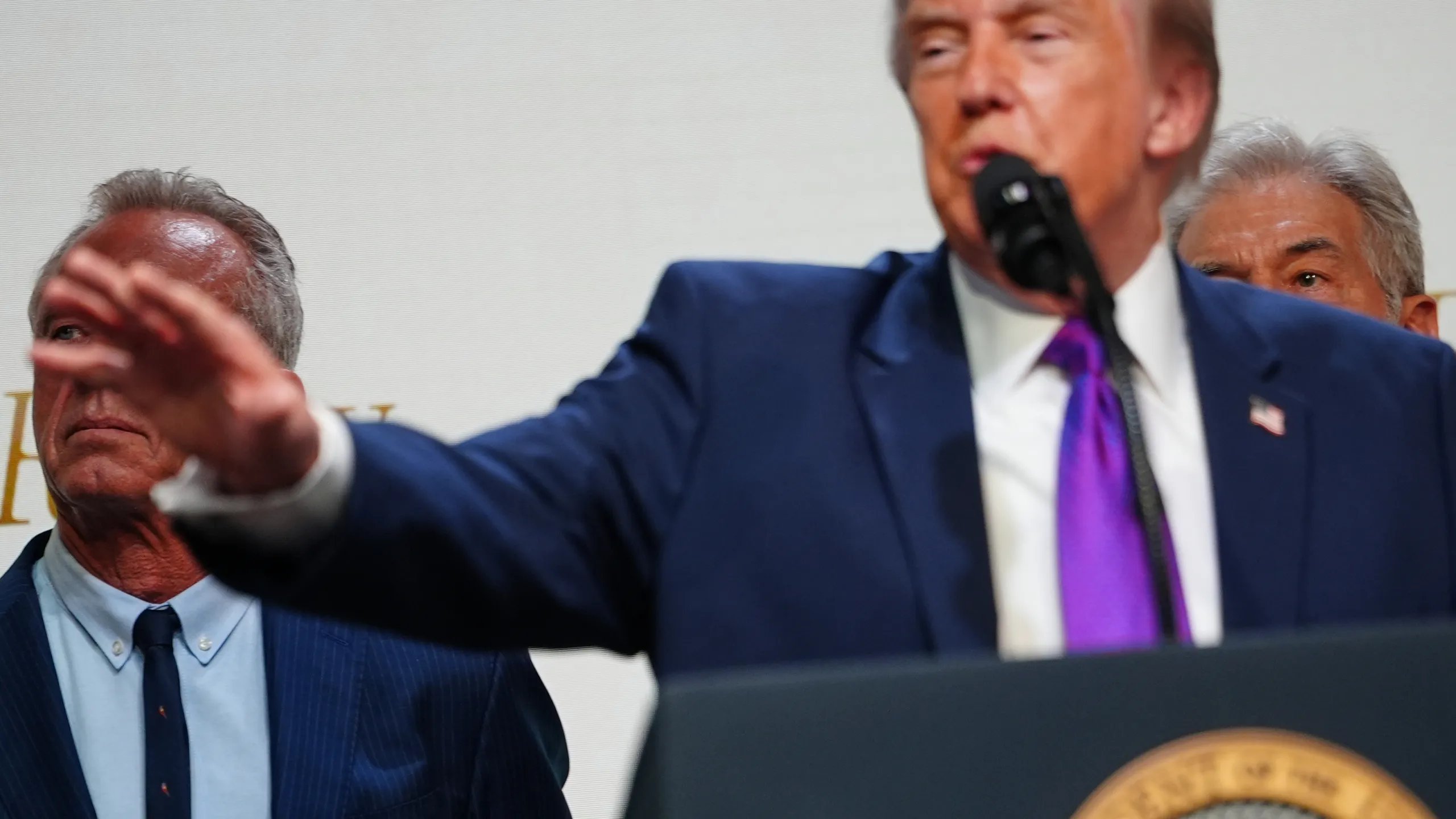
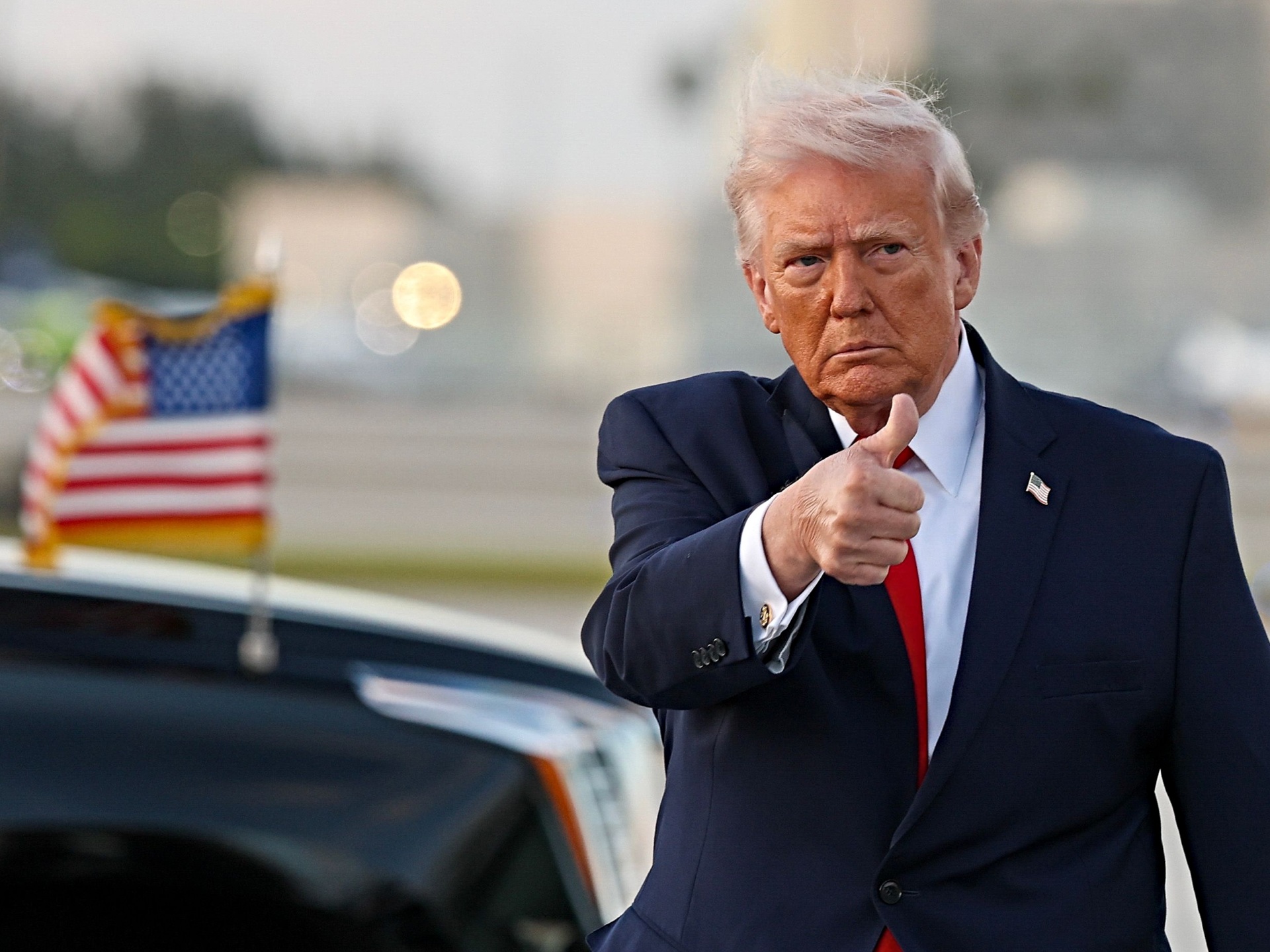
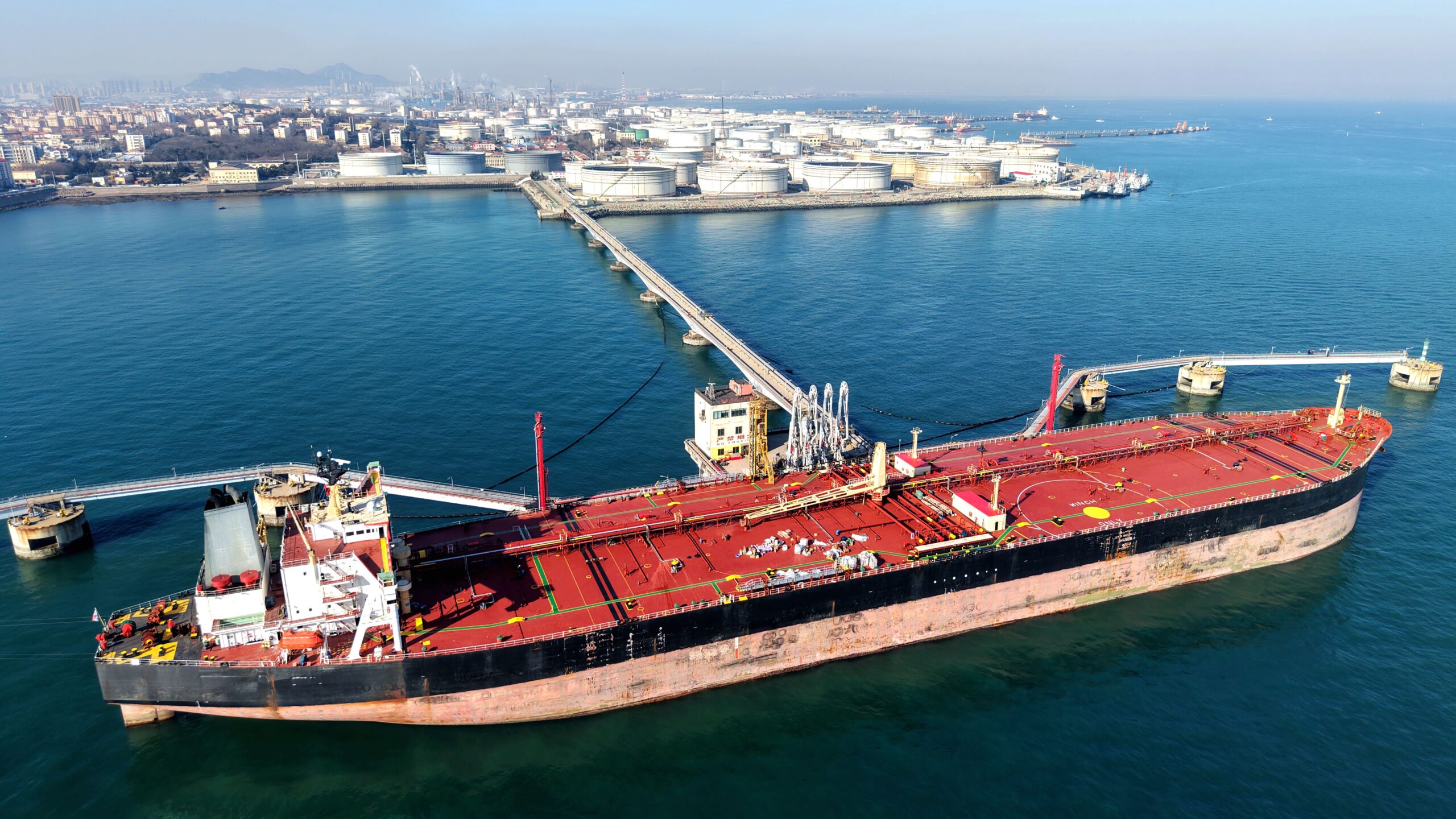
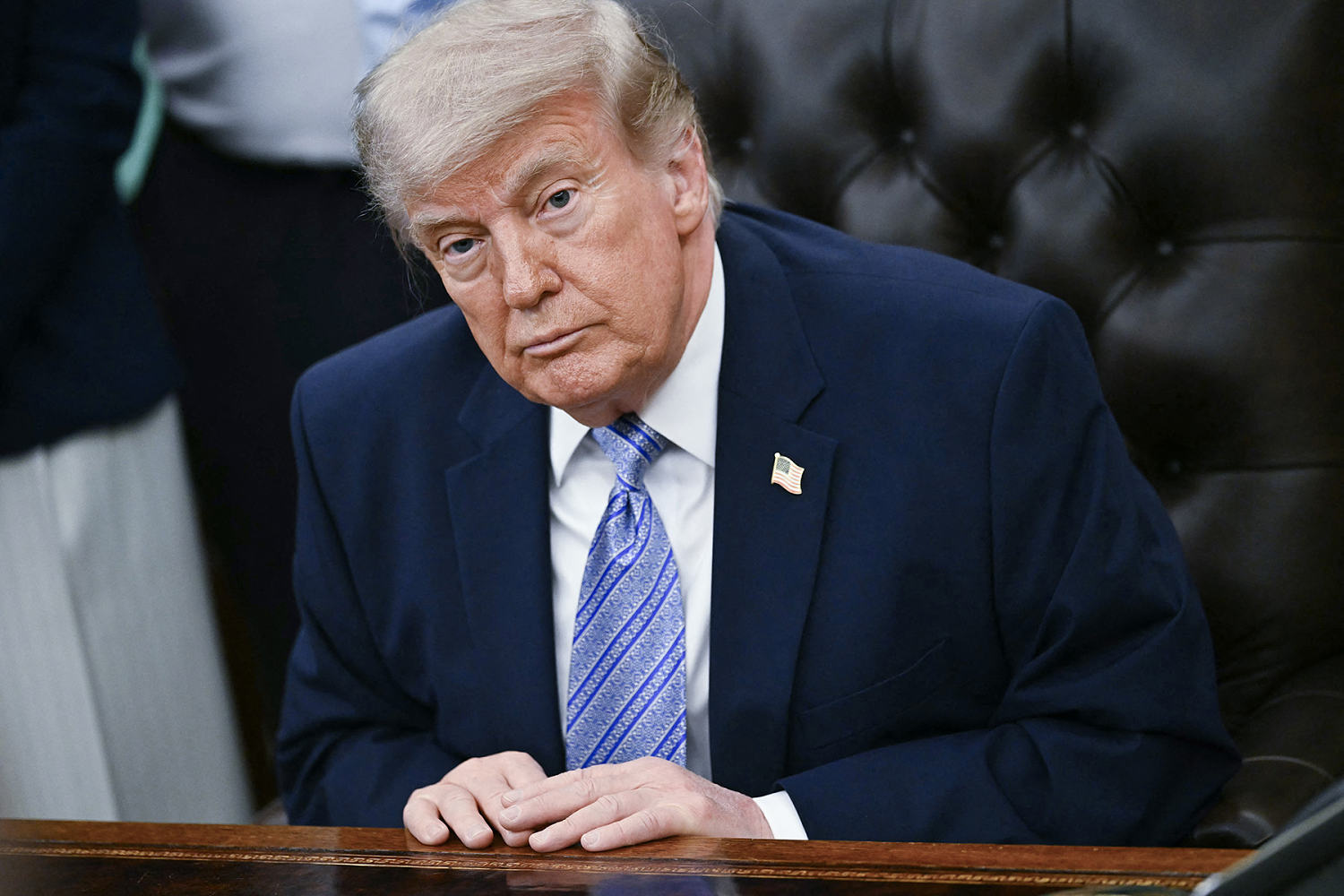
President Donald Trump canceled a planned trip to Islamabad by his envoys Steve Witkoff and Jared Kushner. Trump stated the Iranian position led him to cancel that trip, saying, "I see no point of sending them on an 18-hour flight in the current situation." Trump signaled he wants to continue the naval blockade that is choking off Iran's oil exports.
Leadership Changes
Saeed Jalili, a veteran hardliner, is expected to replace Mohammad Bagher Ghalibaf on Iran's negotiating team. Jalili served as Iran's top nuclear negotiator from 2007 to 2013 under President Mahmoud Ahmadinejad. Ali Safavi, an official with the National Council of Resistance of Iran, said Jalili "has evolved from a nuclear negotiator to an influential actor within the regime."
Market Reaction
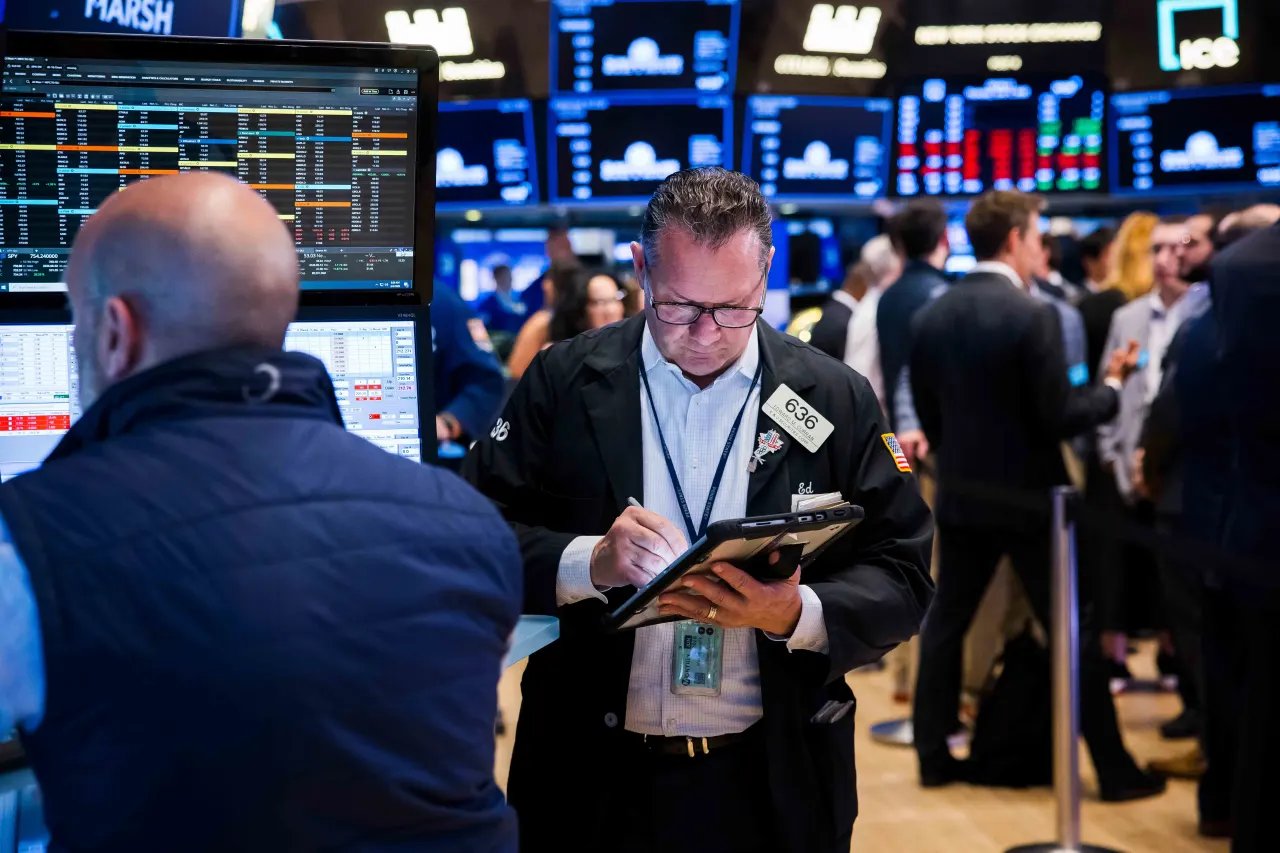
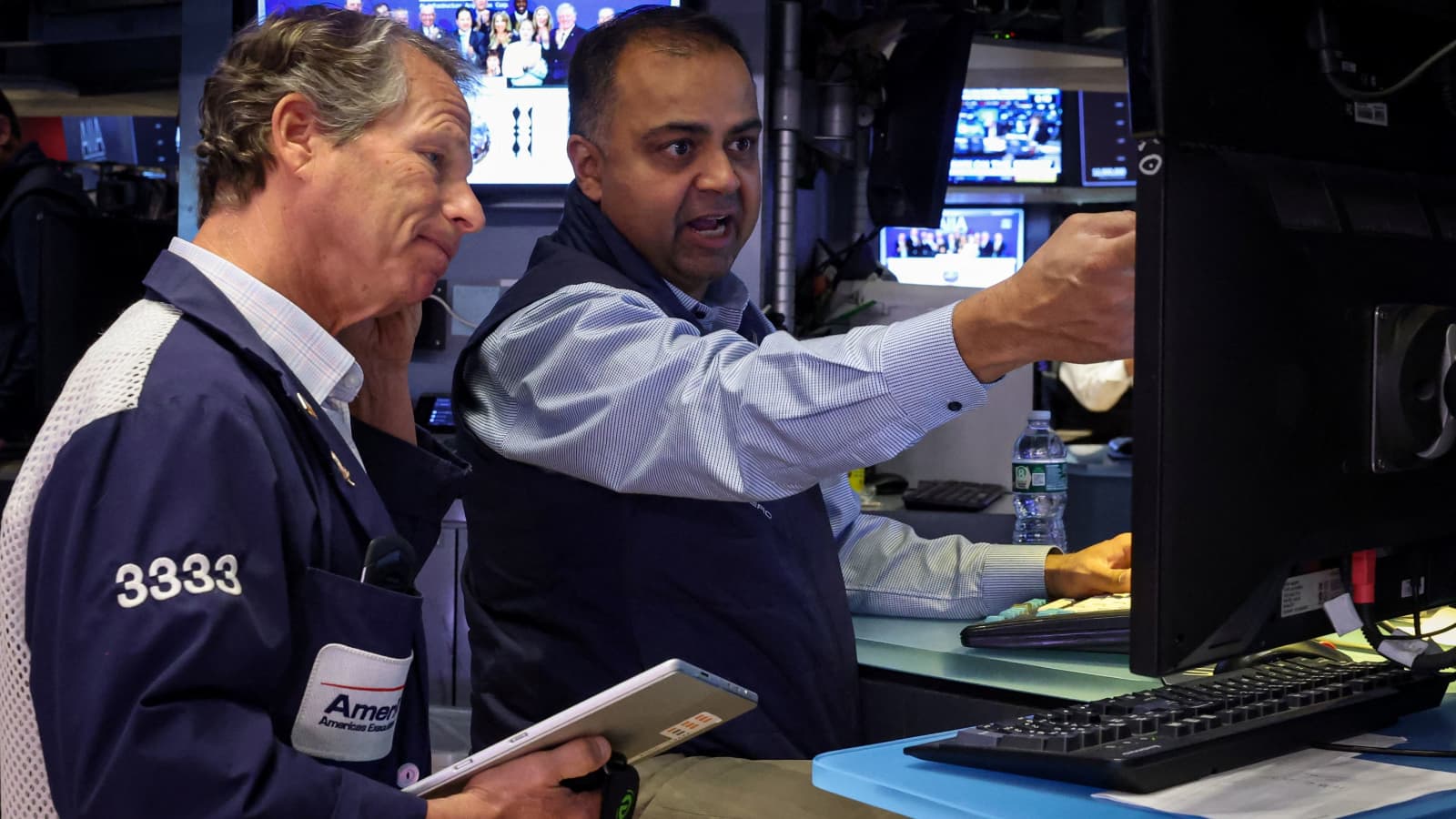
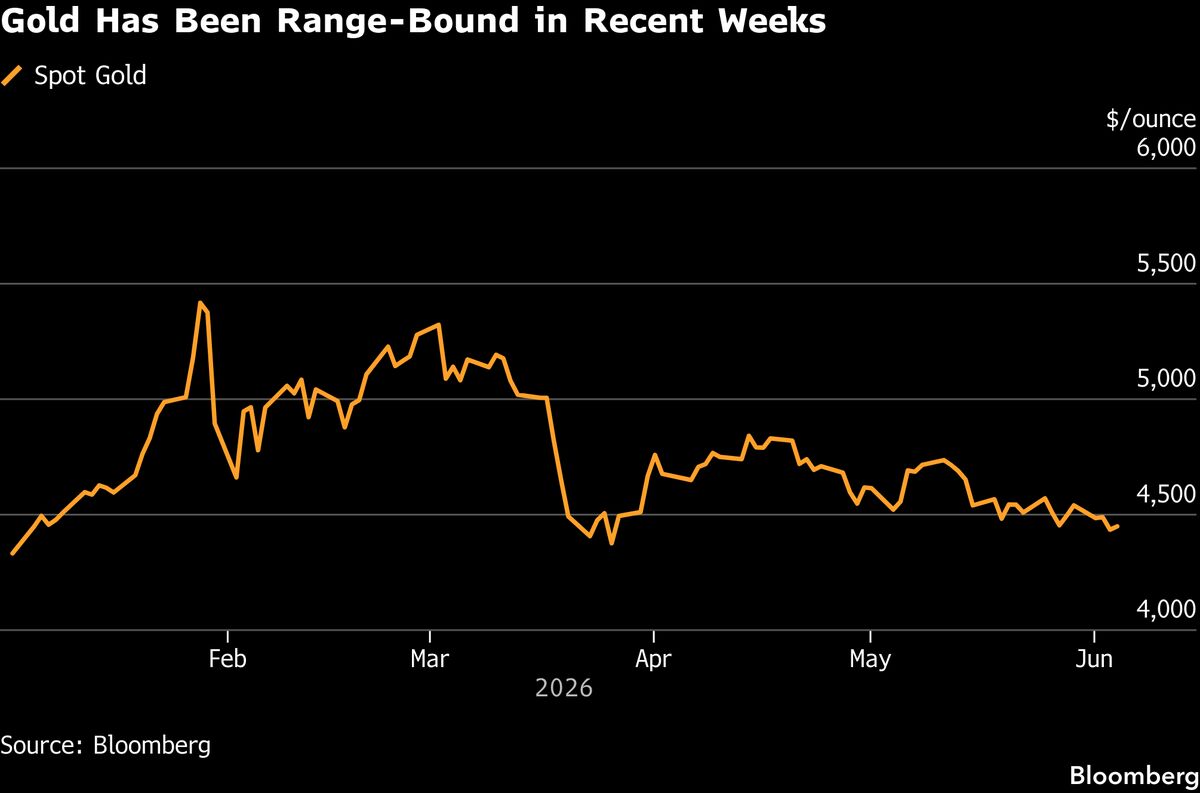
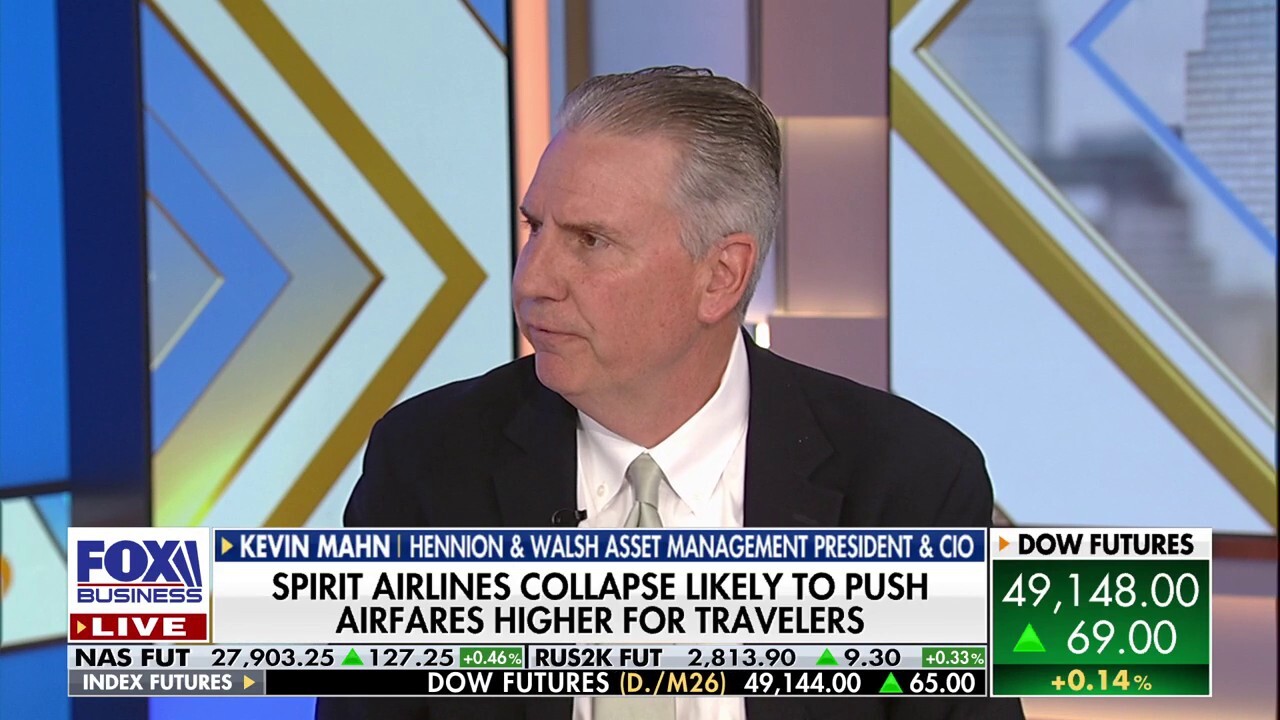
Stocks advanced and the dollar slipped following reports of Iran's proposal to reopen the Strait of Hormuz. Emerging-market equities rose to a record high, buoyed by optimism over the artificial intelligence trade and the report of Iran's offer.
White House Response
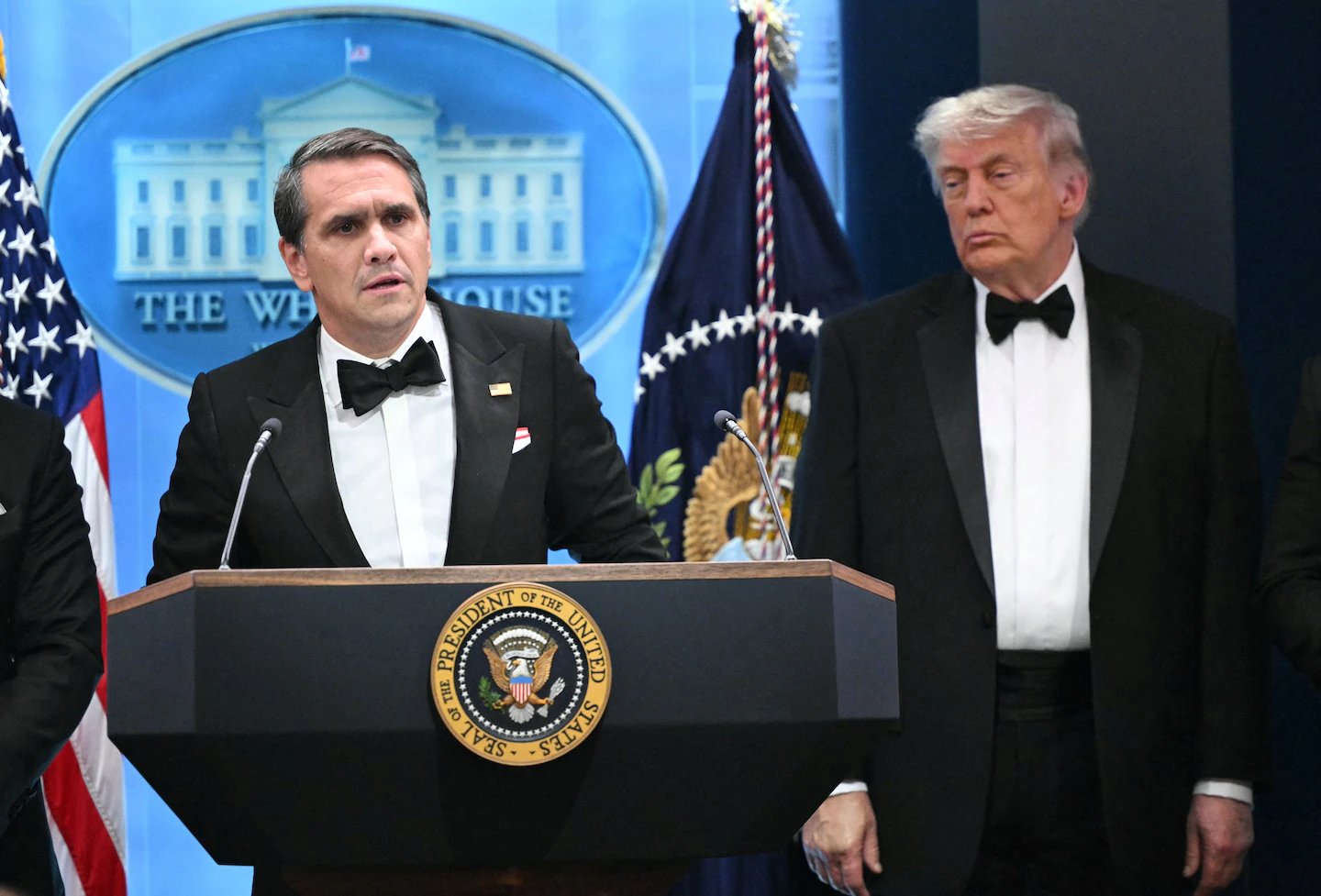
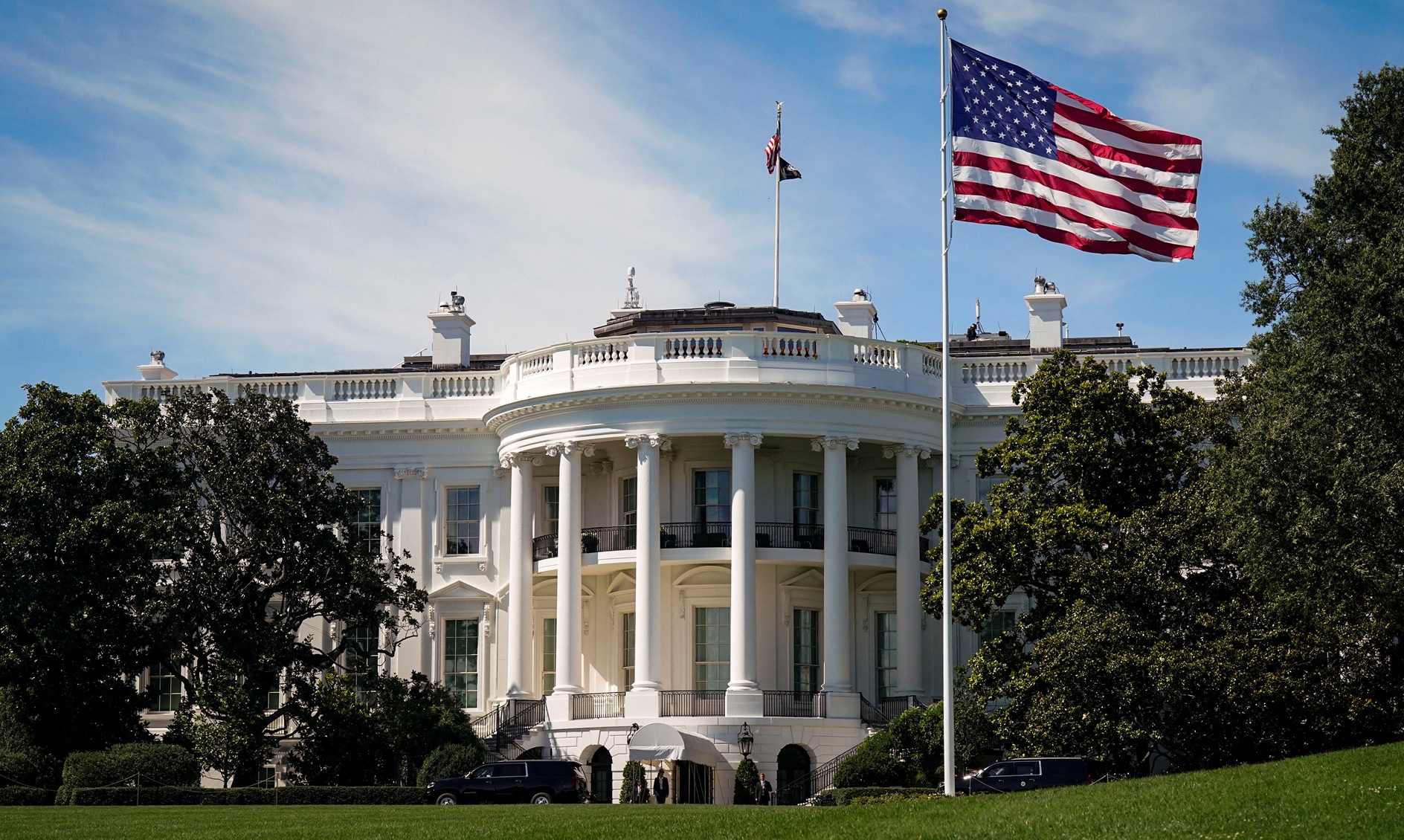
White House spokesperson Olivia Wales stated, "These are sensitive diplomatic discussions and the U.S. will not negotiate through the press." Wales added, "As the president has said, the United States holds the cards and will only make a deal that puts the American people first, never allowing Iran to have a nuclear weapon."
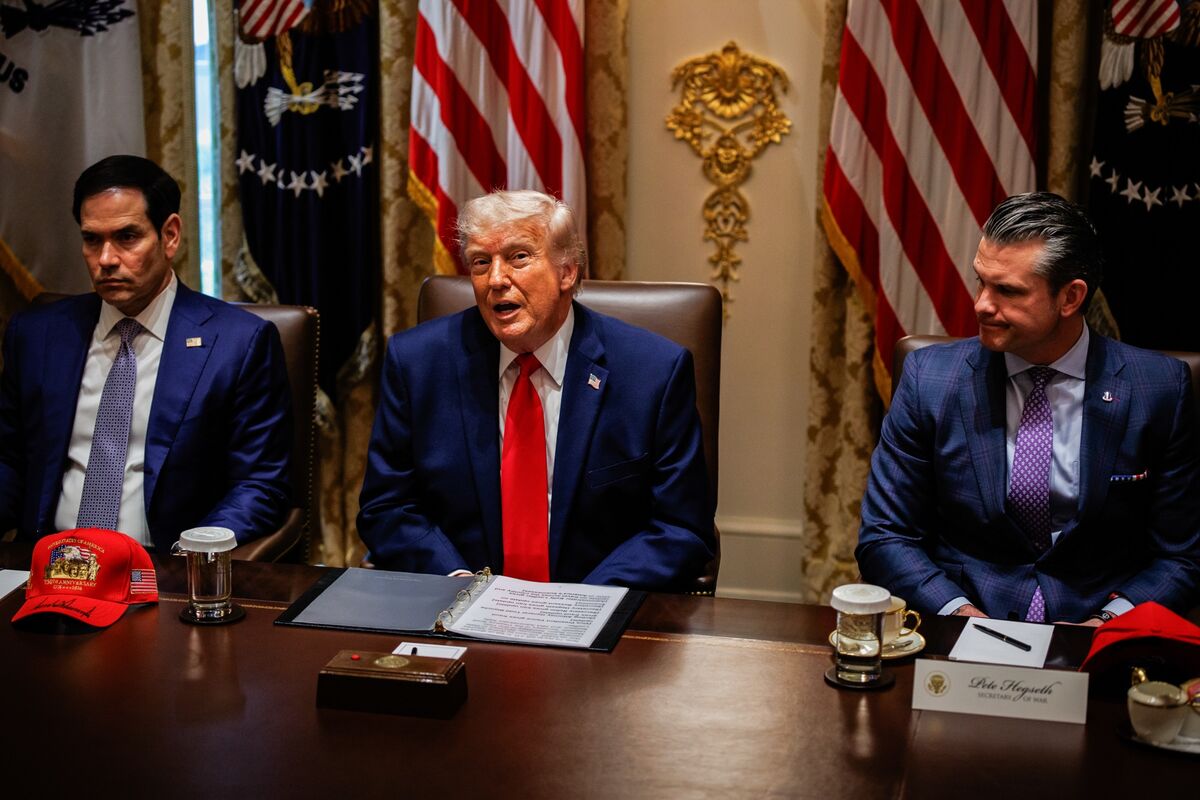
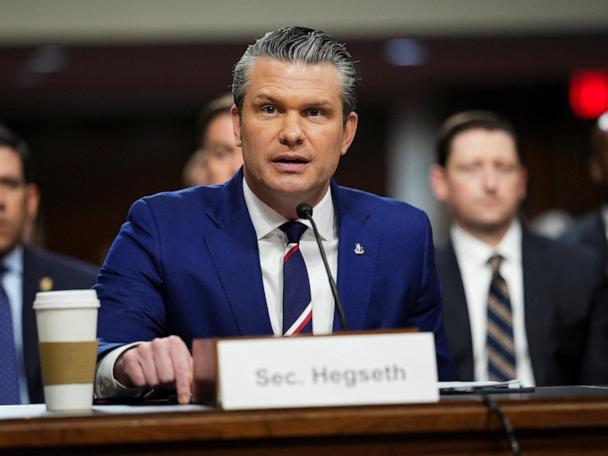
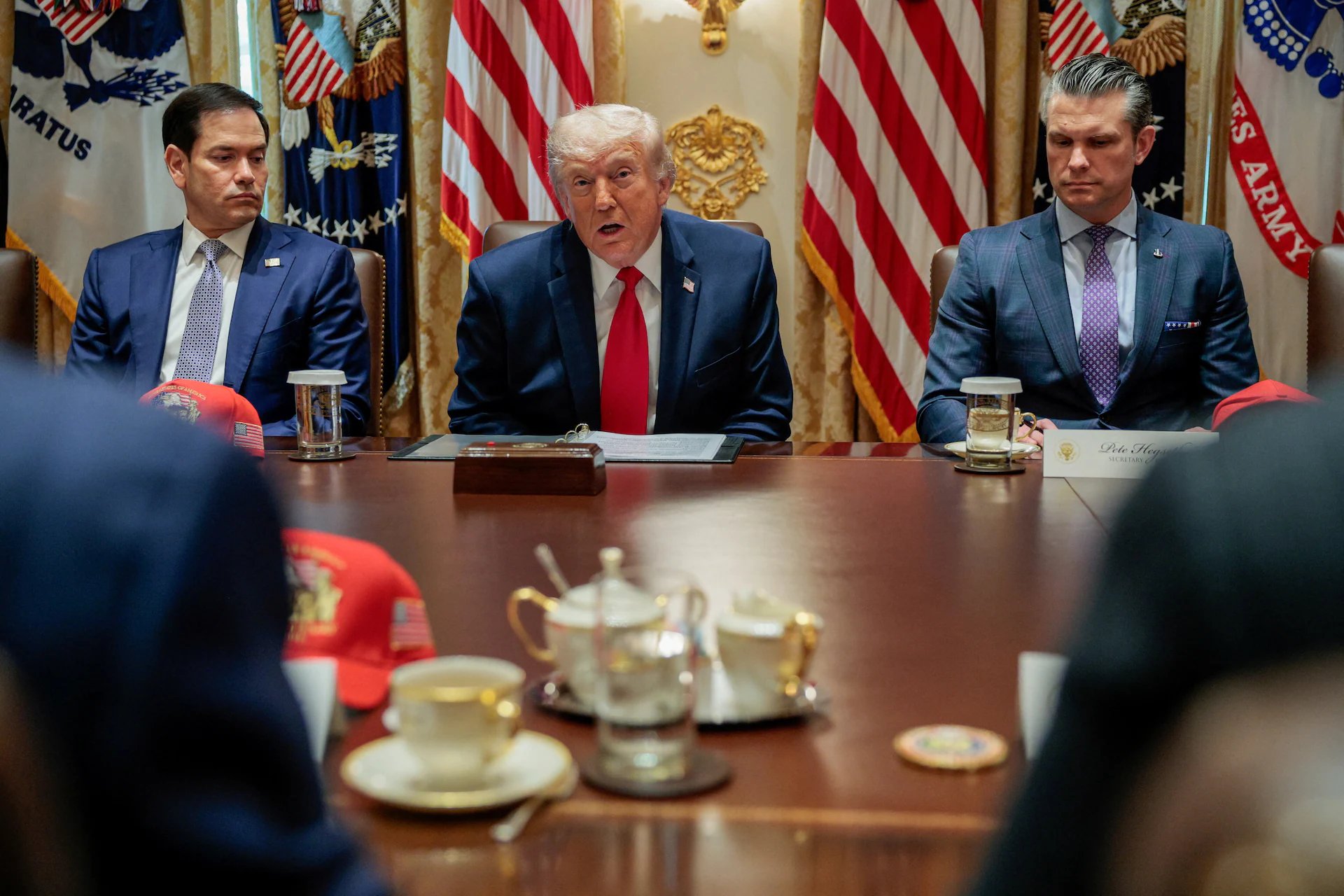
Trump is expected to hold a Situation Room meeting on Iran with his top national security and foreign policy team.