





Fund Derails ICE Funding
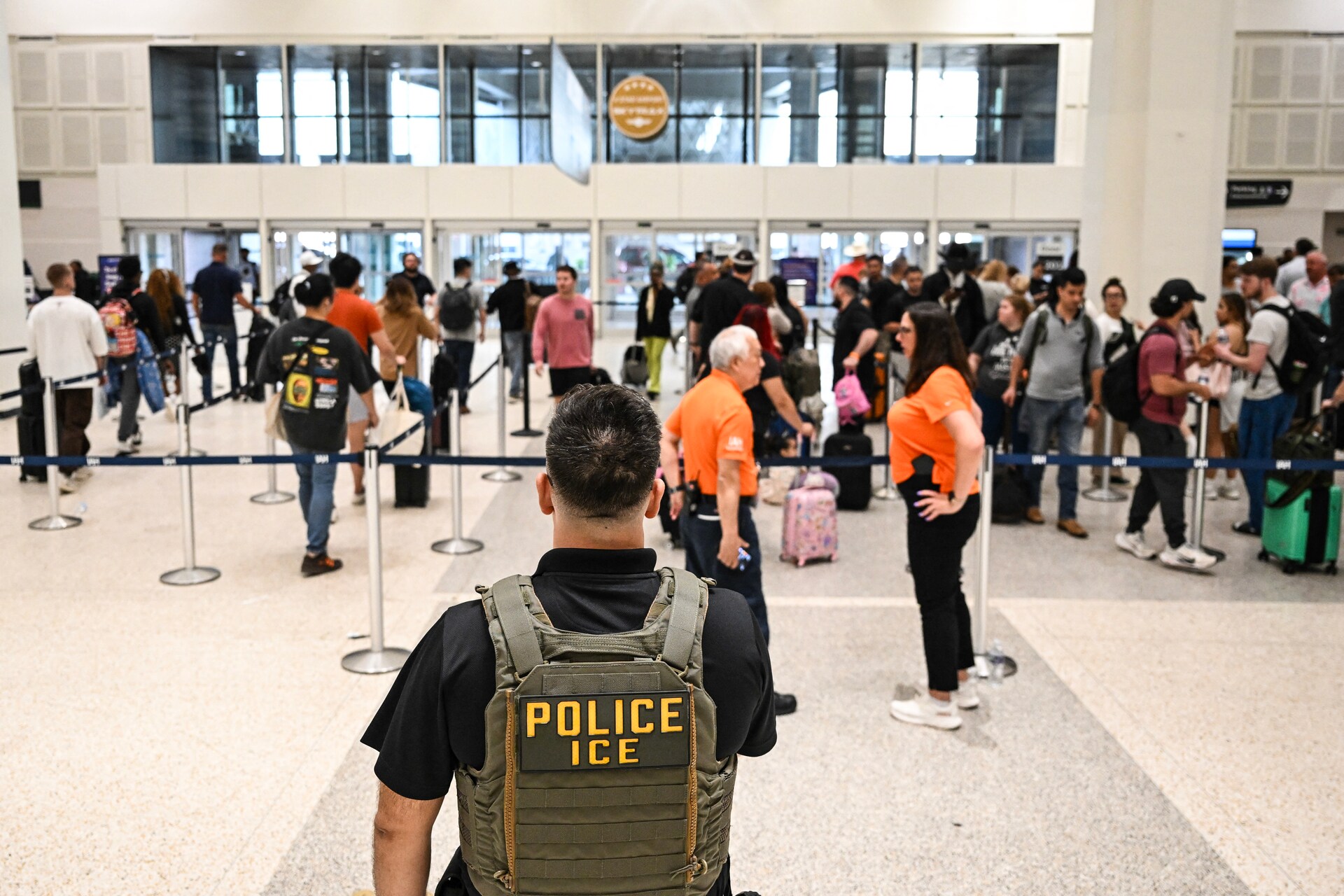
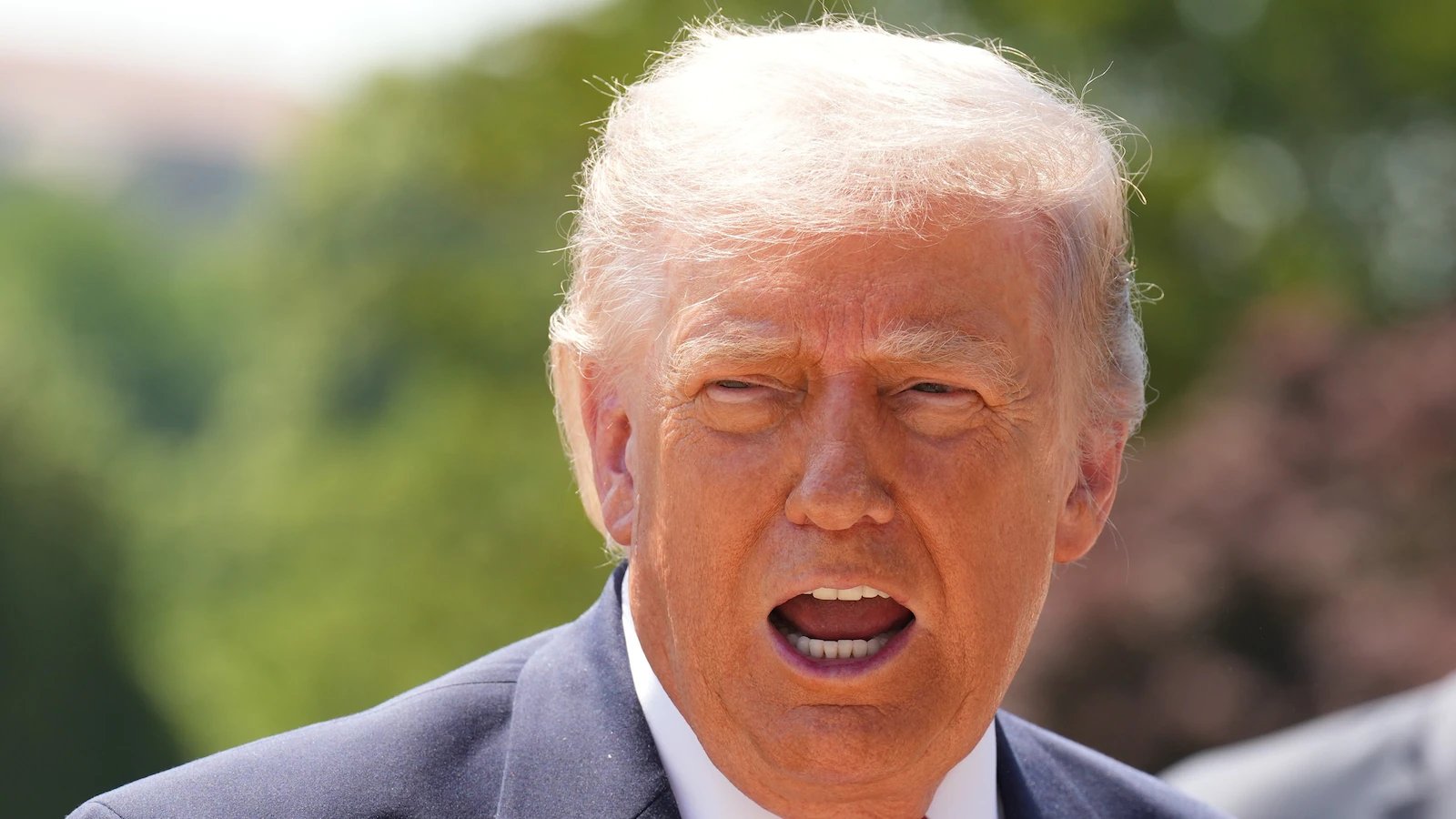
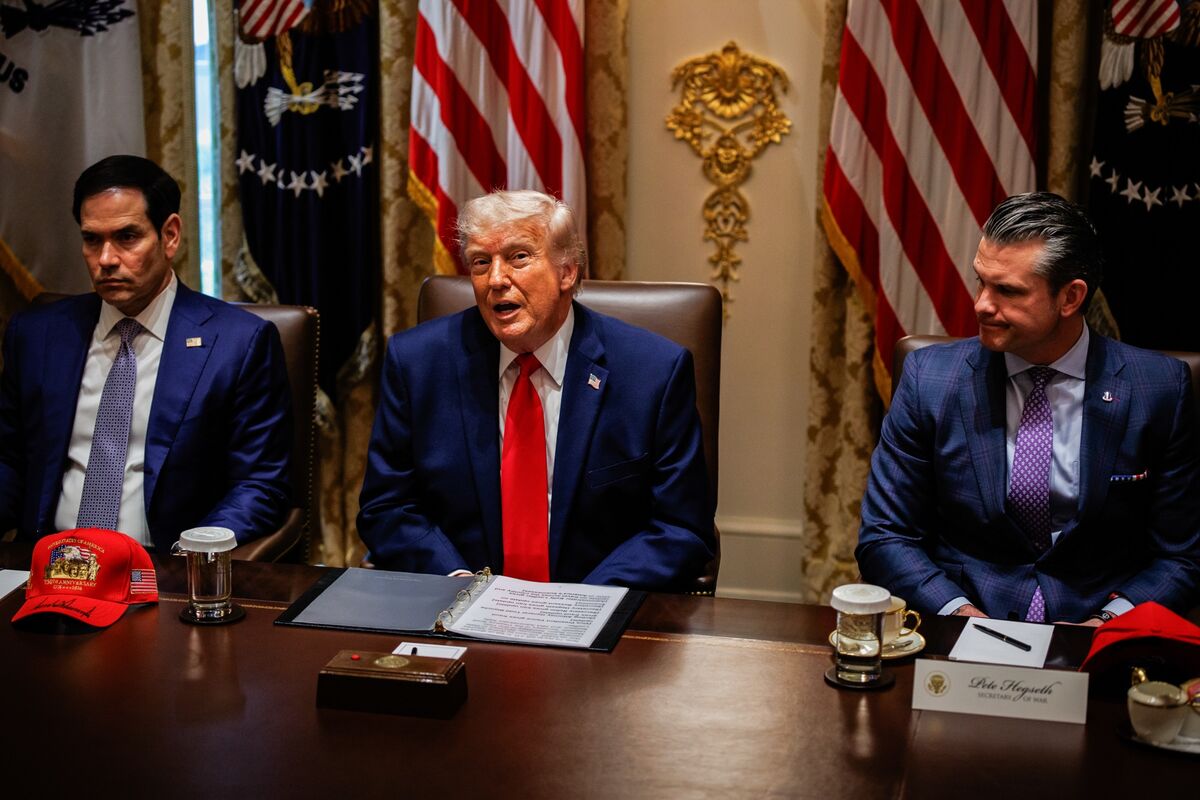
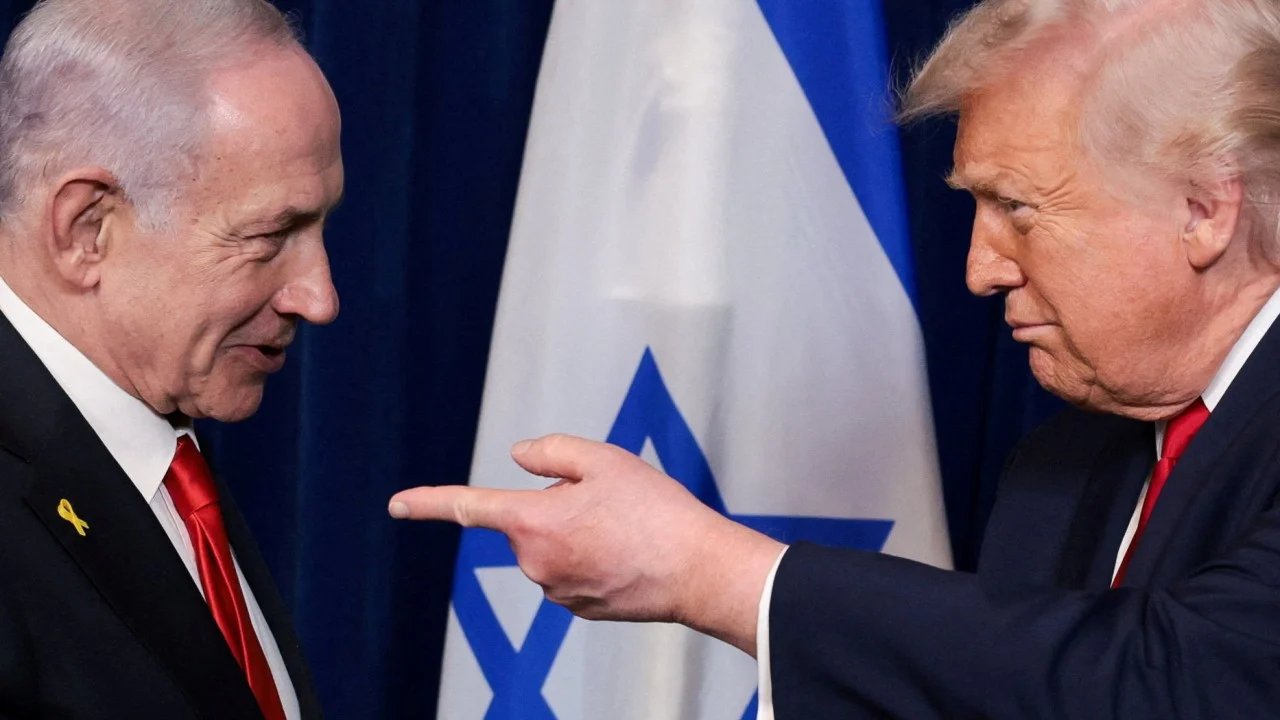
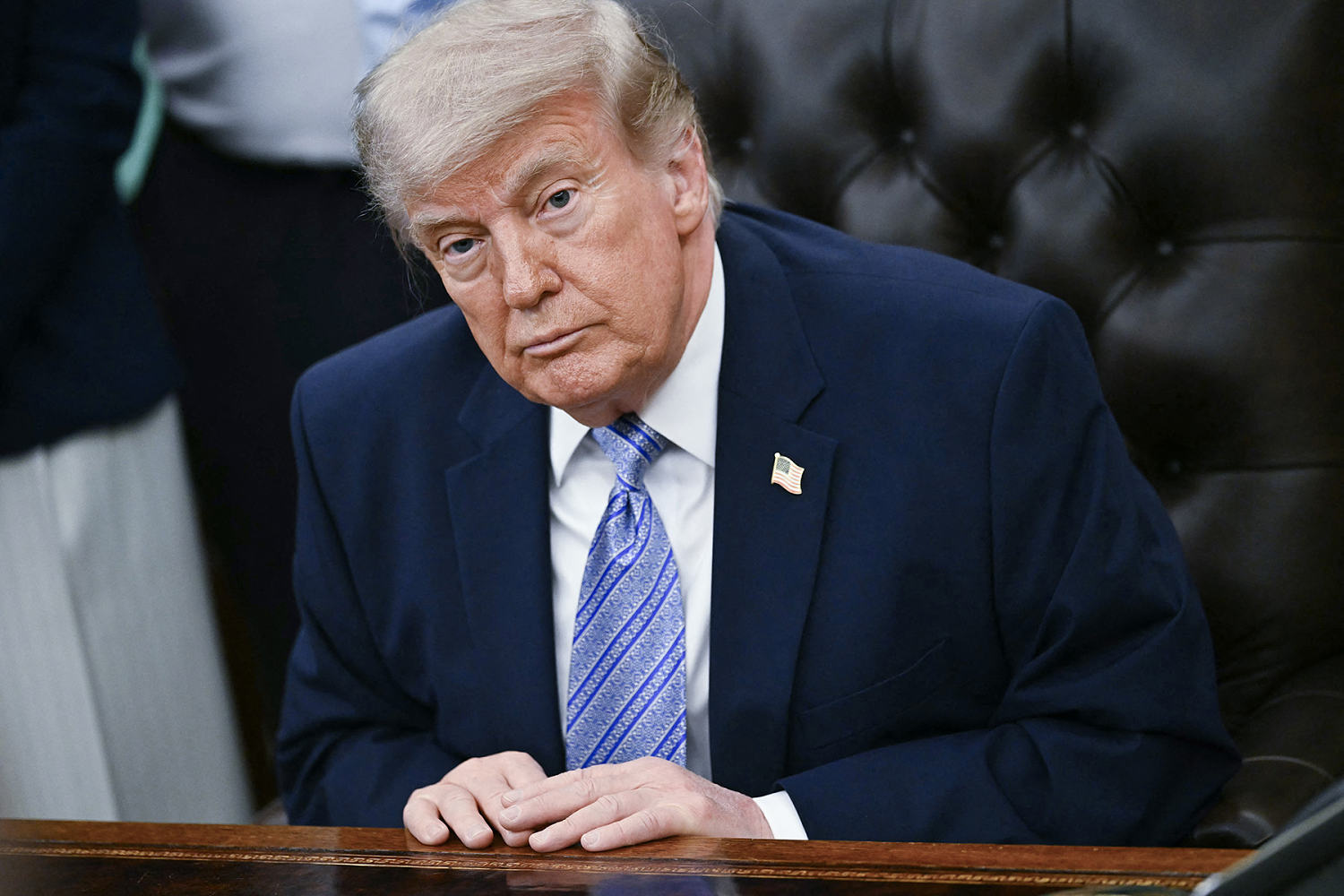
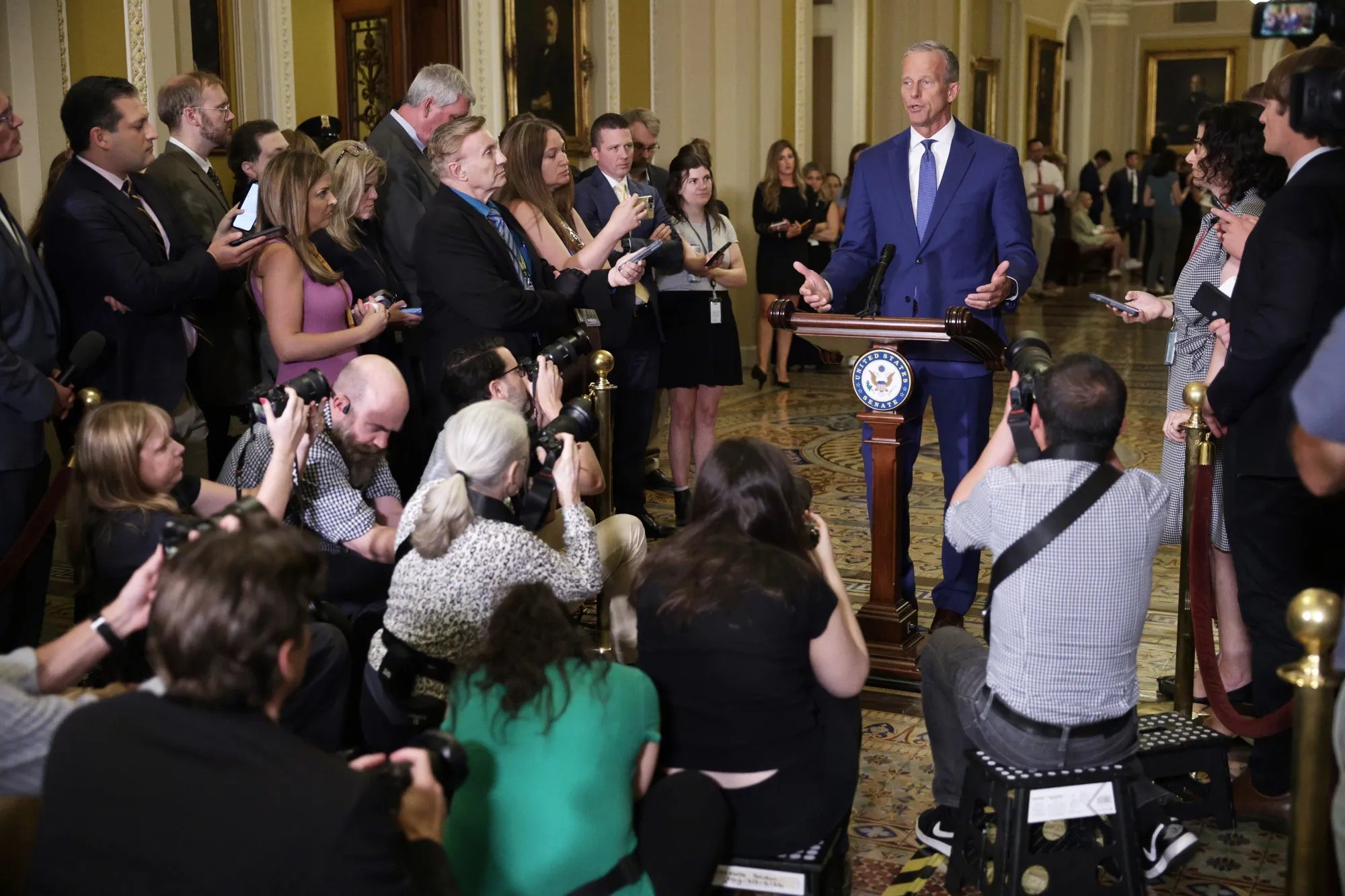
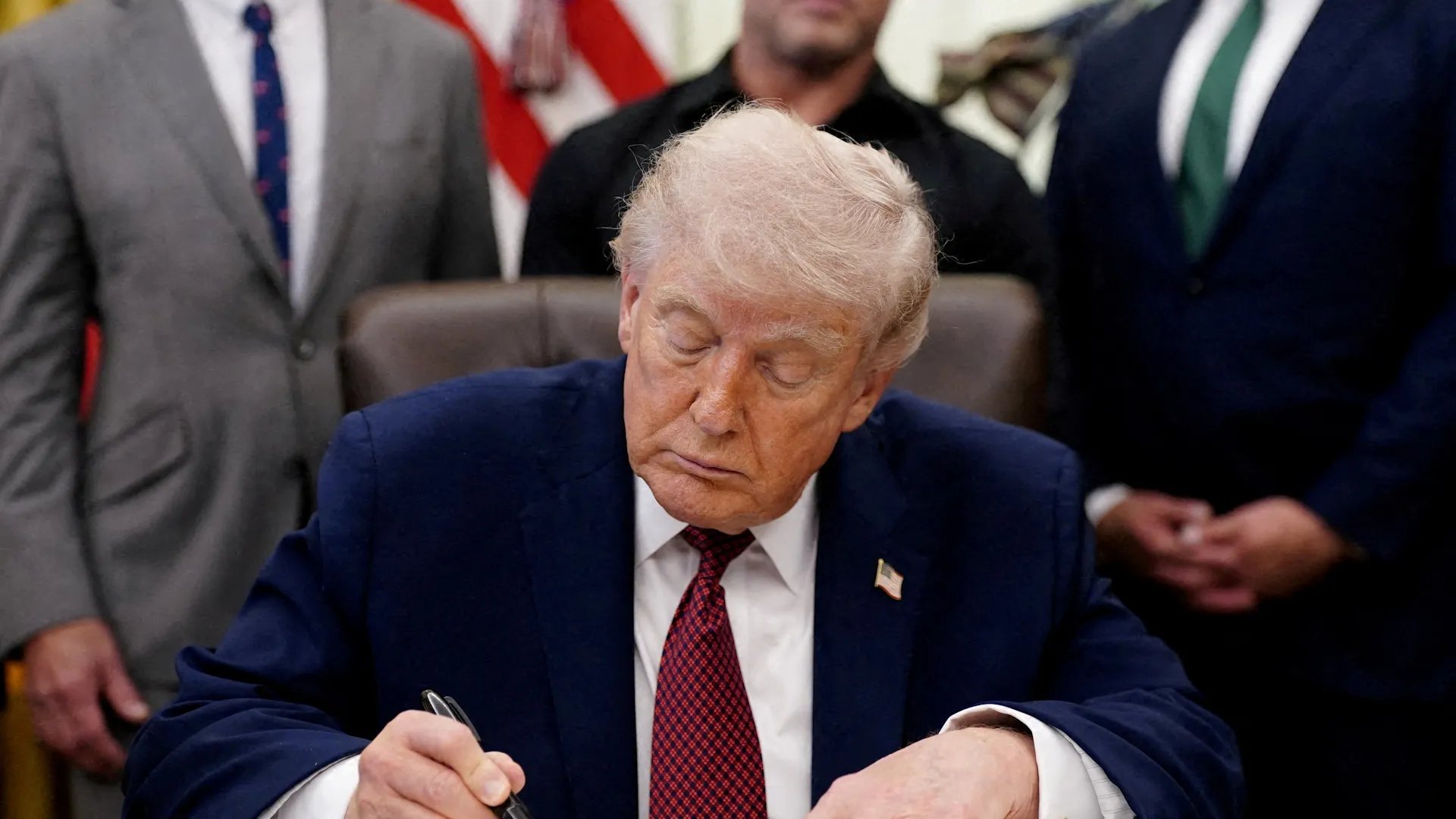
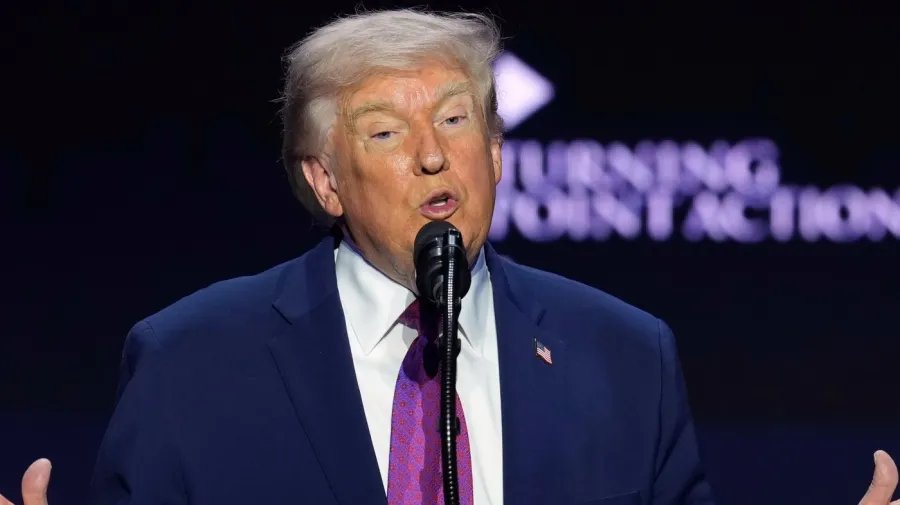
A $1.776 billion "anti-weaponization fund" championed by President Trump has thrown $72 billion in funding for ICE and Border Patrol into limbo, following a revolt from GOP senators. Senator Lisa Murkowski (R-Alaska) described the fund as a "bomb in the middle of a pretty well planned out reconciliation bill." The Senate was scheduled to vote on the ICE and Border Patrol package by the weekend, but senators adjourned without voting after a heated two-hour meeting between acting Attorney General Todd Blanche and concerned members. Senator Ron Johnson (R-Wisc.) called the situation "a galactic blunder."
Intended Beneficiaries Line Up
Jan. 6 defendants and Trump allies are already seeking compensation from the fund, which aims to provide payouts to those who claim the legal system was "weaponized" against them. My Pillow CEO Mike Lindell hopes his employees, who he says own a stake in the company, receive millions to offset $400 million in losses he attributes to election-related lawsuits and government investigations. Florida-based attorney Peter Ticktin, who has worked with hundreds of Jan. 6 defendants, believes approximately 400 of his clients will be able to file claims. Former Proud Boys leader Enrique Tarrio, through his attorney Nayib Hassan, also intends to pursue available relief.
Fund's Origins and Purpose
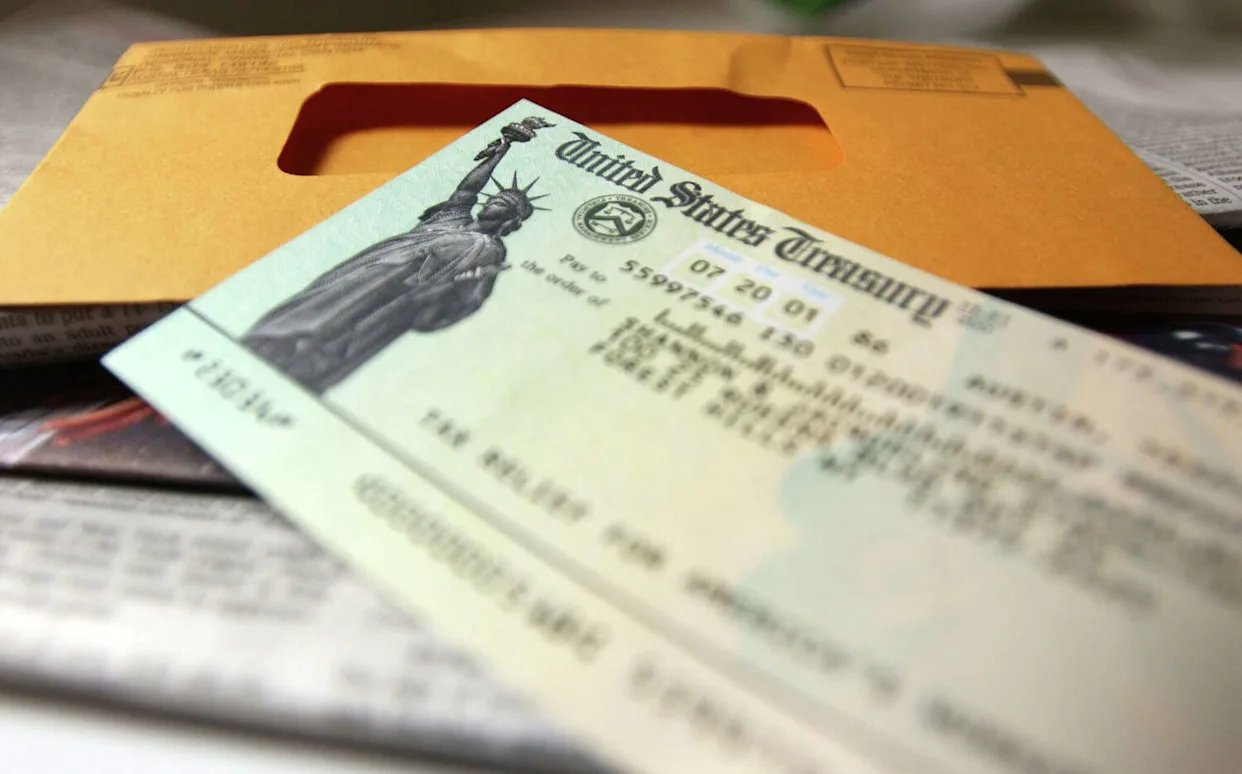
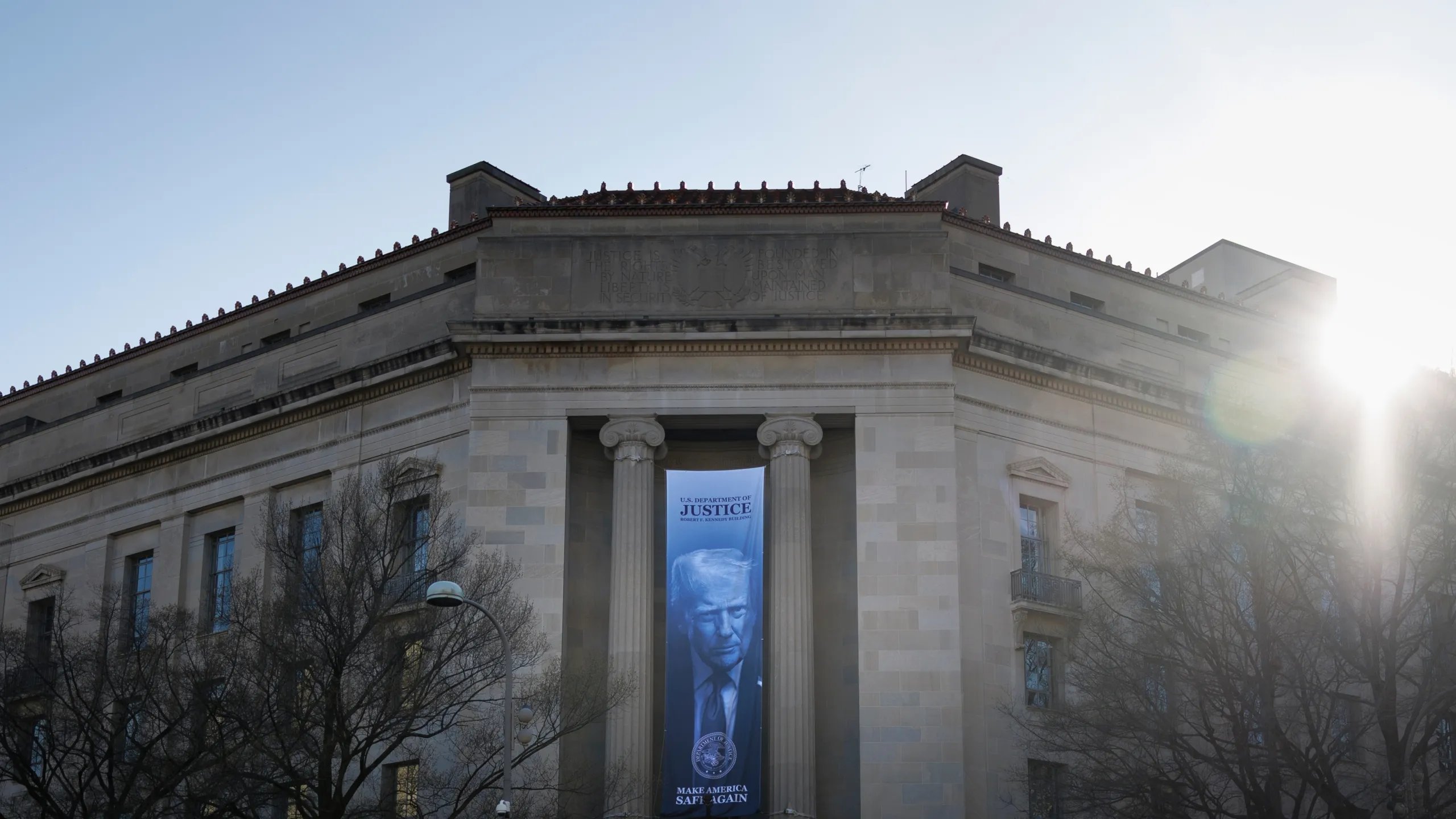
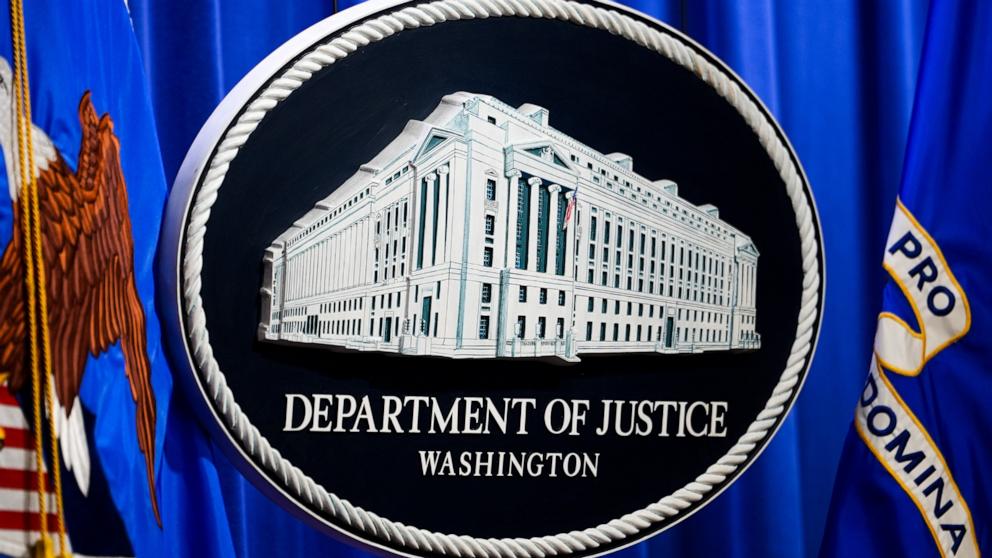
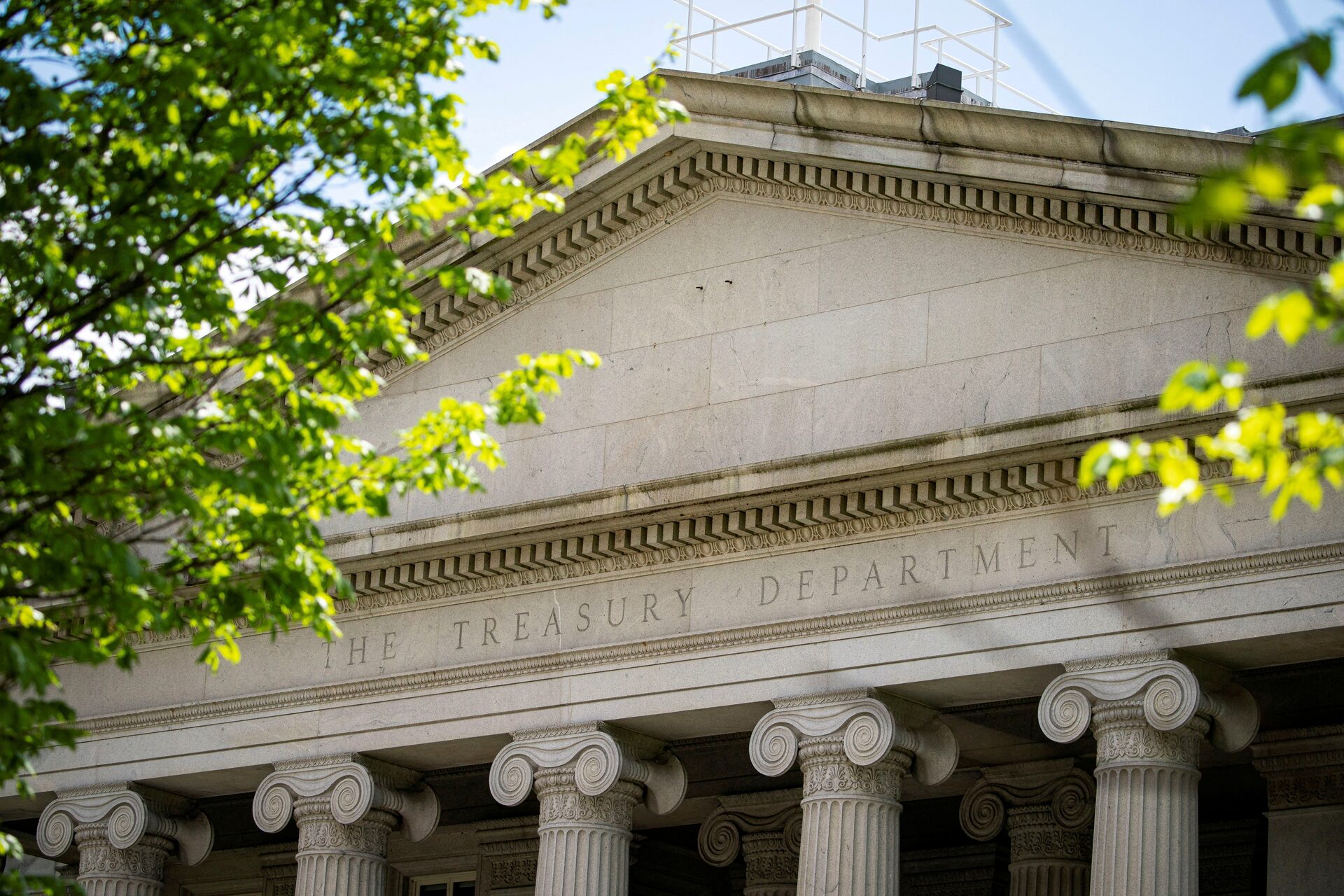
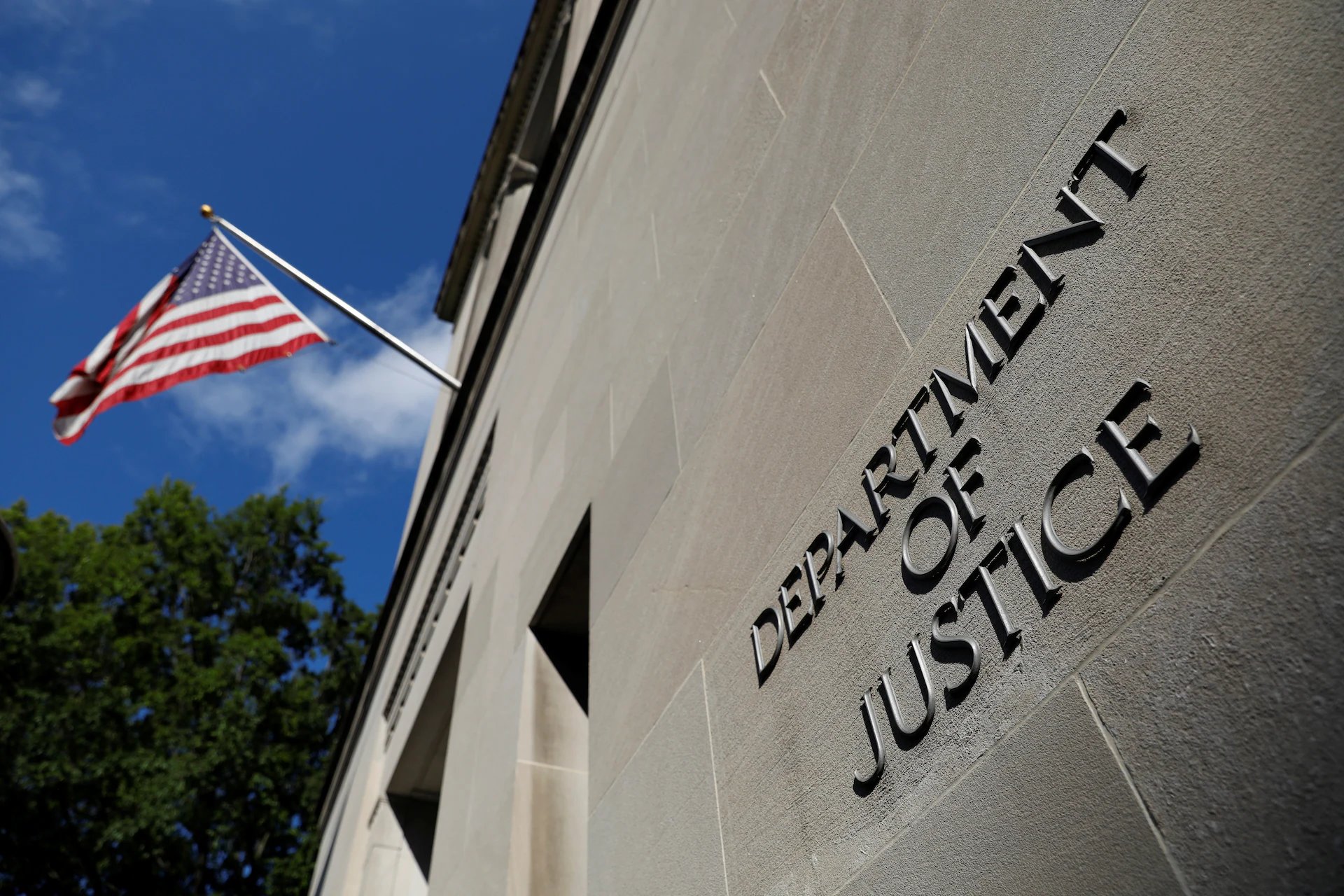
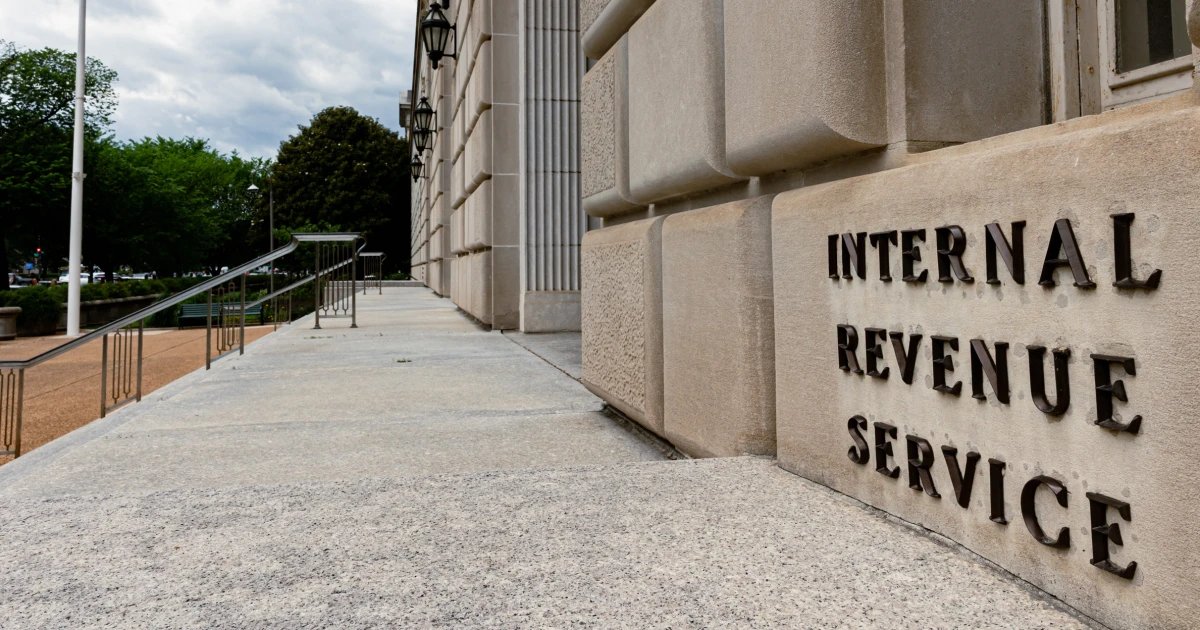
The fund was created by the DOJ in exchange for President Trump dropping his $10 billion lawsuit against the IRS, as well as two civil claims for $230 million related to the Russia collusion investigation and the Mar-a-Lago search. The "anti-weaponization" program will draw from the Judgment Fund, established by Congress in 1956 to pay court judgments and settlements of lawsuits against the government. Acting Attorney General Todd Blanche has 30 days to create the fund and appoint five commissioners, with congressional input on one selection.
Concerns Over Legality and Oversight
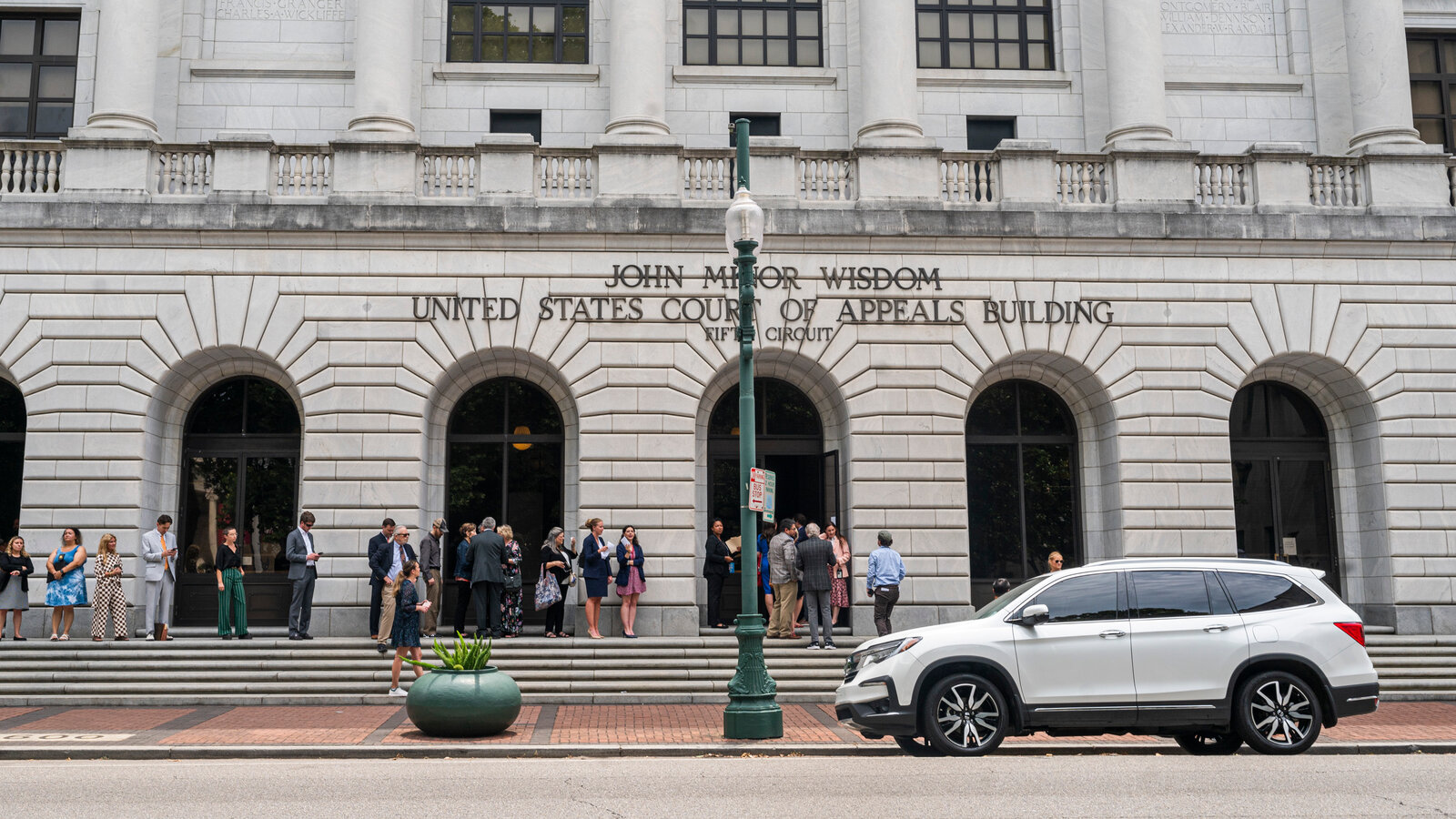
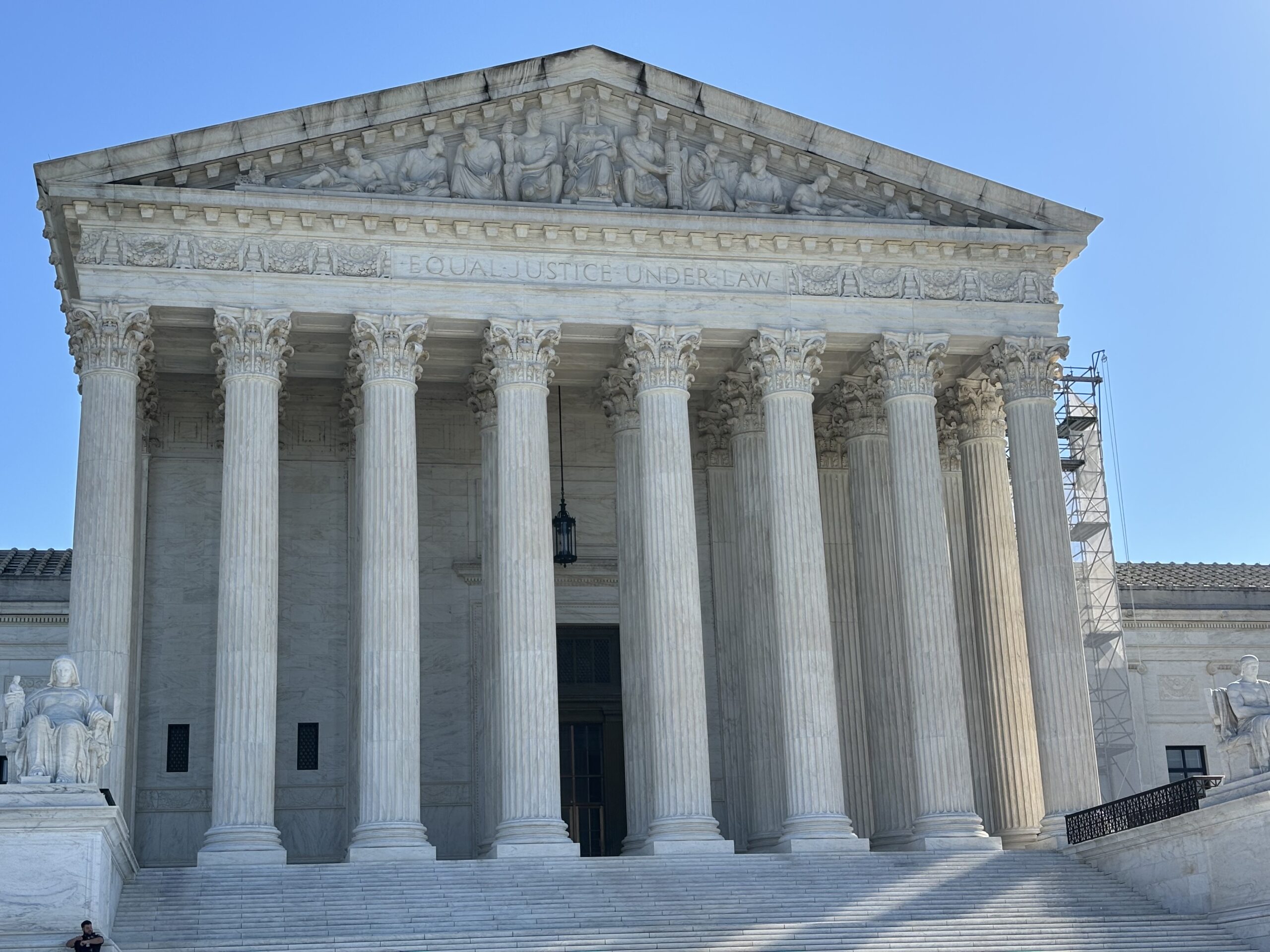
The fund has faced immediate scrutiny regarding its legality, implementation, and enforcement. Ethics groups, such as Citizens for Responsibility and Ethics in Washington, have condemned the settlement as a "brazen act of self-dealing" that potentially violates the Constitution’s Domestic Emoluments Clause. A pair of U.S. Capitol Police officers filed a lawsuit seeking to block the fund, citing increased risk of "vigilante violence" and continued harassment. Law professor Paul Figley at American University said the Trump administration's program appears legal, but he doesn't believe it's "good policy" for the executive to create the initiative without explicit congressional designation and mechanisms.
Eligibility and Claims Process
Neither the Justice Department nor the White House has specified eligibility criteria or payout caps. The five-member commission overseeing the fund will provide information on who can receive relief and how much. The Justice Department maintains there are no "partisan requirements" to seek compensation. The department estimates that "literally tens of millions of Americans were subjected to improper and unlawful government targeting, including extensive government censorship and aggressive lawfare." The commissioners will create quarterly reports listing who has been paid, to be shared with Congress and subject to audit.
Swift Condemnation and Challenges
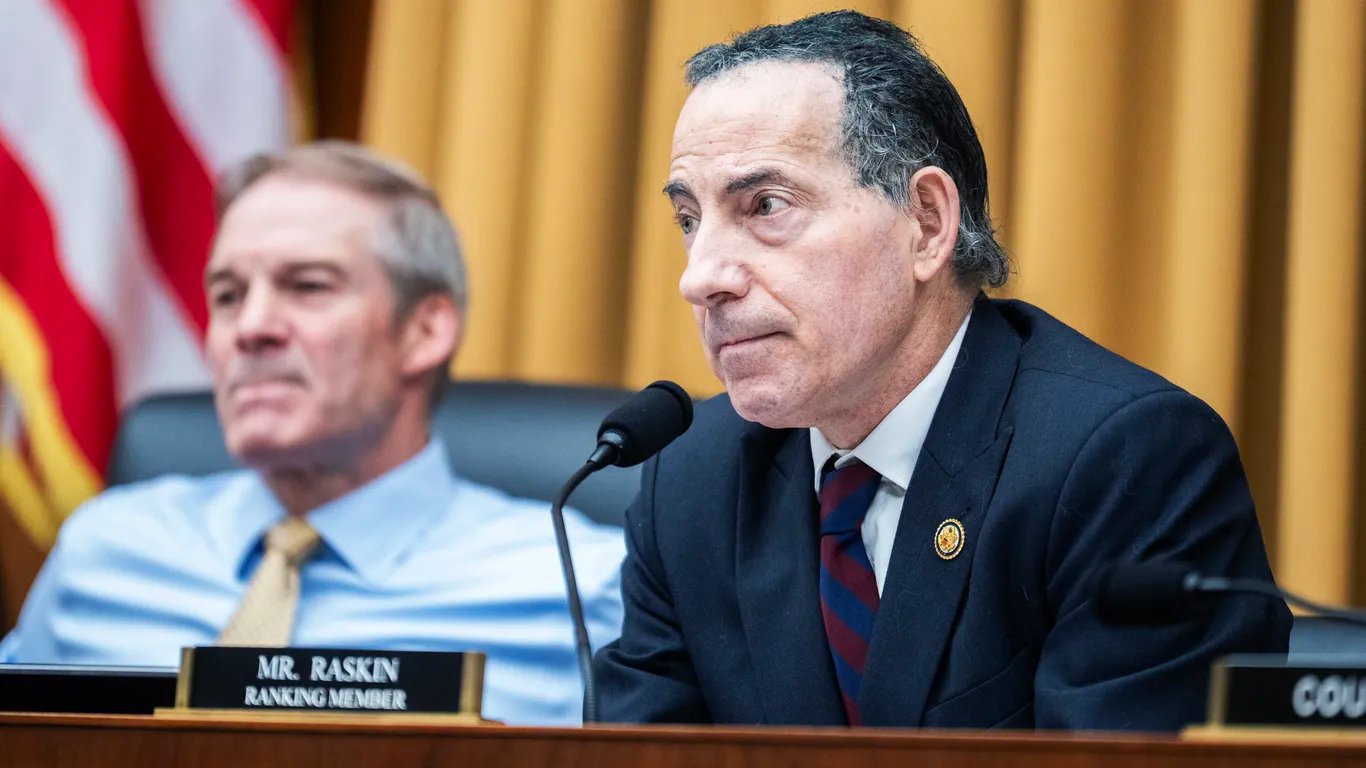
Senator Thom Tillis (R-N.C.) called the fund a "payout pot for punks," arguing that many potential recipients "deserve to be in prison." Representative Jamie Raskin, the top Democrat on the House Judiciary Committee, said the fund is "outside of the Constitution" and "illegal." Former Trump attorney Michael Cohen also intends to apply, while progressive podcaster Allison Gill requested $8.647 million.
With legal challenges already underway, the ultimate fate of the "anti-weaponization fund" may depend on the courts or congressional action, leaving the door open for future administrations to similarly leverage the Judgment Fund for their own purposes.
















































































































































































The sources also report that Mike Lindell claims his company and employees lost $400 million due to election-related lawsuits and government investigations.