




Ceasefire Details and Diplomatic Efforts
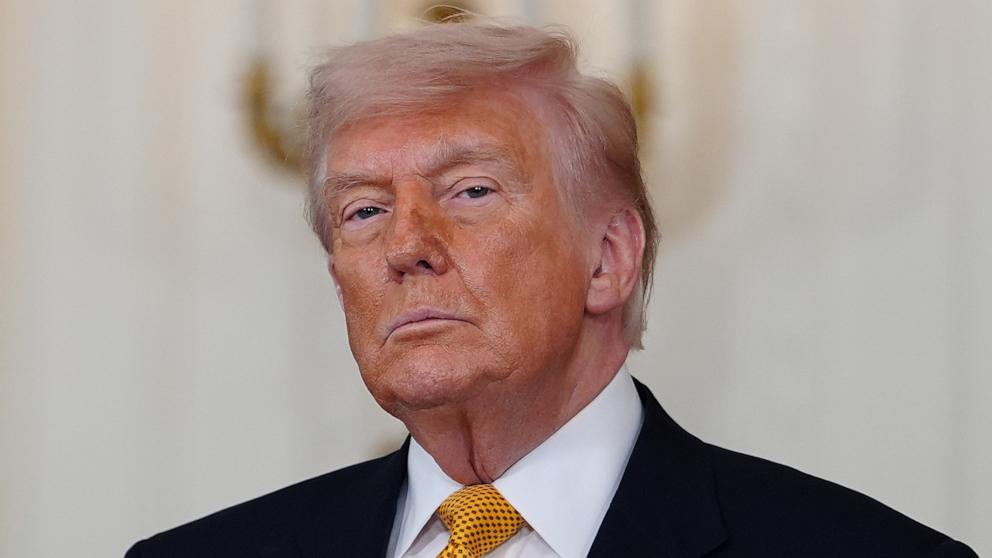
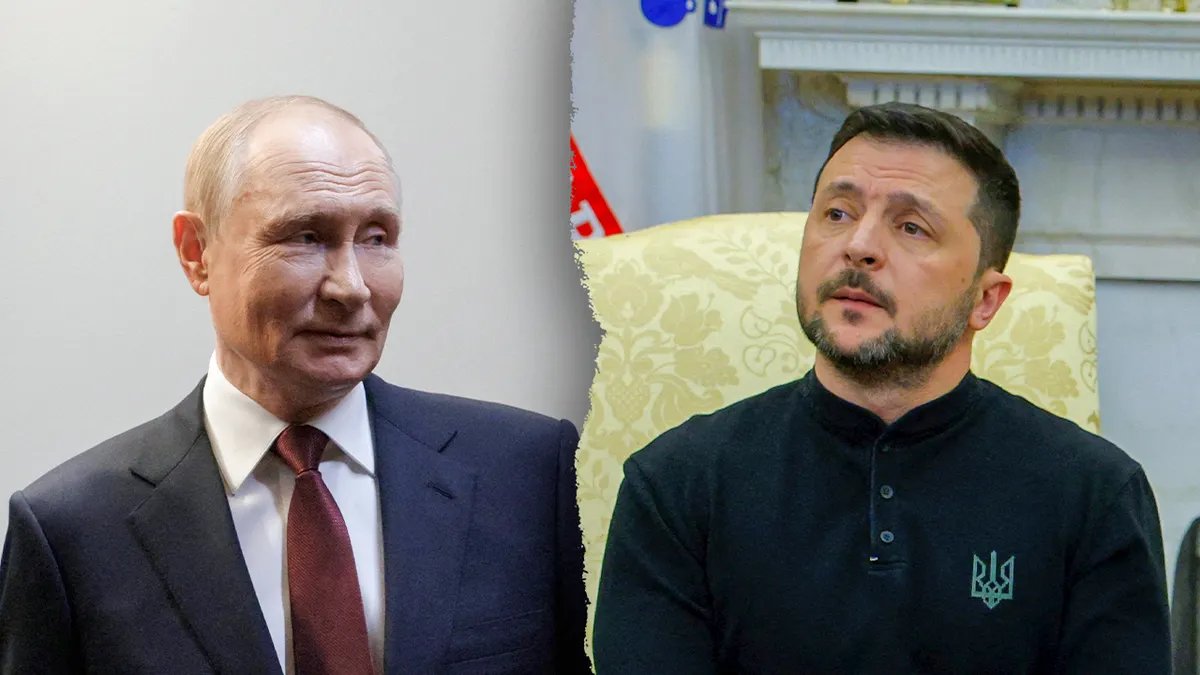
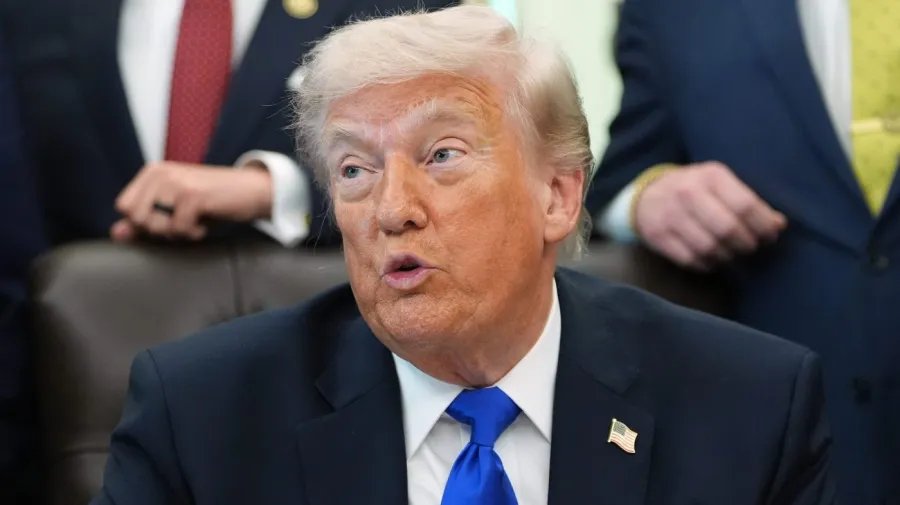
President Donald Trump announced a three-day ceasefire between Russia and Ukraine, effective from May 9 to May 11. The agreement includes the exchange of 1,000 prisoners from each country, marking a significant diplomatic development amid ongoing tensions. Trump expressed hope that this ceasefire could signal "the beginning of the end of a very long, deadly, and hard fought War," which has persisted for over four years. Both Russian President Vladimir Putin and Ukrainian President Volodymyr Zelenskyy confirmed their participation in the ceasefire, following Trump's request for a temporary halt in hostilities.
Reactions from Ukraine and Russia
Ukrainian President Zelenskyy confirmed the agreement via social media, stating that Ukraine received Russia's consent to conduct the prisoner exchange. He remarked, "There should also be a ceasefire on May 9, 10, and 11," emphasizing the importance of returning captured soldiers. Russian presidential aide Yuri Ushakov reiterated that the agreement was reached through discussions with the U.S. administration and highlighted the historical ties between the nations during World War II.
Ongoing Violations Amid Ceasefire
Despite the ceasefire announcement, both sides accused each other of continuing military operations. Reports indicated that Ukraine faced over 140 attacks in the initial hours of the ceasefire, while Russia claimed to have intercepted numerous drones aimed at Moscow. The Russian defense ministry stated it would respond "symmetrically" to any Ukrainian attacks, reflecting the fragile nature of the truce.
Victory Day Celebrations and Security Concerns
The ceasefire coincides with Russia's Victory Day celebrations, a significant national holiday commemorating the defeat of Nazi Germany. However, this year's festivities will be subdued, with no military hardware displayed in Moscow due to security concerns over potential Ukrainian strikes. Russian officials warned that any disruption during the parade could lead to severe retaliatory measures against Ukraine.
U.S. Mediation and Future Negotiations
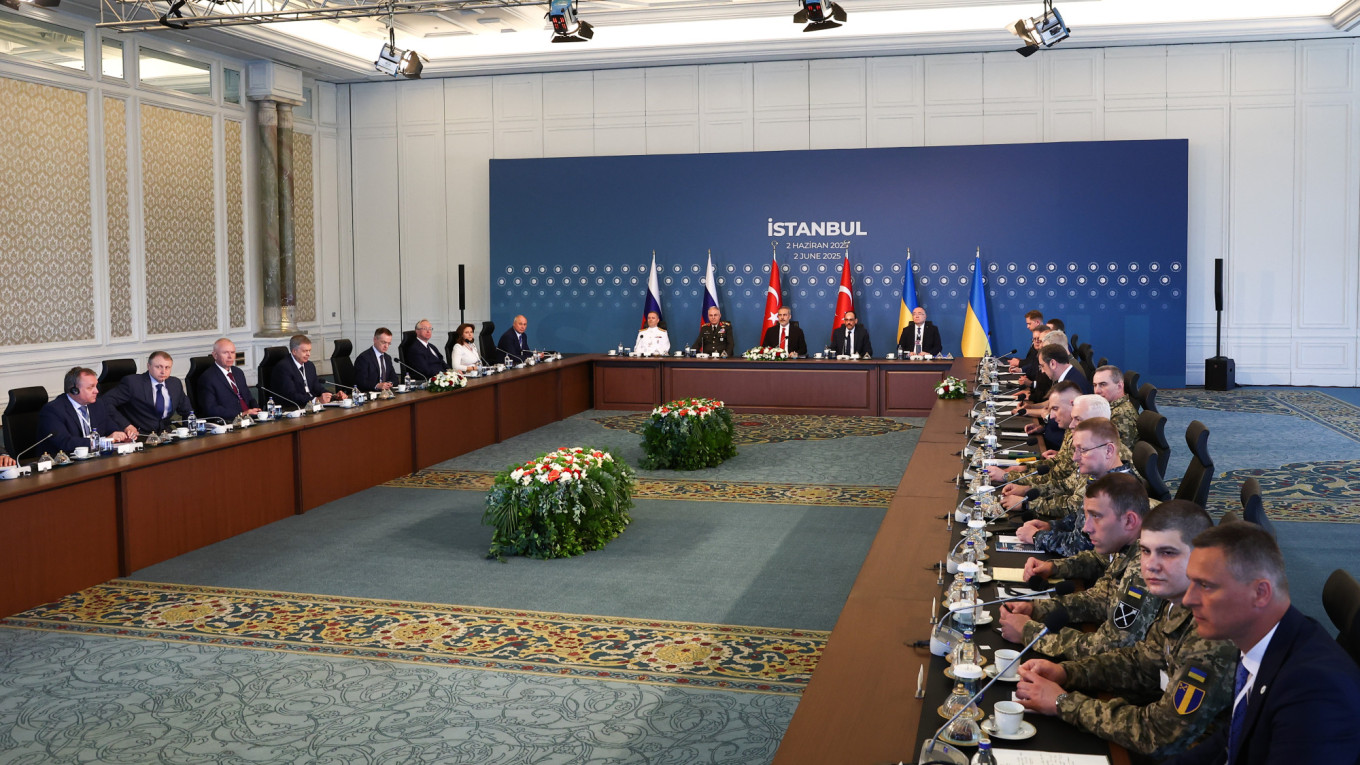
The U.S. remains actively involved in mediating discussions between Russia and Ukraine. Secretary of State Marco Rubio stated that Washington is prepared to engage in negotiations but is cautious about wasting time if no progress is being made. Zelenskyy mentioned that U.S. envoys are expected to visit Kyiv soon to continue talks aimed at ending the conflict.
Conclusion and Implications for Peace
The announcement of a ceasefire and prisoner swap represents a crucial moment in the ongoing Russia-Ukraine conflict. With both sides expressing cautious optimism, the success of this temporary truce could pave the way for further negotiations and a potential resolution to a war that has caused significant loss of life and displacement. As international attention turns to the developments over the weekend, the global community remains hopeful for a breakthrough in peace efforts.