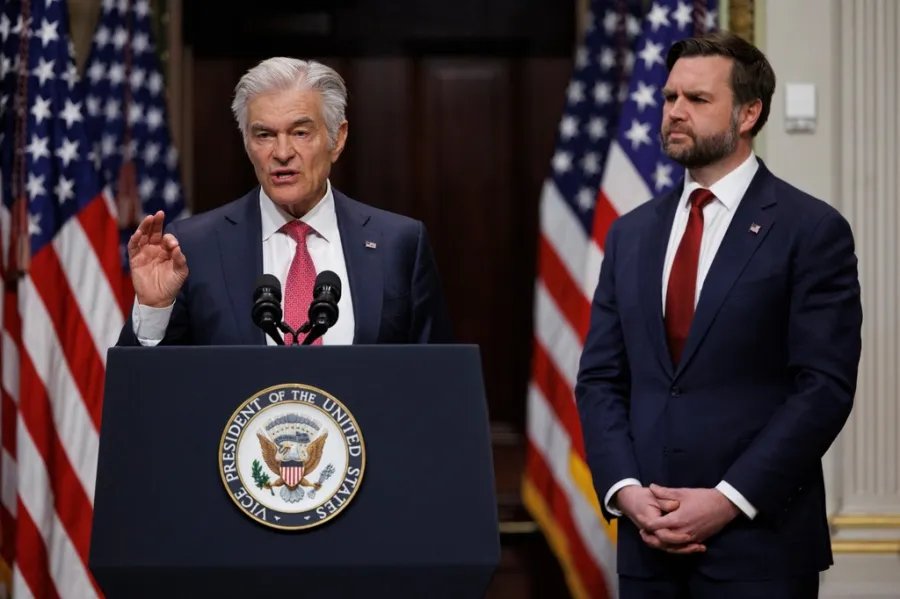
Americans may not see gasoline prices drop below $3 per gallon until next year, according to Energy Secretary Chris Wright. In an interview on CNN's "State of the Union," Wright stated, "That could happen later this year. That might not happen until next year." This contradicts Treasury Secretary Scott Bessent's prediction of relief by summer. Wright acknowledged Sunday that it might not be until 2027 before U.S. gas prices come back under $3 a gallon.
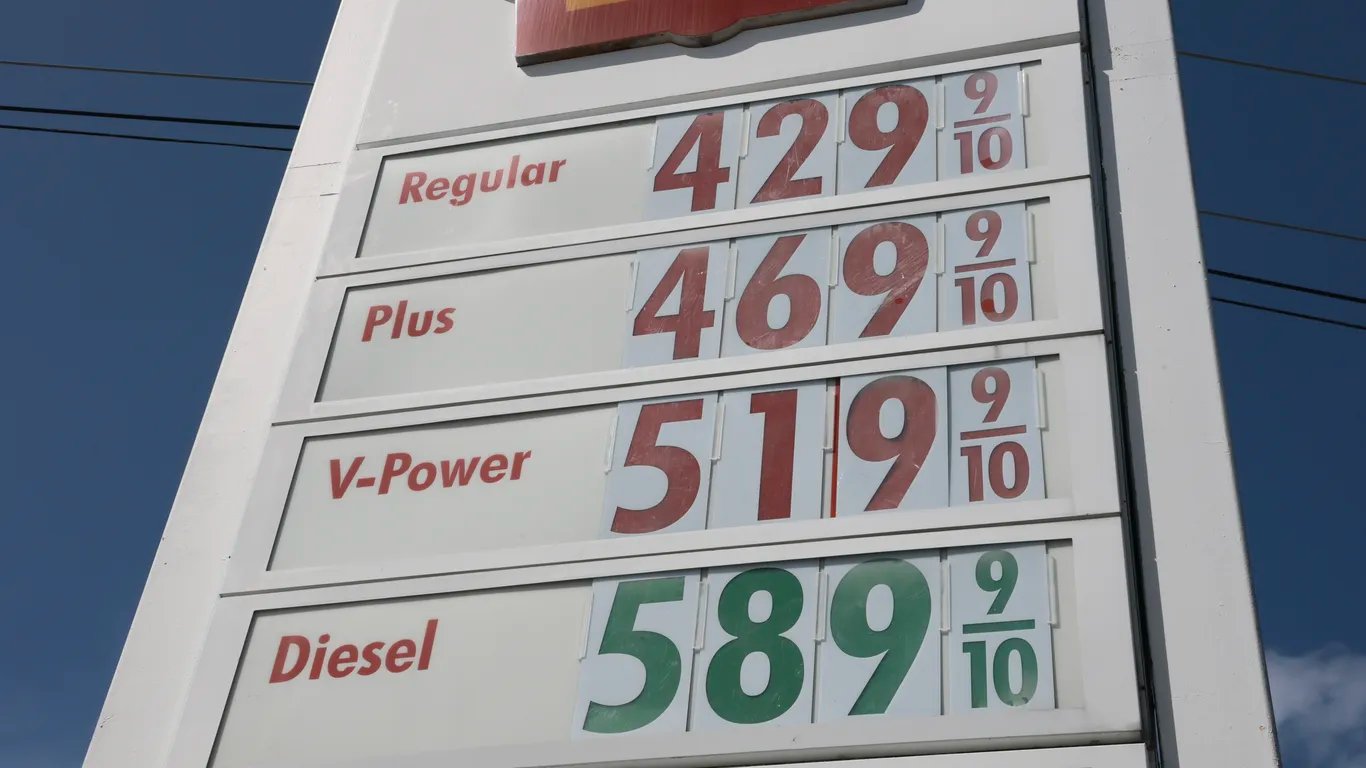
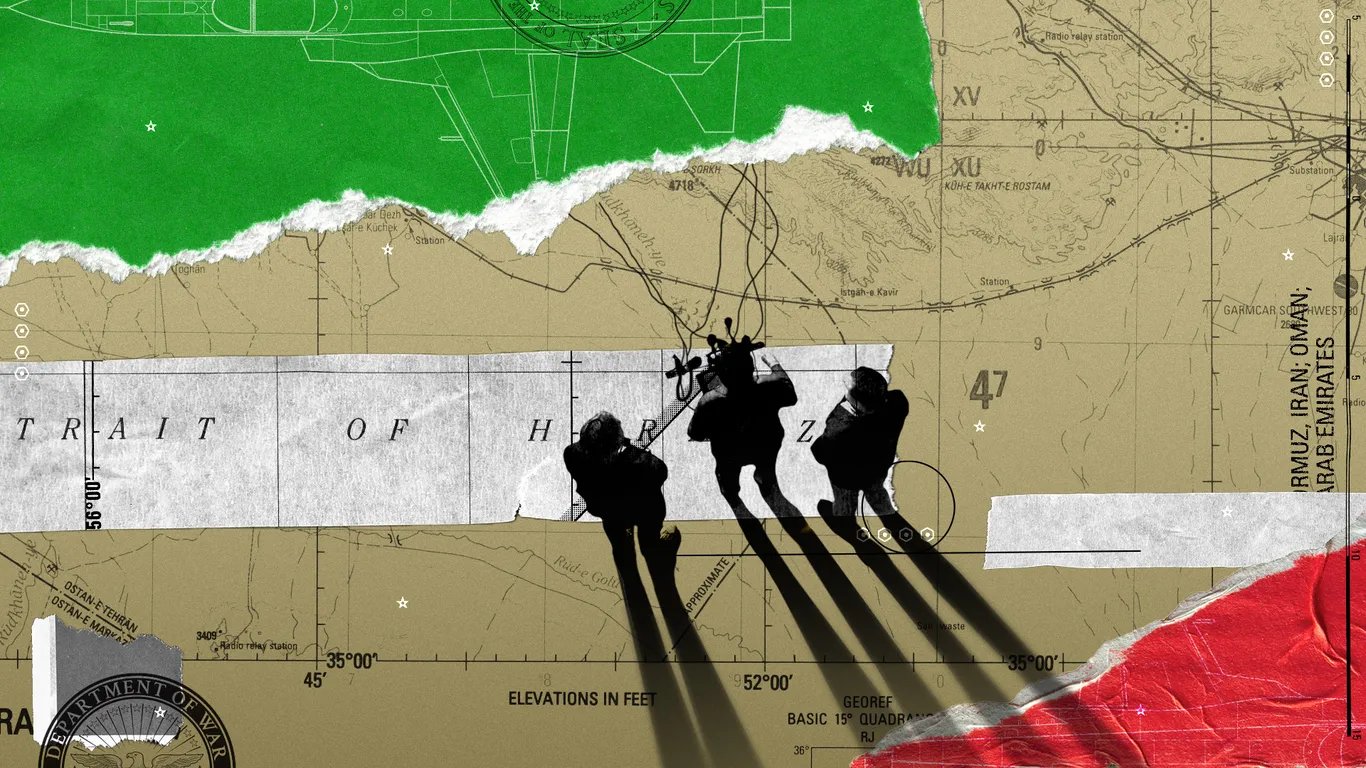
Rising energy prices are attributed to the war in Iran, which has restricted shipping through the Strait of Hormuz. Gasoline prices averaged $2.98 per gallon before the conflict. Prices have since climbed to $4.05 per gallon. Wright acknowledged that the highest point this year is still $1 below the Biden-era peak in 2022.
Elevated gas prices could present challenges. Wright argued the Trump administration has successfully managed the historic disruption. An NBC poll estimated that 67% and 68% of the public "somewhat" or "strongly" disapproved of the way Trump was handling the war in Iran as well as "inflation and the cost of living" domestically.
Uber and Lyft drivers are facing increased financial strain due to rising fuel costs. Drivers are spending hundreds more dollars on fuel each month. John Mejia, a driver in Oakland, said he now pays $60 to fill his hybrid car, compared to $36 a few weeks ago. As a result, he said, "I don't drive as much." Prisell Polanco, a driver in the Boston area, said he is spending an extra $300 a month on fuel. Harvin, a full-time driver in Los Angeles, said he now pays over $75 for a full tank of gas, compared to $55 two months ago.
Uber and Lyft have expanded discount programs to help drivers with fuel costs. Uber's press release claimed top-tier drivers can save up to $1.44 per gallon using combined offers and discounts. Lyft's VP, Yuko Yamazaki, stated, "When costs spike, we want drivers to choose Lyft because they feel like the platform works for them, not against them."
Jonathan Tipton Meyers, a driver in LA since 2014, criticized the savings and discounts offered in lieu of increased pay. Mejia said the discount reward programs offered by Uber and Lyft to offset fuel costs do not "make sense," claiming they offer discounted prices at more expensive gas stations. Mary, an Uber driver in Chicago, said that she has driven less due to the cost of fuel and lack of money to cover it.
While Wright stated that prices have likely peaked, he did not offer a definitive timeline for when prices might drop below $3 per gallon. When asked when he thought "it's realistic for Americans to expect the gas will go back to under $3 a gallon", Wright replied: "I don't know. That could happen later this year. That might not happen until next year."
Americans may not see gasoline prices drop below $3 per gallon until next year, according to Energy Secretary Chris Wright. In an interview on CNN's "State of the Union," Wright stated, "That could happen later this year. That might not happen until next year." This contradicts Treasury Secretary Scott Bessent’s prediction of relief by summer. Wright acknowledged Sunday that it might not be until 2027 before U.S. gas prices come back under $3 a gallon.
Rising energy prices are attributed to the war in Iran, which has restricted shipping through the Strait of Hormuz. Gasoline prices averaged $2.98 per gallon before the conflict and climbed to $4.05, according to AAA data. Earlier this month, prices reached their highest point this year at $4.16 per gallon. Wright emphasized that the highest point this year is still $1 below the Biden-era peak in 2022.
Elevated gas prices could present challenges. Wright argued the Trump administration has successfully managed the historic disruption. An NBC poll estimated that 67% and 68% of the public "somewhat" or "strongly" disapproved of the way Trump was handling the war in Iran as well as “inflation and the cost of living” domestically.
Uber and Lyft drivers are facing increased financial strain due to rising fuel costs. Drivers are spending hundreds more dollars on fuel each month. John Mejia, a driver in Oakland, said he now pays $60 to fill his hybrid car, compared to $36 a few weeks ago. As a result, he said, "I don’t drive as much." Prisell Polanco, a driver in the Boston area, said he is spending an extra $300 a month on fuel. Harvin, a full-time driver in Los Angeles, said he now pays over $75 for a full tank of gas, compared to $55 two months ago.
Uber and Lyft have expanded discount programs to help drivers with fuel costs. Uber's press release claimed top-tier drivers can save up to $1.44 per gallon using combined offers and discounts. Lyft's VP, Yuko Yamazaki, stated, "When costs spike, we want drivers to choose Lyft because they feel like the platform works for them, not against them."
Many drivers feel the support offered by ride-hailing companies is insufficient. Jonathan Tipton Meyers, a driver in LA since 2014, criticized the savings and discounts offered in lieu of increased pay. Mejia said the discount reward programs offered by Uber and Lyft to offset fuel costs do not “make sense,” claiming they offer discounted prices at more expensive gas stations. Mary, an Uber driver in Chicago, said that she has driven less due to the cost of fuel and lack of money to cover it.
While Wright stated that prices have likely peaked, he did not offer a definitive timeline for when prices might drop below $3 per gallon. When asked when he thought “it’s realistic for Americans to expect the gas will go back to under $3 a gallon”, Wright replied: “I don’t know. That could happen later this year. That might not happen until next year.” Consumers can monitor weekly price updates from AAA to track potential shifts in the market.
Highlighted text was flagged by the council. Tap to see feedback.