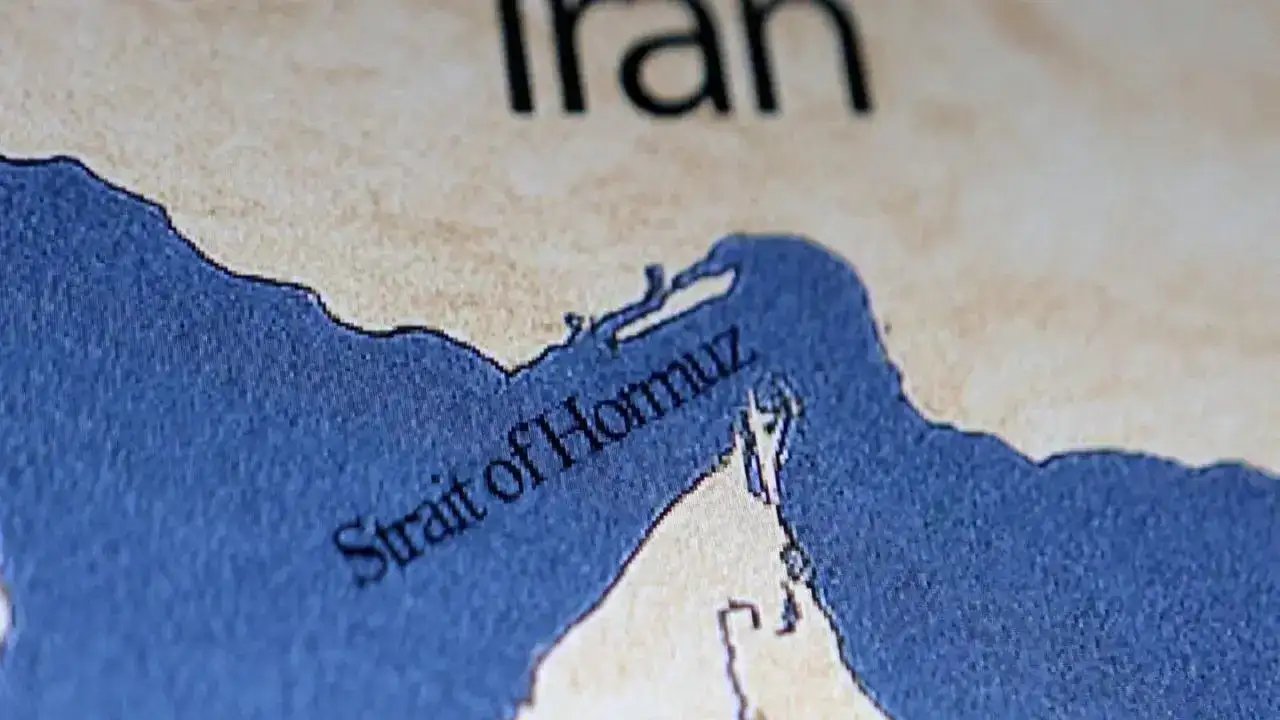
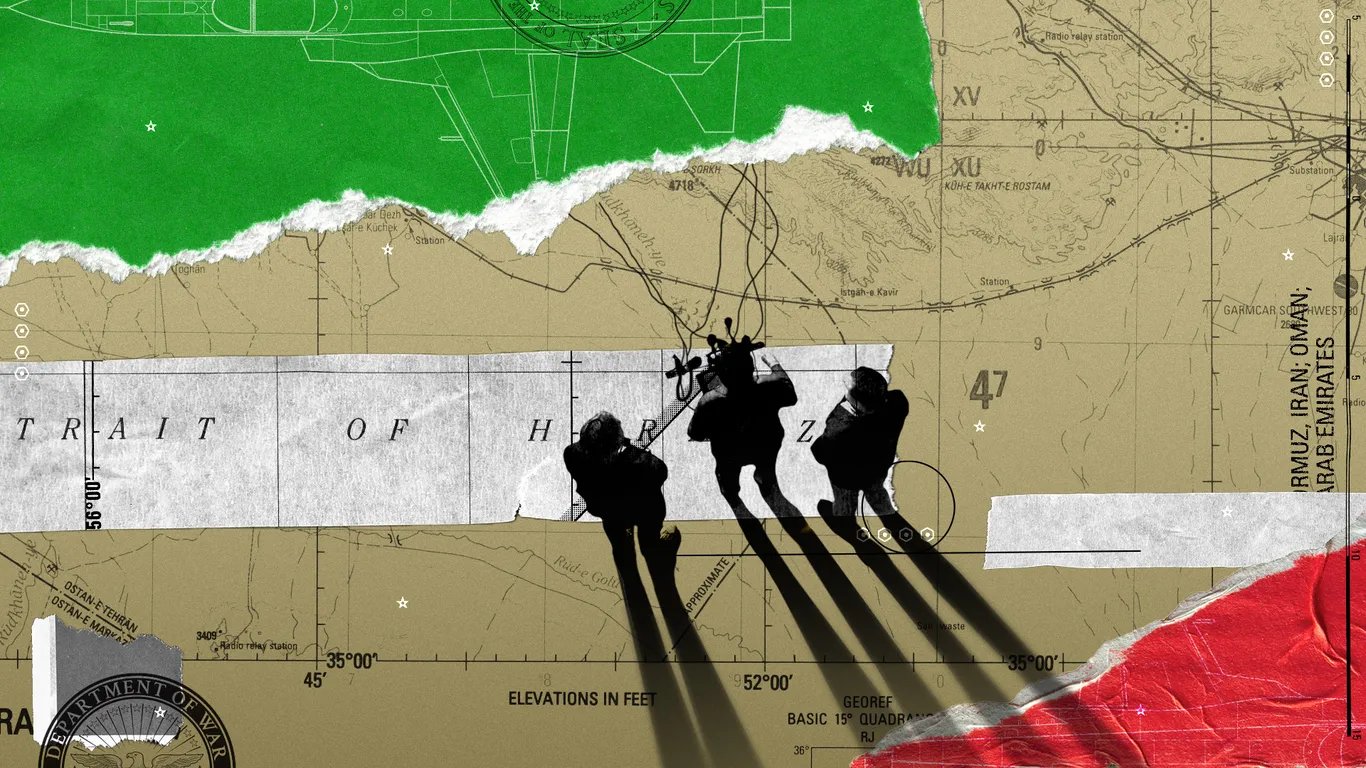
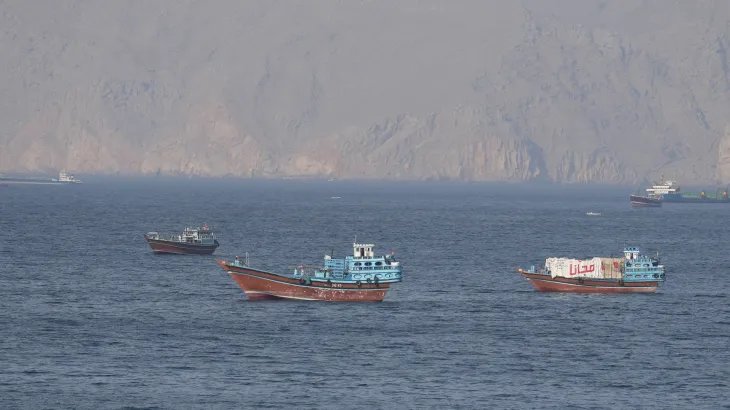
Iran declared the Strait of Hormuz closed on Sunday in response to the continuing U.S. Navy blockade on Iranian ports, according to Iran's Revolutionary Guard. Parliamentary Speaker Mohammad Bagher Qalibaf stated the strait would remain closed "if the U.S. does not lift the blockade." This move has disrupted global oil shipping routes, impacting international trade.
President Trump maintains the U.S. naval blockade will remain in effect "until such time as our transaction with Iran is 100% complete." U.S. Central Command reported that 23 ships have complied with the blockade, turning around at the behest of U.S. forces in the Gulf of Oman. Senator Lindsey Graham urged President Trump to continue the blockade and put Kharg Island, which processes much of Iran's oil, "in the crosshairs."
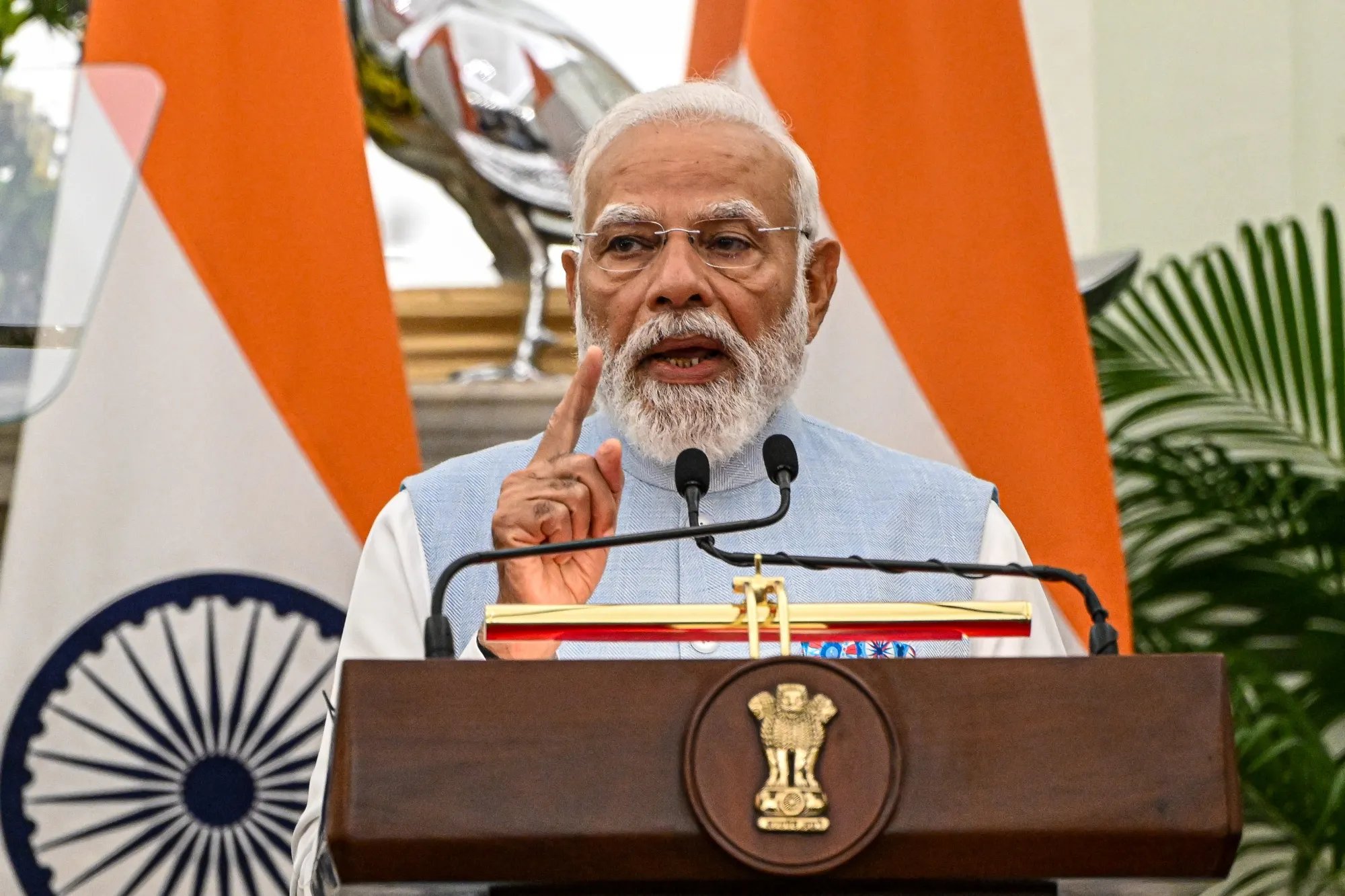
India summoned Iran's envoy after two India-flagged vessels, Bhagya Lakshmi and Sanmar Herald, were attacked while attempting to cross the Strait of Hormuz. Crew members of Bhagya Lakshmi were told to turn back, while Sanmar Herald reported being fired upon despite prior clearance. France and the UK are leading a coalition of nonbelligerent states ready to launch an international mission to restore navigation in the Strait of Hormuz, though deployment won't occur until the Iran war is over.
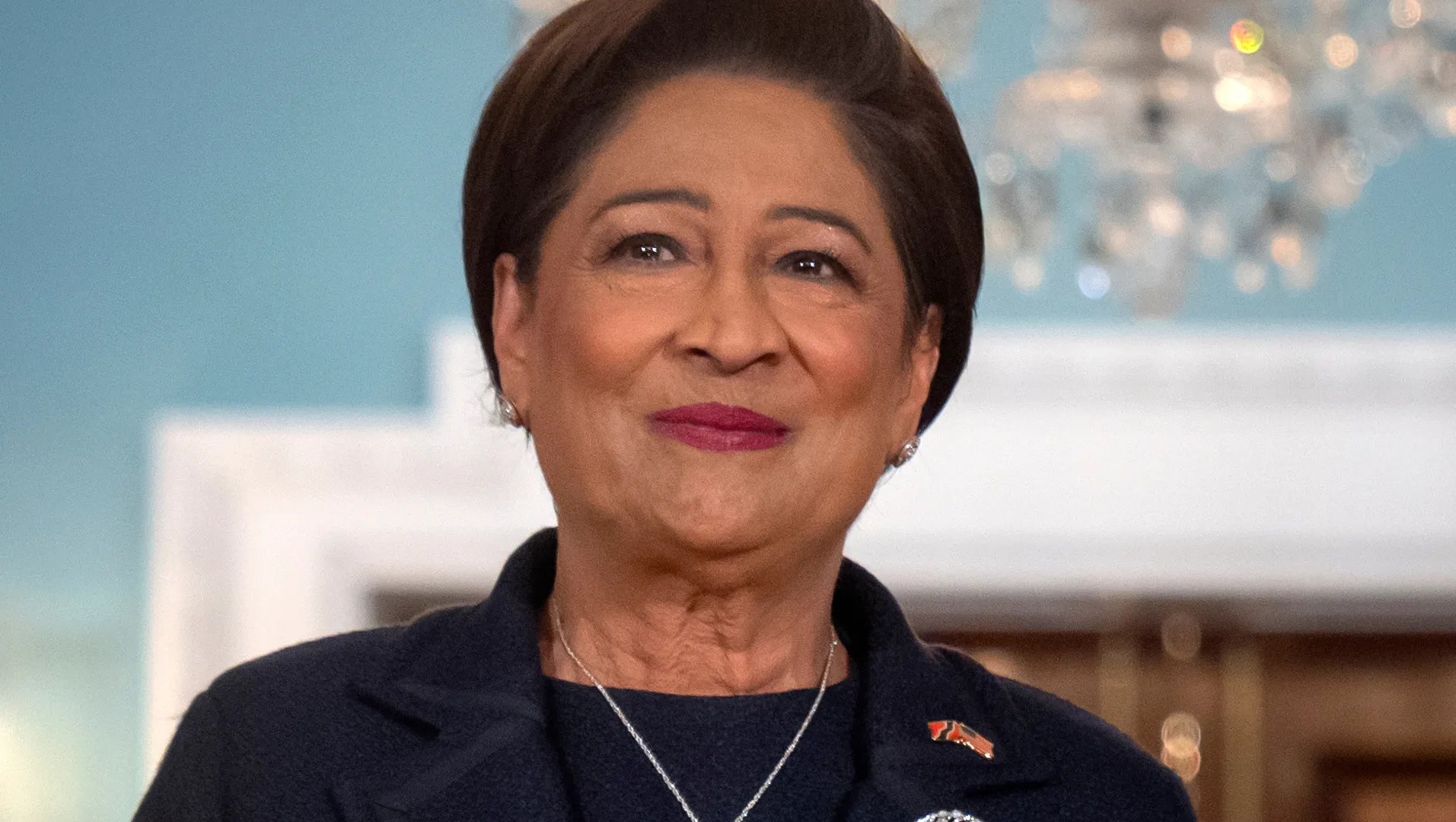
Mohammad Bagher Ghalibaf, Iran's chief negotiator, said progress had been made in negotiations with the U.S. to end the war, but added the sides were still far from an agreement. Jonathan Karl reported President Trump believes a peace deal "will happen. One way or another. The nice way or the hard way. It's going to happen."
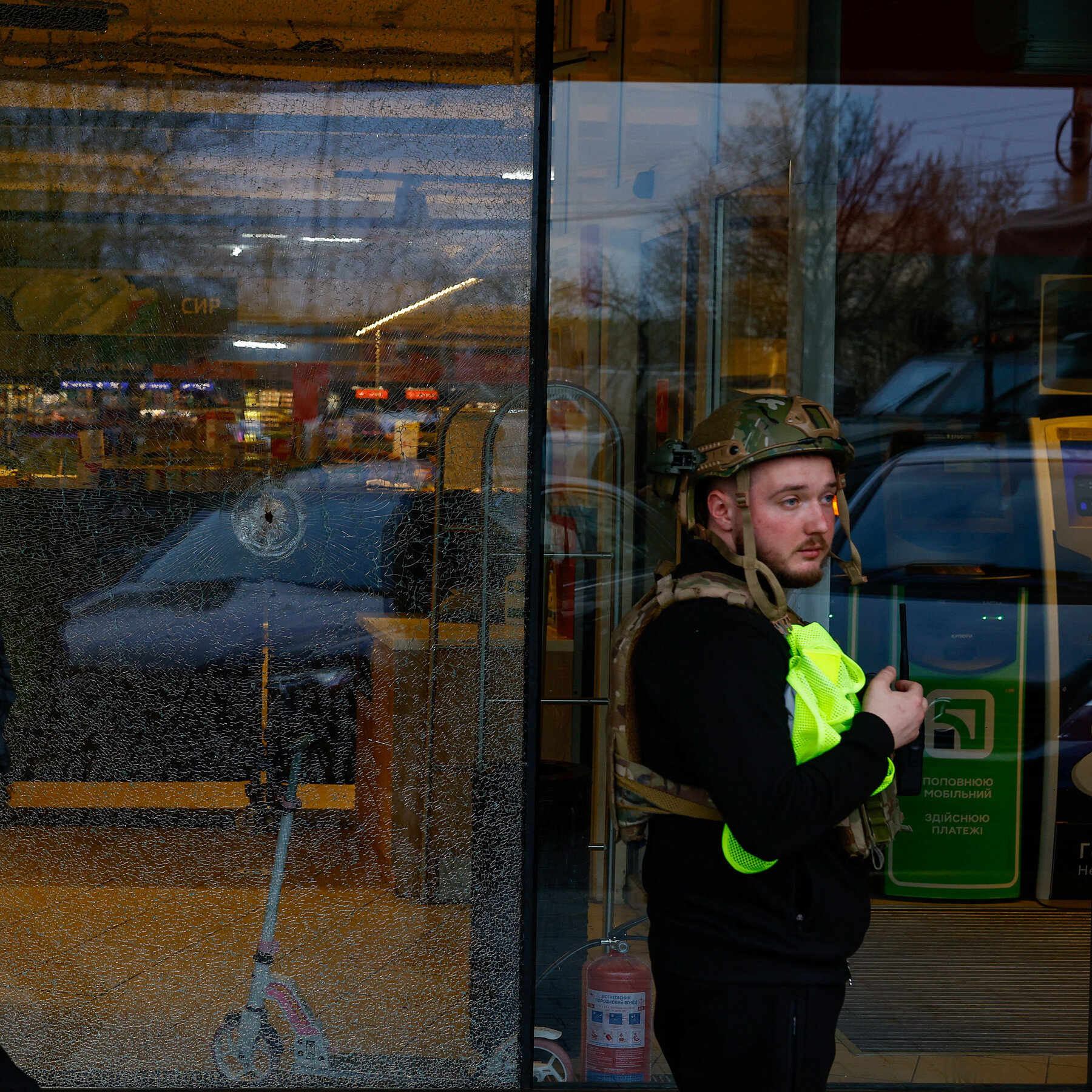
The Israeli army said it carried out a series of strikes that killed more than 150 Hezbollah fighters, including commander Ali Rida Abbas. The Israeli military also reported one soldier, Sgt. 1st Class Lidor Porat, was killed and eight others injured in a combat incident in southern Lebanon, bringing the total number of Israeli soldiers killed in the latest war in Lebanon to 14. A French soldier, Staff Sgt. Florian Montorio, was killed and three others wounded in an ambush on United Nations peacekeepers in Lebanon, with French President Emmanuel Macron blaming Hezbollah.
Oil prices plummeted by around 10% after Iran declared the Strait of Hormuz "completely open," with West Texas Intermediate falling by $10.33 to $84.36 a barrel.
Senator Jon Ossoff criticized President Trump's decision to attack Iran, arguing that young Americans would pay the price.
As tensions escalate in the Strait of Hormuz, the global community faces the immediate challenge of securing vital oil supplies, with potential long-term consequences for international relations and energy markets.
Iran declared the Strait of Hormuz closed on Sunday, reversing course after initially reopening the waterway to commercial vessels on Friday. The closure comes in response to the continuing U.S. Navy blockade on Iranian ports, according to Iran’s Revolutionary Guard. Parliamentary Speaker Mohammad Bagher Qalibaf stated the strait would remain closed "if the U.S. does not lift the blockade." This move has disrupted global oil shipping routes, impacting international trade.
President Trump maintains the U.S. naval blockade will remain in effect "until such time as our transaction with Iran is 100% complete." U.S. Central Command reported that 23 ships have complied with the blockade, turning around at the behest of U.S. forces in the Gulf of Oman. Senator Lindsey Graham urged President Trump to continue the blockade and put Kharg Island, which processes much of Iran's oil, "in the crosshairs."
India summoned Iran's envoy after two India-flagged vessels, Bhagya Lakshmi and Sanmar Herald, were attacked while attempting to cross the Strait of Hormuz. Crew members of Bhagya Lakshmi were told to turn back, while Sanmar Herald reported being fired upon despite prior clearance. France and the UK are leading a coalition of nonbelligerent states ready to launch an international mission to restore navigation in the Strait of Hormuz, though deployment won't occur until the Iran war is over.
Expectations of an imminent peace deal were undermined after Iran reimposed restrictions on vessel traffic through the Strait of Hormuz and Israel attacked targets in Lebanon. Mohammad Bagher Ghalibaf, Iran's chief negotiator, said progress had been made in negotiations with the U.S. to end the war, but added the sides were still far from an agreement. Jonathan Karl reported President Trump believes a peace deal "will happen. One way or another. The nice way or the hard way. It's going to happen."
The Israeli army said it carried out a series of strikes that killed more than 150 Hezbollah fighters, including commander Ali Rida Abbas. The Israeli military also reported one soldier, Sgt. 1st Class Lidor Porat, was killed and eight others injured in a combat incident in southern Lebanon, bringing the total number of Israeli soldiers killed in the latest war in Lebanon to 14. A French soldier, Staff Sgt. Florian Montorio, was killed and three others wounded in an ambush on United Nations peacekeepers in Lebanon, with French President Emmanuel Macron blaming Hezbollah.
News that Iran allegedly decided to reopen the Strait of Hormuz to commercial shipping sent risky assets surging on Friday. The S&P 500 leaped 1.2% to a fresh record, fueling its biggest monthly advance since 2020. Oil prices plummeted by around 10% after Iran declared the Strait of Hormuz "completely open," with West Texas Intermediate falling by $10.33 to $84.36 a barrel.
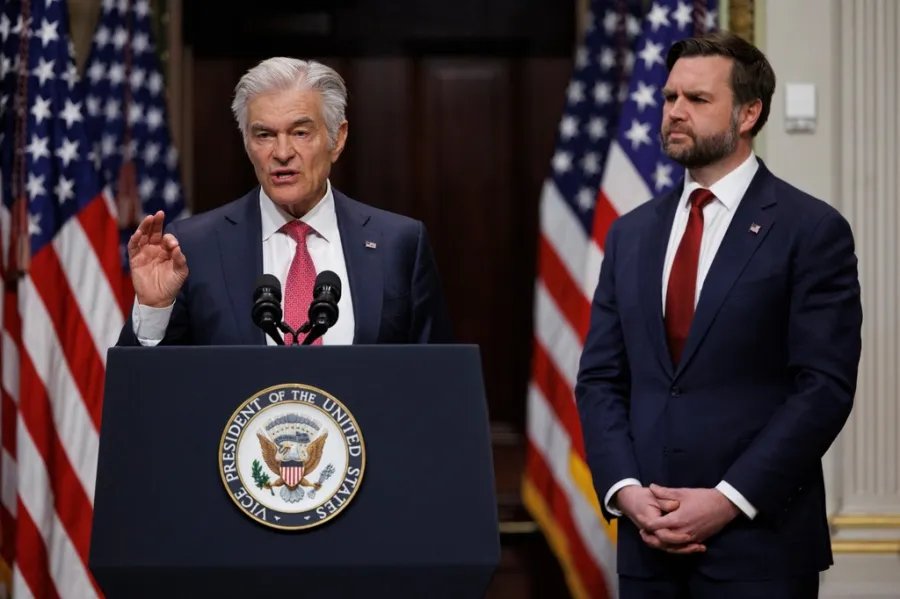
Vice President JD Vance expressed gratitude to Pope Leo for attempting to diffuse tensions with the White House regarding his criticisms of the Iran war. Senator Jon Ossoff criticized President Trump’s decision to attack Iran, arguing that young Americans would pay the price.
As tensions escalate in the Strait of Hormuz, the global community faces the immediate challenge of securing vital oil supplies, with potential long-term consequences for international relations and energy markets.
Highlighted text was flagged by the council. Tap to see feedback.