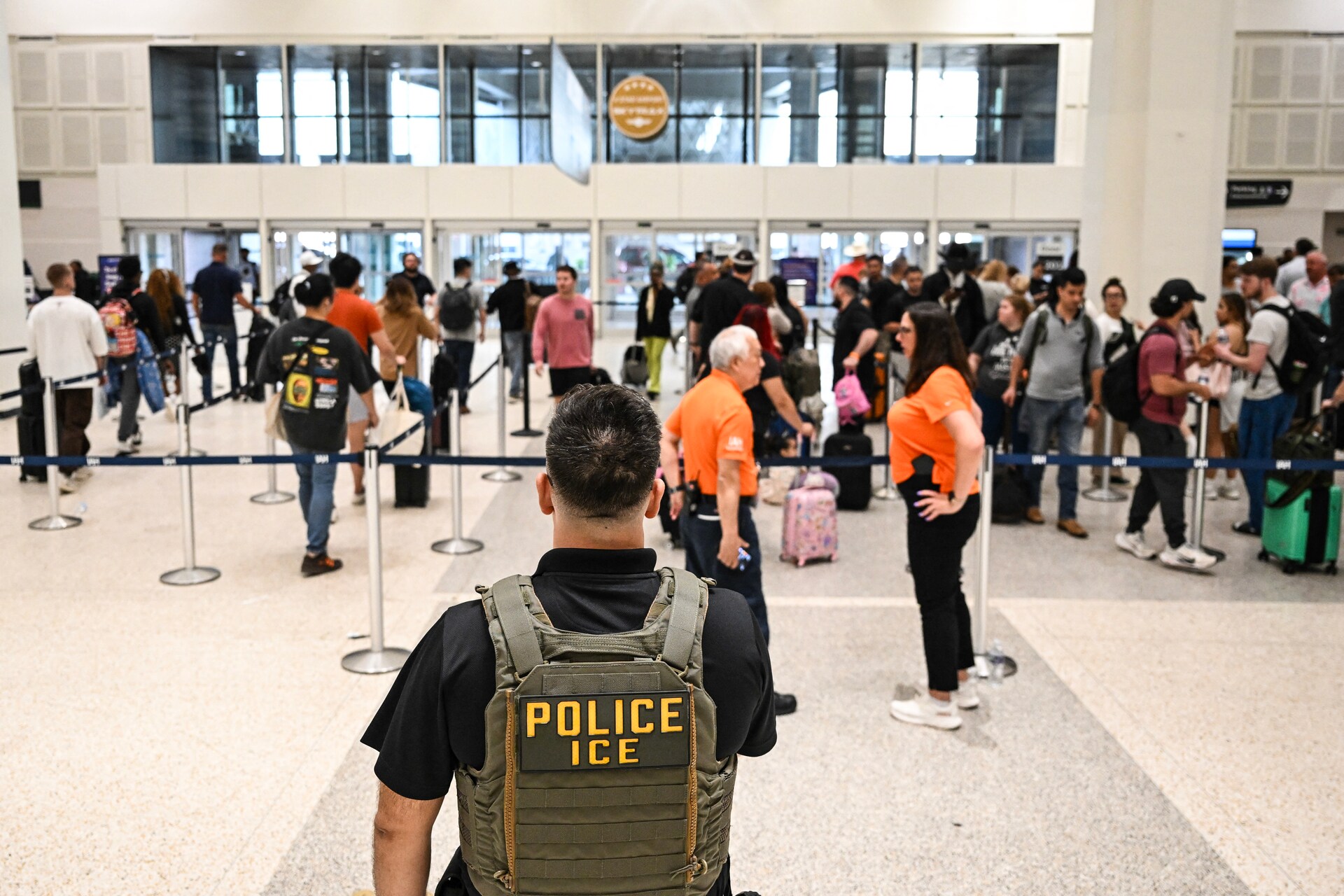
The Trump administration has proposed a new government-wide nondisclosure agreement (NDA) for both new and existing federal employees. The Office of Personnel Management (OPM) announced this initiative, stating that it aims to curb unauthorized disclosures that could jeopardize the safety of federal agents and military personnel. The proposed rule, set to be published in the Federal Register, highlights recent leaks regarding immigration enforcement and other sensitive operations as justification for this measure.
The NDA would require federal employees to acknowledge and agree to comply with existing legal obligations to safeguard confidential information. According to the draft rule, the NDA would cover internal agency operations, personnel matters, and sensitive deliberative materials. Ray Limon, a former federal attorney, expresses concerns that the broad language of the NDA may infringe on employees' rights, particularly those protected under the Whistleblower Protection Act. Limon warns that this could create confusion about lawful disclosures.
Legal experts are divided on the potential impact of the NDA. Loyola Law School professor Jessica Levinson noted that if the NDA merely formalizes existing restrictions, it may not significantly change the landscape. However, she cautions that if the NDA seeks to limit First Amendment rights, it could pose a serious issue. Levinson emphasized that federal employees retain First Amendment protections when speaking as private citizens on matters of public concern, suggesting that the NDA should not restrict those rights.
The OPM argues that the NDA does not introduce new restrictions on employee speech but standardizes existing obligations. The administration cites instances where unauthorized disclosures occurred, including information related to the U.S. raid in Venezuela and immigration enforcement actions. The OPM's notice included a call for public comment on what actions should be taken against employees who refuse to sign the NDA, stating the administration could pursue civil and criminal penalties.
The draft rule also suggests that employees who decline to sign the NDA could face termination or be barred from future federal employment. This aspect raises alarm among advocates for government transparency, who fear that such measures could deter whistleblowers from reporting misconduct.
The outcome of this proposal could set a precedent for how the federal government manages information and employee rights moving forward. As the administration seeks to tighten control over information flow, the balance between national security and transparency remains a contentious issue. Federal workers and advocates will be closely monitoring the implications of the proposed NDA as discussions unfold.
The Trump administration has proposed a new government-wide nondisclosure agreement (NDA) for both new and existing federal employees. The Office of Personnel Management (OPM) announced this initiative, stating that it aims to curb unauthorized disclosures that could jeopardize the safety of federal agents and military personnel. The proposed rule, set to be published in the Federal Register, highlights recent leaks regarding immigration enforcement and other sensitive operations as justification for this measure.
The NDA would require federal employees to acknowledge and agree to comply with existing legal obligations to safeguard confidential information. According to the draft rule, the NDA would cover internal agency operations, personnel matters, and sensitive deliberative materials. Critics, including Ray Limon, a former federal attorney, express concerns that the broad language of the NDA may infringe on employees' rights, particularly those protected under the Whistleblower Protection Act. Limon warns that this could create confusion about lawful disclosures.
Legal experts are divided on the potential impact of the NDA. Loyola Law School professor Jessica Levinson noted that if the NDA merely formalizes existing restrictions, it may not significantly change the landscape. However, she cautions that if the NDA seeks to limit First Amendment rights, it could pose a serious issue. Levinson emphasized that federal employees retain First Amendment protections when speaking as private citizens on matters of public concern, suggesting that the NDA should not restrict those rights.
The OPM argues that the NDA does not introduce new restrictions on employee speech but standardizes existing obligations. The administration cites instances where unauthorized disclosures occurred, including information related to the U.S. raid in Venezuela and immigration enforcement actions. The OPM’s notice included a call for public comment on what actions should be taken against employees who refuse to sign the NDA, hinting at possible civil and criminal penalties.
The draft rule also suggests that employees who decline to sign the NDA could face termination or be barred from future federal employment. This aspect raises alarm among advocates for government transparency, who fear that such measures could deter whistleblowers from reporting misconduct. The American Federation of Government Employees has yet to comment on the implications of the proposed NDA.
The public has been invited to weigh in on the proposed NDA, with various stakeholders expressing concerns about its potential chilling effect on employee speech. The outcome of this proposal could set a precedent for how the federal government manages information and employee rights moving forward. As the administration seeks to tighten control over information flow, the balance between national security and transparency remains a contentious issue.
This development underscores a critical intersection of employee rights and governmental accountability. Federal workers and advocates will be closely monitoring the implications of the proposed NDA as discussions unfold.
Highlighted text was flagged by the council. Tap to see feedback.