
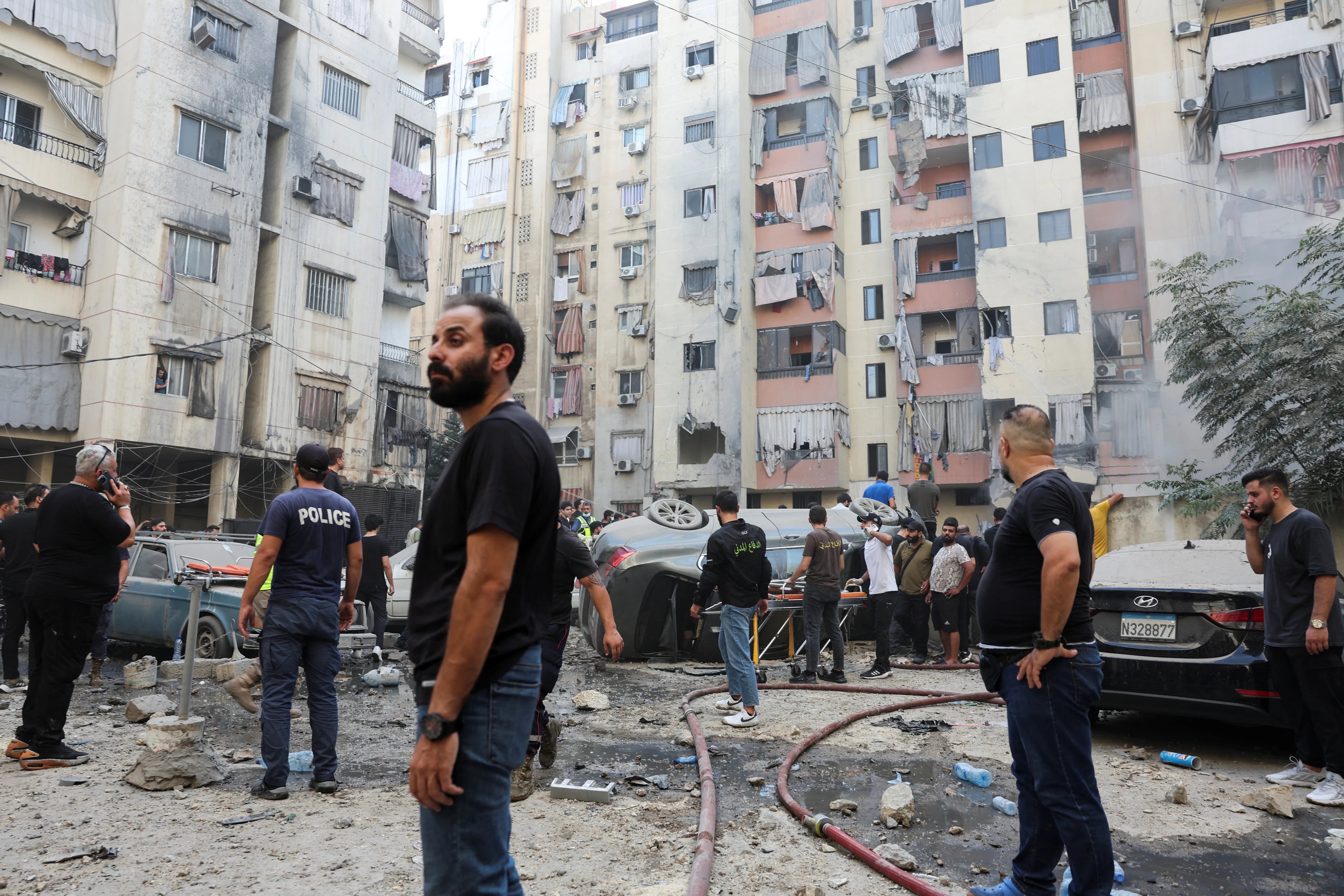





The Human Cost of Conflict
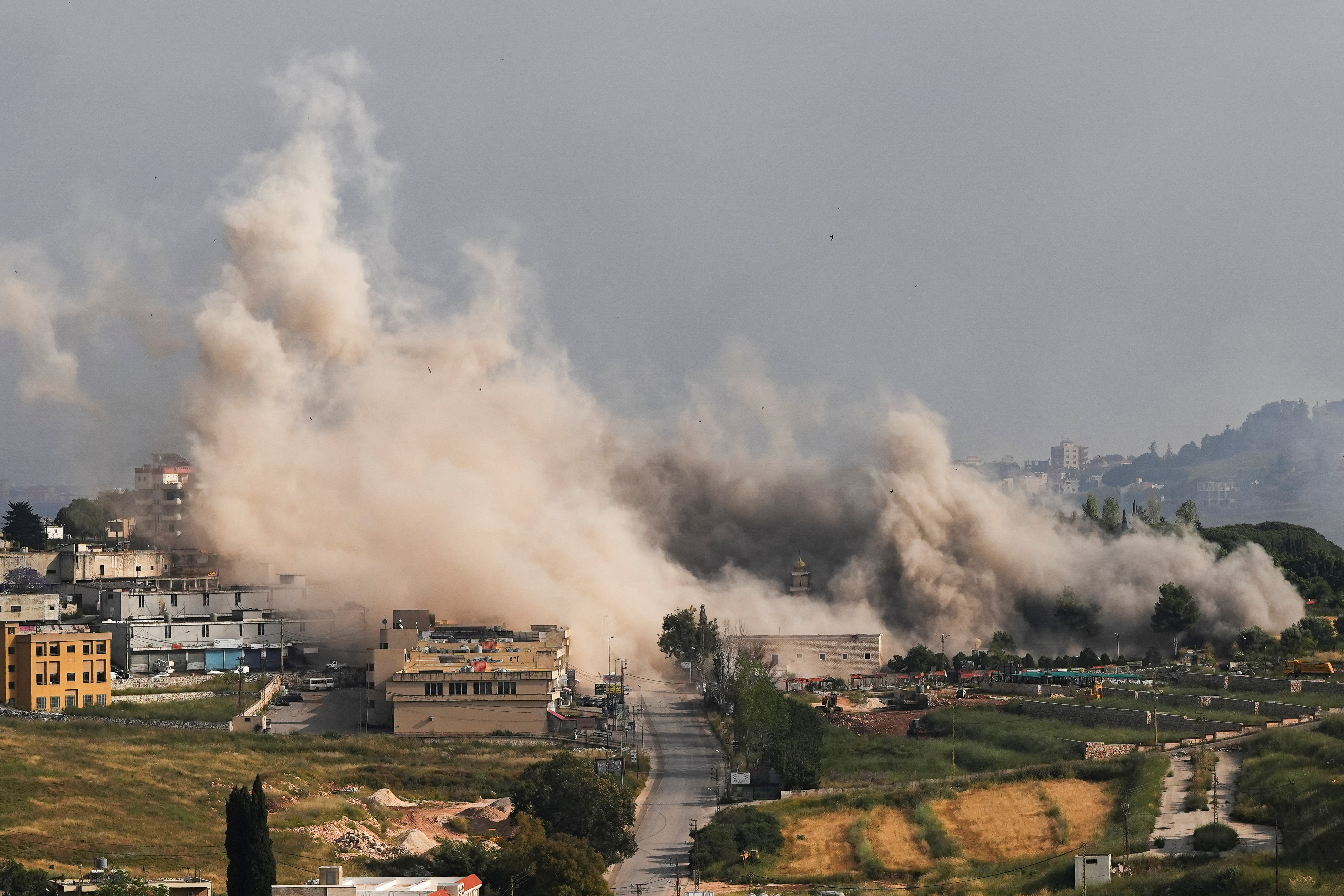
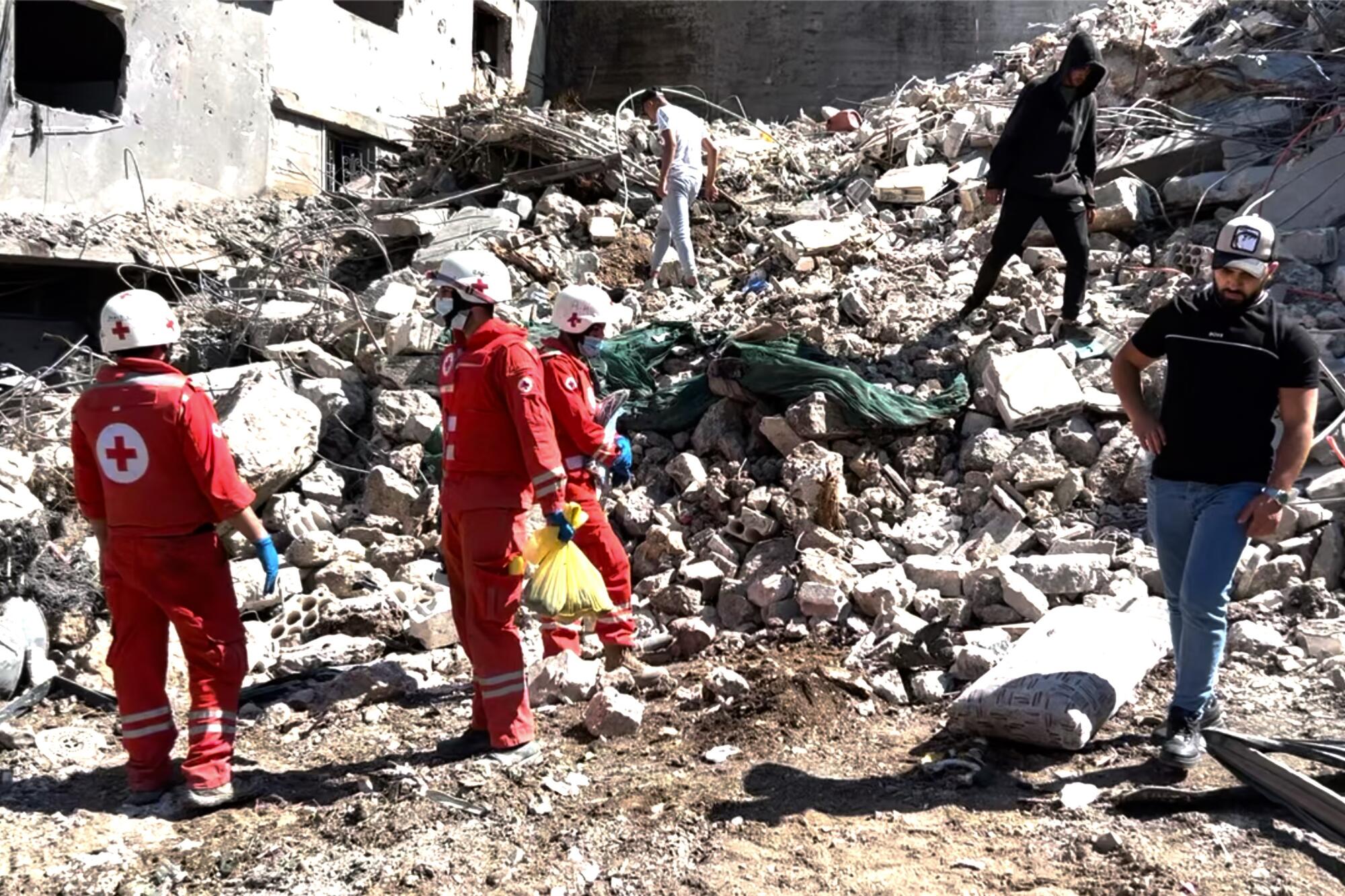
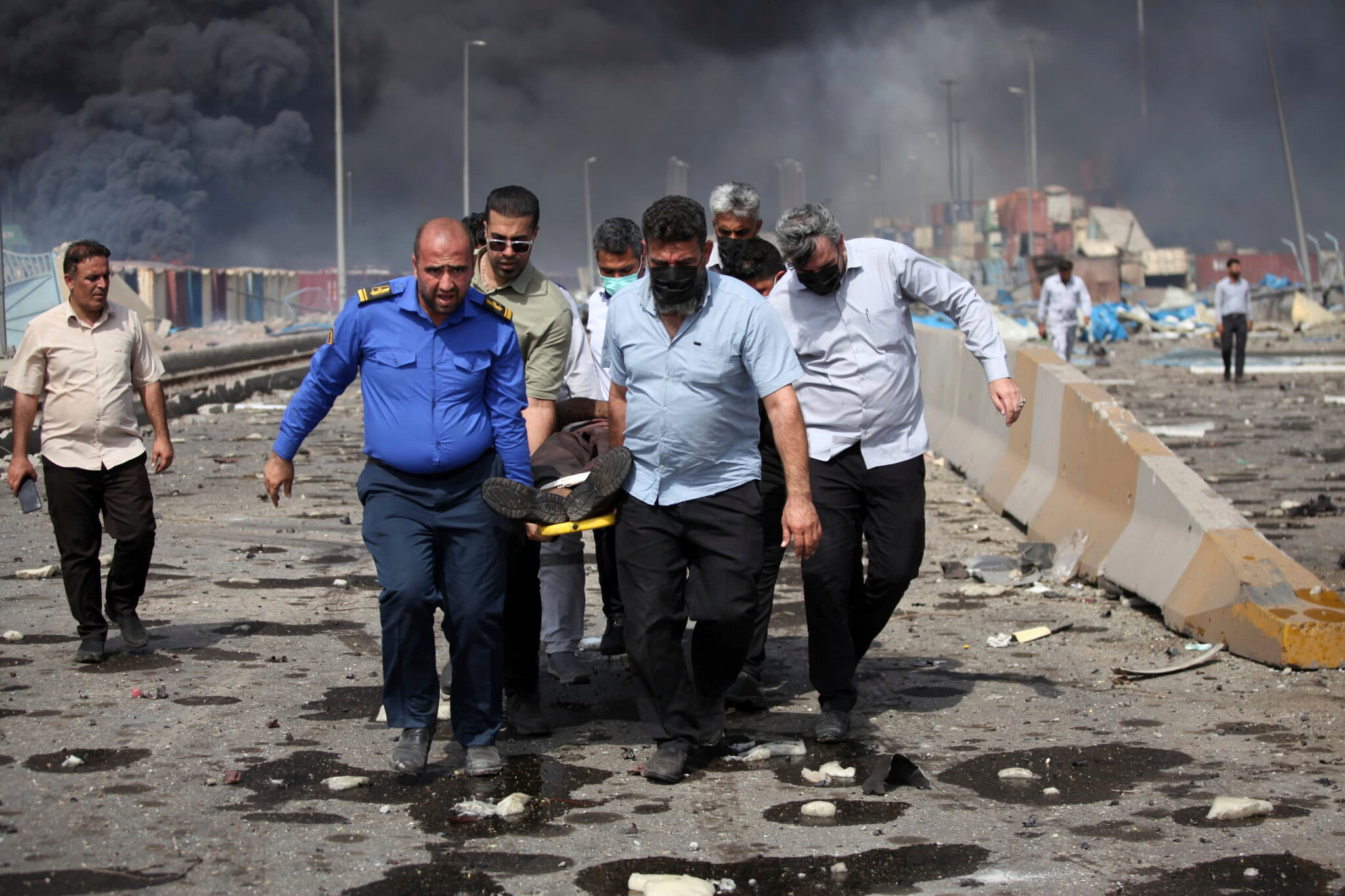
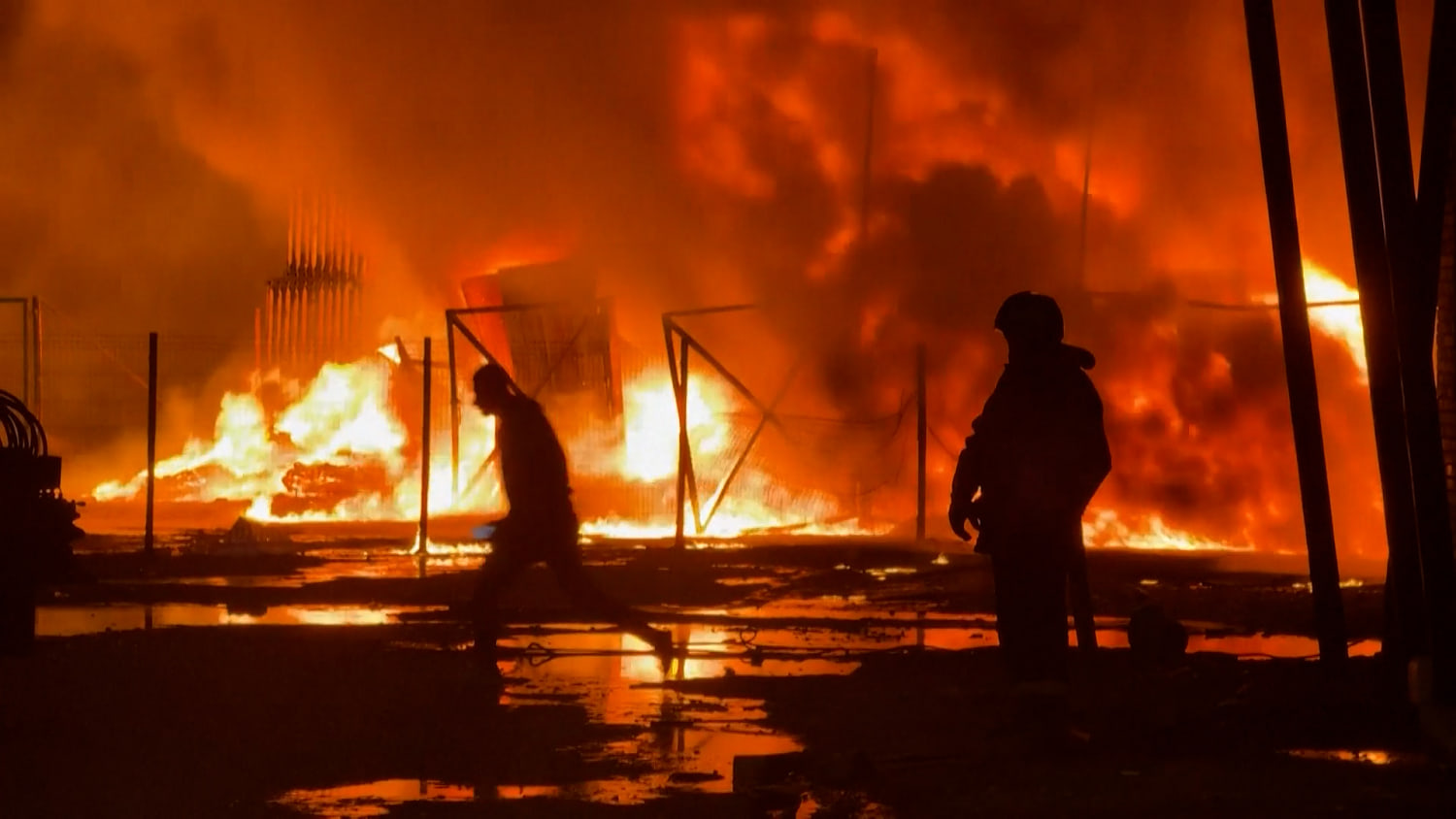
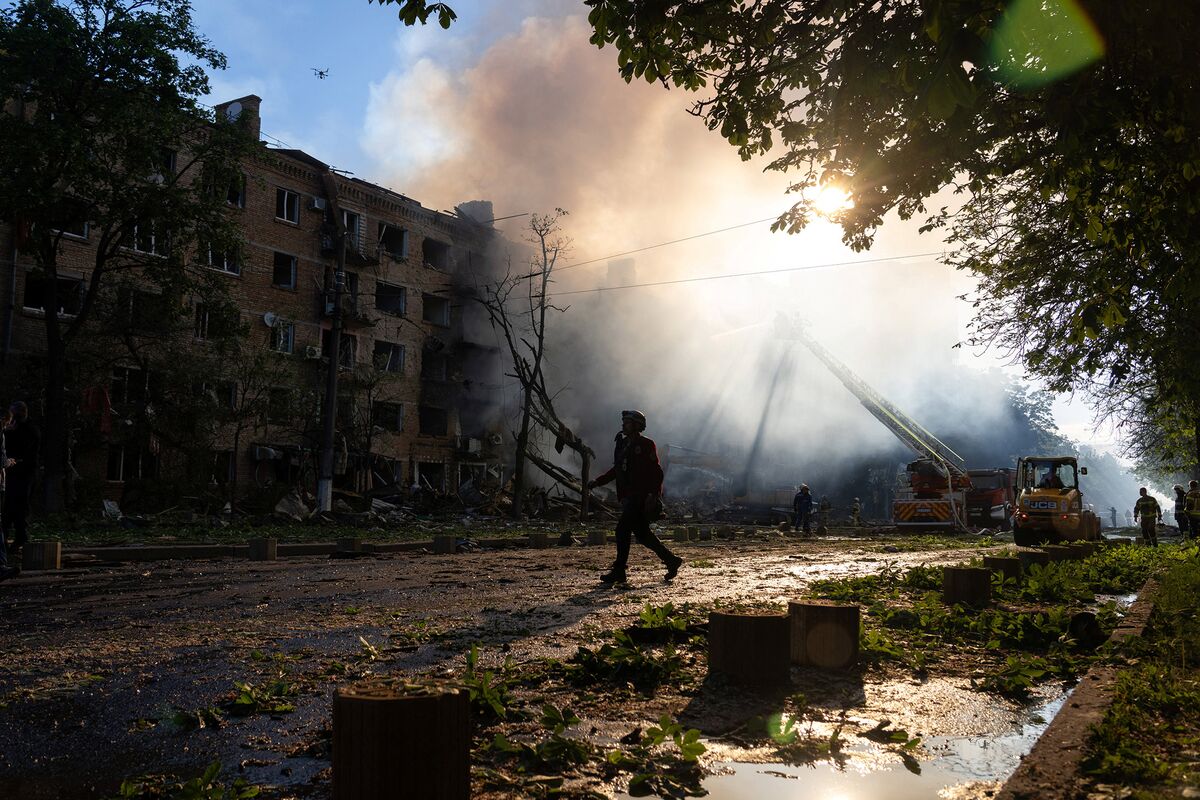
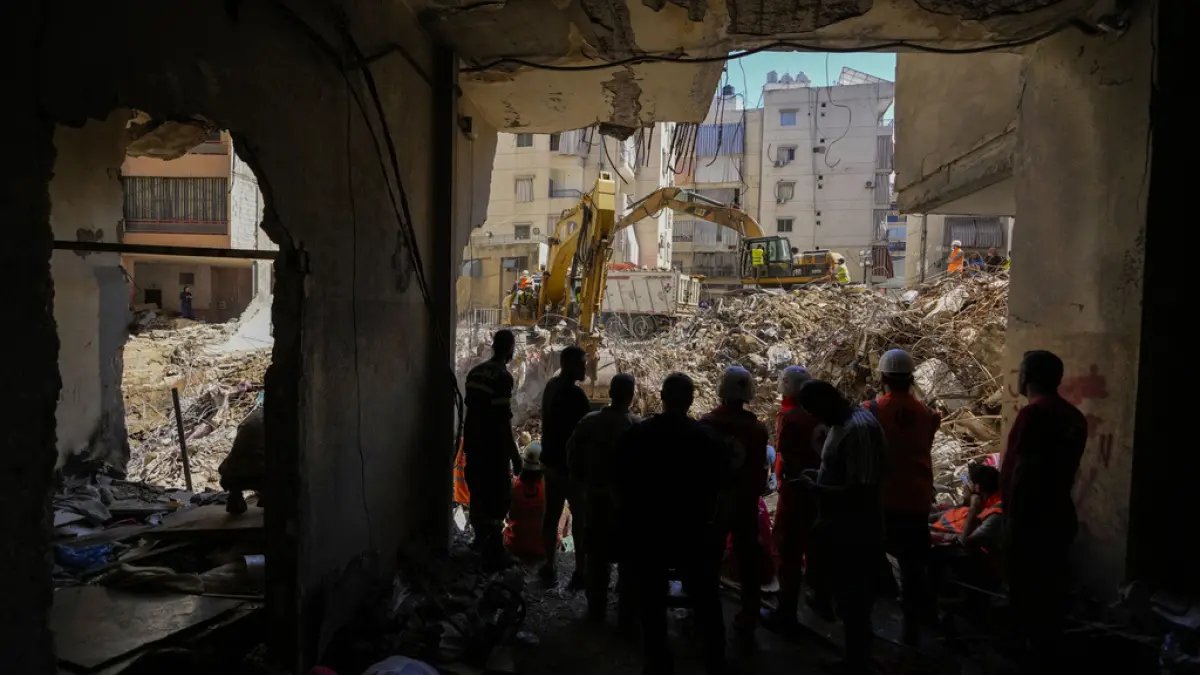
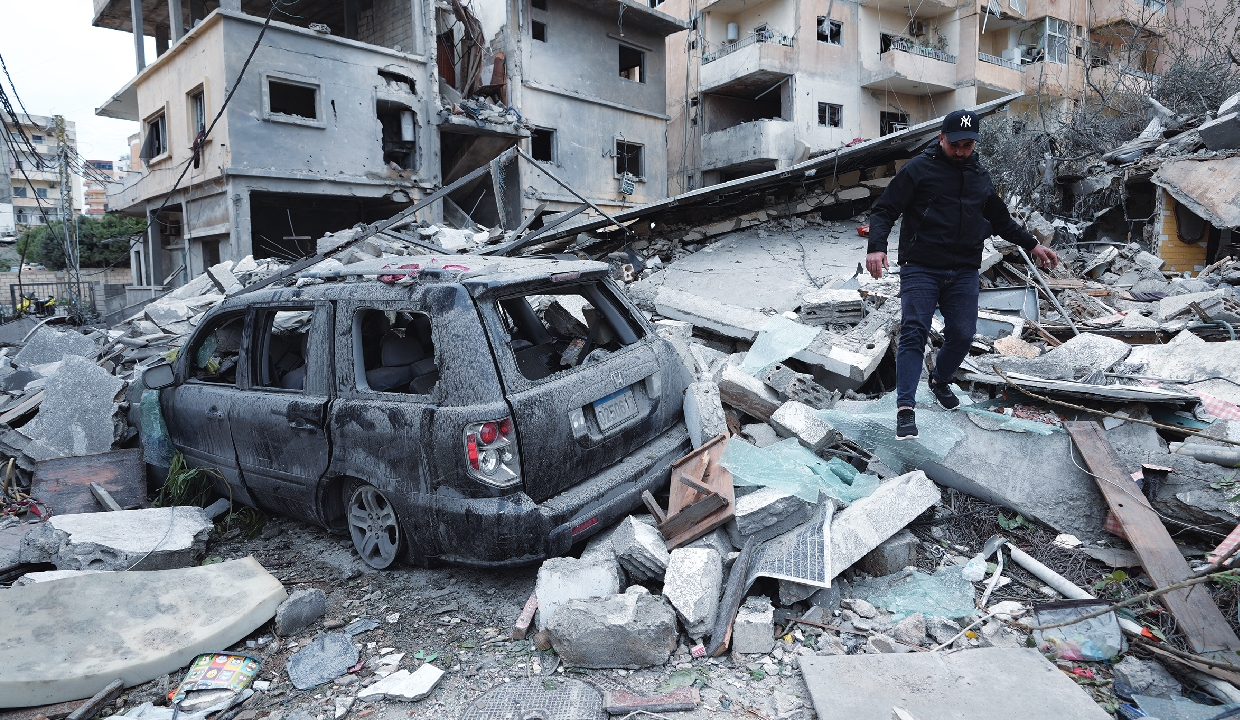
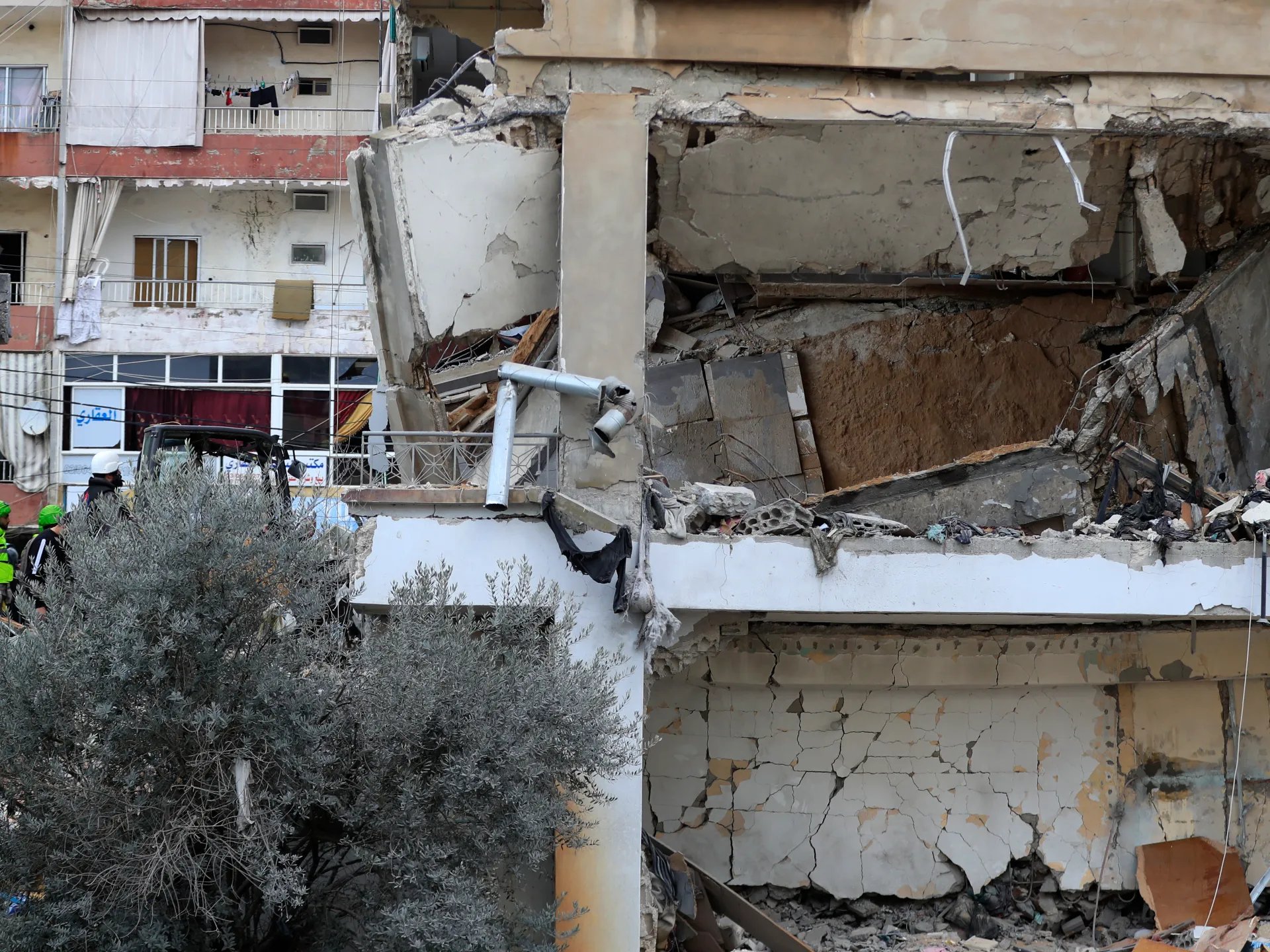
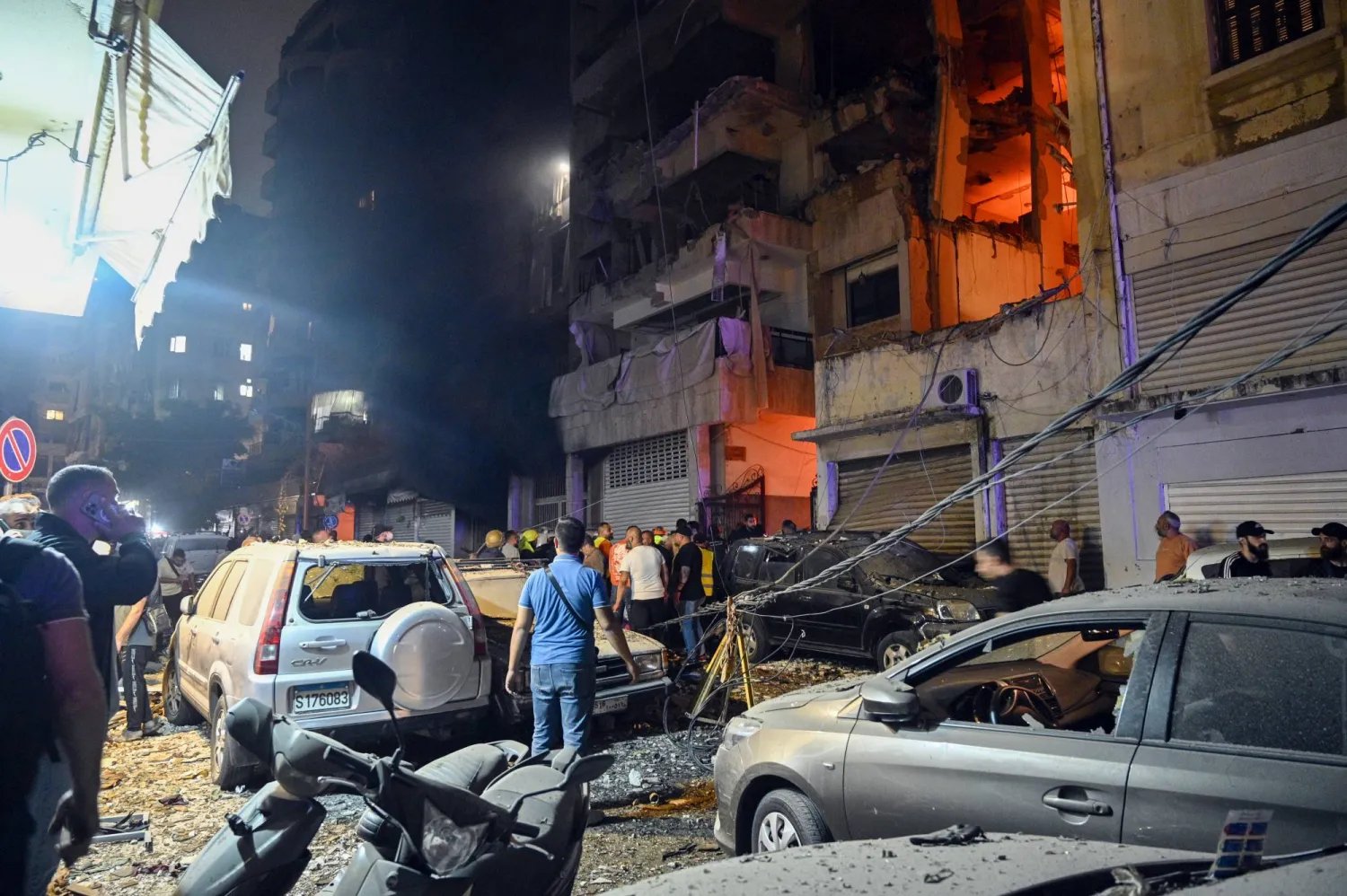
In southern Lebanon, the ongoing war has claimed nearly 3,000 lives and displaced almost 1 million people since it began in March. Among the casualties are first responders like Hussein Jaber, 32, and Ahmad Noura, 45, who were killed by an Israeli drone strike on May 12 while attempting to rescue a wounded man in Nabatieh. Their deaths are part of a tragic pattern; over 100 first responders have lost their lives in Israeli airstrikes since the conflict escalated, underscoring the perilous nature of emergency medical work in war zones.
A Community in Mourning
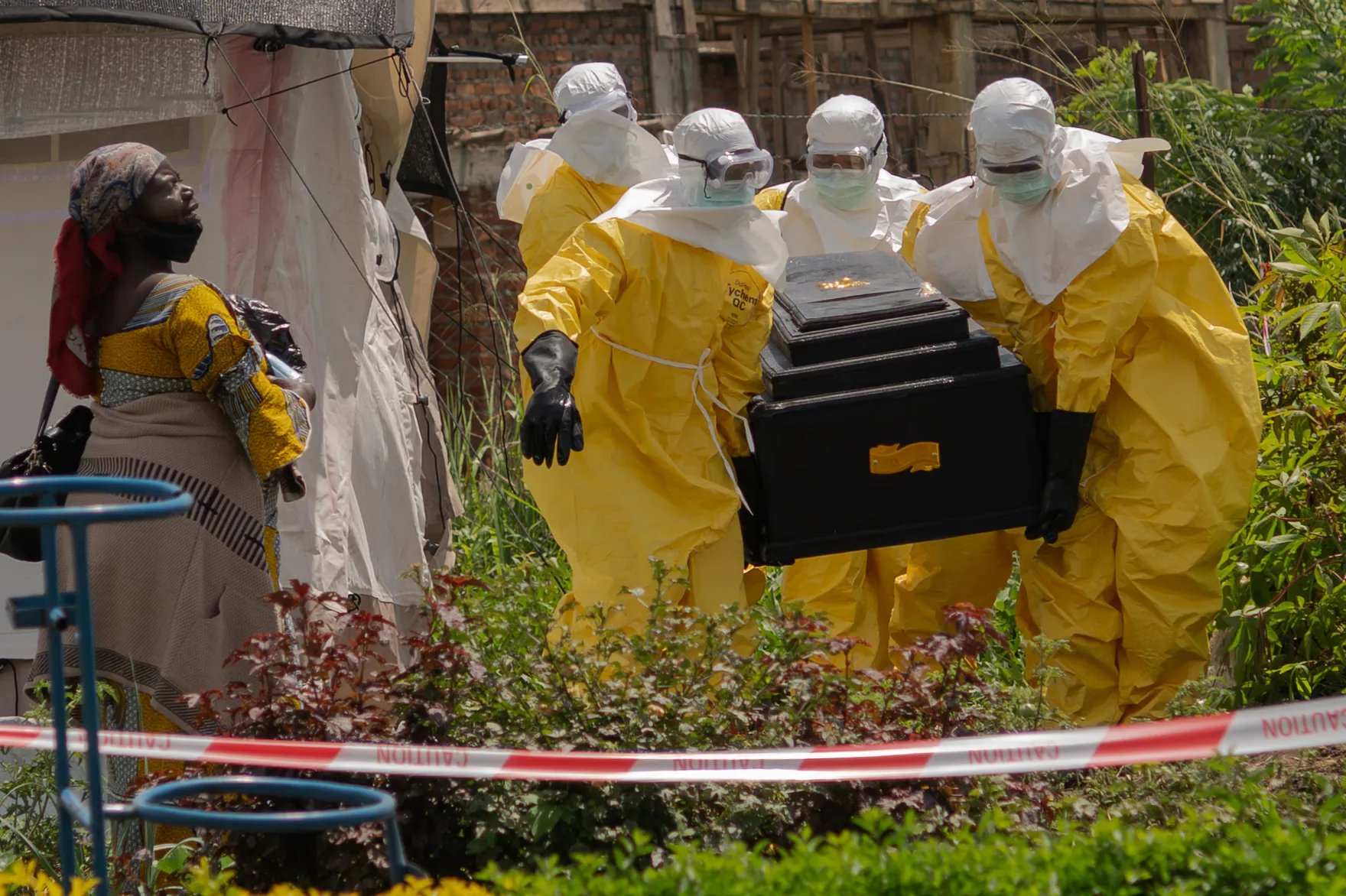
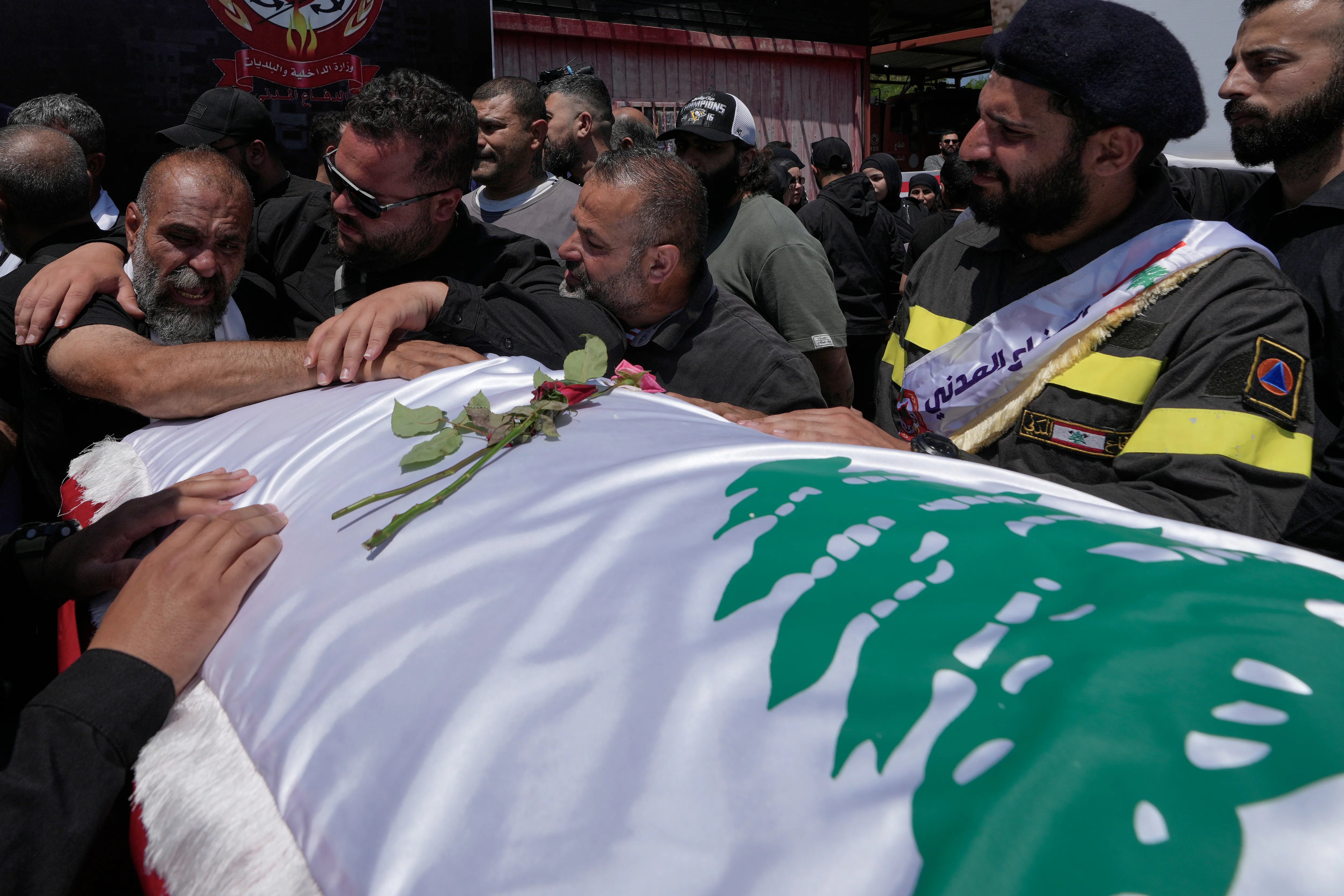
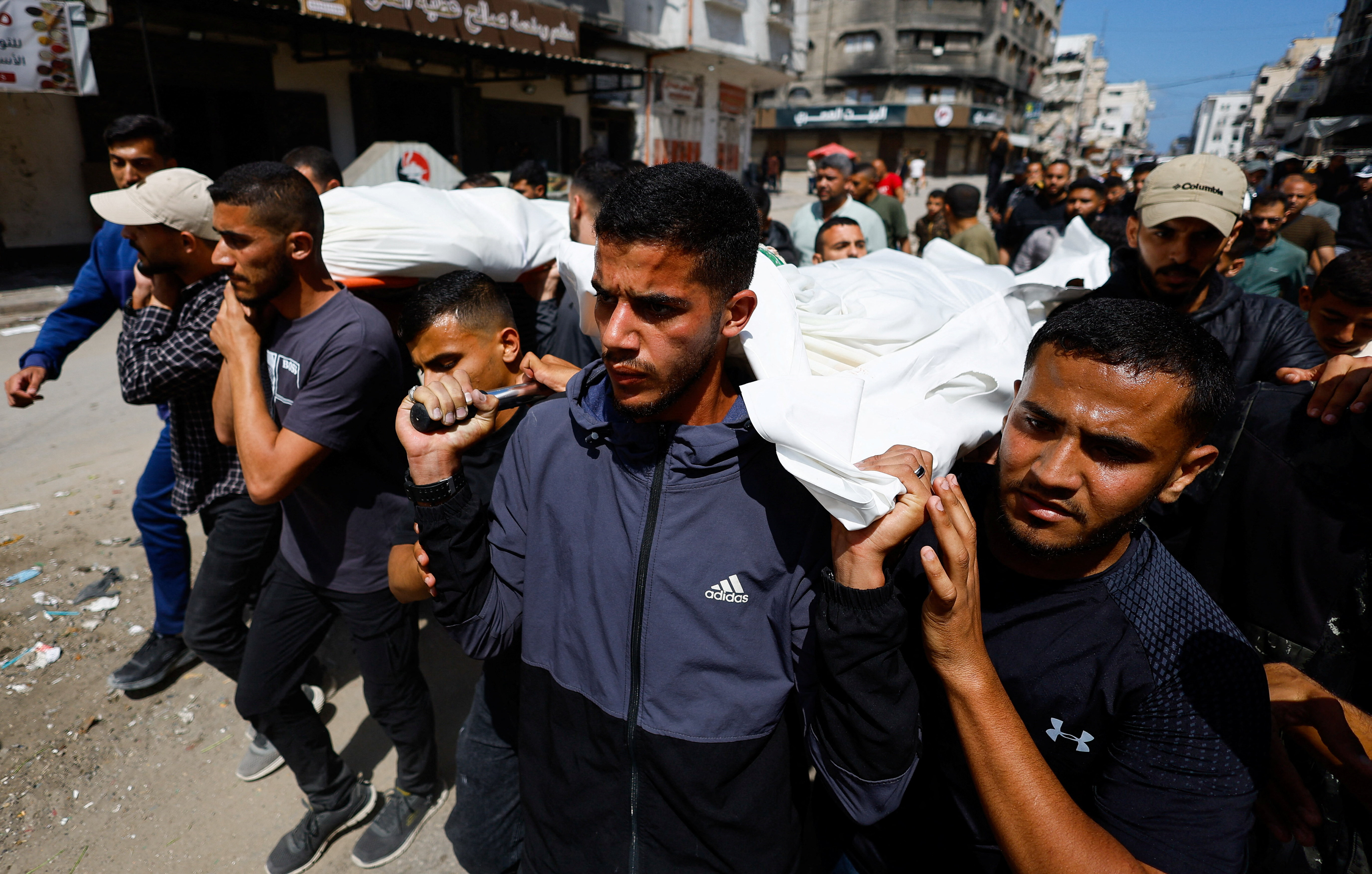
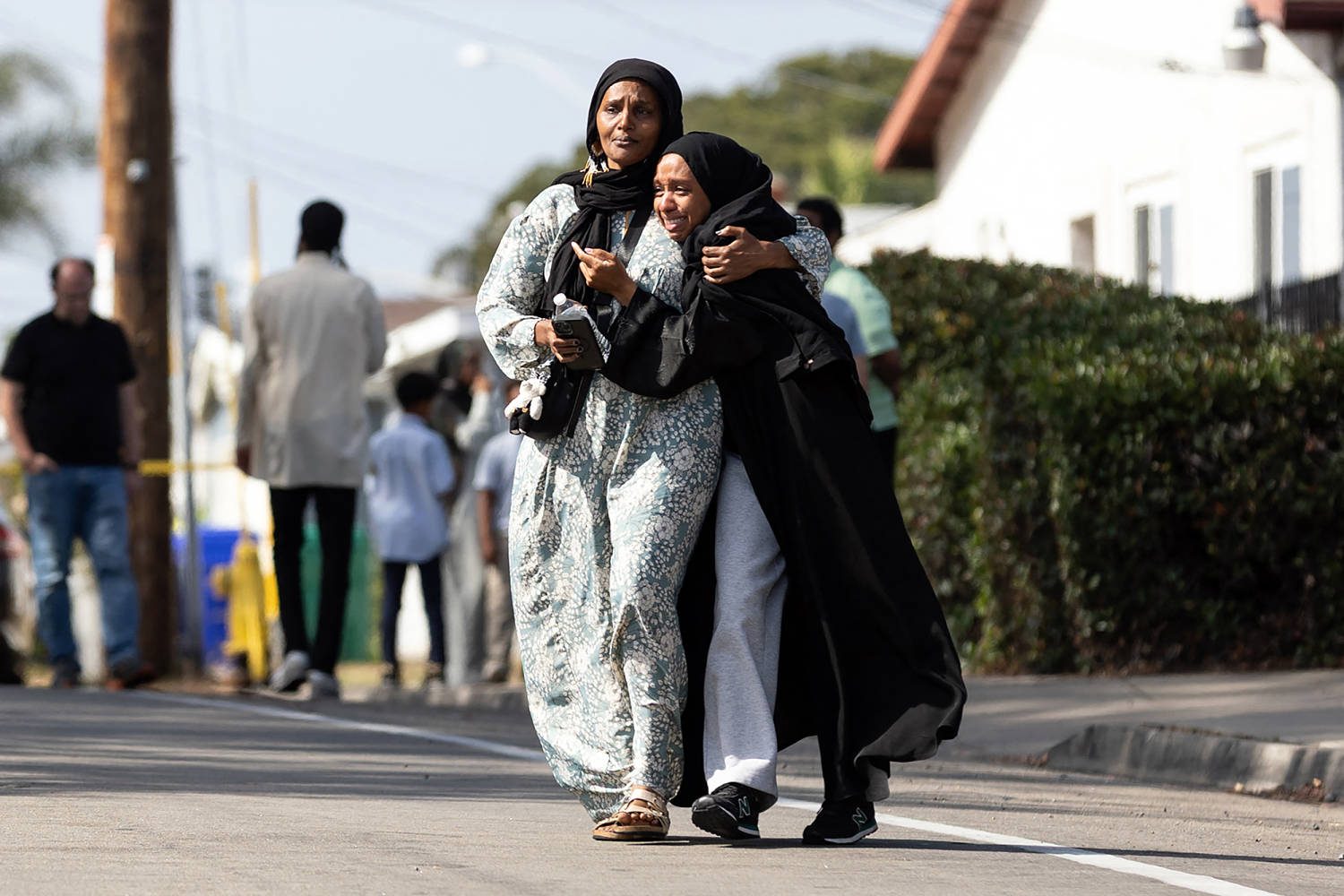
The grief in Lebanon is palpable. At Jaber's funeral, his wife Nareej Ramal mourned in the arms of her father-in-law, draped in her husband's Civil Defense uniform. The couple was just days away from their first wedding anniversary when tragedy struck. “They were never just colleagues,” said team leader Abdallah Hallal, lamenting the loss of Jaber and Noura, who had served alongside him for over 20 years. The emotional toll on families and colleagues is profound, with many forced to bury their loved ones temporarily due to ongoing violence in their home villages.
The Impact of Airstrikes on First Responders
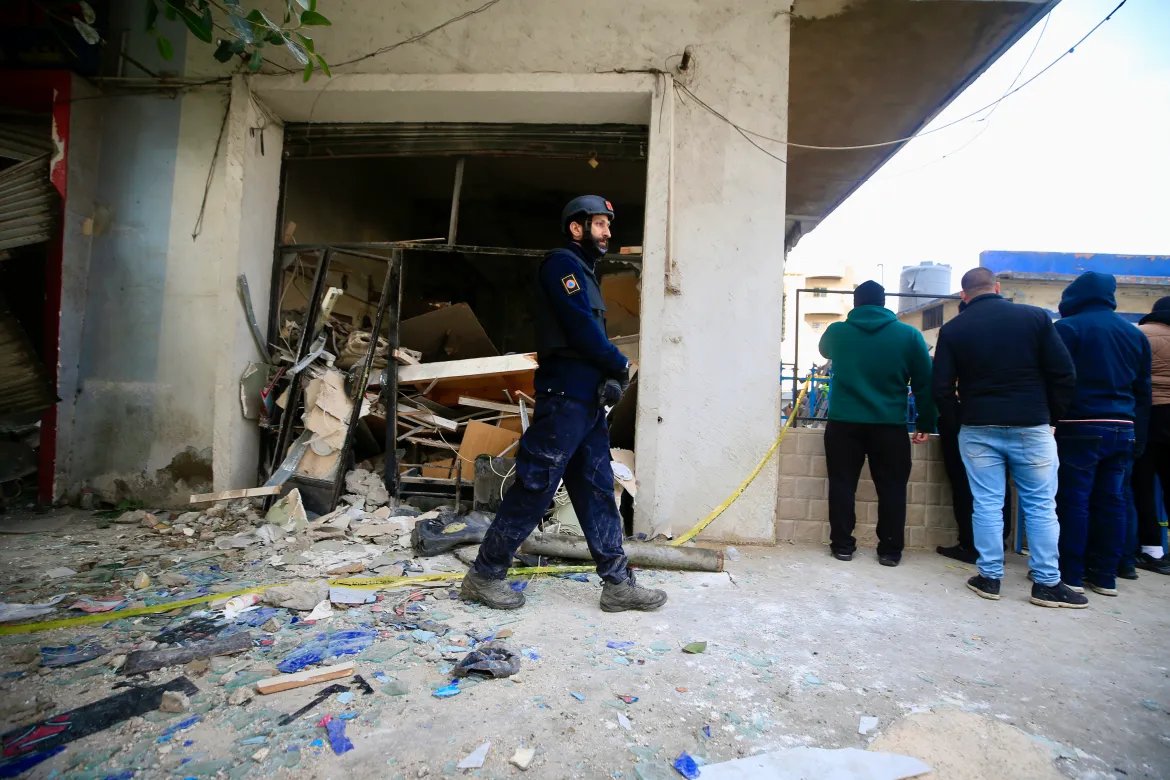
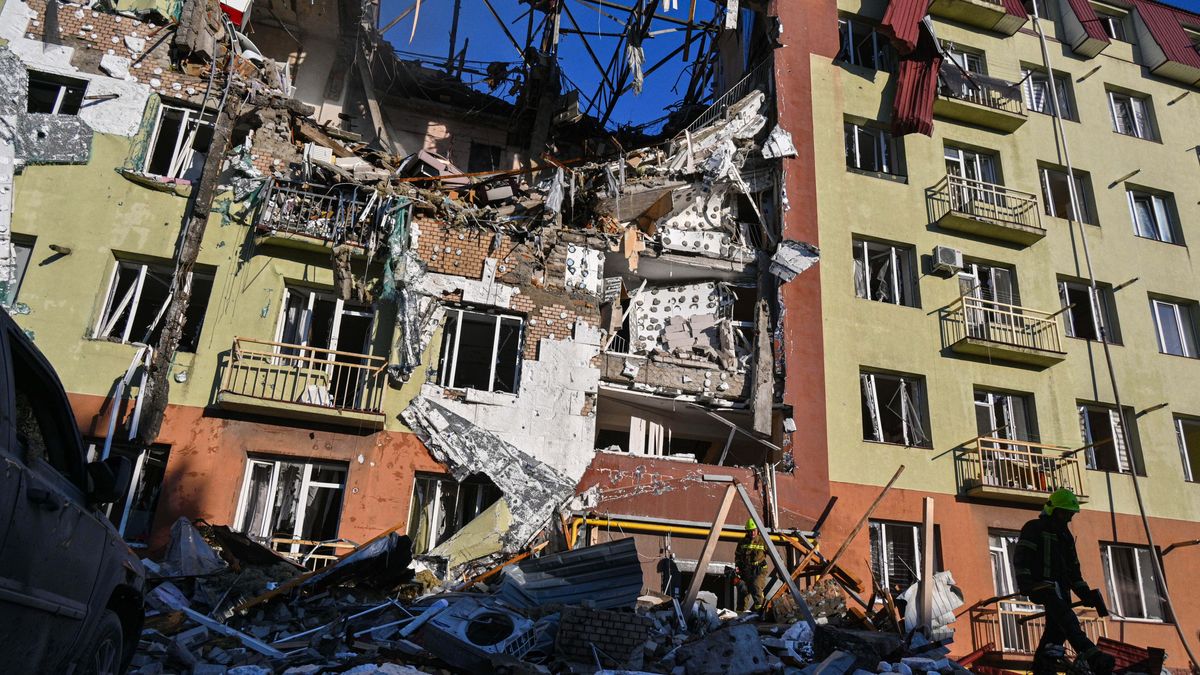
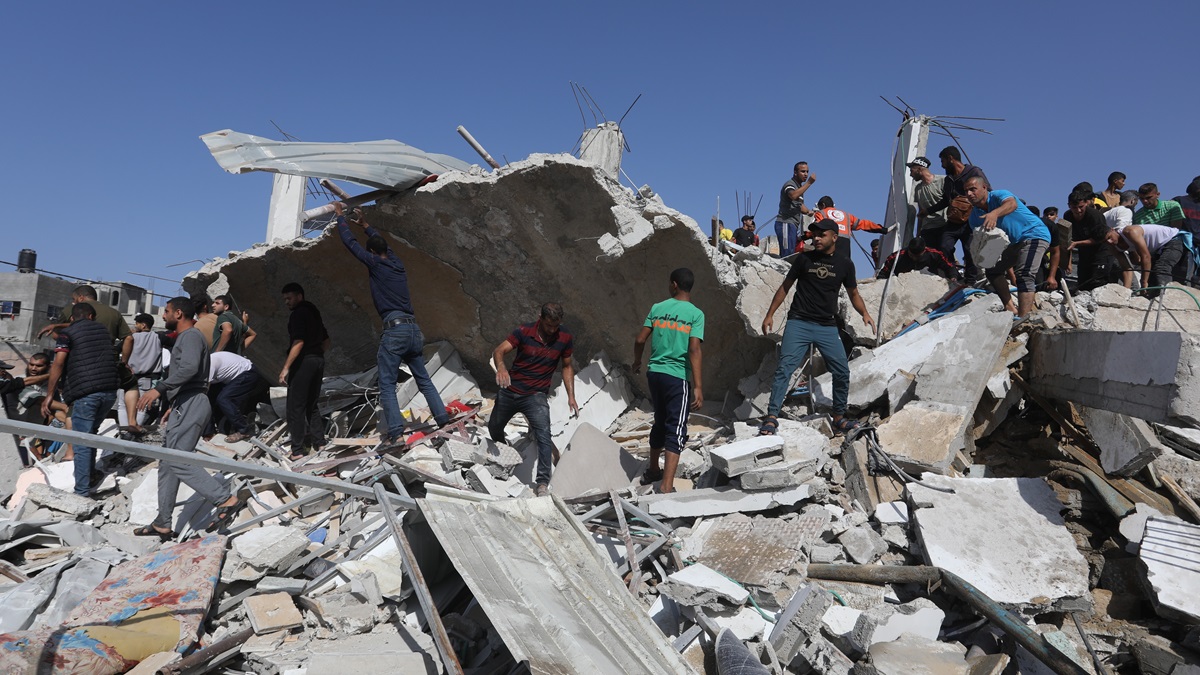
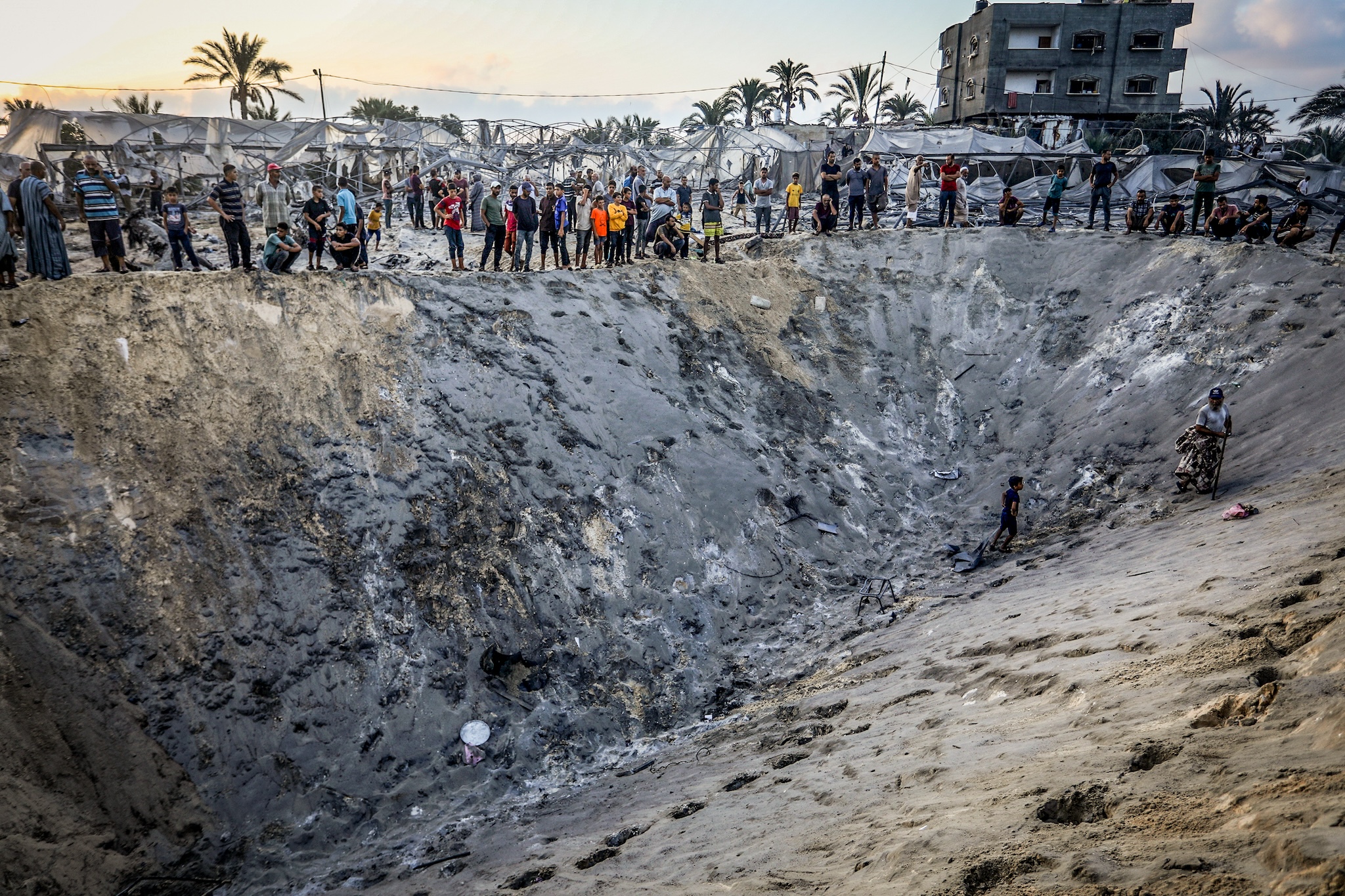
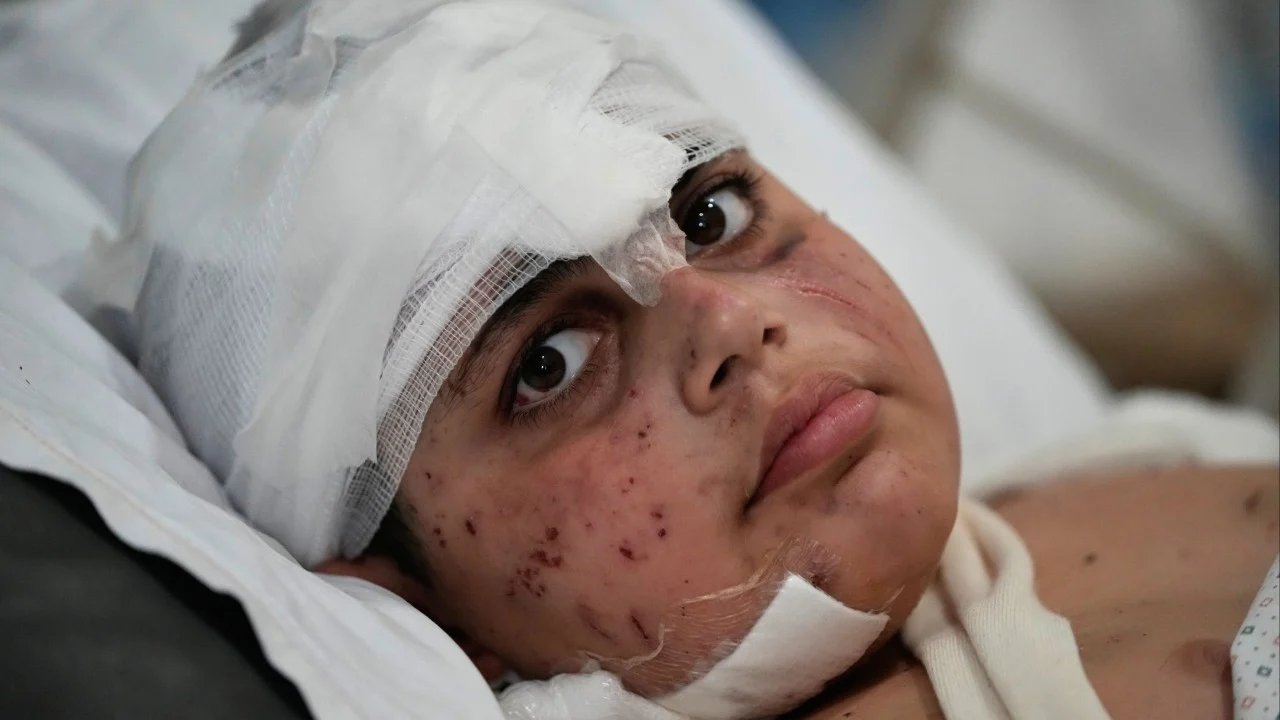
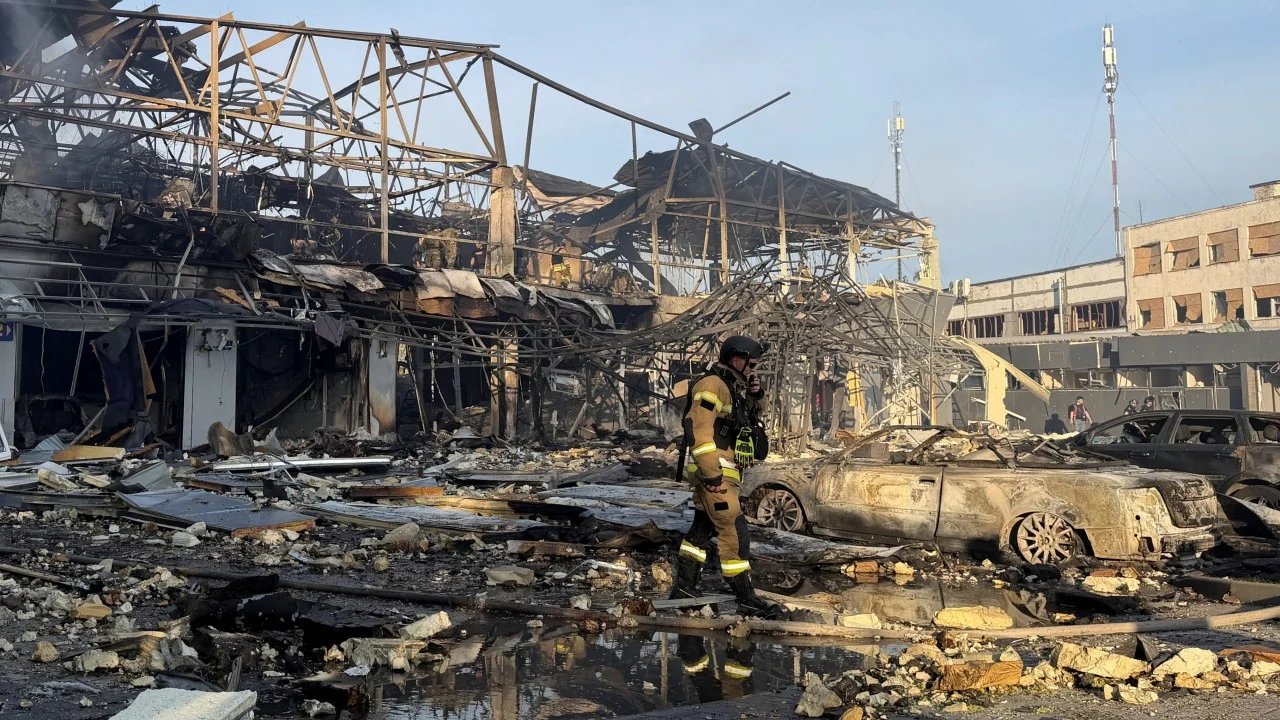
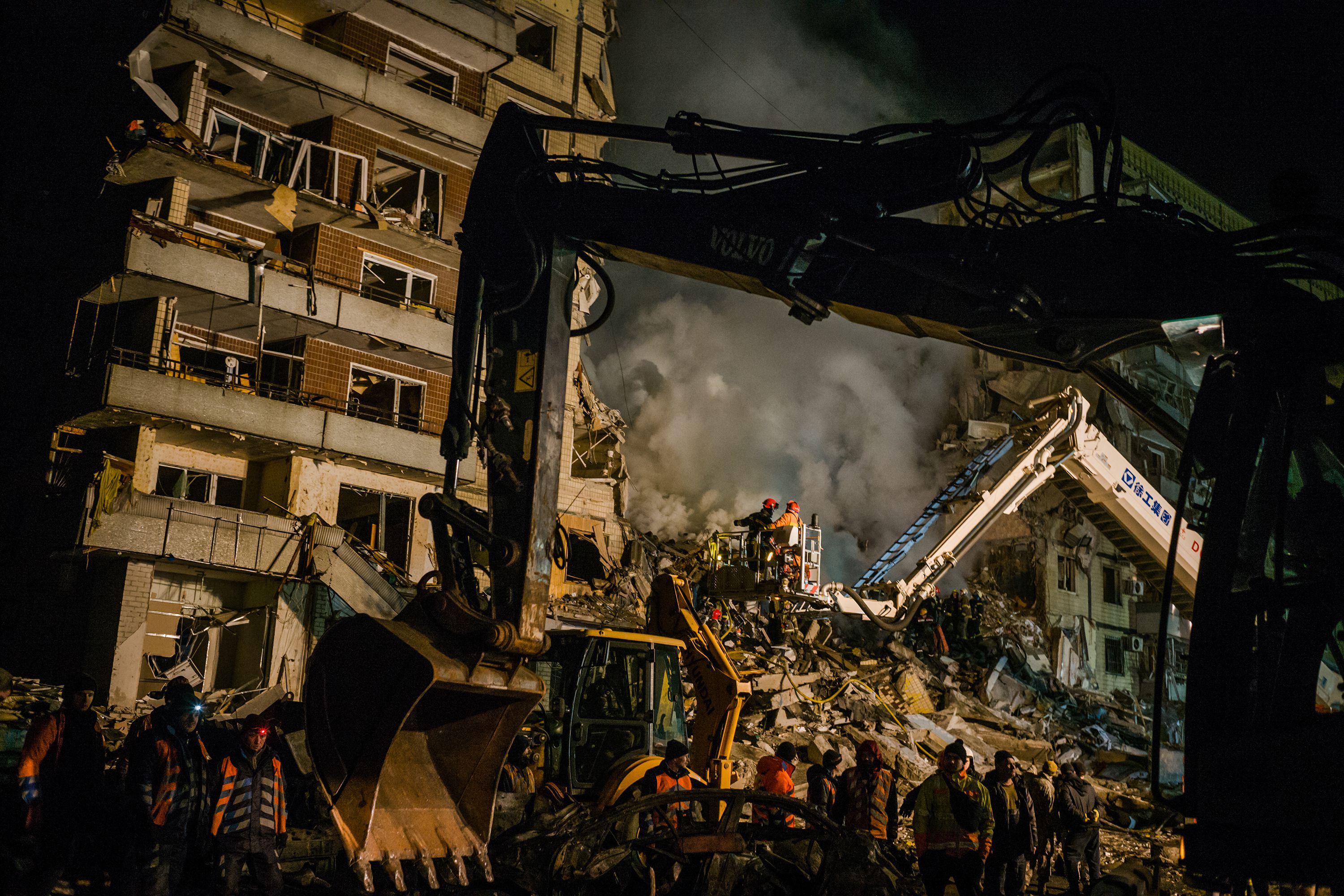
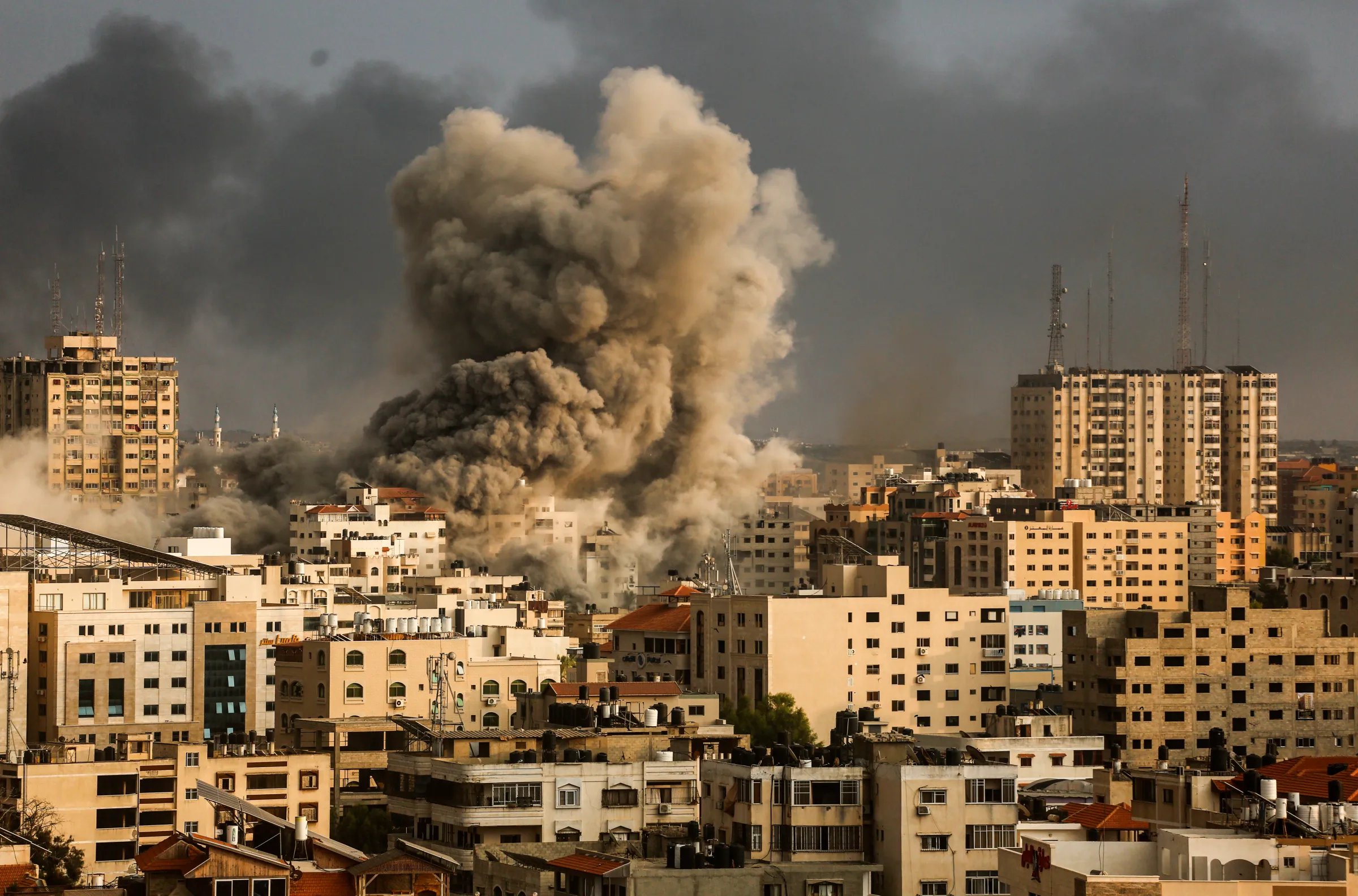
First responders in Lebanon face increasing dangers as airstrikes continue even under a ceasefire that began in April. The Lebanese health ministry has denied allegations from Israel that Hezbollah uses ambulances for military purposes, asserting that international law protects medical personnel. However, the reality on the ground is grim; medical facilities are repeatedly targeted, mirroring the situation in Gaza where over 1,700 medical workers have been killed during the ongoing conflict. “It’s like what we see now in Gaza,” said Mona Boud Zeid, director of Al Najdeh al-Shaabiyeh Hospital.
The Weight of Duty
Despite the grief, first responders like Ali Al Rida Hammoud continue to prepare for their shifts, donning body armor and steeling themselves for the dangers ahead. Hammoud, who was injured earlier in the conflict, carries the memories of friends lost, including Joud Suleiman, the son of Nabatieh's chief paramedic, who was also killed in an Israeli strike. “I’m not a hero…but I’m not afraid,” Hammoud stated, emphasizing the need to protect his community despite the risks. His resolve reflects the dedication of many who serve in crisis situations, driven by a sense of duty to their fellow citizens.
The Cycle of Violence
As the conflict continues, the toll on first responders highlights a cycle of violence that affects not just the immediate victims but the entire community. More than 380 people have died since the ceasefire began, transforming what was intended as a pause in hostilities into another chapter of mourning for families. Each funeral adds to a growing list of losses, with the community left to grapple with the emotional and physical scars of war.
A Call for Change
The ongoing attacks raise critical questions about the protection of medical personnel and facilities in conflict zones. With first responders increasingly at risk, the need for international attention and intervention becomes imperative. As families continue to mourn their losses, the stories of these brave individuals serve as a stark reminder of the human cost of war. In the face of such devastation, the community's resilience and commitment to duty stand out, but the urgent need for peace remains clear.














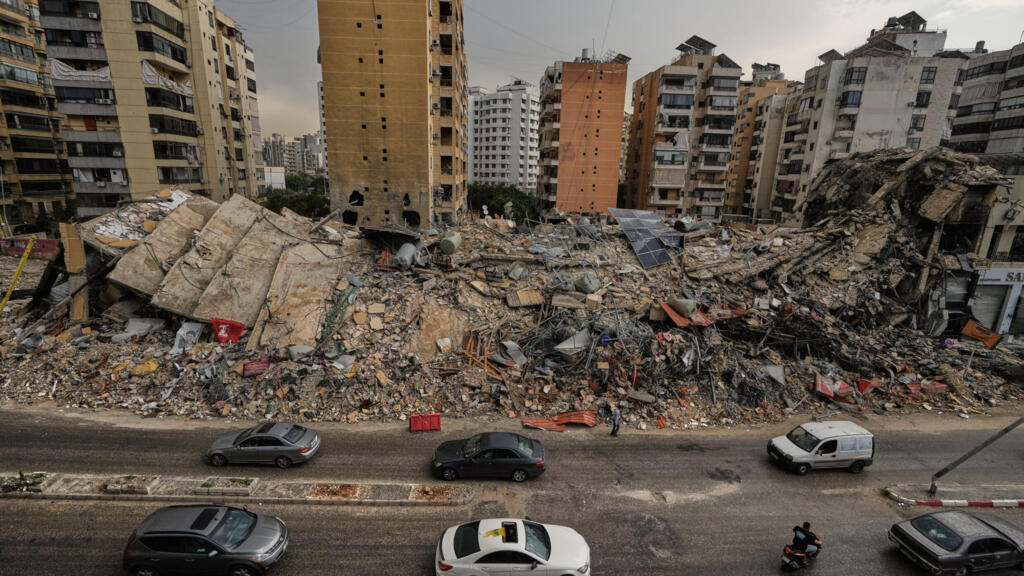



















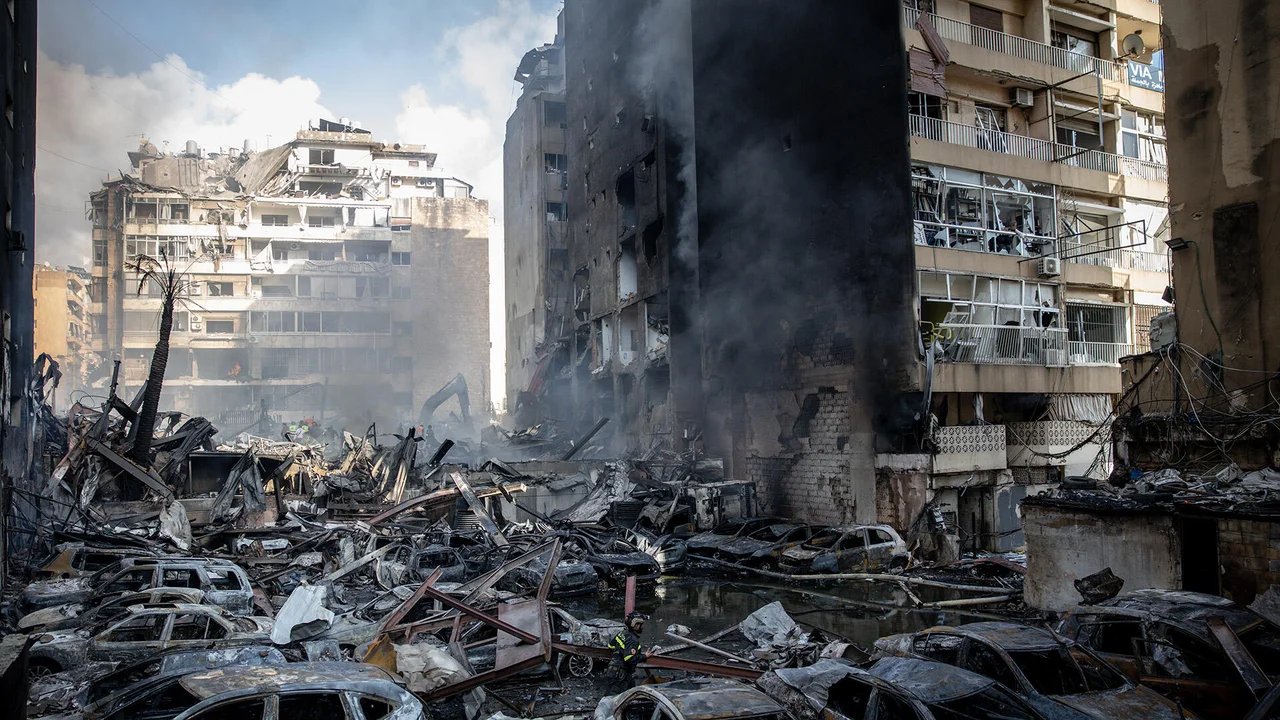











































































































The sources also report that the ongoing war has resulted in at least 2,896 deaths in Lebanon and nearly a million people displaced since the conflict began.