




Major Policy Shift Announced
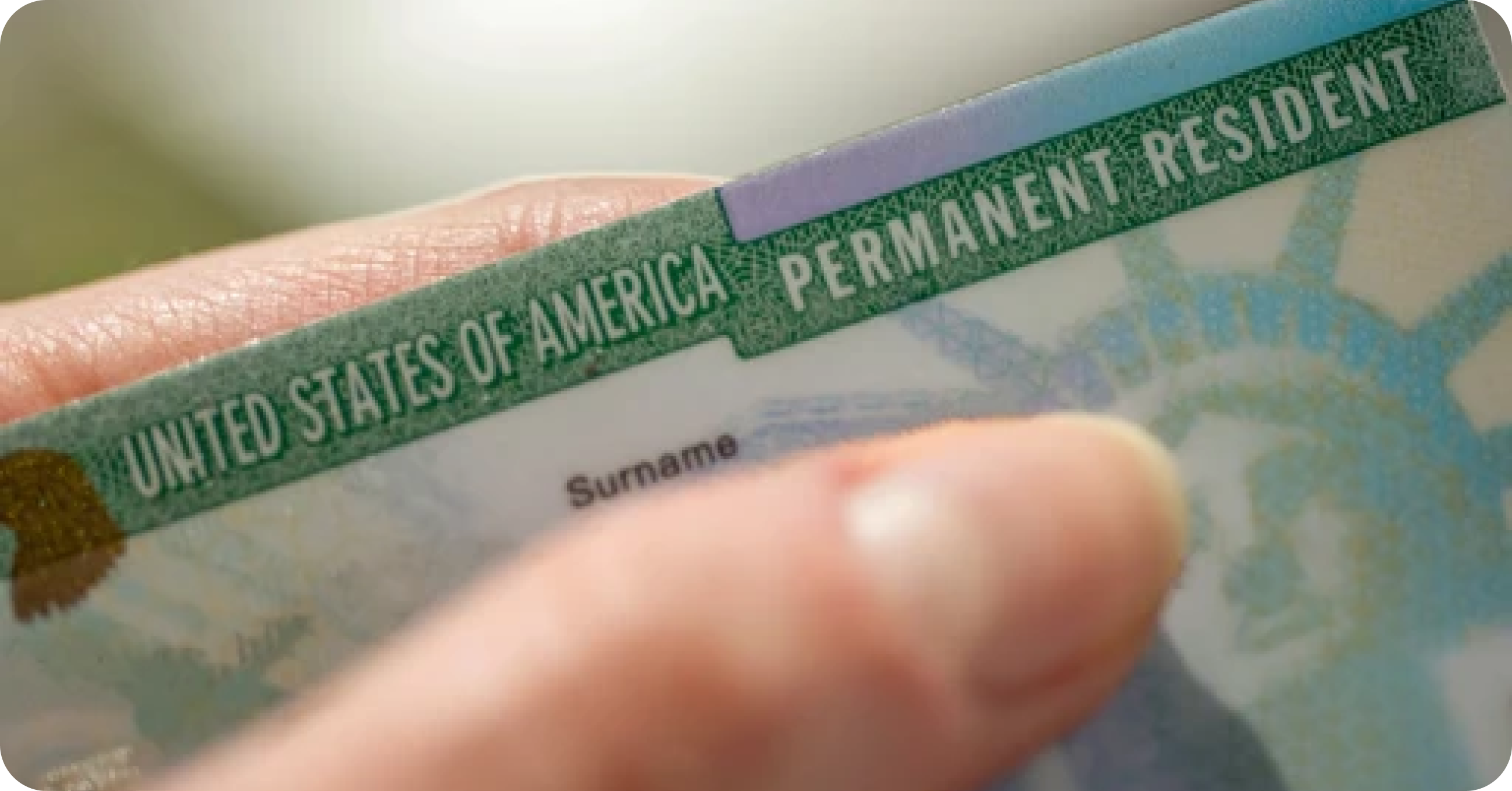
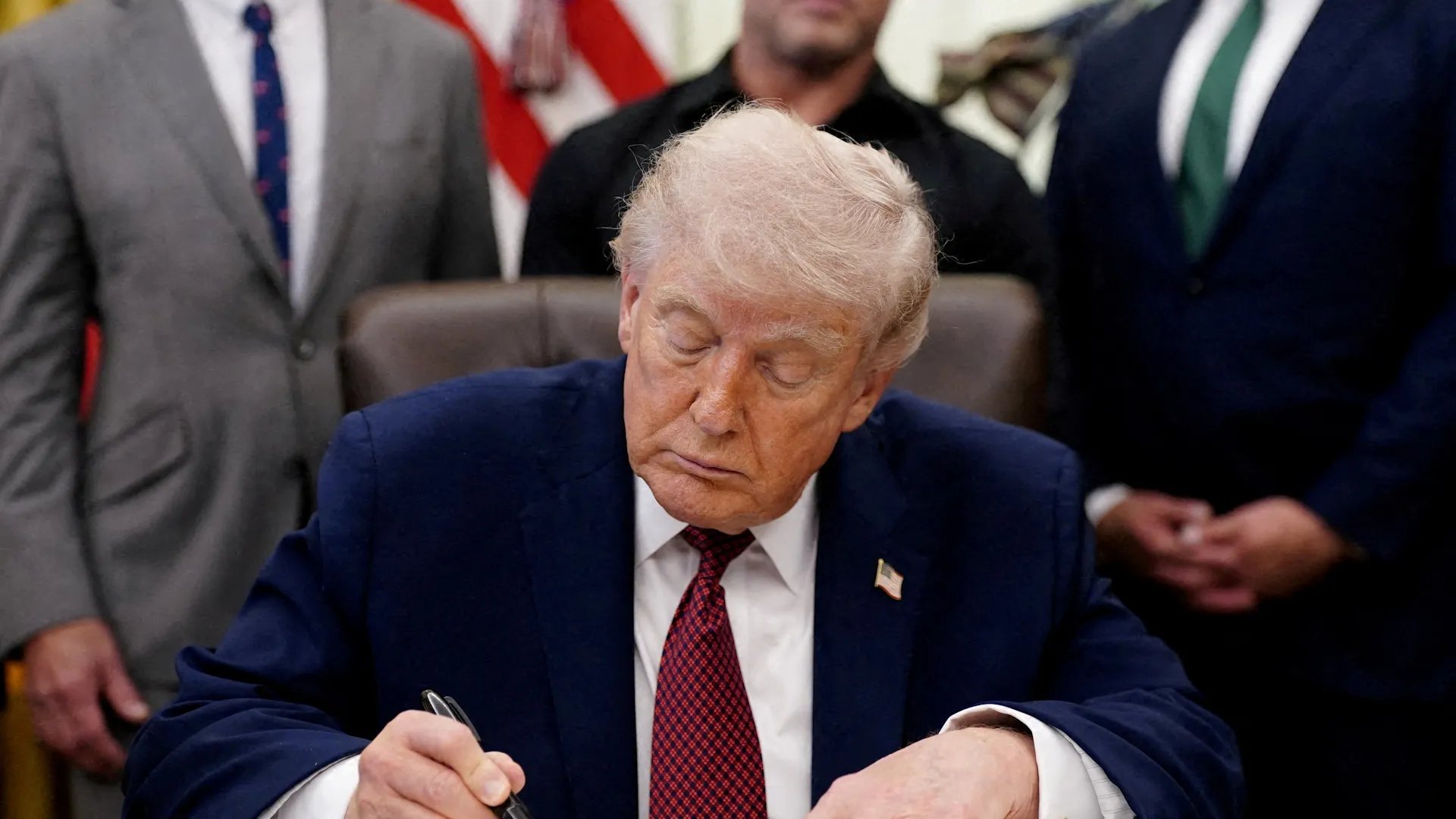
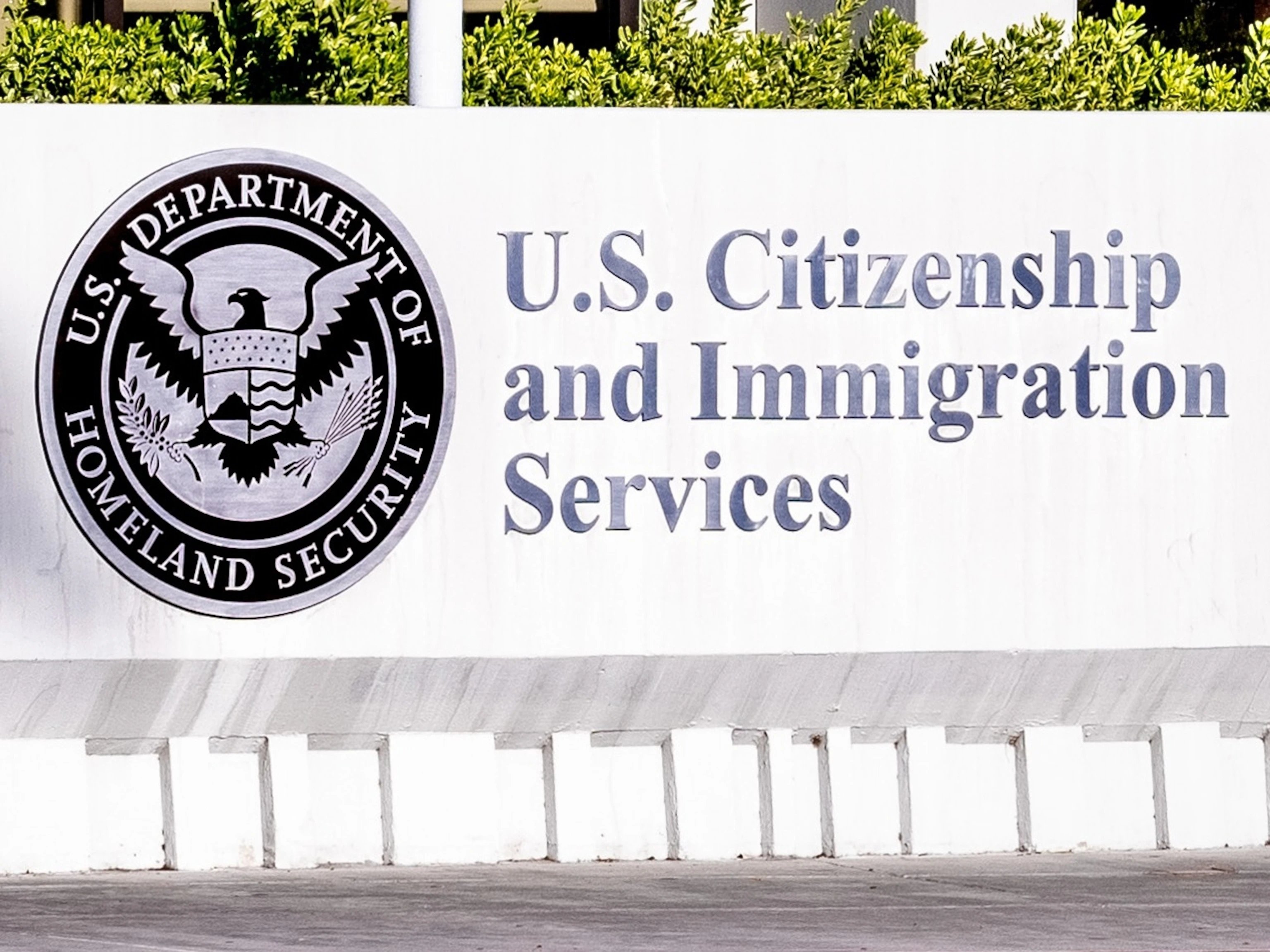
The Trump administration has issued a directive requiring most temporary visa holders living in the United States to return to their home countries to apply for green cards. This policy, announced by U.S. Citizenship and Immigration Services (USCIS), represents a significant change in the immigration process. Under the new guidelines, individuals applying for permanent residency must complete their applications through consular processing abroad, except in extraordinary circumstances, according to USCIS spokesperson Zach Kahler.
Impact on Temporary Visa Holders
The directive could affect hundreds of thousands of people currently residing in the U.S. on temporary visas, including students, tourists, and temporary workers. Immigration experts warn that this shift may complicate the residency process for many who have already begun their applications. The policy is framed as a measure to ensure that the immigration system operates as intended, discouraging what the administration describes as "loopholes" that allow individuals to remain in the country while seeking permanent status.
Concerns About Family Separation
Advocates for immigrants express serious concerns about the potential for family separations resulting from this policy. Rosanna Berardi, an immigration lawyer in New York, highlighted that individuals such as Afghan nationals who assisted U.S. forces and Ukrainians fleeing conflict could face dire situations if required to return home. "Many have nowhere safe to return to," Berardi stated, emphasizing the human cost of this directive.
Legal Challenges Expected
Critics of the policy, including former USCIS officials, argue that it may not hold up in court. Todd Pomerleaus, an immigration attorney, contends that the Immigration and Nationality Act allows individuals who were legally admitted into the U.S. to adjust their status here. He believes the directive could be seen as illegal and anticipates swift legal challenges. "You can’t, through a stroke of a pen, overturn a statute," he said.
Broader Implications for Legal Immigration
The new directive is part of a broader effort by the Trump administration to tighten immigration rules and limit pathways to permanent residency. Doug Rand, a former senior USCIS official, noted that this policy could disrupt the plans of many families and employers, as approximately half a million individuals apply for green cards annually through the adjustment of status process. "This is a largely unprecedented move that will limit lawful immigration to the U.S. greatly," Rand stated.
Exceptions and Administrative Changes
While the memo outlines that certain visa categories, such as those for high-skilled workers, may still allow for adjustment of status within the U.S., the overall trend points towards stricter enforcement. The administration argues that processing applications abroad will free up resources for other immigration priorities, such as cases involving victims of violent crime and human trafficking.
Reaction from Advocacy Groups
Humanitarian organizations have condemned the policy, labeling it as cruel and detrimental to families. Myal Greene, president and CEO of World Relief, stated, "This policy will force apart husbands from wives and children from their parents." Advocacy groups warn that the requirement to return home could place individuals in unsafe conditions as they await the outcome of their applications.
Next Steps for Affected Individuals
Those impacted by this directive will need to navigate a complex and uncertain path to residency. Immigration lawyers advise individuals to seek legal counsel to understand their options and prepare for the potential challenges ahead. As the policy goes into effect, many will be left to grapple with the implications of returning to their countries of origin to pursue green card applications, a move that could jeopardize their future in the United States.